10 things you didn’t know about Nathan Road, Kowloon in Hong Kong
Why Nathan Road Was Renamed - The Real Story Behind Hong Kong’s Golden Mile

The J3 Group - Premium Quality Private Tours | Experiences and Insider Chats since 2010
Me Jamie, your host, I am English and I have lived in Hong Kong since January 2nd 1972 - I know the place.
A meaningful blog post with a difference - tips on Travel, Tourism, Tours, Daily Life and my personal thoughts on Hong Kong.
Please do visit Amazing Hong Kong
Hong Kong | Pearl of the Orient

A Resident since 1972 - Private Tours of Hong Kong with Jamie
The Best Things to do in Hong Kong
click on the image to enlarge
© Copyright Acknowledged | All rights reserved | image courtesy of Gwulo
Nathan Road in Kowloon | 1960’s and 1970’s | Hong Kong
Foreword by Jamie
Nathan Road is one of those streets that somehow manages to feel both completely familiar and endlessly surprising at the same time. It runs like a spine through the densest part of Kowloon, carrying decades of change on its shoulders while still managing to look busy from first light until well after midnight. Walk it slowly and the layers start to show – the old colonial alignment, the post-war neon boom, the jewellery cluster, the endless stream of buses, the MTR rumbling underneath. What follows are ten solid points that dig into the history, the numbers and the quieter details that most people miss even after years of using the road every day. Some of the figures are approximate because exact counts change with every shop renovation, but the picture they paint is clear enough.
I love the image above, this was basically my first memory of Nathan Road, The building with the huge Marco Polo sign itself was called Peninsula Court. It was constructed in the mid-1950s as an annexe to the Peninsula Hotel and stood on the Nathan Road / Middle Road side, very close to the main Peninsula building.
The large vertical “MARCO POLO” lettering you can see in the photograph referred to the Marco Polo Restaurant, which had moved into Peninsula Court in 1958 (it had originally opened in the Peninsula Hotel basement the year before). The restaurant closed in 1968, but the prominent sign remained on the building for some time afterward and is what appears in the late-1960s / early-1970s street views.
10 things you didn’t know about Nathan Road, Kowloon in Hong Kong
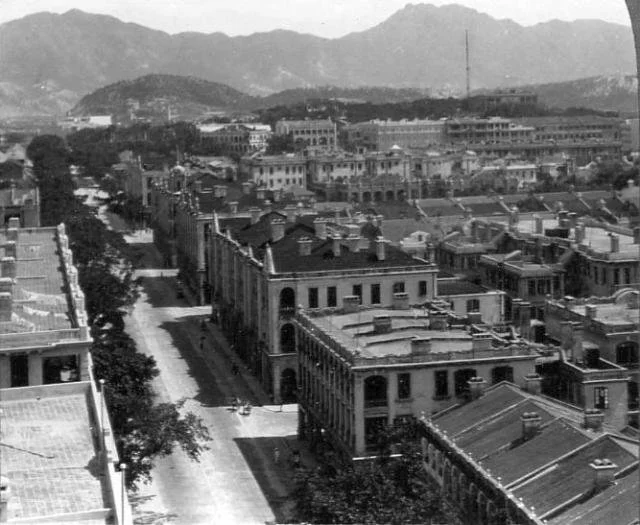
click on any image to enlarge
© Copyright Acknowledged | All rights reserved | images courtesy of Gwulo
Nathan Road in Kowloon | Totally Historic and Iconic | Hong Kong
1. The complete and detailed history of Nathan Road in Kowloon
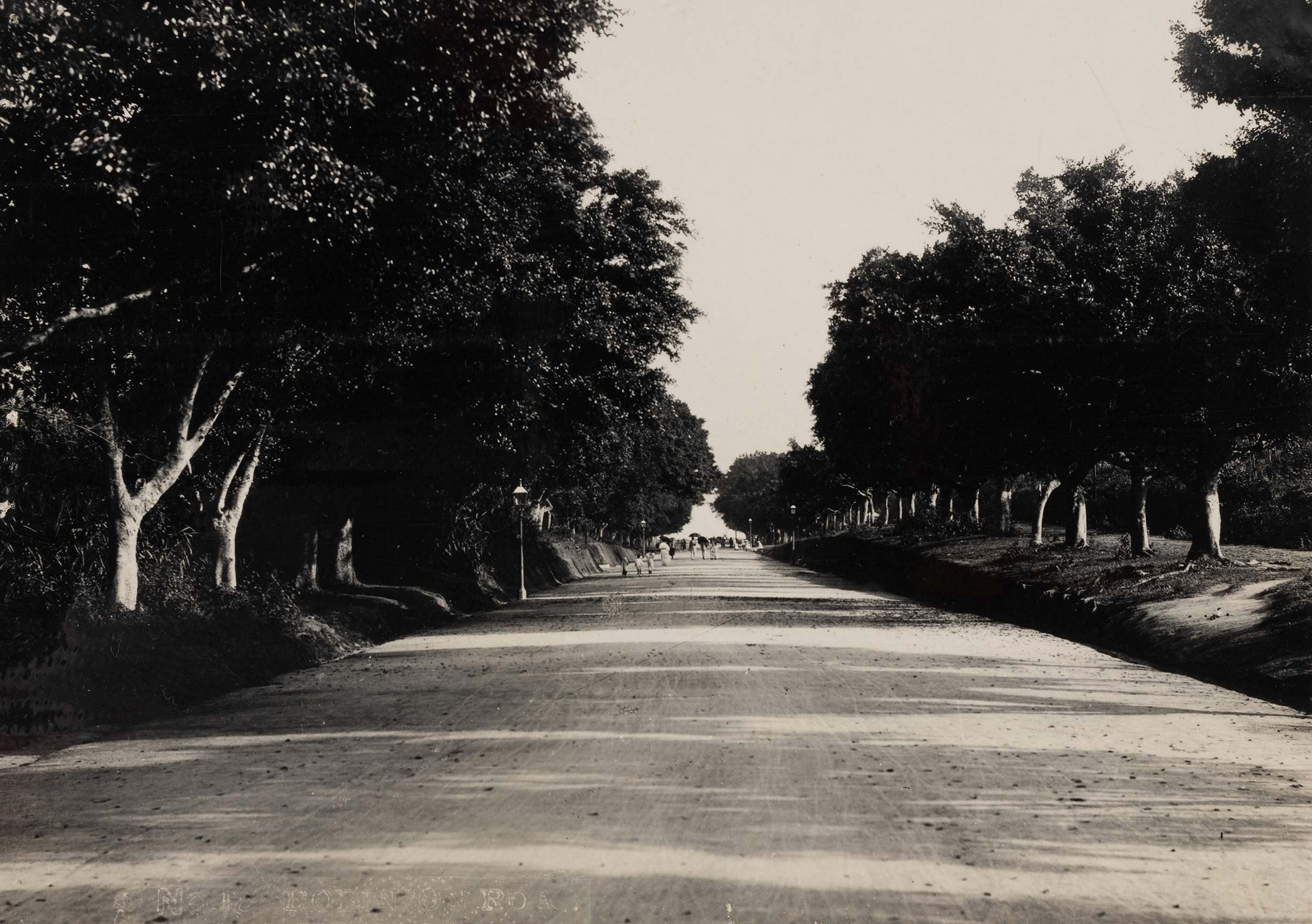
The story begins right after the Convention of Peking in 1860, when the Kowloon Peninsula south of Boundary Street was ceded to Britain. The first proper road laid out on that newly acquired land was completed in 1861. It started life as a relatively modest thoroughfare running north from what was then a sandy beach near today’s Middle Road junction, reaching only as far as Austin Road. At that stage the area was still largely open, with military tents and early barracks taking up much of the land that later became Kowloon Park.
The road grew in stages. Reclamation pushed the southern end further out to meet the extended Salisbury Road. By 1908 it had been carried north to Waterloo Road. A separate section further north, built around the time of King George V’s coronation in 1911, was originally named Coronation Road and ran from Gascoigne Road up toward Argyle Street. In 1926 that section was absorbed and the whole continuous stretch became Nathan Road. Later still, the portion of Tai Po Road south of Boundary Street was also brought under the same name. What started as a short colonial access road therefore ended up as the main north-south axis of urban Kowloon, stretching all the way to the old boundary of British Kowloon.
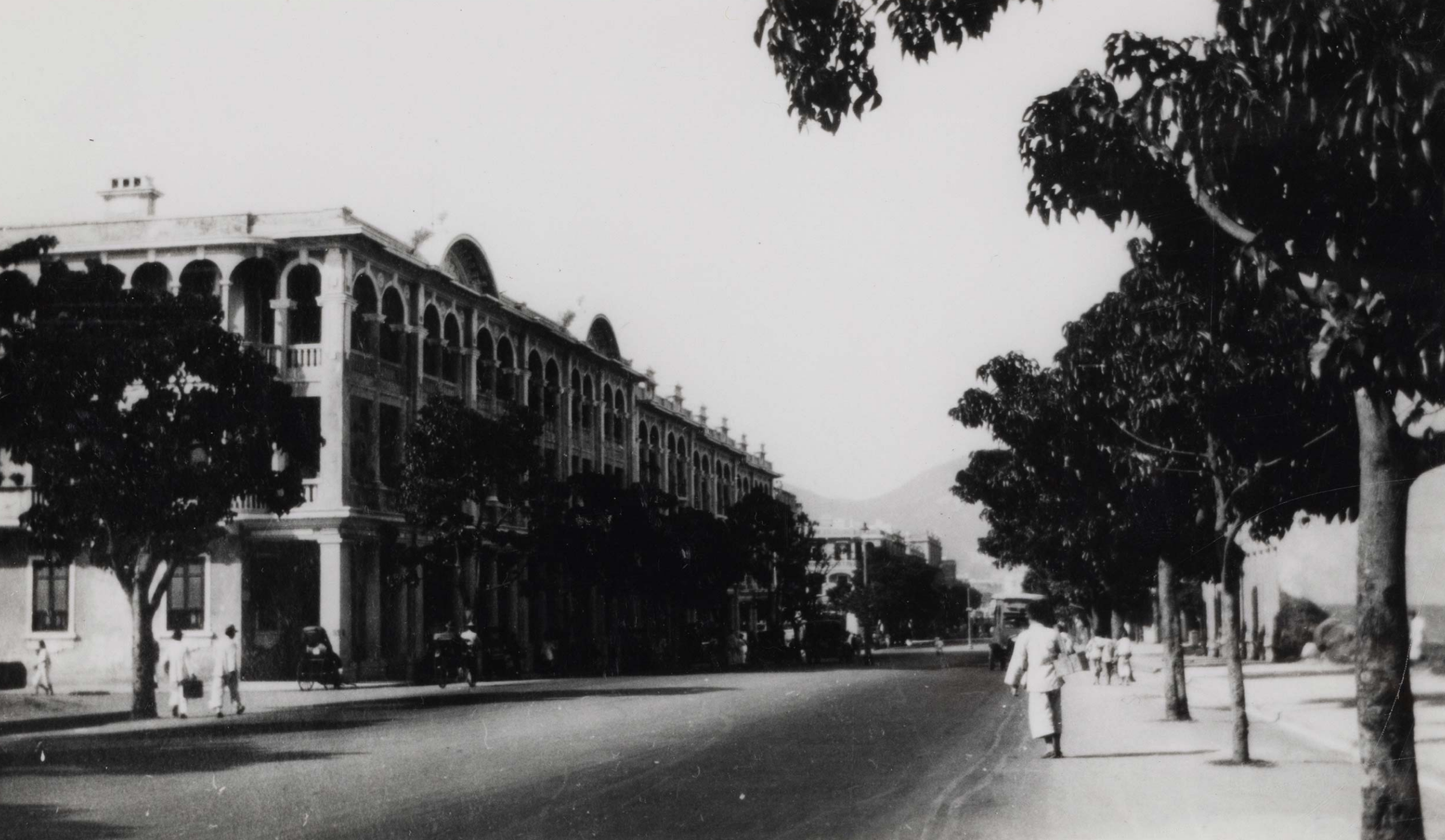
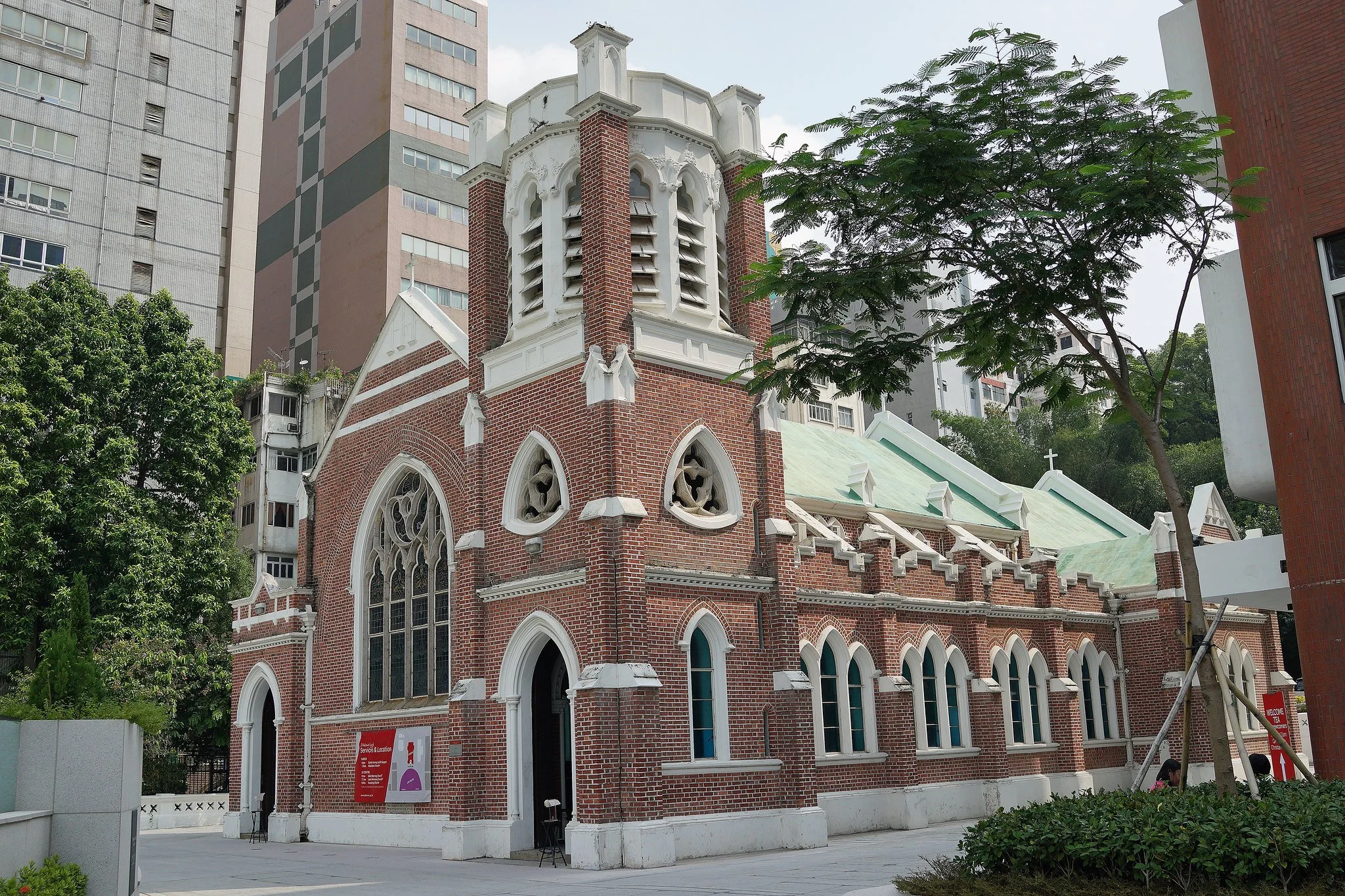
Early development was slow and largely residential. Colonial houses with verandahs and arched openings lined the road, alongside the Whitfield Barracks. St Andrew’s Church, the oldest Anglican church in Kowloon, was completed in 1906 and still stands. The Peninsula Hotel opened in 1928 and immediately gave the southern end a different character. After the Second World War the road transformed again - low-rise buildings gave way to taller commercial blocks, neon arrived in force, and the southern mile earned its “Golden Mile” nickname as hotels, shops and entertainment places multiplied. The trees that once shaded long stretches were gradually removed to make room for traffic and taller buildings, leaving only a few survivors near Kowloon Park.
2. Why was it called Nathan Road?
The name honours Sir Matthew Nathan, the 13th Governor of Hong Kong, who served from 1904 to 1907. Nathan was a military engineer by training and took a particular interest in planning the orderly development of Kowloon. He pushed for the road to be treated as the peninsula’s main spine and oversaw much of the widening and extension work that turned it into a proper boulevard. The formal renaming took place in March 1909. Interestingly, Nathan was the only Jewish governor Hong Kong has ever had, and he was also unmarried - both facts that set him slightly apart in the social world of the time. The road was sometimes jokingly called “Nathan’s Folly” in the early years because people thought such a wide thoroughfare was unnecessary in a sparsely populated area. Time proved the opposite.
3. What is the history behind the previous name of Robinson Road and why was it changed
When the first section was laid out it was named Robinson Road after Sir Hercules Robinson, the fifth Governor. That name made sense at the time, but it created an obvious practical problem: there was already a well-established Robinson Road on Hong Kong Island. Confusion between the two was inevitable once Kowloon began to develop more quickly. The solution was the 1909 change to Nathan Road. The old name disappeared completely from the Kowloon side, while the Hong Kong Island Robinson Road continues to this day. A short-lived Japanese occupation name, Katori-dori, was used between 1942 and 1945, but it vanished after the war.
4. What is the approximate length of Nathan Road in Kowloon Hong Kong
The accepted figure is approximately 3.6 kilometres (just over 2.2 miles). It is not a perfectly straight line, but the overall distance from the southern tip to the northern end is consistent across official descriptions and practical walking measurements.
5. Where does it start and where does it end
The southern end is the junction with Salisbury Road in Tsim Sha Tsui, only a short distance north of Victoria Harbour and the Star Ferry. The northern end is the intersection with Boundary Street, where it meets Cheung Sha Wan Road and Tai Po Road. That northern point still marks the old edge of British Kowloon before the New Territories lease. Between those two points the road passes through Tsim Sha Tsui, Jordan, Yau Ma Tei, Mong Kok and the southern edge of Prince Edward.
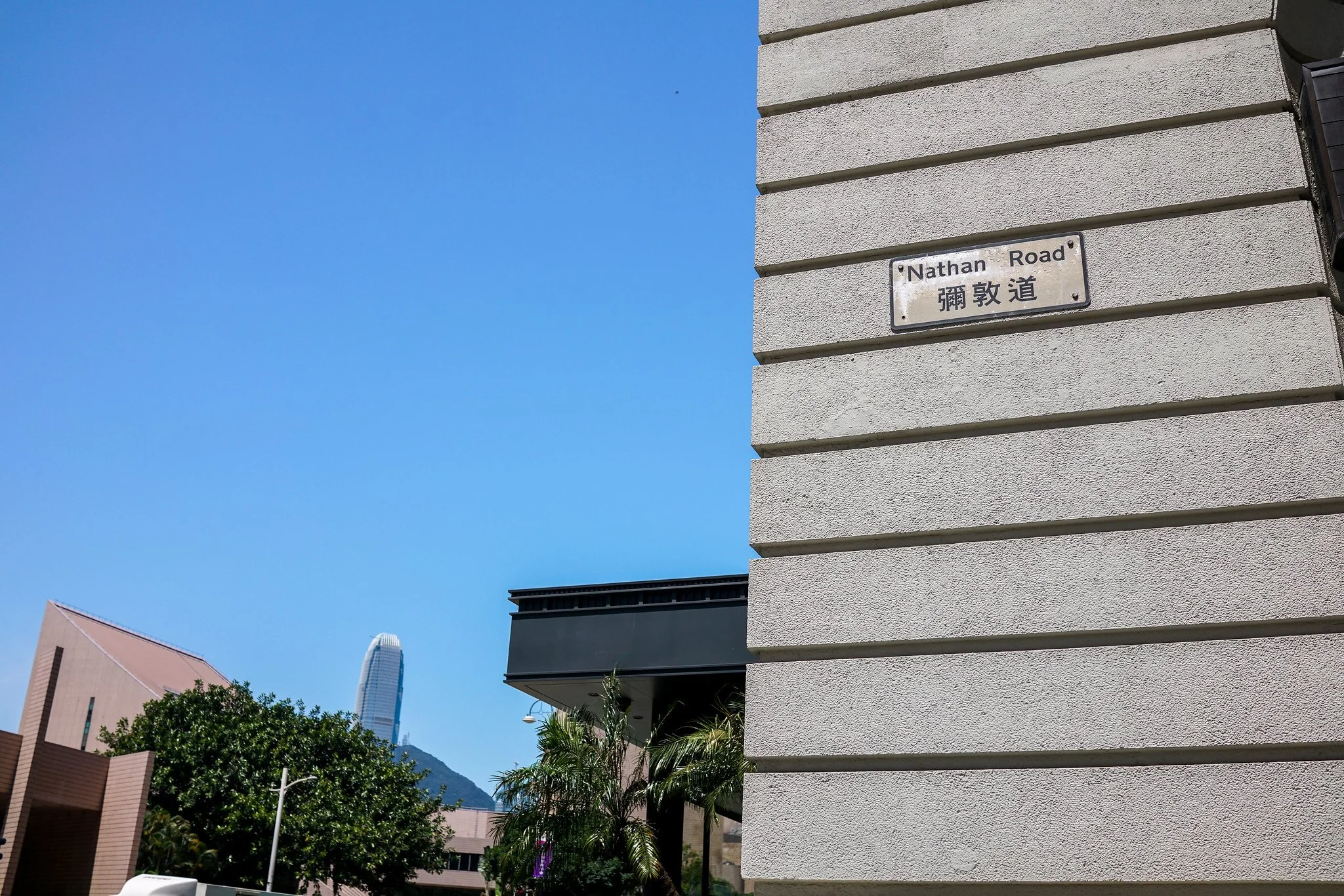
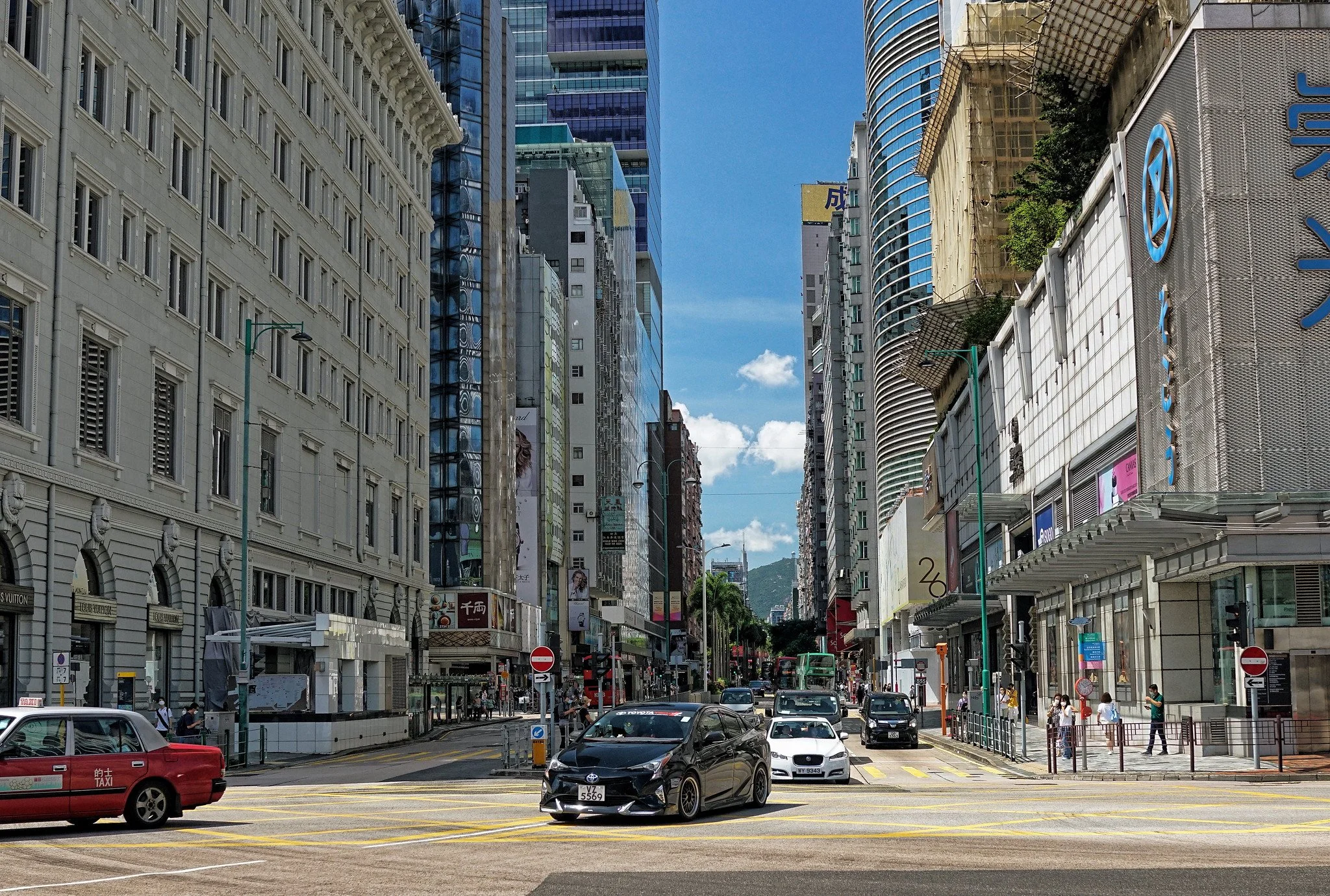
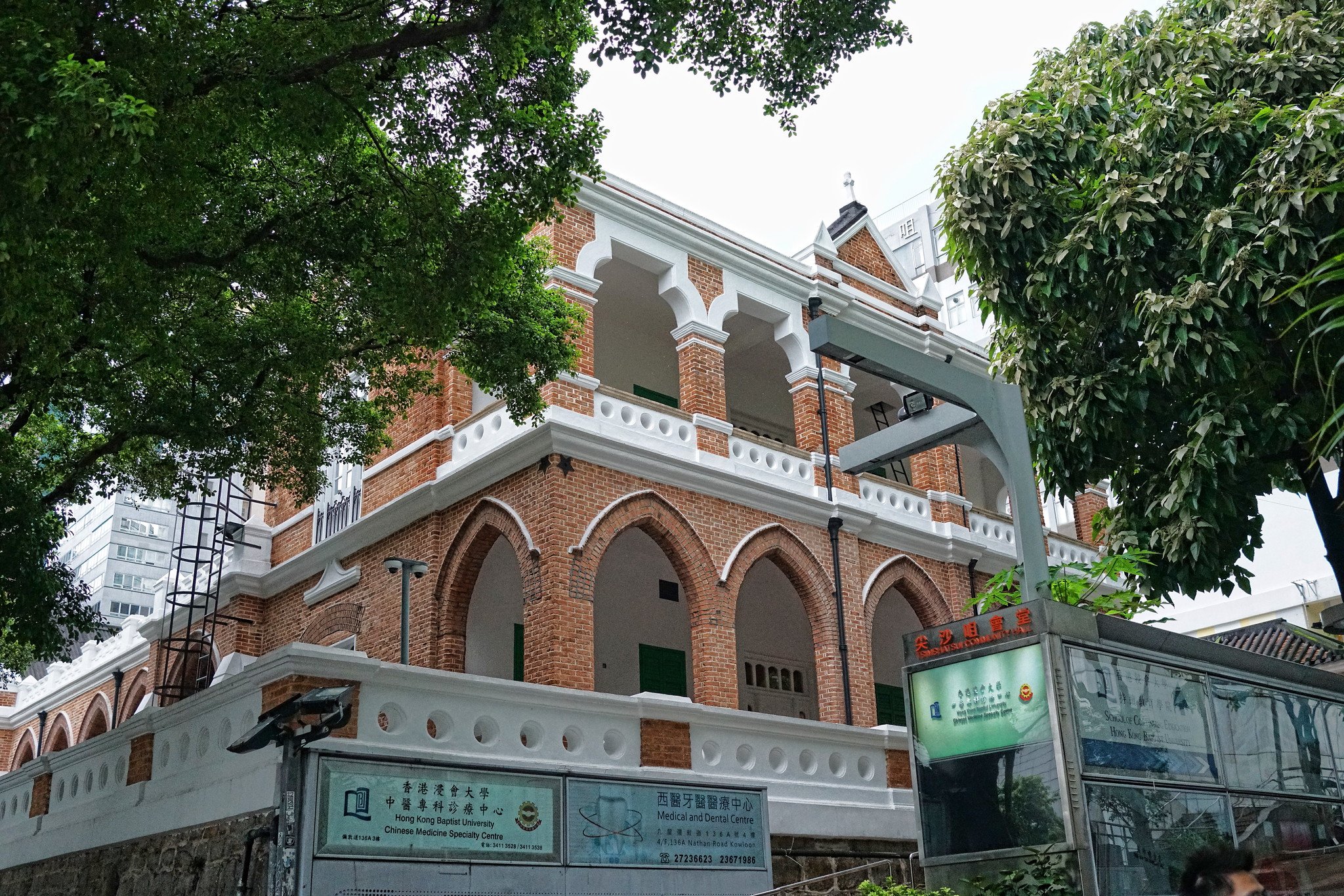
click on any image to enlarge
© Copyright Acknowledged | All rights reserved | images taken by Jamie
Nathan Road in Kowloon | Totally Historic and Iconic | Hong Kong
6. How many intersections are there approximately between Nathan Road and other roads
A precise count is difficult because some side streets are minor and others are major cross routes, but a practical tally of significant intersections runs to roughly 35 to 45 along the full length. Major ones include Salisbury Road, Middle Road, Cameron Road, Granville Road, Kimberley Road, Austin Road, Jordan Road, Waterloo Road, Argyle Street, Mong Kok Road, Prince Edward Road West and Boundary Street itself, plus a steady succession of smaller streets such as Haiphong, Peking, Ning Po, Saigon, Shantung, Dundas and many more. The density is highest in the Mong Kok and Yau Ma Tei sections.
7. An approximate guess on how many retail outlets on Nathan Road and how many Jewellery Stores named Chow Tai Fook are on Nathan Road or front onto Nathan Road and how many 4 + 5 star Hotels on Nathan Road
Counting every single shop front, arcade unit and basement outlet is almost impossible because the number changes with every renovation and lease turnover. A realistic working estimate for the entire length is several hundred retail premises of all kinds - electronics, fashion, pharmacies, restaurants, hotels at street level, money changers, camera shops and the rest. The jewellery concentration is especially dense in the Tsim Sha Tsui and Mong Kok stretches.
On the specific question of Chow Tai Fook, the estimate of 12 to 15 is very close to the mark when counting both direct Nathan Road frontages and shops that open onto the road from immediately adjacent buildings or arcades. Addresses that appear repeatedly include units near 63 Nathan Road, Park Lane Shopper’s Boulevard at 123, 241-243, the cluster around 580A to 678 in Mong Kok, and several others in between. The brand has treated Nathan Road as a core location for decades, which explains the concentration.
On the question of Hotel - a realistic working figure is roughly a dozen or so solid 4-star hotels that either sit directly on Nathan Road or have their main entrance and frontage on it, plus a smaller handful (typically 4) that are widely regarded as 5-star or luxury-level.
The densest concentration is in the southern half of the road, from Tsim Sha Tsui up through Jordan. Well-known examples that appear consistently in current listings include:
5-star | luxury end
Sheraton Hong Kong Hotel & Towers (around No. 20)
The Peninsula Hotel which is on Salisburr Road but also fronts and had an entrance on Nathan Road
The Mira Hong Kong (around the 118 area)
Cordis (Mong Kok end, closely tied to Nathan Road)
Solid 4-star examples
Eaton HK (380 Nathan Road)
Nathan Hotel (378 Nathan Road)
Holiday Inn Golden Mile (50 Nathan Road)
The Kowloon Hotel (19-21 Nathan Road)
Several others such as the Prudential, The Cityview and a few further north that are commonly rated 4-star
Exact numbers shift slightly with renovations, rebrandings and how strictly “on Nathan Road” is defined versus “immediately adjacent with Nathan Road frontage.” The southern stretch (Tsim Sha Tsui to Jordan) carries the majority of the higher-rated properties; further north into Yau Ma Tei and Mong Kok the mix becomes more mid-range.
So a fair summary for practical purposes is: about a dozen 4-star and a small handful of true 5-star or luxury hotels with a clear Nathan Road presence.
8. How many MTR Stations are on Nathan Road with names of the stations and which is the busiest station
Five MTR stations sit directly under or immediately on Nathan Road along the Tsuen Wan Line (with some interchanges to the Kwun Tong Line and there other interchanges as well):
Tsim Sha Tsui
Jordan
Yau Ma Tei
Mong Kok
Prince Edward
Mong Kok regularly ranks among the busiest stations in the entire MTR network because of the dense residential, commercial and market traffic it serves. Tsim Sha Tsui is also extremely heavy, especially with tourist and cross-harbour flows. Both stations handle enormous daily volumes; exact rankings can shift with seasonal tourism and special events, but Mong Kok is usually the heavier of the two for pure passenger throughput.
9. Was Nathan Road always 3 lanes both ways from when it was first built to present day and is it considered one of the busiest roads in Hong Kong
No. The original 1860s road was far narrower and simpler. Significant widening took place in the early 1900s under Nathan’s influence, creating a much broader boulevard that was initially criticised as excessive. Today the road typically carries 3 lanes in each direction for much of its length, though the exact configuration varies by section and some stretches have been adjusted over the years for bus lanes, turning pockets and pedestrian improvements. It has never been a quiet road in modern times. Traffic volumes are consistently high, with long streams of buses, taxis and private vehicles from early morning until late evening. It is widely regarded as one of the busiest continuous urban roads in Hong Kong, both for vehicles and for the sheer volume of people on the pavements.
To be honest, mostly because it always so busy it looks like 2 large lanes and not 3 lanes in certain sections
Official descriptions and Transport Department references treat Nathan Road as a dual three-lane road (three lanes in each direction) for much of its length. Chinese-language sources describe it as “六線雙程” (six-lane dual carriageway). Older planning papers from the mid-2000s discussed proposals to reduce the Mong Kok section from three lanes to two in order to widen the pavements, which confirms that the formal configuration was three each way at that time and has remained so in principle.
In practice, however, the picture is more nuanced, which is why it often feels like two lanes:
In several stretches, especially through the busier parts of Tsim Sha Tsui, Jordan and Yau Ma Tei, one of the three lanes is frequently occupied by bus stops, loading/unloading, turning pockets or restricted zones.
The effective through-running capacity can therefore feel closer to two lanes for ordinary traffic.
North of Mong Kok the configuration can also vary.
So the original draft wording (“typically carries three lanes in each direction for much of its length”) is technically correct according to the formal layout, but it does not fully capture the day-to-day experience of driving or walking the road.
So to make it perfectly clear
“Today Nathan Road is laid out with 3 lanes in each direction for much of its length, although in the busier central sections one lane is often taken up by bus stops, turning movements or restricted zones, so the practical through-traffic capacity frequently feels closer to two lanes.”
click on the image to enlarge
© Copyright Acknowledged | All rights reserved | image taken by Jamie
Tram on Hong Kong Island | should have been on Nathan Rd as well | Hong Kong
10. The complete story of why a tram track was never built for the entire stretch of road
The idea of a Kowloon tram system was raised more than once in the early twentieth century. Hong Kong Tramways and others put forward proposals that would have included a route running along or parallel to Nathan Road from the Star Ferry area north toward Mong Kok and beyond. Plans appeared in various forms between roughly 1904 and the mid-1920s. Some versions imagined a network of several routes linking Tsim Sha Tsui, Kowloon City, Hung Hom and Sham Shui Po.
None of them proceeded. Several practical and political reasons stacked up against the project. The Kowloon-Canton Railway had already opened and was seen by government as the more important rail investment. Roads in Kowloon were not yet considered strong enough for heavy tram traffic without expensive reconstruction. There was also a preference developing for motor buses as a more flexible alternative. By the early 1930s the decision had effectively been taken: franchised bus companies (China Motor Bus on the Island side and Kowloon Motor Bus on the Kowloon side) would handle surface public transport. The result is the situation that still exists today - Nathan Road carries a heavy load of double-decker buses instead of trams. Occasional later suggestions for light rail or similar systems have never gained serious traction for this particular corridor.
It is a shame really, I have always felt that Nathan Road would be a perfect place tht e Tram system and it would be amazing for residents and tourists,,,, oh well
Out of left field and other interesting points
I guess I should have named the post 15 thins you did not know abour Nathan Road!
One small detail that often goes unnoticed is that the lowest building numbers on Nathan Road begin around 19-21. Numbers 1 to 18 were never used because an early plan that would have continued the road name further south toward the Star Ferry was dropped; that stretch became part of Salisbury Road instead., so for example the Sheraton Hotel which is technically the first building on Nathan Road is actually No. 20 Nathan Road - you learn something new every day!
The road’s popularity with tourists has several layers. The southern end sits next to the harbour, the Star Ferry, the Peninsula and the museum cluster, so almost every first-time visitor walks onto it within hours of arriving. The density of hotels, the jewellery and electronics shops, the neon at night (now in a very limited way), and the simple fact that five MTR stations make it easy to hop on and off all reinforce the pattern. At the same time the middle and northern sections still feel more local - wet markets a few streets away, older residential blocks, and the everyday rhythm of Kowloon life. That combination of tourist spectacle and working city is rare on a single continuous road.
It remains one of the few places where colonial planning, post-war commercial energy and contemporary Hong Kong all remain visible in the same streetscape. The “Golden Mile” nickname may be used less often now, but the intensity has not faded.
We do have a couple of old historic buildings on Nathan Road not to mention Kowloon Park!
St. Andrew’s Church St. Andrew’s Church stands at 138 Nathan Road and is the oldest English-speaking Anglican church in Kowloon. The foundation stone was laid in 1904 and the building was consecrated on 6th October 1906. Financed by Sir Catchick Paul Chater, it was designed in a Victorian Gothic style with red brick, a cruciform plan and original stained-glass windows that have survived typhoons, wartime damage and a landslip. For more than a century it has remained an active place of worship while the street around it has changed beyond recognition. The church and the old vicarage carry Grade I historic status. Even on the busiest days the quiet of the church grounds provides a brief pause from the constant movement of Nathan Road.
Antiquities and Monuments Office (Former Kowloon British School) Immediately next door at 136 Nathan Road is the former Kowloon British School, now home to the Antiquities and Monuments Office. The building was opened in 1902 after Sir Robert Ho Tung donated funds for a school to serve the children of expatriate residents. It is a classic Victorian structure adapted for the Hong Kong climate with wide verandahs, high ceilings and pitched roofs. The school operated here until the mid-1930s before relocating and later becoming King George V School. Declared a monument in 1991, the building now houses the government office responsible for the protection and promotion of Hong Kong’s historic sites. Together with St. Andrew’s Church it forms one of the most complete surviving early-colonial clusters still standing directly on Nathan Road.
Kowloon Park Kowloon Park occupies the large site of the former Whitfield Barracks and stretches along the western side of Nathan Road between Austin Road and Haiphong Road, with its main management address at 22 Austin Road. Opened as a public park in 1970, it covers more than 13 hectares and remains one of the few substantial green spaces in the dense heart of Tsim Sha Tsui. Paths wind past bird lakes, an aviary, Chinese and colour gardens, sculpture walks, playgrounds and sports facilities. Several entrances open directly onto Nathan Road, so the park is easily reached from the busy pavement. On a hot or crowded day it still offers the same sudden change of atmosphere that the old barracks grounds once provided - shade, open space and a reminder that this stretch of the peninsula was once far quieter than the commercial canyon it has become.
A living Ip Man connection at the southern end - Bruce Lee anyone!
Right at the bottom of Nathan Road 1 minute from the Peninsula Hotel, in Alpha House at numbers 27-33 (the building that fronts the junction area near Peking Road), there is a quiet but genuine link to one of Hong Kong’s most famous martial arts lineages. On the same floor as the long-standing budget travel agency Shoestring Travel sits the Yip Man Martial Arts Athletic Association. The two operations have shared the building for years, and the association’s signage has hung on the Nathan Road frontage alongside the travel agency’s sign for a long time.
Ip Man (also written Yip Man) was the man who brought the Wing Chun system into the open in Hong Kong after 1949-50 and taught it until his death in 1972. Wing Chun is a southern Chinese close-range method that emphasises economy of movement, simultaneous attack and defence, centre-line control and sensitivity training. Bruce Lee began learning it in Hong Kong in the mid-1950s as a teenager. He trained under Ip Man and, more intensively in day-to-day practice, under senior students, particularly Wong Shun Leung. Bruce studied the system for several years before leaving for the United States in 1959 and always acknowledged Ip Man as his teacher.
Bruce Lee did not remain a traditional Wing Chun practitioner. Once in America he began modifying what he had learned, testing techniques against other systems and discarding what he felt was inefficient. Over the next decade he developed his own approach, which he eventually named Jeet Kune Do - the way of the intercepting fist. Jeet Kune Do draws heavily on Wing Chun principles, especially the centre-line theory, interception and economy, but also incorporates elements of Western boxing, fencing and other martial arts. Bruce Lee himself described it as a process of continual research rather than a fixed style.
So the accurate relationship is this: Wing Chun as taught by Ip Man was the primary martial arts foundation Bruce Lee received in Hong Kong. Bruce Lee’s mature method was Jeet Kune Do, which grew out of that foundation but is not the same as traditional Wing Chun.
When the signs at Alpha House are pointed out, the clean way to put it is that this is the Ip Man lineage - the same Wing Chun system that Bruce Lee trained in as a teenager in Hong Kong under Ip Man and his senior students. Bruce later developed his own approach from that foundation, but the root was here. The signs mark a living link to Ip Man’s teaching that most people walking past never notice.
click on any image to enlarge
© Copyright Acknowledged | All rights reserved | images courtesy of Keith Mcgregor
Nathan Road in Kowloon | Those amazing Neon Signs | Hong Kong
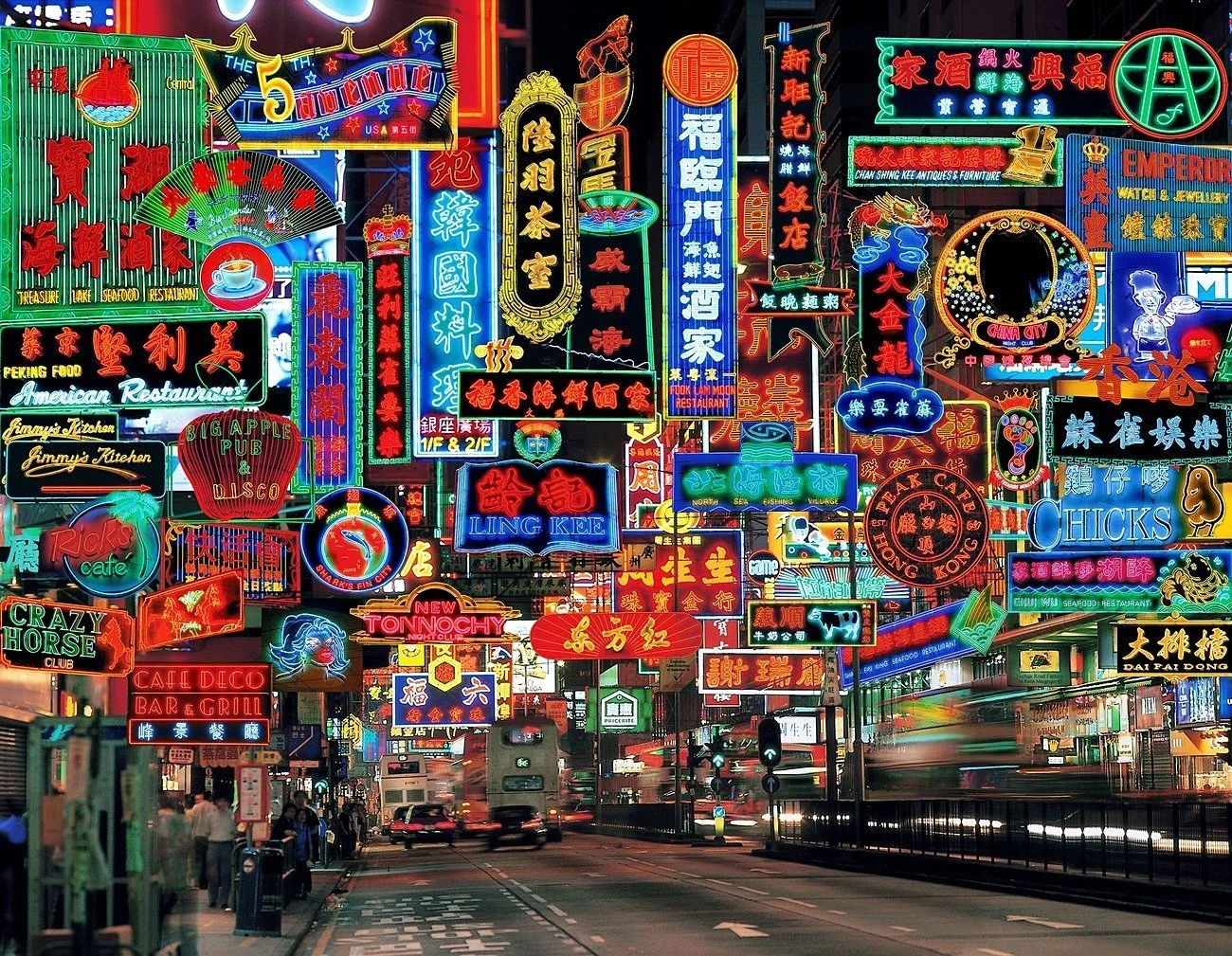
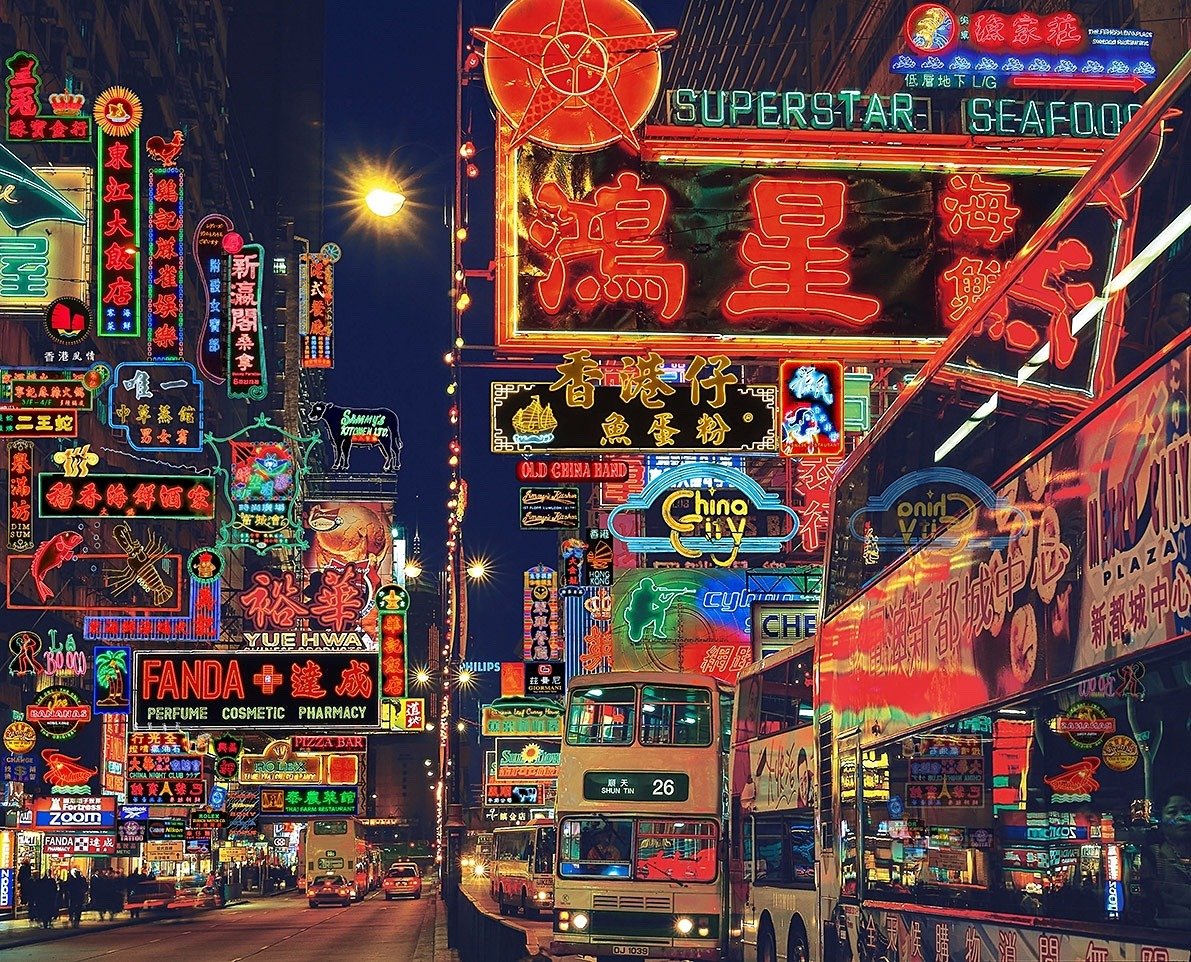
The rise and fall of neon on Nathan Road
For anyone who arrived in Hong Kong in the early 1970s, my first evening on Nathan Road near the Peninsula Hotel remains one of those fixed images that never quite fades. Standing there on 2nd January 1972, the southern stretch of the road was simply a wall of light - dense, multi-layered, multi-coloured neon that seemed to cover every available surface of the buildings. Horizontal boards jutted out over the pavement, vertical signs climbed several storeys, Chinese characters glowed in red, green, blue and gold, and the whole scene pulsed and flickered against the night sky. Photographs from the period never quite captured it. The density, the depth of the layers, the way the light reflected off wet roads and shop windows, the sheer volume of competing colours - none of that translated fully onto film. It had to be experienced in person.
Neon had been present in Hong Kong since the 1920s, but its true explosion came after the war. From the 1950s through the 1980s the city became one of the great neon capitals of the world. Nathan Road, especially the stretch later nicknamed the Golden Mile, was one of the densest concentrations. Entire façades were covered. Restaurants, cinemas, jewellery shops, nightclubs, hotels, pharmacies and department stores all competed for attention with signs that grew larger and more elaborate. By the late 1960s and 1970s some of the boards were among the biggest in the world - the National Panasonic sign on Nathan Road was once listed by Guinness as the largest. The craft itself was highly skilled: glass tubes bent by hand, filled with different gases to produce different colours, and mounted on complex metal frameworks that projected far out over the street.
The decline began quietly in the 1990s and accelerated after 2000. Several forces worked together. LED technology arrived - cheaper to buy, far cheaper to run, easier to maintain, and capable of changing colours and messages at the flick of a switch. Business owners, facing higher electricity costs and tighter margins, began replacing neon with LED boards. At the same time the Buildings Department tightened regulations on projecting signboards. Concerns over public safety (typhoons, structural failure, falling debris), fire escape routes, and the sheer weight of older installations led to successive rounds of inspections and removal orders. A formal Validation Scheme for Unauthorised Signboards came into force in 2013. Many of the classic neon signs, erected decades earlier without modern approvals, were suddenly classified as unauthorised. Owners faced expensive retrospective validation, regular inspections, or simple removal. Most chose removal.
Redevelopment added further pressure. Older buildings were pulled down or extensively renovated; the new façades rarely received neon. Businesses closed and took their signs with them. Light-pollution complaints from nearby residential blocks also played a part. The result has been dramatic. At the peak there were well over 100,000 neon signs across Hong Kong. Today the number still glowing is measured in the low hundreds, and many of those that remain are smaller, simpler, or carefully preserved rather than still advertising active businesses.
Nathan Road still has lights, of course - LED panels, digital screens, illuminated shop fronts - but the character has changed. The dense, overlapping, hand-crafted glow that once defined the street after dark is largely gone. What remains is a shadow of the spectacle that greeted new arrivals in the early 1970s. For those who stood on that corner near the Peninsula and looked up into the mass of colour and light, the memory stays vivid precisely because it can no longer be recreated. The signs that once made Nathan Road feel almost other-worldly at night have been dismantled, one by one, until the road after dark looks largely like any other busy commercial artery.
The Hong Kong Tourism Board is always trying to come up with hair brained schemes to bring in more visitors, here is an idea, bring back neon signs in a safe way and watched the visitor numbers soar, it worked in the 1970’s and 1980’s it will work today
So there you go
Customised Private Tours + Experiences in Amazing Hong Kong
Jamie has lived in Hong Kong - Pearl of the Orient for 50+ years
Carefully Crafted Personalised and Customised Itineraries by Jamie | Hong Kong’s Most Experienced Private Tour Guide for : Solo Travellers Friends Families Seniors Couples Business People MICE Delegates.
Private Tours Cultural Tours Walking Tours Sightseeing Tours City Tours Night Tours Layover Tours Transit Tours Private Shore Excursions Bespoke Tours Personalised Tours Jewish Heritage Tours Luxury Private Tours Day Tours Luxury Boat Tours Themed Tours Private Family Tours Private Day Tours Corporate Tours
Just you, your family or friends and Jamie your personal English private tour guide - over 2,400+ tours completed since 2011 - Jamie offers quality Private Tours of Hong Kong
Tour Group Size 1 - 6 people only
J3 Group Hong Kong | J3 Consultants Hong Kong | J3 Private Tours Hong Kong
Creating Memories That Will Last A Lifetime
Go here for the Hong Kong Michelin Restaurant Guide which includes the Bib Gourmand Category
Jamie’s Hong Kong Insider Chat
Ready to turn your plans into a far more enjoyable reality? Click the yellow button below to learn more about Jamie’s Hong Kong Insider Chat, check pricing and book
I do not do Food Tours in Hong Kong but I know people that do!
click on any image to enlarge
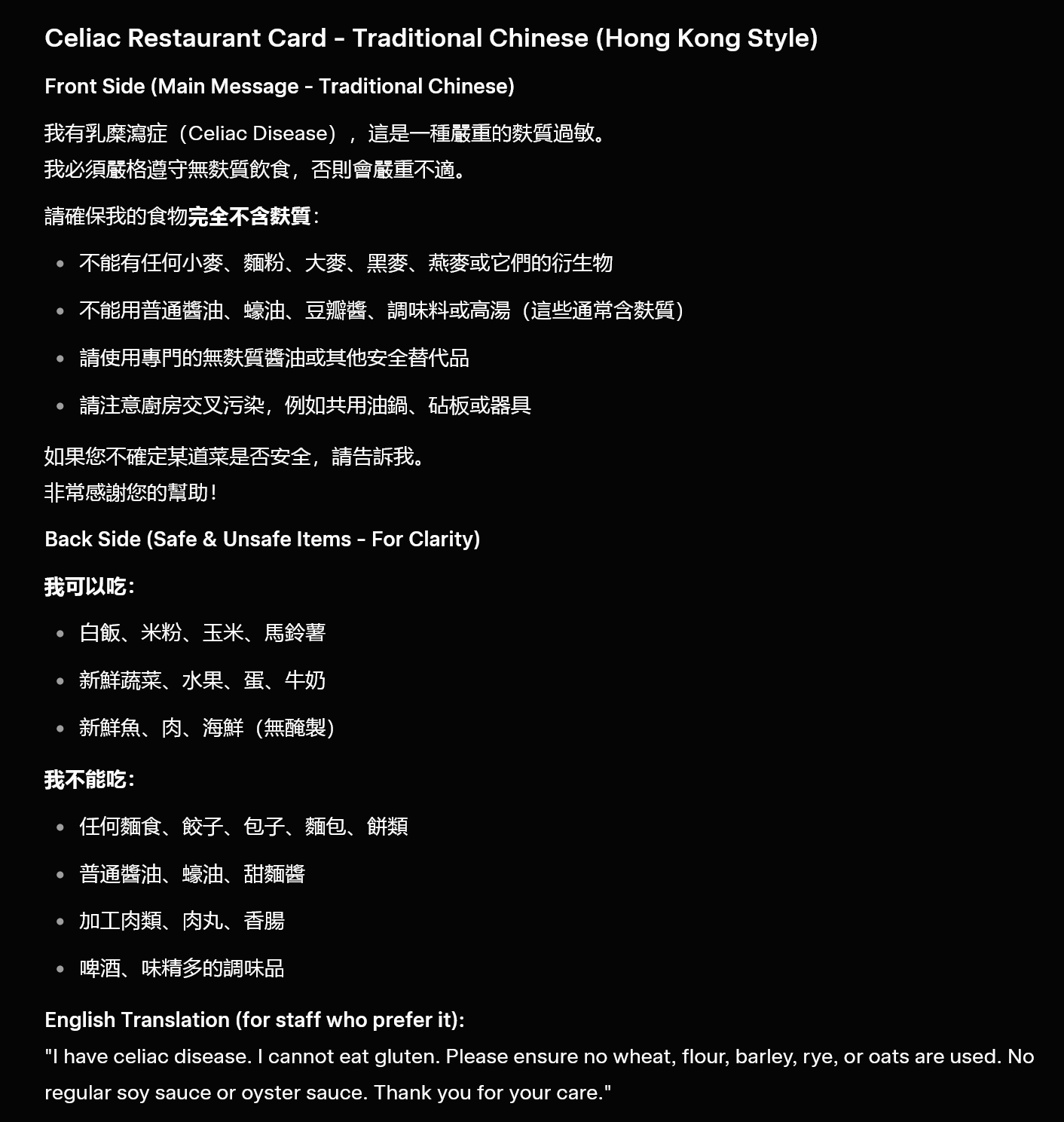
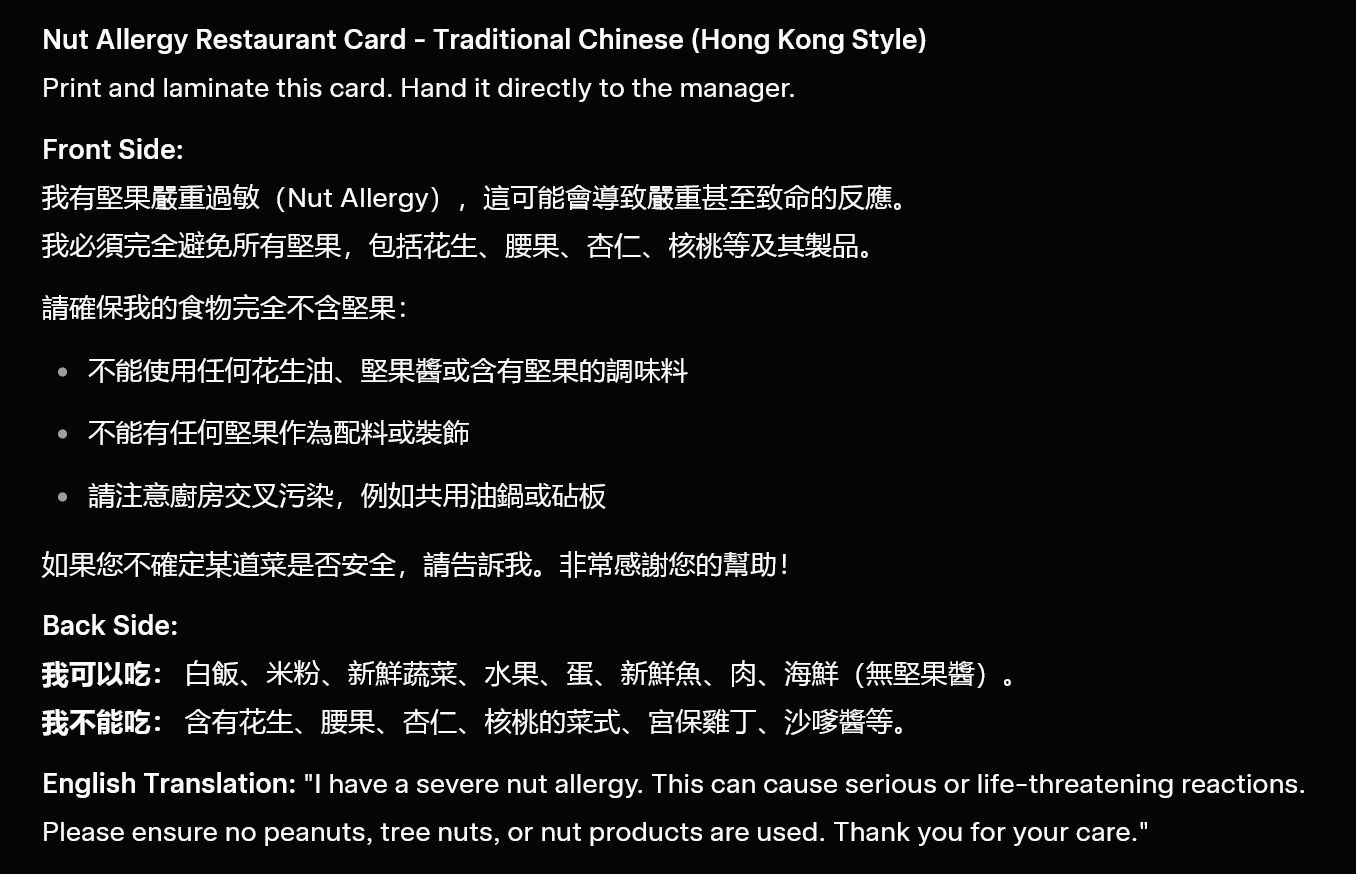
The information above can be shown to restaurant managers in Hong Kong if you are intolerant to gluten and nuts,
I do not do food tours as mentioned above, I have very specific reasons and part of it is that I do not speak Cantonese or write Chinese, I am from Yorkshire in England and I lack the language gene and it is not through lack of trying and yes a lot of restaurants do not have English menu’s or staff who speak conversational English.
.. and yet I have eaten at close to 1,400 restaurants in Hong Kong since January 2nd 1972, my wife was born in Hong Kong and we have been together over 40 years and her first language is Cantonese and a lot of her family are Chinese or half Chinese so I have never had much of an issue!
This does not translate to doing food tours though, yes, I could do them, no problem there but they would never ever be as good as the food tours done by my friends (see the 3 links above) most of their awesome guides are locally born Hong Kong Chinese and obviously food culture is part of their DNA, it is impossible for me to compete with that!
So please feel free to contact them for food tours
I do not do Hiking Tours in Hong Kong but I know someone that does!
I do not do Hiking Tours, never have and never will even though I used to go Hiking a lot when I was a lot younger, The Hong Kong Government is promoting hiking tours so I urge you to contact my friend Sabrina at Hong Kong Trails and Tours, she is a long time Hong Kong resident and and a very experienced hiker with close to 700 Hikes in 15+ years under her belt, please click on the link below

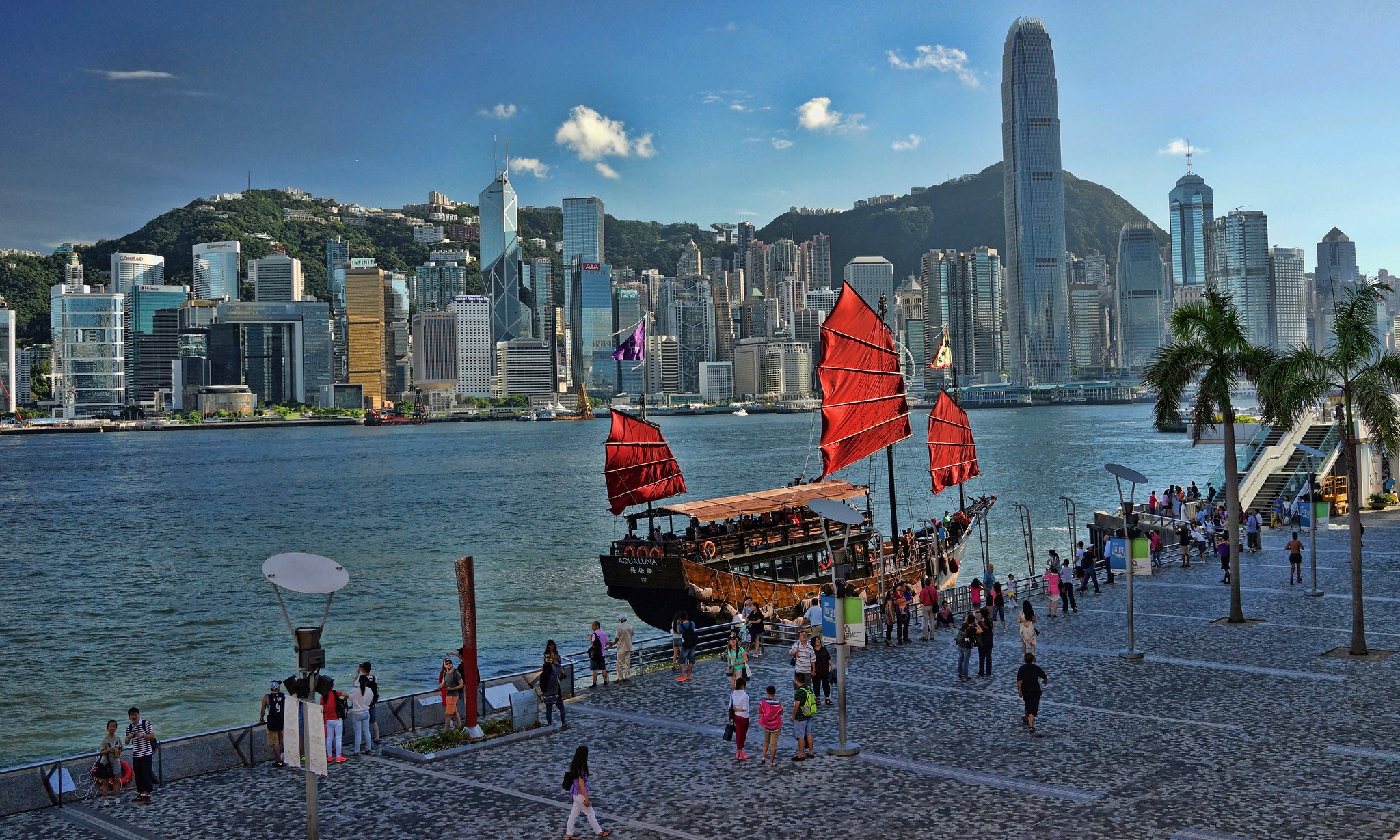
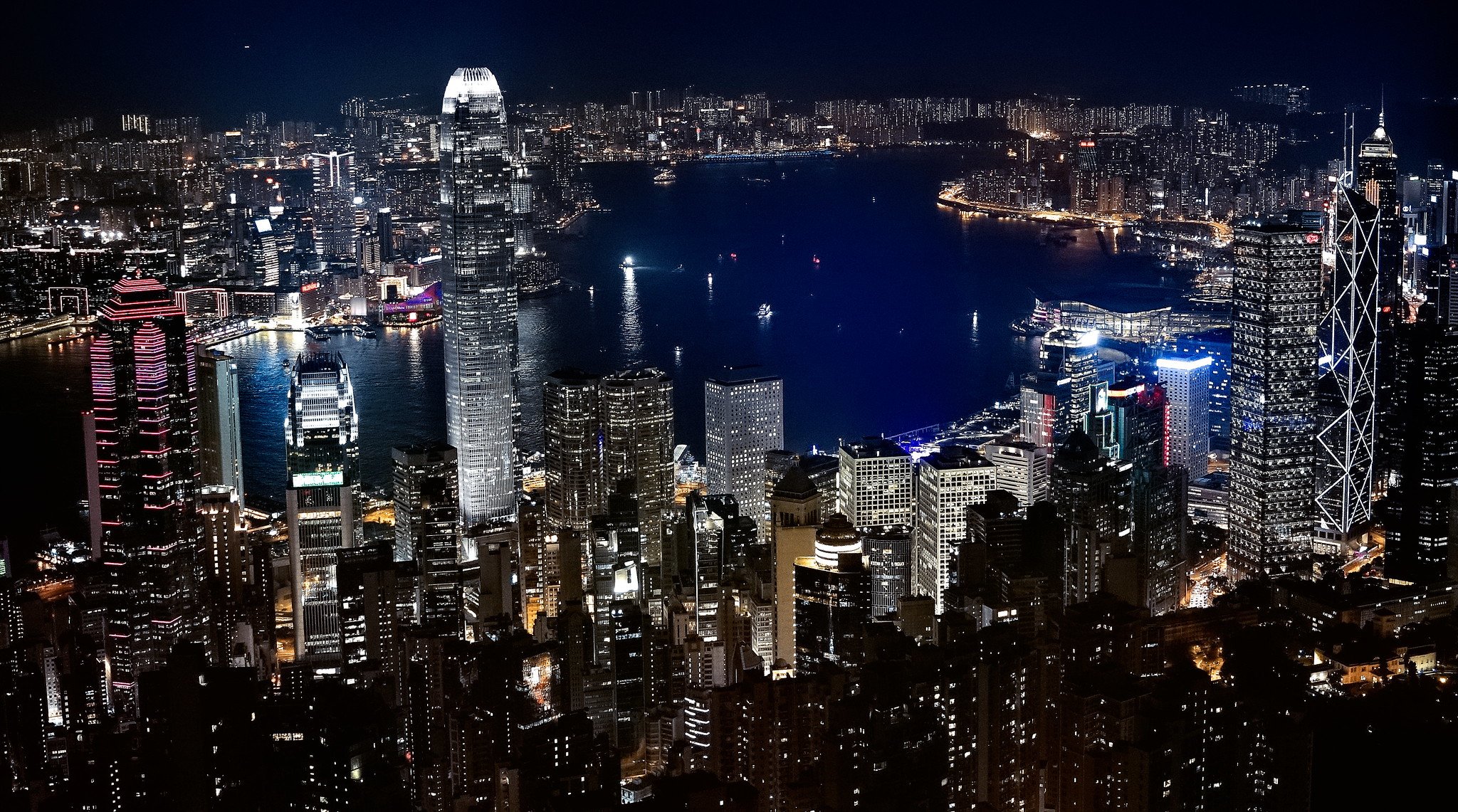
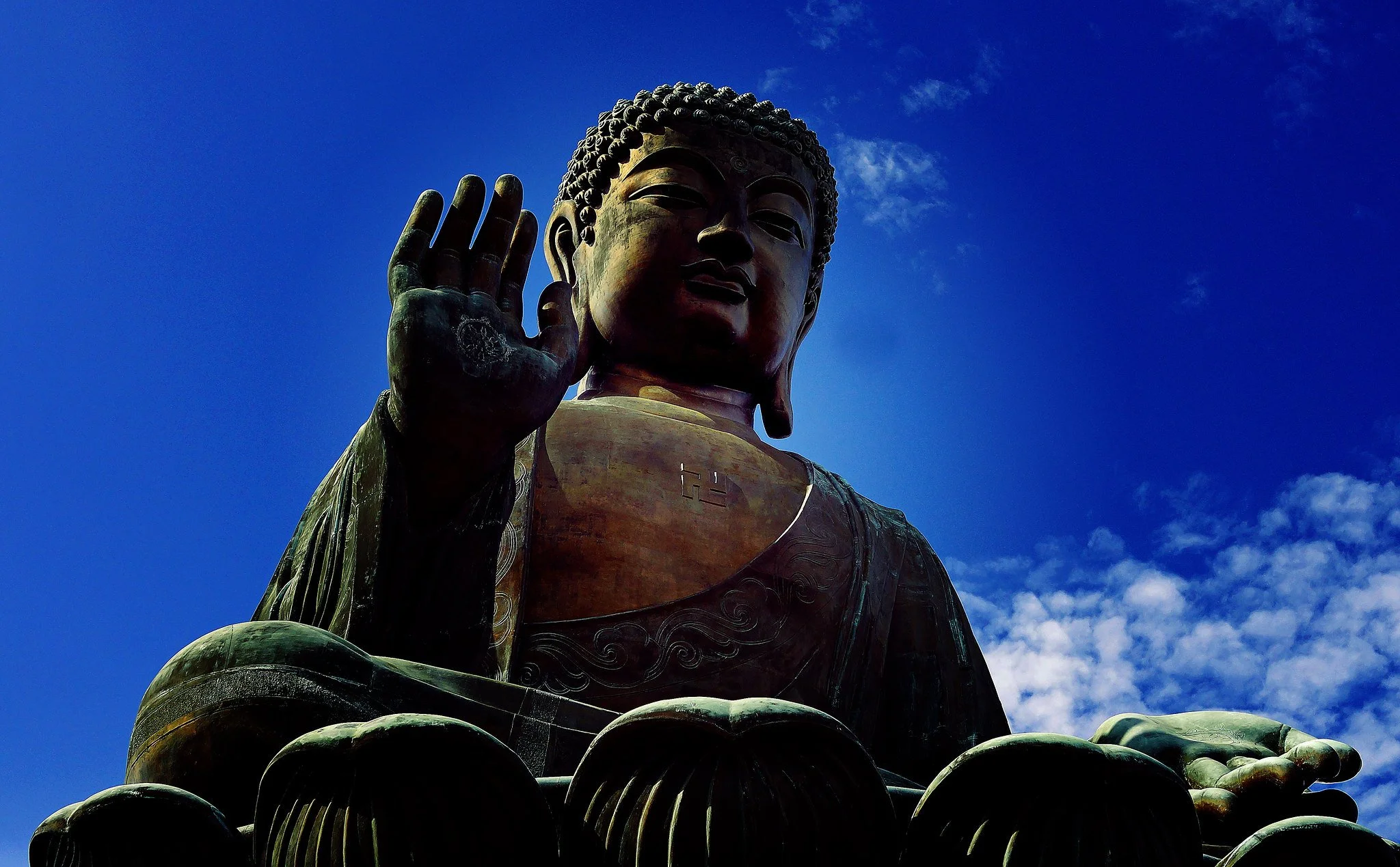
click on any image to enlarge
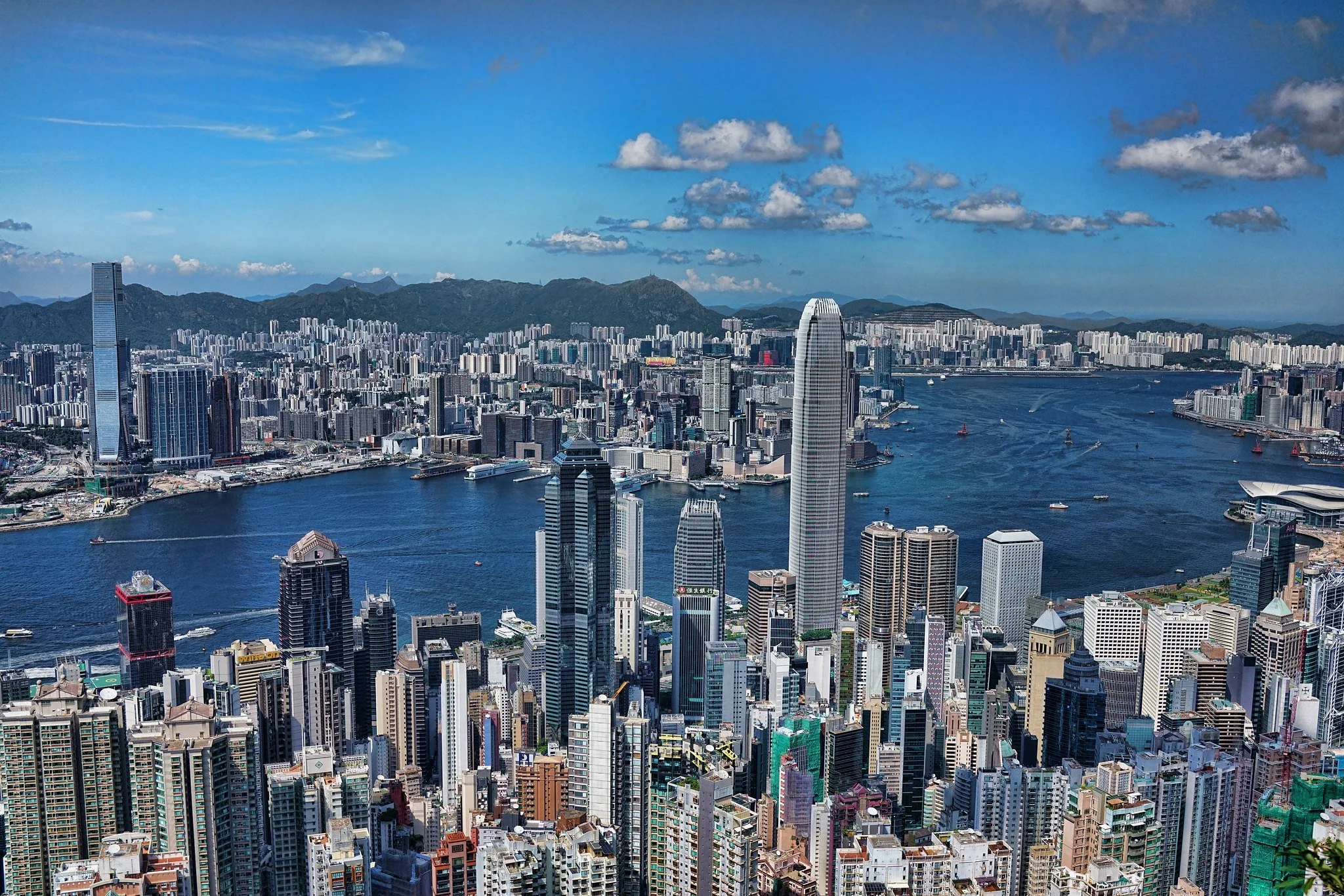
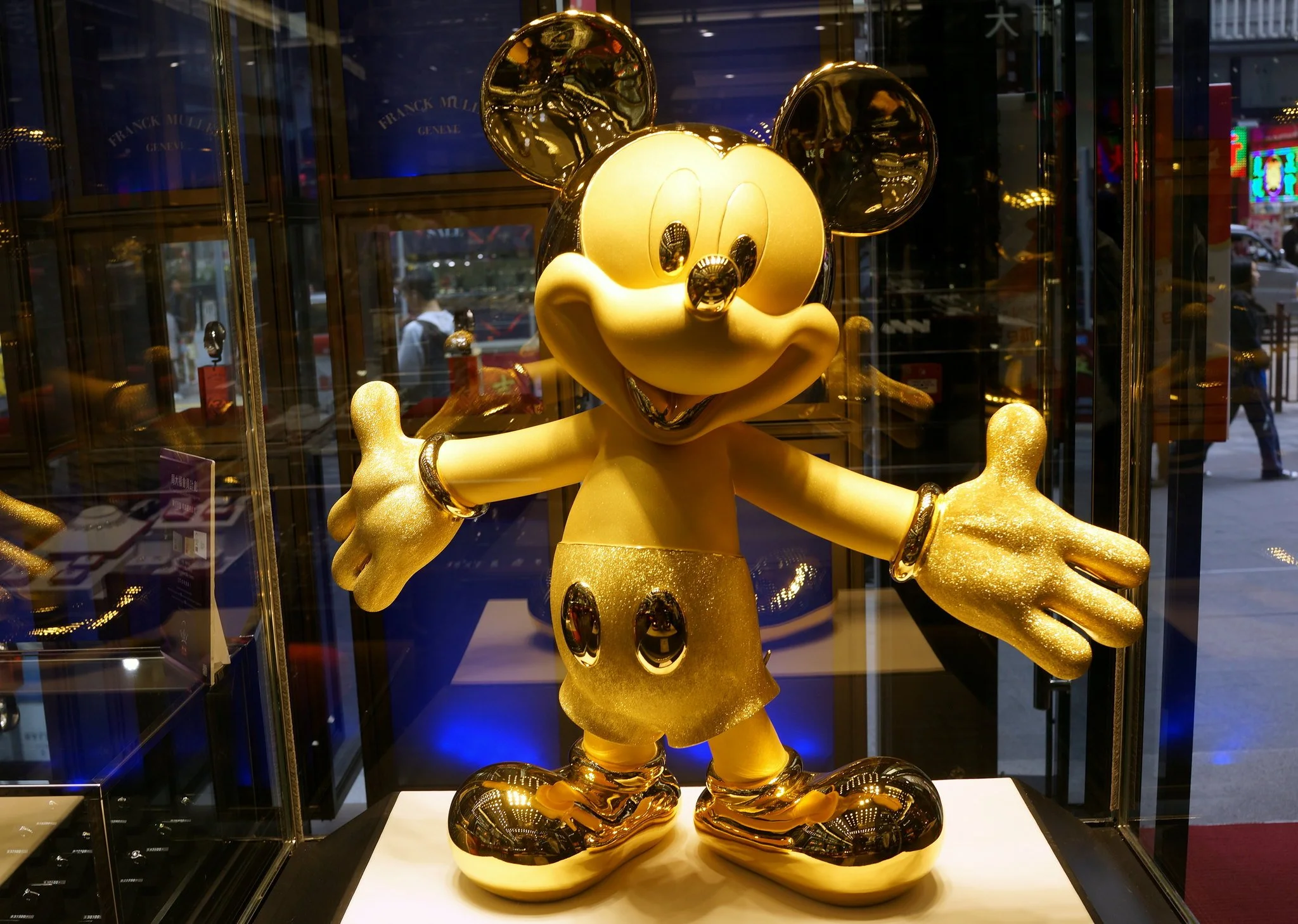
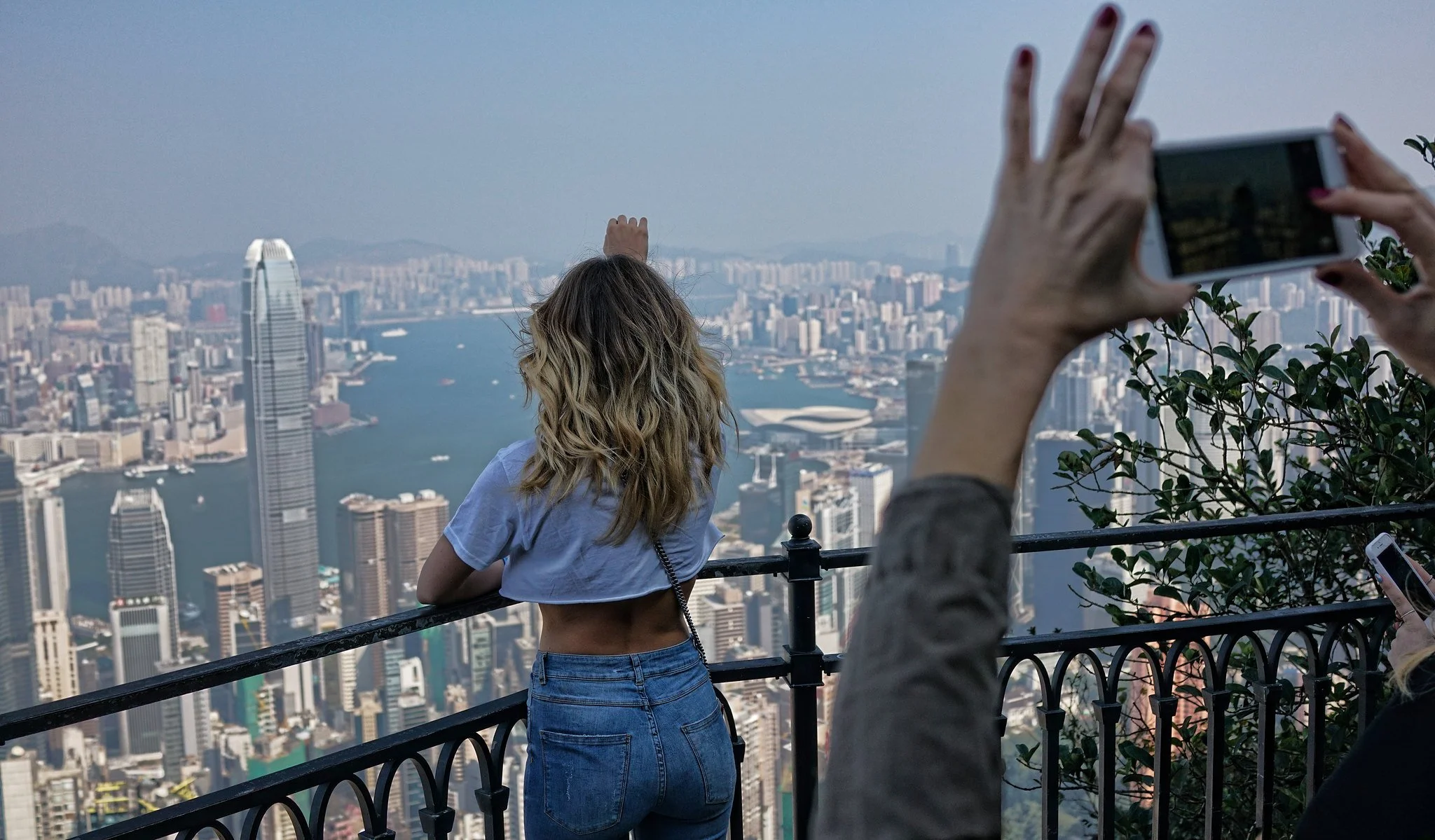
© Copyright Acknowledged | All rights reserved | all images taken b Jamie
Jamie’s Hong Kong | Some of my favourite images | Hong Kong 101