Discover Three Timeless Hong Kong Outlying Islands by Ferry
The Unique Charms of Cheung Chau, Lamma & Peng Chau in Hong Kong

The J3 Group - Premium Quality Private Tours | Experiences and Insider Chats since 2010
Me Jamie, your host, I am English and I have lived in Hong Kong since January 2nd 1972 - I know the place.
A meaningful blog post with a difference - tips on Travel, Tourism, Tours, Daily Life and my personal thoughts on Hong Kong.
Please do visit Amazing Hong Kong
Hong Kong | Pearl of the Orient
Customised Private Tours + Experiences in Amazing Hong Kong
Jamie has lived in Hong Kong - Pearl of the Orient for 50+ years
Carefully Crafted Personalised and Customised Itineraries by Jamie | Hong Kong’s Most Experienced Private Tour Guide for : Solo Travellers Friends Families Seniors Couples Business People MICE Delegates.
Private Tours Cultural Tours Walking Tours Sightseeing Tours City Tours Night Tours Layover Tours Transit Tours Private Shore Excursions Bespoke Tours Personalised Tours Jewish Heritage Tours Luxury Private Tours Day Tours Luxury Boat Tours Themed Tours Private Family Tours Private Day Tours Corporate Tours
Just you, your family or friends and Jamie your personal English private tour guide - over 2,400+ tours completed since 2011 - Jamie offers quality Private Tours of Hong Kong
Tour Group Size 1 - 6 people only
J3 Group Hong Kong | J3 Consultants Hong Kong | J3 Private Tours Hong Kong
Creating Memories That Will Last A Lifetime
Go here for the Hong Kong Michelin Restaurant Guide which includes the Bib Gourmand Category

Guided by Stories, Private Tours of Hong Kong with Jamie
A Resident since 1972 - Quality Private Tours of Hong Kong
click on the image to enlarge
© Copyright Acknowledged | All rights reserved | image taken by Jamie
The 3 Islands | Enjoy a lovely ferry ride to get there | Hong Kong
Foreword
This is NOT about Lantau Island which is fast becoming the number 1 place to visit in Hong Kong, Hong Kong has 3 other very interesting islands which are so very interesting and are easy to visit by Ferry.
Above is a fairly typical image of the ferries that go to and from the islands, I cannot stress how important the ferry rides are particularly if you are outside on the upper deck, just sit back and relax, you get some great views.
I have been going to the 3 islands in Hong Kong since I was a kid and honestly even today it is because I like the ferry rides, particularly the slow ferry to Cheung Chau Island, which has an outside deck on the upper deck, I could spend all day just going back and forth and soaking in the fresh air and amazing views
The Islands in question are Cheung Chau Island, Lamma Island and Peng Chau Island and sadly these days my visits are infrequent because most of my guests are in Hong Kong for one or two days only so time becomes the big issue, you can do any of these islands (including time on the ferry) in 4 hours but I always recommend 5 or 6 hours because it is just a lovely thing to do to have a meal on the islands and soak up the less frantic pace and laid back atmosphere.
Naturally I have a favourite and if you only choose one island to visit on your Hong Kong (not including Lantau Island) stay then absolutely Cheung Chau Island is the best bet, personal opinion of course
To put these three delightful destinations into broader perspective, it is worth remembering that Hong Kong is home to a remarkable total of 263 islands. Yet when I apply a practical yardstick of around 100 permanent residents as the minimum for meaningful habitation, only a small handful - perhaps fewer than ten - actually qualify. The vast majority of the remaining islands remain either completely uninhabited or home to just a few families at most.
The reasons are overwhelmingly practical and geographical: most are simply too tiny to support more than the occasional weekend visitor, with little flat land available for building, no reliable sources of fresh water, steep and rocky terrain that makes construction extremely difficult and expensive, and a complete absence of basic infrastructure such as electricity, roads, or regular ferry services. Many are also protected as country parks or nature reserves to safeguard their fragile ecosystems, while others are too remote or exposed to typhoons and rough seas to ever become viable places to live. This leaves the larger, better-connected islands like Cheung Chau, Lamma, and Peng Chau as the true inhabited treasures amid a sea of wild, untouched outcrops that continue to preserve Hong Kong’s raw natural beauty.
Hong Kong’s outlying islands offer a refreshing contrast to the bustling city life that many of us know so well. Just a short ferry ride away from Central District on Hong Kong Island, Cheung Chau, Lamma, and Peng Chau each present their own unique slice of authentic island living, where the pace slows down, the air feels fresher, and the traditions of fishing communities remain vibrantly alive. These three islands are perfect for anyone seeking a day of relaxation, cultural discovery, or gentle adventure without venturing too far from the urban core. Whether drawn to colourful festivals, scenic hikes, or simply the charm of car-free villages lined with seafood restaurants and temples, these destinations never fail to deliver memorable experiences that highlight a side of Hong Kong often overlooked by visitors focused solely on the skyscrapers, shopping malls and Lantau Island!
In my years of exploring these waters, I have come to appreciate how each island tells a different story of Hong Kong’s maritime heritage while offering practical escapes that fit easily into a busy schedule. Cheung Chau bursts with energy during its famous festivals yet remains peaceful on ordinary days; Lamma invites hikers and food lovers with its car-free paths and fresh catches; and Peng Chau provides a quiet, artistic retreat that feels worlds away from the city. These islands prove that some of the best parts of Hong Kong lie just beyond the harbour, accessible by regular ferries and rewarding every visitor with a genuine sense of discovery. I hope this guide inspires you to take a ferry ride and experience them for yourself.
…. oh, I have a German friend who is a long time resident of Cheung Chau Island! and another friend, well she owned a restaurant on Peng Chau Island but recently sold it!
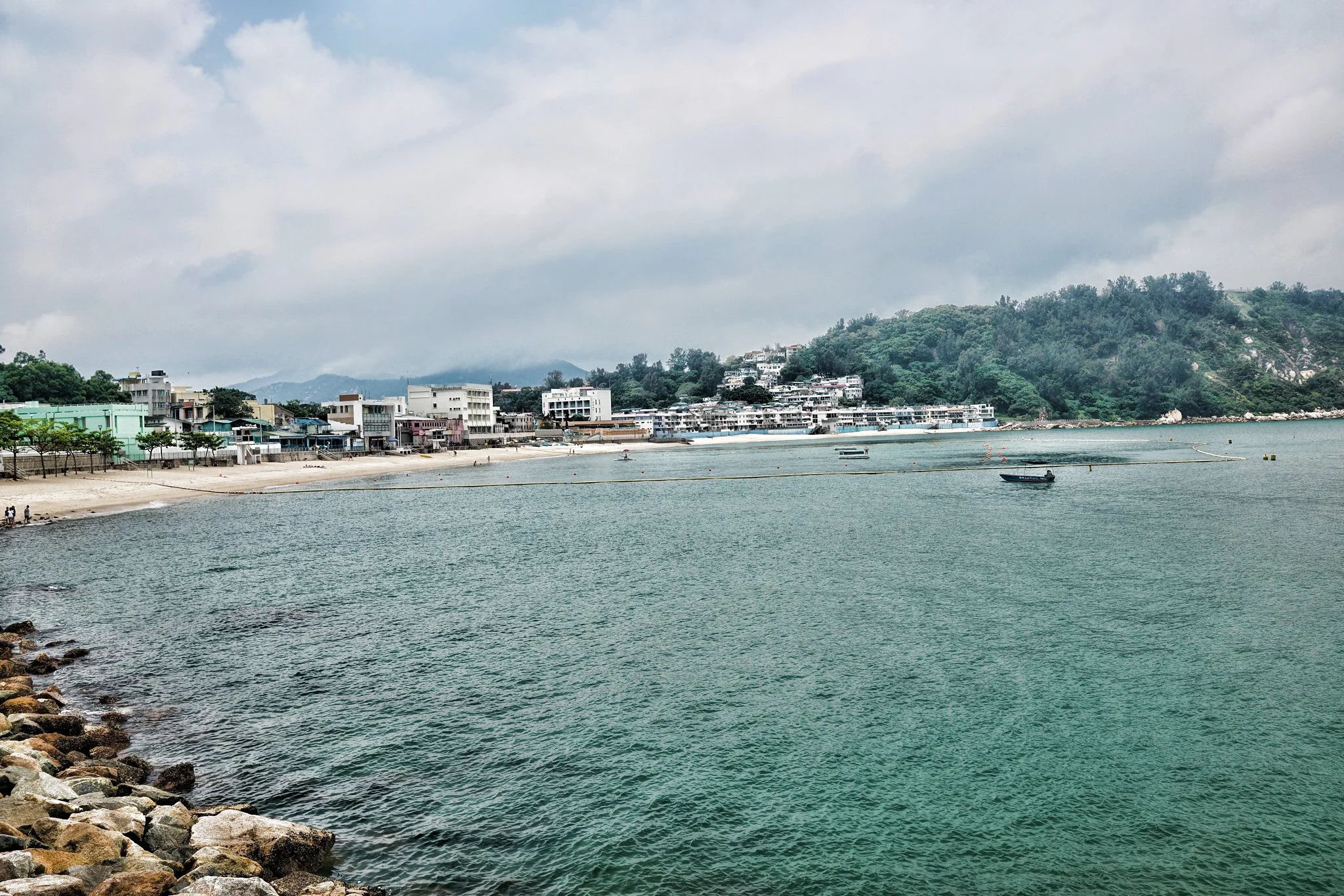
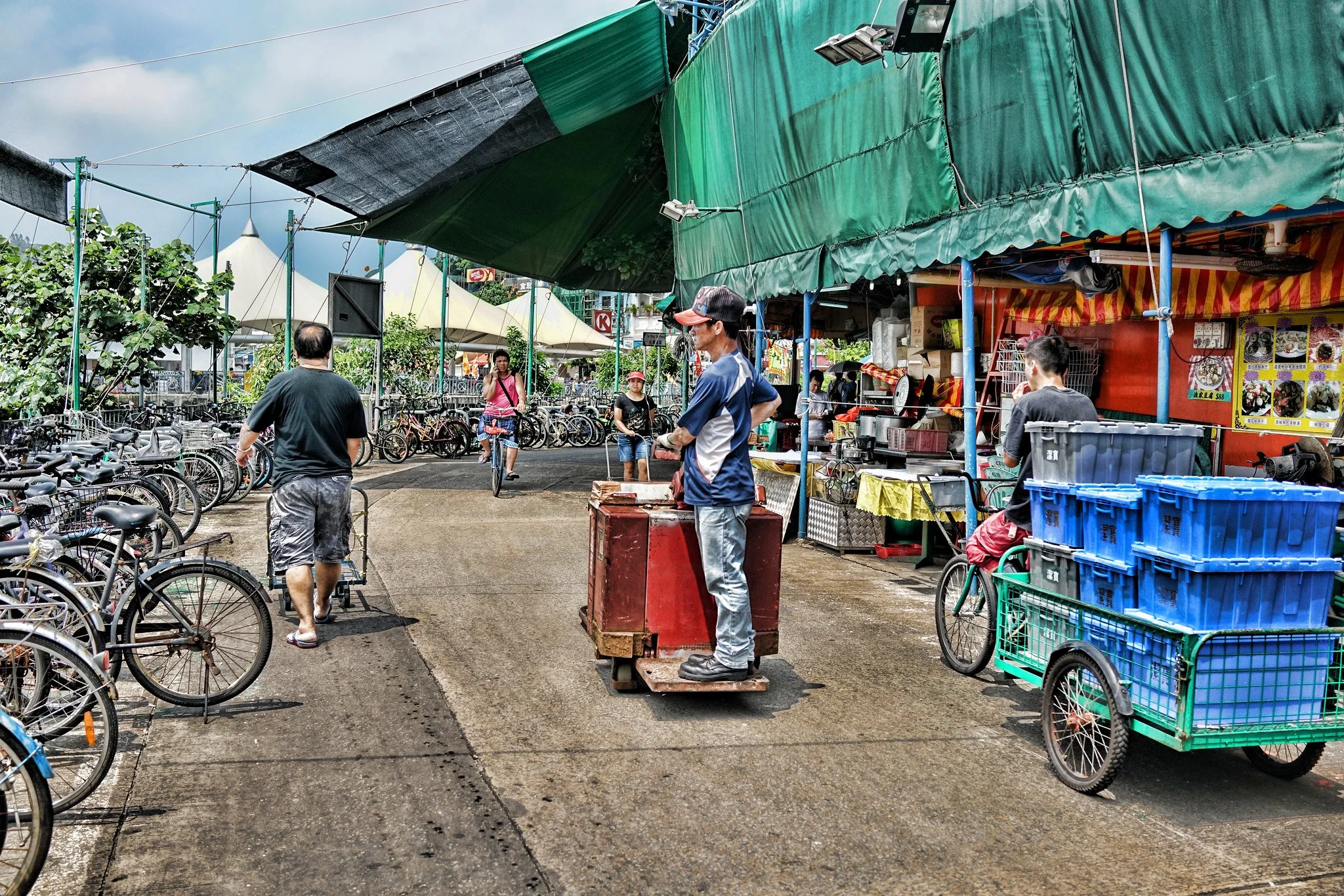
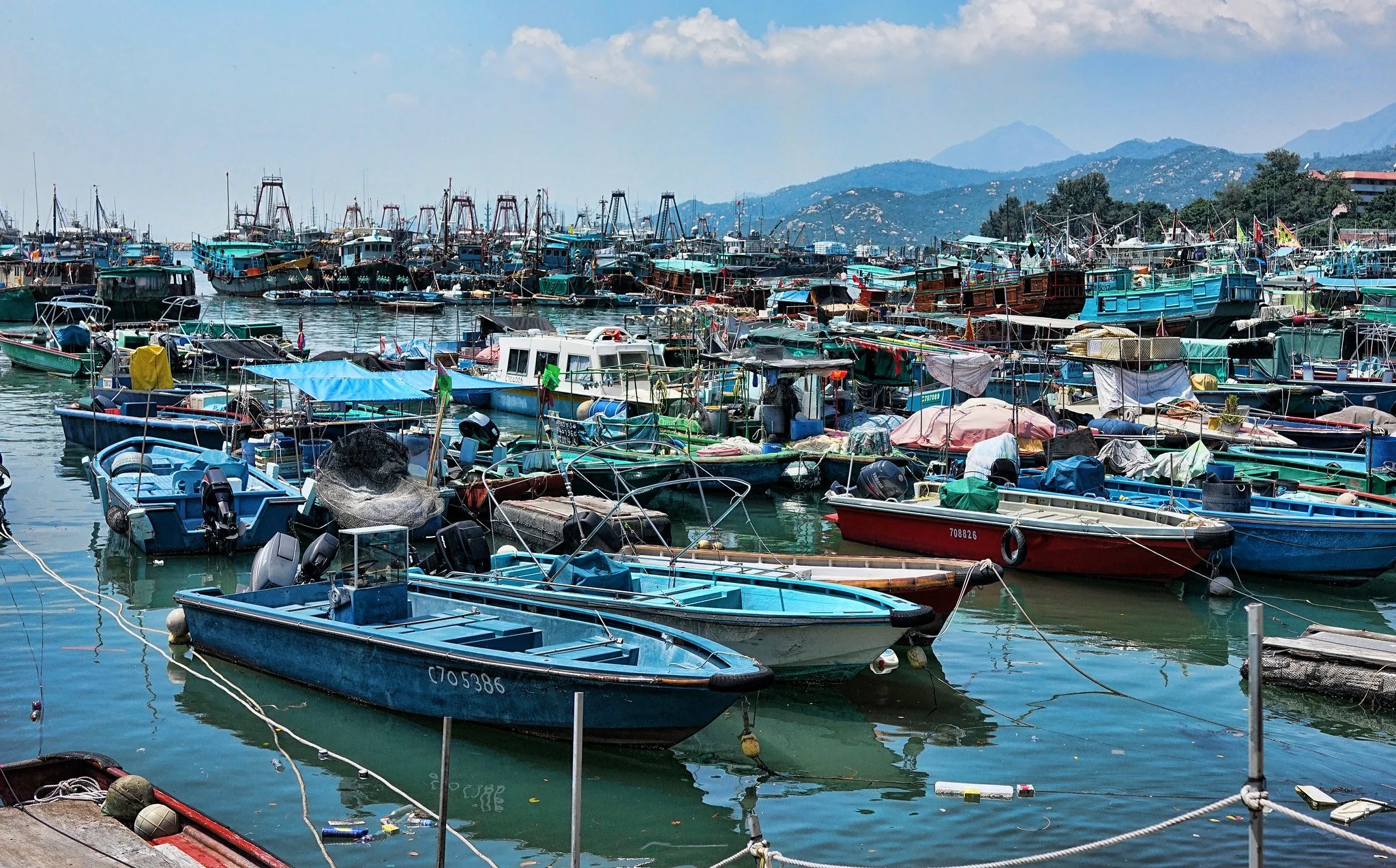
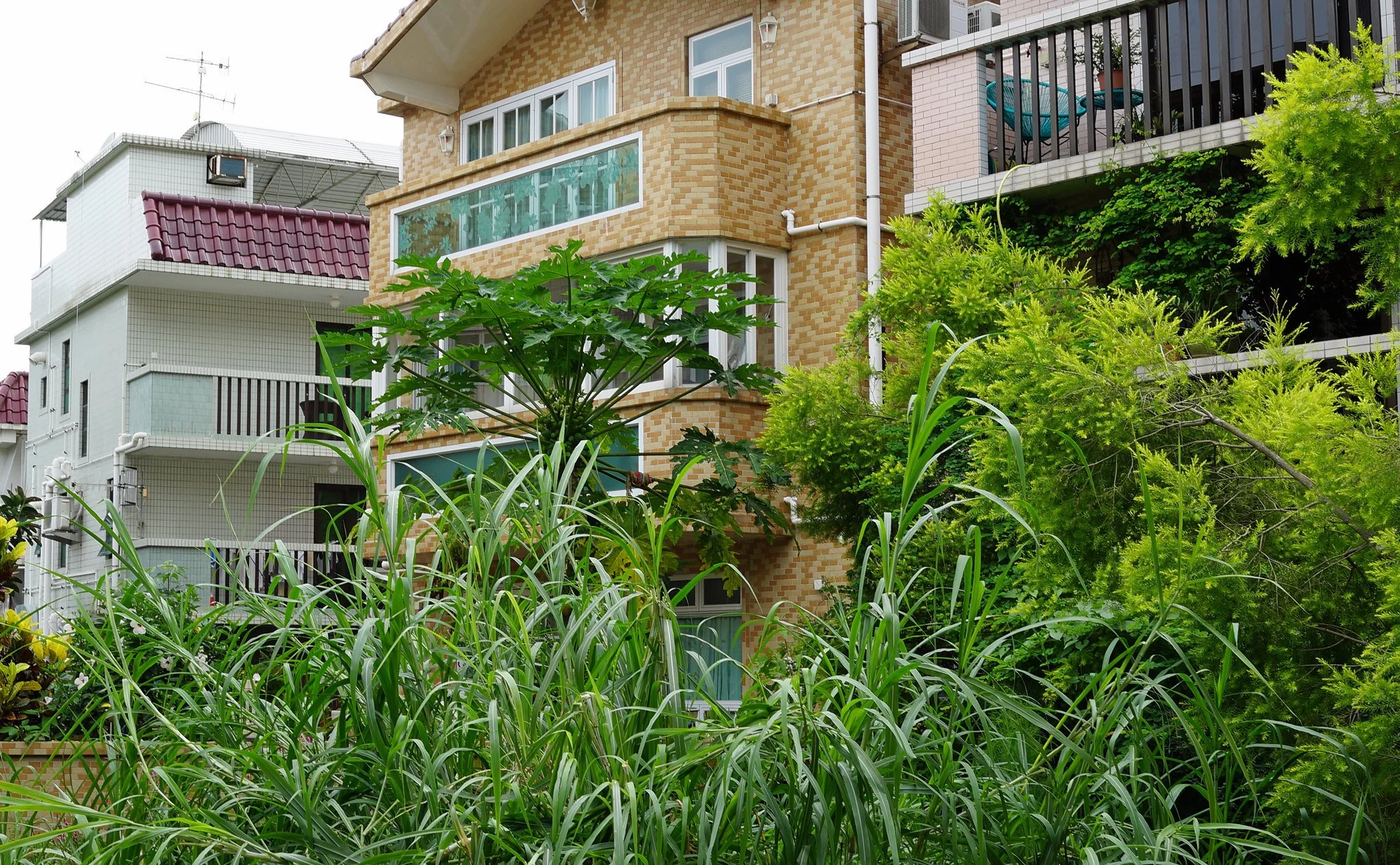
I have attached a selection of images I have taken of the 3 islands, trust me they do not do the islands justice, so if you can make some time and visit these islands, then you will really appreciate it.
click on any image to enlarge
© Copyright Acknowledged | All rights reserved | images taken by Jamie
Cheung Chau Island | The Best Ferry Ride | Hong Kong
Cheung Chau Island
Discovering Cheung Chau Island: Cheung Chau is a compact, dumbbell-shaped island that perfectly captures the spirit of traditional Hong Kong fishing life blended with modern leisure options. Its narrow central strip is lined with waterfront promenades, bustling markets, and family-run eateries, while the wider ends feature beaches, temples, and hiking trails. The island’s laid-back atmosphere makes it feel like a step back in time, yet it offers enough variety to keep any visitor engaged for hours. From the moment the ferry docks, the sight of fishing boats bobbing in the harbour and the aroma of fresh seafood sets the tone for a truly immersive day.
History of Cheung Chau Island: The island has deep roots as a fishing community dating back centuries, with evidence of early settlements and a rich maritime past. It was once a haven associated with pirate activity, most notably linked to the legendary Cheung Po Tsai in the early 19th century. Over time, it developed into a thriving fishing village with strong Taoist influences, reflected in its temples and annual rituals. Traditional practices have been preserved alongside gradual modernisation, including the construction of new accommodations and recreational facilities while maintaining the core fishing village character.
Key Statistics
Area: approximately 2.44 km²
Estimated population: around 19,800
Shape: distinctive dumbbell form with two wider ends connected by a narrow isthmus
Location: situated between Hong Kong Island and Lantau Island in the Islands District
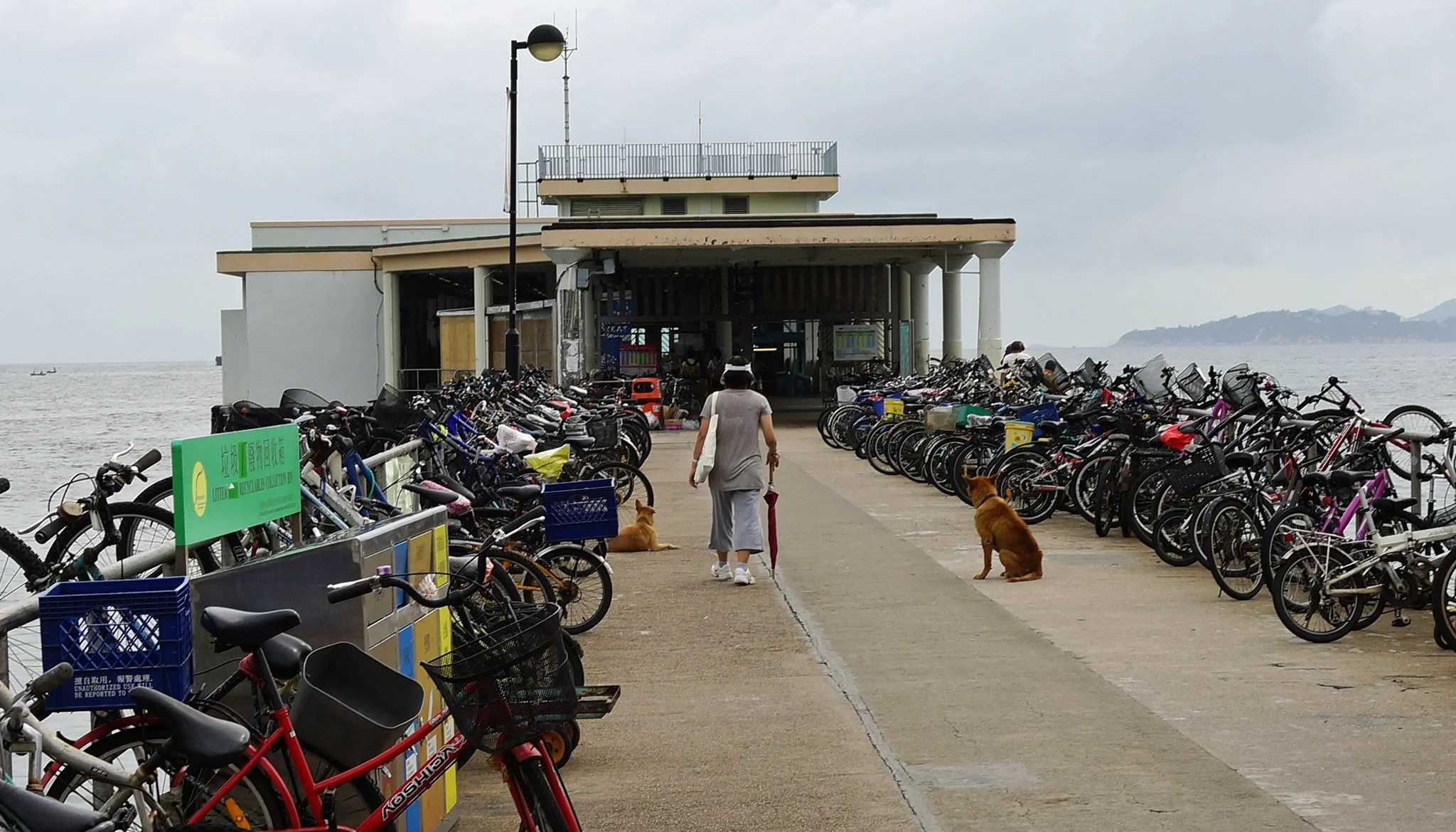
Things to Do on Cheung Chau Island There is no shortage of activities to fill a day here. Start by wandering along the waterfront promenade and Pak She Praya Road, where seafood restaurants offer al fresco dining with views of the harbour and passing boats - a favourite for both locals and visitors seeking the freshest catches. Rent a bicycle and explore the narrow lanes, stopping at street stalls for giant fish balls, charcoal-grilled squid, or sweet mango mochi. Head to Tung Wan Beach for swimming, windsurfing, or simply relaxing on the sand; nearby facilities like the Cheung Chau Surf Park provide showers, changing rooms, and barbecue spots.
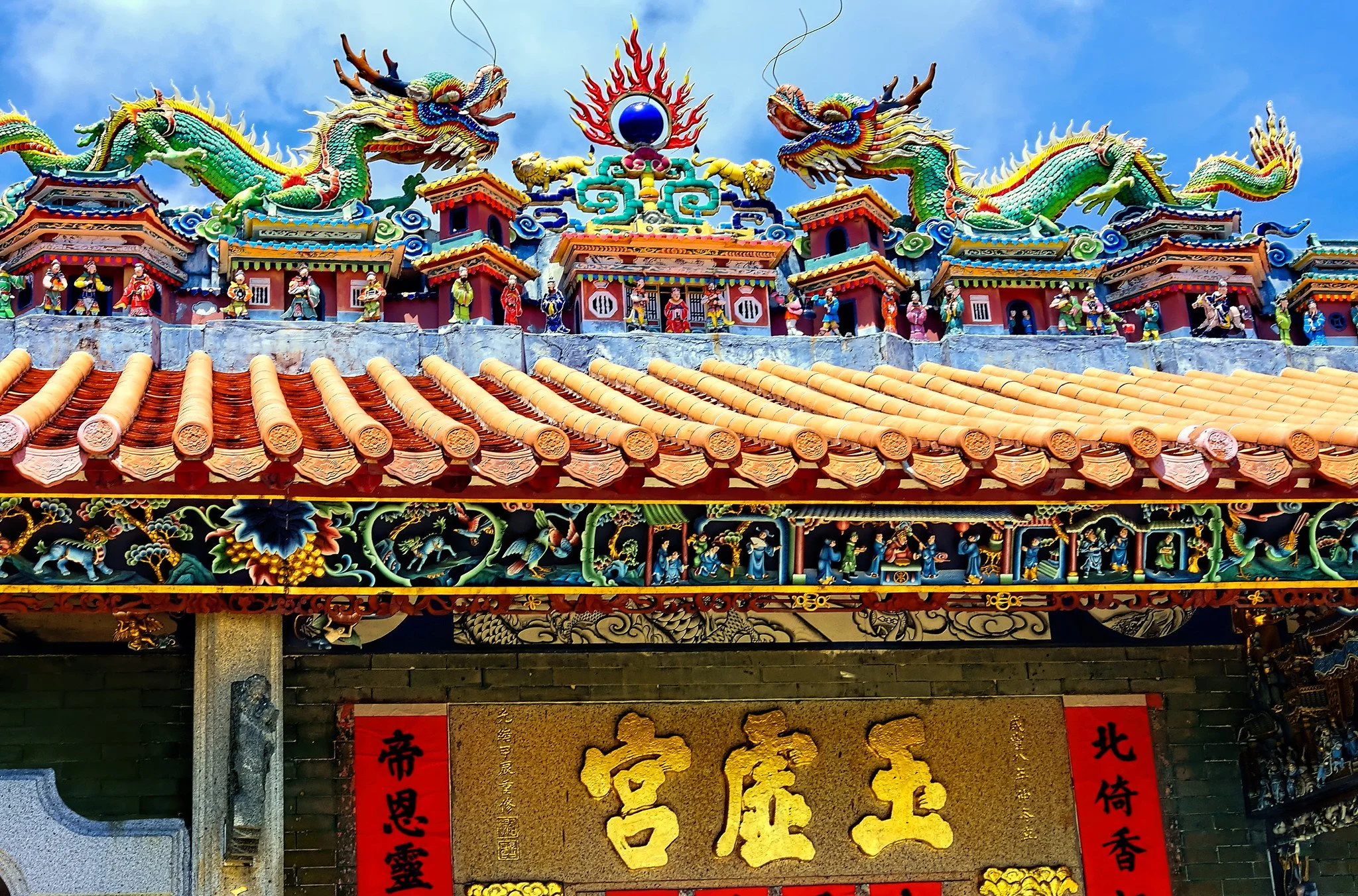
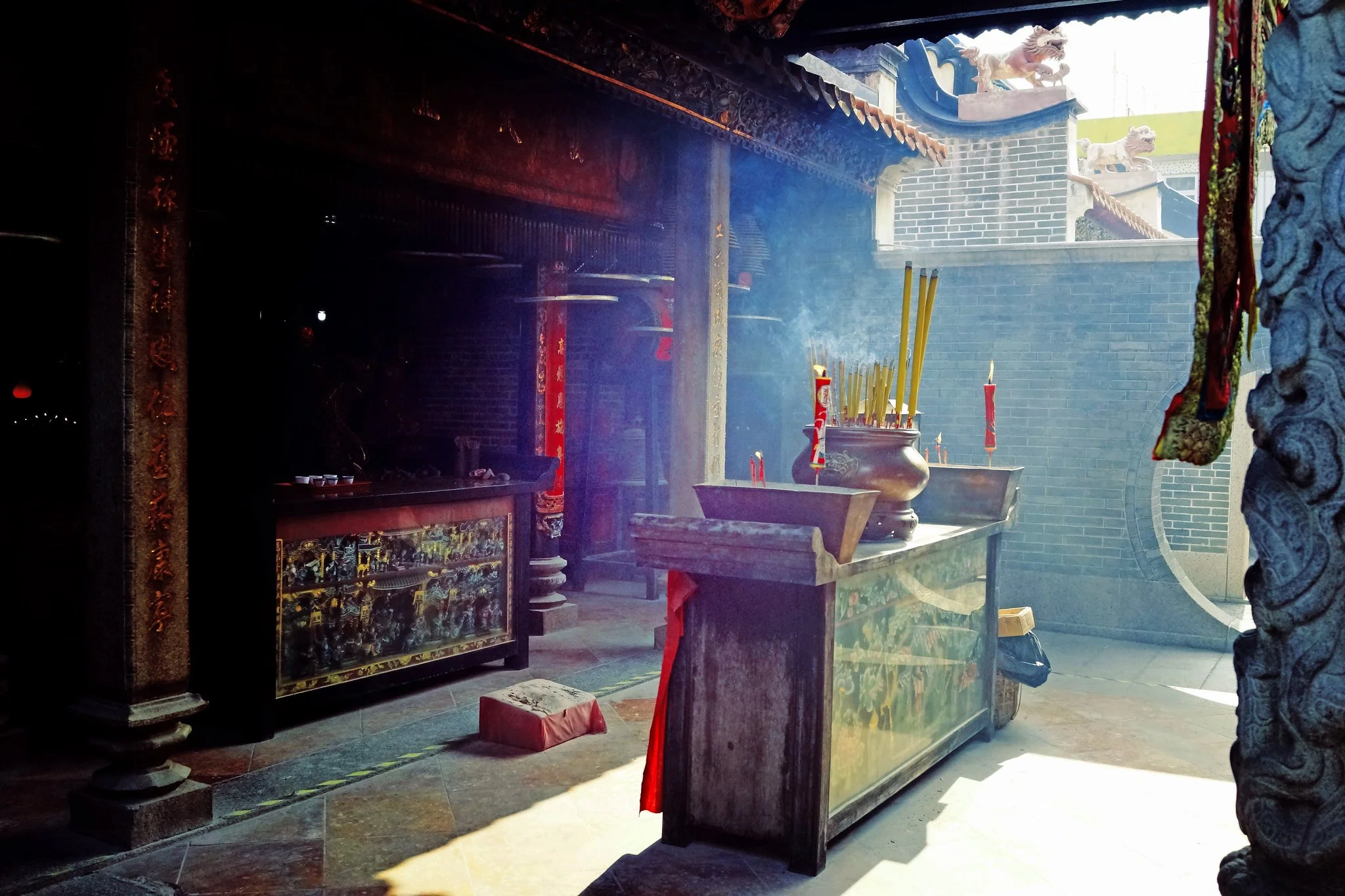
For those who enjoy history and culture, visit the Pak Tai Temple built in 1783, a Grade I historic building dedicated to the Taoist deity who protects seafarers, complete with intricate ceramic figurines and murals. A short hike leads to Cheung Po Tsai Cave, a granite formation tied to pirate legends, offering a glimpse into the island’s adventurous past.
Families love Saiyuen Camping Adventure Park on the southwestern tip, with glamping tents, canopy walks, craft workshops, and outdoor cooking experiences spread across nearly 500,000 square feet. Quite a few of my friends have been there and rate it very highly
Nature lovers should tackle the easy Mini Great Wall section of the Family Trail -
an 850-metre paved path with stone railings resembling the Great Wall of China, offering panoramic sea views of Hong Kong Island and Lamma.
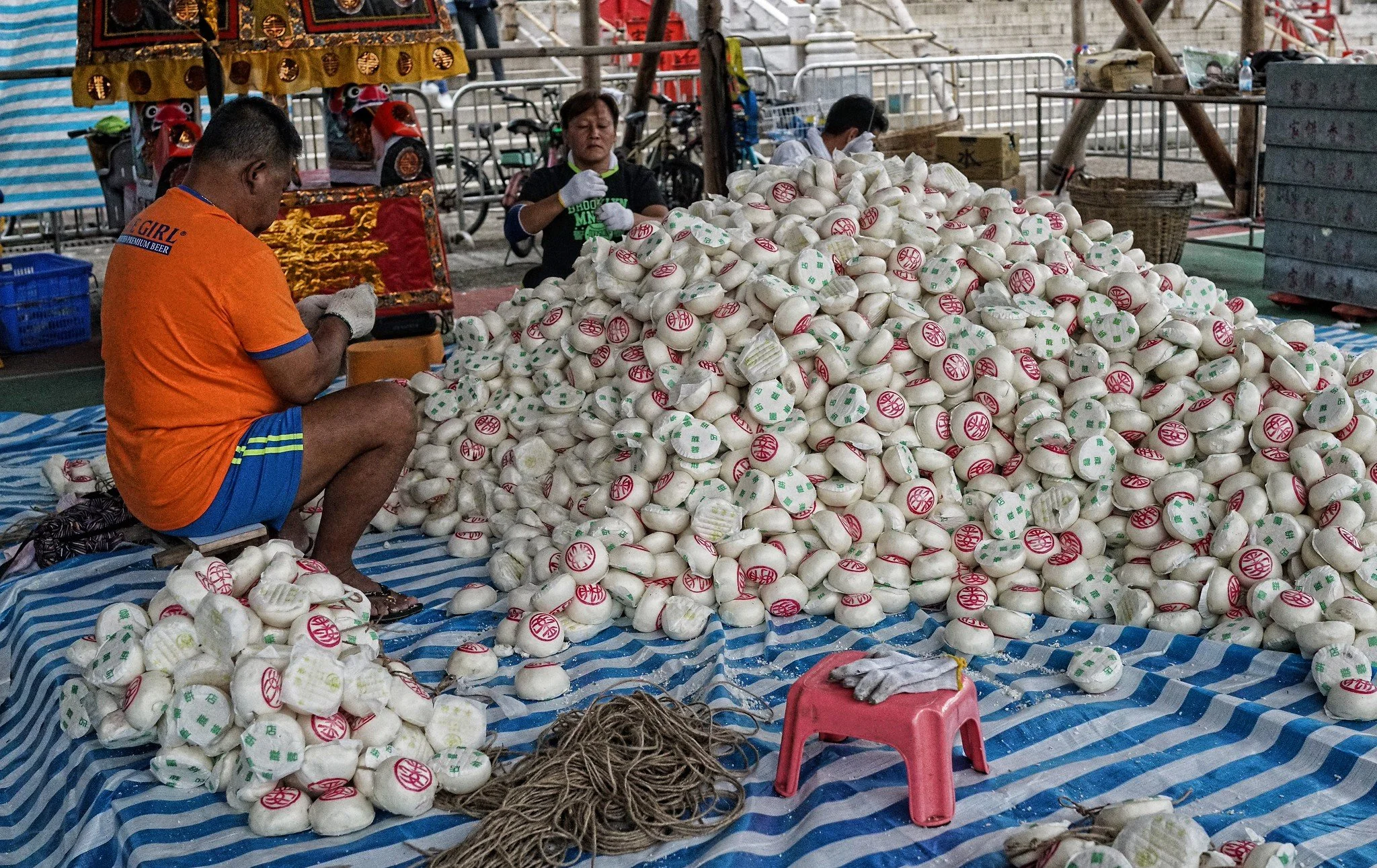
The island’s annual Cheung Chau Bun Festival (also known as the Da Jiu Festival), usually held in May around the lunar fourth month and coinciding with Buddha’s Birthday, is one of Hong Kong’s most iconic events. It features towering bun structures, colourful parades, the “floating colours” performance, and the thrilling bun-scrambling competition rooted in ancient rituals to exorcise evil and bring prosperity. Even outside festival season, temple fairs and smaller celebrations keep the cultural calendar lively throughout the year.
The Warwick Hotel on Cheung Chau The Warwick Hotel stands as one of Cheung Chau’s most recognisable landmarks and a popular choice for those wishing to extend their island visit into an overnight stay. Opened in 1983 and located right beside Tung Wan Beach on the eastern side of the island, this six-storey resort-style hotel offers direct access to the sandy shoreline and panoramic sea views from many of its rooms and the restaurant. It features a swimming pool, basic facilities, and a relaxed Mediterranean-inspired atmosphere that complements the island’s laid-back vibe. While the property shows its age in some areas and could benefit from further modernisation, it remains famous for its convenient beachfront position and as a comfortable base for families or couples seeking a peaceful escape. The hotel’s location makes it an ideal spot to watch sunrises over the water or enjoy evening strolls along the promenade after a day of exploring. Many visitors appreciate its proximity to key attractions, including the beach and hiking paths, making it a practical and scenic choice for those who want to experience Cheung Chau beyond a day trip.
I stayed at the Hotel with the wife a few times in the mid 1980’s and really liked it, it is not the Peninsula Hotel but it just fine and the restaurants are actually pretty good!
Rock Inscriptions Near the Warwick Hotel Just below the Warwick Hotel, at the south-eastern end of Tung Wan Beach, lie the ancient Cheung Chau Rock Carvings - a declared monument that adds significant historical depth to this part of the island. These Bronze Age petroglyphs, believed to be around 3,000 years old, were first reported by a geologist in 1970 and officially protected in 1982. The carvings consist of two groups of geometric patterns incised into large boulders, featuring swirling lines, curved designs, and small depressions that may symbolise forces of nature, clouds, thunder, or serve as tributes to sea gods for protecting fishermen. Visitors can easily access them via a short flight of steps with green railings leading to a rock platform along the beach promenade. Standing there, it is humbling to contemplate the ancient maritime communities that once looked out over the same waters. These inscriptions represent one of Hong Kong’s important archaeological treasures and provide a fascinating contrast between the island’s prehistoric past and its living fishing village present. I always recommend taking a few quiet moments here during any visit to the eastern beach area.
Why Cheung Chau Is Famous and Standout Places to Visit Cheung Chau stands out for its perfect balance of tradition and accessibility - it is famous worldwide for the Bun Festival, which draws huge crowds for its unique blend of Taoist worship, community spirit, and thrilling spectacles. The standout places include Pak Tai Temple for its historical depth, Tung Wan Beach and the Warwick Hotel area for relaxed seaside vibes, the Rock Carvings for ancient heritage, and the North Lookout Pavilion for sweeping sunset views across to Lamma and the Tsing Ma Bridge. The island’s compact size means everything is walkable, making it ideal for those who want an authentic fishing village experience without needing extensive planning.
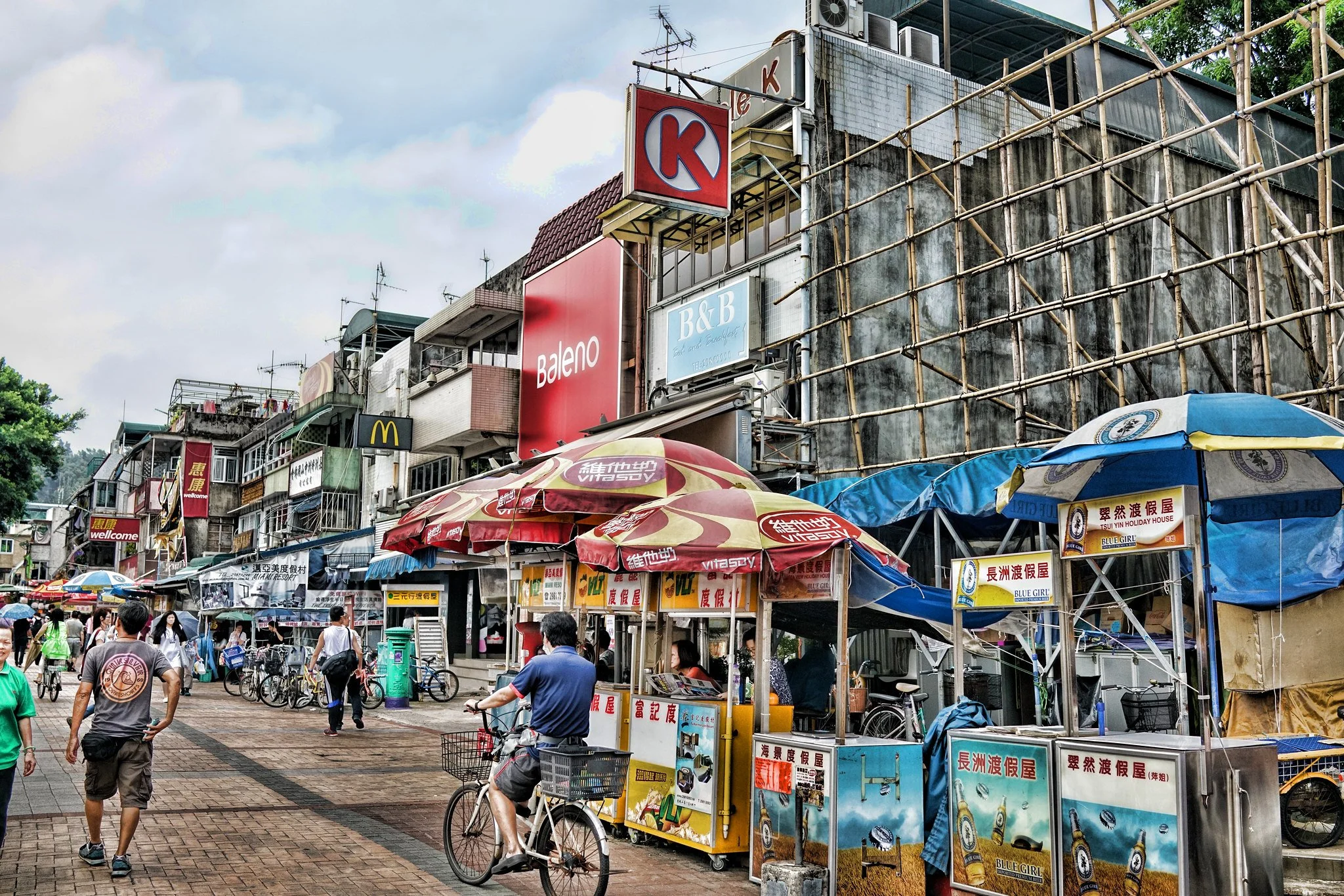
A word about the seafood restaurants, but first, when you get off the ferry the first thing you see is a McDonalds (seriously) and a 7 - 11.. turn left past all the bycicles and keep walking and you will come across a bunch of resturants shich are quite famous and have a reputation for pretty good seafood, English is spoken and understood, the mene is extensive and the prices are very reasonable.
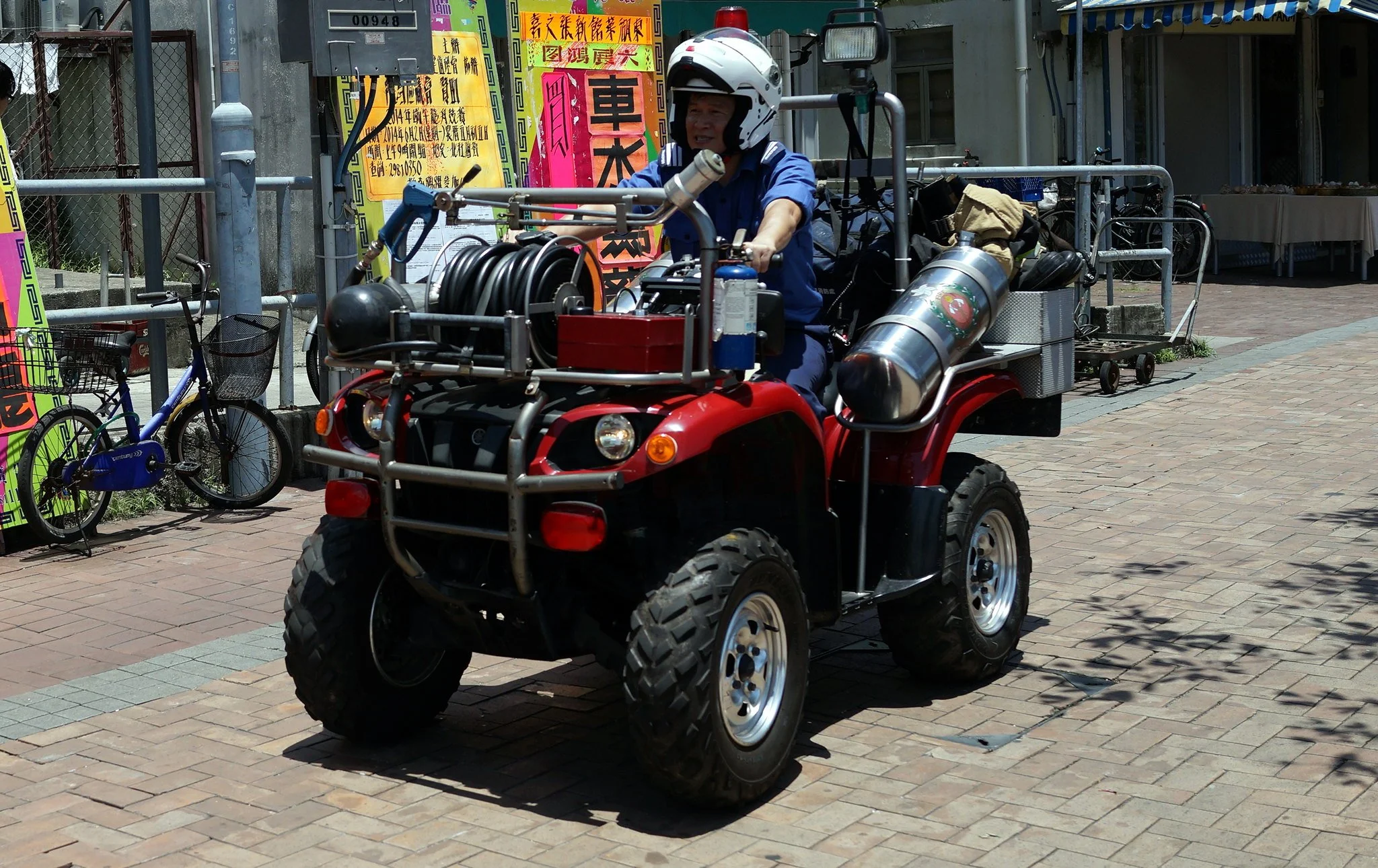
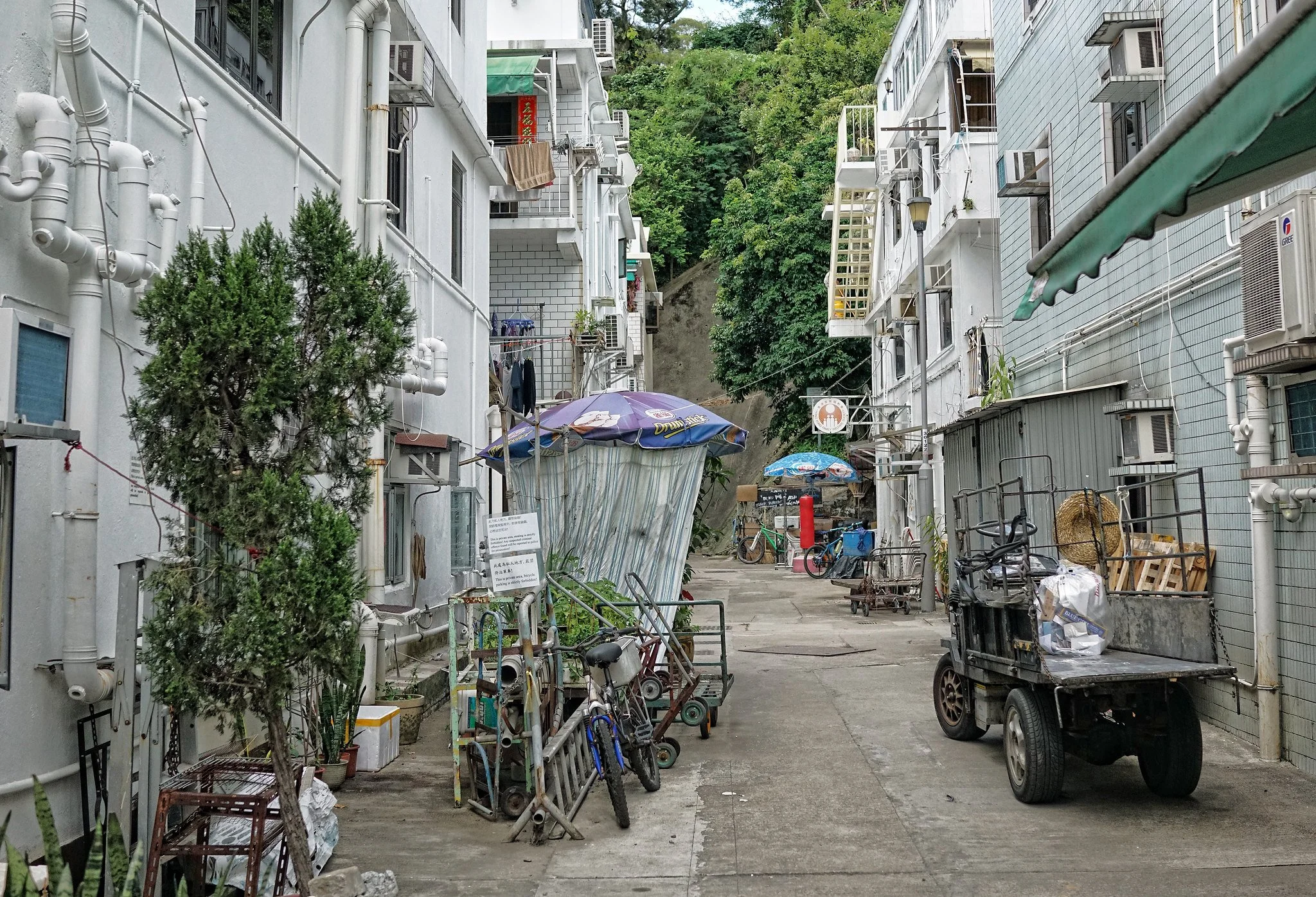
Transportation Note on Cheung Chau One of the most delightful aspects of Cheung Chau is that the island is essentially car-free for all practical purposes. Regular private cars are not permitted due to the extremely narrow streets and lanes, which simply cannot accommodate them. This restriction preserves the island’s peaceful, pedestrian-friendly character and maintains the traditional fishing village atmosphere that has defined Cheung Chau for generations. The only motorised vehicles present are small emergency service vehicles - such as compact ambulances, fire engines, and police vans designed for the tight spaces - and the village vehicles (commonly known as VVs).
In my long experience visiting the island, the petrol-powered VVs are particularly noticeable and frequent on the main streets. These small utility carts, used for transporting goods, construction materials, and daily supplies, can be heard from quite a distance as they rumble along Pak She Praya Road and the central thoroughfares. Many locals and regular visitors view them as something of a necessary evil - noisy, smoky, and disruptive to the otherwise tranquil environment. While they are essential for keeping businesses and households supplied, their frequent passages and engine noise are a common complaint, and most people on the island would welcome quieter, less intrusive alternatives. Despite this, the overall experience remains overwhelmingly positive because the absence of full-sized cars still allows safe walking, relaxed cycling, and a freedom of movement that larger islands with normal traffic simply cannot offer and to be honest, they are Cheung Chau cultural icons!
How to Get There: Ferry Instructions from Central Piers Ferries to Cheung Chau depart from Central Pier 5, operated by Sun Ferry Services. The journey takes about 55-60 minutes on an ordinary ferry or 35-40 minutes on a fast ferry. Services run frequently throughout the day, with departures often every 30-60 minutes (alternating between ordinary and fast options) from early morning until late evening. Between approximately 9am and 5pm on weekdays and weekends, expect multiple sailings roughly every 20-45 minutes during peak hours, with extra services on public holidays and weekends. Return ferries from Cheung Chau follow a similar schedule, making same-day round trips straightforward. Check the latest timetable on the Sun Ferry website or at the pier for exact times, as slight variations occur between weekdays and weekends.
This is an essential tip - for me personally I never take the fast ferry, I take the ordinary ferry (or slow ferry) becuase on the upper deck of the ferry at the stern (or back) there is an outdoor section with seats, please note you have to pay to get access to the upper deck (as it is airconditioned) so when you board the ferry you go up the stairs to the upper deck and tap your Octopus Card to pay for it, it is a very small charge but trust me it is worth it!
My Opinion: Why It Is Worth Tourists’ Time and Assessment as a 4-Hour Excursion I truly believe Cheung Chau is worth every visitor’s time because it delivers a complete package of culture, nature, and relaxation in one compact destination. The ferry ride itself is scenic, and once on the island the car-free environment (apart from the essential but noisy VVs) immediately transports you away from Hong Kong’s hustle. A 4-hour excursion is entirely feasible: allow 40-60 minutes each way on the ferry, leaving about 2-3 hours to explore the main highlights, enjoy a seafood meal, visit the Warwick Hotel area and rock carvings, and perhaps a short beach stop or walk. It is perfect for families, couples, or solo travellers looking for an easy, rewarding day trip that feels far more immersive than many city tours.hal a day or
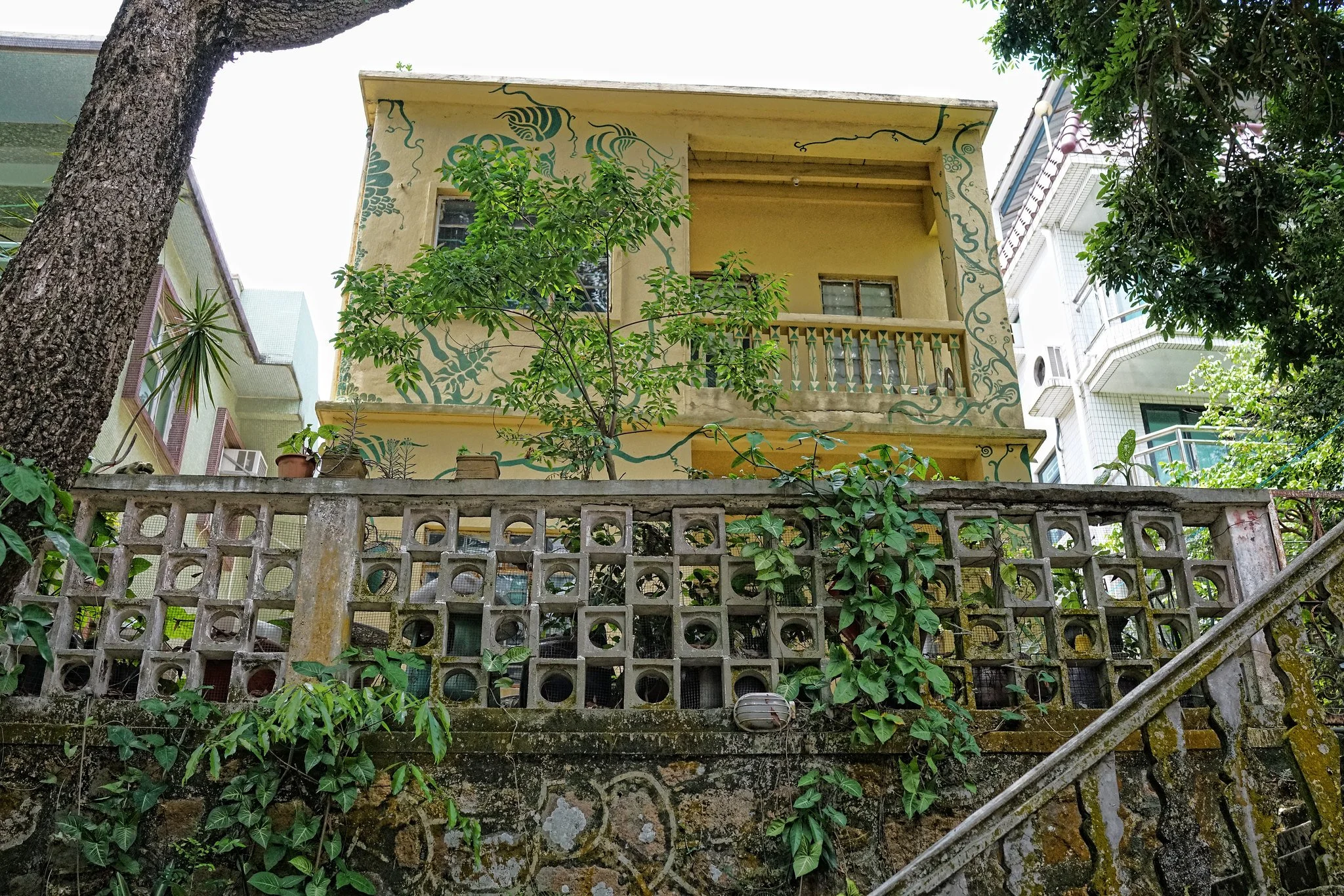
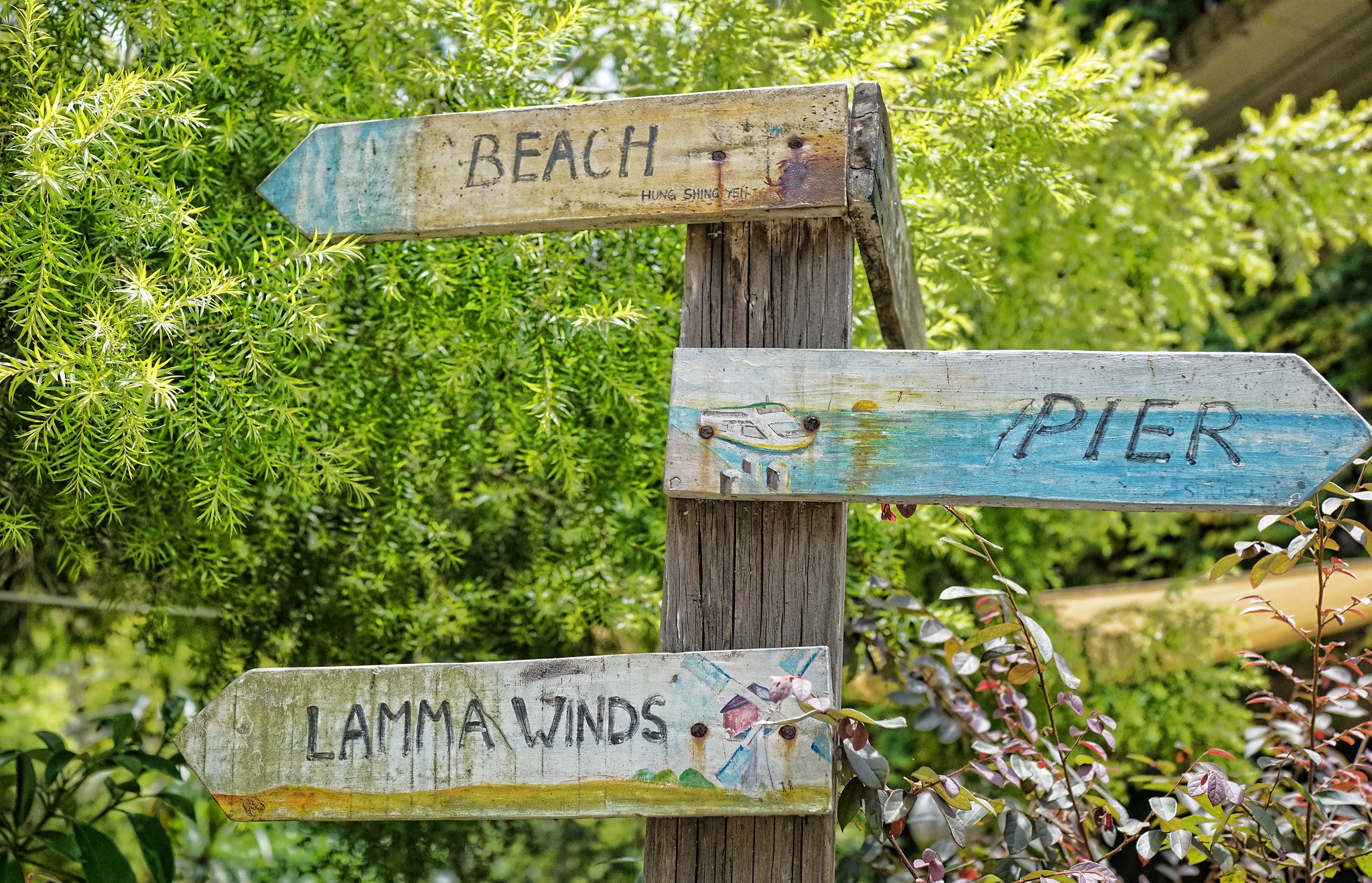
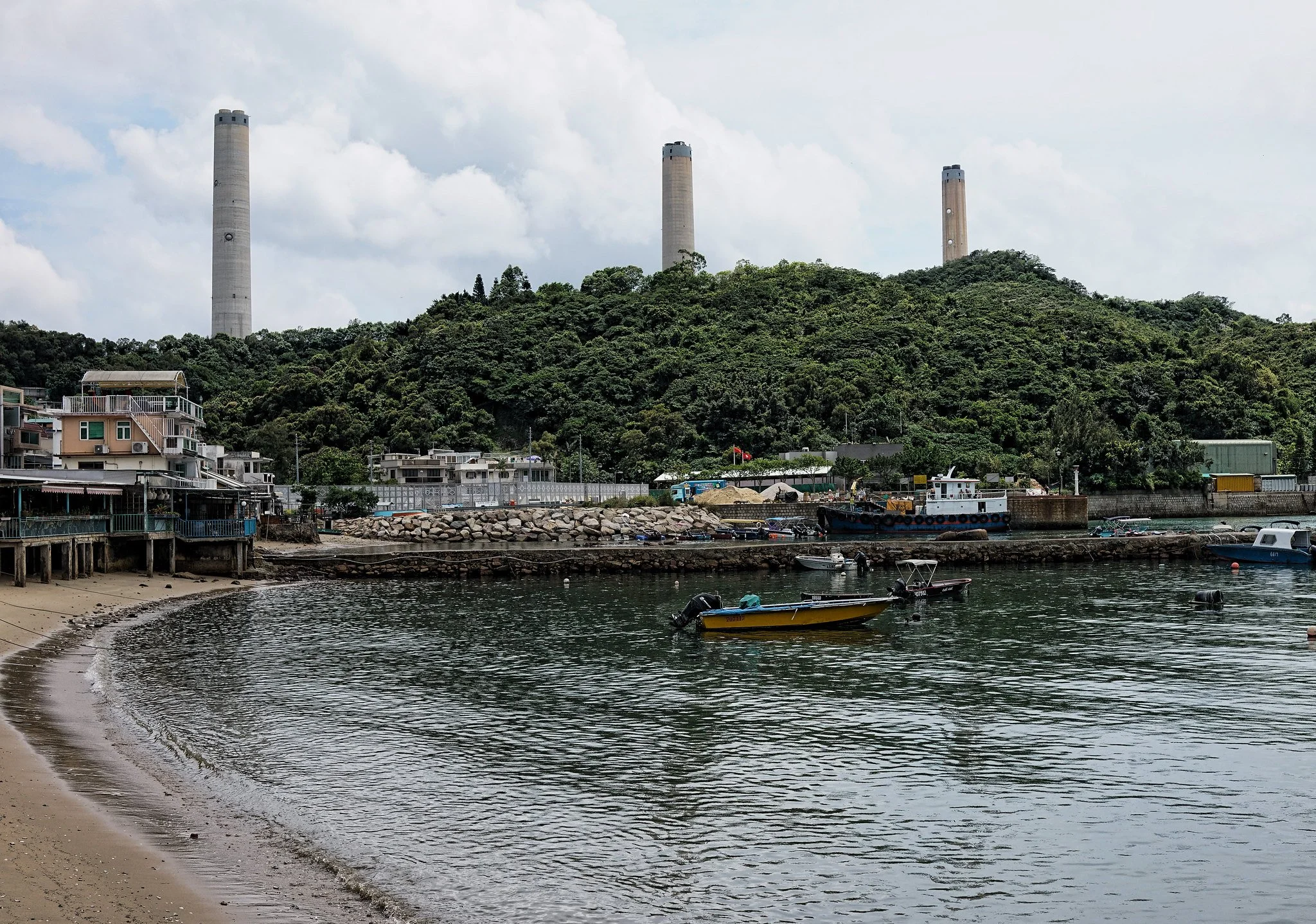
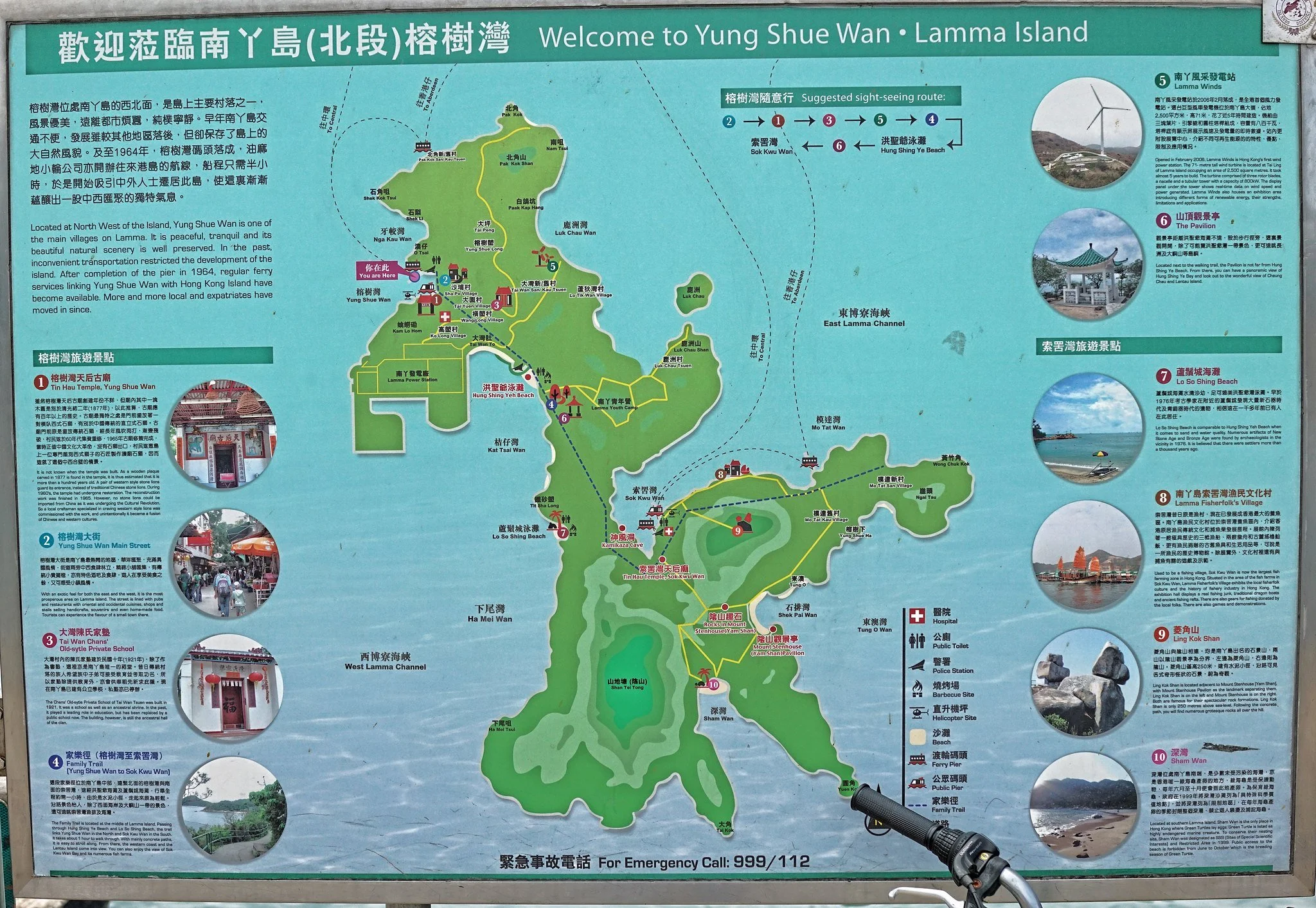
click on any image to enlarge
© Copyright Acknowledged | All rights reserved | images taken by Jamie
Lamma Island | Very Bohemian | Hong Kong
Lamma Island
I will be blunt, I am generally not a fan of Lamma Island but not for the reasons you might think, in a nutshell it is a place to go hiking, with quite a few terrific and not to strenous trails, me and hiking, well we do not mix, hiking is something I have never been remotely interested in and I always laught when I see large groups of hikers on easy trails looking like they are going climbing on Mount Everest and having the right branded gear is just soooooo important. ignore me and go hiking on Lamma Island.
Discovering Lamma Island Lamma Island, also known locally as Pok Liu Chau, is Hong Kong’s third-largest outlying island and a haven for nature lovers and those seeking a slower pace.
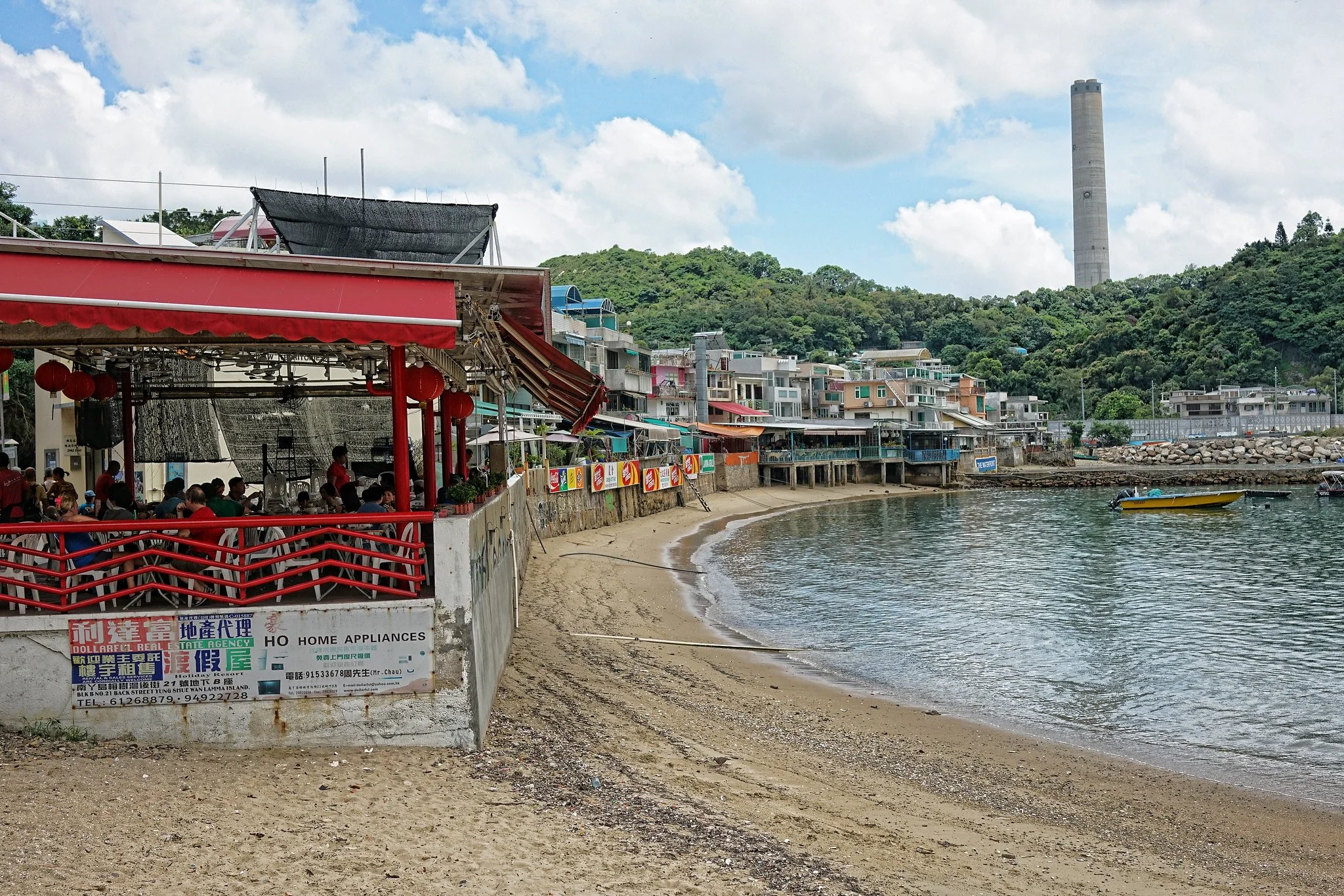
With two main villages - Yung Shue Wan in the northwest and Sok Kwu Wan in the southeast the island is entirely car-free, connected by scenic coastal paths that wind through hills, beaches, and traditional fishing communities. Its rugged coastline, lush greenery, and multicultural expat vibe create a relaxed, bohemian atmosphere that contrasts beautifully with the high-rises visible across the water.
For a normal person (average fitness, not rushing, with some photo and water breaks), the hike from Yung Shue Wan to Sok Kwu Wan (or vice versa) on the Lamma Island Family Trail typically takes 1.5 to 2 hours.
Key Details of the classic Lamma Hike
Distance: Approximately 5 km (about 3.1 miles) one way along the well-maintained, mostly paved coastal Family Trail.
Difficulty: Easy to moderate. There are some gentle uphill sections and stairs, but nothing steep or technical. The highest point is only around 110–112 metres elevation gain.
Realistic Time for Most People:
Steady pace without many stops: 1 - 1.5 hours.
Leisurely pace with photos, views, and short breaks: 1.5 - 2 hours (this is what most normal visitors experience).
With detours (e.g., to Lamma Winds turbine or beaches): Add 30 - 60 minutes, pushing it closer to 2–2.5 hours.
The trail is very popular, family-friendly, and well-signposted. It passes scenic viewpoints, small beaches (like Hung Shing Yeh), herb farms, and offers great sea views, including the famous power station stacks. It is exposed in places, so bring water, sun protection, and comfortable walking shoes - especially important in hot or humid weather.
History of Lamma Island Human activity on Lamma dates back over 6,000 years to Neolithic times, with evidence of ancient fishing settlements. It has long been a fishing port, with villages sustained by the sea and small-scale farming. During World War II, Japanese forces left behind structures such as the Kamikaze Caves. The island’s fishing heritage remains strong, and its two main settlements have evolved into charming hubs with restaurants, small temples, and a mix of local and international residents.
Key Statistics
Area: approximately 13.55–13.85 km²
Estimated population: around 6,700–7,000 (including a significant expatriate community)
Location: southwest of Hong Kong Island, part of the Islands District
Expatriate Community and Bohemian Character Lamma has long attracted a colourful and diverse expatriate population, making up roughly 23% white European residents according to recent census data, alongside other international groups. Historically, the island became a true haven for artists, musicians, writers, and free-spirited souls drawn to its affordable rents, car-free lifestyle, and noticeably more relaxed atmosphere compared to the high-pressure world of central Hong Kong. From the 1970s and 1980s onward, it earned a reputation as Hong Kong’s bohemian enclave - a place where creative types and those seeking an alternative way of life could truly unwind. Many long-time residents still embody that easy-going spirit; I personally know a couple of characters on the island who could have stepped straight out of a Coen Brothers film, complete with the laid-back, “The Dude” energy that has become part of Lamma’s charm. This wonderful mix of tolerant, multicultural residents blends seamlessly with the traditional fishing village roots, giving Yung Shue Wan in particular an eclectic, creative feel with international cafes, craft shops, and a genuine sense of freedom that continues to draw newcomers even today
… and if you do not know the movie, then it is the Big Lebowski with Jeff Bridges in the main role as “The Dude” his character lives on, on Lamma Island.
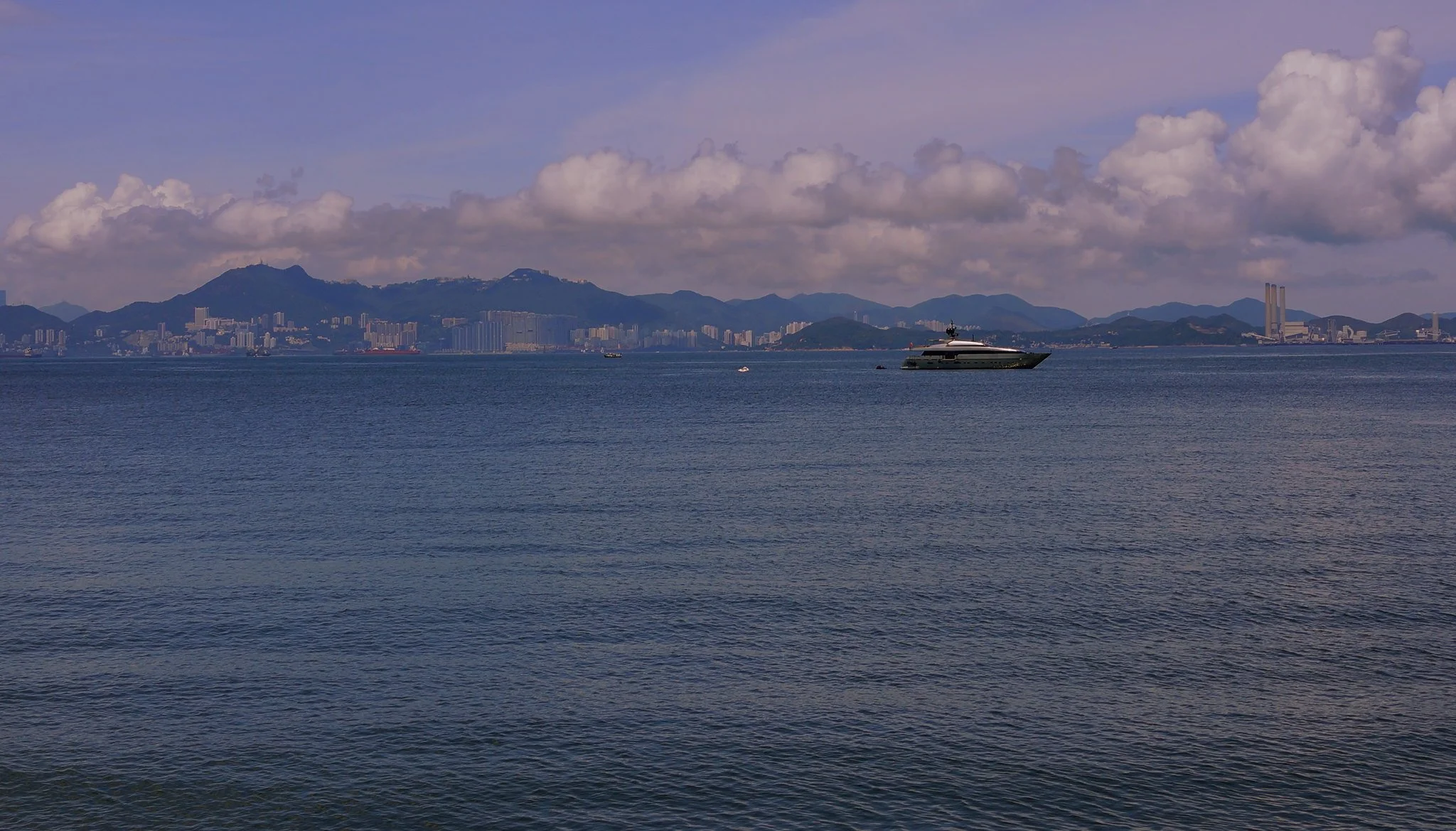
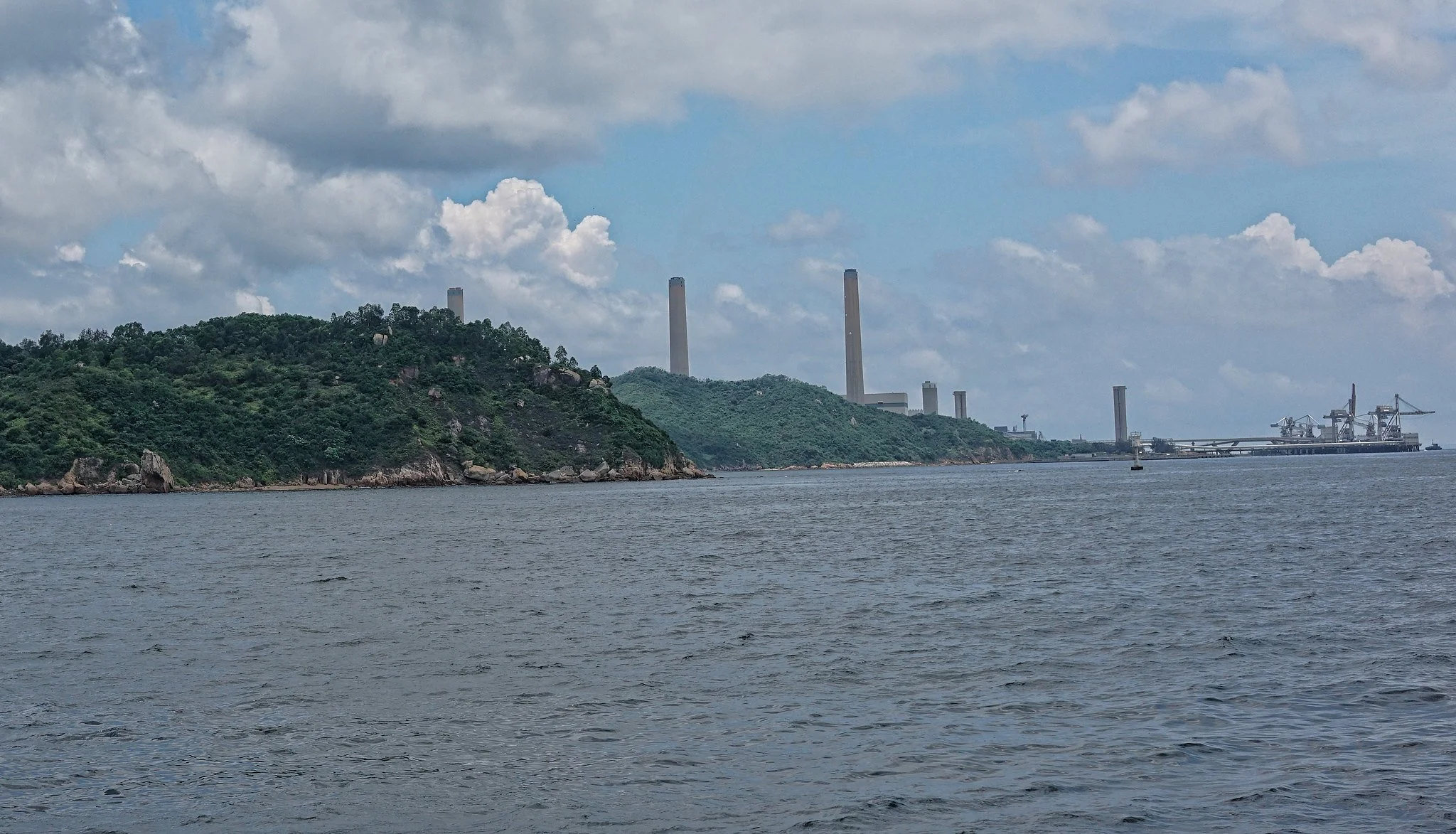
The Lamma Power Station No visit to Lamma Island is complete without spotting - or rather, being unable to miss - the island’s most famous landmark after the hiking trails: the three towering 150-metre smokestacks of the Lamma Power Station. Operated by Hongkong Electric (not CLP), these giant chimneys dominate the northern skyline like oversized sentinels and are so prominent they are even visible from space on clear days. Located at Po Lo Tsui, this major thermal power facility has been supplying electricity to Hong Kong Island and Lamma since its phased completion starting in 1982, with a current installed capacity of around 3,617 MW.
Every single person I have ever taken to Lamma immediately points at the stacks and exclaims something along the lines of “Wow, those are huge!” - they have become such an unmistakable part of the island’s identity that they now appear on T-shirts, pizza boxes, craft beer labels, and local souvenirs. While the industrial complex itself is screened from most trails and villages, the chimneys serve as a constant, slightly surreal backdrop, offering a humorous contrast between the island’s peaceful, car-free, bohemian (The Dude) vibe and this very visible reminder of modern energy needs and my point is very simple, no matter where you are on Lamma Island, the smokestacks are visible!
Things to Do on Lamma Island The island’s main draw is the Lamma Family Trail, a relatively easy coastal hike (about 7 km) linking the two villages and passing through beaches, WWII tunnels, herb farms, and stunning sea views. Start at one pier and end at the other for a natural one-way journey. Sok Kwu Wan is renowned for its cluster of waterfront seafood restaurants specialising in fresh catches - many visitors time their arrival for a leisurely lunch or dinner with harbour views. Yung Shue Wan offers a more eclectic mix of cafes, craft shops, and relaxed dining.
Swim or relax at Hung Shing Yeh Beach or Lo So Shing Beach, both with lifeguards and basic facilities during the summer season. Visit the Tin Hau Temple in Sok Kwu Wan, dedicated to the Goddess of the Sea and a focal point for local fishermen. For cultural depth, stop at the Lamma Fisherfolk’s Village museum, which showcases traditional boats, tools, and exhibits on the island’s maritime history. Smaller temple festivals and community events occur throughout the year, often tied to Tin Hau or other deities, adding colour to the calendar with parades and offerings.
Why Lamma Island Is Famous and Standout Places to Visit Lamma is famous for its car-free, eco-friendly lifestyle and as a top spot for hiking and fresh seafood dining. It appeals especially to those wanting a nature-focused escape with a touch of bohemian charm. Standout places include the Family Trail for its views and variety, Sok Kwu Wan’s seafood strip for culinary delights, and the beaches for simple relaxation. The island’s blend of history, nature, and laid-back living - complete with its iconic smokestacks and vibrant expatriate community - makes it a favourite among both locals and long-term residents.
How to Get There: Ferry Instructions from Central Piers Ferries to Lamma depart from Central Pier 4, operated by Hong Kong & Kowloon Ferry (HKKF). There are separate routes to Yung Shue Wan (about 25 - 35 minutes) and Sok Kwu Wan (about 45 minutes). Services are frequent, running every 20 - 60 minutes depending on the time of day. Between 9am and 5pm, expect multiple departures roughly every 30 minutes to each village on weekdays and weekends alike, with slightly adjusted schedules on public holidays. Return ferries operate on similar frequencies, allowing flexible day trips. Always confirm the exact pier and village destination at the ticket counter.
So we are very clear - ferries to Lamma Island depart exclusively from Central Pier 4 (Man Kwong Street, easily accessible via the Central waterfront promenade), operated by Hong Kong & Kowloon Ferry (HKKF). Importantly, there are two separate routes serving the island’s two main villages: one to Yung Shue Wan in the northwest and another to Sok Kwu Wan in the southeast. Yung Shue Wan is by far the most popular choice for the vast majority of day-trippers and tourists because it offers far higher frequency - typically every 20 to 60 minutes throughout the day - along with a wider selection of cafes, restaurants, shops, and direct access to the start of the scenic Family Trail.
The journey from Central to Yung Shue Wan usually takes 25 - 35 minutes depending on whether you take a fast or ordinary ferry. In contrast, services to Sok Kwu Wan are much less frequent (generally every 1 - 2 hours), with the trip taking around 40 - 50 minutes, but they land you directly beside the famous row of waterfront seafood restaurants. Many visitors choose to arrive at Yung Shue Wan, enjoy the village or hike across the island (1.5–2 hours at a normal pace), have a seafood meal in Sok Kwu Wan, and then return from there - or simply do a round trip from one village. Always double-check the latest timetable at the pier or on the HKKF website, as schedules can vary slightly between weekdays, weekends, and public holidays, and ferries can occasionally be affected by weather.
My Opinion: Why It Is Worth Tourists’ Time and Assessment as a 4-Hour Excursion In my view, Lamma is absolutely worth the trip for anyone craving fresh air, exercise, and excellent food in a peaceful setting. The hike and seafood combination creates a perfect day that feels rejuvenating rather than rushed. A 4-hour excursion works well: 30 - 45 minutes ferry each way leaves plenty of time for a shorter walk segment, beach visit, or meal. It suits active travellers and food enthusiasts particularly well and offers great value as an easy escape.
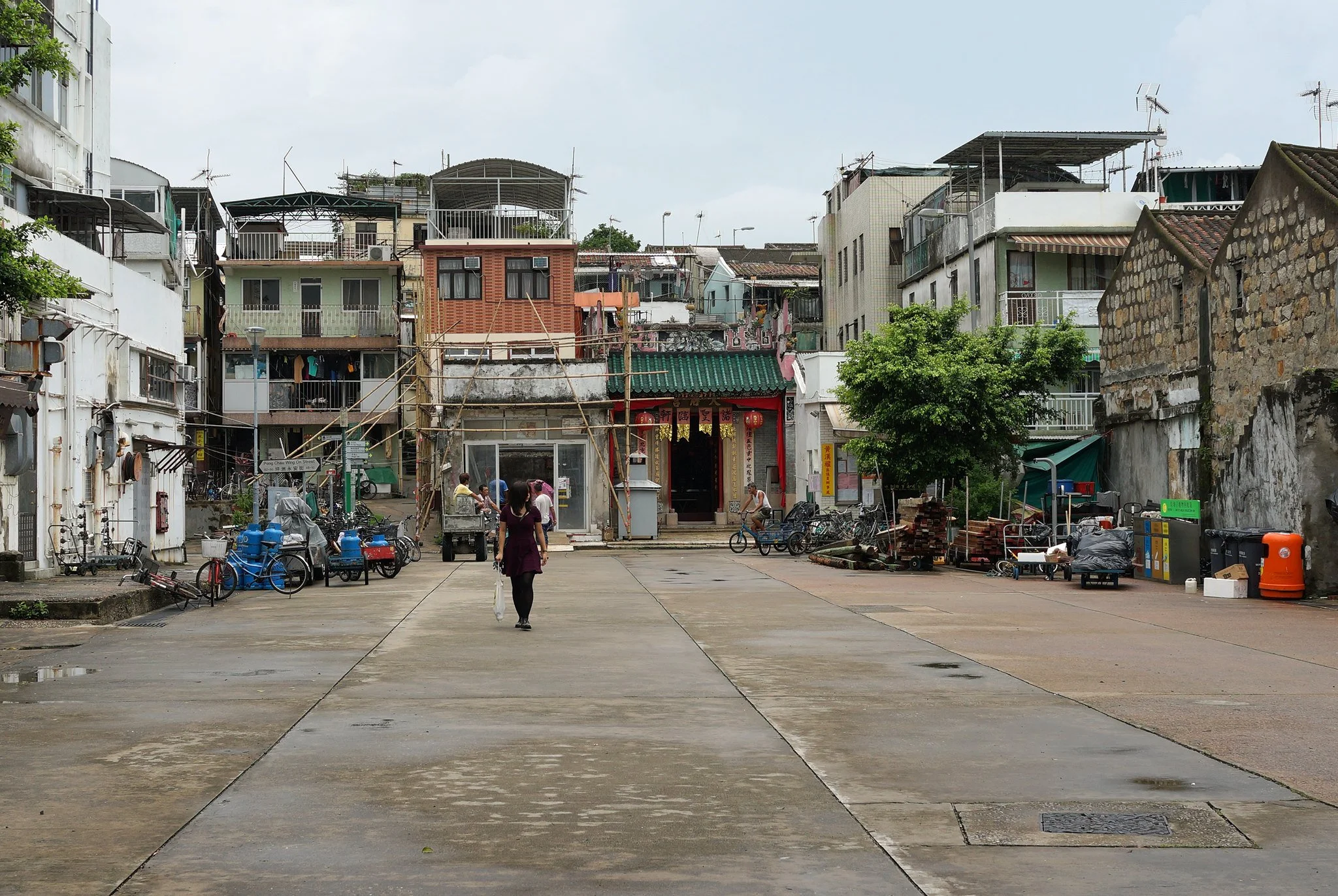
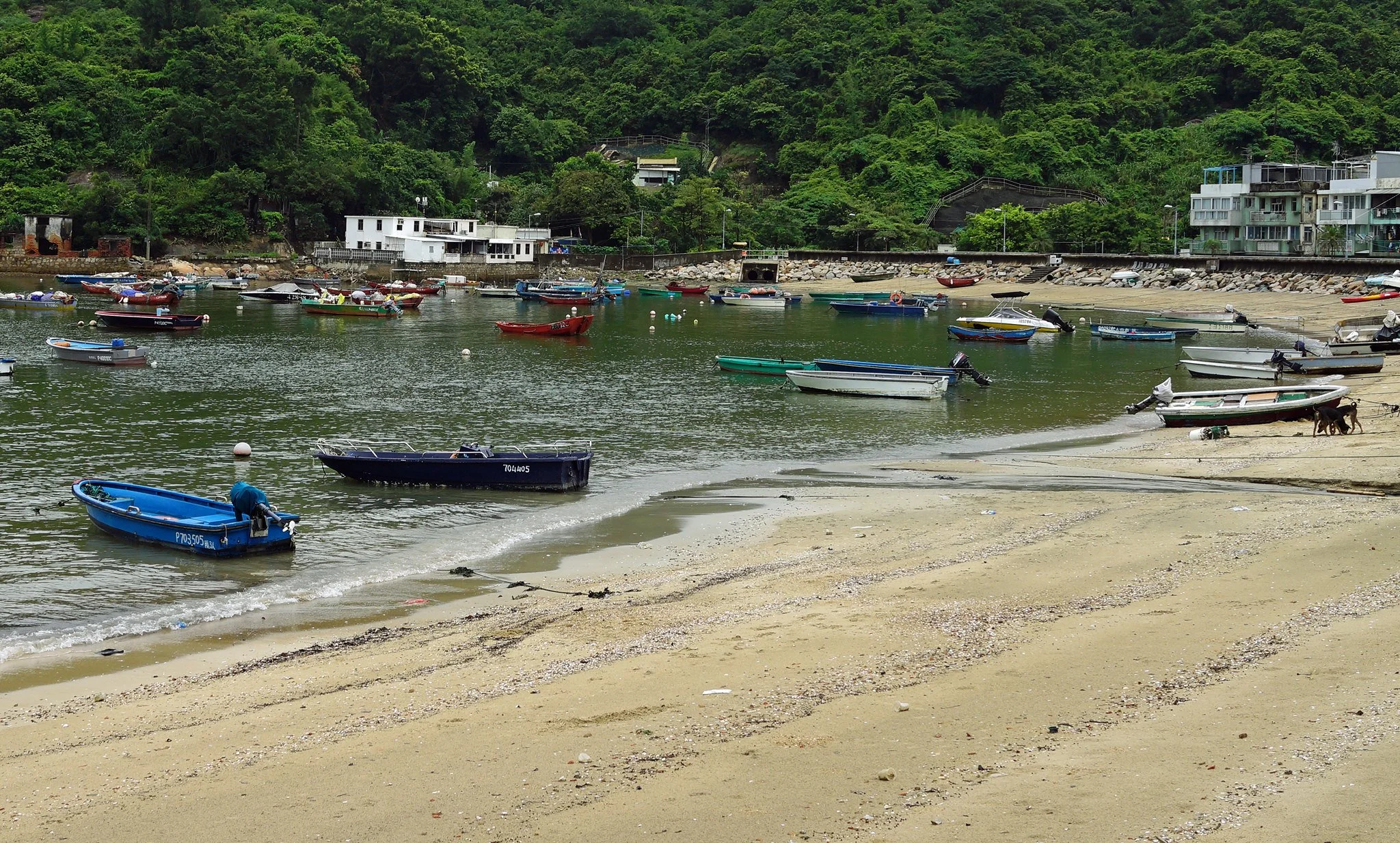
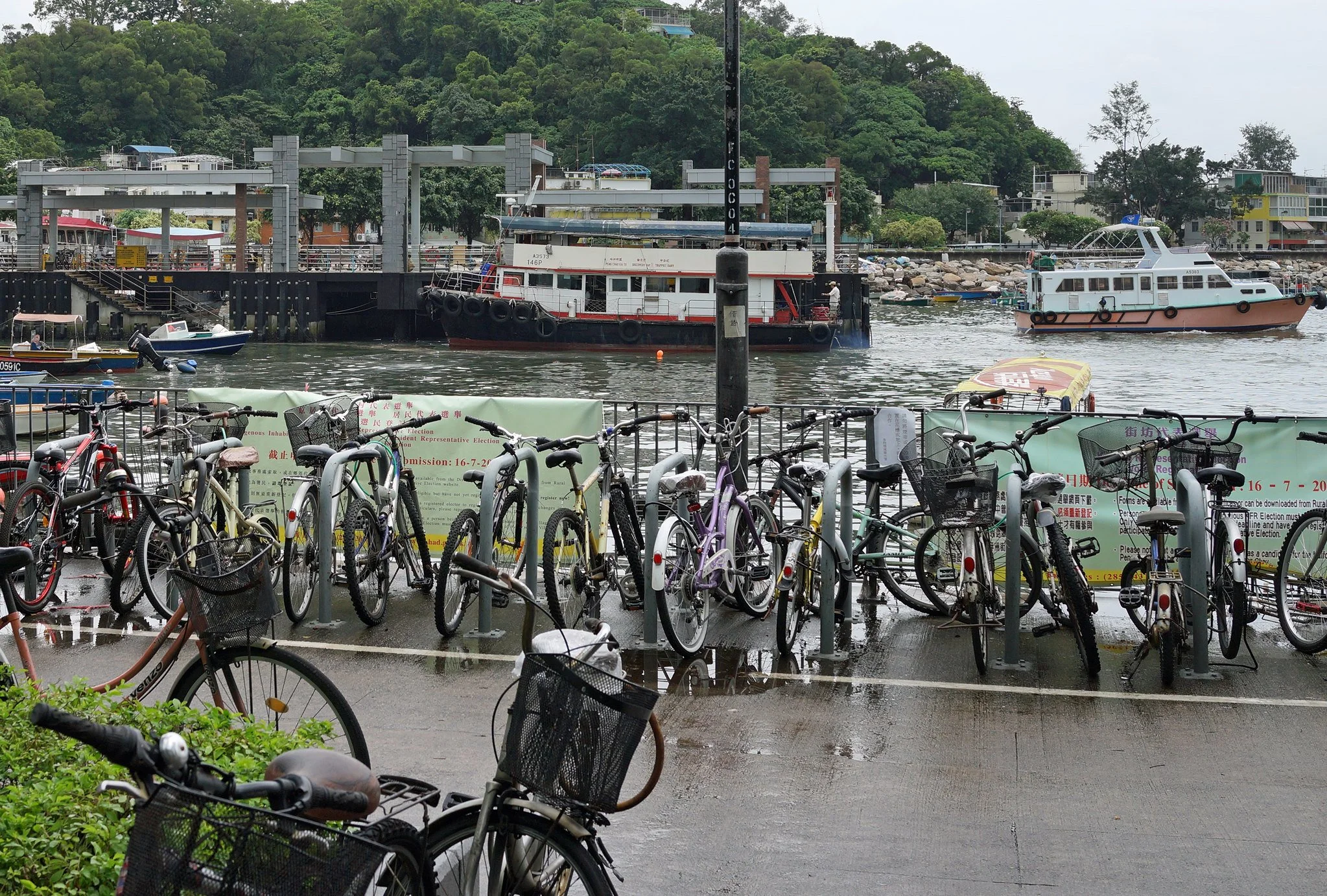
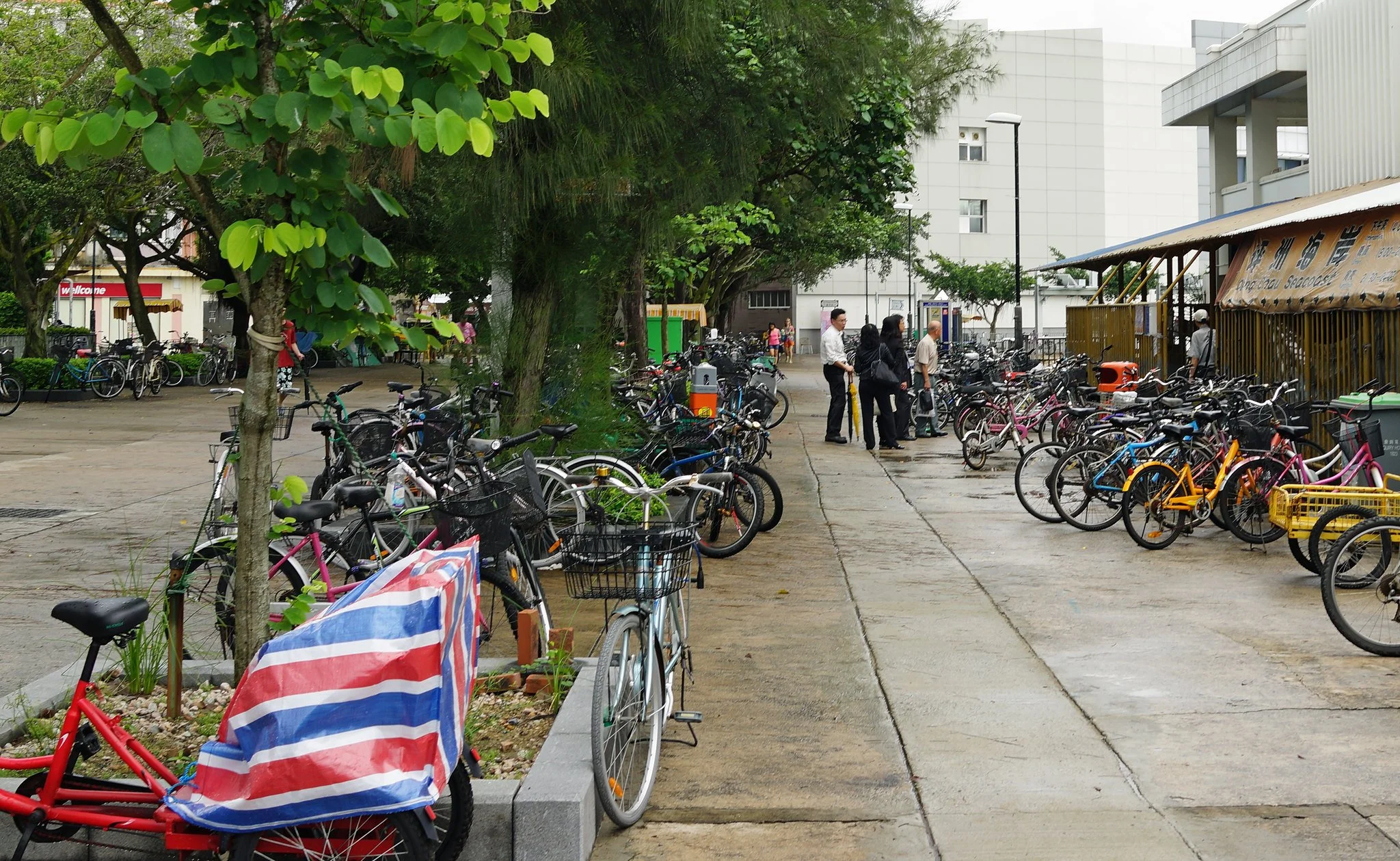
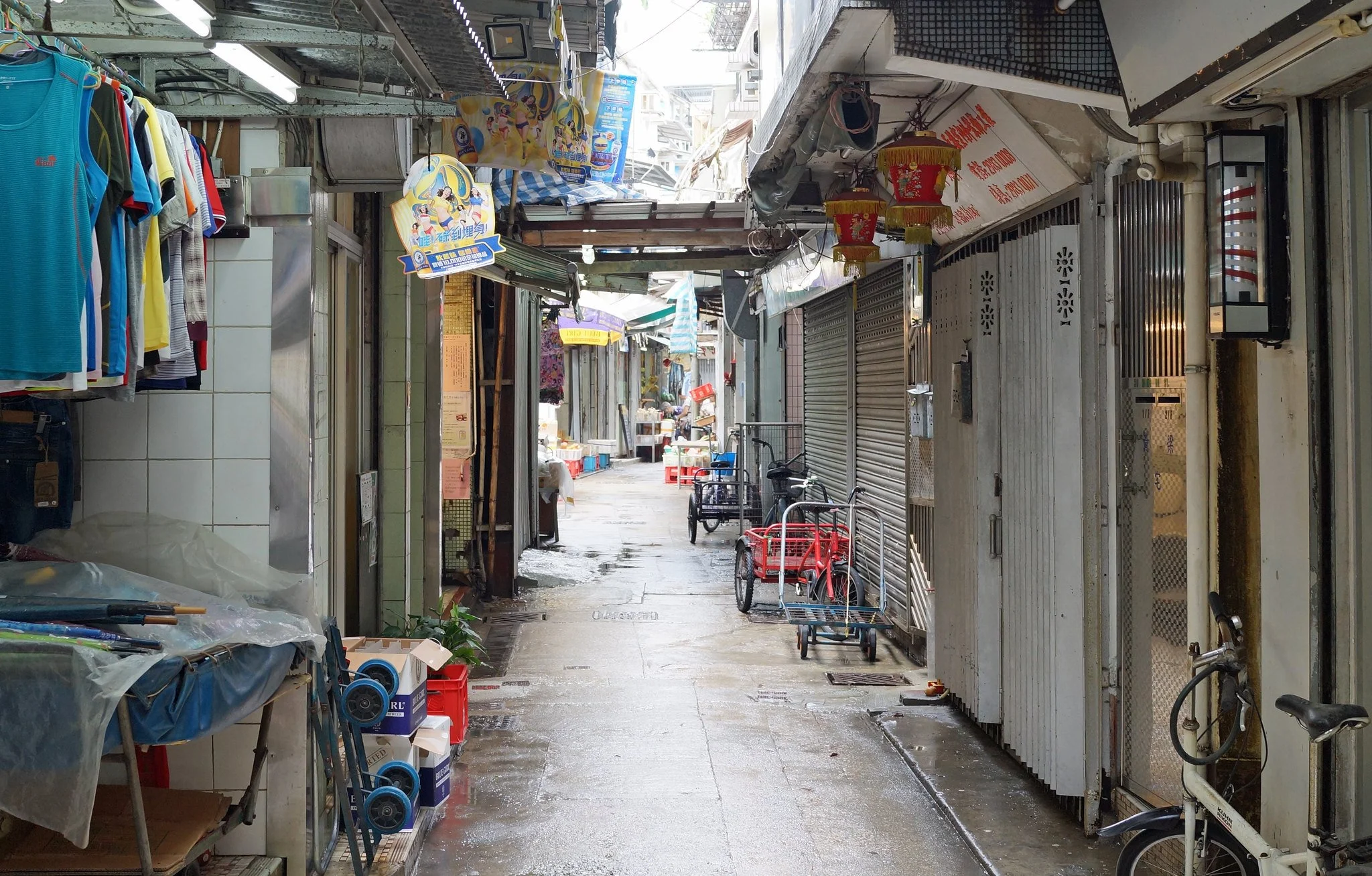
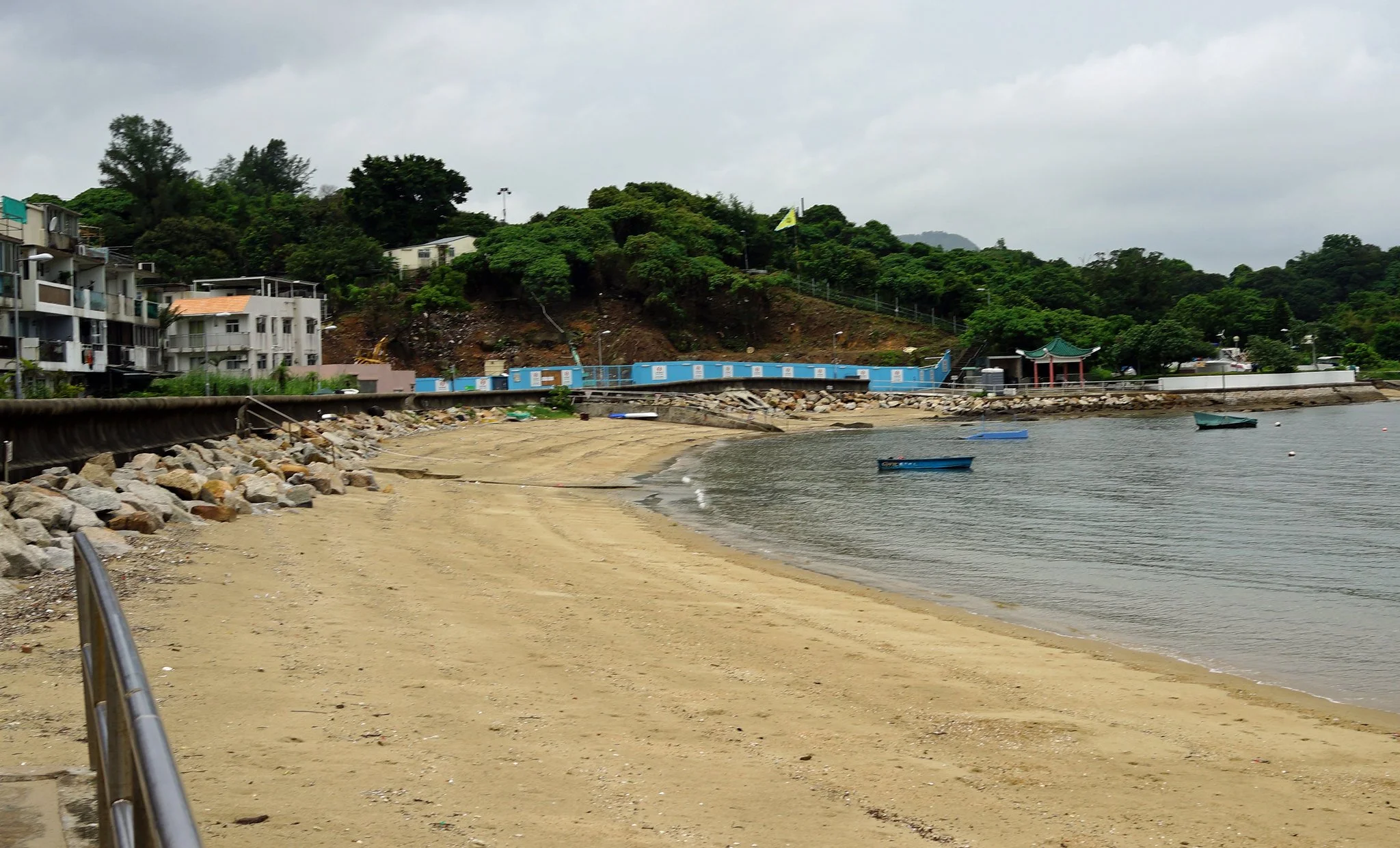
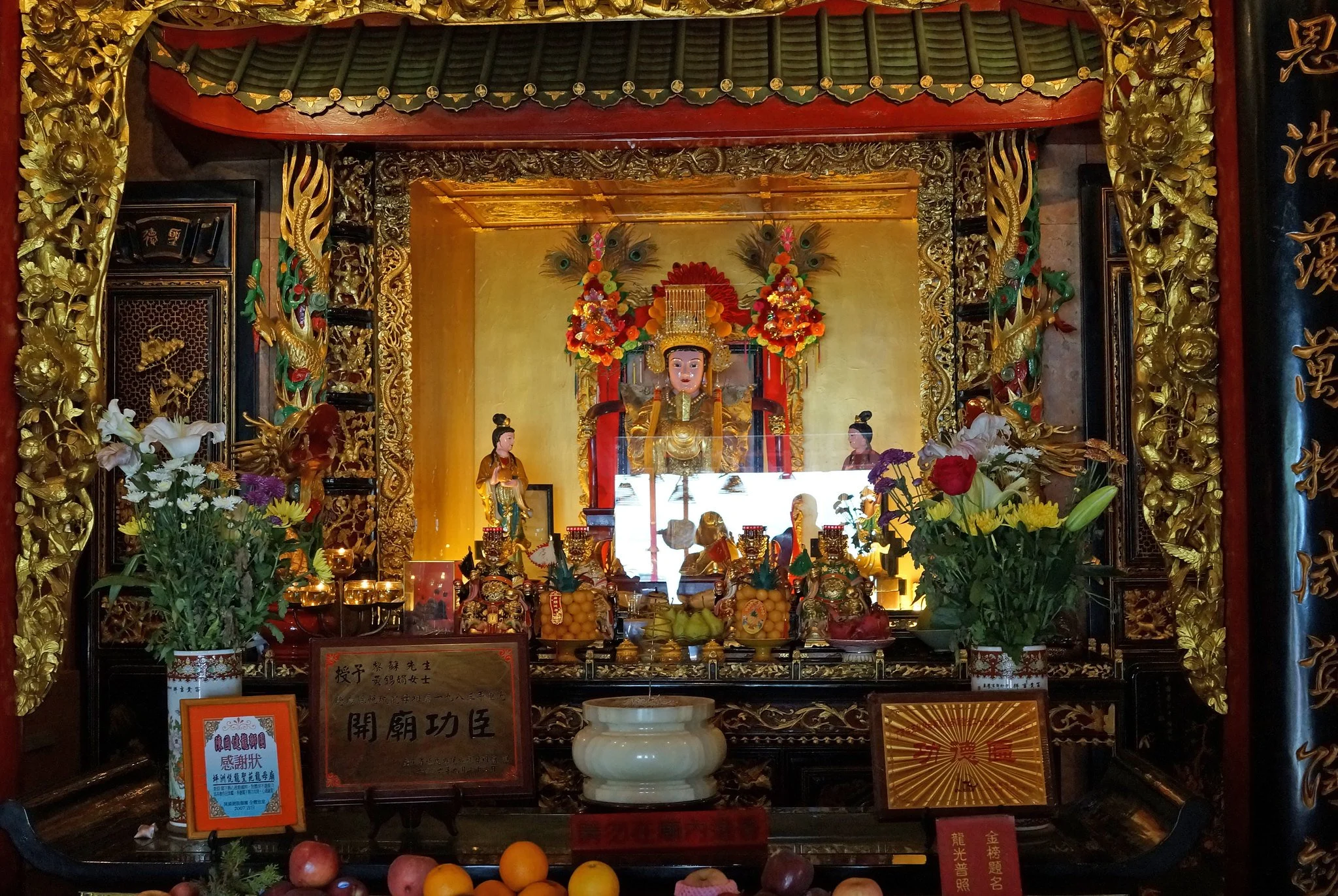
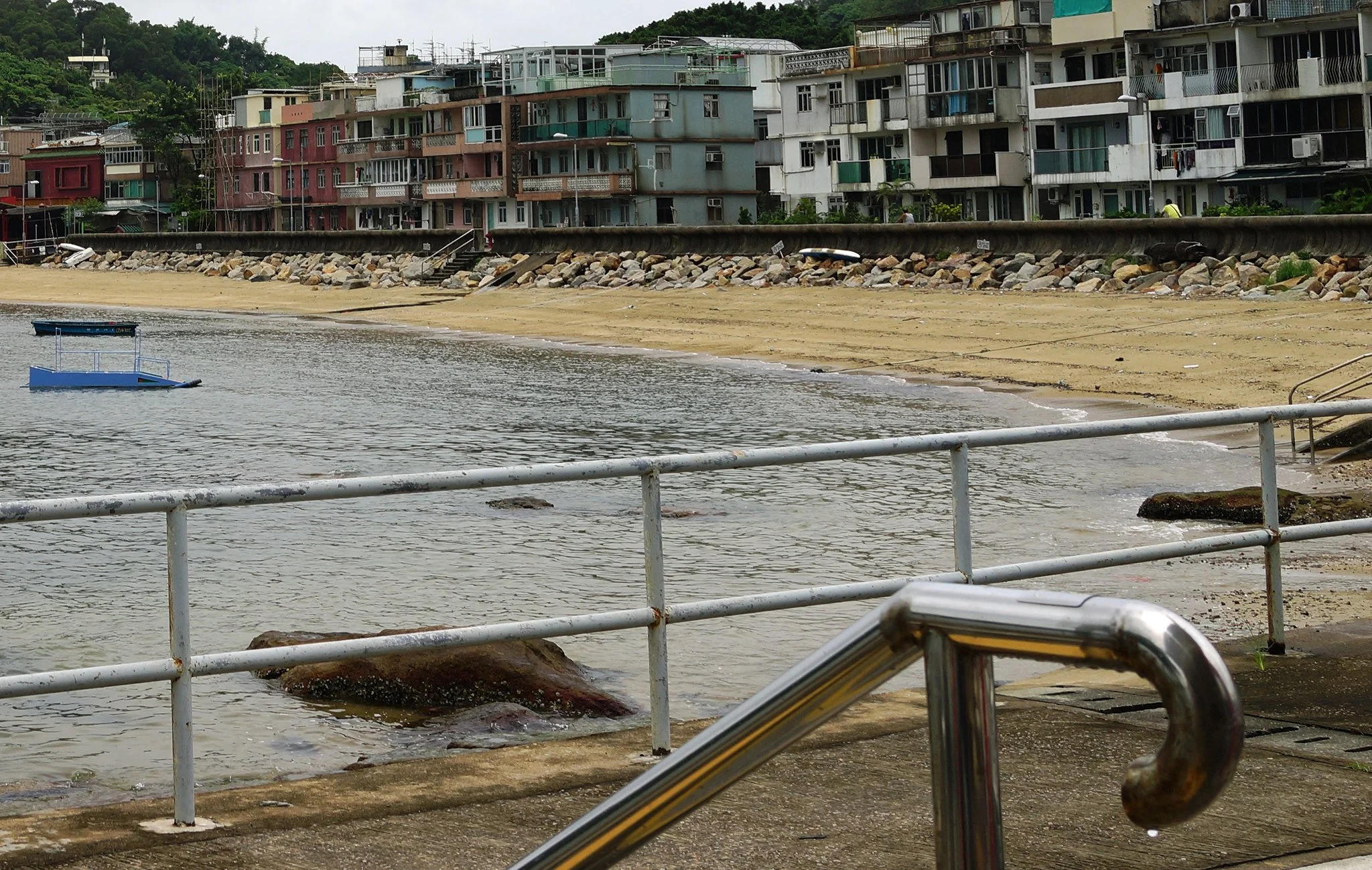
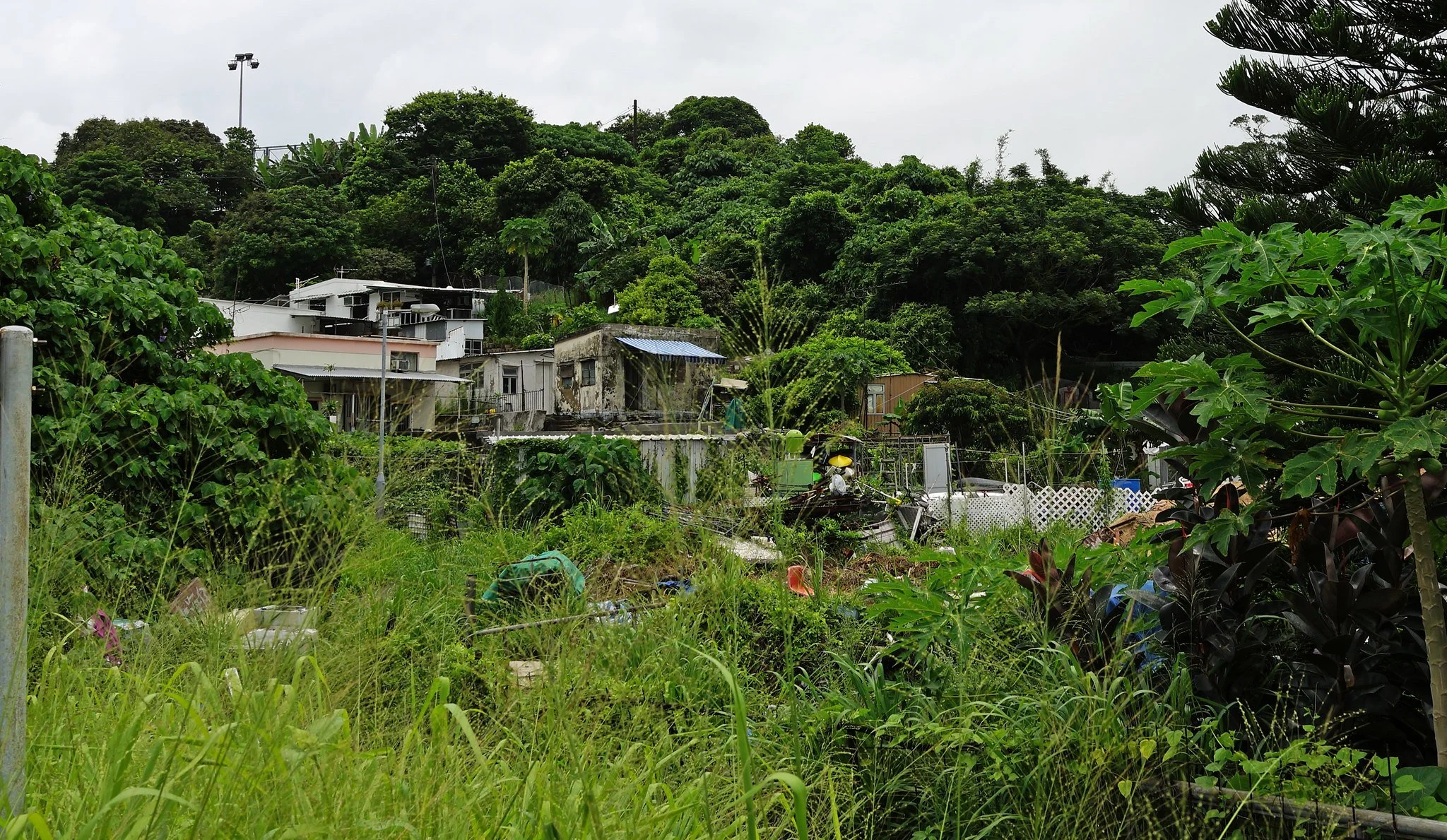
click on any image to enlarge
© Copyright Acknowledged | All rights reserved | images taken by Jamie
Peng Chau Island | Quiet and laid back | Hong Kong
Peng Chau Island
Discovering Peng Chau Island Peng Chau is one of Hong Kong’s smallest and most intimate outlying islands, known for its flat terrain, traditional village atmosphere, and emerging arts scene. With narrow lanes, historic buildings, and a genuine community feel, it offers a quiet retreat where visitors can easily explore the entire island on foot in a few hours. The lack of high-rises and minimal vehicle traffic enhances its peaceful charm, making it ideal for those seeking an unhurried experience.
I will be honest with you, I have not been there as often as I should have, it is much smaller than the other 2 islands and Cheung Chau Island and Lamma Island are in my opinion a better bet, much more to see and do but I still rate it as a lovely place to visit, it is just a shame that most people who visit Hong Kong do not have the time to go island hopping on ferries.
History of Peng Chau Island The island has a long history tied to fishing and early industry, including lime production and small factories dating back to the Han Dynasty ( 206 BCE - 220 CE) era for some archaeological finds. It developed as a fishing settlement with strong temple traditions and later hosted workshops and handicraft businesses. Many historic structures, including temples and old factories, have been preserved, giving the island a layered heritage that blends maritime culture with traces of early industrial life.
Key Statistics
Area: approximately 0.97 - 1 km²
Estimated population: around 5,000 - 6,000 (part of the Peng Chau and Hei Ling Chau area)
Location: between Lantau and Cheung Chau in the Islands District
Things to Do on Peng Chau Island Peng Chau rewards slow exploration. Wander the main streets and waterfront to absorb village life, stopping at small eateries for local seafood or snacks. Visit the Tin Hau Temple, a Grade II historic building constructed in 1792 and dedicated to the protector of seafarers. The former Fook Yuen Leather Factory (now a revitalised arts space and Grade III historic building) is a highlight, featuring colourful graffiti, installations, and workshops that have transformed it into an Instagrammable “secret garden.” Hike the short, easy trail to Finger Hill, the island’s highest point, for panoramic views of surrounding islands and Lantau.
Relax at Tung Wan Beach or explore smaller coves. The island’s temples host various festivals throughout the year, including Tin Hau celebrations and other deity-related events with parades and offerings that showcase local customs. Many visitors enjoy simply strolling the flat paths, observing daily life, and appreciating the blend of old and new in the preserved buildings and street art.
…oh and try the Island Table Grocer Cafe, it is pretty darn good
Why Peng Chau Island Is Famous and Standout Places to Visit Peng Chau is famous for its authentic, low-key village atmosphere and growing reputation as a trendy arts hub within a traditional setting. It stands out for those wanting a genuine escape into everyday island life without the crowds. Key places include the Leather Factory for its creative energy, Tin Hau Temple for historical and spiritual interest, Finger Hill for views, and the main village streets for their charm and photo opportunities.
How to Get There: Ferry Instructions from Central Piers Ferries to Peng Chau leave from Central Pier 6, operated by Hong Kong & Kowloon Ferry (HKKF). The journey takes about 25 - 30 minutes on a fast ferry or around 40 minutes on an ordinary ferry. Services run frequently, approximately every 30 - 50 minutes throughout the day. From 9am to 5pm, departures are regular with multiple sailings every 45 minutes or so on both weekdays and weekends. Return ferries follow a comparable schedule, supporting convenient day visits. Confirm the latest times at the pier or via the operator’s resources.
My Opinion: Why It Is Worth Tourists’ Time and Assessment as a 4-Hour Excursion I consider Peng Chau a genuine island retreat well worth including on any island itinerary because its compact size and relaxed vibe allow for a deeply restorative experience in a short time. The arts scene adds a creative twist to the traditional fishing village feel, making it special. A 4-hour excursion is ideal and easily achievable: 30 - 40 minutes ferry each way leaves 2 - 3 hours to cover the highlights comfortably on foot. It suits those seeking peace and culture without the energy of larger islands.
These three islands each bring something distinct to a Hong Kong adventure, and combining them over separate days or even planning an island-hopping route via inter-island ferries can create unforgettable memories. I encourage everyone to experience their individual charms - the energy of Cheung Chau, the natural trails of Lamma, and the quiet artistry of Peng Chau - all just a ferry ride away from Central.
So there you go
Jamie’s Hong Kong Insider Chat
AI Itinerary Rescue Service - Bring your AI-generated plan (or any self-designed itinerary) and I will spend the full two hours reviewing it with you. I’ll fix the impossible timings, suggest smarter routing, add interesting places that AI never finds, adjust for your group’s energy levels, and create a realistic, enjoyable day-by-day flow that actually works in real Hong Kong. Most guests leave saying “This is exactly what we needed”
I do not do Food Tours in Hong Kong but I know people that do!
I do not do food tours as mentioned above, I have very specific reasons and part of it is that I do not speak Cantonese or write Chinese, I am from Yorkshire in England and I lack the language gene and it is not through lack of trying and yes a lot of restaurants do not have English menu’s or staff who speak conversational English.
.. and yet I have eaten at close to 1,400 restaurants in Hong Kong since January 2nd 1972, my wife was born in Hong Kong and we have been together over 40 years and her first language is Cantonese and a lot of her family are Chinese or half Chinese so I have never had much of an issue!
This does not translate to doing food tours though, yes, I could do them, no problem there but they would never ever be as good as the food tours done by my friends (see the 3 links above) most of their awesome guides are locally born Hong Kong Chinese and obviously food culture is part of their DNA, it is impossible for me to compete with that!
So please feel free to contact them for food tours
I do not do Hiking Tours in Hong Kong but I know someone that does!
I do not do Hiking Tours, never have and never will even though I used to go Hiking a lot when I was a lot younger, The Hong Kong Government is promoting hiking tours so I urge you to contact my friend Sabrina at Hong Kong Trails and Tours, she is a long time Hong Kong resident and and a very experienced hiker with close to 700 Hikes in 15+ years under her belt, please click on the link below
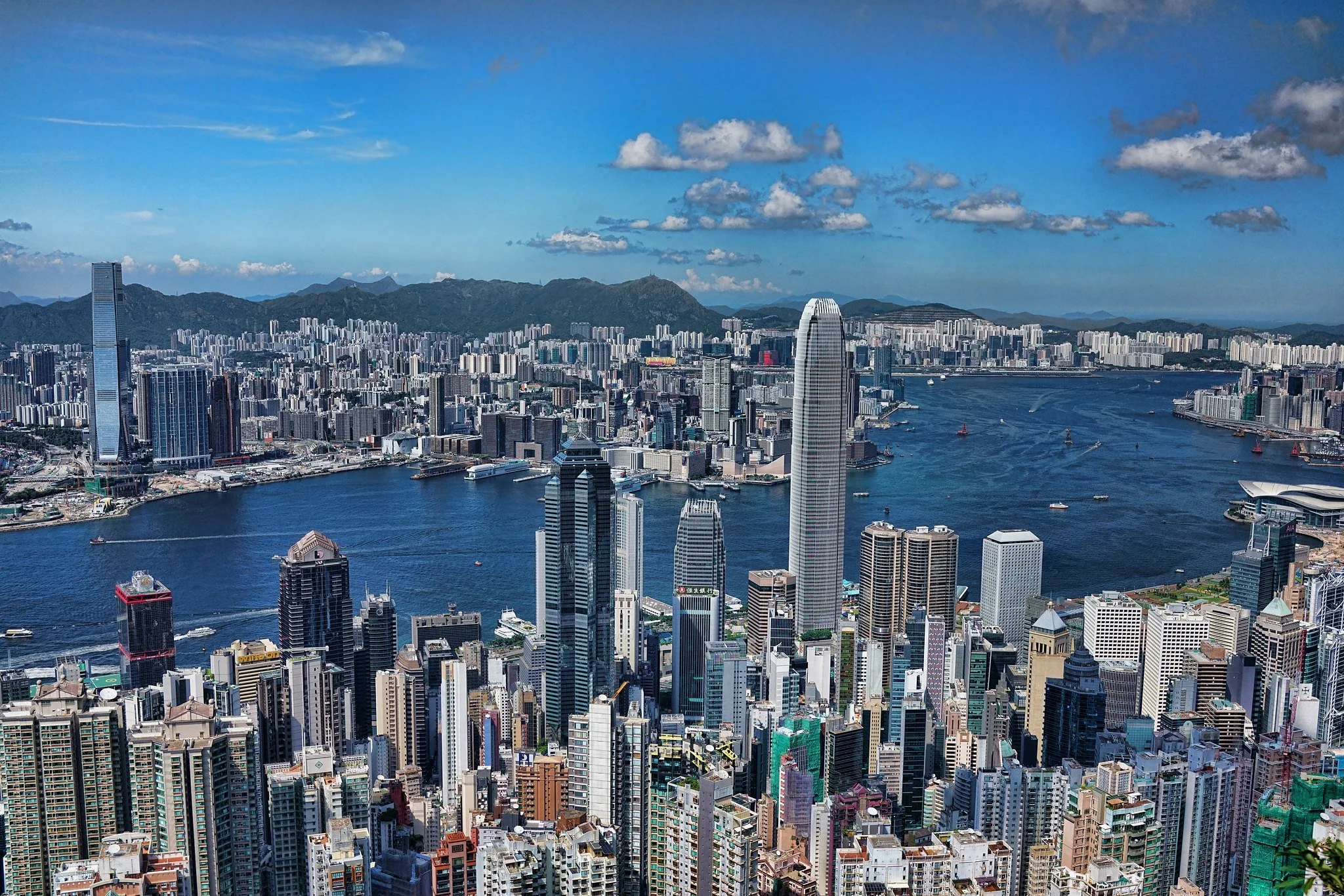
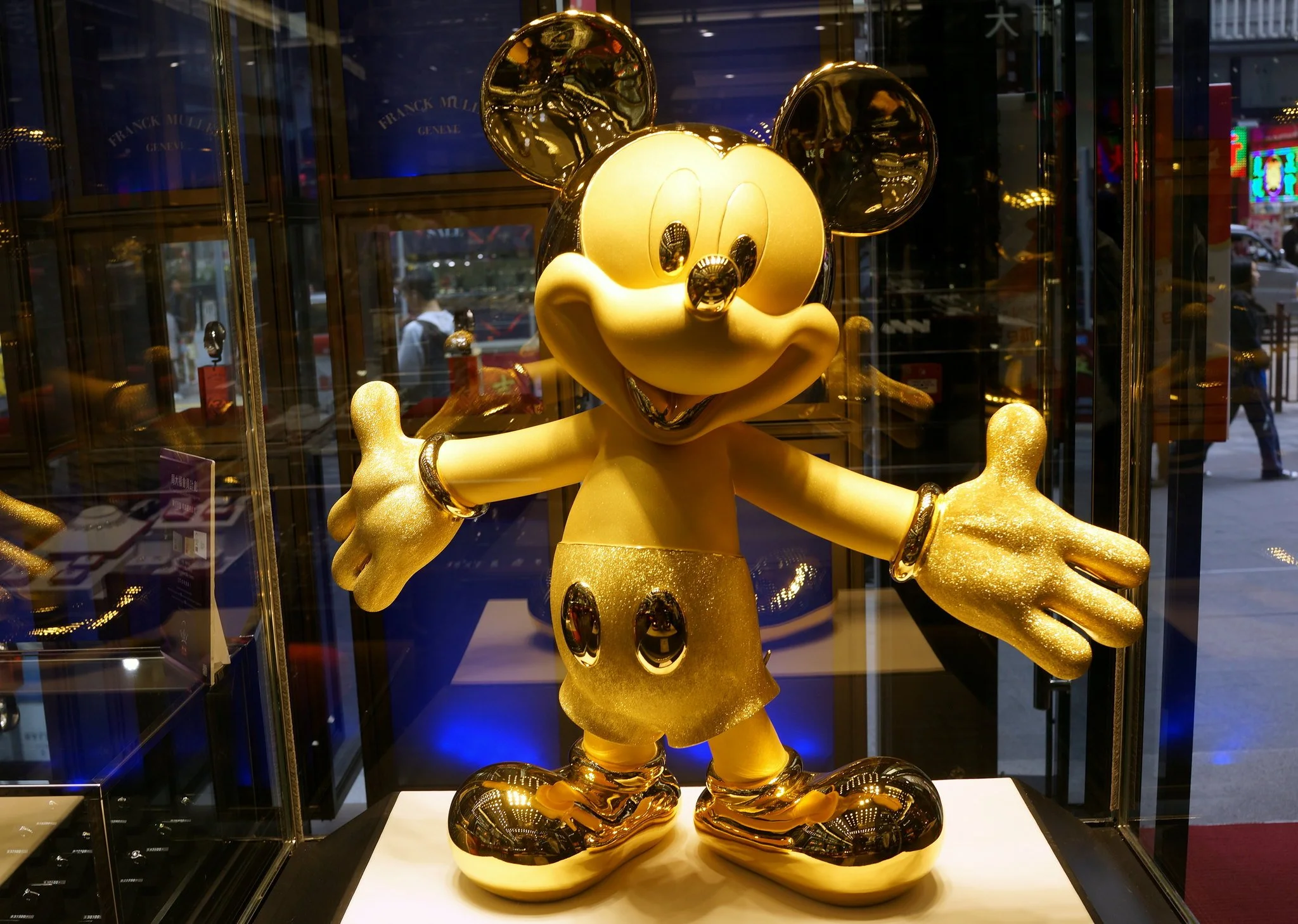
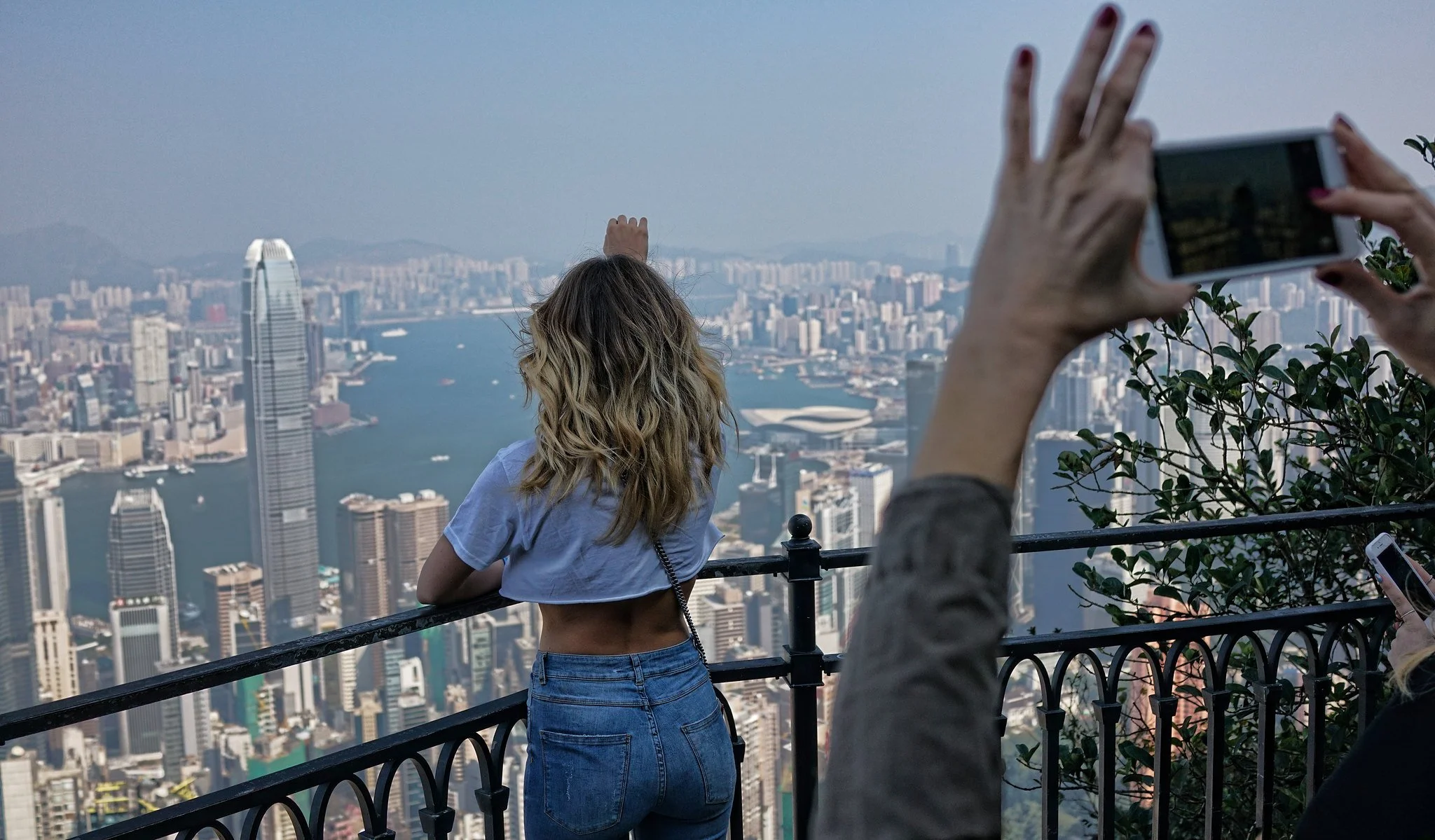
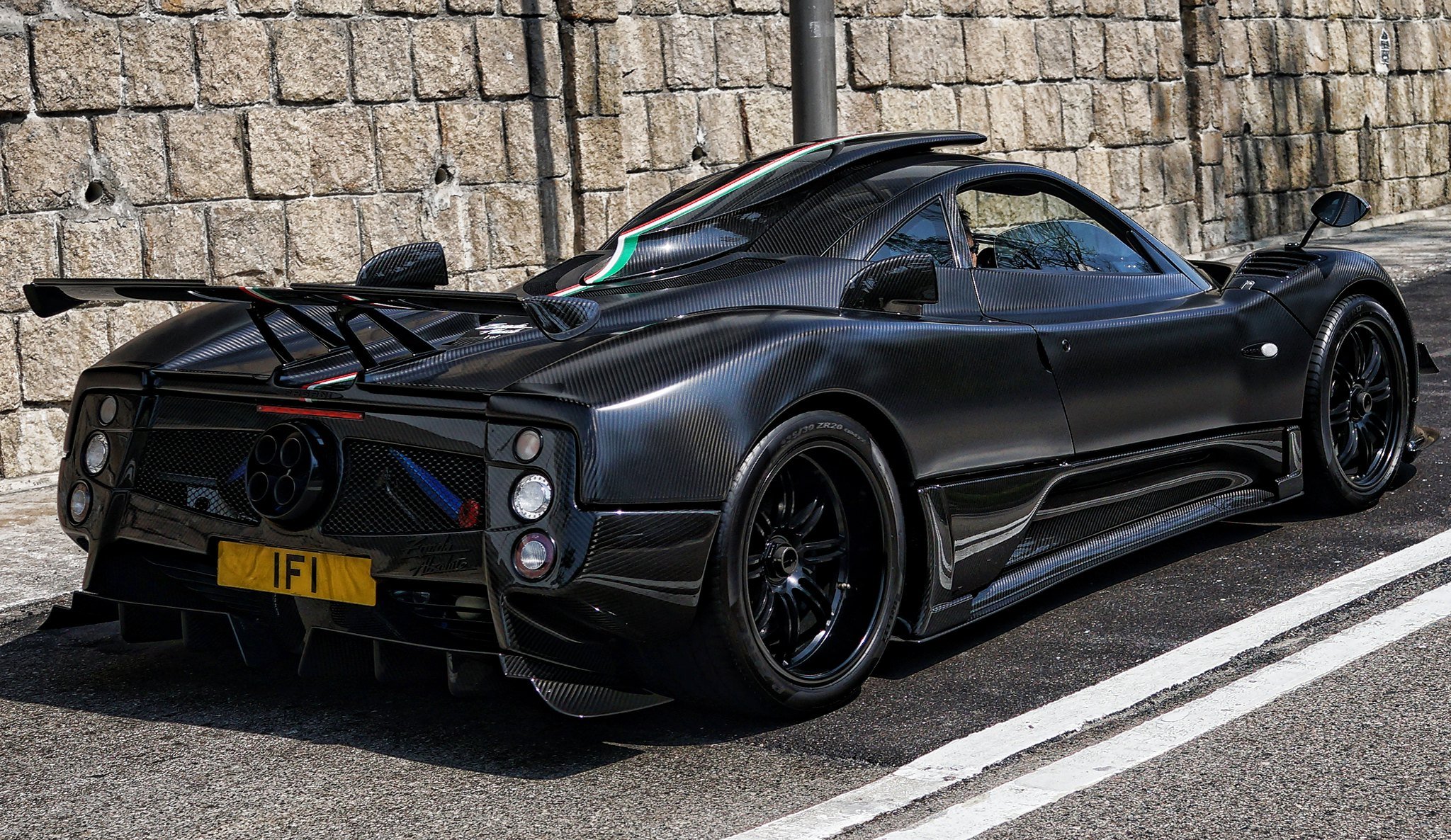
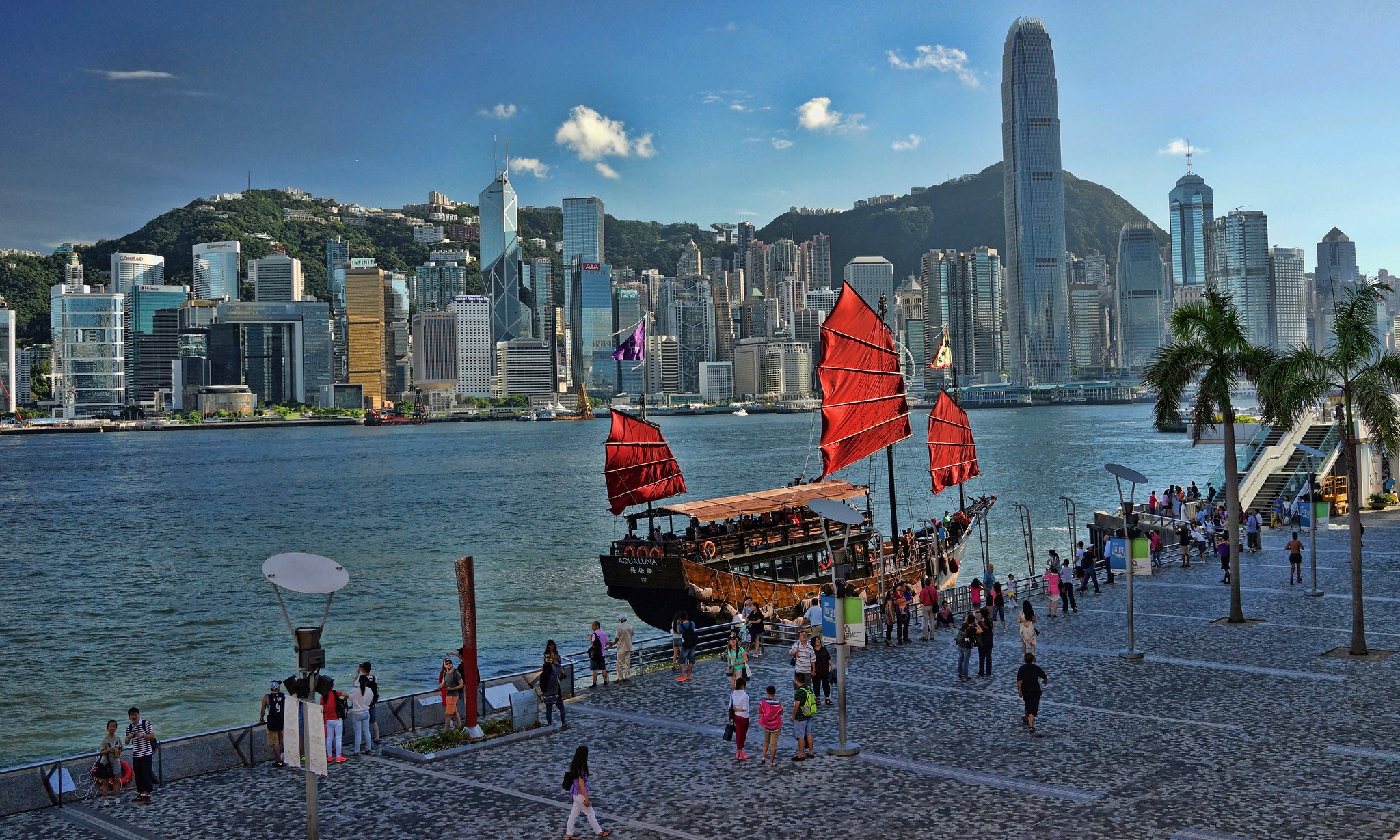
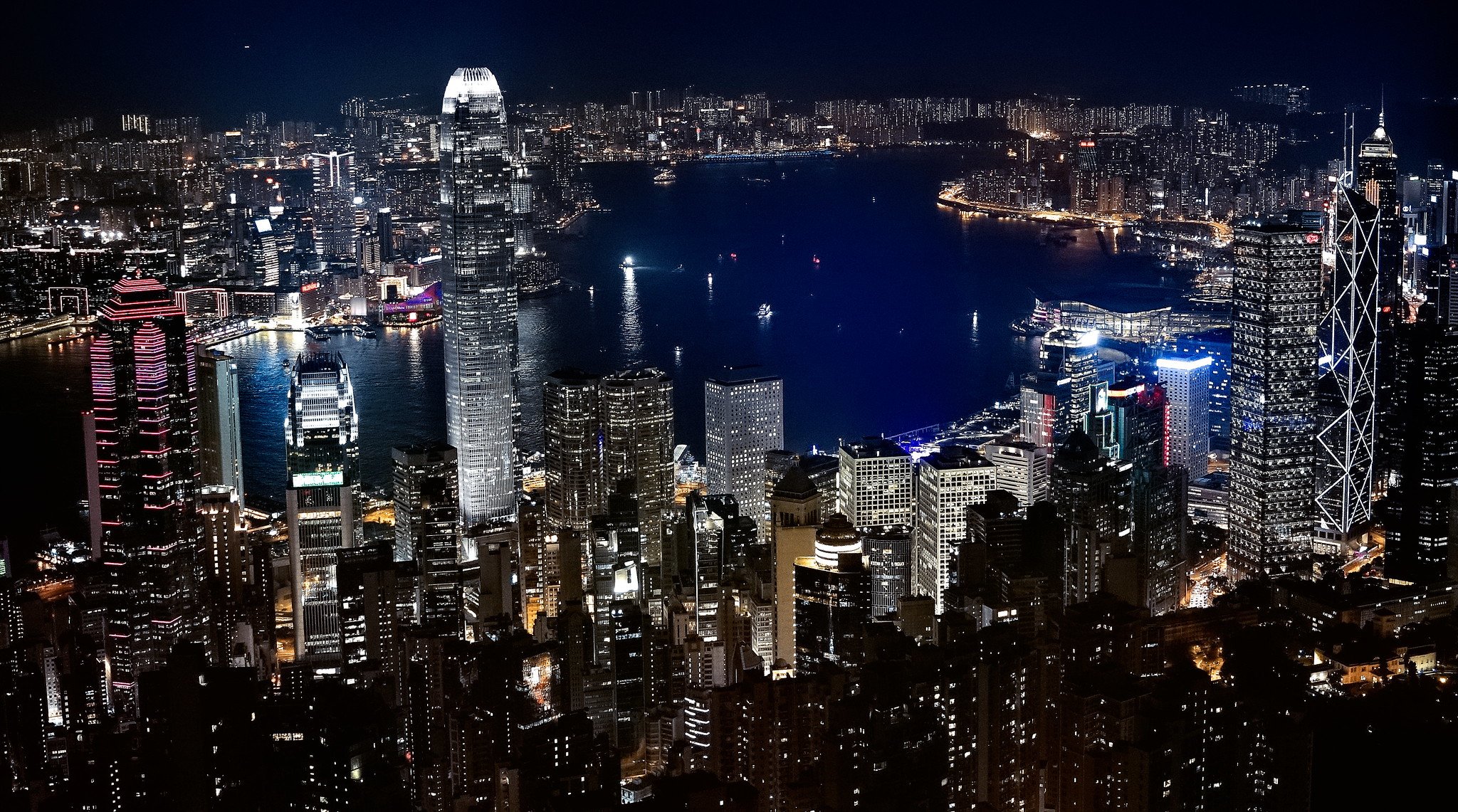
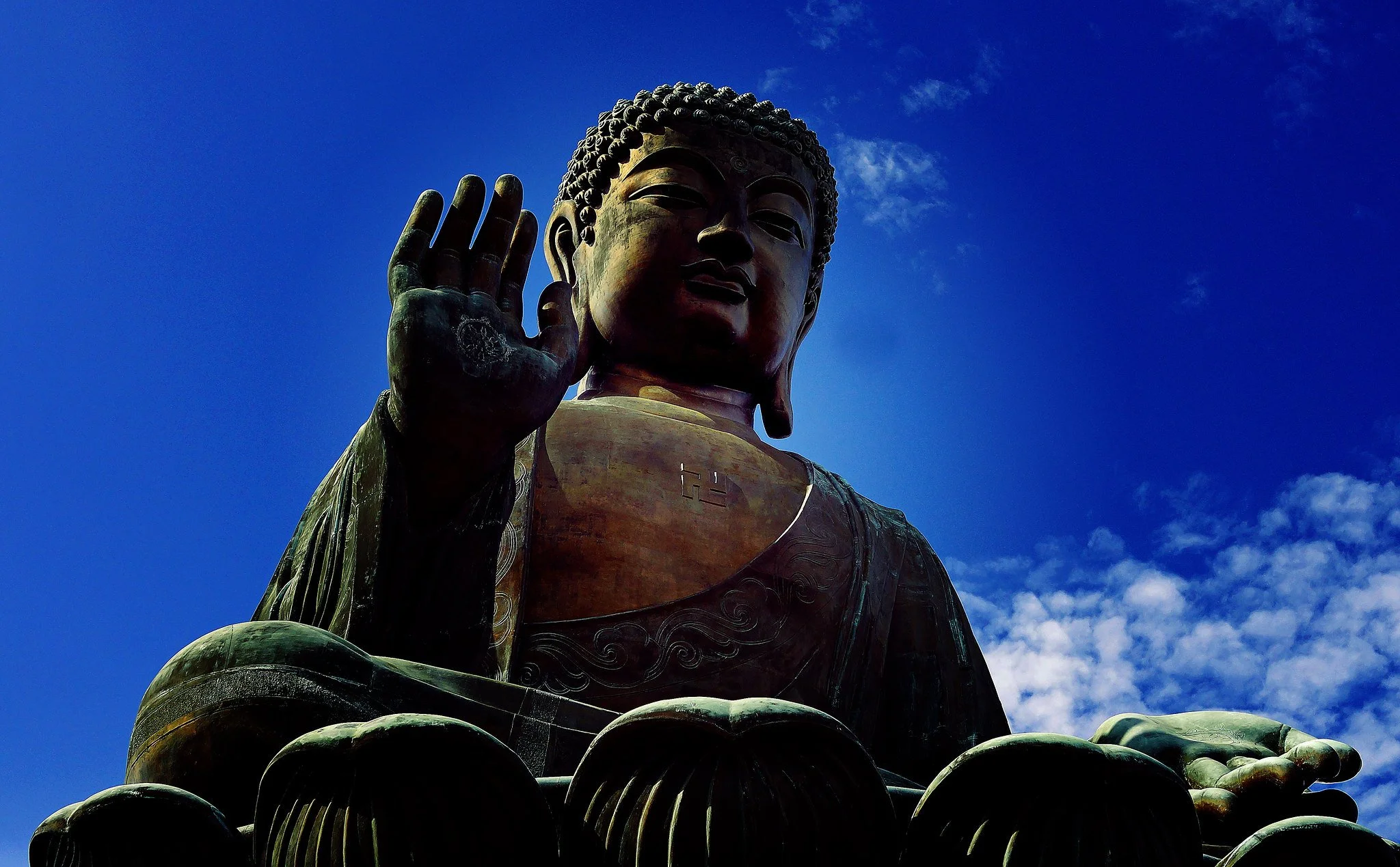
click on any image to enlarge
© Copyright Acknowledged | All rights reserved | all images taken b Jamie
Jamie’s Hong Kong | Some of my favourite images | Hong Kong 101
© Jamie Lloyd | J3 Consultants Hong Kong | J3 Private Tours Hong Kong |
| 2010 - 2026 All rights reserved. |
Click on any image to enlarge to full screen
Current images from my Instagram feed