Stanley + Stanley Market Hong Kong - How To Get To Guide
A Detailed Market History, What’s On Offer + Transport Tips

The J3 Group - Premium Quality Private Tours | Experiences and Insider Chats since 2010
Me Jamie, your host, I am English and I have lived in Hong Kong since January 2nd 1972 - I know the place.
A meaningful blog post with a difference - tips on Travel, Tourism, Tours, Daily Life and my personal thoughts on Hong Kong.
Please do visit Amazing Hong Kong
Hong Kong | Pearl of the Orient
Customised Private Tours + Experiences in Amazing Hong Kong
Jamie has lived in Hong Kong - Pearl of the Orient for 50+ years
Carefully Crafted Personalised and Customised Itineraries by Jamie | Hong Kong’s Most Experienced Private Tour Guide for : Solo Travellers Friends Families Seniors Couples Business People MICE Delegates.
Private Tours Cultural Tours Walking Tours Sightseeing Tours City Tours Night Tours Layover Tours Transit Tours Private Shore Excursions Bespoke Tours Personalised Tours Jewish Heritage Tours Luxury Private Tours Day Tours Luxury Boat Tours Themed Tours Private Family Tours Private Day Tours Corporate Tours
Just you, your family or friends and Jamie your personal English private tour guide - over 2,400+ tours completed since 2011 - Jamie offers quality Private Tours of Hong Kong
Tour Group Size 1 - 6 people only
J3 Group Hong Kong | J3 Consultants Hong Kong | J3 Private Tours Hong Kong
Creating Memories That Will Last A Lifetime
Go here for the Hong Kong Michelin Restaurant Guide which includes the Bib Gourmand Category

Stanley + Stanley Market Hong Kong - How To Get To Guide
A Detailed Market History, What’s On Offer + Transport Tips
click on the image to enlarge
© Copyright Acknowledged | All rights reserved.| Image taken by Jamie
Stanley and Stanley Market | How To Get To Guide | Hong Kong
The History and Evolution of this iconic day market in Hong Kong : For curious visitors who want to explore Hong Kong’s vibrant gritty and not so gritty Street Market scene
Visiting the vibrant market scene in Hong Kong
I always enjoy going to the major markets in Hong Kong, there are 5 of them and for some peculiar reason they are in Kowloon and not on Hong Kong Island ( my favourite historically was the Poor Mans Night Market near the Macau Ferry Terminal on Hong Kong Island which closed decades ago.
There are quite a few markets on Hong Kong Island including Stanley Market but for some reason they do not have the popularity of the big markets in Kowloon and in 2026 I expect Stanley Market to regain its former gloty!
As much as I visit these markets quite often people might like to do them on day 2 of their visit or visit the most popular ones on their own.
These guides provide information and history about the markets with tips about transport options to get there, which is pretty straight forward using the MTR which is our world class subway system and buses as and when needed, Stanley for example is not served by the MTR but the bus ride is just amazing! and yes, you have the option of taking a taxi.
Here are precise, step-by-step instructions for tourists to reach Stanley Market by public bus from Central District (Hong Kong Island) as of late 2025 going into 2026 These routes are operated by Citybus (reliable double-decker buses with air-conditioning, English announcements, and often free WiFi on newer ones). The journey is scenic, especially along the southern coast going via Deepwater Bay and Repulse Bay
I have lived in Hong Kong since January 2nd 1972 and I have lost count of the number of times I have been to Stanley, the first time was one day after we arrived (so January3rd 1972) and it was a bus tour we did. What struck me was that getting there was so scenic, it was so different to the rest of Hong Kong and that contrast has not changed.
Yes, the market is a bit cheesy but I find Stanley to be rather interesting, as mentioned the bus ride is simply awesom and Stanley has a vibe all of its own.
Naturally everyone is entitled to an opinion but I get really irked when reading comments by travel bloggers who have been to Hong Kong once and slam Stanley for being a tourist trap, even worse, the people that write negative Tripadvisor Reviews, Stanley is NOT defined by its trinket market, it is so much more than that and weekends are amazing, it is when a lot of Hong Kong residents go there to chill out, so many bars and restaurants and as mentioned, the vibe.
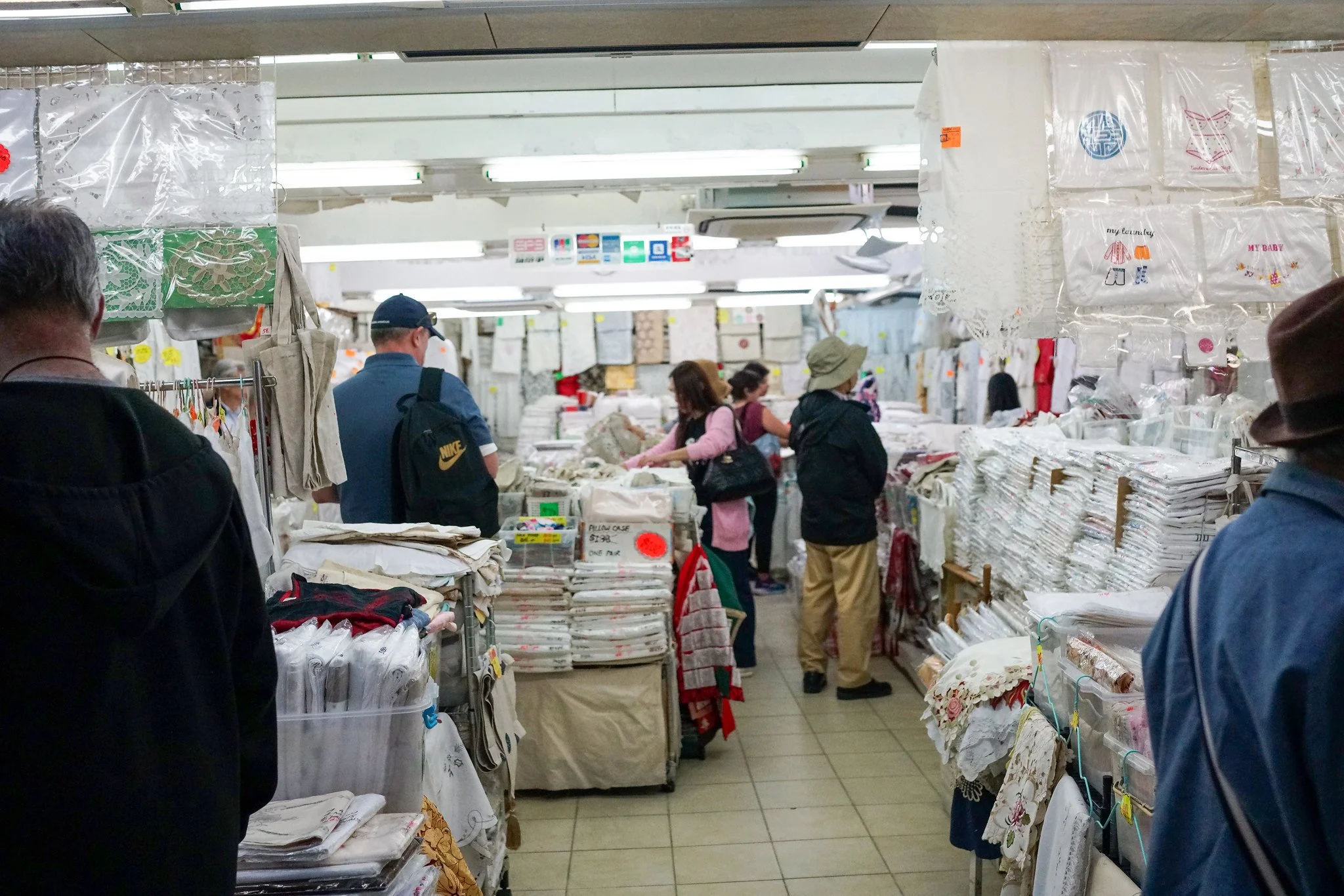
Stanley Market is not just trinkets, it has proper shops (linen shops are popular) and it is quite large and I am quite sure that in 2026 it will further undergo its renaissance as mentioned recently by one of my tour guide friends.
So forget all the negative nonsense you may read, Stanley is a great half a day out and even better with al fresco dining and some lovely sea views.
10 Compelling Reasons to Visit Stanley Market in 2026
Seaside charm - Combine shopping with stunning waterfront views, beaches, and alfresco dining—perfect relaxed day trip and it rocks on a weekend (particularly on a Sunday)
Bargain hunting - Affordable souvenirs, clothing, and unique handicrafts with room to haggle.
Historical vibe - Explore relocated colonial buildings like Murray House and nearby heritage sites.
Less crowded alternative - Quieter than Mong Kok markets, ideal for stress-free browsing.
Plus-size friendly - Rare in Asia: great selection of larger clothing sizes. (I have seen XXXXXX shirts on display!
Art and quirks - Find original paintings, jewellery, and eccentric items you won't see elsewhere.
Food proximity - Pair with international restaurants and bars on Stanley Main Street and there are some great places
Potential revival - 2026 will see renewed energy as tourism fully rebounds, the crowds are returning
Easy day outing - Awesome and very scenic bus ride from Central, with nearby Repulse Bay and parks.
Authentic contrast - Experience a "non-local" market in an affluent town—insight into Hong Kong's diverse sides.
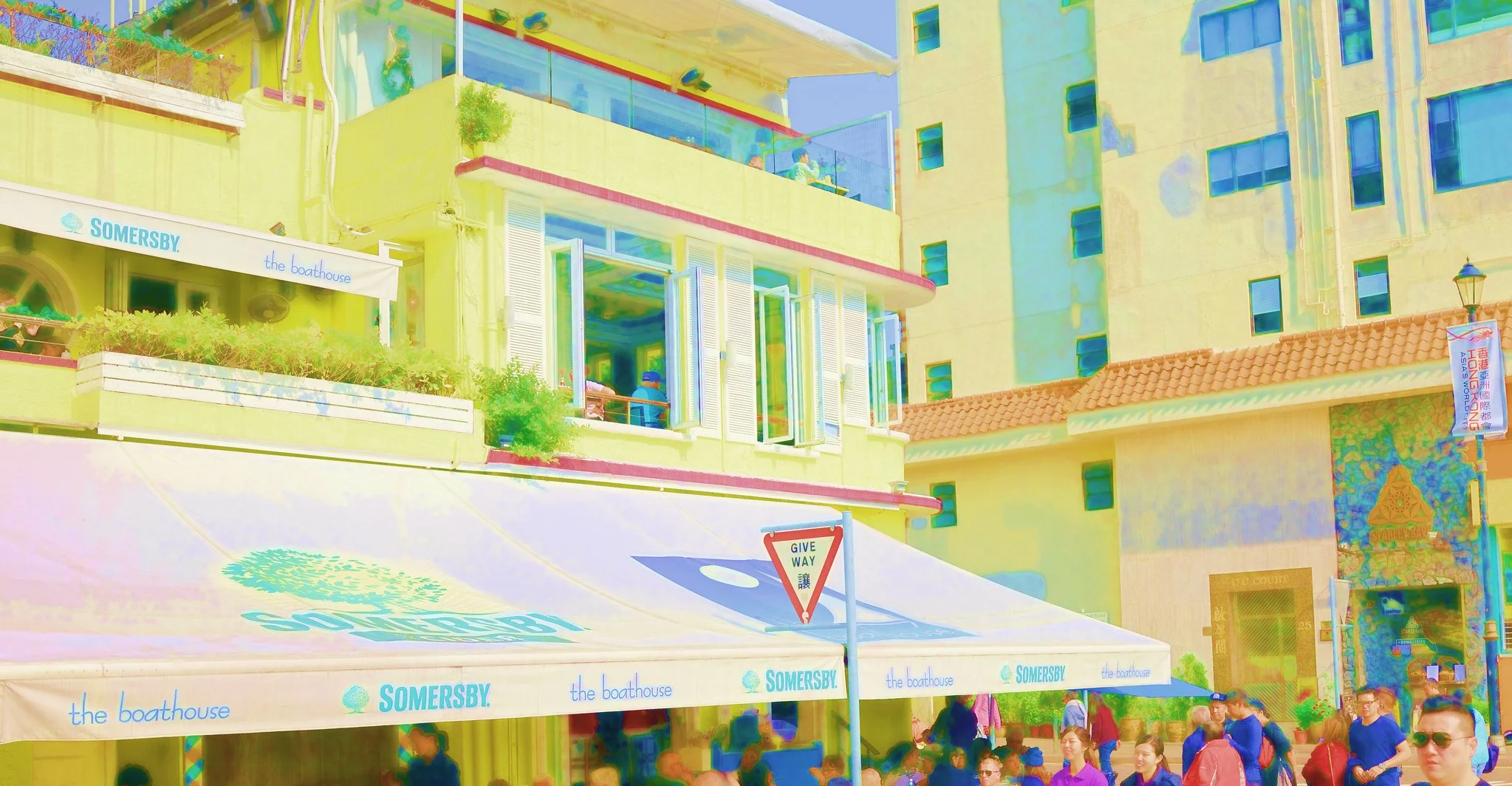
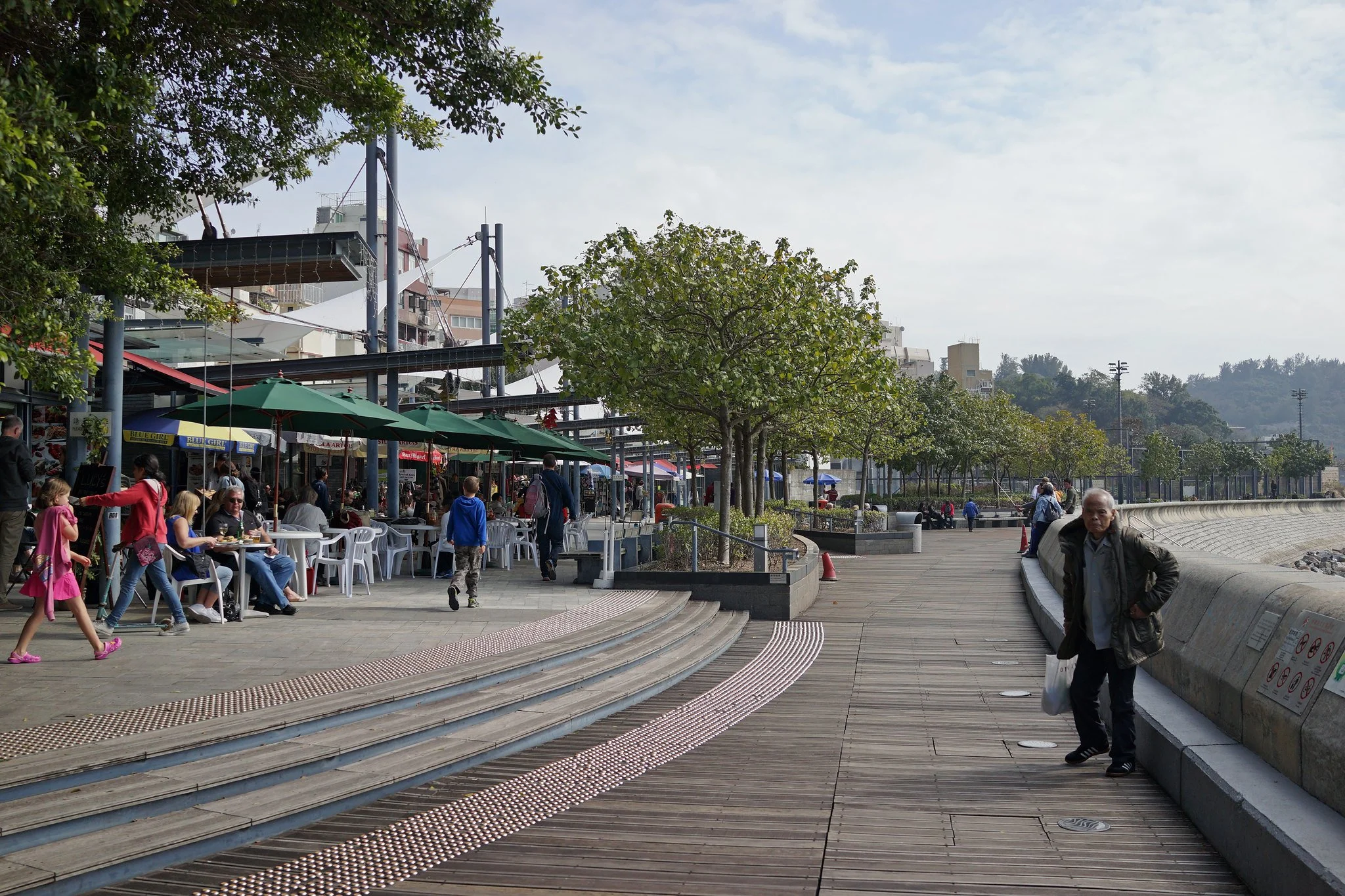
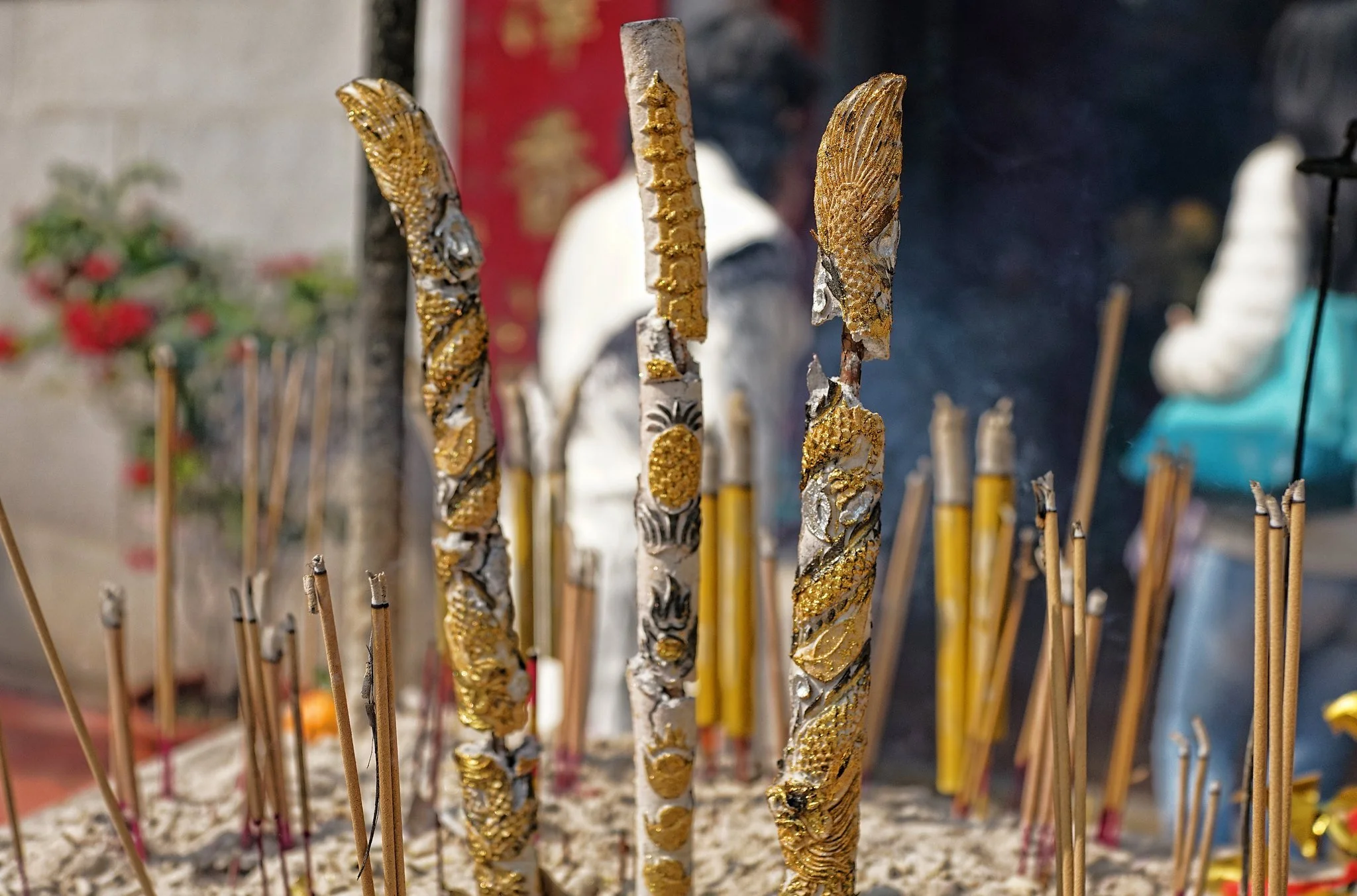
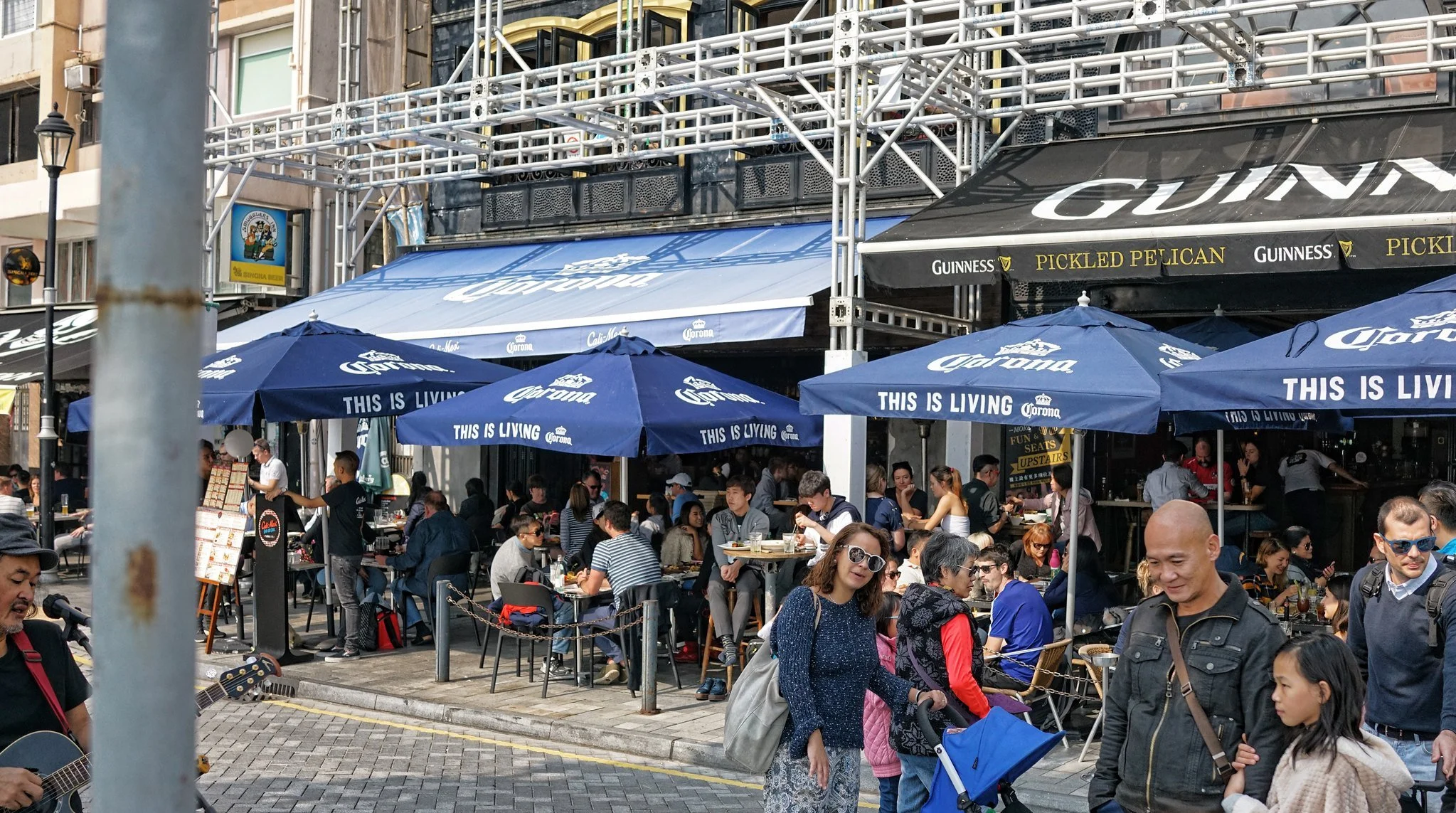
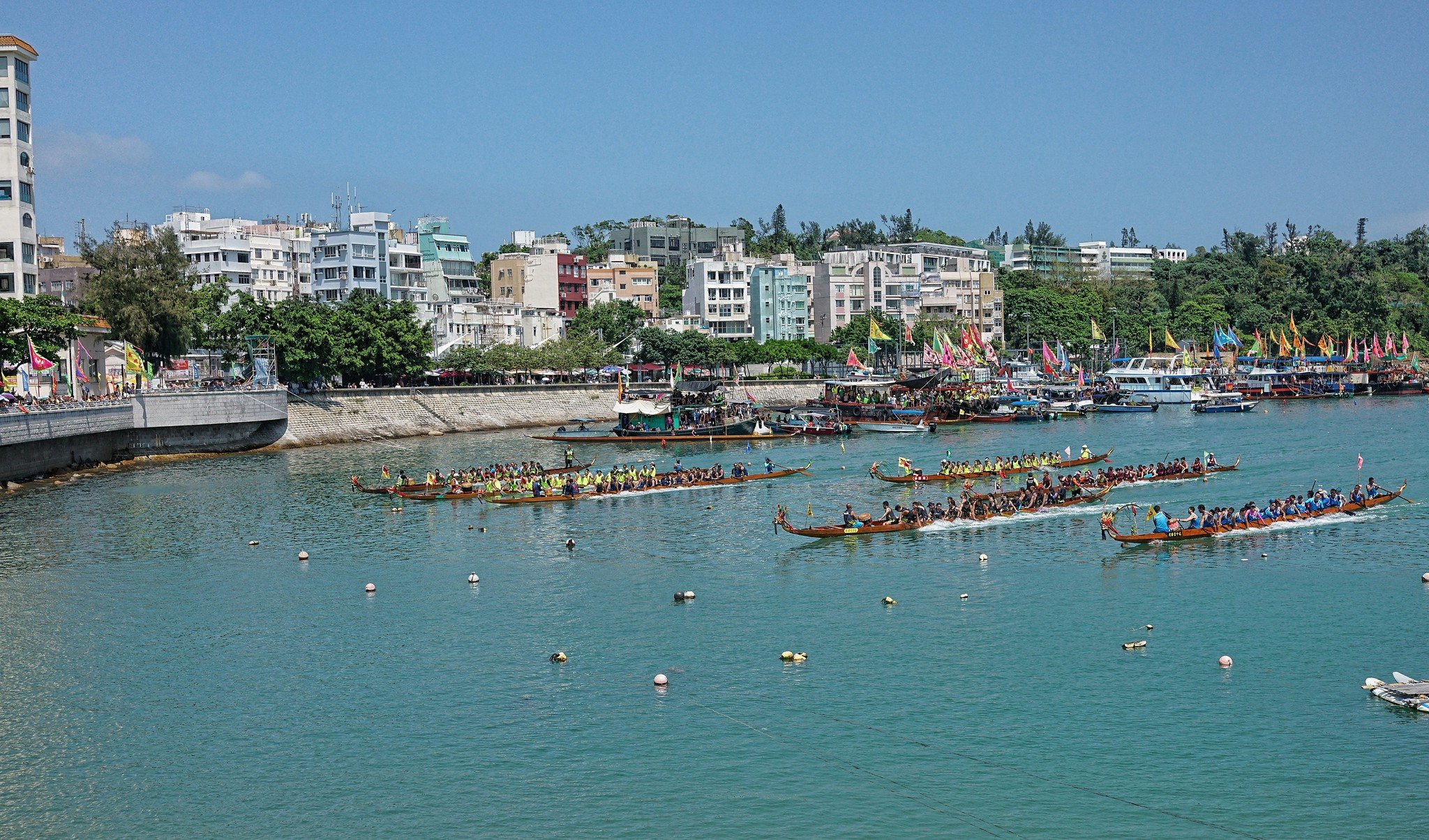
click on any image to enlarge
© Copyright Acknowledged | All rights reserved.| Images taken by Jamie
Stanley and Stanley Market | Random Images | Hong Kong
History of Stanley Market
Stanley Market originated in the historic village of Stanley, on the southern coast of Hong Kong Island. The area has roots as a fishing village dating back centuries - the earliest records of Stanley (known then as Chek Chue or "Red Pillar"–1842, Stanley briefly served as an early administrative center before the focus shifted to Central District on Hong Kong Island.
The market itself evolved from a traditional local open-air bazaar into a major tourist attraction in the mid-20th century. Narrow lanes lined with stalls selling bargains in clothing, souvenirs, and handicrafts made it a staple for visitors. By the late 20th century and into the 2010s, it became a key stop on coach tours and for cruise ship passengers (often paired with Victoria Peak), drawing crowds for its relaxed seaside vibe and affordable shopping. Iconic structures like Murray House (relocated brick-by-brick from Central in the 1990s–2000s) and historic piers add to the colonial-era charm - some buildings were oddly transplanted from downtown Hong Kong to preserve heritage.
Post-Covid, however, the market has struggled to regain its pre-pandemic energy, with fewer tourists and a quieter atmosphere noted in 2025 reports but having been there quite often recently I am pleased to say the vibe is almost back and really, the place rocks on a weekend.
Current Details (as of late 2025)
Number of stalls | shops - The market features a maze of narrow, partially covered lanes with an eclectic mix of around 100 - 150 stalls and small shops (exact counts vary as some are permanent storefronts and others temporary stalls). It's smaller and more intimate than markets like Ladies' Market, but many stalls have closed or operate reduced hours post-Covid but going into 2026 things are getting back to normal
Who visits - Mainly tourists coming of cruise ships and those that do coach or bus tours and a large smattering of local folk particularly on weekends
Opening and closing hours — Generally 10:00 AM to 6:30 -7:00 PM daily, year-round. Individual vendors may open slightly earlier or later, but it's not a night market - activity winds down by evening.
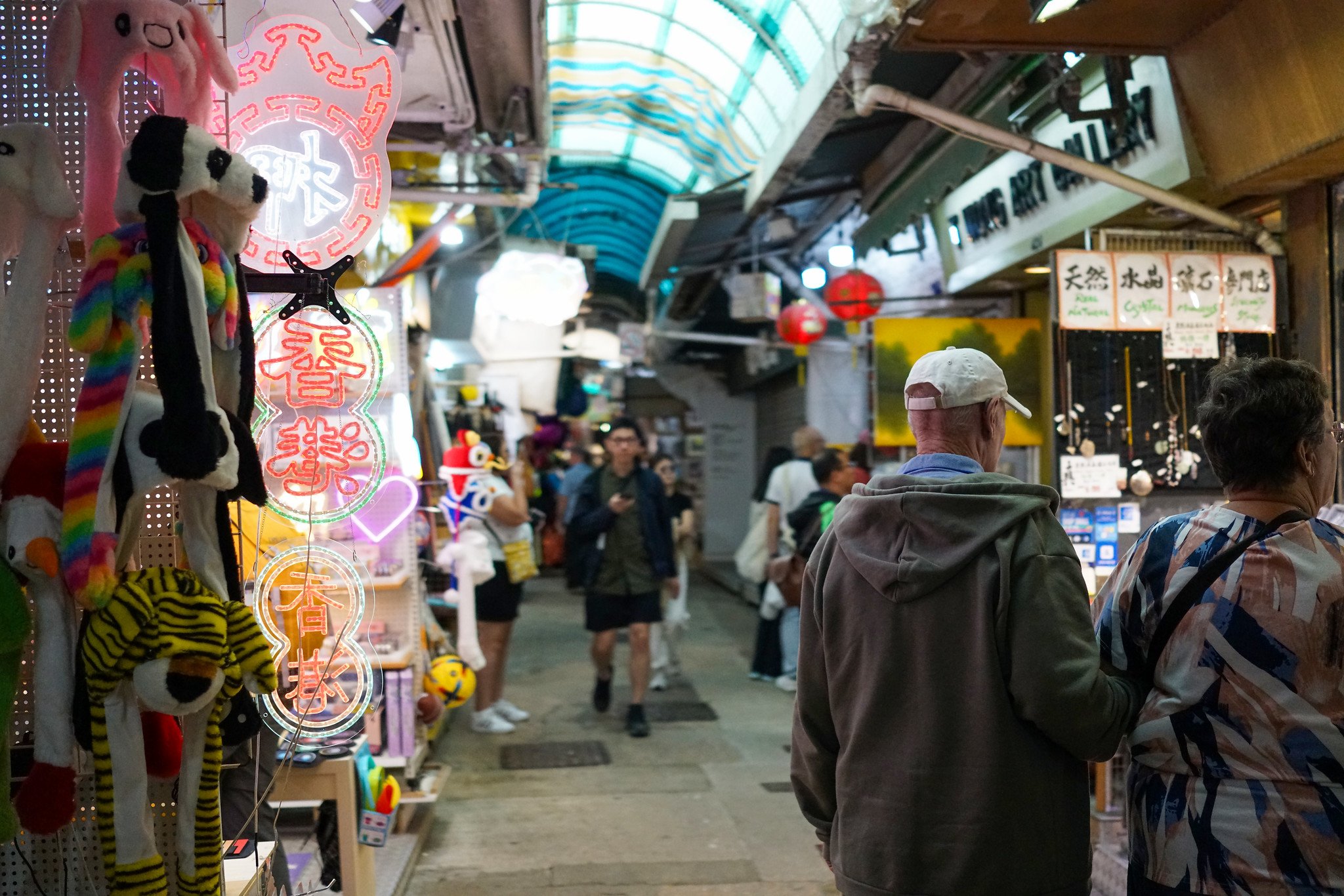
What's on sale — Tourist-oriented goods including silk garments, casual clothing (great for larger/plus sizes), sportswear, handmade jewellery, artworks, souvenirs, antiques, linens, pottery, quirky paintings, accessories, and bric-a-brac. Less focus on fresh produce or daily necessities compared to "local" markets—it's geared toward gifts and impulse buys.
Safety concerns — Hong Kong is very safe overall, and Stanley is a low-crime, affluent residential area. No major issues reported; it's family-friendly. The government implemented pedestrian schemes in crowded parts for better safety and flow (updated as recently as 2025). Pickpocketing is rare but possible in any tourist spot - standard precautions apply and yes, Stanley has a Police Station!
Stall | shop holders and what to expect — Vendors are mostly experienced in dealing with tourists—friendly but persistent, often multilingual. Expect a laid-back vibe, but some visitors note goods can be low-quality "made in China" items marked up for foreigners. The market feels less "local" than others, with an expat | tourist slant. In 2025, it's described as quiet and subdued, especially weekdays - easy to browse without crowds, but lacking buzz and yes, that buzz or vibe is back oh, and the level of English is pretty good in the market.
Practical Tips
Payment methods → Cash (HKD) is king for bargaining and small stalls. Many accept Octopus cards (convenient for transport too), mobile payments (Alipay/WeChat Pay common with mainland visitors), and credit cards in larger shops. ATMs are nearby.
Bargaining techniques → Expected and part of the fun! Start at 40 -50% of the quoted price, smile, be polite, and walk away if needed - vendors often call you back with a better offer. Compare prices across stalls. Avoid aggressive haggling; building rapport helps.
Best time to visit - Weekday mornings (10 AM - noon) for a relaxed, uncrowded experience. Weekends bring more atmosphere (locals and some tourists), but it can get busier. Avoid peak summer heat | humidity. Evenings and nights are very quiet - no real nightlife in the market itself (head to nearby bars | estaurants on the waterfront).
click on the image to enlarge
© Copyright Acknowledged | All rights reserved.| Image taken by Jamie
Stanley and Stanley Market | Super size clothing! | Hong Kong
I was not joking about the large sizes of clothes being available!
Interesting Anecdotes and Facts
Murray House was dismantled and rebuilt in Stanley in 2001 after being displaced for a bank tower in Central—a quirky preservation effort and for many years it was home to a large H & M Store and lots of nice restaurants
… and not forgetting Blake Pier next to Murray House, that used to be next to the Star Ferry Pier in Central District
The market's waterfront location inspired many stories; it's where tourists often find unique oversized clothing hard to get elsewhere in Asia (think XXXXXX)
Pre-Covid, it was packed with coach buses; now, the contrast highlights how tourism-dependent it is and yes, the coach groups are back in force
Nearby historical sites include old prisons and forts from WWII—Stanley was a battle site and internment camp and there is a Military Cemetery nearby which has impeccable grounds.
Stanley does have a couple of beaches (walking distance from Stanley Market) To Stanley Main Beach → 5–10 minutes walk and To St. Stephen's Beach → 10–15 minutes walk, they are ok, nothing special
Stanley has a population of roughly 20,000 people and is spread out.
While Stanley is known for its scenic, relaxed vibe with many private | low-density residences (e.g., townhouses, detached houses, and upscale apartments popular with families and expats), there are 2 public and subsidised housing developments provide more affordable options for locals
I have quite often seen wild boars roaming near these 2 public housing estates which are 2 minutes walk from Stanley Plaza!
I did a Private Tour with a Princess some years ago, yes, a proper and very well known and wealthy Princess and we took the bus to Stanley and we spent a lot of time shopping in a famous linen shop - the punchline, I did not know she was a Princess until the Nanny told me outside the linen shop! I almost fainted, all I could say was “I took a Princess on the no. 260 bus” !!!!!!
Personally I think that Stanley would benefit from having a street food section close to the Market, basiclly copy the idea that was introduced to the Temple Street Night Market a few years ago.
Many visitors like trying street food, Stanley has the space and it has the numbers, ok it is not a night thing as the Market closes early but the lunch and afternoon visits could support this initiative. it would be I am sure a popular attraction, pretty much all the big markets in Kowloon are known for their street food options.
Failing that they need to try and attract Dim Sum Restaurants and such as I find that in Stanley the Chinese Food on offer is too high end and too formal, they need more down to earth places with prices to match! oh, an located in and around Stanley Market and NOT Stanley Plaza!
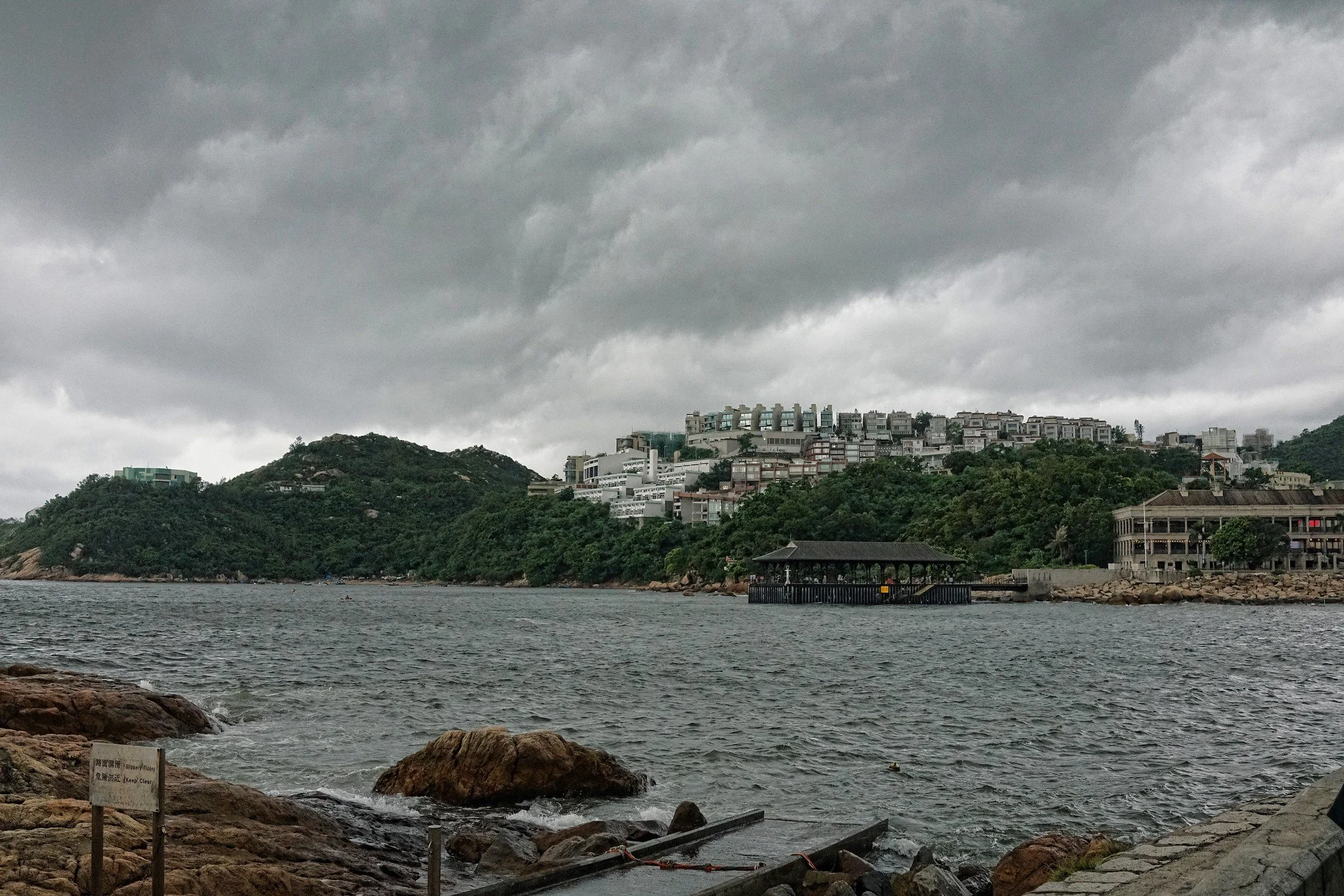
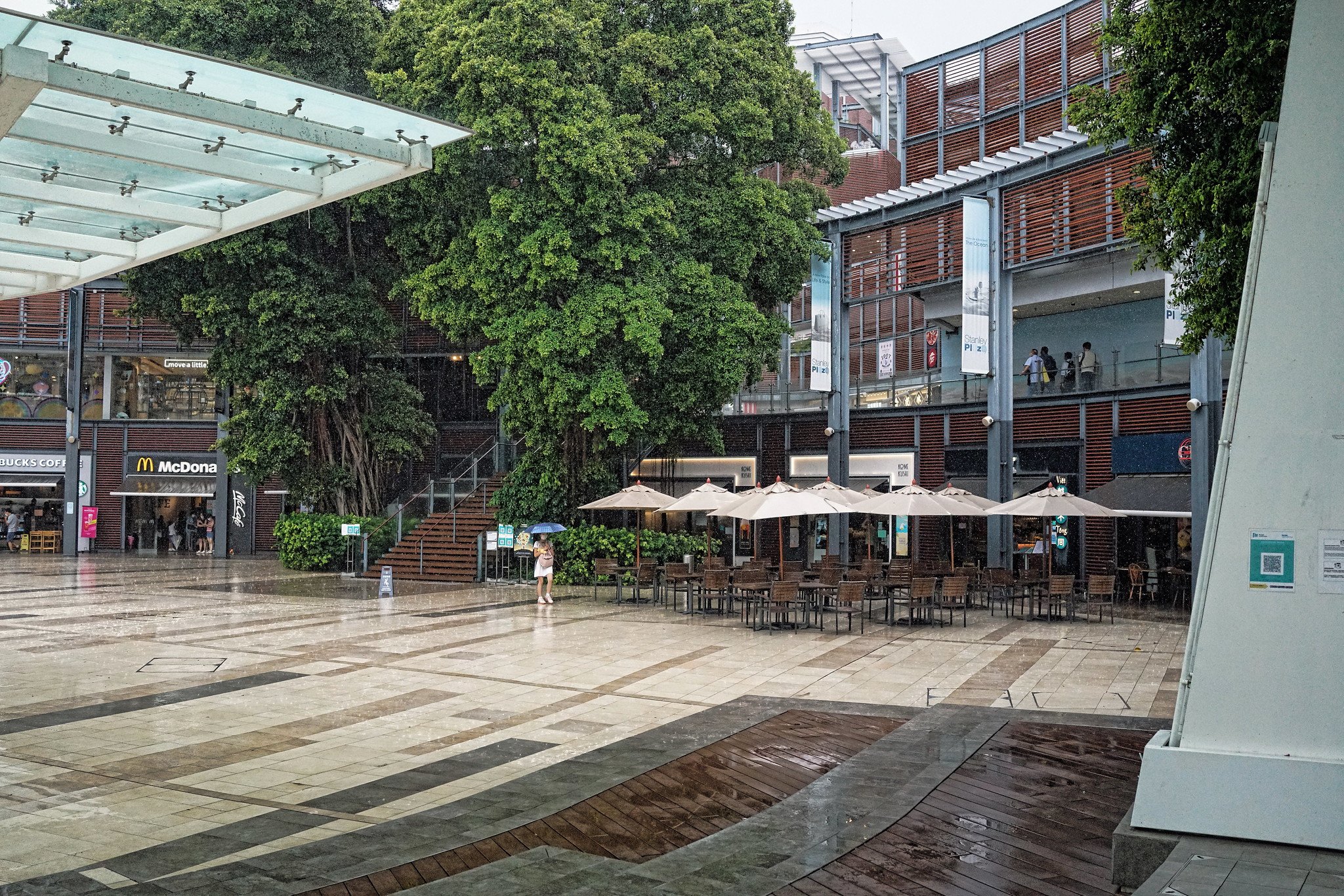
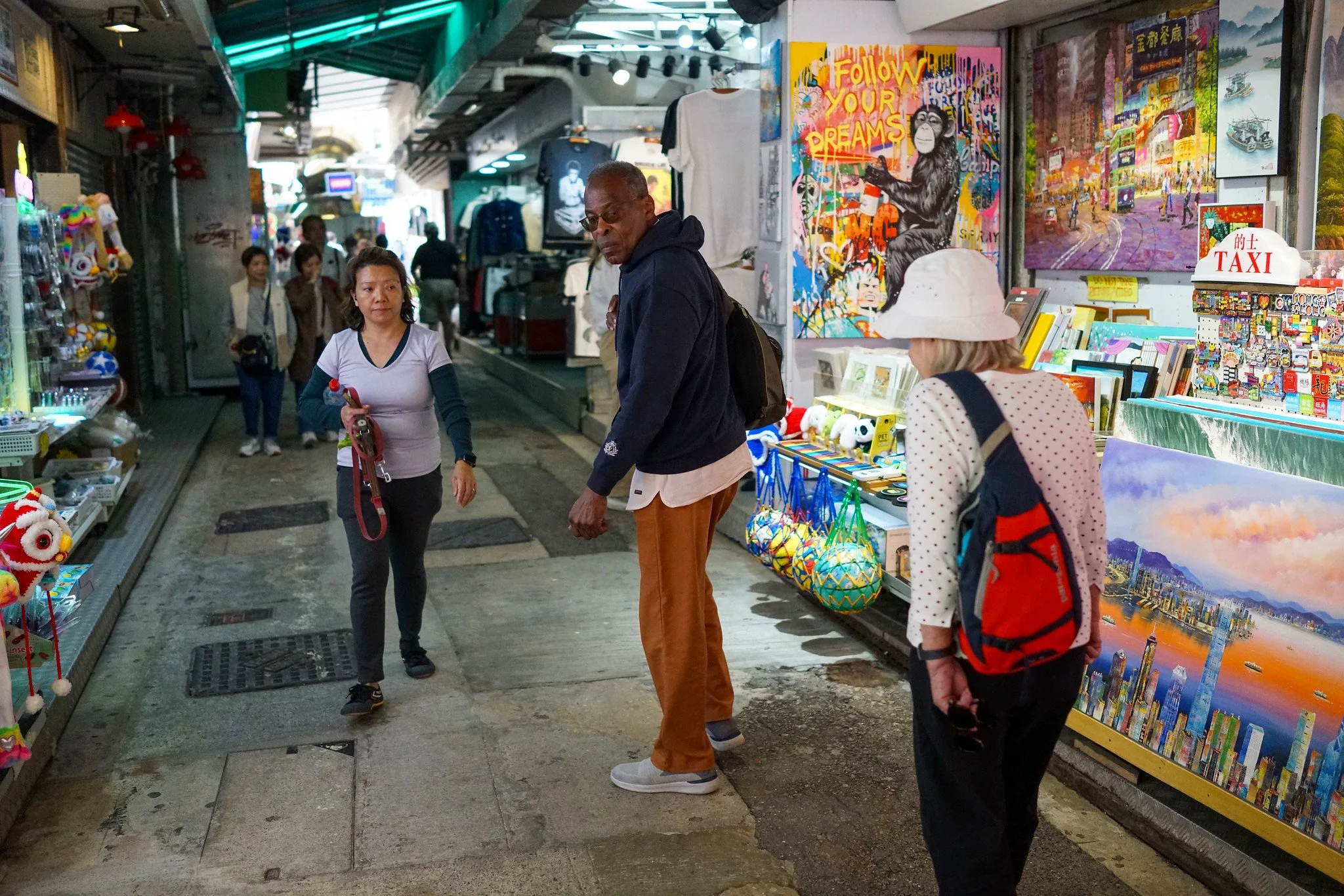
click on any image to enlarge
© Copyright Acknowledged | All rights reserved.| Images taken by Jamie
Stanley and Stanley Market | Random Images | Hong Kong
click on the image to enlarge
© Copyright Acknowledged | All rights reserved.| Images taken by Jamie
Stanley and Stanley Market | The famous tiger skin in a temple | Hong Kong
The Famous Tiger Skin in the local Tin Hau Temple in Stanley
Yes, the small Tin Hau Temple (赤柱天后廟) near Murray House in Stanley, Hong Kong, is famous for its preserved tiger skin display. It is blackened by years of incense smoke, and looking quite crispy and aged. A sign nearby explains its origins, and it's considered a local curiosity and protective talisman.
The Temple is 30 seconds walk from Starbucks and close to Murray House, it is hard to miss
As usual the information source gave some incorrect details (which my image corrected) it said the tiger skin was NOT in a glass wall cabinet so to speak! err, it is!
“Thanks for sharing your photo- it's a fantastic, up-close shot! You're absolutely right: the tiger skin is indeed mounted and protected behind a glass panel (or framed in a glass-fronted cabinet/display case) on the wall of the Tin Hau Temple in Stanley. Many older descriptions refer to it simply as "hanging on the wall" (often in a darkened corner, blackened by decades of incense smoke), but your recent image clearly shows it's encased for preservation, which makes sense given its age and cultural significance.
This protective setup keeps the fragile, crispy-looking pelt safe while still allowing visitors to view it as a revered object believed to ward off evil spirits.”
The Story Behind the Tiger Skin and how it ended up in a Temple
This is the skin of what is claimed to be the last tiger shot on Hong Kong Island. The incident occurred in June 1942, during the Japanese occupation of Hong Kong in World War II.
A tiger (weighing about 240 pounds / ~109 kg, 73 inches / ~185 cm long, and 3 feet / ~91 cm high) appeared in the Stanley area, causing panic. It terrorized both the local villagers and inmates of the nearby Stanley Internment Camp (where Allied civilians were held by the Japanese). Rumors spread for weeks about a tiger roaming at night, and internees even set up makeshift guards armed with makeshift weapons.
The tiger was eventually shot and killed in front of the Stanley Police Station by an Indian policeman named Rur Singh (sometimes spelled as Rur Singh or similar variations).
A former butcher from the Dairy Farm Company (an internee named Bradbury in some accounts) was taken out of the camp to skin the animal.
The meat wasn't wasted: Some was reportedly eaten by Japanese officers and even shared with members of the Hong Kong Race Club (described as "tender and delicious as beef").
The skin was later presented to the villagers, preserved (possibly stuffed and exhibited in the city for a time to attract viewers), and eventually donated to the temple, where it has hung for decades as a revered object believed to ward off evil spirits.
There are a few theories about the tiger's origin:
It may have escaped or been released from a circus performing in Causeway Bay around the time of the Japanese invasion.
Wild tigers were extremely rare in Hong Kong by then (the last confirmed wild sightings were decades earlier), so an escaped captive animal is the most likely explanation.
Additional Temple Lore
The temple itself (originally built in 1767, though renovated multiple times) has another wartime miracle story: During the 1941–1942 Japanese attack on Hong Kong, two bombs landed nearby but failed to explode, supposedly protecting hundreds of people sheltering inside - adding to its reputation as a "protective" site. The tiger skin is often linked to this protective aura in local folklore.
It's one of Stanley's quirky hidden gems, tucked away near the promenade, Stanley Plaza, Starbucks, and McDonald's. The temple remains a peaceful spot amid the market bustle, dedicated to Tin Hau, the Goddess of the Sea.
Government Policy and Revitalization with regards to Stanley
There is no specific dedicated government policy targeting Stanley Market. Broader initiatives focus on tourism recovery post-Covid (e.g., promotions via Hong Kong Tourism Board) and pedestrian improvements by the Transport Department (2025 updates for safety in Stanley village). The 2025 Policy Address emphasized general economic revival, financial hubs, and industry development, but nothing market-specific.
My take on this is very simple, Mainland Chinese Tourists are roughly 80% of our visitors (for 15 years or so) so that is the priority so places like Stanley are left to their own devices and rely on people going there who are on a tour, I guess they feel that coach tours will go there automatically as they have been doing so since the late 1960’s and yes, the Big Bus Co also stops at Stanley and is quite popular.
On revitalization: As of late 2025, no official government or resident-led proposals for major overhaul appear in public records. Blogs and visitor reviews (e.g., April 2025 posts) describe it as needing a "reboot" due to slow recovery—fewer tourists, empty stalls, and lost vibrancy. Your idea of a large street food section (using space near the soccer pitch/Stanley Main Street) is compelling and aligns with successful models like Temple Street Night Market. It could inject evening atmosphere, draw locals, and boost foot traffic—especially since Stanley already has bars | restaurants and waterfront appeal. No evidence of this being formally suggested, but it fits calls for more "local culture" experiences in tourism revival efforts.
Stanley indeed relies heavily on tourists (no MTR access makes it bus-dependent and remote), feels upscale | expat rather than gritty-local, and thrives weekends but fades weekdays | nights .
,,, and this is where the Government misses the point, Stanley is as much a part of Hong Kongs history as every other place in Hong Kong, gritty or not, it is a great contrast and Stanley should be celebrated not forgotten.
I doubt I will see an MTR (Subway) in my lifetime.
Getting to Stanley + Stanley Market on Hong Kong Island
click on the image to enlarge
© Copyright Acknowledged | All rights reserved.| Image taken by Jamie
Stanley and Stanley Market | Bus # 6X - The Stanley run | Hong Kong
Recommended Bus Options
The most popular and direct buses from Central to Stanley are:
Bus 6 → Most scenic (winds over the hills with great views of Repulse Bay and the sea), but slightly slower and more winding.
Bus 6X → Express version, faster and flatter route via Aberdeen Tunnel.
Bus 260 → Fastest| most efficient (fewer stops in the city), great for a quicker trip and goes via Deep Water Bay and Repulse Bay
Bus 6A → Similar to 6/6X, occasional service.
All these buses go directly to Stanley Village Bus Terminus, right next to Stanley Market (just a 2-5 minute flat walk to the market entrance). Step-by-Step Directions
Personally I have no preference, any of the 6, 6x and 260 are awesome but if push comes to shove, I like the plain no 6 route but you can take one route there and another route back! and I will always try to fit in the 260 as it goes via Deep Water Bay and Repulse Bay
Go to the departure point - Head to the Exchange Square Bus Terminus (also called Central (Exchange Square) Bus Terminus).
Location: Underneath | near IFC Mall and Exchange Square in Central.
Easiest access:
MTR Central Station → Exit A (or follow signs to IFC Mall).
MTR Hong Kong Station → Exit B1 or similar (short walk).
The bus terminus is on the ground level - look for the covered bus bays with clear signage.
please be careful, lots of buses moving around
Choose and board the bus —
Look for Bus 6, 6X, 260, or 6A heading to Stanley (signs show "Stanley Village" or "Stanley Market" as destination).
Buses run frequently (every 10 - 20 minutes during the day).
Board at the front, pay with an Octopus card (highly recommended — buy one at any MTR station or convenience store; it's contactless and saves money), or use contactless credit/debit card, Apple Pay, Google Pay, Alipay HK, etc. (Cash is accepted but exact change is best.)
During the ride —
Journey time: About 45 - 75 minutes depending on the route and traffic.
260 or 6X → ~45-55 min (faster via tunnel).
6 → ~60-75 min (more scenic).
For the best views: Sit on the top deck, front seats (especially on bus 6 for the winding coastal/hill scenery).
The bus passes Repulse Bay Beach and beautiful southern Hong Kong Island views. (Island South as we call it)
Getting off -
Alight at the Stanley Village Bus Terminus (final/last stop for these routes to the village).most people get off here
The stop is directly opposite | adjacent to Stanley Market. just cross the road and follow the crowds
Exit the bus, walk straight ahead | down the steps or short path into the market area (very easy and well-signposted). You'll immediately see the market stalls, shops, waterfront promenade, and restaurants
Tips for Visitors | Tourists
Fare: Around HK$10-14 (about USD 1.30-1.80), depending on the exact route - very affordable!
Real-time info: Download the Citybus app or HKeMobility app (official Hong Kong transport app) for live bus arrivals, routes, and updates.
Return trip: Catch the same buses (6, 6X, 260) from Stanley Village back to Central — they operate until late evening.
Accessibility: Buses are wheelchair-accessible with priority seating.
Best time: Go early to avoid crowds, especially on weekends.
Motion sickness note: If sensitive, prefer 6X or 260 (flatter/tunnel route) over bus 6 (more curves).
This is one of the most enjoyable and iconic public bus rides in Hong Kong - enjoy the views, and have a fantastic time at Stanley Market! If anything changes (rare for these routes), the apps will have the latest details.Vi
My insider tip which never fails and it works as there are quite a few bus route options and the frequency is just fine | make sure you are at the head of the queue (even if it means waiting for the next bus) as you can then rush upstairs and snag the front seats on the bus, the views are amazing and I have never failed to get those front seats and it works going there and coming back
click on the image to enlarge
© Copyright Acknowledged | All rights reserved.| Image taken by Jamie
Stanley and Stanley Market | Bus # 260 - The Stanley run via Repulse Bay | Hong Kong
Taxi to Stanley from Central District on Hong Kong Island
For the record I never take a Taxi as you miss out on the views from the upper deck of the bus, but is an option but bear in mind it is more exensive
As of December 2025 (with the latest official fare adjustments effective since mid-2024 and no major changes reported since), a taxi from Central District (e.g., Chater Road area) to Stanley Market uses a red urban taxi (the standard ones you'll flag down in Central). These are metered, regulated by the Hong Kong Transport Department, and very reliable for this route.
Estimated Fare
Typical range: HK$140–HK$200 (about USD 18–26) for the one-way trip.
Most common estimates from reliable calculators and user reports fall around HK$145–HK$170 under normal conditions.
One direct calculator lists it at HK$149 for Central to Stanley.
click on any image to enlarge
© Copyright Acknowledged | All rights reserved.| Image taken by Jamie
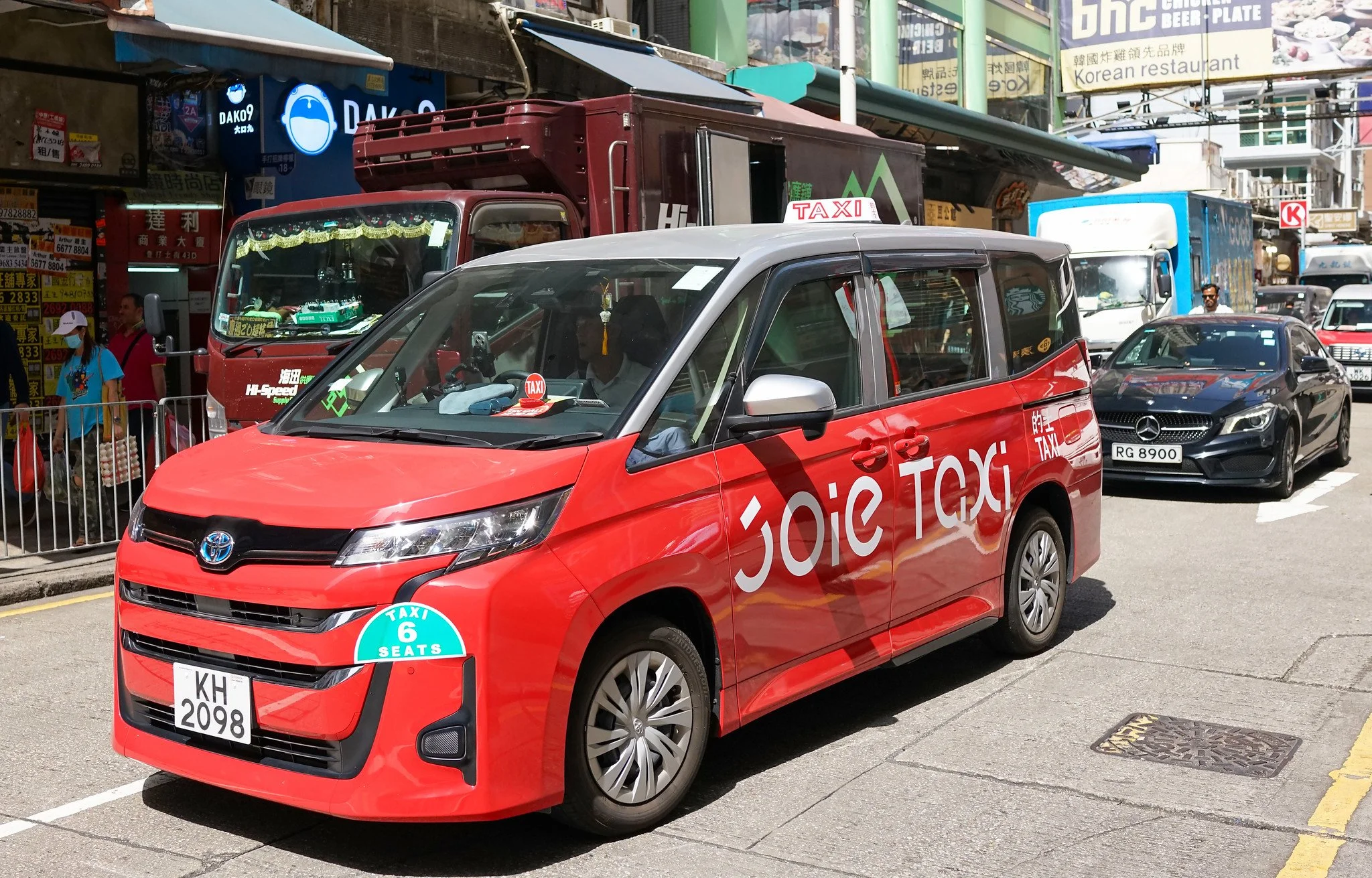
Stanley and Stanley Market | Premium Taxi Service - 6 seater models | Hong Kong
Practical Tips for Tourists | Visitors and transport to Stanley
Hailing: Plenty of red taxis available on Chater Road, Des Voeux Road, or near Central MTR/IFC. Just wave — the roof light will be on if available.
Payment: Cash (small bills preferred; drivers may not give change for HK$500+ notes), Octopus card (many accept it), or contactless (Apple Pay/Google Pay on newer taxis). Tipping isn't expected, but rounding up to the nearest HK$10 is polite.
Route note: Most drivers take the Aberdeen tunnel for speed; mention "Stanley Market" clearly - they all know it. The ride can be winding on the non-tunnel path, so if prone to motion sickness, request the tunnel route.
Variations: Add ~HK$20 - 50 extra during heavy traffic (e.g., rush hour), bad weather, or with luggage/multiple passengers. For the return trip from Stanley, it's similar (taxis are readily available at the market entrance or village terminus).
Cheaper alternative reminder: The public bus (6/6X/260) is only ~HK$10 - 14 and scenic, but taxi is door-to-door and much faster | convenient, especially with shopping bags or if you're in a small group.
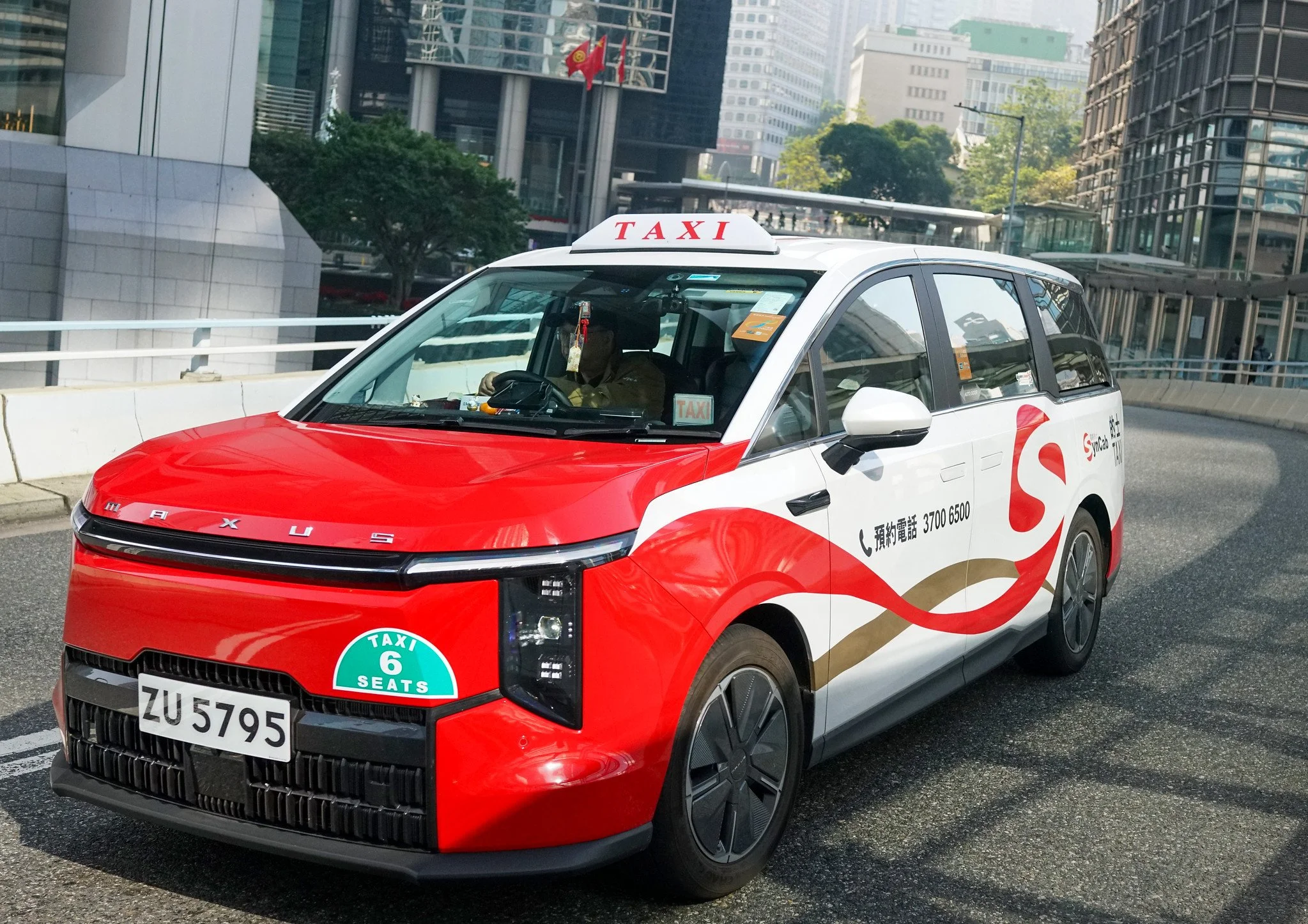
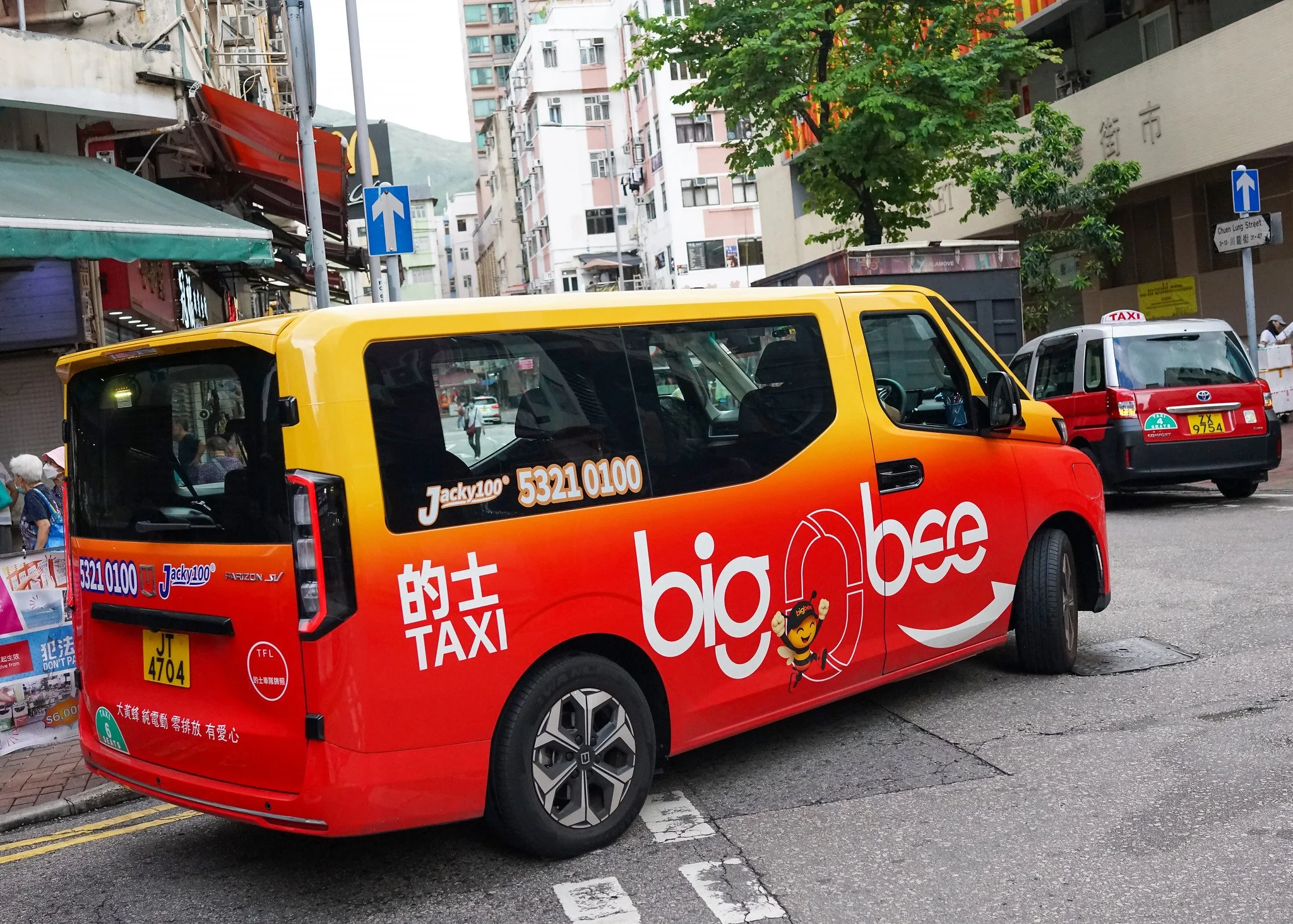
Premium Taxi Service - there are apps you can download to access this service, I find the whole thing to be clunky and not user friendly for English users, however they do have taxis that can hold 6 passengers - most models are Chinese EV’s
Uber - technically still illegal in Hong Kong but this will change in 2026, quite a bit more expensive than a regular taxi
I do not do food tours
I am pleased to say a lot of Food Tour Companies will have egg tarts and egg puffs on their tasting menu
I have very specific reasons and part of it is that I do not speak Cantonese or write Chinese, I am from Yorkshire in England and I lack the language gene and it is not through lack of trying and yes a lot of restaurants do not have English menu’s or staff who speak conversational English.
.. and yet I have eaten at close to 1,400 restaurants in Hong Kong since January 2nd 1972, my wife was born in Hong Kong and we have been together over 40 years and her first language is Cantonese and a lot of her family are Chinese or half Chinese so I have never had much of an issue!
This does not translate to doing food tours though, yes, I could do them, no problem there but they would never ever be as good as the food tours done by my friends (see the 3 links above) most of their awesome guides are locally born Hong Kong Chinese and obviously food culture is part of their DNA, it is impossible for me to compete with that!
So please feel free to contact them for food tours
© Jamie Lloyd | J3 Consultants Hong Kong | J3 Private Tours Hong Kong |
| 2010 - 2026 All rights reserved. |
Click on any image to enlarge to full screen
Current images from my Instagram feed