Sham Shui Po Markets Hong Kong - How To Get To Guide
A Detailed Market History, What’s On Offer + Transport Tips

The J3 Group - Premium Quality Private Tours | Experiences and Insider Chats since 2010
Me Jamie, your host, I am English and I have lived in Hong Kong since January 2nd 1972 - I know the place.
A meaningful blog post with a difference - tips on Travel, Tourism, Tours, Daily Life and my personal thoughts on Hong Kong.
Please do visit Amazing Hong Kong
Hong Kong | Pearl of the Orient
Customised Private Tours + Experiences in Amazing Hong Kong
Jamie has lived in Hong Kong - Pearl of the Orient for 50+ years
Carefully Crafted Personalised and Customised Itineraries by Jamie | Hong Kong’s Most Experienced Private Tour Guide for : Solo Travellers Friends Families Seniors Couples Business People MICE Delegates.
Private Tours Cultural Tours Walking Tours Sightseeing Tours City Tours Night Tours Layover Tours Transit Tours Private Shore Excursions Bespoke Tours Personalised Tours Jewish Heritage Tours Luxury Private Tours Day Tours Luxury Boat Tours Themed Tours Private Family Tours Private Day Tours Corporate Tours
Just you, your family or friends and Jamie your personal English private tour guide - over 2,400+ tours completed since 2011 - Jamie offers quality Private Tours of Hong Kong
Tour Group Size 1 - 6 people only
J3 Group Hong Kong | J3 Consultants Hong Kong | J3 Private Tours Hong Kong
Creating Memories That Will Last A Lifetime
Go here for the Hong Kong Michelin Restaurant Guide which includes the Bib Gourmand Category

The Sham Shui Po Markets Hong Kong - How To Get To Guide
A Detailed Market History, What’s On Offer + Transport Tips
click on the image to enlarge
© Copyright Acknowledged | All rights reserved.| Image taken by Jamie
The Sham Shui Po Markets | How To Get To Guide | Hong Kong
The History and Evolution of this iconic day market in Hong Kong : For curious visitors who want to explore Hong Kong’s vibrant gritty and not so gritty Street Market scene
Visiting the vibrant market scene in Hong Kong
I always enjoy going to the major markets in Hong Kong, there are 5 of them and for some peculiar reason they are in Kowloon and not on Hong Kong Island ( my favourite historically was the Poor Mans Night Market near the Macau Ferry Terminal on Hong Kong Island which closed decades ago.
There are quite a few markets on Hong Kong Island including Stanley Market but for some reason they do not have the popularity of the big markets in Kowloon
As much as I visit these markets quite often people might like to do them on day 2 of their visit or visit the most popular ones (the Ladies Market and the Temple Street Night Market at night time when they close at around 11pm (ish)
These guides provide information and history about the markets with tips about transport options to get there, which is pretty straight forward using the MTR which is our world class subway system
10 compelling reasons to visit the Sham Shui Po Markets in Hong Kong
Here are 10 solid reasons why tourists should visit the Sham Shui Po street markets in Hong Kong. This vibrant, grassroots neighborhood offers an authentic slice of local life far from the polished tourist spots.. oh and Sham Shui Po is officially Hong Kongs poorest neighbourhood, but that is just an official label, it looks no different to many other places in Hong Kong
Authentic Local Experience Unlike tourist-heavy areas like Mong Kok or Causeway Bay, Sham Shui Po delivers a genuine glimpse into everyday Hong Kong life, with bustling streets full of locals shopping, eating, and haggling - perfect for immersing yourself in the city's down-to-earth culture.
Electronics and Gadget Treasure Hunting Apliu Street Flea Market is Hong Kong's legendary spot for new, second-hand, and vintage electronics, from rare components and retro gadgets to affordable phones and hi-fi equipment - ideal for tech enthusiasts seeking bargains and unique finds (and please do visit the Golden Computer Arcade)
World-Class Fabric and Craft Shopping The area's textile heritage shines in markets like those on Ki Lung Street, Yu Chau Street, and Nam Cheong Street, offering endless fabrics, beads, buttons, ribbons, and sewing supplies at wholesale prices - a paradise for designers, crafters, and anyone into fashion or DIY projects.
Delicious and Affordable Street Food Sham Shui Po boasts Michelin-recommended spots and many lesser known spots for authentic Hong Kong eats, including silky tofu pudding, wonton noodles, dim sum, congee, and dai pai dong stalls—all at budget-friendly prices that highlight the neighborhood's culinary heart.
Bargain Hunting and Unique Souvenirs Stalls overflow with eclectic, inexpensive items like toys (on Fuk Wing Street's "Toy Street"), vintage goods, household wares, and knock-offs - great for scoring one-of-a-kind souvenirs without the inflated tourist prices.
Vibrant Atmosphere and Sensory Overload The markets buzz with energy, colors, sounds, and aromas, creating an exciting, maze-like environment that's endlessly photogenic and engaging for explorers who love lively street scenes.
Less Crowded Than other Tourist Markets Compared to the packed Ladies' Market or Temple Street, Sham Shui Po feels more relaxed (especially on weekdays), allowing easier browsing, better haggling, and a more personal experience.
Historical and Cultural Insights Wander among old tong lau buildings, historic pawn shops, and wet markets to uncover Hong Kong's working-class roots, textile industry past, and resilient community spirit.
Variety of Specialized Streets Each street specializes in something different—electronics on Apliu, fabrics on Yu Chau, toys on Fuk Wing, and more - making it easy to target interests or enjoy a full-day discovery adventure.
Emerging Creative and Hip Vibe Alongside traditions, you'll find trendy cafes, art spaces, and independent shops blending old-school charm with modern creativity, offering a dynamic contrast to Hong Kong's glitzy side.
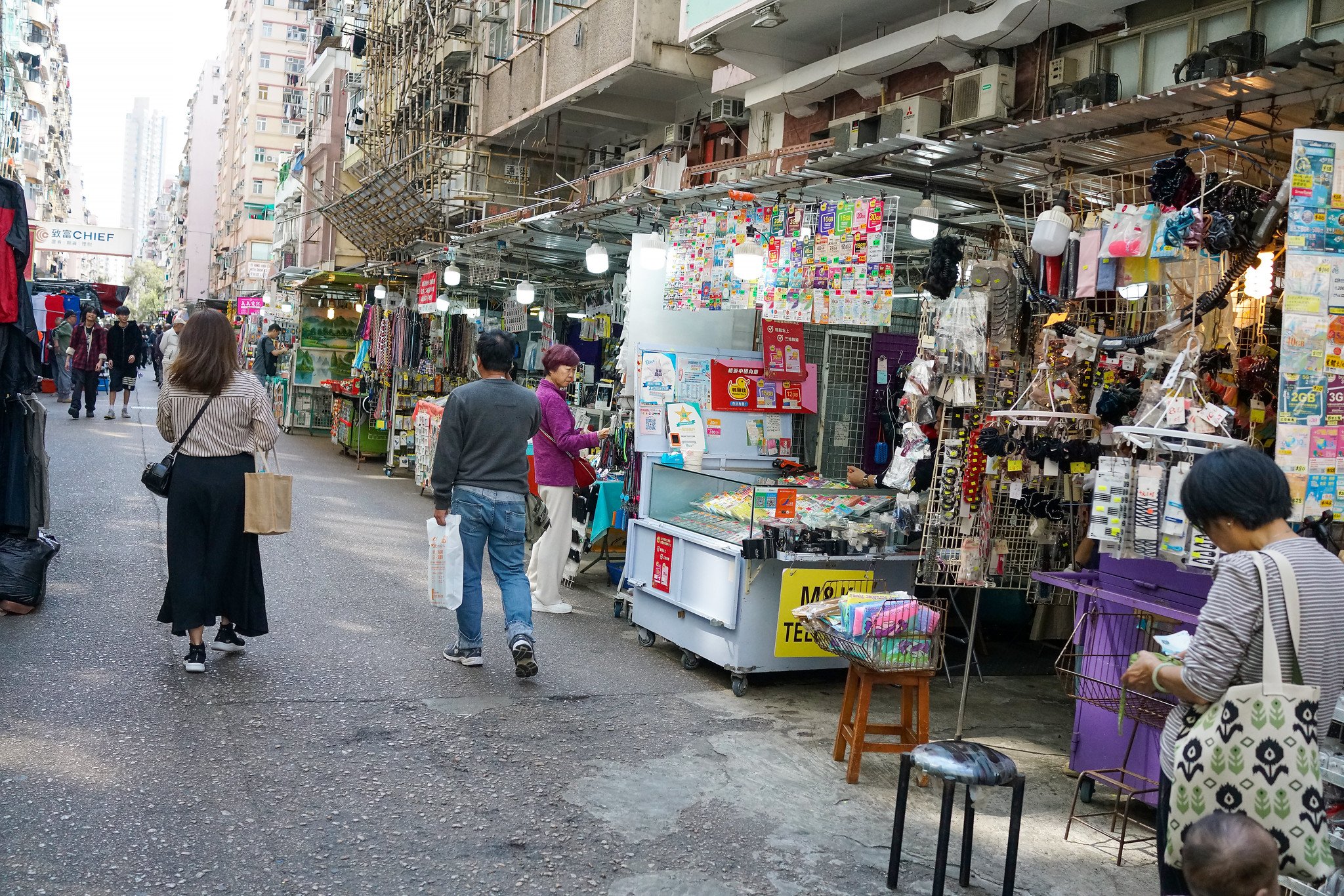
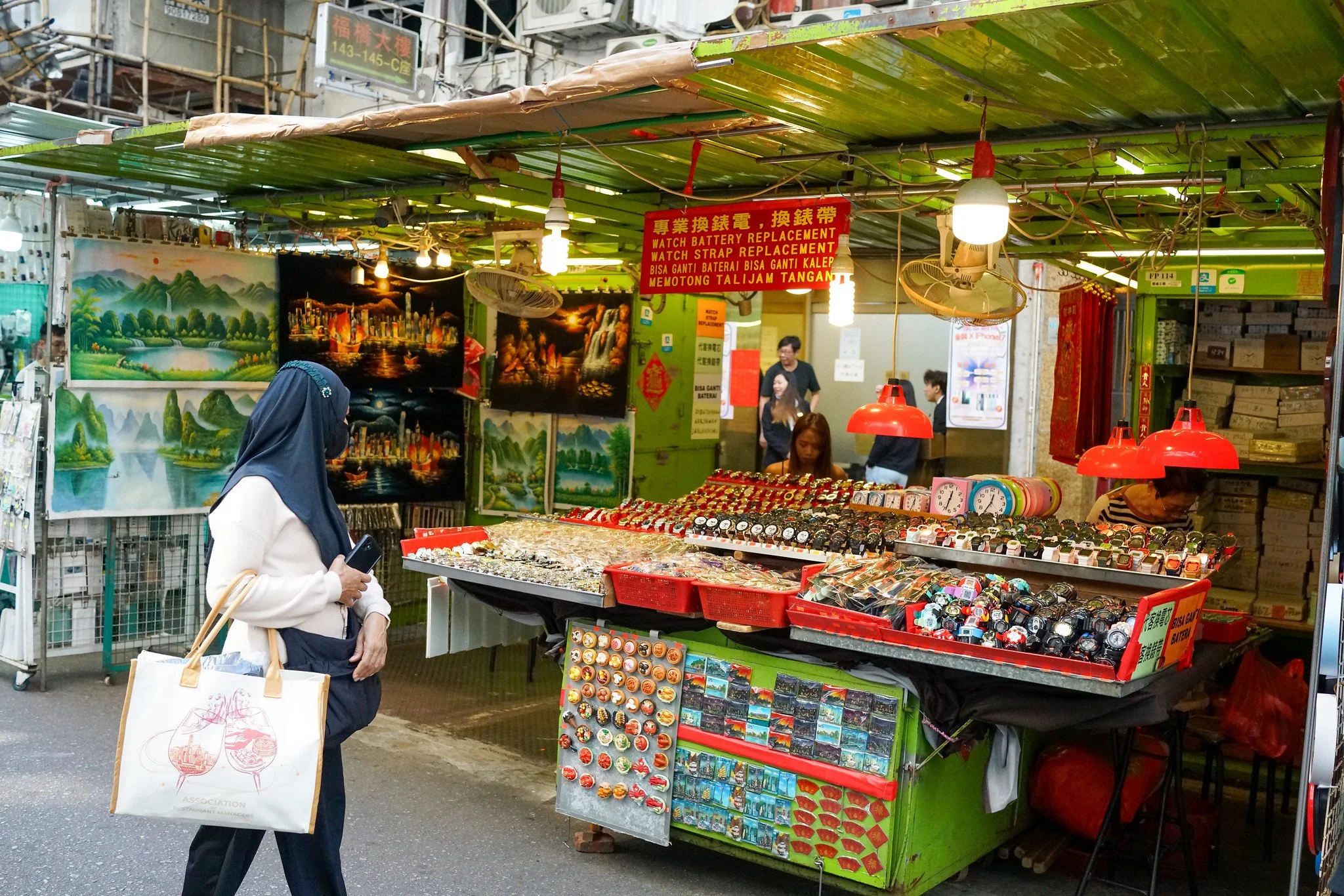
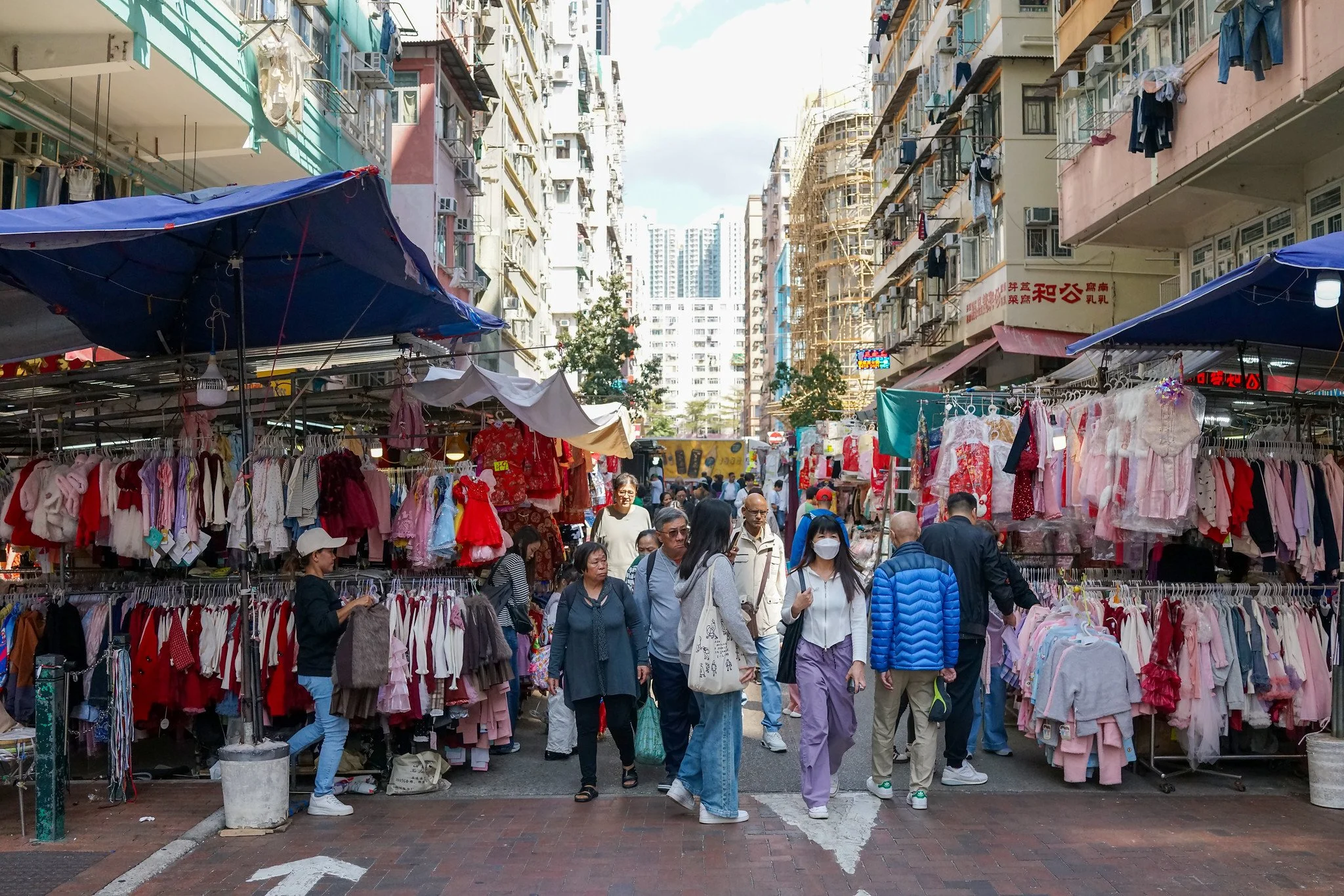
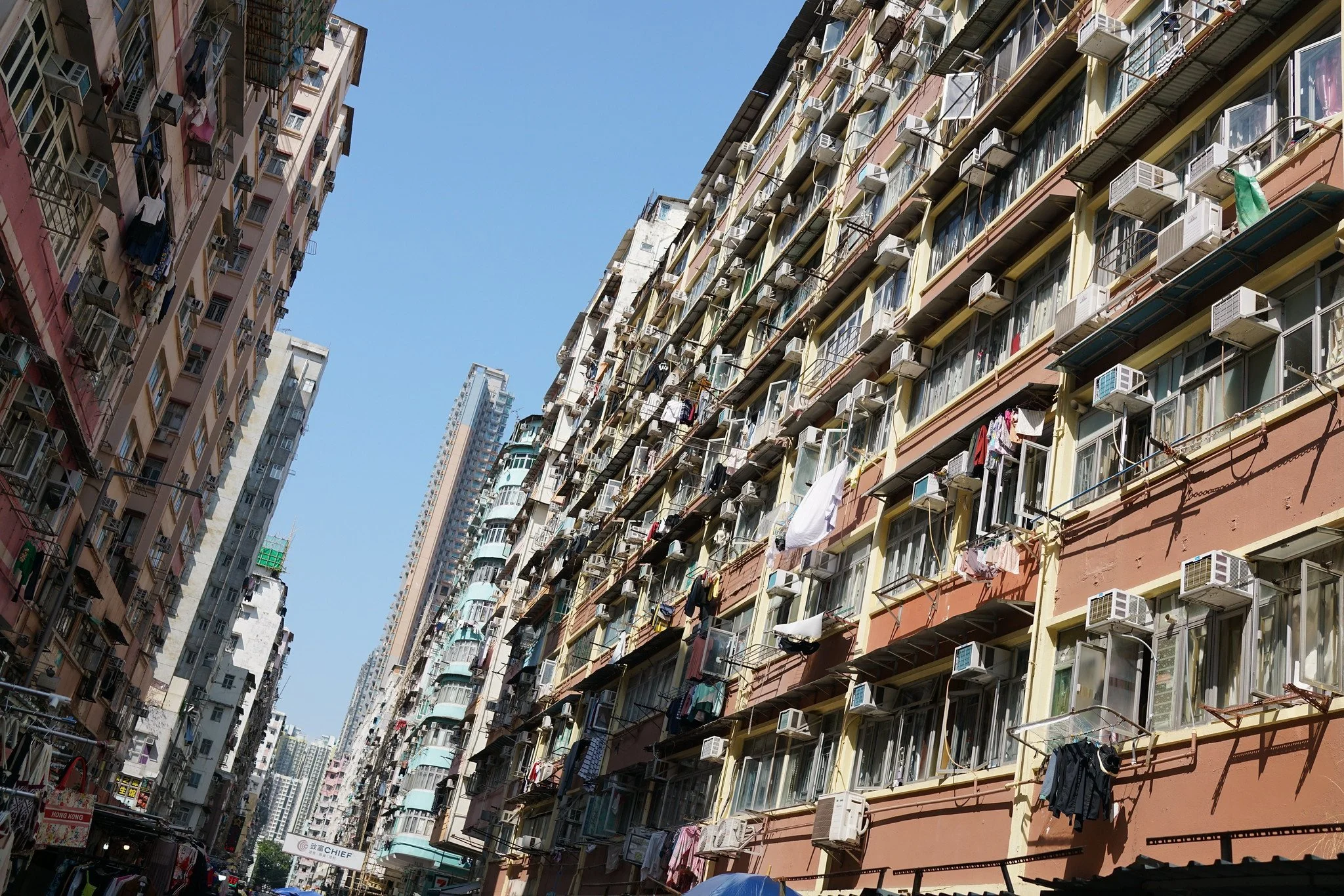
click on any image to enlarge
© Copyright Acknowledged | All rights reserved.| Image taken by Jamie
The Sham Shui Po Markets | The Neighbourhood | Hong Kong
Now, time for me to fess up so to speak
I am not and have never been a fan of Sham Shui Po - it is just a personal opinion, I have lived in Hong Kong for 54 years and I have been there many times and I wonder what all the fuss is about.
As a Private Tour Guide I have basically 4 - 8 hours to show you Hong Kong and Hong Kong is huge, 1,114 sq km or 430 sq miles and clearly with that compressed time frame I have to choose wisely what I show and where we go
I have been a Private Guide for 15 years and having done 2,350+ private tours I have a pretty good idea of what works and what doesn’t.
Part of the problem is that pretty much every Tour Company in Hong Kong takes people to Sham Shui Po but I suspect it is mainly for food tours (which I do not do) it is true to say that Sham Shui Po has a large concentration of great food outlets.
It is also true to say that officially Sham Shui Po is the poorest neighbourhood in Hong Kong and tour guides like to do the whole comparison thing about income disparity and living conditions, I have no problem with that but from my personal experience, Sham Shui Po is no different from most other neighbourhoods in Hong Kong, the label has stuck!
.. And I must stress Sham Shui Po is perfectly safe day or night.
So generally speaking I never detour there as there are so many places in Hong Kong that pretty much look exactly the same that are a better fit for my itinerary time wise and if you are here for a few days it is certainly something you can do on your own or even better, take a group food tour and sample the great food!
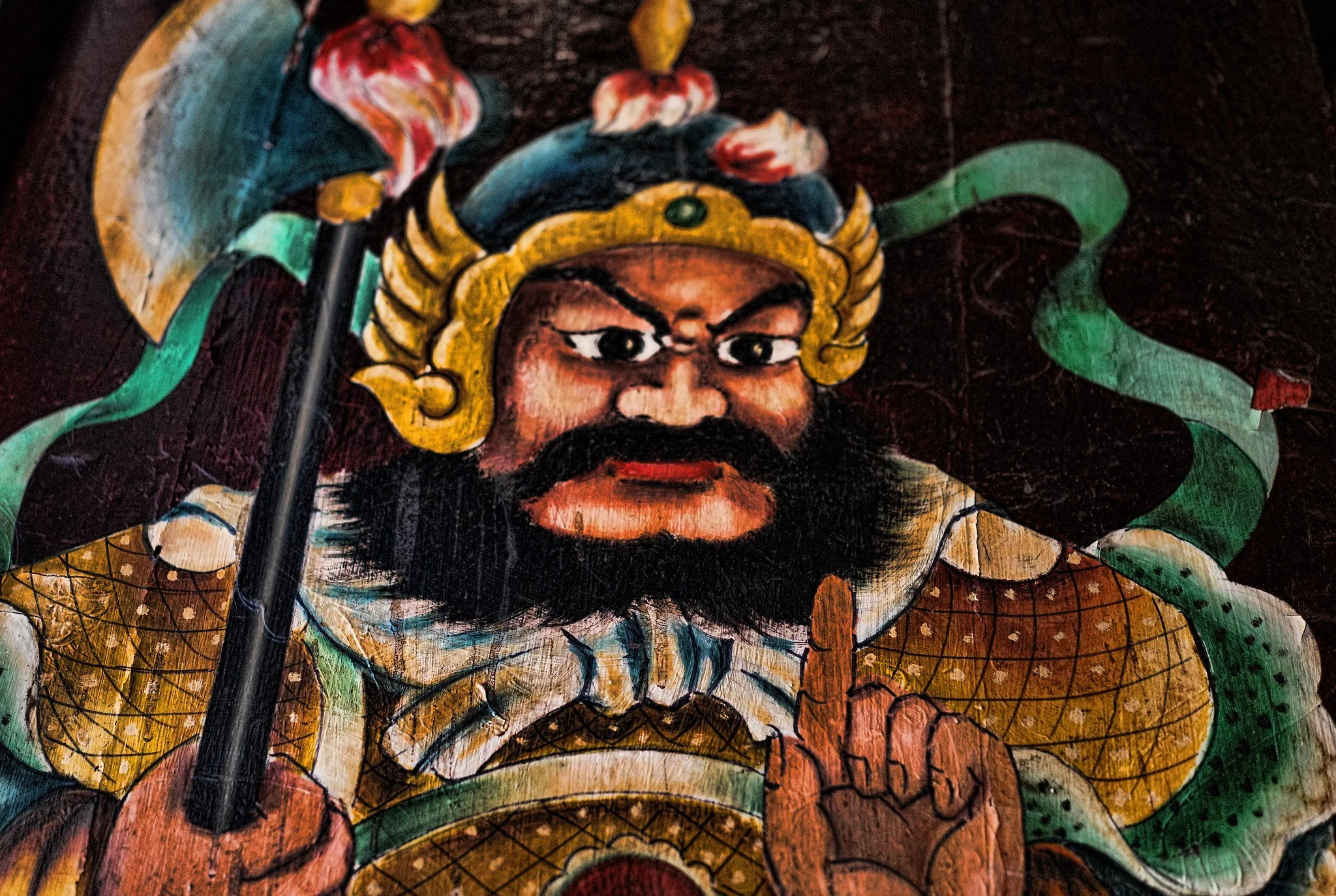
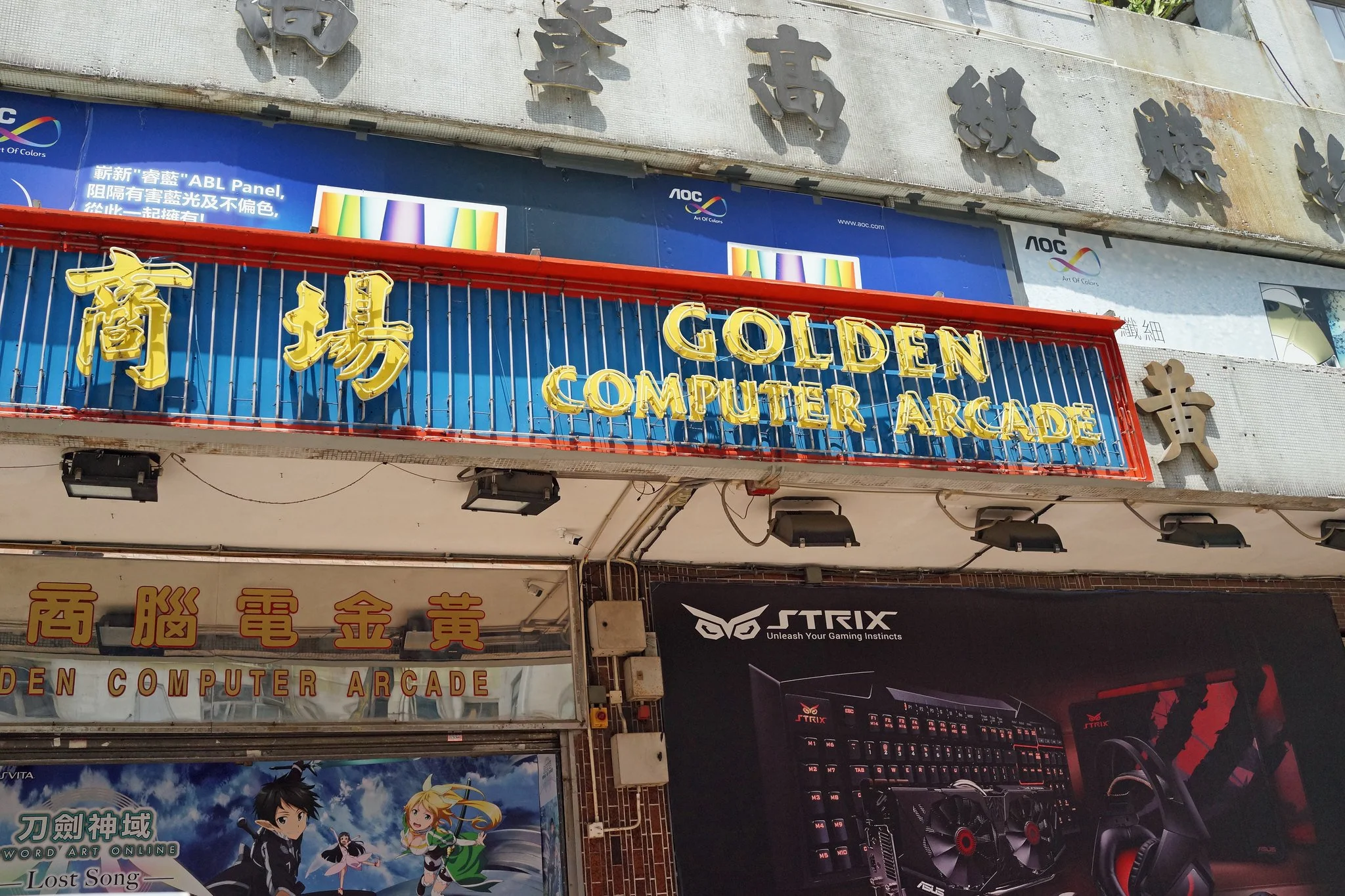
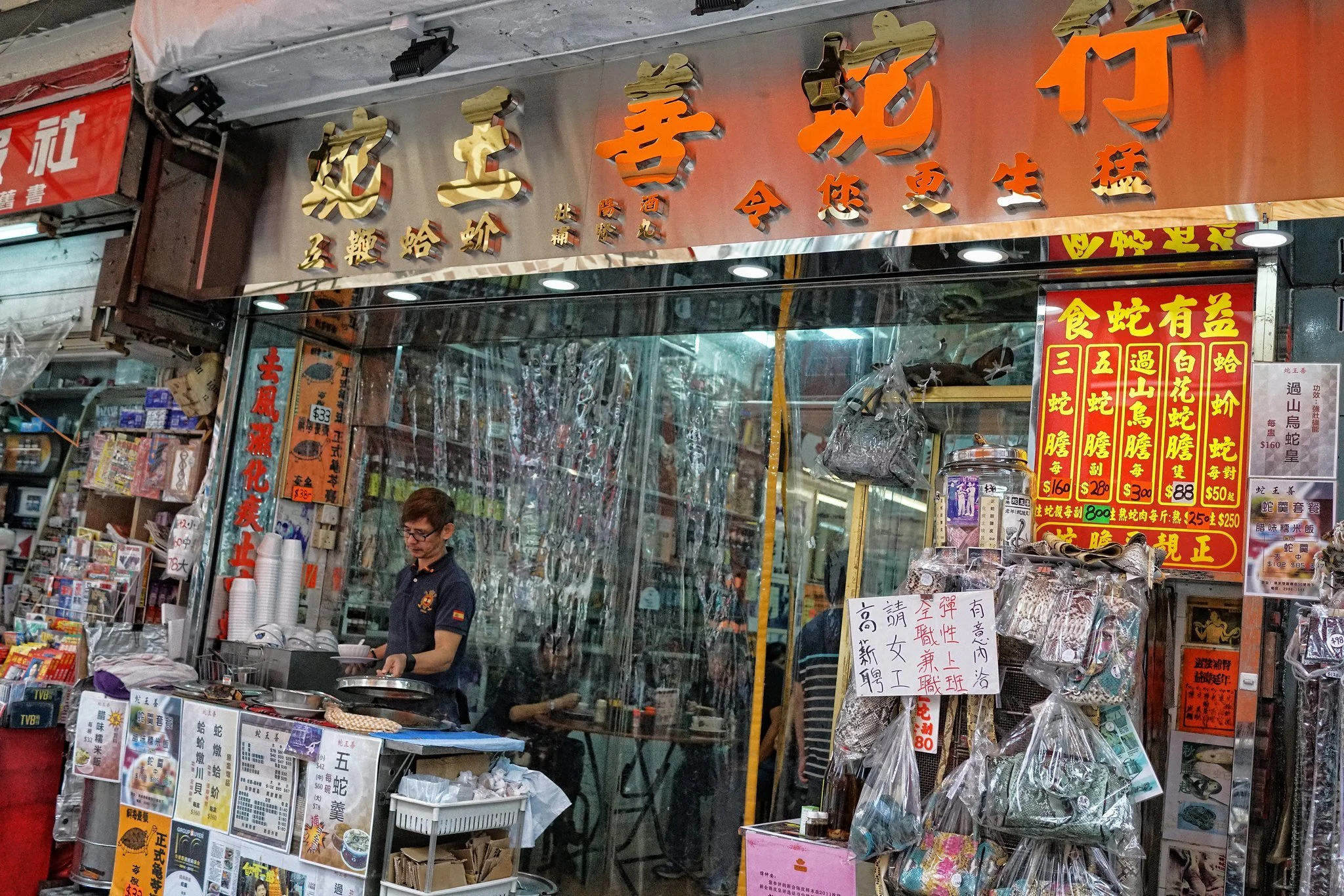
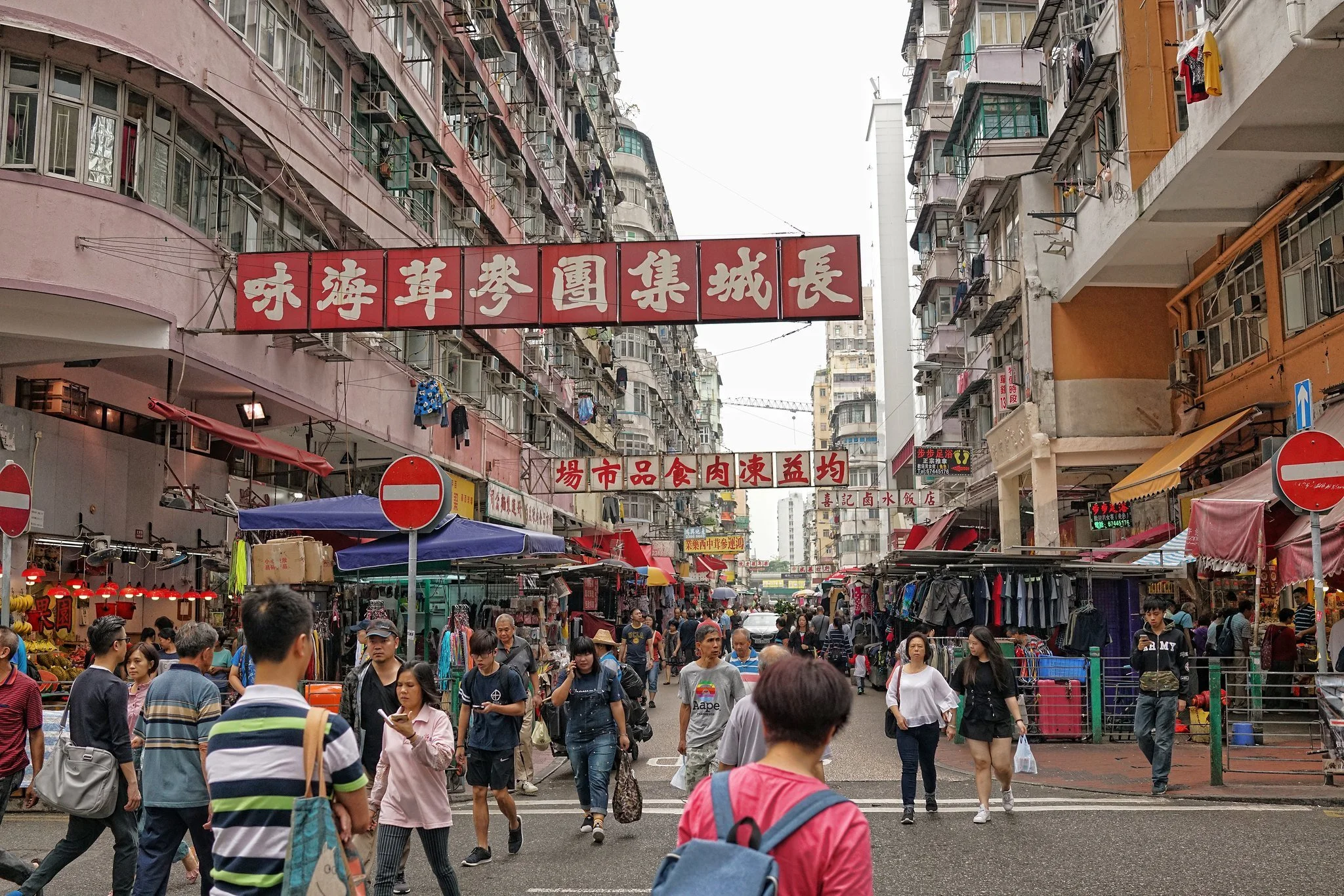
click on any image to enlarge
© Copyright Acknowledged | All rights reserved.| Image taken by Jamie
The Sham Shui Po Markets | The Neighbourhood | Hong Kong
Detailed History of the Sham Shui Po Street Markets
Sham Shui Po, one of Hong Kong's oldest districts, has a rich history tied to its markets, which evolved from ancient settlements to bustling commercial hubs. Archaeological evidence suggests the area was populated for at least 2,000 years, with early references to fishing villages along the Sham Shui Po River. However, the modern street markets as we know them began taking shape in the early 20th century. In the 1900s, the British colonial government laid out a grid of streets in the district, attracting entrepreneurs who built shophouses and small factories, transforming it into an industrial powerhouse focused on textiles and manufacturing. The Pei Ho Street Market, one of the oldest, officially opened in 1918 as a wet market for fresh produce and daily necessities, and was expanded in 1928 to accommodate growing demand from local workers. Nearby, Apliu Street's market roots trace back to the 1920s, with many original buildings still standing along Cheung Sha Wan Road.
Post-World War II, Sham Shui Po became a refuge for mainland Chinese migrants fleeing the Chinese Civil War, swelling the population and fueling informal street trading. By the 1950s-60s, it was the epicenter of Hong Kong's textile boom, with factories churning out fabrics and garments for export - earning it the nickname "Cloth King of Asia." The markets diversified in the 1970s as factories closed due to rising costs, shifting toward affordable retail: second-hand electronics on Apliu Street (the "flea market"), fabrics on Ki Lung Street, and general goods on Yen Chow Street. This era saw the rise of the district's bargain-hunting culture, blending industrial grit with vibrant commerce. In recent decades (2010s onward), gentrification has infused creativity - street artists and makers now repurpose old factories—while preserving the markets' authentic, working-class vibe. Today, the markets symbolize resilient old Hong Kong amid rapid urbanization.
Approximate Number of Stalls: Across key streets like Apliu, Ki Lung, Pei Ho, and Yen Chow, there are roughly 500 - 800 stalls, fluctuating with seasons and events. Pei Ho alone has over 100 wet market stalls.
Opening and Closing Hours: Most operate 6:00 AM - 8:00 PM daily, with wet markets (e.g., Pei Ho) starting earlier at 5:00-6:00 AM for fresh deliveries and winding down by 7:00 PM. Electronics stalls on Apliu may stay open until 9:00 PM; some food vendors extend into the evening. Closed or reduced on major holidays like Chinese New Year (The Ladies Market and Temple Street Markets close a lot later)
Products on Sale: A treasure trove of everyday and quirky items. Wet markets (Pei Ho, Yen Chow) sell fresh seafood, meats, fruits, vegetables, and household goods. Fabric streets (Ki Lung, Yu Chau) offer bolts of cloth, buttons, beads, and sewing supplies—remnants of the textile era. Apliu specializes in second-hand electronics, gadgets, phone accessories, toys, and knockoff watches. Street-side stalls peddle clothes, bags, leather goods, and snacks like fish balls or egg waffles.
Safety Concerns: Generally safe for locals and tourists, with a low crime rate compared to more touristy areas like Mong Kok. However, the narrow, crowded streets can feel chaotic - watch for pickpockets in peak hours (watch your bag in crowds). Avoid poorly lit alleys after dark, and be cautious of uneven pavements or motorbikes darting through. As with every district there is always a large Police presence, uniformed and plain clothes and not to mention mobile units and these days CCTV is everywhere, I would not worry at all.
Comments on Stall Holders and What to Expect: Stall holders are the soul of the markets - multi-generational "aunties" and "uncles" who've run spots for decades, often starting as factory workers. They're hardworking, no-nonsense, and deeply proud of their craft (e.g., fabric cutters demonstrating on-site). Expect Cantonese banter, occasional English for tourists, and a welcoming chaos: vendors calling out deals, steam from food carts, haggling as sport. It's sensory overload - fish smells, fabric dust, sizzling woks—but authentically Hong Kong, far from sanitized malls. Go with an open mind; it's where locals shop, so patience pays off…. but (there is always a but) the level of English is NOT great.
Payment Methods: Cash (HKD) is king—small bills preferred for quick transactions. Some larger stalls accept Octopus cards or mobile payments (AlipayHK, WeChat Pay), but not ubiquitous. Credit cards rare outside arcades; ATMs abound near MTR.
Bargaining Techniques: Haggling is expected and fun - start at 50-70% of the asking price, counter politely with a smile ("Dak sai? Can cheaper?"). Bundle items for better deals ("Three for price of two?"). Walk away if needed; they'll often call you back. Best with friendly rapport - stall holders respect confident but respectful buyers. Avoid over-aggression; it's about building quick rapport, not confrontation. ps I am joking when I mention using Cantonese phrases, it does you no favours as you are more likely to be insulting the stallholders mother if you get the tone wrong, Hong Kong Chinese people have no expectation that foreigners can speak Cantonese, stick to English.
Best Time to Visit: Early mornings (7-9 AM) for freshest produce and fewer crowds - ideal for photos Late afternoons (4-6 PM) for post-work buzz and snacks. Avoid midday heat (summer) or lunch rushes. Weekends lively but packed; weekdays calmer for browsing
Interesting Anecdotes: During WWII, Sham Shui Po was a Japanese internment camp site, bombed heavily - yet post-war, resilient refugees rebuilt markets from rubble, turning scrap into trade (Apliu's "flea" name from salvaged goods). In the 1980s, it was a hotbed for bootleg electronics, smuggling gadgets from Shenzhen; locals joke it's where "Hong Kong's first hackers" tinkered. One charming tale: Pei Ho's "Tofu Auntie" (a 90+ year-old vendor) still hand-grinds beans daily, refusing machines—"Taste the history!" - and once fed a whole film crew during a shoot
Overview of the Golden Shopping Arcade Computer Centre
I have been going there for 40 years+ (since the mid 1980’s) I just love the place!
Nestled in the heart of Sham Shui Po, the Golden Computer Arcade (also called Golden Shopping Arcade) is a legendary multi-story labyrinth of over 200 tightly packed stalls specializing in all things tech. Opened in the late 1970s amid Hong Kong's electronics boom, it's evolved into a bargain hunter's paradise for new and second-hand computers, components (CPUs, RAM, cables), gadgets, video games, drones, and repair services. Expect chaotic energy: narrow aisles crammed with vendors hawking the latest (or knockoff) gear at 30-50% below retail prices.
It's unpretentious - fluorescent lights, exposed wires, Cantonese chatter - and a nod to old-school HK innovation, where DIY tinkerers source parts for custom builds. Haggling is rife; test items on-site. Hours: 11:00 AM - 8:00 PM daily (busier weekends). Access via Sham Shui Po MTR Exit C1; it's air-conditioned relief from street heat. great for tech-savvy people and great for spotting rare retro games or negotiating bulk purchases.
click on the image to enlarge
© Copyright Acknowledged | All rights reserved.| Image taken by Jamie
The Sham Shui Po Markets | Food Outlets | Hong Kong
Food Options
Sham Sui Po Food Scene
Honestly speaking, eating in a local restaurant can be an issue for visitors who do not speak Cantonese.
Personally, I do not have a problem if I am with the wife (whose native language is Cantonese) but for visitors you will be faced with dealing with a restaurant or stall which has no English Menu (or any menu!) and staff that do not speak English.
However their poilicy is money is money and no doubt you will find a way to be understood!
So below is a list of certain restaurants that have a more helpful environment if you are the adventurous sort and then 3 full lists of potential restaurants to try for the best style of food
I do believe that the very best experience you can have in Sham Shui Po is to book a group food tour, very affordable and you will have an amazing experience
At the end of this post are 3 links to the best food tour companies in Hong Kong, you should book a tour with them.
Here’s a short list of more accessible "safer" independent spots in Sham Shui Po for visitors exploring on their own. These are places where English menus, picture menus, pointing to order, or staff somewhat used to non-locals make things easier—while still feeling authentic and local-priced.
I am a very fussy person when it comes to food, I like to know precisely what I am eating and will never eat anything that looks dodgy, smells horrible and just gives off bad vibes, just ask my wife and the thousands of people I have offended over the years for refusing to eat certain foods
Dim Sum & Cantonese Classics
Tim Ho Wan (original branch) - 9-11 Fuk Wing Street The famous Michelin Bib Gourmand dim sum spot. They have English menus and tick-box order sheets, staff are used to tourists, and the baked BBQ pork buns are a highlight. Expect queues, but very independent-friendly.
Let's Yum Cha - 116 Fuk Wing Street Casual dim sum and Cantonese dishes with high ratings—visitors often find it approachable with visuals or basic communication.
Noodles & Street Food (Point-and-Order Friendly)
Hop Yik Tai - Near 121 Kweilin Street (small stall) Famous for silky cheung fun (rice noodle rolls). Just point at the sauces/toppings displayed (sweet, sesame, soy). Michelin-recommended and super straightforward.
Man Kee Cart Noodle (or similar cart noodle spots in Pei Ho Street Cooked Food Centre) Customisable noodles where toppings (pig trotters, chicken wings, etc.) are displayed upfront—simply point to choose. Authentic and budget-friendly.
Cafes & Modern Spots (English Common)
Café Sausalito - 201 Tai Nan Street Specialty coffee with all-day brunch, salads, and pastas. English menu, younger staff often speak some English—relaxed vibe.
YEARS - Around Fuk Wa Street (plant-based cafe) Healthy vegan/vegetarian sets. English menus typical here, and staff are used to international visitors.
Other Easy Options
Dragon Centre Food Court (Levels 4+, 37K Yen Chow Street) Multi-stall setup with pictures everywhere; some chains like Saizeriya have illustrated English/picture menus.
Kung Wo Beancurd Factory - 118 Pei Ho Street Legendary tofu pudding (taufu fa)—point at the display or say “hot/cold, sweet”. Very local but extremely simple.
These spots give a genuine Sham Shui Po taste without too much language stress. Google Translate’s camera function is still handy for any wall menus, and off-peak visits often mean more helpful service. Start with Tim Ho Wan
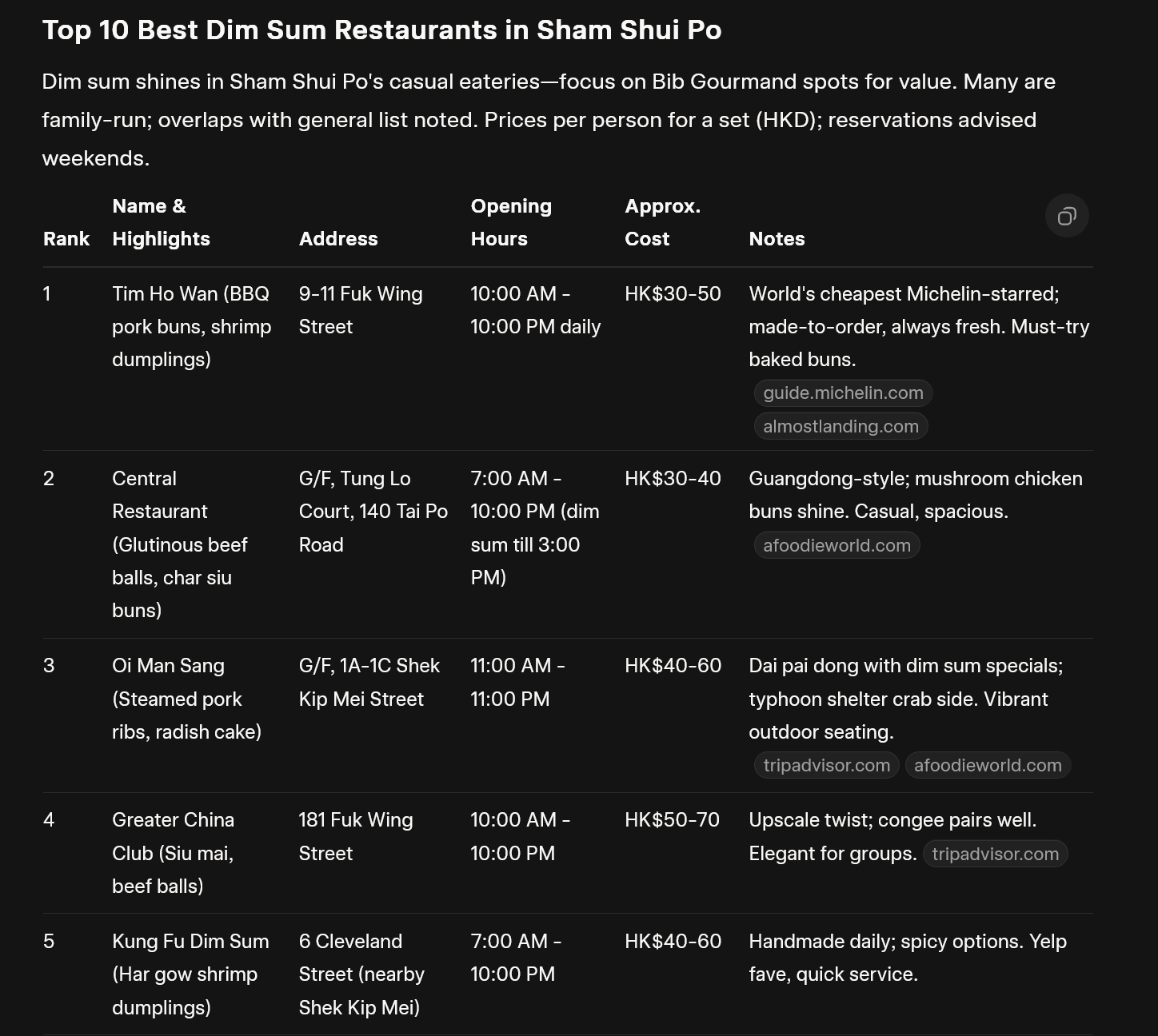

click on any image to enlarge
© Copyright Acknowledged | All rights reserved.| Image taken by Jamie
The Sham Shui Po Markets | 10 Best Dim Sum Restaurants | Hong Kong
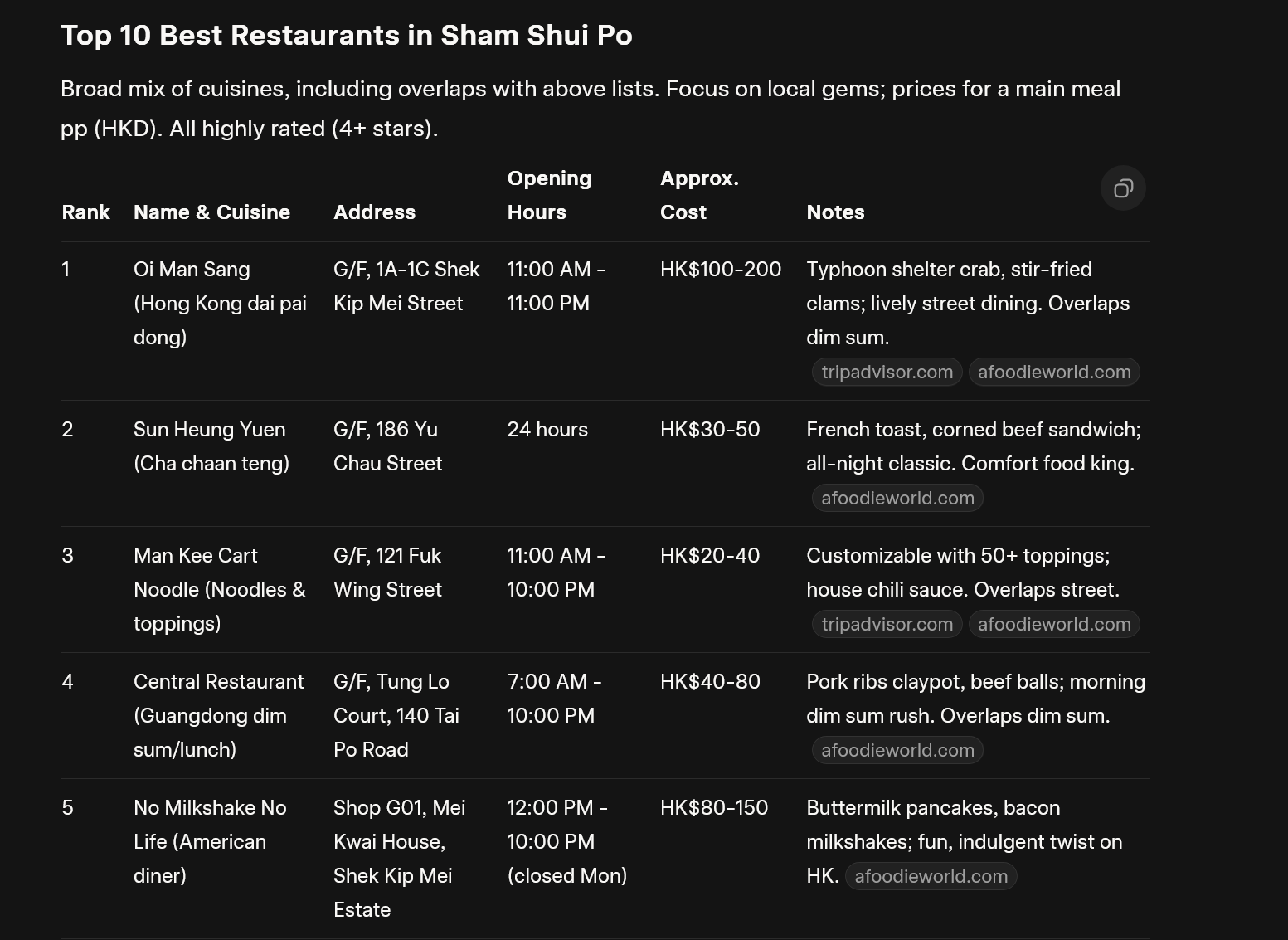
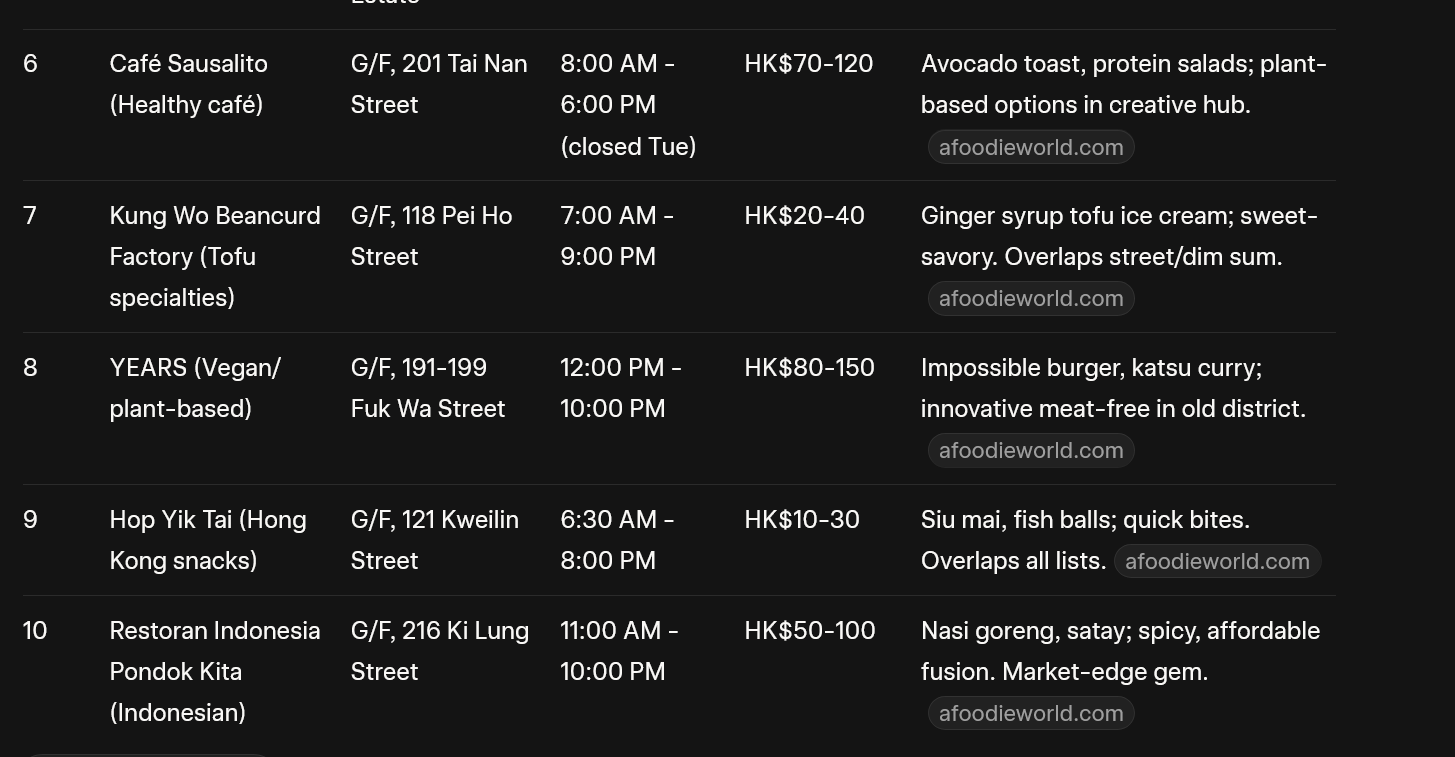
click on any image to enlarge
© Copyright Acknowledged | All rights reserved.| Image taken by Jamie
The Sham Shui Po Markets | 10 Best Restaurants | Hong Kong
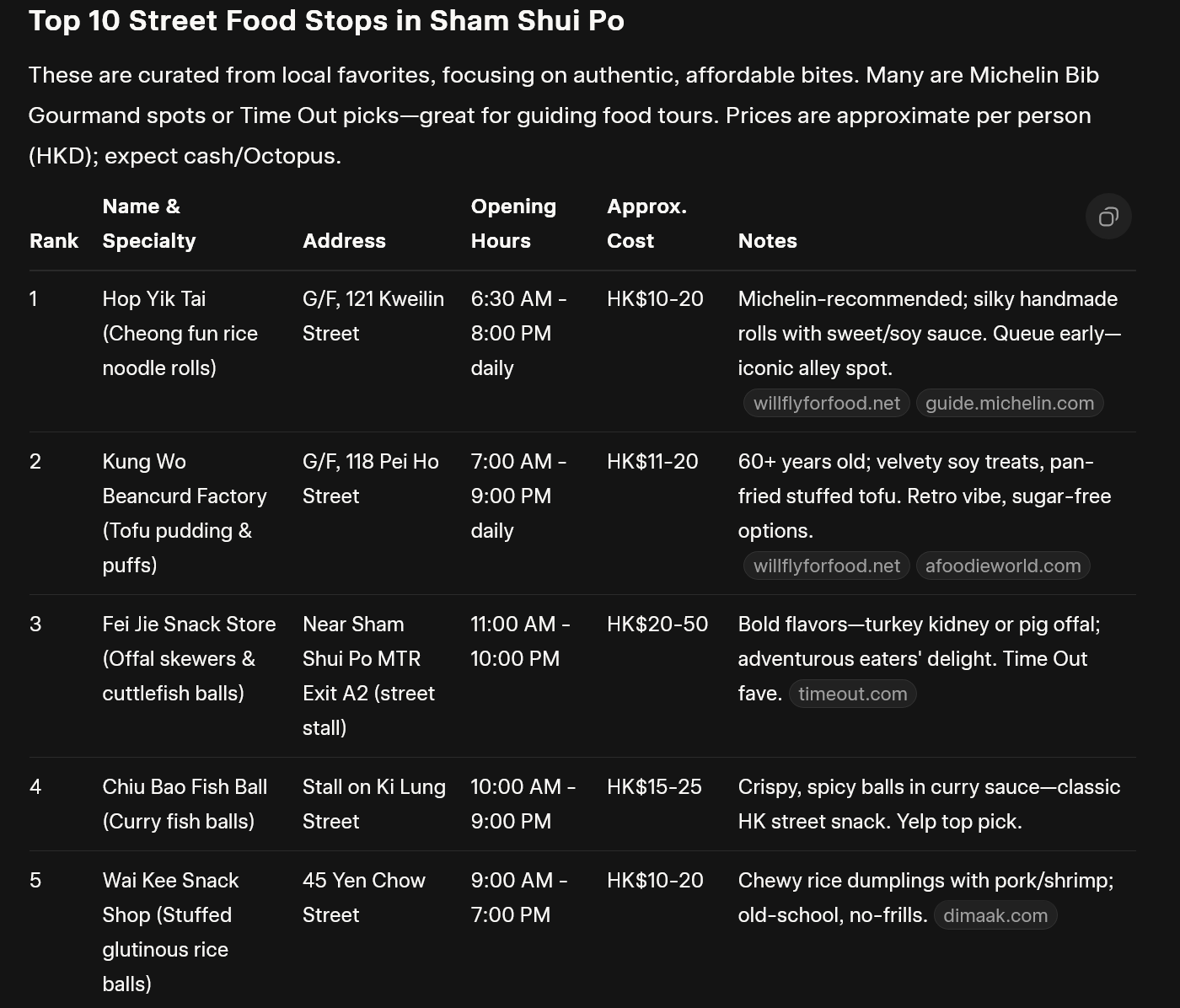
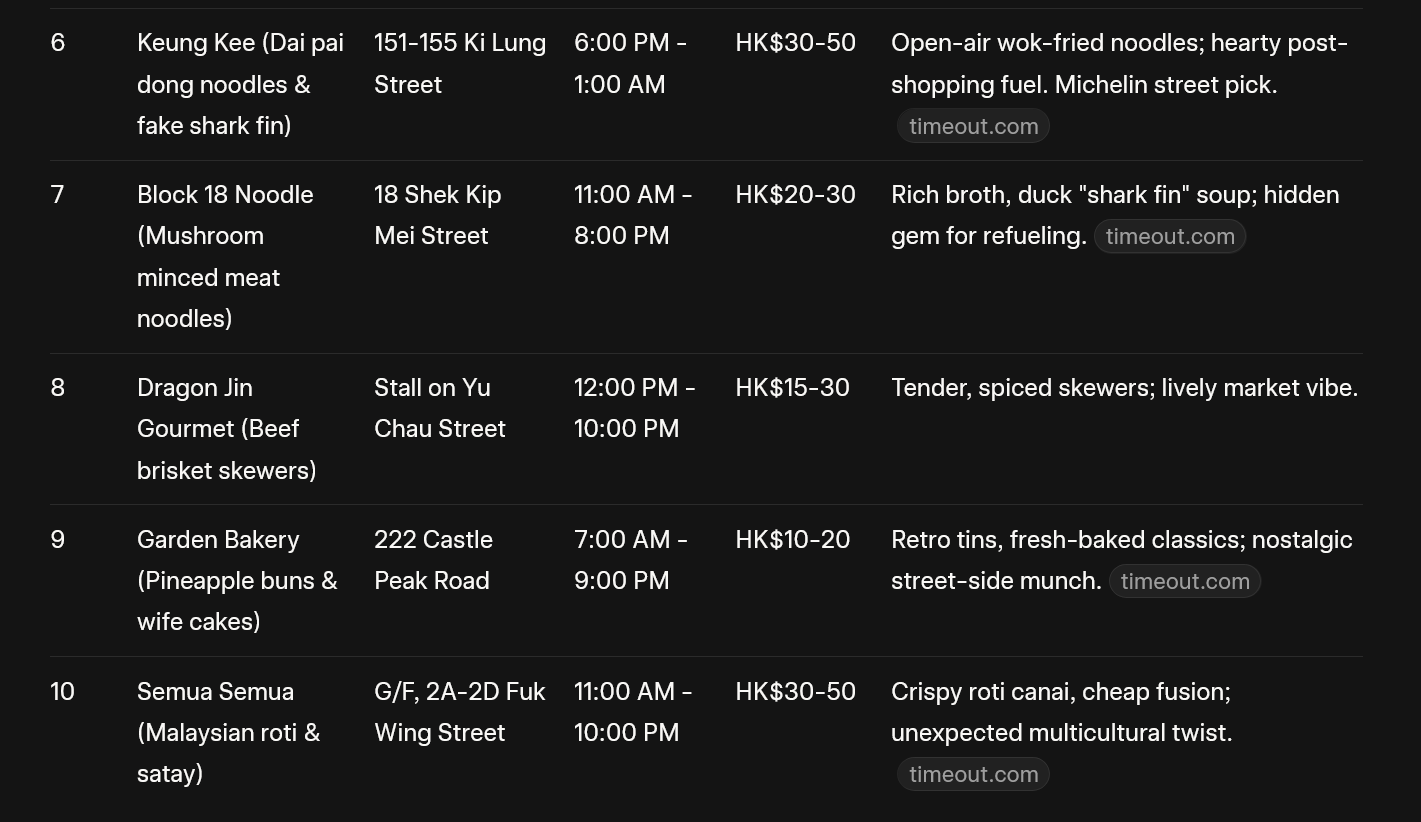
click on any image to enlarge
© Copyright Acknowledged | All rights reserved.| Image taken by Jamie
The Sham Shui Po Markets | 10 Best Street Food Stops | Hong Kong
Detailed Instructions on How to Get There by MTR
Sham Shui Po is easily accessible via the MTR's Tsuen Wan Line (red line), with the station right in the district's core - perfect for markets and the Golden Computer Arcade.
From Central (Island Line/Island South): Enter Central MTR (red Tsuen Wan Line platform, one level down from street). Board northbound train toward Tsuen Wan (every 2-5 mins). Ride 6 stops (~14 mins) to Sham Shui Po Station. Fare: HK$7-12 (use Octopus card). Exit A1/A2 for Pei Ho/Ki Lung markets; Exit C1 for Golden Arcade/Apliu Street.
From Tsim Sha Tsui (Tsuen Wan Line): Already on the line - board northbound (toward Tsuen Wan), It's 5 stops: Jordan → Yau Ma Tei → Mong Kok → Prince Edward → Sham Shui Po. and takes 10 - 12 minutes
From Admiralty (for airport arrivals via Tung Chung Line): Switch at Admiralty to Tsuen Wan Line northbound (escalators connect platforms). 5 stops (~10 mins).
Pro Tip: Download the MTR app for real-time maps. Stations are crowded—mind the gap! From airport, Airport Express to Kowloon, then Tsuen Wan Line (total ~45 mins)
I do not do food tours
I am pleased to say a lot of Food Tour Companies will have egg tarts and egg puffs on their tasting menu
I have very specific reasons and part of it is that I do not speak Cantonese or write Chinese, I am from Yorkshire in England and I lack the language gene and it is not through lack of trying and yes a lot of restaurants do not have English menu’s or staff who speak conversational English.
.. and yet I have eaten at close to 1,400 restaurants in Hong Kong since January 2nd 1972, my wife was born in Hong Kong and we have been together over 40 years and her first language is Cantonese and a lot of her family are Chinese or half Chinese so I have never had much of an issue!
This does not translate to doing food tours though, yes, I could do them, no problem there but they would never ever be as good as the food tours done by my friends (see the 3 links above) most of their awesome guides are locally born Hong Kong Chinese and obviously food culture is part of their DNA, it is impossible for me to compete with that!
So please feel free to contact them for food tours
© Jamie Lloyd | J3 Consultants Hong Kong | J3 Private Tours Hong Kong |
| 2010 - 2026 All rights reserved. |
Click on any image to enlarge to full screen
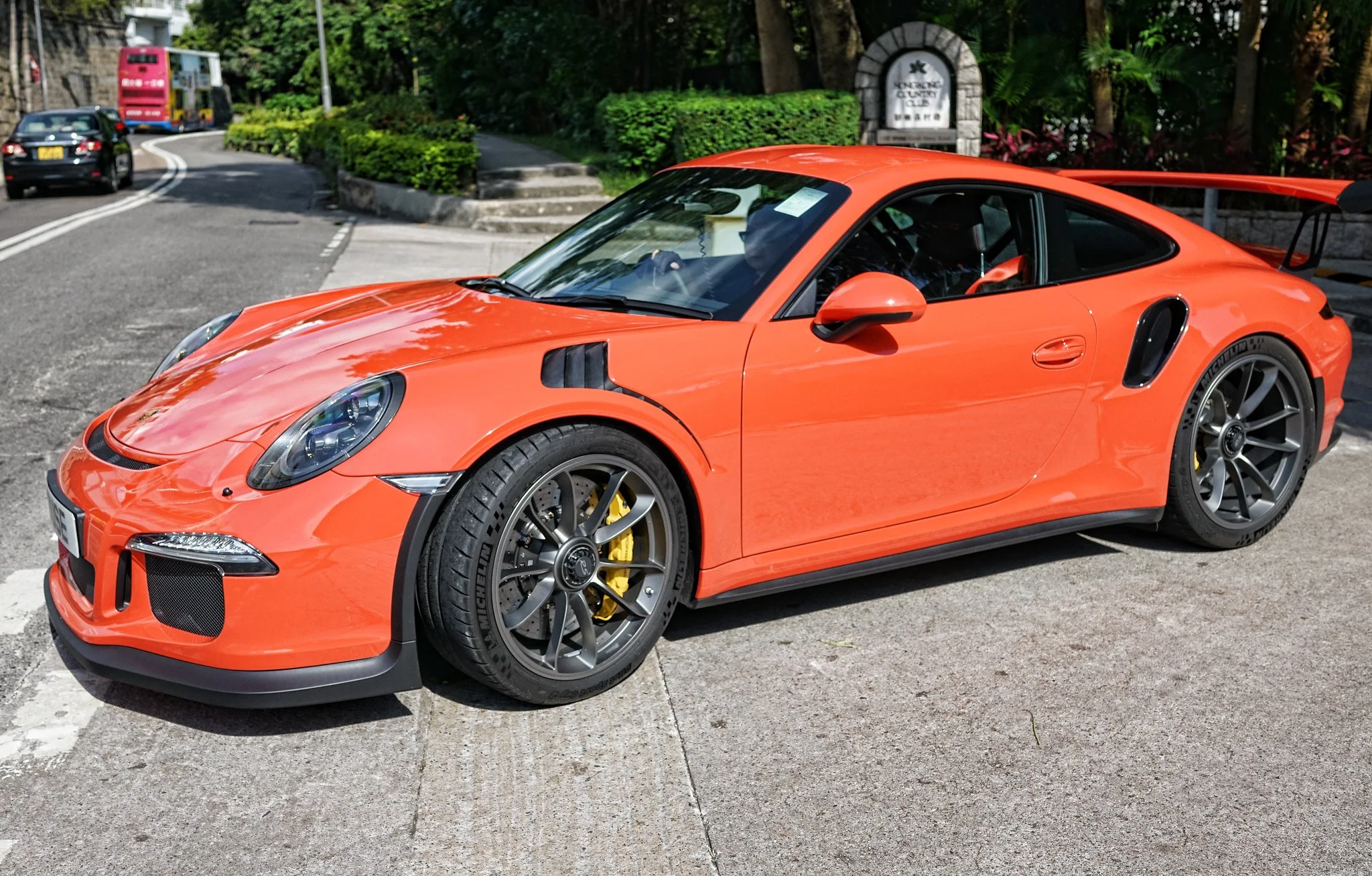
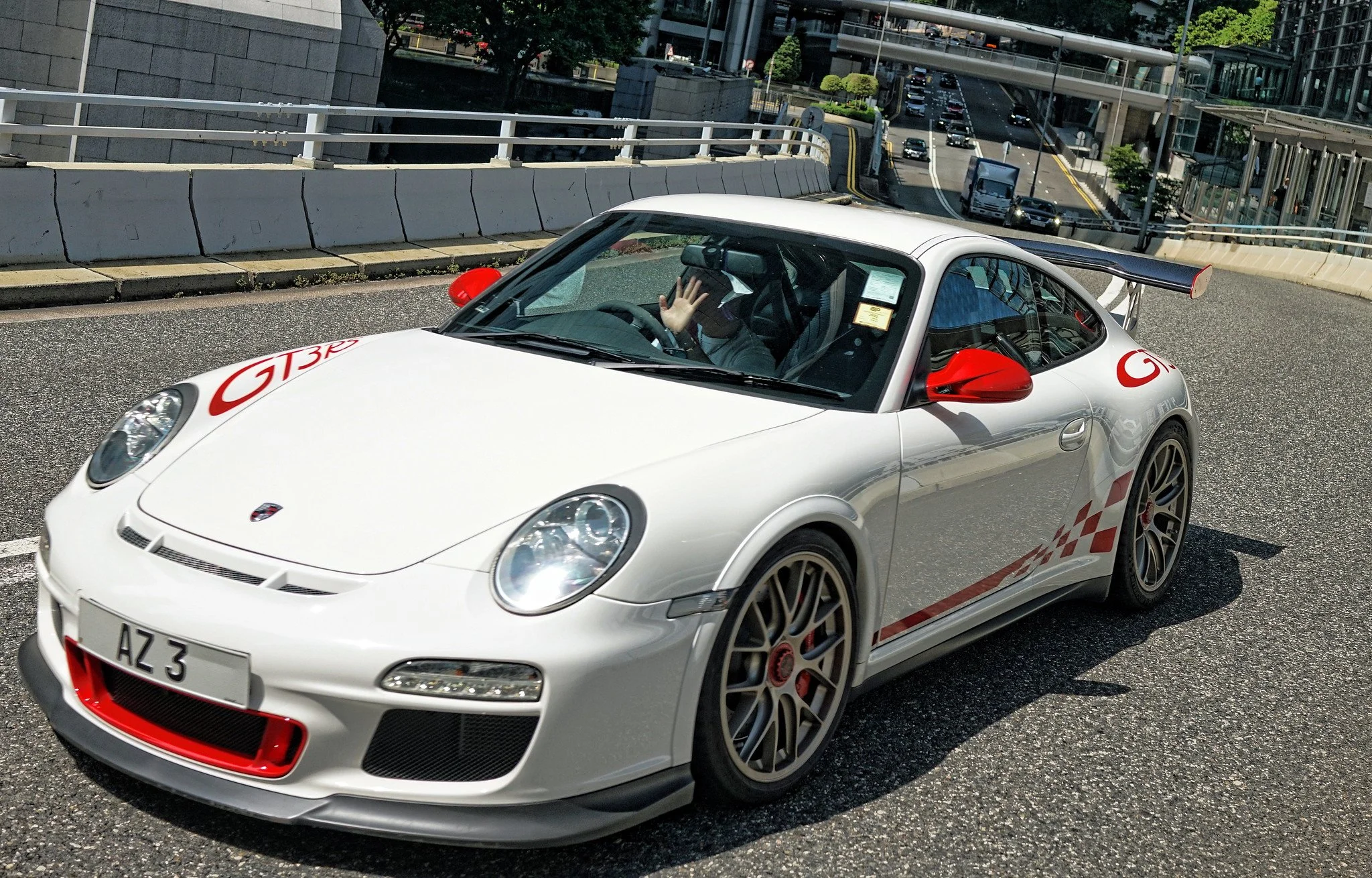
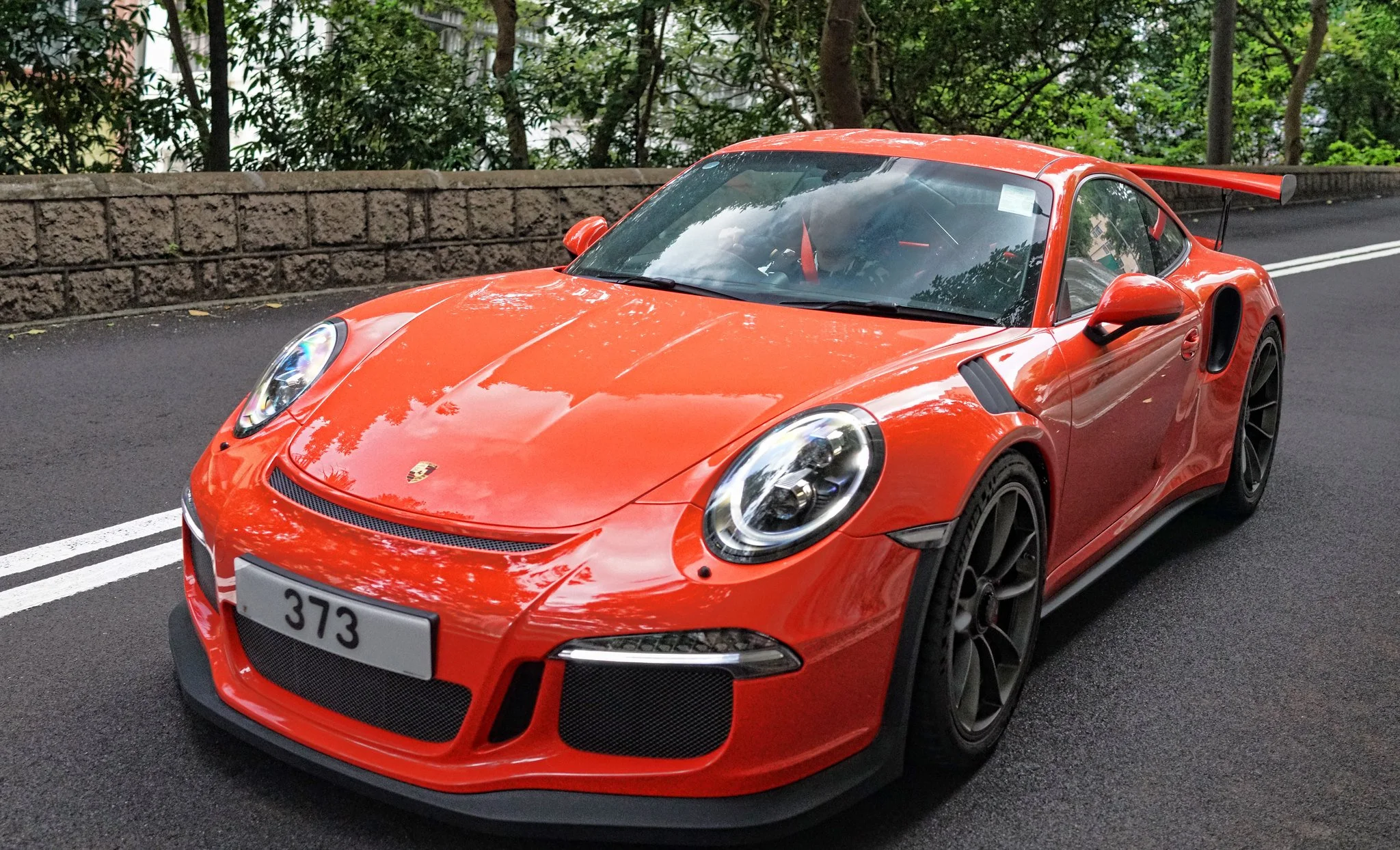


Current images from my Instagram feed