Kowloon Walled City Exhibition - How To Get To Guide
A Detailed Exhibition History, What’s On Offer + Transport Tips

The J3 Group - Premium Quality Private Tours | Experiences and Insider Chats since 2010
Me Jamie, your host, I am English and I have lived in Hong Kong since January 2nd 1972 - I know the place.
A meaningful blog post with a difference - tips on Travel, Tourism, Tours, Daily Life and my personal thoughts on Hong Kong.
Please do visit Amazing Hong Kong
Hong Kong | Pearl of the Orient
Customised Private Tours + Experiences in Amazing Hong Kong
Jamie has lived in Hong Kong - Pearl of the Orient for 50+ years
Carefully Crafted Personalised and Customised Itineraries by Jamie | Hong Kong’s Most Experienced Private Tour Guide for : Solo Travellers Friends Families Seniors Couples Business People MICE Delegates.
Private Tours Cultural Tours Walking Tours Sightseeing Tours City Tours Night Tours Layover Tours Transit Tours Private Shore Excursions Bespoke Tours Personalised Tours Jewish Heritage Tours Luxury Private Tours Day Tours Luxury Boat Tours Themed Tours Private Family Tours Private Day Tours Corporate Tours
Just you, your family or friends and Jamie your personal English private tour guide - over 2,400+ tours completed since 2011 - Jamie offers quality Private Tours of Hong Kong
Tour Group Size 1 - 6 people only
J3 Group Hong Kong | J3 Consultants Hong Kong | J3 Private Tours Hong Kong
Creating Memories That Will Last A Lifetime
Go here for the Hong Kong Michelin Restaurant Guide which includes the Bib Gourmand Category

Private Sightseeing Tours Hong Kong
Hong Kong Through the Eyes of Someone Who's Seen It All Unfold
click on the image to enlarge
© Copyright Acknowledged | All rights reserved.| Image taken by Jamie
The Kowloon Walled City Park | How To Get To Guide | Hong Kong
This is the text of my 2021 Blog Post on my J3 Private Tours Website and another post in 2024, I have had time to reflect on what I wrote and have made some adjustments to the text with updates and such.
© Acknowledged. All rights reserved for images obtained in my research, which are not credited to anyone in particular
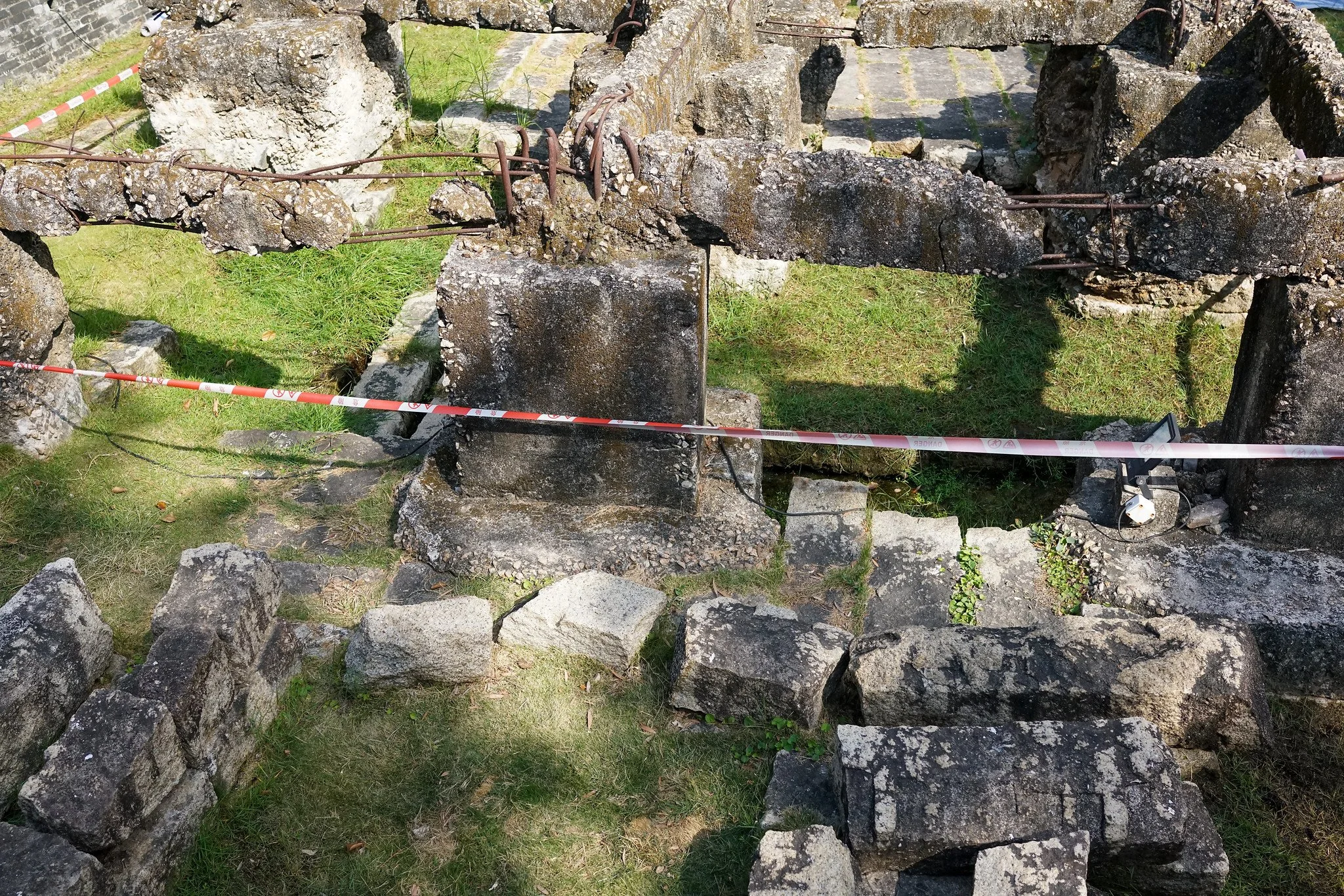
All that remains of the iconic Kowloon Walled City
What could have been Hong Kong’s greatest Cultural Conservation Project............. and this was a view shared by just about everyone living in Hong Kong.
Kowloon Walled City was an aberration, a little piece of China in British Hong Kong and home to anywhere between 33,000 to 50,000 poor people in 1990 on a plot of land of roughly 7 acres, illegal high rises were built and builders flouted all construction laws - put it another way, in this day and age in Hong Kong all of those buildings would have been issued with demolition notices instantly and fires happened all the time, I will not describe the appalling sanitary conditions but you can imagine them.
The entire Walled City was controlled by criminal elements who operated on the basis that they would never be prosecuted and this led to an influx of unlicensed Doctors and Dentists and thousands of wanted criminals and hardcore drug users.. make no mistake it was a slum.
I used to go to Kowloon Walled City when I was a kid in Hong Kong in the early 1970's, I was always fascinated at how so many people could live in really dodgy buildings, full of criminals, prostitutes and such and yet they seemed pretty happy and just tried to make a living. I was one of the lucky ones who witnessed this amazing place and yes, although I was a young white kid I was perfectly safe and it was a real education for me and something I will never forget.
To cut a very long story short, the Chinese Government and British Government agreed in 1984 that Kowloon Walled City could be demolished and a park (Kowloon Walled City Park) was touted as the replacement, all well and good so far.Had some real effort been put in by the Hong Kong Government, they could have easily preserved a couple of the buildings (or one whole corner) and alleyways and turned them into a Museum (which they have done successfully with other buildings here) but I guess this was too much trouble (and cost) and when demolition started in 1993 it was a near total demolition and in essence all that remains are the exposed foundations of a single building and one very low rise building which is as interesting as watching grass grow and then they built a very nice but very bland park... what a total conservation disaster.
I understand that preserving old illegal buildings is problematical but look at what the Government did with the hugely successful conservation project, the Tai Kwun Centre on Hollywood Road in Hong Kong and they had to preserve buildings from the mid 1800's (and yes, one of them did fall down during renovations!) | quite simply it could of and should have been done.
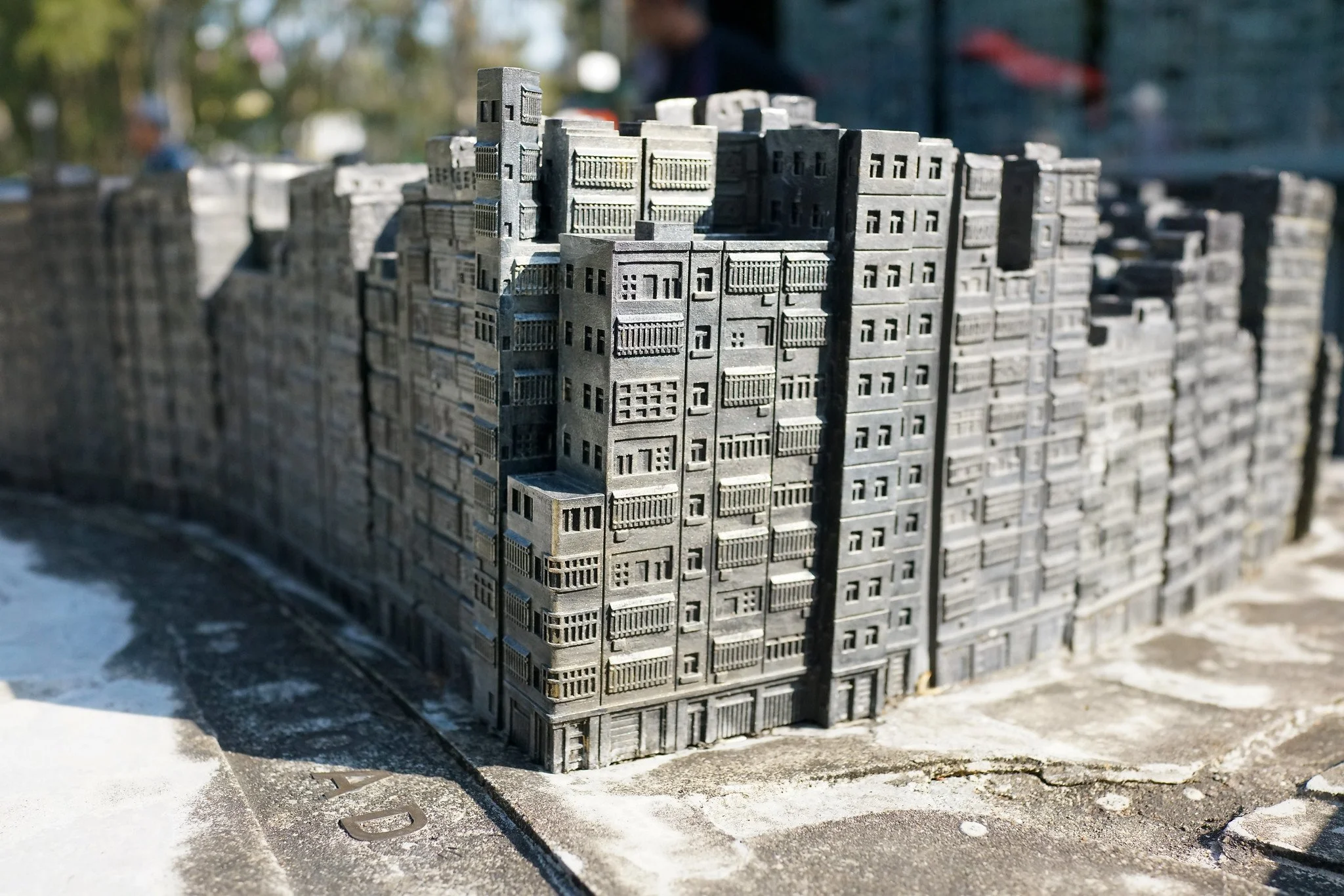
What a shame to deprive residents and visitors alike the chance to see a major cultural icon, a few grainy photographs and a scale model do not and will never do Kowloon Walled City justice and the very bland park is like many other bland parks in Hong Kong with a thousand signs attached to gates and fences threatening heavy fines and jail time for littering and not following the footpaths!
I very rarely visit Kowloon Walled City Park to be honest with guests as it is in a very awkward location and hard to get to and frankly what is on display is just not that interesting and it is hard to imagine what Kowloon Walled City was really like, it is very frustrating to say the least.
If you can and if you are really interested in Kowloon Walled City, then look up the movie Twilight of the Warriors : Walled In a 2024 movie which has gained an international and cult following
More importantly go now to Kowloon Walled City Park to the exhibition based on the movie and see recreations of how life was back in the day - awesome!
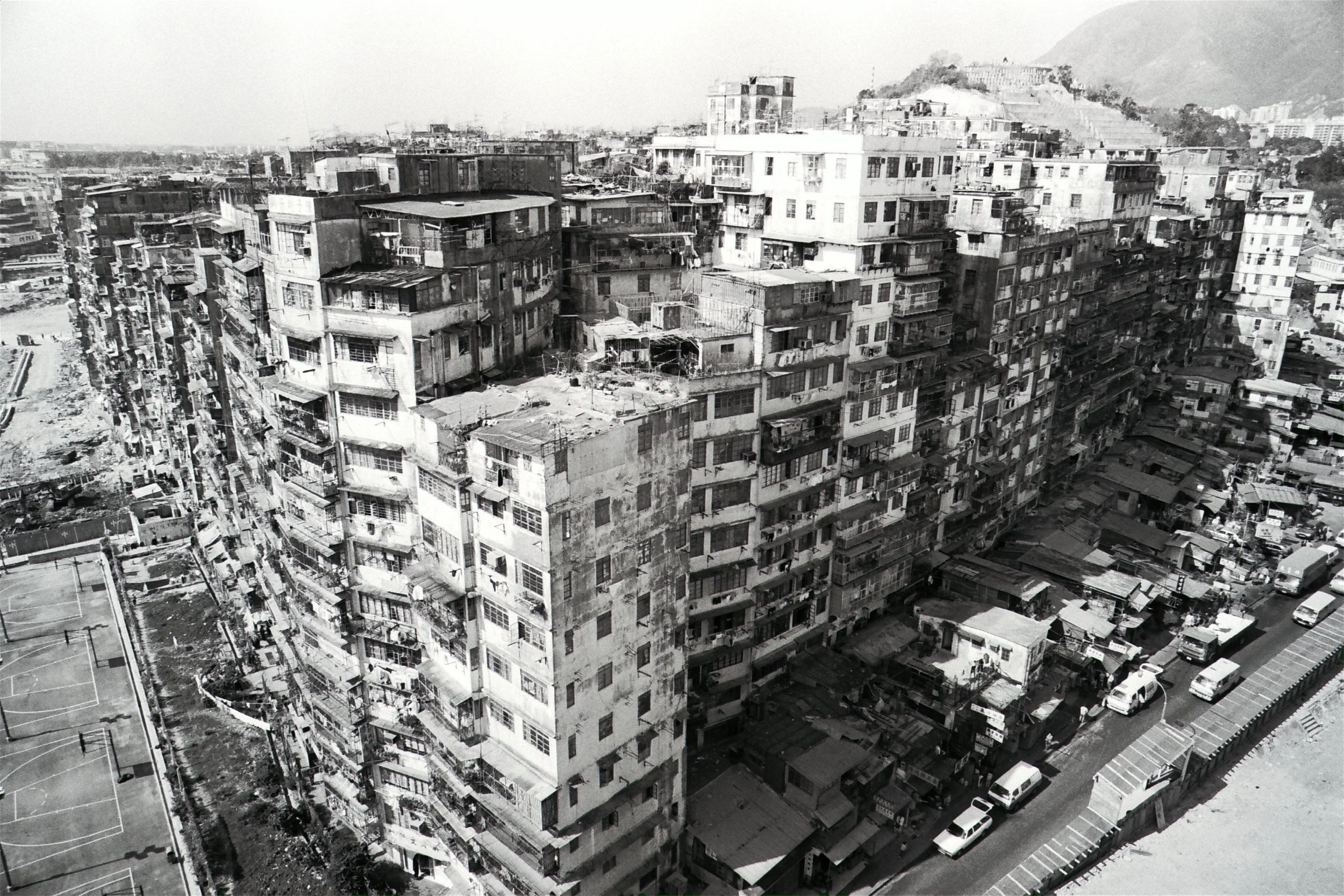
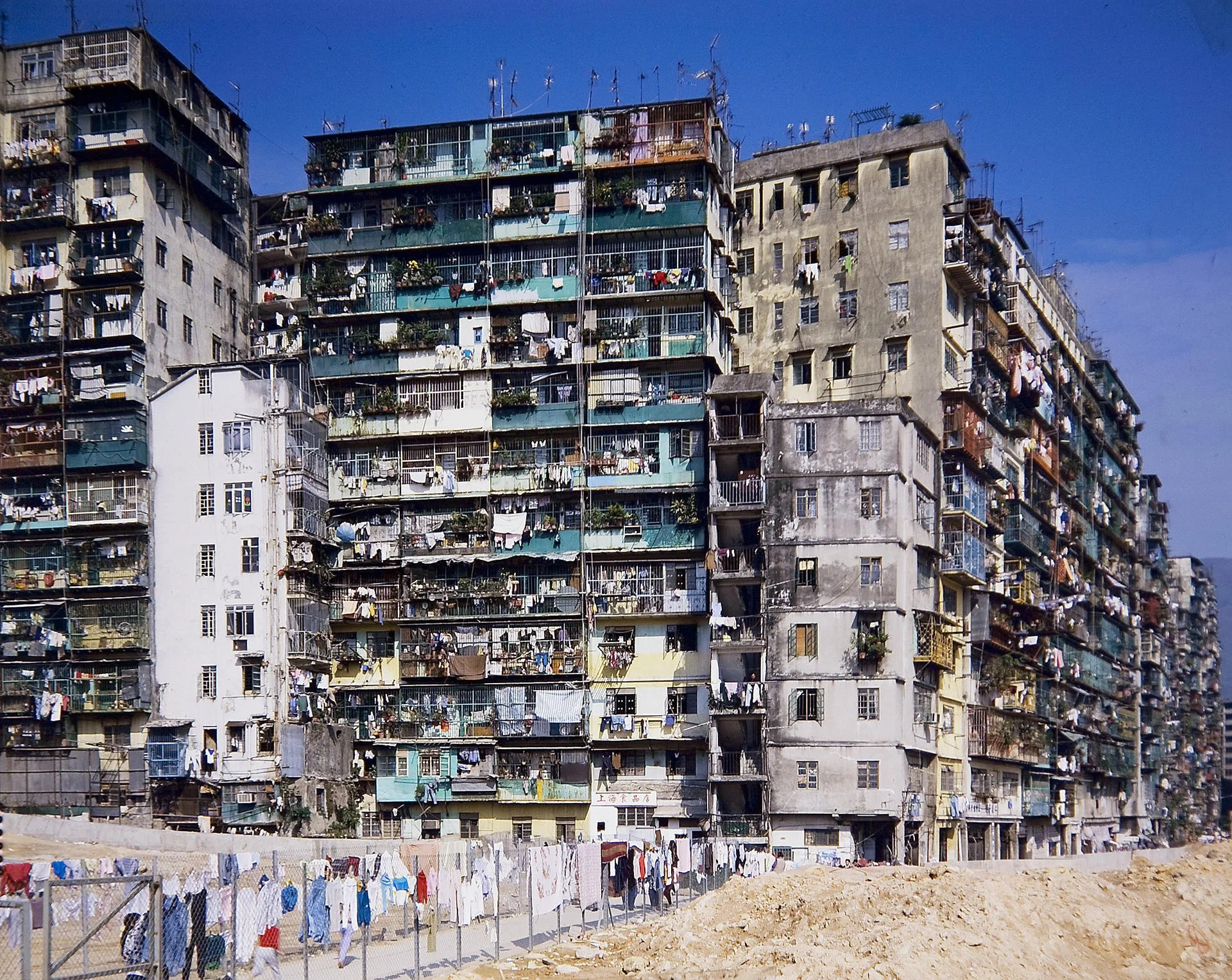
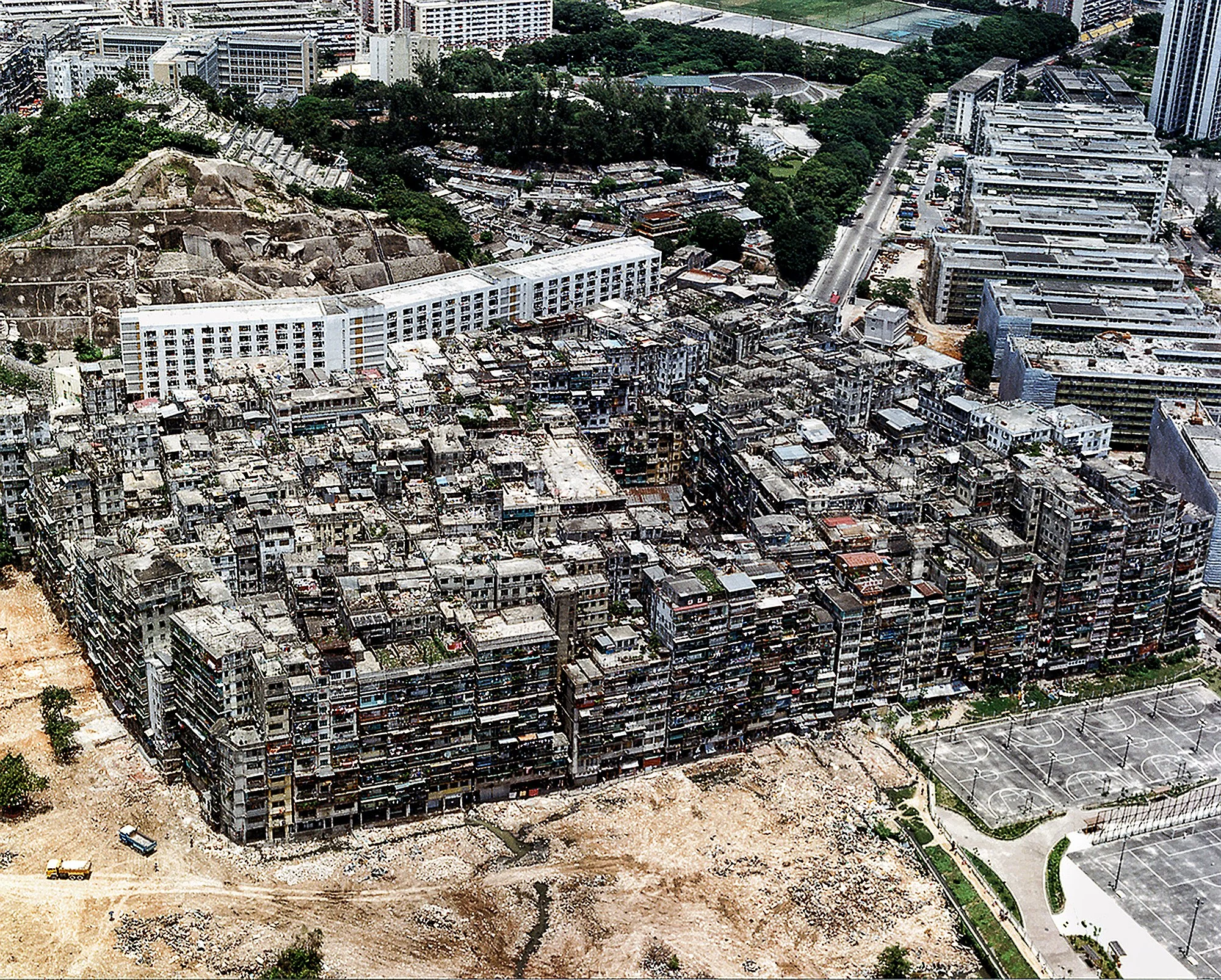
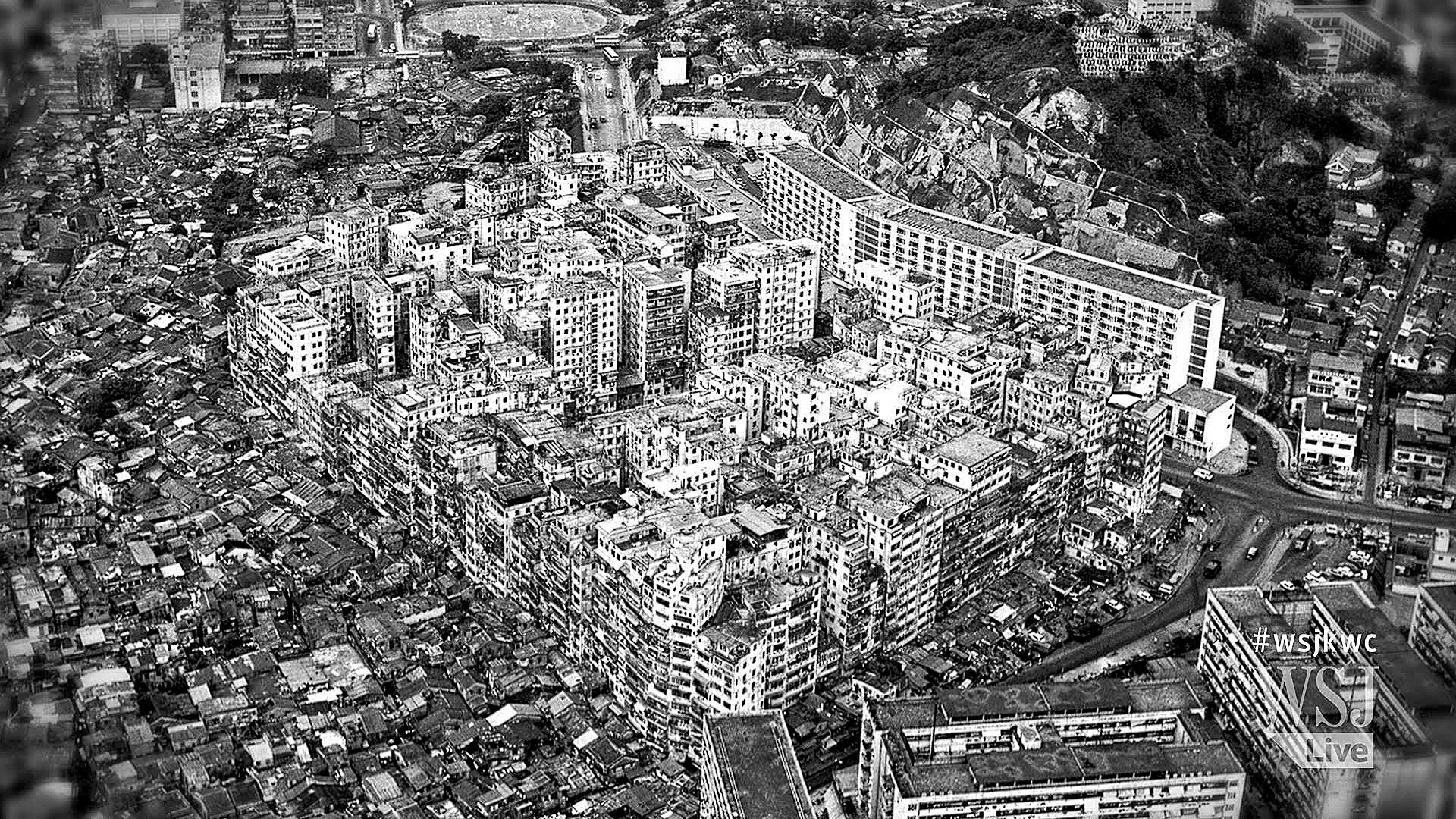
click on any image to enlarge
© Copyright Acknowledged | All rights reserved
The Kowloon Walled City | Old Historic Images | Hong Kong
Fast forward to 2025 and finally the Hong Kong Government had a rush of the smarts and decided to recreate an exhibition (essentially based on a movie set) at Kowloon Walled City Park (it should have been done decades ago) and finally you can get a glimpse into real history and my hat goes off to the Government for following through with this project
in 2026 the exhibition is still going strong
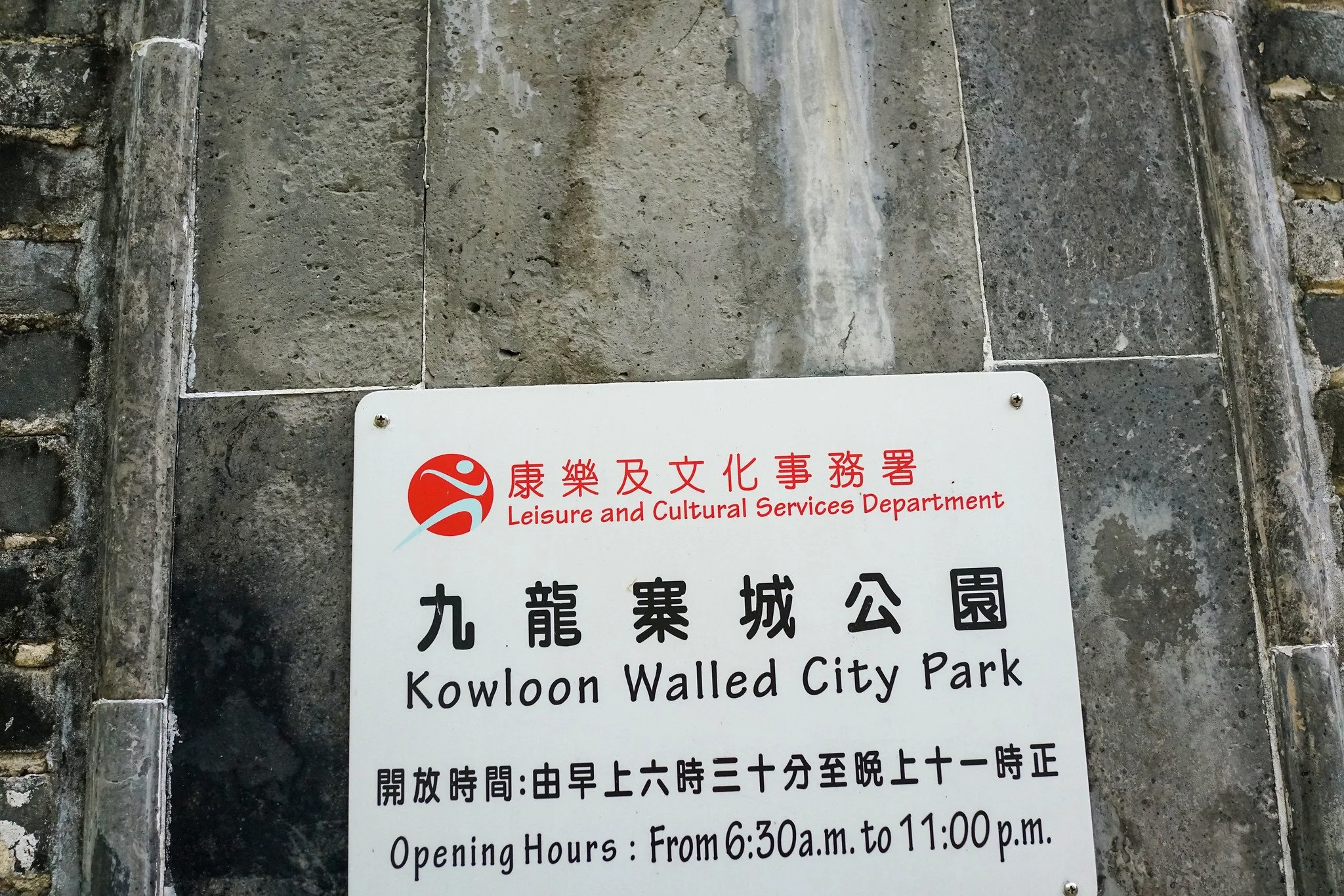
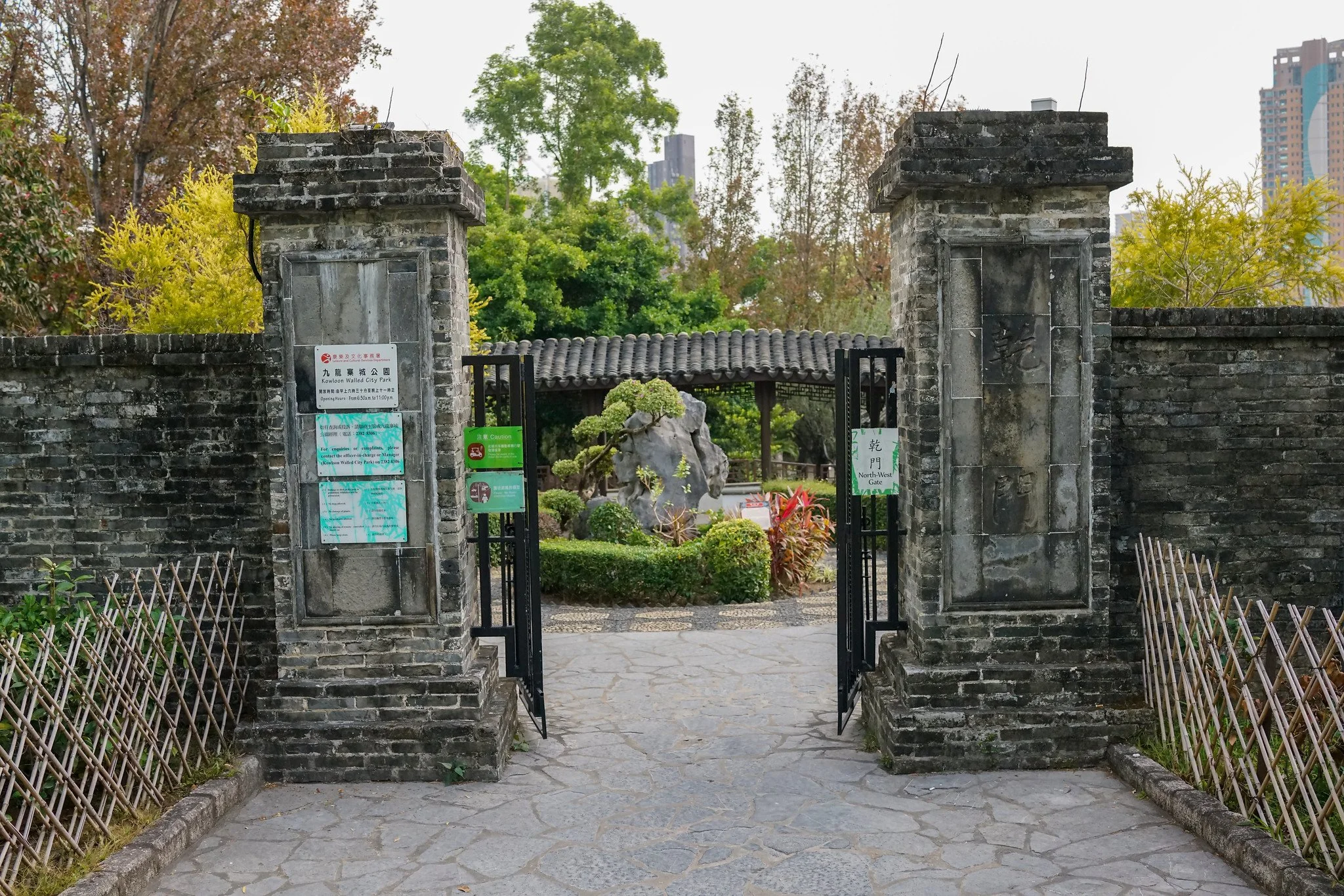
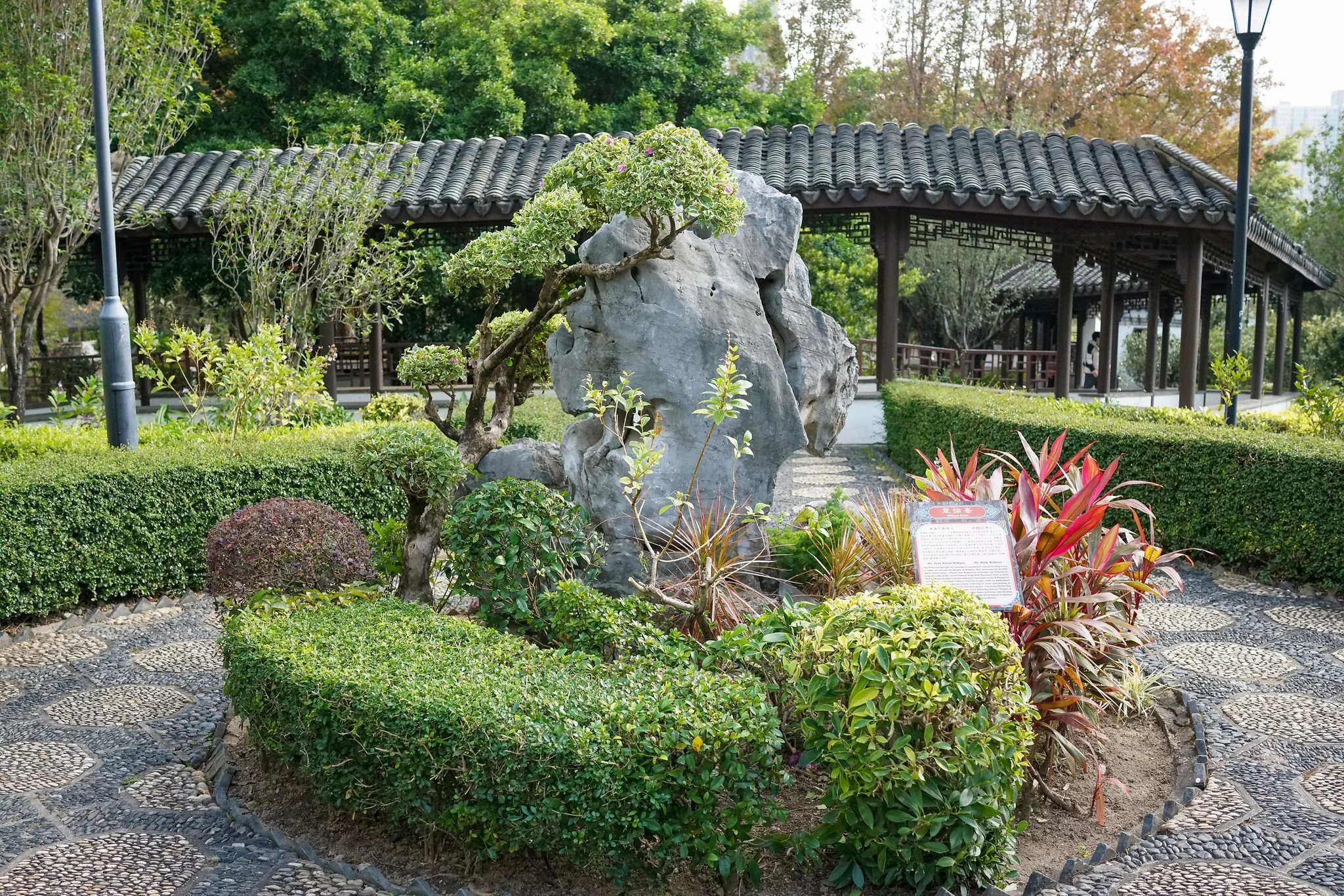
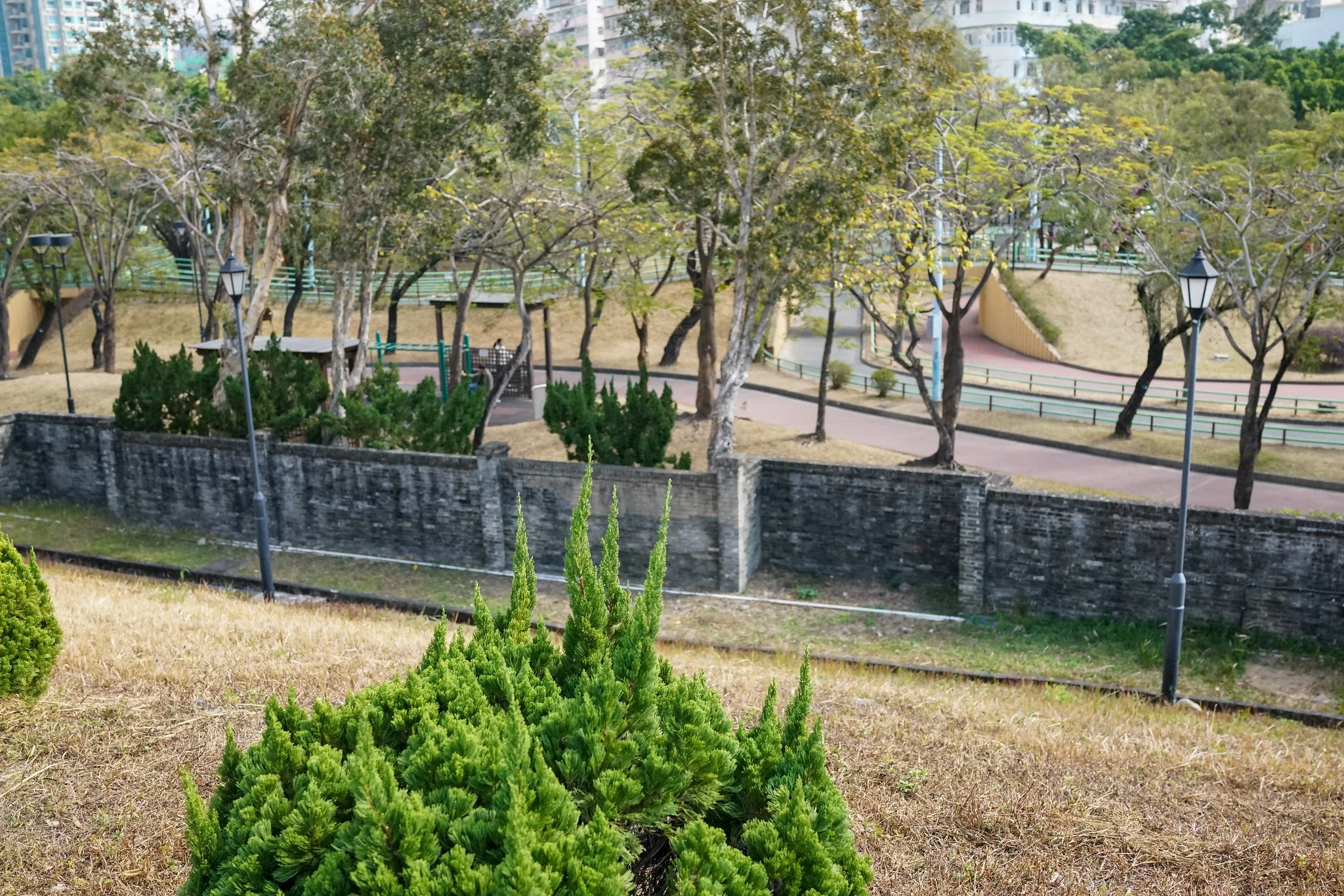
click on any image to enlarge
© Copyright Acknowledged | All rights reserved.| Images taken by Jamie
The Kowloon Walled City Park | Typical Images | Hong Kong
History and overview of Kowloon Walled City and Kowloon Walled City Park
The Kowloon Walled City, once located in what is now Kowloon City, Hong Kong, has a rich and tumultuous history spanning centuries. It originated as a military outpost during the Song Dynasty (around the 15th century) due to its strategic coastal position for defending against pirates and invaders. By 1668, it served as an imperial Chinese signal station. In 1847, during the Qing Dynasty, it was fortified into a proper walled garrison with granite walls, six watchtowers, and four gateways, housing the offices of the Commodore of the Dapeng Brigade and the Kowloon Assistant Military Inspectorate. The South Gate was the main entrance, symbolizing its role as a military stronghold.
The city's fate changed dramatically in 1898 when Britain leased the New Territories from China under the Convention for the Extension of Hong Kong Territory. The Walled City, measuring about 0.026 square kilometers (roughly the size of two football fields), was excluded from the lease and remained a de jure Chinese enclave within British Hong Kong. This created a jurisdictional limbo: China largely ignored it after the 1911 revolution, and Britain avoided interference, leading to it becoming an ungoverned anomaly
Post-World War II, the city exploded into a lawless squatter settlement. After Japan's occupation (1941-1945), refugees flooded in, and the population swelled as people built makeshift homes atop one another without regulations. By the 1980s, it housed around 50,000 residents in a chaotic, high-rise maze of over 300 interconnected buildings, making it the densest place on Earth (1.9 million people per square kilometer). It was notorious for triad control, crime, prostitution, unlicensed dentistry and medicine, opium dens, and gambling. Electricity was pirated, water dripped from rooftop tanks, and sunlight rarely penetrated the lower levels. Despite the anarchy, it fostered a vibrant community with factories, shops, clinics, and schools operating in the shadows.
In 1987, Britain and China agreed to demolish it, with residents compensated and rehoused. Demolition began in 1993 and finished in 1994, erasing the physical structure but leaving a legacy in pop culture (inspiring films, books, and games like "Call of Duty" and "Shenmue"). Today, its site is a peaceful park, a stark contrast to its gritty past.
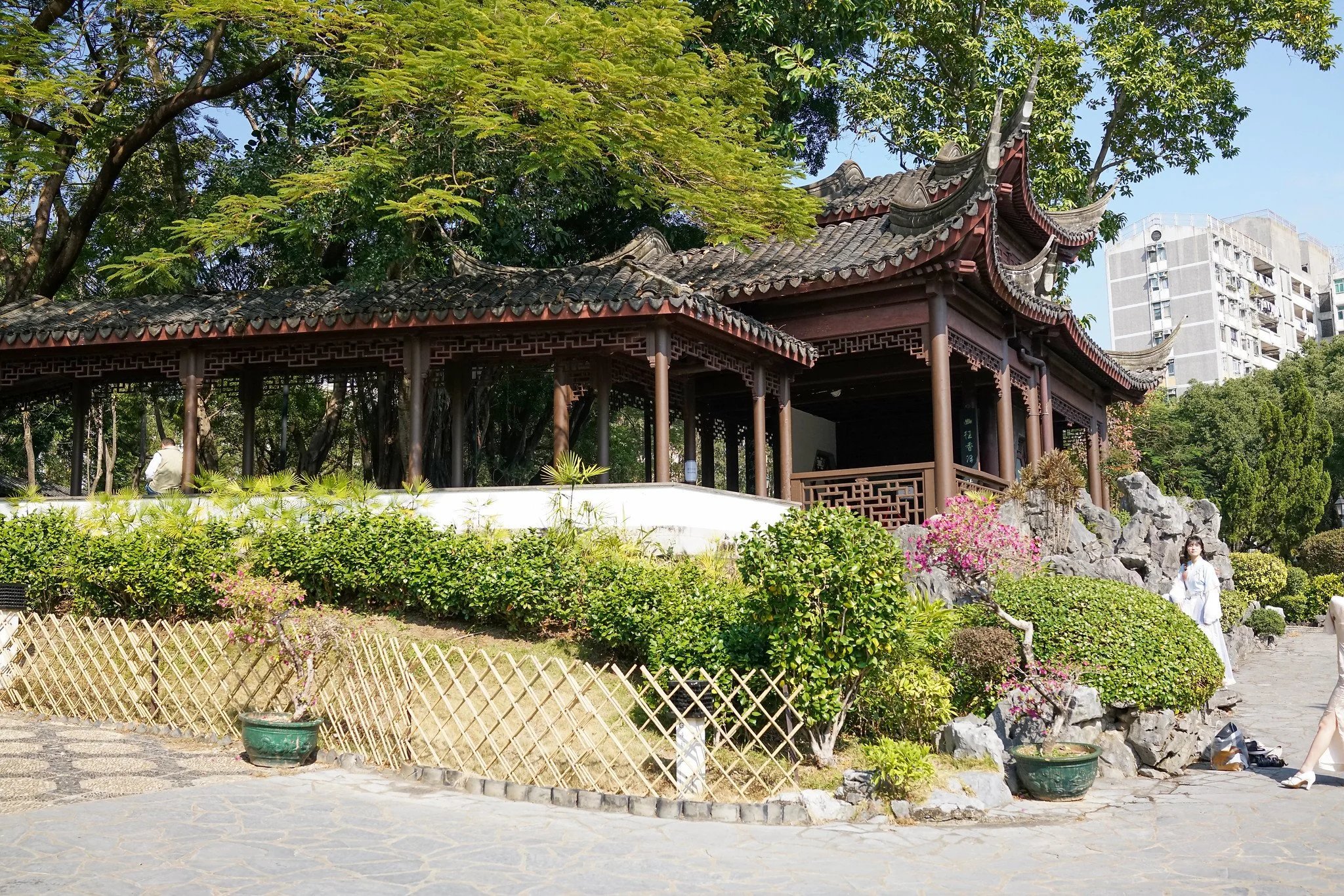
Opened in December 1995, the Kowloon Walled City Park is a 31,000-square-meter classical Chinese garden built on the site's remnants, managed by Hong Kong's Leisure and Cultural Services Department (LCSD). It's designed in the Jiangnan style of the early Qing Dynasty, featuring pavilions, ponds, rockeries, bonsai trees, winding paths, and landscaped gardens. The park is free to enter, open daily from 6:30 AM to 11:00 PM, and serves as a serene oasis amid urban Kowloon, blending history, nature, and recreation. It's divided into eight themed zones, each evoking traditional Chinese scenery.
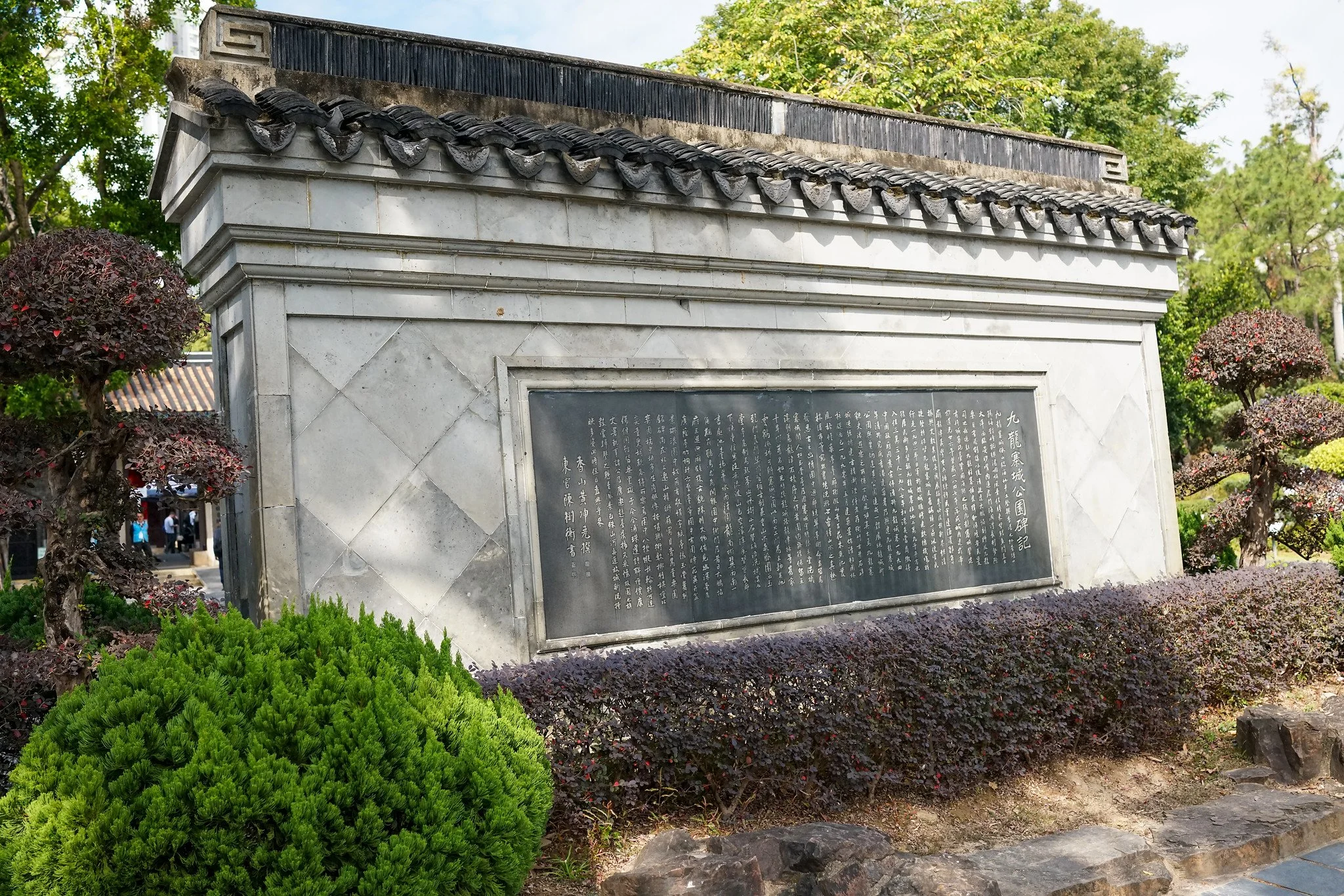
Key features include preserved historical elements like the Yamen (a declared monument from 1847, now housing exhibitions) and the Old South Gate (with foundation stones and plaques). The park also has flora and fauna, including seasonal flowers, birds, and koi ponds. Since 2009, there's a permanent exhibition on the site's history, with a bronze model of the old city, cross-sections showing daily life, and interactive displays in six rooms inside the Yamen.
List of Main Exhibits and Features
Yamen Building: The park's centerpiece, a restored Qing-era structure with exhibition rooms on the Walled City's living conditions, architecture, and demolition. Includes artifacts, photos, and videos.
Old South Gate: Remnants of the original gate, with granite slabs, plaques, and a nearby bronze miniature model of the pre-demolition city.
A City of Thousand Faces: An area highlighting the Walled City's multifaceted history through signage and displays.
Six Arts Terrace: Features chessboards on the ground for public use, symbolizing ancient Chinese arts.
Mountain View Pavilion: Offers views of Lion Rock, with pebble chessboards and symbolic Guibi Rock (representing Hong Kong's return to China).
Garden of Four Seasons (Kwong Yam Square): A floral garden with plants blooming year-round.
Garden of Chinese Zodiac: Statues and landscaping themed around the zodiac.
Bamboo Pavilion and Other Pavilions: Scenic spots for relaxation, including Haibin Zoulu (seaside walkway) and rock formations.
Permanent History Exhibition: Interactive audio-visual displays on daily life in the Walled City.
Kowloon Walled City: A Cinematic Journey Movie Set Exhibition (the "newish" one, detailed below).
The park connects to the larger Carpenter Road Park, which adds cycling paths and playgrounds.
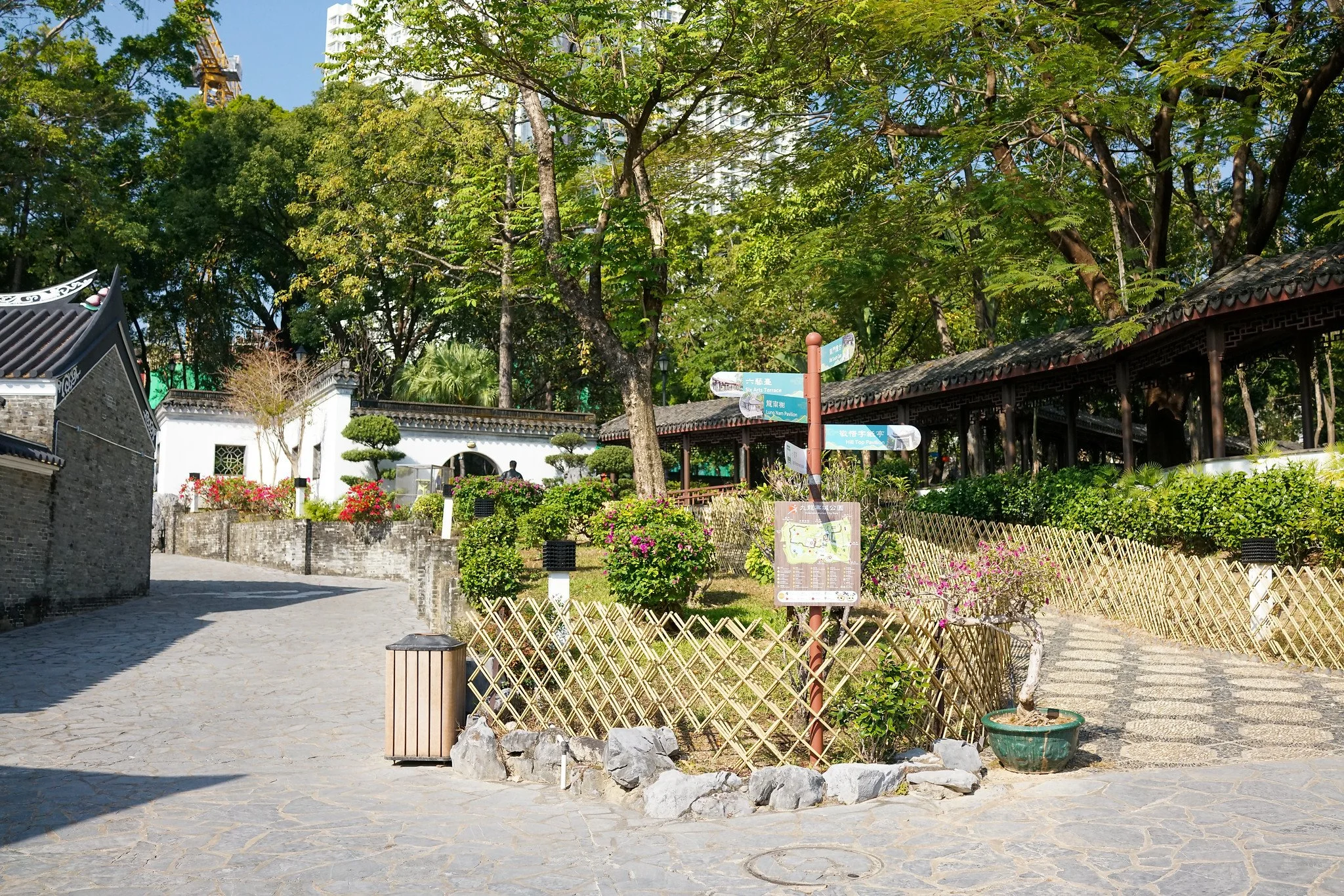
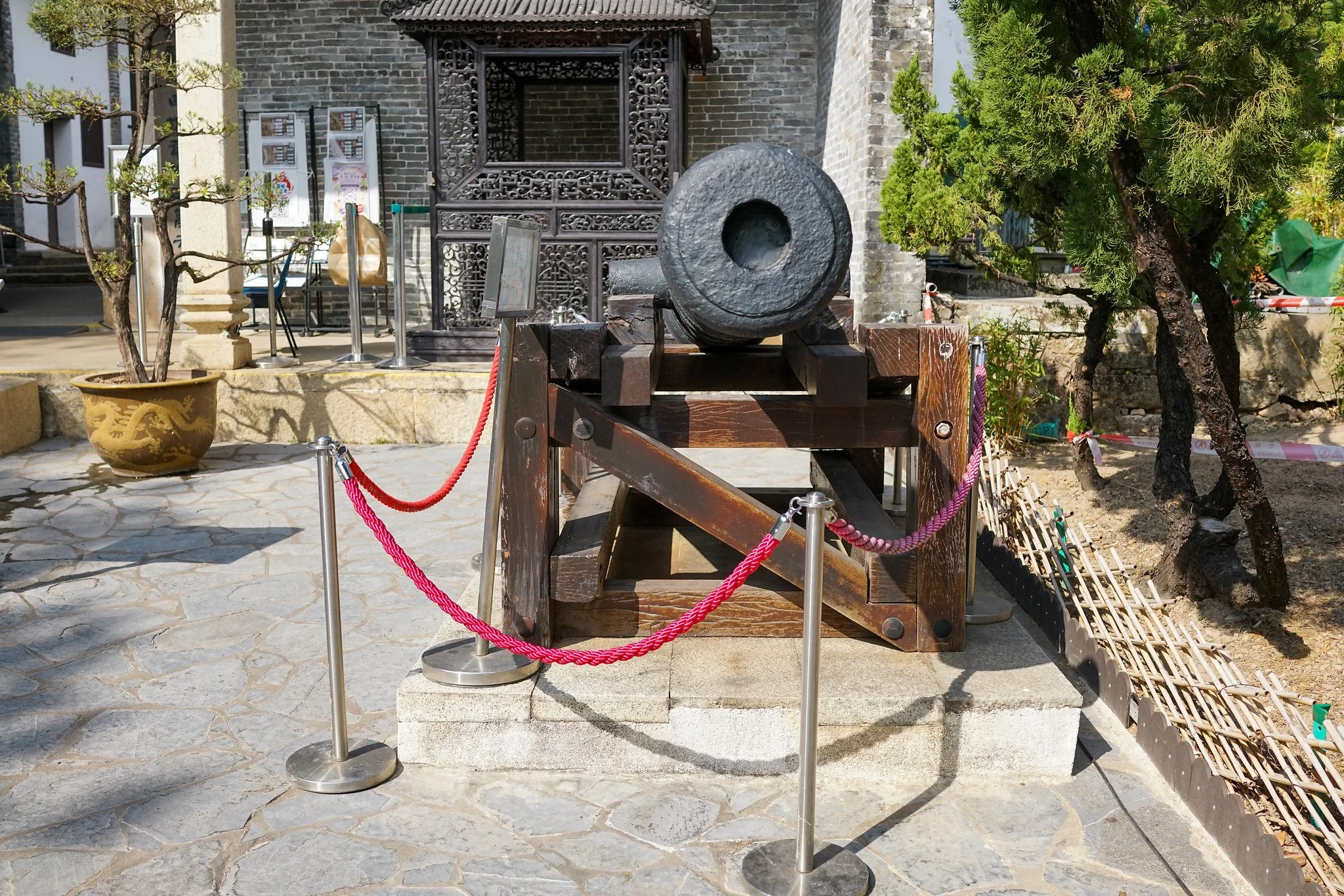
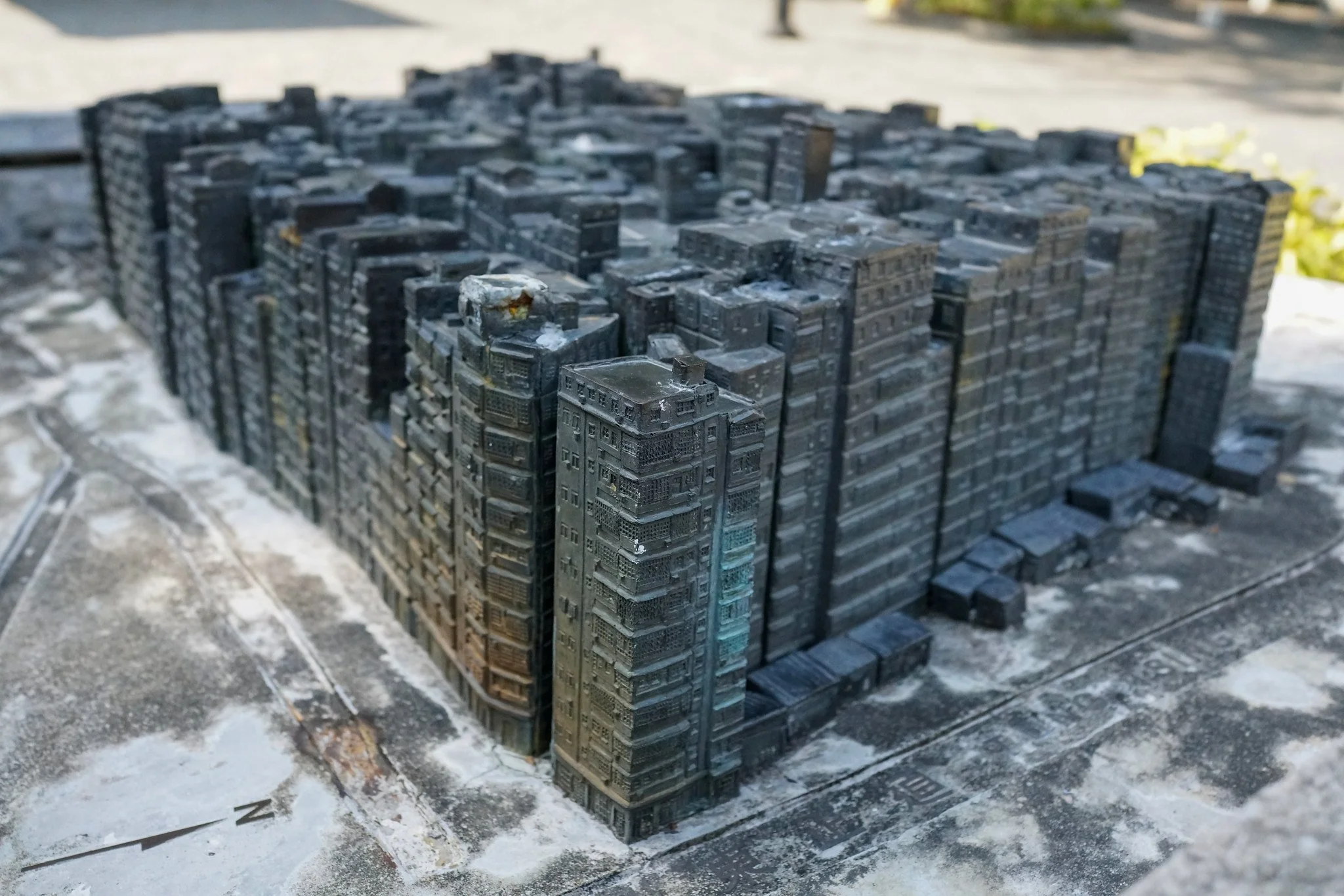
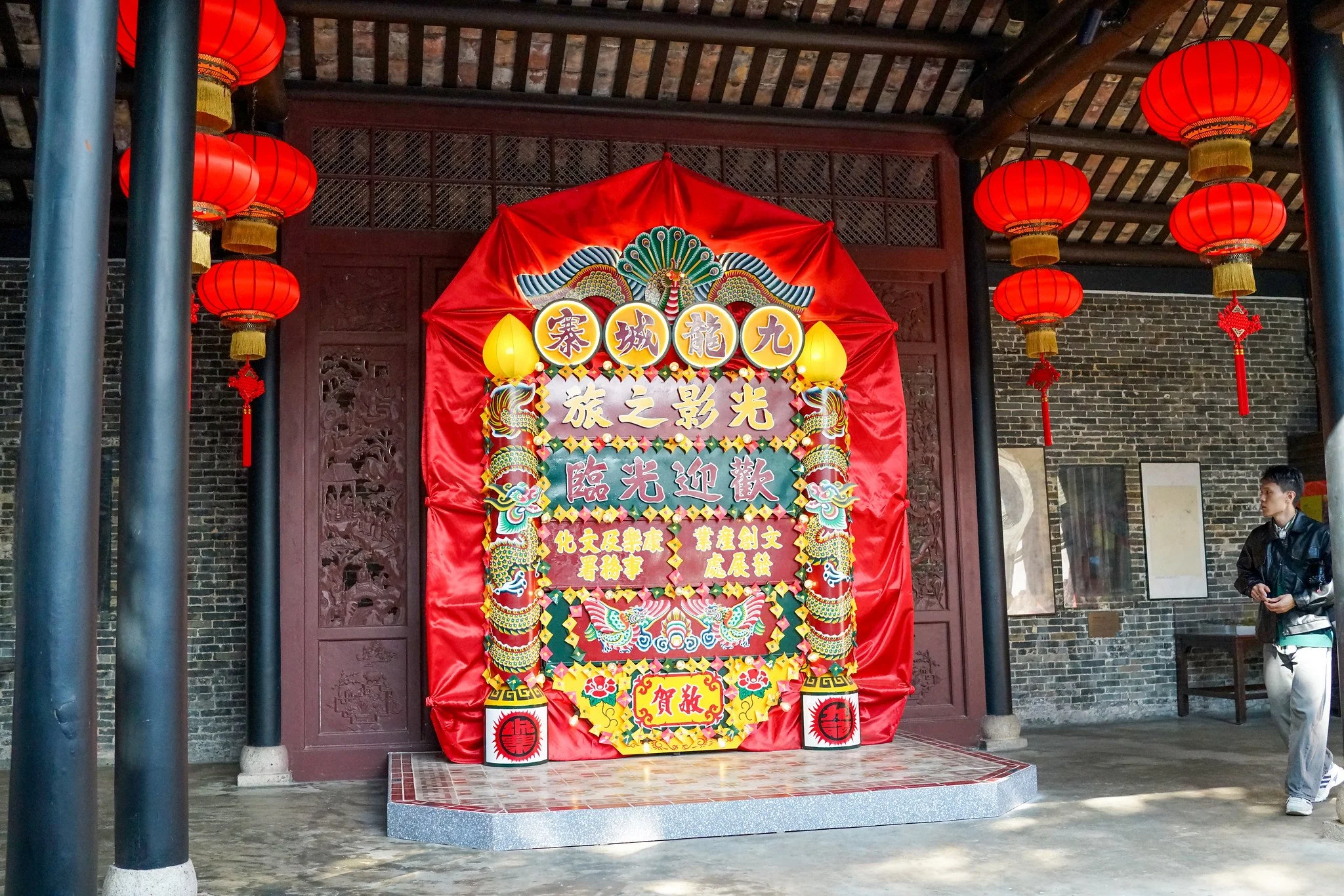
click on any image to enlarge
© Copyright Acknowledged | All rights reserved.| Images taken by Jamie
The Kowloon Walled City Park | Typical Images | Hong Kong
click on any image to enlarge
© Copyright Acknowledged | All rights reserved.| Images taken by Jamie
The Kowloon Walled City Exhibition | Tickets + Entry Protocols | Hong Kong
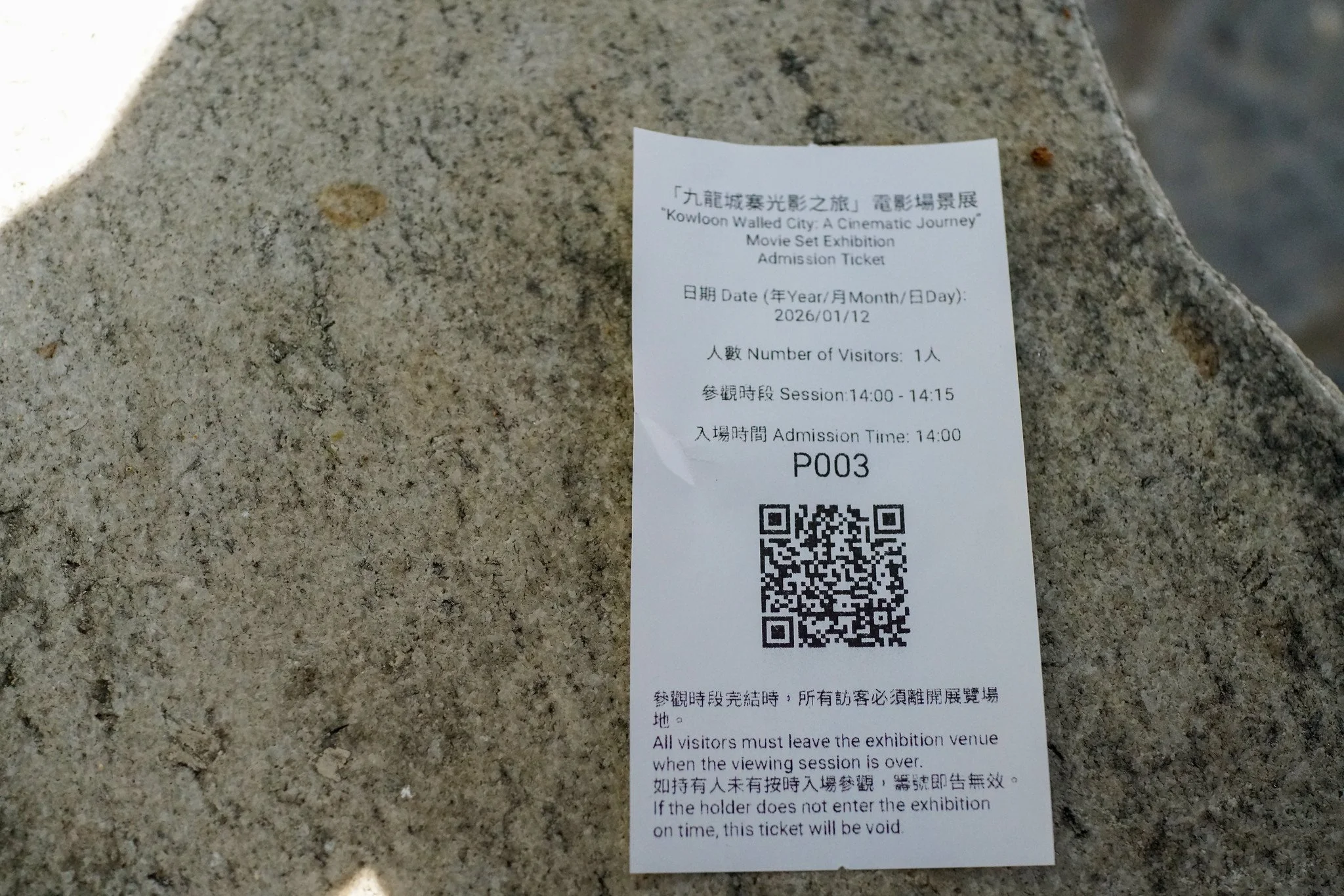
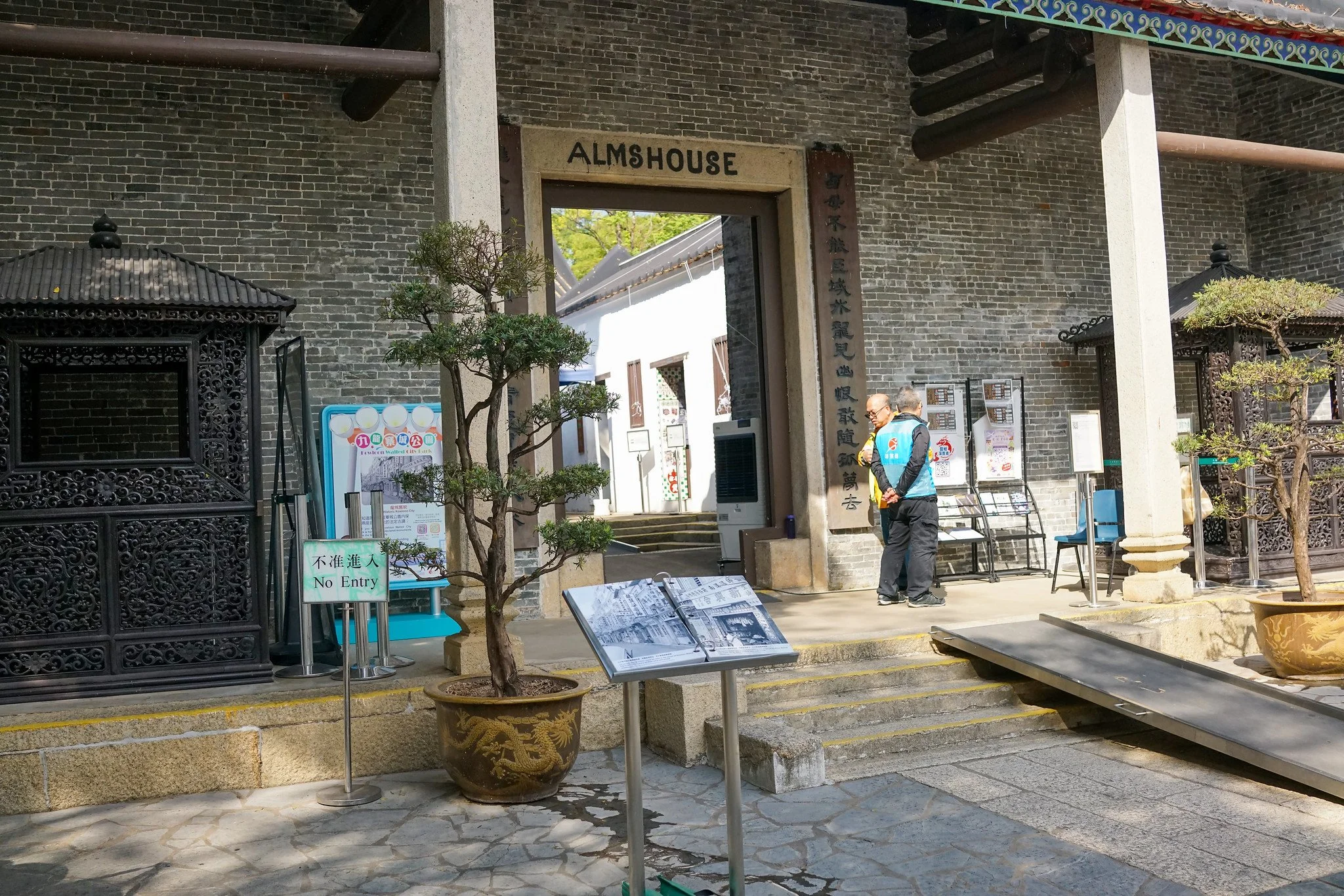
To visit the Kowloon Walled City Exhibition you have to get a ticket, there is a booth as such outside the entrance (see image on the right) and the staff there will give you a ticket (see image on the left) which is time stamped, the exhibition is on a 20 minute cycle and the number of people is limited and you really do get kicked out when your 20 minute time allocation expires!
There exhibition is free of charge and even after going for over 8 months it is still attracting crowds and it can be hard to take photo’s as everyone is taking selfies
You must have a ticket otherwise they will not let you in
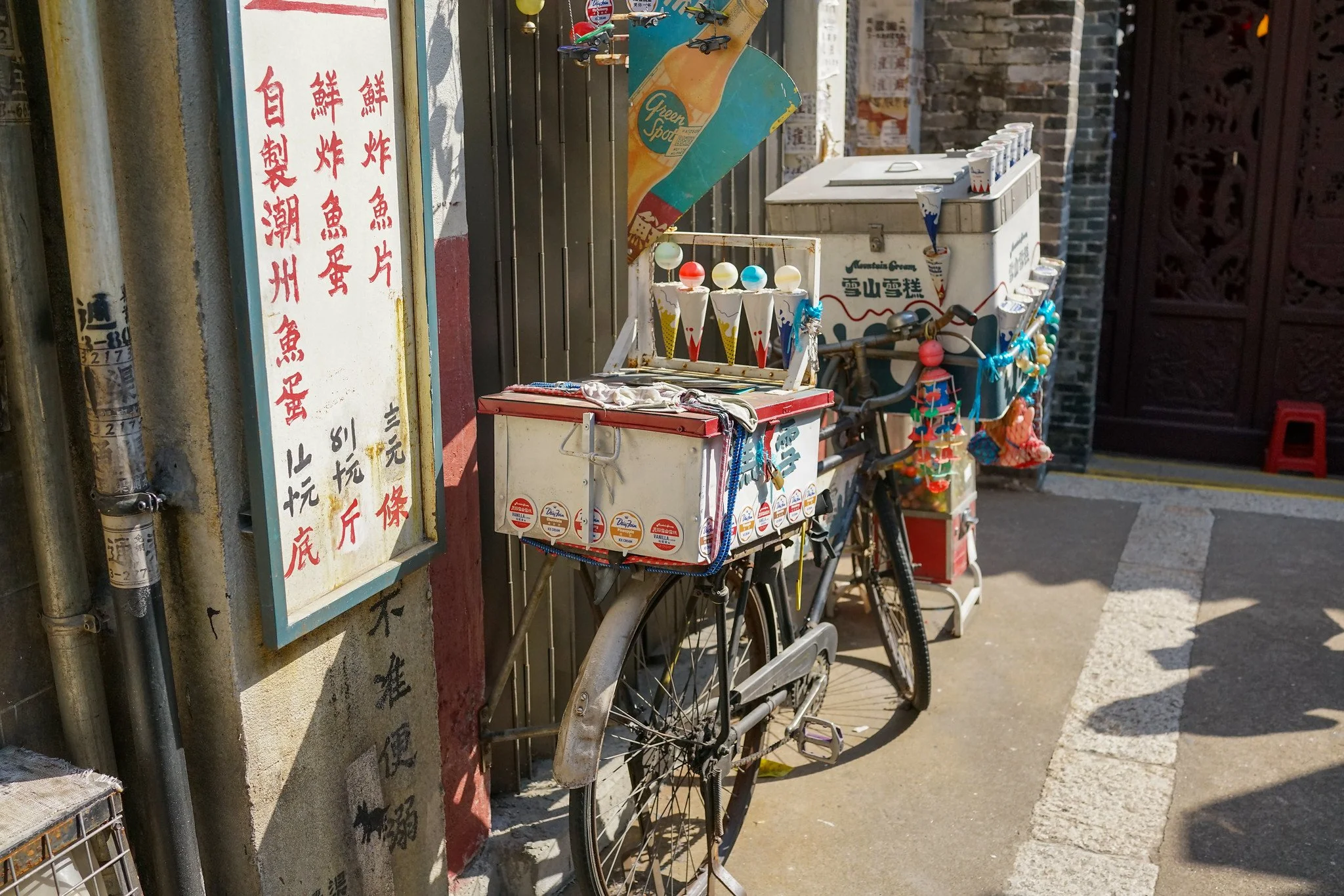
The Recreated Stores and Clinics Exhibit at Kowloon Walled City Park
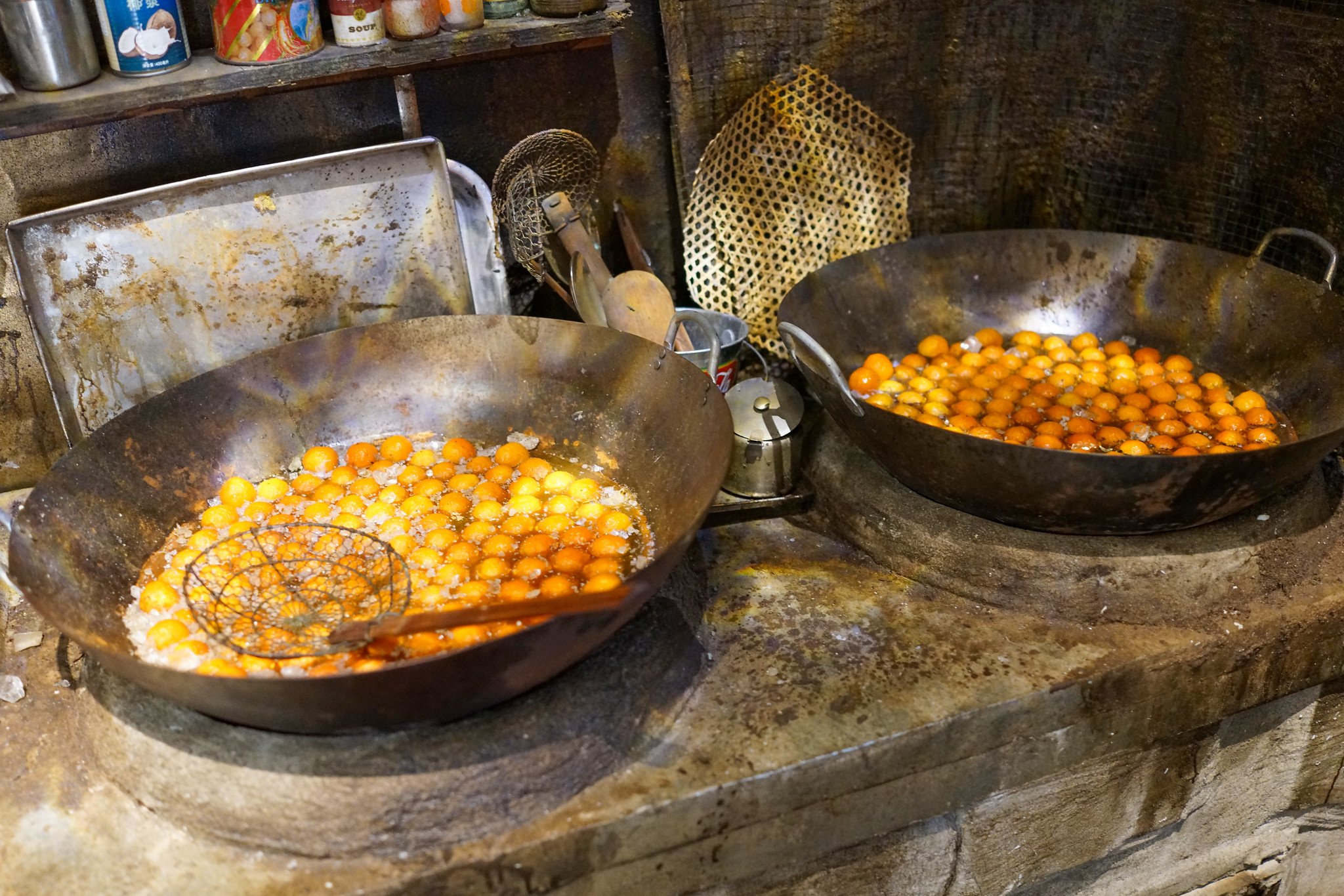
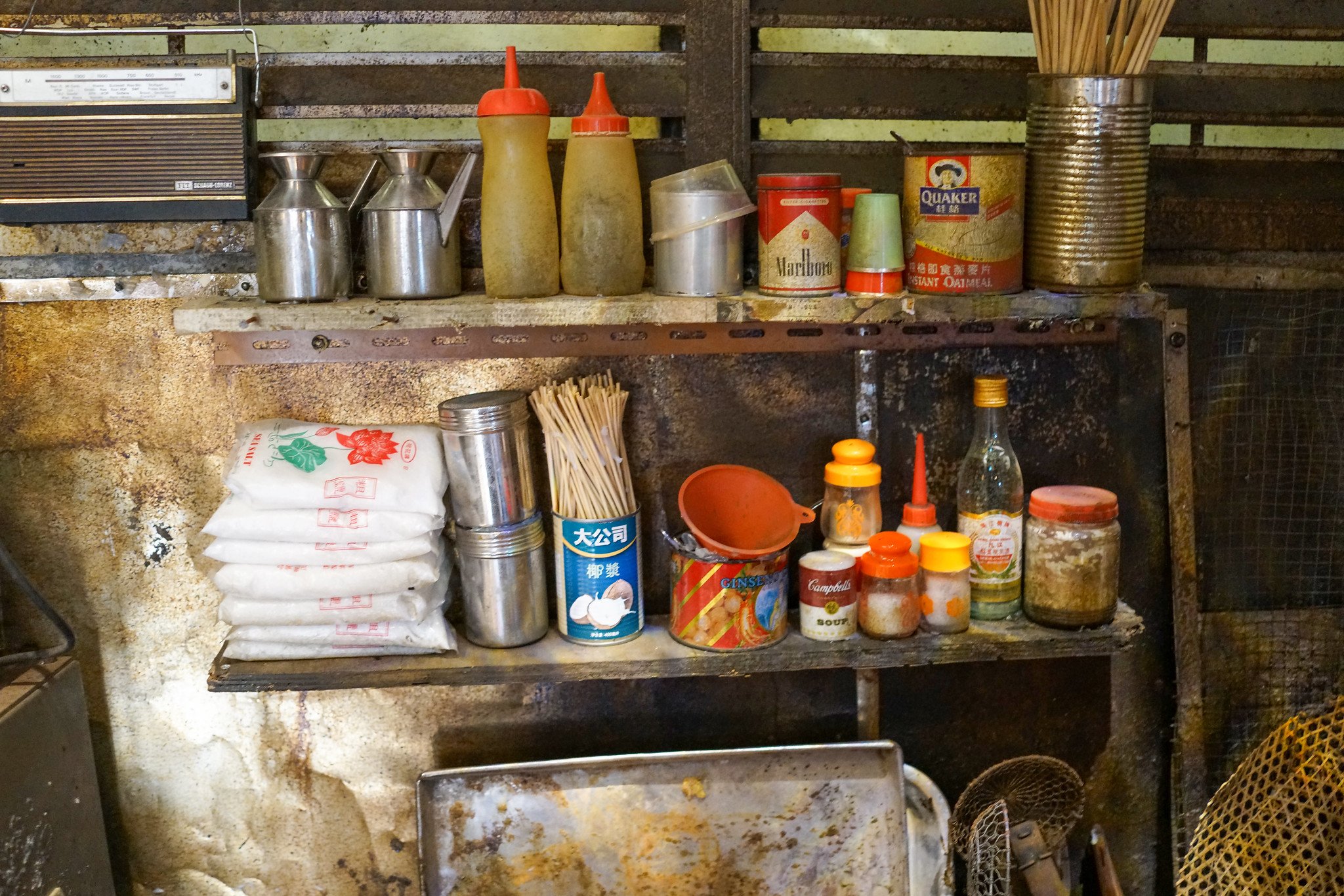
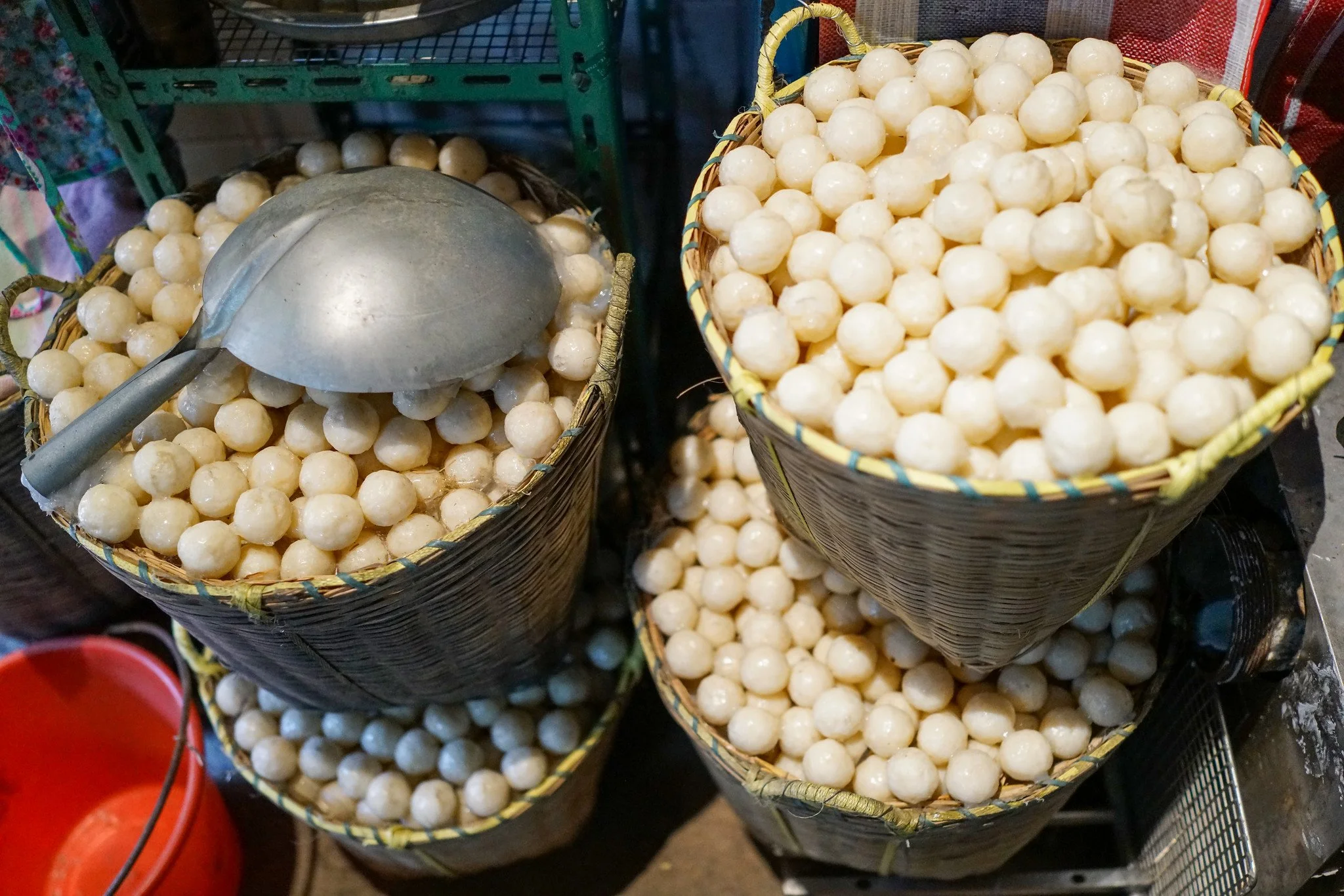
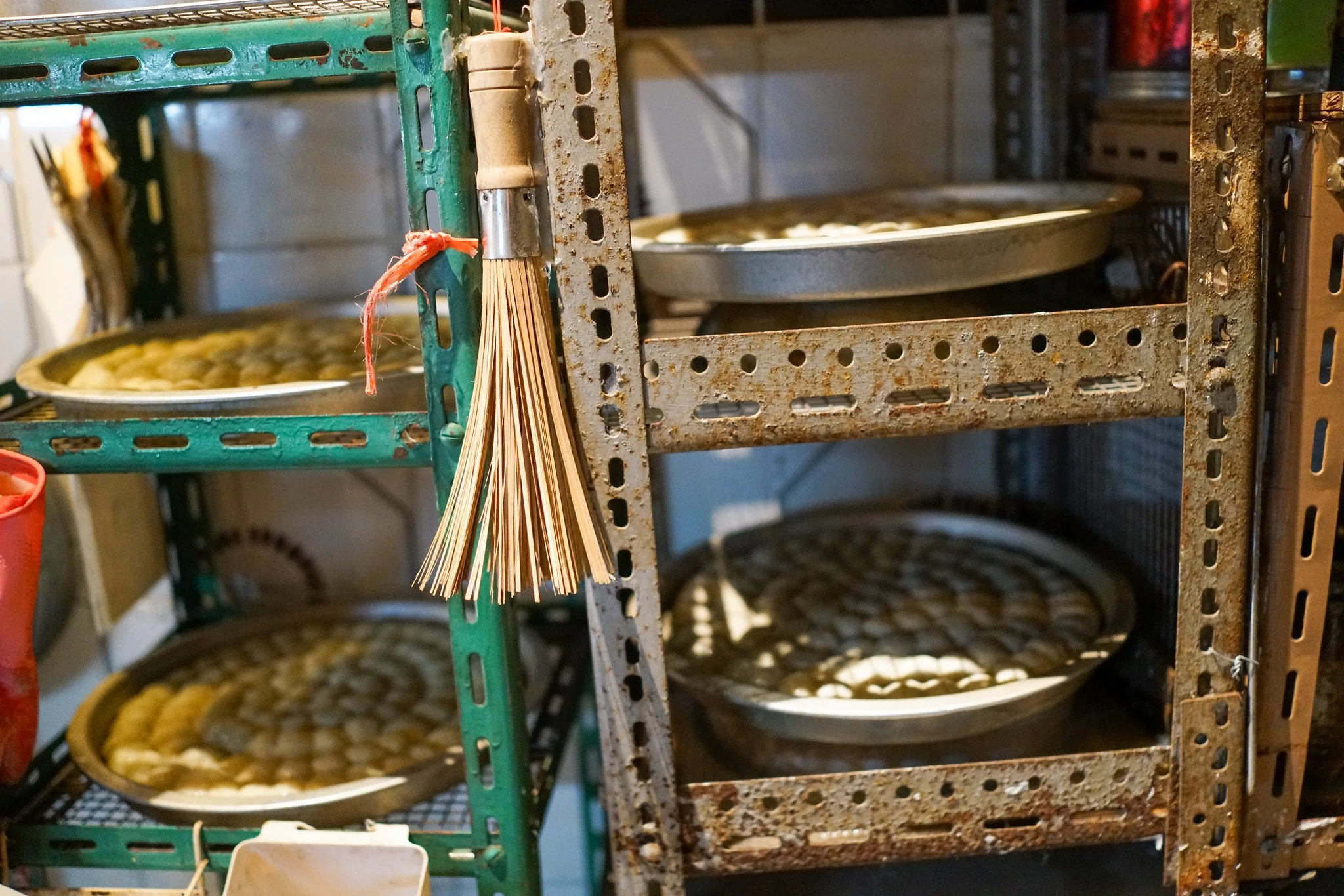
This is the "Kowloon Walled City: A Cinematic Journey" exhibition, which opened on May 24, 2025, and is scheduled to run for three years (until 2028), free to the public. It's essentially a recreation of movie sets from the 2024 Hong Kong film Twilight of the Warriors: Walled In (directed by Soi Cheang), which dramatizes life in the 1980s Walled City. The exhibit showcases Hong Kong film craftsmanship, with immersive designs recreating the era's gritty atmosphere using traditional crafts and props.
It features eight themed sections with realistic 1980s alleyways, shops, and scenes, including:
No. 7 Restaurant (a diner)
Barber shop
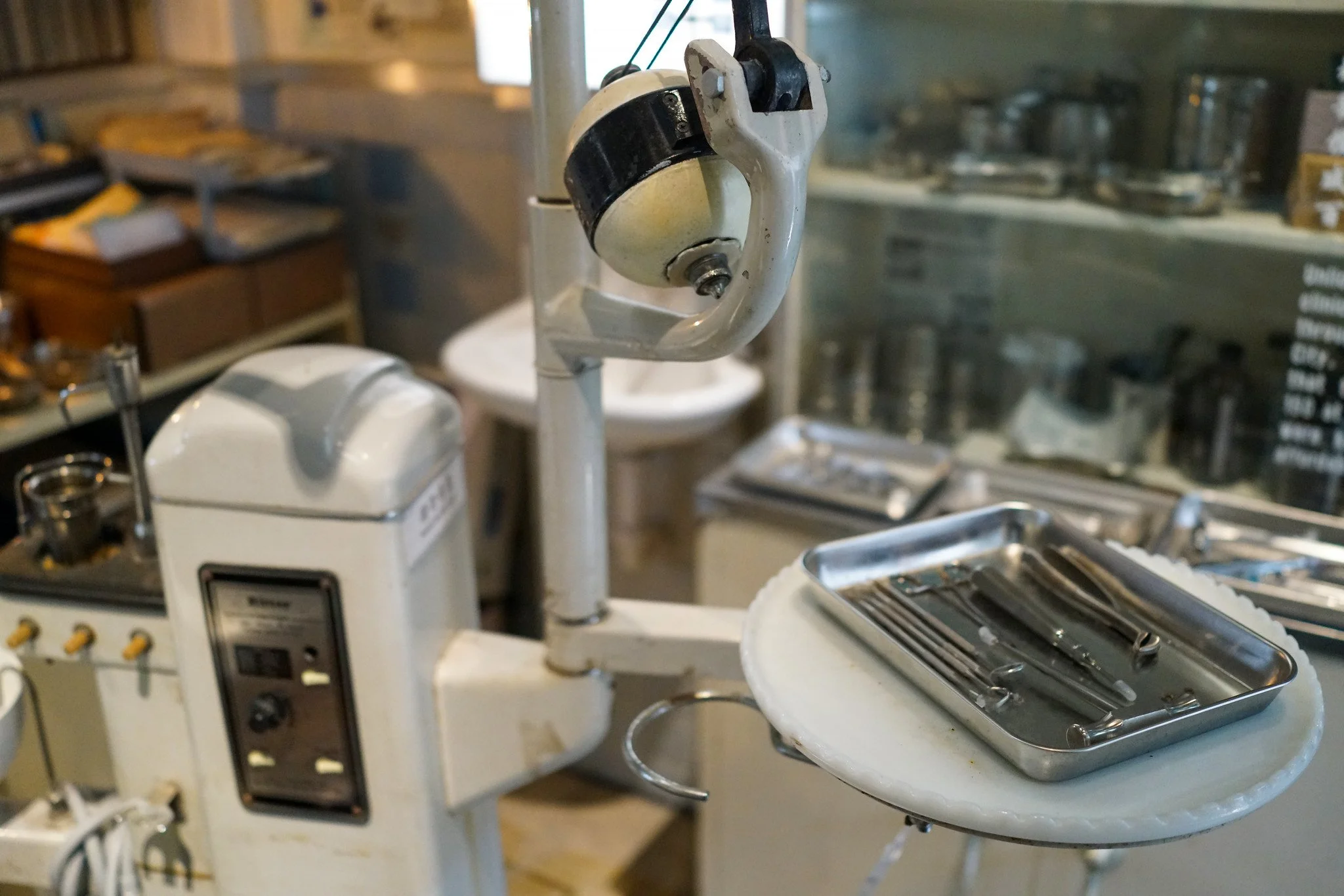
Dental clinic
Grocery store
Bone-setting clinic
Fish ball factory
Tailor shop
Other businesses like a hair salon and store.
Visitors can walk through these sets, interact with memorabilia, and experience the Walled City's unique architecture and daily life. It's located within the park on the original Walled City site, blending fiction with history to evoke the community's spirit
My only gripe (and they cannot really recreate this) is there is no noise, no smells and no grime and no people! put them all together and you could feel the history, on the outside looking in.. it feels like a museum exhibit with props but it is done very well, the rest you will just have to imagine!
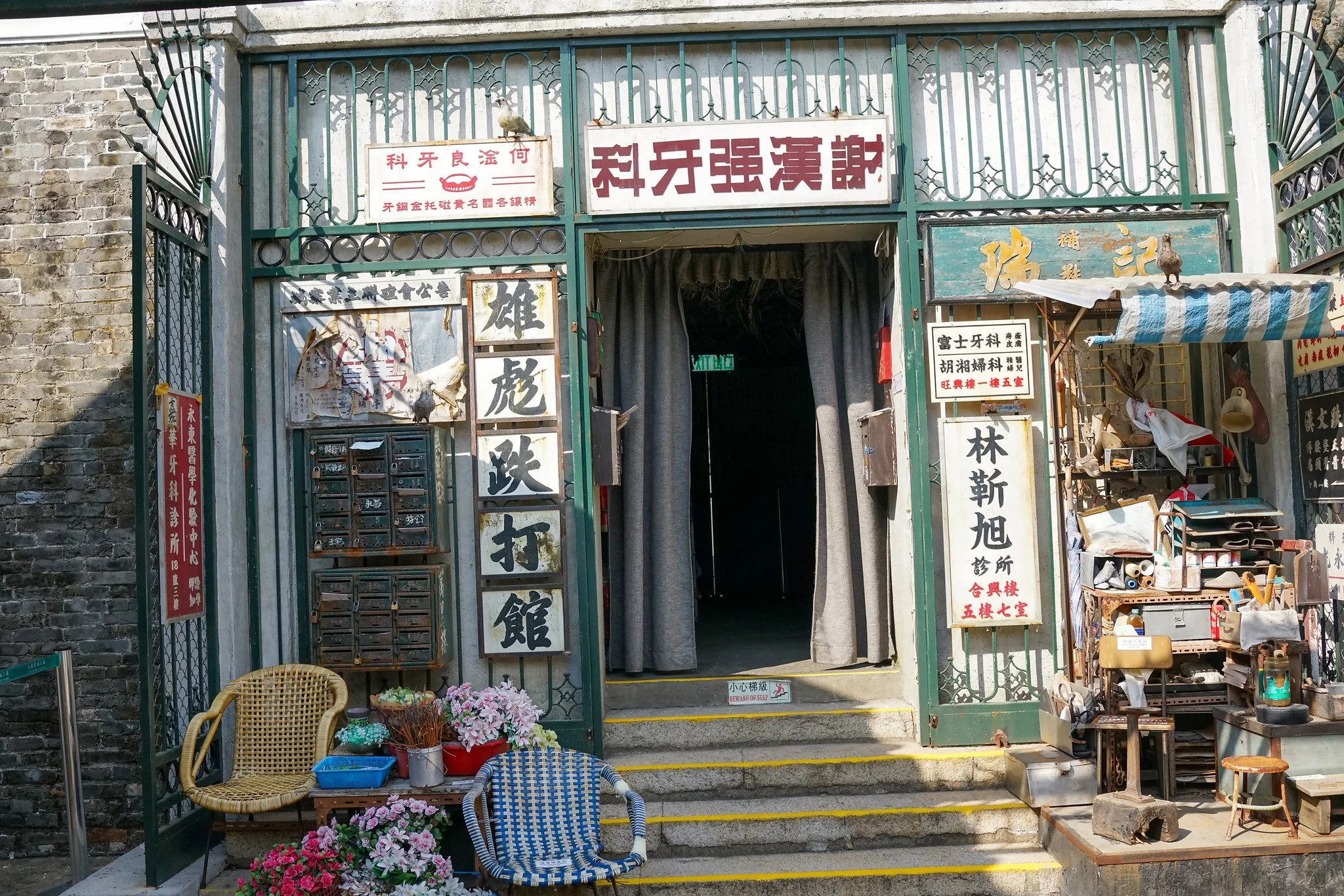
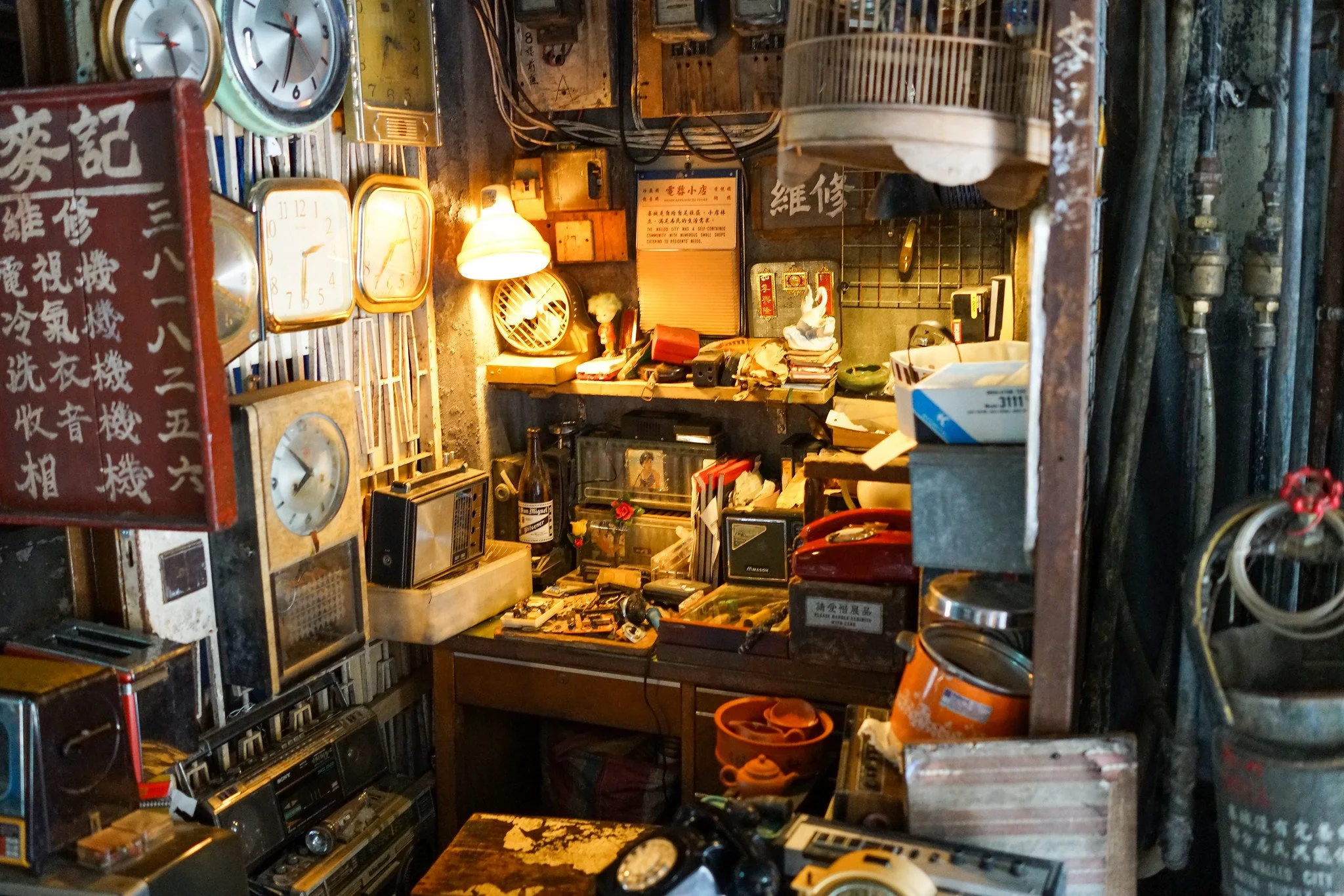
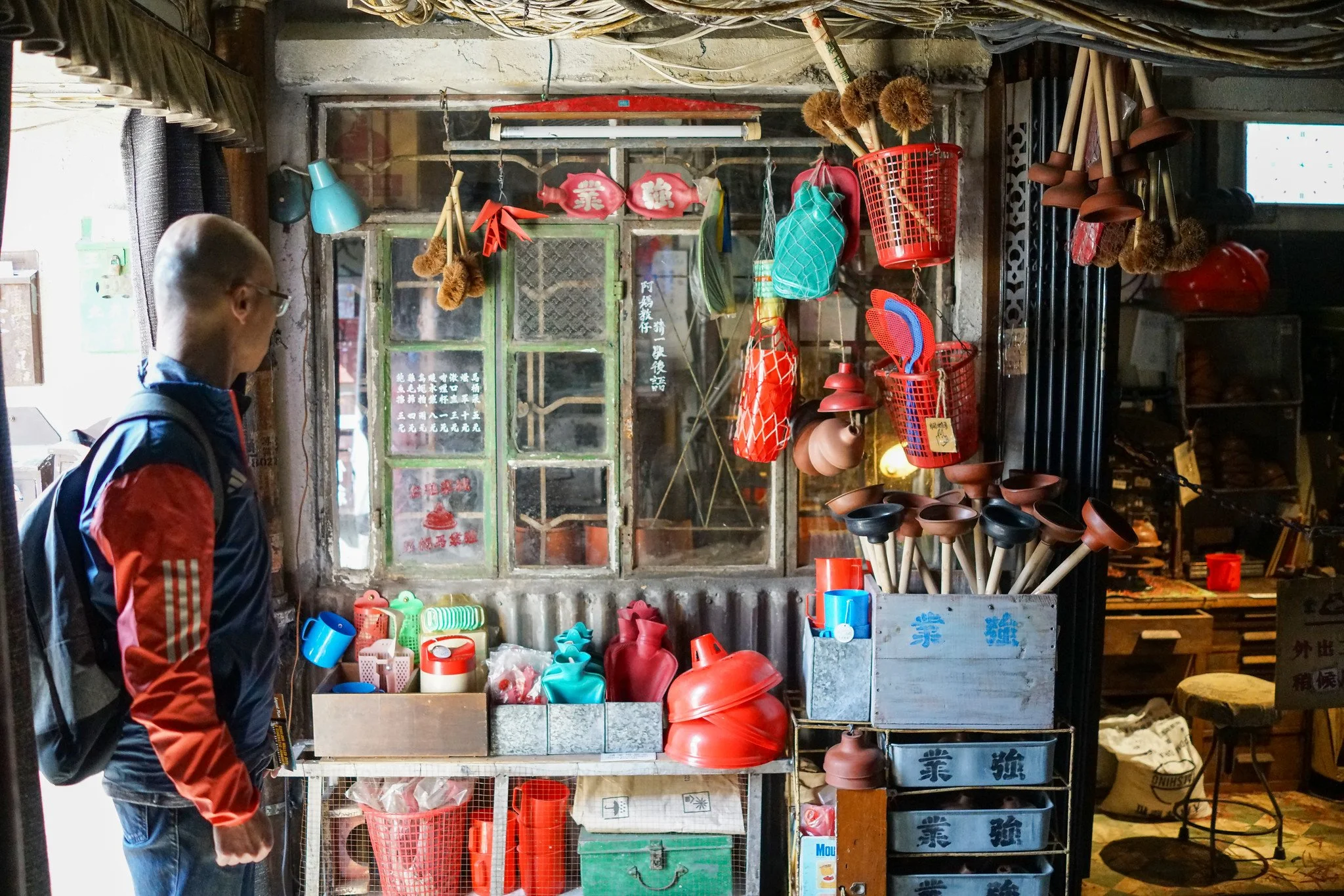
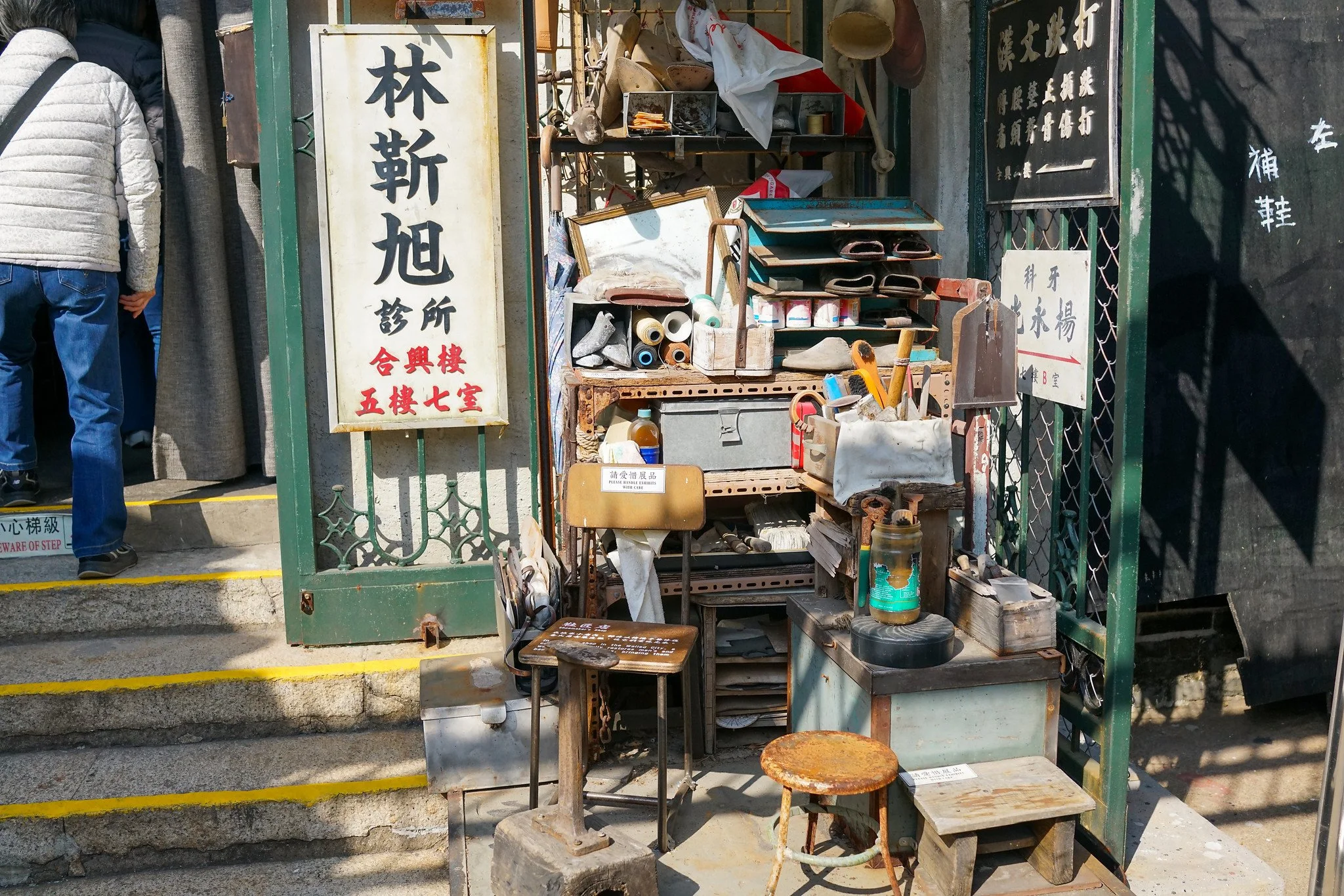
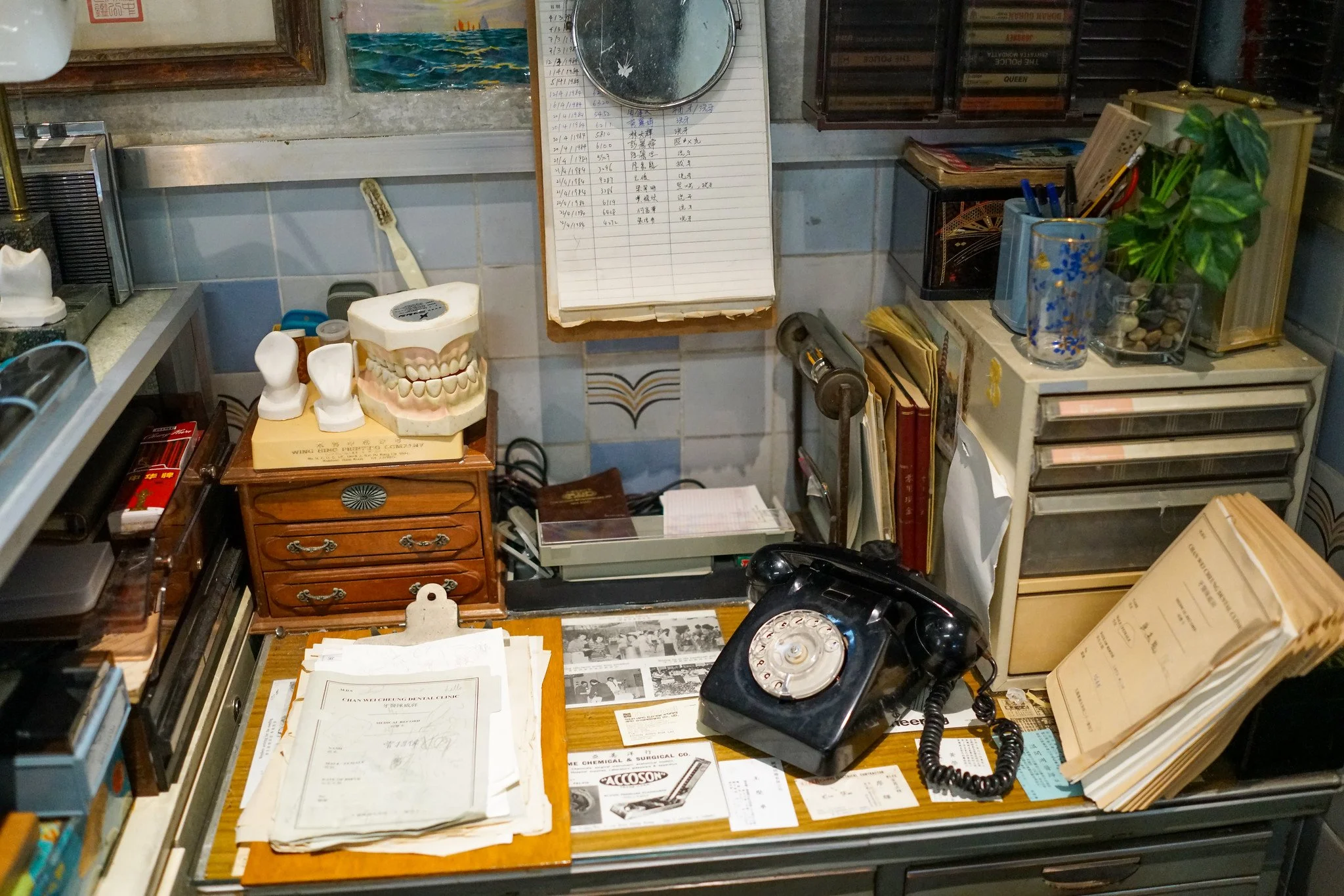
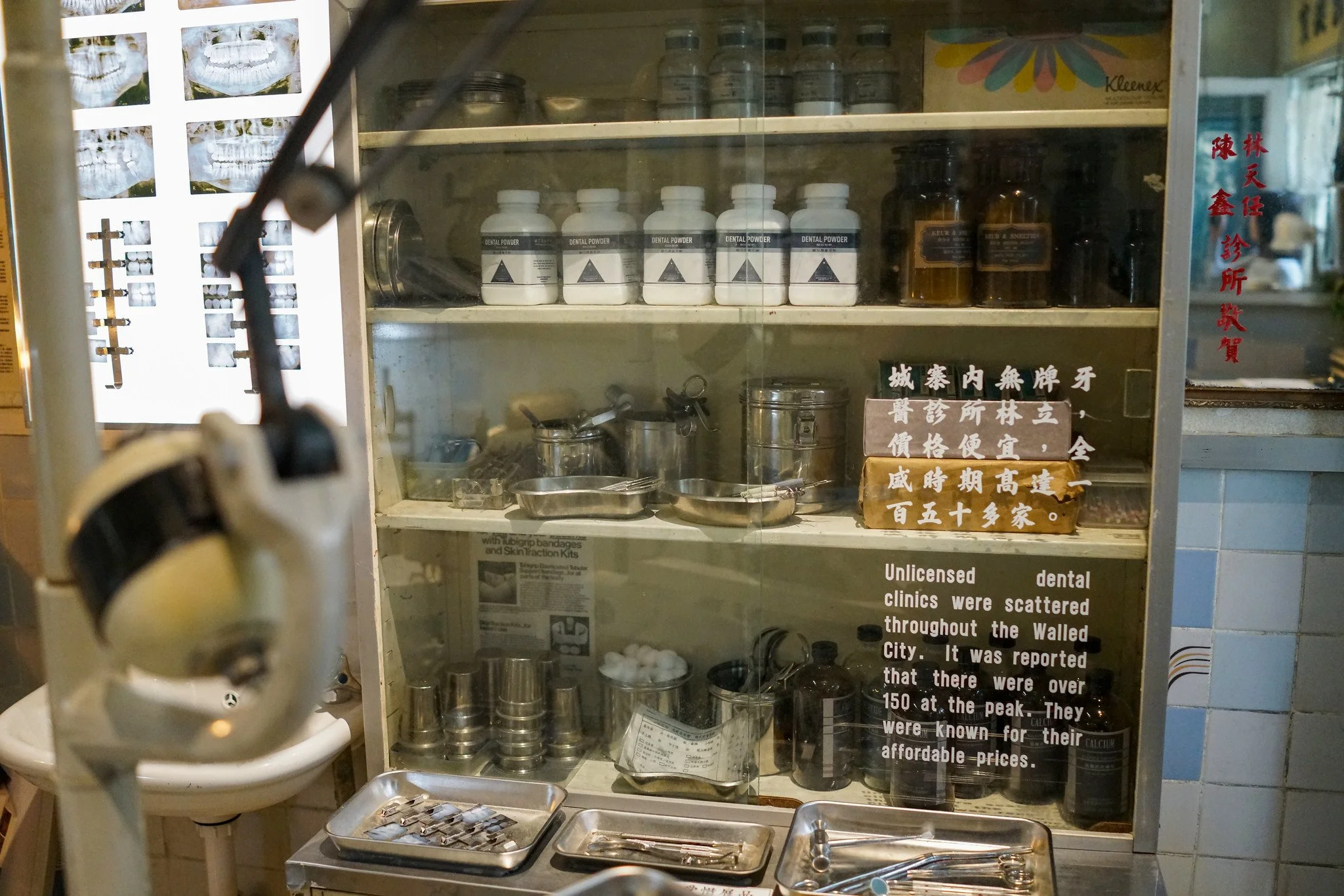
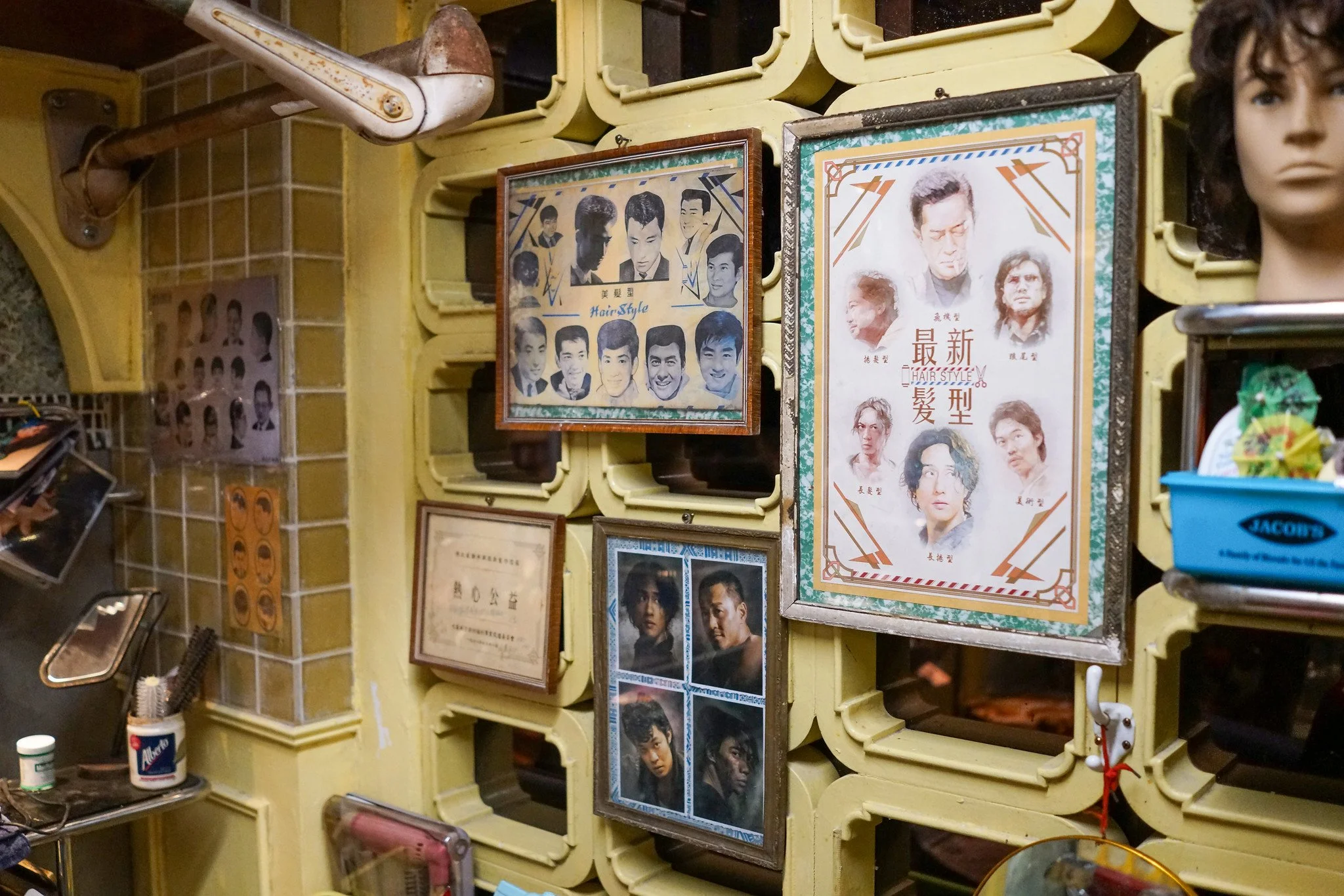
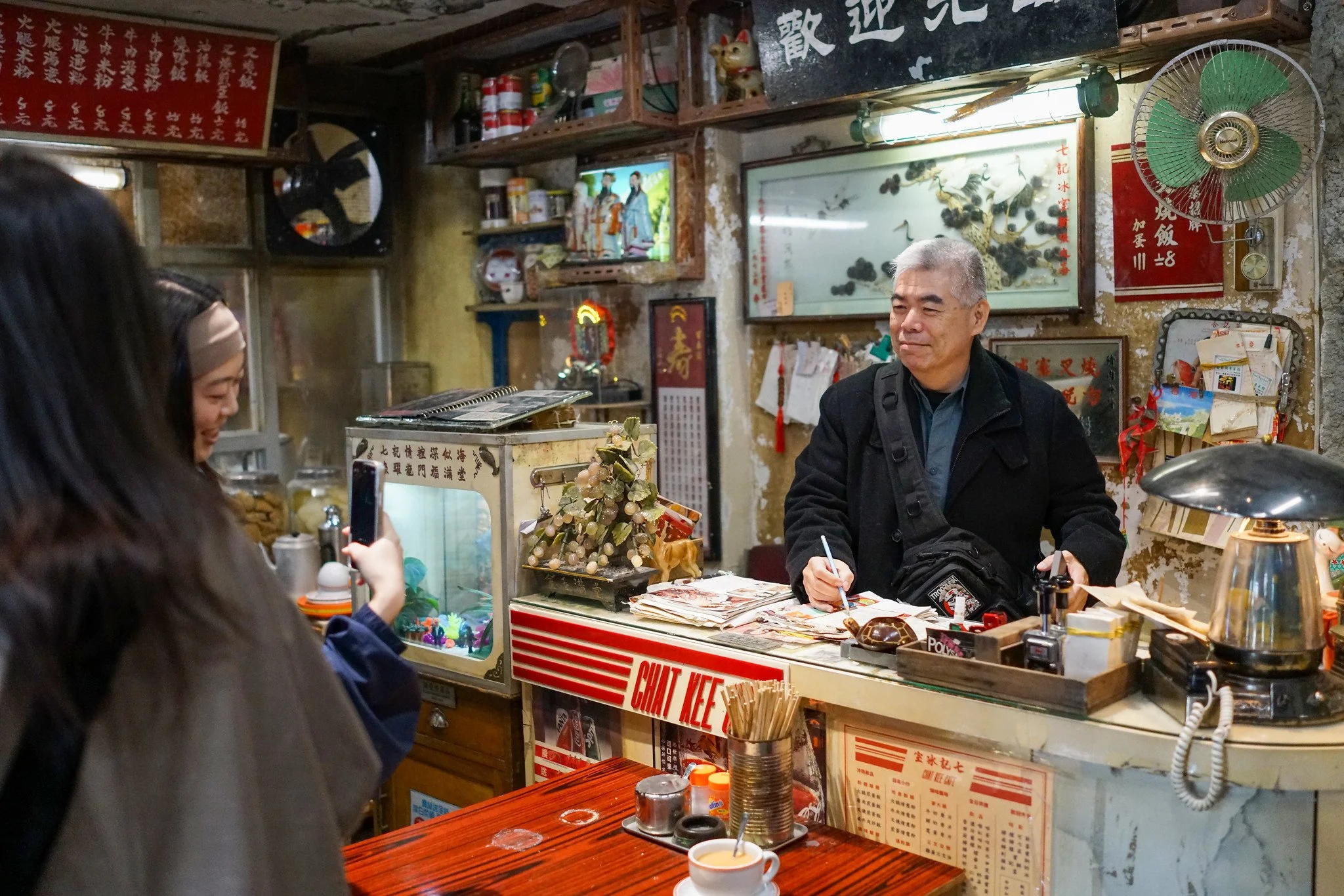
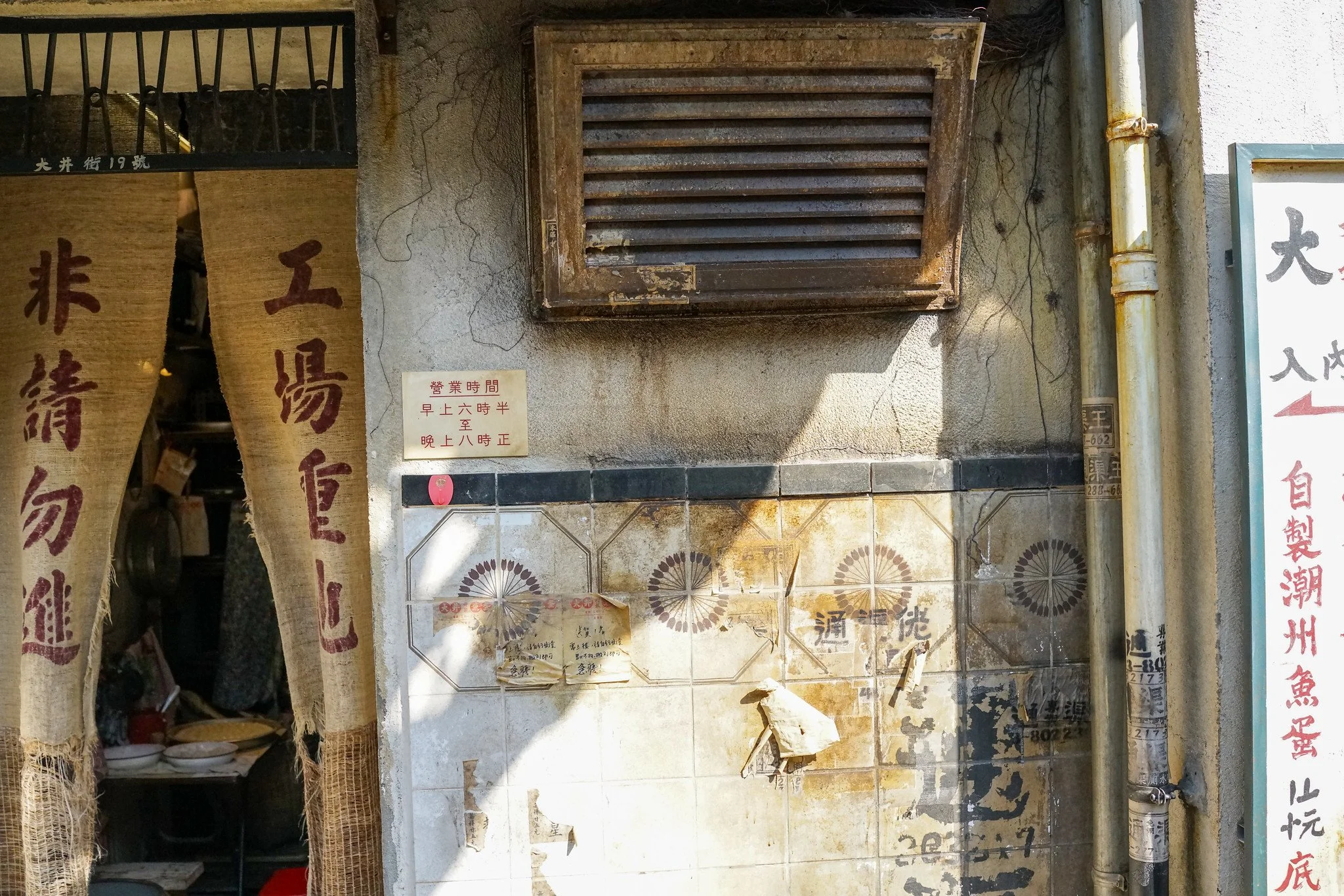
click on any image to enlarge
© Copyright Acknowledged | All rights reserved.| Images taken by Jamie
The Kowloon Walled City Exhibition | Typical Images | Hong Kong
Opinions on the Exhibit and Park
Overall, the Kowloon Walled City Park is highly regarded as a beautiful, serene escape from Hong Kong's hustle, with a 4.5/5 rating on TripAdvisor based on thousands of reviews. People appreciate its historical depth, peaceful gardens, and free access, often calling it "one of the most pleasant corners in Hong Kong" and a "must-visit for urban history buffs." It's praised for contrasting the site's dark past with today's tranquility, making it ideal for relaxation, tai chi, or bird-walking. Some note the hilly terrain can be challenging, and wish for more amenities, but it's seen as educational and unique. Locals and tourists alike value it for insights into Hong Kong's evolution, though it's not always top of itineraries unless you're into history.
The cinematic exhibit has been a hit since opening, it really has changed everything, with visitors calling it "immersive and detailed," especially for movie fans. Reviews highlight the "outstanding creativity" and how it brings the 1980s vibe to life, making history feel alive. Some wish it were more permanent or expansive, but it's lauded for its craftsmanship and as a fun, photo-worthy addition. Critics note it's props-based, not authentic artifacts, but overall, it's enhanced the park's appeal.
10 Compelling Reasons to Visit Kowloon Walled City Park + Related Exhibition
Dive into Hong Kong's Dark History: Explore the site's transformation from a lawless enclave to a peaceful park through exhibits and remnants.
Stunning Classical Gardens: Enjoy Jiangnan-style landscaping with ponds, pavilions, and seasonal flowers for a relaxing escape.
Free and Accessible: No entry fee, open daily, making it an easy, budget-friendly outing.
Immersive Cinematic Exhibit: Step into recreated 1980s shops and clinics from a hit movie, blending film and history.
Preserved Qing-Era Architecture: See the Yamen and Old South Gate, declared monuments offering tangible links to the past.
Educational Insights: Interactive displays and models reveal daily life in the world's densest settlement.
Scenic Views and Recreation: Pavilions with Lion Rock vistas, chessboards, and paths for walks or tai chi.
Contrast to Modern HK: Experience the irony of a serene oasis on a former slum site, highlighting urban evolution.
Flora and Fauna Variety: Bonsai, rockeries, koi ponds, and birdwatching add natural charm.
Unique Cultural Fusion: A blend of history, art, and tranquility that's off the typical tourist path but rewarding for locals and visitors.
Detailed Directions to Kowloon Walled City Park
The park is at Tung Tsing Road, Kowloon City (near Junction Road and Tung Tau Tsuen Road). As a Hong Kong resident, you can use Citymapper or the MTR app for real-time updates. Here's how to get there from common starting points like Central (Hong Kong Island) or Tsim Sha Tsui (Kowloon). Travel times are approximate and exclude waits; fares are low (HK$10-30 via public transport).
By MTR (Subway) - Reliable (20 - 40 minutes)
From Central (Hong Kong Island): Take the Island Line (blue) eastbound to Admiralty (1 stop). Transfer to the Tsuen Wan Line (red) northbound to Prince Edward (6 stops). Transfer to the Kwun Tong Line (green) eastbound to Lok Fu (3 stops). Exit A, walk northeast along Junction Road for 10-15 minutes (about 800m) to the park entrance on Tung Tsing Road. Alternatively, from Admiralty, take the East Rail Line to Hung Hom, then Tuen Ma Line to Sung Wong Toi (Exit B2/B3), and walk 250m north along Lung Kong Road to the Tips: Lok Fu or Sung Wong Toi are the nearest stations (10-15 min walk). Avoid peak hours for crowds. Total fare: HK$10-15 one waypark.
From Tsim Sha Tsui (Kowloon): Take the Tsuen Wan Line (red) northbound to Prince Edward (2 stops). Transfer to Kwun Tong Line (green) eastbound to Lok Fu (3 stops). Follow the same walk from Exit A. Or use Tuen Ma Line from nearby stations to Sung Wong Toi.
Tips: Lok Fu or Sung Wong Toi are the nearest stations (10-15 min walk). Avoid peak hours for crowds. Total fare: HK$10-15 one way
My issue with taking the MTR is there is still a lot of walking you have to do to get to the Park, the bus drops you off at the main entrance!
By Bus - Scenic and Direct (20 - 50 minutes) and the one I use
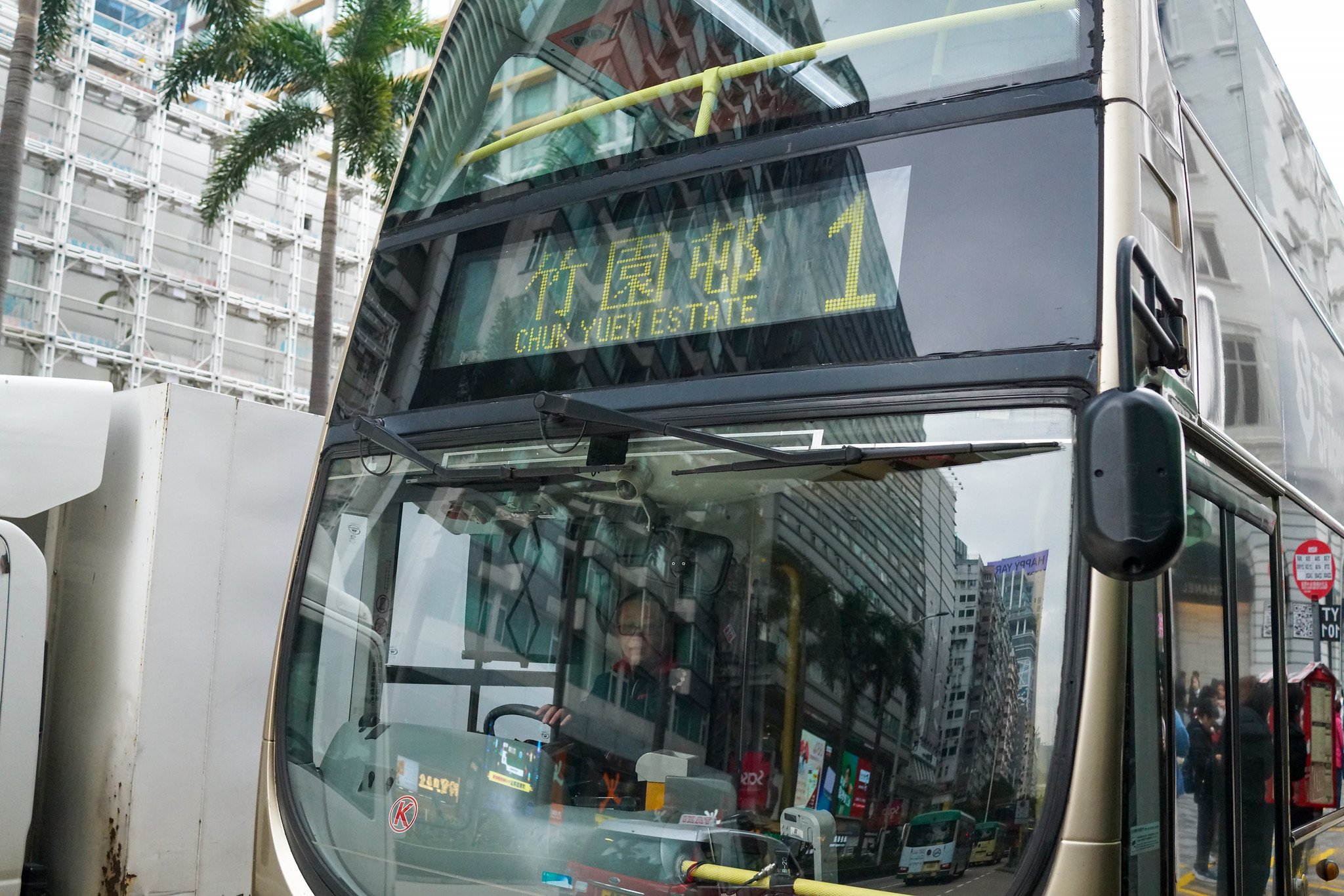
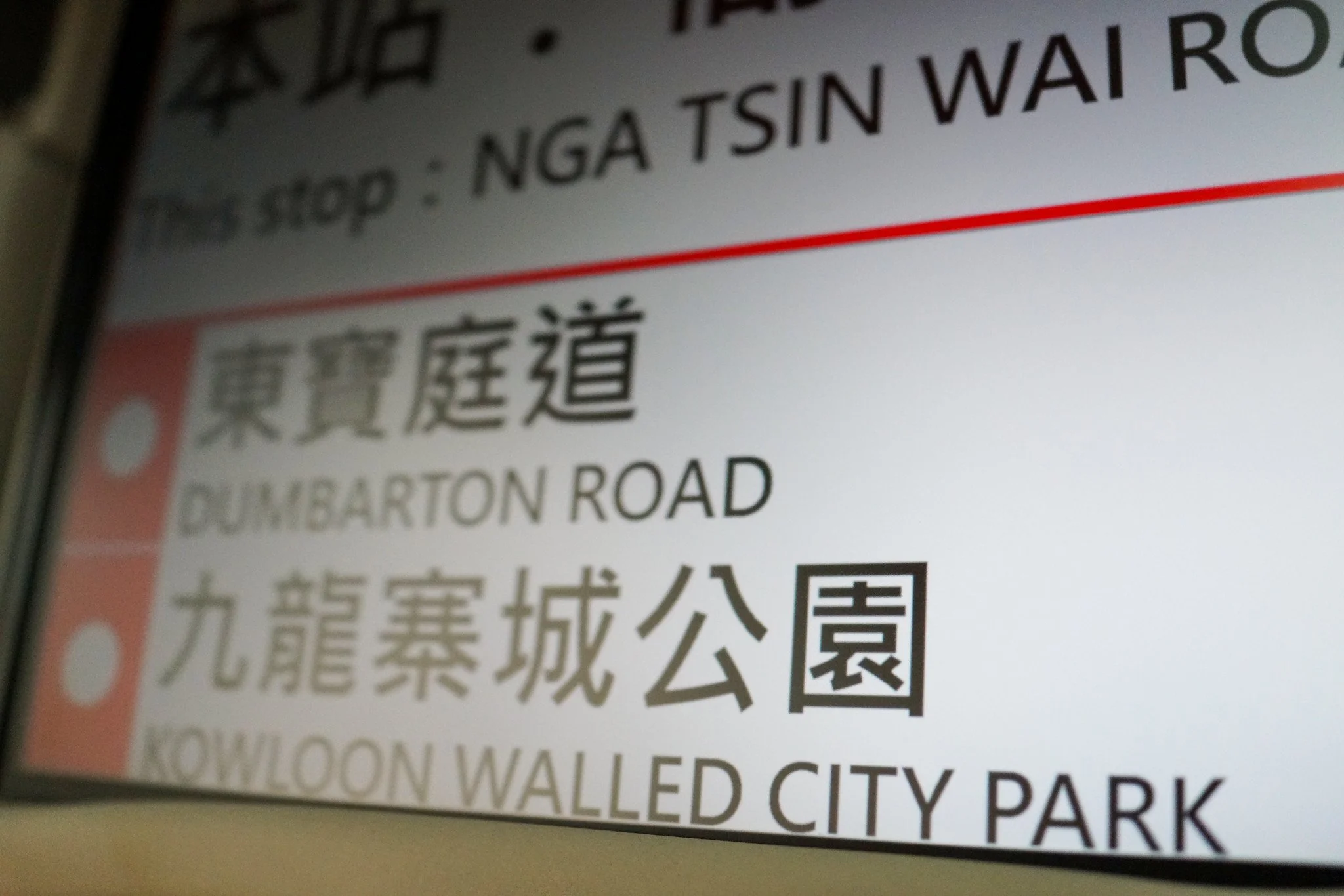
click on any image to enlarge
© Copyright Acknowledged | All rights reserved.| Images taken by Jamie
KMB Bus Route No. 1 from the Star Ferry in Kowloon | Bus Images | Hong Kong
From Central: Take Bus 113 from Central Ferry Piers or Admiralty to Kowloon City (stops at Tung Tau Tsuen Road near the park). Or Bus 101/111 from Admiralty to similar stops.
From Tsim Sha Tsui: Take Bus 1 from the Star Ferry Bus Terminus directly to Tung Tau Tsuen Road (about 20-30 min; tell the driver "Kowloon Walled City Park"). Other options: Buses 2D, 6D, 10, 11D, 13D, 75X, 85, or 85A from various Kowloon points, alighting at Carpenter Road or Tung Tau Tsuen Road.
Tips: Use Octopus card (fare HK$5-15). Buses run frequently; check KMB/NWFB apps for routes. Walk 1-5 min from stops to entrances.
I always take the Number 1 bus, it is a jolly nice ride and basically drops you off at the main entrance to the Park, there are onboard displays on the bus that show the bus stops coming up
By Taxi - Easiest but Priciest (10 - 20 minutes ish)
click on the image to enlarge
© Copyright Acknowledged | All rights reserved.| Images taken by Jamie
Sign with address in Chinese | show to the Taxi Driver | Hong Kong
From Anywhere: Hail a red urban taxi (or use Uber/DiDi apps) and say "Kowloon Walled City Park, Tung Tsing Road, Kowloon City" (in Cantonese: "Kau Lung Sing Jai Gong Yuen"). From Central: Cross-harbor via tunnel, about HK$110-140. From Tsim Sha Tsui: HK$65-80. Taxis are metered; add tolls if needed
or simply show them this image!
Tips: Avoid rush hour for traffic. Taxis are plentiful, but apps show estimates. Drop-off at main entrance on Tung Tsing Road.
I do not do food tours
I am pleased to say a lot of Food Tour Companies will have egg tarts and egg puffs on their tasting menu
I have very specific reasons and part of it is that I do not speak Cantonese or write Chinese, I am from Yorkshire in England and I lack the language gene and it is not through lack of trying and yes a lot of restaurants do not have English menu’s or staff who speak conversational English.
.. and yet I have eaten at close to 1,400 restaurants in Hong Kong since January 2nd 1972, my wife was born in Hong Kong and we have been together over 40 years and her first language is Cantonese and a lot of her family are Chinese or half Chinese so I have never had much of an issue!
This does not translate to doing food tours though, yes, I could do them, no problem there but they would never ever be as good as the food tours done by my friends (see the 3 links above) most of their awesome guides are locally born Hong Kong Chinese and obviously food culture is part of their DNA, it is impossible for me to compete with that!
So please feel free to contact them for food tours
© Jamie Lloyd | J3 Consultants Hong Kong | J3 Private Tours Hong Kong |
| 2010 - 2026 All rights reserved. |
Click on any image to enlarge to full screen

Current images from my Instagram feed