The Goldfish Market Hong Kong - How To Get To Guide
A Detailed Market History, What’s On Offer + Transport Tips

The J3 Group - Premium Quality Private Tours | Experiences and Insider Chats since 2010
Me Jamie, your host, I am English and I have lived in Hong Kong since January 2nd 1972 - I know the place.
A meaningful blog post with a difference - tips on Travel, Tourism, Tours, Daily Life and my personal thoughts on Hong Kong.
Please do visit Amazing Hong Kong
Hong Kong | Pearl of the Orient
Customised Private Tours + Experiences in Amazing Hong Kong
Jamie has lived in Hong Kong - Pearl of the Orient for 50+ years
Carefully Crafted Personalised and Customised Itineraries by Jamie | Hong Kong’s Most Experienced Private Tour Guide for : Solo Travellers Friends Families Seniors Couples Business People MICE Delegates.
Private Tours Cultural Tours Walking Tours Sightseeing Tours City Tours Night Tours Layover Tours Transit Tours Private Shore Excursions Bespoke Tours Personalised Tours Jewish Heritage Tours Luxury Private Tours Day Tours Luxury Boat Tours Themed Tours Private Family Tours Private Day Tours Corporate Tours
Just you, your family or friends and Jamie your personal English private tour guide - over 2,400+ tours completed since 2011 - Jamie offers quality Private Tours of Hong Kong
Tour Group Size 1 - 6 people only
J3 Group Hong Kong | J3 Consultants Hong Kong | J3 Private Tours Hong Kong
Creating Memories That Will Last A Lifetime
Go here for the Hong Kong Michelin Restaurant Guide which includes the Bib Gourmand Category

The Goldfish Market Hong Kong - How To Get To Guide
A Detailed Market History, What’s On Offer + Transport Tips
click on the image to enlarge
© Copyright Acknowledged | All rights reserved.| Image taken by Jamie
The Goldfish Market | How To Get To Guide | Hong Kong
The History and Evolution of this iconic day and early evening market in Hong Kong : For curious visitors who want to explore Hong Kong’s vibrant Street Market scene
Visiting the vibrant market scene in Hong Kong
I always enjoy going to the major markets in Hong Kong, there are 5 of them and for some peculiar reason they are in Kowloon and not on Hong Kong Island ( my favourite historically was the Poor Mans Night Market near the Macau Ferry Terminal on Hong Kong Island which closed decades ago.
There are quite a few markets on Hong Kong Island including Stanley Market but for some reason they do not have the popularity of the big markets in Kowloon
As much as I visit these markets quite often people might like to do them on day 2 of their visit or visit the most popular ones (the Ladies Market and the Temple Street Night Market at night time when they close at around 11pm (ish)
These guides provide information and history about the markets with tips about transport options to get there, which is pretty straight forward using the MTR which is our world class subway system
I have always had a bit of a soft spot for the Goldfish Market (in the 1990’s I owned 2 large tanks of Piranha’s (about 40 in total) it was a toss up between them or goldfish and the goldfish seemed a little boring by comparison! I loved those fish and I dreamed of one day of having a very large aquarium with all sorts of fish, still to be realised!
10 compelling reasons to visit the Goldfish Market in Hong Kong
Here are 10 solid reasons why tourists should visit the Goldfish Market (on Tung Choi Street North in Mong Kok, Kowloon, Hong Kong):
Unique visual spectacle - The street transforms into a vibrant "open-air aquarium" with thousands of colorful fish in hanging plastic bags, creating a mesmerizing wall of shimmering colors that's unlike any other market in the world.
Cultural insight into Feng Shui - Goldfish symbolize prosperity and good luck in Chinese tradition; seeing how locals shop for them offers a fascinating glimpse into Hong Kong's deep-rooted beliefs and daily practices.
Diverse exotic pets - Beyond goldfish, you'll find tropical fish, koi, turtles, small reptiles, amphibians, and even insects—perfect for animal lovers or those curious about exotic pet trends.
Great for families and kids - It's like a free, interactive aquarium experience that captivates children with the endless variety of colorful creatures and small pets.
Prime photo opportunities - The rows of glowing fish bags and bustling shops make for stunning, Instagram-worthy shots (just respect any "no photo" signs in individual stores) and resist using a flash
Easy to combine with nearby attractions - It's walking distance from the Flower Market, Yuen Po Street Bird Garden, and Ladies' Market, allowing a full afternoon of exploring Mong Kok's vibrant street culture.
Authentic local atmosphere - This is a genuine neighborhood market where Hongkongers shop daily, offering an unfiltered view of everyday life away from tourist traps.
Unique souvenirs - Pick up quirky Hong Kong-themed trinkets (like snack-shaped keychains), aquarium accessories, or even small pet supplies as memorable keepsakes.
Nearby street food delights - The area is packed with stalls offering classic Hong Kong snacks like curry fish balls, stinky tofu, and pineapple buns for a tasty cultural bite.
Free and accessible - No entrance fee, open daily (best from late morning to evening), and easily reached by MTR (Prince Edward or Mong Kok stations) - a budget-friendly highlight of Kowloon's energetic vibe.
The Goldfish Market is a quirky, colorful must-see that captures Hong Kong's blend of tradition and urban energy!
History of the Goldfish Market in Hong Kong
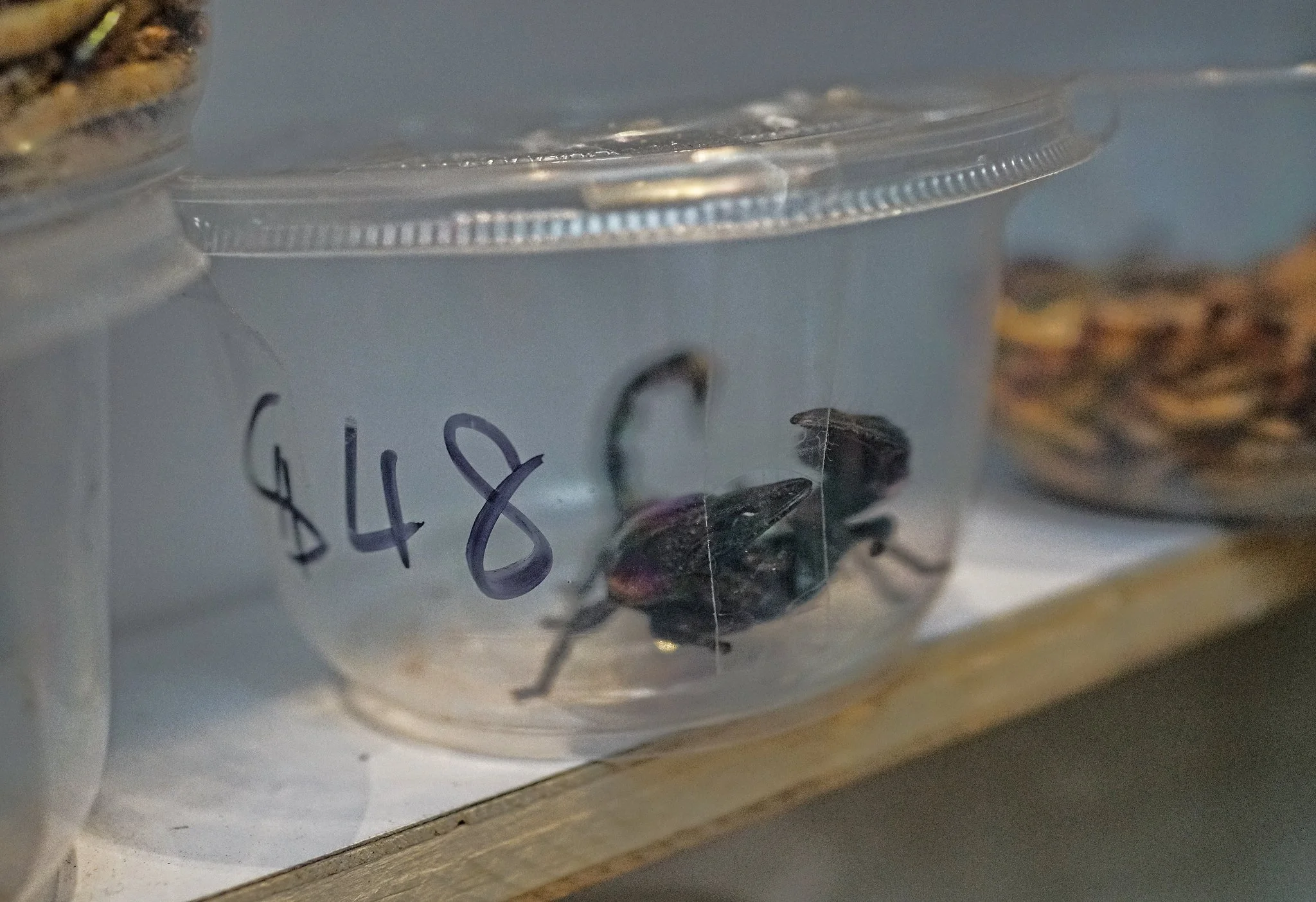
It is not a traditional market in my sense of the word, it is basically a street of shops selling goldfish, goldfish + aquarium supplies and over the years a lot of pet shops have opened and these sell all sorts of creatures from cats, dogs, rabbits. snakes, scorpions, snapper turtles, lizards and such, in my mind that has made it a lot more interesting!
Of course Hong Kong being Hong Kong there is a smattering of shops selling street food and drinks and such
,…. and personally I think it is much more interesting to visit at night time. it has a genuine buzz about it!
The Goldfish Market, officially known as the northern section of Tung Choi Street (also called Goldfish Street) in Mong Kok, Kowloon, has deep roots in Hong Kong's cultural and economic landscape. Its origins trace back to the 1960s, when ornamental fish breeders from the New Territories began selling goldfish and other species at an early-morning wholesale night market on Boundary Street, near what is now Mong Kok Stadium. These vendors operated from around 4 a.m. until sunrise, transporting their stock by train to Mong Kok Railway Station and hawking from buckets, bags, and boxes on the pavement. The demand was initially driven by feng shui practices, where goldfish were believed to bring harmony, prosperity, and good fortune to homes and businesses—far exceeding interest in other countries at the time.
As the railway station was rebuilt in the late 1960s and early 1970s, vendors relocated to spots outside Mong Kok Stadium and gradually shifted to the bustling Tung Choi Street, a major thoroughfare. What started as street stalls evolved into permanent shops during the 1970s, fueled by growing hobbyist interest in aquariums—ideal for space-constrained high-rise dwellers who couldn't keep larger pets like cats or dogs. The market boomed in the 1980s and early 1990s, with Hong Kong becoming one of the world's top five exporters of live tropical fish. By the late 1980s, the number of shops in the area had surged due to new establishments and relocations from other districts. Today, in December 2025, it has transformed into a vibrant pet market hub, blending tradition with modern retail, featuring over 40 specialized aquarium and pet supply stores (some sources estimate up to 50+ including stalls).
I have often had people ask why the Goldfish Market is so popular - in a nutshell Feng Shui which is hugely influential in Hong Kong society and that will be the subject of a major blog post in the future
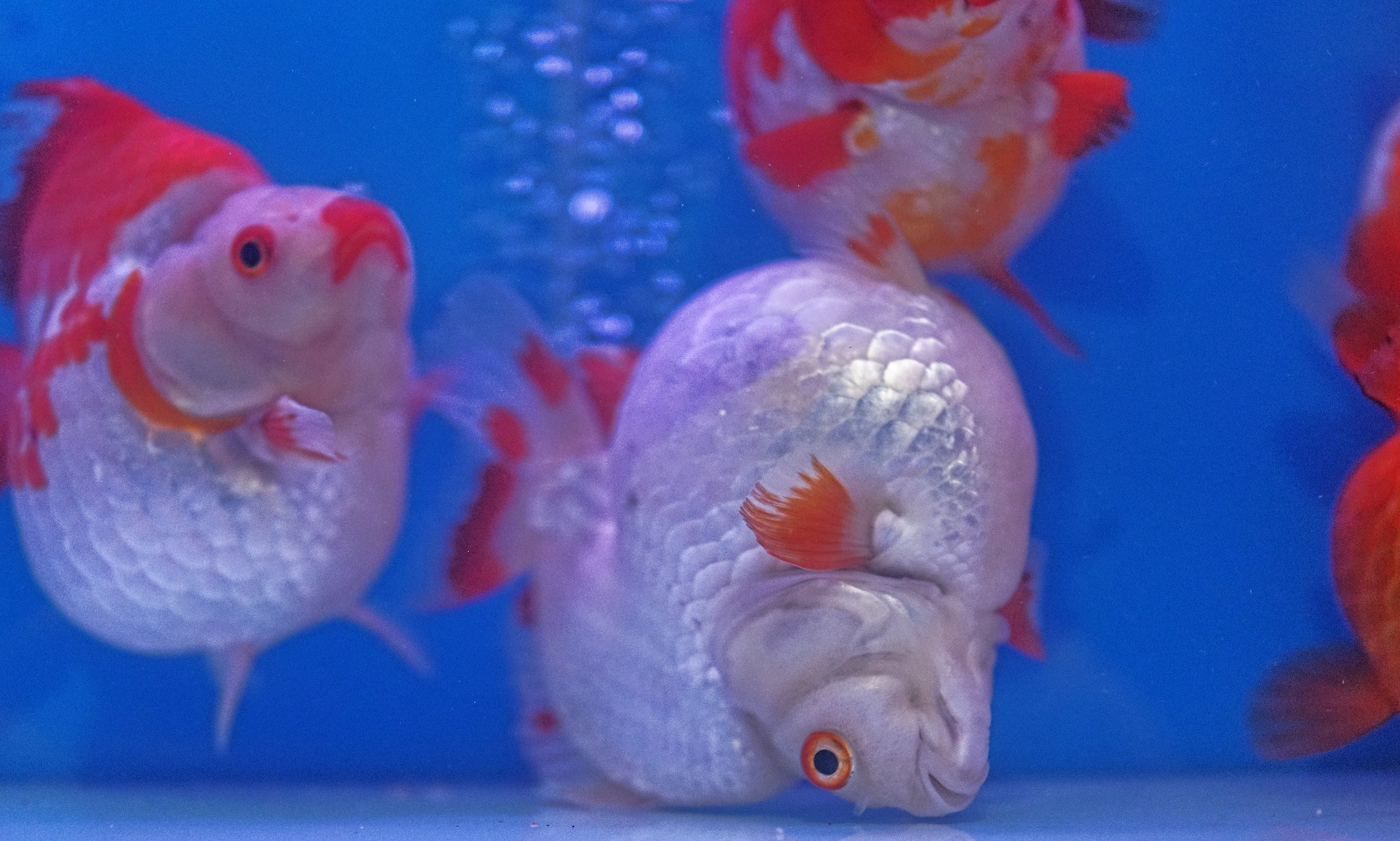
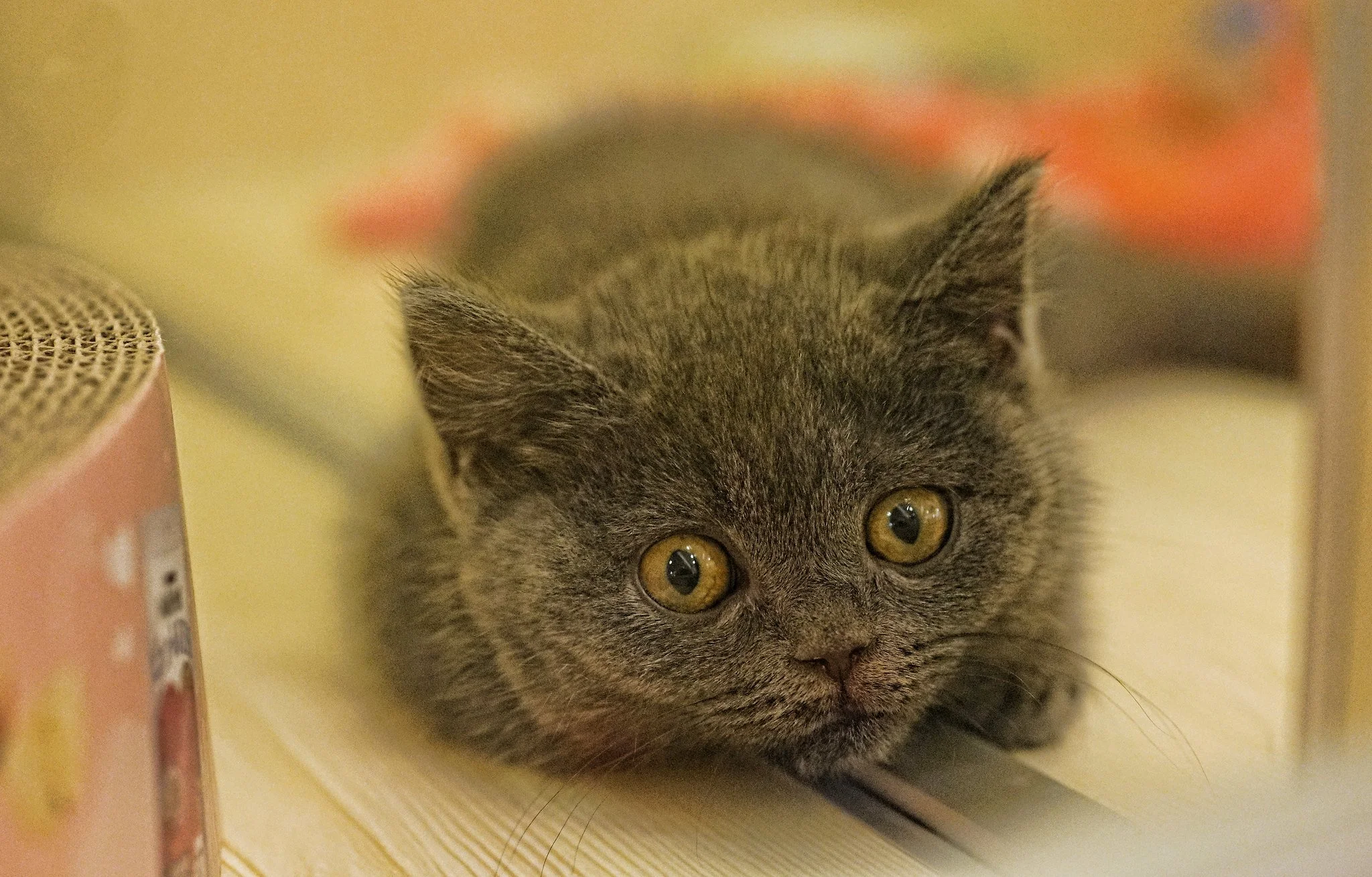
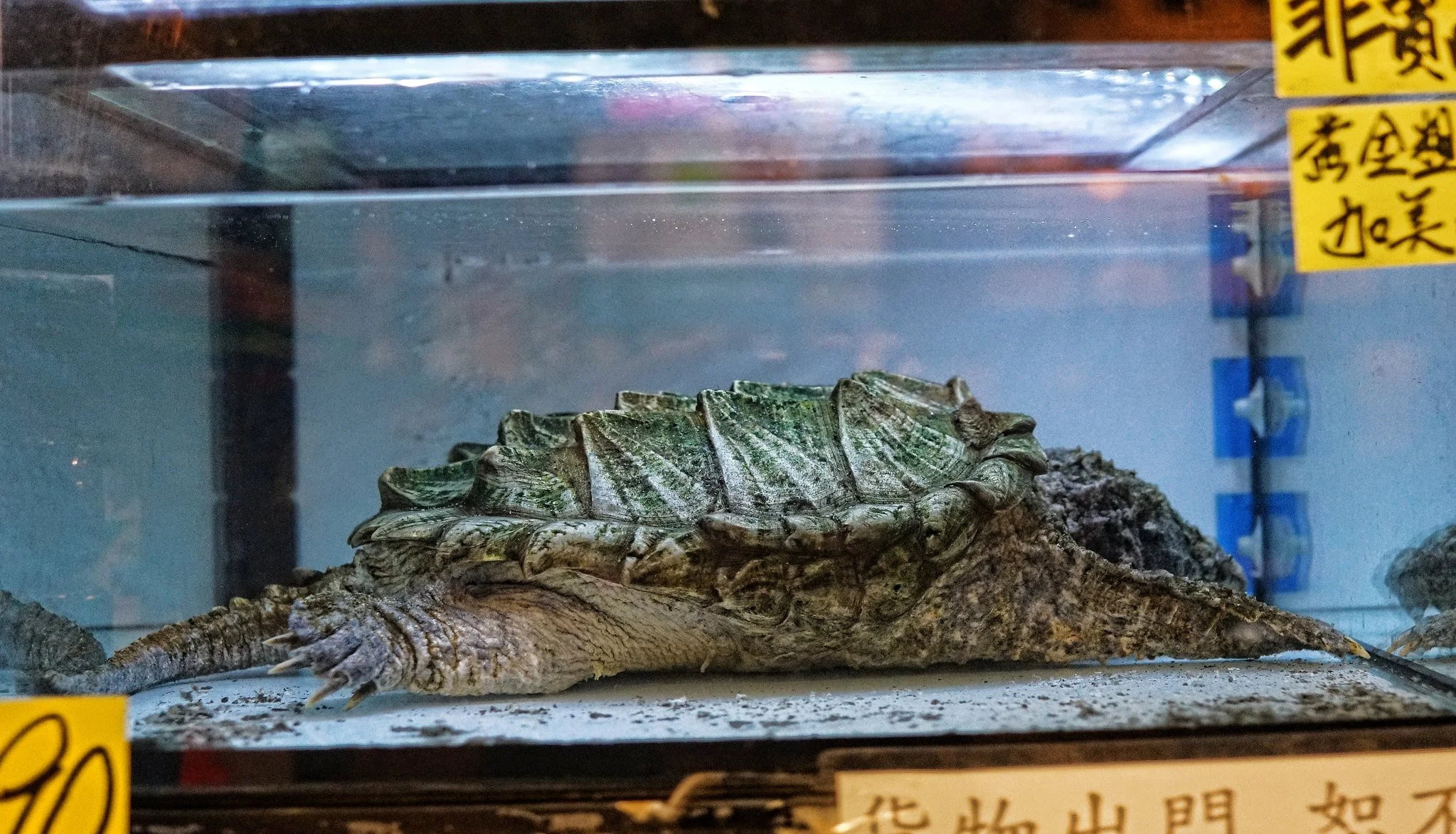

click on any image to enlarge
© Copyright Acknowledged | All rights reserved.| Image taken by Jamie
The Goldfish Market | What’s on offer, not just Goldfish! | Hong Kong
Current Status in 2025 going into 2026: Shops, Hours, and What's on Sale
In 2025, the Goldfish Market spans about 300 meters along Tung Choi Street North (from Bute Street northward), lined with compact, brightly lit shops that create a mesmerizing "aquarium on the street" vibe. There are approximately 40-50 shops and stalls, many family-run for generations, selling a wide array of items beyond just goldfish. Expect a sensory overload: bubbling tanks, oxygen-pumped plastic bags dangling like colorful ornaments, and the faint hum of filters.
Not just that, the actual road is a very busy road with a lot of traffic so you have to be careful, it is not like other markets (lie Temple Street and the Ladies Market which are closed to traffic most of the time)
Opening and Closing Hours: Most shops open around 10:00-10:30 a.m. and close by 7:00-9:00 p.m. daily, though hours vary slightly—some start earlier for wholesale. It's fully operational after 11:00 a.m., with evenings staying lively until closing.
What's on Sale: The core is ornamental fish, including goldfish varieties (like fancy oranda and ryukin), koi carp, tropical freshwater species (e.g., neon tetras, angelfish, butterfly fish), and rarer marine creatures like corals and anemones. You'll also find aquatic plants (e.g., Java moss, Amazon sword), custom aquariums in shapes like castles or sunken ships (even Finding Nemo-inspired setups), and supplies such as pumps, filters, gravel, driftwood, decorations, and fish food (including live insects like crickets). As a broader pet market, it now includes small mammals (rabbits, hamsters, guinea pigs), birds, and puppies in some spots.
Exotic Animals: Yes, several shops sell reptiles and amphibians, reflecting a rising trend among younger Hongkongers. Common offerings include turtles and giant tortoises, lizards, geckos, pumpkin toads, snakes (non-venomous species like corn snakes are popular with Gen Z for their "chill" low-maintenance appeal), jumping spiders, silkworms, and crabs. However, venomous or highly restricted species require special approvals, and stock varies—expect ethical sourcing emphasis in licensed shops, though welfare concerns persist for impulse buys.
I also have it on good authority that when it comes to Snakes, any deadly snake is available to purchase - Hong Kong has 14 known snakes venomous snakes 8 of whom that can kill you (and the hospitals have the anti venom.)
For some that is not enough, they want the deadliest snakes in the world, such as the Eastern Taipan and the Brown snakes from Australia and that really is risky as we do not have the anti venom and there has long
Hong Kong Venomous Snakes
It is funny how many visitors simply have no idea that Hong Kong has poisonous snakes, 75% of Hong Kong’s land area is green and rocky and snakes thrive (I have seen cobra’s at Victoria Peak)
One of the most common ones is the Green Bamboo Snake whilst NOT highly venomous it can still make you pretty sick and you cannot see the darn things until it bites your hand!
Hong Kong has 14 native venomous land snake species, according to the Agriculture, Fisheries and Conservation Department (AFCD). Of these, 8 species can deliver potentially fatal bites if untreated:
Banded Krait
Many-banded Krait
Chinese Cobra
King Cobra
Tonkin Pit Viper
Pointed-scaled Pit Viper
Coral Snake
Red-necked Keelback (via rear fangs)
The remaining 6 are mildly venomous and rarely cause severe effects. (tell that to the unlucky person that was bitten!)
Snakebite incidents average 100–150 per year in recent years, based on Hospital Authority data (e.g., 86 cases in 2022 and 135 in 2023). Most occur from the White-lipped Pit Viper (Bamboo Snake), often on lower limbs during warmer months.
Fatalities are extremely rare - no recorded deaths from native snakebites in over 30 years, thanks to prompt medical care.
Hong Kong hospitals stock antivenom primarily for the White-lipped Pit Viper (from sources like the Thai Red Cross), which covers the vast majority of significant envenomations. For rarer bites from highly dangerous species (e.g., cobras or kraits), specific antivenoms are available or can be administered as needed, with overall treatment highly effective (most cases involve supportive care and monitoring). Not every mildly venomous species requires or has dedicated antivenom, as their bites rarely cause severe systemic effects.
.. and if you are bit out in the boonies, they will send a helicopter to get to the nearest hospital
click on THE image to enlarge
© Copyright Acknowledged | All rights reserved.| Image taken by Jamie
The Goldfish Market | A HK Native snake, the venomous Bamboo Snake | Hong Kong
Illegal importation of dangerous pets - yes, it is pretty common
There is evidence and expert-supported anecdotes indicating that some Hong Kong residents have illegally imported baby crocodiles (particularly Siamese crocodiles) and, to a lesser extent, venomous snakes for exotic pet purposes. Hong Kong has no native crocodilians, and importing endangered species like most crocodiles or highly venomous reptiles requires strict permits under CITES regulations and local laws; unauthorized imports are illegal.
Crocodiles and Alligators
Multiple incidents involve crocodiles found in the wild or urban areas, widely attributed by reptile experts to illegal importation as small, cute babies for pets, followed by abandonment as they grow dangerous and large.
In 2023, a 1.9-meter female Siamese crocodile was captured in a New Territories village. Experts stated it was likely smuggled into Hong Kong as a pet (or for other uses like leather) and abandoned.
Similar cases occurred in 2012 (Tai Po), 2014 (Yuen Long), and 2019 (small crocodile in Bride’s Pool), all suspected to stem from the illegal pet trade.
The famous "Pui Pui," a saltwater crocodile captured in 2004 after months on the loose in Yuen Long, is also believed to have been an abandoned illegal pet.
These cases highlight a pattern: baby crocodiles (often Siamese or similar species) are reportedly sold online or smuggled, appearing appealing as novelty pets but becoming unmanageable.
Venomous Snakes
Evidence is more indirect but includes documented medical cases.
A 2018 study reviewed 15 exotic pet-related injuries/envenomations in Hong Kong hospitals, with 6 from snakebites (some causing major effects) and all severe cases linked to venomous exotic snakes kept as pets.
Hong Kong's exotic reptile trade is significant, with snakes popular among collectors, though highly venomous species are regulated or prohibited without special licenses.
Direct smuggling seizures into Hong Kong for these specific animals are rare in public reports, but the presence of non-native specimens and expert consensus point to illegal imports fueling the exotic pet market. Authorities and conservation groups note ongoing concerns with post-border reopening trade from mainland China.
Special licences or not the illegal trade thrives!
Detailed Instructions: Getting There by MTR
The Goldfish Market is easily accessible via Hong Kong's efficient MTR system, about a 5-10 minute walk from key stations in the bustling Mong Kok area. Here's how to reach it from major starting points (fares are cheap, around HK$5-10; use an Octopus card for seamless travel). Avoid rush hours (7-9 a.m., 5-7 p.m.) for less crowding.
From Central (Hong Kong Island, e.g., starting from IFC Mall or Star Ferry):
Enter Central MTR Station and board the Tsuen Wan Line (red) towards Tsuen Wan.
Ride 5 stops to Mong Kok (stops: Admiralty, Tsim Sha Tsui, Jordan, Yau Ma Tei, then Mong Kok; about 11 minutes total).
Exit via Exit B3 (look for signs to "Tung Choi Street").
Turn right onto a pedestrian bridge/overpass beside the exit—this leads directly over Nathan Road.
Cross the bridge, descend stairs on the far side, and head north (straight ahead) along Tung Choi Street for 200 meters. The market starts at the first cluster of aquarium shops near Park Lane Shopper's Boulevard—total walk: 5 minutes.
From Tsim Sha Tsui (Kowloon, e.g., near Harbour City):
Enter Tsim Sha Tsui MTR and board the Tsuen Wan Line (red) towards Tsuen Wan.
Ride 2 stops to Mong Kok (about 4 minutes).
Exit via Exit B3 (or E2 if B3 is crowded).
Follow steps 4-5 above: Cross the pedestrian bridge over Nathan Road, then walk north on Tung Choi Street to the market entrance.
From Prince Edward (if coming from the north, e.g., Sham Shui Po):
At Prince Edward MTR, board the Tsuen Wan Line (red) south towards Central.
Ride 1 stop to Mong Kok.
Exit via Exit E2 (east side).
Walk south along Argyle Street for 1 block, then turn right (west) onto Tung Choi Street and proceed south for 300 meters—the market is on your left.
Pro Tip: If lost, look for the Ladies' Market (south end of Tung Choi Street) as a landmark—the Goldfish Market is just north of it. Stations are air-conditioned and signposted in English/Chinese.
What to Expect, Shop Owners, and Interesting Anecdotes
You'll love the market's chaotic charm - narrow sidewalks packed with tanks glowing under blue and red lights, vendors chatting in Cantonese, and the occasional splash from a curious fish. It's much less touristy than Temple Street, more a local ritual. Shop owners are typically multi-generational aquarists: knowledgeable, passionate hobbyists who compete internationally, but straightforward and busy. They're friendlier in quieter moments (ask about fish care for rapport), though "NO PHOTO" signs are common to avoid stressing animals with flashes - respect this, or risk a polite scolding. Expect tiny outlets crammed with inventory, oxygen-bagged fish dangling like holiday ornaments (returned to tanks by day's end), and a mix of wholesale buzz and retail browsing.
I am never quite sure why they would stress no photographs, most of the shops and stalls are very brightly lit and there is no need to use a flash, I have never had an issue talking photographs.
Anecdotes about the Goldfish Market
In the 1970s, street vendors would haggle over buckets of fish at dawn, with deals sealed over steaming congee—now, those same families run neon-lit shops exporting globally.
One viral tale: A tourist once "adopted" a bag of fish, only to learn from the owner it was a "trial run" for feng shui compatibility—returned with a laugh and a discount on supplies.
Heart-tugging sight: Tiny turtles stacked in bowls, or spiders munching crickets - or my personal favourite, Scorpions!vendors joke they're "low-maintenance flatmates" for apartment life, but it sparks chats on ethical pet-keeping.
During Chinese New Year, shops overflow with red-and-gold koi, believed to "swim in wealth" for the year ahead.
Safety Concerns
Mong Kok is vibrant but crowded - pickpocketing is a low risk problem in tourist spots, (Police Patrols are common and many officers are in plain clothes and yes, they carry guns) so use a money belt and keep bags zipped. Animal welfare is a bigger ethical concern: Fish in bags can stress easily (avoid prolonged handling), and exotic pets like snakes need experienced owners to thrive in humid Hong Kong
No major health hazards, but wash hands after touching tanks, and steer clear if allergic to strong fishy odors. In 2025, post-pandemic hygiene is improved with more sanitizers. For families, watch kids near glass tanks to prevent slips.
Payment Methods and Bargaining Techniques
Cash (HKD) in small bills/notes is king—most outlets don't take credit cards or Octopus cards, though larger pet stores might. ATMs are plentiful nearby. There is no harm in asking to pay by electronic means and make sure you get a receipt
Bargaining is expected and fun, especially for bulk buys or supplies (less so for live animals, where health trumps price).
Techniques:
Bear in mind that this is NOT a market like the Ladies Market or the Temple Street Night Market, this is a market that deals in live animals
Start at 50-70% of the asking price with a smile—e.g., if a tank is HK$500, offer HK$300. (no harming in asking, all part of the experience)
Some will say that you can use polite Cantonese phrases like "Duk si bit?" (How much cheaper?) or feign walking away to prompt counters.(in my experience this is pointless as the tonal nature of Cantonese likely means you have called thes shopowners mother a very rude word) still to English, most locals know a lot more than they let on
Bundle items (fish + food) for better deals; mornings yield friendlier hagglers with fresher stock.
Be patient and respectful - vendors appreciate genuine interest over aggressive pushing. Aim for 10-30% off; it's a social dance, not a battle.
Best Time to Visit
For immersion, late afternoon to evening (4 - 8 p.m.) when tanks illuminate like jewels and locals flock - perfect for anecdotes and energy. For relaxed browsing and owner chats, weekday mornings (10 a.m.-noon) beat weekend crowds. Avoid midday heat during the summer (Hong Kong has 6 months of the year of perfectly pleasant weather and up to 6 months of hot, humid and rainy weather) Hong Kong does NOT have a tropical climate like Singapore!
Street Food Availability
The Goldfish Market itself has minimal vendors (a few carts ‘ stalls and shops with fish balls or egg waffles), but Mong Kok explodes with options nearby. Walk 2 minutes south to Ladies' Market for curry fish balls (HK$20), stinky tofu, or pineapple buns—greasy, glorious street eats under neon signs. For a full tour, pair with dim sum at One Dim Sum (5-minute walk, Michelin-starred bites like siu mai). No dedicated food zone, but it's a hop to Mong Kok's night market classics.
Why Hong Kongers Love Goldfish and Exotic Pets
Goldfish aren't just pets - they're feng shui talismans. In Chinese culture, "goldfish" (jin yu) evokes "abundant surplus" (yu), symbolizing wealth and flow; their golden hue and swimming mimic prosperity's current. Traditional setups (eight red/orange fish for luck + one black for balance) harmonize the five elements (water for fortune), warding off misfortune in cramped apartments. Kept for generations in homes, restaurants, and offices, they're low-space stress-relievers—therapeutic bubbles amid urban hustle.
Exotic pets like snakes or lizards surged post-2010s: Gen Z favors "chill" reptiles (snakes need minimal space, no walks) over needy dogs in tiny flats. 2025's Year of the Snake boosted sales, blending trendiness with symbolism (snakes for transformation). Yet, experts warn of abandonment - HK's space crunch amplifies impulse buys, but cultural thrift tempers it.
Government Policy Towards the Goldfish Market in Hong Kong
Hong Kong's Agriculture, Fisheries and Conservation Department (AFCD) regulates pet markets under the Public Health (Animals and Birds) (Trading and Breeding) Regulations (Cap. 139B), requiring an Animal Trader Licence (ATL, HK$3,780 initial fee) for commercial sales of animals not kept as personal pets. Fish trading falls under this if wholesale | commercial (no specific fish exemptions, but low-risk), while exotics like snakes, lizards, turtles require ATL plus welfare compliance: clean enclosures, no escapes, and antivenin for risky species. Endangered ones need CITES permits (Cap. 586). Unlicensed trading fines hit HK$100,000; ads must show licence numbers.
For Goldfish Market, policies promote welfare (no diseased sales, age minimums) without banning—it's a licensed cultural hub. Recent pushes (2023 surveys: 80% support tighter exotic controls) address illegal trade and abandonment, with calls for better inspections. Exports need health certificates (apply 10 days ahead). Overall, supportive yet evolving: ethical trade encouraged, but crackdowns on unlicensed exotics ramped up in 2025 amid global scrutiny.
Buy from licensed shops (check for AFCD stickers) to support sustainability.
… and the reality is a lot simpler than you think in Hong Kong, if you are a resident and want to buy a pet (most tourists just want to look) no animal is off the table, licences are a minor hurdle and anything is available at the right price and I am sure that, that mantra is a worldwide thing.
I do not do food tours
I am pleased to say a lot of Food Tour Companies will have egg tarts and egg puffs on their tasting menu
I have very specific reasons and part of it is that I do not speak Cantonese or write Chinese, I am from Yorkshire in England and I lack the language gene and it is not through lack of trying and yes a lot of restaurants do not have English menu’s or staff who speak conversational English.
.. and yet I have eaten at close to 1,400 restaurants in Hong Kong since January 2nd 1972, my wife was born in Hong Kong and we have been together over 40 years and her first language is Cantonese and a lot of her family are Chinese or half Chinese so I have never had much of an issue!
This does not translate to doing food tours though, yes, I could do them, no problem there but they would never ever be as good as the food tours done by my friends (see the 3 links above) most of their awesome guides are locally born Hong Kong Chinese and obviously food culture is part of their DNA, it is impossible for me to compete with that!
So please feel free to contact them for food tours
© Jamie Lloyd | J3 Consultants Hong Kong | J3 Private Tours Hong Kong |
| 2010 - 2026 All rights reserved. |
Click on any image to enlarge to full screen
Current images from my Instagram feed