The Flower + Bird Markets Hong Kong - How To Get To Guide
A Detailed Market History, What’s On Offer + Transport Tips

The J3 Group - Premium Quality Private Tours | Experiences and Insider Chats since 2010
Me Jamie, your host, I am English and I have lived in Hong Kong since January 2nd 1972 - I know the place.
A meaningful blog post with a difference - tips on Travel, Tourism, Tours, Daily Life and my personal thoughts on Hong Kong.
Please do visit Amazing Hong Kong
Hong Kong | Pearl of the Orient
Customised Private Tours + Experiences in Amazing Hong Kong
Jamie has lived in Hong Kong - Pearl of the Orient for 50+ years
Carefully Crafted Personalised and Customised Itineraries by Jamie | Hong Kong’s Most Experienced Private Tour Guide for : Solo Travellers Friends Families Seniors Couples Business People MICE Delegates.
Private Tours Cultural Tours Walking Tours Sightseeing Tours City Tours Night Tours Layover Tours Transit Tours Private Shore Excursions Bespoke Tours Personalised Tours Jewish Heritage Tours Luxury Private Tours Day Tours Luxury Boat Tours Themed Tours Private Family Tours Private Day Tours Corporate Tours
Just you, your family or friends and Jamie your personal English private tour guide - over 2,400+ tours completed since 2011 - Jamie offers quality Private Tours of Hong Kong
Tour Group Size 1 - 6 people only
J3 Group Hong Kong | J3 Consultants Hong Kong | J3 Private Tours Hong Kong
Creating Memories That Will Last A Lifetime
Go here for the Hong Kong Michelin Restaurant Guide which includes the Bib Gourmand Category

The Flower + Bird Markets Hong Kong - How To Get To Guide
A Detailed Market History, What’s On Offer + Transport Tips
click on the image to enlarge
© Copyright Acknowledged | All rights reserved.| Image taken by Jamie
The Flower + Bird Markets | How To Get To Guide | Hong Kong
The History and Evolution of these iconic day and early evening markets in Hong Kong : For curious visitors who want to explore Hong Kong’s vibrant Street Market scene
Visiting the vibrant market scene in Hong Kong
I always enjoy going to the major markets in Hong Kong, there are 5 of them and for some peculiar reason they are in Kowloon and not on Hong Kong Island ( my favourite historically was the Poor Mans Night Market near the Macau Ferry Terminal on Hong Kong Island which closed decades ago..
There are quite a few markets on Hong Kong Island including Stanley Market but for some reason they do not have the popularity of the big markets in Kowloon
As much as I visit these markets quite often people might like to do them on day 2 of their visit or visit the most popular ones (the Ladies Market and the Temple Street Night Market at night time when they close at around 11pm (ish)
These guides provide information and history about the markets with tips about transport options to get there, which is pretty straight forward using the MTR which is our world class subway system
To be honest, it is not somewhere I take guests these days and my reason is very simple, a lot of my guests simply thought it was not worth the time or interesting enough and it did not fit the mental picture of what a flower market should be like,
I could not agree more in many respects, it is also a hefty walk from the nearest subway station
On the other hand it is part of Hong Kongs history and Hong Kong people lover the place! the vast majority of Hong Kong residents (myself included) live in apartments (and yes, we have loads of house plants) a garden is for those well off people!
In essence the market for me is too small and is not an enclosed market, it is basically anywhere from 100 - 120 shops at ground floor level covering spread over a couple of blocks and there is no doubt it is a riot of colour but for me personally, (other than at Chinese New Year when it is jammed for a week) it does not have a market atmosphere, the sidewalks are narrow and you have to be mindful of traffic and you can spend a lot of time dodging cars, trucks and vans
I am hoping that the revamp (see below) gives it more of a market feel and expands the scope of it
The Flower Market in Hong Kong
The Flower Market, centered on Flower Market Road (花墟道) in Mong Kok, is one of Hong Kong's most iconic street markets, blending commerce, culture, and urban vibrancy. Below is a comprehensive overview based on your request.
10 Compelling Reasons to Visit the Flower Market (Mong Kok Flower Market Road) in Hong Kong in 2026
Vibrant Sensory Experience - Immerse yourself in a kaleidoscope of colors and intoxicating fragrances from thousands of fresh-cut flowers, potted plants, and exotic blooms like orchids and roses.
Incredible Variety and Affordability - Discover an astonishing range of flowers, from seasonal favorites to rare species, at wholesale prices that make it a budget-friendly paradise for plant lovers.
Cultural Insight - Gain a window into Hong Kong's living heritage, with auspicious plants like kumquat trees and orchids symbolizing prosperity and refinement in Chinese tradition.
Peak Festivity During Chinese New Year - Time your visit around Lunar New Year (February 2026) for an explosion of activity, as the market becomes even more crowded with festive blooms and decorations.
Perfect for Photography - Capture stunning shots of colorful stalls, intricate arrangements, and bustling local life in this photogenic urban oasis.
Houseplant and Gardening Haven - Shop for bulbs, seeds, bonsai, air-purifying plants, and gardening tools to bring a piece of Hong Kong greenery home.
Authentic Local Atmosphere - Experience a less touristy side of Mong Kok, mingling with locals in a lively, aromatic street market away from the main shopping frenzy.
Morning Freshness - Visit early in the day for the freshest selections and a quieter vibe before the crowds arrive.
Easy Accessibility - Conveniently located near Prince Edward MTR station, making it simple to combine with nearby attractions.
Year-Round Appeal - Open daily, it's a reliable spot for floral therapy and unique souvenirs, with seasonal highlights throughout 2026.
Detailed History
The market's roots trace back to the late 19th century during the British colonial era, when European residents traded ornamental blooms with local farmers from the New Territories. This early exchange merged Western floral interests with traditional Chinese horticulture, focusing on seasonal flowers like gladiolus, lilies, chrysanthemums, ginger lilies, lotuses, and peach blossoms—especially for Lunar New Year celebrations. By the 1970s and 1980s, as Hong Kong's economy shifted from agriculture to trade, local farmers largely exited cultivation and became speculators, with merchants relocating to Flower Market Road to form a wholesale hub. Initially, more than 50 plant shops clustered here, purchasing stock for citywide florists.
The market evolved into a public destination in the 1990s, boosted by the annual Hong Kong Flower Show at Victoria Park and Chinese New Year Fairs, (and they really do have an atmosphere and are proper markets) where vendors showcased their wares and drew crowds back to the street. Limited living spaces in high-rises spurred demand for compact potted plants, seeds, and fertilizers, making balcony gardening a staple. In the 2000s, affordable orchid hybrids from mainland China greenhouses democratized luxury blooms, turning them from expert-only items into everyday houseplants. Unlike temporary-stall markets, Flower Market Road has always featured permanent shop fronts, shielding it from frequent relocations (e.g., unlike the nearby Bird Market). Today, it spans Flower Market Road, Sai Yee Street, parts of Prince Edward Road West, and Playing Field Road, with between 100 - 120 shops serving locals, tourists, and feng shui enthusiasts year-round.
Approximate Number of Stalls/Shops
It varies between 100 - 120 permanent shops across four streets, focused on plants and related goods (not temporary stalls).
Opening and Closing Hours
Most shops operate daily from 9:30am to 7pm (some until 7:30pm), seven days a week, including public holidays. They close on the first day of Chinese New Year. Hours can vary slightly by vendor, with some opening as early as 7am for wholesale buyers.


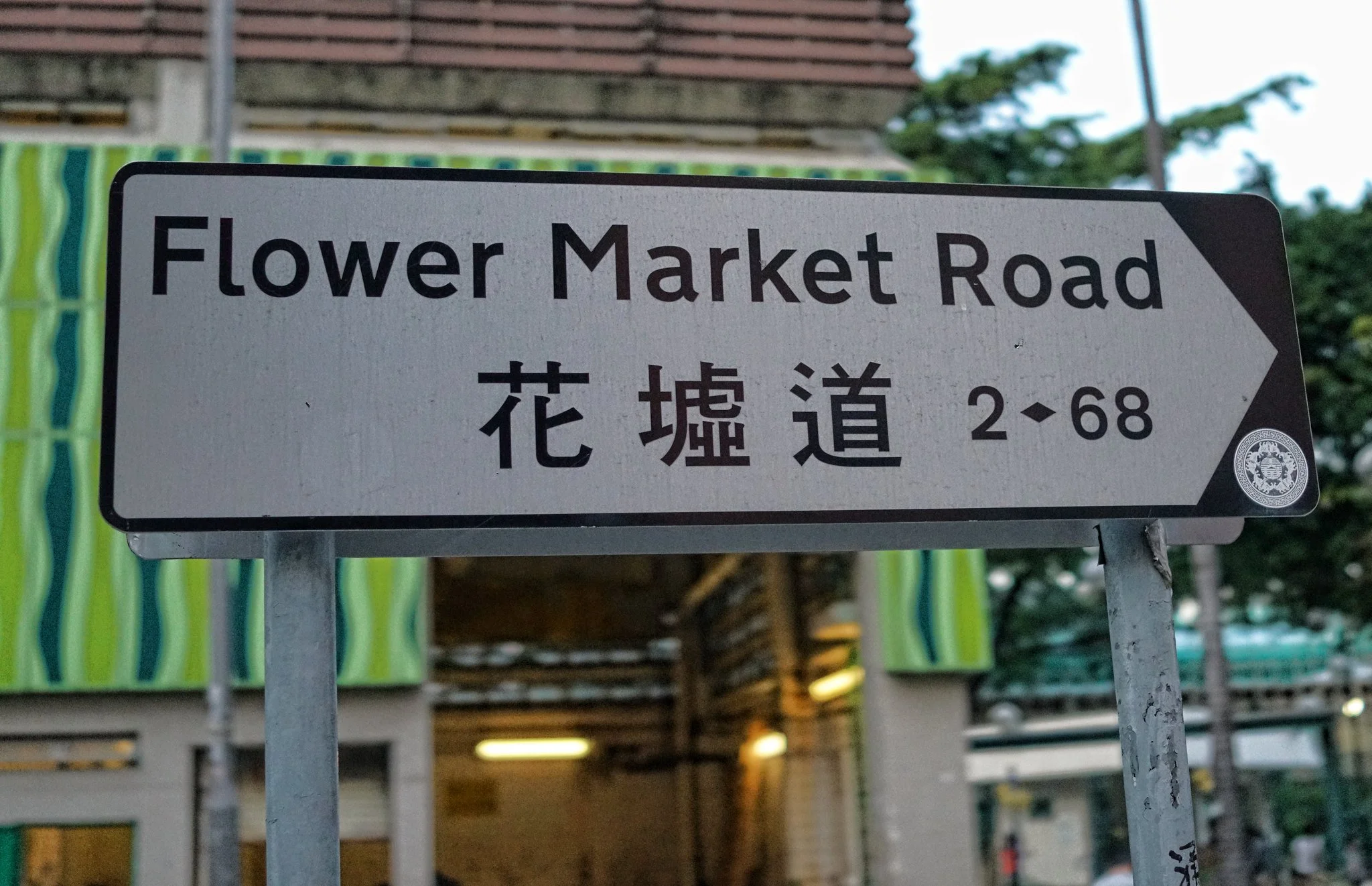
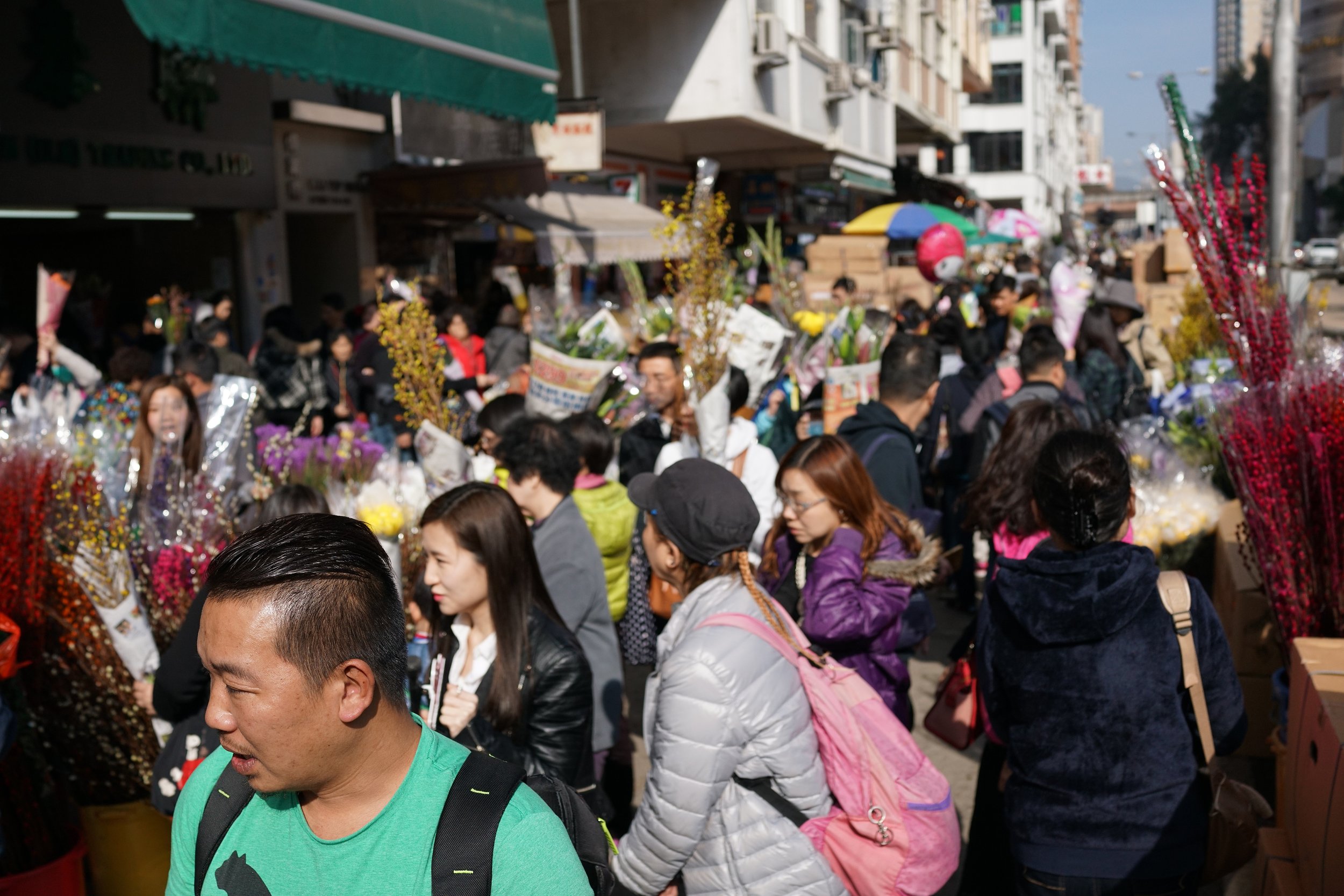
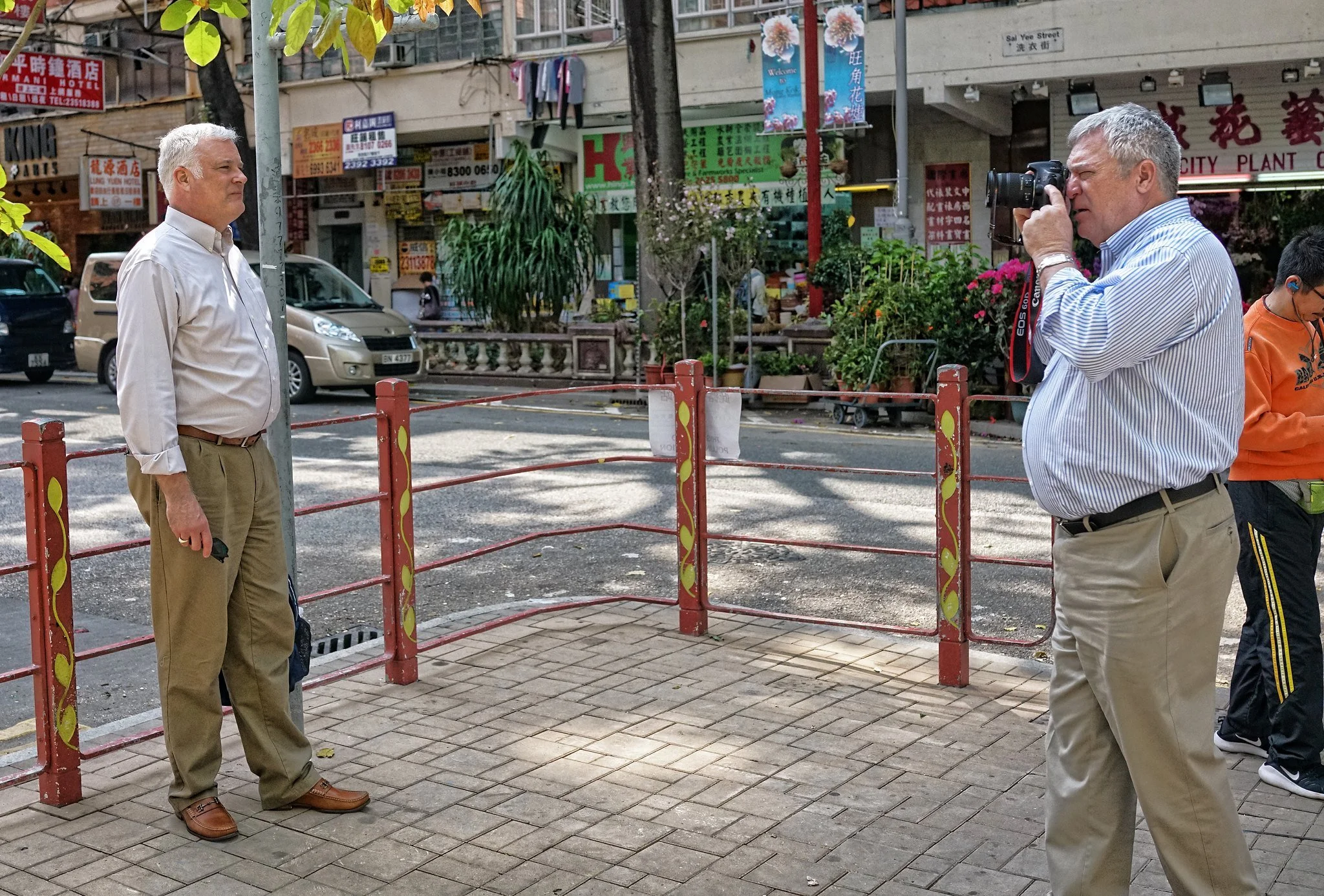
click on any image to enlarge
© Copyright Acknowledged | All rights reserved.| Image taken by Jamie
The Flower + Bird Markets | Great for Photo’s | Hong Kong
What's on Sale
The market is a riot of color and scent, offering:
Fresh flowers (e.g., carnations, Australian natives, orchids, wholesale bunches from HK$30).
Pre-made bouquets and dried arrangements.
Potted plants (indoor/outdoor, hanging varieties like string-of-pearls, pothos, air plants).+ insect eating plants!
Bonsai, fruit trees, and houseplants.
Artificial flowers and floral gifts.(loads if these in our apartment)
Gardening essentials: pots, vases (various shapes/sizes), potting soil, fertilizers, tools, seeds, and bulbs.
Garden decorations, courtyard furniture.
Safety Concerns
Mong Kok's dense crowds make the market generally safe but prone to pickpocketing, especially during peak hours or festive periods like Chinese New Year. Keep valuables in front pockets or money belts, avoid flashing cash, and stay alert in jostling bargain crowds. No major violent incidents are reported, but petty theft surges in busy markets (up 22% in past festive seasons). Wheelchair access is available but challenging due to narrow paths.
There are Police Patrols ( Uniform and Plain Clothes) but as usual, if there was a problem with picl pocketing it would be in the news and it is not, plus these days CCTV cameeras are everywhere!
Comments About the Shop Holders and What to Expect
Shop holders are often multi-generational family operators, deeply embedded in Hong Kong's floral trade—e.g., Wah King Garden Arts has propagated plants since 1983, with nurseries spanning Hong Kong and mainland China. Vendors pride themselves on blemish-free, immaculately conditioned stock, reflecting meticulous care amid urban constraints. Expect a maze-like warren of narrow streets alive with hawkers calling out deals, the hum of Cantonese chatter, floral perfumes mingling with street food aromas, and occasional feng shui consultations. It's sensory overload: vibrant colors against gritty concrete, locals haggling over peach blossoms for prosperity, and tourists snapping photos. The atmosphere is welcoming yet chaotic- polite smiles from elders tending rare orchids contrast with pushy sales pitches.
The level of English is fine, there is always someone in the shop that speaks excellent English
Payment Methods
Cash (Hong Kong dollars, small denominations) is king—most vendors prefer it for quick transactions and better prices. Some larger shops accept Octopus cards or credit cards, but expect surcharges or reluctance for small buys. No widespread mobile payments like Alipay for tourists but this will change rapidly in 2026
Bargaining Techniques
Bargaining is expected and adds to the fun - vendors quote high to haggle down. Start by noting prices across 3-4 shops, then offer 30 - 40% of the asking price (e.g., HK$100 bouquet? Counter with HK$40-50). Smile, use humor, and learn basic Cantonese flower names (e.g., "mòh guk" for orchids) to build rapport and unlock deals. Best leverage: Buy in bulk or visit near closing (6-7pm) when sellers clear stock to avoid waste. Politely walk away if needed—they'll often call you back with a better offer. Patience wins; aggressive pushing backfires.
I am being polite by suggesting you learn basic Cantonese, do not, it will not do you any favours, that simple phrase you think you have mastered, well Cantonese is a tonal language, get the tone | pitch slightly wrong and you could end up saying very rude things about their mothers! After 54 years of living here I speak from experience, they have zero expectations that any foreigner can master Cantonese and for heavens sake do not speak Mandarin to them!
Best Time to Visit
Early morning (9:30-11am) for the freshest blooms, fewer crowds, and wholesale energy. Avoid midday lunch lulls (some shops close briefly) or weekends post-noon for peak chaos. Closing time (6-7pm) suits bargain hunters.
Interesting Anecdotes
Farmer-to-Merchant Shift: In the 1970s, as farmland dwindled, farmers like those on what became Flower Market Road voluntarily vacated stalls, only for opportunistic flower shops to flood in—pushing growers to the "margins" and birthing the modern market. One elderly vendor recalls his family's pivot: "We grew lilies; now we sell dreams in pots."
Orchid Revolution: A 2000s shopkeeper's tale of sourcing "miracle" hybrids from Shenzhen greenhouses turned a HK$500 rarity into a HK$50 staple, sparking a citywide "orchid fever" where apartment-dwellers treated them like lucky charms.
Bargain Symphony: Street sounds form an "eternal jostle" - low whirs of negotiation under sirens, where a single "dīk gā" (cheaper?) can drop prices 20%, as captured in local audio ethnographies.
Vendor lore abounds in interviews: One entrepreneur started with a single pushcart in the 1980s, now runs a chain, crediting the market's "spirit" for surviving typhoons and SARS and not forgetting Covid.
Government Policy Towards the Flower Market
The Hong Kong government views the market through its urban renewal lens, promoting it as cultural heritage while prioritizing modernization under the Urban Renewal Authority (URA) Ordinance. Policies emphasize balancing preservation (e.g., feng shui integration, seasonal events) with "4R" strategies (redevelopment, rehabilitation, revitalization, preservation). It's tied to broader initiatives like the "Shining City Project" for green urban spaces and the District Study for Yau Ma Tei and Mong Kok (YMDS), which recommends enhancing vibrancy without erasing character. Subsidies support floriculture via the Agriculture, Fisheries and Conservation Department (AFCD), but trade shifts to imports reflect laissez-faire economics. Recent backlash highlights tensions: Former leaders decry "soul-loss" from commercialization.
Update and Concise Details on the Government Revamp Underway
When It Started: Announced March 2024; project commenced same month under URA's YTM-013 scheme.
What's Involved: Redevelops aged buildings into mixed-use (1,350 residential units, retail expansion for Flower Market precinct); creates "Waterway Park" as a green "flower viewing hotspot" with blue-green features, pedestrian links, and "Park n’ Walk" trails; adds underground parking, multi-purpose community/sports facilities; rehabilitates back lanes as a "Third Street" for vibrancy. Aims for "Single Site, Multiple Use" per 2023 Policy Address.
Completion Date: Targeted for 2035/2036. Public opposition focuses on eroding the market's "unique ambience," with the Town Planning Board approving it in February 2025 despite protests.
So in a nutshell, because of demolitions and renovations to many buildings, it will be a building site for the next 10 years!
The Bird Market (Yuen Po Street Bird Garden) in Hong Kong
Adjacent to the Flower Market and the entrance to me is on Flower Market Road (a short walk via Yuen Po Street), the Bird Market - officially Yuen Po Street Bird Garden—is a serene contrast: a 3,000 sqm Chinese-style garden park (sounds huge but it isn’t) where locals flaunt feathered companions. It shares Mong Kok's bustle but feels like a hidden oasis.
10 Compelling Reasons to Visit the Bird Market (Yuen Po Street Bird Garden) in Hong Kong in 2026
Unique Cultural Tradition - Witness the centuries-old Cantonese custom of "walking the birds," where elderly locals bring their songbirds in ornate cages for fresh air and socializing.
Beautiful Traditional Chinese Garden Setting - Stroll through a peaceful, classically designed park with moon gates, courtyards, and delightful bird chirps as a serene escape from urban hustle.
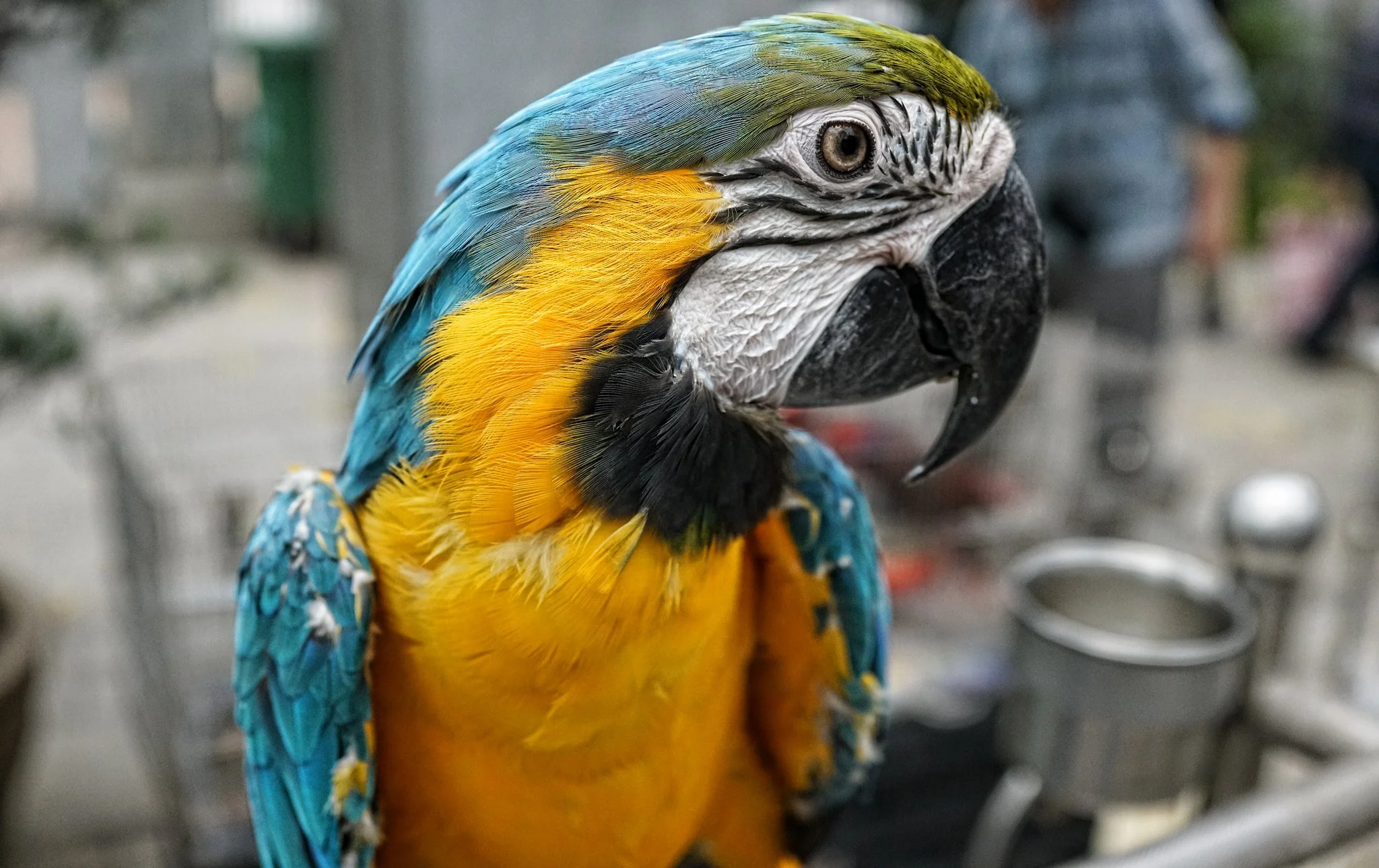
Diverse Avian Displays - Admire a wide variety of songbirds, parrots, and exotic species in handcrafted cages, showcasing intricate Chinese craftsmanship.
Glimpse into Local Life - Observe bird enthusiasts chatting, comparing pets, and enjoying this cherished hobby that preserves Hong Kong's heritage.
Handcrafted Accessories - Browse exquisite bamboo cages, ceramic feeders, and bird supplies, many made with traditional techniques.
Excellent Street Photography Opportunities - Capture candid moments of owners with their birds, vibrant cages, and the garden's charming architecture.
Proximity to Other Markets - Easily pair your visit with the adjacent Flower Market or nearby Goldfish Market for a full Mong Kok cultural immersion.
Early Morning Vibrancy - Arrive early to see the most activity, with locals gathering and birds at their liveliest.
Free and Relaxed Attraction - Enjoy this open-access garden daily from 7am to 8pm, perfect for a leisurely, low-key cultural experience.
Preserved Heritage Spot - Visit a relocated "Bird Street" that maintains an authentic slice of old Hong Kong amid modern development.
Detailed History
Bird-keeping traces to the Qing Dynasty (1644-1912), a scholarly pastime symbolizing refinement—gentlemen strolled with caged songbirds for "morning exercises." Hong Kong's scene boomed in the 1980s with over 80 stalls on Hong Lok Street, drawing enthusiasts for exotic trades. Relocated in 1997 to Yuen Po Street (built by the Leisure and Cultural Services Department as a traditional garden), it preserved the ritual amid urban sprawl. Post-1997, it became a tourist draw, though declining interest in live birds (due to welfare laws and space constraints) shifted focus to accessories. Today, it's a cultural relic, with government support for heritage amid calls for stricter trade regs.
Approximate Number of Stalls/Shops
Over 70 stalls in the garden, plus nearby street vendors.
Opening and Closing Hours
Daily 7am to 8pm; inner garden stalls may open later (8-9am), with some closing early if stock sells out.
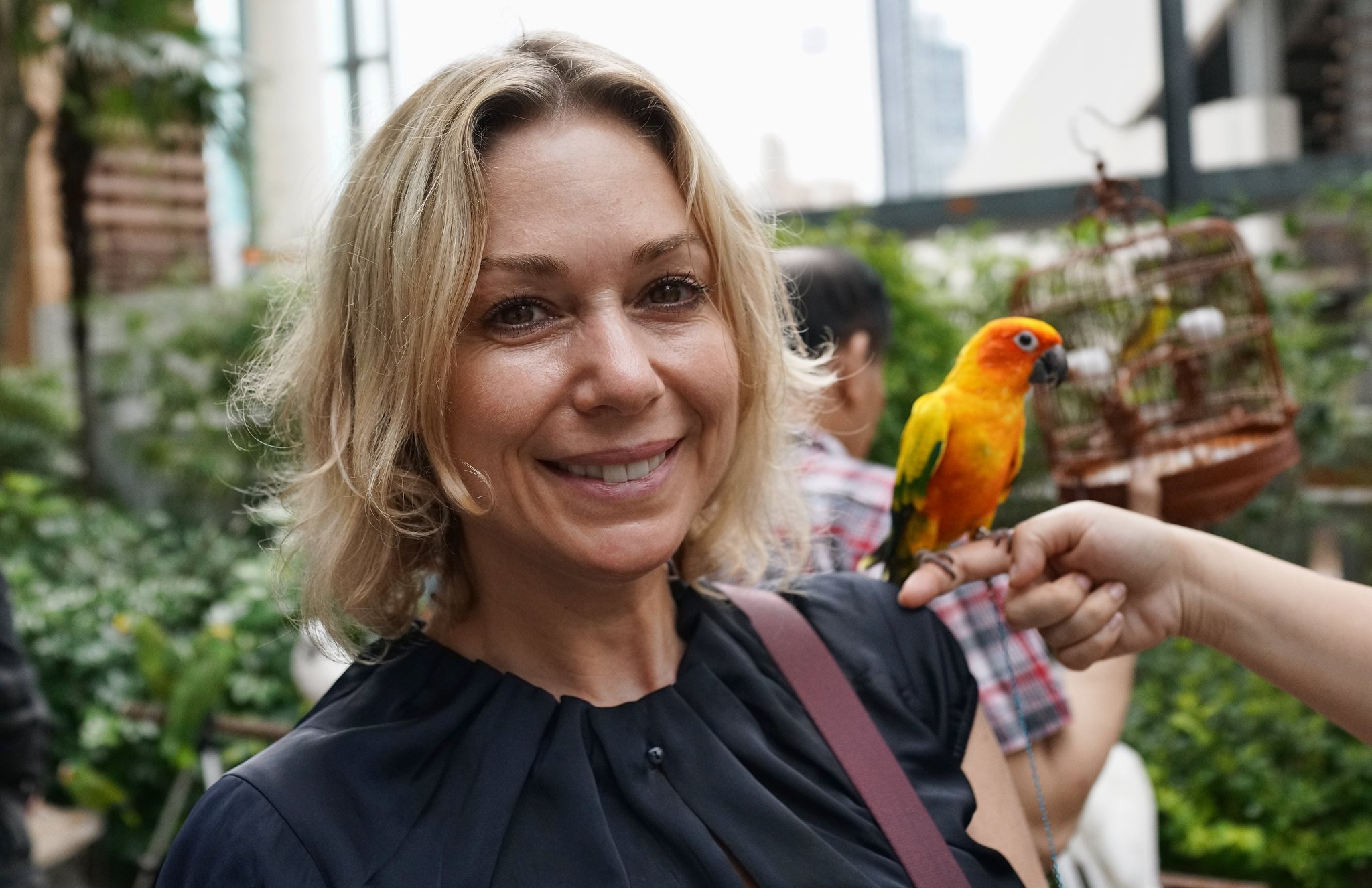
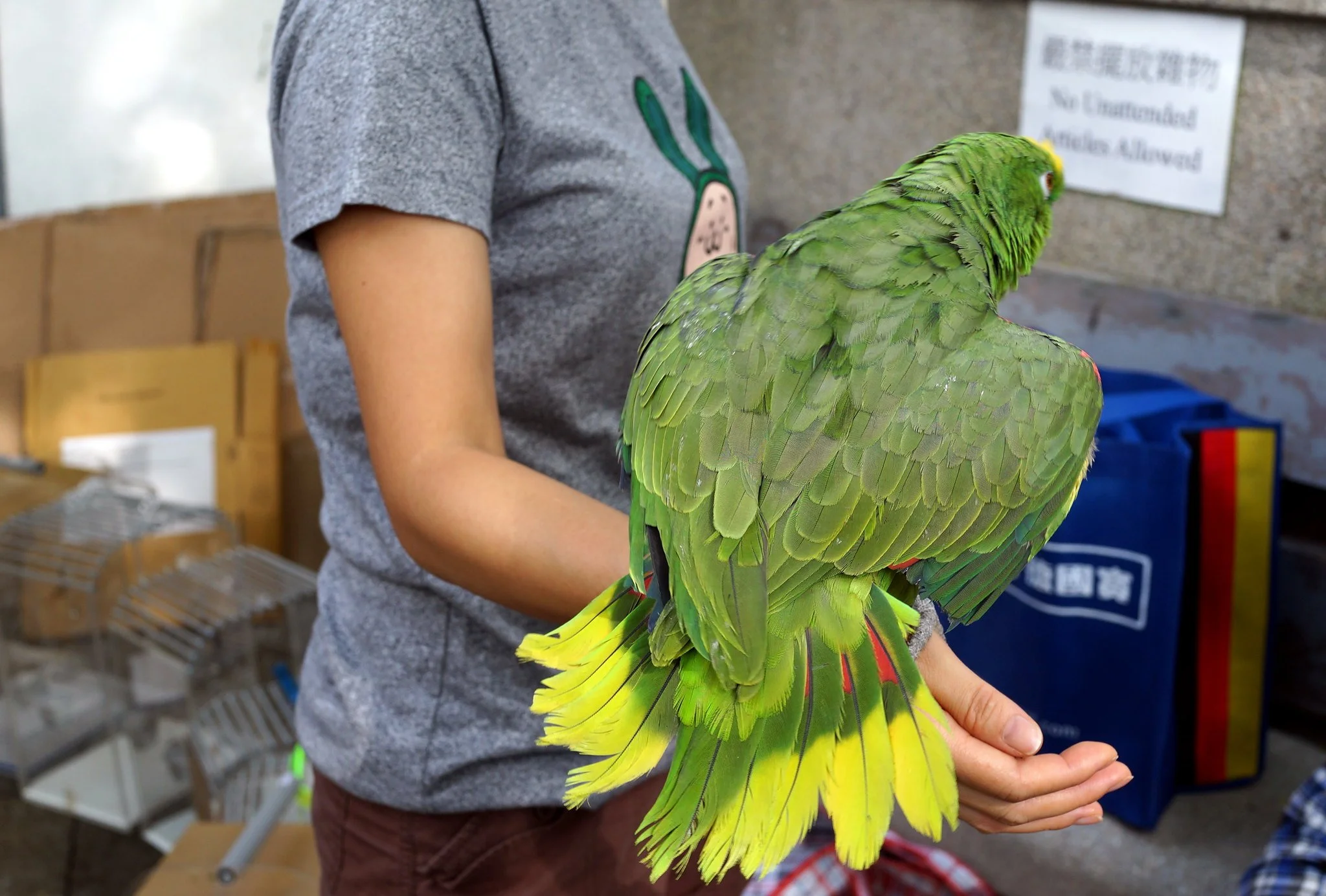
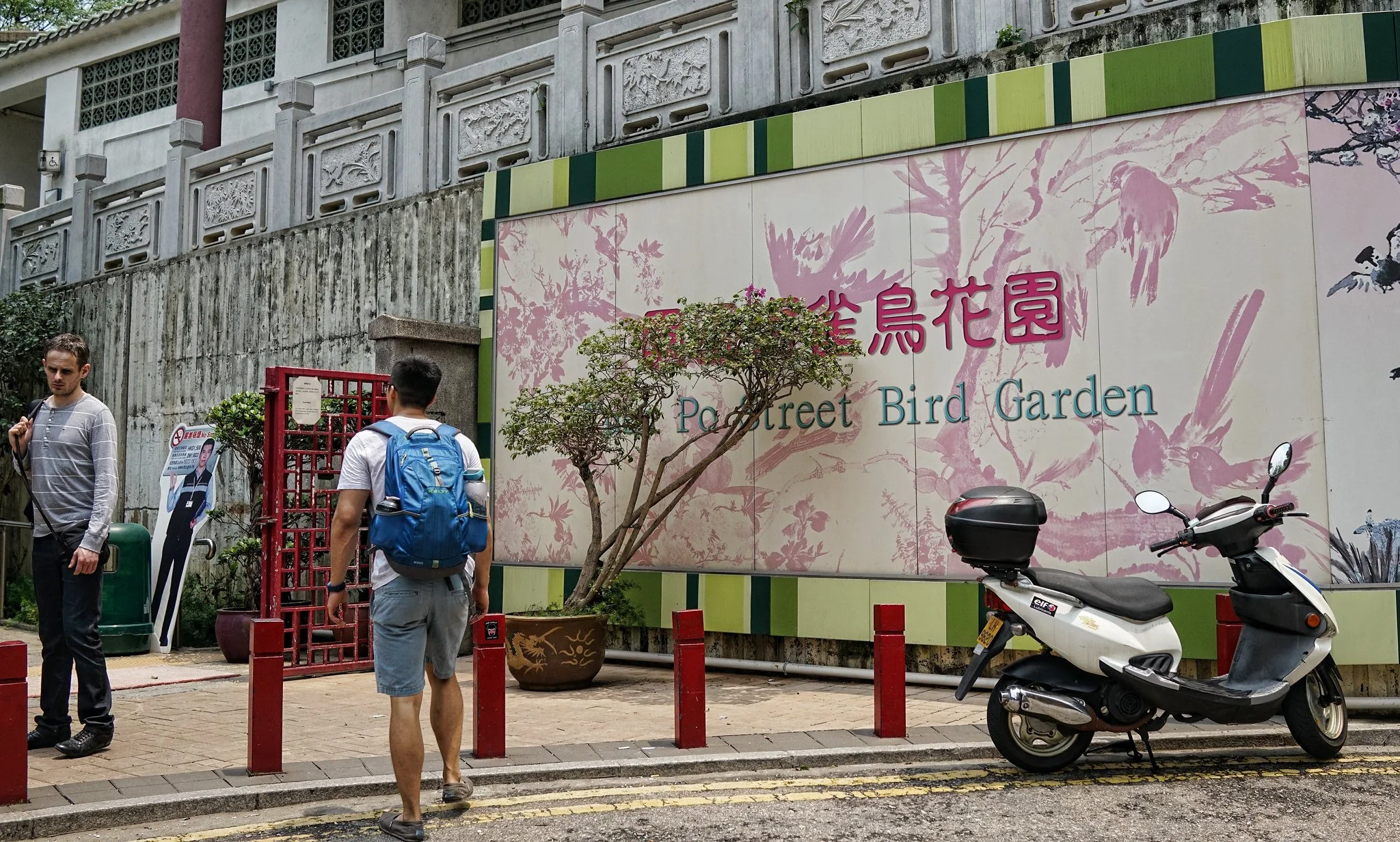
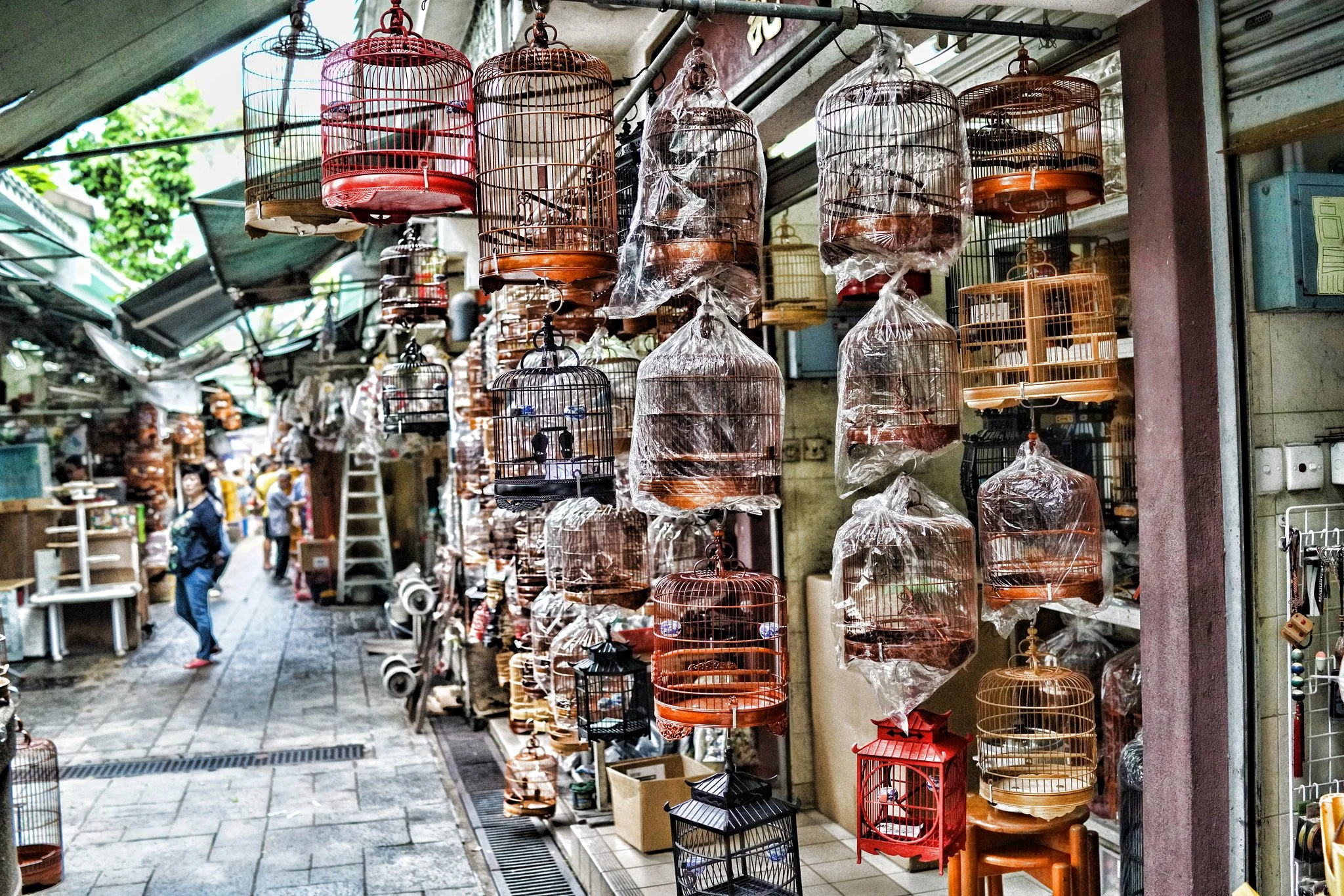
click on any image to enlarge
© Copyright Acknowledged | All rights reserved.| Image taken by Jamie
The Flower + Bird Markets | Great for Photo’s | Hong Kong
What's on Sale
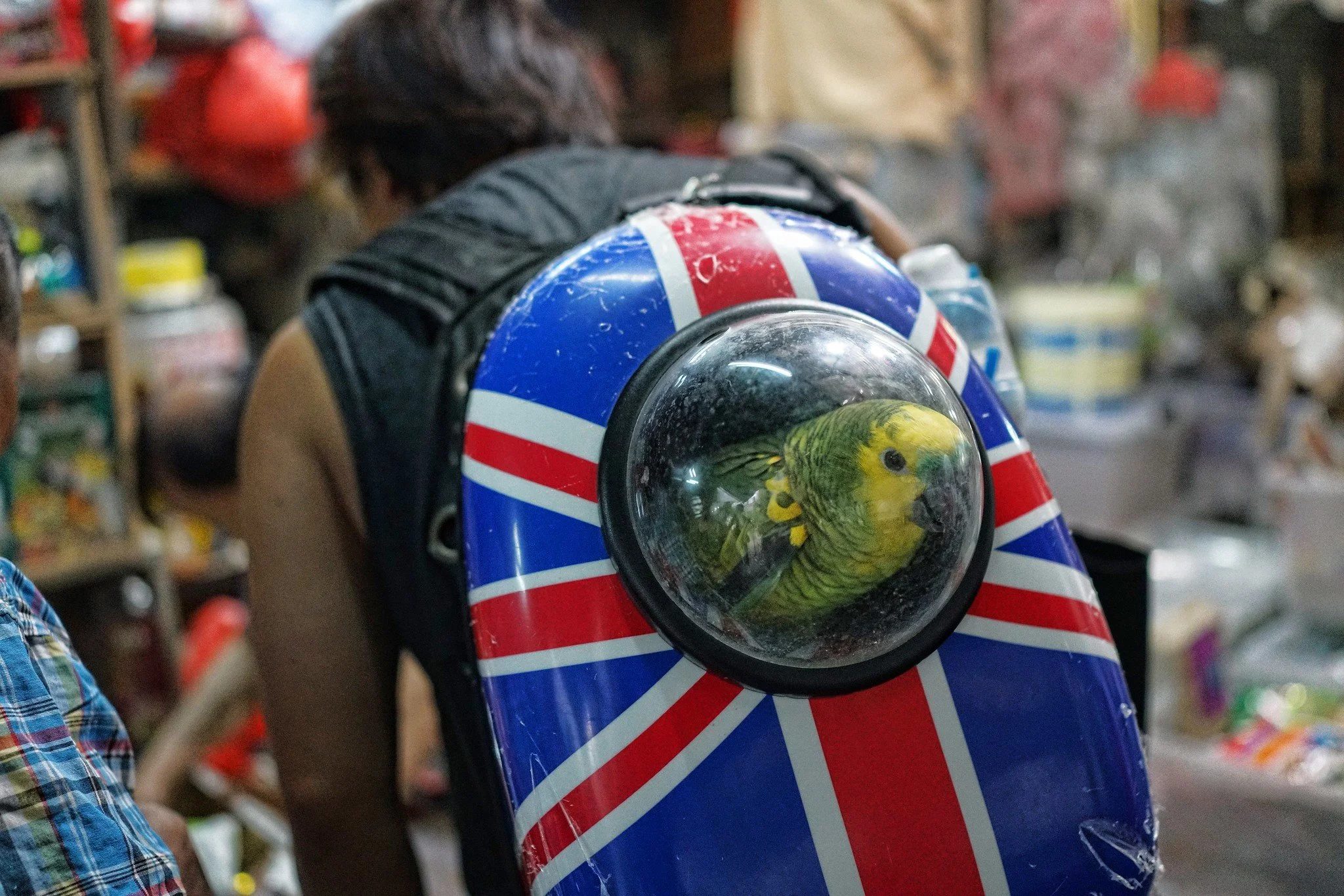
Exotic birds (songbirds, finches, parrots—many captive-bred).
Handcrafted bamboo birdcages (intricate, painted designs).
Bird food, porcelain water dishes, perches, toys, and health supplements.(bear in mind a lot of food is the creepy crawly sort and very much alive)
Related paraphernalia: grooming tools, books on avian care.
Safety Concerns
Human safety mirrors the Flower Market: Crowded paths risk pickpocketing; stay vigilant with bags and note my comments above. Bigger issues are animal welfare - overcrowded cages, unsuitable species in trade, and illegal wild-caught birds (e.g., endangered cockatoos escaping into parks). Hong Kong dominates global threatened-species trade, with patchy laws allowing welfare lapses; 80% of locals support tighter regs per WWF surveys. Avoid impulse buys to prevent supporting smuggling.
Comments About the Shop Holders and What to Expect
Holders are passionate elders and families, like 76-year-old Chan Lok-choi of Choi Kee, Hong Kong's last birdcage artisan (crafting 60+ years; laments no apprentices). Collectors are affable "uncles" in singlets, proudly demoing birds' tunes—expect invitations to "listen to my champion." The vibe: Tranquil pagoda paths with chirps, not chaos; weekend "bird walks" where owners parade pets like status symbols. It's intimate - chatty inspections, no hard sells—but poignant, as traditions fade.
There are a lot of large birds on perches and not in cages (they are chained to the perch) and I always advise not to get too close as you might get a nasty nip!
Payment Methods
Cash (HKD) preferred for haggling; some accept Octopus cards. Receipts available on request.
Bargaining Techniques
Haggle politely: Survey 3-5 stalls for baselines, offer 30-50% off (e.g., HK$200 cage? Start at HK$100). Evening (7-9pm) yields best deals as vendors clear unsold feed/cages. Use compliments ("Beautiful craftsmanship!") to soften; walk away to prompt callbacks. Patience and smiles key—it's cultural, not combative. The leverl of English is ok
Best Time to Visit
Early morning (7-10am) for active birdsong "concerts" and fresh arrivals; avoids midday heat. Weekends for people-watching.
Interesting Anecdotes
Grandpa's Ritual: A Peninsula staffer recalls 1980s Saturdays trailing his grandfather through Hong Lok Street stalls, learning to judge a bird's "voice" like wine—now a lost art as apps replace whistles.
Last Craftsman: Chan Lok-choi once built cages for tycoons; today, he jokes, "Young folks want pets on screens, not swings - my tools gather dust."
Post-Closure Rebirth: After a 21-day 2018 avian flu shutdown, vendors reopened with defiant birdsong "parties," symbolizing resilience. there was also shutdowns in 2007 and 2012 for the same reason
Escaped rarities: Wild cockatoos spotted in parks trace to market "escapes," sparking 2025 debates on "accidental sanctuaries."
Government Policy Towards the Bird Market
Managed by the Leisure and Cultural Services Department since 1997, it's promoted as heritage (e.g., in "Hong Kong Fun in 18 Districts"). Policies focus on regulated pet trade under seven ordinances, but critics (WWF, ADMCF) call for unification to curb illegal imports and welfare issues - e.g., 2023 surveys show 80% public backing for bans on wild-caught sales. AFCD enforces CITES compliance, allowing captive-bred trade but probing forensics for origins. No major 2025 revamps announced; emphasis on education over expansion, aligning with biodiversity goals in the 2025 Policy Address.
Getting to the Flower Market and Bird Market by MTR
The Hong Kong Flower Market (centered on Flower Market Road) and the Yuen Po Street Bird Garden (Bird Market) are adjacent in the Mong Kok | Prince Edward area of Kowloon. The most convenient and recommended way to reach both is via Prince Edward Station, as it puts you right at the western end of the Flower Market, and the Bird Garden is directly connected at the eastern end.
Best Option: Prince Edward Station (Recommended for both markets)
Lines: Tsuen Wan Line (Red) or Kwun Tong Line (Green).
Exit to use: Exit B1 (this is the most direct and commonly recommended exit).
Step-by-step walking directions:
Exit B1 brings you up to street level on Prince Edward Road West, near Nathan Road and the Mong Kok Police Station.
Upon exiting, make a 180-degree U-turn (face back towards the station entrance briefly, then walk east along Prince Edward Road West — away from Nathan Road, with the police station on your left).
Walk straight for at least 5 minutes (about 300-400 meters). You'll immediately start seeing flower shops and stalls lining the street.
The core of the Flower Market begins here - turn right onto Flower Market Road (the first major side street) for the densest concentration of shops, or continue along Prince Edward Road West and nearby streets (like Sai Yee Street) to explore the full area.
To reach the Bird Garden from here: Continue walking east through the Flower Market (along Flower Market Road or parallel streets) for another 5-10 minutes. The Bird Garden entrance is at the eastern end, on Yuen Po Street (you'll see the traditional Chinese-style garden archway and hear birdsong).
Total time from exit: 5 minutes to Flower Market start; 10-15 minutes to Bird Garden.
Tips: This route is flat, straightforward, and passes vibrant shops right away. It's ideal if you're carrying purchases (use station lifts if needed). Avoid peak hours if crowds bother you — Mong Kok is always busy.
Alternative Option 1: Mong Kok East Station (Good if coming from East Rail Line or Lo Wu/Lowu border)
Line: East Rail Line (Light Blue).
Exit to use: Exit D (leads into MOKO shopping mall/Grand Century Place).
Step-by-step:
Exit D takes you into the mall.
Follow signs through the mall/footbridge towards Prince Edward Road West.
Emerge on Prince Edward Road West, cross the road, and head left (west) briefly or right to connect to Yuen Po Street.
This puts you closer to the Bird Garden end (near Mong Kok Stadium) — about 5-10 minutes walk to the garden entrance, then another 10 minutes through to the full Flower Market.
Useful if you're combining with other Mong Kok attractions.
Honestly speaking, avoid this alternative
Alternative Option 2: Mong Kok Station
Lines: Tsuen Wan Line (Red) or Kwun Tong Line (Green) - one stop south of Prince Edward.
Exit to use: Exit B1 or C (then footbridge to Sai Yee Street).
Walk north along Nathan Road or Sai Yee Street (8-10 minutes) to Prince Edward Road West.
This is longer than Prince Edward but fine if you're already in central Mong Kok (e.g., near Ladies' Market).
General MTR Tips for Your Visit
Fares: Use an Octopus card (available at any station) for seamless taps — single journeys are cheap (HK$5-15 depending on start point).
Frequency: Trains every 2-5 minutes; system is air-conditioned and English-signed.
Best time: Early morning (before 11am) for fresher stock and fewer crowds.
Combining both markets: Start at Prince Edward Exit B1 → stroll east through the entire Flower Market → end at Bird Garden (total walking loop: 20-30 minutes, plus browsing time).
Accessibility: Prince Edward has lifts/escalators; paths are mostly paved but can be crowded/narrow in the markets.
If lost: Ask for "Fa Yuen" (Flower Market) or "Bird Garden" — locals know them well. Signage is bilingual.
This route is efficient, scenic, and lets you experience the full transition from flowers to birds. Enjoy your visit - it's one of Hong Kong's most charming local spots!
I do not do food tours
I am pleased to say a lot of Food Tour Companies will have egg tarts and egg puffs on their tasting menu
I have very specific reasons and part of it is that I do not speak Cantonese or write Chinese, I am from Yorkshire in England and I lack the language gene and it is not through lack of trying and yes a lot of restaurants do not have English menu’s or staff who speak conversational English.
.. and yet I have eaten at close to 1,400 restaurants in Hong Kong since January 2nd 1972, my wife was born in Hong Kong and we have been together over 40 years and her first language is Cantonese and a lot of her family are Chinese or half Chinese so I have never had much of an issue!
This does not translate to doing food tours though, yes, I could do them, no problem there but they would never ever be as good as the food tours done by my friends (see the 3 links above) most of their awesome guides are locally born Hong Kong Chinese and obviously food culture is part of their DNA, it is impossible for me to compete with that!
So please feel free to contact them for food tours
© Jamie Lloyd | J3 Consultants Hong Kong | J3 Private Tours Hong Kong |
| 2010 - 2026 All rights reserved. |
Click on any image to enlarge to full screen
Current images from my Instagram feed