Cat Street Market + Man Mo Temple in Hong Kong - How To Get To Guide
A Detailed Market History, What’s On Offer + Transport Tips

The J3 Group - Premium Quality Private Tours | Experiences and Insider Chats since 2010
Me Jamie, your host, I am English and I have lived in Hong Kong since January 2nd 1972 - I know the place.
A meaningful blog post with a difference - tips on Travel, Tourism, Tours, Daily Life and my personal thoughts on Hong Kong.
Please do visit Amazing Hong Kong
Hong Kong | Pearl of the Orient
Customised Private Tours + Experiences in Amazing Hong Kong
Jamie has lived in Hong Kong - Pearl of the Orient for 50+ years
Carefully Crafted Personalised and Customised Itineraries by Jamie | Hong Kong’s Most Experienced Private Tour Guide for : Solo Travellers Friends Families Seniors Couples Business People MICE Delegates.
Private Tours Cultural Tours Walking Tours Sightseeing Tours City Tours Night Tours Layover Tours Transit Tours Private Shore Excursions Bespoke Tours Personalised Tours Jewish Heritage Tours Luxury Private Tours Day Tours Luxury Boat Tours Themed Tours Private Family Tours Private Day Tours Corporate Tours
Just you, your family or friends and Jamie your personal English private tour guide - over 2,400+ tours completed since 2011 - Jamie offers quality Private Tours of Hong Kong
Tour Group Size 1 - 6 people only
J3 Group Hong Kong | J3 Consultants Hong Kong | J3 Private Tours Hong Kong
Creating Memories That Will Last A Lifetime
Go here for the Hong Kong Michelin Restaurant Guide which includes the Bib Gourmand Category

Away from the Crowds - Into the Heart of Hong Kong with a Local
Hong Kong Private Cultural Tours
click on the image to enlarge
© Copyright Acknowledged | All rights reserved.| Image taken by Jamie
The Cat Street Market + Man Mo Temple | How To Get To Guide | Hong Kong
The History and Evolution of this iconic day market in Hong Kong : For curious visitors who want to explore Hong Kong’s vibrant Street Market scene
Visiting the vibrant market scene in Hong Kong
I always enjoy going to the major markets in Hong Kong, there are 5 of them and for some peculiar reason they are in Kowloon and not on Hong Kong Island ( my favourite historically was the Poor Mans Night Market near the Macau Ferry Terminal on Hong Kong Island which closed decades ago.
There are quite a few markets on Hong Kong Island including Stanley Market but for some reason they do not have the popularity of the big markets in Kowloon
As much as I visit these markets quite often people might like to do them on day 2 of their visit or visit the most popular ones (the Ladies Market and the Temple Street Night Market at night time when they close at around 11pm (ish)
These guides provide information and history about the markets with tips about transport options to get there, which is pretty straight forward using the MTR which is our world class subway system
I have always had a bit of a soft spot for the Cat Street Market primarily because the junk it sells is not at all like what you get in other markets, a lot of products on sale are what I call fake antiques and that makes perfect sense as the market is just steps away from Hollywood Road which as so many genuine antique shops I have lost cost and we have bought quite a few items for our home over the decades both in proper shops and the Cat Street Market
This post is restricted to 3 places
The Cat Street Market, The Man Mo Temple and Hollywood Road
I have not included information on 3 other popular things to do on Hollywood Road
use the Mid Levels Escalator
visit Tai Kwun
visit PMQ
The escalator is basically a mode of transport and few people ride the full length, they simply use it to get off at a specific place,
Tai Kwun has in my opinion become a major tourist trap (but it is on Hollywood Road) and PMQ is in my opinion a complete waste of time but it is a favourite of tour companies who offer low cost walking group tours as it is also on Hollywood Road.
I should point out that I almost NEVER take people to the Man Mo Temple or The Cat Street Market, the Temple lost its mojo for me long ago and it is so packed with coach tour groups it can be a horrible experience.
I have been to both places hundreds of time since 1972 but these days I have much better places to visit on my private tours and timing only allows for a certain number of sites and sights to visit.
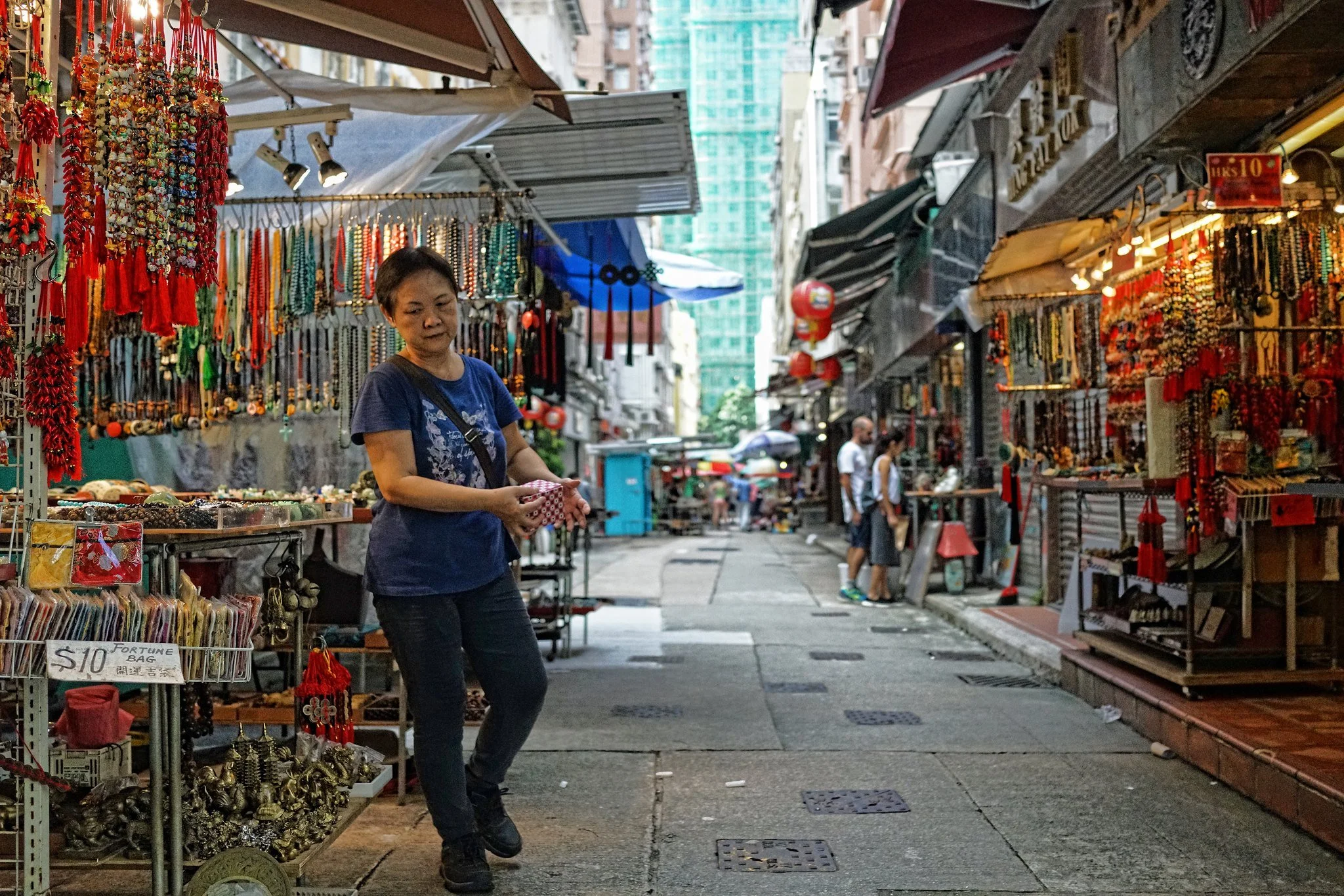
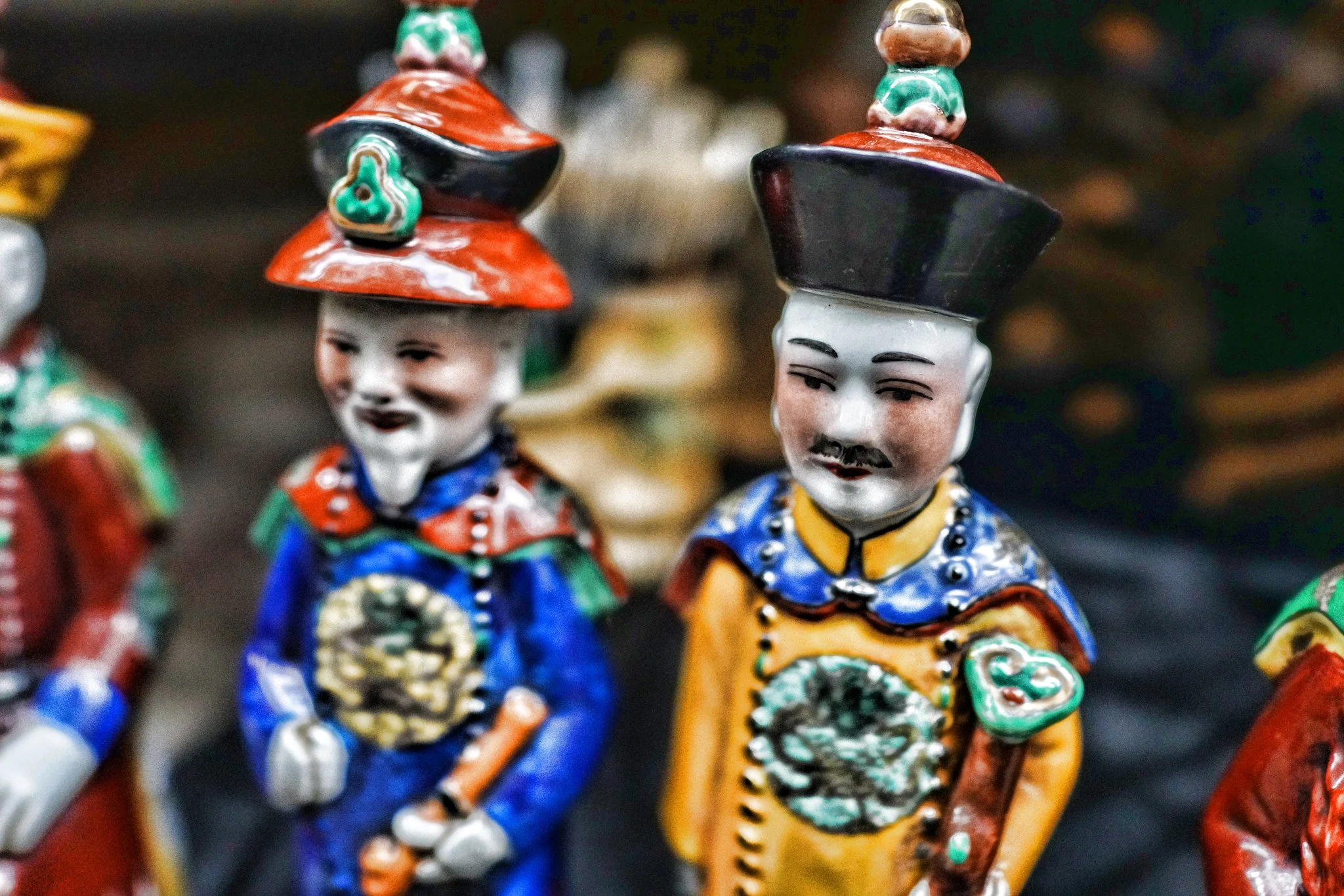
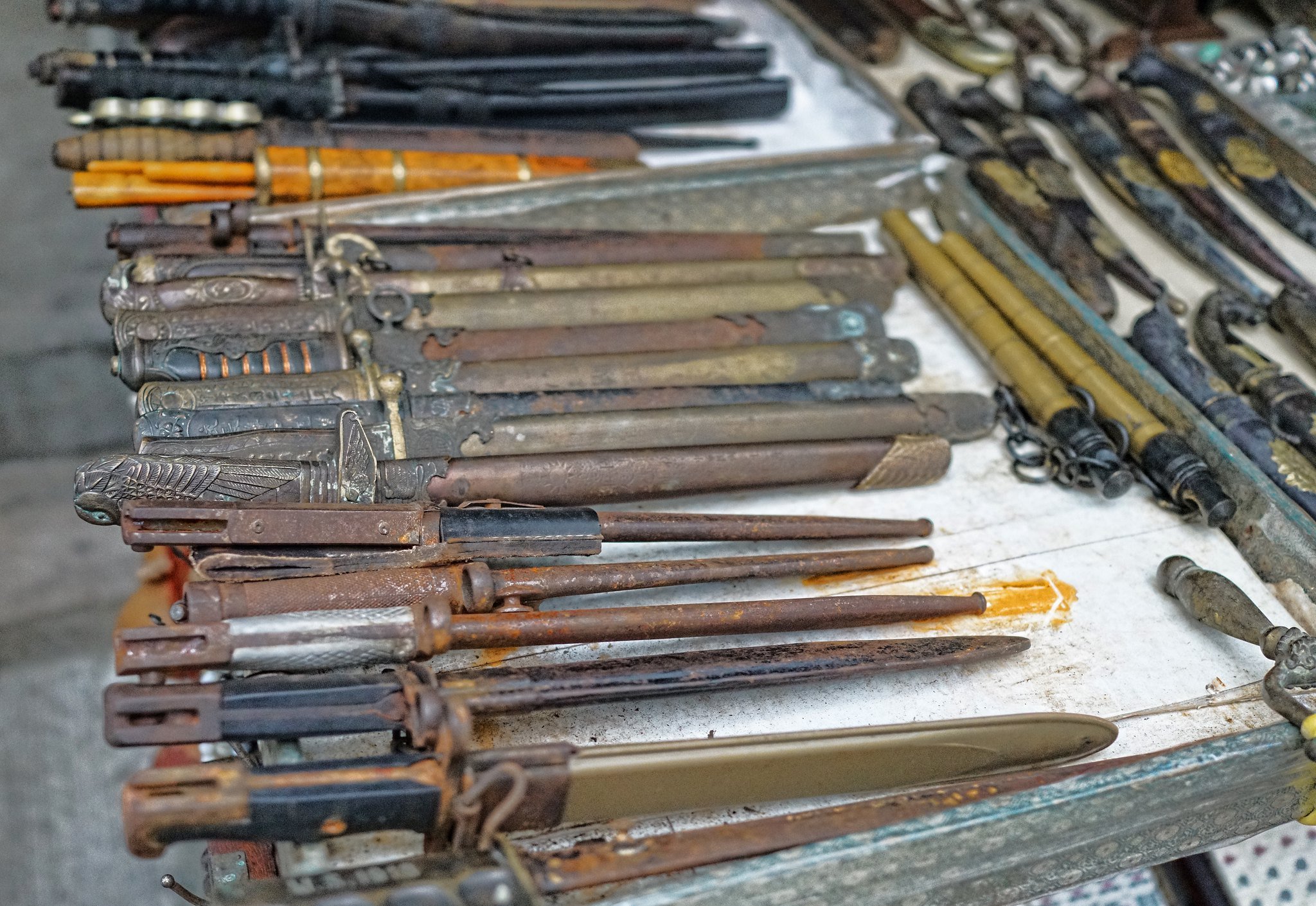
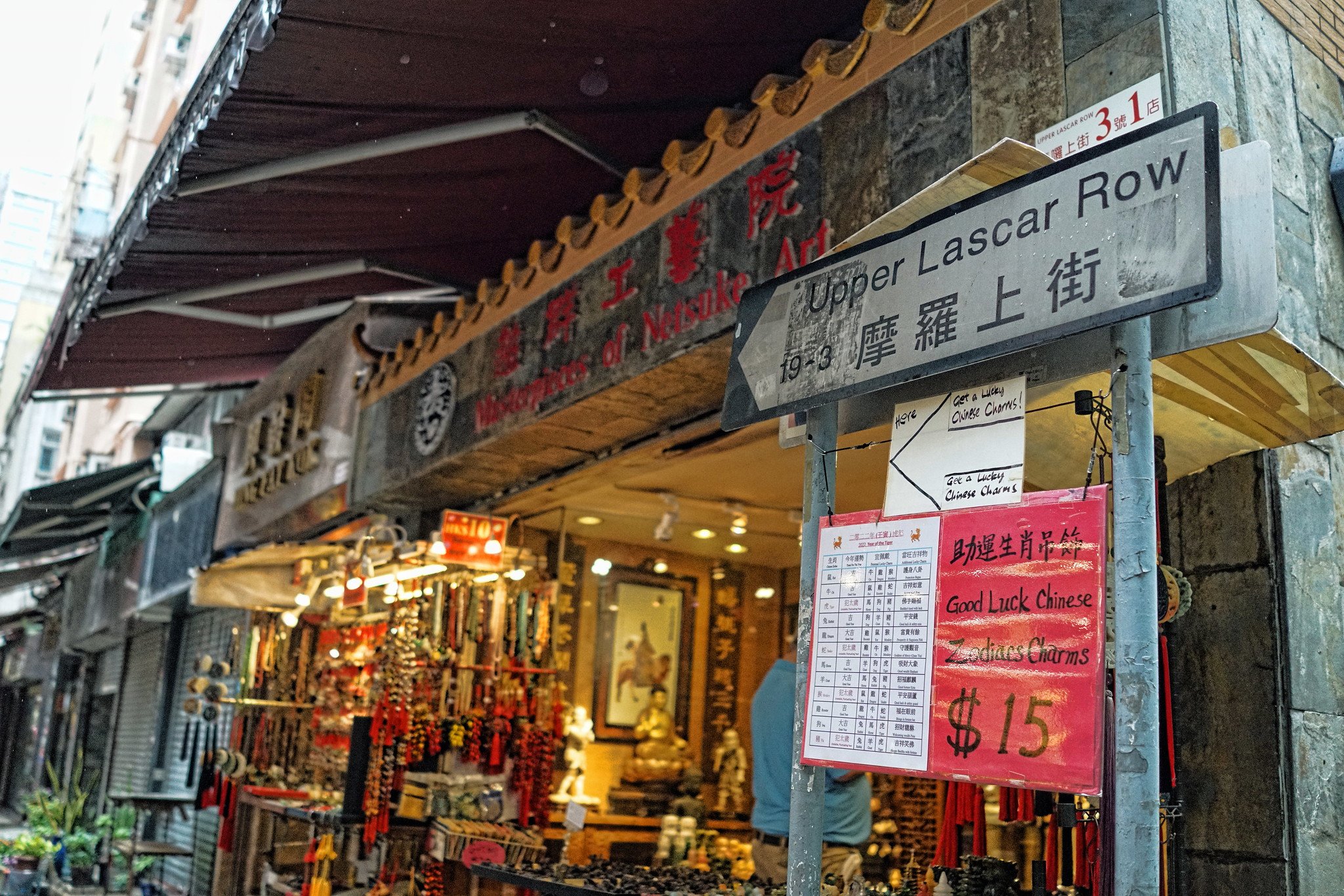
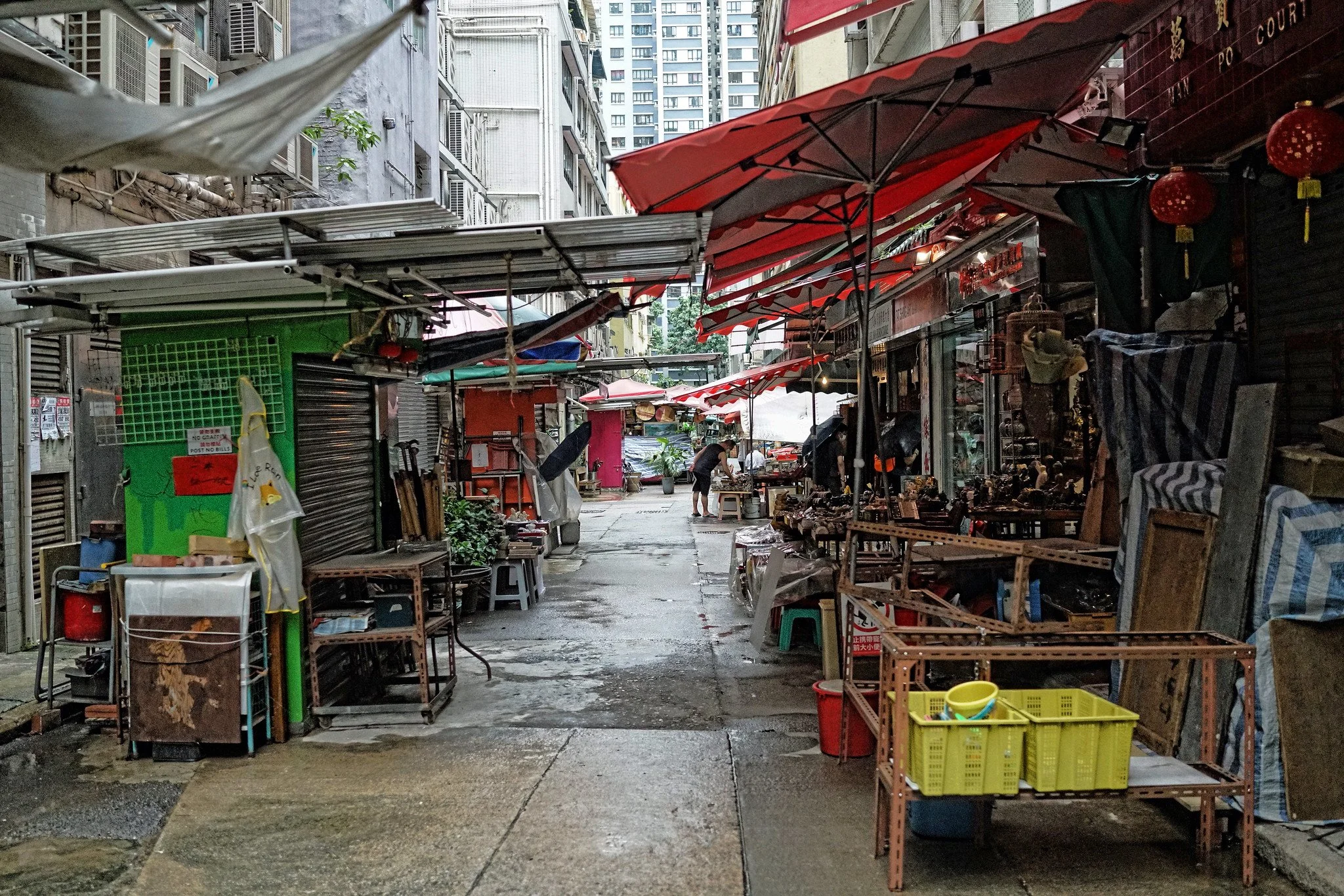
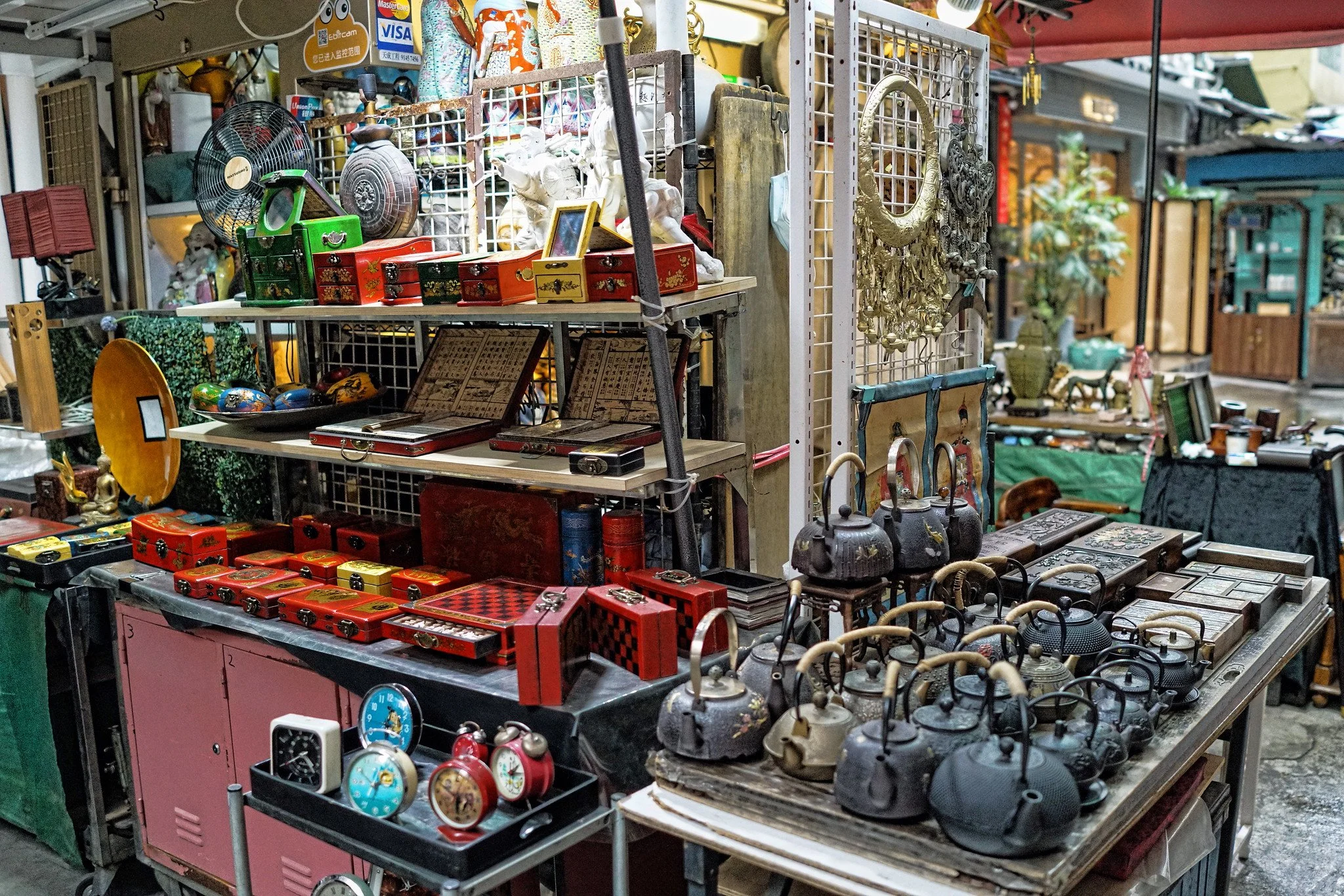
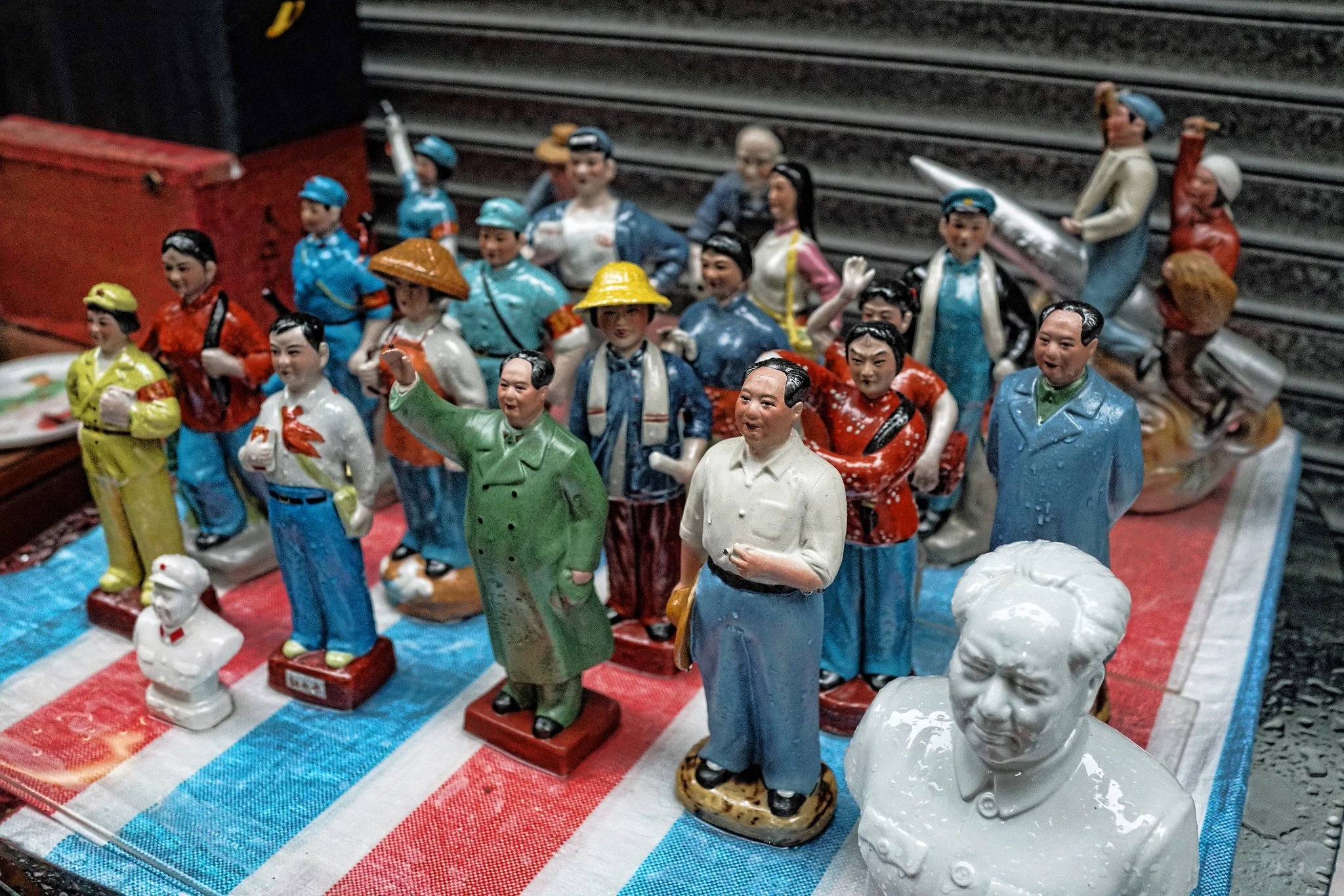
click on any image to enlarge
© Copyright Acknowledged | All rights reserved.| Images taken by Jamie
The Cat Street Market | Sheung Wan | Hong Kong
Here are 10 compelling reasons to visit Upper Lascar Row (Cat Street Market) in Hong Kong it is iconic, located in Sheung Wan (just steps away from Holluwood Road), offering a perfect mix of quirky history, culture, and atmosphere (most of the time!)
10 Compelling Reasons to Visit Cat Street Market (Upper Lascar Row)
Unique "treasure hunt" experience - Dive into a lively outdoor flea market vibe where stalls overflow with eclectic items, turning every visit into an exciting search for hidden gems.
Fascinating history and quirky nickname origin - With over 180 years of stories (from colonial-era lascar sailors to its infamous "thieves' market" past), the "Cat Street" name (from "rats" selling stolen goods to "cats" buying them) adds legendary charm.
Affordable antiques and curios - Find everything from genuine jade carvings, porcelain, bronze Buddhas, and snuff bottles to budget-friendly replicas—often much cheaper than upscale Hollywood Road galleries.
Mao-era and Cultural Revolution memorabilia - Browse rare (or replica) propaganda posters, Little Red Books, badges, and vintage Communist-themed items that capture a pivotal slice of Chinese history.
Hong Kong nostalgia and pop culture - Pick up vintage Bruce Lee posters, old Hong Kong photos, colonial-era coins, mahjong sets, and retro souvenirs that make perfect, meaningful keepsakes.
Bargaining fun - Haggling is expected and part of the thrill—polite negotiation can lead to great deals, making shopping interactive and rewarding.
Authentic, family-run vendors - Many stalls are operated by knowledgeable, multi-generation locals who share stories about items, adding a personal, human touch to the experience.
Blend of old and new Sheung Wan - The street mixes historic shophouses with trendy nearby cafes, vintage boutiques, and street art, reflecting Hong Kong's evolving cultural scene.
Relaxed pace compared to other markets - Less chaotic than Temple Street or Ladies' Market, it's ideal for leisurely browsing, photos, and soaking up the atmosphere without overwhelming crowds.
Perfect photo and people-watching spot - The colorful stalls, spilling goods, and mix of tourists, collectors, and locals create endless visual interest in this pedestrian-only lane.
click on the image to enlarge
© Copyright Acknowledged | All rights reserved.| Images taken by Jamie
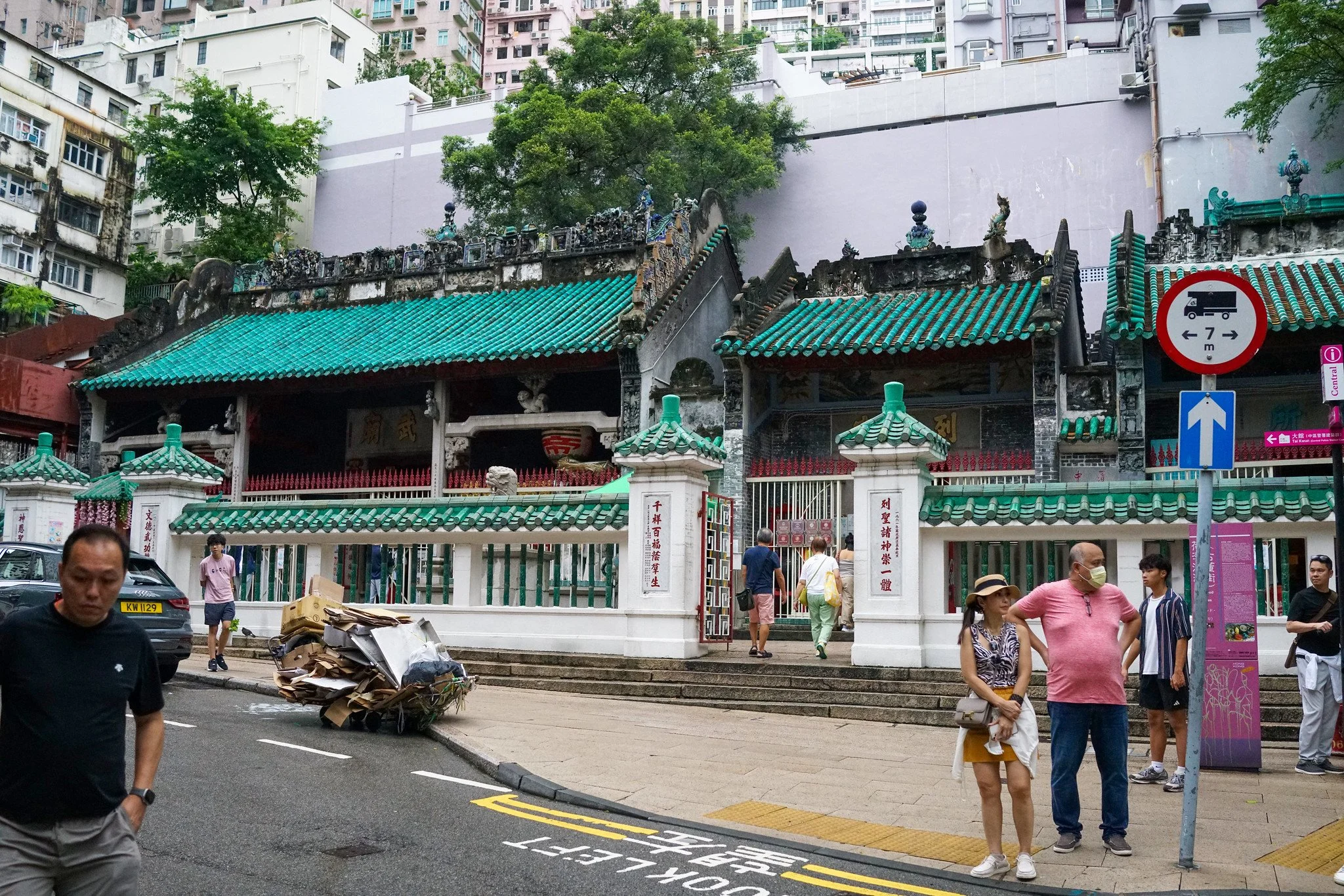
View from the steps leading to Cat Street Market | Sheung Wan | Hong Kong
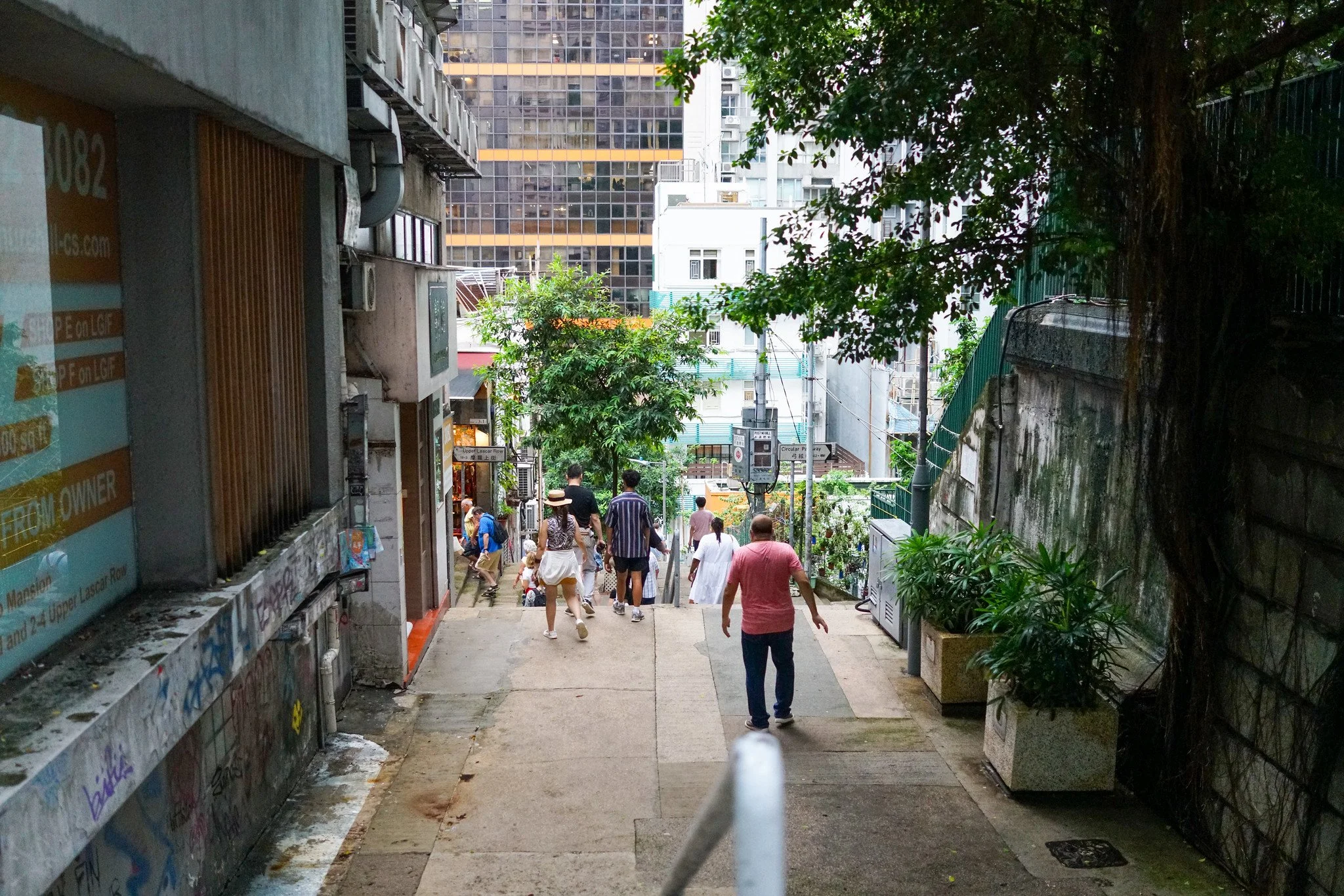
This image shows how close Cat Street Market is from the Man Mo Temple, it is literally across Hollywood Road and down some steps, about 50 yards!
History of Upper Lascar Row (Cat Street Market)
Upper Lascar Row, commonly known as Cat Street, is a narrow, pedestrian-only street about 200 meters long in Sheung Wan, Hong Kong Island. Its history dates back over 180 years to the early colonial era.
1840s - 1860s origins: The street began as a residential area for "Lascar" sailors (maritime workers from India, Southeast Asia, and Arab regions) who served on British ships. It formed one of Hong Kong's first multicultural communities after the British colony was established in 1842.
Early 20th century: By the 1920s, it evolved into a bazaar for second-hand goods, household items, and maritime surplus. It gained a notorious reputation as a "thieves' market" where stolen goods (called "rat goods" in Cantonese slang) were sold. Buyers of such items were dubbed "cats," giving the street its enduring nickname "Cat Street." This shady association largely faded by the mid-20th century.
Post-WWII boom: After the Japanese occupation (1941–1945), it transformed into a legitimate antiques hub in the 1950s–1980s golden age. Refugees from mainland China sold family heirlooms, and Hong Kong's economic rise attracted international collectors. The government promoted it as a tourist attraction in the 1970s.
Modern era: Today, it's a preserved cultural heritage site on the Sheung Wan Heritage Trail, blending authentic antiques with souvenirs. Many stalls are run by second- or third-generation family businesses.
An interesting anecdote: If something was stolen in old Hong Kong, locals joked you'd likely find it resurfacing on Cat Street—hence the "cat" and "rat" slang that stuck even after the illicit trade ended.
Number of Stalls | Shops, Hours, and What's on Sale
Stalls and shops - The street features a mix of permanent antique shops (often with deeper stock inside) and outdoor stalls/mat displays. Estimates suggest more than 30 vendors along the compact stretch, though it feels denser due to the narrow layout and yes, there are some good coffee shops on the street
Opening hours - Most operate from around 11:00 AM to 6:00 PM daily (no strict official hours). Some close earlier or take Sundays off. Vendors set up progressively in the morning as they recognise that a lot of potential customers are coming from the Man Mo Temple which opens quite early
Items for sale - A treasure trove of Chinese antiques, collectibles, and quirky souvenirs: or as I call it, stuff!
Jade carvings, jewelry, and figurines (genuine and affordable pieces).
Porcelain and ceramics (Ming/Qing styles, vases, teapots).
Cultural Revolution/Mao-era memorabilia (badges, Little Red Books, propaganda posters).
Bronze Buddhas, incense burners, calligraphy scrolls, and paintings.
Vintage Hong Kong items (old coins, photos, Bruce Lee posters, mahjong sets).
Furniture, snuff bottles, colonial-era stamps, and eclectic curios (e.g., Y2K collectables, Hello Kitty clocks). Prices range from HK$20 for small souvenirs to HK$10,000+ for rare antiques. Expect a mix of authentic pieces and modern replicas - inspect carefully.
….. and I should point out that this is essentially a flea market so take this into account when negotiating prices, when it comes to antiques I always buy from a proper shop, not a market stall but that is just me and yes, I have made a few exceptions over the decades
Please also note that this market is tiny compared to the big markets in Kowloon but I have always enjoyed browsing at Cat Street, I have quite a few quirky antiques from there at home and for many people it is a nice change from the very crowded markets such as the Ladies Market and the Temple Street Night Market.
Safety Concerns, Vendors, and What to Expect
Safety - Cat Street is very safe, especially in daytime - it's a popular tourist spot in a central area with plenty of foot traffic. Standard city precautions apply (watch bags in crowds), but no notable issues like pickpocketing hotspots and these days CCTV cameras seem to be everywhere!
Vendors and atmosphere - Many are knowledgeable old-timers from family businesses, friendly but savvy hagglers. Expect a lively, quirky vibe (some of the time) bustling stalls with items spilling onto mats, a blend of serious antique dealers and casual souvenir sellers. It's less chaotic than night markets but full of character—tourists, locals, and collectors mingle. Weekends can draw more crowds, including occasional Sunday flea markets from local brands.
Payment Methods and Bargaining Techniques
Payments - Cash (HKD) is preferred and often required at stalls. Many now accept WeChat Pay/Alipay, and some shops take cards or digital options. Carry small bills for ease. no different really to all the other markets
Bargaining - Essential and expected! Polite haggling is part of the fun.
Start at 40% of the quoted price.
Aim to settle around 60%.
Don't exceed 80% unless it's rare.
Bundle multiple items for bigger discounts.
Walk away politely if needed - vendors may call you back with a better offer.
Be respectful; a smile and friendly chat go far.
Best Time to Visit
Weekday afternoons (2:00–5:00 PM) for a relaxed experience with motivated vendors.
Saturday mornings for fresh stock.
Early arrivals (11:00 AM) for fewer crowds and better photos.
Avoid very late afternoons as stalls pack up.
Government Policy
Cat Street operates as private shops and street vendors rather than a formal public market, so no specific government leasing or heavy regulation applies (unlike wet markets). It's protected as cultural heritage: included in government heritage trails, with efforts to balance preservation (e.g., old shophouse architecture) against modern development. The area benefits from Sheung Wan revitalization initiatives promoting it as a cultural/antiques district.
Location Near Man Mo Temple and Directions from Central MTR
Cat Street runs parallel just below Hollywood Road and sits literally 50 yards from Man Mo Temple - you can descend directly via stone steps right opposite the temple's entrance on Hollywood Road
Avoiding the uphill slog from Sheung Wan MTR. I suggest the pleasant route from Central MTR:
Take Exit D2 or follow signs to the Mid-Levels Escalator (via elevated walkways from IFC or Central Market escalators).
Ride the escalator up (it's the world's longest outdoor covered system—great views!).
Get off at Hollywood Road (about 7 - 10 minutes ride).
Walk downhill (west) along Hollywood Road toward Sheung Wan/Man Mo Temple (pleasant, about 10 minutes, passing art galleries and cafes).
Just before/reaching Man Mo Temple, spot the steps down to Upper Lascar Row (Cat Street).
This route is scenic, air-conditioned escalators for some of the way, and far nicer than the steep climb from Sheung Wan side.
Hollywood Road Antiques District in Hong Kong
Hollywood Road, one of Hong Kong's oldest streets (built in 1844, shortly after the colony's founding), stretches from Central to Sheung Wan on Hong Kong Island. It's renowned as the heart of the city's antiques district, often called "Antique Street." Parallel and just below it (via steps) is Upper Lascar Row (Cat Street Market), forming a complementary area for treasures.
Personally I never quite understood the logic of cramming so many antique shops on one road, it certainly made sense 30 - 40 years ago but modern shopping is a little different, although odd I still find the time every now and then to walk the full length of Hollywood Road, there are some nice coffee shops and it is quite different from many parts of Hong Kong.
Brief History
Early days: Originally near the coastline, it became a hub where sailors and merchants sold artifacts brought from mainland China.
Peak era (1950s - 1990s): Post-WWII and during China's opening, it boomed with over 100 shops dealing in high-quality Chinese antiques, furniture, and art. It was a global center alongside auction houses like Sotheby's.
Decline and evolution: High rents, online sales, and auctions led to many closures (e.g., iconic Honeychurch Antiques shut in 2017). Today, fewer pure antique shops remain, but the area has transformed into a vibrant mix of remaining dealers, contemporary art galleries, cafes, and street art. In 2024, Time Out ranked it the world's second-coolest street for its historic yet evolving vibe. (personally I would not say that but it certainly has it’s moments!)
What's on Sale and What to Expect
Hollywood Road offers more upscale, gallery-style shopping compared to Cat Street's flea-market feel:
High-end Chinese antiques: Ming/Qing furniture, porcelain, jade carvings, bronze statues, snuff bottles, calligraphy, and scrolls.
Cultural items: Tibetan rugs, Buddhist artifacts, propaganda posters.
Mix of authentic pieces (museum-quality, often with certificates) and reproductions—expertise needed for genuineness.
Interspersed modern elements: Contemporary Chinese art galleries (e.g., Kwai Fung Hin), lifestyle shops like Goods of Desire (G.O.D.) for quirky Hong Kong-inspired homeware and I love this place!
Interiors are often dimly lit and packed with treasures - expect a museum-like atmosphere and in my experience, the shop staff (usually the owners) know a lot and like to talk and they are not really into high pressure sale tactics!
Key Spots and Tips
Walk the full stretch for variety: Eastern end (near Central) has more premium galleries; western end (near Man Mo Temple) blends into Cat Street's curios.
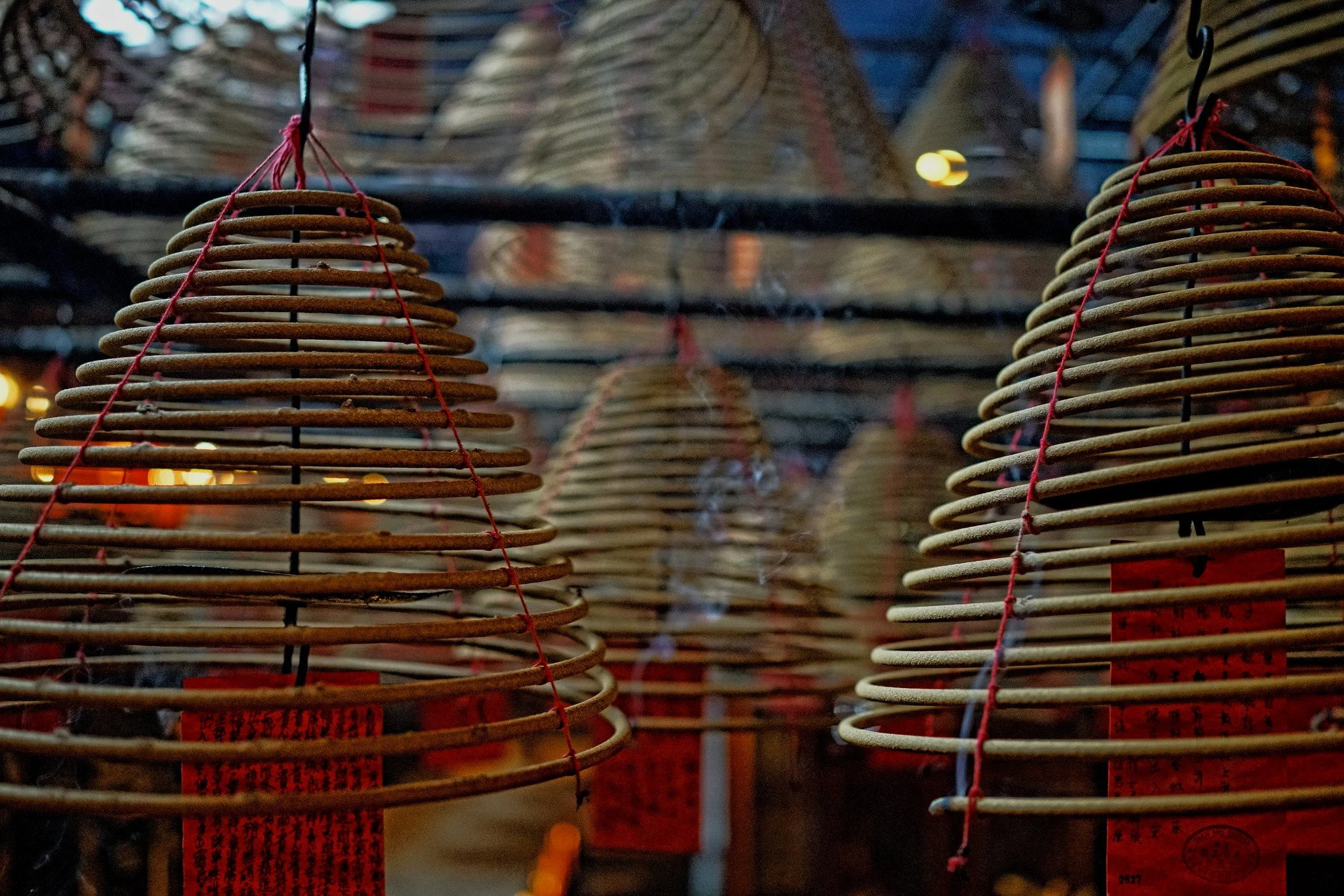
Combine with Man Mo Temple (a Grade I historic building dedicated to literature and war gods - atmospheric with hanging incense coils) and nearby Tai Kwun (revitalized police compound with arts/exhibits).
Best time: Weekday afternoons for quieter browsing; weekends for energy.
Bargaining: Possible in some shops, but less aggressive than Cat Street—polite negotiation works.
Payments: Cash/cards common in galleries; some accept digital.
Safety: Very safe, tourist-friendly area.
As of late 2025, while not the antiques powerhouse of decades past, Hollywood Road remains a charming, cultural must-visit - perfect paired with Cat Street for a full antiques adventure.
,,,, and this is one of the main reasons I do not do Hollywood Road so to speak, there are quite a few people running low cost walking tours of Hollywood Road and it comes close to being a 3 hour tour! given the nature of the area it is one of those places you can do at your own leisure in your own time
I am also not a person to do tours just because they are in a convenient location and many tour companies love Hollywood Road because of what you can cram in on a relatively short walk.
Tai Kwun is a popular place now to eat and drink but I am always put off by the crowds! and I never bother with PMQ which is basically a small craft mall and I simply do not understand why guides take people there, but that is just me.
click on any image to enlarge
© Copyright Acknowledged | All rights reserved.
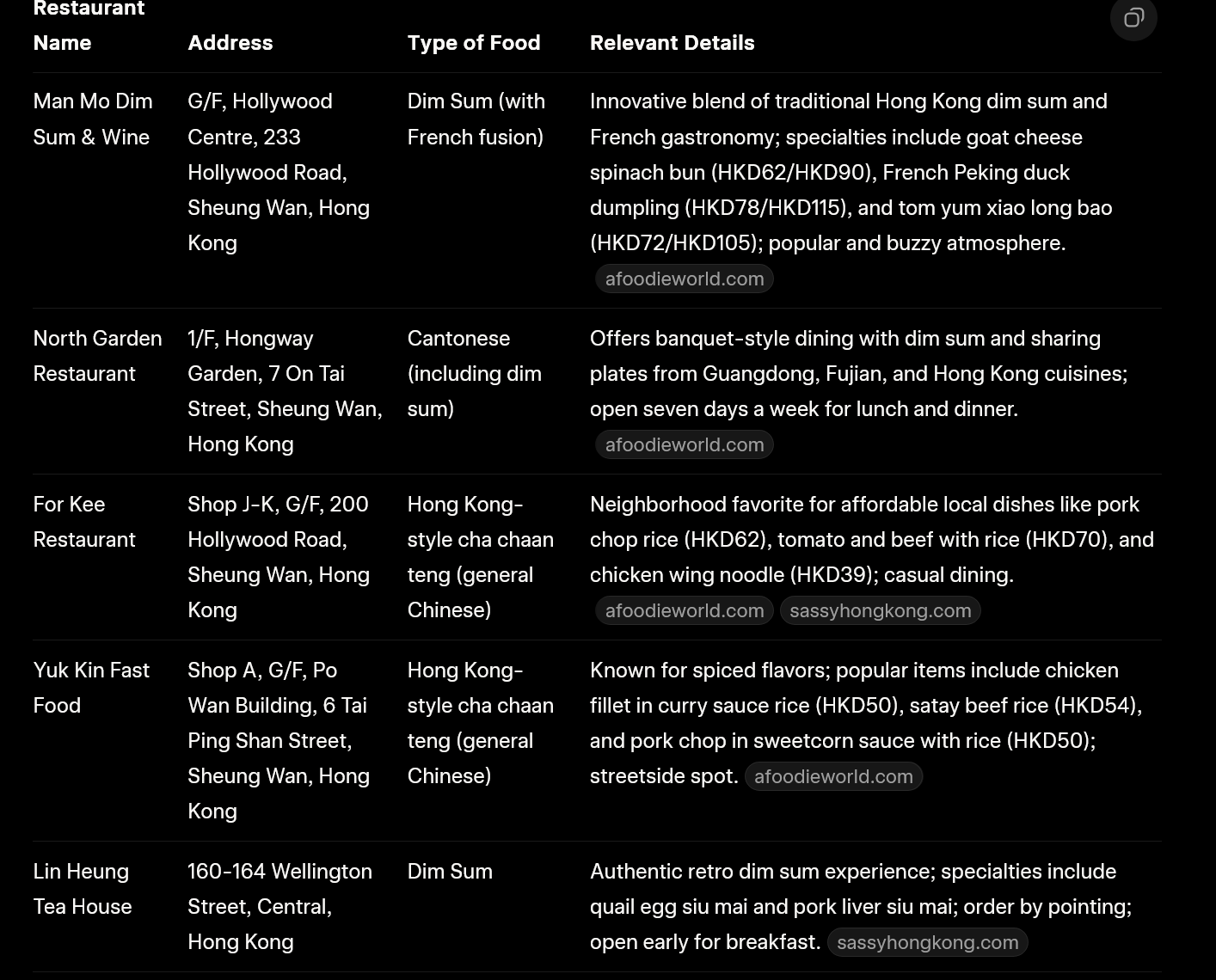
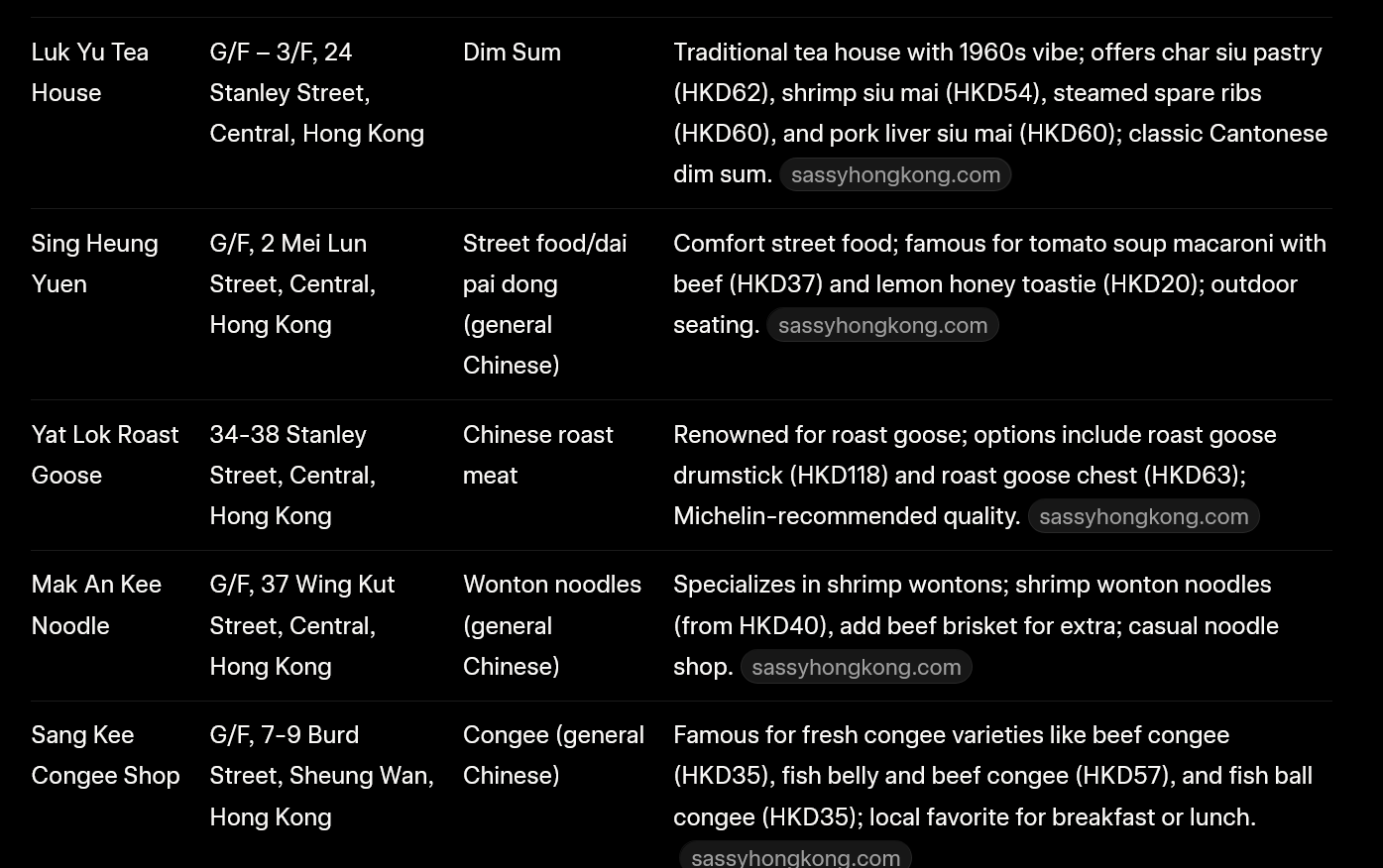
10 great restaurants to try | Sheung Wan + Central Area | Hong Kong
I always try and include some great places to eat for those that are adventurous, if not book a spot on a group food tour and I have 3 friends who offer awesome food tours, you can get their details at the end of this blog post.
click on any image to enlarge
© Copyright Acknowledged | All rights reserved.| Images taken by Jamie
The Ancient Man Mo Temple | Sheung Wan | Hong Kong
10 Compelling Reasons to Visit the Man Mo Temple
One of Hong Kong's oldest and most atmospheric temples - Built between 1847 and 1862, it's a declared monument and Grade I historic building, offering a rare glimpse into early colonial-era Chinese architecture.
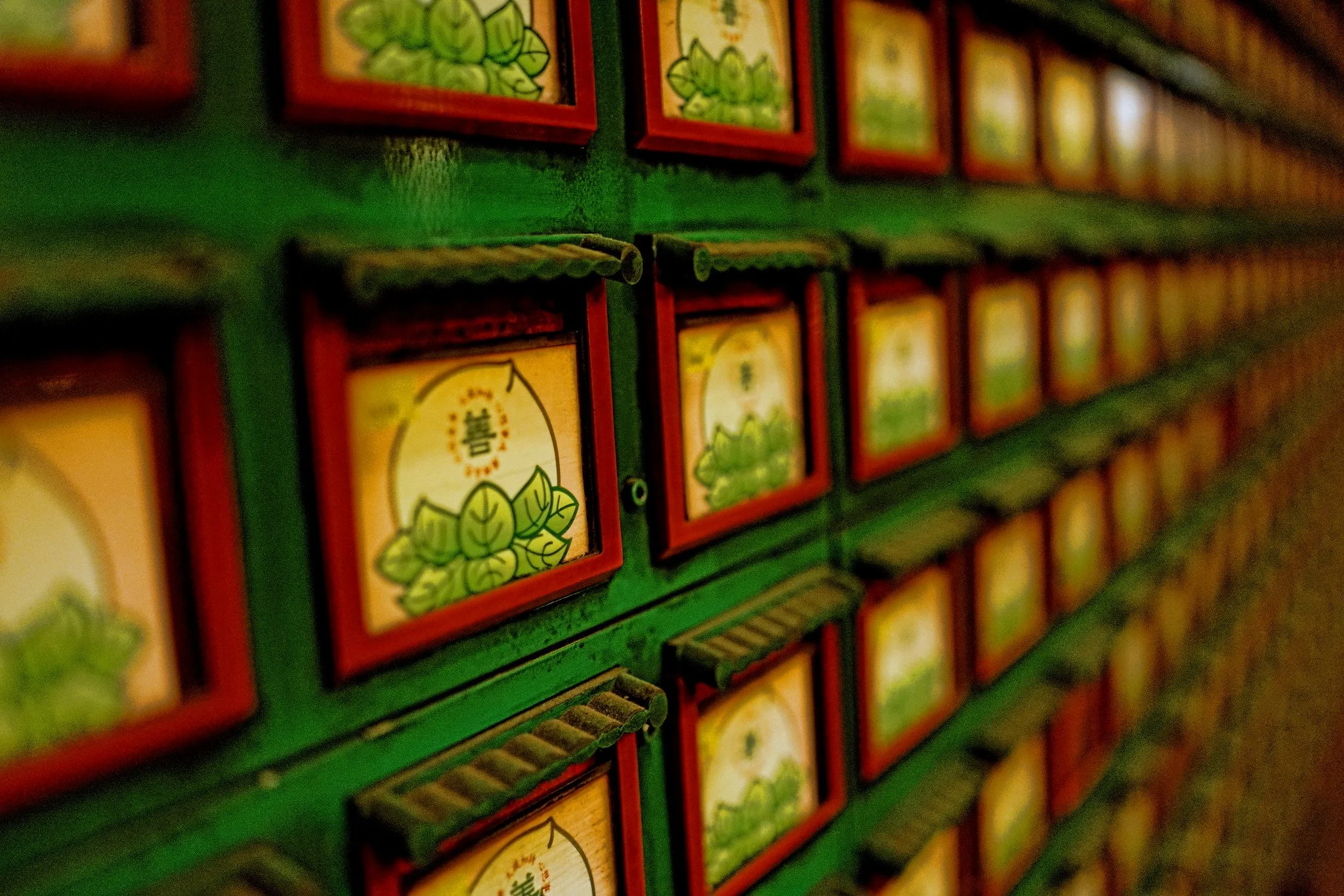
Mesmerizing hanging spiral incense coils - The iconic, slow-burning coils suspended from the ceiling fill the air with fragrant smoke, creating a mystical, otherworldly ambiance that's unforgettable.
Dedicated to dual deities of balance - Honors Man Cheong (God of Literature/Civilization) and Kwan Tai (God of War/Martial Arts), symbolizing the harmony of intellect and strength—reflecting core Chinese values.
Active place of worship and rituals - Watch (or join respectfully) locals lighting incense, offering prayers, fruits, or using kau cim divination sticks for guidance—it's a living cultural experience.
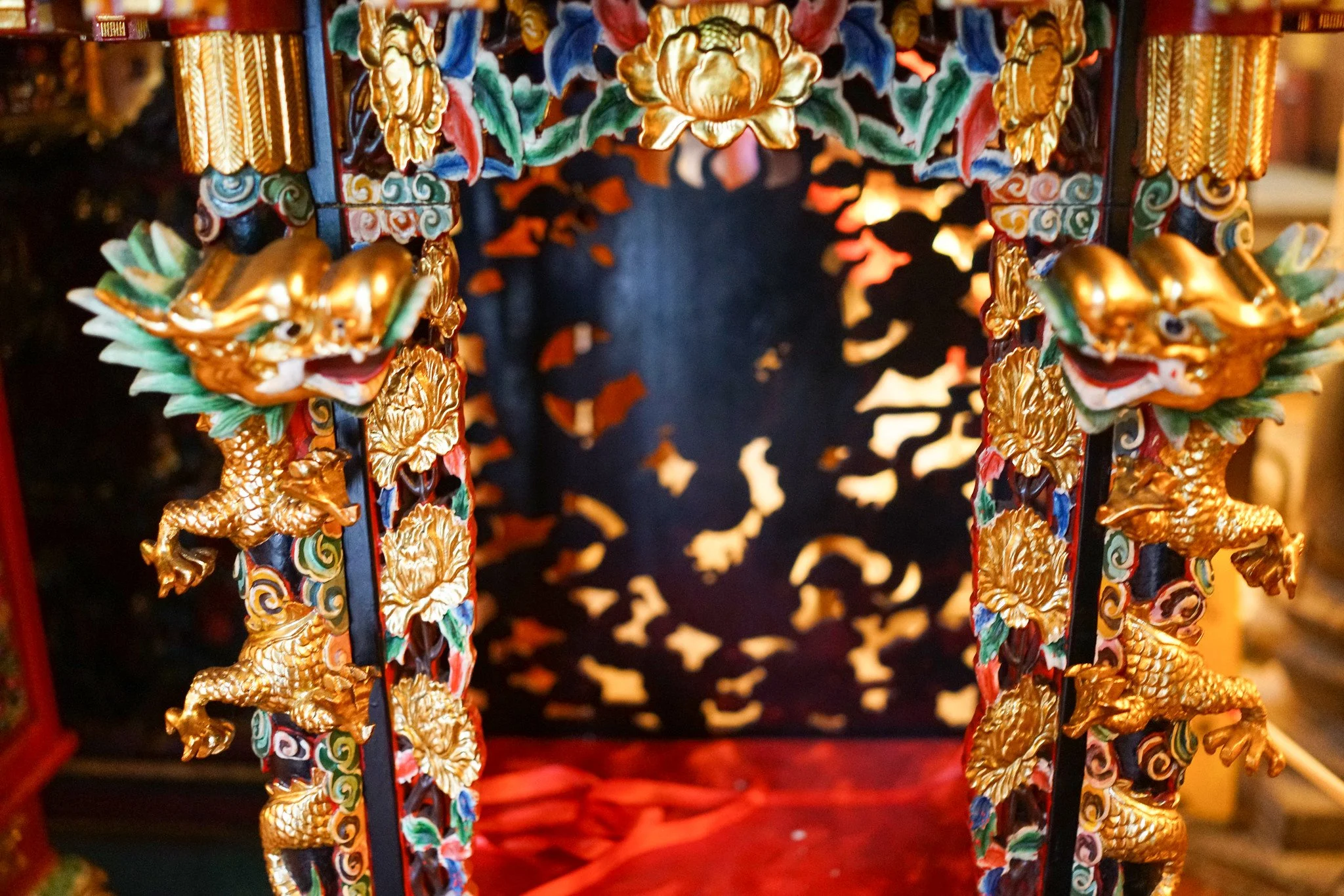
Stunning traditional craftsmanship - Admire intricate granite pillars, carved wooden plaques, historic murals, a Qing Dynasty bronze bell (1847), and a 1862 sedan chair showcasing exquisite Qing-era artistry.
Oasis of tranquility amid the city - In bustling Sheung Wan, the dimly lit, incense-filled interior provides a peaceful escape and moment of reflection away from Hong Kong's fast pace.
Spiritual significance for success - Visitors (including students and businesspeople) come to pray for good fortune, academic success, prosperity, and protection—its energy feels genuinely auspicious.
Complex of three connected buildings - Explore the main Man Mo Temple, Lit Shing Kung (for all heavenly gods), and Kung Sor (former community hall), offering layers of history and Taoist/Buddhist elements.
Free entry and easy access - Open daily (typically 8 AM–6 PM), no admission fee, and super convenient—just steps from Cat Street and reachable via the Mid-Levels escalator from Central.
Cultural and historical insight - Managed by the Tung Wah Group since 1908, it represents traditional Chinese community organization, religious practices, and Hong Kong's enduring heritage amid modern development.
These two spots complement each other beautifully: start at the serene Man Mo Temple for reflection, then head downhill to the lively Cat Street for shopping and fun.
Comprehensive Report on Man Mo Temple, Hong Kong
Introduction
Man Mo Temple, located at 124- 126 Hollywood Road in Sheung Wan, Hong Kong, is one of the city’s oldest and most revered temples. A declared monument, it stands as a testament to Hong Kong’s rich cultural and spiritual heritage, embodying traditional Chinese architecture and Taoist practices. Dedicated to the gods of literature (Man Cheong) and martial arts (Mo Tai), the temple complex, which includes Man Mo Temple, Lit Shing Kung, and Kung Sor, has served as a spiritual and communal hub since its construction between 1847 and 1862. This report provides a detailed exploration of the temple’s history, its cultural significance, its popularity among tourists and locals, and the reasons behind its construction timeline, while addressing specific inquiries about damage during the Japanese Occupation (1941 - 1945) and its appeal to tour groups.
History of Man Mo Temple
Construction and Opening (1847 - 1862)
Man Mo Temple was constructed between 1847 and 1862 during the early colonial period of Hong Kong, a time when the city was emerging as a significant trading hub under British rule. Built by wealthy Chinese merchants, the temple was intended to serve the growing Chinese community, particularly Cantonese immigrants from mainland China, who sought spiritual and social support in a foreign-governed territory. The temple complex comprises three distinct blocks: Man Mo Temple, dedicated to the gods Man Cheong and Mo Tai; Lit Shing Kung, a hall for worshipping all heavenly gods; and Kung Sor, a community hall for resolving disputes and holding meetings. The construction period, spanning approximately 15 years, is often attributed to the phased development of these three blocks, though historical records are not definitive on the exact reasons for the extended timeline.
The temple’s construction began around 1847, as indicated by artifacts such as a Qing Dynasty bronze bell cast in that year and a granite column donated in 1850. By 1862, the complex was completed, with a wooden sedan chair crafted in that year, still used in ceremonial processions, marking the temple’s operational establishment. The extended construction period was likely influenced by the complexity of building three distinct structures, each with specific architectural and cultural purposes, rather than solely funding issues. While funding challenges were common in large community projects, the involvement of wealthy merchants suggests sufficient resources were available, though coordination, craftsmanship, and the need to align construction with auspicious timing (per Taoist practices) may have contributed to the timeline. The temple was fully operational by 1862, as evidenced by historical records of its use for worship and community activities.
Management and Legal Status
Initially managed by local Chinese residents (Kaifong), the temple was entrusted to the Tung Wah Hospital in 1908 under the Man Mo Temple Ordinance. This legal framework formalized its role as a community and charitable institution, with revenues supporting religious ceremonies, temple maintenance, Chinese education, and medical services. In 1958, the ordinance was revised to further emphasize its charitable contributions. The temple was declared a Grade I Historic Building and later a national monument in 2009, recognizing its architectural and cultural significance.
Damage During the Japanese Occupation (1941–1945)
There is no definitive historical evidence in available records indicating significant damage to Man Mo Temple during the Japanese Occupation of Hong Kong (1941–1945). During this period, Hong Kong faced widespread destruction, food shortages, and cultural suppression under Japanese control. Temples, as centers of Chinese culture, were sometimes targeted or neglected, but Man Mo Temple’s robust granite and wooden construction likely contributed to its preservation. Anecdotal accounts suggest that religious sites were occasionally used for storage or administrative purposes by Japanese forces, but no specific documentation confirms this for Man Mo Temple. The temple’s artifacts, such as the 1847 bronze bell and 1862 sedan chair, remain intact, suggesting that any disruption was minimal. The lack of recorded damage may also reflect the temple’s importance to the local community, which likely ensured its protection and maintenance even during wartime. Further archival research into Japanese military records or local accounts from the period could provide additional clarity, but no such damage is noted in standard historical sources.
Temple Culture and Deities
Deities Worshipped
Man Mo Temple is dedicated to two primary deities: Man Cheong (God of Literature) and Mo Tai (God of Martial Arts, also known as Kwan Tai or Kwan Yu). These deities, rooted in Taoist tradition, were historically human figures who were deified for their exemplary qualities:
Man Cheong (Cheung Ah Tse): Born in 287 A.D. during the Chin Dynasty, Man Cheong was a scholar and administrator believed to govern the destinies of government officials and scholars. He was granted the title “King-Emperor Man Cheong” during the Yuan Dynasty. His statue, often depicted holding a calligraphy brush, symbolizes academic success and bureaucratic achievement, making him a focal point for students and civil servants seeking blessings for examinations and careers.
Mo Tai (Kwan Tai): Born in 160 A.D. during the Three Kingdoms period, Kwan Tai was a renowned general known for his loyalty, righteousness, and martial prowess. Deified during the Ming Dynasty as the “Martial God,” he is revered by police, soldiers, and even triad members, as well as restaurateurs and pawnbrokers. His statue, typically holding a sword, represents strength and justice. Kwan Tai is also worshipped independently in numerous Kwan Tai temples across Hong Kong.
In addition to these primary deities, Lit Shing Kung, part of the temple complex, serves as a “saints’ palace” for venerating other Taoist and Buddhist deities, reflecting the temple’s ecumenical approach. The Virtue Court, a later addition, facilitates Taoist ancestor worship.
Cultural Practices
Man Mo Temple is a vibrant center of Taoist and Chinese folk religious practices. Key rituals include:
Incense Burning: Visitors light incense sticks or purchase large spiral incense coils, hung from the ceiling, to honor the gods and seek blessings for academic success, business ventures, or personal challenges. The fragrant smoke creates a mystical atmosphere, though it can be overwhelming for those with respiratory sensitivities.
Kau Cim (Fortune-Telling): Devotees shake a tube of numbered bamboo sticks until one falls out, which is then interpreted using a fortune stick prediction book to provide divine guidance. This practice is particularly popular among locals, though language barriers may limit accessibility for tourists.
Offerings: Worshippers offer joss paper, fruits (especially oranges for good fortune), and vegetables at altars to invoke prosperity and success.
Autumn Sacrificial Rites: Held annually around the 25th day of the ninth lunar month (October–November), this festival involves a parade led by Tung Wah Hospital directors, carrying the deities’ effigies in antique sedan chairs through Sheung Wan’s streets, accompanied by dancers, marching bands, and lion dances. The event celebrates the gods and prays for Hong Kong’s prosperity.
The temple also served as a historical “social safety net” for Chinese immigrants, offering free healthcare, education, letter-writing services, and dispute resolution, particularly during the colonial era when trust in British authorities was low. Oaths taken at the temple, sometimes involving ritual rooster beheading, were recognized by colonial courts, underscoring its legal and communal authority.
Tourist Popularity and Visitor Numbers
Why It’s Popular with Tourists
Man Mo Temple is one of Hong Kong’s most visited cultural landmarks due to several factors:
Historical Significance: As one of Hong Kong’s oldest temples, built in 1847, it offers a glimpse into the city’s pre-modern past, contrasting with its modern skyscrapers. Its status as a declared monument enhances its appeal for history enthusiasts.
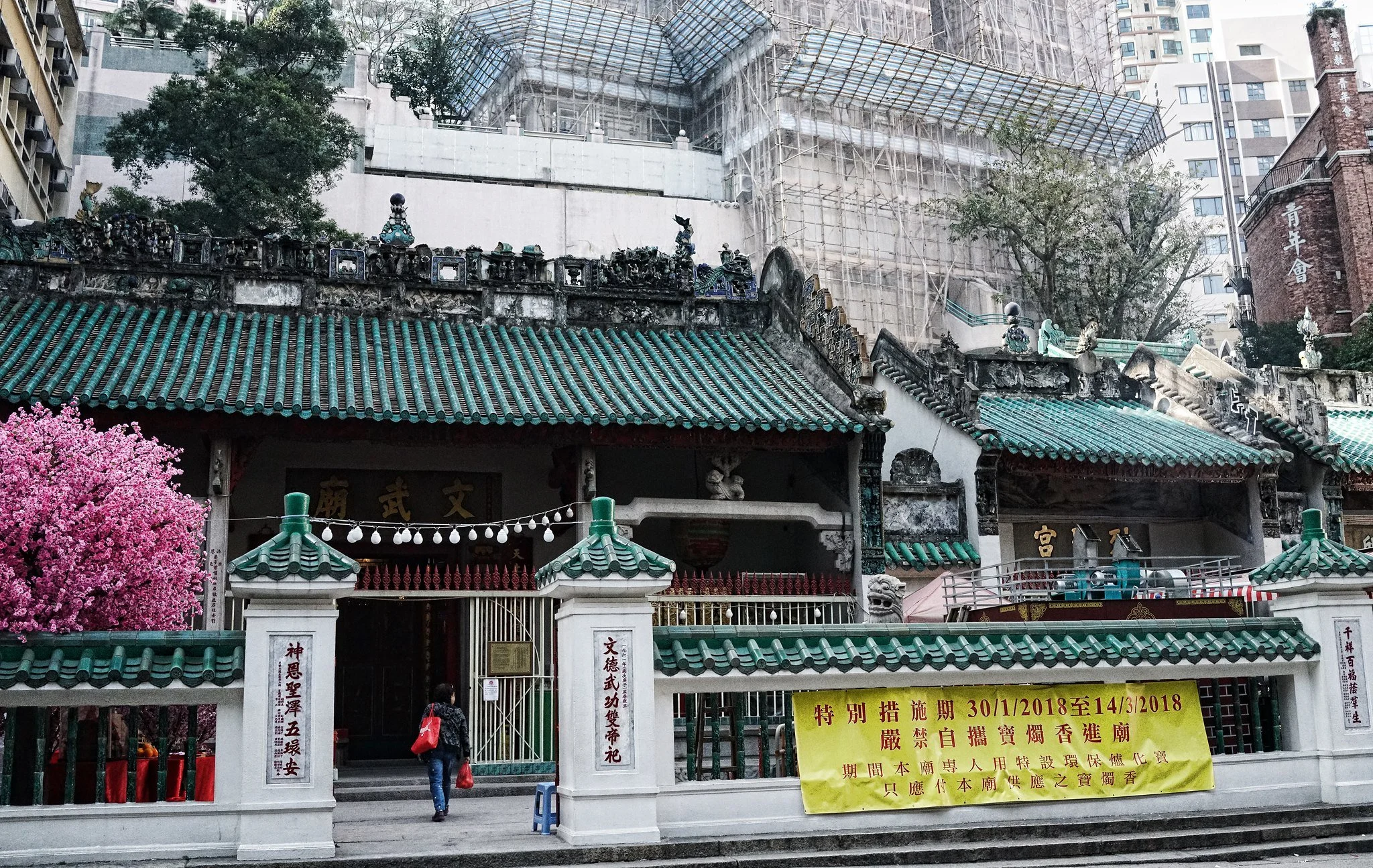
Architectural Beauty: The temple’s traditional Qing Dynasty architecture, featuring a green tiled roof, red columns, granite carvings, wooden plaques, ceramic figurines, and vibrant murals, showcases exquisite craftsmanship. The double-eaved hip-and-gable roof and incense-filled interior create a visually striking experience.
Spiritual Atmosphere: The temple’s smoky, incense-laden ambiance, coupled with active worship, provides a serene and authentic cultural experience, often described as “ethereal” or “mystical” by visitors.
Accessibility: Located on Hollywood Road, a short walk from Sheung Wan MTR Station (Exit A2) or the Central-Mid-Levels Escalator, the temple is easily accessible. Its proximity to other attractions like Cat Street’s antique markets and PMQ adds to its appeal. Free entry from 8:00 AM to 6:00 PM daily further encourages visits.
Cultural Immersion: Tourists can observe or participate in rituals like incense burning, offering a hands-on connection to Chinese traditions. The temple’s appearance in films and media also boosts its fame.
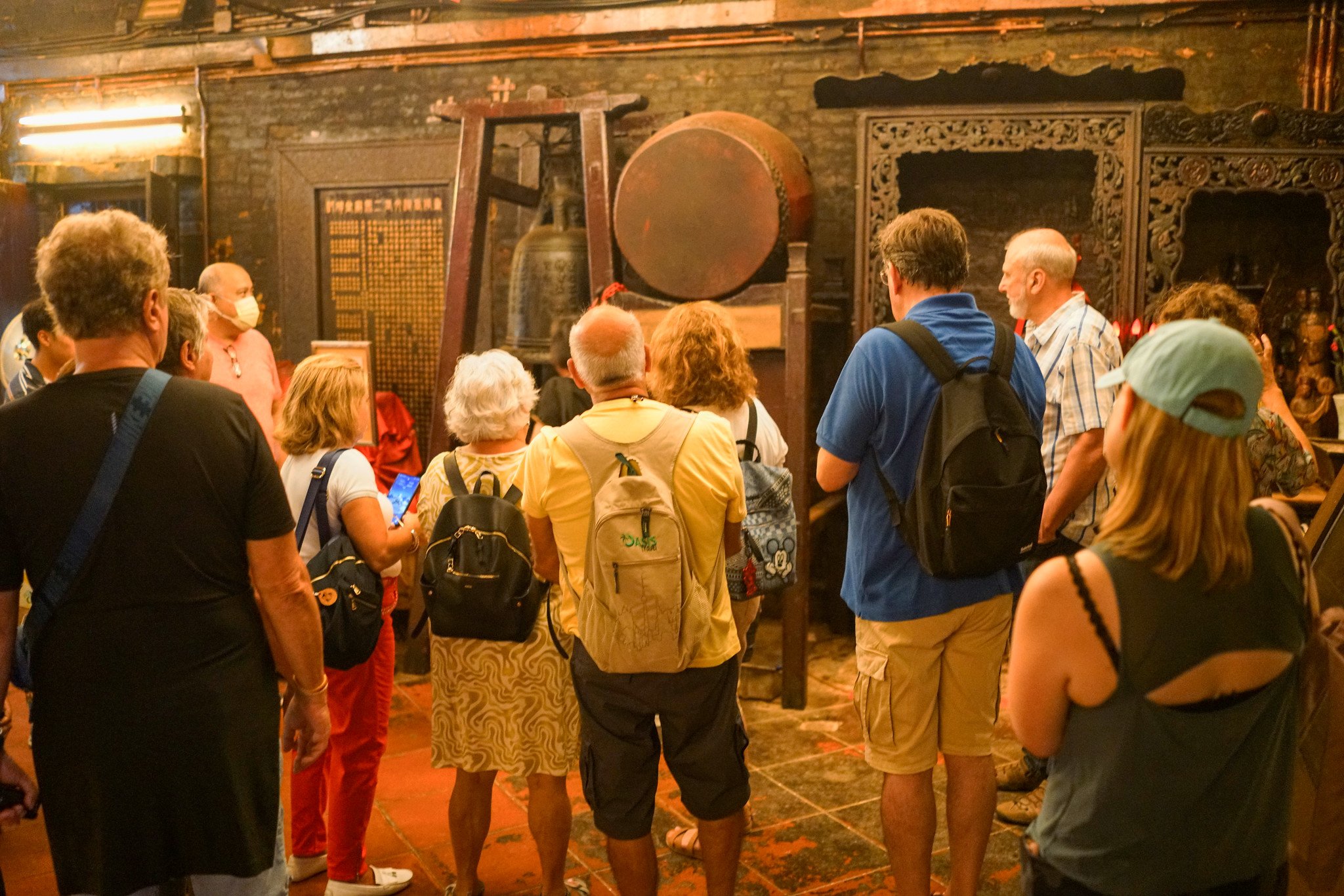
…. and frankly and I mention this a few times, it is too popular to the point where the crowds simply make for a miserable experience as the Temple is very small, if you can get there before 9am then fine but after that………..
Estimated Visitor Numbers
Exact daily or yearly visitor numbers for Man Mo Temple are not publicly documented in available sources, as the temple does not charge admission or track entries. However, based on its popularity and Tripadvisor reviews describing it as “very busy” on weekends and a “popular stop” for thousands annually, estimates can be inferred.
Daily Visitors: On average, the temple likely sees hundreds of visitors daily, with peaks during weekends, holidays (e.g., Chinese New Year), and the Autumn Sacrificial Rites. Tripadvisor reviews note crowds, particularly on Saturday afternoons, suggesting 200 - 500 visitors per day during peak times, including locals and tourists.
Yearly Visitors: Given its status as a top attraction, the temple may attract tens of thousands annually, potentially 50,000 - 100,000 visitors, comparable to other major Hong Kong landmarks like Wong Tai Sin Temple, which sees similar tourist and local traffic. This estimate accounts for the hourly arrival of tour coaches carrying up to 50 passengers each, as noted in the query.
These figures are speculative, as no official data is available, but they align with the temple’s prominence and reported crowd levels.
It is hard to argue with these estimates but I feel the estimates are way too low, I believe it is well over a thousand people every day based on my observations recently, in one hour in the morning 15 large tour buses stopped there! and at the end of the day, this is why I do not like to take people there, it is far too crowded and noisy, I know other similar places just as good and historic but with a fraction of the visitors and I know other places that get more visitors but the place is 10 times + the size of the Man Mo Temple
We have over 600 Temples in Hong Kong and yet the Man Mo Temple seems to get more crowded every day.
Significance to Hong Kong Chinese Residents
Man Mo Temple holds profound cultural and spiritual significance for Hong Kong’s Chinese residents, particularly the Cantonese community, for several reasons:
Spiritual Role: The temple is a living place of worship where locals pray for academic success, career advancement, and personal prosperity, especially during exam seasons and Chinese New Year. The deities Man Cheong and Mo Tai symbolize the balance of intellect and strength, resonating with Hong Kong’s values of education and resilience.
Community Hub: Historically, the temple was a center for social services, dispute resolution, and cultural preservation for Chinese immigrants alienated by colonial rule. Kung Sor’s role as a meeting place fostered community cohesion, a legacy that continues through Tung Wah Hospital’s involvement.
Cultural Heritage: As a Grade I historic building and national monument, the temple embodies Hong Kong’s pre-colonial Chinese identity, offering a tangible link to traditional practices amidst rapid modernization. Its rituals, like kau cim and incense burning, remain integral to local religious life.
Festivals and Traditions: The Autumn Sacrificial Rites and other festivals reinforce the temple’s role as a cultural anchor, drawing community leaders and residents to celebrate shared heritage.
Popularity with Tour Guides and Mainland Chinese Tour Coaches
Man Mo Temple’s appeal to Hong Kong tour guides and Mainland Chinese tour coaches, with hourly arrivals of buses carrying up to 50 passengers, can be attributed to several factors:
Cultural Resonance: For Mainland Chinese visitors, the temple represents a shared cultural heritage, as Man Cheong and Kwan Tai are revered across Chinese-speaking regions. The temple’s Taoist practices and traditional architecture evoke familiarity and pride, making it a must-visit for group tours.
Compact and Accessible Experience: The temple’s small size allows for quick visits (30 minutes or less), ideal for tour itineraries covering multiple Hong Kong attractions. Its central location on Hollywood Road, near other sites like Cat Street, facilitates inclusion in guided tours. ( In my experience nobody stays for 30 minutes, 10 minutes would be about right! the crowds are just overwhelming with people pushing and shoving.
Visual Appeal: The temple’s incense coils, vibrant decorations, and historical artifacts provide excellent photo opportunities, appealing to tour groups seeking memorable experiences. Guides often highlight the temple’s mystical ambiance and historical anecdotes, enhancing its allure.
Educational Value: Tour guides emphasize the temple’s role in Hong Kong’s history, from its colonial-era significance to its current status as a national monument. For Mainland Chinese tourists, this offers insight into Hong Kong’s unique blend of Chinese tradition and colonial legacy.
Group-Friendly Logistics: The temple’s free entry and open hours (8:00 AM–6:00 PM) accommodate large groups, while nearby infrastructure (e.g., bus parking and a McDonald’s at the foot of the stairs) supports coach tourism. The presence of a gift shop and offering kiosks adds to the visitor experience.
The hourly arrival of coaches suggests a structured inclusion in tour packages, likely driven by demand from Mainland Chinese tourists eager to explore Hong Kong’s cultural landmarks. The temple’s prominence in travel guides and media further amplifies its appeal.
Yet, I much prefer to go to other Temples which have the same attributes without the crowds.
Speculation on Construction Timeline (1847 - 1862)
The 15-year construction period (1847–1862) has been attributed to the temple’s three-block structure, but other factors likely contributed:
Three-Stage Construction: The temple complex consists of three distinct buildings—Man Mo Temple, Lit Shing Kung, and Kung Sor—each serving a unique purpose (worship, universal deity veneration, and community gatherings). Construction likely progressed in phases, with Man Mo Temple as the primary structure, followed by Lit Shing Kung and Kung Sor. The architectural complexity, including granite pillars, wooden carvings, and ceramic decorations, required skilled craftsmanship, which may have extended the timeline. The granite doorframe at Kung Sor, inscribed with the construction year, and the 1862 sedan chair suggest staggered completion.
Funding Considerations: While wealthy Chinese merchants funded the temple, the scale of the project, including importing materials and artisans from mainland China, may have strained resources. However, the merchants’ wealth and the temple’s importance to the community likely minimized funding issues compared to logistical challenges. Donations, such as the 1850 granite column and 1879 lacquered plaque, indicate ongoing financial support, suggesting that funding was not the primary delay factor.
Cultural and Practical Factors: Taoist construction practices often involve auspicious timing, geomancy (feng shui), and ritual ceremonies, which could have paced the project. The need to align construction with the community’s spiritual and social needs, especially during Hong Kong’s early colonial instability, may have prioritized quality and ritual correctness over speed.
While the three-stage construction is a plausible explanation, the extended timeline likely resulted from a combination of architectural complexity, logistical coordination, and adherence to cultural practices, rather than solely funding constraints.
Additional Relevant Information
Architectural Features: The temple’s two-hall-three-bay structure, with a courtyard covered by a double-eaved hip-and-gable roof supported by granite columns, exemplifies late Qing Dynasty architecture. Lit Shing Kung’s original three-hall-two-courtyard design (later covered with steel roofs) and Kung Sor’s preserved granite doorframe highlight the complex’s historical integrity.
Artifacts: Key relics include a 1847 bronze bell, a 1850 granite column, a 1862 sedan chair, and an 1879 lacquered plaque, all of which underscore the temple’s historical continuity and community support.
Visitor Guidelines: Visitors are encouraged to dress modestly (no shorts or sleeveless tops), maintain silence, and avoid flash photography during rituals. Offerings can be purchased on-site, and a nearby gift shop sells souvenirs.
Modern Context: Surrounded by high-rise buildings, the temple contrasts Hong Kong’s modernity with its historical serenity, making it a poignant reminder of the city’s cultural roots. Its inclusion in travel itineraries and media enhances its global recognition.
Conclusion
Man Mo Temple is a cornerstone of Hong Kong’s cultural and spiritual landscape, reflecting the city’s Chinese heritage through its dedication to Man Cheong and Mo Tai, its traditional architecture, and its role as a community hub. Built between 1847 and 1862, likely in three stages due to its complex structure, the temple has endured as a place of worship and cultural preservation, with no recorded damage during the Japanese Occupation. Its popularity with tourists stems from its historical significance, stunning aesthetics, and accessible location, while Hong Kong residents revere it for its spiritual and communal roles. The temple’s appeal to tour guides and Mainland Chinese coaches highlights its cultural resonance and logistical convenience. As a living monument, Man Mo Temple continues to inspire reverence and curiosity, bridging Hong Kong’s past and present.
I do not do food tours
I am pleased to say a lot of Food Tour Companies will have egg tarts and egg puffs on their tasting menu
I have very specific reasons and part of it is that I do not speak Cantonese or write Chinese, I am from Yorkshire in England and I lack the language gene and it is not through lack of trying and yes a lot of restaurants do not have English menu’s or staff who speak conversational English.
.. and yet I have eaten at close to 1,400 restaurants in Hong Kong since January 2nd 1972, my wife was born in Hong Kong and we have been together over 40 years and her first language is Cantonese and a lot of her family are Chinese or half Chinese so I have never had much of an issue!
This does not translate to doing food tours though, yes, I could do them, no problem there but they would never ever be as good as the food tours done by my friends (see the 3 links above) most of their awesome guides are locally born Hong Kong Chinese and obviously food culture is part of their DNA, it is impossible for me to compete with that!
So please feel free to contact them for food tours
© Jamie Lloyd | J3 Consultants Hong Kong | J3 Private Tours Hong Kong |
| 2010 - 2026 All rights reserved. |
Click on any image to enlarge to full screen

Current images from my Instagram feed