Inside Hong Kong Real Estate: Reasons for the Absurd Prices
Policy, Geography, and Investor Forces Shaping the Hong Kong Market

The J3 Group - Premium Quality Private Tours | Experiences and Insider Chats since 2010
Me Jamie, your host, I am English and I have lived in Hong Kong since January 2nd 1972 - I know the place.
A meaningful blog post with a difference - tips on Travel, Tourism, Tours, Daily Life and my personal thoughts on Hong Kong.
Please do visit Amazing Hong Kong
Hong Kong | Pearl of the Orient
Customised Private Tours + Experiences in Amazing Hong Kong
Jamie has lived in Hong Kong - Pearl of the Orient for 50+ years
Carefully Crafted Personalised and Customised Itineraries by Jamie | Hong Kong’s Most Experienced Private Tour Guide for : Solo Travellers Friends Families Seniors Couples Business People MICE Delegates.
Private Tours Cultural Tours Walking Tours Sightseeing Tours City Tours Night Tours Layover Tours Transit Tours Private Shore Excursions Bespoke Tours Personalised Tours Jewish Heritage Tours Luxury Private Tours Day Tours Luxury Boat Tours Themed Tours Private Family Tours Private Day Tours Corporate Tours
Just you, your family or friends and Jamie your personal English private tour guide - over 2,400+ tours completed since 2011 - Jamie offers quality Private Tours of Hong Kong
Tour Group Size 1 - 6 people only
J3 Group Hong Kong | J3 Consultants Hong Kong | J3 Private Tours Hong Kong
Creating Memories That Will Last A Lifetime
Go here for the Hong Kong Michelin Restaurant Guide which includes the Bib Gourmand Category

Guided by Stories, Private Tours of Hong Kong with Jamie
A Resident since 1972 - Quality Private Tours of Hong Kong
click on the image to enlarge
© Copyright Acknowledged | All rights reserved | image taken by Jamie
The Pink House, Gough Hill Road | Now demolished | Hong Kong
Foreword
I have been wanting to write a post about the absurd housing prices in Hong Kong for a while now but getting accurate information has been a real issue particularly when it comes to the most EXPENSIVE houses in Hong Kong, despite numerous attempts my research kept omitting the 2 most expensive houses on what I call technicalities, asterisks or not their omission in my mind made the lists inaccurate - until now and I now believe I have lists with up to date information.
Hong Kong stands out as one of the most expensive housing markets on the planet, a distinction it has held for decades despite periodic corrections and policy adjustments. The combination of extreme land scarcity, robust economic fundamentals, and sustained investor demand has created a market where property values in virtually every district - from the ultra-prime Peak and Repulse Bay to more accessible areas like Kowloon or the New Territories - consistently rank among the global elite. Even as prices experienced a significant correction of nearly 30 percent between 2021 and 2025 (mainly due to Covid), the market has shown remarkable resilience, with residential prices rising steadily through early 2026 amid lower interest rates, a recovering stock market, and renewed inflows from mainland Chinese buyers. This enduring premium reflects deeper structural realities rather than fleeting speculation, making Hong Kong a fascinating case study in urban economics where location, policy, and global capital intersect to drive extraordinary valuations.
Understanding these dynamics provides critical context for anyone navigating or analyzing or simply trying to get a handle on real estate in Hong Kong or comparable global hubs. The city’s housing story is not just about sky-high price tags; it reveals how limited supply can amplify demand pressures in a densely populated, economically vibrant international financial centre. As of 2026, with prices rebounding and forecasts pointing to further moderate gains of 5 to 10 percent or more in the mass residential segment, the market continues to underscore Hong Kong’s position as a world leader in property costs, where even modest apartments command premiums that dwarf those in many major capitals.
History of Hong Kong’s Housing Market
Hong Kong’s property market has evolved through distinct phases shaped by its colonial legacy, post-handover governance, and rapid economic transformation. In the post-war decades, rapid population growth and industrialization created initial housing shortages, prompting the government to expand public housing programs while maintaining tight control over land sales as the sole supplier. By the 1980s and 1990s, booming economic activity, low interest rates linked to the Hong Kong dollar’s peg to the US dollar, and increasing wealth from mainland China inflows drove sharp price appreciation. The Asian Financial Crisis in 1997 triggered a temporary crash, but recovery in the 2000s saw prices surge again amid China’s integration into the global economy and Hong Kong’s role as a gateway for capital. The 2010s marked a period of unprecedented peaks, fueled by quantitative easing worldwide, ultra-low borrowing costs, and strong demand from both local and international investors seeking safe-haven assets in a stable, rule-of-law jurisdiction.
Prices reached an all-time high in 2021, with the Centaline Property Agency’s leading index hitting record levels before a multi-year correction set in. Higher global interest rates, the lingering effects of COVID-19 restrictions, an exodus of professionals amid national security legislation, and elevated inventory levels contributed to a roughly 30 percent decline from peak to trough by late 2025. Yet 2025 marked the beginning of a turnaround, with prices rising 3.7 to 4.7 percent for the full year - the first annual gain since 2021. By March 2026, the official Rating and Valuation Department index had climbed to a 28-month high, supported by cumulative gains of nearly 9 percent in the secondary market over the prior 11 months. This recovery has been broad-based, appearing in districts ranging from luxury enclaves like The Peak (where select mansions have historically traded above HK$200 million) to mass-market areas in Kowloon and the New Territories, demonstrating that the city’s pricing premium transcends any single neighborhood.
Below is a current overview of rental prices in US$ in Hong Kong, this is why we personally live out in the boonies and we are lucky to rent a 973sqft apartment for US$2,000 per month, this is half the price of rentals in more convenient locations, welcome to Hong Kong as they say, we have a fabulous landlord and the rental has rarely changed in 17 years
click on the image to enlarge
© Copyright Acknowledged | All rights reserved
Hong Kong Average Rentals | Houses + Apartments | Hong Kong
Reasons Why Hong Kong Maintains World-Leading House Prices Across All Districts
Several interlocking factors explain why Hong Kong’s residential properties command such extraordinary prices regardless of district. First and foremost is severe land supply constraint: the government owns all land and releases it in limited quantities through auctions or tenders, while geography - comprising just 1,106 square kilometres of mostly mountainous terrain and scattered islands - severely restricts developable area. Historical policies, including caps on land sales in earlier decades and ongoing zoning restrictions for environmental or planning reasons, have kept new supply chronically below demand. This inelastic supply curve means that even modest increases in buyer interest translate into outsized price movements.
Demand-side pressures compound the issue. Hong Kong’s status as an international financial hub attracts high-net-worth individuals, multinational executives, and mainland Chinese buyers seeking asset diversification, currency stability, and long-term capital preservation. Gross rental yields around 3.5 percent as of early 2026 make investment attractive relative to other global cities, while the city’s low tax environment and political stability enhance its appeal. Additional catalysts in the current cycle include declining mortgage rates (now 3.25–3.5 percent), a 70 percent rally in the Hang Seng Index over two years creating a wealth effect, and policy tweaks such as expanded stamp-duty concessions for lower-priced units. These elements sustain pricing power even in less central districts, where smaller apartments or older stock still trade at premiums driven by overall market sentiment and limited alternatives.
• Average apartment price in Hong Kong: US$36,584 per square metre (nearly double Sydney’s benchmark). • Price-to-income ratio: approximately 16.7 times annual earnings, the highest among major global markets. • Private residential completions: fell to 18,450 units in 2025 from a 2024 peak of 24,260, with further declines projected to 16,980 in 2026. • Inventory reduction: primary listings down 18 percent year-on-year by early 2026, tightening supply. • Market resilience: secondary home prices up nearly 9 percent cumulatively since April 2025, with mass residential segment leading gains.
Revised Top 10 Most Expensive Residential Property Transactions in the World (Houses and Notable Sites)
To address my request for accuracy, I now have a revised ranking that incorporates the most reliably documented sales of the past decade-plus, distinguishing between completed houses and high-value site/redevelopment deals. I have prioritised verified transactions with published prices, buyer details where known, and available size information. This list blends both categories for completeness while noting the distinction:
Ho Tung Gardens, 75 Peak Road, Victoria Peak, Hong Kong (2015) - US$658 million for the redevelopment site (main villa already demolished; ~62,000 sq ft buildable GFA potential).
24 Middle Gap Road, The Peak, Hong Kong (recent transaction within last few years) - US$447 million for the luxury residence/site assembly.
5 Pollocks Path / Pink House redevelopment site, Victoria Peak, Hong Kong (2017) - approximately US$410 million (reported; adjusted for confirmed lot figures around US$361- 410 million range) for the original house plus adjacent plots, later redeveloped into a ~25,000 sq ft modern mansion.
Deep Water Bay Road, Hong Kong (2017) - US$322 million for a completed 13,854 sq ft mansion (purchased by Pan Sutong).
Château Louis XIV, Louveciennes, France (2015) - US$300 million for the completed 17th-century-style estate on 57 acres.
Knightsbridge megamansion, London, UK (2020) - US$273 million for the 20-bedroom completed property overlooking Hyde Park.
The Peak, Hong Kong (2016) - US$270 million for the completed 9,212 sq ft mansion at 15 Gough Hill Road.
Central Park South penthouse, New York, USA (2019) - US$240 million for the multi-floor completed residence.
Port Royal waterfront estate, Naples, Florida, USA (2025) - US$225 million for the completed 15-acre estate.
Villa Les Cèdres, Saint-Jean-Cap-Ferrat, French Riviera (2019) - US$220 million (or higher in some updated valuations) for the completed historic 14-bedroom estate on 35 acres.
This revised ordering places the two Peak properties I referenced at or near the top when residential transactions (including sites with redevelopment intent) are considered together. Traditional “completed house only” lists would start with the Deep Water Bay or French château transactions and slot the Pink House around 5th–7th depending on exact verification. The distinction between a standing home and a redevelopment opportunity is what typically keeps Ho Tung Gardens and, to a lesser extent, the Pink House out of the absolute top slots in many published global house rankings., this comment is not logical as a 25,000 sqft new house stands where the Pink House used to be! and houses or apartment blocks are scheduled to be built on then Ho Tung site or more practical reason, you do not buy an old Mansion for US$658, knock it down and leave it to become overgrown with weeds!
These transactions highlight how ultra-prime properties in constrained markets like Hong Kong, London, and New York continue to set records, often driven by billionaire buyers from Asia and the Middle East.
Top 10 Cities for House or Apartment Prices as of 2026
Based on the latest 2026 global benchmarks for average apartment prices per square metre in prime or city-centre locations, the ranking reflects ongoing supply-demand ( imbalances in major financial and cultural hubs:
Hong Kong - US$36,584 per square metre (world leader due to extreme land scarcity and high demand).
Zurich, Switzerland.
Singapore.
Seoul, South Korea.
Geneva, Switzerland.
London, United Kingdom.
New York, United States.
Tel Aviv, Israel.
Beijing, China.
Shanghai, China.
These cities share characteristics of limited developable land, strong economic activity, and international capital flows that keep prices elevated relative to most other global markets.
My Considered and Thoughtful Opinion
In my view, (for what its worth) Hong Kong’s position as a world leader in house prices is not an aberration but a logical outcome of its unique constraints and strengths. The government’s monopoly on land supply, combined with geographic realities, has created a permanently tight market that rewards ownership and investment while challenging affordability for average residents. This dynamic has persisted across districts because demand is structural - rooted in Hong Kong’s role as Asia’s premier financial centre, a safe store of wealth, and a gateway to mainland opportunities - rather than purely speculative. The 2025 - 2026 recovery, driven by rate easing, equity market strength, and returning buyers, signals underlying resilience and suggests that the long-term uptrend remains intact despite short-term volatility. However, the extreme price-to-income ratios (around 16 - 17 times) underscore a genuine affordability crisis that affects social mobility, family formation, and overall quality of life; policymakers have made strides with public housing targets and stamp-duty relief, but bolder measures such as accelerated land reclamation, streamlined redevelopment, or incentives for brownfield development could help moderate future spikes without undermining market confidence.
Put in plain English, a typical Hong Kong family will resign themselves to living in public or social housing with an average apartment size of 300 - 400 sqft if they are lucky because this is simply all they can afford.
Globally, Hong Kong’s model offers lessons for other high-demand cities: supply-side reforms are essential to prevent prices from detaching entirely from fundamentals. That said, the premium commanded by Hong Kong properties reflects real value in stability, liquidity, and location - qualities that continue to attract capital even as alternatives like Singapore or Dubai emerge. Looking ahead, I believe moderate price growth of 5 - 10 percent in 2026 is sustainable and positive for the broader economy, provided it is accompanied by targeted measures to improve access for younger buyers and middle-income families. Ultimately, while the numbers appear “absurd” on paper, they embody the city’s enduring appeal as a global asset class; the challenge lies in balancing this success with livability for all residents.
In plain English, you will spend your adult life in a 300 - 400sqft apartment.
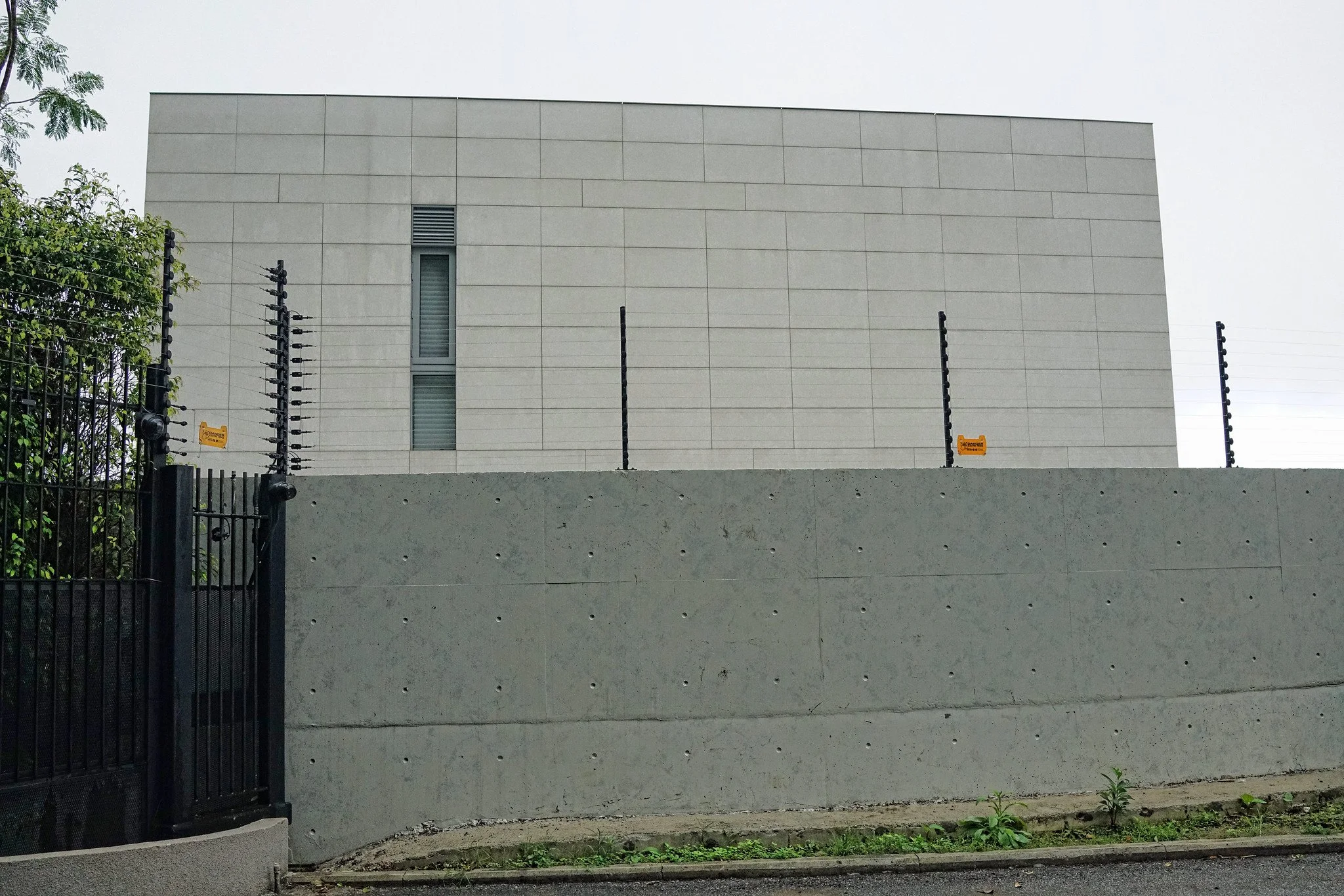
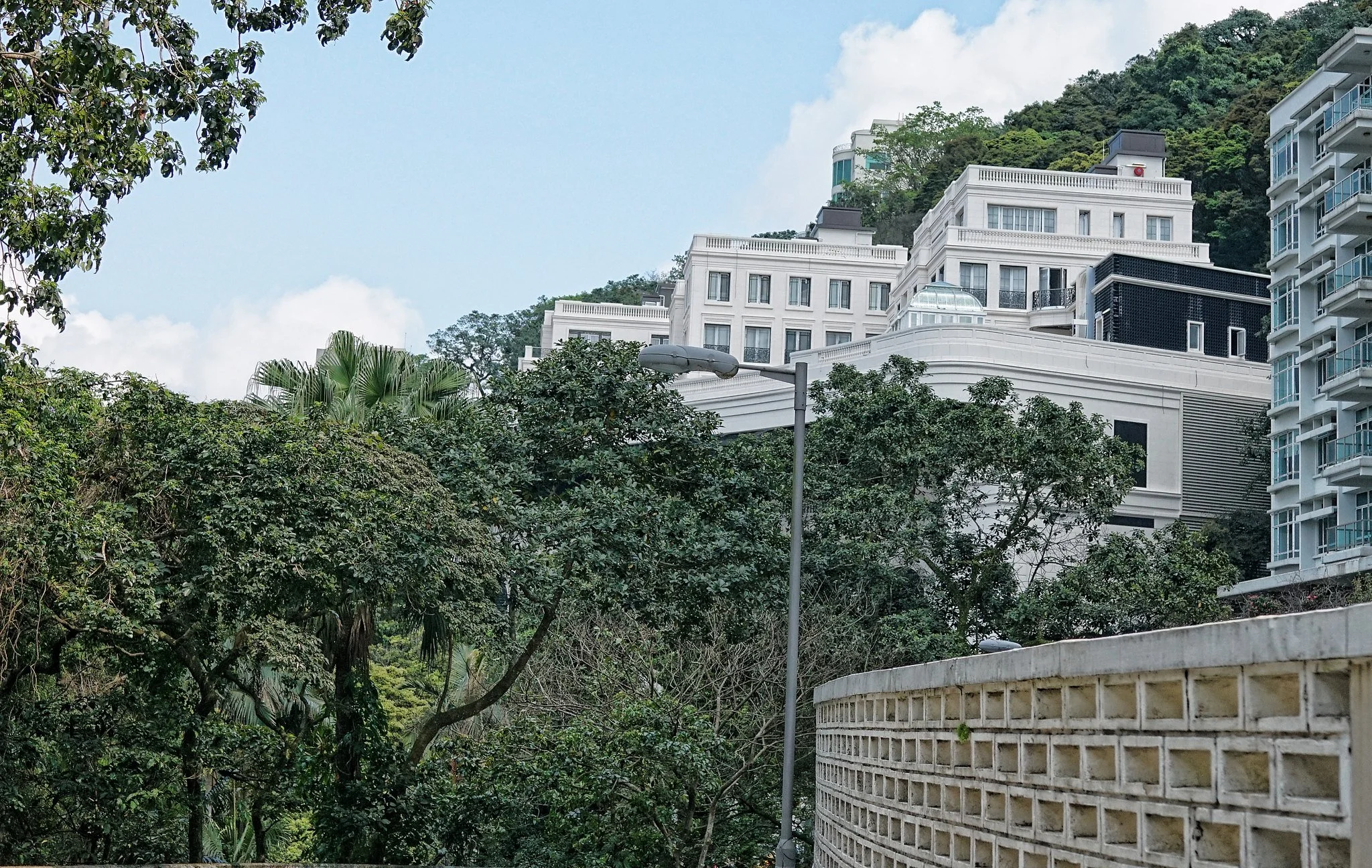
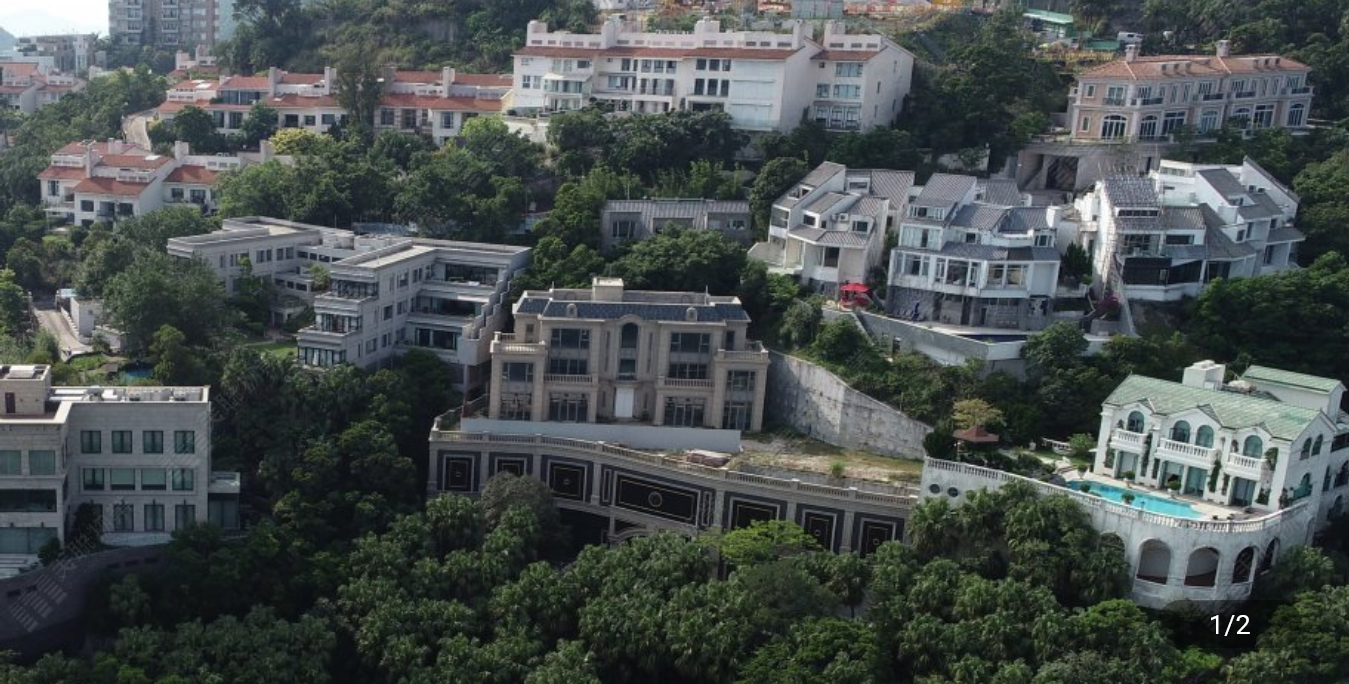
click on any image to enlarge
© Copyright Acknowledged | All rights reserved | images taken by Jamie
Hong Kong Mansions | Victoria Peak | Hong Kong
Yes, there is substantial basis to the story of the 2 mansions I recall, though with important nuances around the exact sale price, what was sold, and subsequent development.
I think it is appropriate to delve into the story of Ho Tung Gardens and the Pink House.
The property in question is Ho Tung Gardens (also known as 75 Peak Road), a historic estate on Victoria Peak (The Peak), one of Hong Kong’s most exclusive and elevated residential areas. In February 2015, the site sold for a record HK$5.1 billion, equivalent to roughly US$657–658 million at the time (depending on exchange rates). This transaction stood as one of the highest-priced residential-related deals in Hong Kong history and was widely reported as the most expensive private residential plot sold by tender.
click on the image to enlarge
© Copyright Acknowledged | All rights reserved
Ho Tung Gardens ( now demolished) | Victoria Peak | Hong Kong
Key Details on the Property and Sale
The original main villa (a notable example of Chinese Renaissance-style architecture with heritage value) was demolished by the previous owner around 2012 - 2013 prior to the sale, so the transaction was primarily for the land/site with development potential rather than a standing luxury home.
The site spans about 2.8 acres and offered significant buildable area (reported around 62,000 sq ft or more in gross floor area potential). This made the effective price per sq ft of buildable area extremely high—around HK$82,258 (roughly US$10,600+ per sq ft at the time).
Buyer reports pointed to a Hong Kong-listed developer. The rarity of such a large, prime Peak site with panoramic views and redevelopment upside drove the premium valuation.
my friend, Jason Wordie who is a journalist for the SCMP and historian wrote a great article about Ho Tung Gardens!
Connection to a ~25,000 sq ft House, previously the Pink House on Gough Hill Road
Articles and discussions around this sale (and broader Peak luxury developments) often reference ambitious post-purchase plans for large-scale luxury residences. While I cannot confirm an exact 25,000 sq ft completed house tied directly to this specific plot in public records from the sale era, developers in such prime locations frequently propose or build grand mansions in that size range (or larger compounds) to maximize value. Peak properties routinely feature multi-level designs with extensive living space, pools, gardens, and guest quarters that can approach or exceed 20,000 - 30,000+ sq ft in total built area. Subsequent market reports on ultra-prime Hong Kong homes have referenced high-profile Peak redevelopments with substantial footprints, which likely contributed to the narrative you encountered.
This deal remains a benchmark for Hong Kong’s ultra-luxury segment. It outstripped other notable Peak transactions (e.g., earlier mansions in the US$200 - 300 million range) and highlighted how scarcity, views, privacy, and redevelopment potential can push valuations into the hundreds of millions—even for land or sites without an existing trophy home. Market conditions at the time (strong mainland Chinese buyer interest and low global rates) amplified such records, though later corrections moderated some peaks.
More on the Pink House that matches a well-known (if sometimes variably reported) high-profile Peak transaction.
The property I describe is the "Pink House" at 5 Pollocks Path (also referred to as part of Hilden or similar designations on Rural Building Lots), a historic residence on Victoria Peak. It was long associated with the Brown family and had significant heritage character as one of the older private homes in the exclusive area. I did get some nice images of it prior to it being demolished.
Sale Details of the Pink House
In or around 2017, the Pink House and adjacent/related plots (including references to 1 & 3 Pollocks Path in some bundled transactions) changed hands in a deal widely cited in local tour, real estate, and enthusiast circles as approximately US$410 million (or the HK$ equivalent at the time). This figure appears consistently in Hong Kong-specific sources, including blogs, photo archives, and visitor information tied to Peak history. The South China Morning Post covered the Pink House in a 2018 feature noting it had "changed hands last year," highlighting its history and uncertain future at the time, which aligns with the timeline.
Redevelopment of the Pink House
The original Pink House was demolished after the sale. The combined site(s) were redeveloped into a much larger modern luxury residence. Reports and local accounts indicate a substantial new home now occupies the plots, with built areas in the range that could support or approach the ~25,000 sq ft you mentioned (Peak mansions often feature expansive multi-level designs, terraces, and compounds that easily reach or exceed this when aggregating gross floor area across main house, guest quarters, and amenities). The location offers the classic Peak advantages: elevated privacy, commanding harbour and city views, and prestige.
After discussions with the wife we decided that we could live quite nicely in a 25,000 sqft mansion at Victoria Peak although it would be a bugger to keep clean!
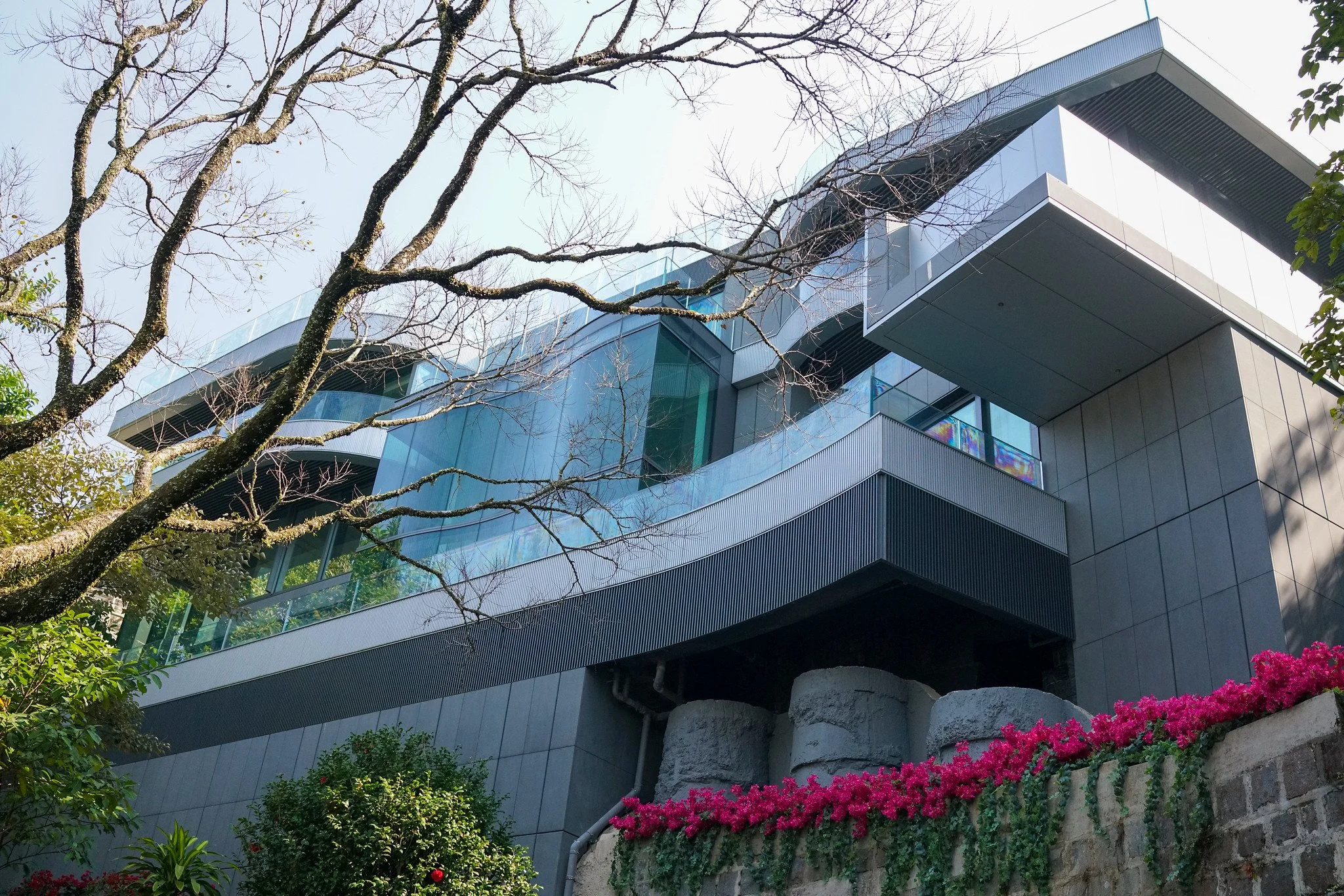
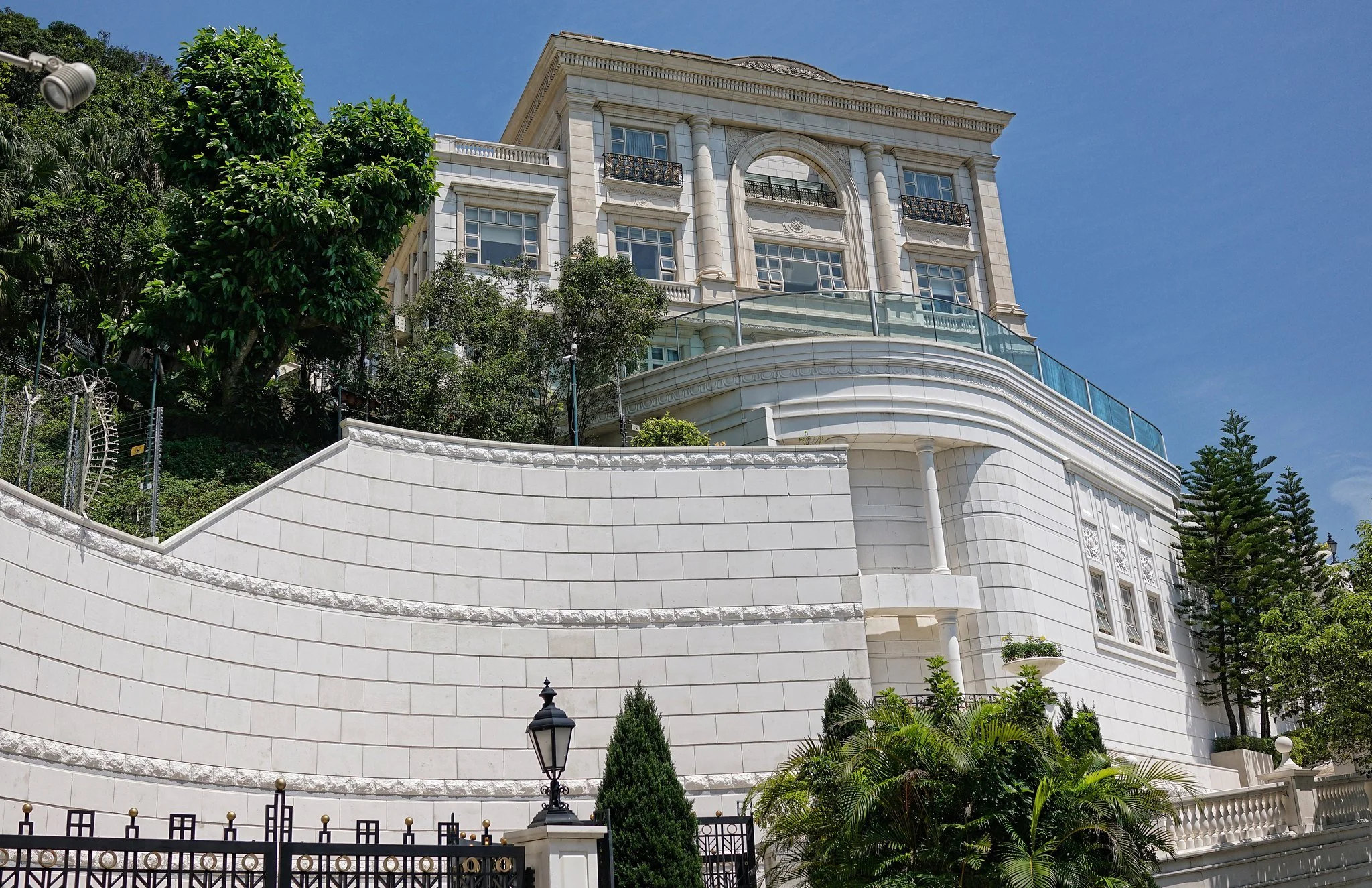
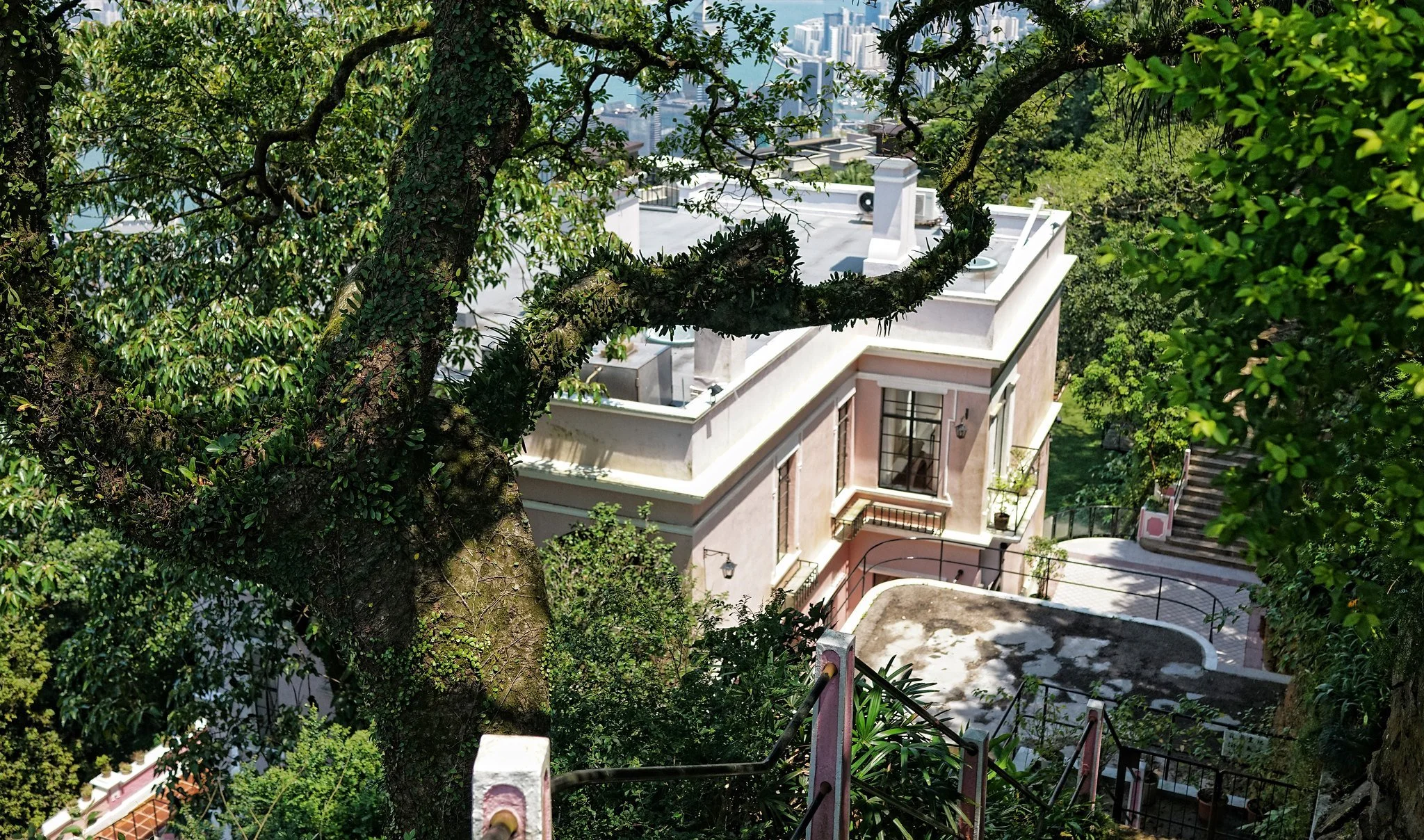
click on any image to enlarge
© Copyright Acknowledged | All rights reserved | images taken by Jamie
Hong Kong Houses | Victoria Peak | Hong Kong
Context in Hong Kong's Market
This deal fits the pattern of ultra-prime Peak transactions in the mid-2010s, when strong demand (often from mainland or Asian buyers), low interest rates, and scarce supply of large private lots pushed valuations to extremes. It was frequently described locally as one of Hong Kong’s (or the Peak’s) most expensive residential deals around that period, though official Land Registry records sometimes reflect the structure as multiple lots or companies, which can lead to slight variations in reported totals. Comparable deals on Pollocks Path and nearby (e.g., other Pollock’s Path properties in the HK$ hundreds of millions) underscore the street’s exclusivity.
The story has substance and has been referenced for years in Hong Kong real estate and tourism contexts as an example of the Peak’s astronomical pricing. Minor discrepancies in exact figures can arise from currency conversion dates, whether it was a single lot or assembled sites, or gross vs. saleable area, but the core event—high-value acquisition followed by demolition and large-scale redevelopment - is accurate
The question of why certain headline-grabbing Peak transactions like Ho Tung Gardens and the Pink House at 5 Pollocks Path do not always appear at the very top of global “most expensive houses sold” rankings highlights an important nuance in how luxury real estate data is compiled and reported. Most authoritative lists worldwide prioritise verified sales of completed, turnkey residential properties = standing mansions or homes with documented square footage that a buyer could immediately occupy )I guess that is context) - rather than pure land or redevelopment sites, even when those sites carry enormous price tags driven by buildable gross floor area potential. This distinction matters because Hong Kong’s ultra-prime market frequently involves assembling plots, demolishing older structures, and redeveloping at scale, which can blur the line between “house” and “development opportunity.” As a result, transactions that make local headlines or tourism lore sometimes fall outside the strict criteria used by international compilations that focus on actual homes purchased and sizes of existing (or newly completed) residences.
Accuracy in these rankings is especially relevant in Hong Kong, where land scarcity, private-tender sales, and off-market deals mean that not every high-value transaction enters the public record in the same standardised way. Currency fluctuations at the time of sale, whether multiple lots were bundled, and whether the original structure remained standing can also lead to slight variations in reported figures. The two properties you mention are genuine landmarks in the city’s real-estate history and do belong in any comprehensive discussion of Hong Kong’s record-breaking deals, but their classification as site sales or post-sale redevelopments explains why they are often listed separately from “completed house” benchmarks. Below I clarify the details for each and offer a revised global top 10 that better reflects verified residential transactions while acknowledging these standout Peak examples.
Why Ho Tung Gardens Does Not Rank in Standard “Top 10 Houses” Lists
Ho Tung Gardens at 75 Peak Road was sold in February 2015 for HK$5.1 billion, equivalent to approximately US$658 million at the prevailing exchange rate. This remains one of the highest residential-related transactions ever recorded in Hong Kong and was widely reported as a record private-tender site sale. However, the main historic villa had already been demolished by the previous owner around 2012 - 2013, two years before the sale closed. The transaction was therefore for the vacant land/plot (approximately 120,000 square feet site area with roughly 62,000 square feet of buildable gross floor area potential), not a standing house. Global lists of “most expensive houses sold” typically require an existing residential structure with measurable living space that transferred to the buyer; pure development sites, no matter how valuable, are often placed in a separate “land” or “redevelopment” category. This is why Ho Tung Gardens appears in some all-time residential-property transaction rankings but is absent from strict house-sale compilations that feature completed mansions like the Deep Water Bay or French Riviera estates.
My logic is simple, the value of the land and any future building on the land are one and the same
Why the Pink House at 5 Pollocks Path Is Not Usually Ranked Higher
The Pink House (also known locally as part of the Hilden designation on Rural Building Lot 1, encompassing 5 Pollocks Path and in some reports adjacent lots at 1 & 3 Pollocks Path) changed hands around 2017 for a reported figure in the region of US$410 million (or the HK$ equivalent, with some accounts citing approximately HK$2.8 - 3.2 billion depending on exact lot bundling). The original historic residence was standing at the time of sale but was subsequently demolished by the buyer, who redeveloped the combined site into a substantially larger modern luxury mansion reportedly approaching or exceeding 25,000 square feet in total built area. While this was a genuine house-plus-land transaction and ranks among Hong Kong’s most expensive private residential deals of that era, it does not always top global lists for two reasons: (1) the final verified Land Registry figures and square-footage details for the original structure were not always publicly itemised in the same transparent way as purpose-built new mansions, and (2) many international rankings focus on post-2015 sales of fully completed trophy homes rather than properties acquired for immediate large-scale redevelopment. The US$410 million figure has circulated reliably in local Hong Kong tourism, photography, and real-estate enthusiast circles, yet slight discrepancies in lot aggregation or currency conversion mean it is sometimes reported just below other headline global deals when strict criteria are applied.
Semantics dear boy, semantics
The Hong Kong List of most expensive properties
Hong Kong’s ultra-luxury residential market, particularly on Victoria Peak, operates in a league of its own due to extreme land scarcity, exceptional views, and consistent demand from high-net-worth buyers seeking prestige and capital preservation. Transactions involving historic properties or large redevelopment sites often generate significant local attention, even if they do not always align perfectly with global “completed house” rankings that prioritise standing structures with measurable living space. The Ho Tung Gardens site and the Pink House at 5 Pollocks Path are iconic examples that illustrate this dynamic: both commanded record or near-record prices and led to substantial new developments, reinforcing the Peak’s status as one of the world’s most expensive residential enclaves. Revising any Hong Kong-specific list requires careful attention to verified transaction details, whether the sale involved a completed home or redevelopment potential, and how square footage is reported (saleable area versus gross floor area or buildable potential).
In recent weeks in Hong Kong there has been an uptick in reporting of expensive properties at Victoria Peak and I guess this will gain momentum over the coming year (s)
So we are clear, this level of precision matters because reported figures can vary slightly depending on lot bundling, exchange rates at the time, and whether the original structure remained or was redeveloped post-sale. Including these two properties provides a more comprehensive picture of Hong Kong’s all-time high-value residential deals while acknowledging the nuances that sometimes place them in “site” rather than pure “house” categories in broader compilations. Below is a revised top 10 focused on Hong Kong, drawing on the most consistently documented transactions and incorporating the two you referenced.
Revised Top 10 Most Expensive Residential Properties/Houses Sold in Hong Kong (All-Time, by Transaction Value)
This list blends verified sales of completed houses with notable high-value site or redevelopment transactions for completeness, noting the nature of each deal. Prices are in approximate US$ (converted at the time of sale) with HK$ equivalents where historically reported. Sizes refer to the original or primary structure/buildable area as documented:
Ho Tung Gardens, 75 Peak Road, Victoria Peak (2015) - ~US$658 million (HK$5.1 billion). Major redevelopment site sale; main historic villa already demolished prior to sale; ~62,000 sq ft buildable gross floor area potential. Record residential site transaction.
Pink House / 5 Pollocks Path (with adjacent lots), Victoria Peak (2017) - ~US$410 million (HK$ equivalent reported in local accounts; related lots around HK$2.8 billion). Original standing historic house acquired and later demolished; redeveloped into a large modern mansion reportedly approaching or exceeding 25,000 sq ft. High-profile Peak assembly deal.
75 Deep Water Bay Road (2017) - US$322 million. Completed 13,854 sq ft mansion purchased by Pan Sutong of Goldin Group; one of the highest for a turnkey luxury home.
24 Middle Gap Road, The Peak (notable recent transaction) - ~US$447 million. Luxury residence or site assembly in the ultra-prime area.
15 Gough Hill Road, The Peak (2016) - US$270 million. Completed 9,212 sq ft mansion.
Deep Water Bay properties (various high-end, e.g., recent bundled sales) - Transactions in the US$200 - 280+ million range for completed villas or compounds with exceptional harbour/golf views.
Mount Nicholson Road or similar Peak houses (e.g., House 3, 2017) - Around US$150 million range for large completed detached homes (9,000+ sq ft).
Other Peak Road or Repulse Bay mansions (mid-2010s peak period) - Multiple verified sales in the US$100–200 million bracket for standing luxury residences with substantial footprints.
Black’s Link or Barker Road historic homes (earlier benchmark sales) - Notable transactions exceeding US$100 million (inflation-adjusted significantly higher today).
Recent Deep Water Bay or Peak redevelopments (2020s) - Properties trading in the US$110 - 280 million range, including refurbished villas with 8,000 - 11,000+ sq ft.
Key Context and Statistics on These Transactions
Ho Tung Gardens stands out as the highest by nominal value but is classified as a land/redevelopment site rather than a completed house, which is why it tops site-sale records but may not always head pure “mansion” lists.
The Pink House transaction reflects the premium for assembled Peak lots with redevelopment upside; the post-sale rebuild created one of the larger modern homes in the area.
Bullet-point stats on the broader market:
Peak properties routinely exceed HK$100,000+ per sq ft in prime deals.
Deep Water Bay and The Peak dominate the ultra-luxury segment, with many sales involving mainland or Asian high-net-worth buyers.
Total value of top transactions often reflects not just the existing structure but views, privacy, and future development rights in a city with chronic land shortage.
The Last Word on this subject
So we are clear, when I say The Peak I mean Victoria Peak in Hong Kong
Including Ho Tung Gardens and the Pink House at or near the top of a Hong Kong-specific list is essential for accuracy and completeness, as they represent pivotal moments in the city’s real-estate narrative and underscore how redevelopment potential can drive valuations even higher than many completed mansions elsewhere in the world. The distinction between “house” and “site” explains their occasional absence from global rankings, but locally they embody the Peak’s enduring allure. This revised ordering better captures the market’s realities without overstating or understating any deal. Hong Kong’s pricing remains world-leading precisely because of these dynamics - limited supply meeting insatiable demand for exclusivity. the list can be fine-tuned furthe in the futurer. Accuracy in this space requires acknowledging both the headline figures and the underlying classifications, which I have aimed to do here.
Regardless of the technical asterisks (land vs completed house, redevelopment intent, or exact lot bundling), both Ho Tung Gardens and the Pink House at 5 Pollocks Path achieved genuinely astronomical prices that placed them among Hong Kong’s all-time record transactions and reinforced the Peak’s global reputation for eye-watering valuations. Those deals stand as clear demonstrations of how scarcity, prestige, and development upside can push residential real estate into the hundreds of millions (or more) in this city.
So there you go
Jamie’s Hong Kong Insider Chat
AI Itinerary Rescue Service - Bring your AI-generated plan (or any self-designed itinerary) and I will spend the full two hours reviewing it with you. I’ll fix the impossible timings, suggest smarter routing, add interesting places that AI never finds, adjust for your group’s energy levels, and create a realistic, enjoyable day-by-day flow that actually works in real Hong Kong. Most guests leave saying “This is exactly what we needed”
I do not do Food Tours in Hong Kong but I know people that do!
I do not do food tours as mentioned above, I have very specific reasons and part of it is that I do not speak Cantonese or write Chinese, I am from Yorkshire in England and I lack the language gene and it is not through lack of trying and yes a lot of restaurants do not have English menu’s or staff who speak conversational English.
.. and yet I have eaten at close to 1,400 restaurants in Hong Kong since January 2nd 1972, my wife was born in Hong Kong and we have been together over 40 years and her first language is Cantonese and a lot of her family are Chinese or half Chinese so I have never had much of an issue!
This does not translate to doing food tours though, yes, I could do them, no problem there but they would never ever be as good as the food tours done by my friends (see the 3 links above) most of their awesome guides are locally born Hong Kong Chinese and obviously food culture is part of their DNA, it is impossible for me to compete with that!
So please feel free to contact them for food tours
I do not do Hiking Tours in Hong Kong but I know someone that does!
I do not do Hiking Tours, never have and never will even though I used to go Hiking a lot when I was a lot younger, The Hong Kong Government is promoting hiking tours so I urge you to contact my friend Sabrina at Hong Kong Trails and Tours, she is a long time Hong Kong resident and and a very experienced hiker with close to 700 Hikes in 15+ years under her belt, please click on the link below
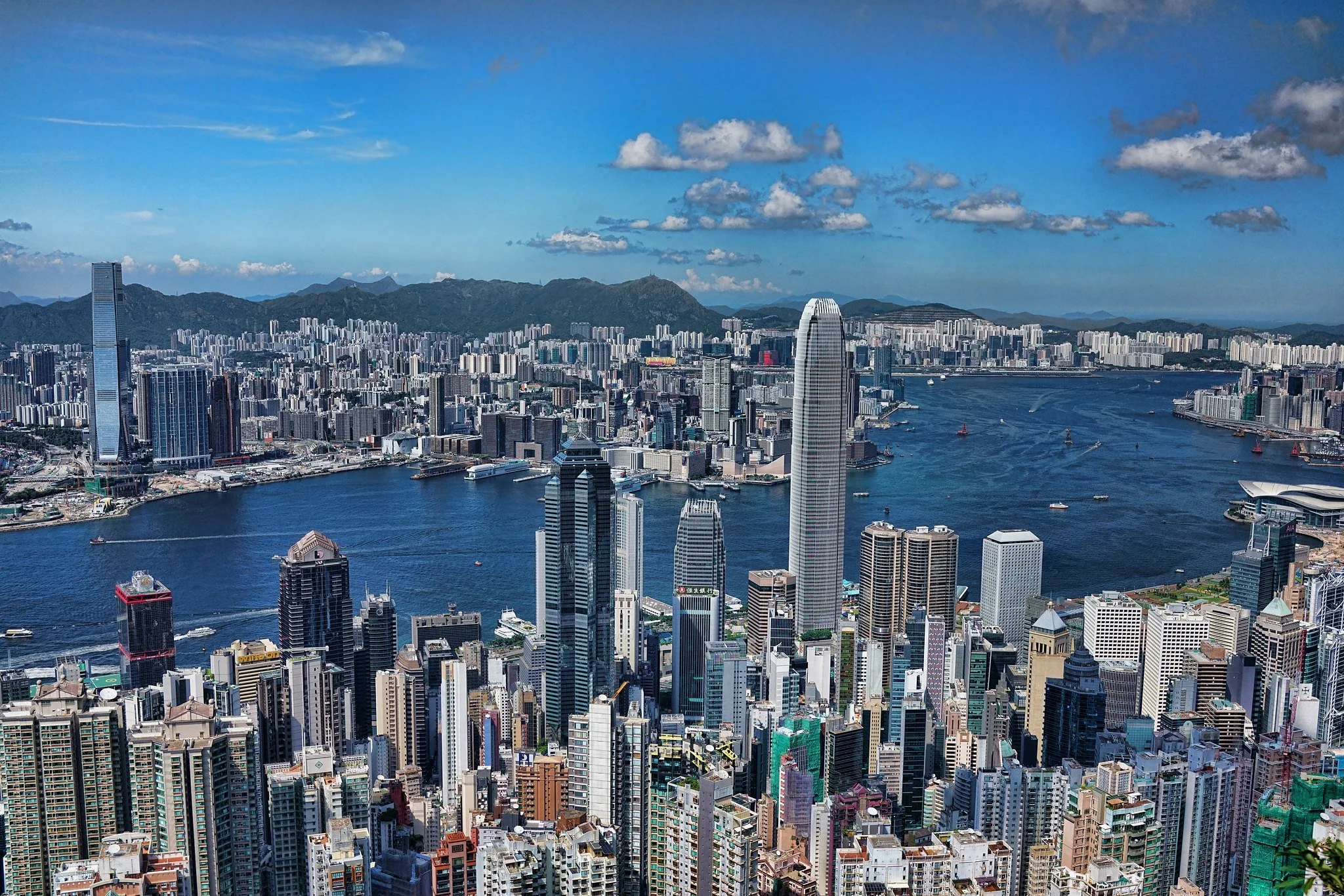
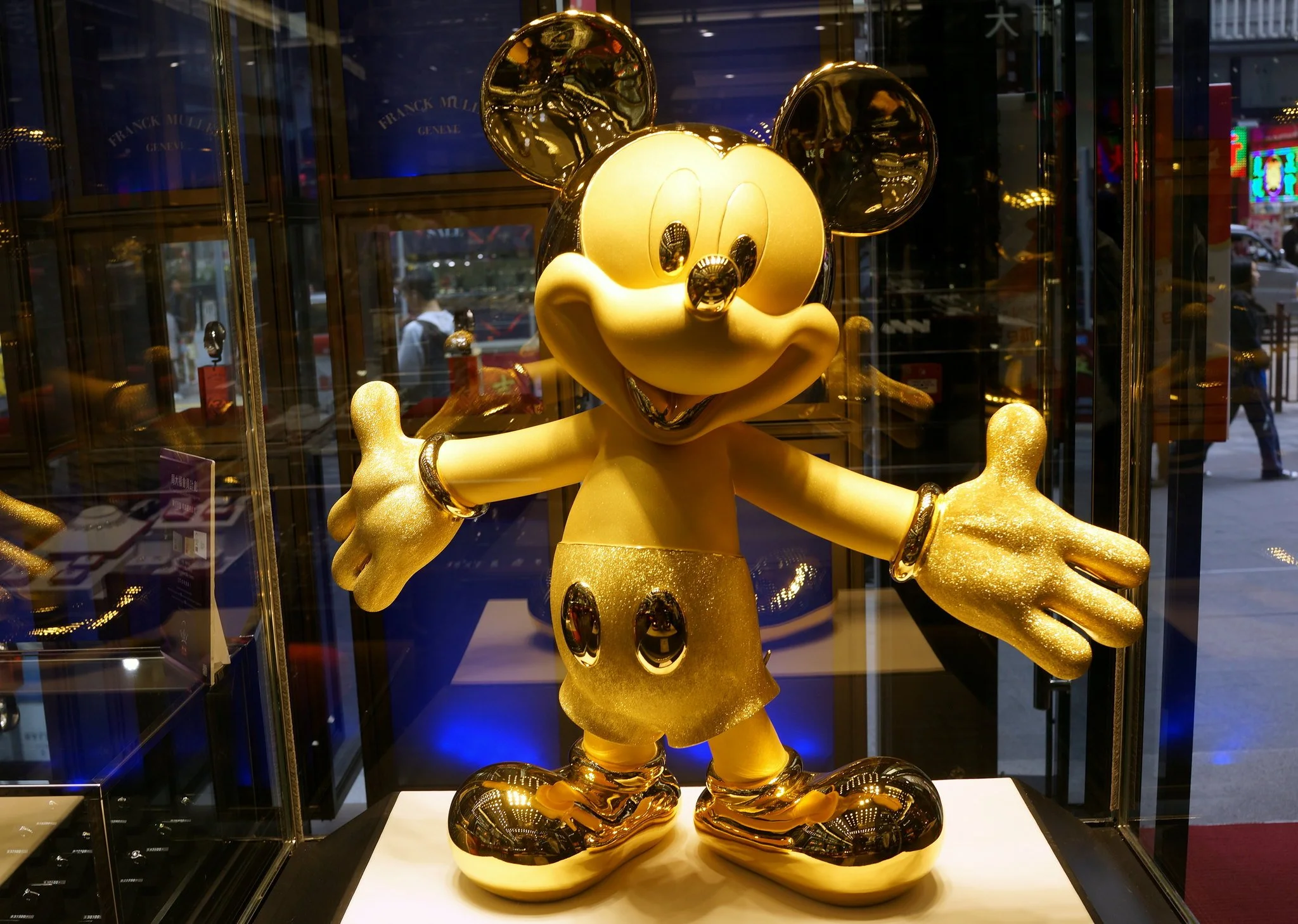
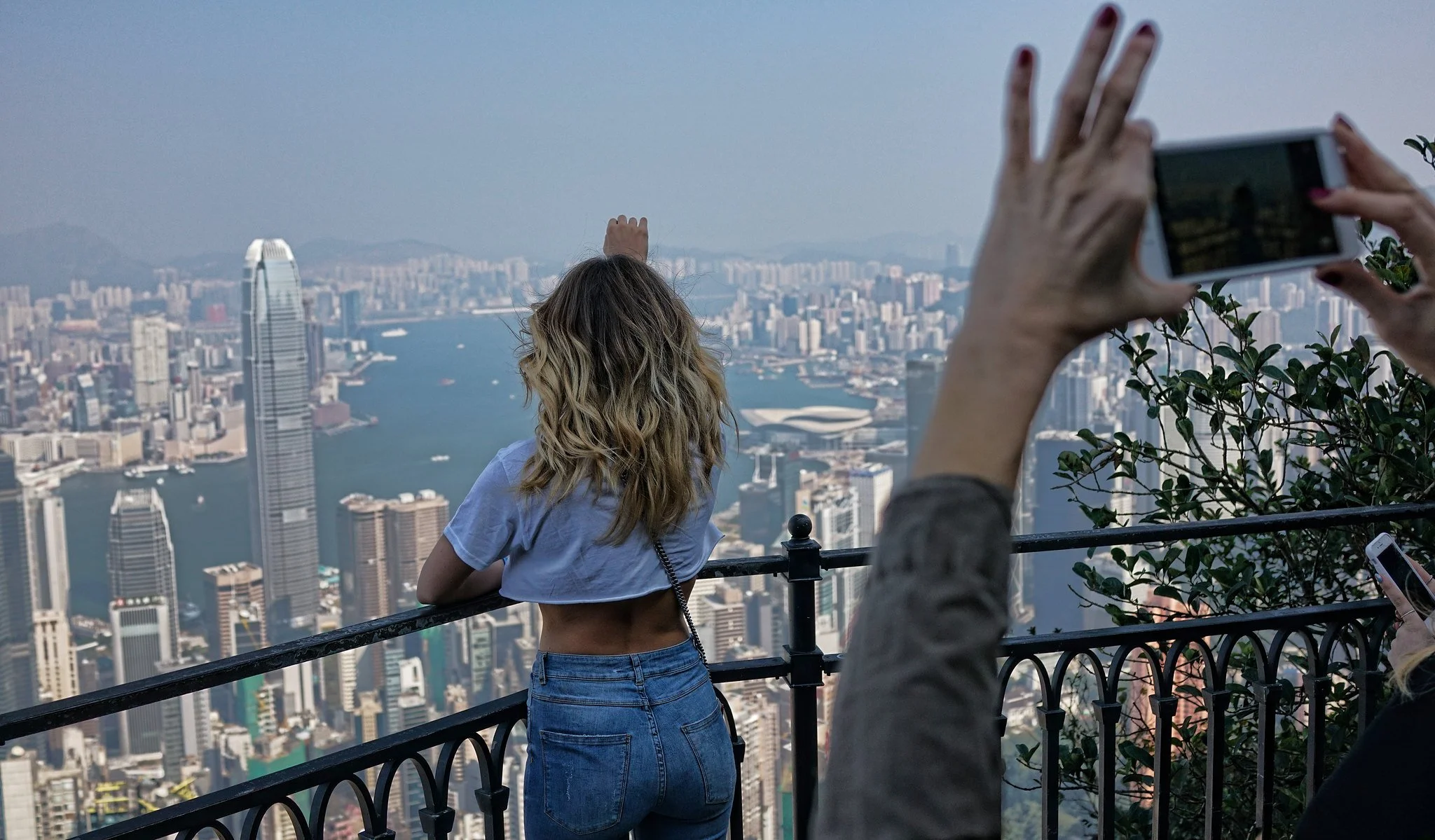
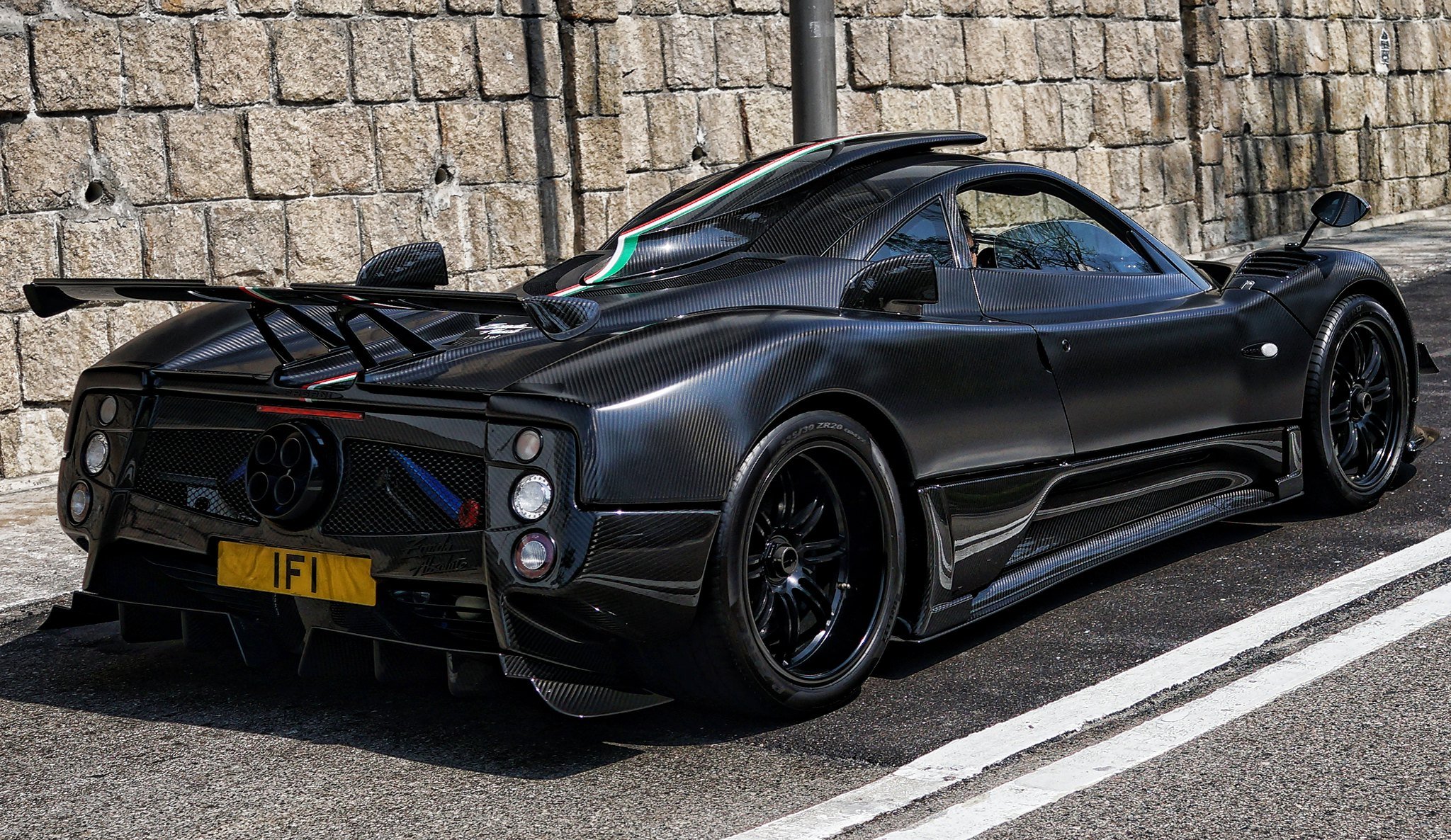
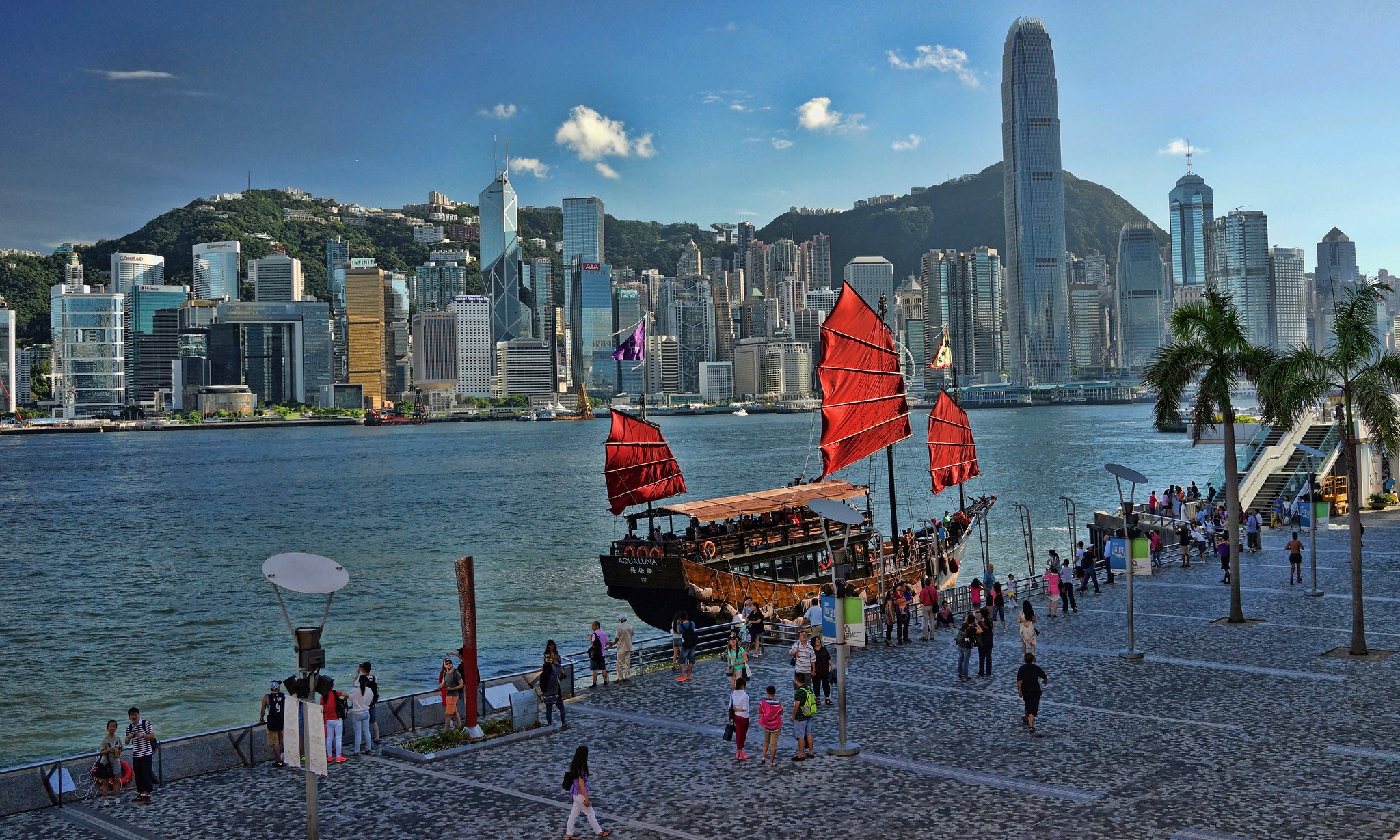
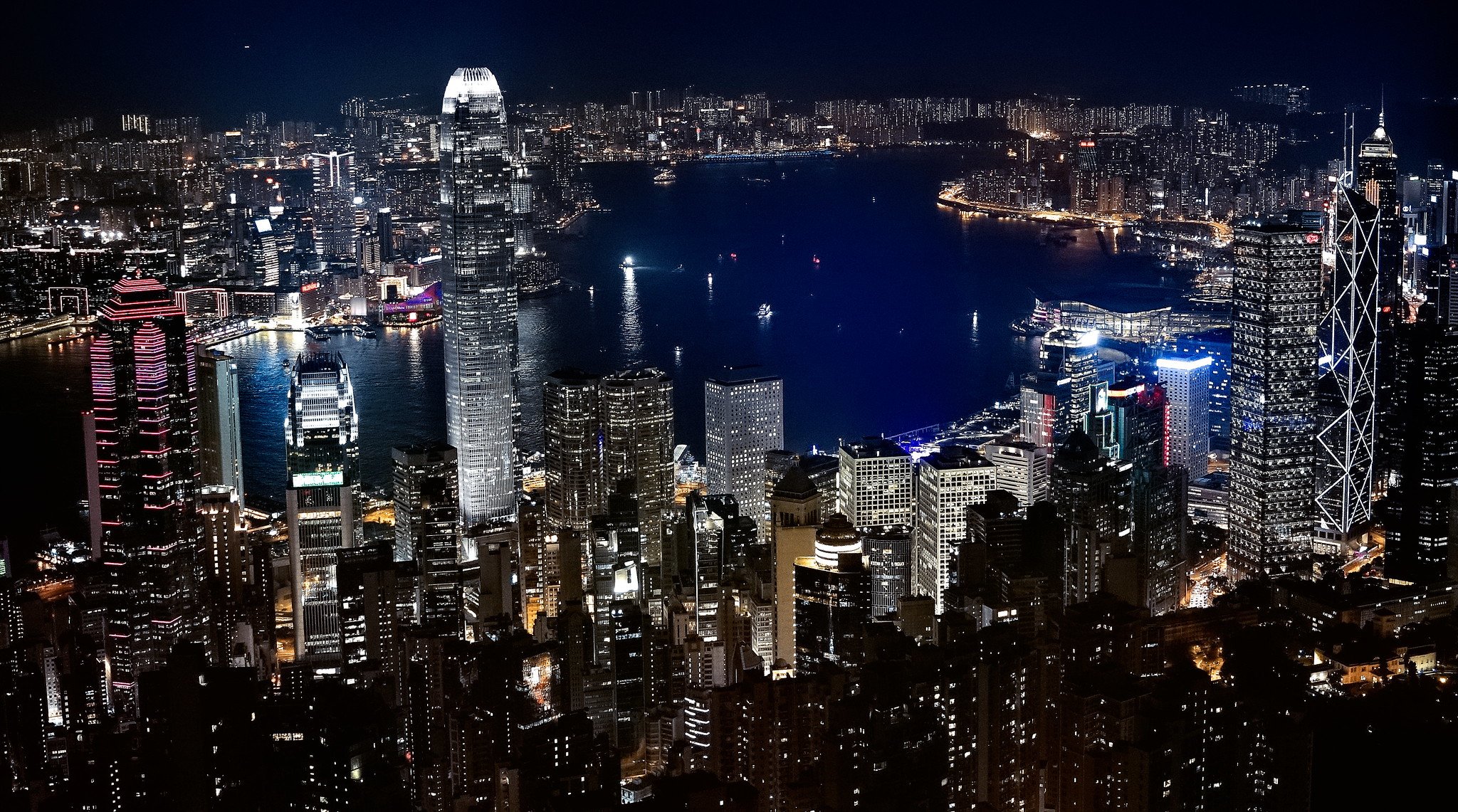
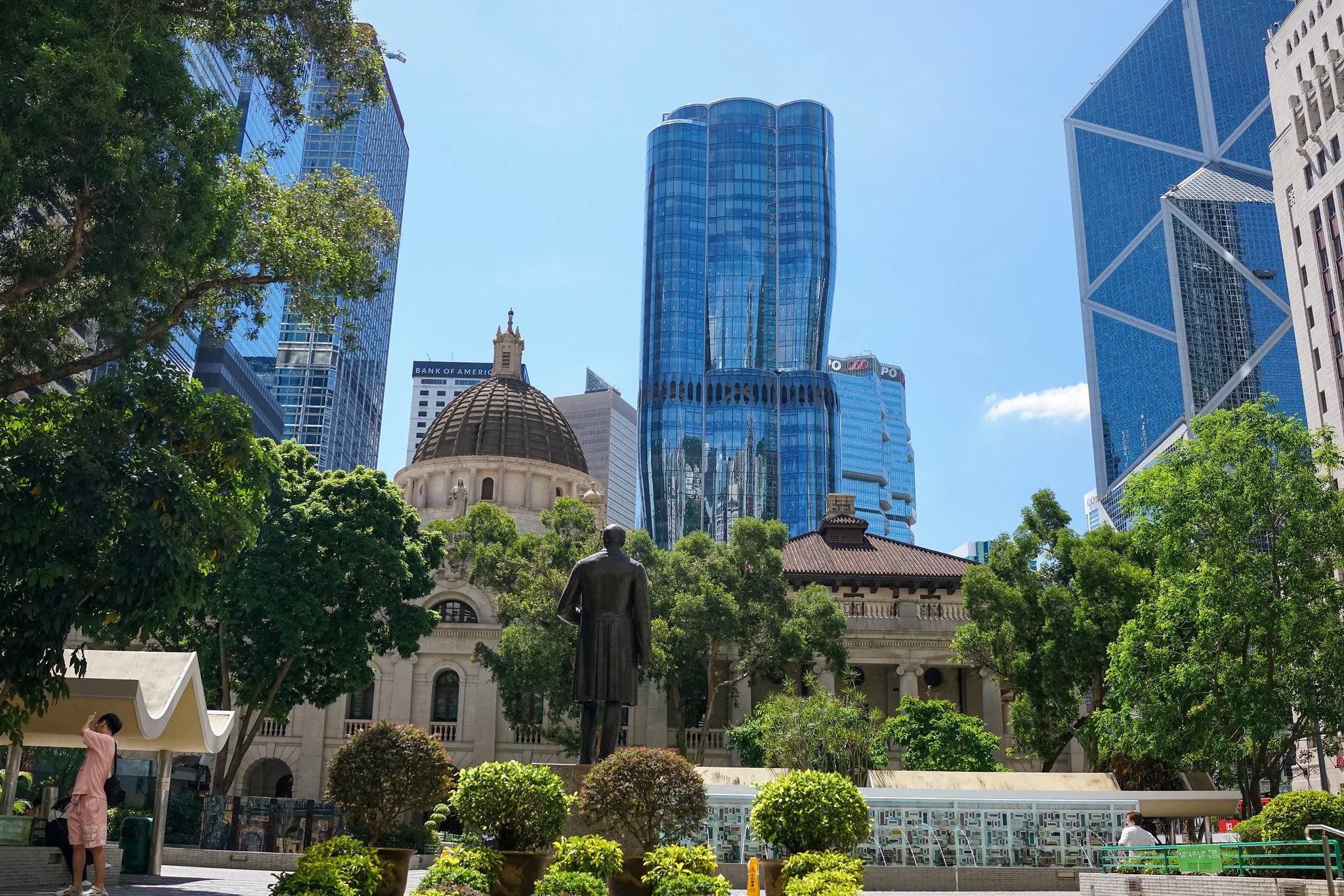
click on any image to enlarge
© Copyright Acknowledged | All rights reserved | all images taken b Jamie
Jamie’s Hong Kong | Some of my favourite images | Hong Kong 101
© Jamie Lloyd | J3 Consultants Hong Kong | J3 Private Tours Hong Kong |
| 2010 - 2026 All rights reserved. |
Click on any image to enlarge to full screen
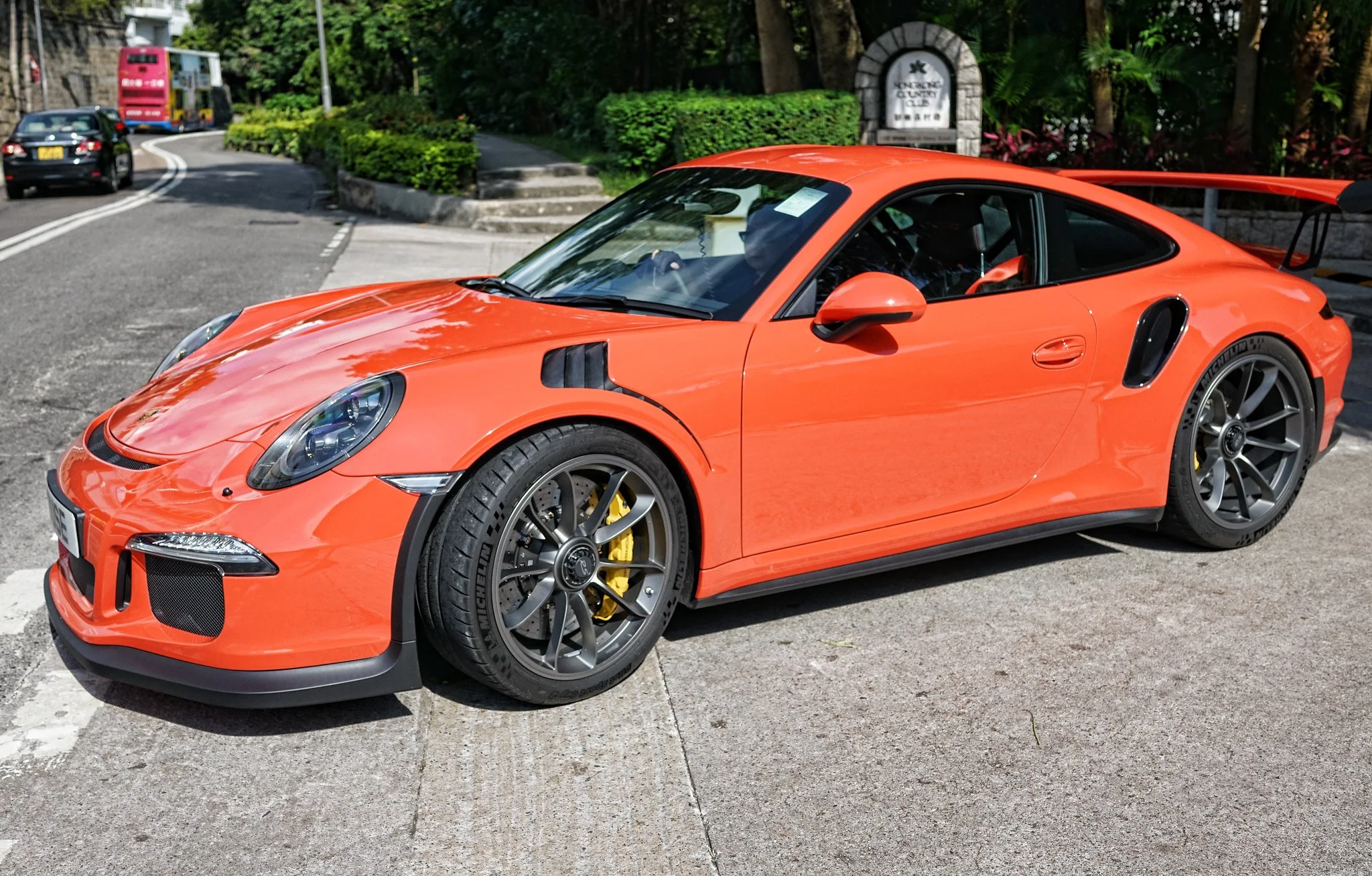
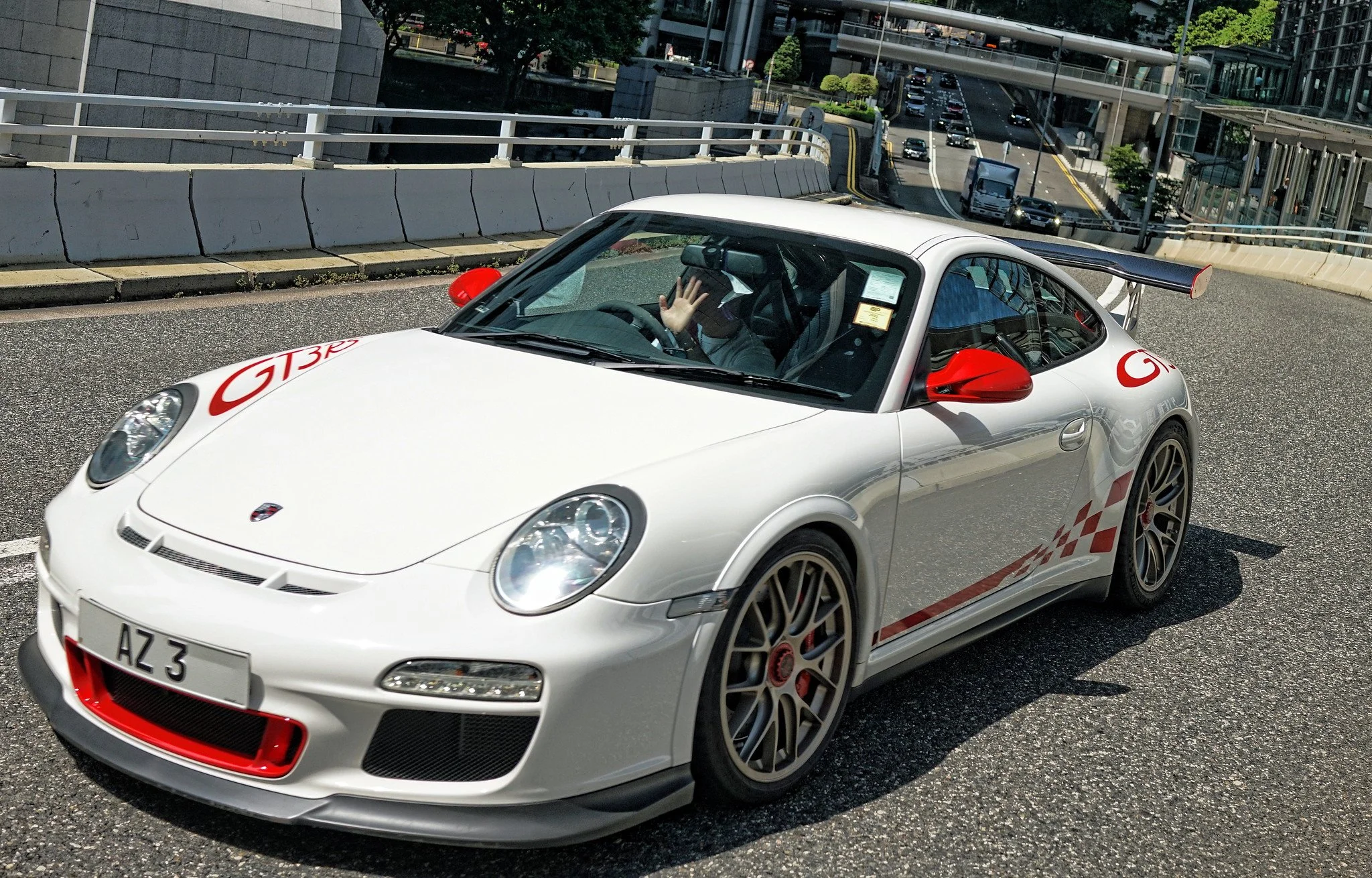
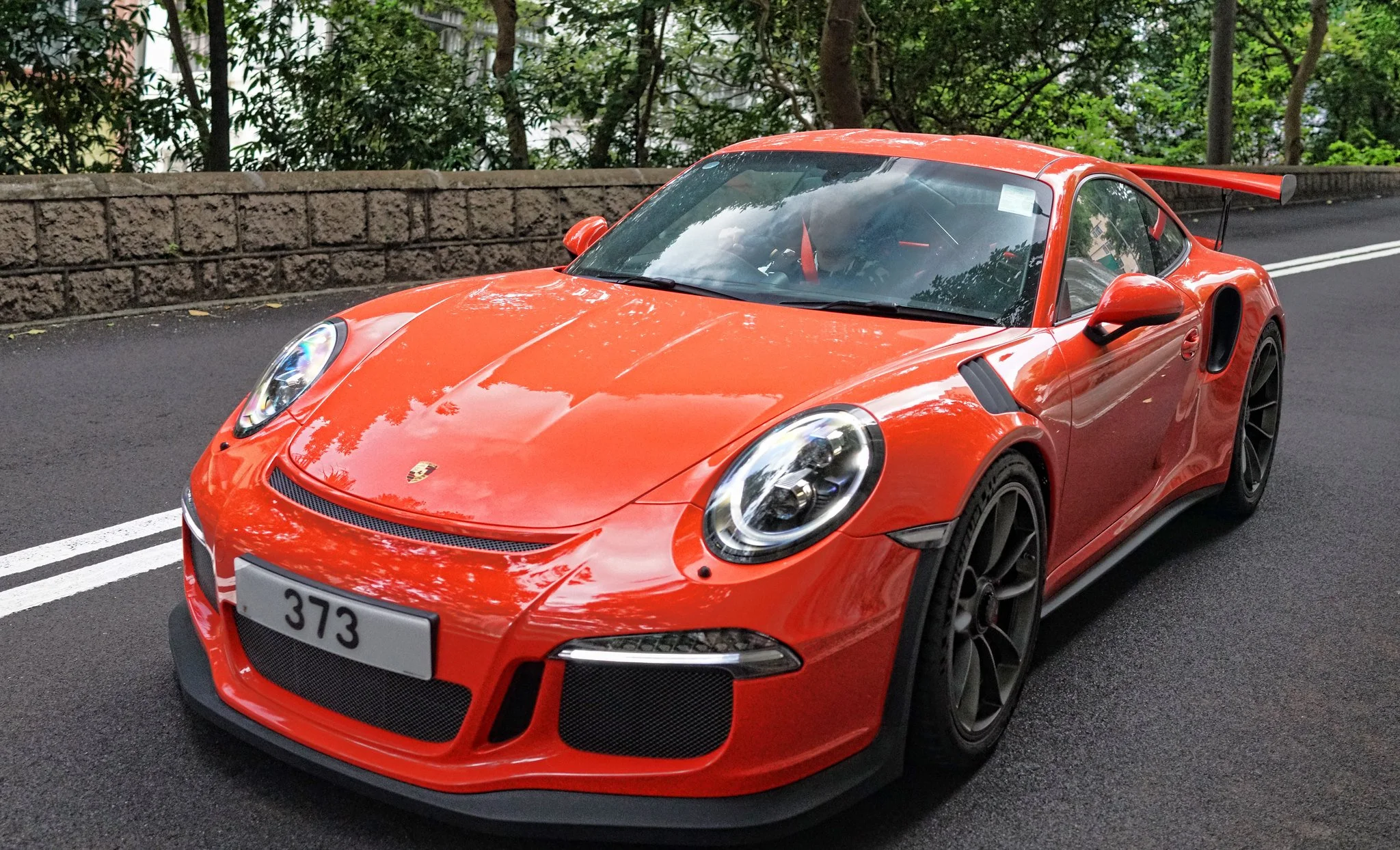
Current images from my Instagram feed