The Chi Lin Nunnery and Nan Lian Garden Hong Kong
Detailed History, What’s On Offer - How To Get To Guide

The J3 Group - Premium Quality Private Tours | Experiences and Insider Chats since 2010
Me Jamie, your host, I am English and I have lived in Hong Kong since January 2nd 1972 - I know the place.
A meaningful blog post with a difference - tips on Travel, Tourism, Tours, Daily Life and my personal thoughts on Hong Kong.
Please do visit Amazing Hong Kong
Hong Kong | Pearl of the Orient
Your Private Personal Tour of Hong Kong Begins Here
A Resident since 1972 - Sharing Hong Kong as Only a Local Can
click on the image to enlarge
© Copyright Acknowledged | All rights reserved | image taken by Jamie
The Chi Lin Nunnery | Diamond Hill, Kowloon | Hong Kong
Chi Lin Nunnery: Hong Kong’s Timeless Tang Dynasty Sanctuary
I love the Chi Lin Nunnery and Nan Lian Garden in Diamond Hill in Kowloon but these days I rarely go there due to the fact that most of my guests would rather visit the Big Buddha on Lantau Island along with Victoria Peak on Hong Kong Island so timing rules out a visit to these 2 places., so here are the how to get to guides and a detailed history of both places (they where not constructed at the same time)
Hong Kong embraces many religions and quite often religious sites are a combination of Buddhism, Taoism and Confucianism and not to mention Christianity and Islam and throw into the pot The Church of Jesus Christ of Latter-day Saints.(Mormons) and the Jehovah’s Witnesses - it makes for a heady mix and an interesting spiritual culture
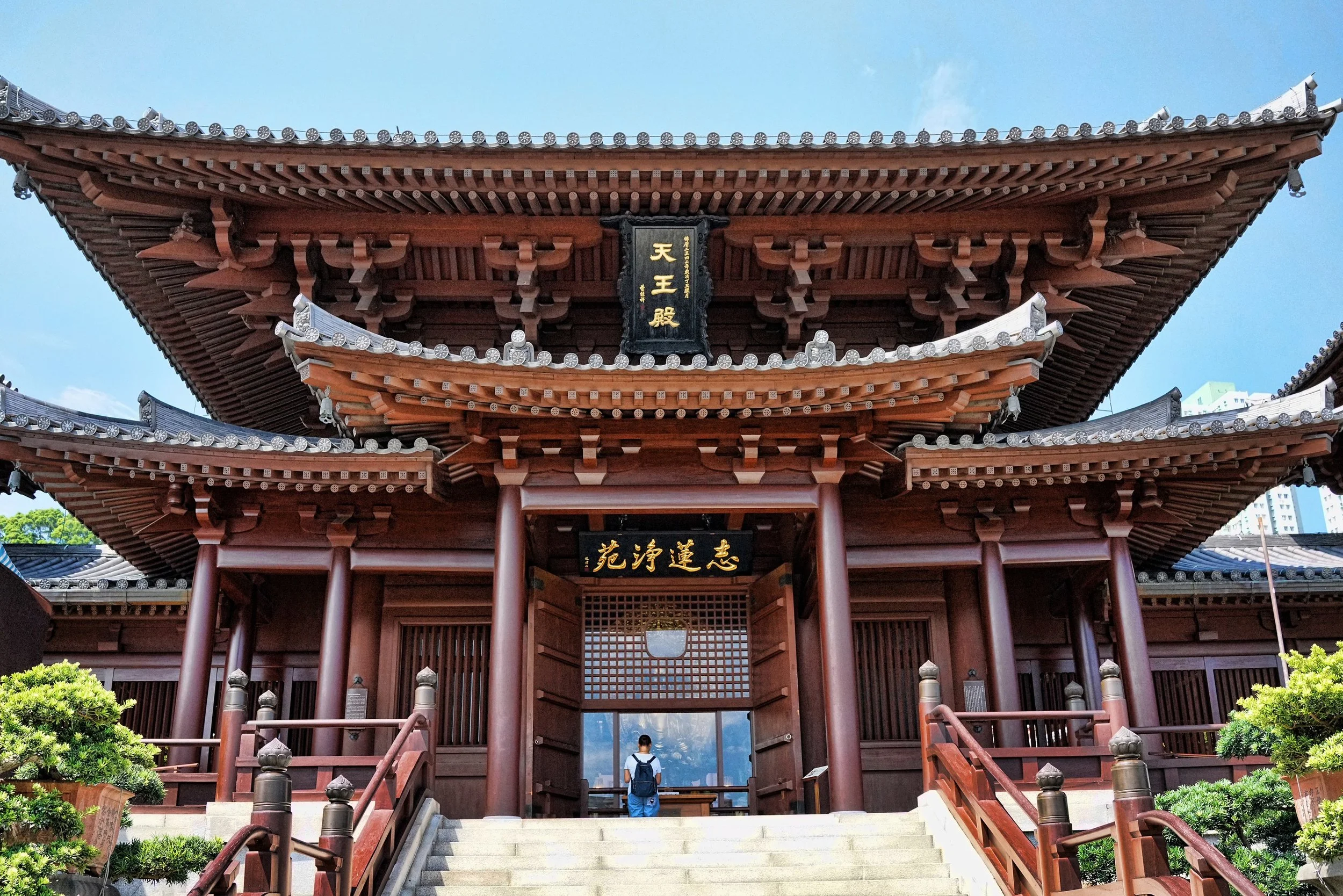
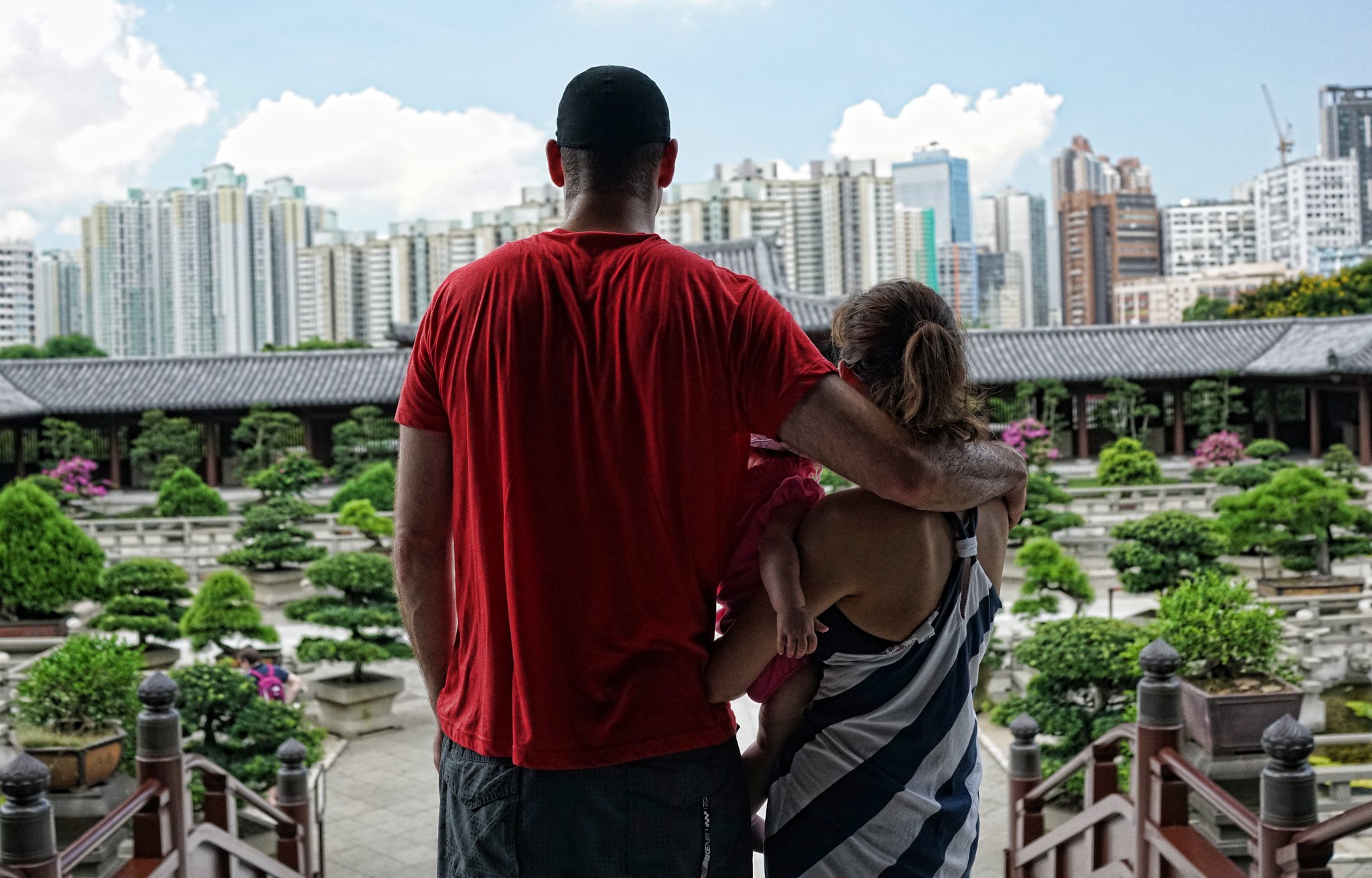
Nestled at the southern foothills of Diamond Hill in Kowloon, Chi Lin Nunnery stands as one of Hong Kong’s most serene and architecturally remarkable Buddhist sites. Though it appears centuries old, this Pure Land School nunnery was founded in 1934 and meticulously redeveloped in the 1990s into a magnificent timber complex that revives the grandeur of Tang Dynasty (618 - 907 AD) architecture. Its tranquil courtyards, lotus ponds, and interlocking wooden halls offer a profound contrast to the surrounding urban bustle, embodying a living connection to ancient Chinese Buddhist traditions. Directly linked by a pedestrian bridge is Nan Lian Garden, a complementary classical Chinese landscape that together forms an oasis of reflection and cultural preservation in one of the world’s densest cities.
It is absolutely essential you visit both places!
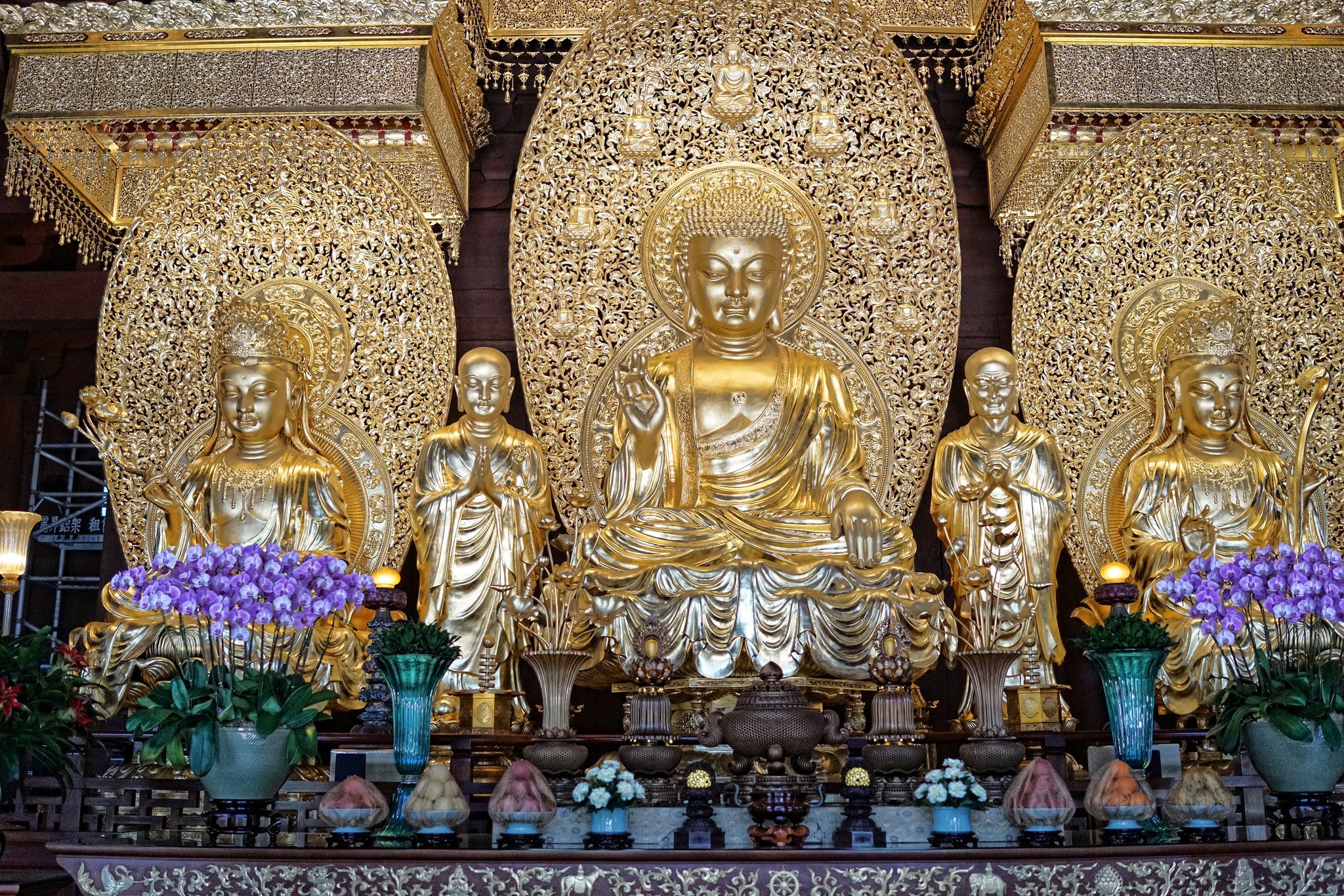
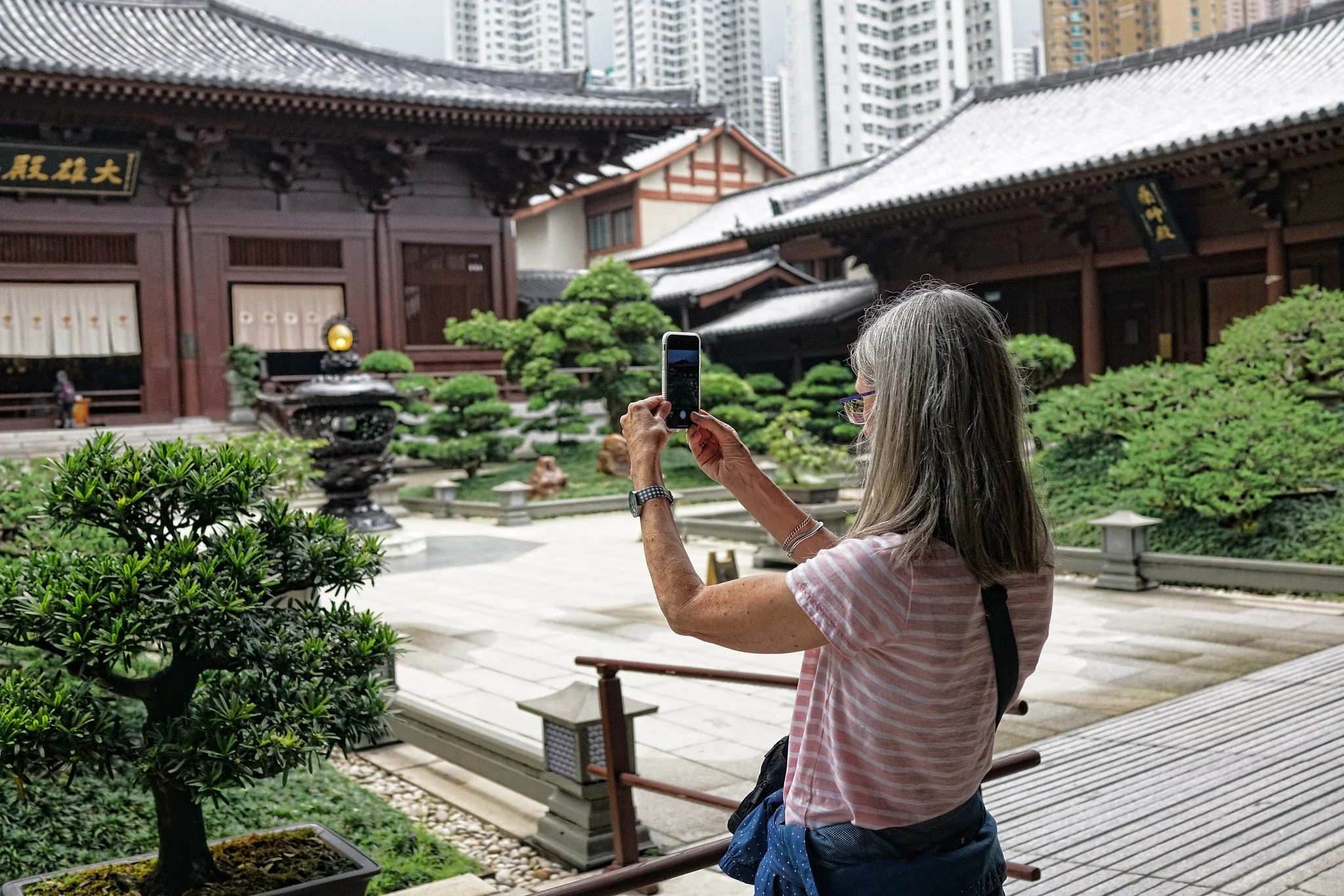
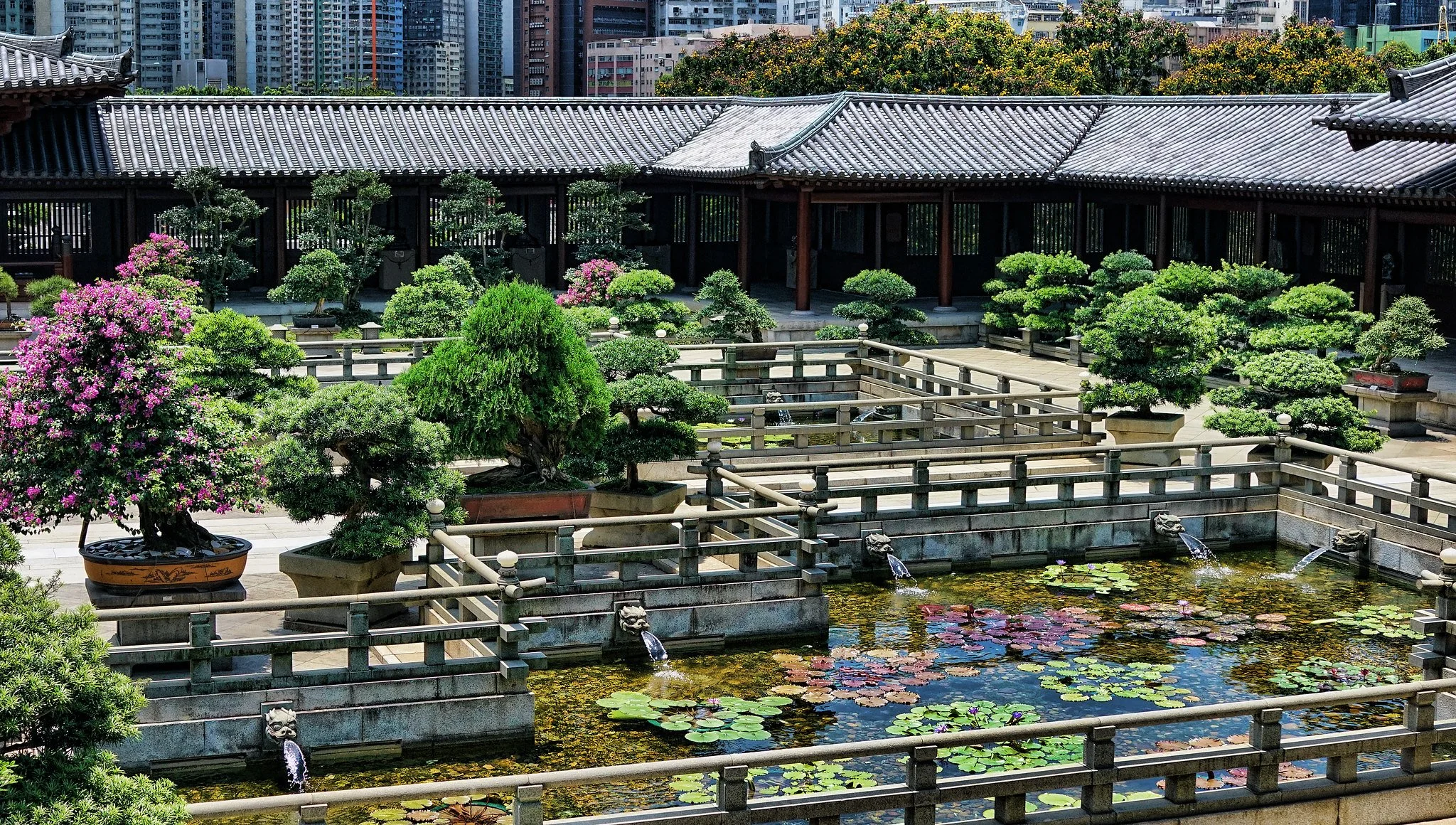
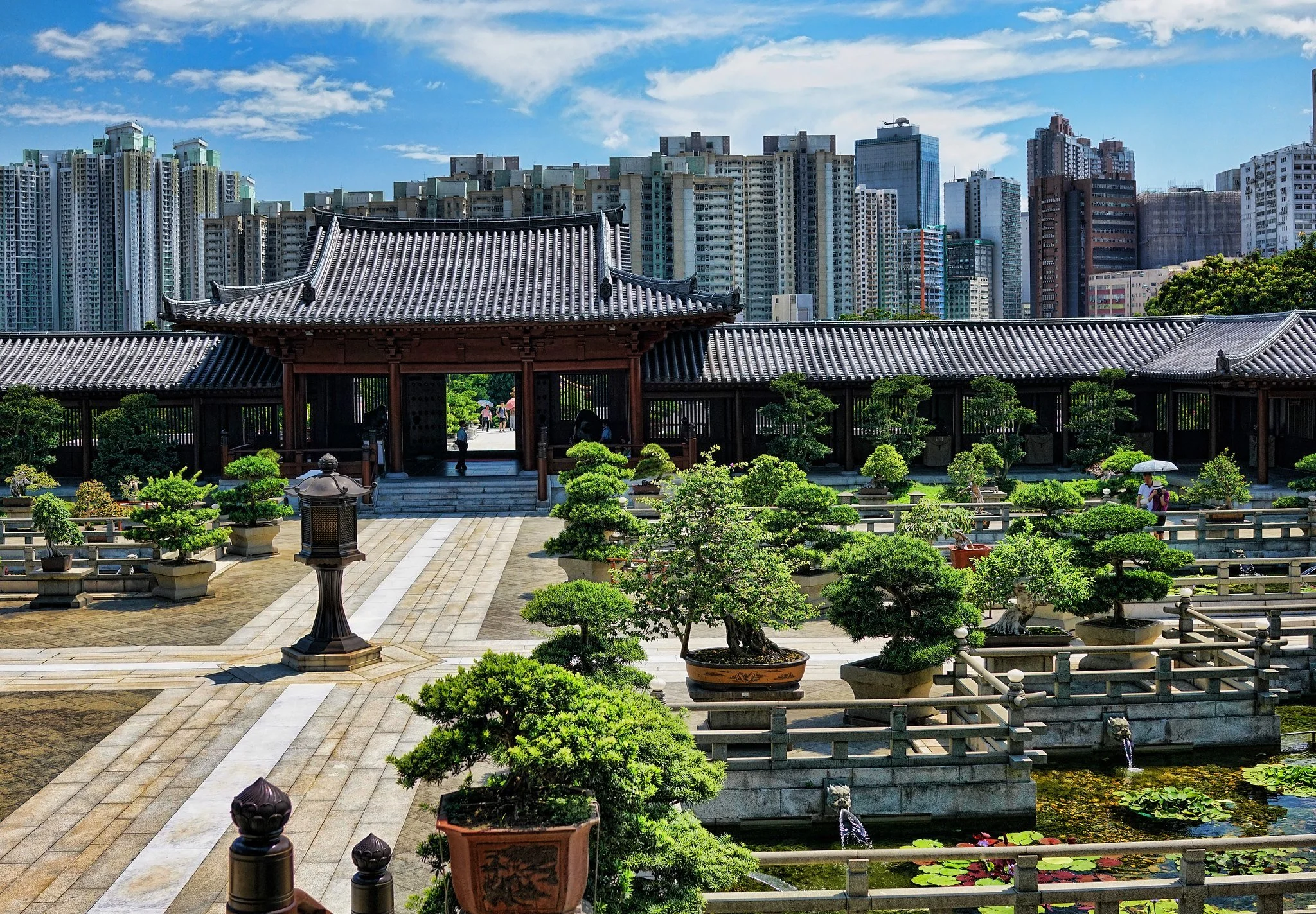
click on any image to enlarge
© Copyright Acknowledged | All rights reserved | images taken by Jamie
The Chi Lin Nunnery | Diamond Hill, Kowloon | Hong Kong
Historic Timeline and History of the Site (from the Early Colonial Era Onwards)
The story of the land that became Chi Lin Nunnery begins in the rural fringes of Kowloon. In 1841, Hong Kong Island was ceded to Britain following the First Opium War, but Kowloon remained under Qing Dynasty control until its 1860 annexation. The Diamond Hill area was then largely undeveloped agricultural and village land, characterized by sparse settlements, foothills, and natural terrain facing the sea with Lion Rock to the west. Over the decades, as Hong Kong grew, private estates and mansions emerged amid the expanding urban periphery.
By the early 20th century, the specific plot hosted Chan Chat Mansion, a private residence owned by a prominent Buddhist family. In 1934, philanthropist Madam Nam Chong Yuen donated the mansion to Venerable Kok Yat and Venerable Wai Um, two learned monks of the Pure Land School. They established Chi Lin Nunnery (“Chi” for aspiration, “Lin” for lotus, symbolizing the Pure Land paradise) with the dual goals of propagating Buddhism and creating a dedicated “conglin” (monastic community) for nuns. The initial setup included a simple Buddhist hall and reception area for prayers and lectures.
I am always amazed that religious organisations are never short of funds to build things!
The 1930s - 1940s marked foundational growth amid challenges. Venerable Wai Um organized scripture study courses and envisioned expansion into a full monastic complex. However, the Japanese occupation of Hong Kong in December 1941 halted all plans; religious activities ceased for nearly four years, and the founders protected the site. Both Venerable Kok Yat and Venerable Wai Um passed away in 1943, leaving the nunnery without its original leaders. A maintenance committee was formed, and Venerable Oi Ting briefly served as abbot before resigning post-war.
Post-1945 recovery focused on restoration amid Hong Kong’s reconstruction. Under Venerable Wang Chi (abbess from 1945), partial rebuilding began despite economic hardship. By 1947 -1948, the community committed to transforming Chi Lin into an exclusive nunnery welcoming nuns from across regions—the first of its kind in Hong Kong. Venerable Wang Chi also established a free charity school for local children in the impoverished Diamond Hill area, which evolved into the government-subsidized Chi Lin Primary School by 1950.
The 1950s - 1970s saw significant charitable expansion under Venerable Foon Wai (4th abbess, 1949 -1965), a disciple of the renowned Venerable Hsu Yun. New halls were added, elderly homes and orphanages were built (with support from philanthropists like Aw Boon Haw), and welfare services grew, including contributions to a Buddhist hospital. Venerable Kai Hong (5th abbess) and later Venerable Tsz Cheung and Venerable Shui Yung continued propagation, education, and cultural initiatives, including the Chi Lin Buddhist Library opened in 1986.
The pivotal redevelopment occurred in the late 1980s - 1990s. Seizing opportunities from urban planning changes after the Tate’s Cairn Tunnel and Hong Kong’s impending 1997 handover, the nunnery board decided to realize the founders’ dream of a grand “seven-hall” timber monastery. Construction began with a foundation ceremony in 1994 and completed in 1998, transforming the site into the current Tang-style complex while preserving its role as an active nunnery and charitable hub.
No evidence suggests the original nunnery occupied a different site; it has remained on this Diamond Hill location since its 1934 founding on the donated mansion grounds. (I find this interesting given that quite a few people had told me that the original mansion and then nunnery where on a different site further up the hill)
The Decision to Build and the Deep Connection to Nan Lian Garden
From its inception, the vision for Chi Lin was not merely a place of worship but a comprehensive monastic “conglin” for disciplined practice, teaching, and community service - rooted in Pure Land ideals of aspiration toward enlightenment. Successive leaders aspired to create an ideal environment for nuns amid Hong Kong’s rapid modernization, balancing spiritual depth with cultural revival.
Nan Lian Garden, a 3.5-hectare classical Chinese landscape completed in the early 2000s in Tang Dynasty style, was developed through close collaboration between the nunnery and the Hong Kong Government. The nunnery manages and conserves the garden (for a nominal annual fee), ensuring its operations align with Buddhist principles of harmony with nature. This partnership extends the nunnery’s serene ethos outward, creating a unified cultural and spiritual precinct. The garden’s design - featuring timber pavilions, rockeries, ancient trees, and water features - complements the nunnery’s architecture, reinforcing Tang-era aesthetics of symmetry, balance, and symbolic purity (lotus motifs evoking the Pure Land).
The pedestrian bridge spanning the busy highway between them is a deliberate engineering and symbolic choice. It allows seamless visitor flow without traffic disruption, muffling urban noise to preserve tranquility. Practically, it integrates the sites into one cohesive experience; spiritually, it embodies interconnectedness - garden as earthly paradise leading to the nunnery’s sacred halls - enhancing the overall sense of escaping the mundane for contemplative space.
The Nunnery’s Spectacular Design: Who Conceived It?
The current Chi Lin Nunnery is celebrated as one of the world’s largest handmade wooden structures, built without a single nail using traditional Tang interlocking joinery (dou gong brackets, hidden beams, and precise mortise-and-tenon techniques). Cypress wood forms the grand halls, with gentle roof curves, extending eaves, lotus-carved columns, and polychrome murals inspired by Dunhuang Cave frescoes and the Foguang Temple in Shanxi.
The mastermind behind this revival was Venerable Wang Fun, an experienced monastic who had contributed to major projects like Guangzhou’s Guangxiao Temple and the Tian Tan Buddha. She coordinated research, drawing on historical surveys by architect Liang Sicheng and consultations with experts from the Chinese Academy of Cultural Heritage (including Luo Zhewen and design teams from Tsinghua University). The architectural firm Don Pan & Associates handled the contract, but the conceptual and artistic direction stemmed from Venerable Wang Fun’s deep study of Tang Buddhist art, Japanese Tang-influenced temples (via Jianzhen’s legacy), and Pure Land symbolism. Construction involved skilled artisans from Anhui and Shanxi, with Japanese input on timber and tiles. The result is not replication but a thoughtful modern interpretation - robust yet elegant, spacious courtyards fostering meditation, and layouts that mirror a “pure land” paradise.
This design choice was deliberate: Tang Dynasty marked Buddhism’s golden age in China, blending Indian roots with native culture. It honors the nunnery’s Pure Land roots while celebrating Hong Kong’s return to Chinese sovereignty.
Attractions, Buildings, Site Details, Management, Nuns, Rituals, and Operations
Buildings and Usage
The Chi Lin Nunnery covers over 33,000 square meters and consists of 16 halls, a library, a school,a pagoda, a bell tower, and a drum tower, organized in a “3 entrances and 3 courtyards” layout.
Below is a numbered breakdown of key buildings and their usage:
1. Mountain Gate (Shanmen):
Usage: The main entrance to the nunnery, a traditional feature of Buddhist temples symbolizing the transition from the secular to the sacred. It welcomes visitors into the first courtyard.
2. Hall of Celestial Kings:
Usage: Located in the first courtyard, this hall houses statues of deities representing the four cardinal directions, believed to protect against evil. It recreates the artistic concept of the “Amitayurdhyana Sutra Transformation Painting.”
3. Main Hall:
Usage: Situated in the second courtyard, it is modeled after the East Main Hall of Foguang Temple in Wutai Mountain, China. It houses a large statue of Sakyamuni Buddha, the founder of Buddhism, and is used for religious activities and worship.
4. Dharma Hall:
Usage: Located in the third courtyard, it serves as a space for Buddhist teachings and religious ceremonies.
5. Scripture Library:
Usage: Also in the third courtyard, it stores Buddhist scriptures and texts, supporting study and meditation.
6. Dining Hall
Usage: In the third courtyard, used by nuns and visitors for meals, particularly vegetarian meals aligned with Buddhist principles.
7. Ten Thousand Buddhas Pagoda
:Usage: A five-story (appearing as seven-story externally) pagoda on the northeast hillside, featuring a double-eaved square design typical of Tang-style architecture. It is a focal point for meditation and houses numerous small Buddha statues.
8. Bell Tower and Drum Tower
:Usage: These towers, located within the complex, are used for ceremonial purposes, such as signaling prayer times or special events.
9. Additional Halls (Various)
Usage: The nunnery includes multiple halls (up to 16 total) with statues of Guanyin (Goddess of Mercy), other bodhisattvas, and deities made from gold, clay, wood, and stone. These are used for worship, meditation, and offerings.
10. Lotus Ponds and Courtyards
:Usage: Four symmetrically placed lotus ponds in the first courtyard, along with bonsai trees, create a serene environment for reflection and meditation. They enhance the aesthetic and spiritual ambiance.
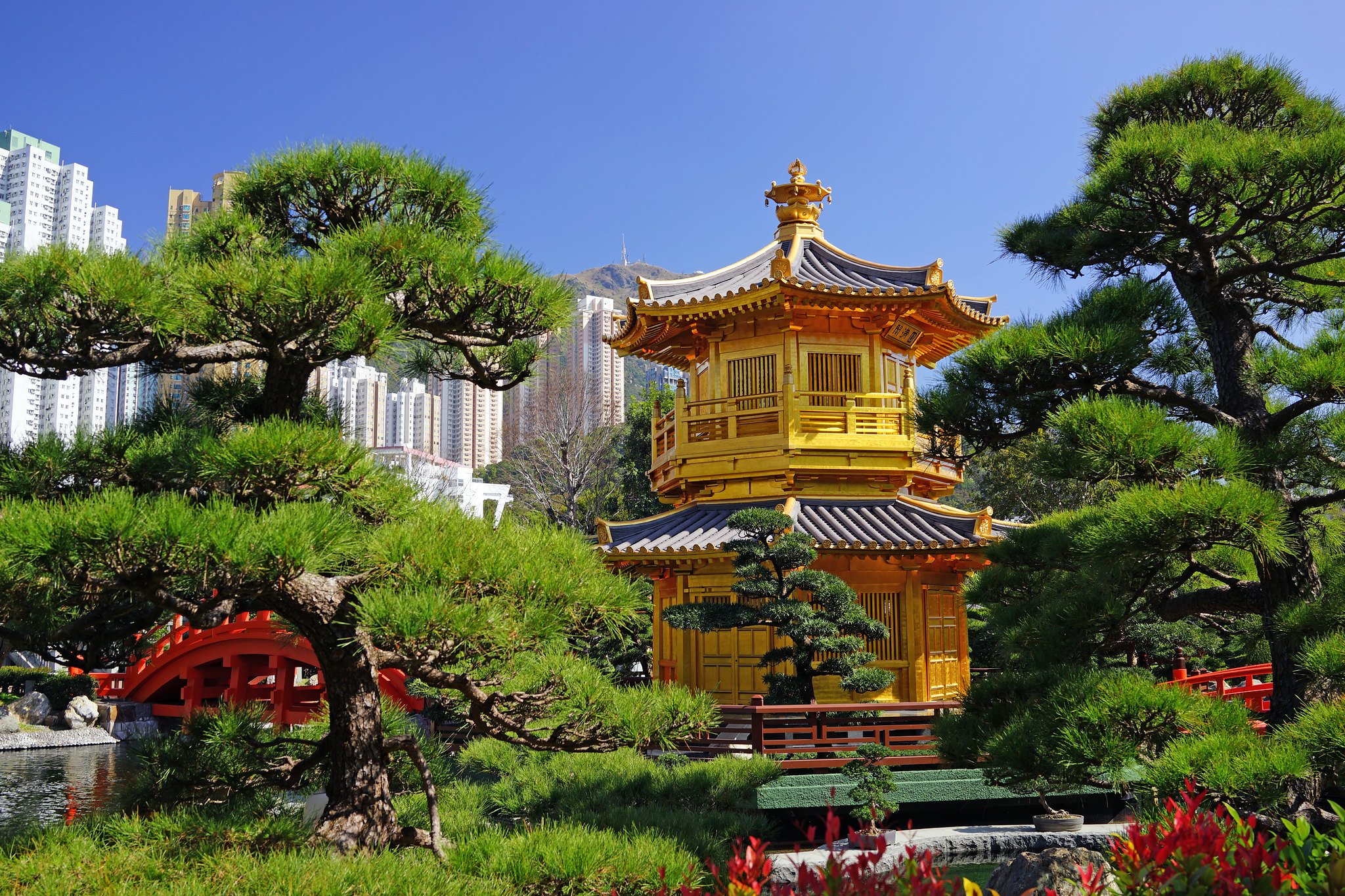
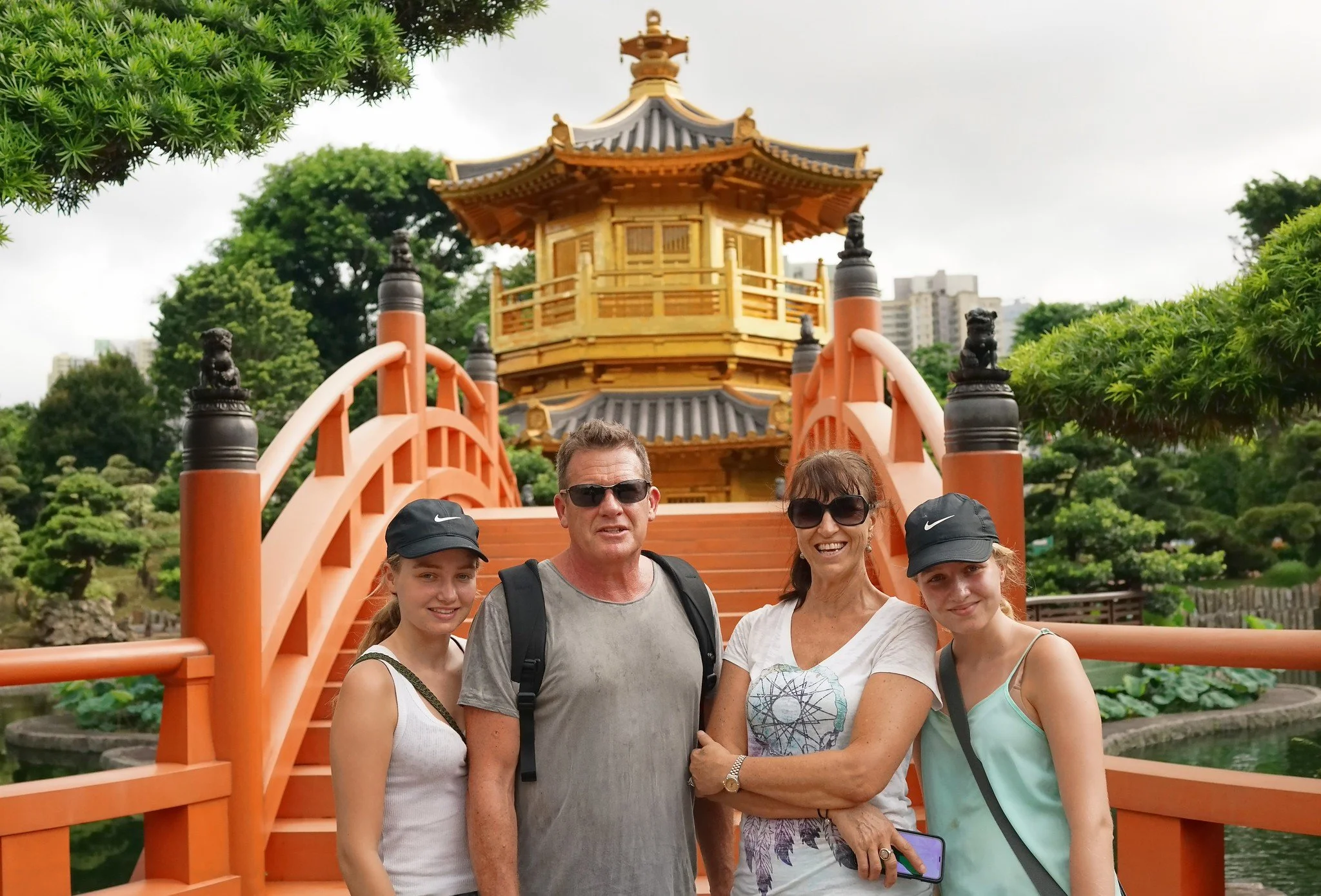
Nan Lian Garden’s highlights complement this: the golden Pavilion of Absolute Perfection in the central lotus pond, connected by twin vermilion-red Zi and Wu bridges; dramatic rock formations; manicured Buddhist pines; a Chinese timber architecture gallery; pine teahouse; vegetarian restaurant; and souvenir shop. The circular paths guide visitors through a meticulously landscaped “mountain-and-water” scene.
Chi Lin Nunnery is managed by its resident monastic community under the current abbess (who I once met and had a brief conversation with! ), operating as a registered charitable organization with a board of directors. It houses approximately 60 nuns who follow the Pure Land tradition. Daily rituals center on scripture chanting (especially Amitabha recitations), meditation sessions, and communal prayers, with periodic seven-day retreats for deeper practice. The site emphasizes ethical living, compassion, and cultural education through lectures and exchanges.
Opening hours are generally 7:00 am to 7:00 pm for the nunnery grounds (halls typically accessible from 9:00 am to around 4:30 - 5:00 pm), while Nan Lian Garden welcomes visitors from 7:00 am to 9:00 pm daily. Entry to both is free.
Funding relies primarily on donations, philanthropic support, and modest revenues from garden facilities (restaurant, tea house), sustaining monastic life, welfare programs, and preservation without commercial exploitation
Please note that quite often at the Nunnery the main hall maybe closed for a daily service from 4pm onwards (sometimes earlier) so it is best to visit in the morning..
Articles, Comments, and Other Relevant Insights
Travelers consistently describe Chi Lin and Nan Lian as a “peaceful haven” and “oasis in the concrete jungle” - a rare pocket of silence amid Kowloon’s energy. Many highlight the architecture’s nail-free ingenuity as engineering marvel, the lotus ponds’ calming effect, and the contrast with modern skyscrapers. Comments often note its suitability for quiet contemplation, family outings, or cultural appreciation, with the vegetarian dining praised for its tranquility and quality. Some observers see it as a model for blending heritage conservation with contemporary urban life, occasionally sparking discussions on its potential as a UNESCO-recognized site for Tang revival.
You know it is funny, I always find it slightly humourous that people use “big words and phrases” to describe this place, to me it is just an awesome place to visit, it is just so different to the rest of Hong Kong as a whole.
Additional relevant details include its ongoing role in education (library programs, courses) and welfare, reflecting the nunnery’s foundational commitment to community service alongside spiritual practice. The site also features subtle integrations of nature - koi ponds, pruned trees - that reinforce Buddhist harmony principles.
So we are clear - The complex includes the Chi Lin Buddhist Primary School (formerly a free school established in 1947–1948). It is a large religious and educational complex
My Considered Opinion
Chi Lin Nunnery, paired with Nan Lian Garden, is a masterpiece of quiet resilience. In a city defined by relentless progress, it proves that deliberate preservation of ancient forms—through visionary leadership like Venerable Wang Fun’s—can create profound spaces for the human spirit. The Tang design isn’t mere nostalgia; it’s a functional philosophy: interlocking wood mirrors interdependent lives, lotus ponds remind us purity arises from mud, and the bridge symbolizes passage between worlds. Its history, from modest mansion donation in the early 1930’s through wartime survival to grand revival, mirrors Hong Kong’s own narrative of adaptation and cultural anchoring.
What impresses most is its authenticity as a living nunnery, not a museum - nuns chanting amid timeless halls ground the spectacle in daily devotion. It invites reflection on how faith, artistry, and stewardship can carve enduring beauty from challenging environments. For residents and visitors alike, it offers not just visual splendor but a gentle reminder of inner peace amid outer chaos. In my view, places like this are essential threads in Hong Kong’s cultural fabric, worth cherishing and sharing widely for their ability to uplift and unite. If you seek a genuine escape into history and serenity, Chi Lin Nunnery delivers it in spectacular, thoughtful measure.
Translated into Jamie speak, it is simply an awesome place to visit, both the Nunnery and the Garden, oh and the sighting of a nun is the like the sighting of big foot, I have only seen a couple of them in 16 years of visits!
click on the image to enlarge
© Copyright Acknowledged | All rights reserved | image taken by Jamie
The Nan Lian Garden | Diamond Hill, Kowloon | Hong Kong
Nan Lian Garden: A Tang Dynasty Oasis in the Heart of Kowloon
Before I ger stuck into this wonderful garden, just a personal observation, we have a garden in the Central Business District on Hong Kong Island called Chater Garden, it is my belief that they should close Chater Garden for 2 years and make it in the image of the Nan Lian Garden which is just about perfect, Chater Garden is more of a mass of concrete and basically a short cut for tourists from the MTR Station to the Peak Tram Terminus on Garden Road, it would be amazing if it looked like the Nan Lian Garder, just saying
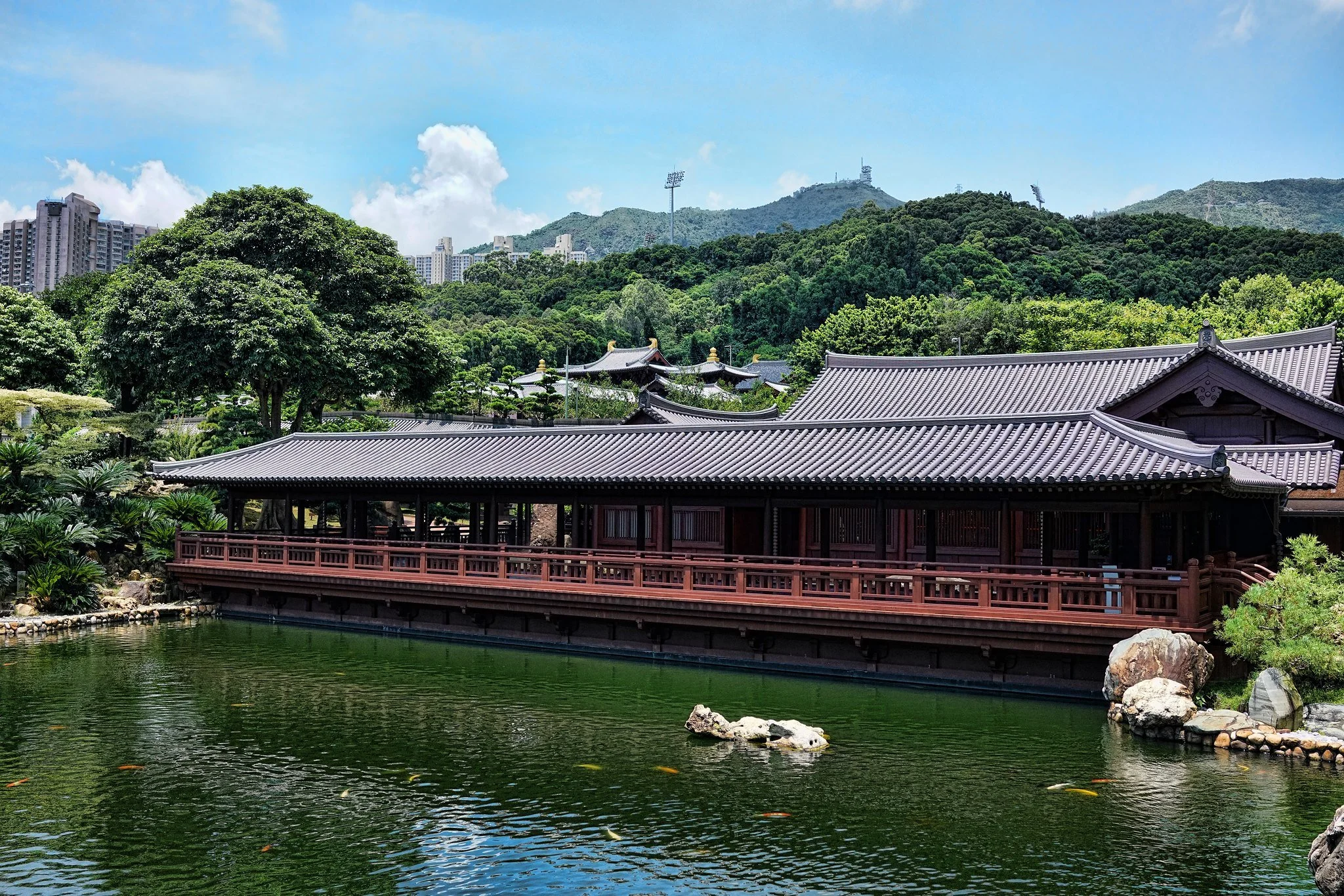
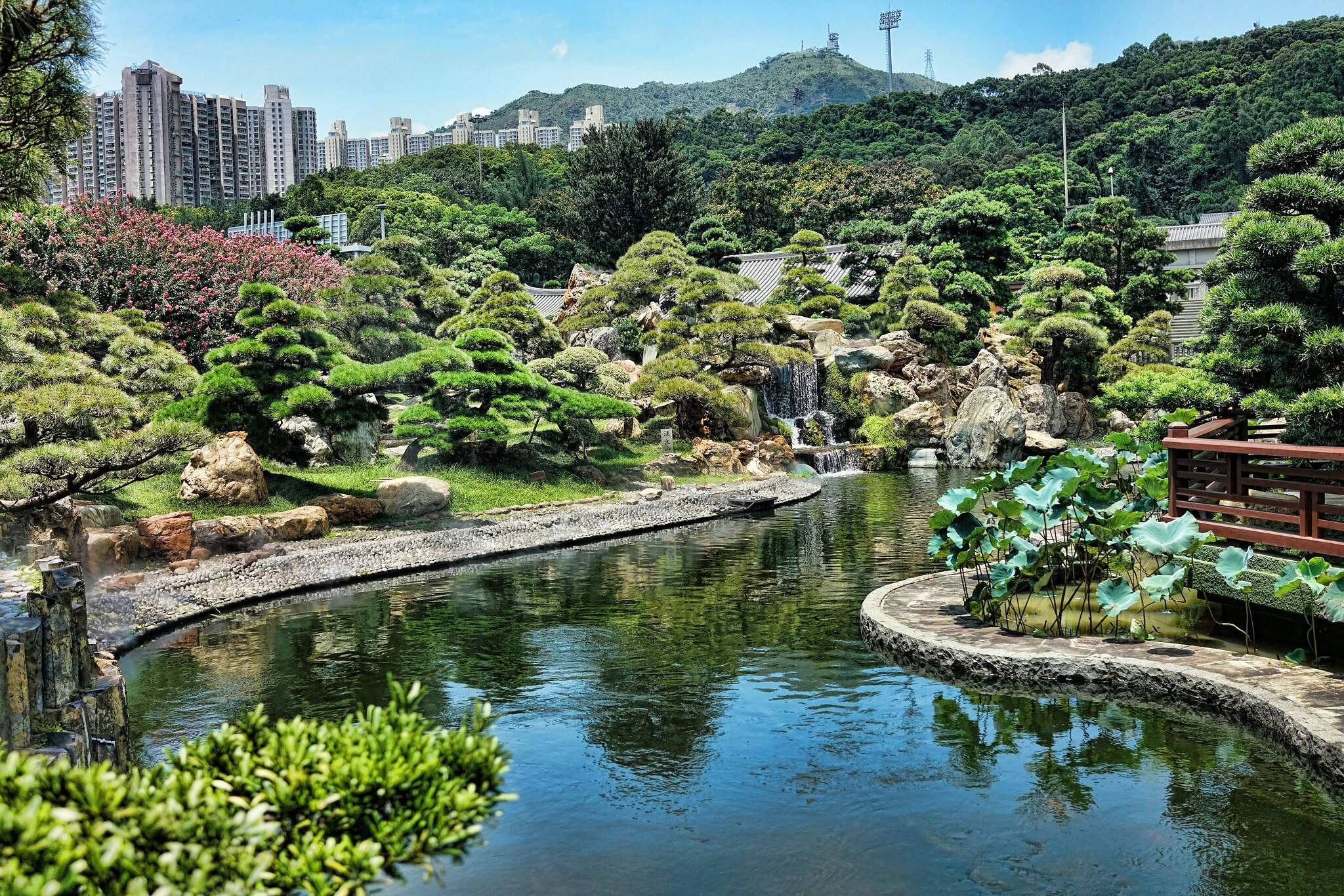
Nan Lian Garden stands as one of Hong Kong’s most serene and meticulously crafted public spaces, a living embodiment of classical Chinese landscape design transported into the modern metropolis. Nestled in Diamond Hill, this 3.5-hectare (approximately 35,000 square metres) garden offers a profound contrast to the surrounding high-rises and urban bustle. Built in the authentic style of the Tang Dynasty (618 - 907 AD), it features graceful timber structures, dramatic rock formations, tranquil water elements, and carefully selected ancient trees and bonsai. The garden serves not only as a leisure destination but as a cultural bridge, inviting visitors to experience the harmony, balance, and philosophical depth of traditional Chinese garden artistry. What makes it especially remarkable is its intimate connection to the adjacent Chi Lin Nunnery, forming a unified Tang-style complex that feels both timeless and deeply rooted in Hong Kong’s evolving story.
click on any image to enlarge
© Copyright Acknowledged | All rights reserved | images taken by Jamie
The Nan Lian Garden | Diamond Hill, Kowloon | Hong Kong
Historic Timeline of the Site: From Colonial-Era Rural Landscape to Cultural Landmark from (1841 Onwards) to the present day
The land that now forms Nan Lian Garden and its neighbouring Chi Lin Nunnery has witnessed Hong Kong’s transformation from a sparsely populated colonial outpost to a densely developed urban district. While precise records for this exact plot in the early colonial period are limited, the broader Diamond Hill area (southern foothill of the hill in New Kowloon) provides the context:
1841- 1860: Following the cession of Hong Kong Island to Britain in 1841, the Kowloon Peninsula (including Diamond Hill) remained under Chinese control until the 1860 Convention of Peking, when it was ceded. The area was largely rural and agricultural, with small indigenous villages, farms, and scattered settlements amid steep hillsides. Development was minimal, focused on basic subsistence rather than large-scale infrastructure.
Late 19th to Early 20th Century: The site remained part of New Kowloon’s suburban and agrarian landscape - quiet, underutilized hillsides with limited population and no major urbanisation.
1934: A pivotal moment arrives with the founding of Chi Lin Nunnery on the site of an old mansion known as Chan Chat Mansion. Donated by Madam Nam Chong Yuen to Venerable Kok Yat and Venerable Wai Um of the Pure Land School, it began as a modest retreat for Buddhist nuns, complete with a simple Buddhist hall and reception area. This marked the first significant institutional presence on the southern slopes of Diamond Hill.
1930s - 1960s: The Japanese occupation (1941 - 1945) disrupted activities, with the premises commandeered and damaged. Post-war, Diamond Hill evolved into a major squatter settlement as waves of refugees from mainland China arrived amid civil war and political upheaval. Shantytowns of makeshift huts spread across the hillsides, lacking utilities and prone to fires. The nunnery stepped in as a community anchor, establishing a charity school in 1947 - 1948 (later Chi Lin Primary School), an orphanage, and a home for the elderly (opened 1957 with expansions in the 1960s). Nuns cultivated vegetables and engaged in small industries like towel weaving to sustain operations while providing education and welfare.
1980s - Early 1990s: Government urban redevelopment plans intensified. The construction of Tate’s Cairn Tunnel (completed 1989) necessitated the demolition of the original nunnery buildings amid surrounding squatter clearances. The 1985 Sino-British Joint Declaration and subsequent land-use revisions for Diamond Hill created opportunities for planned growth, clearing informal settlements for modern infrastructure.
1991 - 1998: Chi Lin Nunnery undertook a major redevelopment into a grand “seven-hall” timber monastic complex in Tang Dynasty style. Drawing on extensive research into traditional Chinese architecture (including Foguang Temple in Shanxi and Dunhuang murals), the project used mortise-and-tenon joinery without nails, high-quality cypress, and expert craftsmanship. It was completed in phases, with monastic halls opening in 1998, aligning with Hong Kong’s return to Chinese sovereignty.
Early 2000s: Post-redevelopment collaboration with the Hong Kong Government led to the creation of Nan Lian Garden on the land immediately south of the nunnery. The garden was commissioned around 2003 as a joint initiative to enhance cultural and community amenities in the redeveloped district.
2003 - 2006: Construction of the garden took approximately three years at a cost of around HK$245 million. The Government funded core infrastructure, while the nunnery covered design, timber structures, landscaping elements (trees, rocks, bonsai), and ancillary features.
14 November 2006: Nan Lian Garden officially opened to the public as a free, designated public park. It has been managed by Chi Lin Nunnery (initially for five years at a nominal fee, with ongoing oversight of daily operations and maintenance by the nunnery, while the Government handles infrastructure).
This timeline reflects resilience: from humble refugee aid amid postwar hardship to a deliberate cultural revival amid urban renewal. The site’s evolution mirrors Hong Kong’s broader journey - adapting colonial legacies, absorbing migrant waves, and prioritising heritage in a fast-paced city.
On a personal note, I did not know that the Chi Lin Nunnery or the Nan Lian Garden existed prior to 2010 when I was actively doing private tour research, I was sat on a double decker bus on the upper deck and we drove past the complex and I went there the next day! again, what an amazing place.
The Decision to Build Nan Lian Garden and Its Connection to Chi Lin Nunnery
The creation of Nan Lian Garden was a strategic partnership born from the nunnery’s successful Tang-style redevelopment and the Government’s town-planning goals for Diamond Hill. Following the nunnery’s 1998 reopening, the two entities collaborated to transform the adjacent southern land into a complementary landscape garden. This was not merely an expansion but a holistic vision: to create a comprehensive Tang Dynasty-style environment blending monastic architecture with classical garden design. The nunnery, drawing on its expertise in traditional techniques and its role as a cultural steward, took the lead on garden aesthetics and construction elements, while the Government provided foundational support. The result promotes Chinese cultural heritage, offers public leisure space, and fosters community harmony in a once-impoverished area.
The physical connection is literal and symbolic - a beautifully landscaped footbridge (which I must stress is NOT wheelchair friendly) spans the road (and conceals the traffic below), linking the garden directly to the nunnery. Together, they form an integrated sanctuary: the nunnery’s halls, lotus ponds, and golden statues on one side; the garden’s winding paths and pavilions on the other. This adjacency enhances the spiritual and aesthetic experience, allowing seamless movement between temple reflection and garden contemplation. The nunnery’s ongoing management ensures the site’s serene, meditative atmosphere is preserved.
To make it clear, the Nunnery in particular (and certain parts of the Nan Lian Garden) are NOT wheelchair friendly and if you have issues with steps then be warned! - the bridge between the Nunnery and the Garden can be a real issue.
Garden Design: Spectacular Fidelity to Tang Traditions
The garden’s design is nothing short of spectacular - a faithful recreation that captures the essence of Tang Dynasty landscaping at its most refined. It is explicitly modelled on the Jiangshouju Garden in Shanxi Province, the only surviving Tang-era garden in China whose original layout can still be traced and reconstructed. This blueprint influenced every detail: the placement of rocks, water features, trees, and structures follows classical principles of asymmetry, “borrowed scenery,” layered views, and philosophical harmony with nature. No element feels random; paths create non-repeating perspectives, rocks evoke mountains, and water suggests flowing energy, all evoking the elegance and poetic restraint of Tang aesthetics.
The Chi Lin Nunnery drove the design and construction, leveraging architects and craftsmen experienced in Tang revival (informed by the nunnery’s own rebuilding and research into historical texts like the Yingzao Fashi). Timber structures employ traditional mortise-and-tenon joinery - interlocking without nails - for authenticity and durability. The overall effect is one of profound tranquillity and cultural depth, proving that ancient wisdom can thrive in a contemporary city. It stands as a masterclass in restraint and intentionality, where every bonsai, rock cluster, and pavilion invites quiet awe rather than spectacle for its own sake.
Attractions Within the Garden
Visitors follow a thoughtfully designed one-way (in theory!) touring route to ensure smooth, respectful flow. Highlights include:
Pavilion of Absolute Perfection : Usage: An octagonal pavilion on an island in the Lotus Pond, connected by two vermillion-colored Zi Wu Bridges. It serves as a focal point for photography and reflection, symbolizing perfection and harmony. Visitors cannot enter the pavilion (I understand that there is nothing inside the actual pagoda)
Lunar Reflection Terrace: Usage: A scenic spot for viewing the garden’s layout, offering a place for quiet contemplation and appreciation of the symmetrical design
Zi Wu Bridges : Usage: Two red-painted timber bridges linking the Pavilion of Absolute Perfection to the mainland, offering scenic views and a pathway for visitors to enjoy the pond and surrounding flora.
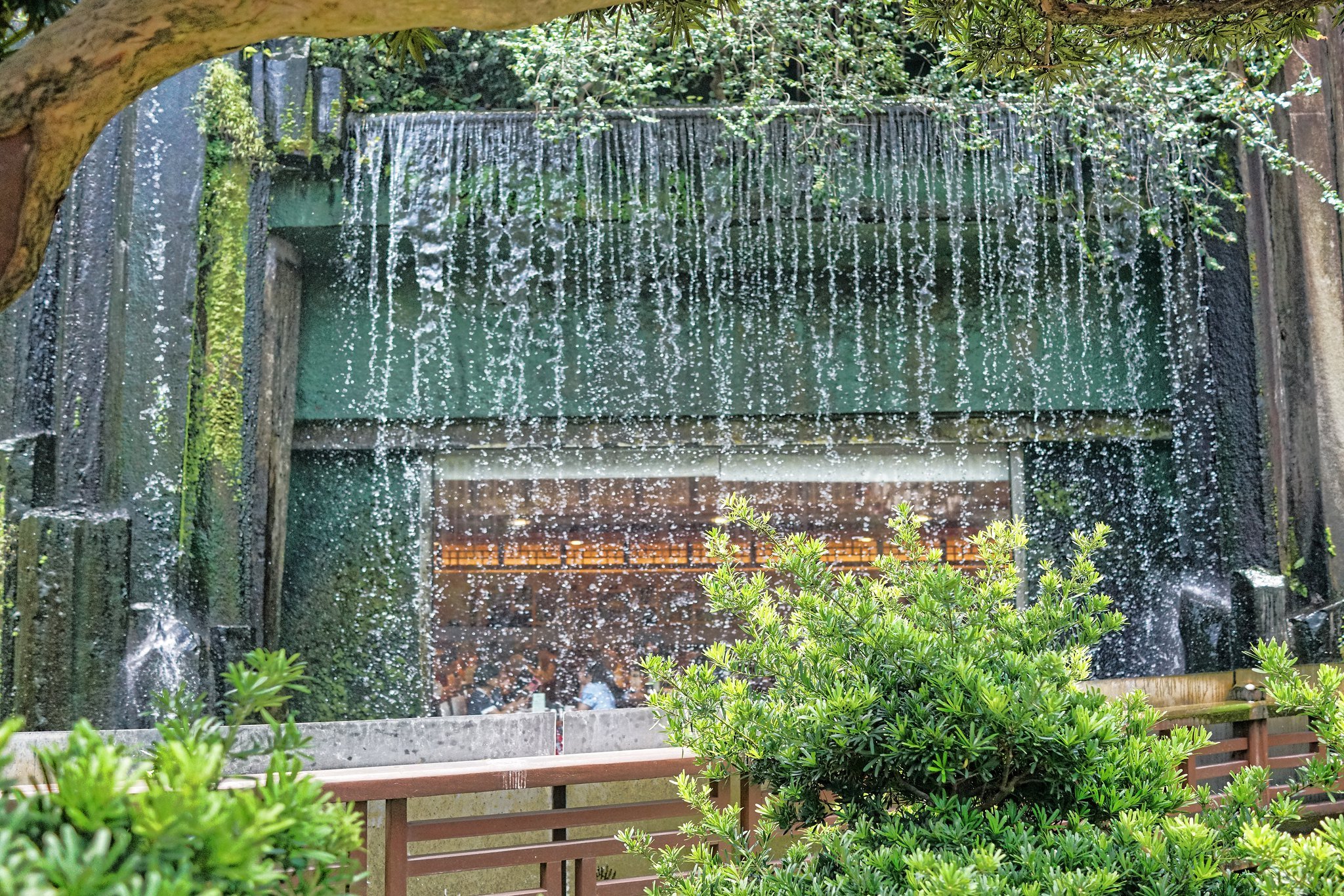
Water features: Tranquil lotus and koi ponds, streams, and waterfalls (such as Long Man Lou), symbolising purity and the flow of life.
Blue Pond:Usage: Usage: One of two main ponds, featuring red, gold, and pearl koi fish and rock formations, with the Pavilion Bridge as a backdrop. It provides a calming space for relaxation and photography. a few minutes walk from the Veggie restaurant is well worth a look, hundreds of large Koi fish are amazing to look at
Pavilion Bridge: Usage: Located at the east end of the Blue Pond, this bridge offers shade and a vantage point for viewing the pond and garden, enhancing the visitor experience
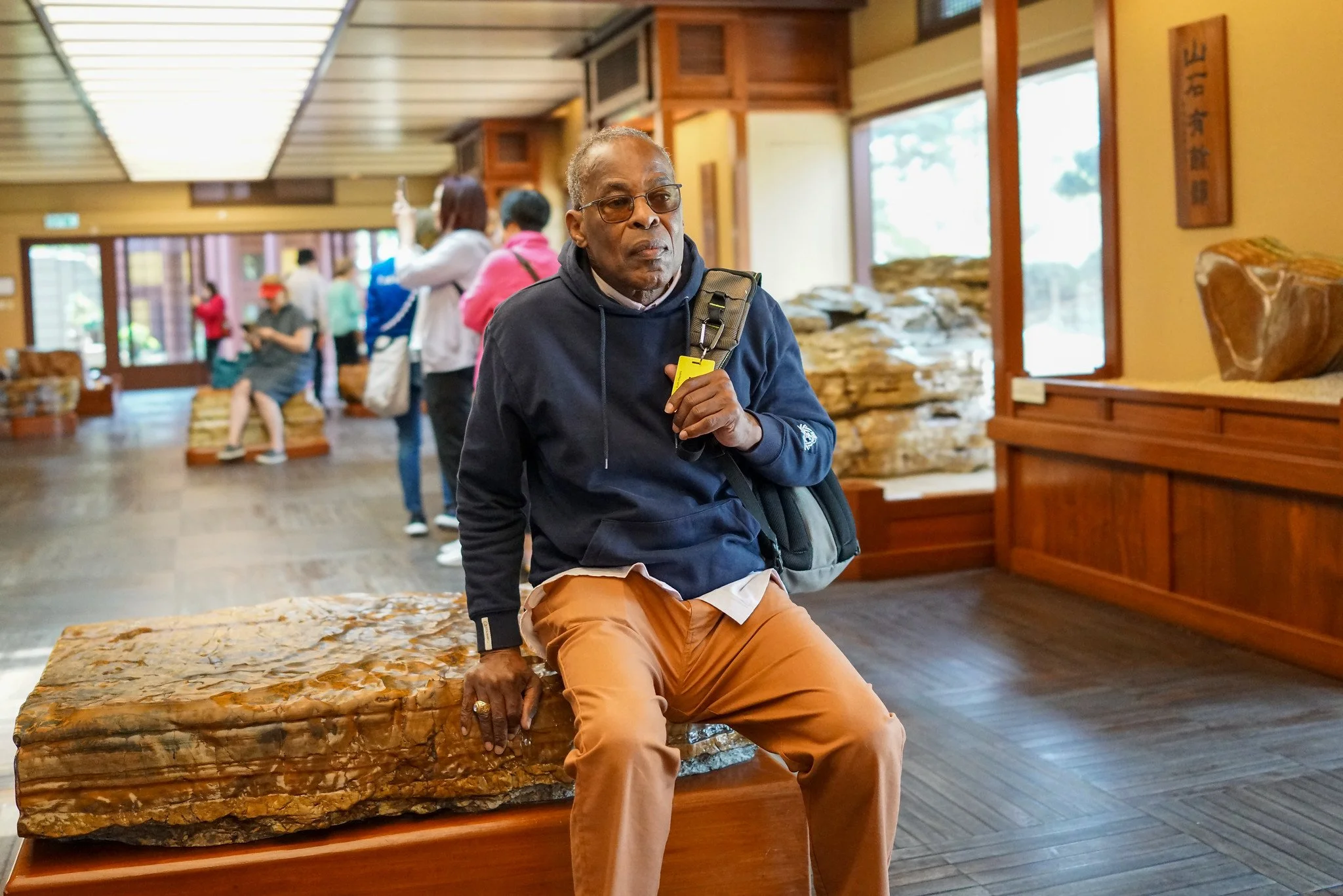
Rockery and artificial hills: Usage : Dramatic clusters of “bizarre rocks” arranged to mimic natural mountain landscapes., The Rockery is a display area near the Light of Enlightenment statue, featuring exquisitely shaped stones set in raked gravel, used for contemplation and showcasing geological beauty. and it is ok to sit on rocks (for luck) and they have some awesome bonsai trees near the rockery entrance
The Mill: Usage: A romanticized structure evoking traditional Chinese farm life, serving as a decorative and thematic element within the garden’s landscape
Souvenir Shop: Usage: Sells items like tea sets, bookmarks, journals, bags, fans, and vegetarian sauces,providing visitors with unique gifts and mementos - This place has many exquisite but expensive items, be sure to check the prices very carefully and be careful not to break anything!
Xiang Hai Xuan (Hall of Fragrance): Usage: An exhibition hall in the south part of the garden, hosting special exhibitions, musical performances, or seminars. It provides a cultural and educational space for visitors.
Chinese Timber Architecture Gallery: Usage: An air-conditioned gallery near the entrance, showcasing scale models, diagrams, and historical information about traditional Chinese timber architecture, particularly Tang Dynasty techniques. It educates visitors on construction methods
Trees and plantings: Mature pines, cypress, flowering trees, orchids, bauhinias, and meticulously pruned bonsai—each positioned according to traditional rules for seasonal beauty and symbolic meaning.
Overall atmosphere: Designed for quiet strolling, meditation, and appreciation—no active recreation, with rules prohibiting smoking and restricting eating to designated areas.
Places to Eat
Chi Lin Vegetarian: Located behind the Silver Strand Waterfall in the adjacent Nan Lian Garden, this restaurant offers elegant Chinese vegetarian cuisine with fresh, seasonal ingredients like mushrooms, tofu, and local vegetables. It serves lunch, afternoon tea, and dinner in a Zen-inspired setting with set menus. I absolutely recommend it
Song Cha Xie Teahouse: Situated beside a pond in Nan Lian Garden, this Tang-style teahouse offers premium Wuyi rock teas (e.g., Da Hong Pao, Tie Luo Han) and dim sum. Open daily from 12:00 PM to 6:00 PM, it also features occasional live music and cultural performances.
Snack Shop: Next to the souvenir shop and excellent rest rooms it has a good selection of food and drink and a great stop when it is hot and humid
A word about the Zi Wu Bridge
All official documents and such call it the red bridge, to me this is nonsense, I have been there over 1,000 times and all my guests say the same thing, it is ORANGE not red, you can use any scientific term you wish but that does not change my view that the bridge is ORANGE and not some artsy fartsy shade of red. The common description is Vermilion-red/Orange-red. which to me is just those who came up with this description acknowledge that the bridge is orange and not red! and yes, red is a very famous and popular colour in Chinese Culture.
Comments and Impressions from Visitors and Writers
Reviews consistently describe Nan Lian Garden as a “hidden gem” (a term which is such a cliche) and “tranquil oasis” amid Kowloon’s density - a place where the chaos of the city fades into profound peace. Many highlight the Tang-style fidelity, noting how the pavilion and bridges create postcard-perfect scenes that contrast beautifully with surrounding high-rises. The teahouse and vegetarian dining are praised for extending the immersive experience, while the garden’s design is lauded for its discipline and vision: “It reminds you how advanced Chinese civilisation was,” with quotes from over a thousand years ago still resonating. Families and solo travellers alike call it restorative, ideal for reflection or a gentle escape. While the vast majority celebrate its beauty and free access as a must-see, a rare dissenting voice has described it as feeling somewhat enclosed under infrastructure - yet this is overwhelmingly outweighed by acclaim for its role as a soul-restoring sanctuary.
Other Relevant Information
The garden operates daily from 7:00 am to 9:00 pm with free admission. Group visits (over 20 people) require advance booking. It prohibits smoking due to the timber and plant life and emphasises respectful, unhurried enjoyment. In 2012, the garden and nunnery were jointly placed on China’s tentative list for World Cultural Heritage consideration, underscoring their significance.
My Considered Opinion
Nan Lian Garden is a triumph of thoughtful urbanism and cultural stewardship - one of the most impressive examples I’ve encountered of how a dense, forward-looking city can carve out space for historical reverence and human respite. In Hong Kong’s relentless pace, its existence feels almost miraculous: a deliberate counterpoint to concrete and commerce that prioritises the intangible—harmony, contemplation, and connection to ancient roots. The partnership between the nunnery and Government was inspired; it harnessed institutional expertise and public resources to deliver something far greater than a mere park. The design, rooted in Jiangshouju yet perfectly adapted, achieves a rare authenticity that doesn’t feel like a theme-park replica but a genuine continuation of Tang elegance. Every rock, ripple, and timber joint whispers of patience and precision, offering layers of discovery that reward slow exploration.
Historically, the site’s arc - from rural quietude to refugee crucible to cultural phoenix—embodies Hong Kong’s spirit of renewal. It reminds us that progress need not erase the past; it can amplify it. For residents and visitors alike, Nan Lian Garden isn’t just scenic - it’s restorative, a place where the mind can reset amid nature’s curated beauty. In an era of rapid change, spaces like this sustain the soul and enrich the collective memory. If you seek depth beyond the city’s surface glamour, this garden delivers it in abundance. It is, quite simply, spectacular.
click on the image to enlarge
© Copyright Acknowledged | All rights reserved | image taken by Jamie
The Connecting Bridge - Nunnery to the Garden - head to the large opening under the large roof in the background
How to Get to Chi Lin Nunnery and Nan Lian Garden by MTR Hong Kongs subway system (from the Exit Underneath Hollywood Plaza Mall)
Chi Lin Nunnery and Nan Lian Garden sit side by side in Diamond Hill, Kowloon, forming one of Hong Kong’s most peaceful and beautiful classical Chinese complexes. The nunnery features magnificent Tang-dynasty-style timber architecture, while the garden offers serene lotus ponds, rockeries, pavilions and bonsai displays. Both are completely free to enter and only a short walk from the MTR (Subway) Station at the Plaza Hollywood Mall
Step-by-Step MTR (Subway) Directions
Take the MTR Kwun Tong Line (green line) and alight at Diamond Hill Station. (The station is also on the Tuen Ma Line, making it convenient from many parts of Hong Kong.)
Inside Diamond Hill Station, follow the clear signs for Exit C2 (Plaza Hollywood). This exit brings you directly into or right beside Hollywood Plaza Mall (also known as Plaza Hollywood). The area is air-conditioned and well-connected to the station concourse.
From Exit C2 - Walking to Chi Lin Nunnery Entrance (Recommended First Stop)
After clearing Exit C2, turn right and follow the prominent tourist signs marked “Chi Lin Nunnery” and “Nan Lian Garden”.
Exit the immediate mall area and continue along the paved walkways around the outside of Hollywood Plaza Mall.
Proceed eastward, passing under the elevated freeway flyovers. This short urban section is fully covered and safe.
You will reach Fung Tak Road. Cross at the traffic lights (note that the lights can sometimes take 2+ minutes to change, especially during busier periods). and a word of caution, do NOT take on the traffic, it is illegal and this crossing is an accident black spot
Once across, continue a short distance along Fung Tak Road. The main entrance to Chi Lin Nunnery is on your left at 5 Chi Lin Drive.
Total walking time in real conditions: approximately 9 -10 minutes. The route is mostly flat and wide, with some covered sections, though you will need to negotiate the traffic lights.
Continuing to Nan Lian Garden via the Internal Bridge (Second Stop)
After exploring Chi Lin Nunnery, head northward through the complex toward the pedestrian footbridge that crosses over Fung Tak Road.
This bridge connects directly into Nan Lian Garden and provides a pleasant transition between the two sites.
Once in the garden, you can enjoy its classical layout with lotus ponds, pavilions, rockeries and bonsai collections at a relaxed pace.
Many visitors find this flow - Nunnery first, then Garden via the bridge - more natural and logical, as it allows you to experience the sacred timber halls and atmosphere of the nunnery before stepping into the open, tranquil garden setting.
Opening Hours & Practical Information
Chi Lin Nunnery: Open daily 9:00 am - 4:30 pm (main halls and timber structures). The surrounding grounds may remain accessible a little longer.
Nan Lian Garden: Open daily 7:00 am - 9:00 pm (last entry around 8:30 pm).
Admission: Both sites are completely free.
Facilities: Very Clean public toilets are available inside both the nunnery grounds and the garden. There is a small tea house and a vegetarian restaurant/café offering simple, tasty meals and drinks — a good option for a quiet break. Hollywood Plaza Mall (right at Exit C2) has additional food outlets, seating and restrooms if needed before or after your visit.
In the Garden you cannot miss the Veggie restaurant, it is behind a waterfall, I am not a veggie food fan but the food is pretty darn good and reasonably priced and well worth a visit
Visiting Tips & Etiquette
There is no strict or enforced dress code at Chi Lin Nunnery or Nan Lian Garden. In Hong Kong’s relaxed approach to temple visits, you will see visitors in a wide range of casual clothing, including shorts and tops that show shoulders or knees, and entry is not refused based on attire and I personally have never had an issue with my guests and what they wear
It is still thoughtful to keep noise levels low and behave respectfully inside the prayer halls and garden, as these are places for quiet reflection and have a religious and serene character.
Photography: Photography is permitted in outdoor areas and throughout Nan Lian Garden, but no photos or videos are allowed inside the main prayer halls or of the Buddha statues. Security guards patrol the area and can become quite agitated if anyone attempts to take pictures inside the halls - it is best to respect this rule strictly to avoid any issues and I should point out that no one in authority at the Nunnery has given me a coherent explanation for this rule given that many monasteries and temples (we have 600+) have no issues with photography
Best visiting times: Morning (after 9 am) when the light is softer and crowds are lighter. It is not ideal to visit the nunnery in the late afternoon, as there is often a daily service or prayer session around 4pm or 4:30pm, during which the main hall may be closed off to visitors. This is one practical reason why starting with the nunnery works well.
Total time needed: Plan generously - err on the side of caution rather than tight schedules, as real-world pacing (including walking, waiting for lights, and soaking in the atmosphere) often takes longer than optimistic estimates., I would say plan fot 60 - 90 minutes
Weather note: Bring water and an umbrella if it is hot or rainy. Parts of the walk from the MTR are covered, but the traffic light crossing is outdoors. I would like to add that the Nunnery and Garden are spectacular in rain storms (I have the images to prove it!)
Accessibility Note (Wheelchair & Mobility Considerations)
Nan Lian Garden is largely wheelchair-friendly for the most part, with mostly flat, well-paved paths, ramps in key areas, and accessible toilets, making it comfortable to explore the main garden layout.
In contrast, Chi Lin Nunnery presents more challenges for wheelchair users. From the entrance, there is a wheelchair-friendly ramp that provides good initial access. However, to enter the main nunnery complex there is a noticeable large step, and almost every section you explore involves going up or down multiple steps. The pedestrian footbridge connecting the nunnery to Nan Lian Garden is not equipped for wheelchair access. Some internal lifts may be available if you ask staff (particularly for reaching certain halls or the bridge area from the garden side), but overall the nunnery’s traditional timber-hall design means it is not fully accessible and can feel frustrating or limiting for those with mobility issues. Visitors with wheelchairs or reduced mobility may prefer to focus more on Nan Lian Garden or only view the nunnery grounds from accessible points. Those who love the nunnery’s architecture and atmosphere often note that the many steps can be a real curse despite the beauty of the site.
I have been to the complex just once with one of my guests in a wheelchair, the garden is just fine, but the nunnery can be a nightmare
My Considered Opinion
Starting with Chi Lin Nunnery and then moving to Nan Lian Garden via the footbridge creates a very natural and logical flow. The nunnery’s impressive wooden halls and sacred atmosphere provide a strong first impression, after which the bridge offers a gentle shift into the garden’s open, peaceful landscape. This order feels more intuitive for many repeat visitors because it builds from the spiritual core outward to the serene garden setting. Even though the walk from Exit C2 takes around 9–10 minutes in practice (including the traffic light wait), the route is straightforward, well-signposted, and leads you directly to the nunnery entrance without confusion.
Together, these two attractions remain one of Hong Kong’s most rewarding cultural experiences - a genuine pocket of Tang-dynasty elegance and tranquility right in the heart of Kowloon. The free entry, easy MTR access, and connected layout make them ideal for a refreshing half-day stop that contrasts beautifully with the surrounding city energy.
Follow the steps above and you will reach the nunnery entrance smoothly, then enjoy the seamless transition into the garden.
Enjoy your visit!







click on any image to enlarge
© Copyright Acknowledged | All rights reserved | all images taken b Jamie
Jamie’s Hong Kong | Some of my favourite images | Hong Kong 101
© Jamie Lloyd | J3 Consultants Hong Kong | J3 Private Tours Hong Kong |
| 2010 - 2026 All rights reserved. |
Click on any image to enlarge to full screen







Current images from my Instagram feed