Hong Kong Weather - Year Round Overview for Tourists
Hong Kong has a subtropical climate & distinct seasonal shifts

The J3 Group - Premium Quality Private Tours | Experiences and Insider Chats since 2010
Me Jamie, your host, I am English and I have lived in Hong Kong since January 2nd 1972 - I know the place.
A meaningful blog post with a difference - tips on Travel, Tourism, Tours, Daily Life and my personal thoughts on Hong Kong.
Please do visit Amazing Hong Kong
Hong Kong | Pearl of the Orient
Customised Private Tours + Experiences in Amazing Hong Kong
Jamie has lived in Hong Kong - Pearl of the Orient for 50+ years
Carefully Crafted Personalised and Customised Itineraries by Jamie | Hong Kong’s Most Experienced Private Tour Guide for : Solo Travellers Friends Families Seniors Couples Business People MICE Delegates.
Private Tours Cultural Tours Walking Tours Sightseeing Tours City Tours Night Tours Layover Tours Transit Tours Private Shore Excursions Bespoke Tours Personalised Tours Jewish Heritage Tours Luxury Private Tours Day Tours Luxury Boat Tours Themed Tours Private Family Tours Private Day Tours Corporate Tours
Just you, your family or friends and Jamie your personal English private tour guide - over 2,400+ tours completed since 2011 - Jamie offers quality Private Tours of Hong Kong
Tour Group Size 1 - 6 people only
J3 Group Hong Kong | J3 Consultants Hong Kong | J3 Private Tours Hong Kong
Creating Memories That Will Last A Lifetime
Go here for the Hong Kong Michelin Restaurant Guide which includes the Bib Gourmand Category

Guided by Stories, Private Tours of Hong Kong with Jamie
A Resident since 1972 - Quality Private Tours of Hong Kong
click on the image to enlarge
© Copyright Acknowledged | All rights reserved | Image taken by Jamie
Typical summer weather | Absolutely glorious | Hong Kong
Hong Kong Weather Overview for Tourists and Visitors
I have lived in Hong Kong since January 2nd 1972, as a family our first major weather event still gives me flashbacks and bad memories, it was a rainstorm in June 1972 that lasted for 3 days and we had a major landslide on Kotewall Road which took out the building next to ours (and yes, we where home) and 67 people died including family friends. The rain was just a steady downpour but it rained non stop for 3 days
The positive thing that came out of this disaster and another one in Kowloon on the next day that killed 71 people. was that the Government has implemented an ongoing scheme to prevent landslides and improve drainage. it is now world class and landslides and floods are very rare these days.
The other good news is that the general perception of non residents is that Hong Kong does have 4 seasons unlike our tivals Singapore where it is very hot and very humid all year round
I love the above image taken in the summer from our balcony, we have lived in the same place for 17+ years
So…..
Hong Kong has a subtropical climate with distinct seasonal shifts influenced by monsoons and the South China Sea. Weather can sometimes significantly impact outdoor tours, visibility at elevated sites like Victoria Peak and the Big Buddha, ferry services, and hiking. High humidity, sudden rainstorms, and typhoons can disrupt plans, while clear, dry periods offer ideal conditions for sightseeing or as I like to say, it is what it is and frankly cancelling tours to bad weather is a very rare event for most of us.
All data below uses 1991 - 2020 normals from the Hong Kong Observatory unless noted, with temperatures in both Celsius (°C) and Fahrenheit (°F), and rainfall in both centimetres (cm) and inches (in). Expect year-to-year variability, especially with climate trends showing gradual warming and more intense rain events. Hong Kong has 4 seasons!
Please note that in December, January and February it can get significantly colder than the mean temperatures stated. I probably wear a heavy jacket for up to 10 times a year, we have never had snow but I am hoping! and remember very heavy rain is still quite rare, the statistics below are a great guide for planning but overall I quite like out weather and even the hottest and most humid weather in the summer is not a hindrance to being outside exploring Hong Kong.
I should also point out that Hong Kong is hilly and next to the ocean so weather can vary dramatically from district to district when it comes to temperature and rainfall and in the summer is it quite cool at night.
Month-by-Month Breakdown
January Typical weather: Cool and dry with northerly winds; occasional cold fronts bring temperatures below 10°C (50°F) on high ground. Comfortable for walking tours. Average rainfall: 3.3 cm (1.3 in). Average rainstorm warnings: None recorded (red or black). Average sunshine: ~146 hours (~4.7 hours/day); relatively clear. Average humidity: 74%. Foggy days: ~0.2 days (low impact). Typical temps: Max 18.7°C (65.7°F), mean 16.5°C (61.7°F), min 14.6°C (58.3°F).
February Typical weather: Similar to January but slightly milder and cloudier; dry spells alternate with light rain. Good for outdoor activities but pack layers. Average rainfall: 3.9 cm (1.5 in). Average rainstorm warnings: None. Average sunshine: ~102 hours (~3.6 hours/day). Average humidity: 79%. Foggy days: ~1.1 days (occasional reduced visibility). Typical temps: Max 19.4°C (66.9°F), mean 17.1°C (62.8°F), min 15.3°C (59.5°F).
March Typical weather: Transition to spring; milder but increasing humidity and drizzle. Fog and low clouds common, affecting Victoria Peak and Big Buddha views. Average rainfall: 7.5 cm (3.0 in). Average rainstorm warnings: Rare (earliest amber possible mid-month). Average sunshine: ~100 hours (~3.2 hours/day); cloudier. Average humidity: 82%. Foggy days: ~1.5 days (highest monthly average; visibility drops notably at peaks). Typical temps: Max 21.9°C (71.4°F), mean 19.5°C (67.1°F), min 17.6°C (63.7°F).
April Typical weather: Warming with high humidity; occasional showers and thunderstorms. Fog/drizzle can still reduce visibility at high points. Average rainfall: 15.3 cm (6.0 in). Average rainstorm warnings: Low but possible (earliest red recorded early month). Average sunshine: ~113 hours (~3.8 hours/day). Average humidity: 83% (highest). Foggy days: ~0.8 days. Typical temps: Max 25.6°C (78.1°F), mean 23.0°C (73.4°F), min 21.1°C (70.0°F).
May Typical weather: Hotter and more humid; frequent showers/thunderstorms, especially mornings. Rain increases sharply. Average rainfall: 29.1 cm (11.4 in). Average rainstorm warnings: Moderate increase. Average sunshine: ~139 hours (~4.5 hours/day). Average humidity: 83%. Foggy days: ~0.1 days (minimal). Typical temps: Max 28.8°C (83.8°F), mean 26.3°C (79.3°F), min 24.5°C (76.1°F).
June Typical weather: Hot, humid, and very wet; heavy showers/thunderstorms common. Peak rainstorm season. Average rainfall: 49.2 cm (19.4 in) — wettest month. Average rainstorm warnings: Highest (historical avg: ~5.3 amber, 1.5 red, 0.3 black). Average sunshine: ~144 hours (~4.8 hours/day). Average humidity: 82%. Foggy days: Negligible. Typical temps: Max 30.7°C (87.3°F), mean 28.3°C (82.9°F), min 26.5°C (79.7°F).
July Typical weather: Hottest and humid with showers; possible dry spells. Typhoon risk rises. Average rainfall: 38.6 cm (15.2 in). Average rainstorm warnings: High (summer peak). Average sunshine: ~197 hours (~6.4 hours/day) — sunnier. Average humidity: 81%. Foggy days: Negligible. Typical temps: Max 31.6°C (88.9°F), mean 28.9°C (84.0°F), min 26.9°C (80.4°F).
August Typical weather: Hot/humid with heavy rain and typhoon threats; afternoon thunderstorms frequent. Average rainfall: 45.3 cm (17.8 in). Average rainstorm warnings: High. Average sunshine: ~182 hours (~5.9 hours/day). Average humidity: 81%. Foggy days: Negligible. Typical temps: Max 31.3°C (88.3°F), mean 28.7°C (83.7°F), min 26.7°C (80.1°F).
September Typical weather: Still warm/humid but rain eases slightly; typhoon season continues. Average rainfall: 32.1 cm (12.7 in). Average rainstorm warnings: Moderate to high. Average sunshine: ~174 hours (~5.8 hours/day). Average humidity: 78%. Foggy days: Negligible. Typical temps: Max 30.5°C (86.9°F), mean 27.9°C (82.2°F), min 26.1°C (79.0°F).
October Typical weather: Cooling, drier, and sunnier; pleasant transition to autumn. Excellent for tours. Average rainfall: 12.0 cm (4.7 in). Average rainstorm warnings: Low. Average sunshine: ~198 hours (~6.4 hours/day) — among the highest. Average humidity: 73%. Foggy days: Negligible. Typical temps: Max 28.1°C (82.6°F), mean 25.7°C (78.3°F), min 23.9°C (75.0°F).
November Typical weather: Comfortable, dry, and sunny with breezes; ideal outdoor conditions. Average rainfall: 3.9 cm (1.5 in). Average rainstorm warnings: Very low. Average sunshine: ~172 hours (~5.7 hours/day). Average humidity: 72%. Foggy days: Negligible. Typical temps: Max 24.5°C (76.1°F), mean 22.2°C (72.0°F), min 20.3°C (68.5°F).
December Typical weather: Cool and dry; clear skies and comfortable for extended tours. Average rainfall: 2.9 cm (1.1 in). Average rainstorm warnings: None. Average sunshine: ~162 hours (~5.2 hours/day). Average humidity: 70% (lowest). Foggy days: Negligible. Typical temps: Max 20.4°C (68.7°F), mean 18.2°C (64.8°F), min 16.2°C (61.2°F).
Other points to note
Average annual rainfall: 243.1 cm (95.7 in), with ~140 rain days. ~80% falls May - September. Average sunny days approximation: Based on sunshine hours, expect 10 - 15 clearer days/month in drier/cooler months (Oct–Dec, Jan) vs. 5–10 in cloudy spring/summer. Use daily sunshine % of possible (highest Oct at ~55%).
Fog impact: Primarily March - April (~1–1.5 days/month peak); drizzle and mist reduce visibility at Victoria Peak (often <1 km) and Big Buddha on Lantau. Check forecasts; lower-altitude tours less affected.
Typhoons: Hong Kong averages ~5–6 tropical cyclones requiring warning signals per year (mostly July - September). These bring strong winds, heavy rain, and storm surges. No. 10 (hurricane) signals are rare (~every 4–5 years historically).
Brief timeline of No. 10 typhoon warnings since 1990:
September 1999: Typhoon York
July 2012: Typhoon Vicente
August 2017: Typhoon Hato
September 2018: Super Typhoon Mangkhut
September 2023: Super Typhoon Saola
July 2025: Typhoon Wipha
September 2025: Super Typhoon Ragasa
Top 10 very destructive typhoons (by historical impact including deaths, damage, and disruption; ranked roughly by severity):
1937 Great Hong Kong Typhoon (~11,000–13,000 deaths).
1906 Typhoon (~10,000+ deaths, mostly at sea).
1874 Typhoon (2,000+ deaths, massive property damage).
Typhoon Wanda (1962) - record winds, widespread destruction.
Typhoon Rose (1971) - strong gusts, high casualties.
Typhoon Ellen (1983) - severe damage and flooding.- I remember this one like it was yesterday!
Typhoon York (1999) - major urban disruption.
Super Typhoon Mangkhut (2018) - extensive power outages, landslides.
Typhoon Hato (2017) - damaging winds and surge.
Super Typhoon Saola (2023) / recent 2025 events (Wipha/Ragasa) - record rainfall and flooding in modern era.
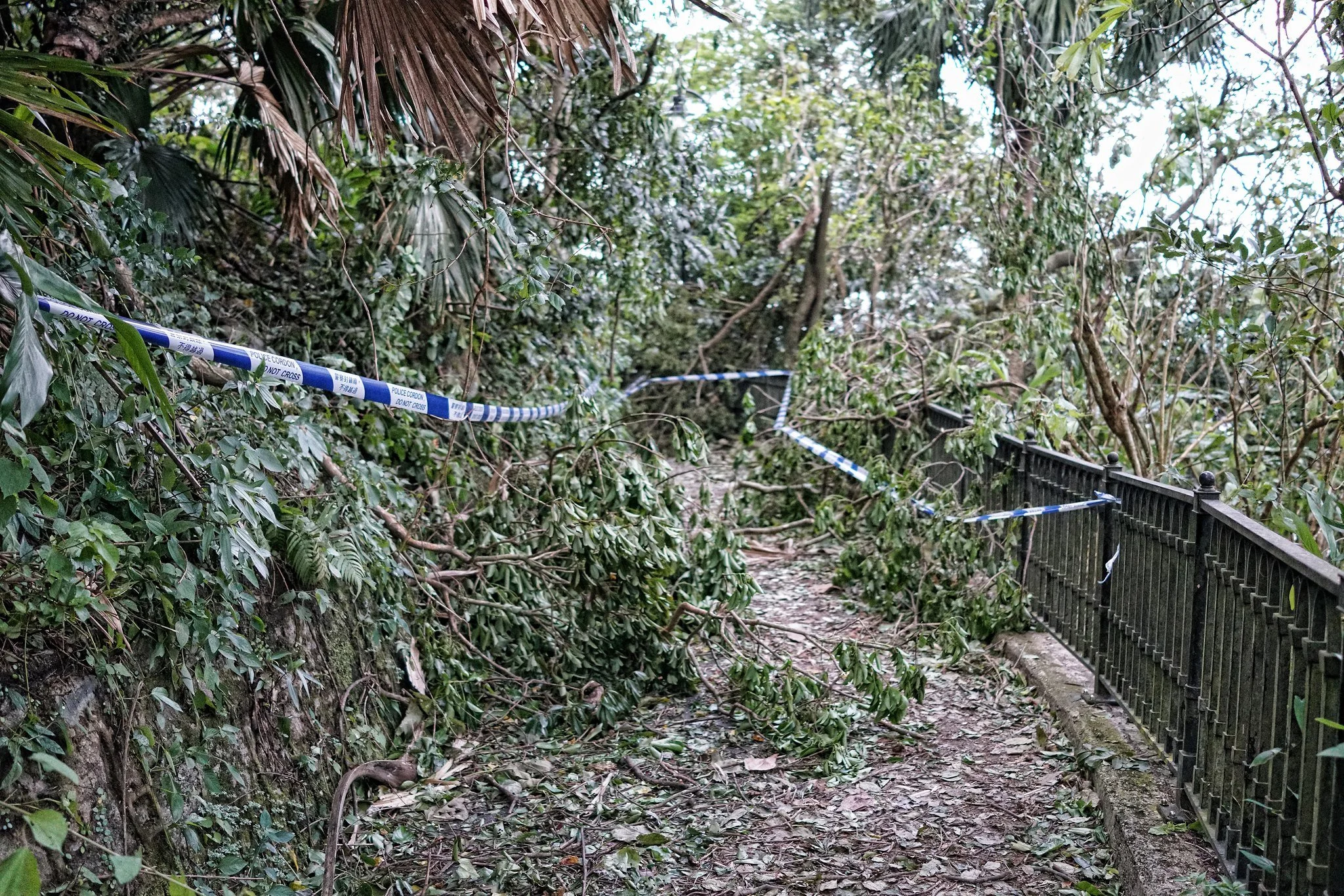
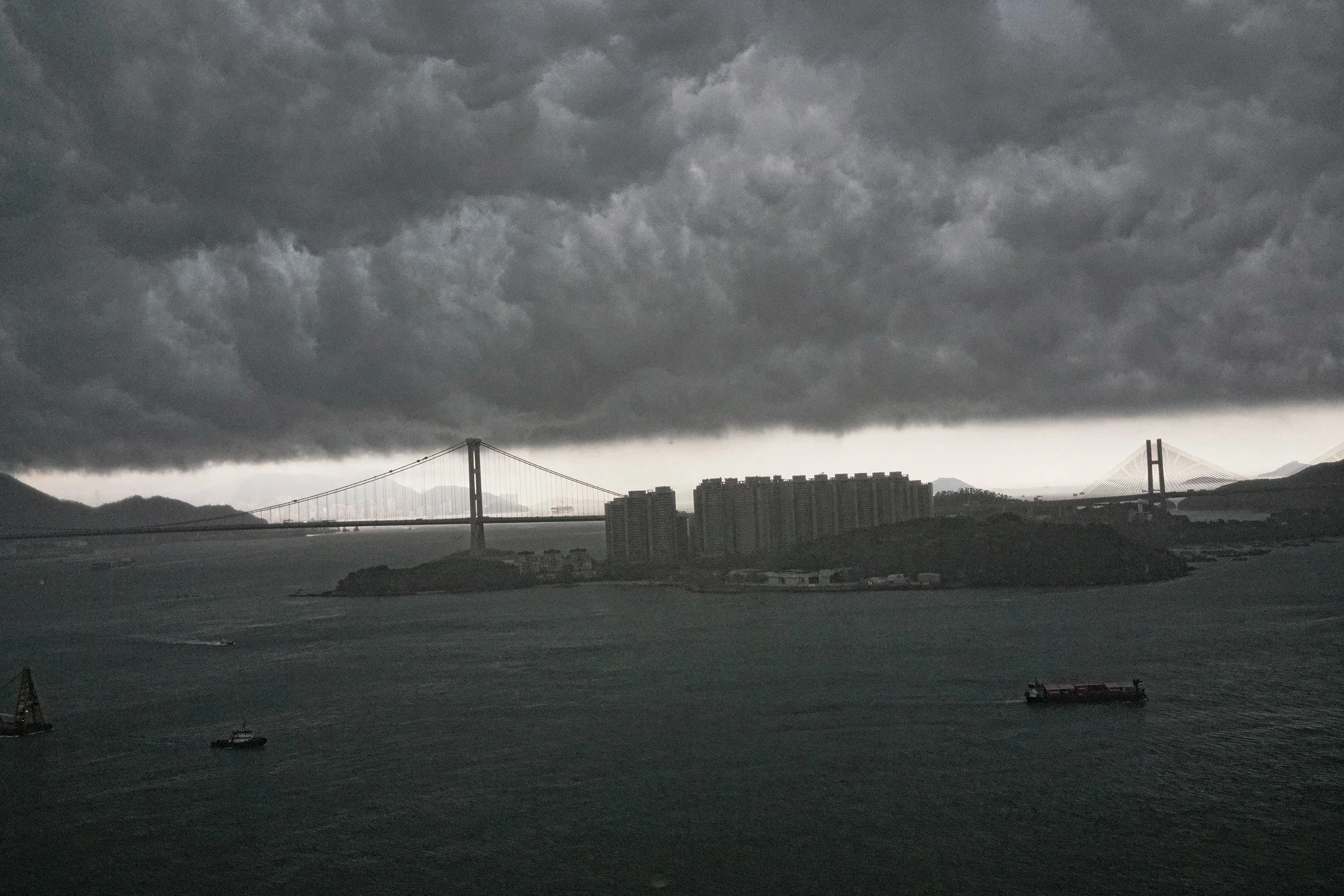
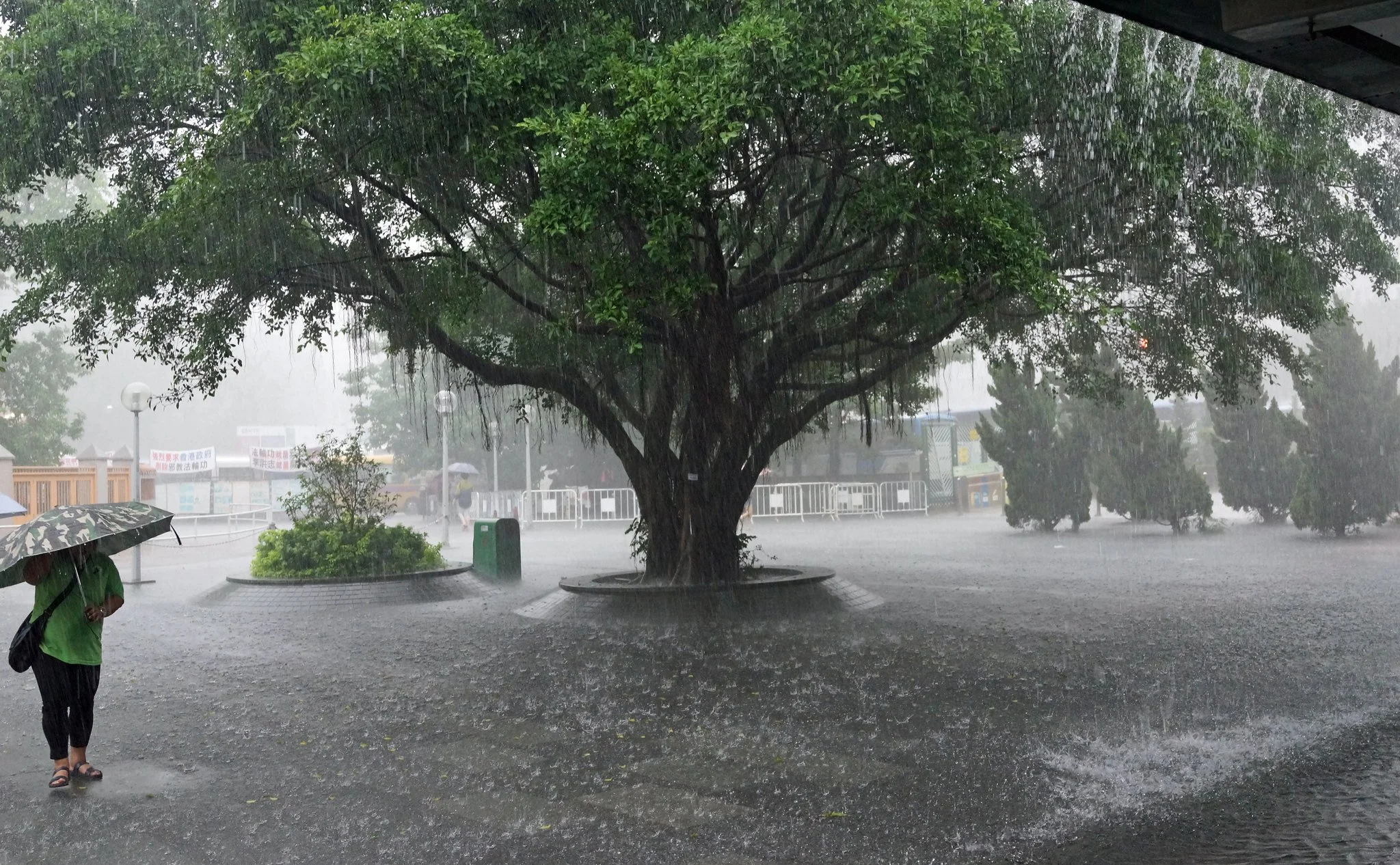
click on the image to enlarge
© Copyright Acknowledged | All rights reserved | Images taken by Jamie
Severe weather | Infrequent but it happens | Hong Kong
Top 10 days with most rainfall (notable record daily totals at/near Observatory or territory-wide; extremes since records began):
~534 mm (historical 1926 event).
~520 mm (1889).
425+ mm (September 2023, multi-day record breaker).
~411 mm (1998).
368.9 mm (August 2025 - highest August daily on record). see official stats below
High 300+ mm days in 2008, 2013, 2015, and 2023 events (e.g., 7- 8 Sep 2023 exceeded 600 mm in 24 hours in parts).
7 - 10 include notable 200+ mm days from 1992, 1994, 2006, and 2024 extremes, often triggering black rainstorms and flooding. These days infrequently cause transport chaos and mini landslips, Hong Kong is very good at handling rain
click on the image to enlarge
© Copyright Acknowledged | All rights reserved
368mm or 14.52 inches | rain on 5th August 2025 | Hong Kong
4 Seasons Breakdown
Hong Kong uses meteorological seasons (roughly equal 3-month periods aligned with temperature cycle):
Winter (December - February, ~3 months): Coolest/driest (~14 - 20°C / 57 - 68°F mean range); low rain/humidity, sunny spells. Comfortable but occasional cold snaps. Low fog/typhoon risk.
Spring (March - May, ~3 months): Warming but humid (17 - 26°C / 63 - 79°F); increasing rain, drizzle, and fog (peak March - April). Visibility issues at peaks; thunderstorms rise. Transitional and unpredictable.
Summer (June - August, ~3 months): Hottest/humidest (26 - 31°C / 79 - 88°F); heavy rain, thunderstorms, typhoon peak and yes it can get hotter than the temperatures stated particularly if you are out in the boonies!
Autumn (September - November, ~3 months): Cooling and drying (20 - 28°C / 68 - 82°F); pleasant, sunnier, lower rain. Best balance of warmth and clarity.
Best Months to Visit Hong Kong and Why
October, November, and December stand out as prime. Temperatures are comfortable (20 - 28°C / 68 - 82°F), rainfall is low (<13 cm / 5 in combined for Nov - Dec), humidity drops, and sunshine peaks - perfect for Peak tram rides, Big Buddha visits, hikes, and harbour tours with clear visibility. Fewer rainstorms/typhoons mean reliable outdoor schedules. There is no need to avoid June - August it is still bearable and I do many tours despite the heat and humidity, and storm risk; spring can be hazy/foggy.
My own theory on Winter | Spring Shifts
My own observation aligns with noticeable patterns many other long-time residents report. Historical data shows winters (Dec - Feb) trending ever so slightly warmer overall due to climate change, but transitional periods can feel “stretched” - cool spells lingering into March/April, with spring-like warming and reduced early rain shifting later (mid-to-late April). The Rugby Sevens timing shift is a great anecdotal marker: March events historically faced more rain/humidity spikes, while recent mid-April ones have been milder/drier. Long-term warming (~0.2 - 0.3°C per decade) and changing monsoon dynamics contribute; rainfall concentrates more intensely in summer, leaving drier springs in some years. This makes early spring tours more variable now than decades ago., in a nutshell, our weather is very variable!
Other Relevant and Interesting Information
Practical tour tips: In rain/fog, carry on or wait for the rain to stop, Peak/Big Buddha apps/ webcams help check real-time visibility. Typhoon No. 8+ often halts transport but it is rare, only a few days a year
Climate trends: Extremes are increasing (more black rainstorms and intense typhoons recently); annual rainfall ~5% above normal in wet years, I have a very practical attitude towards this, there are 365 days in a year, a couple of extra days of heavy rain, typhoons and high temperatures do not ruin things, it is what it is and we residents adapt
Fun fact for visitors: Hong Kong’s annual rainfall rivals some tropical cities, yet its compact urban design turns heavy downpours into dramatic (and photogenic) street rivers - great storytelling for tours! Winter frost on Tai Mo Shan is rare but possible and yes, I have been caught out at times in very heavy rain (see image above) for some visitors seeing this type of rain is a very special event
Raw statistics do not tell the whole story, The Hong Kong Observatory, well they issue weather bulletins many times a day, every day. you learn to ignore them and yes, their forecasts are frequently wrong (when will they learn that accurate weather forecasting is a pipe dream)
Hong Kong has 4 seasons with good points and bad points like everywhere else but as a tourist destination we excel because of these 4 distinct seasons and the summer in Hong Kong is pretty much like the summer in cooler climes, it is hot and humid but bearable unlike many tropical locations and yes, all great private tour guides have a plan B + C + D etc
click on the image to enlarge
© Copyright Acknowledged | All rights reserved | Image taken by Jamie
Typical January weather | Victoria Peak | Hong Kong
My observation about reduced visibility at Victoria Peak in the winter months (and similar high points) is actually spot on and reflects a well-documented meteorological and pollution pattern in Hong Kong. It's not my mind playing tricks - long-term residents and data both support the "brown smudge" effect I describe, the image above is the smudge we get when the winds blow in from the North (ie China)
Seasonal Wind and Pollution Dynamics
Hong Kong's air quality and visibility are heavily influenced by monsoon patterns and regional transport:
Winter and Spring (roughly November - April): Prevailing northerly or northeasterly winds (from cold fronts and the East Asian Winter Monsoon) carry pollutants from the Pearl River Delta (PRD) and further inland in mainland China. This includes particulate matter (PM2.5/PM10), sulfates, nitrates, and other aerosols from industry, vehicles, and power plants. These create the hazy, brownish smog layer I notice - a mix of regional transboundary pollution and some local accumulation under stable atmospheric conditions (weaker winds, temperature inversions). Visibility often drops below 8 - 10 km, and at elevated spots like Victoria Peak or Big Buddha, the "brown smudge" obscures the full panorama, sometimes reducing views to just the immediate harbour or nearby areas.
Summer and Autumn (May - October): The southwesterly/southerly summer monsoon dominates, bringing cleaner marine air from the South China Sea. This pushes much of the continental smog back northward and disperses pollutants. Higher rainfall (especially June - August) also washes out particles through wet deposition. Visibility is generally better, with clearer days more common despite occasional haze from local photochemical smog (ozone formation in heat/sun) or typhoon-related effects and yes, the irony is not lost on me, the best months to visit for clear views are also the hotter and most humid months!
This wind-direction dependency is a classic feature of coastal cities near polluted inland regions. Studies show PM2.5 levels are often significantly higher in winter (sometimes double summer averages) precisely because of this northerly transport. Poor visibility days peak in the cooler, drier season, aligning with my own experience.
Historical Changes: 1970s - 1980s vs Present Day
My memory of clearer winters and springs in the 1970s - 80s is actually quite accurate. Visibility was notably better then:
Hazy days (visibility <8 km, excluding fog/rain) were far fewer: roughly 5 per winter month in the 1980s, with almost none in summer.
Rapid industrialization in the PRD from the late 1970s/1980s onward (as Hong Kong factories relocated) dramatically increased regional emissions. Hazy days rose sharply through the 1990s - 2000s (up to 15 - 25 per winter month at peaks).
The worst periods clustered around the mid-2000s, with annual low-visibility hours jumping from ~300 in the late 1980s to over 1,000 by the late 2000s.
Since then, Hong Kong and mainland controls (e.g., emissions standards, desulfurization, vehicle upgrades) have led to gradual improvements in PM and some visibility metrics, especially post-2010s. However, the seasonal contrast remains strong, and transboundary pollution still dominates cool-season haze. Ozone has risen in some areas, but overall, the "brown smudge" is less severe than its 2000s peak - though still very noticeable compared to pre-1980s conditions.
I am pleased that the official data backs up my recollection of weather 40 - 50+ years ago.
Practical Implications for Tours at Victoria Peak | The Big Buddha on Lantau Island
Cooler months: Check real-time visibility cams/apps before heading up. Early mornings can sometimes be clearer before pollution builds, but northerly winds often bring the worst haze.
Warmer months: Generally more reliable for panoramic views, though humidity can create a milky haze, and afternoon thunderstorms reduce clarity (but this is quite rare)
Fog (true water-droplet) still peaks in March - April, compounding the smog issue in spring.
In short, my concept is a solid, working explanation - backed by wind patterns, regional sources, and long-term data. "Hong Kong's famous views depend as much on the wind direction as the weather forecast!" This adds depth to my tours and helps manage expectations realistically. Climate trends (warming, variable monsoons) may continue shifting these patterns slightly, but the core winter-import/summer-export dynamic holds today!
I do not do Food Tours in Hong Kong but I know people that do!
I do not do food tours as mentioned above, I have very specific reasons and part of it is that I do not speak Cantonese or write Chinese, I am from Yorkshire in England and I lack the language gene and it is not through lack of trying and yes a lot of restaurants do not have English menu’s or staff who speak conversational English.
.. and yet I have eaten at close to 1,400 restaurants in Hong Kong since January 2nd 1972, my wife was born in Hong Kong and we have been together over 40 years and her first language is Cantonese and a lot of her family are Chinese or half Chinese so I have never had much of an issue!
This does not translate to doing food tours though, yes, I could do them, no problem there but they would never ever be as good as the food tours done by my friends (see the 3 links above) most of their awesome guides are locally born Hong Kong Chinese and obviously food culture is part of their DNA, it is impossible for me to compete with that!
So please feel free to contact them for food tours
I do not do Hiking Tours in Hong Kong but I know someone that does!
I do not do Hiking Tours, never have and never will even though I used to go Hiking a lot when I was a lot younger, The Hong Kong Government is promoting hiking tours so I urge you to contact my friend Sabrina at Hong Kong Trails and Tours, she is a long time Hong Kong resident and and a very experienced hiker with close to 700 Hikes in 15+ years under her belt, please click on the link below
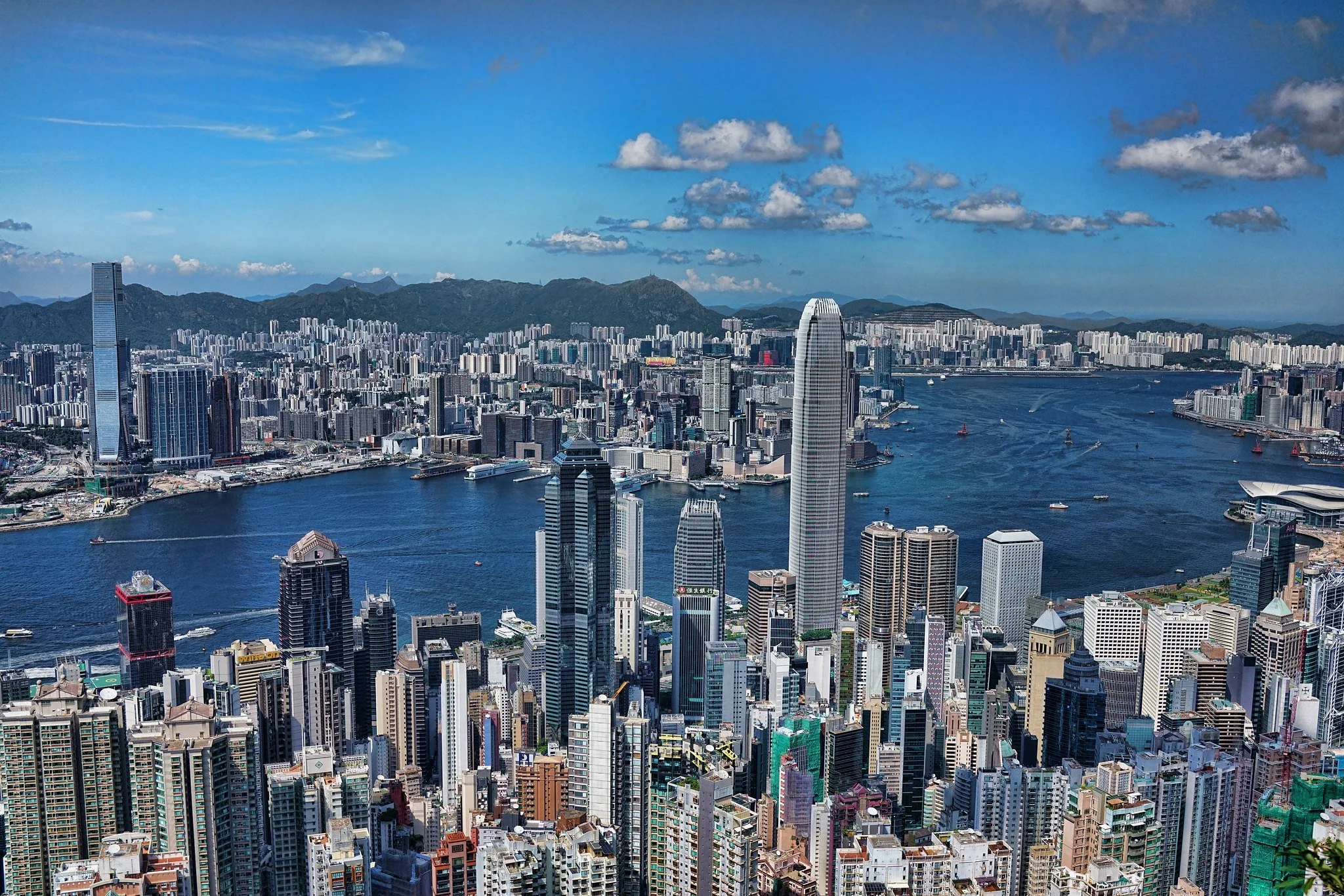
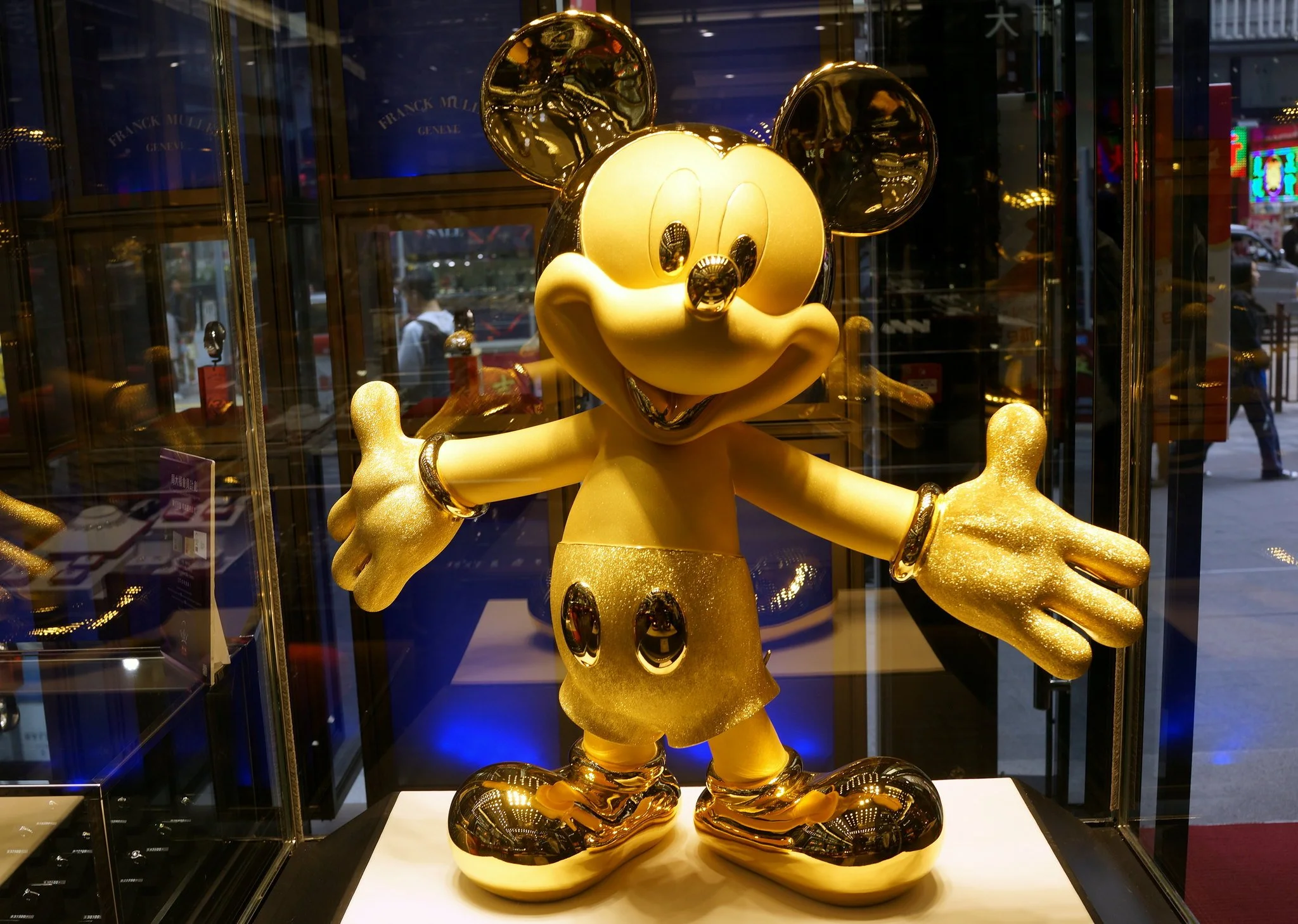
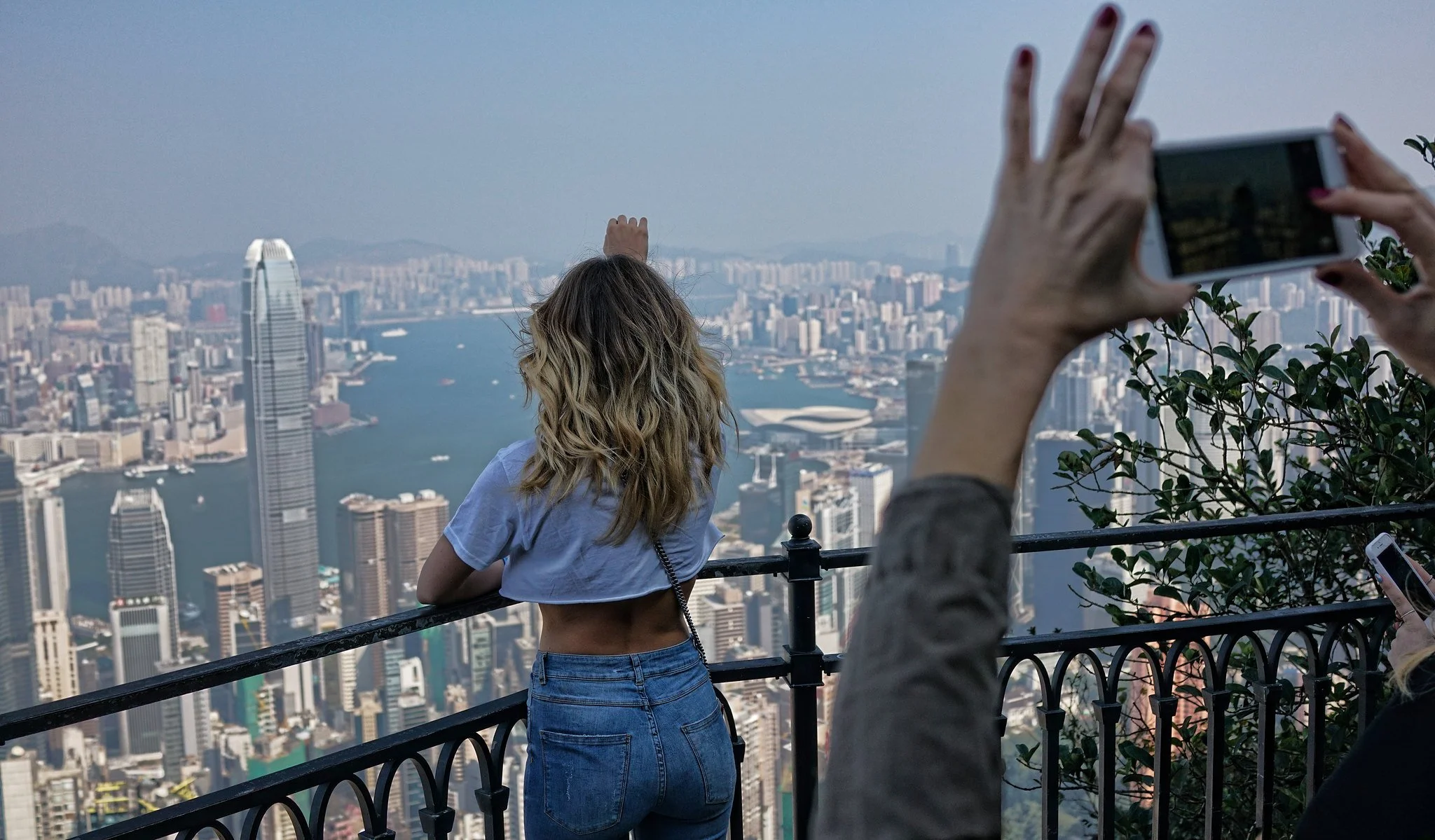
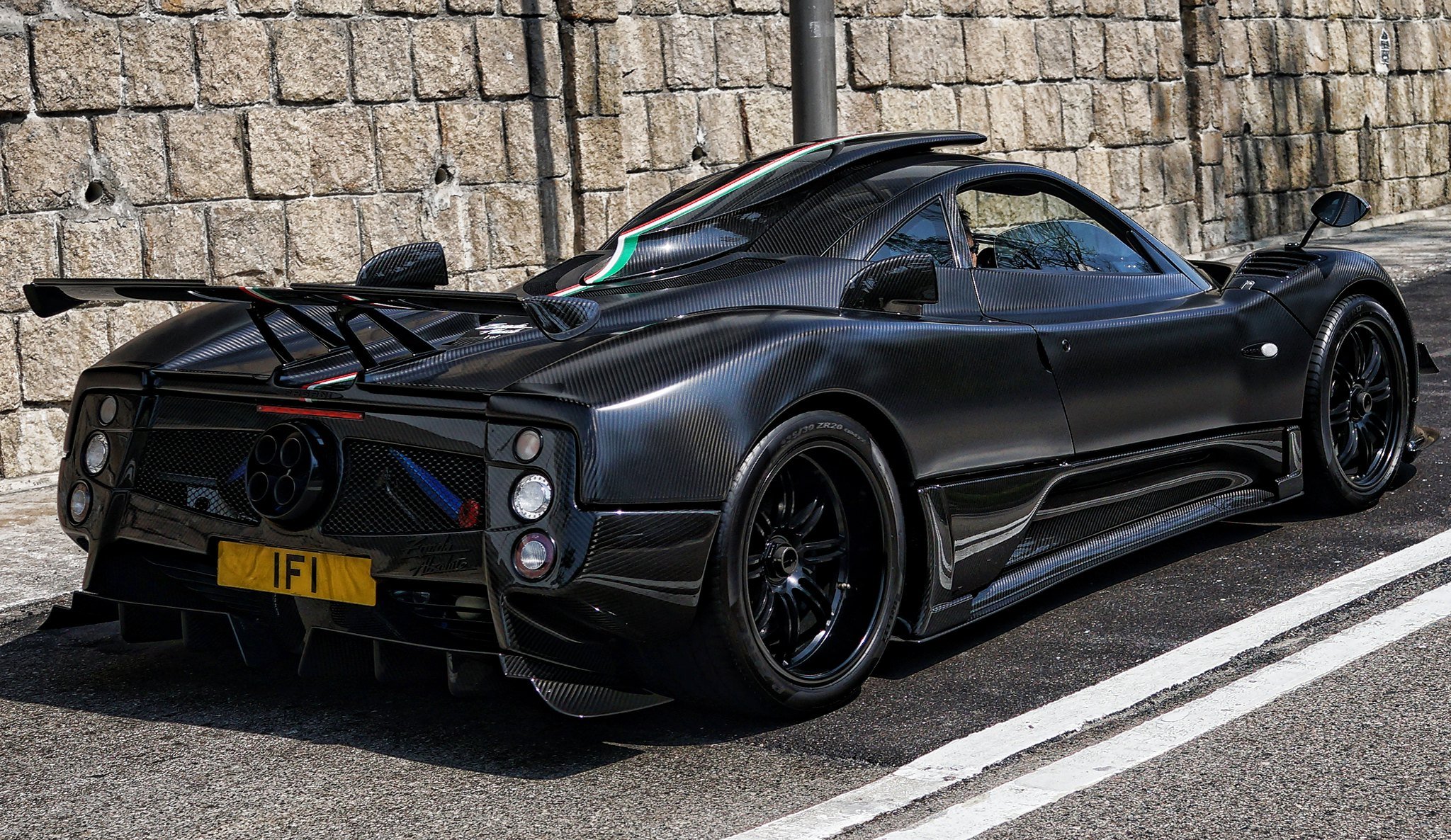
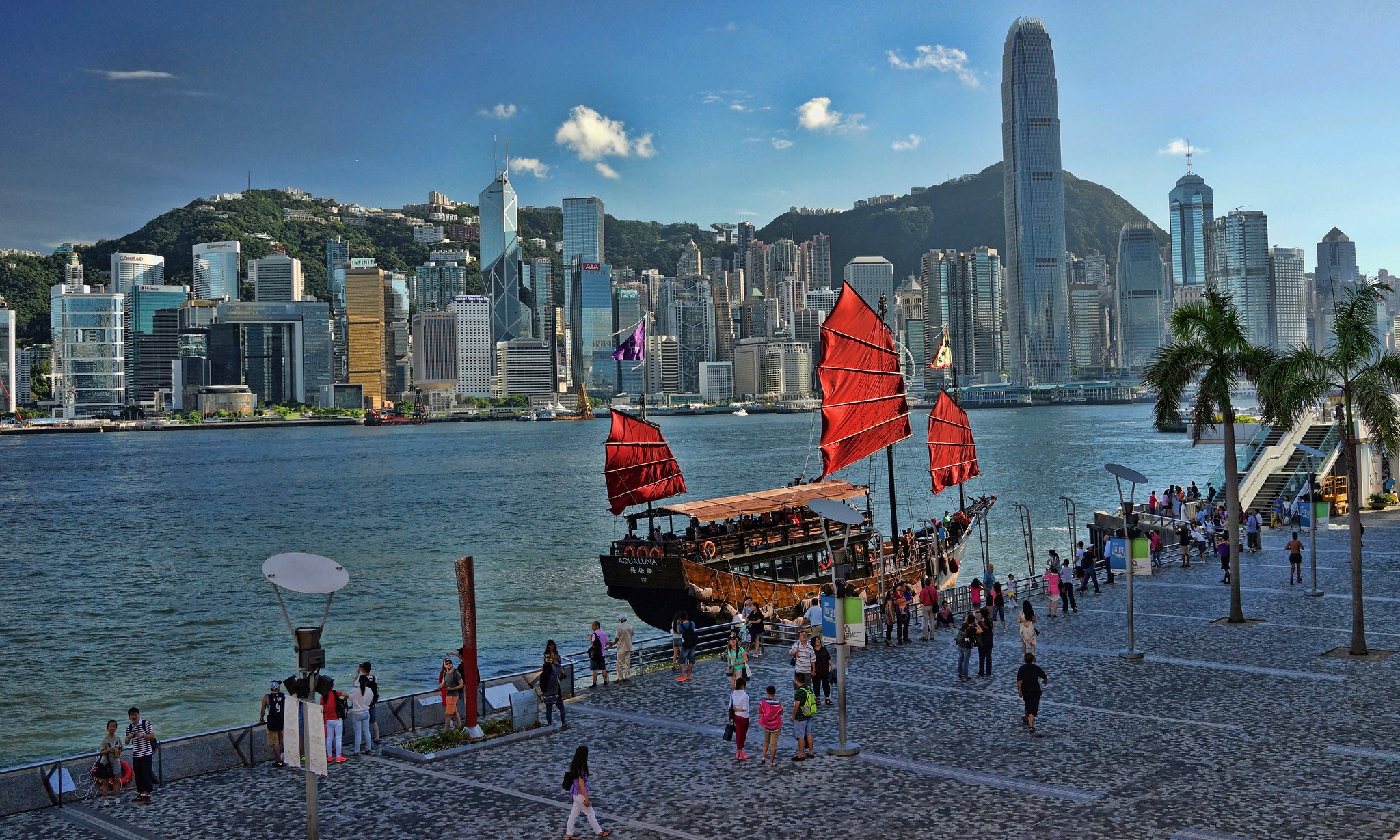
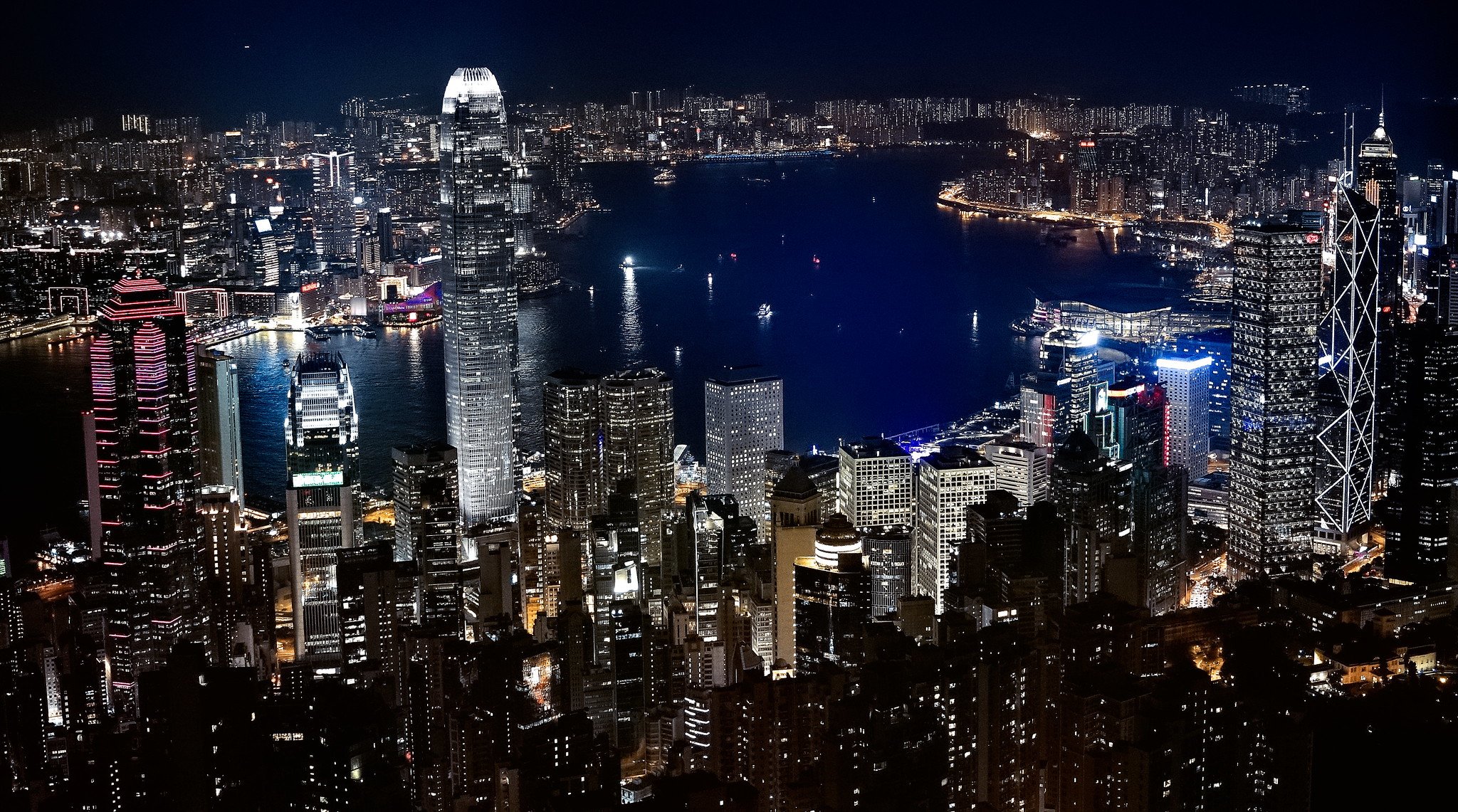
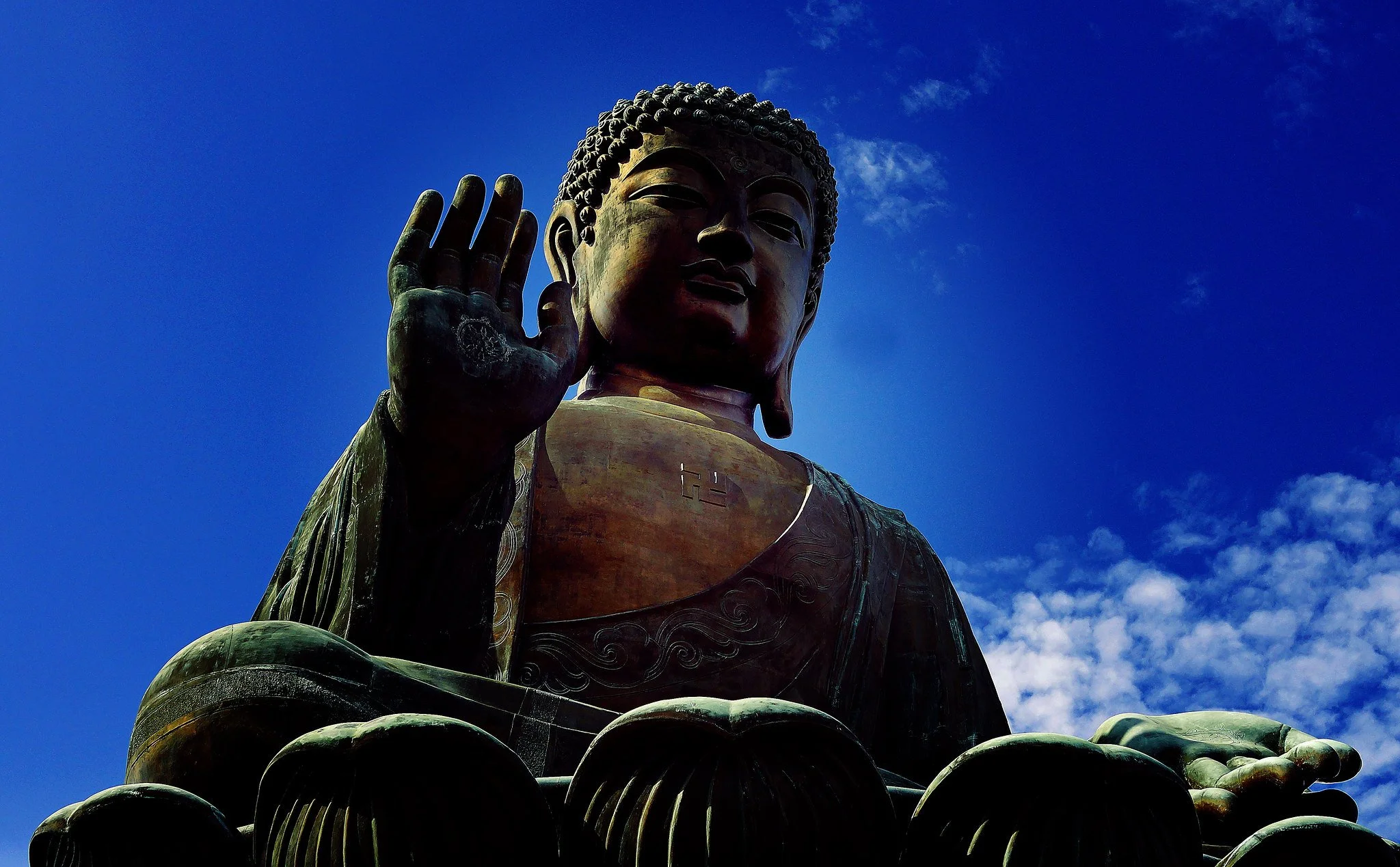
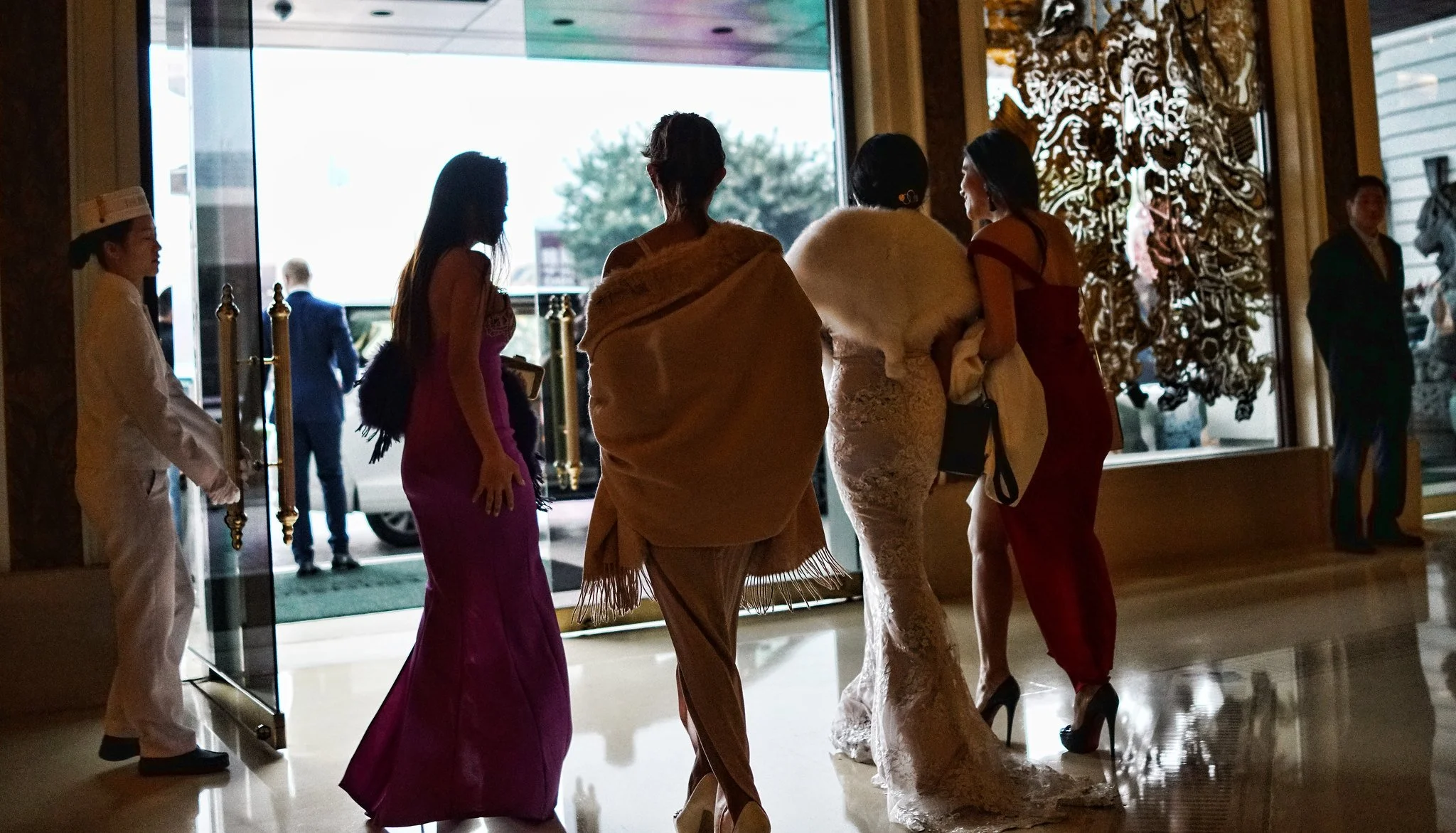
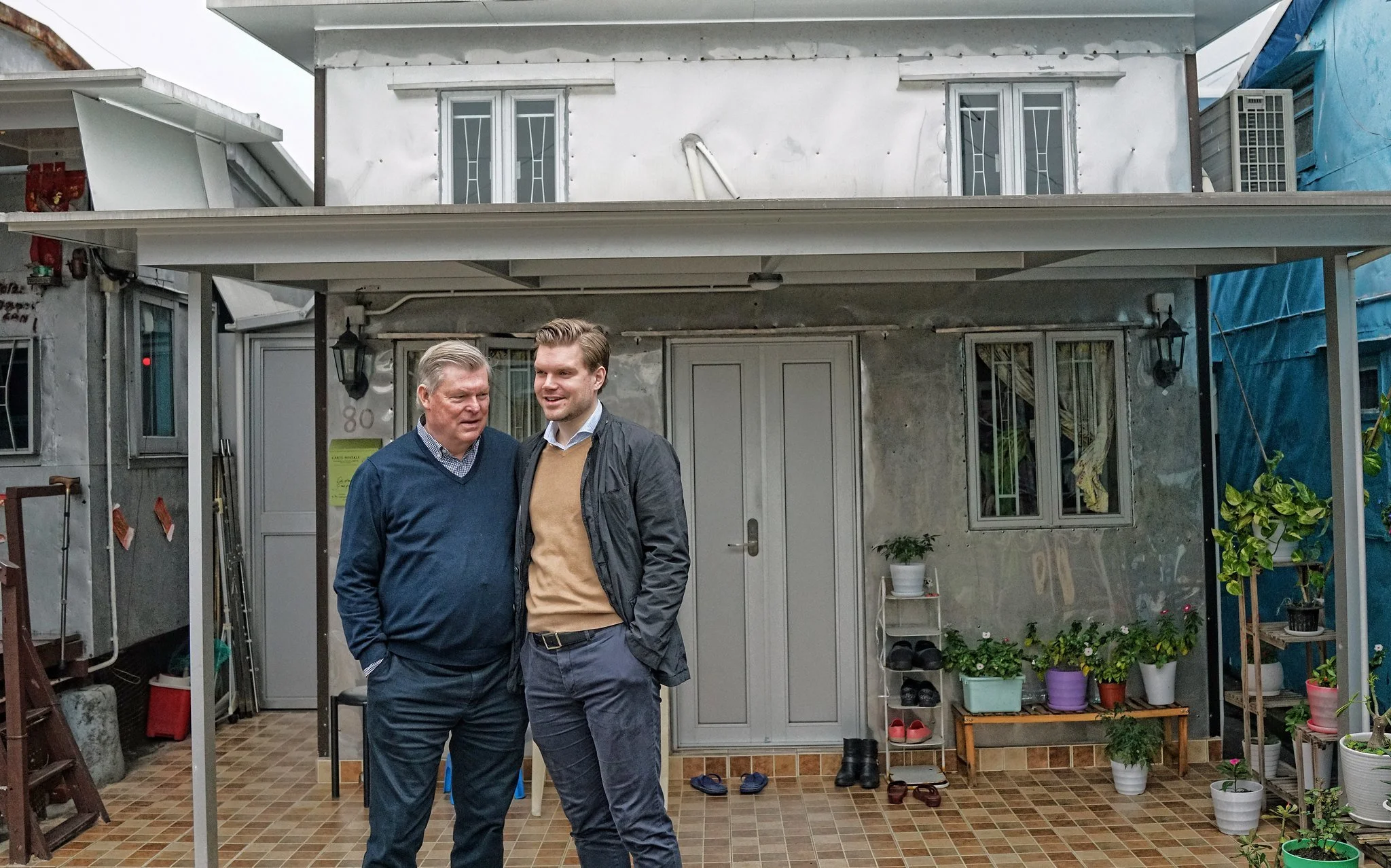
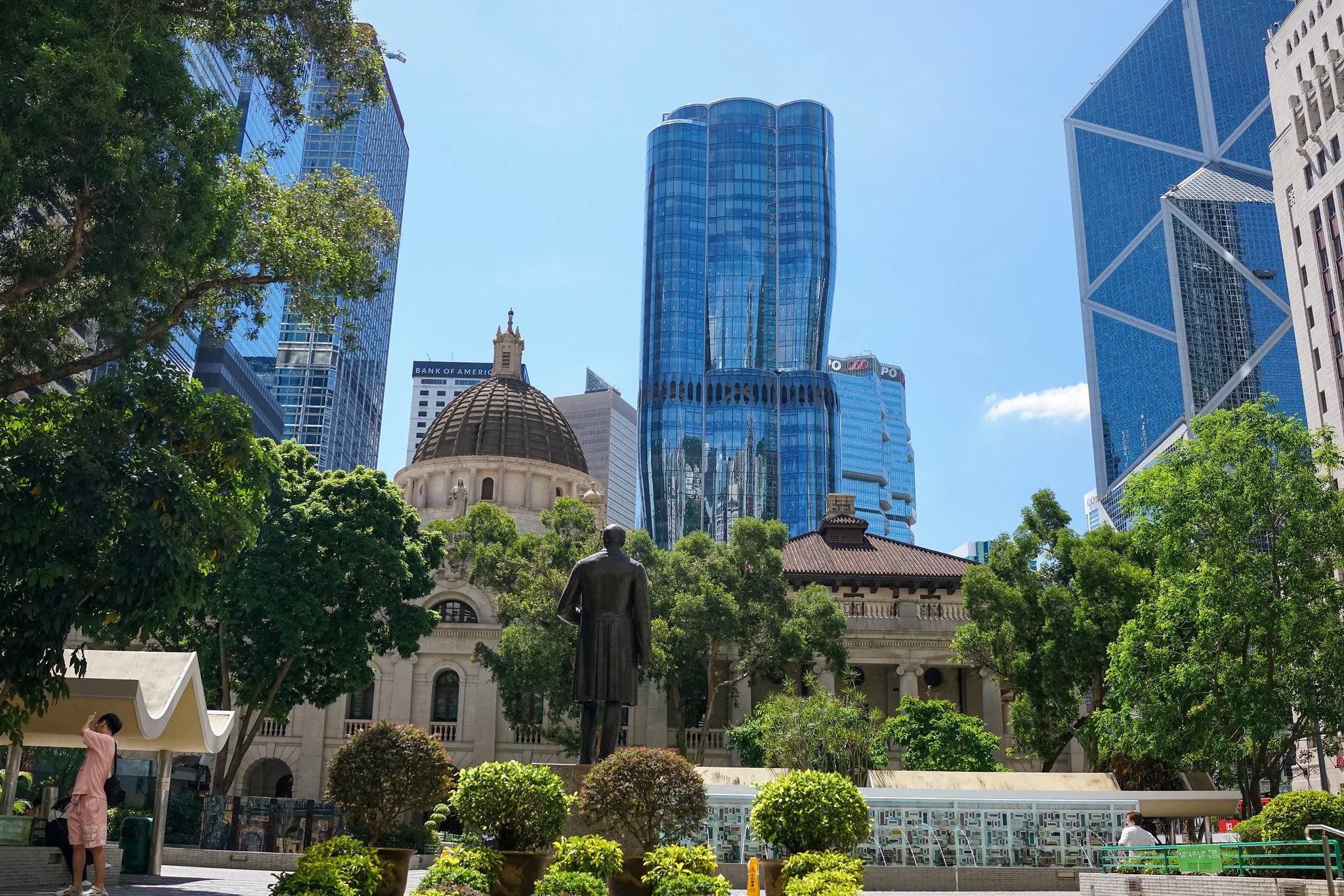
click on any image to enlarge
© Copyright Acknowledged | All rights reserved | all images taken b Jamie
Jamie’s Hong Kong | Some of my favourite images | Hong Kong 101
© Jamie Lloyd | J3 Consultants Hong Kong | J3 Private Tours Hong Kong |
| 2010 - 2026 All rights reserved. |
Click on any image to enlarge to full screen
Current images from my Instagram feed