Discover Hong Kong Park Your Independent Visitor Guide
How to Visit Hong Kong Park on Your Own - great day out!

The J3 Group - Premium Quality Private Tours | Experiences and Insider Chats since 2010
Me Jamie, your host, I am English and I have lived in Hong Kong since January 2nd 1972 - I know the place.
A meaningful blog post with a difference - tips on Travel, Tourism, Tours, Daily Life and my personal thoughts on Hong Kong.
Please do visit Amazing Hong Kong
Hong Kong | Pearl of the Orient
A Resident since 1972 - Private Tours of Hong Kong with Jamie
The Best Things to do in Hong Kong
click on the image to enlarge
© Copyright Acknowledged | All rights reserved | image taken by Jamie
Flagstaff House 1846 | Hong Kong Park | Hong Kong
Foreword
Hong Kong Park stands as one of the most thoughtfully designed urban green spaces in the world, seamlessly weaving together colonial-era history, lush landscaping, modern recreational facilities, and poignant memorials in the midst of Admiralty and Central’s towering skyscrapers. It offers a genuine sense of respite and reflection - an oasis that feels both timeless and contemporary, where visitors can appreciate Hong Kong’s layered past while enjoying nature’s calming presence. Below is a comprehensive account based on the park’s official records and verified historical details
Plain English Version, it is a great place to sit and contemplate for an hour!.
The History of the Site Before it became Hong Kong Park
The land that now forms Hong Kong Park was originally occupied by Victoria Barracks, a key British military garrison established shortly after Hong Kong became a British colony in the early 1840s. Construction of the barracks complex began in the early 1840s, with buildings erected between 1842 and 1910 to house British forces. These structures supported military operations throughout the colonial period, serving as barracks, officers’ quarters, and command facilities.
Among the most significant surviving elements is Flagstaff House, completed in 1846 as the residence of the Commander-in-Chief of the British Armed Forces in Hong Kong. Other preserved garrison buildings from this era include the Cassels Block, Rawlinson House, and Wavell House. The barracks remained in active military use for over a century until the late 1970s. In 1979, the Hong Kong Government decided to redevelop the site: the lower portion near the foot of the hill was allocated for commercial development and government buildings, while the mid-level section was designated for public use. This portion was jointly developed by the former Urban Council and the former Royal Hong Kong Jockey Club specifically to create a public park.
Part of the former Victoria Barracks site was used as temporary premises by Glenealy Junior School from approximately 1982 to 1989 while their original campus on Hornsey Road (Mid-Levels) was being redeveloped. The school then returned to its rebuilt permanent location and you guessed it I was enrolled with my sisters in Glenealy Junior School in January 1972!
The transformation preserved select historic garrison structures while introducing new landscaped features on former military grounds, including the site of an old tennis court that later became the park’s central lake and waterfall.
The History of Hong Kong Park
Hong Kong Park was officially opened to the public in May 1991. The entire project covered 8.16 hectares (approximately 81,600 square metres or 20 acres) and was completed at a cost of HK$398 million, with significant funding and support from the Royal Hong Kong Jockey Club (which contributed around HK$170 million toward development). The design philosophy emphasised blending natural elements with modern architecture and preserving historical buildings, creating a harmonious urban park that contrasts sharply with the surrounding high-density cityscape. Construction effectively took about 12 years from the initial 1979 redevelopment decision to opening, though the core building and landscaping phase was more concentrated in the late 1980s to early 1990s. The result is a meticulously planned space that integrates heritage, ecology, recreation, and commemoration.
The park operates daily from 6:00 am to 11:00 pm with free admission to outdoor areas (the Sports Centre and Squash Centre charge fees for use). Indoor facilities such as the Edward Youde Aviary and Forsgate Conservatory are open from 9:00 am to 5:00 pm daily. The park may close temporarily during tropical cyclone warning signal No. 8 or above, or red/black rainstorm warnings. Maintenance for certain areas occurs from 7:00 am to 1:00 pm on the first and third Mondays of each month (rescheduled if falling on a public holiday). No public car parking is available within the park itself, encouraging visitors to arrive via public transport.
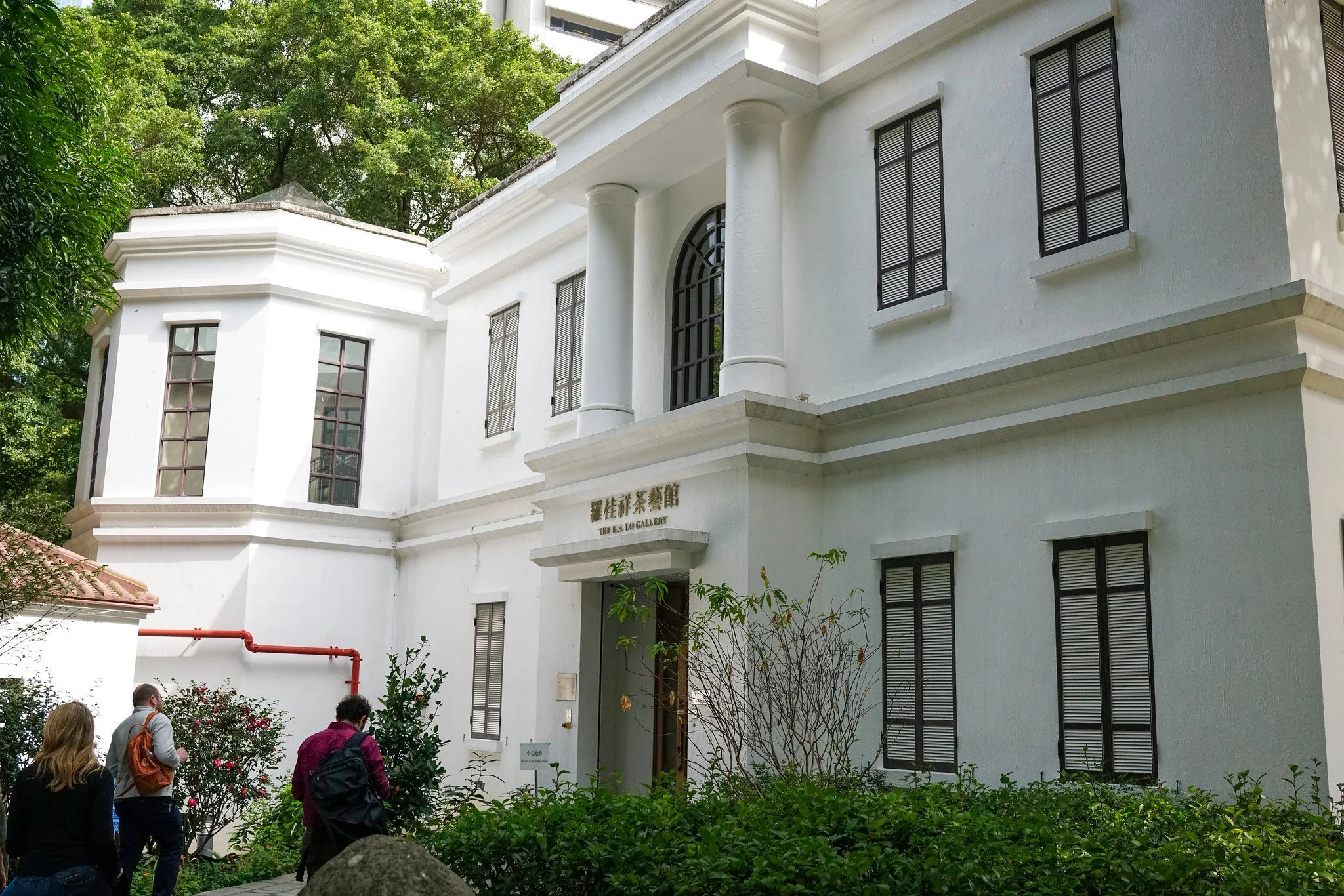
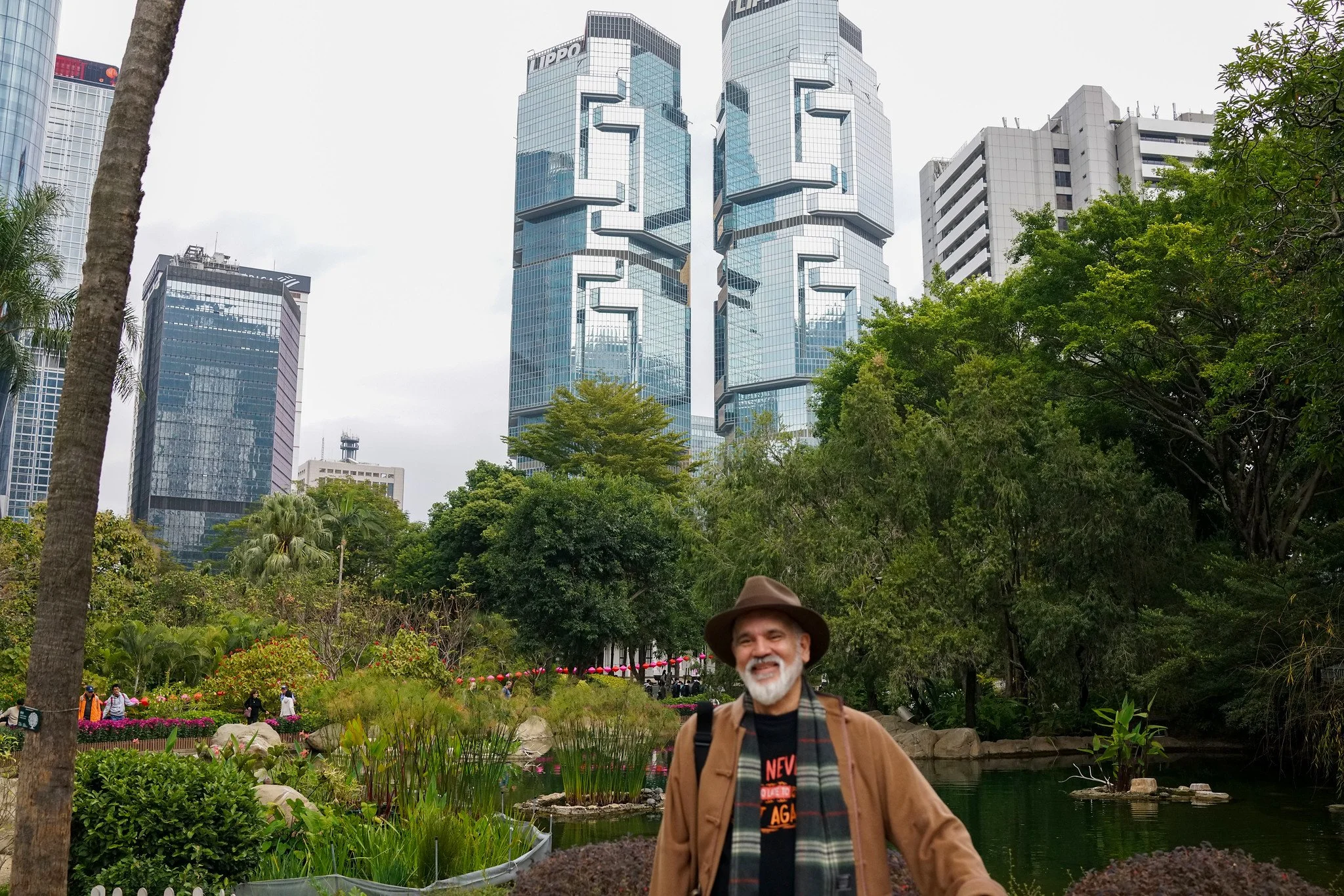
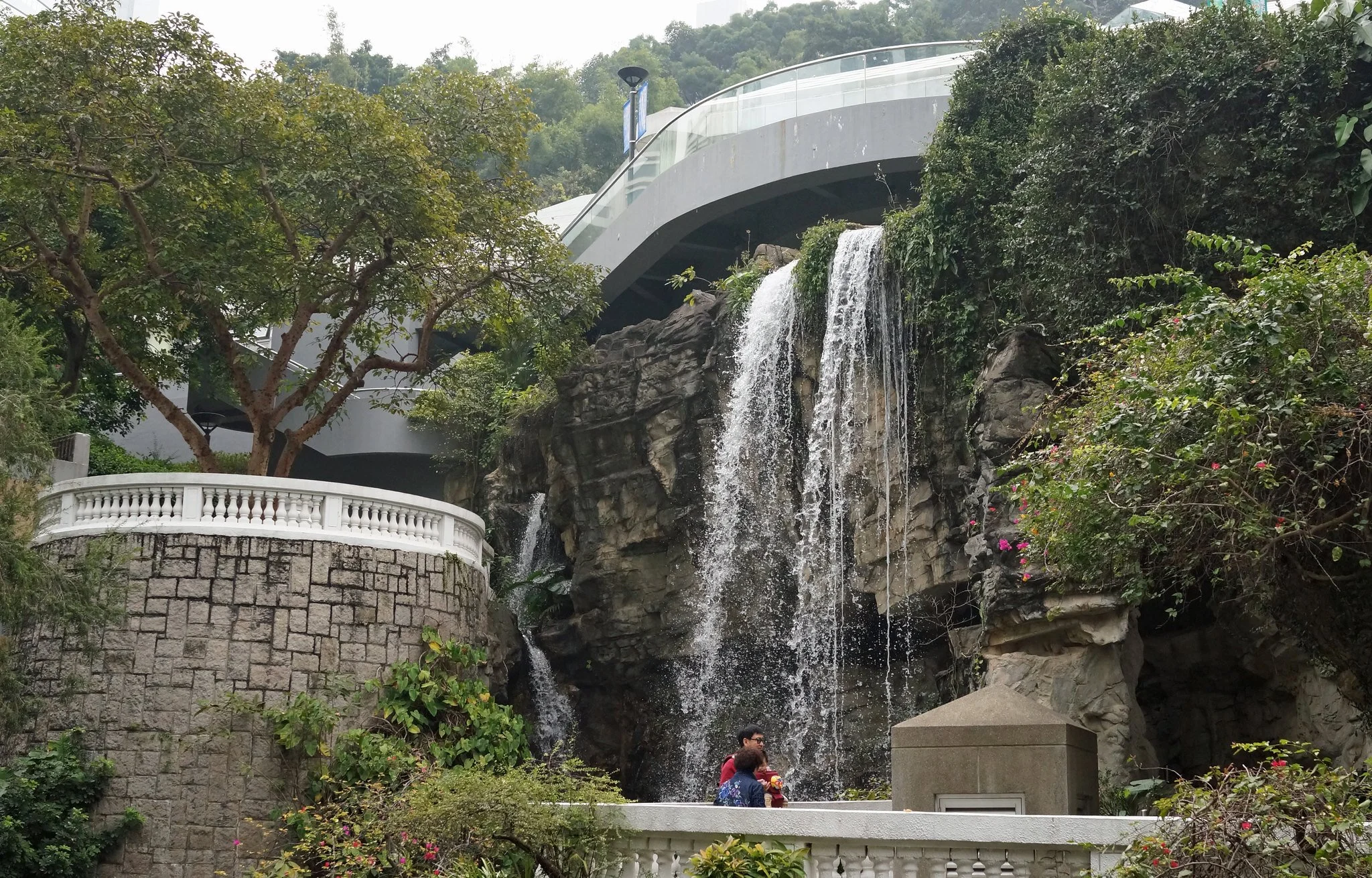
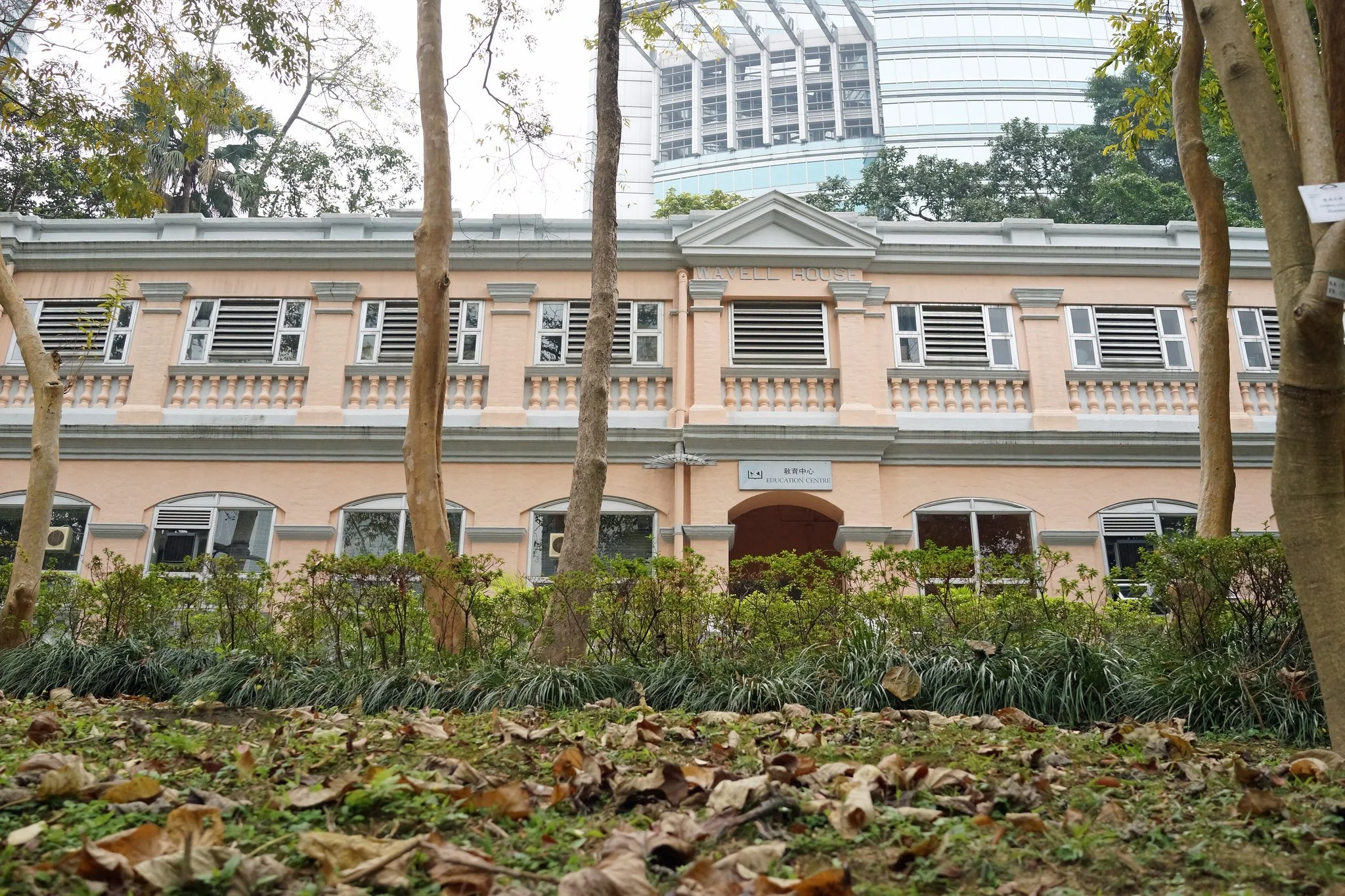
click on any image to enlarge
© Copyright Acknowledged | All rights reserved | images taken by Jamie
Attractions of Interest | Hong Kong Park | Hong Kong
Detailed List of Major Attractions
Here is a thorough overview of the key features
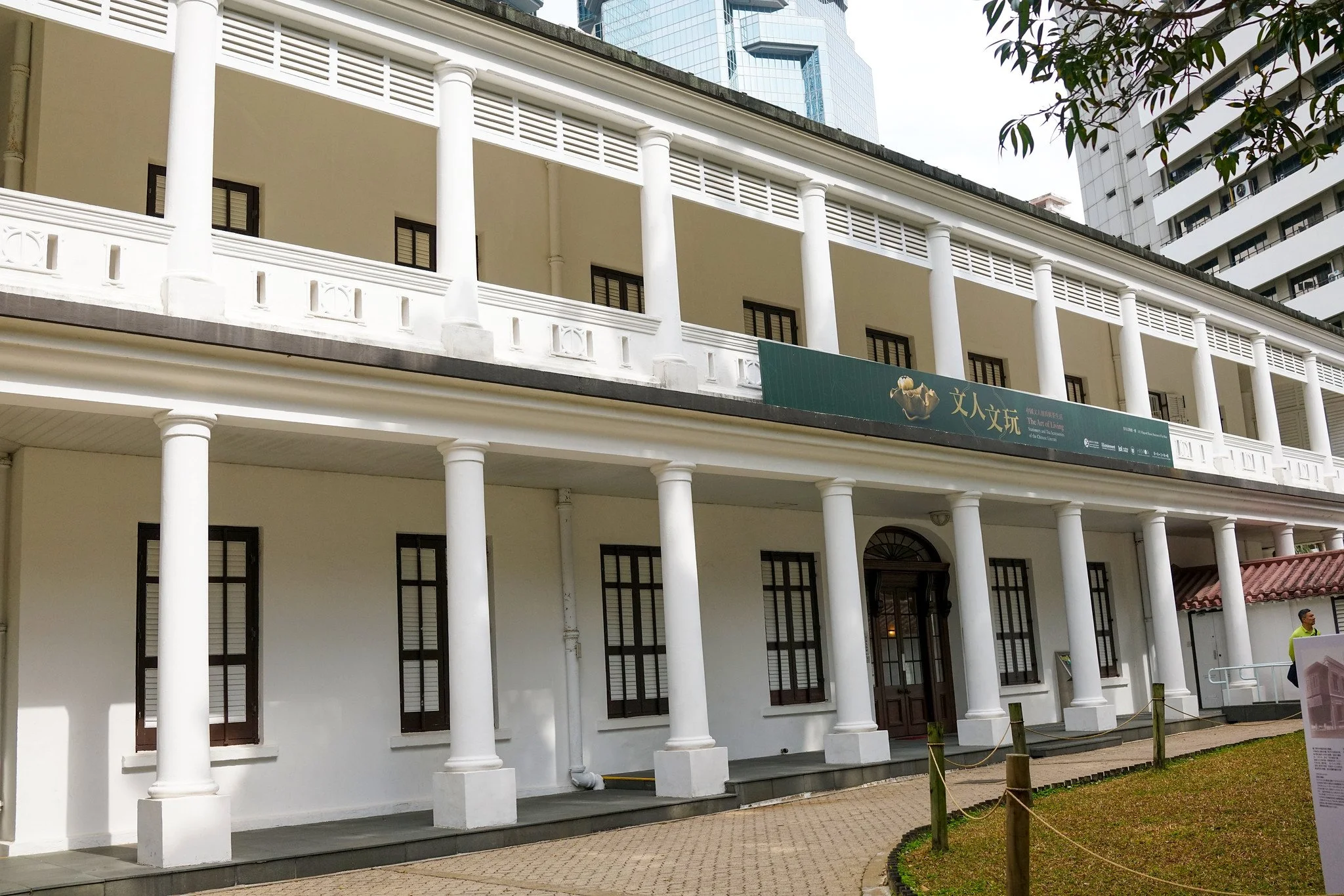
Flagstaff House (now the Flagstaff House Museum of Teaware): Built in 1846, this is the 2nd oldest surviving colonial Western-style buildings in Hong Kong. Originally the luxurious residence of the British military commander, it features elegant architecture with high ceilings and verandas typical of the era. Since 1984 (prior to the park’s opening), it has housed the Flagstaff House Museum of Teaware, operated by the Hong Kong Museum of Art. The museum displays a rich collection of Chinese tea ware, ceramics, and exhibits tracing the history and cultural significance of tea in Chinese society. It serves as both a historical landmark and an educational venue, often hosting temporary exhibitions and tea-related events.
Other Historic Garrison Buildings:
Cassels Block: A preserved early 20th-century structure now home to the Hong Kong Visual Arts Centre. It hosts regular exhibitions by local and international artists, workshops, and art-related programmes.
Rawlinson House: Converted into the Park Management Office and the Cotton Tree Drive Marriage Registry. The registry is one of Hong Kong’s most popular venues for civil weddings, frequently seeing newlyweds posing for photos amid the park’s greenery.
Wavell House: Now functions as the Education Centre, supporting environmental and heritage learning activities for schools and community groups.
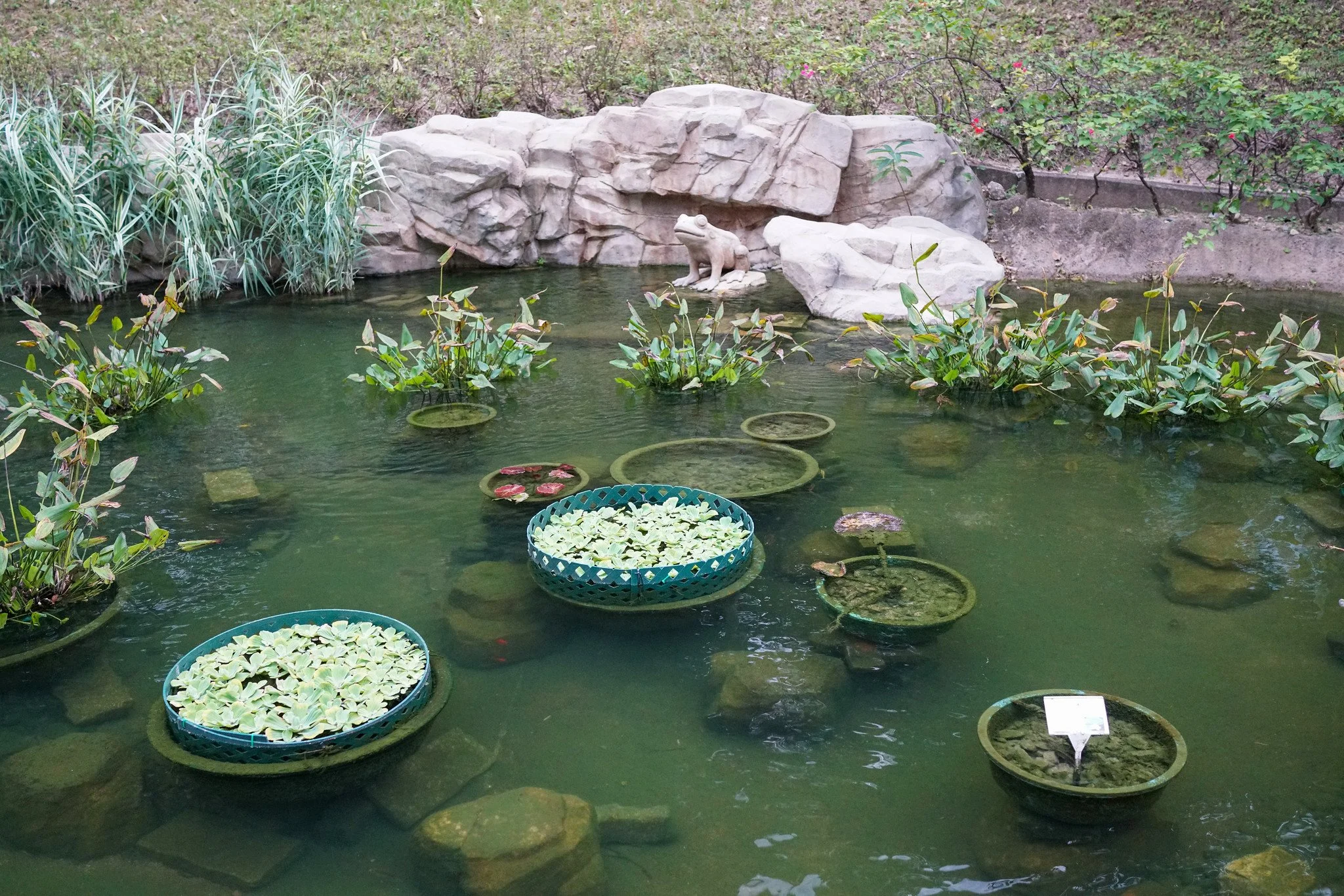
Artificial Lake and Waterfall: Centrally located and built directly on the site of the former garrison’s tennis court. The lake features swimming koi carp and turtles, while the adjacent waterfall creates a soothing auditory and visual focal point. Visitors can stroll the lakeside paths and even walk behind parts of the cascading water for an immersive experience. It is surrounded by themed gardens, bonsai displays, and lily ponds, enhancing the park’s tranquil atmosphere.
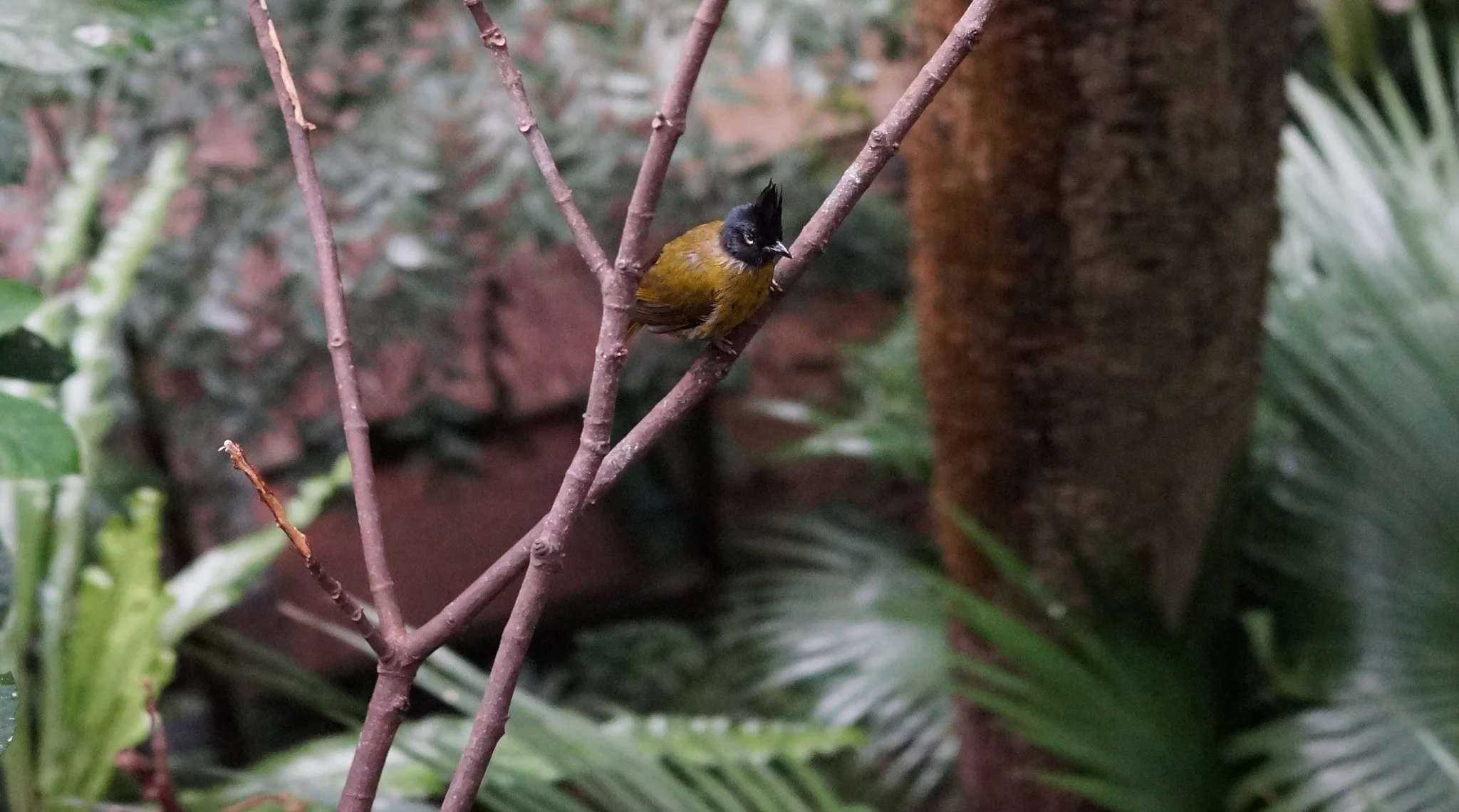
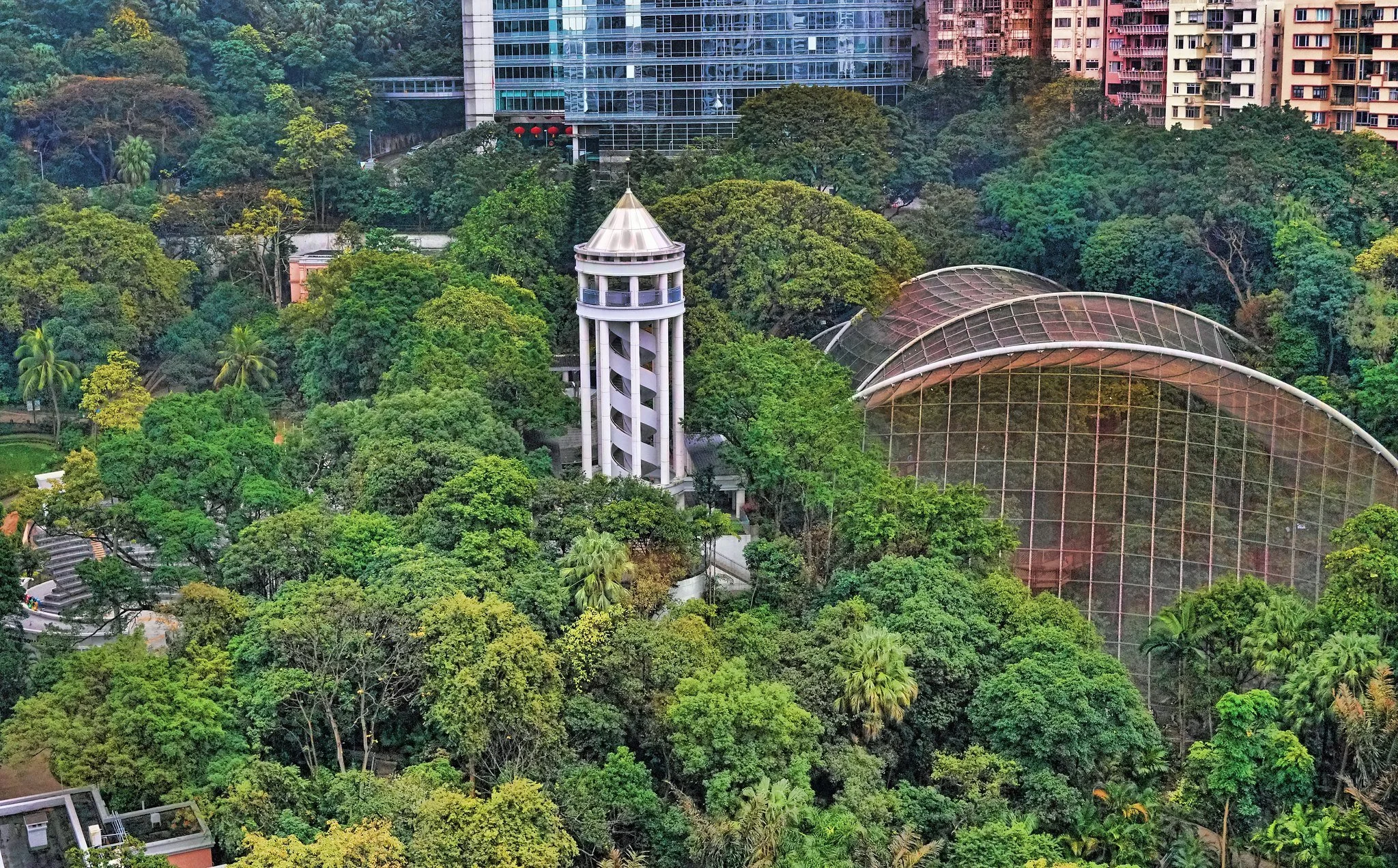
Edward Youde Aviary: One of Asia’s largest walk-through aviaries and a standout ecological attraction. Opened in 1992 (a year after the park), it spans approximately 3,000 square metres and rises to 30 metres at its highest point. A steel-mesh enclosure simulates a tropical rainforest environment with carefully selected trees and plants. Home to around 530 birds representing over 60 species, it allows visitors to walk elevated pathways and suspension bridges at canopy level for close-up viewing. The aviary supports conservation education and is popular for bird-watching activities organised in partnership with the Hong Kong Bird Watching Society.
Forsgate Conservatory: A modern 1,400-square-metre greenhouse complex (one of the largest of its kind in Southeast Asia) located on the hillside near the aviary. It comprises climate-controlled sections: a Display Plant House, Dry Plant House (cacti and succulents), and Humid Plant House (tropical species). It hosts guided tours, kindergarten outdoor learning sessions on plant growth and conservation, and special exhibitions. Together with the aviary, it forms a distinctive architectural complex that highlights botanical diversity.
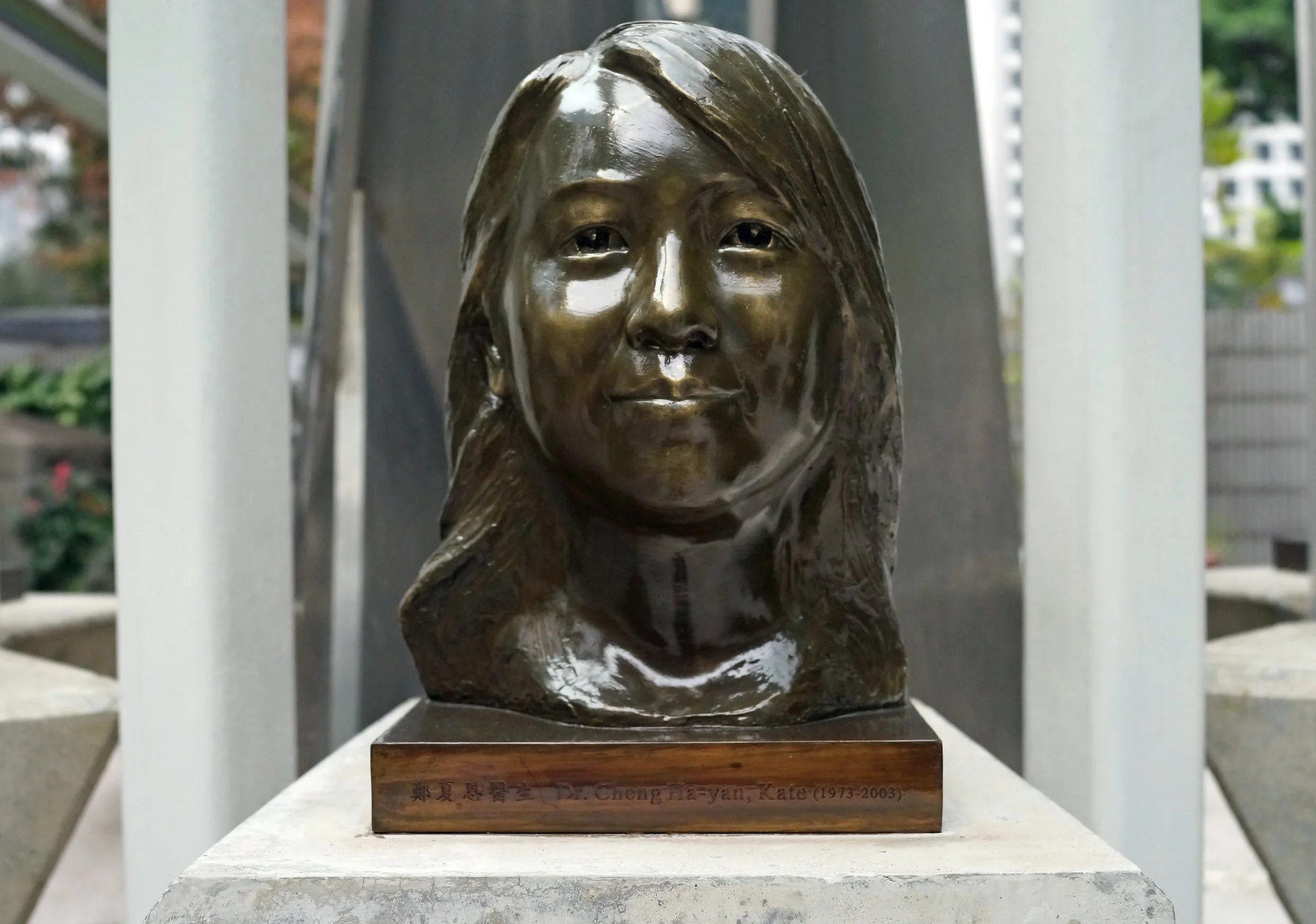
Fighting SARS Memorial Architectural Scene (SARS Memorial): Situated in the Tai Chi Garden, this commemorative installation honours the medical professionals who died during the 2003 Severe Acute Respiratory Syndrome (SARS) outbreak in Hong Kong. Inaugurated around 2005, it features bronze busts of eight frontline health-care workers sculpted by artist Chu Tat-shing, arranged in an octagonal formation around a central black pillar. Additional elements include a huabiao (ornamental column) by sculptor Van Lau and architectural designs by Yeung Yau-yan. Plaques detail the individuals’ service and sacrifice (nearly 300 total deaths in Hong Kong, with a focus on the eight medics). It serves as a quiet, respectful space for reflection on heroism and public health resilience, regularly visited by locals paying tribute.
Additional Notable Features:
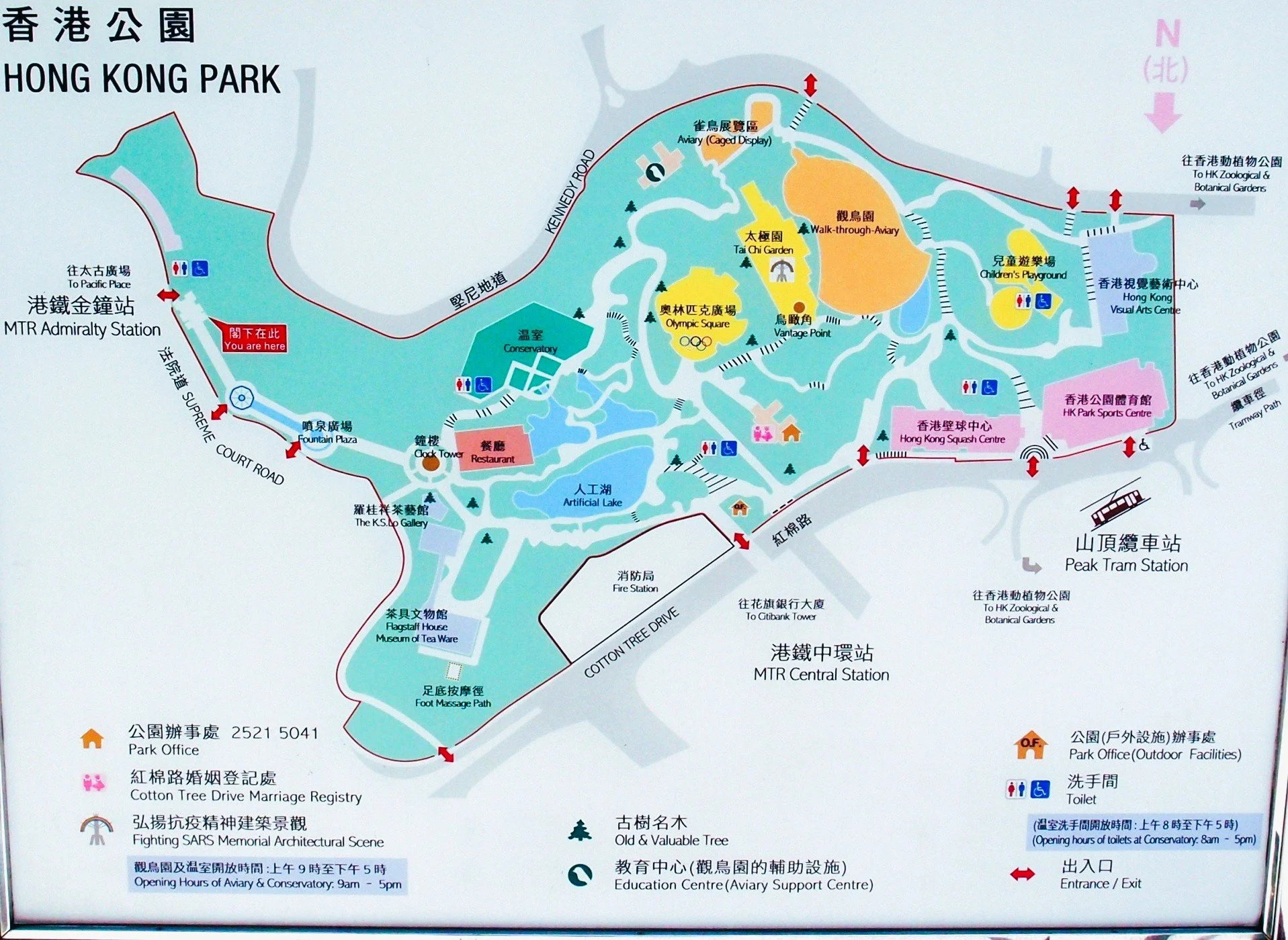
Tai Chi Garden and Vantage Point: Peaceful areas for tai chi practice and elevated viewpoints offering panoramic glimpses of the park and city skyline.
Olympic Square and Fountain Plaza: Open spaces for events, fountains, and relaxed seating.
Children’s Playground: A dedicated play area for families.
Conservation Corner and Clock Tower: Educational spots focusing on local wildlife and a distinctive timepiece feature.
Sports Centre and Squash Centre: Indoor facilities for active recreation (fee applicable).
click on any image to enlarge
© Copyright Acknowledged | All rights reserved | images taken by Jamie
John Osborn VC | A True Hero | Hong Kong
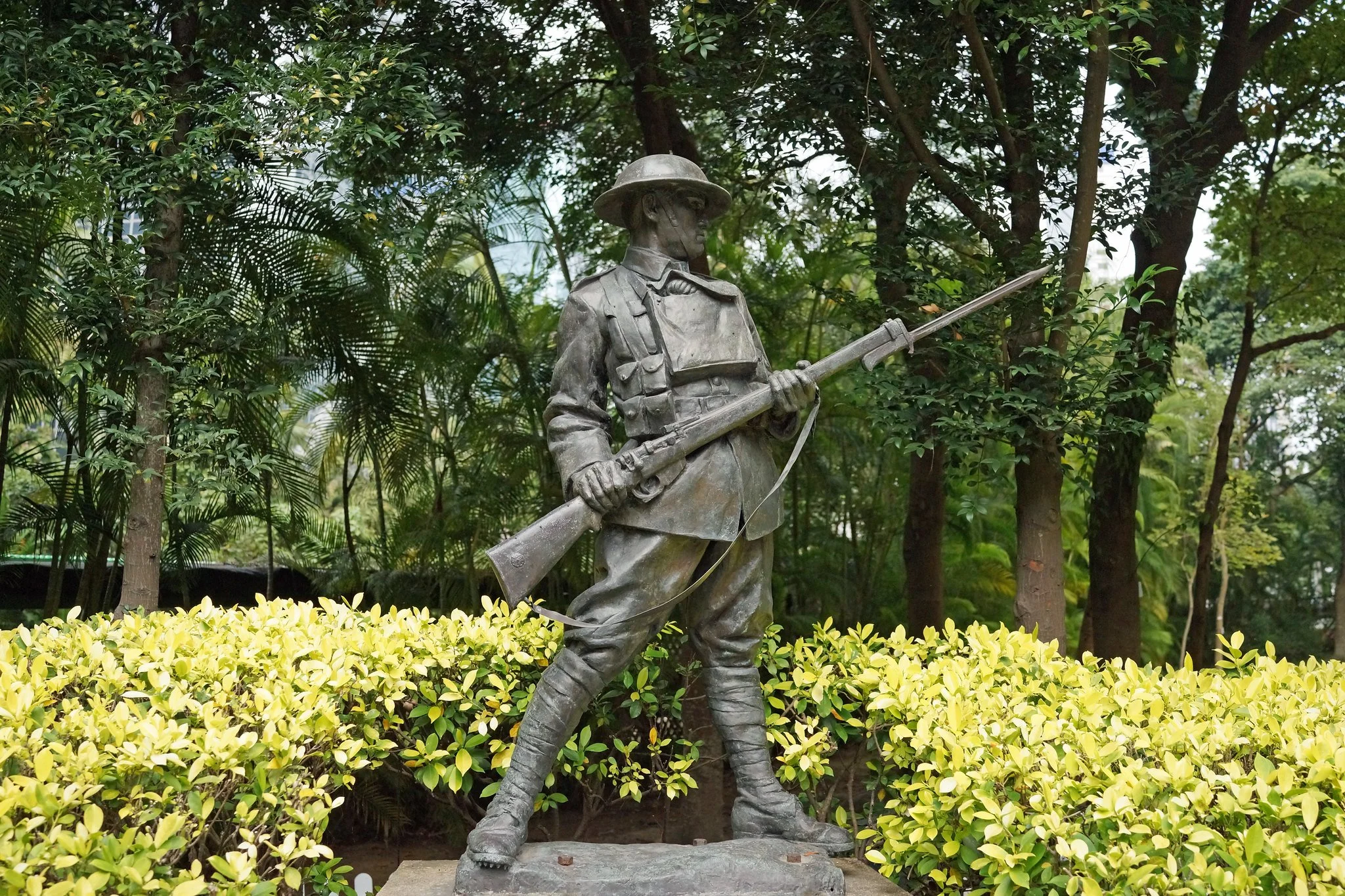
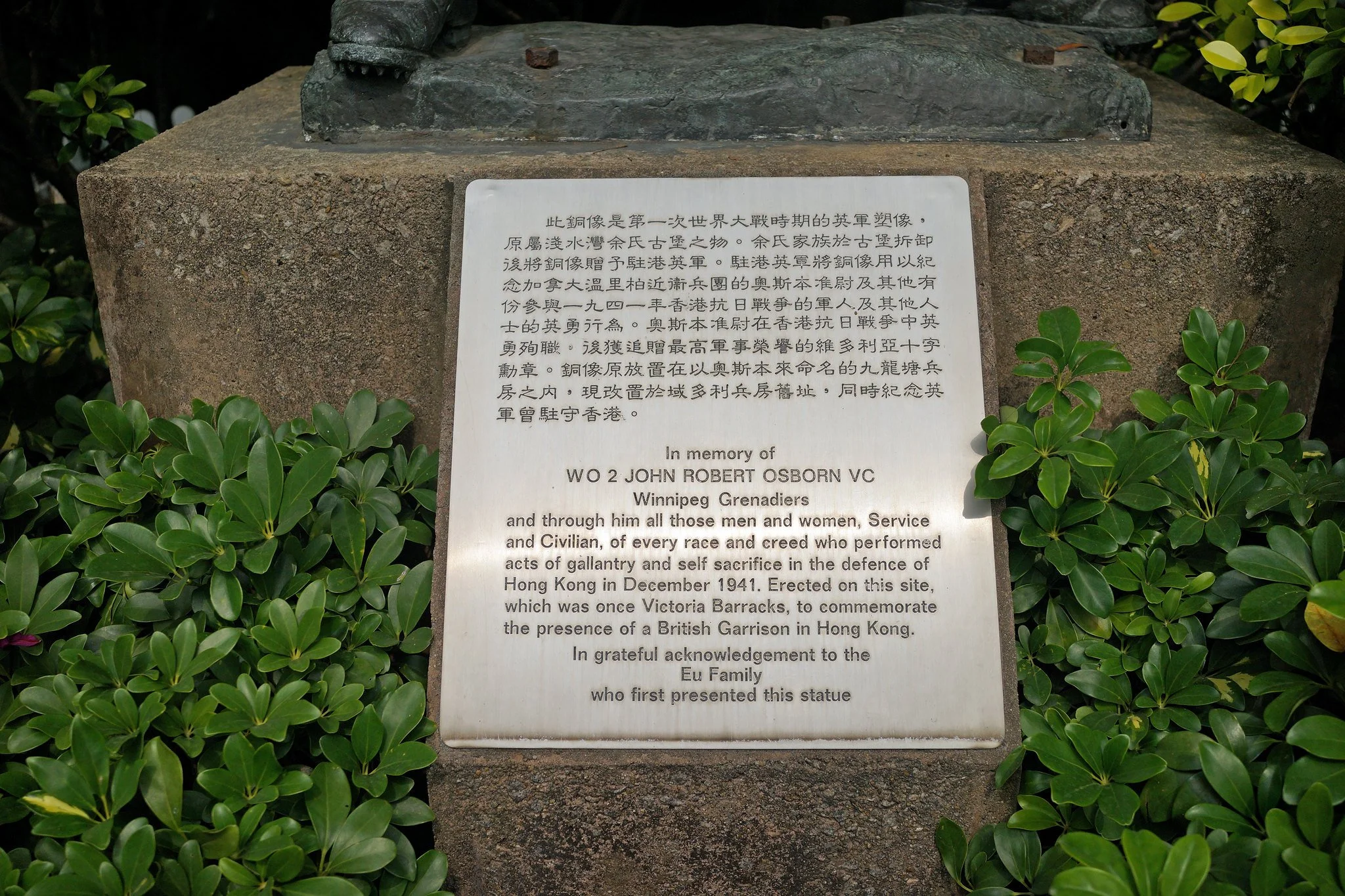
Osborn Statue (John Robert Osborn VC Memorial)
In my experience, the overwhelming majoriry of people who visit the park miss the statue for no other reason, than they simply do not notice it when you are scanning the scope of the park.
Located near Flagstaff House, this bronze statue commemorates Company Sergeant-Major John Robert Osborn of the Winnipeg Grenadiers, a Canadian Victoria Cross recipient. Osborn heroically sacrificed his life during the Battle of Hong Kong in December 1941 by throwing himself onto a live grenade to protect his comrades. The statue, originally placed at Osborn Barracks in Kowloon and relocated here in 1992, serves as a poignant reminder of Hong Kong’s World War II defence history and the contributions of Allied forces. (It is sometimes referred to in older descriptions as a symbolic World War I soldier statue due to its stylistic resemblance, but it specifically honours Osborn.)
The statue in Hong Kong Park (at the former Victoria Barracks site) is not an anonymous World War I memorial but a deliberate tribute to Company Sergeant-Major John Robert Osborn, VC, of the Winnipeg Grenadiers. The plaque at its base honors his ultimate sacrifice on 19 December 1941 during the Battle of Hong Kong, when he threw himself on a Japanese grenade to save his comrades on Mount Butler - earning him the first Canadian Victoria Cross of World War II. It also commemorates all defenders of Hong Kong that December
Yes, there's a fascinating story behind why it depicts a World War I soldier in early 20th-century British infantry uniform (complete with puttees, helmet, and greatcoat) - despite Hong Kong's lack of direct involvement in the Great War and Osborn's own WW2 heroism.
The Statue's Journey: From Tycoon's Garden to Hero's Memorial
Origins in Eu Tong Sen's Collection (1920s - 1930s): The bronze figure is one of many European-style statues collected by Eu Tong Sen (余東旋, 1877 - 1941), a fabulously wealthy Peranakan Chinese entrepreneur (Eu Yan Sang herbal empire founder). He imported them for his opulent Repulse Bay mansion, Eucliffe (Eucliff Villa, 余園), built in the early 1930s. Eu Tong Sen admired Western art and military motifs post-WW1, so his gardens featured several "doughboy"-style WW1 soldier statues - likely British Tommy sculptures from UK or European foundries.
Post-WW2 Relocation to Military Sites (1980s): After Eu Tong Sen's death in 1941 and Eucliffe's demolition in the early 1980s (for Repulse Bay redevelopment), surviving statues were donated to the British garrison. This one went to Osborn Barracks in Kowloon (renamed after John Osborn in the 1970s). Placed there in 1982, it stood as a symbolic nod to military valor.
Final Home in Hong Kong Park (1992): In 1991- 1992, Victoria Barracks became Hong Kong Park. The statue was relocated here in 1992 - perfectly poetic, as Osborn died defending nearby positions. A dedication plaque was added at the base, transforming the generic WW1 figure into Osborn's personal memorial. (Note: A nearby plaque lists all 1941 defenders.)
Why This Statue? Perfect Symbolism
Practical: No budget for a custom Osborn portrait (he wasn't photographed much in uniform). Reusing a fine existing bronze was efficient.
Thematic Fit: Osborn was a WW1 veteran - he served in the Royal Navy as a teen before emigrating to Canada in 1920. The soldier evokes his full life of service.
No Hong Kong WW1 Link Needed: As a British colony, HK sent volunteers to the trenches; the statue honors that era's sacrifices broadly, now extended to WW2 heroes like Osborn.
Today, it's a quiet highlight in the park - visitors often pause to read the plaque!
I have had many Canadian Guests over the years and quite a few had relatives who are buried at the Canadian War Cemetery in Hong Kong which I have been to quite a few times and I have had a few requests to visit the Osborn Statue, I am always glad to do so, he was a real hero as where all those who sacrificed themselves in WW2
Hong Kong Park offers a modest range of Restaurants and dining options
The park also includes refreshment outlets (open 11:00 am to 10:30 pm), a clock tower, and interactive digital experiences like QR-coded quests for exploring its charms. It is a prime spot for bird watching, with over 100 dragonfly species noted around the lake, and regularly hosts free morning bird-watching sessions.
Hong Kong Park offers a modest but well-curated selection of dining options that complement its serene atmosphere. The standout is the renowned LockCha Tea House (樂茶軒), widely regarded as the park’s signature dining spot and a Hong Kong institution for traditional tea culture paired with quality vegetarian fare. Beyond that, the park maintains a few refreshment outlets for lighter bites and drinks, providing convenient stops during your visit without overwhelming the natural setting.
click on any image to enlarge
© Copyright Acknowledged | All rights reserved | images taken by Jamie
The LockCha Teahouse | Top Quality | Hong Kong
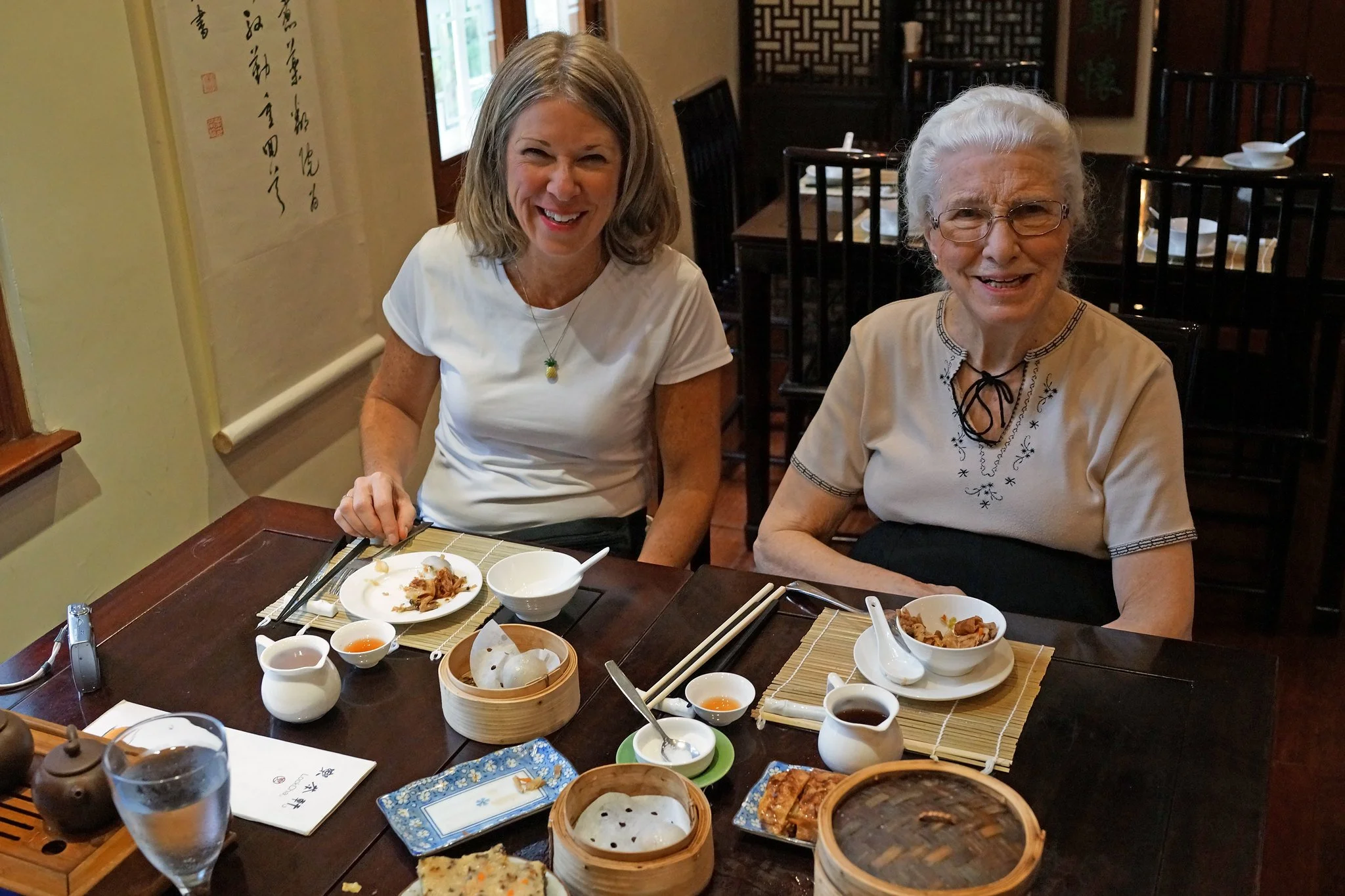
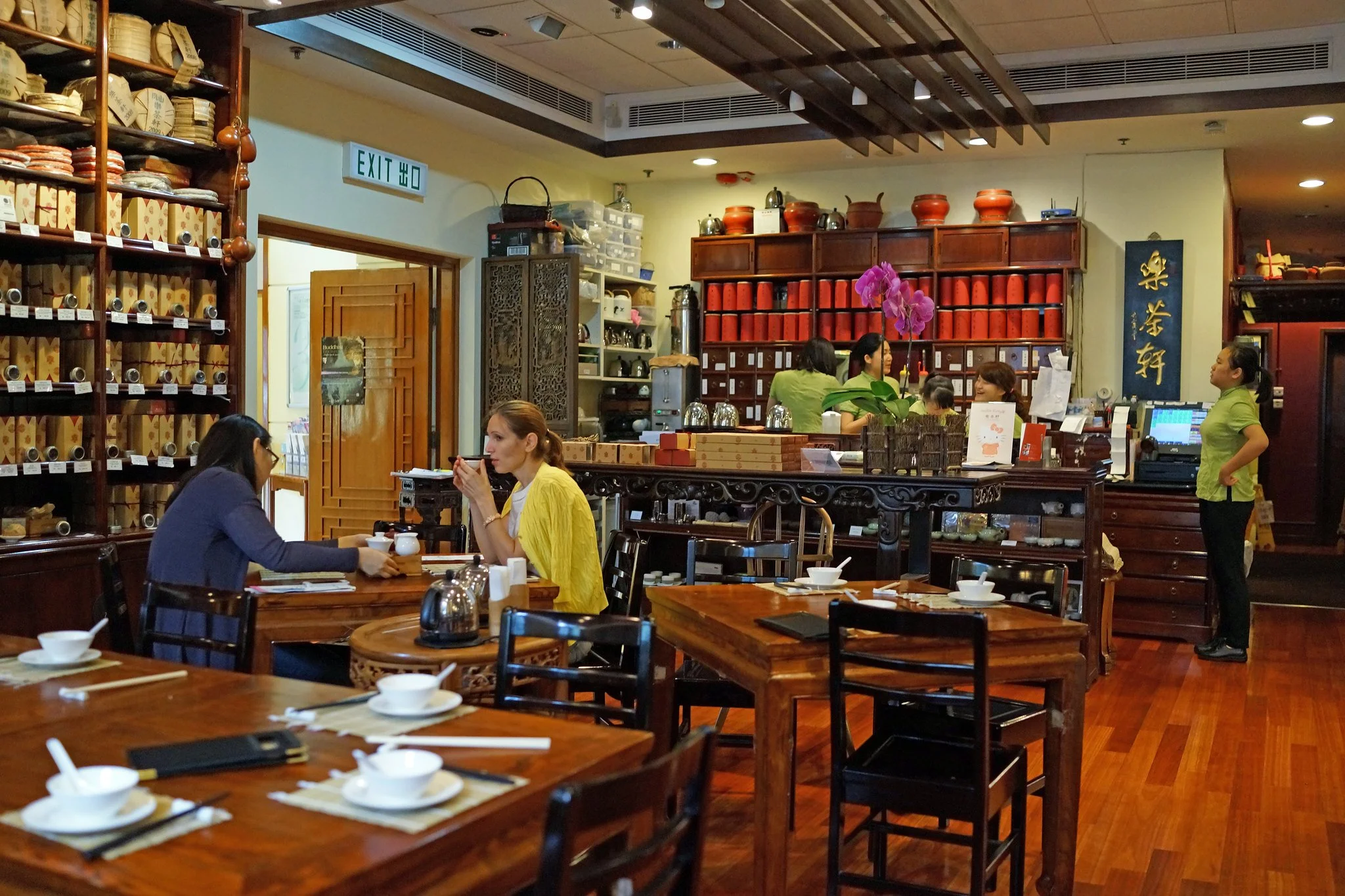
LockCha Tea House (The Famous Tea House and Vegetarian Dim Sum Place)
Location: Ground Floor of The K.S. Lo Gallery (next to the Flagstaff House Museum of Teaware), Hong Kong Park, 10 Cotton Tree Drive, Admiralty.
Concept and Atmosphere: This flagship branch of LockCha revives the classic Cantonese teahouse tradition in a tranquil setting amid the park’s lotus ponds and gardens. The interior features dark wood furniture, calligraphy scrolls, and soft classical Chinese music, creating a peaceful, almost timeless retreat that feels far removed from the surrounding city bustle. It opened around 2003 and has earned praise as one of the best vegetarian/vegan-friendly dining experiences in Hong Kong, even featured in international lists for its refined approach to plant-based Cantonese cuisine.
Menu Highlights:
Over 100 varieties of premium Chinese teas (loose-leaf selections sourced carefully, with knowledgeable staff to guide pairings).
All-vegetarian dim sum, made fresh daily - many items are also vegan, with clear markings on the menu. Popular choices include mushroom dumplings, black truffle siu mai, crispy taro puffs, steamed rice rolls with wild greens, golden mushroom samosas, and sesame buns or bao. The dim sum is delicate, flavour-focused, and free of heavy greasiness, making it an excellent lighter meal or accompaniment to tea.
Additional light dishes and snacks that align with the tea philosophy.
Practical Details: Expect a minimum tea order per person (no free tap water; hot water may incur a small charge). Prices for teas start around HK$50–100+, with dim sum items from roughly HK$28+ each - reasonable for the quality and setting, though portions are traditional (smaller). It suits small groups (2 - 4 people) for a relaxed lunch or afternoon tea session. Reservations are advisable, especially on weekends.
Opening Hours: Generally 10:00 am to 8:00 pm daily (may vary slightly; closed on the second Tuesday of the month in some reports - confirm ahead if planning a specific visit).
Why It Fits the Park: LockCha perfectly enhances a visit to the teaware museum and surrounding historic buildings. Many visitors combine it with a stroll around the lake or aviary, making it ideal for a thoughtful, cultural break rather than a rushed meal.
On a personal note, I have been once with guests, normally I will take people there and leave them to it, I am not a tea drinker I have had one sip in my entire life and have been ridiculed for the same period, the usual banter, “your are a Birt, how can not like tea?” well I don’t drink the stuff but I am very partial coffee! so now you know.
Other Refreshment Outlets in the Park
The Leisure and Cultural Services Department operates three refreshment outlets of varying sizes and styles, designed for casual convenience:
The Largest Outlet (next to the Artificial Waterfall/Lake): This is the main spot for sit-down or takeaway options. It offers a range of light meals, snacks, beverages, and simple Hong Kong-style fare (such as sandwiches, pastries, noodles, or rice dishes). Its position beside the waterfall and koi pond makes it especially pleasant for resting while enjoying the water features and views.
Smaller Kiosks | Outlets: These provide quicker grabs like drinks (tea, coffee, soft drinks), ice cream, snacks, and basic refreshments. They are scattered in convenient locations near key areas such as the playground, fountain plaza, or main paths, ideal for families or those wanting something quick without leaving the green space.
These outlets generally operate from around 11:00 am to 10:30 pm (aligning with broader park refreshment timings), though exact hours can depend on weather or events. They emphasise affordability and ease, with indoor/outdoor seating available at the larger one.
Additional Notes
Hong Kong Park itself does not host a wide array of full-service restaurants - (Kowloon Park in TST has a McDonalds outlet!) its focus remains on the park experience rather than extensive dining. LockCha stands out as the only dedicated, sit-down restaurant with substantial menu depth and cultural significance. For more substantial or non-vegetarian meals, visitors often step out to nearby Admiralty or Central areas (e.g., Pacific Place mall, just a short covered walk away), but staying inside keeps the peaceful vibe intact.
LockCha is a genuine highlight that elevates any park visit. It masterfully blends education (tea appreciation), wellness (vegetarian focus), and relaxation in a way that feels authentically Hong Kong yet refreshingly calm. Pairing a pot of carefully selected tea with their vegetarian dim sum after exploring Flagstaff House or the aviary creates one of those quietly memorable moments in the city - unhurried, sensory, and restorative. The refreshment outlets serve their purpose well for practicality, especially on hot days or with children, ensuring you can refuel without disrupting your flow through the gardens, memorials, or sports areas. Overall, the dining here supports the park’s role as a balanced urban oasis: not flashy, but thoughtful and fitting.
10 Reasons Why Independent Travellers Should Visit Hong Kong Park
Free urban oasis in the city centre: Enjoy a large, beautifully landscaped park with no entrance fee, offering a refreshing break from Hong Kong’s fast-paced streets and shopping malls. (although to access the Park through the main entrance you have to wall through Pacific Place Mall!)
Easy MTR (Subway) access: Just 10 -12 minutes walking from Admiralty or Central stations via well-signposted routes - perfect for independent travellers.
Perfect mix of history and nature: Explore preserved colonial buildings like Flagstaff House alongside gardens, a waterfall, and birdlife.
World-class aviary experience: Walk at canopy level among hundreds of tropical birds in the Edward Youde Aviary, one of Asia’s finest.
Tranquil tea culture moment: Enjoy vegetarian dim sum and excellent Chinese teas at LockCha Tea House in a peaceful garden setting.
Poignant historical memorials: Take a quiet moment at the SARS Memorial and the Osborn VC Statue.
Photogenic and relaxing spots: The central lake with waterfall, fountain plaza, and vantage points are great for photos and unwinding.
Several sheltered attractions: Flagstaff House Museum, K.S. Lo Gallery, Forsgate Conservatory, and LockCha Tea House provide good indoor options when needed.
Compact yet rich in variety: All major sights are contained within a small 8-hectare area, easy to explore without fatigue, but bear in mind the Park is built on a slope so you are walking UPHILL
Genuine local contrast: Discover a calm, green side of Hong Kong that many tourists miss, bringing balance to a busy trip.
Best Time to Visit for Atmosphere For the classic peaceful and serene vibe that Hong Kong Park is loved for, weekdays are ideal. The park feels calm and reflective, perfect for enjoying the gardens, memorials, and historic buildings at your own pace.
On weekends, the park takes on a lively, energetic atmosphere as many domestic helpers gather to socialise, sing, dance, chat, and enjoy their day off. It becomes colourful and full of life - a fascinating slice of real Hong Kong local culture — though it is much busier and less tranquil than during the week.
Important Weather & Aviary Note The vast majority of paths are not covered. Heavy rain will get you very wet. The Edward Youde Aviary has a large mesh roof that does not block rain.
Humorous Aviary Tip: Be prepared for occasional “aerial blessings” - with hundreds of birds flying freely above the elevated walkways, they do what birds naturally do! Many visitors (myself included) have received surprise souvenirs from above. A hat or umbrella can be useful even on clear days.
Estimated Time to Explore All Major Attractions Plan 2 to 3 hours for a comfortable visit covering everything:
Relaxed pace (including tea break): 3 hours
Steady pace: 2 to 2.5 hours
This includes time for photos, short rests, and enjoying the atmosphere. Early morning (9 - 12 pm) or late afternoon (3 - 6 pm) are ideal to avoid the midday heat.
This makes Hong Kong Park an excellent half-morning or half-afternoon activity that fits easily into most independent itineraries
Hong Kong Park - Self-Guided Visit Guide
Location: 10 Cotton Tree Drive, Admiralty (right in the heart of Hong Kong Island, nestled between Admiralty and Central).
Opening Hours
Outdoor areas (paths, lake, waterfall, gardens, memorials, playground, etc.): 6:00 am - 11:00 pm daily
Edward Youde Aviary and Forsgate Conservatory: 9:00 am - 5:00 pm daily
Flagstaff House Museum of Teaware: Usually 10:00 am - 6:00 pm (closed Tuesdays)
LockCha Tea House (vegetarian dim sum & tea): Generally 10:00 am - 8:00 pm (may vary slightly; best to check on the day)
Admission: Free for the park and most outdoor features. Small fees apply only for the Sports Centre and Squash Centre.
No parking inside the park - public transport or walking is strongly recommended.
How to Get to Hong Kong Park (Self-Guided)
Location: 10 Cotton Tree Drive, Admiralty.
Realistic Walking Times (for a normal walking pace, including first-time visitors):
1. Recommended Route: From Admiralty MTR Station (10 - 15 minutes)
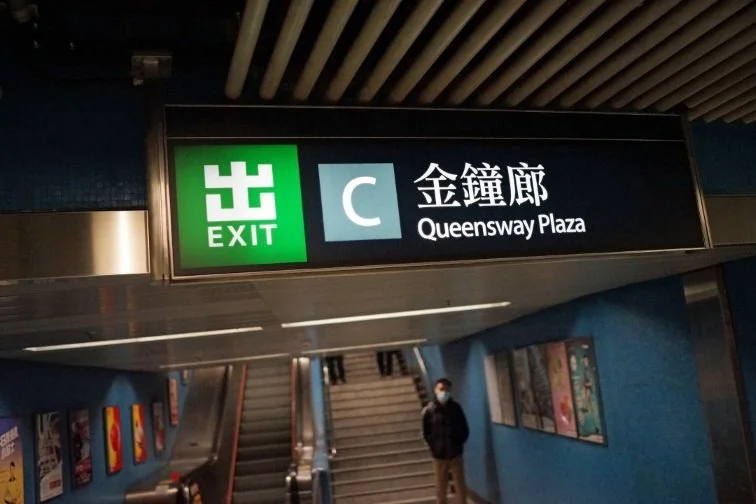
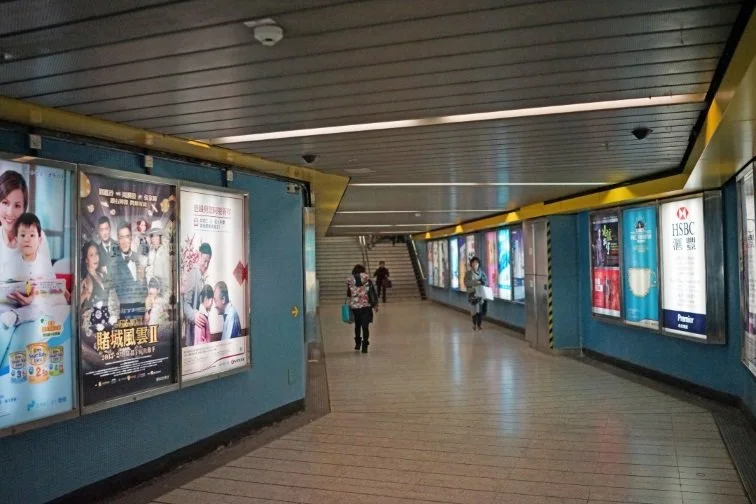
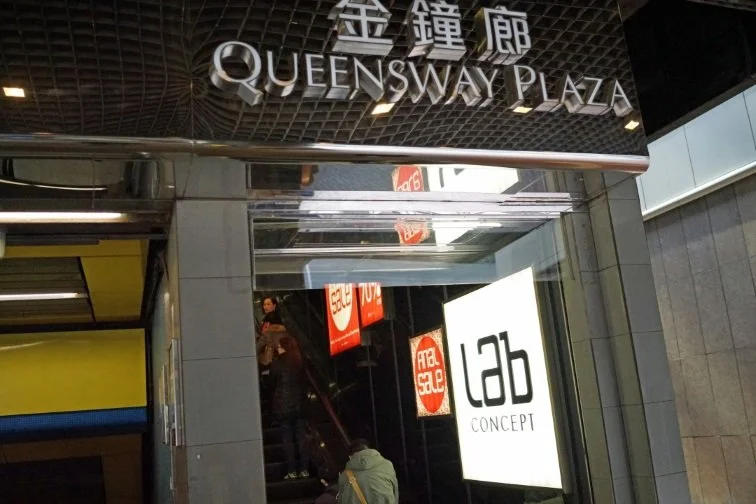
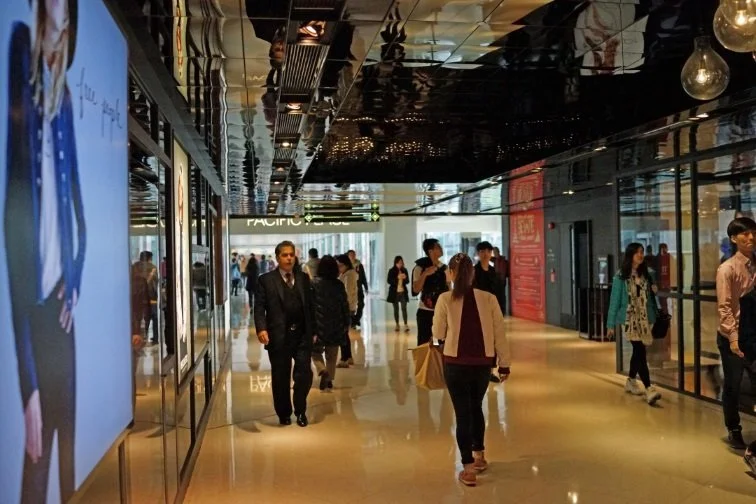
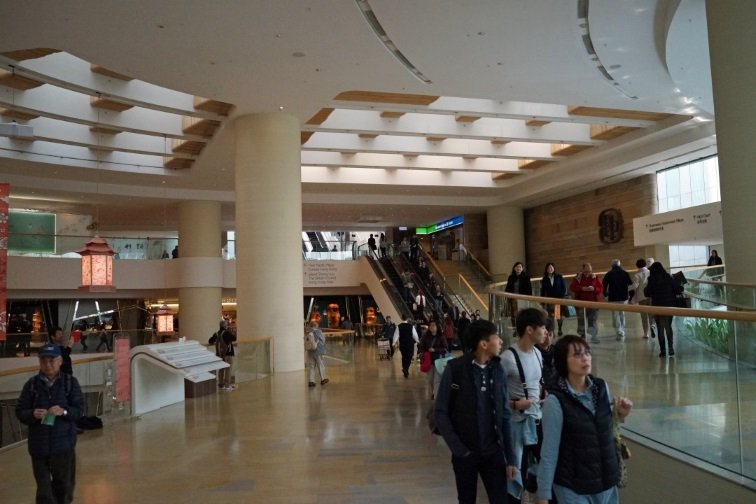
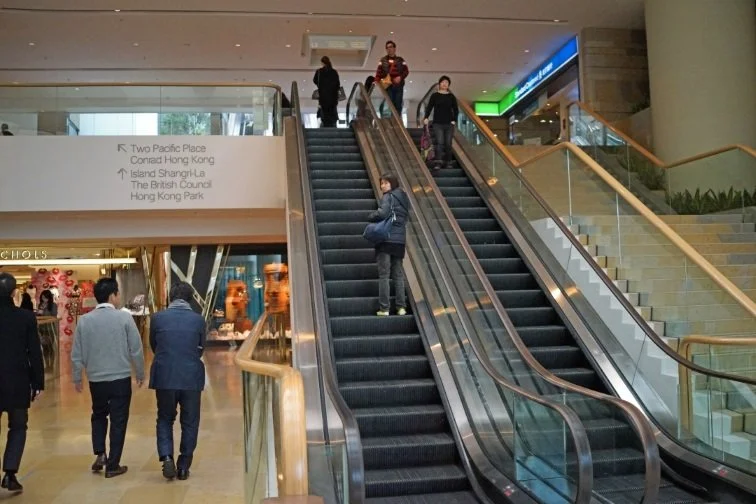
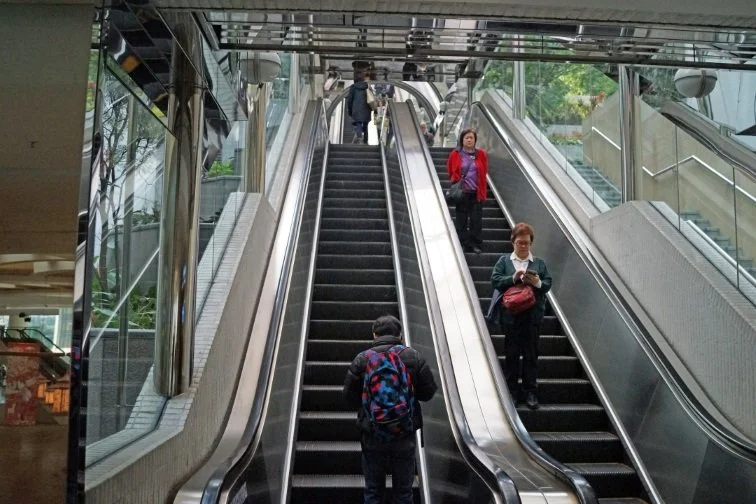
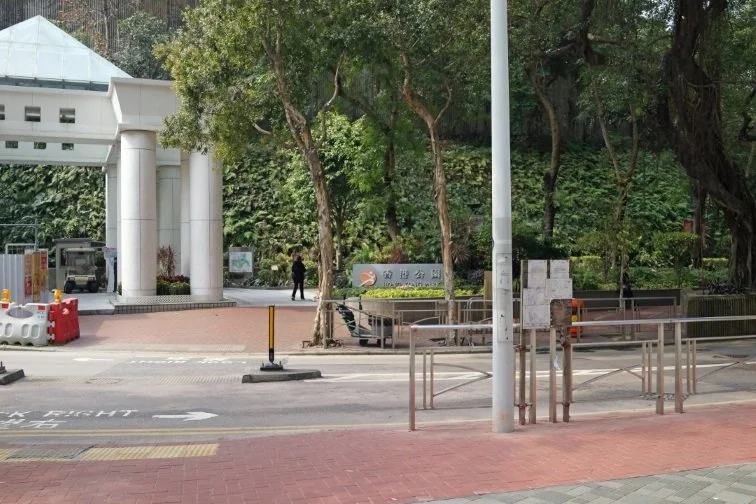
This is the easiest and most sheltered option for most people.
Take the MTR to Admiralty Station.
Use Exit C1 (a busy exit with steps leading up to street level on Queensway.
At the top of the steps, simply turn around - you will see the entrance to the escalators leading up to the covered pedestrian bridge across Queensway toward Pacific Place Mall. (There is often a line of people waiting here.)
Take the escalator up, cross the bridge into Pacific Place shopping mall.
Inside Pacific Place, take the escalators on the right-hand side and go all the way up to the top level.
Cross Supreme Court Road and you will enter Hong Kong Park directly.
Tip: This route is mostly covered but involves steps and escalators. Allow 10 -15 minutes from exiting the MTR gates.
2. From Central MTR Station (15 - 20 minutes, uphill)
This route is straightforward once you reach ground level but involves a steady uphill walk. Good if you are already exploring Central.
Take the MTR to Central Station.
Use Exit K (strongly recommended - it has escalators all the way to the surface). Avoid Exit J2 if possible, as it requires climbing over 50 steep steps.
You will emerge into Statue Square. Use the iconic Bank of China Tower (the tall building with the distinctive criss-cross design) as your main landmark.
Walk towards the Bank of China Tower, passing the Court of Final Appeal and then Chater Garden
Cross Queensway to reach the entrance area of the Bank of China Tower.
Turn left and walk east along Queenswat to Cotton Tree Drive (the wide road heading right uphill towards the Mid-Levels).
Continue uphill, passing the large Fire Station on your left.
You will soon see the main entrance to Hong Kong Park on your left, with the Fountain Plaza clearly visible just inside the park.
Tip: This is an entirely outdoor route with a noticeable uphill slope. Allow 15 - 20 minutes at a normal pace.
Suggested Self-Guided Flow Inside the Park (1.5 - 3 hours)
Start near the entrance you arrive at and move in a gentle loop:
Begin at Flagstaff House (Museum of Teaware) and the adjacent K.S. Lo Gallery - enjoy LockCha Tea House for vegetarian dim sum and tea.
Walk to the Artificial Lake and Waterfall (central highlight -great for photos and relaxing).
Head uphill to the Edward Youde Aviary (walk-through rainforest experience) and Forsgate Conservatory (glasshouses with different climates).
Visit the SARS Memorial in the Tai Chi Garden and the Osborn Statue near Flagstaff House for reflective moments.
Explore the Tai Chi Garden, Vantage Point, Olympic Square, Fountain Plaza, and Children’s Playground as time allows.
End with any refreshment outlets near the lake if you need a quick drink or snack.
The paths are paved and mostly gentle, with some short slopes. It’s compact (8.16 hectares), so nothing feels rushed.
Practical Tips for Independent Visitors
Best time: Morning (cooler, fewer people) or late afternoon for softer light.
Combine with: Hong Kong Zoological and Botanical Gardens (short walk away), Peak Tram Lower Terminus (nearby on Garden Road), or Pacific Place |
Admiralty for shopping and lunch.
Weather: The park has good tree cover, but bring water and an umbrella if it looks like rain. Indoor options (aviary, conservatory, museum, tea house) provide shelter.
Toilets and seating: Plenty throughout, including near the lake and playground.
QR Quest: Look for park QR codes for a fun interactive self-guided discovery game if your visitors enjoy that.
This setup makes Hong Kong Park an effortless “add-on” for visitors who have a free morning or afternoon. They can slip in, enjoy the contrast of green space and history amid the skyscrapers, and leave refreshed without needing much planning.
Tripasvisor Reviews
Here's a balanced summary based on the current Tripadvisor data for Hong Kong Park (3,162 reviews, 4.4/5 rating as of now).
A 4.4 rating is actually very solid for a free urban park attraction - it places it comfortably in the top tier (#18 of 1,534 things to do in Hong Kong). The "meh" feeling I have probably comes from the fact that many reviews are politely positive rather than ecstatic 5-star raves, which is typical for parks.
5 Most Positive Attributes (Frequently Praised)
Beautiful Urban Oasis & Greenery Reviewers constantly call it a “tranquil oasis”, “hidden gem”, and “refreshing escape” in the middle of skyscrapers. The contrast between lush gardens and the city skyline is a huge highlight.
Edward Youde Aviary One of the strongest draws. People love the walk-through design, the variety of birds flying freely, and the immersive rainforest feel. Many say it’s one of the best free aviaries they’ve seen.
Flagstaff House & Teaware Museum + LockCha Tea House The historic building, museum, and peaceful vegetarian tea experience get consistent praise for adding cultural depth.
Free & Convenient Location Excellent central location (easy access from Admiralty/Central MTR), free entry, and good mix of attractions in a compact area.
Waterfall, Lake & Overall Landscaping The artificial lake, waterfall, fountains, and well-maintained paths are frequently mentioned as photogenic and relaxing.
5 Most Common Negative | Mixed Attributes
Crowds on Weekends This is by far the most repeated complaint — especially the large groups of domestic helpers gathering on Sundays/holidays. Many reviewers find the noise, singing, and lively atmosphere detracts from the peaceful vibe they were expecting.
Not Fully Weatherproof Uncovered paths + the aviary’s mesh roof mean heavy rain can ruin a visit. Several people mention getting soaked or the aviary being less enjoyable in bad weather.
Can Feel Small / Quick Visit Some visitors (especially those expecting a large park like in Europe or elsewhere) say it’s smaller than anticipated and can be done in 1–2 hours.
Limited Facilities / Basic Amenities Complaints about few food options beyond LockCha and the refreshment kiosks, plus occasional notes on toilets or maintenance.
Steep Slopes & Accessibility The park has noticeable hills and steps, which some older travellers or those with mobility issues find tiring.
What Do Visitors Say and my view (s)
Hong Kong Park currently holds a respectable 4.4 out of 5 rating on Tripadvisor from over 3,160 reviews. Most visitors praise it as a lovely urban oasis, highlighting the beautiful aviary, the historic Flagstaff House, the peaceful lake and waterfall, and the convenient central location. Like many locals, some reviewers note that the park is noticeably busier and livelier on weekends when domestic helpers gather to enjoy their day off. For the classic calm and serene experience, weekdays are definitely preferable. Overall, it remains a highly recommended free attraction for those seeking a pleasant green break in the heart of Hong Kong.
The park delivers well as a convenient, free, green break in Central | Admiralty. The rating holds strong because most people who go with realistic expectations (short relaxing visit, nice aviary, historic buildings) leave happy. The main disappointments come from mismatched expectations - people wanting total peace on a Sunday or full-day hiking-style park.
A Local Treasure in the Heart of Hong Kong
While Hong Kong Park is popular with visitors, it is first and foremost a much-loved local treasure. In a city where land is incredibly valuable, we should be grateful that the government chose to create this green oasis rather than selling it off for development. I estimate they could have parcelled off the land to developers for in excess of US$25 Billion + or more
We should be grateful they chose public enjoyment over maximum profit.
Designed primarily for Hong Kong residents, it offers a convenient, refreshing escape that locals truly appreciate — especially on weekdays when the atmosphere is calm and peaceful. For visitors, this makes the park even more special: you get to experience a genuine slice of everyday Hong Kong life in one of the city’s best locations. Don’t miss it - few cities have such a beautiful, free, and centrally located park right next to the MTR.
In my considered opinion
Hong Kong Park exemplifies the best of Hong Kong’s ability to honour its past while serving present and future needs. Its compact size belies its richness - offering everything from quiet contemplation at the SARS Memorial or Osborn Statue to joyful discovery in the aviary or conservatory. For anyone interested in Hong Kong’s story, it provides tangible connections to military heritage, wartime sacrifice, public health resilience, and colonial architecture, all within a beautifully maintained natural setting. Whether for a quick midday break or a full morning of exploration, it rewards repeat visits with new layers of appreciation each time. It remains one of the city’s most balanced and meaningful public spaces.
To be fair it is one of those places that is hiding in plain sight as you get distracted by all the huge buildings next to the Park and it is not a quick walk, if you live here then there are no issues but even with Google Maps and a plan it is very tricky to access for visitors who have never been to Hong Kong, however the effort is well worth it.
For me personally, well sometimes I just go there and sit near the Koi Ponds and watch the world go by! it is the simple things.
Out of left field nuggets
Size of Hong Kong Park
Hong Kong Park covers 8.16 hectares, which is approximately 20.16 acres - roughly the size of 11 international standard soccer pitches., so a rare large chunk of green real estate!
Who is in Charge of Hong Kong Park?
The Leisure and Cultural Services Department (LCSD) is fully responsible for the management, operation, and maintenance of Hong Kong Park.
There is a dedicated Hong Kong Park Management Office under the LCSD that handles day-to-day operations.
This includes looking after the gardens, facilities, aviary, conservatory, events, and general upkeep.
Development Cost
According to the official Hong Kong Park website, the project was undertaken at a cost of HK$398 million (US$51.1 million).
This was the total cost to transform the former military site into the public park we see today (jointly developed by the former Urban Council and the former Royal Hong Kong Jockey Club).
So there you go
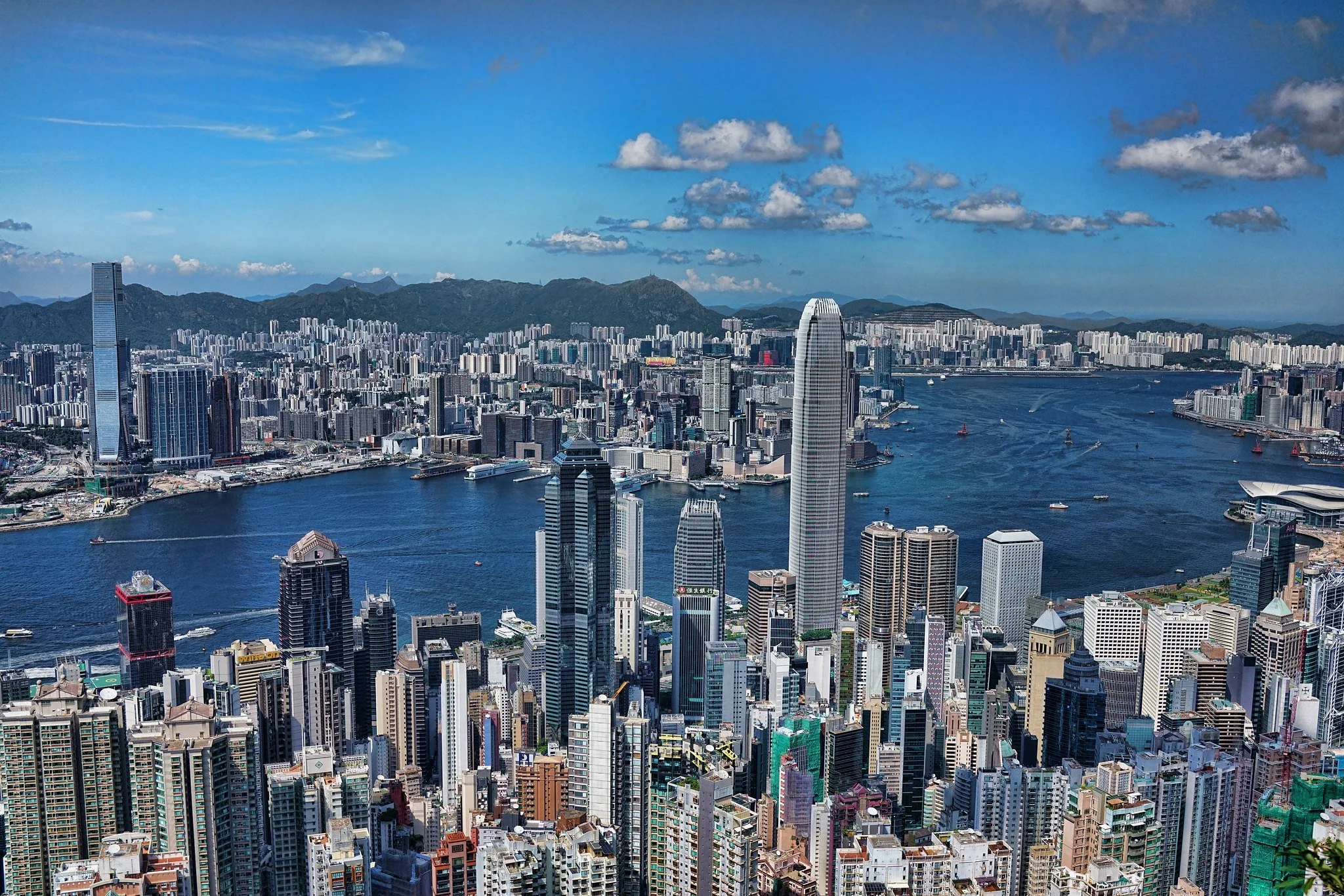
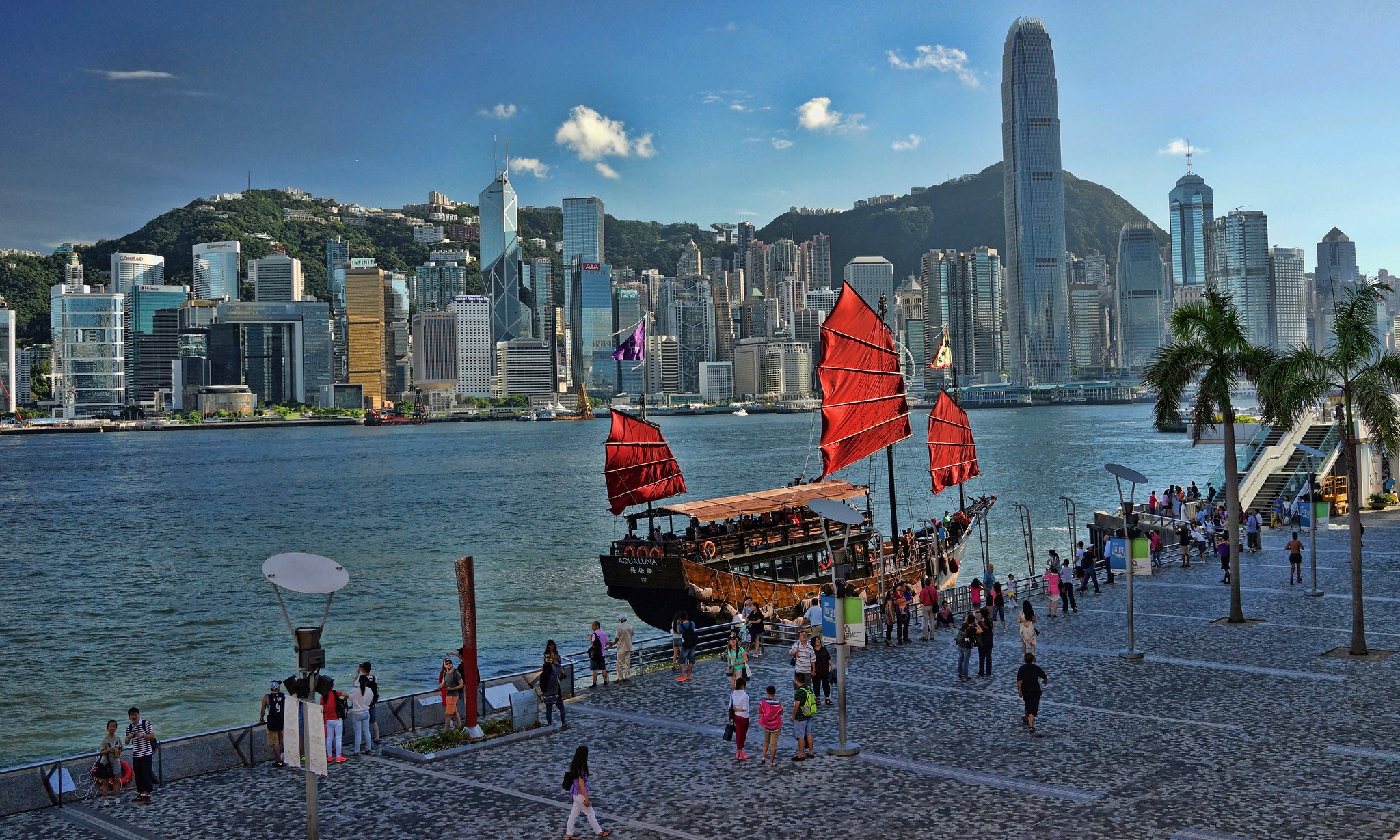
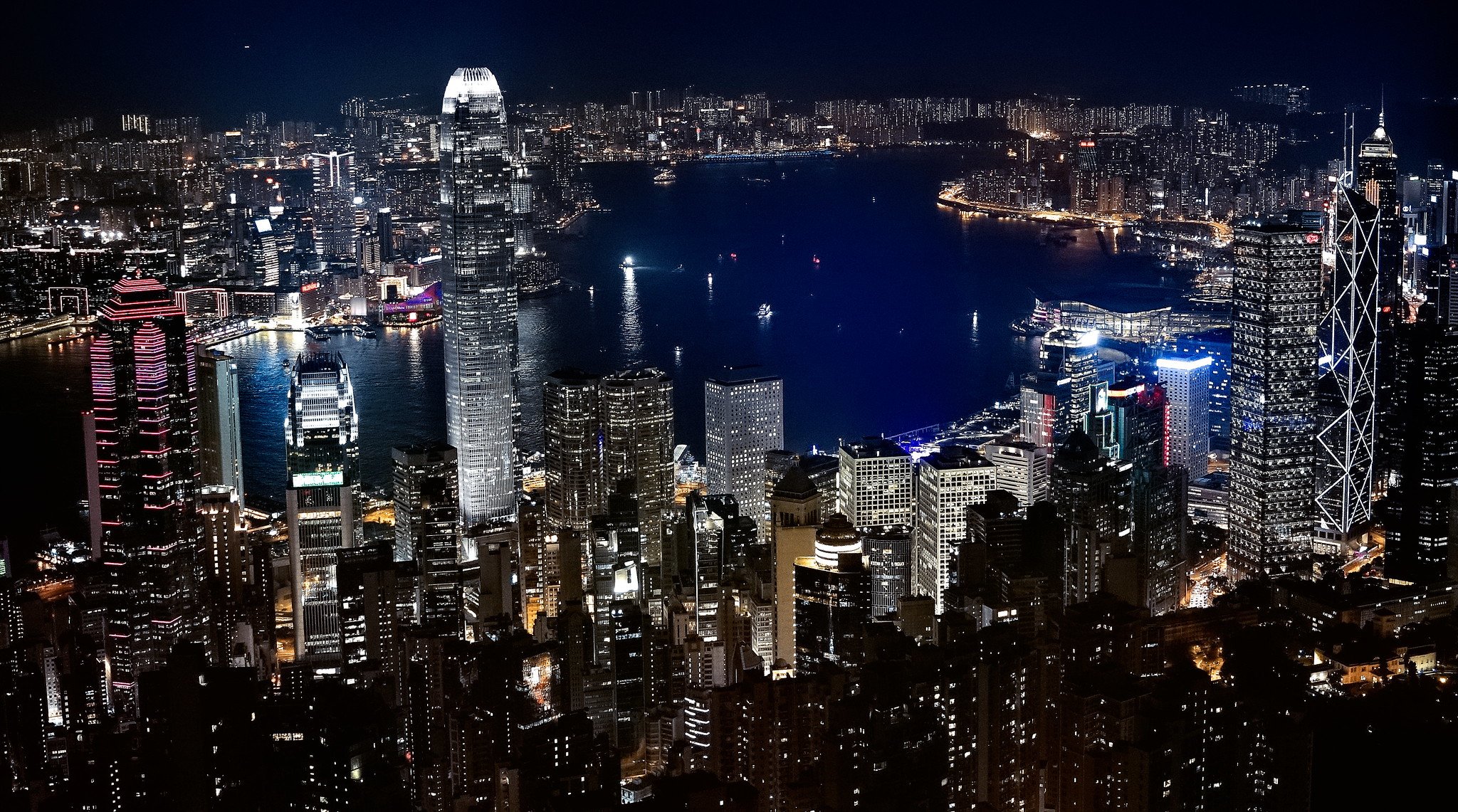
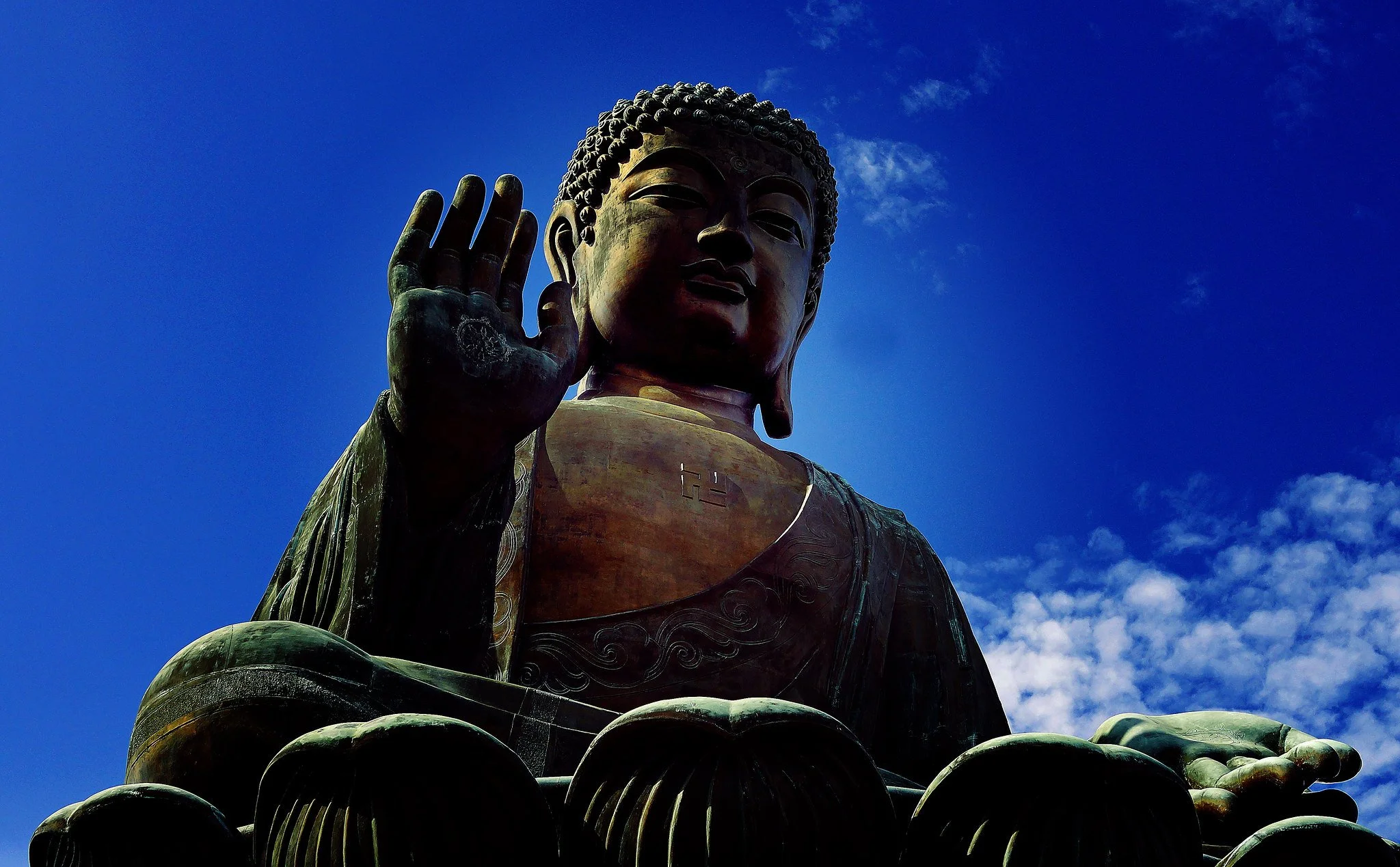
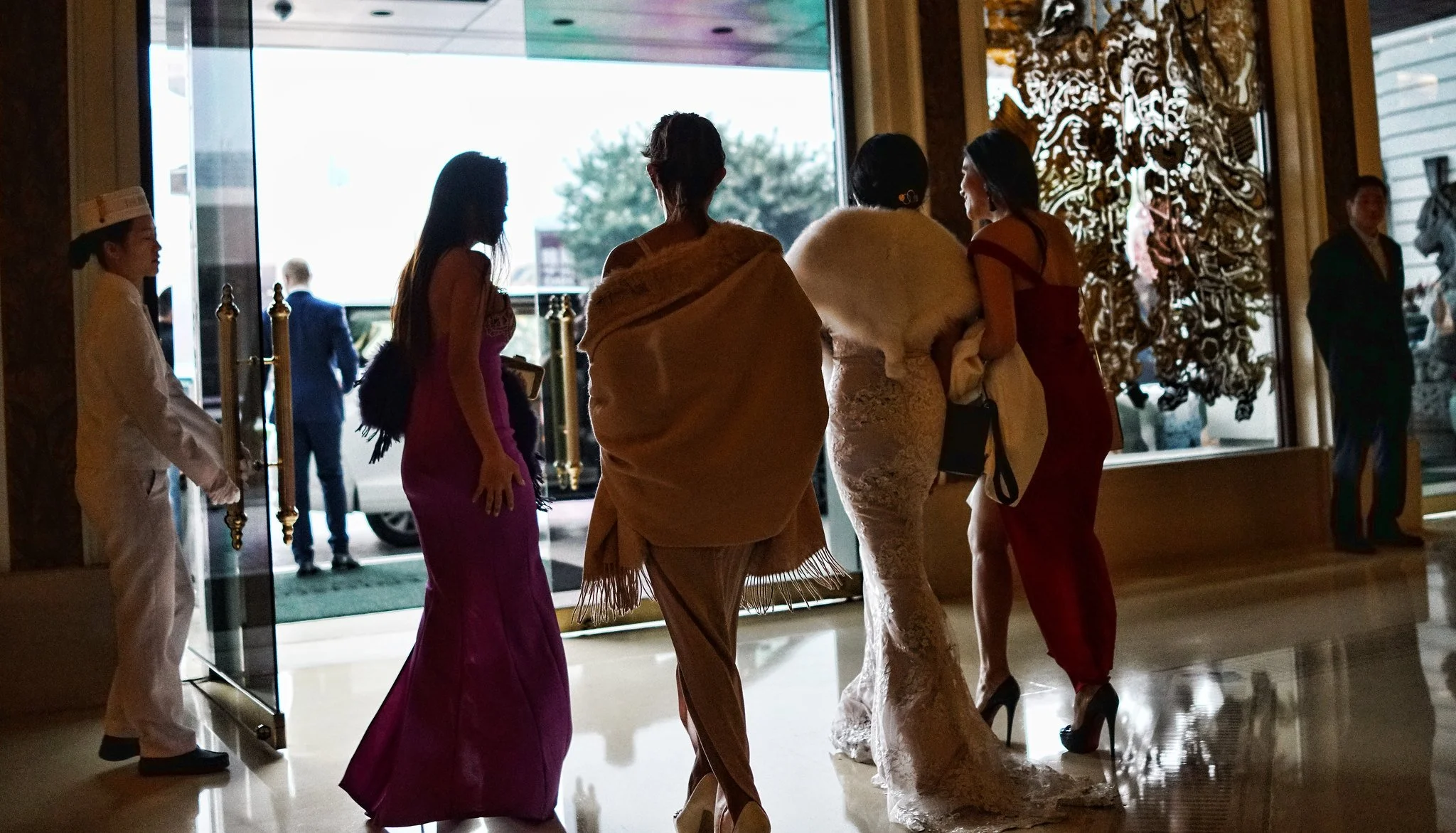
click on any image to enlarge
© Copyright Acknowledged | All rights reserved | all images taken b Jamie
Jamie’s Hong Kong | Some of my favourite images | Hong Kong 101
© Jamie Lloyd | J3 Consultants Hong Kong | J3 Private Tours Hong Kong |
| 2010 - 2026 All rights reserved. |
Click on any image to enlarge to full screen
Current images from my Instagram feed