Hong Kong Important Key Statistics 2026
Essential Facts Every Resident, Visitor & Guide Should Know about Hong Kong

The J3 Group - Premium Quality Private Tours | Experiences and Insider Chats since 2010
Me Jamie, your host, I am English and I have lived in Hong Kong since January 2nd 1972 - I know the place.
A meaningful blog post with a difference - tips on Travel, Tourism, Tours, Daily Life and my personal thoughts on Hong Kong.
Please do visit Amazing Hong Kong
Hong Kong | Pearl of the Orient
Customised Private Tours + Experiences in Amazing Hong Kong
Jamie has lived in Hong Kong - Pearl of the Orient for 50+ years
Carefully Crafted Personalised and Customised Itineraries by Jamie | Hong Kong’s Most Experienced Private Tour Guide for : Solo Travellers Friends Families Seniors Couples Business People MICE Delegates.
Private Tours Cultural Tours Walking Tours Sightseeing Tours City Tours Night Tours Layover Tours Transit Tours Private Shore Excursions Bespoke Tours Personalised Tours Jewish Heritage Tours Luxury Private Tours Day Tours Luxury Boat Tours Themed Tours Private Family Tours Private Day Tours Corporate Tours
Just you, your family or friends and Jamie your personal English private tour guide - over 2,400+ tours completed since 2011 - Jamie offers quality Private Tours of Hong Kong
Tour Group Size 1 - 6 people only
J3 Group Hong Kong | J3 Consultants Hong Kong | J3 Private Tours Hong Kong
Creating Memories That Will Last A Lifetime
Go here for the Hong Kong Michelin Restaurant Guide which includes the Bib Gourmand Category

A Resident since 1972 - Private Tours of Hong Kong with Jamie
The Best Things to do in Hong Kong
click on the image to enlarge
© Copyright Acknowledged | All rights reserved
Old Hong Kong Map | My Home | Hong Kong
Foreword
In a city as complex, dynamic and fast-changing as Hong Kong, having quick access to reliable, up-to-date key statistics makes all the difference. Whether you’re a long-time resident, a first-time visitor, or a fellow private tour guide looking for clear answers, this compilation brings together the most relevant, practical and frequently asked facts in one easy-to-reference place. No fluff, no outdated information - just the numbers that actually matter in everyday conversations and real-life situations.
I have tried to stick to relevant facts and stay clear of questions such as “what is the most easterly island in Hong Kong” and “what is the telephone number of the Hong Kong Observatory in Hong Kong for weather updates” and for the record no one has ever asked me these questions and no one ever will! and the Hong Kong Observatory has an easy to download app, I swear I get over a 100 messages a day + about the weather!
I’ve updated these figures as of early 2026 so they reflect the latest available official data and yes, where possible I prefer to use Hong Kong Government Statistics.
Please be aware that many of these figures change on a daily basis which is why it is better to do new lists every year with updated information.
From population trends and island counts to skyscrapers, housing, and daily life realities, these bite-sized statistics cut through the noise and give you the confidence to answer questions thrown at you on the spot if you are a private guide!. Use them as a handy reference, share them with guests, or simply enjoy a clearer picture of the remarkable city we call home
Hong Kong Key Statistics (as of early 2026)
Basic Hong Kong Facts 1
Population of Hong Kong: Approximately 7.51 million (provisional end-2025 figure of 7,510,800; slight overall decline trend continues into 2026 due to low birth rates offset by net migration).
Size of Hong Kong: 1,114.57 km² (approximately 430.7 square miles).
Number of islands: Approximately 263 (islands larger than 500 m²).
Breakdown by area:
Hong Kong Island and adjacent areas: approximately 80.72 km² (31.2 square miles).
Kowloon: 46.93 km² (18.1 square miles).
New Territories (including islands): approximately 986.92 km² (381.4 square miles).
Size of the 10 largest islands (in km² and approximate square miles, including the man-made Chek Lap Kok for Hong Kong International Airport):
Lantau Island: 147.16 km² (56.8 square miles)
Hong Kong Island: 78.52 km² (30.3 square miles)
Lamma Island: 13.74 km² (5.3 square miles)
Chek Lap Kok (airport platform): 12.70 km² (4.9 square miles)
Tsing Yi Island: 10.69 km² (4.1 square miles)
Kau Sai Chau: 6.70 km² (2.6 square miles)
Po Toi: 3.69 km² (1.4 square miles)
Cheung Chau: 2.44 km² (0.94 square miles)
Tung Lung Chau: 2.42 km² (0.93 square miles)
Crooked Island (Kat O): 2.35 km² (0.91 square miles)
Note on the number of islands or outlying islands
The 263 islands figure (for land areas >500 m²) is the widely used total that includes Hong Kong Island and Lantau Island. This comes from standard geographical compilations, such as source references that detail lists of islands and peninsulas, which explicitly states Hong Kong comprises the mainland areas plus 263 nearby islands over that size threshold.
The Hong Kong Government's official "Facts" page (on gov.hk) states: "Hong Kong covers Hong Kong Island, Lantau Island, the Kowloon Peninsula and the New Territories, including 261 outlying islands."
Why the exclusion? It's a matter of administrative and descriptive convention. The government separates the two largest and most prominent islands (Hong Kong Island as the historical | commercial core, and Lantau Island as the largest by area with major infrastructure like the airport) from the "outlying islands" category. The "outlying" label refers to the smaller, more peripheral ones - essentially 261 smaller islands | rocks | islets beyond those two big ones.
I think my logic of 261 + 2 = 263 islands is exactly right and explains the minor variations (some sources say 262 due to how tiny intertidal rocks or reefs are counted).
This distinction has been in official use for years. It's not that the government denies they are islands - they are just highlighting the main landmasses separately when describing the territory's geography. For tourism, storytelling, or general public communication, the total 263 feels more complete and is what most travel sites, private guides, and locals reference.
Basic Hong Kong Facts 2
Percentage of Hong Kong land that is green and | or nature parks: Approximately 40% designated as country parks and special areas.
Current GDP: Approximately US$428 billion (2025 figure; 2026 forecasts point to modest growth of 2.5 - 3.5%).
Current inflation rate: Approximately 1.7%.
Current bank lending rate: Hong Kong Prime Rate around 5%.
Estimate of the Hong Kong Government fiscal reserves: Approximately HK$657 - 679 billion (roughly US$84 - 87 billion at the prevailing linked exchange rate of about 7.8 HK$ per US$).
Life expectancy: Males approximately 83.3 years; females approximately 88.7 years (overall around 85.5 years).
General tax rates: Salaries tax is progressive at 2% - 17% (standard rate around 15 - 16%); corporate profits tax uses a two-tier system of 8.25% | 16.5%.
Number of skyscrapers above 150 m (490 ft): 569, ranking #1 in the world.
click on the image to enlarge
© Copyright Acknowledged | All rights reserved | Image taken by Jamie
ICC | 108 or 118 Floors? | Hong Kong
Top 10 Tallest Buildings in Hong Kong (as of early 2026)
1. International Commerce Centre (ICC) - West Kowloon Height: 484 m (1,588 ft) Floors: 108 (Completed 2010; tallest in Hong Kong, with the Ritz-Carlton Hotel and sky100 observatory.)
2. Two International Finance Centre (2 IFC) - Central Height: 412 m (1,352 ft) Floors: 88 (Completed 2003; tallest on Hong Kong Island, iconic harbour landmark.)
3. Central Plaza - Wan Chai Height: 374 m (1,227 ft) Floors: 78 (Completed 1992; distinctive design with neon lighting.)
4. Bank of China Tower - Central Height: 367 m (1,205 ft) Floors: 70 (plus masts) (Completed 1990; I.M. Pei design with strong negative feng shui symbolism.)
5. The Center - Central Height: 346 m (1,135 ft) Floors: 73 (Completed 1998; all-steel structure with striking illumination.)
6. Nina Tower - Tsuen Wan (New Territories) Height: 320 m (1,050 ft) Floors: 80 (Completed 2007; tallest in the New Territories.)
7. One Island East - Quarry Bay Height: 298 m (978 ft) Floors: 68 (Completed 2008; key office tower in Taikoo Place.)
8. Victoria Dockside (Rosewood Hong Kong tower) - Tsim Sha Tsui Height: 284 m (931 ft) Floors: 65 (Completed ~ 2017 - 2019; mixed-use with luxury hotel.)
9. Cheung Kong Center - Central Height: 283 m (928 ft) Floors: 63 (Completed 1999; linked to Li Ka-shing.)
10. The Cullinan (Towers I & II) - West Kowloon Height: 270 m (886 ft) Floors: 68 (Completed 2008; luxury residential/hotel towers in the Union Square complex, near ICC. The Cullinan towers are among the tallest pure residential buildings in Hong Kong.)
A note on the ICC’s famous “118 floors” Many visitors (and even the Hong Kong Tourism Board) refer to the ICC as having 118 floors because the Ozone bar (the world’s highest rooftop bar) and the top levels of the Ritz-Carlton Hotel are marketed as being on the “118th floor.” In reality, the building has 108 physical floors above ground. The difference comes from a common Hong Kong practice of skipping floor numbers that contain the digit “4” (such as 4, 14, 24, 34, etc.) due to tetraphobia - the superstition that “4” sounds like “death” in Cantonese.
This is standard in many Hong Kong buildings (though ICC does it quite extensively). The full list of skipped numbers in ICC includes things like 4, 5, 6, 7, 13, 14, all the 4s, some 3s, and mechanical/refuge floors.
This cultural numbering quirk means the actual 108th floor is labelled as the 118th, creating that well-known discrepancy. It’s a classic example of how feng shui and local beliefs shape everyday life in Hong Kong, right up to its tallest skyscraper!
Top 10 Most Expensive Residential Properties/Houses Sold in Hong Kong (All-Time, by Transaction Value)
This list blends verified sales of completed houses with notable high-value site or redevelopment transactions for completeness, noting the nature of each deal. Prices are in approximate US$ (converted at the time of sale) with HK$ equivalents where historically reported. Sizes refer to the original or primary structure/buildable area as documented:
Ho Tung Gardens, 75 Peak Road, Victoria Peak (2015) - ~US$658 million (HK$5.1 billion). Major redevelopment site sale; main historic villa already demolished prior to sale; ~62,000 sq ft buildable gross floor area potential. Record residential site transaction.
Pink House / 5 Pollocks Path (with adjacent lots), Victoria Peak (2017) - ~US$410 million (HK$ equivalent reported in local accounts; related lots around HK$2.8 billion). Original standing historic house acquired and later demolished; redeveloped into a large modern mansion reportedly approaching or exceeding 25,000 sq ft. High-profile Peak assembly deal.
75 Deep Water Bay Road (2017) - US$322 million. Completed 13,854 sq ft mansion purchased by Pan Sutong of Goldin Group; one of the highest for a turnkey luxury home.
24 Middle Gap Road, The Peak (notable recent transaction) - ~US$447 million. Luxury residence or site assembly in the ultra-prime area.
15 Gough Hill Road, The Peak (2016) - US$270 million. Completed 9,212 sq ft mansion.
Deep Water Bay properties (various high-end, e.g., recent bundled sales) - Transactions in the US$200–280+ million range for completed villas or compounds with exceptional harbour/golf views.
Mount Nicholson Road or similar Peak houses (e.g., House 3, 2017) - Around US$150 million range for large completed detached homes (9,000+ sq ft).
Other Peak Road or Repulse Bay mansions (mid-2010s peak period) - Multiple verified sales in the US$100–200 million bracket for standing luxury residences with substantial footprints.
Black’s Link or Barker Road historic homes (earlier benchmark sales) - Notable transactions exceeding US$100 million (inflation-adjusted significantly higher today).
Recent Deep Water Bay or Peak redevelopments (2020s) - Properties trading in the US$110–280 million range, including refurbished villas with 8,000 - 11,000+ sq ft.
Key Context and Statistics on These Transactions
Ho Tung Gardens stands out as the highest by nominal value but is classified as a land/redevelopment site rather than a completed house, which is why it tops site-sale records but may not always head pure “mansion” lists.
The Pink House transaction reflects the premium for assembled Peak lots with redevelopment upside; the post-sale rebuild created one of the larger modern homes in the area.
Basic Hong Kong Facts 3
Number of buildings above 10 floors: Hong Kong maintains one of the world’s highest concentrations of high-rise buildings overall (potentially tens of thousands in total), though exact global rankings for this broader category are not separately tracked in the same way as 150 m+ skyscrapers; the city’s vertical density remains unmatched globally.
Number of prisons and average daily population of prisoners: The Correctional Services Department operates 24 correctional institutions (plus 3 half-way houses and 2 custodial wards for a total of around 29 facilities). Average daily population in 2025 was approximately 10,315 (occupancy rate around 92%, with a slight upward trend into 2026).
Average depth of Victoria Harbour: Approximately 12 metres.
Number of subway stations in Hong Kong’s MTR rail network: Approximately 99 heavy rail stations (plus additional light rail stops).
Hong Kong’s richest man and estimated net worth: Li Ka-shing, with an estimated net worth of approximately US$45.1 billion.
Basic Hong Kong Facts 4
Population of Hong Kong Island, Kowloon and the New Territories:
Hong Kong Island: approximately 1.2 million (around 16% of total).
Kowloon: approximately 2.2 million (around 29%).
New Territories: approximately 4 million (around 53%).
Sub-population of specific islands:
Cheung Chau Island: approximately 20,000.
Lamma Island: approximately 6,000 - 7,000.
Peng Chau Island: approximately 6,000.
Detailed sub-population list of nationality groups over 5,000 people (based on latest available census proportions, which remain broadly stable):
Chinese: approximately 91.6% (~6.88 million).
Filipino: approximately 2.7% (~201,000).
Indonesian: approximately 1.9% (~142,000).
White | Caucasian: approximately 0.8% (~62,000).
Indian: approximately 0.6% (~43,000).
Nepalese: approximately 0.4% (~30,000).
Pakistani: approximately 0.3% (~24,000). (Smaller groups fall below the 5,000 threshold or are not separately broken out at this level.)
Number of domestic helpers in Hong Kong and minimum wage for them: Approximately 368,000 foreign domestic helpers; minimum allowable wage (MAW) is HK$5,100 per month plus food allowance (approximately HK$1,236). recent media articles seem to suggest that the figure may well be closer to 400,000 but that is not a verified figure
Hong Kong’s minimum wage: HK$43.1 (US$5.60) per hour (effective from May 2026; previously HK$42.1).
% of people living in Government Housing and subsidized private housing (i.e., they buy, not rent): Approximately 45% of the population overall (public rental housing ~29%; subsidized home ownership schemes ~15–16%).
Estimate of the number of people living in caged homes: Caged homes form a subset of subdivided units; the combined estimate for people in subdivided and caged accommodation is around 220,000. (ish) - some estimates put caged home dwellers as 50,000 of that 220,000 figure
average number of babies born in Hong Kong per year for the past 25 years: Approximately 45,000 (births have declined steadily from over 50,000 annually in the early 2000s to around 31,100 in 2025).
Average number of typhoons per year for the past 30 years: 5 - 6 tropical cyclones affecting Hong Kong each year (long-term average around 6).
Average number of murders per year for the past 25 years: Approximately 25 - 30 (Hong Kong maintains one of the world’s lowest homicide rates, typically 0.3 - 0.4 per 100,000 people).
% of the population over 60 years old: Approximately 30% (with the 65+ cohort at around 22% and continuing to rise due to ageing demographics).
Number of public hospitals and private hospitals: 43 public hospitals and institutions (managed by the Hospital Authority); and 14 major private hospitals.
Height of the top 10 highest mountains | hills in Hong Kong:
Tai Mo Shan - 957 m
Lantau Peak (Fung Wong Shan) - 934 m
Sunset Peak (Tai Tung Shan) - 869 m
Sze Fong Shan - 785 m
Lin Fa Shan - 766 m
Nei Lak Shan - 751 m
Ma On Shan - 702 m
Wo Yeung Shan - ~700 m range
Kau Lung Hang Shan - ~680 m range
Tai Lam Chung area peaks and others down to around 600 - 650 m.
% of EV cars against the total number of cars: Approximately 16.8% of total registered vehicles are electric (around 152,000 EVs as of early 2026).
Brief breakdown of the political landscape in Hong Kong and the Government Structure
Hong Kong operates as a Special Administrative Region of China under the “One Country, Two Systems” principle. The Government structure includes: an Executive branch led by the Chief Executive (currently John Lee, serving until 2027) and the Executive Council; a Legislative Council (LegCo) of 90 members (reformed post-2021 with a more balanced composition emphasising stability and pro-establishment voices); and an independent Judiciary. The political landscape since the 2020 national security legislation has prioritised stability, national integration (especially with the Greater Bay Area), and efficient governance, with reduced political polarisation and a focus on economic recovery and long-term planning.
Safety Note - Pickpocketing
In 2025, the Hong Kong Police recorded just 208 cases of pickpocketing across the entire city - a sharp 56.3% drop from the previous year. This is remarkably low for a major international hub with 7.5 million residents and 50+ million yearly visitors
Over the past 10 years the yearly average has typically been in the 350 - 500 range, but numbers have been trending downward thanks to extensive CCTV coverage, effective policing, and public awareness. Despite what some travel articles suggest, pickpocketing remains rare in Hong Kong compared to many other tourist destinations. As always, a bit of normal caution in crowded areas (like markets or busy MTR stations) is all that’s needed.
So there you go
Jamie’s Hong Kong Insider Chat
Ready to turn your plans into a far more enjoyable reality? Click the yellow button below to learn more about Jamie’s Hong Kong Insider Chat, check pricing and book a convenient time
I do not do Food Tours in Hong Kong but I know people that do!
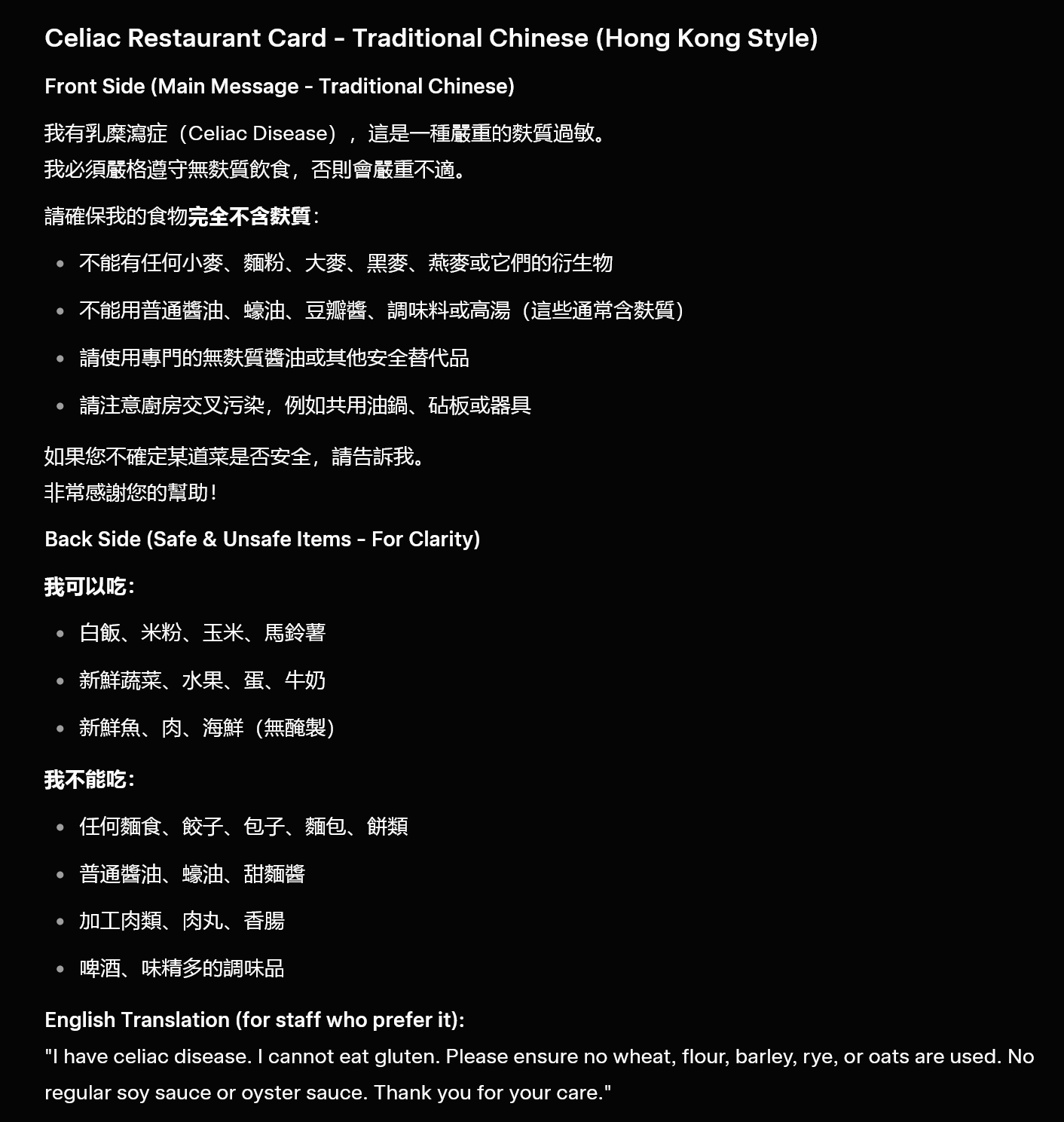
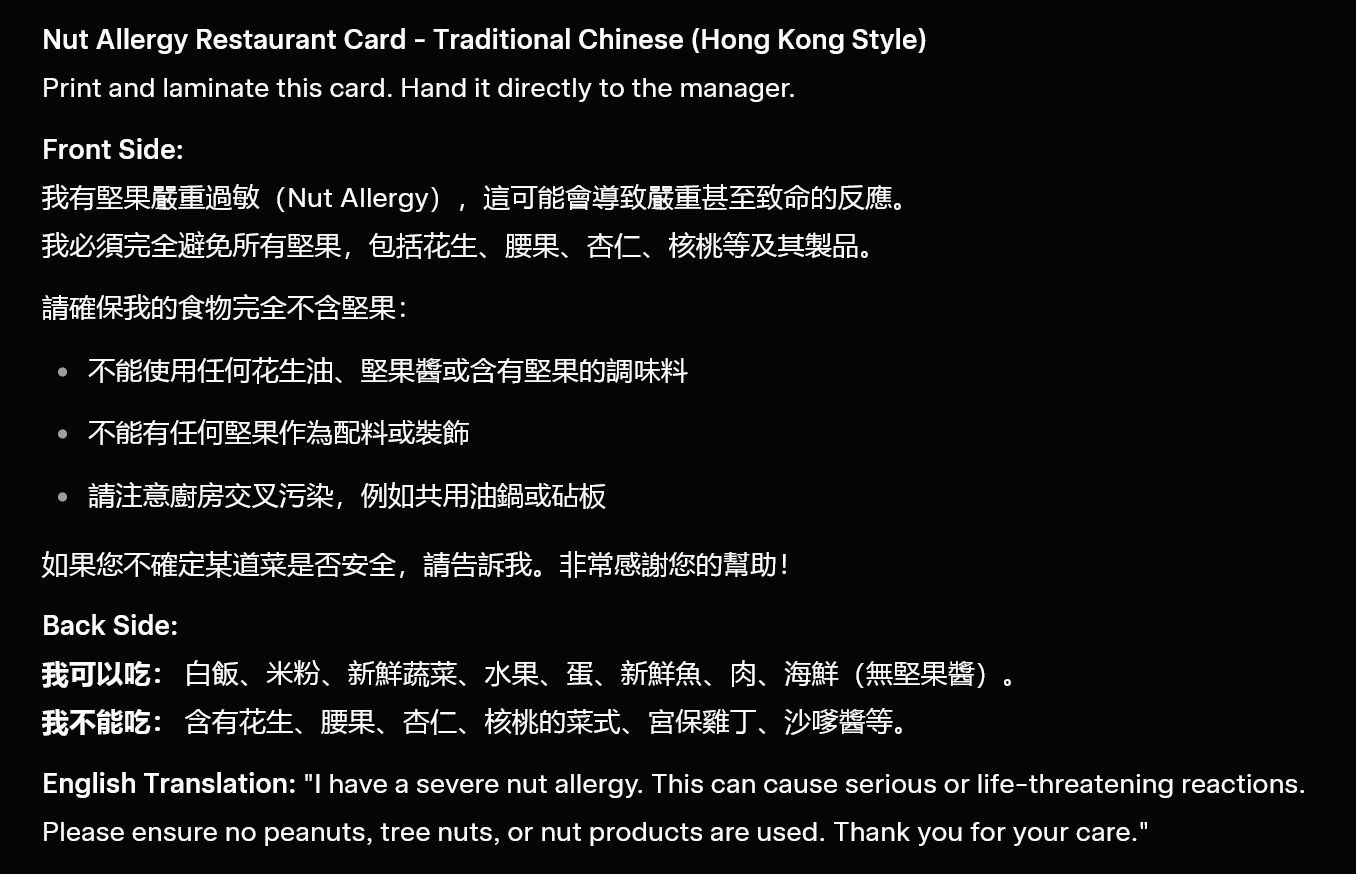
click on any image to enlarge
The information above can be shown to restaurant managers in Hong Kong if you are intolerant to gluten and nuts,
I do not do food tours as mentioned above, I have very specific reasons and part of it is that I do not speak Cantonese or write Chinese, I am from Yorkshire in England and I lack the language gene and it is not through lack of trying and yes a lot of restaurants do not have English menu’s or staff who speak conversational English.
.. and yet I have eaten at close to 1,400 restaurants in Hong Kong since January 2nd 1972, my wife was born in Hong Kong and we have been together over 40 years and her first language is Cantonese and a lot of her family are Chinese or half Chinese so I have never had much of an issue!
This does not translate to doing food tours though, yes, I could do them, no problem there but they would never ever be as good as the food tours done by my friends (see the 3 links above) most of their awesome guides are locally born Hong Kong Chinese and obviously food culture is part of their DNA, it is impossible for me to compete with that!
So please feel free to contact them for food tours
I do not do Hiking Tours in Hong Kong but I know someone that does!
I do not do Hiking Tours, never have and never will even though I used to go Hiking a lot when I was a lot younger, The Hong Kong Government is promoting hiking tours so I urge you to contact my friend Sabrina at Hong Kong Trails and Tours, she is a long time Hong Kong resident and and a very experienced hiker with close to 700 Hikes in 15+ years under her belt, please click on the link below
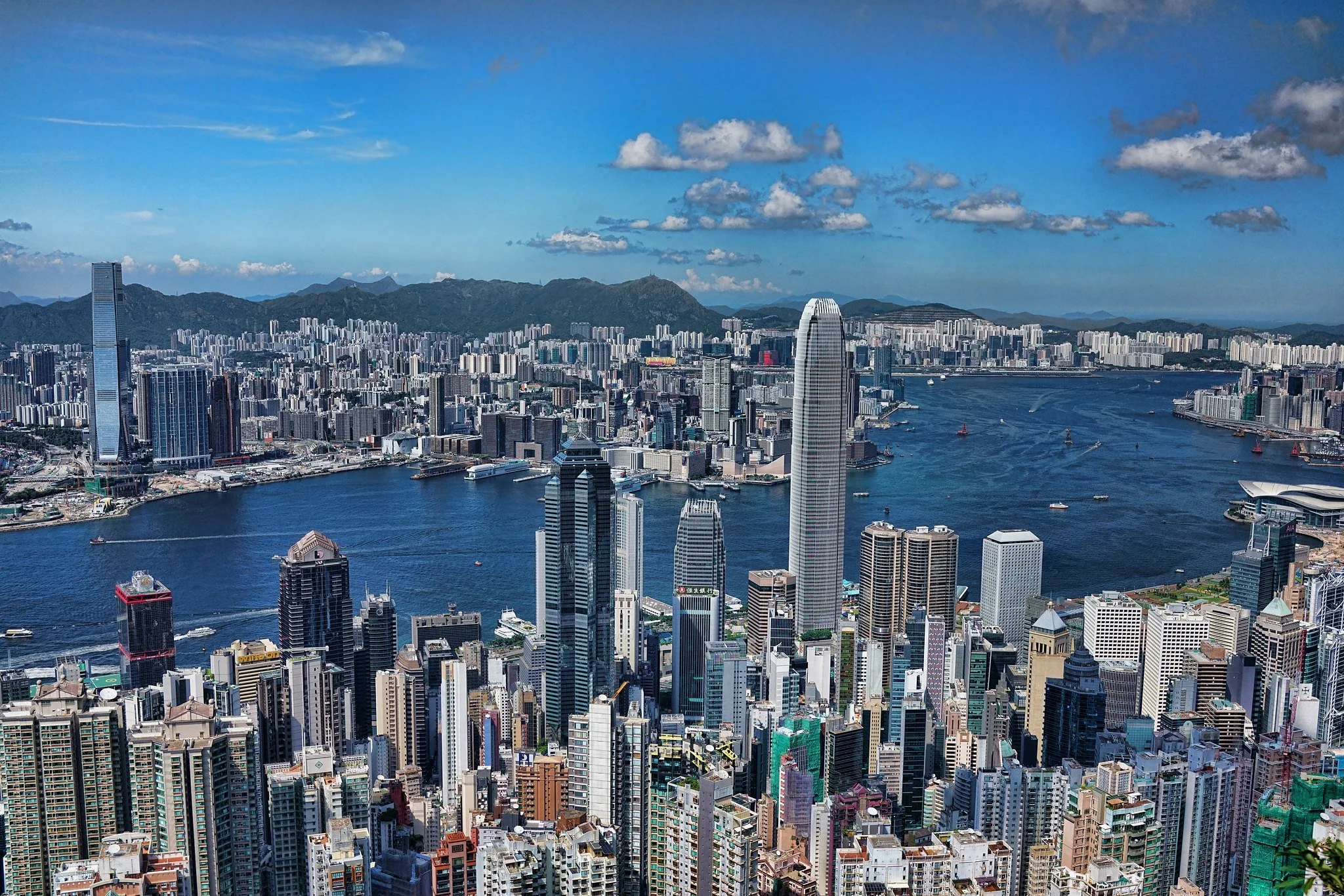
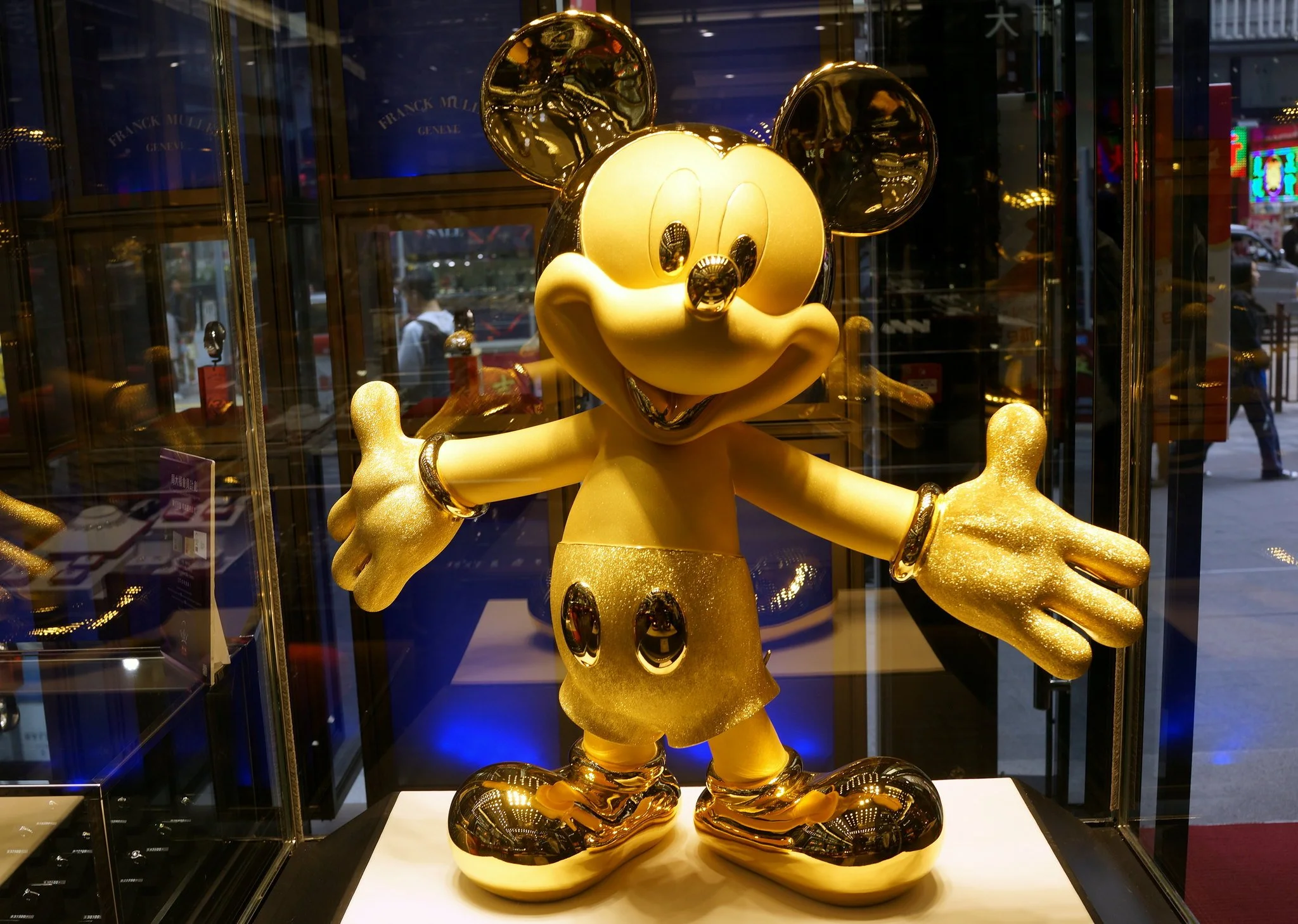
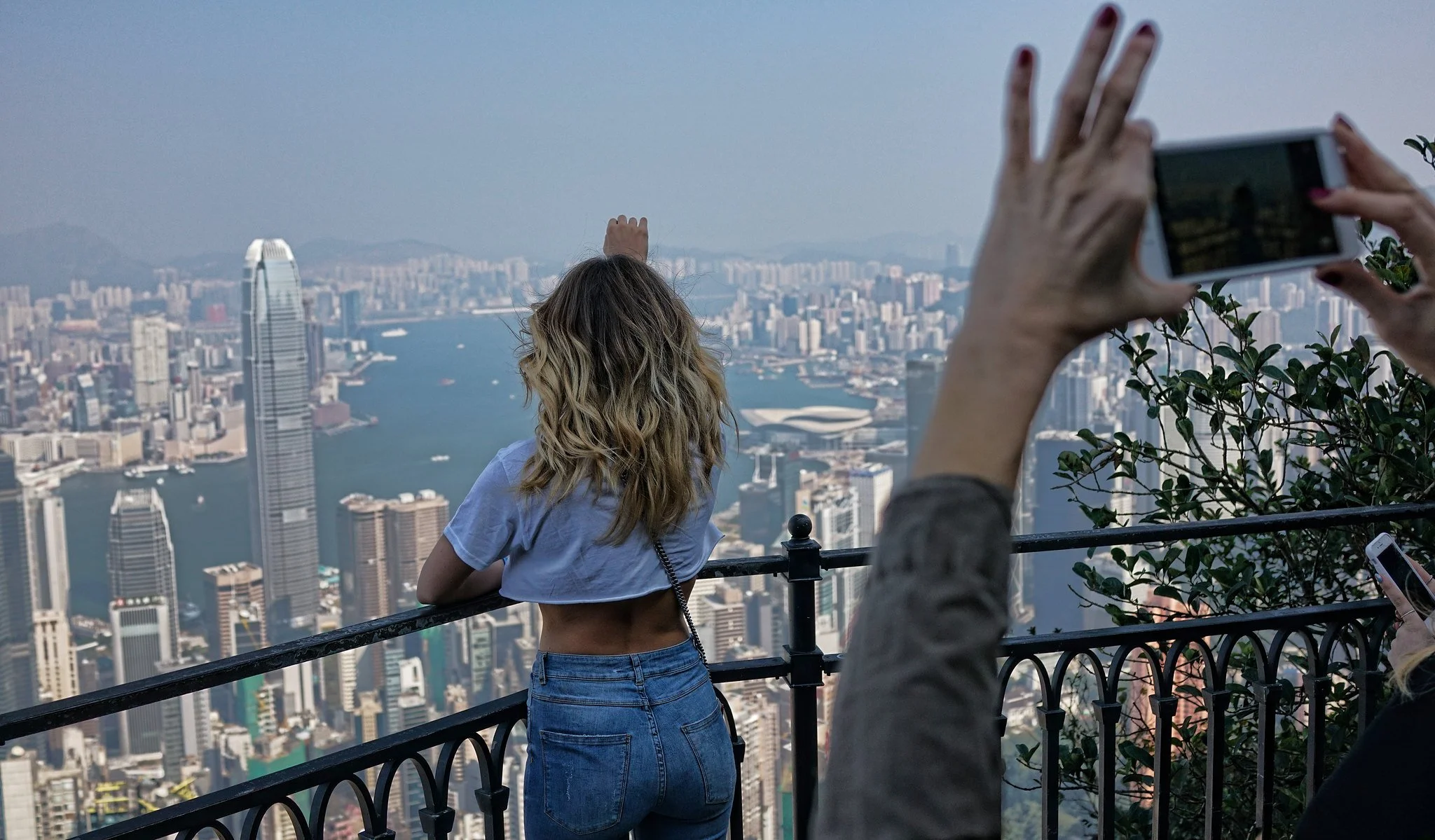
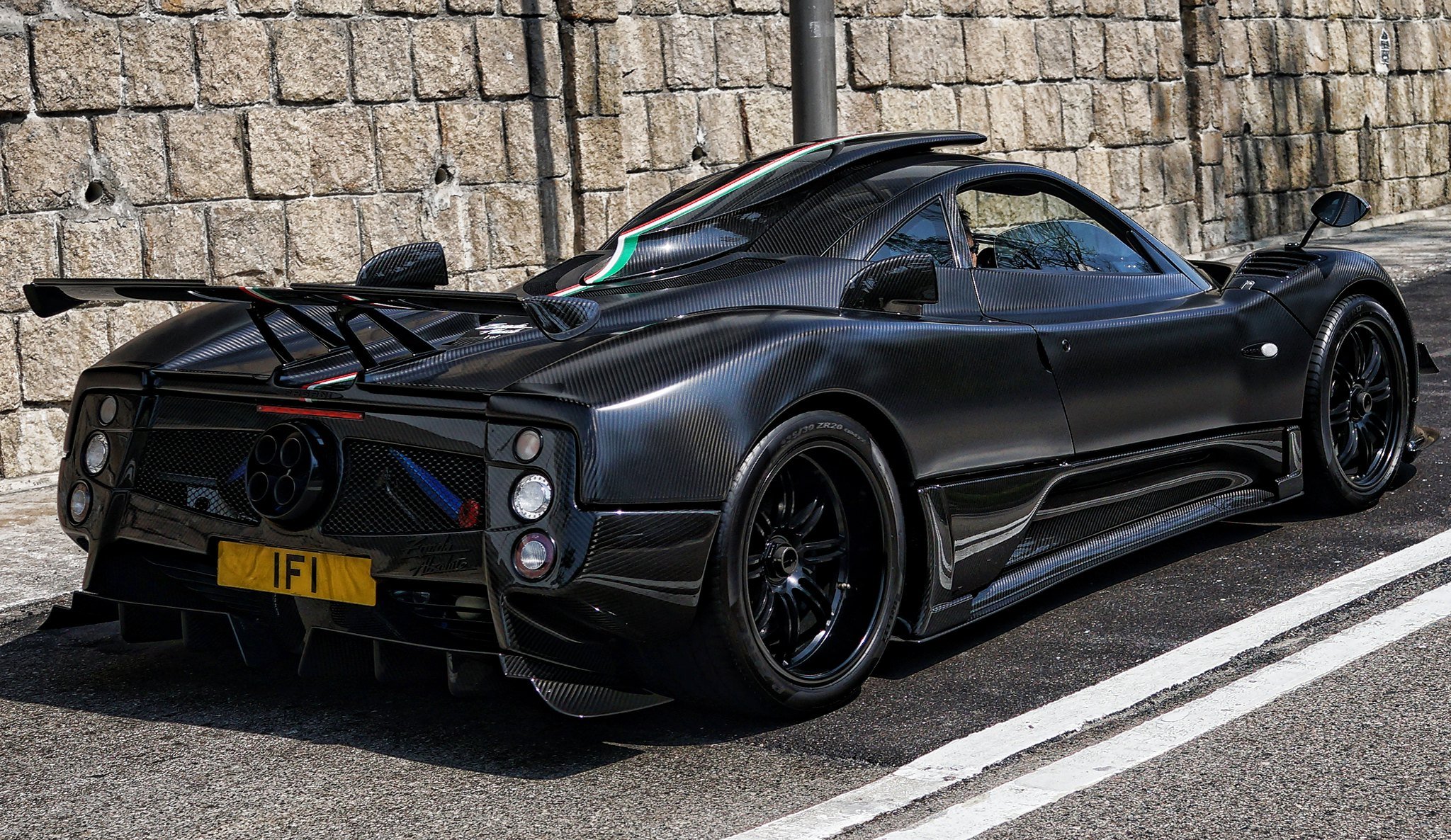
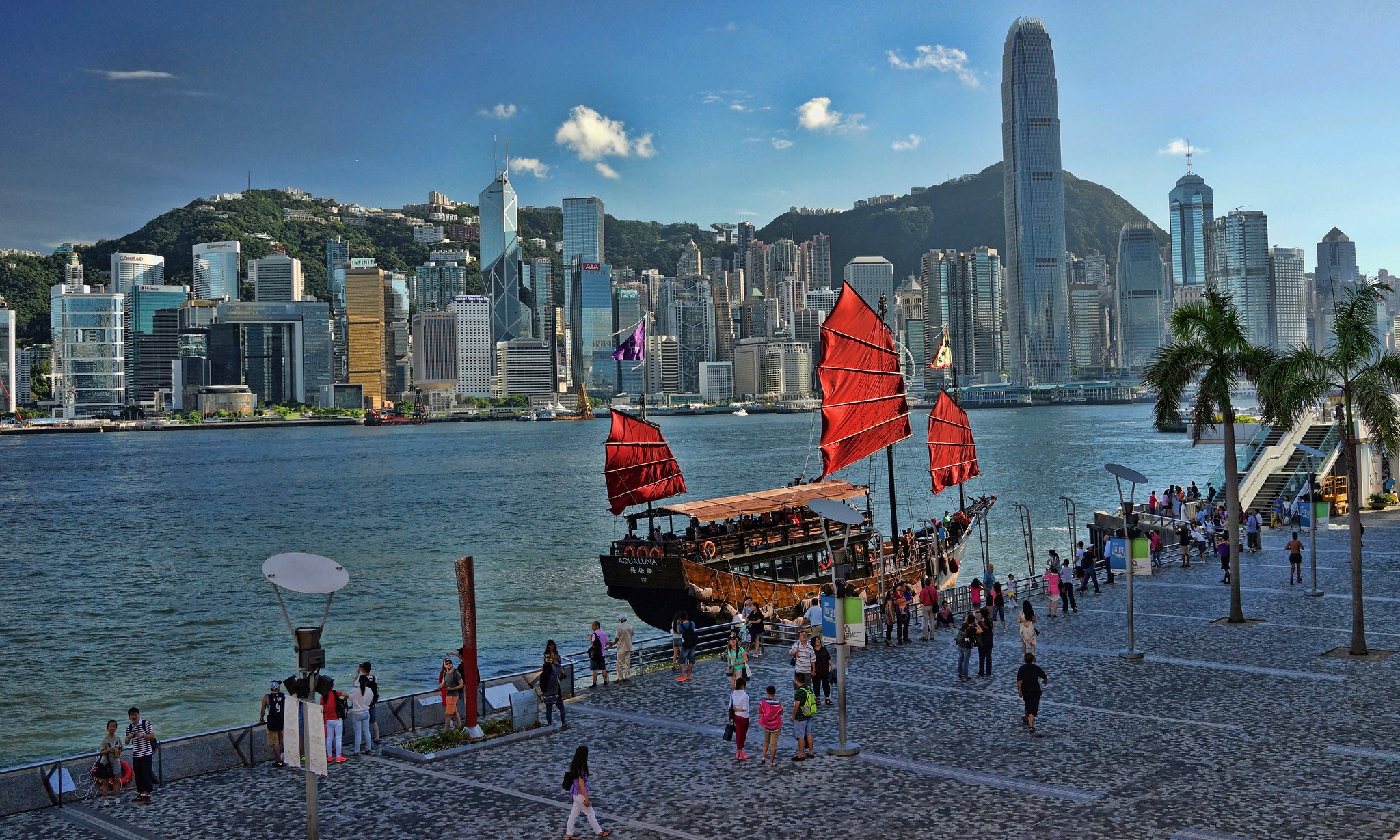
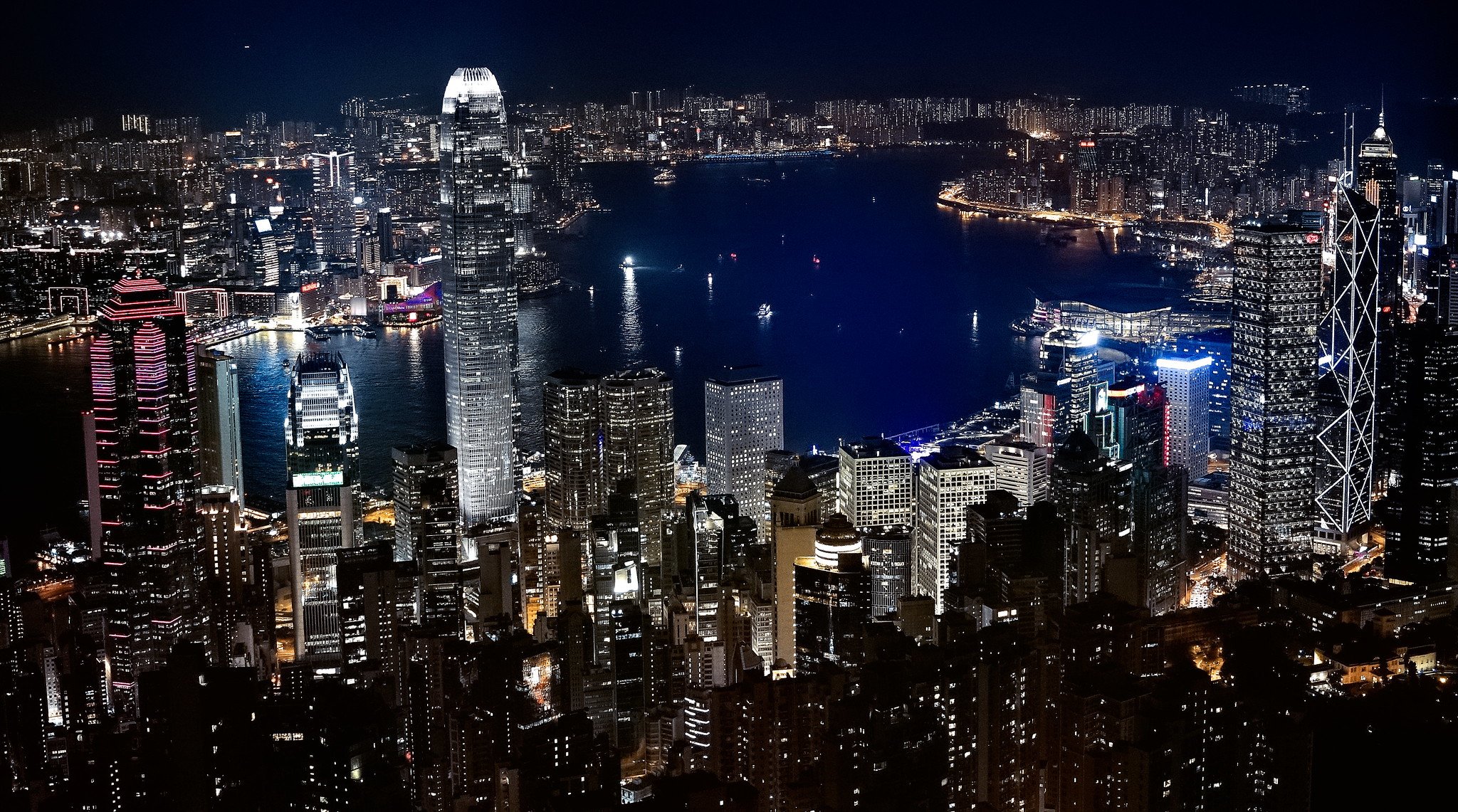
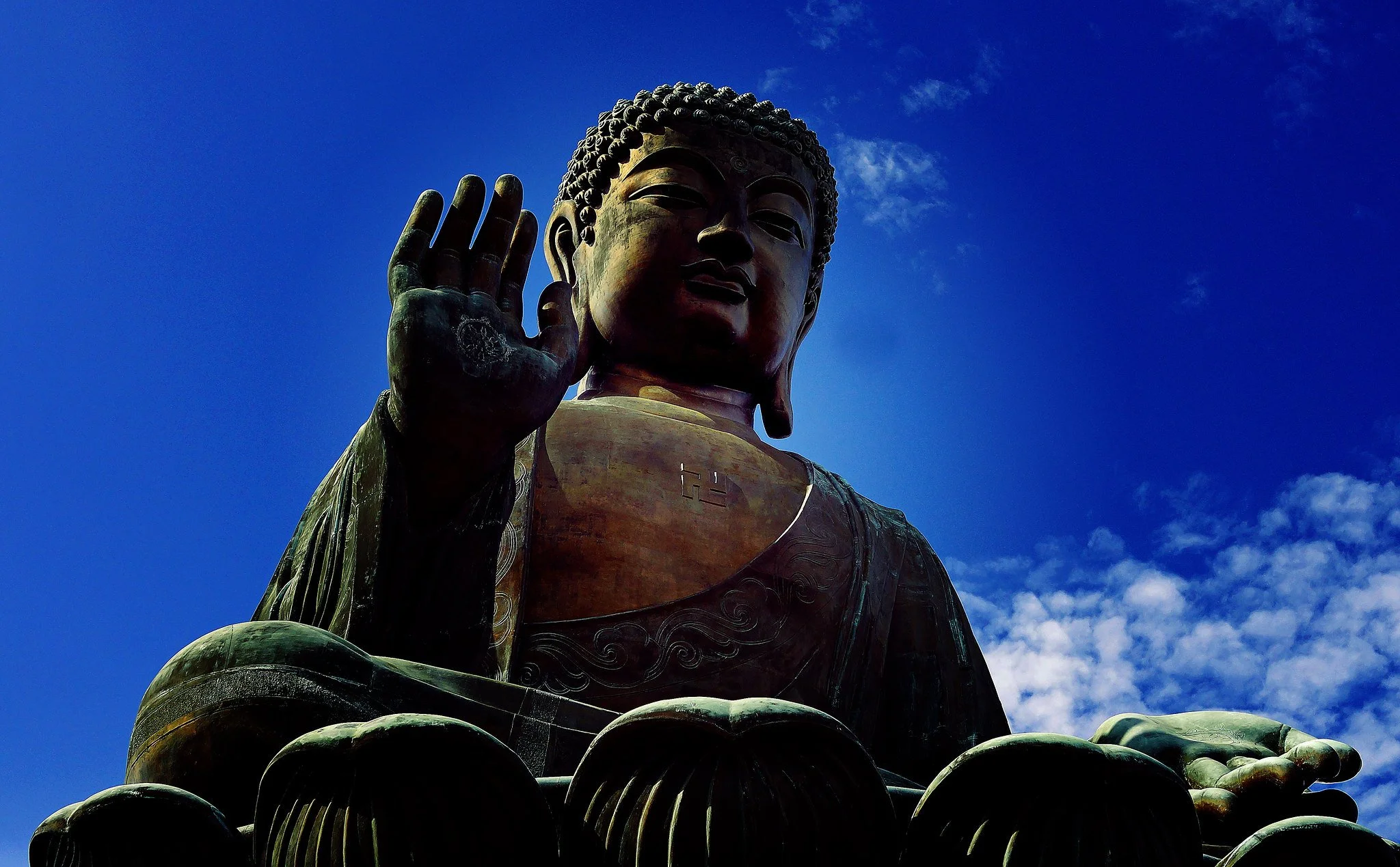
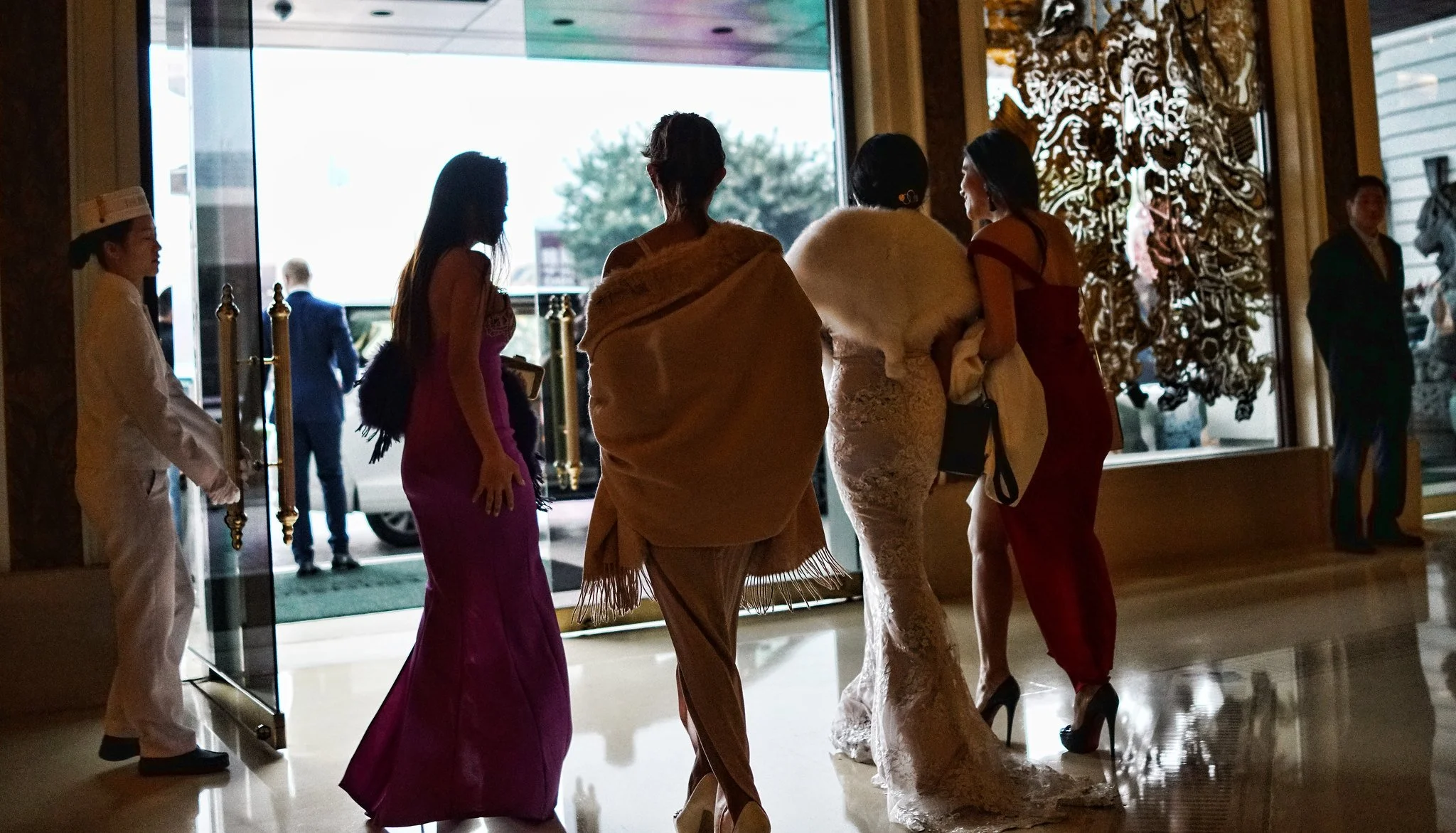
click on any image to enlarge
© Copyright Acknowledged | All rights reserved | all images taken b Jamie
Jamie’s Hong Kong | Some of my favourite images | Hong Kong 101
© Jamie Lloyd | J3 Consultants Hong Kong | J3 Private Tours Hong Kong |
| 2010 - 2026 All rights reserved. |
Click on any image to enlarge to full screen
Current images from my Instagram feed