Peak Tram Hong Kong Easy Queue System, Capacity Physics & Timing Advice 2026

The J3 Group - Premium Quality Private Tours | Experiences and Insider Chats since 2010
Me Jamie, your host, I am English and I have lived in Hong Kong since January 2nd 1972 - I know the place.
A meaningful blog post with a difference - tips on Travel, Tourism, Tours, Daily Life and my personal thoughts on Hong Kong.
Please do visit Amazing Hong Kong
Hong Kong | Pearl of the Orient
A Resident since 1972 - Private Tours of Hong Kong with Jamie
The Best Things to do in Hong Kong
click on the image to enlarge
© Copyright Acknowledged | All rights reserved | image taken by Jamie
The Peak Tram | Why Early Morning Works | Hong Kong
Foreword
Victoria Peak and the Peak Tram - Persistent Realities, Operational Shortcomings, and Why Awareness Still Matters
I first rode on the Peak Tram in the early days of January 1972 and have ridden it many thousands of times since then, I have also been quite critical about the Peak Tram Operation for the past 16 years but you know what, my points are constructive and valid and whilst I appreciate that probably very few people read my blog posts, I think it is only right that someone highlights the issues that Hong Kong’s most popular attractions faces.
Victoria Peak and the Peak Tram have been a huge part of Hong Kong life since 1888. The funicular that first opened for public service on 30 May 1888 remains one of the city’s most distinctive experiences, rising along its 1,278-metre track with gradients reaching a maximum of 25.7 degrees. The current sixth-generation green tramcars carry up to 210 passengers — 167 seated and 43 standing - and the journey still delivers that memorable sense of ascent from the dense streets of Central to the cooler heights above. Yet despite successive upgrades and the introduction of new queuing procedures at the upper terminus in May 2026, the underlying pressures of high demand meeting limited physical space and reduced human oversight remain stubbornly in place. This is not a new conversation. The issues have been discussed for years. Raising them again may prompt some to roll their eyes, but the reality is that these problems continue to affect paying visitors - particularly those who arrive with simple expectations and no prior knowledge of how the system actually works on busy days.
The 2022 upgrade at the Garden Road lower terminus created comfortable, covered holding space for up to 1,300 passengers, complete with better flow management and visitor amenities. No equivalent transformation has taken place at the Peak Tower at Victoria Peak. In May 2026 the operator introduced the new “Peak Tram Easy Queue Services” at the upper terminus only. This system was supported by a detailed 12-page guidebook that sets out clear procedures for individual travellers and tour groups. The stated aim was to improve the guest experience by allowing visitors to explore the Peak Tower area rather than standing in static lines until boarding. While these changes bring some procedural clarity, they sit within a building and operational model that was never designed for the volumes now routinely arriving every single day
click on the image to enlarge
© Copyright Acknowledged | All rights reserved | image taken by Jamie
The Peak Tram | Peak Tower Queuing Area | Hong Kong
The New Easy Queue Services in Detail
This is the Peak Tower - take a look at the image above which I took in 2024, it looks exactly the same today in 2026, this is where you have to queue to get on the Peak Tram going downhill, at best the closed platform area can hold around 100 people (possible up to 120 people) the tram has a capacity of 210 people, once the holding pen is full you have to stand outside, the green shelter will keep about 100 people dry, everyone else well you have to wait in all that space shown above which can be an issue if it is 35oC, 90% humidity and rain showers, by contrast at the Peak Tram Terminal coming up on Garden Road, that can hold 1,300 people in air - conditioned comfort… not many people know this and this is the basis of my gripes.
For individual travellers, queue tickets can be obtained by scanning valid Peak Tram tickets through one of two methods. Method 1 uses the Easy Queue QR Code displayed at the Peak Tower, leading to a mobile flow that allows scanning of up to 10 Peak Tram tickets per queue ticket, followed by confirmation and receipt of an e-ticket showing queue number and estimated check-in time. Method 2 uses the Easy Queue Self-Service Kiosks located on the ground floor of the Peak Tower — one near the Guest Service Counter and another close to Bakehouse. (which replaced a coffee shop near the Wildfire sign) The kiosk process is similar and delivers a physical ticket.
For tour groups travelling with a licensed guide, a consolidated group queue ticket is obtained at the Guest Service Counter on the ground floor of the Peak Tower by presenting a valid Tour Guide Licence. There is no limit on the number of guests or queue tickets issued for guided groups. Groups that prefer not to participate in the Easy Queue Service may use the Stand-by Lane instead.
Once a queue ticket has been obtained, guests may explore the surroundings until the designated Check-in Time shown on their ticket, at which point they proceed to Zone B (Check-in Lane). It is explicitly stated that the Check-in Time is the window for entering Zone B and is not the actual tram departure time. The queuing area is divided into Zone B for queue ticket holders (higher priority), Zone A (Stand-by Lane) for those without a current ticket or who opt out of the system (lower priority and longer waits), and direct Ruby Pass access for holders of Peak Tram Ruby Special Tickets. Peak Tram ticket scanning remains mandatory at the terminus entrance for all passengers.
Late arrivals or cancellations require re-registration. Individual travellers may do this once only via the self-service methods, while tour groups may re-register at the Guest Service Counter with no limit. The Stand-by Lane is designated for those who have exhausted their single re-issue allowance or who choose not to use the Easy Queue system.
This to me is just nuts, prior to the end of May anyone with an Octopus card could simply go in the tram entrance and go through a turnstile and you were in the holding area, now you have to physically stand in line and purchase a ticket (with your octopus card) and then get the queue ticket from another machine, to me it is illogical, not everyone wants to buy online or use darn apps on their phone, they had a perfectly good system which has now been scrapped., it seems I am the only one that has a problem with this and yes, they experimented with this a few years ago then scrapped it and now they have added 2 new layers of complexity… some will argue that they are trying but frankly you cannot fight the laws of physics, there simply is not enough space to have orderly lines inside the Peak Tower and there never will be.
click on any image to enlarge
© Copyright Acknowledged | All rights reserved | image taken by Jamie
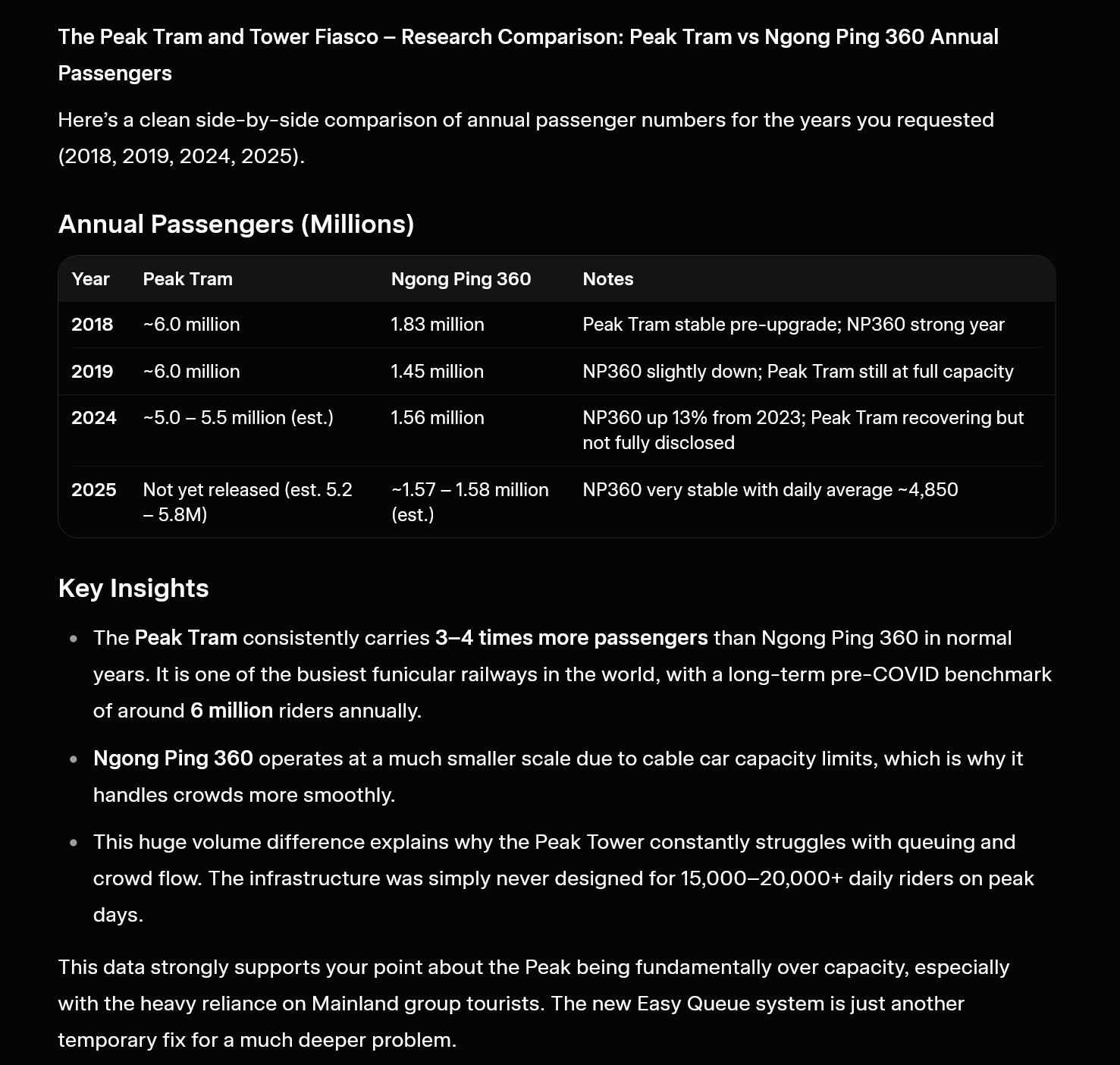
The Peak Tram | Passenger Numbers | Hong Kong
Staffing Reductions, Crowd Management, and Added Friction
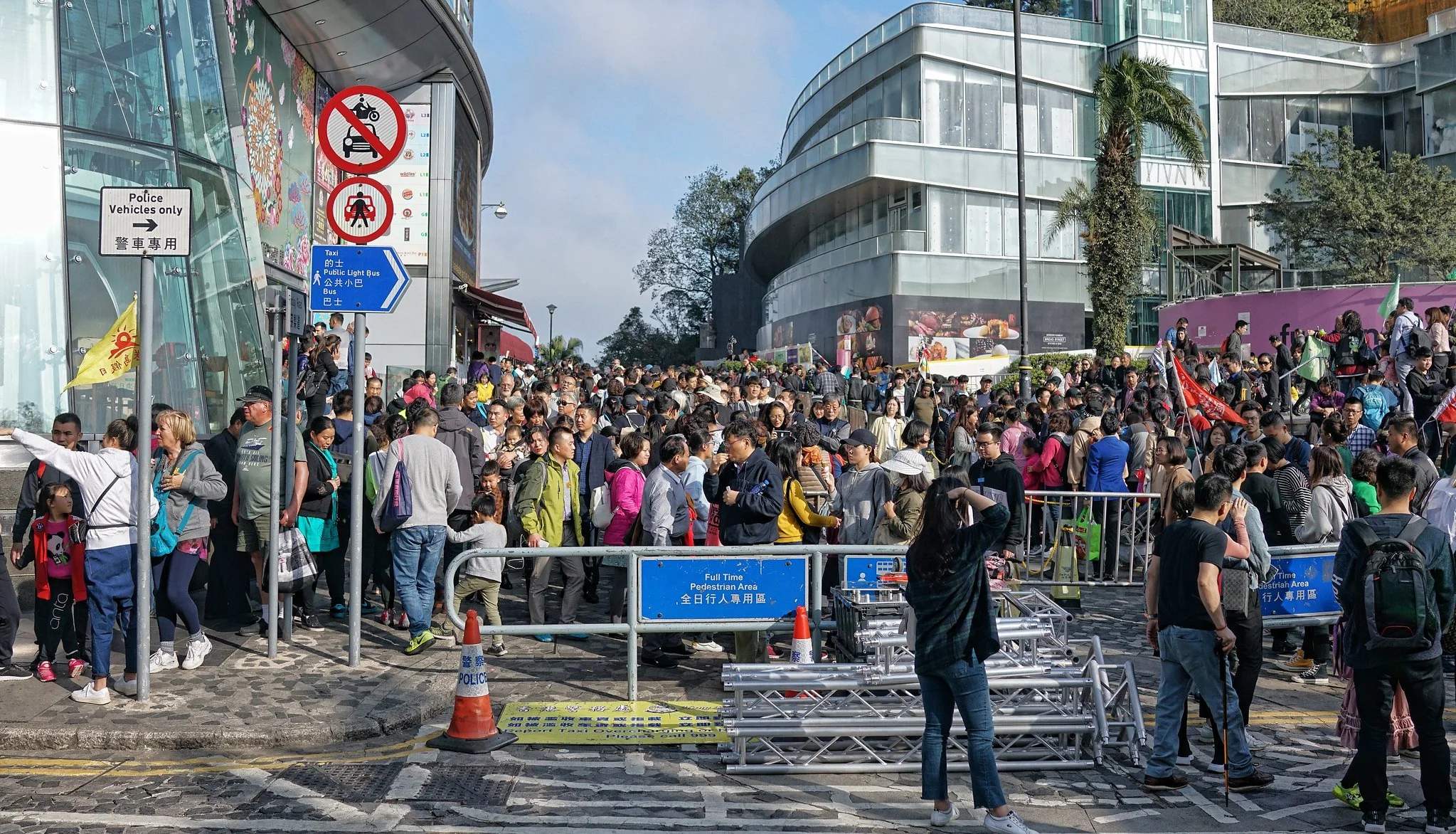
The image I took above of the mob outside the Peak Tower was in 2019 and it was a daily thing and with or without these new systems these mob scenes will return sooner or later.
One of the most striking consequences of the recent changes is the apparent reduction of on-site staff at the upper terminus to minimal levels. This is not perception but observable reality on busy days. Kiosks and QR codes handle ticket issuance, yet they cannot manage people. When large crowds form in the queuing areas, someone needs to maintain order, direct flow, assist those who are confused or have mobility needs, handle language barriers, and ensure basic safety and civility. A computer terminal cannot perform these functions. Human presence remains essential.
Recent visits have made this gap visible. On one late-morning occasion, a single young staff member was observed trying to sell tickets while simultaneously attempting to control a growing crowd on his own. The staff now wear smart new uniforms and appear uniformly young. While energy and appearance are not the issue, the combination of very low staffing numbers and the complexity of managing large, international crowds creates obvious strain. When only one person is visible in a situation that clearly requires several, the system begins to feel under-resourced.
I am not wrong here, it is a noticeable reduction in staff, yes, it could have been a one off, 2 or 3 of them could have gone to the bathroom or for lunch but I am at the Peak Tower frequently at random times and again, there may only be one or two staff members to deal with potentially thousands of people (and there are no such issues at the Garden Road Terminal)
I am repeating some of this for context - The removal of Octopus card admission from both termini, effective 26 May 2026, has added further steps for visitors. Previously, many people could tap and proceed without purchasing a physical ticket in advance. Now they must first buy a ticket and then obtain a separate queue ticket from a machine or via QR code before joining a line. For casual visitors and independent travellers who simply want to turn up and proceed, this represents unnecessary added friction. Not everyone wants, or is comfortable with, buying tickets exclusively online or navigating multiple self-service stages. Technology has shifted more of the process onto the visitor while simultaneously reducing the human presence available to help when things become confusing or tense.-it is very much FUBAR.
Capacity Increase and the Realities of Boarding and Standing
The earlier increase (2022) in tram capacity from 120 to 210 passengers was intended to improve throughput and reduce waiting times. In practice, the simple physics of the situation means that boarding and disembarking 210 people takes noticeably longer than managing 120. The additional time required at each end of the journey can offset some of the theoretical gains, and many visitors report that queues have not eased as much as hoped. A related and persistent frustration is the reality that up to 43 passengers may be required to stand on a tram that carries a premium price. For many people, especially on a hot or crowded day, standing for the duration of the steep journey is far from comfortable. A premium experience should, at the very least, guarantee a seat for every paying passenger.
Why No Drastic Action Has Been Taken at the Peak Tower
The Peak Tram Company is not ignorant of the crowding and flow issues at the upper terminus. The repeated adjustments to queuing systems, the publication of a detailed guidebook, the introduction of self-service kiosks, and the morning discount all demonstrate ongoing attention to the problem. Yet more drastic intervention has not occurred. Several interlocking factors explain this.
First, ownership and operational structures matter. The Peak Tram is operated by Peak Tramways Company Limited, part of the Hongkong and Shanghai Hotels group. (The Peninsula Hotel Group) The Peak Tower sits within a different commercial and property framework. Any major redevelopment or merger with the adjacent Peak Galleria Shopping Mall would require complex coordination between multiple stakeholders, lengthy negotiations, and very substantial capital commitment.
Second, the physical and planning environment at the Peak is far more constrained than at Garden Road. The upper site sits on steeper topography with existing buildings, protected views, and stricter planning oversight. Expanding or reconfiguring the Tower and Galleria into one large, purpose-built waiting and processing facility would be an enormous engineering and regulatory undertaking.
Third, commercial incentives and risk appetite play a significant role. High visitor volumes still generate revenue even when queuing occurs. Premium products such as Ruby Special Tickets with priority access allow higher yields from those willing to pay more to avoid lines. In this environment, incremental improvements that reduce some friction while maintaining overall throughput can appear more attractive than a high-cost, high-disruption rebuild whose return on investment might take many years.
Fourth, the nature of the problem itself resists simple fixes. The new Easy Queue system and self-service technology solve the narrow problem of ticket issuance but do not expand physical space or replace the need for adequate human oversight when crowds form.
Finally - the company also operates under a 10-year operating right granted by the Government that runs from 2026 to 2035. This provides a measure of long-term stability and reduces the immediate commercial pressure to undertake further major capital projects in the short term, beyond the significant upgrade already completed.
Likely Future Pressure and Options That Remain Available
Hong Kong tourism is recovering. Within the next two to three years it is entirely plausible that annual visitor arrivals could return toward the 65 million level seen in 2018. When that occurs, the pressures at the Peak will intensify. The company is undoubtedly aware of these projections. The fact that it continues with incremental measures rather than announcing major capital works suggests that, from a commercial and risk perspective, the current approach is still considered preferable to the disruption and expense of radical change.
Beyond the measures already implemented, several other avenues exist in principle. A more ambitious master-planning exercise involving the Peak Tram operator, the owners of the Peak Tower and Galleria, and relevant government bodies could identify long-term spatial solutions. Stronger collaboration with the tour industry on demand smoothing could be pursued more vigorously, including targeted incentives for early or late travel. Technological possibilities extend beyond the current system to include predictive crowd modelling and enhanced real-time communication tools.
Live queue cameras at both Garden Road and the Peak Tower, showing conditions inside and outside in real time, would be a relatively low-cost, high-value addition that gives visitors and guides better information to make decisions.
I have mentioned queue cams in other blog posts, this is a very cheap solution which could significantly reduce queuing times
Practical Workarounds - and Why Most Visitors Have None
For private tour guides, the situation is manageable through careful timing and local knowledge. Many now use the tram primarily or exclusively for the descent and aim to be heading down by midday at the latest. Avoiding evening visits altogether is also common, as the illuminated cityscape draws larger crowds and the combination of higher numbers, reduced staffing visibility, and the Peak Tower’s limited indoor capacity turns the experience into something considerably more tiring. These workarounds, built on years of experience, significantly reduce the hassle for clients - and this is precisely one of the reasons people choose private guiding in the first place.
The overwhelming majority of visitors, however, arrive with no such knowledge. They simply want to walk up Garden Road, catch the tram, enjoy the view, and come back down. When reality hits - queues of many hundreds of people at the Peak Tower in summer heat, humidity, or rain - the experience can be far more tiring and uncomfortable than expected. Most independent travellers and families have no idea that the Peak Tower was never designed to absorb these volumes comfortably, that staffing levels have been reduced to minimal numbers, or that the new procedures still require significant waiting once numbers grow. They expect a straightforward, pleasant outing and are often caught out by the gap between expectation and reality.
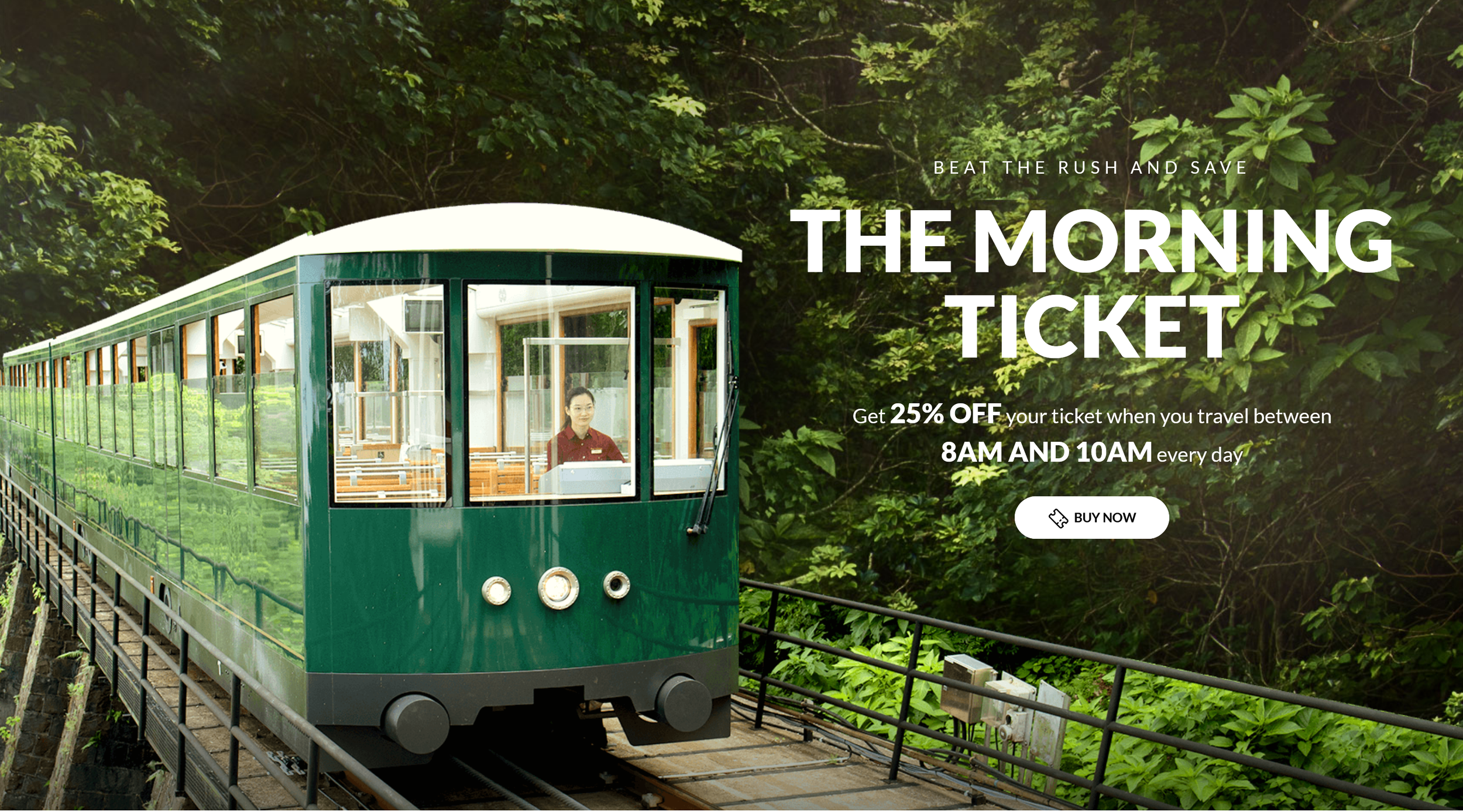
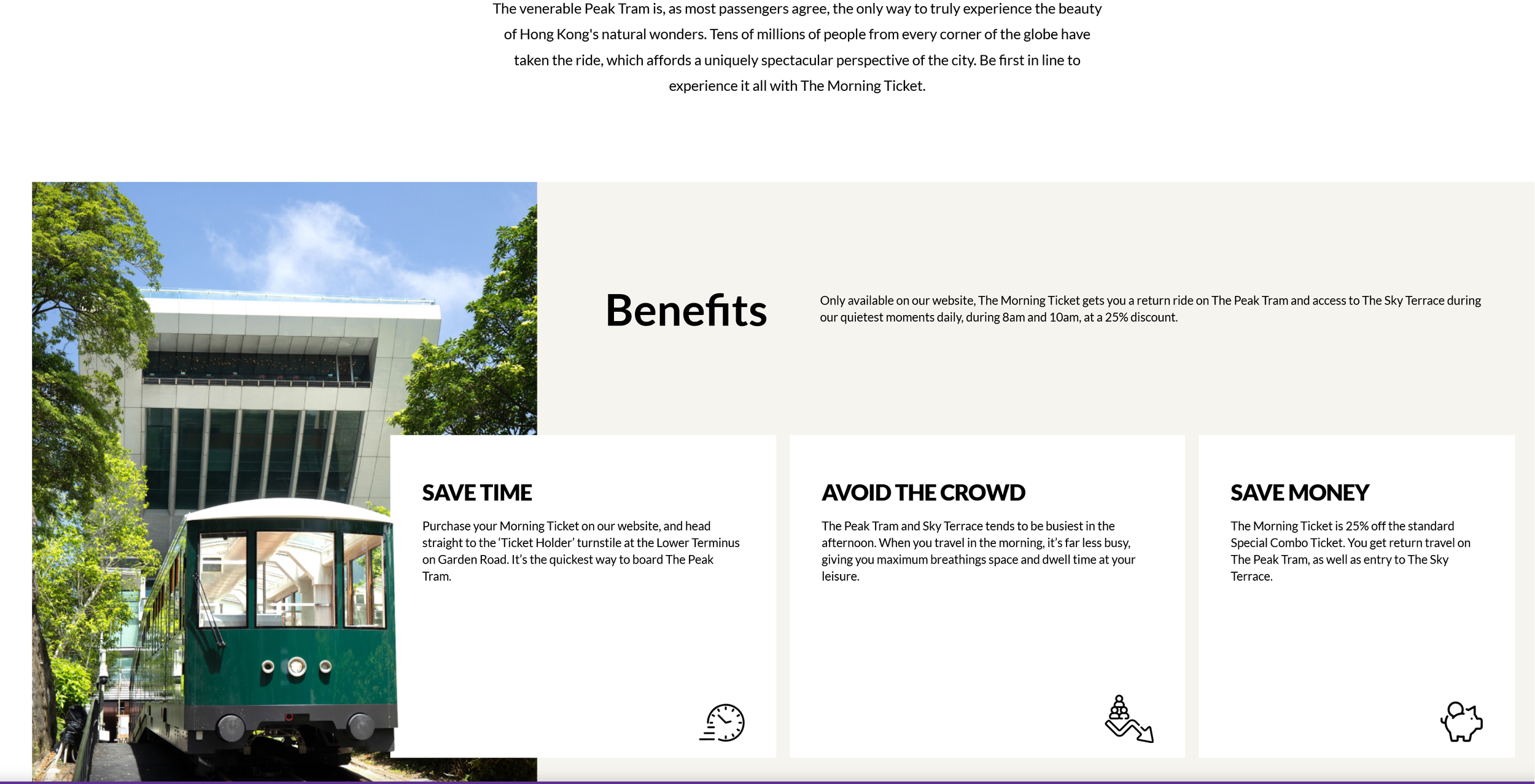
Early morning visits offer a markedly better experience for those who can adjust their plans. The 25% discount for tickets valid between 8am and 10am, together with the earlier opening of Sky Terrace 428 at 8:30am, provides a clear and workable alternative. The difference between a quieter early ascent and the intensity of evening crowds is substantial.
click on the image to enlarge
© Copyright Acknowledged | All rights reserved
Victoria Peak | Most Visited Attraction By Far | Hong Kong
Why Keep Raising These Issues?
The problems at the Peak Tower are long-standing. Each new system brings some procedural improvement while leaving the fundamental spatial, staffing, and capacity constraints untouched. Raising these points again is not about flogging a dead horse. It is about giving the majority of paying visitors - those without insider knowledge or flexible timing - the clearest possible picture so they can plan accordingly. Early morning visits offer a genuine workaround. Evening and nighttime visits, particularly on busy days, remain a different proposition. Being honest about that difference, and about why more fundamental change has not occurred, allows people to make informed choices rather than arriving with unrealistic expectations.
I have been up to Victoria Peak over 6,000 times since 1972, so I possess some knowledge of the situation.
The Peak Tram and Victoria Peak continue to deliver something genuinely special for those who approach them with their eyes open. The engineering heritage, the views from the summit, and the simple experience of rising above the city retain their appeal. The current operational model at the upper terminus, however, still requires many visitors to work around limitations that technology and incremental procedures have not yet overcome. For those who can go early or who have the benefit of experienced guidance, the experience is markedly better. For the majority who arrive unprepared, realistic expectations remain the most useful tool available
click on any image to enlarge
© Copyright Acknowledged | All rights reserved
The Peak Tram | Buy An Early Morning Ticket | Hong Kong
Constructive Observations and What Might Actually Help
The introduction of the morning discount and the earlier opening of Sky Terrace 428 are steps in the right direction. They acknowledge that spreading demand across the day benefits everyone. However, limiting the discount to online-only purchase reduces its usefulness for many guides and smaller operators who value on-site flexibility or work with clients who decide on the day.
Yes I am going to mention this again in the hope that someone will read it, one genuinely useful addition that has not been implemented would be live queue cameras at both the Garden Road lower terminus and the Peak Tower upper terminus, showing both inside and outside queuing areas in real time. With accurate visual information, visitors and guides could make informed decisions about whether to proceed immediately or adjust their timing. Human nature being what it is, many groups will still prefer to avoid the earliest slots, but better information would at least allow more informed choices rather than relying on guesswork or outdated assumptions.
One of my blog posts about the Peak is very specific, it is regarding live weather cams that exist (run by the Hong Kong Observatory) who have cams at strategic locations that update every 5 minutes or so and show you the views to be had,, particularly useful when it is foggy or rainy and I actually view them every day, very, very useful, most visitors, well it would never even occur to them that sometimes the weather means literally NO views to be had, but the weather can clear and it is nice to be able to check the cams before making the journey.
There is no single easy fix for the combination of high demand, finite space, boarding times, and the standing-passenger issue. The Peak Tram Company has made incremental improvements through technology and adjusted opening hours, yet the core physics of moving large numbers of people through a constrained environment remains. The new Easy Queue system is a reasonable evolution rather than a revolutionary solution. It works better for some visitors than others, and its effectiveness will continue to depend on how well guests understand the procedures and plan accordingly.
Ultimately the Peak Tram continues to deliver a unique and worthwhile experience for those who approach it with realistic expectations. The views from the summit, the engineering heritage of the ride itself, and the simple pleasure of rising above the city retain their appeal. The recent changes reflect an ongoing effort to manage volume while preserving the essential character of the journey. For guides and regular visitors, practical timing adjustments and an acceptance of the physical realities remain the most effective tools available.
So there you goJ
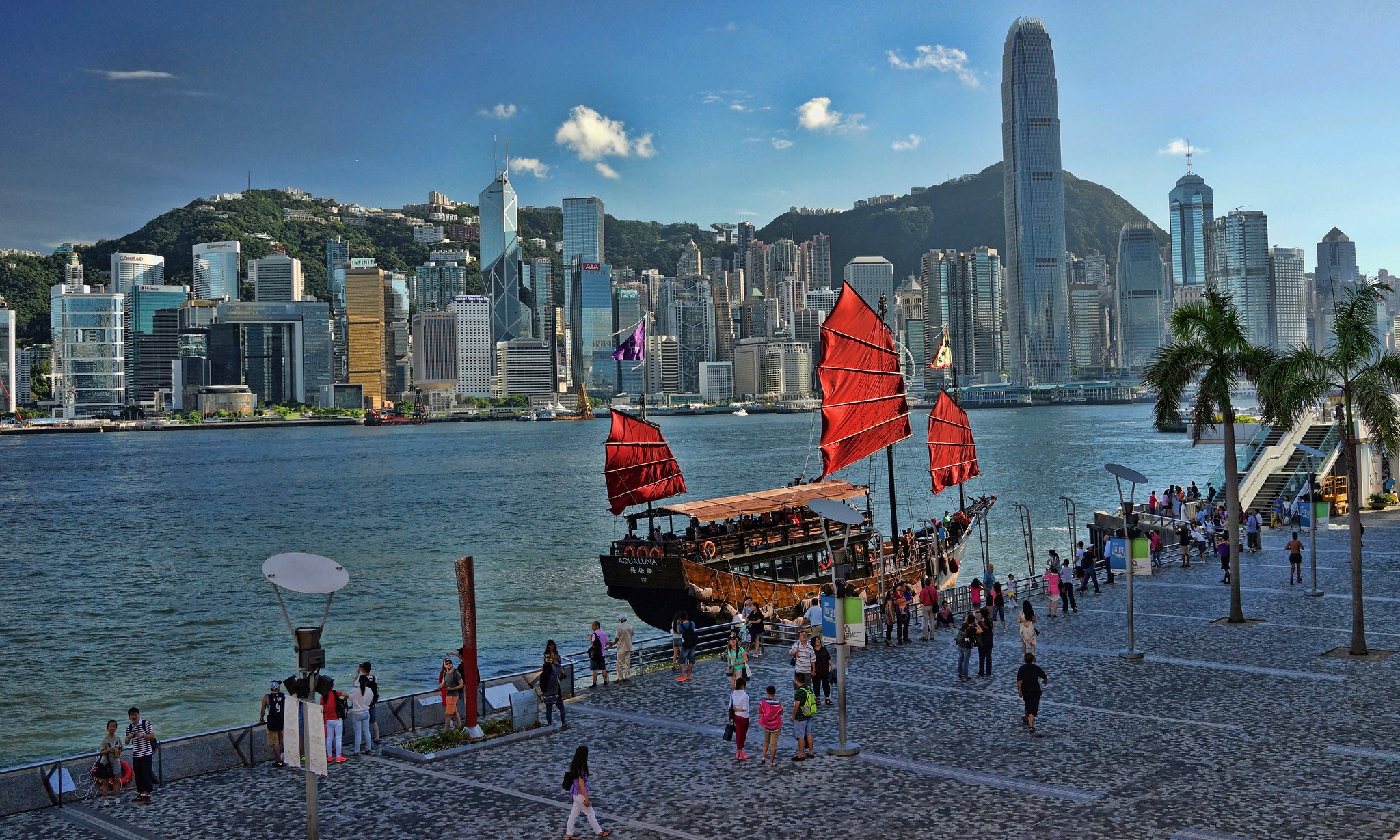
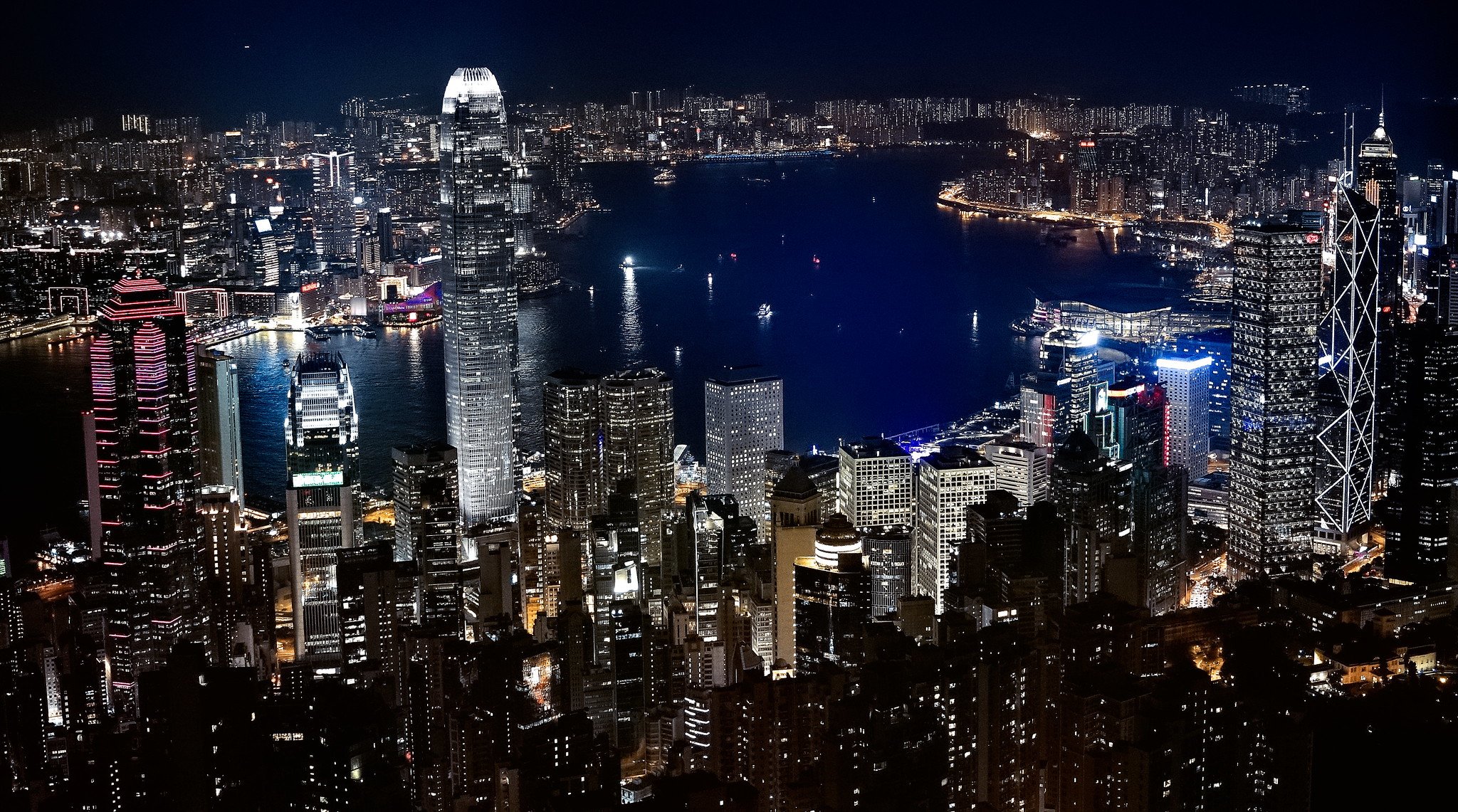
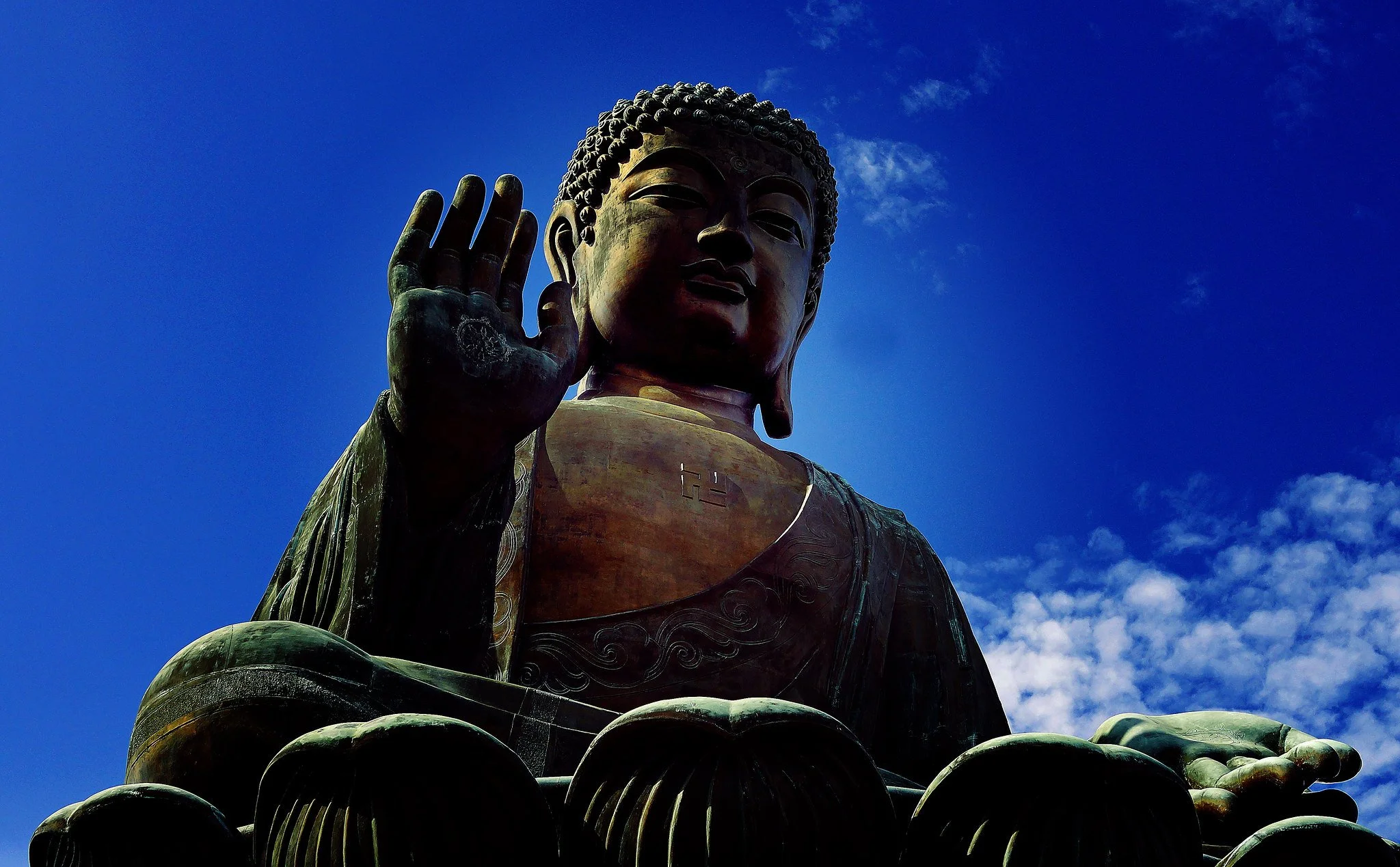
click on any image to enlarge
© Copyright Acknowledged | All rights reserved | all images taken b Jamie
Jamie’s Hong Kong | Some of my favourite images | Hong Kong 101
© Jamie Lloyd | J3 Consultants Hong Kong | J3 Private Tours Hong Kong |
| 2010 - 2026 All rights reserved. |
Click on any image to enlarge to full screen
Current images from my Instagram feed