The Realities of Hong Kong’s Public Facilities in a World-Class Destination

The J3 Group - Premium Quality Private Tours | Experiences and Insider Chats since 2010
Me Jamie, your host, I am English and I have lived in Hong Kong since January 2nd 1972 - I know the place.
A meaningful blog post with a difference - tips on Travel, Tourism, Tours, Daily Life and my personal thoughts on Hong Kong.
Please do visit Amazing Hong Kong
Hong Kong | Pearl of the Orient
Customised Private Tours + Experiences in Amazing Hong Kong
Jamie has lived in Hong Kong - Pearl of the Orient for 50+ years
Carefully Crafted Personalised and Customised Itineraries by Jamie | Hong Kong’s Most Experienced Private Tour Guide for : Solo Travellers Friends Families Seniors Couples Business People MICE Delegates.
Private Tours Cultural Tours Walking Tours Sightseeing Tours City Tours Night Tours Layover Tours Transit Tours Private Shore Excursions Bespoke Tours Personalised Tours Jewish Heritage Tours Luxury Private Tours Day Tours Luxury Boat Tours Themed Tours Private Family Tours Private Day Tours Corporate Tours
Just you, your family or friends and Jamie your personal English private tour guide - over 2,400+ tours completed since 2011 - Jamie offers quality Private Tours of Hong Kong
Tour Group Size 1 - 6 people only
J3 Group Hong Kong | J3 Consultants Hong Kong | J3 Private Tours Hong Kong
Creating Memories That Will Last A Lifetime
Go here for the Hong Kong Michelin Restaurant Guide which includes the Bib Gourmand Category

A Resident since 1972 - Private Tours of Hong Kong with Jamie
The Best Things to do in Hong Kong
click on the image to enlarge
© Copyright Acknowledged | All rights reserved | image taken by Jamie
Fabulous Facilities | The Rosewood Hotel | Hong Kong
Jamie’s Foreword
Not the most glamorous subject to talk about when it comes to Tourism in Hong Kong, but hey someone has to!
This blog post is all down to my friend Hans, another private tour guide in Hong Kong who sent us a message with regards to a statement by Eric Chan, the Chief Secretary on June 10th 2026, he is an important political leader who wants Hong Kong to become a world class tourist destination and it seems reading between the lines that the Government has recognised that we are too dependent on Mainland Chinese Tourists who for decades have been between 75 - 80% of visitors to Hong Kong.
I like Eric Chan, he is pretty no nonsense and straight forward
Han’s comments where on the mark, to be a world class tourist destination you have to have world class facilities (Toilets)
So a lively discussion has emerged among private tour guides in Hong Kong. Much of the chatter has zeroed in on the condition of passenger toilets at the Star Ferry piers, especially those in Central and Tsim Sha Tsui. As someone who has called Hong Kong home for over 54 years and I walk its streets and attractions daily, I also have strong views on this. Toilets might seem a mundane topic, but for tourism they are fundamental.
Topic 1: The State of Toilets at the Star Ferry Piers, Particularly Central and Tsim Sha Tsui
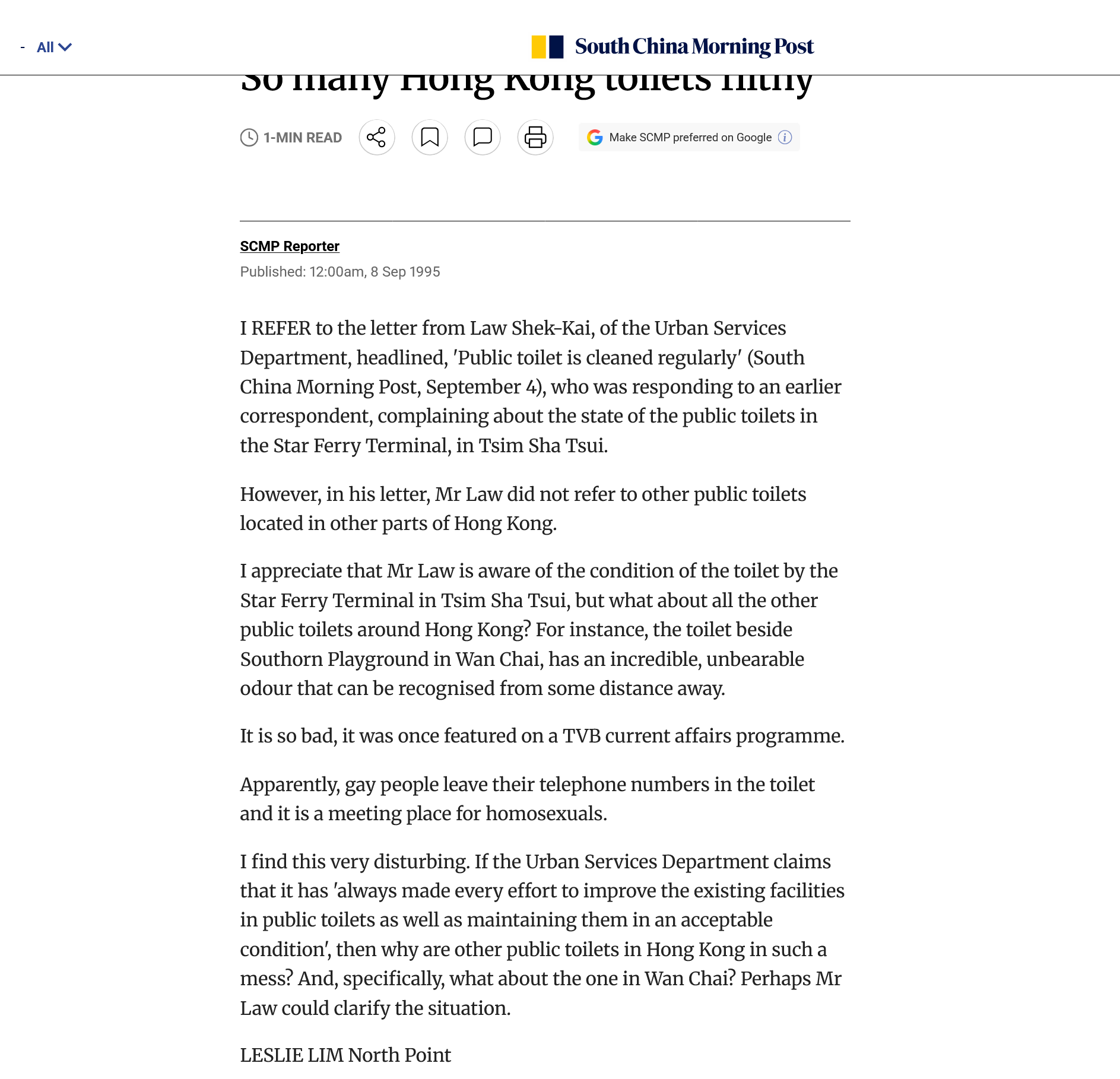
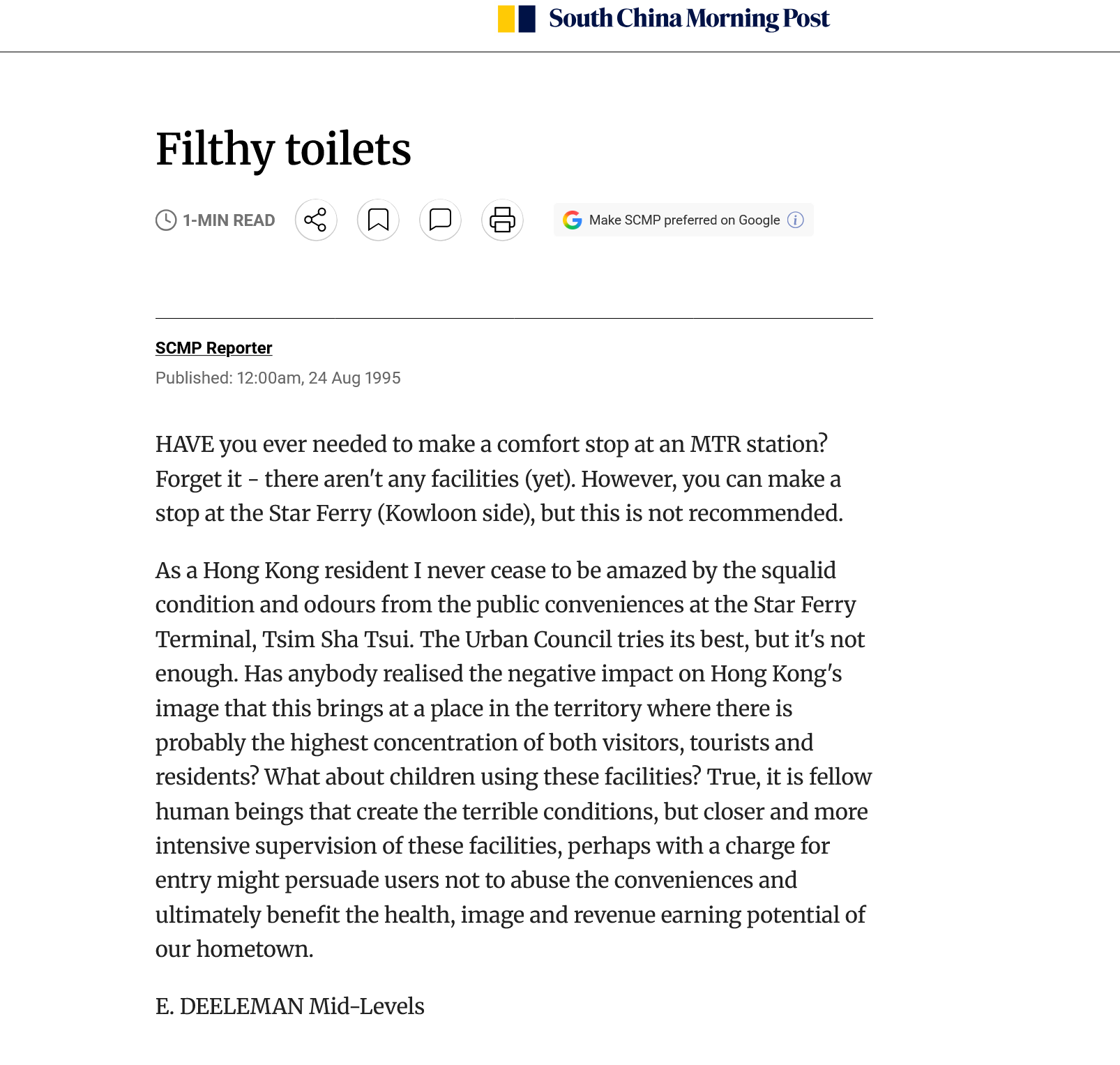
click on any image to enlarge
© Copyright Acknowledged | All rights reserved
Not So Fabulous Facilities | Star Ferry Pier Kowloon | Hong Kong
I should also point out that when I was a kid growing up here in the early 1970’s the smell at the Star Ferry Piers was on a different level because of “toilet over use” and this was still an issue in the 1980’s and going into the 1990’s and at least give them some credit - continuous remedial work has largely fixed the smell! particularly at the ones built into the pier for the Wanchai route near the Clock Tower, the letters to the SCMP in 1995 above are pretty damning.
Location & Management Information
While the ferry service itself is operated privately, the terminal's public restrooms are managed by the Hong Kong government.(intergrated into the Wanchai Pier bext to the Clock Tower) I am assuming the ones I have mentioned are NOT handled by the Government but by the Star Ferry Company
Official Designation: The facility is officially registered as the Tsim Sha Tsui Ferry Concourse Public Toilet.
Management Authority: These are overseen by the Food and Environmental Hygiene Department (FEHD). You can view the facility details on the official FEHD Public Toilets Detail page.
The Star Ferry is actually beyond iconic in my book it is world famous but something must be done
Visitors judge a destination not just by its landmarks but by how comfortable and hygienic the everyday facilities feel. This blog post takes a detailed look at the state of toilets in relation to our tourism sector, drawing on long personal experience, available information on government policies, and practical insights for guides and visitors alike. I aim to provide balance, context, and constructive thoughts rather than simply point fingers. Additions cover public toilets in eco-tourism and country parks with specific trail locations, plus a comparison to Singapore and an investigation into Japan's renowned smart toilet technology.
… and thanks again to Hans for sparking the conversation, it is such an important topic.
click on the image to enlarge
© Copyright Acknowledged | All rights reserved | image taken by Jamie
Not So Fabulous Facilities | Star Ferry Pier Kowloon | Hong Kong
In a nutshell, Hans has highlighted the disconnect between an iconic attraction lacking even very basic facilities, I was there a few days ago and the at the lower deck pier in TST Kowloon, the toilets where closed off again, not good.
The Star Ferry remains one of Hong Kong's most iconic attractions, offering that classic harbour crossing experience beloved by locals and tourists for generations. However, the passenger toilets at the piers have long been a source of complaint. From my perspective after decades here, they are often in poor condition - cramped, dated, and quick to show wear despite regular cleaning efforts. The Central and Tsim Sha Tsui piers see particularly heavy use, with the latter handling throngs of visitors heading to the Avenue of the Stars or nearby attractions.
As usual there are always two sides to the story, the image above shows how little space they have to work with at the Kowloon Ferry Pier, the toilets are right at the end (mens and ladies) and they have perhaps 20 - 25 feet width to work with.
In addition we have a curious case of the toilet facilities at the end of the Piersmin Kowloon being managed by the Star Ferrry Company and the main facility built into the Wanchai Route Pier being managed by the Government
Space is undeniably a major constraint. These are working piers on relatively compact sites, not purpose-built tourist complexes with room for expansive facilities. Installing or upgrading toilets in such locations presents real engineering and logistical challenges. The Star Ferry Company operates as a private entity, part of the Wharf Holdings group, which has significant resources across its portfolio. While the company does not generate huge profits from ferry operations alone, its parent company has very, very deep pockets from property and other ventures.
On the question of government regulations, there do not appear to be strict legal mandates forcing private ferry operators to provide passenger toilets of a specific standard beyond basic health and safety requirements. Government departments like the Transport Department coordinate maintenance and improvements for public aspects of the piers, including occasional renovation of toilets to ensure safety and operation. The company likely uses competitive bidding for maintenance contracts, and the lowest bidder often wins in such processes across many sectors. This can lead to cost-cutting that affects quality and durability, with facilities appearing "updated" but deteriorating rapidly. This aligns with common procurement practices and the observations of many guides that upkeep feels reactive rather than proactive.
Surely they might consider paying more for longer lasting facilities and surely they could take a leaf out off the Japanese playbook and actually spend money on quality toilets and fittings
I am absolutely with my friend Hans on this, I imagine the Government can apply some pressure to the Star Ferry Company but it is a private company and can basically do what it wants, I simply do not think the Government would want to set a precedent of interfering with the operations of a private company particularly something as iconic as the Star Ferry but the facilities arrangement at the Star Ferry in TST is unique as there are essentially 2 management companies for the toilets, perhaps they can find a way to work together
Over nearly 20 years, the Star Ferry has been heavily used by mainland Chinese tourists, who form a large part of visitor numbers. Cultural differences in toilet etiquette and maintenance expectations play a role here. Many visitors come from environments where squat toilets are more common and public facilities face higher wear. This, combined with high footfall, puts extra pressure on the limited facilities. That said, the piers are not primarily designed as toilet hubs, and expecting luxury standards in a functional transport node may be unrealistic. Wharf Holdings could certainly invest more given its resources, but operational realities and space limits must be acknowledged and to be honest there are plenty of 5 star toilets in the Ocean Terminal and Harbour City Malls, literally 2 minutes walk from the Star Ferry Pier.
Topic 1: Addressing Some Follow-Up Questions on Degradation and Practical Solutions
As usual after a good nights sleep some additional thoughts and questions popped into my head, so here goes
Victoria Harbour is salt water, and this is a significant factor in the rapid degradation of fixtures and fittings at the Star Ferry piers and similar harbour-side facilities. Hong Kong has one of the world's most extensive seawater flushing systems, supplying treated seawater to around 80-85 per cent of the population for toilet flushing since the late 1950s. This conserves precious fresh water but introduces challenges in high-humidity, saline environments. Seawater contains chlorides and sulphates that are corrosive to many metals and can leave residues on porcelain, exactly as experienced in apartments where brownish stains build up quickly and require regular bleaching.
At public piers, the combination of salty flushing water, constant humid salty air from the harbour, heavy daily foot traffic, and high usage accelerates wear on pipes, fixtures, seals, and surfaces. Even with treatment (screening and disinfection), the saline nature promotes faster corrosion and mineral buildup compared to fresh-water systems. Upgrading to premium fixtures may offer marginal improvements but is not a complete solution without corrosion-resistant materials and more frequent, thorough maintenance - it could indeed feel like a fool's errand if not paired with better procurement and design standards.
There does not appear to be specific legislation mandating that the Star Ferry must provide on-pier toilets; basic health and safety obligations apply, but directing passengers to nearby government or commercial facilities (such as those at Wan Chai route Star Ferry Pier, Star House, Ocean Terminal, or Harbour City) would be feasible given the proximity.
So why doesn’t the Star Ferry Comany simply close the small toilets at the Ferry piers given all these options within a 1 - 2 minute walk away or direct them to the Government run Public Facilities at the Wanchai Route Star Ferry Pier, 30 seconds away?
The Peak Tower success in 2018-2019 came from a major refurbishment (and yes the toilet facilities are run by the Hong Kong Government) with better materials, improved ventilation, and dedicated management by operators with deeper pockets for ongoing upkeep, proving that targeted investment works in high-traffic sites but requires sustained commitment. Materials like high-grade stainless steel (AISI 304 or better), solid phenolic or plastic partitions, epoxy coatings, and corrosion-resistant plumbing (PVC, PVDF, or specially treated alloys) are available and used successfully worldwide in coastal or saline environments. The Star Ferry is far from unique - many harbourside facilities globally face similar issues - but smarter specifications in bidding processes and hybrid fresh/seawater designs where practical could make a real difference.
I am pretty familiar with all our ferry piers in Hong Kong and I have to say that NONE of them have world class facilities, the operators simply do not make enough money to make that investment., more on that in Topic 6 below
Topic 2: Private Tour Guides and Knowing The Locations of the Best Toilets
As a private tour guide, one of the most basic responsibilities is ensuring guests' comfort, including timely restroom breaks. On tours, I routinely check with guests four or five times during a day out, steering them towards high-quality options rather than public facilities when possible. Hotels, upscale shopping malls, and similar venues offer five-star bathrooms that are clean, well-stocked, and spacious. Directing people to subpar public toilets, including those at Star Ferry piers, simply does not meet professional standards in my view and I am pretty sure all my friends are aware of this, it is part of delivering a premium, thoughtful experience and I cannot even remember any of my guests using the Star Ferry toilets
The Rosewood Hotel has fabulous facilities as does the iconic Peninsula Hotel, I am a big fan of 5 star Hotels and shopping malls
The Star Ferry is not alone among icons with toilet challenges. Pre-COVID, the Peak Tower at Victoria Peak had notorious issues, but operators there invested in fixes, as did the Peak Galleria shopping Mall. These entities often have stronger financial backing for upgrades compared to ferry operations. Guides must build mental maps of reliable facilities across districts - this knowledge separates adequate operators from excellent ones.
Topic 3: The Overall Situation with Public Toilets in Hong Kong
Hong Kong's public toilet network is managed primarily by the Food and Environmental Hygiene Department, which oversees around 800 to 810 facilities open 24 hours. The government has pursued an Enhanced Public Toilet Refurbishment Programme since the 2019-20 Budget, allocating over HK$600 million (about US$77 million) initially for phased upgrades to roughly 240 toilets, focusing on high-usage and tourist areas. Work has continued, with hundreds of projects completed or underway by 2026, including full refurbishments, facelifts, smart systems for better hygiene, and design improvements.
This is a very positive step, addressing complaints about hygiene, ventilation, and facilities. Annual rankings by the Hong Kong Toilet Association highlight best and worst performers based on criteria like cleanliness, accessibility, safety, hygiene, management, and education. Recent top spots have included the Lan Kwai Fong public toilet (praised for diligent management despite heavy use), Kam Tin Shi in Yuen Long, and Catchick Street Garden in Kennedy Town. Poorer performers often suffer from high traffic, older infrastructure, or maintenance gaps.
Examples of highly rated public toilets (addresses for reference):
Lan Kwai Fong Public Toilet - Central area, near nightlife spots.
Kam Tin Shi Public Toilet - Yuen Long.
Catchick Street Garden Public Toilet - Kennedy Town.
Others frequently mentioned positively include facilities in Hong Kong Park or select parks and municipal buildings.
Government policy emphasises supplementation rather than being the sole provider, encouraging use of malls, hotels, and venues. With visitor numbers targeted to grow significantly, questions remain about sufficiency. The refurbishment programme and smart toilet pilots show planning, but challenges persist in dense urban areas or during peak seasons. Cultural factors, including a high proportion (around 80 per cent in many years) of visitors from mainland China more accustomed to different toilet norms, add to wear and tear. Respect for facilities varies, but education and better design can help.
Personally, I avoid public toilets unless absolutely necessary. A recent visit to one near the old French Mission Building on Queen's Road Central stood out as excellent - clean, stocked, and well-maintained. Such examples prove it is possible, but they remain exceptions in everyday experience.
oh… and spare a thought like I do for those poor employees that staff public toilets, what a horrible job and I hope they are get a reasonable salary
Topic 4: Toilets in the MTR System (The Hong Kong Subway System)
Given the MTR carries millions daily (often cited around five million passenger journeys), I was initially sceptical about facilities there., like everyone, I was worried about nasty smells and general hygiene and they seem to have a handle on that and are coping very well.
So, the system has made solid progress. There are toilets at approximately 65 (out of 99) stations, including all interchange points, with more being added over time. Many are clean, well-supplied, and accessible. .
This is a welcome improvement for commuters and tourists alike, reducing reliance on external options during journeys.
Slightly off subject but the MTR is considering allowing dogs on the subway with dog (and handler) only carriages, I have to say I am not a fan at all of this idea given that dogs do what dogs do, I am not even sure why they are even considering this and no, I do not have a problem with dogs, just a problem with the mess they make
click on the image to enlarge
© Copyright Acknowledged | All rights reserved | image taken by Jamie
Chemical Toilets | King Yin Lei Mansion | Hong Kong
Topic 5: Public Toilets and Eco-Tourism in Hong Kong
The image above has nothing to do with ECO Tourism but it highlights how tourism officials sometimes lack common sense, this is at the King Yin Lei Mansion as beautiful old classic Hong Kong House which for a few years now has had open house days so people can get a feel of how rich folk lived in the late 1930’s and someone made a decision to put Chemical Toilets in the Garden, so much for a classic selfie!
… but chemical toilets like this are the Governments answer to those that need facilities out in the boonies!
Eco-tourism has gained significant momentum in Hong Kong as part of broader efforts to promote green and sustainable visitor experiences, with country parks covering about 40 per cent of the territory and attracting millions of hikers and nature enthusiasts annually. Facilities in these areas, managed primarily by the Agriculture, Fisheries and Conservation Department (AFCD), tend to be more basic compared to urban public toilets. This includes flushing toilets at key visitor centres and popular trailheads, aqua privies (simple dry latrines without flushing systems) in more remote spots, and portable toilets deployed during peak periods. Many hikers report that provisions are functional but limited - often just enough for basic needs, with concerns about hygiene and capacity when visitor numbers surge, such as at popular sites like Ham Tin Wan in Sai Kung where litter and overcrowding around toilets have drawn public attention.
The assumption that facilities are very basic or non-existent in many eco-tourism spots holds true in remoter sections of trails, where hikers are encouraged to plan ahead and practise leave-no-trace principles. However, the government has recognised the need to improve supporting infrastructure as part of promoting trail tourism and "Tourism is Everywhere". Through the Enhancement of Hiking Trails programme (ongoing since 2018, with funding such as HK$500 million allocated in 2021), AFCD is enhancing facilities on selected popular trails. This includes constructing and reconstructing toilets with low-carbon and environmentally friendly designs, set for gradual rollout from 2026 to 2028. Examples include the provision of additional flushing toilets (targeting dozens across parks) alongside pavilions, water filling stations, and better signage., at least they are doing something.
Key elements of government policy and initiatives for country park toilets:
AFCD manages around 60 public toilets, 40 aqua privies, and over 120 portable toilets in country parks.
Focus on eco-friendly upgrades, such as the pilot eco-smart public toilet at Lai Chi Wo to support increased tourism capacity while minimising environmental impact.
Collaboration with the Tourism Commission to improve ancillary facilities on 20+ hiking trails with tourism potential.
Emphasis on balancing visitor growth with conservation - recent reviews address capacity at hotspots and call for better coordination to prevent overload during holidays or events.
Broader refurbishment and maintenance efforts aim to improve hygiene, with portable units helping during high-demand periods.
Specific trail toilet locations (examples drawn from AFCD facilities):
Sai Kung area (popular for MacLehose Trail Sections 1-2): Pak Tam Au, Pak Tam Chung (Sai Kung Country Park Visitor Centre), Shui Long Wo, Sai Wan, High Island Reservoir East Dam, and Wong Shek Pier.
Hong Kong Island trails (e.g., Hong Kong Trail, Dragon's Back access): Pok Fu Lam Reservoir Road, Tai Tam Reservoir Road, Quarry Gap (Tai Fung Au), Lung Fu Shan, and Mount Parker Road.
Lantau Island (Lantau Trail): Nam Shan (South Lantau Road), Pak Kung Au, and Mui Wo Mountain Bike Practice Ground.
New Territories highlights: Tai Mo Shan Country Park Visitor Centre and Rotary Park, Shing Mun Reservoir (Jubilee Reservoir area), Bride’s Pool Road (Pat Sin Leng Country Park), Lau Shui Heung Reservoir, and Tai Tong.
Other notable spots include Lions Nature Education Centre (multiple facilities), Tai Hang Tun (Clear Water Bay), and various campsites like Long Ke Wan or Twisk.
While progress is being made, challenges remain. Rapid increases in eco-tourism visitors can overwhelm existing basic facilities, leading to hygiene issues and environmental strain. Official policy leans toward sustainable (and I really hate that word!) enhancement rather than large-scale urban-style builds, prioritising designs that blend with nature. For private tour guides and independent visitors, this means thorough preparation - knowing locations of reliable toilets at visitor centres (for example at Tai Mo Shan or Pak Tam Chung) and advising clients accordingly. Overall, eco-tourism offers tremendous potential, but success will depend on continued investment in these practical details to match Hong Kong's world-class ambitions without compromising the natural environment.
Topic 6: Outlying Islands Ferry Piers in Central, Hong Kong | Toilet Facilities
I am quite thorough so I checked and yes there are some reports, forum comments, and references to toilet facilities at the Central Outlying Islands Ferry Piers (primarily Piers 4, 5, 6, etc., used for services to Lamma, Cheung Chau, Peng Chau, etc.). so it is not just an issue with the Star Ferry, it is all of our Ferry Companies.
Renovations and closures: There was a notable four-month closure of washrooms at Central Pier 5 (a key outlying islands pier) from November 2022 to around March 2023 for extensive improvement works. A Facebook group post from Lamma residents noted that the toilets at the Central pier had finally reopened after a lengthy renovation (described as taking about a year in one comment).
Forum complaints: On the Lamma Forums (lamma.com.hk), there's an older but relevant thread titled "Dirty central pier" where users described the public toilets on the pier as "noxious, unventilated" with a "permanently wet floor." Some compared them unfavourably to cleaner toilets on the ferries themselves. Cleaning standards were criticised, with mentions of ineffective methods and general poor maintenance. Similar sentiments appear in scattered TripAdvisor and other travel discussions about Central piers.
Official | structural info: Central Pier No. 5 has documented accessible/gender-neutral toilets on the lower level of waiting rooms, plus separate men’s and women’s facilities on the upper level of the west waiting room. An additional toilet was added in April 2023 next to existing accessible ones. There is also a nearby Man Yiu Street Public Toilet associated with the Central Piers area. Videos and basic listings confirm public toilets exist at several Central Ferry Piers, but user feedback often highlights them as basic and in need of ongoing attention, similar to the Star Ferry piers.
Overall, the feedback mirrors the Star Ferry situation: facilities exist and have seen periodic upgrades, but they are frequently described as cramped, prone to quick deterioration, and not up to premium standards, especially under high usage from island commuters and tourists. Space constraints at the piers are a recurring theme. No major recent (2025-2026) scandals turned up in quick searches, but the general consensus in local forums aligns with Han’ s | observations about maintenance and bidding practices.
Remember Ferry company revenues are not even a fraction of those that a shopping mall can generate.
Investigation into Japan's Smart Toilet Technology
Japan stands as a global leader in toilet innovation, with technology that far surpasses basic functionality and offers valuable lessons for destinations like Hong Kong. The iconic TOTO Washlet, introduced in 1980, has become standard in around 80-90 per cent of Japanese households and many public and commercial spaces. Core features include a heated seat for comfort, adjustable warm-water bidet sprays (with rear and front options, pressure and temperature controls), a warm-air dryer to reduce paper use, automatic deodorisation, and self-cleaning nozzles. More advanced models add automatic lid opening and closing, massage functions, music or sound-masking (Otohime) to cover noises, and even room heating.
Recent developments push boundaries further. High-end Neorest models now include "Stool Scan" technology, which analyses stool shape, colour, and volume via sensors and syncs data to a smartphone app for health insights on digestion and wellness. IoT-connected systems in public facilities allow remote monitoring of usage, cleanliness, and maintenance needs, optimising cleaning schedules and reducing waste. Eco-friendly aspects are prominent, with water-saving flushes (up to 70 per cent less than traditional systems in some designs), and initiatives like integrated hand-washing sinks that reuse water for flushing.
Public toilets in Japan benefit from these advancements, including artistic designs such as transparent smart-glass walls that turn opaque when occupied (part of the Tokyo Toilet Project). This blend of hygiene, comfort, technology, and sustainability has enhanced Japan's reputation for cleanliness and visitor-friendliness.
For Hong Kong, adopting similar smart features in refurbishments - such as sensor-based monitoring, water-efficient designs, and user-friendly bidet options - could address cultural usage differences, improve eco-tourism facilities, and elevate overall standards without massive overhauls and surely the investment would be worth it.
Comparison with Singapore Toilet Standards
Singapore always has to come up in these sorts of conversations! and the phrase Happy Toilets would no doubt be part of the playbook
Singapore provides an interesting benchmark for Hong Kong, given both cities' reputations as dense, high-density Asian hubs with strong tourism sectors. Singapore's National Environment Agency (NEA) and the Restroom Association of Singapore (RAS) have long prioritised public toilet standards through the Happy Toilet Programme, launched in 2003. This voluntary but widely adopted star-rating system (three to five stars) evaluates facilities on design, cleanliness, effectiveness of operations, maintenance, and user satisfaction. Operators meeting baseline standards receive three stars, while those exceeding them through superior features, frequent cleaning, and user-friendly innovations earn higher ratings. The programme is supported by a detailed Code of Practice on Environmental Health (COPEH), which sets requirements for materials, lighting, ventilation, fixtures, and maintenance frequency.
In practice, Singapore's approach often results in noticeably consistent standards across many public and semi-public venues, with strong enforcement, regular inspections, and incentives such as grants for upgrades (for example in coffee shops and hawker centres). Strict laws, including fines for not flushing or littering, reinforce user responsibility. While complaints about certain lower-end facilities persist, the overall perception is one of higher reliability and cleanliness compared to many regional peers. This has contributed positively to Singapore's image as a clean, visitor-friendly destination.
Hong Kong's efforts, such as the refurbishment programme and Toilet Association rankings, show parallels but appear less systematic in enforcement and private sector incentives. Singapore's model demonstrates how a combination of ratings, guidelines, education, and sustained funding can elevate standards citywide, including in tourist-heavy areas. Adopting elements like a more robust rating system or outcome-based contracting for maintenance could help Hong Kong close any gaps, particularly as we aim for world-class tourism status. Japan's smart technology could complement this by adding innovation.
Will it happen? I doubt it.
News Reports and Global Context
Media coverage has periodically addressed public toilet standards, especially around the Toilet Association's annual rankings, government refurbishment efforts, and country park capacity concerns. The recent leadership speech on tourism has amplified discussions on infrastructure gaps, with Star Ferry facilities drawing specific attention in guide circles, alongside reports on countryside facilities.
Globally, cities like Tokyo, Paris, and Singapore often rank highly for public toilet provision, cleanliness, and innovation (high-tech features in Japan, dense networks in European hubs). Hong Kong performs reasonably in Asia but could aim higher with sustained investment, better cultural adaptation for visitors, and more attendant support in both urban and natural settings.
Out-of-left-field thoughts
My usual comment applies here, for a change the Hong Kong Tourism Board could simply send small teams of employess to Tokyo and Singapore and observe how they do things when it comes to public toilet facilities and write a report with recommendations for review at the highest level, will it happen? I doubt it, to easy a solution but when our leaders make these big bold statements to become a world class tourist destination then you have to get the basics right and it does not get more basic than toilet facilities.
Perhaps integrate more "smart" or themed designs (as seen in some rural upgrades) or partner with private operators for premium pop-up facilities at key tourist nodes, including eco-sites. Tourism success hinges on these details - small investments in comfort yield big returns in visitor satisfaction and repeat business. Learning from Singapore's structured incentives and Japan's technological edge could accelerate progress here.
In summary, while Star Ferry toilets highlight real constraints, broader efforts in public facilities show government awareness. Private Guides play a key role in navigating this, and ongoing upgrades offer hope. Hong Kong can and should do better to match its world-class ambitions.
So there you go
Jamie’s Hong Kong Insider Chat
Ready to turn your plans into a far more enjoyable reality? Click the yellow button below to learn more about Jamie’s Hong Kong Insider Chat, check pricing and book a convenient time
I do not do Food Tours in Hong Kong but I know people that do!
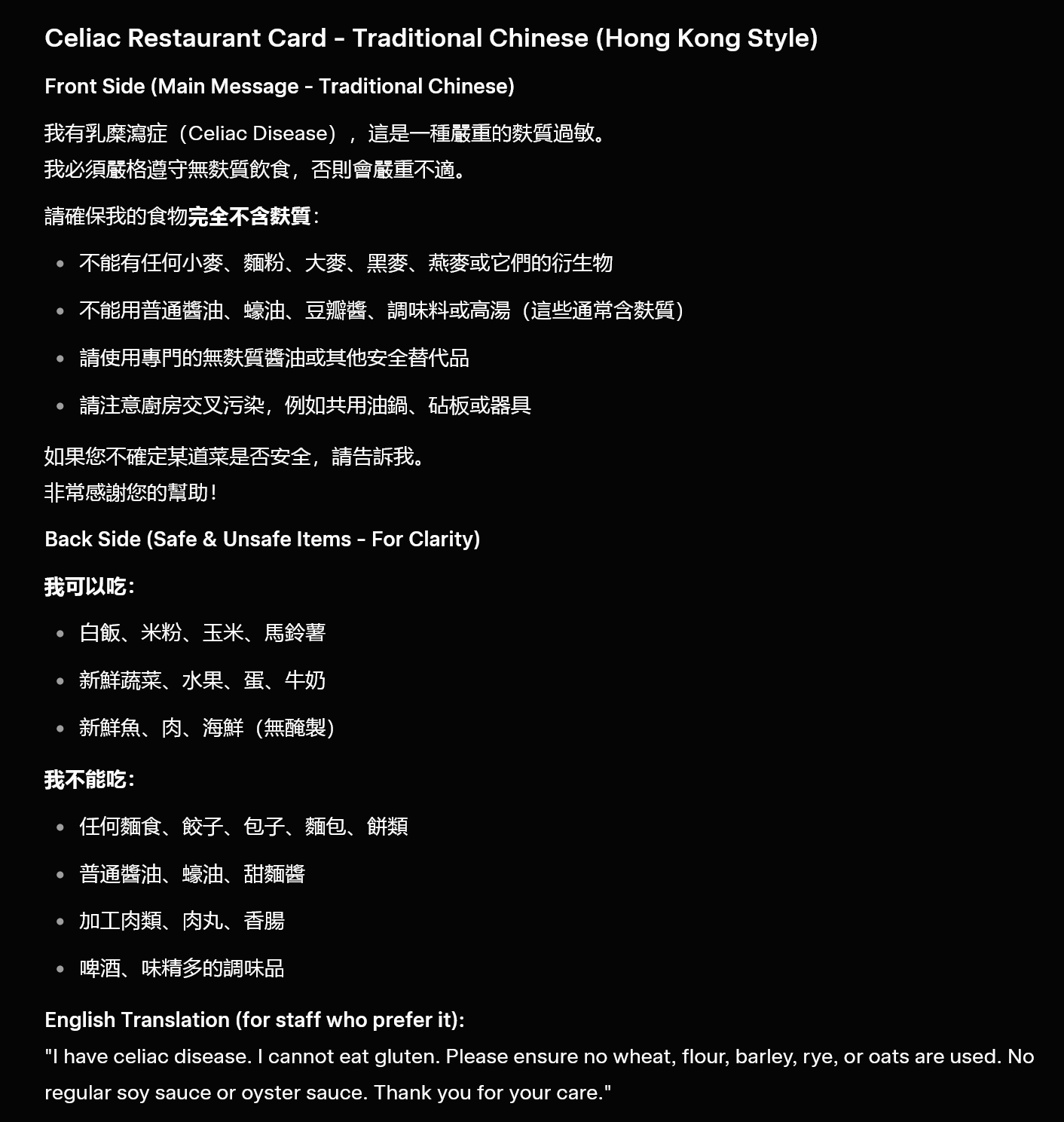
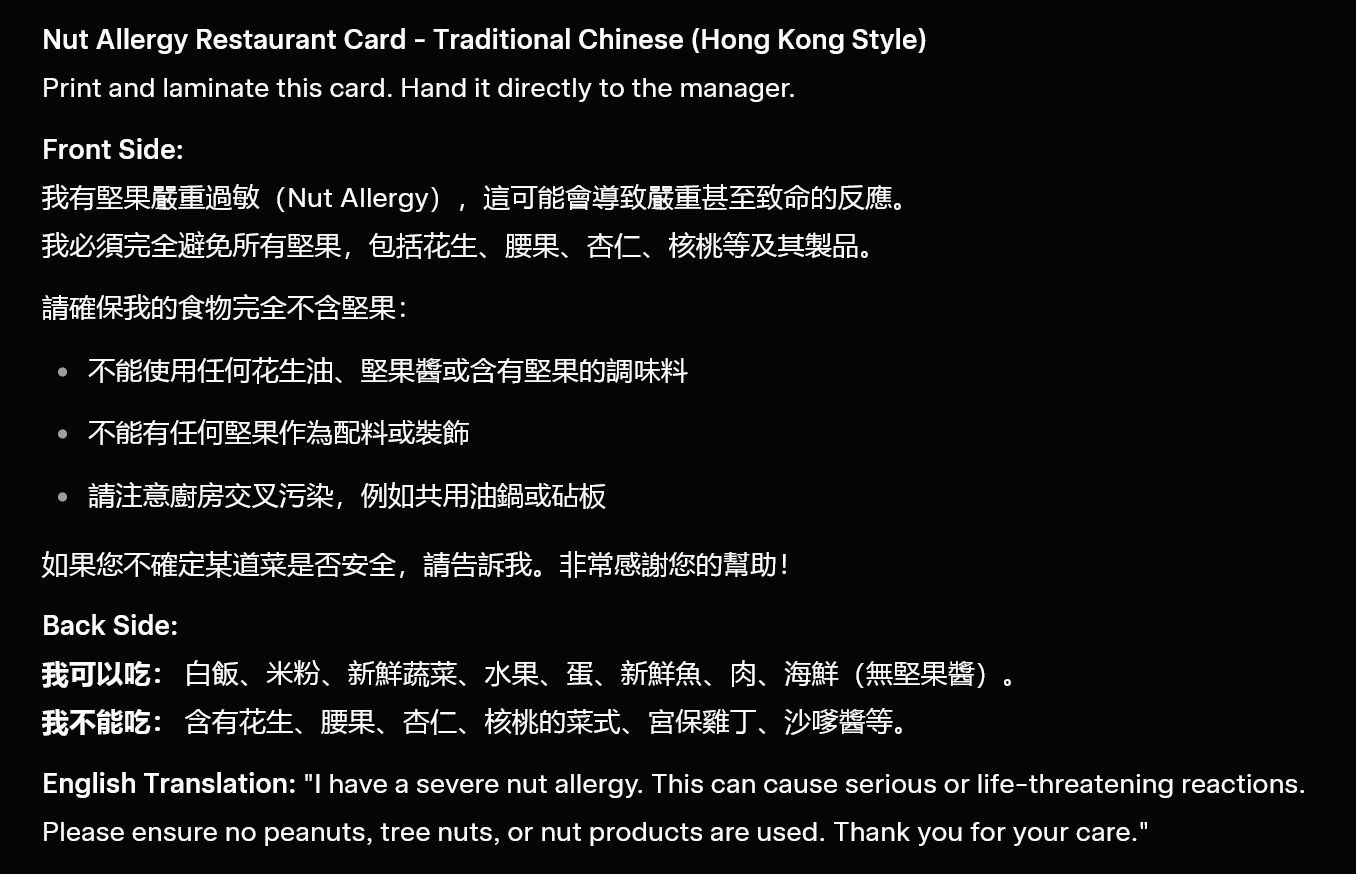
click on any image to enlarge
The information above can be shown to restaurant managers in Hong Kong if you are intolerant to gluten and nuts,
I do not do food tours as mentioned above, I have very specific reasons and part of it is that I do not speak Cantonese or write Chinese, I am from Yorkshire in England and I lack the language gene and it is not through lack of trying and yes a lot of restaurants do not have English menu’s or staff who speak conversational English.
.. and yet I have eaten at close to 1,400 restaurants in Hong Kong since January 2nd 1972, my wife was born in Hong Kong and we have been together over 40 years and her first language is Cantonese and a lot of her family are Chinese or half Chinese so I have never had much of an issue!
This does not translate to doing food tours though, yes, I could do them, no problem there but they would never ever be as good as the food tours done by my friends (see the 3 links above) most of their awesome guides are locally born Hong Kong Chinese and obviously food culture is part of their DNA, it is impossible for me to compete with that!
So please feel free to contact them for food tours
I do not do Hiking Tours in Hong Kong but I know someone that does!
I do not do Hiking Tours, never have and never will even though I used to go Hiking a lot when I was a lot younger, The Hong Kong Government is promoting hiking tours so I urge you to contact my friend Sabrina at Hong Kong Trails and Tours, she is a long time Hong Kong resident and and a very experienced hiker with close to 700 Hikes in 15+ years under her belt, please click on the link below
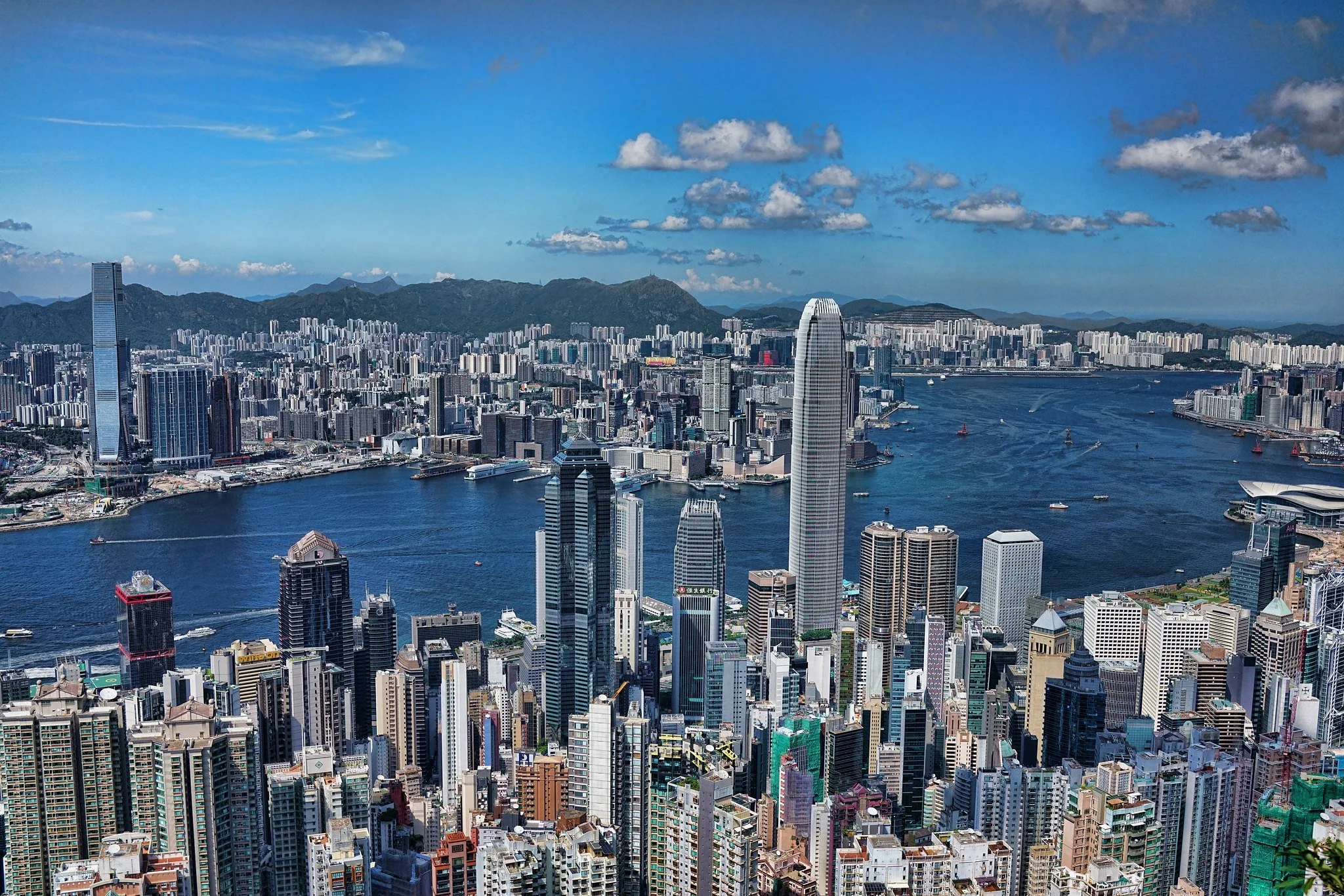
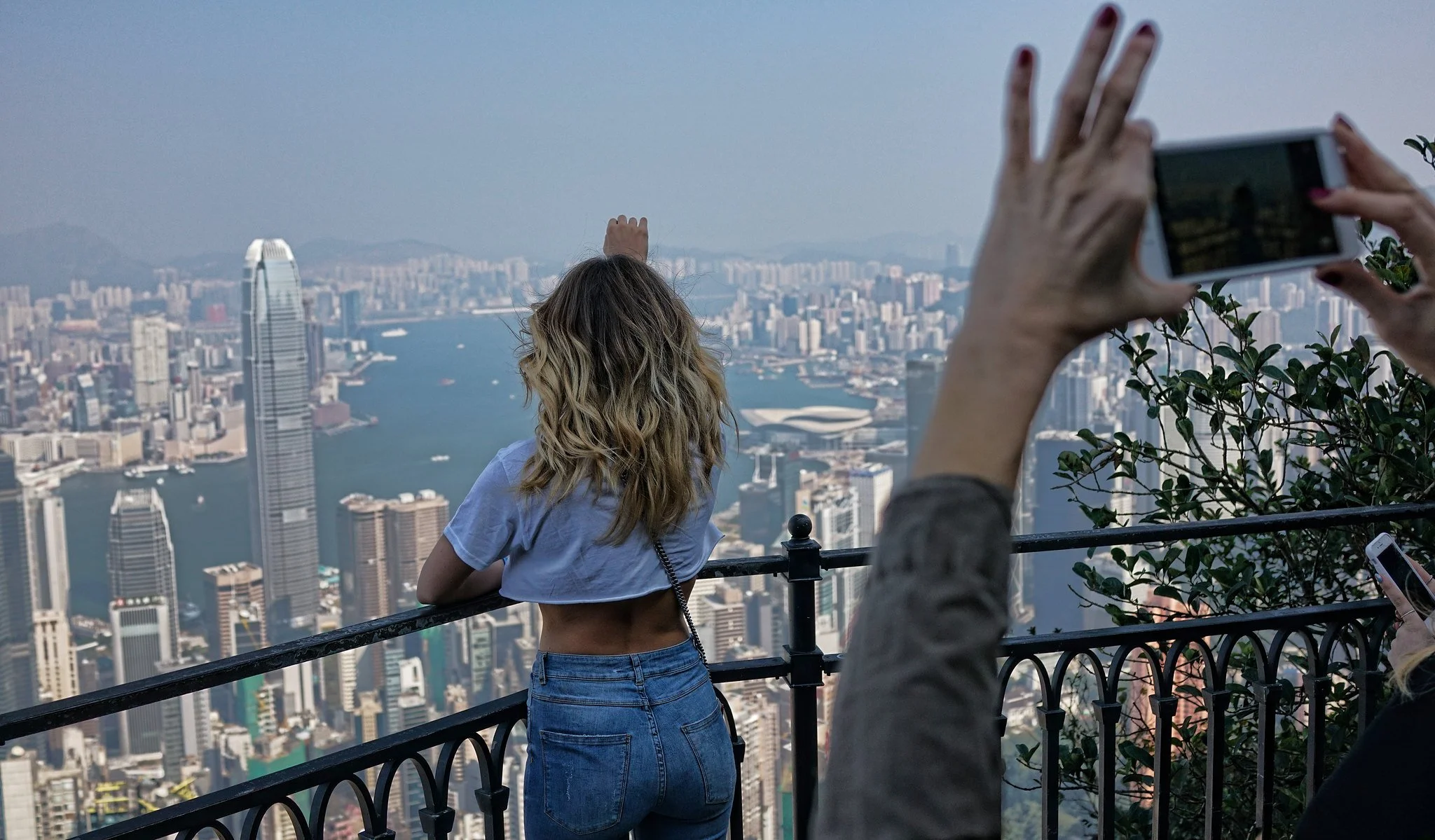
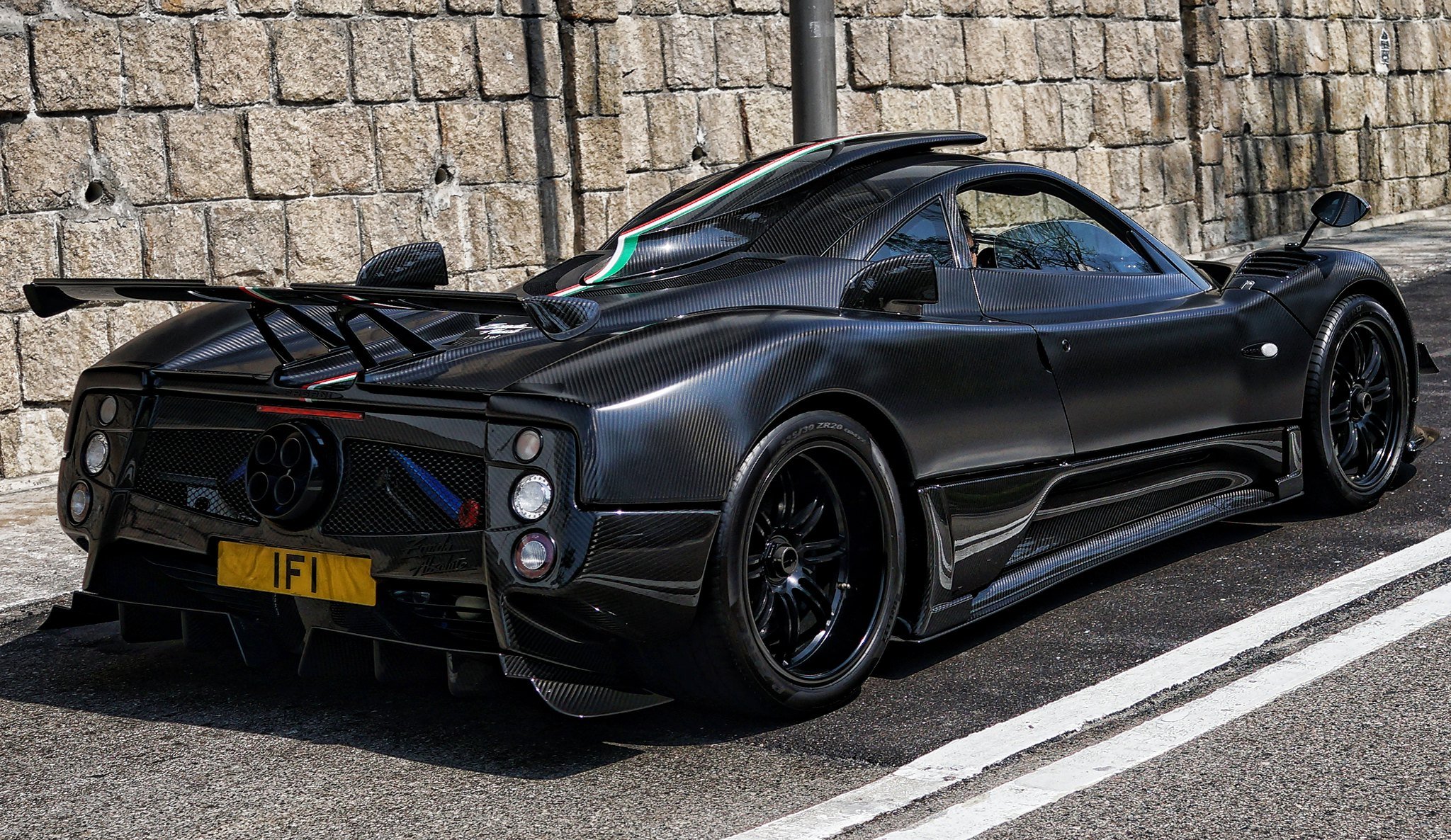
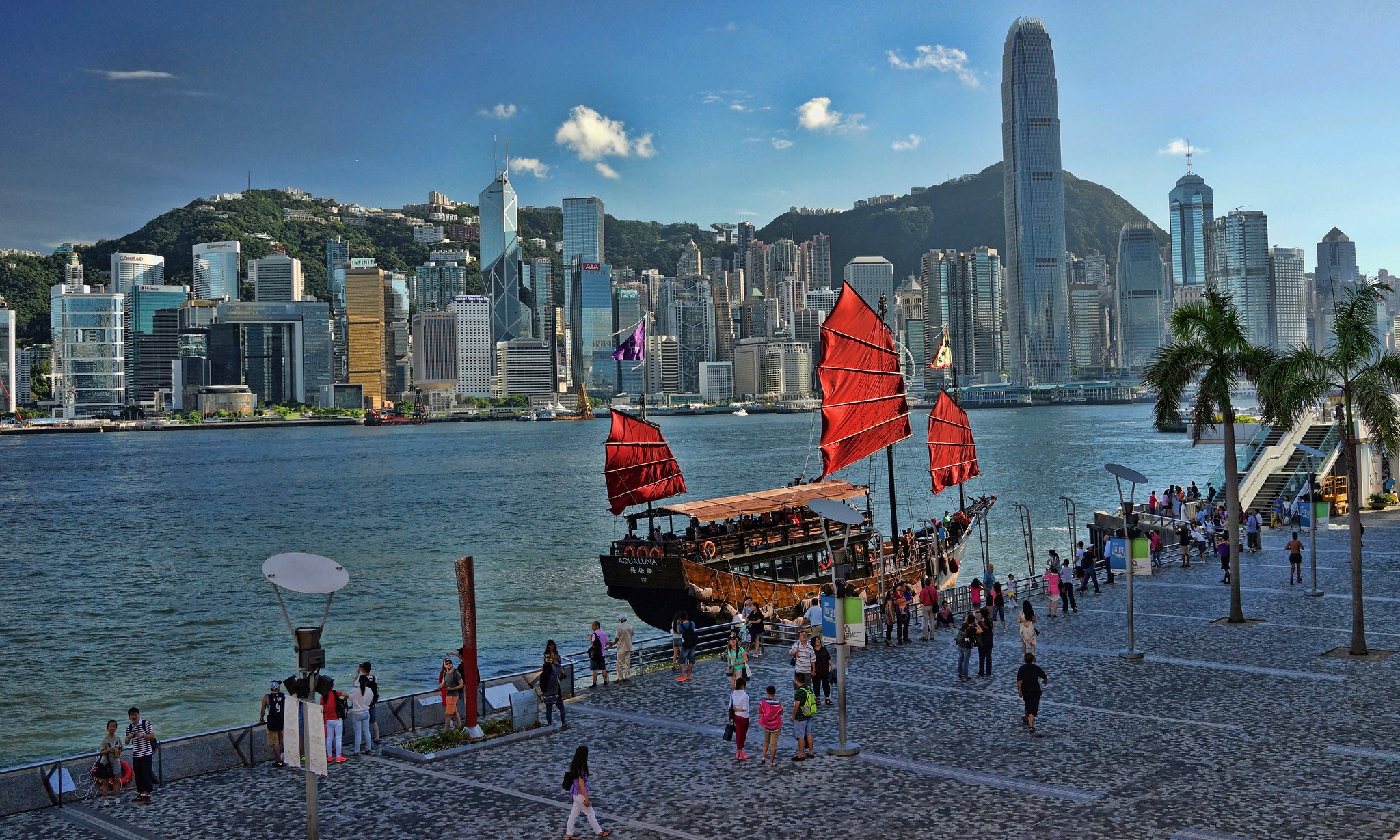
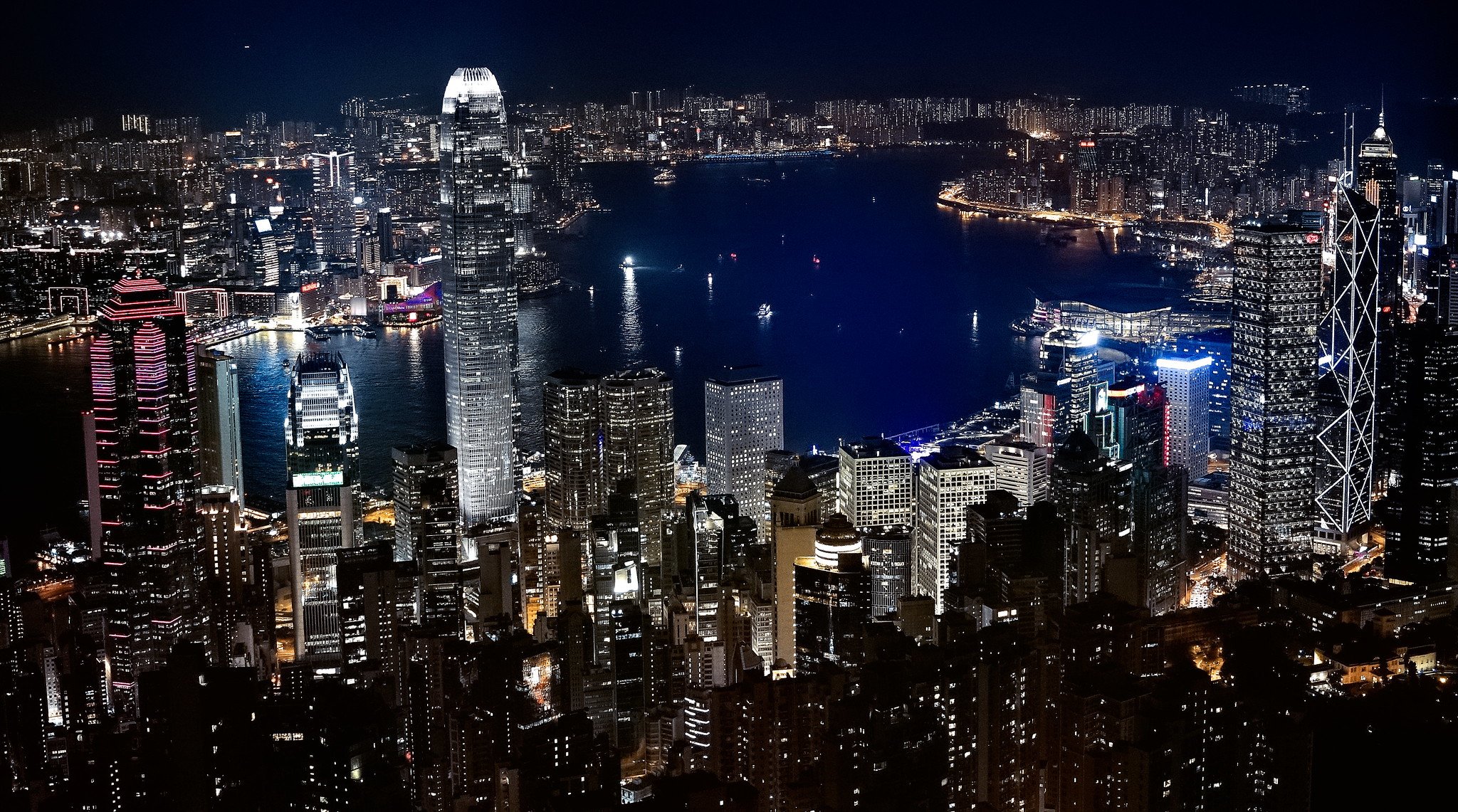
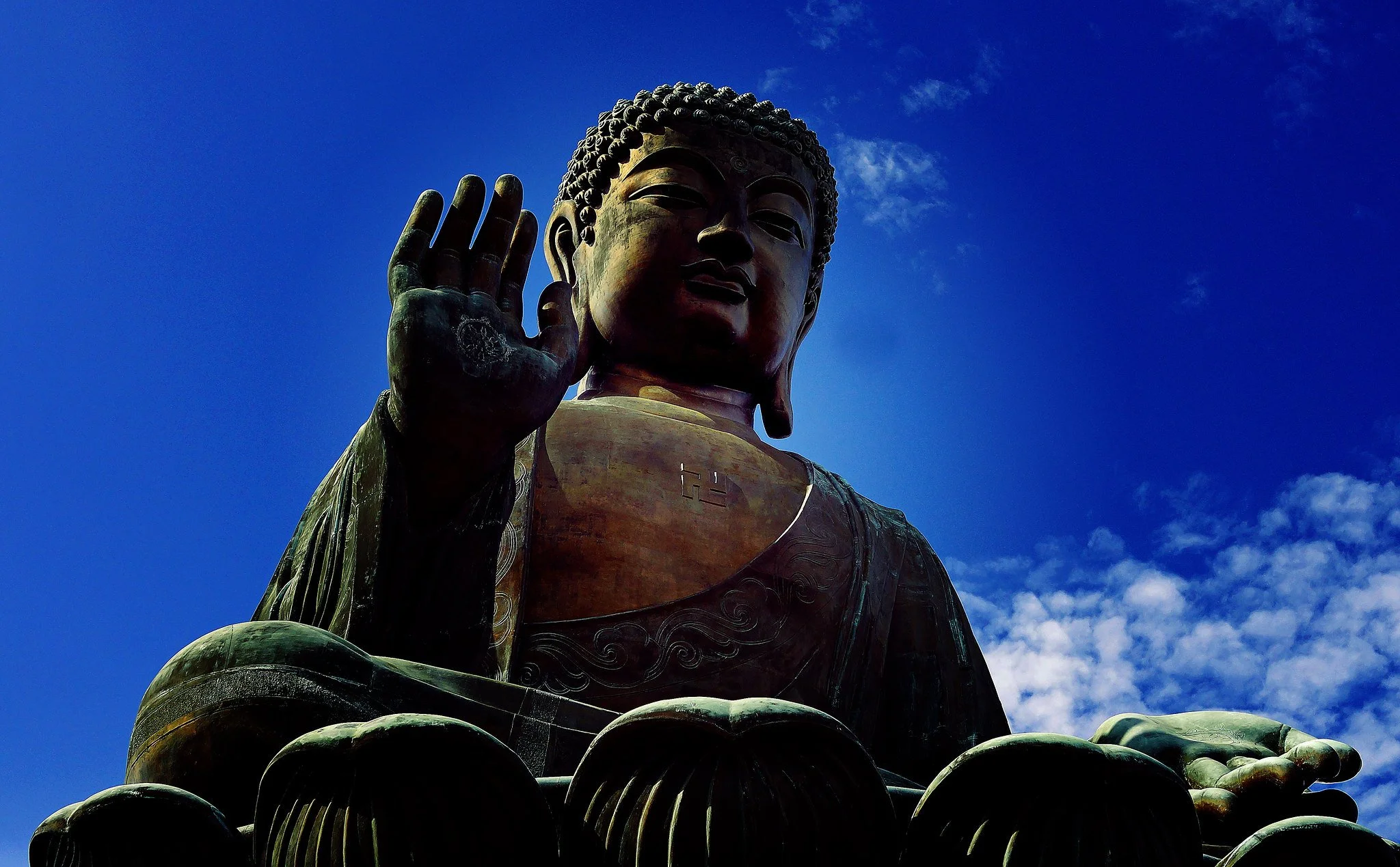
click on any image to enlarge
© Copyright Acknowledged | All rights reserved | all images taken b Jamie
Jamie’s Hong Kong | Some of my favourite images | Hong Kong 101
© Jamie Lloyd | J3 Consultants Hong Kong | J3 Private Tours Hong Kong |
| 2010 - 2026 All rights reserved. |
Click on any image to enlarge to full screen
Current images from my Instagram feed