A Deep Dive Imperial Birds Nest Premium Tonic Tradition

The J3 Group - Premium Quality Private Tours | Experiences and Insider Chats since 2010
Me Jamie, your host, I am English and I have lived in Hong Kong since January 2nd 1972 - I know the place.
A meaningful blog post with a difference - tips on Travel, Tourism, Tours, Daily Life and my personal thoughts on Hong Kong.
Please do visit Amazing Hong Kong
Hong Kong | Pearl of the Orient
Customised Private Tours + Experiences in Amazing Hong Kong
Jamie has lived in Hong Kong - Pearl of the Orient for 50+ years
Carefully Crafted Personalised and Customised Itineraries by Jamie | Hong Kong’s Most Experienced Private Tour Guide for : Solo Travellers Friends Families Seniors Couples Business People MICE Delegates.
Private Tours Cultural Tours Walking Tours Sightseeing Tours City Tours Night Tours Layover Tours Transit Tours Private Shore Excursions Bespoke Tours Personalised Tours Jewish Heritage Tours Luxury Private Tours Day Tours Luxury Boat Tours Themed Tours Private Family Tours Private Day Tours Corporate Tours
Just you, your family or friends and Jamie your personal English private tour guide - over 2,400+ tours completed since 2011 - Jamie offers quality Private Tours of Hong Kong
Tour Group Size 1 - 6 people only
J3 Group Hong Kong | J3 Consultants Hong Kong | J3 Private Tours Hong Kong
Creating Memories That Will Last A Lifetime
Go here for the Hong Kong Michelin Restaurant Guide which includes the Bib Gourmand Category

A Resident since 1972 - Private Tours of Hong Kong with Jamie
The Best Things to do in Hong Kong
click on the image to enlarge
© Copyright Acknowledged | All rights reserved | image taken by Jamie
Imperials Birds Nest | Retail Outlet | Hong Kong
Jamie’s Foreword
Let me make one thing clear, I am a Brit and living in Hong Kong for well over 50 years has not dulled my “Englishness” ! I have spent a lifetime here being mocked and ridiculed by friends and family for my flat out refusal to try any food, drinks etc that do not meet my personal consumption criteria.
I do not see what the big deal is, I am my own person, I do what I want to do and I absolutely will not eat or drink anything that people try and force on me with the usual phrases, “go on, try it” “you will love it” “everyone in Hong Kong eats this” you get my point.
It often feels like one of those Discover Channel food programmes where is the host is told to eat all manner of disgusting things such has huge writhing maggots, giant cockroaches, scorpions and such.
Frankly I would never ask someone to eat or drink anything they are not comfortable with and yet with me people seem to lack common courtesy. no wonder I am socially inept and hermit like.
These comments above are for context and NO I have never tried birds nest soup and my comments below, well I have a typical British sense of humour
Walking past shops in busy areas like iSQUARE in Tsim Sha Tsui in Hong Kong day after day for years on end, familiarity can dull one's curiosity. Yet stepping into Imperial Birds Nest after hundreds of passes by its entrance opened up a whole new layer of appreciation for a product deeply embedded in Chinese wellness traditions. This substantial shop transforms what many outsiders know simply as birds nest soup into an extensive range of premium offerings.
In the following detailed exploration I share insights into the company, the science and history behind the product, its medicinal reputation, and practical observations from a long-time Hong Kong resident. The topic lends itself perfectly to storytelling, revealing connections between nature, ancient trade, and modern health practices that continue to thrive in our city. At the same time, I must admit that learning the core truth about its origin gave me pause in a very English way, and acknowledging the bird spit foundation honestly highlights a real cultural gap that fascinates as much as it surprises. That fascination leads naturally to another recurring question in my mind whenever I see the top-shelf displays: how on earth can certain birds nest products command prices in the hundreds of thousands of Hong Kong dollars?
Discovering the Shop and Its Offerings
Imperial Birds Nest occupies a noticeable space in iSQUARE at 63 Nathan Road, with large jars and displays of various dried goods, ready-to-drink preparations, and gift boxes that signal seriousness about quality and tradition. The company, formally Imperial Bird's Nest International Company Limited (also known as 官燕棧), was established in 1998 and has grown into a recognised name in Hong Kong's health food sector. It specialises in the production, retail, distribution, and wholesale of traditional tonics and modern health foods rooted in Chinese healthcare principles. Over the years it has earned accolades including Hong Kong Top Brand and Hong Kong Premier Brand awards. With multiple outlets across Hong Kong and an online presence, the business offers several hundred items ranging from premium birds nest to complementary dried seafood, herbs, soup packs, and gift sets.
The shop in TST, Kowloon feels like a treasure trove for anyone curious about premium ingredients. Shelves hold neatly packaged birds nest in various grades and forms, alongside instant soup packs, canned abalone, sea cucumber preparations, and other nourishing staples. Prices reflect the luxury positioning. For example, ready-to-drink or bottled birds nest products can range from around HK$200-400 (US$25-51) for smaller gift-oriented packs up to HK$1,000 or more (US$128+) for premium larger bottles or subscriptions of high-grade stewed varieties with rock sugar. Dried nests and gift hampers often sit in the hundreds to thousands of Hong Kong dollars depending on grade, weight, and purity. These are positioned as daily wellness investments rather than occasional treats.
The Origin Story of Birds Nest Products
The foundation of all this is edible birds nest, known in Chinese as yàn wō (燕窝). Contrary to some assumptions, these are not made from twigs or feathers in the conventional bird-nest sense. They consist primarily of solidified saliva secreted by certain species of swiftlets, particularly the edible-nest swiftlet. These small birds, roughly 8-12 cm long, build cup-shaped nests on cave walls or in specially designed farming structures by regurgitating strands of saliva that harden upon exposure to air. The saliva binds the structure, creating a translucent, fibrous material that, when cleaned and prepared, dissolves into a gelatinous texture ideal for soups or drinks.
The practice of consuming birds nest dates back centuries in Chinese culture, with records tracing to at least the Tang Dynasty and gaining prominence during the Ming Dynasty. Historical accounts credit voyages such as those of Admiral Zheng He with bringing the delicacy from Southeast Asia to imperial courts, where it became a symbol of luxury and vitality. Indigenous communities in cave-rich regions harvested wild nests for trade, and over time Chinese merchants dominated the processing and export networks. By the 17th-19th centuries it was a regular item in official records and elite consumption. Today, modern farming in cave-like buildings has scaled production sustainably while preserving quality.
Yes, the common description holds truth: the nests are essentially built from bird saliva. Swiftlets produce this glycoprotein-rich secretion specifically for nesting, especially during breeding seasons. The best nests are harvested after the young have fledged, leaving the structure intact for cleaning. White nests are the most common and prized for purity, while rarer "blood nests" (red or orange-tinged) command higher prices due to perceived extra mineral content from certain cave environments or oxidation. Black nests contain more feathers and require greater processing. So basically, it is bird spit, and I suspect the overwhelming majority of Westerners would not in a million years consider eating or drinking a product made from it. I certainly would not myself, despite fully appreciating the deep cultural respect it commands here in Hong Kong and across Asia.
…. or in a Jamie context, I think bird spit I think of writhing juicy maggots in Africa or South America, give me a bar of chocolate please or even better a bowl of jelly and custard, they taste good and that is the only medicinal product I need!
click on the image to enlarge
© Copyright Acknowledged | All rights reserved
Imperials Birds Nest | Actual Bird Spit | Hong Kong
Main Supplying Countries and Raw Ingredients
The primary sources of raw or processed birds nest are in Southeast Asia, where the climate and habitats suit swiftlets perfectly. Indonesia dominates global supply, accounting for roughly 70-80 percent of production, with annual outputs around 2,000 tons. Malaysia follows as a significant producer and exporter, followed by Thailand, Vietnam, and the Philippines. Hong Kong serves as a major trading and re-export hub, with strong demand flowing onward to mainland China, which consumes over 90 percent of the world's supply.
Raw nests arrive dried and are meticulously cleaned by hand or with modern methods to remove impurities before sorting by grade such as whole cup, strips, or fragments. Suppliers emphasise factors like harvest timing, with first-phase "head period" nests being premium, cave versus house-farmed origin, and traceability. Companies like Imperial Birds Nest source high-quality material and process it into convenient forms such as instant drinks, stewed bottles with rock sugar or honey, and soup ingredients.
click on the image to enlarge
© Copyright Acknowledged | All rights reserved
Birds Nest Soup | Made With Actual Bird Spit | Hong Kong
Medicinal Properties and Popular Products
In traditional Chinese medicine, birds nest is classified as a tonic that nourishes the lungs, kidneys, and stomach, promotes qi and blood circulation, and supports overall vitality. It is particularly valued for skin health, respiratory wellness, post-natal recovery, and general rejuvenation. Key components include high-quality proteins, essential amino acids, sialic acid which supports brain function and immunity, glycoproteins, collagen precursors, and minerals like calcium, iron, and zinc. Modern studies have explored anti-inflammatory, antioxidant, immune-modulating, and anti-aging effects, with potential benefits for skin elasticity, hydration, respiratory conditions, and metabolic health. While not a medicine in the Western pharmaceutical sense, it is widely regarded as a premium functional food. (in which case I will stick to my bowl of jelly and custard)
Popular items at outlets like the TST shop include:
Pure or stewed birds nest bottles, often with rock sugar or honey for ready consumption. Premium whole-nest versions might cost HK$600-1,200+ (US$77-154+) per bottle or set, prized for minimal processing.
Instant soup packs, convenient combinations with herbs, dates, or seafood like conch and scallop, priced affordably around HK$70-150 (US$9-19) for multi-packs. These blend birds nest with complementary ingredients for daily nourishment.
Gift sets and hampers, luxurious presentations for festivals or corporate gifting, incorporating multiple grades of nest alongside other tonics, often in the HK$500-2,000+ (US$64-256+) range.
Dried nests and strips for home preparation, allowing custom recipes with ingredients like ginger or goji berries.
The range extends well beyond soup to include capsules, extracts, and beauty-oriented formulations, reflecting evolution from imperial delicacy to accessible wellness staple.
I actually had a good wander around the shop and the product list is extensive, who would have thought.
Company History and Broader Context
Imperial Birds Nest International built its reputation on consistent quality and adaptation of traditional principles to contemporary preferences. With processing facilities and strong supply chains, the company maintains standards suitable for both local residents and gifting to visitors. Its growth mirrors Hong Kong's role as a sophisticated market for premium Chinese tonics, where authenticity and convenience meet. The TST Kowloon location benefits from high foot traffic, making it easy for curious passers-by to discover the depth of the product line. (basically and with some degree of irony, it is basically next to Haagen Daz and a chocolate store and a large cake shop!)
The Economics of Ultra-Premium Birds Nest
To address the heart of the matter, a top-quality birds nest product priced around HK$200,000 (US$25,600) is not unheard of in the rarefied world of luxury tonics, though it would represent an exceptional piece or elaborate gift presentation rather than a standard bottle. For context, standard high-grade dried birds nest might run from several thousand HK$ per tael (approximately 37.5 grammes or 1.32 ounces) or per small pack, scaling dramatically for the absolute pinnacle.
The rational behind such pricing mirrors that of the legendary wild ginseng roots displayed at places like Yue Hwa Emporium in Jordan district Hong Kong where individual specimens can indeed reach HK$2 million (US$256,000) or more. These are not everyday consumables but symbols of extreme rarity, cultural prestige, and perceived life-enhancing properties. I would happily pay HK$200,000 for a fine Rolex watch that lasts a lifetime, yet the idea of ingesting something so costly only for it to pass through the body in days feels profoundly different. Yet for many in Hong Kong and across Asia, the justification lies in a combination of tangible scarcity and intangible value that has endured for centuries.(that translates to me having a cultural deficiency!)
Factors Driving the Extraordinary Prices
Several key elements explain these stratospheric costs. First comes sheer rarity and labour intensity. The finest nests, particularly cave-harvested "blood nests" or perfectly formed white "king nests" weighing over a certain threshold, come from limited natural environments or carefully controlled farms. Harvesting involves skilled climbers risking life and limb on sheer cave walls, with strict seasonal windows to avoid disturbing breeding cycles. Each nest requires meticulous hand-cleaning to remove feathers, debris, and impurities without damaging the delicate structure - a process that can take days per kilogram and demands experienced workers. Supply is tightly constrained; even with modern house-farming, the highest grades remain scarce because only a tiny percentage of nests meet the strict criteria for size, purity, colour, and origin.
Second, demand from affluent consumers, especially in mainland China, drives the market. Birds nest has long symbolised imperial luxury, vitality, and status. Gifting it conveys profound respect and care, particularly for elders, new mothers, or during festivals. A HK$200,000 item might be a meticulously selected whole nest or a lavish hamper containing multiple premium grades, accompanied by exquisite packaging, certificates of authenticity, and traceability from specific Indonesian or Malaysian caves. This positions it as heirloom-level gifting rather than simple nutrition, much like a rare ginseng root prized for its humanoid shape, age, and mountain origin.
Third, perceived and studied health benefits add to the allure. In traditional Chinese medicine, premium birds nest is believed to deliver concentrated nourishment - proteins, sialic acid, and other compounds supporting skin, immunity, and recovery. While Western scepticism is understandable, generations of users view the very best grades as delivering superior potency, justifying the investment in the same way connoisseurs pay premiums for aged whiskies or specific terroir wines. Modern processing into convenient forms does not diminish the prestige of the raw material.
For the record, I have never really understood the whole thing about people paying a shed load of money for a 50 year old whisky which will give you a pounding hangover and it leaves your system the next day, that is the same for whisky and birds nest and ginseng!
Comparison with Other Luxury Tonics
The ginseng parallel is apt. Those roots at the Yue Hwa Emporium (10 minutes away by subway) command millions because wild specimens from remote regions are thought to concentrate decades of natural energy, with shapes resembling the human form adding mystical appeal. Similarly, a top birds nest commands respect for its origin story - the pure saliva of swiftlets in pristine environments. Both represent a tangible link to nature's rarity in an increasingly artificial world. The "ingested and gone" aspect applies equally to many high-end foods and supplements; the value lies in the temporary boost or the act of sharing something exceptional. (in plain English, you are showing off your wealth and that your a more than a mere mortal)
Personal Reflections and Suggestions
After more than five decades in Hong Kong, I have seen how such traditions persist alongside modern luxuries. The bird spit reality still gives me pause as a Western-raised observer, yet I can appreciate why families invest heavily in what they see as investments in health and filial piety. It is not irrational extravagance but a cultural calculus where status, belief, and scarcity intersect. For most of us, including myself, more accessible options from shops like Imperial Birds Nest provide the experience without the extreme outlay. The tael-based pricing system, rooted in traditional Chinese measurement, helps explain the seemingly astronomical figures once one converts to familiar grammes or ounces - a small but perfect specimen can still represent an enormous investment.
Suggestions for exploring further include starting with a small ready-to-drink bottle to experience the mild, subtly sweet gelatinous texture, or pairing dried nest with simple recipes at home. For gifting, the elegant boxes make thoughtful presents that convey care and prestige. Those interested in deeper history might enjoy learning about specific harvest regions or comparing white versus blood nests. Overall, Imperial Birds Nest represents a refined corner of Hong Kong's health food scene well worth more than a passing glance, even if one chooses to admire it from a respectful distance.
For those considering a splurge, focus on reputable sources with clear provenance. Ultimately, whether one could justify HK$200,000 comes down to personal values, but understanding the backstory makes the price tags far less mysterious
So there you go
Jamie’s Hong Kong Insider Chat
Ready to turn your plans into a far more enjoyable reality? Click the yellow button below to learn more about Jamie’s Hong Kong Insider Chat, check pricing and book a convenient time
I do not do Food Tours in Hong Kong but I know people that do!
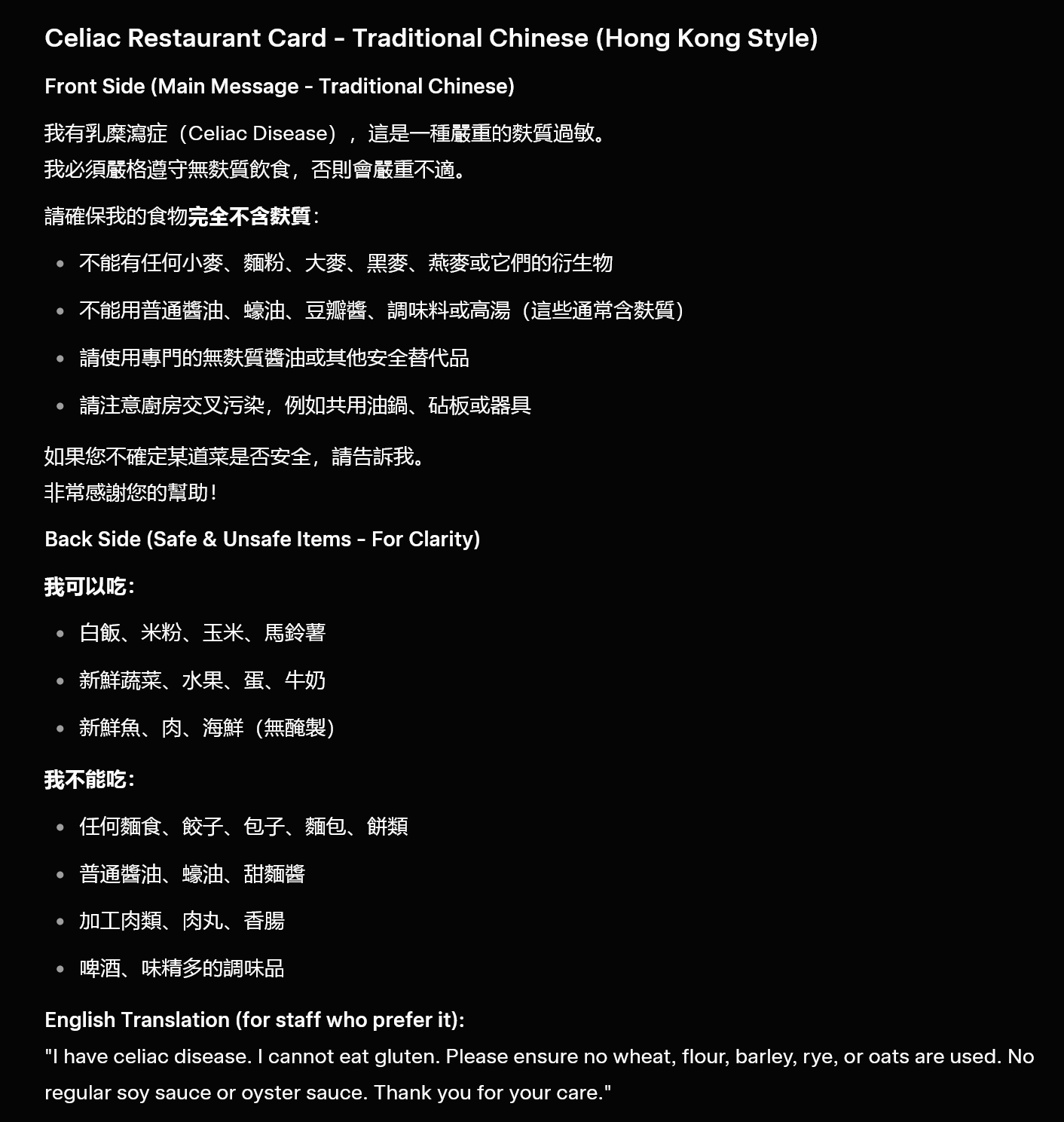
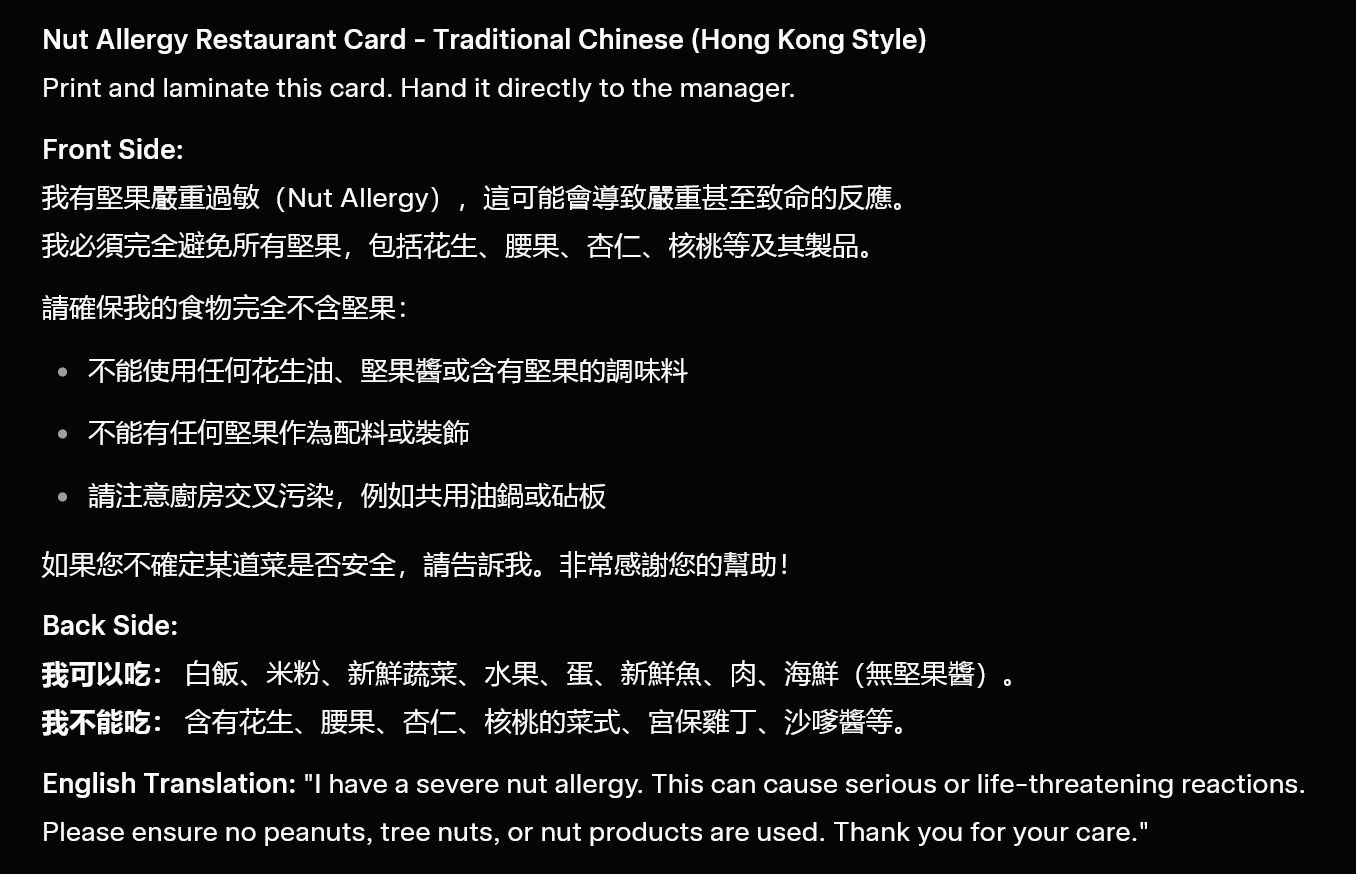
click on any image to enlarge
The information above can be shown to restaurant managers in Hong Kong if you are intolerant to gluten and nuts,
I do not do food tours as mentioned above, I have very specific reasons and part of it is that I do not speak Cantonese or write Chinese, I am from Yorkshire in England and I lack the language gene and it is not through lack of trying and yes a lot of restaurants do not have English menu’s or staff who speak conversational English.
.. and yet I have eaten at close to 1,400 restaurants in Hong Kong since January 2nd 1972, my wife was born in Hong Kong and we have been together over 40 years and her first language is Cantonese and a lot of her family are Chinese or half Chinese so I have never had much of an issue!
This does not translate to doing food tours though, yes, I could do them, no problem there but they would never ever be as good as the food tours done by my friends (see the 3 links above) most of their awesome guides are locally born Hong Kong Chinese and obviously food culture is part of their DNA, it is impossible for me to compete with that!
So please feel free to contact them for food tours
I do not do Hiking Tours in Hong Kong but I know someone that does!
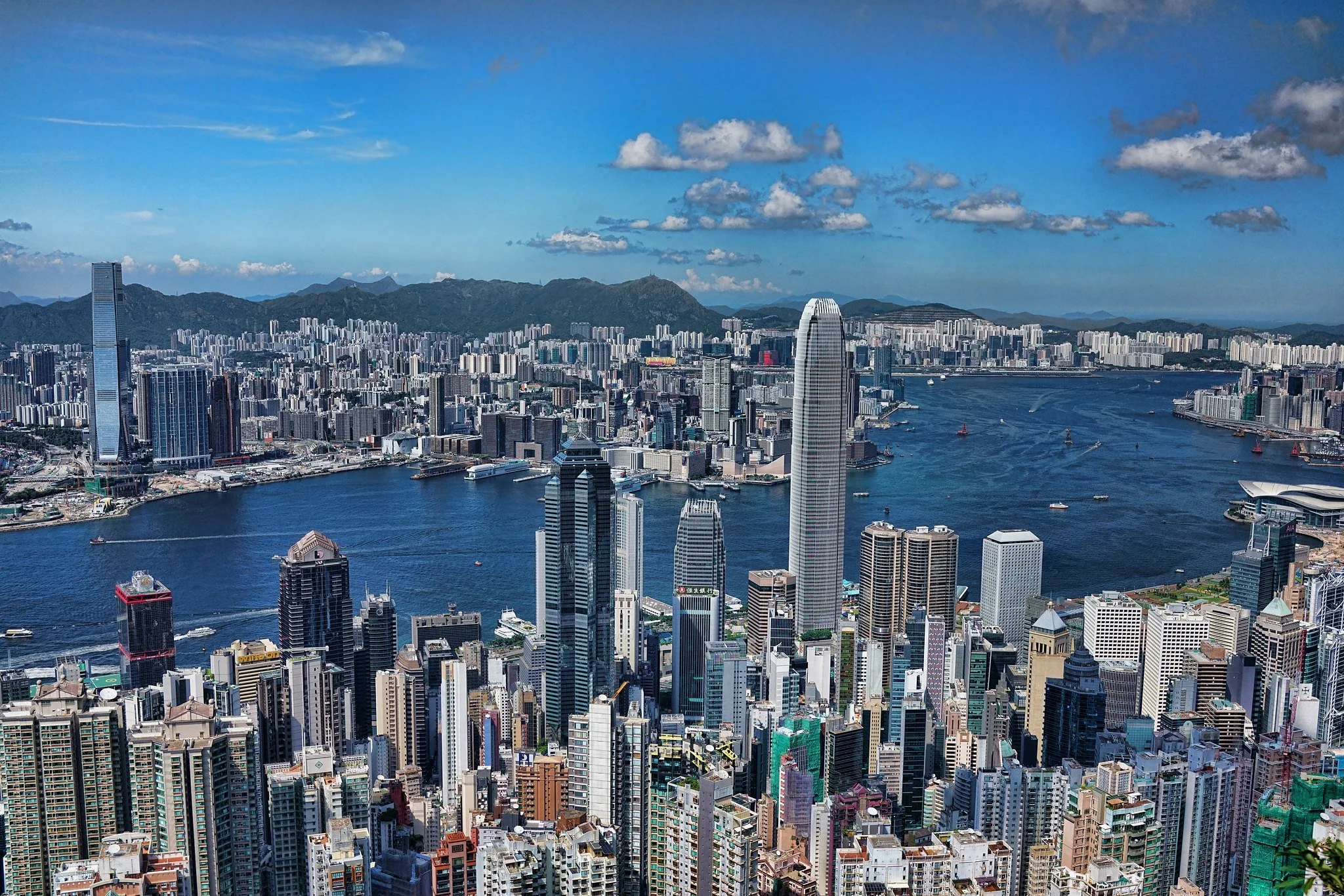
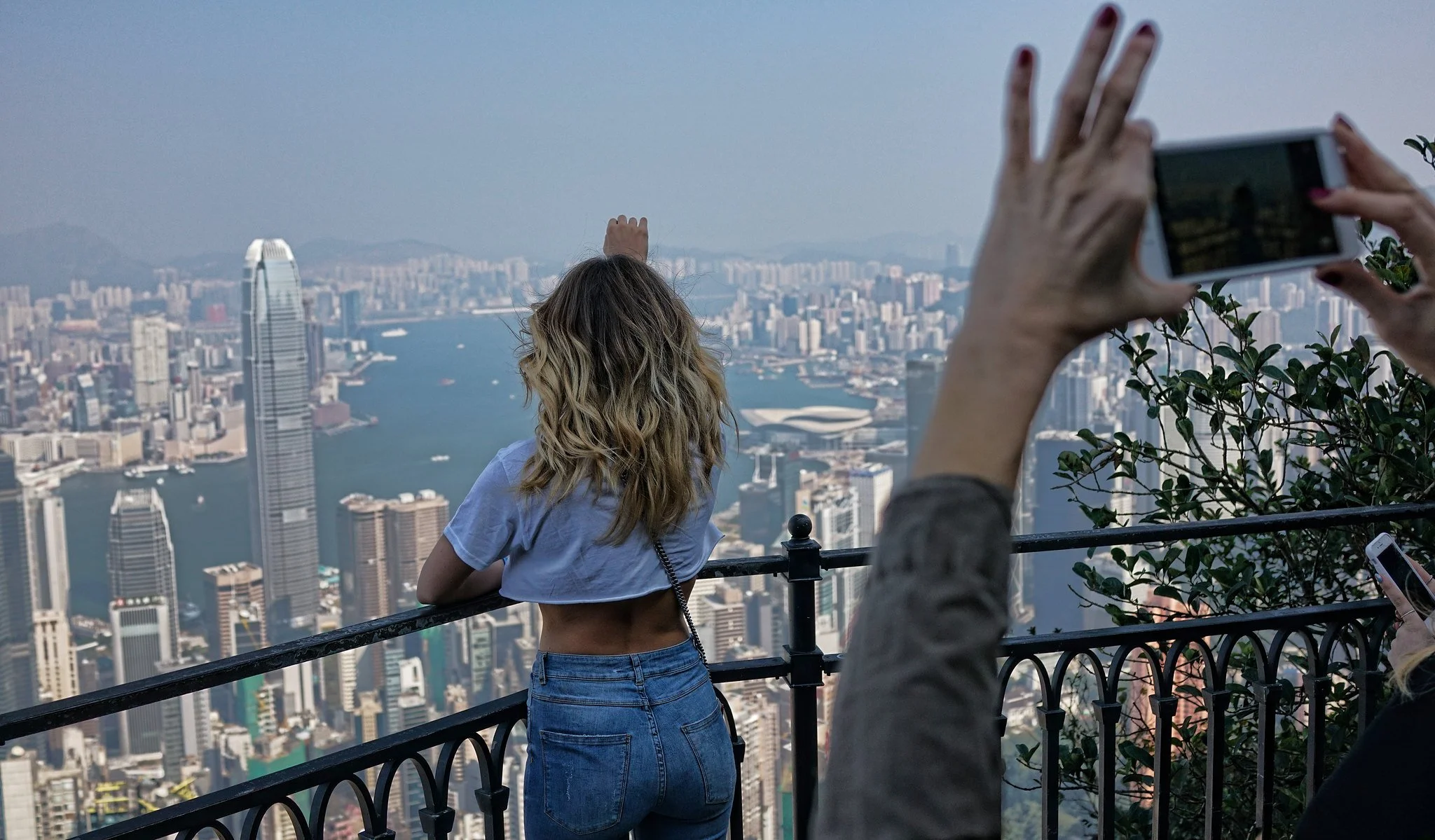
I do not do Hiking Tours, never have and never will even though I used to go Hiking a lot when I was a lot younger, The Hong Kong Government is promoting hiking tours so I urge you to contact my friend Sabrina at Hong Kong Trails and Tours, she is a long time Hong Kong resident and and a very experienced hiker with close to 700 Hikes in 15+ years under her belt, please click on the link below

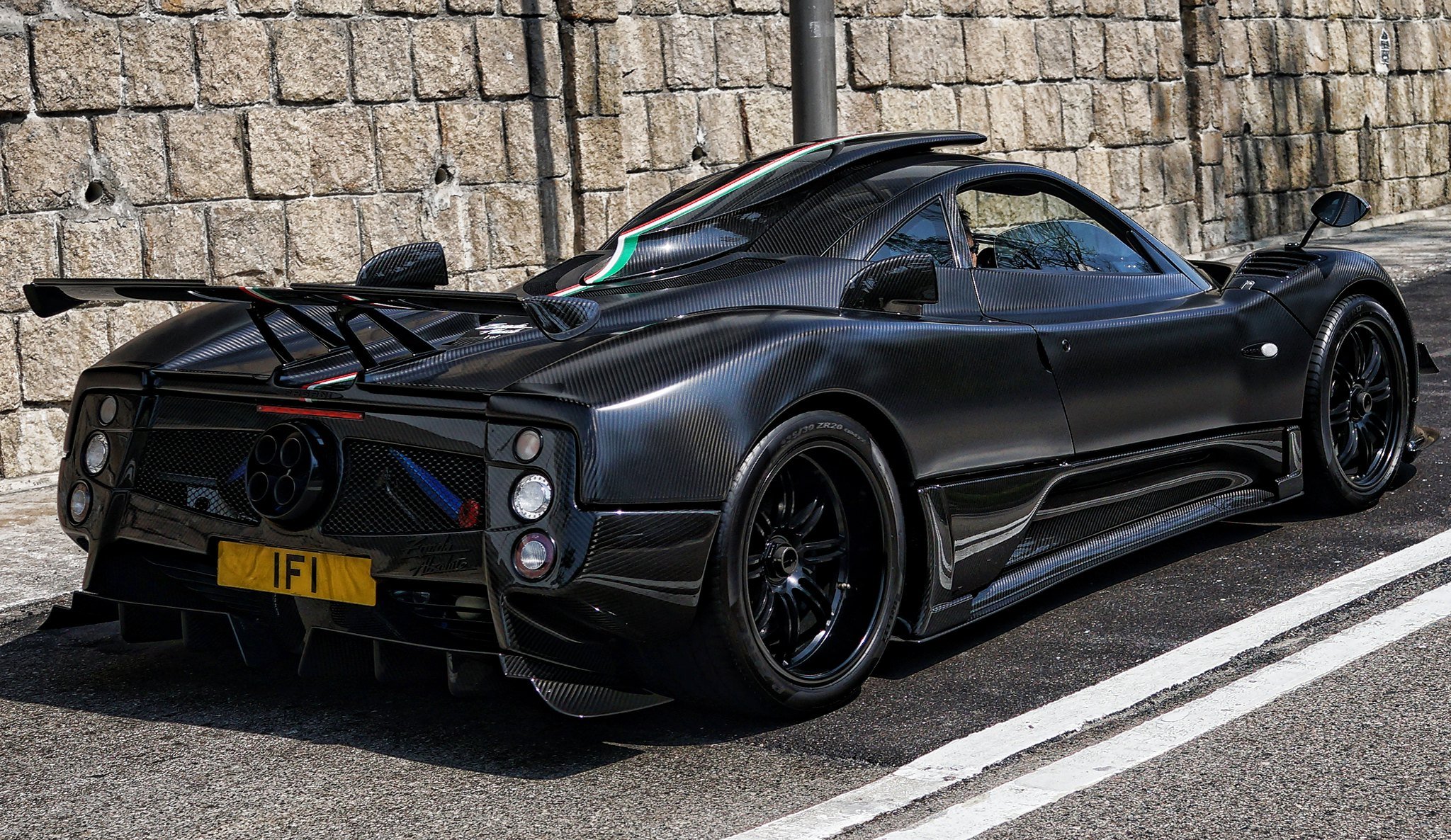
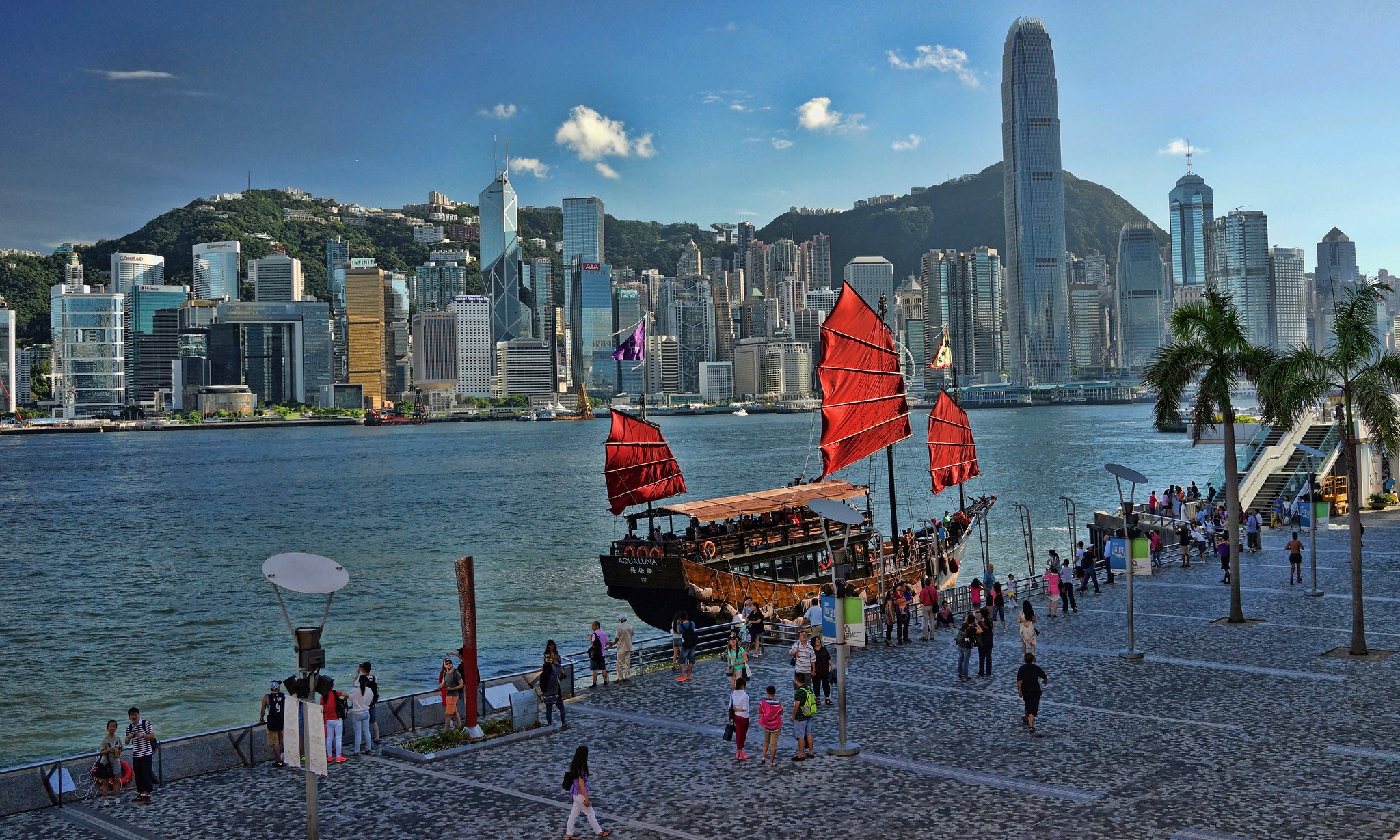
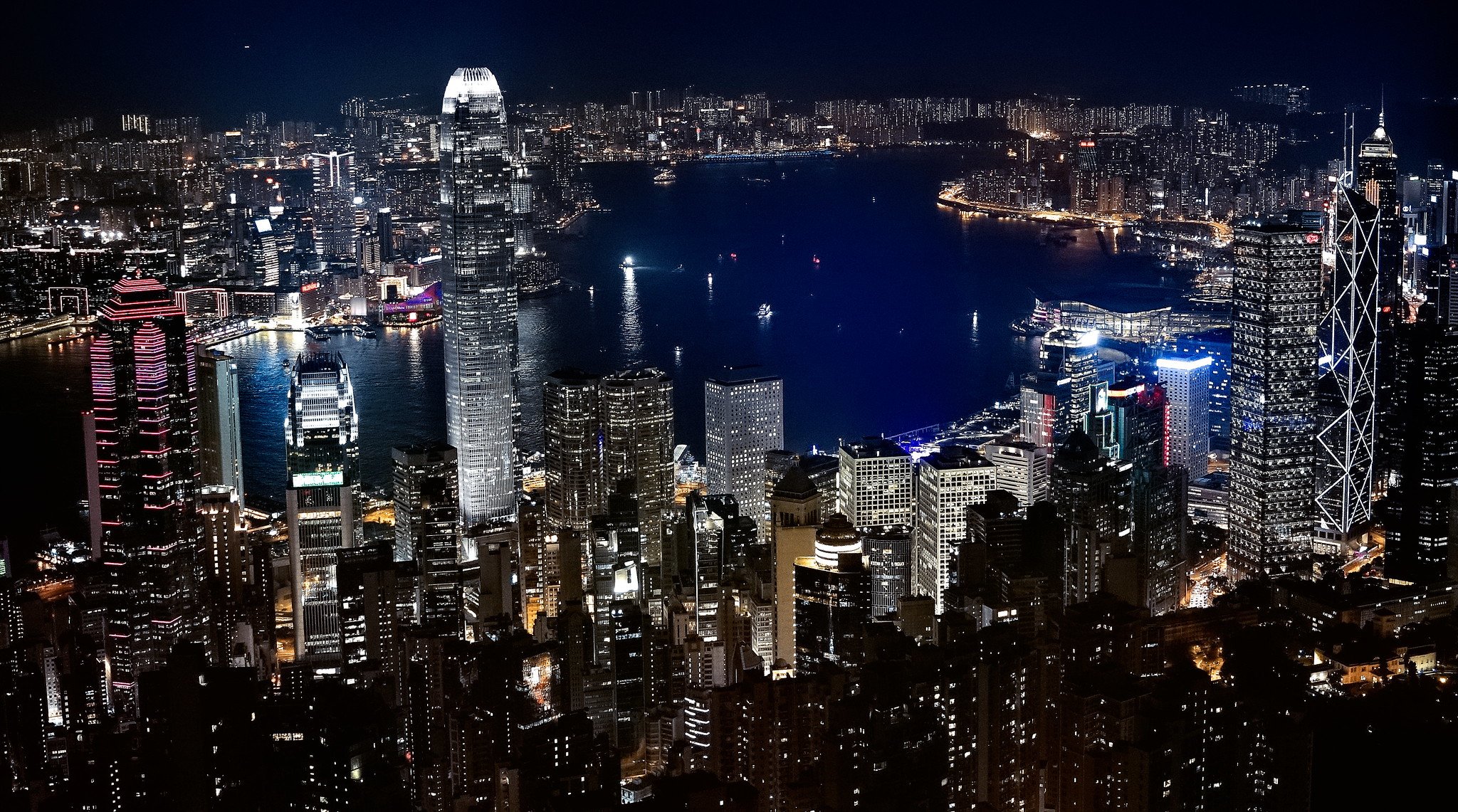
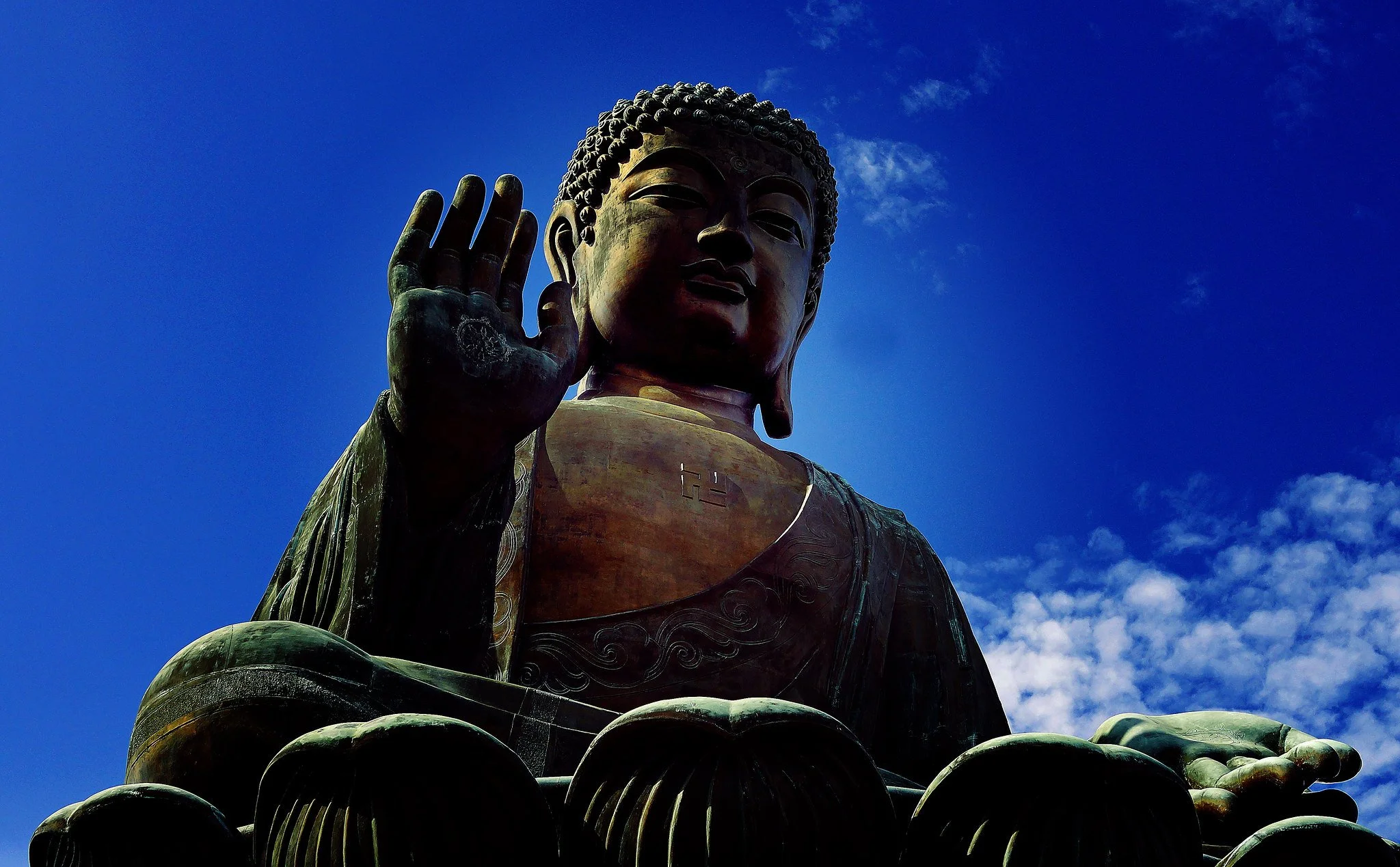

click on any image to enlarge
© Copyright Acknowledged | All rights reserved | all images taken b Jamie
Jamie’s Hong Kong | Some of my favourite images | Hong Kong 101
© Jamie Lloyd | J3 Consultants Hong Kong | J3 Private Tours Hong Kong |
| 2010 - 2026 All rights reserved. |
Click on any image to enlarge to full screen


Current images from my Instagram feed