Overpriced, Overcrowded - The Sad Evolution of the Peak Tram in Hong Kong

The J3 Group - Premium Quality Private Tours | Experiences and Insider Chats since 2010
Me Jamie, your host, I am English and I have lived in Hong Kong since January 2nd 1972 - I know the place.
A meaningful blog post with a difference - tips on Travel, Tourism, Tours, Daily Life and my personal thoughts on Hong Kong.
Please do visit Amazing Hong Kong
Hong Kong | Pearl of the Orient
A Resident since 1972 - Private Tours of Hong Kong with Jamie
The Best Things to do in Hong Kong
click on the image to enlarge
© Copyright Acknowledged | All rights reserved | image taken by Jamie
The Iconic Peak Tram | Garden Road Terminus | Hong Kong
Foreword
As a private tour guide with over 16 years showing visitors the best of Hong Kong, I have watched the Peak Tram evolve from a practical way to reach the cooler heights of Victoria Peak into something quite different. What began in 1888 as a pioneering transport link for residents has become one of the city's most recognisable experiences, yet one that now tests the patience of locals and tourists alike. In this post I explore its full history, including its relationship with government oversight, and analyse how and when it shifted towards a full tourist attraction. I also share my thoughts on why the current situation frustrates so many and offer some practical ideas for the future.
The Peak Tram has been running for 138 years
This is not a hatchet job on the management of the Peak Tram and Tower, it is more about the perils of tourism for tourism sake and in Hong Kong that means numbers and more importantly the latest buzzword for the Hong Kong Government
KPI
or Key Performance Indicator which is apparently all the matters so in Rnglish it is how many people visit Hong Kong and attractions.
Victoria Peak is by far the most visited attraction in Hong Kong, it is not just the people that use the Peak Tram, there are many ways to get there using cars, taxis, buses, coaches, walking, I reckon anywhere above 13 million people a year go there, many of them locals, and Disneyland gets around 7 - 8 million visitors a year,
I understand why KPI is such a thing and there is more than a little element of competition between Hong Kong and surrounding Asian countries, so we chase the numbers and that just leads to that other much used phrase
Overtourism
and that is becoming a major issue in Hong Kong.
I have been using the Peak Tram since 1972 and in those days 20 people on the tram was classified as overcrowding
Please bear in mind that these are MY thoughts, other people will think differently but everytime I go to Victoria Peak I am filled with a sense of dread at another round in the Mosh Pit at the viewing point and then the ride back down on the venerable Peak Tram.
To say that the crowds are unruly is a dry under statment, hundreds of tourists pushing, shoving and yelling trying to get the best seats and not a Peak Tram employee in sight, it can be a truly miserable experience oh and they always never mention that on each tram ride, when busy, 40+ people have to stand on the tram!
All I can really say is that we had 50 million visitors in 2025 and around 78% of them where from Mainland China, I like them a lot, they seem pretty happy people and they always want me in their photographs, but the culture in China is quite different to Hong Kong.
So a little bit of history is needed fot context
The Early Years: 1888 Onwards - A Bold Engineering Feat for Residents
The story starts in the late 19th century. Alexander Findlay Smith, a Scottish businessman, saw the need for reliable access to the Peak, where wealthy residents escaped the heat and humidity of the lower levels. In 1881 he petitioned the Governor of Hong Kong for a concession. Government approval came in 1882 via legislation, and the Hong Kong High Level Tramways Company was formed. Construction began in September 1885. All materials had to be carried up by hand - no machines or animals, just sheer human effort.
The Peak Tram opened on 30 May 1888, the first cable funicular in Asia. It ran 1,350 metres with a maximum gradient of 27 degrees, connecting Central to the Peak and five intermediate stations. Initially powered by coal-fired steam boilers, the wooden tramcars offered three classes of service. On its first day it carried around 800 passengers; in the first year, about 150,000. For decades it served residents, civil servants, and the Governor, making residential development on the Peak possible.
So 1888 approx 150,000 passengers and in 2025 over 5.5 million passengers, err and the track is pretty much the same, one tram car goes up passing the tram car going down halfway up
Key Generations of the Tram
1888 - 1926: Steam-powered wooden cars.
1926 - 1948: Electric haulage introduced; cars carried 52 passengers.
1948 - 1957: Post-war all-metal 62-seat cars.
1959 - 72-seat lightweight cars.
1989 - Major HK$60 million upgrade with microprocessor controls and 120-passenger cars; fifth generation.
2022 onwards: Sixth generation Swiss-built cars carrying 210 passengers (167 seated, 43 standing), with larger windows, step-free access, and upgraded termini.
The tram survived the Japanese occupation in WW2 (when the engine room was damaged) and continued as essential transport even as Hong Kong grew.
Government Oversight and Public Transport Status - A Concession, Not a Franchise
The Peak Tram has always operated under government authority, but never in the same way as franchised bus companies. In 1882 the colonial government passed specific legislation to authorise its construction and grant an operating concession to the private company. This was formalised under what became the Peak Tramway Ordinance (still in force today as Cap. 265).
The company received the right to build and run the tramway, but the government retained powers over safety, operations, fares in the early days, and ultimately the renewal or termination of the operating right. Seats were even reserved for the Governor until 1949. The tram was viewed as vital public infrastructure that enabled residential growth on the Peak, functioning very much as public transport for residents alongside its commercial role.
However, unlike franchised bus operators (such as China Motor Bus, which held a government franchise for bus routes and faced revocation in 1998 for failing to invest adequately), the Peak Tram has always been a single, privately owned funicular under a specific concession. There is no broad franchise agreement requiring service expansions, route additions, or heavy government-directed investment in capacity. The operator must comply with safety regulations under the Peak Tramway (Safety) Regulations, and major upgrades require Executive Council approval.
For example, in 2018 the Chief Executive in Council granted an additional 10-year operating right (to 2035) alongside approval for the HK$799 million upgrade project. The government can terminate the operating right under the Ordinance, but it has not done so. This lighter regulatory touch reflects its unique status as a heritage funicular rather than a mass transit network like buses or the MTR.
So in plain English, the Peak Tram can do whatever the heck they want with no intervention, they are not accountable for service quality and are free to raise the prices whenever they want and trust me this is not unusual in Hong Kong
For context the chart below says it all, if you exclude Disneyland then the 2 major attractions are the Peak Tram and the NP 360 Cable car on Lantau Island which serves the Big Buddha and the Cable Car has been plagued by lines for decades both are serverely overcrowded.
click on the image to enlarge
© Copyright Acknowledged | All rights reserved
Peak Tram vs NP 360 Cable Car | No. of Passengers | Hong Kong
The Gradual Shift: From Public Utility to Tourist Icon - The Peak Tram | Peak Tower
There was never one single year when the Peak Tram stopped being “public transport” and became purely a tourist attraction. It has always carried both locals and visitors, but the balance changed dramatically over time and the moment in time was really 2003.
By the 1970s and 1980s the tram ran alongside the new Peak Tower (opened in the early 1970s as a leisure and retail complex). Passenger numbers grew steadily with Hong Kong’s development. At the 1997 handover it carried around 2 million passengers a year. The real acceleration came after the 2003 SARS outbreak. Visitor arrivals plummeted that year, but the Hong Kong Government’s push to revive tourism, including easier access for mainland Chinese visitors under the Individual Visit Scheme, led to a strong rebound. By the 2010s daily ridership averaged over 12,000, with roughly 90 percent tourists. Pre-pandemic figures reached about 4 million passengers annually, or over 11,000 - 17,000 per day.
The tram technically remains open to all and still serves some residents, but in practice it now functions as a premium tourist experience. The single-track design (with passing loops) has always limited frequency, and larger modern cars help loading but cannot fully solve queue issues during surges.
.. and that is the oxymoron, it may function as a premium tourist experience, the more people that use it the more of a mosh pit it becomes and it is NOT a premium experience, particularly when it is full with 210 passengers.
Ticket Prices: The Dramatic Rise in Recent Years
For many years fares stayed modest, comparable to other public transport. That changed noticeably in the last 5 - 8 years, with sharp increases especially after the 2022 upgrade.
Recent examples (as of early 2026):
Adult return ticket now HK$116 (about US$15).
Adult one-way HK$82 (about US$10.50).
Children and elderly: significant jumps to HK$75 return / HK$52 one-way (up 36 - 39 percent in the latest hike).
These rises have not deterred demand. Instead, overcrowding has dramatically worsened, with long queues, pushing, and frustration common at peak times which these days is anytime after 11am. The pricing model has clearly moved from affordable public transport to one that extracts maximum revenue from tourists.
oh, and did I mention that the Peak Tower (same owner as the Peak Tram) charges HK$75 (US$19) for the view
The Peak Tower: The Ultimate Tourist Trap?
The Peak Tower, as mentioned is also owned by the same group, compounds the issue. Entry and add-ons command high prices, yet many of the best viewpoints remain free outside the paid areas. The combination of tram plus tower creates a captive experience where visitors feel they have little choice but to pay up. Better free alternatives exist for views, but the tram ride itself is marketed as essential.
On a personal note, I absolutely hate the Peak Towet but that is just me, overpriced restaurants and shops and then that charge for the view and yes, you have those hordes of people pushing and shoving you out of the way so they can take selfies
Ownership Perspective: Hongkong and Shanghai Hotels (HSH)
The Peak Tram and Peak Tower are owned and operated by The Hongkong and Shanghai Hotels, Limited (HSH), the same group behind The Peninsula hotel and other luxury assets. For a company with high-end hospitality holdings, the tram and tower represent a relatively small revenue stream. Running them with frequent price hikes and limited capacity upgrades feels inconsistent with the broader group’s standards. If the rest of their operations followed this model, they might struggle. The focus appears to be on tourism monetisation rather than long-term public service or major infrastructure expansion.
Why No Major Intervention?
Unlike franchised buses (which add vehicles and routes) or the MTR (which builds new lines), the Peak Tram has seen no real Plan B. Government has not stepped in strongly because it is treated as a private tourist asset under concession rather than essential public transport infrastructure. Tech improvements (larger cars, better queuing systems) and staff reductions help margins but do not address core capacity during tourist peaks. The result is a magical ride turned into a mob scene of shoving and yelling. (the mosh pit)
My Thoughts and Suggestions
This situation hurts Hong Kong’s reputation. What should be a highlight becomes a source of stress. As someone who guides thousands of visitors, I see the disappointment daily but there is little hope that things will change for the better but every reason to fear it will get much much worse.
Additional ideas to consider but no one wiill even give it a second thought.
the best solution and a very inexpensive one to implement is real time web cams at the upper and lower terminals so at least people can check the lines | crowds and make an informed decision and it will help spread out the crowds over the whole day, and night
open the Peak Tower earlier to 8am to deal with patrons riding up at 8am - 10am and do this 7 days a week
Introduce a dedicated resident or local pass at subsidised rates to restore some public transport feel and have a seperate line for them at the upper and lower teminals
Develop alternative access options, such as enhanced bus services but for many visotrs they buy return tickets so that is not really viable
Consider a 2nd additional funicular or cable car on a different route.
Cap daily tourist numbers or use timed ticketing more effectively to spread crowds.
Focus marketing on off-peak visits and highlight free viewpoints to reduce pressure on the paid tower areas but the Peak Tower managemt will not do that as the Peak Tower US$10 charge for the view is a major profit centre for the company
Hong Kong deserves better for one of its most famous attractions. With thoughtful planning, the Peak Tram can remain magical rather than maddening. I hope this detailed look sparks some discussion and, ultimately, positive change.
Pricing for the Peak Tram | The Peak Tram Ruby Pass or in plain English, the skip the line pass
This one makes me angry, the Peak Tram Company have been running this scheme for a while now, let me put it bluntly, it is totally outrageous and price gouging on an epic scale
Srandard | return ticket for the tram + sky terrace admission for the view
For Adults the normal ticket price 2 ways is HK$182 or US$23.40
For Seniors and Kids 3 - 11 the mormal ticket price is HK$116 or US$14.90
The Ruby pass | return ticket for the tram + sky terrace admission for the view
For Adults the ticket price 2 ways is HK$342 or US$44
For Seniors and Kids 3 - 11 the mormal ticket price is HK$222 or US$28.5
I know that some attractions around the world love the whole skip the line pass thing, I get it, well off folk can afford the extra expense
The Ruby Pass Priority Lane (skip the line) may not look to bad but it is almost double the cost of a normal ticket but for me the much cheaper solution is to go up in a taxi which is a lot cheaper than the tram and then go down on the tram, so buy a one way ticket only and skip the Peak Tower Sjy Terrace view and save some more money, there are 2 places near the Peak Tower which offer the same view for free and then there is my viewpoint at the Lugard Road Lookout which is 20 minutes gentle walk there (lovely surroundings) and 20 minutes back and say 10 - 15 minutes to savour the greatest panoramic city view in the world (and twice the view of the other 3 places) and yes, I have literally been there over 6,000 times since 1972 and yes I have written many Victoria Peak blog posts, you can access these posts by clicking on the Victoria Peak Hong Kong link on my website
click on the image to enlarge
© Copyright Acknowledged | All rights reserved | image taken by Jamie
The Peak Tram + Tower | 2019 chaos | Hong Kong
Although this was taken in 2019, crowds like this are quite common starting from 2025 onwards. this is overtourism at it’s worst and it happens in many places around the world. I have been travelling on the Peak Tram since 1972 so I have been on it many thousands of times and when I go to the Peak and see this, it makes me want to weep., this is not a premium experience it is a premium tourist trap,J
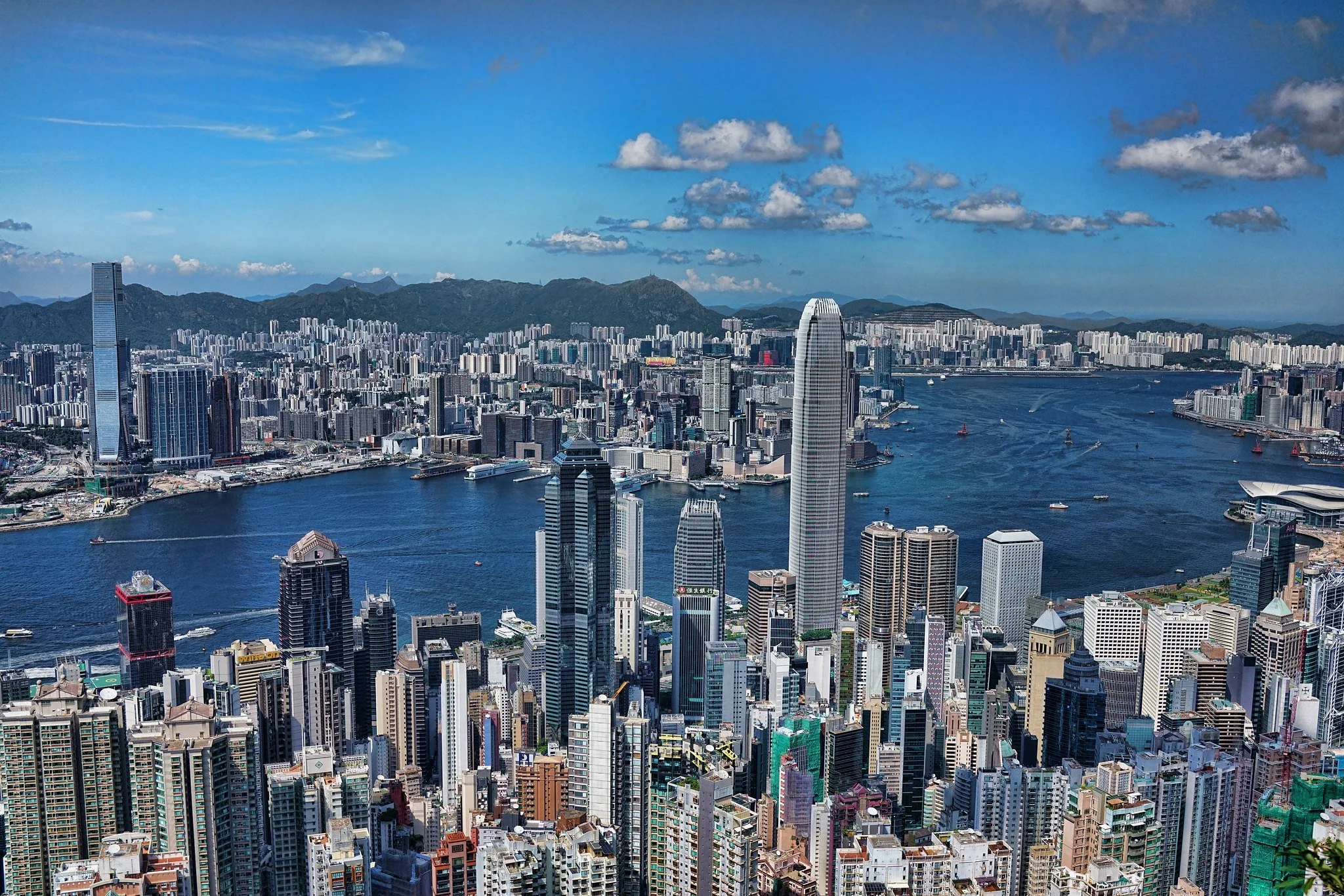
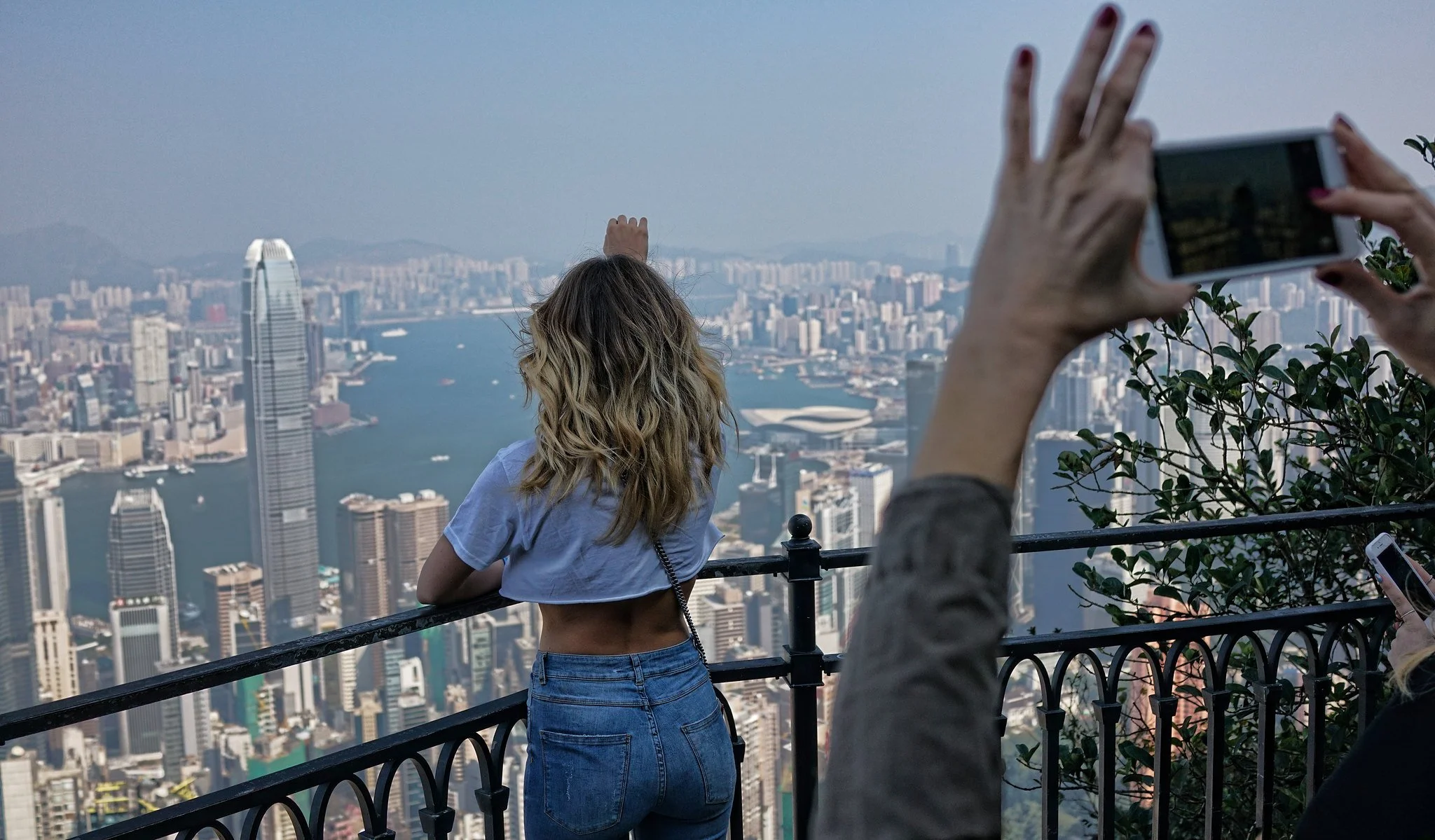
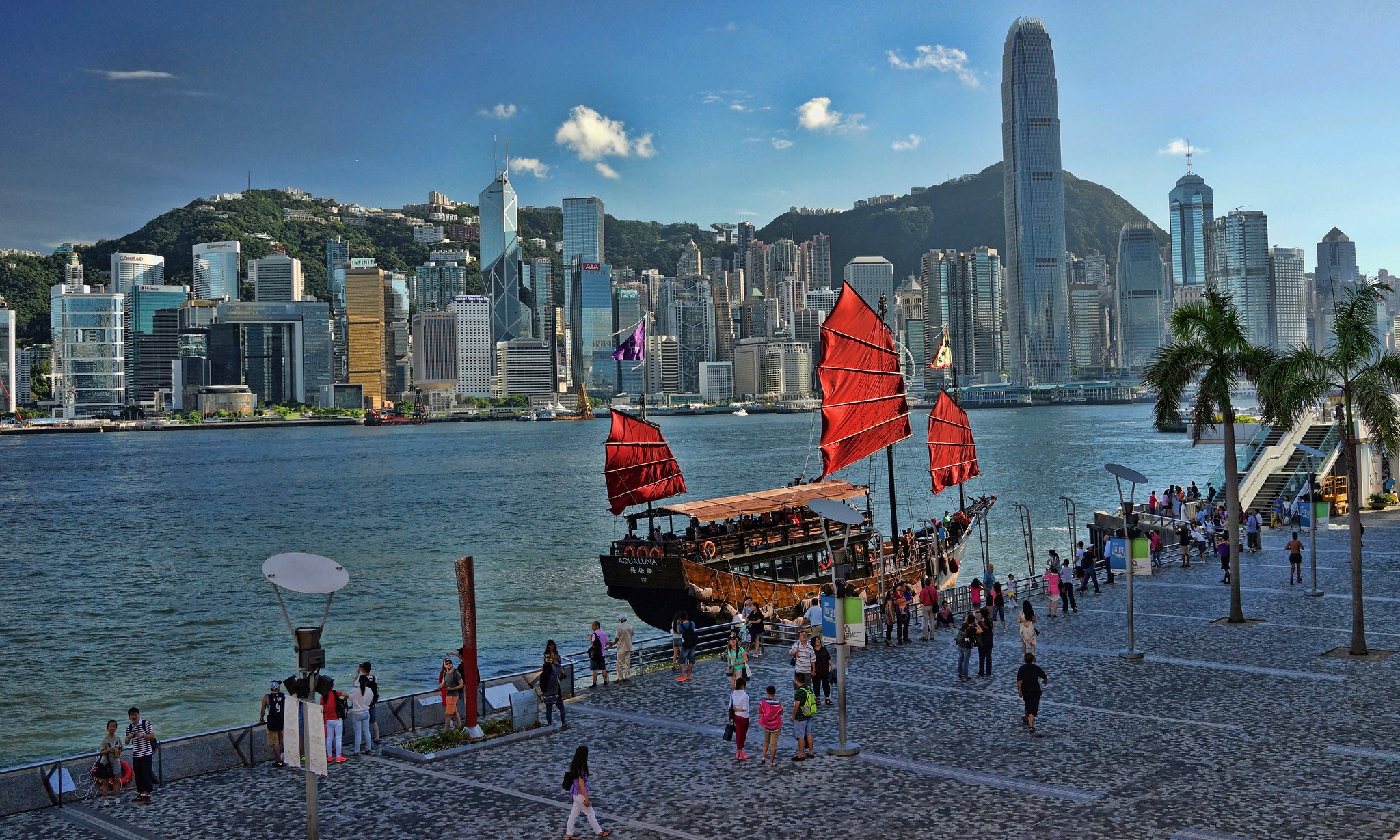
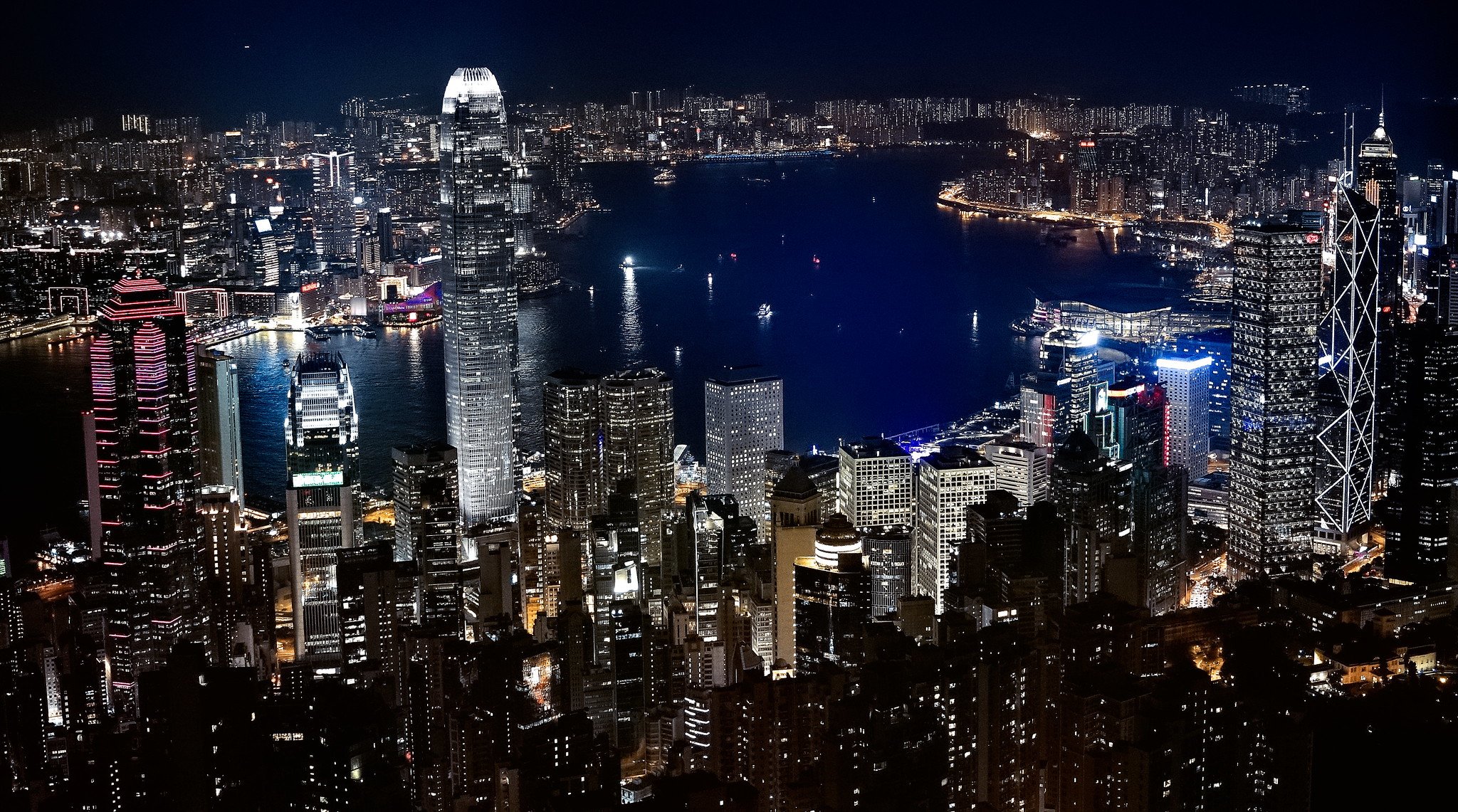
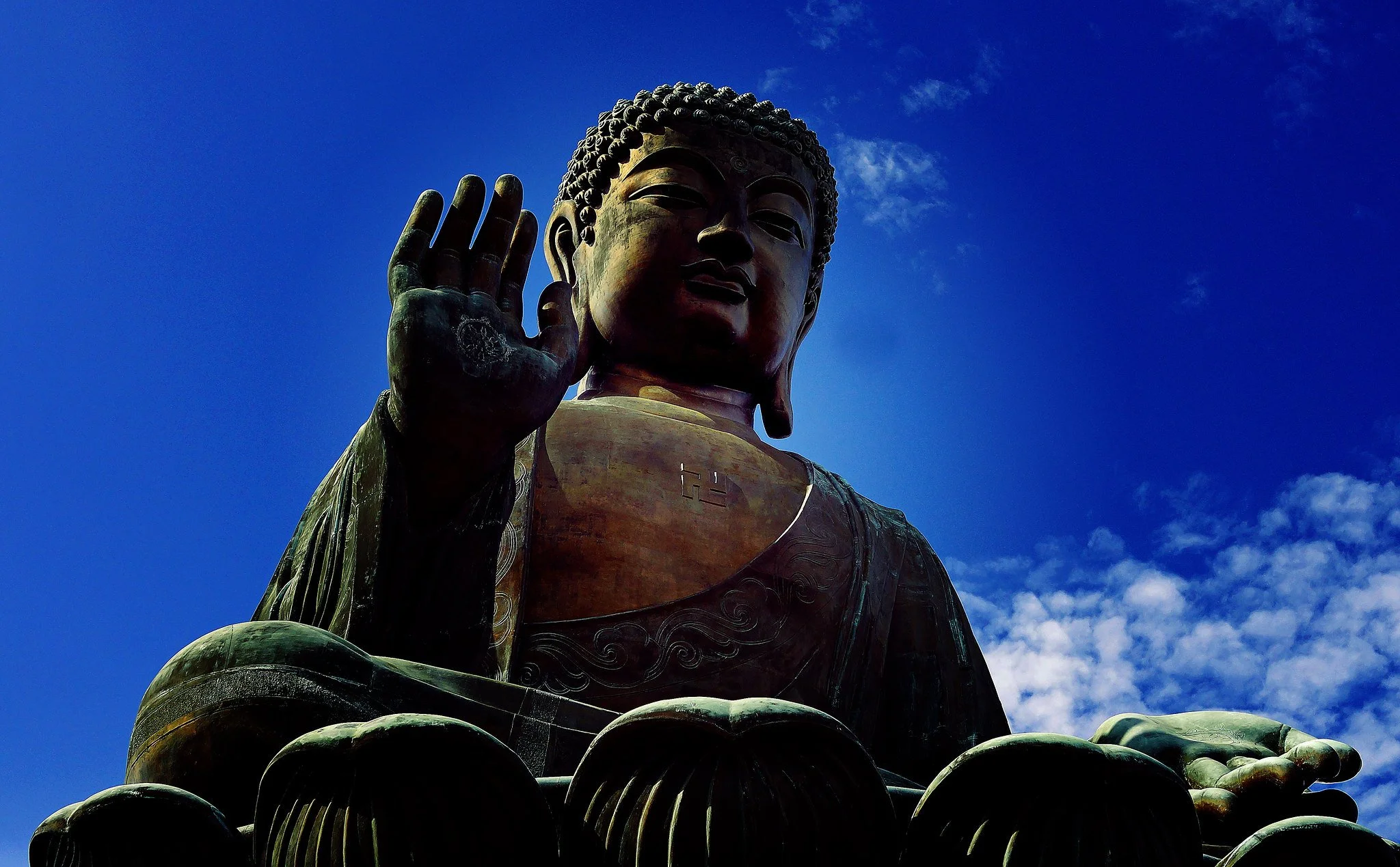
click on any image to enlarge
© Copyright Acknowledged | All rights reserved | all images taken b Jamie
Jamie’s Hong Kong | Some of my favourite images | Hong Kong 101
© Jamie Lloyd | J3 Consultants Hong Kong | J3 Private Tours Hong Kong |
| 2010 - 2026 All rights reserved. |
Click on any image to enlarge to full screen
Current images from my Instagram feed