Hong Kong on Two Wheels - Why Leisure Cycling Lives in the New Territories
The J3 Group - Premium Quality Private Tours | Experiences and Insider Chats since 2010
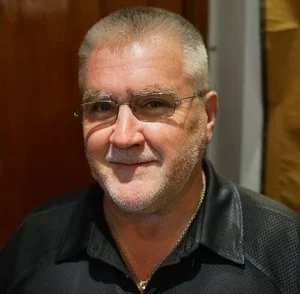
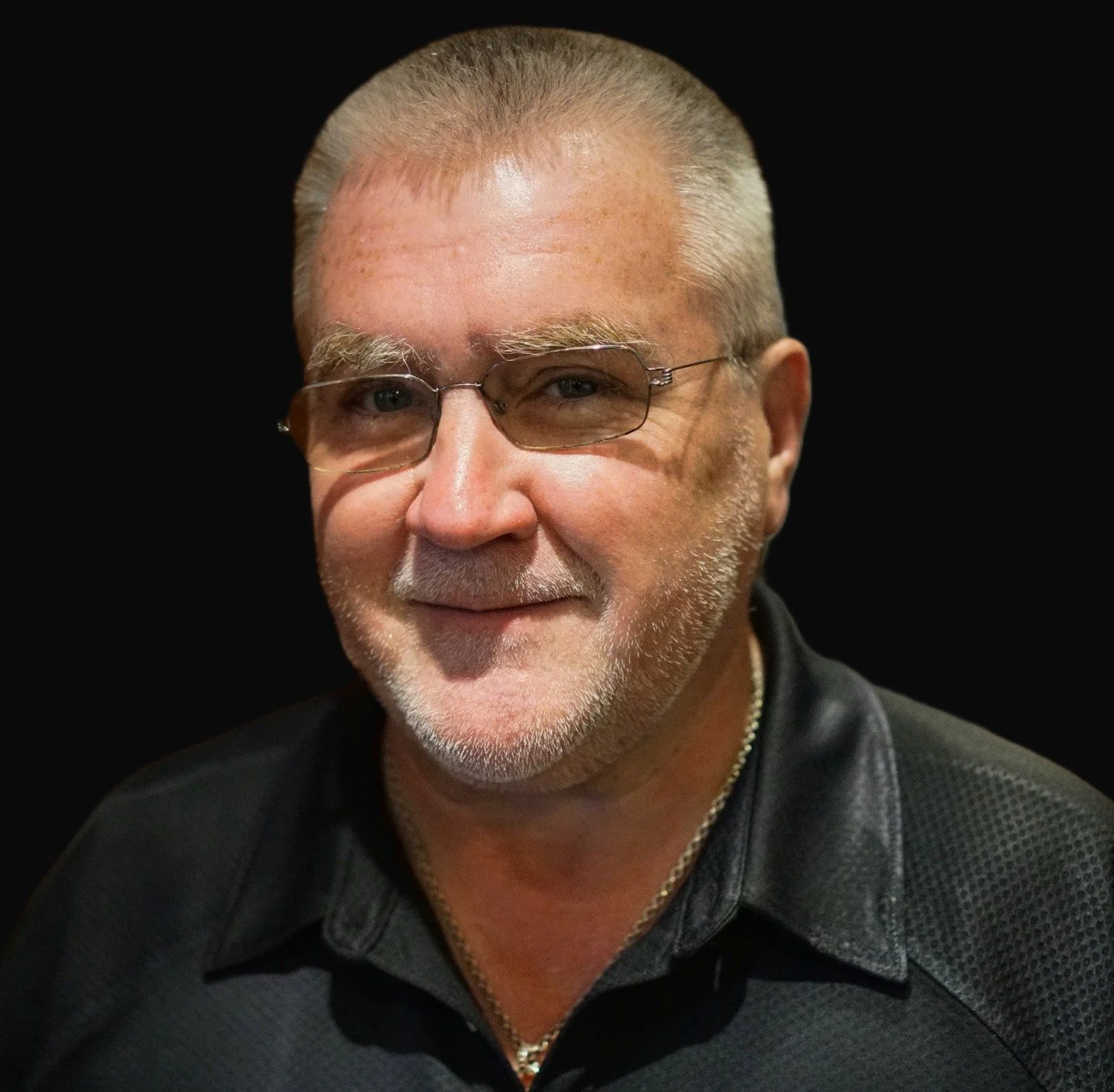
Me Jamie, your host, I am English and I have lived in Hong Kong since January 2nd 1972 - I know the place.
A meaningful blog post with a difference - tips on Travel, Tourism, Tours, Daily Life and my personal thoughts on Hong Kong.
Please do visit Amazing Hong Kong
Hong Kong | Pearl of the Orient


A Resident since 1972 - Private Tours of Hong Kong with Jamie
The Best Things to do in Hong Kong
click on the image to enlarge
© Copyright Acknowledged | All rights reserved | image created by Jamie
Smooth Ride Cycles and the Quiet Rise of Hong Kong Bike Tours
Foreword by Jamie
Hong Kong on Two Wheels - Why Leisure Cycling Lives in the New Territories
I have lived in Hong Kong since 2nd January 1972. In that time I have watched the city change in almost every way imaginable, but one thing has stayed stubbornly the same: cycling for pleasure has never really taken hold on Hong Kong Island or in Kowloon. The reasons are straightforward once you look at the ground itself. Steep hills, heavy traffic and almost no continuous infrastructure make ordinary leisure cycling difficult. Most of the proper cycle tracks sit further north in the New Territories, where the land is flatter and the roads are quieter. That is also where the better cycling tours have quietly found a home.
Smooth Ride Cycles is one of the companies that has worked out how to operate in that reality. One of the owners, Stephen who is half English, is a good friend of mine. He has been running guided rides for years, mostly in the New Territories and on the outlying islands, and he is looking to promote the business more clearly. This post is my attempt to put the whole picture in one place: the history of cycling in Hong Kong, the government infrastructure, the laws, the practical difficulties, and why a company like Smooth Ride Cycles can still offer a proper experience when so many others have given up.
A short history of cycling in Hong Kong
Cycling arrived in Hong Kong with the British in the 19th century, but it remained a minority activity for a long time. Early photographs show bicycles on the praya in Central and in the military cantonments, yet the combination of steep terrain and narrow streets meant most people preferred the tram, the ferry or simply walking. After the Second World War the bicycle became more common as a practical machine for getting about, especially in the New Territories villages and on the outer islands. By the 1960s and 1970s you could still see delivery bicycles in the denser urban districts, but the rise of the private car and the MTR (Subway) pushed cycling further to the margins.
The real change came with the construction of dedicated cycle tracks in the New Territories. From the late 1980s onwards the Government began to build separated paths alongside the new towns. Sha Tin, Tai Po, Yuen Long, Tsuen Wan and Tuen Mun all received networks that linked housing estates, schools and parks. These were never meant as long distance touring routes. They were local leisure paths. Even so, they created the only places in Hong Kong where an ordinary person could ride for an hour without constantly negotiating with traffic. Today the New Territories Cycle Track Network is the backbone of leisure cycling in the territory. The main spine from Sha Tin to Tuen Mun is more than 60 kilometres long and opened in stages, with the final sections completed around September 2020. Altogether the government claims more than 225 kilometres of cycle tracks across the New Territories.
Government support and the law
The Government treats bicycles as vehicles under the Road Traffic Ordinance. That means you need to obey the same basic rules as other road users: keep left, stop at red lights, do not ride on the pavement unless it is a designated shared path, and so on. There is no law that bans groups of cyclists from ordinary roads, but in practice the police will intervene if a group is causing an obstruction or riding in a way that looks dangerous. On the New Territories cycle tracks the rules are clearer. These are shared with pedestrians in places, speed is expected to stay low, and bells are encouraged.
Electric bicycles remain in a grey area. At the moment they are treated as motor vehicles, which means they are not legal for use on public roads or cycle tracks unless they are registered and insured in the same way as a motorcycle. Enforcement is patchy, but the official position has not changed. Legislation to create a clearer category for e bikes has been discussed for years and is still not in force.
To be clear - an ordinary e bicycle cannot be ridden legally on Hong Kong’s public roads or cycle tracks, and if one somehow were registered as a motor cycle the rider would need a motor cycle licence.
Why Hong Kong Island and Kowloon remain difficult for cyclists
Anyone who has tried to ride from Central to Causeway Bay on Hong Kong Island on a Saturday afternoon knows the problem. The waterfront itself is basically flat (it sits on reclaimed land), but the traffic is constant, the streets are busy, and dedicated infrastructure is almost non existent. The few shared paths along the harbourfront are pleasant for a short hop but do not form a usable network for a proper tour. Kowloon is only marginally better. The result is that guided cycling tours have never taken root in the urban districts the way they have in Singapore, Taipei or the flat cities of Southeast Asia. Most operators who have tried eventually move their focus to the New Territories and the Outlying Islands
There are a handful of short shared paths. The Central to Wan Chai promenade is roughly 1 kilometre and open to bicycles in places. The East Coast Boardwalk is longer, around 2.2 kilometres, but still a local amenity rather than a tour route. Kai Tak GreenWay in Kowloon has about 4.3 kilometres open so far of a planned 13 kilometre loop. None of these connect into anything that would support a half day guided ride with a group.
Bicycles are not allowed on the Tsim Sha Tsui waterfront from the Clock Tower through the Avenue of the Stars. That stretch is a pedestrian promenade. Multiple visitor guides and on site rules state that cars, bicycles and electric scooters are prohibited. It is busy with people most of the day, and cycling there is not permitted. You would have to get off and walk the bike.
There is no continuous legal cycling route from the Clock Tower along the waterfront all the way to Kwun Tong. Most of the harbourfront promenades in that area are managed as pedestrian open space under the Pleasure Grounds Regulations. Cycling is only allowed where a specific shared path or cycle track has been authorised.
Further east, parts of the Kai Tak and Kwun Tong waterfront do have the GreenWay. That is a designated shared path (marked with white boundary lines) where bicycles are allowed inside the marked area. Outside those lines, on the rest of the promenade, cycling is not permitted. The GreenWay sections are useful for a local ride, but they do not form a through route that starts at the Clock Tower and Avenue of the Stars.
In short:
Clock Tower to Avenue of the Stars: not allowed.
Continuous ride from there all the way to Kwun Tong along the waterfront: not possible without riding where it is prohibited.
Designated GreenWay sections further east (Kai Tak / Kwun Tong Promenade): cycling allowed only inside the marked shared path.
The practical result is the same as most of the urban waterfront: short authorised shared sections exist in places, but there is no continuous, legal cy
Cheung Chau Island and Peng Chau Island
Cheung Chau Island has always been the place where cycling in Hong Kong actually works. There are no private cars, only the occasional emergency or utility vehicle, and the whole island is small enough that almost everyone gets about on a bicycle. On a normal weekend there are thousands of bikes on the island, lined up outside the rental shops near the ferry pier or propped against the walls of the old village houses. The main village is flat and easy, the coastal paths are mostly level, and even the short climbs towards the north and south of the island are gentle enough for most people.
Stephen of Smooth Ride has been taking guests there for years, usually as a half day or a relaxed full day. You take the ferry from Central, pick up the bikes near the pier, and then ride the quiet lanes and the waterfront paths without the constant negotiation with traffic that you get on Hong Kong Island or in Kowloon. Peng Chau Island is the same idea on a smaller scale. No private cars, a handful of rental bikes, and a village that is almost entirely flat. It is quieter than Cheung Chau Island and the rides are shorter, but the feeling is the same: you can actually cycle without thinking about cars. Both islands show what is possible when the roads are not shared with vehicles. They are the reason many of the better cycling tours in Hong Kong have always included at least one ferry trip.
Smooth Ride Cycles in Hong Kong
Smooth Ride Cycles was founded in early 2016 by brothers Joel and Stephen Cheung. Both grew up on Cheung Chau Island, where there are no private cars and a bicycle is the normal way to get about. They started the company because they wanted to share that same relaxed feeling of moving through Hong Kong on two wheels, with proper commentary on the history and the places you pass. The tours are private rather than large groups. The bikes are classic city machines for the easier routes and geared bikes for the countryside days. There is no spandex and no racing pace. The idea is a comfortable ride that lets guests look around and ask questions.
Most tours run between three and six hours depending on the route and the group. A typical half day on Cheung Chau Island or a shorter New Territories loop sits at the lower end. A full countryside day is longer. The price usually includes the bicycle, the guide and any ferry tickets required for the island tours. Guests do not need to bring their own bikes. Group size is kept small. Most private bookings are for two to six people. Larger groups are possible but they are less common because the tracks and the quieter island lanes work better with a modest number.
The main products sit where the infrastructure already works. The Fisherfolk Island tour takes guests to Cheung Chau Island (and sometimes combines it with a short boat ride). Countryside rides use the New Territories cycle tracks. There is also a public Hong Kong cycling tour option and the chance to book a fully private itinerary. The company has stayed with this approach for a decade because it works. Trying to force a group ride through the dense streets of Central or Tsim Sha Tsui is possible on paper, but it is rarely enjoyable for the guests or practical for the guide.
The New Territories cycle tracks are shared with local leisure riders. Weekends and public holidays are noticeably busier, especially on the popular sections around Sha Tin and Tai Po. Weekday rides are quieter. That is worth knowing if a guest prefers fewer people on the path.
Options on Hong Kong Island and in Kowloon
A proper half day or full day guided bike tour on Hong Kong Island or in Kowloon is still a non starter for most visitors. The traffic is heavy, the dedicated paths are short and disconnected, and any group larger than two or three people quickly becomes an obstruction. There are limited possibilities if a guest specifically wants a short urban taste: a quiet early morning segment along part of the waterfront, or a very short hop using one of the shared paths. These can work as a 60 to 90 minute add on for someone who is already on a walking or private car tour, but they do not form a standalone product that most people would book. The practical reality remains the New Territories cycle tracks and the two car free islands. That is where Smooth Ride Cycles concentrates, and it is the right place.
Hong Kong vs Singapore - a comparison of cycling tours
Singapore has a clear advantage on the ground. The island is flat and it has more than 360 kilometres of park connectors and dedicated paths. Dedicated bicycle tour operators and listed products number in the dozens on the main booking sites. A visitor can choose from multiple half day city rides that stay on proper paths for most of the route. Hong Kong has only a handful of companies that specialise in guided cycling tours. Smooth Ride Cycles is one of the few that has stayed in business for a decade by focusing on the places that actually work.
Singapore’s climate is the other side of that coin. It is hot, steamy and humid all year, with rain possible in any month. Hong Kong has four seasons. The cooler, drier months from roughly October to April are genuinely pleasant for cycling. That is the window when a New Territories or island ride feels easy rather than an effort in the heat. Stephen already runs tours year round, but the October to April period is the one that deserves the strongest promotion. Clearer messaging on the website and on the booking platforms about the cooler months, early booking incentives for those dates, and simple content that shows guests what a winter or spring ride actually looks like would help. Most visitors still assume Hong Kong is always hot and humid. Showing them the difference is straightforward once the seasonal message is consistent.
Contact details for Smooth Ride Cycles
Smooth Ride Cycles
Shop G16, 129 130 Connaught Road West, Hong Kong
Email: info@sr cycles.com
Phone / WhatsApp: +852 9828 9592
Website: sr cycles.com
You can also find them on Facebook, Instagram, YouTube and Tripadvisor.
What works and what does not
A cycling tour on Hong Kong Island will always fight the traffic and the lack of continuous paths. A tour that starts with a ferry to Cheung Chau Island or that follows the New Territories cycle tracks from Sha Tin towards Tai Po or Yuen Long has a much better chance of being enjoyable. There are some nice bicycle tracks in Tsuen Wan now with some really awesome waterfront views. The guests can actually look at the scenery instead of watching for the next truck. Smooth Ride Cycles has stayed with that approach. It is not revolutionary. It is simply matching the product to the places where cycling is already possible.
So there you go.

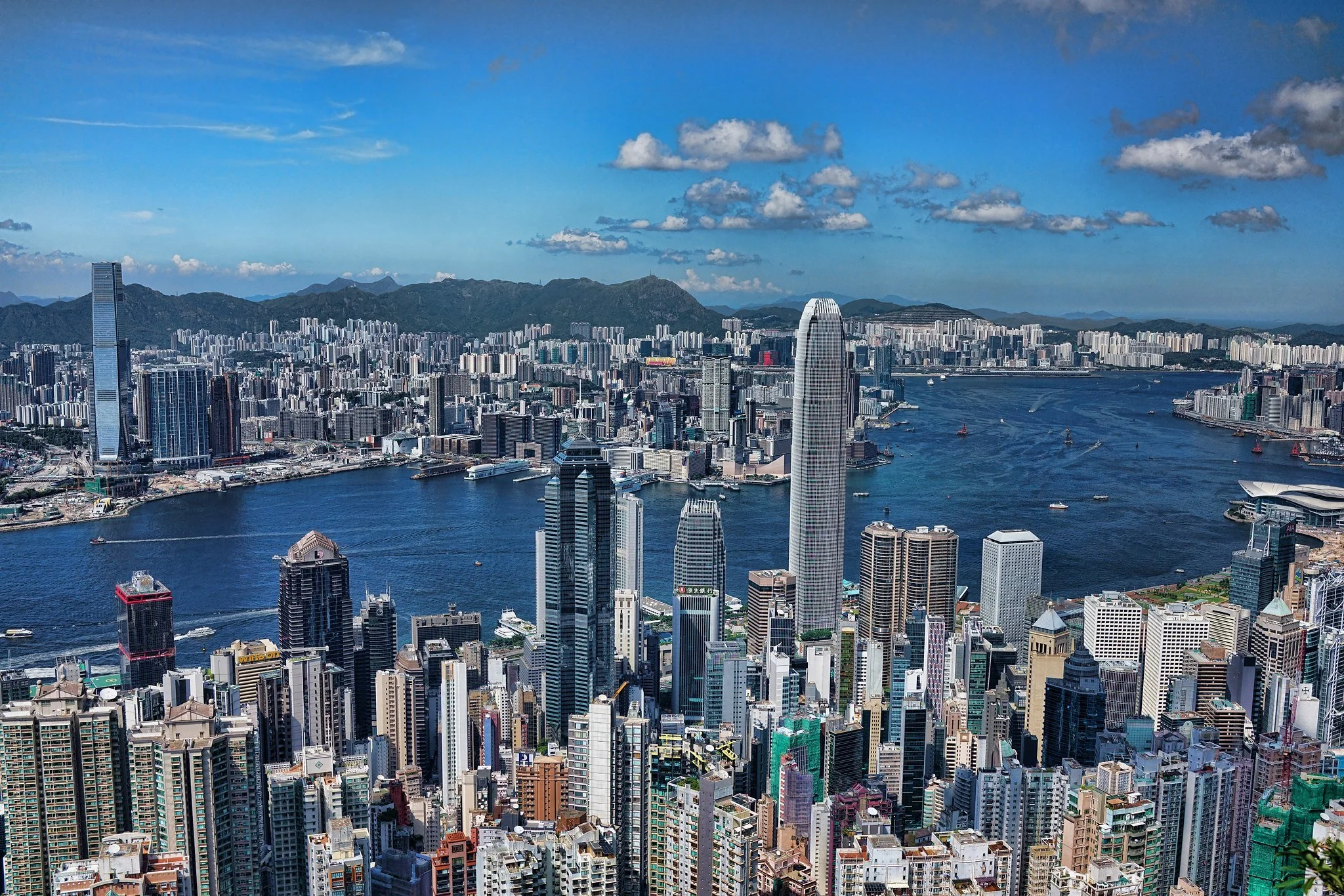

click on any image to enlarge
© Copyright Acknowledged | All rights reserved | images taken by Jamie