Wheelchair Users and Visually Impaired Visitors - Accessible Private Tours
The J3 Group - Premium Quality Private Tours | Experiences and Insider Chats since 2010
Me Jamie, your host, I am English and I have lived in Hong Kong since January 2nd 1972 - I know the place.
A meaningful blog post with a difference - tips on Travel, Tourism, Tours, Daily Life and my personal thoughts on Hong Kong.
Please do visit Amazing Hong Kong
Hong Kong | Pearl of the Orient


A Resident since 1972 - Private Tours of Hong Kong with Jamie
The Best Things to do in Hong Kong
click on the image to enlarge
© Copyright Acknowledged | All rights reserved | image created by Jamie
Wheelchair Accessible Tours Hong Kong
Foreword by Jamie
Wheelchair Users and Visually Impaired Visitors - Accessible Private Tours
After more than 50 years living in Hong Kong I still notice the same things every day. The city is dense, the streets are crowded, and the steps never seem to end. For most of us that is just the background of daily life. For people who use a wheelchair or who cannot see, those same streets and buildings become a constant series of small obstacles that add up fast. Every now and then I receive an enquiry about a private tour for someone who is visually impaired or who uses a wheelchair. I usually pass those enquiries on to other companies, especially when a car is needed. I do not offer car tours. This post is my attempt to look properly at what is actually available, what the practical difficulties really are, and why time becomes the biggest factor of all.
The Market for Accessible Private Tours
There are a handful of operators who specialise in this work, though the field is still thin. Easy-Access Travel Ltd, which sits under the Hong Kong Society for Rehabilitation, has been arranging inbound sightseeing and shopping chartered tours for people with restricted mobility for years. They also provide accessible coach and car hire. They handled transport for Stephen Hawking on one of his visits and have been the official operator for several para-sport events. Their vehicles include coaches that can take several wheelchairs at once.
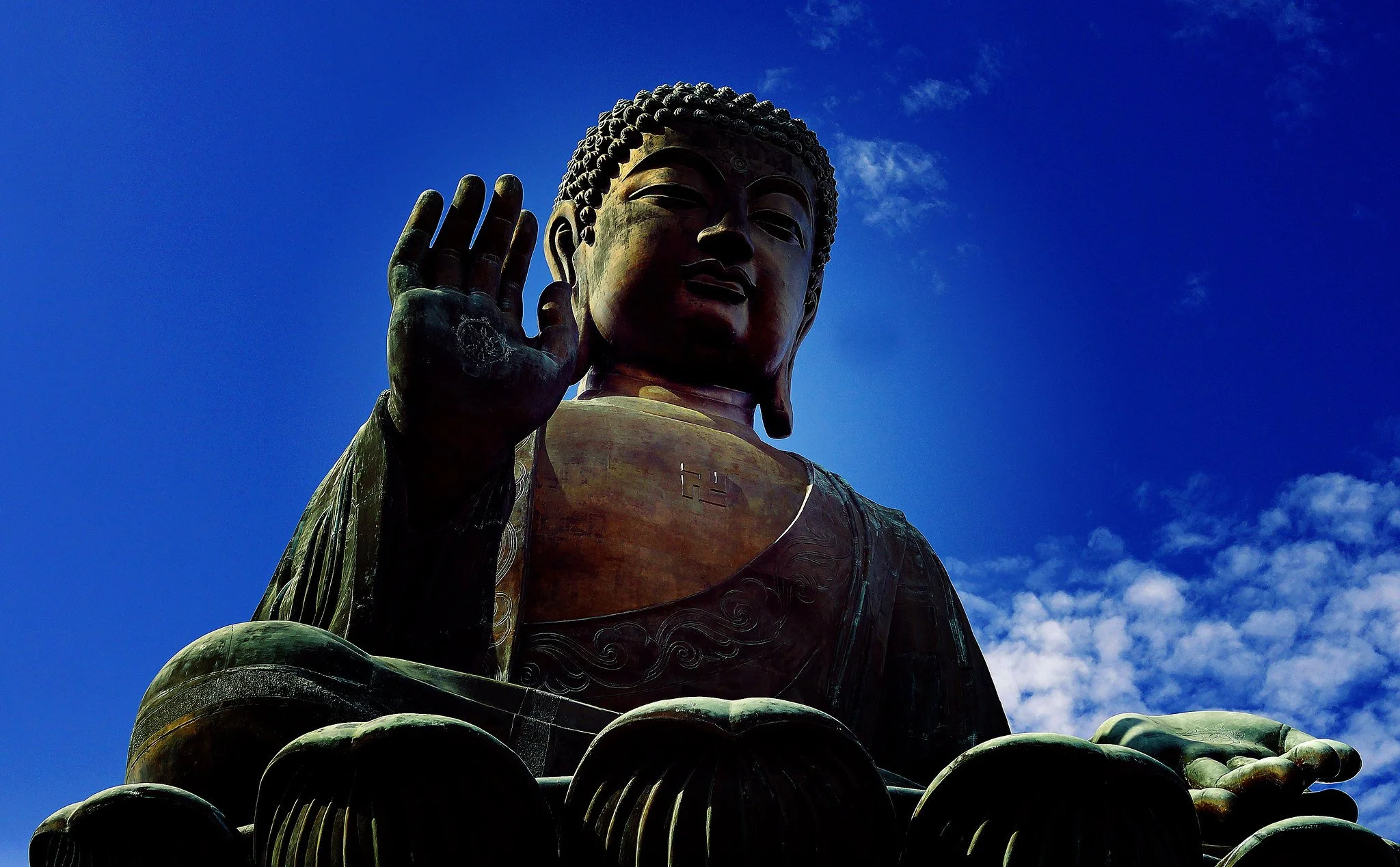
On the private guide platforms a few individuals list barrier free tours with private vehicles that have ramps or lifts. One guide, Raffles M., offers full day options that include the Big Buddha and Tai O Fishing Village as well as city highlights, all with an accessible vehicle. Prices for those private vehicle tours typically start around US$1,000 to US$1,300 for 6 hours, which is roughly HK$7,800 to HK$10,100 depending on the exchange rate on the day.
I have been working with the best private tour operators in Hong Kong for around 15 years. Many of them have the vehicles, the experience and the patience this kind of tour needs. Contact me directly with the details of the guest and what you would like to see. I will pass the enquiry to whichever company I feel is best placed to help. I only work with the best people.
For visually impaired guests the picture is different again. Tai Kwun in Central runs accessible guided tours that include audio description and tactile tools, and they have a self guided tactile audio booklet developed with Beyond Vision International. Dialogue in the Dark is an immersive experience led by visually impaired guides, though it is more of a fixed attraction than a city tour. There is also the occasional inclusive community tour in places such as Aberdeen that uses multi-sensory methods. Full private walking or mixed tours specifically built around a visually impaired guest remain rare.
The Hong Kong Society for Rehabilitation runs the Access Guide website. It lists hotels, attractions, restaurants and transport points with notes on ramps, lifts, toilets and dropped kerbs. It is not perfect and some entries age quickly, but it is the closest thing the city has to a single practical reference. The Hong Kong Tourism Board also points visitors toward Diamond Cab, SynCab, Rehabus and Easy-Access Travel on its accessible travel page. Most guests never find these until they have already hit a problem. Mentioning them early gives people a place to start before they contact a tour company.
What the Numbers Look Like
In 2020 under the updated government definition there were about 534,200 people with disabilities in Hong Kong, or 7.1% of the population.
Of those, roughly 244,000 reported restriction in body movement.
Visual impairment figures vary with the definition used. One count put the number at 199,600 people, or 2.7% of the population. A narrower “seeing difficulty” measure in the same period was closer to 47,600.
Nearly 60% of people with disabilities are aged 60 or above.
Employment rates and incomes for this group sit well below the general population, which affects how many can afford private tours in the first place.
These are local residents. Visitors who arrive with a wheelchair or a visual impairment are a smaller but growing segment, and they tend to book through specialist channels or via family members already in the city.
Practical Difficulties on the Ground
Hong Kong is not flat. Even a short walk from an MTR station exit to a temple or a market can involve steps, steep pavements, or narrow gaps between parked cars. Buildings that look open on the outside often have a flight of stairs just inside the door. Lifts exist, but they are sometimes at the far end of a shopping arcade or only serve certain floors.
Public transport has improved a great deal. Almost every MTR (Subway) station now has at least one step-free route with lifts. to and from street level. Around 99% of franchised buses are low floor models with wheelchair spaces and ramps. About 30% of the taxi fleet is wheelchair accessible, and specialist operators such as Diamond Cab, SynCab and the multi-purpose taxis run vehicles that take a wheelchair plus carers. The $2 fare concession (now adjusted to $2 or 20% of the adult fare) helps local residents. Rehabus and Easy-Access services fill the gaps for those who need door to door transport, though advance booking is essential and availability for pure tourist use can be limited.
The MTR (Subway), the bus companies and the specialist taxi operators have clear policies and most staff will help. On the street it is more uneven. A recent accessibility study of cultural and tourism venues found problems in nearly 60% of basic barrier free facilities (mainly toilets and signage). Staff sometimes suggest lifting a wheelchair by hand or locking an accessible route for an event. For a private tour this means the guide or the accompanying family often ends up doing the problem solving in real time. The policies are better than they were 15 years ago. The day to day experience still depends on who is on duty and how crowded the place is.
Certified guide dogs are allowed on the MTR (Subway), on most franchised buses, on the Peak Tram and inside most major attractions. Hotels vary. Some still ask for advance notice. For a visually impaired guest who travels with a dog this is usually workable, but it is another detail that has to be confirmed with every venue and every vehicle before the day starts.
Even with all of that, a private tour still slows down. Loading a wheelchair onto a bus or into a specialist taxi or car takes extra minutes each time. Finding a dropped kerb that is not blocked, waiting for a lift that is already full, or simply manoeuvring through a crowded street all add up. An itinerary that would normally take 4 hours can easily stretch to 6 or 7. That is why a trial run the day before, or at least a careful map check of every entrance, is almost standard for companies that do this work regularly.
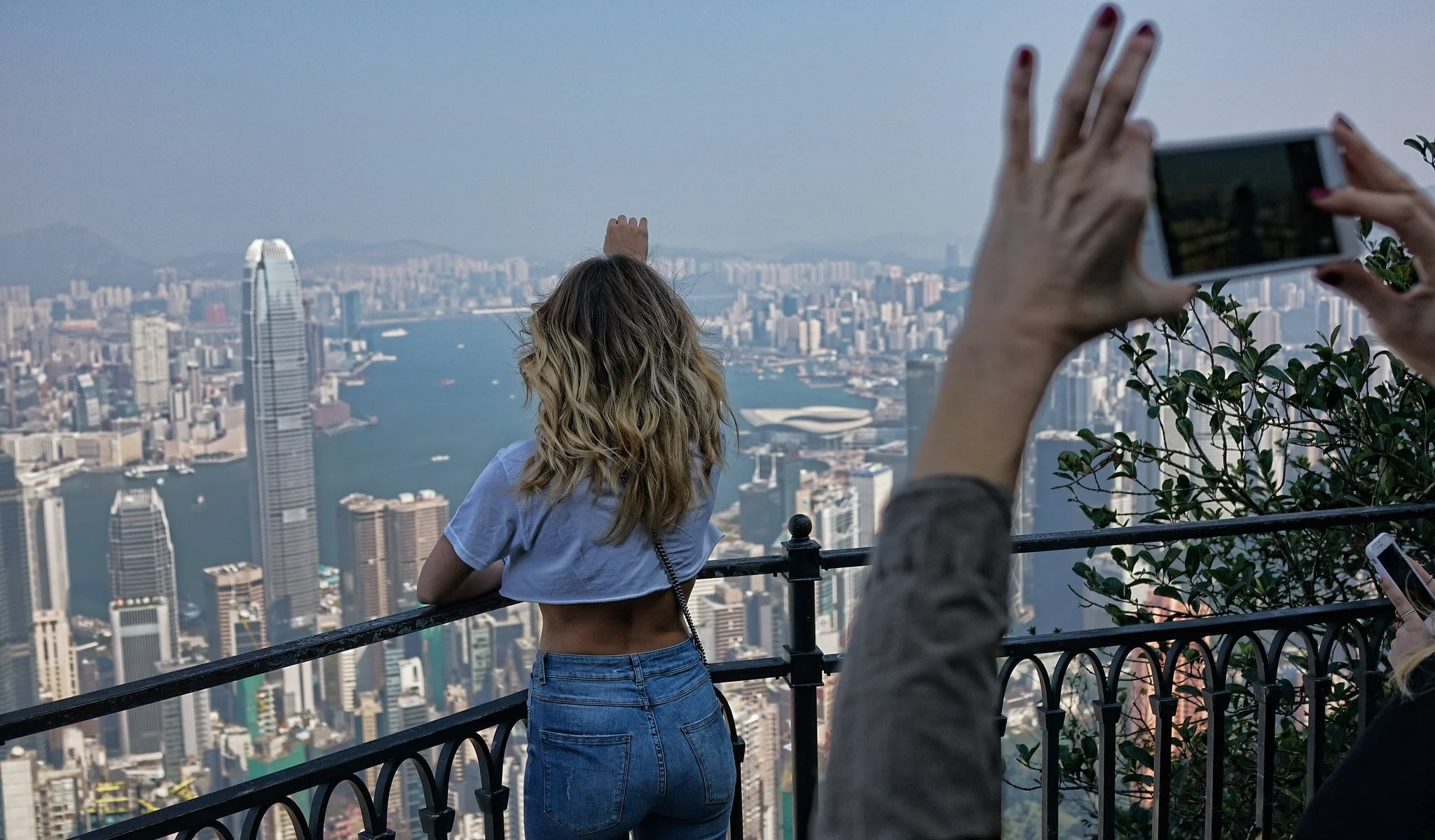
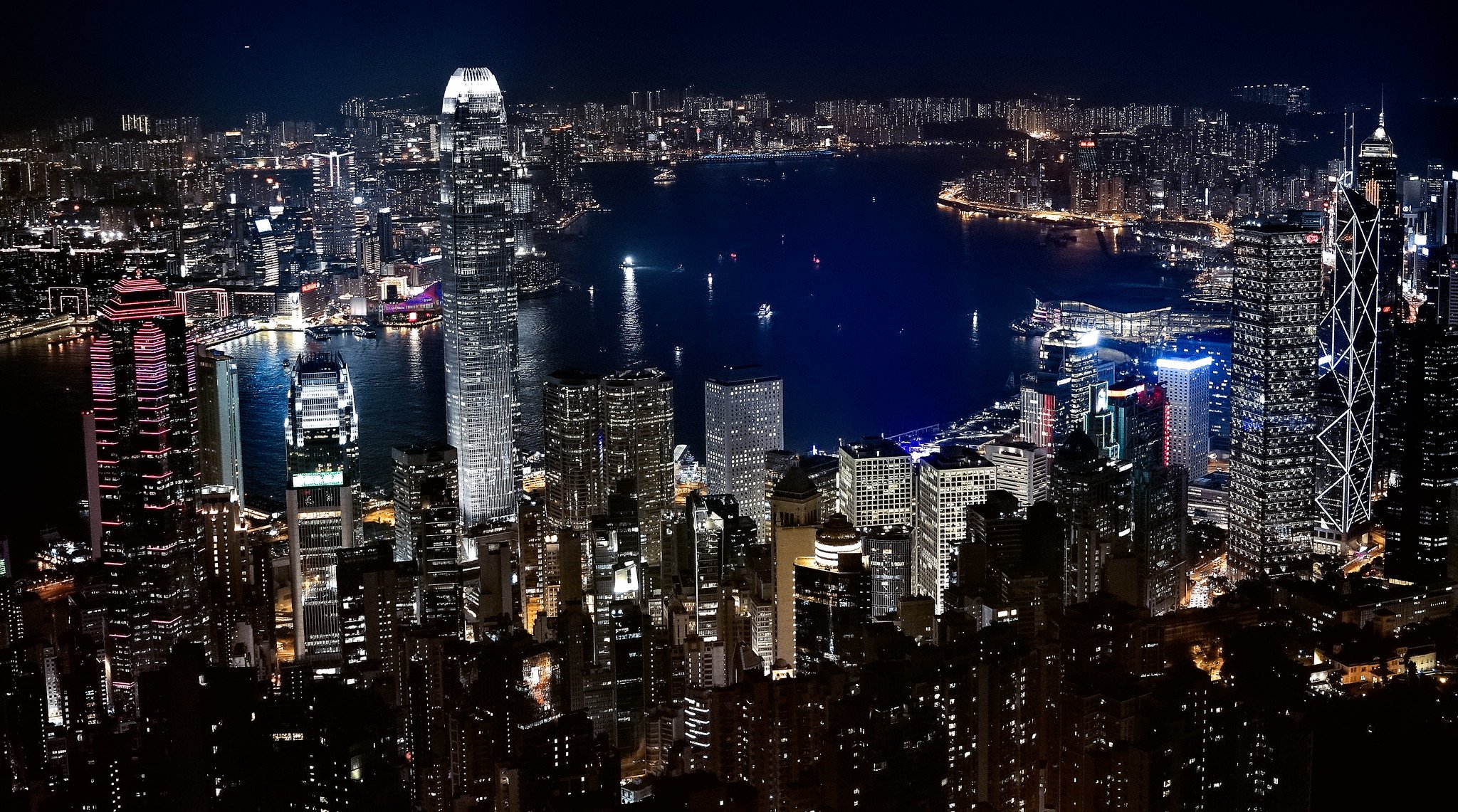
Victoria Peak is a clear example. The Peak Tram now has step-free boarding at the termini and spaces for manual wheelchairs of a certain size, plus vertical lifts. Sky Terrace 428 can be reached by lift once you are inside the Peak Tower. Free viewpoints exist, but the Lions Pavilion is off limits. There are steps to negotiate and the viewing area is very small and crowded, so it is not practical.
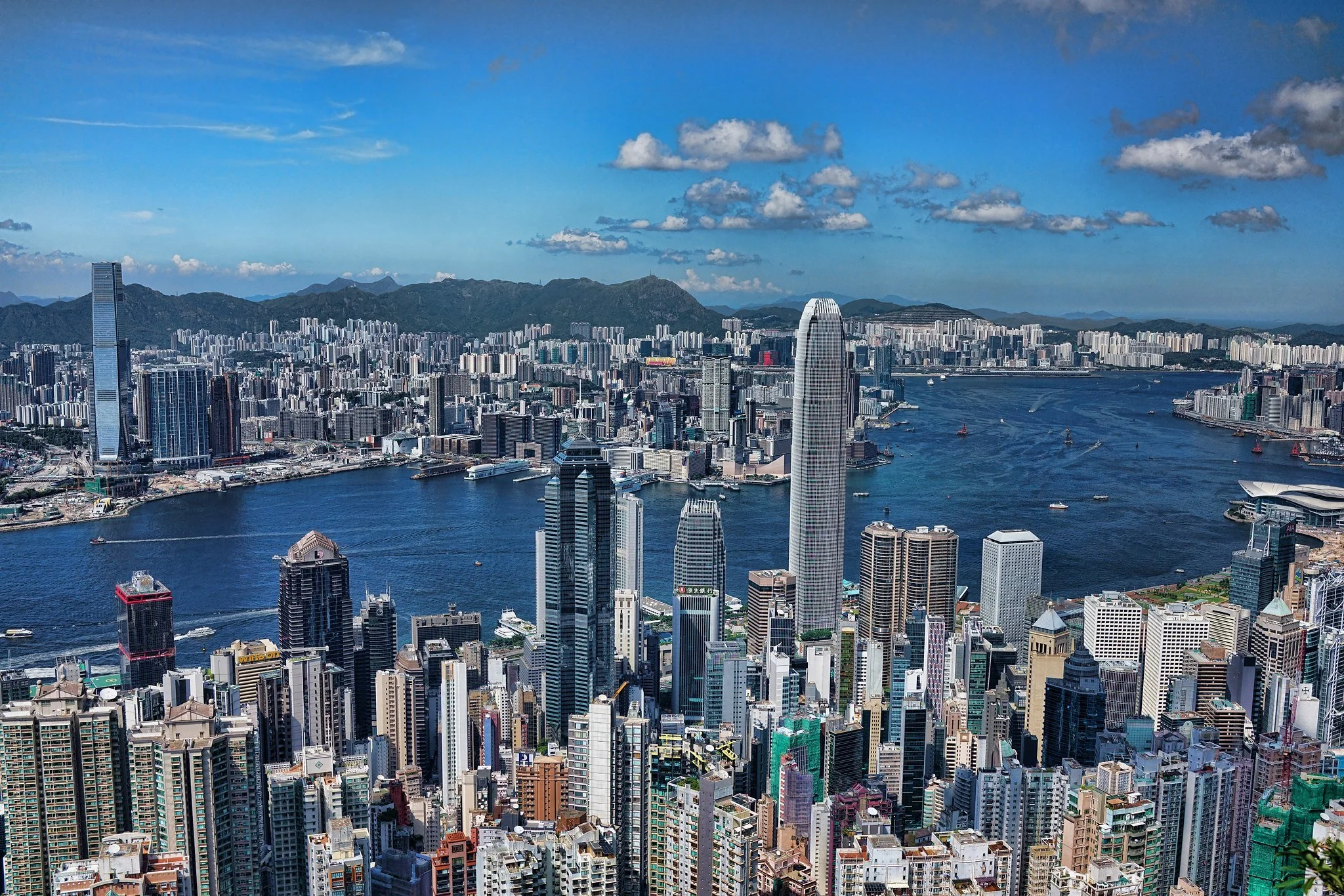
The best option, whether the guest is in a wheelchair or visually impaired, is the Lugard Road Lookout. It is a 40 minute round trip walk on a road with no cars. The route is quite flat except for one small section that has a gradient. I have often seen people in wheelchairs on this route. You get the best panoramic city view in the world, even if for some guests it is a matter of describing the view rather than seeing it. Many people still expect the classic tram-plus-paid-deck experience, so a wheelchair user often ends up taking Bus 15 from Central or a specialist vehicle instead. The view is still there. The route to it just looks different.
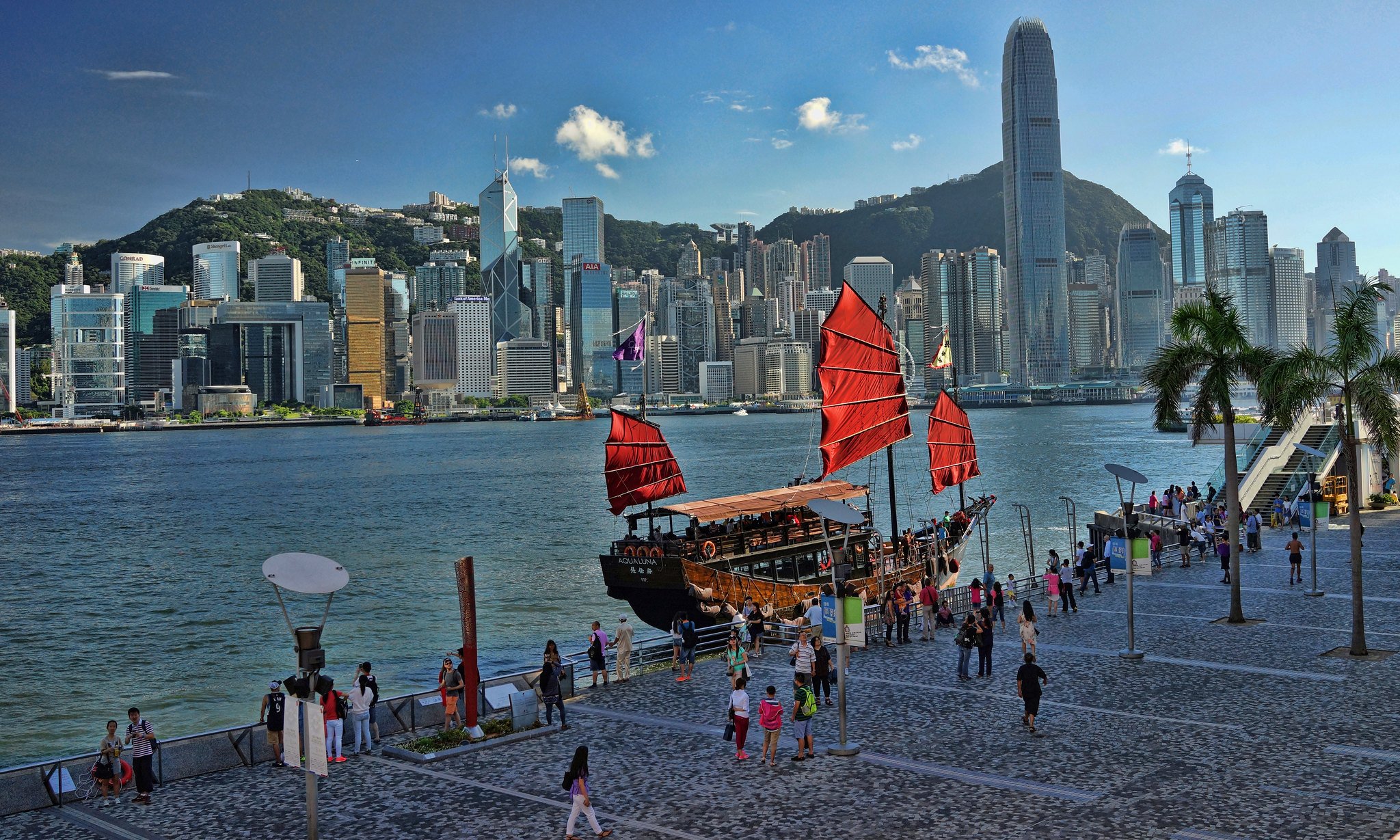
A few spots come up repeatedly as more manageable: Chi Lin Nunnery and Nan Lian Garden (mostly level, lifts available), parts of Tai Kwun (barrier-free routes and tactile tools exist), the waterfront promenades on both sides of the harbour (wide, relatively flat), Victoria Peak via the Lugard Road Lookout or Bus 15 or a specialist vehicle rather than the Peak Tram on busy days, and Ngong Ping 360 (cabins can take a wheelchair, though booking ahead is wise). Places that still cause regular problems: older temple compounds with multiple short flights of steps, night markets with narrow aisles, and any route that relies on the Mid-Levels escalator or the older Street Tram.
For visually impaired guests the pace changes for a different reason. Safety on the street comes first: uneven paving, unexpected steps, and the constant movement of other pedestrians. The guide also has to describe what is in front of them in real time. A building facade, the shape of a harbour view, the smell of a street stall, the texture of a stone wall. That means more talking, more stopping, and more explaining than a standard tour. Family members or friends who come along help enormously, but they cannot replace the detailed running commentary the guest needs. Most guides are not trained for that level of description, so the ones who do it well tend to be specialists or people who have taken the time to practise.
What This Means for Tour Companies
Running these tours properly requires more than goodwill. You need:
Reliable access to suitable vehicles or a clear plan for public transport plus specialist taxis.
Extra time built into every booking, usually 50% or more.
Knowledge of which entrances, lifts and dropped kerbs actually work on the day.
Insurance that covers the extra risks.
Guides who are comfortable with the slower pace and the heavier descriptive load.
Clear communication with the guest and any accompanying family or friends before the tour starts.
The costs rise accordingly. A specialist accessible vehicle for a full day often runs HK$2,500 to HK$4,500 (roughly US$320 to US$580) before the guide’s fee. Combined with the extra hours the tour itself takes, the final price is usually 40% to 70% higher than a standard private walking tour of the same length. Most families accept this once they understand why. The ones who do not are usually the ones who have not been told in advance. Specialist vehicles are more expensive to hire. A longer tour uses more of the guide’s day. Trial runs are unpaid preparation. That is why many companies, including mine, prefer to pass the enquiry to someone who already has the vehicles and the routine in place.
There is genuine demand. Families want to travel together. Older visitors who have been coming for years sometimes need a different style of tour later in life. International guests with disabilities are used to asking for access and expect the same here. The operators who have specialised in it are doing solid work, and the transport companies have made real progress. The city itself remains a dense, stepped, crowded place, and that does not change overnight.
If the guest is travelling with family or friends who can help with the wheelchair or with describing the surroundings, the whole day becomes easier. The guide still has to plan the route and do the talking, but the practical load is shared. Solo travellers or couples where one person has a disability need the most careful planning of all.
If you are planning a visit and mobility or vision is a factor, the practical advice is simple. Contact the specialist operators early. Tell them exactly what the wheelchair size and weight are, or what level of visual impairment is involved. Ask for a trial of the key stops if possible. Build in more time than you think you need. And accept that the tour will feel different from a standard walking tour. Different does not mean lesser. It just means the city is being experienced at a pace that works.
So there you go.

click on any image to enlarge
© Copyright Acknowledged | All rights reserved | images taken by Jamie