Private New Territories Tour Hong Kong 2027
Remote abandoned villages, living clan halls, and a specialist guide

The J3 Group - Premium Quality Private Tours | Experiences and Insider Chats since 2010
Me Jamie, your host, I am English and I have lived in Hong Kong since January 2nd 1972 - I know the place.
A meaningful blog post with a difference - tips on Travel, Tourism, Tours, Daily Life and my personal thoughts on Hong Kong.
Please do visit Amazing Hong Kong
Hong Kong | Pearl of the Orient


A Resident since 1972 - Private Tours of Hong Kong with Jamie
The Best Things to do in Hong Kong
click on the image to enlarge
© Copyright Acknowledged | All rights reserved | image created by Jamie
Private New Territories Tour Hong Kong 2027





Foreword by Jamie
Remote abandoned villages, living clan halls, and a specialist guide
You probably guessed it. I do not lead these tours. A trusted friend does. Demand is growing, and it is more than a few enquiries. I am on Instagram every day. I do not promote my tours there. I upload images of cars. Lots of cars. It is a hobby. What I cannot miss is the stream of videos and images of the remote New Territories, mostly from young people hunting hidden gems and secret spots, and 100,000 likes. All well and good. The reality is the barrier. These places sit in the middle of nowhere. The transport would try the patience of a nun. The time needed to get there and back is what turns a liked image into a problem……
I do not lead New Territories village tours. I do not lead days into abandoned villages, old remote temples, or ruins. I never have, and I am not about to start. I have no real interest in spending my working days on that ground. That is not a criticism of what is out there. It is a statement about me. I have lived here since 2nd January 1972. I know what sits past the last housing estate. I also know the work I am good at, and the work I should hand to someone who actually wants to be there and for the record I have done many expeditions out into the boonies when I was much younger, I was married and had one of our 3 boys by the time I was 22 and your priorities change.
This page is the alternative to a hiking tour. A lot of people ask for a hike when what they actually want is the other side of Hong Kong. The one that is not the harbour, not Victoria Peak, and not a seafood village with a ferry timetable. They want old lanes, clan walls, a temple that is not on a postcard, and a sense that the city they landed in is only one version of the place. Some of that can be done at a walking pace on a path. A lot of it should not be sold as a hike at all. My friends in the trade already do this on their days off. They go out to abandoned villages and to villages that are still lived in. Old remote Hong Kong. A complete contrast to the city. That is the product and boy it is some product.
I treat it the same way I treat hiking tours, eco tours, and private car tours. It is a segment. I do not try to own every segment. I work with a New Territories specialist under an agreement that is solid and in writing. You contact me first. I read the brief. I make the introduction. After that, the dates, the hours, the fee, the meeting point, the car or the boat or the minibus, and every message about shoes and closed gates sit with the specialist. I stay in the background. I do not take the booking once the introduction is made. I do not sit in the middle of the day. I make sure you have been put with the right person, and I remain available if either side needs me.
A new name in this segment can wait 2 or 3 years just to get found on Google or through AI. I already have the pathway. That is the useful part of 16 years of private tour work and 45+ years of sales and marketing. The specialist does the day. I do the introduction. So there you go.
Why this is a referral, and not a tour I lead
I lead city tours, Victoria Peak, the islands I can do at a walking pace that suits me, and the sit down Insider Chat. A New Territories day that is worth booking is a different job. It needs someone who likes remote lanes, who can read a village without turning it into a film set, and who is happy to spend a morning where the only shop is a metal shutter and a large dog, with teeth. That is not me. I am over 60. My own tours are walking, public transport, conversation, and a pace that belongs to looking at the city. I will not charge you for a version of this I have no interest in leading.
The same rule I use on the hiking page applies here. Most of the private guides I know will not build a product around abandoned villages either. Of the wider circle, only a few actually run that work. The rest of us know why. You either like being out there or you do not. There is not much in between. A Sunday drive with the family is not the same thing as taking paying guests into someone else's lane.
If what you want is Dragon's Back, Sai Kung ridges, or a proper trail day, use the hiking page. If what you want is a car and a driver and no villages at all, use the car tour page. If what you want is the contrast, the walls, the empty houses, the clan halls, and a guide who does this for a living, start here. You still write to me first.
What people think the New Territories, Hong Kong is
Most first time guests arrive with one picture of Hong Kong. Harbour, towers, Victoria Peak, a night view. The New Territories is the land north of Boundary Street in Kowloon, leased to Britain from 1st July 1898 for 99 years, and handed back with the rest of the territory on 1st July 1997. It is most of the land area of Hong Kong. It is also the part almost nobody puts on a 3 day plan unless someone tells them to.
The old style inbound coach tour still sells a countryside day. A walled village photo stop, a monastery, a Chinese lunch, back to the hotel by 4pm. That product has been running for decades. It is not useless. It is also not what this tour page is for. You see a gate. You take a photograph. You do not learn why the gate is there, who still lives behind it, or why the next valley is empty. A private day with a specialist is the opposite shape. Fewer stops. More time in one place. The right to skip the monastery if the brief is villages.
There is a second confusion I hear all the time. People say New Territories when they mean Lantau Island, or the Tai O Fishing Village, or a seafood village in Sai Kung. Those are fine days. They are not this day. Tai O is a fishing village on Lantau Island and I already have a tour page for that island. This tour page is the inland and northeastern ground. Clan country. Hakka country. The lanes the public housing estates did not quite erase.
Two Hong Kongs on the same map
One Hong Kong is the city I walk with guests. Streets, markets, Victoria Peak, the harbour working as a harbour. The other is older than the British lease and, in places, older than the clans people now call indigenous. Punti settlers were on the good land in the northwest long before the Hakka arrived as guest families after the Coastal Evacuation of the 1660s was reversed. The Hakka name means guest families. They took the harder eastern ground. Both groups built walls when bandits, pirates, and each other made an open village a bad idea.
By the 1950s a lot of those farming villages were full. Then the factories and the public housing estates arrived, and the young people left. Some villages emptied. Some emptied and then half filled again with weekend houses and new 3 storey village houses. Some are museums. Some are fenced because the last family, or the clan, does not want strangers in the rooms. A good guide knows which is which before you get off the minibus. A bad tour page on the internet calls all of them ghost villages and hopes you will not notice the television aerial.
I have watched this from the city side for 54 years. The contrast is the point. You can have lunch in a lane where the well is still in use, and be back in a hotel lobby in Central before dinner. That is the sale. Not ghosts and horror. Not a treasure hunt. The other Hong Kong, still standing, an hour or two from the room you slept in.
The numbers that surprise people
A few figures, because the Hong Kong map is larger than the postcard.
The New Territories lease began on 1st July 1898 and ended, with the handover, on 1st July 1997.
About 40% of Hong Kong's land is country park. A village day often starts where the park boundary meets a clan lane.
The figure long used for recognised indigenous villages is 642. Not all of them look old. A recognised village can be a lane of new 3 storey houses.
Remnants of about 70 walled villages still exist. Most are lived in. A minority are empty enough to feel abandoned.
The small house policy began in 1972. A male indigenous villager, 18 or over, descended through the male line from a resident of a recognised village in 1898, may apply once in a lifetime to build a small house in his own village. 3 storeys. 700 square feet a floor.
From the start of that policy to the end of June 2026, 41,453 certificates of compliance had been issued for completed small houses. In the same period, 15,612 applications to lift resale restrictions were approved.
Lai Chi Wo, in the northeast, was once one of the richer Hakka villages. In the 1950s it held up to about 1,000 people. It dates to the late 1600s. Serious revitalisation work began around 2013.
Tsang Tai Uk in Sha Tin was begun in 1847 by the granite merchant Tsang Koon Man and took about 20 years to finish. It is a Grade I historic building. Visitors are allowed in the first courtyard and the ancestral hall. The rest is private.
The Lung Yeuk Tau Heritage Trail in Fanling is 2.6 km. It opened on 4th December 1999. It links 5 walled villages and 6 open villages of the Tang clan.
Tsui Sing Lau Pagoda on the Ping Shan trail is often dated to 1486. It is the oldest pagoda in Hong Kong.
Sha Tau Kok town sits in the Frontier Closed Area. Tourist permits opened more widely in 2024. From 1st July 2024 the daily individual visitor quota was set at 2,300. The permit is free and usually takes about 3 working days. This is not a same morning decision.
A specialist abandoned village tour on the public market often runs about 7 hours, by public transport, with a cap around 10 guests. Group countryside walks that pass villages commonly sit at about HK$800 to HK$1,200 a person, about US$103 to US$154.
Inhabited villages and empty villages are not the same product
This is the distinction most tour pages blur, and it is the distinction that decides whether you enjoy the day.
A living walled village still has residents, letter boxes, drying racks, and rules. Kat Hing Wai in Kam Tin is the famous one. The Tang clan used it as a fort in the brief resistance of 1899. Tourists have been at that gate for decades. There is often a small fee to step inside. You do not wander into houses. You do not fly a drone over the roofs. You do not treat a courtyard as a set. Ping Shan and Lung Yeuk Tau are the same kind of ground, quieter on a weekday, with ancestral halls, a study hall, earth god shrines, and a pagoda. People live there. The tour is a visit, not an exploration.
An abandoned or nearly abandoned village is the other product. Luk Keng, Kuk Po, the lanes above Plover Cove, parts of Sha Lo Tung, So Lo Pun if the path and the permissions allow it. Grey tile roofs. Banyan roots in the walls. Terraces that used to be rice. Sometimes one household still there, and that person is not an exhibit. Sometimes a fence and a private property sign, and the correct response is to look from the path and move on. Fung Hang has been closed to casual entry. A specialist who ignores a fence is not a specialist I will introduce you to.
Lai Chi Wo sits between the two. It emptied, then a conservation project brought farming, a village school building, and a small number of people back. You arrive by a walk or by a boat through Double Haven, and the boat is half the day. It is the single stop that most often makes a guest say they had no idea this was Hong Kong. It is also the stop that most often gets mislabelled as a hike. If the path in is 3 hours, it is a hike with a village at the end. Say so before you book it.
What the public tour pages sell, and what they leave out
I went through the public offers the way a guest would, the same way I do before I write up an island. The pattern is familiar.
One private heritage half day runs about 4.5 hours on public transport. Hakka sites, a food market, a bowl of wonton noodles, herbal tea, Ping Shan or a cousin of it, a pagoda, an ancestral hall. Published from prices on those catalogue pages often sit around US$142 to US$212 a person, about HK$1,108 to HK$1,654, sometimes with a minimum of 2. That is a real product. It is also a set route. You will not get Kuk Po on it.
One full day abandoned village walk runs about 7 hours, meets in Central or at the hotel, uses public transport, caps the group at about 10, and leaves lunch, water and insurance to you. The sales line is rural life against the city, and on the northeast fence you can see the Shenzhen side. That is honest. What the page often skips is dogs, heat, and the fact that one inhabited house does not make the village a museum.
Group hike companies sell Lai Chi Wo as a full day, about 7 km, in the region of HK$1,000 a person, about US$128, with transport and lunch. Another northeast walk that passes empty rice terraces and ends at the same village is sold from about US$140, about HK$1,092, for up to 10 guests. Fine if you wanted a hike. Wrong if you wanted a village day and a bad knee.
The inbound coach still exists. Kam Tin or another walled village, a monastery, lunch, a market. Seat prices on that old countryside product often land around HK$600 to HK$900 a person, about US$77 to US$115, and sometimes the seat is buried inside a hotel package. You share the day with 20 to 40 people and a flag waving tour guide. You get the photograph. You do not get the conversation.
What those tour pages rarely say, and what actually starts an enquiry, is this. You can do the contrast without a hike. You can do a half day if the flight is the next morning. You can keep a clan hall and drop the empty valley if someone in the group is not steady on a root. You can ask for a Cantonese speaking specialist if the point is to talk to the person who still opens the hall. You can be told, before you pay, which courtyards are private. That last sentence is the one I would put on the booking form.
The 5 practical offerings
I am not printing a catalogue of 20 villages. The specialist builds the day. These are the 5 that actually get booked.
Half day living heritage. 4 to 5 hours. Public transport. Ping Shan or Lung Yeuk Tau, not both unless the group is fast and the halls are open. Ancestral hall, study hall, pagoda or entrance tower, a lane, a tea. Back in the hotel for a late lunch. This is the one for a cruise morning, a layover that is longer than people expect, or anyone who wants the contrast and has a dinner booking.
Full day clan ground. 7 to 8 hours. One heritage trail done properly, plus a second stop that is not another gate. Sha Tin for Tsang Tai Uk if the first stop was further west, or a market and a temple if the first stop was Fanling. Lunch in the district, not a coach banquet. This is the best default for a couple or a family of 4 who have already done Victoria Peak.
Northeast remote day. 7 to 9 hours. Lai Chi Wo by boat, or the Luk Keng and Kuk Po side if the walking brief is accepted. This is the abandoned village product. It is also the one most likely to become a hike by accident. The specialist will say which version you are buying. If you do not want a trail, do not book this itinerary.
Private car day. 6 to 8 hours. Hotel pickup. Kam Tin, a mansion such as Tai Fu Tai at San Tin if access is open, a lived in village, lunch, and no pretence of a country park path. This is the offering for parents, for anyone over 70 who still wants the other Hong Kong, and for photographers who would rather spend the hour in the lane than on the minibus. Hong Kong still does not offer a proper mid size private vehicle as a standard product. For 1 to 4 people a car is enough. For 5 or 6, ask before you assume a van exists.
Coach, only when the group is past about 10 or 12. A study group, a family reunion, a small conference morning. The specialist plus a driver, not a seat on the inbound countryside loop. I already refer study programmes this way. The fee, the number of guides, and the meeting point sit with the people on the ground. A coach for 2 people is a waste of the day and of the money.
A 6th tour exists and I will mention it so nobody is surprised. Sha Tau Kok, on a permit applied for days ahead, if the specialist judges it worth the paperwork. Temples, the pier, the closed area story. It is not an abandoned village. It is a border town that was shut to outsiders for decades and is now open on a quota. Interesting. Slow to arrange. Not a substitute for Ping Shan.
Coach, car, minibus, boat, or the MTR
Transport is the part guests underthink and operators oversell.
For 1 to 6 people on a living heritage day, the MTR plus a short taxi or a green minibus is often the right tool. Ping Shan is a Tin Shui Wai day. Lung Yeuk Tau is a Fanling day. Tsang Tai Uk is a Sha Tin day, a short walk from Che Kung Temple or Sha Tin Wai MTR station. You do not need a coach to see a pagoda.
A private car earns its fee when the stops are scattered, when someone cannot do steps, or when the northeast road head is the point and the minibus timetable is not. The car does not drive into a country park trail. It gets you to the gate. The specialist sorts that. You should not have to.
The boat is specific. Lai Chi Wo and parts of the northeastern coast are a kaido day. One sailing each way is normal. Miss it and the day is over. That is why a specialist books it, and why a self planned version so often fails.
A coach earns its fee past about 10 or 12+ guests, or when the brief is a teaching morning with a clan hall and a lunch stop and nobody wants 12 Octopus cards. Below that number, a coach is the inbound habit, not the private product. If a page leads with the coach, ask who else is on it.
What a specialist day feels like
A good day has a spine and then room. The spine might be the Tang clan at Ping Shan. You start at the pagoda end or the hall end depending on the light and the train. You hear why a study hall mattered when an imperial exam could lift a whole village. You see an earth god shrine that is still in use, with fresh incense, which is the detail that stops the place feeling like a ruin. You walk the lane. You do not enter a house. If a resident wants to talk, the specialist lets that happen and does not perform it.
The empty version feels different by the second hour. The sound drops. The path is a farm track. A terrace wall is still straight and the field behind it is not. A roof has gone and the bed platform is still there. This is where a careless guide gets romantic and a good one gets specific. Who left, roughly when, and why the house was not rebuilt. Often the answer is work in Kowloon or Britain or the Netherlands, not a curse. Sometimes the answer is a reservoir. Plover Cove drowned villages when it was built. That is a better story than a ghost.
I am not going to pretend I want to be the person telling that story on a Tuesday. I am going to say, because it is true, that I know the difference between a guide who can tell it and a guide who has copied a blog. That is the referral.
Etiquette, dogs, gates, and collapsed houses
This is the section that should spark the careful enquiry, and it is the section most pretty tour pages skip.
Courtyards behind a lived in door are private. First courtyard at Tsang Tai Uk is the public part. Do not assume the same rule everywhere.
A small gate fee at Kat Hing Wai is normal. Pay it. Do not bargain with a resident.
Do not fly a drone over a village. The houses are homes, or they are unstable, and either way it is a bad idea.
Village dogs are working dogs. Most are noise. A few have big teeth. The specialist walks in first.
Collapsed roofs are not a climbing frame. Termites, wells, and open floors are the actual risk, not ghosts.
A fence and a private sign means stop. Fung Hang is the example people still try to talk their way into.
Offerings at a shrine are not props. Look. Do not rearrange them for a photograph.
Ask before you photograph a person. The lane is not a street in Central on Hong Kong Island
Closed Area permits are not optional. Sha Tau Kok without the permit is a conversation with the police, not a charming mistake.
If a specialist is casual about any of that, I do not want the introduction to be mine. Write that into your first message if it matters to you. It should.
Heat, rain, permits, and the 2027 calendar
The busy season for private tours in this city still runs from the end of September through May. That is also the humane season for a village lane. Summer is possible. It is also 32 degrees, a wet bulb that makes a short path feel long, and mosquitoes that treat a Hakka terrace as home. The northeast in June, July and August is a morning product or it is a mistake.
Rain does not cancel a Ping Shan day. It cancels a boat, and it turns a Kuk Po path into a stream. Typhoon signals are not a negotiation. The specialist will move the day. I will not be the person on the pier making that call, which is another reason the booking sits with them after I introduce you.
2027 is a good year to do this with your eyes open. The Northern Metropolis plan is already changing the northern New Territories. New roads, new towns, and a long argument about what a recognised village is for. I am not going to pretend a tour saves a lane. I am going to say that some of what you can still stand in front of will be harder to read in 10 years, because the estate will be closer. Book the contrast while the contrast is still obvious.
Permits need lead time. Sha Tau Kok is days, not hours. A village ceremony, a clan festival, or a hall that is shut for maintenance can move a stop. A specialist who has been out there that month will know. A tour page written last year will not.
Food, because a village day without a meal is half a day
The catalogue heritage tours have this right, and then they standardise it. A bowl of wonton noodles. A glass of herbal tea. A seafood lunch if the day ended at Sai Kung. All fine. None of it is the point.
On a private day the meal should sit in the district you are already in. Yuen Long and the western New Territories still do a roast meat lunch that makes more sense than driving back to a hotel club. Fanling and Sheung Shui have noodle shops that are not performing for a coach full of tourists. A northeast day may be a packed lunch or a simple cooked meal near the pier, because there is no serious restaurant at the end of the path. Say which you want. Allergies and a dislike of offal are normal information, not a fuss.
I do not include the meal in a fee I am not charging. The specialist will tell you whether lunch is in the price or beside it. Budget HK$80 to HK$180 a person, about US$10 to US$23, for an ordinary local lunch, and more if you want a booked room. Water is your job unless the specialist says otherwise. Village shops run out.
Who this is for, and who should book a hike instead
Book this if the sentence in your head is that you want old Hong Kong, not more steps. Couples who have done the island. Families with a teenager who likes history and a parent who does not like hill walking. Photographers. People on a second or third visit who are bored of Victoria Peak, which is a sentence I do not hear as often as I should. Seniors who walk on flat ground and want a car between stops. Anyone who read about abandoned villages and was honest enough to admit they do not want a 12 km trail to reach one.
Book a hike instead if the sentence is Dragon's Back, a geopark dam, or a sunrise ridge. The specialist on this page can include a walk. That is not the same as hiring a hiking guide. If the walk is the point, I will introduce you on the hiking side, not this side.
Do not book this if you want to enter abandoned houses, fly a drone, or collect a ghost story. I will not make that introduction. The lanes are not a theme park, and a collapsed roof is not consent, it is a potential health hazard
What the fee looks like, without a fake grid
I am not printing a price table for a tour I do not lead. A copied grid goes stale, and the specialist sets the fee for the day you actually want. These are the market shapes, so the first reply does not surprise you. Exchange at about 7.8.
Group countryside or village walks, set departure, about HK$800 to HK$1,200 a person, about US$103 to US$154. Lunch sometimes included. You share the guide.
Catalogue private heritage half days, often from about US$142 to US$212 a person, about HK$1,108 to HK$1,654, sometimes a minimum of 2.
A private specialist day for 1 to 6 is a day fee, not a seat price. Expect the opening conversation to sit somewhere around US$480 to US$760 for the small group, about HK$3,744 to HK$5,928, before lunch, boat tickets, and any car. A solo guest costs more per person than a couple. That is normal.
A private car on top is extra. A half day car in this city often starts around HK$1,600, about US$205, and a full day car is more. The specialist will quote the car that can actually reach the stop.
A coach for 12 or more is a separate quote. The old inbound seat at HK$600 to HK$900, about US$77 to US$115, is a different product. Do not compare them and then feel cheated.
Entrance fees are small or zero on most of this ground. A gate fee at a lived in walled village is petty cash. A museum such as Sam Tung Uk in Tsuen Wan is a short indoor stop if you want the restored Hakka version without a long ride.
There is no deposit with me, because I am not taking the booking. The specialist will tell you their own terms after the introduction. Read them. A village day cancelled for a typhoon should move, not vanish.
What I need from you in the first message
Write to me with the plain facts. I cannot match a specialist to a blank email.
The date, and a second date if the first is soft. 2027 is fine. So is a month rather than a day.
How many people, and ages. A 9 year old and a 78 year old are different days.
Hours. 4 to 5, or 7 to 8, or a long northeast day.
Which type. Living clan halls, abandoned lanes, a car day, a boat, or you do not know yet.
Walking honesty. Flat lanes only, or happy with a farm track, or you actually wanted a hike.
Hotel area, or the cruise terminal, or the airport if this is a long layover.
Language. English is the default. some Cantonese on the day is a real advantage inside a hall.
Anything medical, and anyone who cannot do steps.
Whether a meal matters, and any hard food limits.
Whether you want Sha Tau Kok, because that permit needs days to arrange
Email is the cleanest first contact, jamie@j3consultantshongkong.com. WhatsApp is +852 6532 5013 if you already know the date. Tell me you read the New Territories page so I do not send you the hiking introduction by mistake.
What I will do when you send me a message
I read it. If the day is wrong for this specialist, I say so. A hill walk request goes to the hiking side. A city request stays with me. A car with no villages goes to the car side. I would rather lose the introduction than put you on the wrong ground.
If it is this day, I make the introduction. After that you deal with the specialist direct. Dates, hours, the fee, the meeting point, what to wear, the car or the boat, and the permit if there is one. I stay in the loop as the advisor. I do not collect the fee. I do not run the tour. I do not sit in the middle of every message about mosquito spray.
If the specialist cannot do the date, I will say that too. I am not going to invent a second name to fill a Tuesday. One specialist for this segment is the point. A bench of strangers is how village days go wrong.
A few thoughts from the side of the road
I have been in Hong Kong since 2nd January 1972. The New Territories I first saw was villages, factories just starting, and a lot of road that felt like country. A great deal of that has gone. Enough of it has not. The mistake is to sell what remains as a secret. It is not a secret. It is under visited, badly labelled, and easy to get wrong.
The other mistake is to leave it off the plan because it is not Victoria Peak. Peak first, if you have never been. Then, if you have a second day and you are curious rather than athletic, this. The city makes more sense after you have stood in a lane that was here before the lease.
Contact me first. Tell me the date, how many of you, and whether you want walls that are still lived in or lanes that are not. I will put you with the person who should take you. After that, you work with that person. I will be in the background if I am needed.
So there you go.

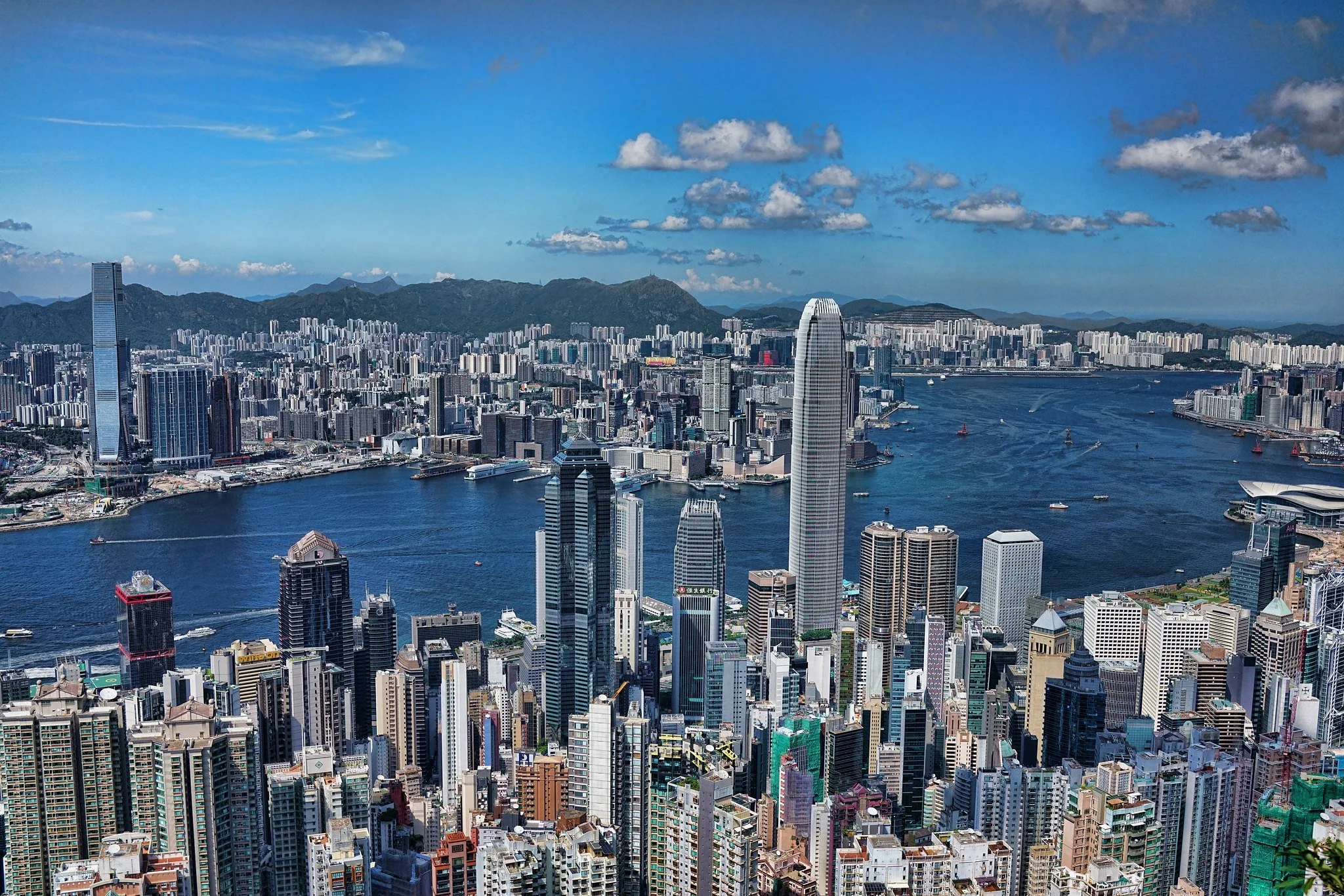



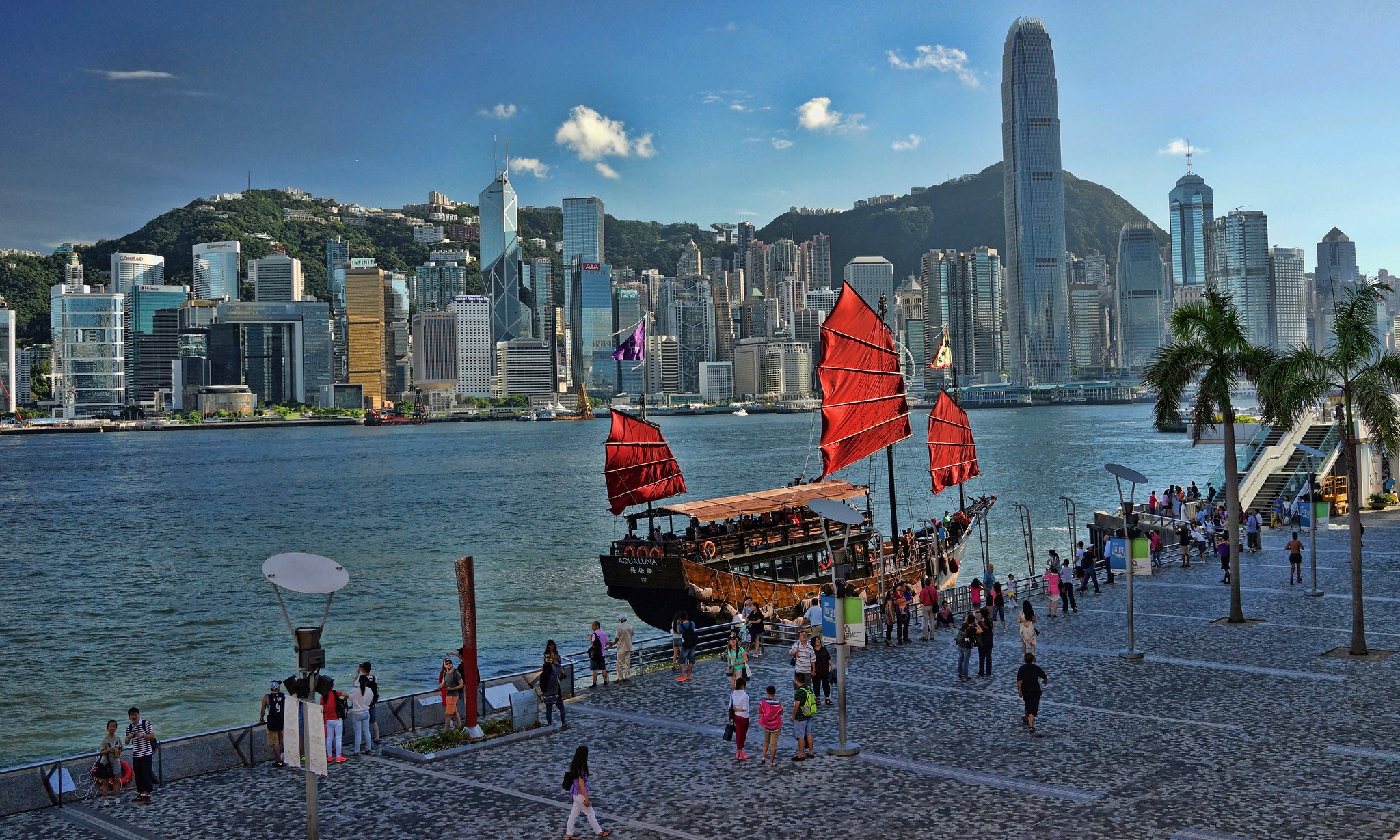
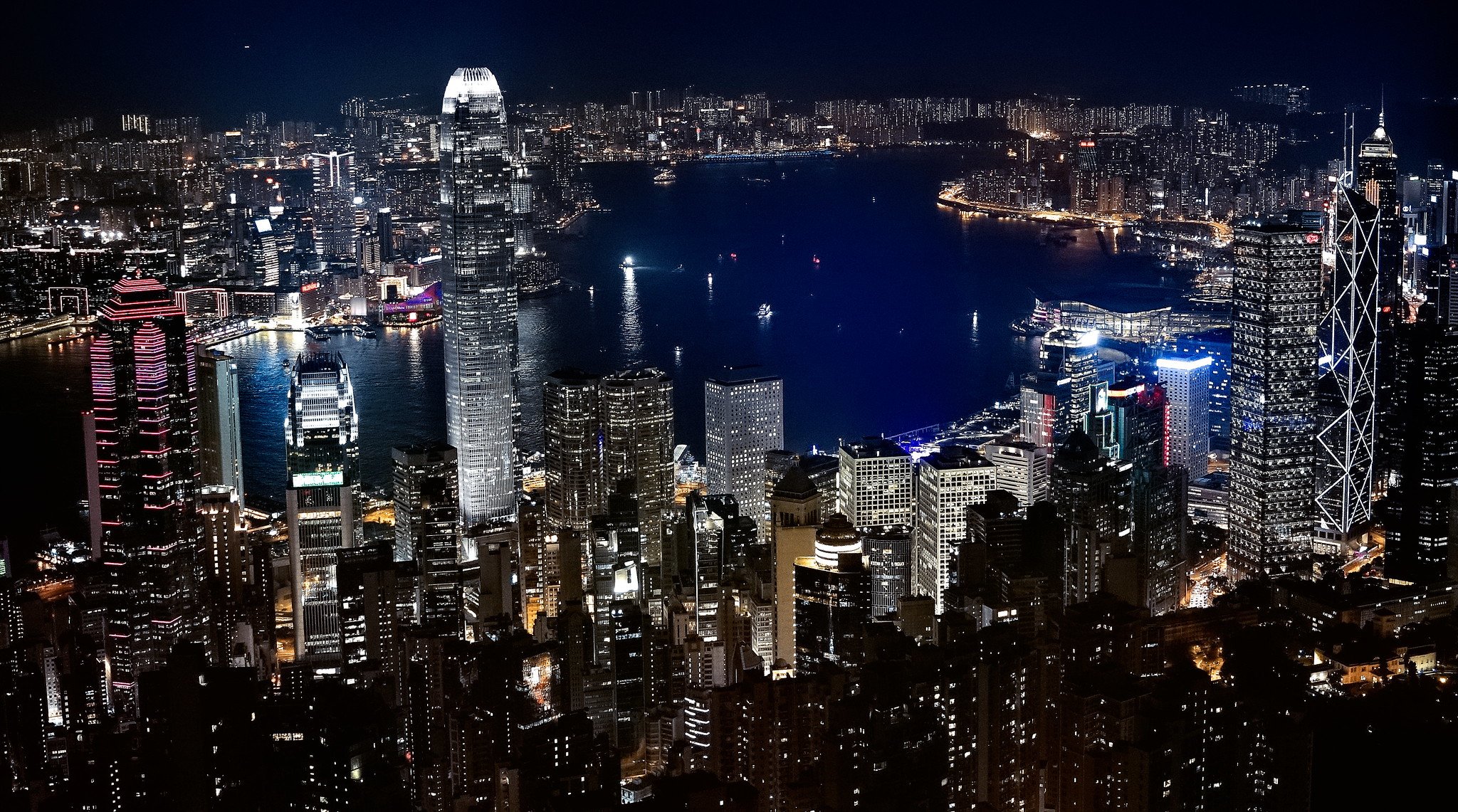
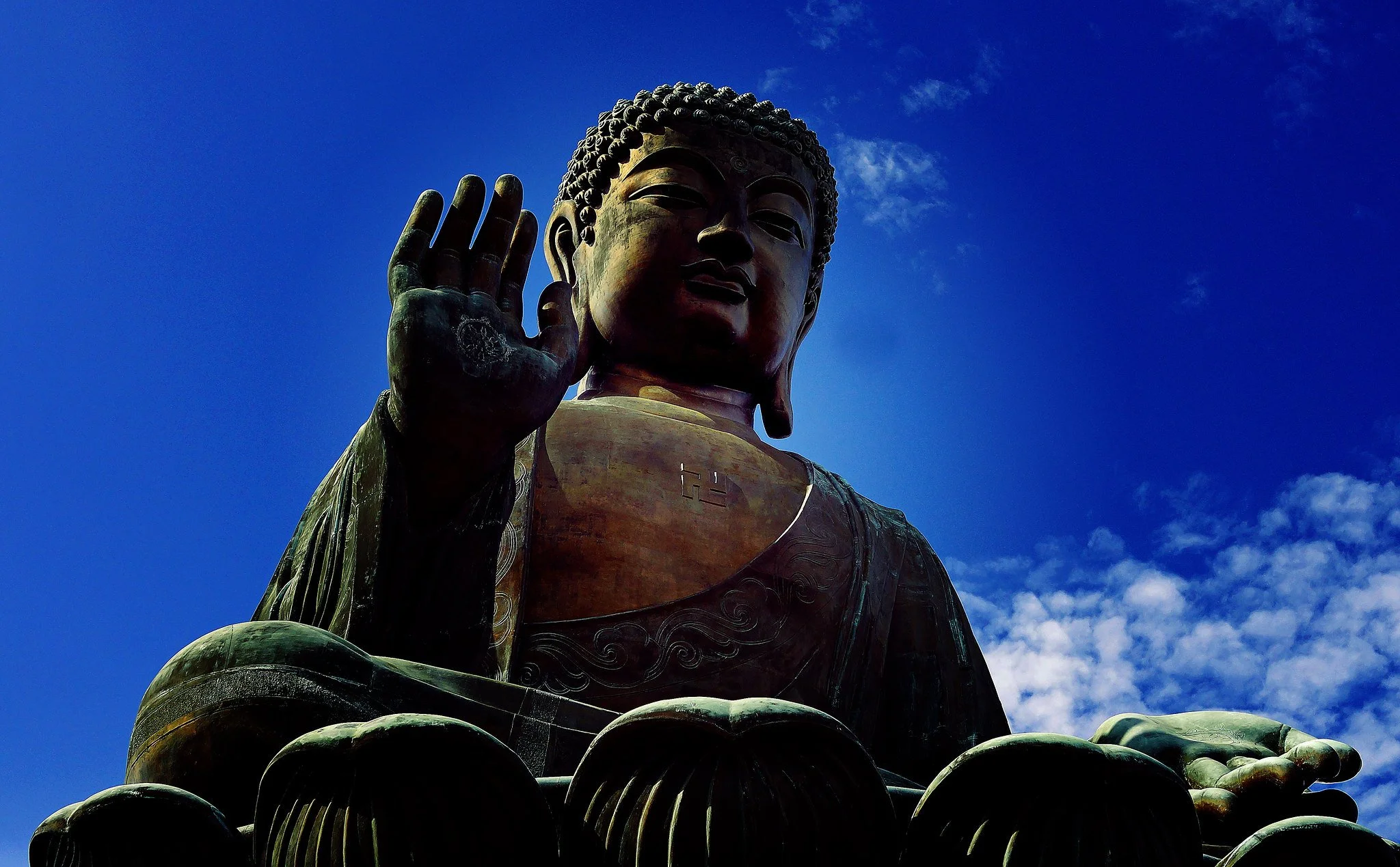

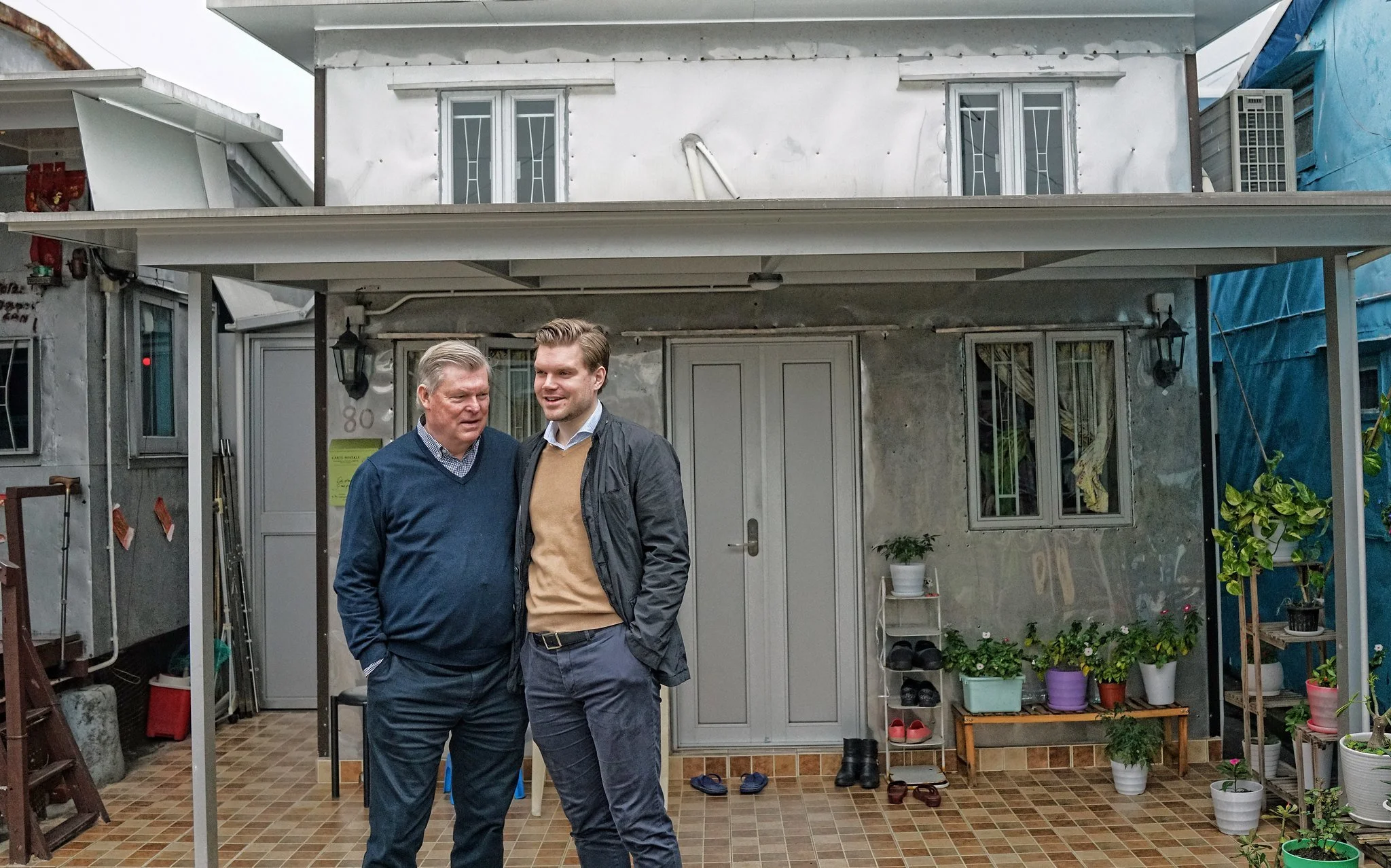
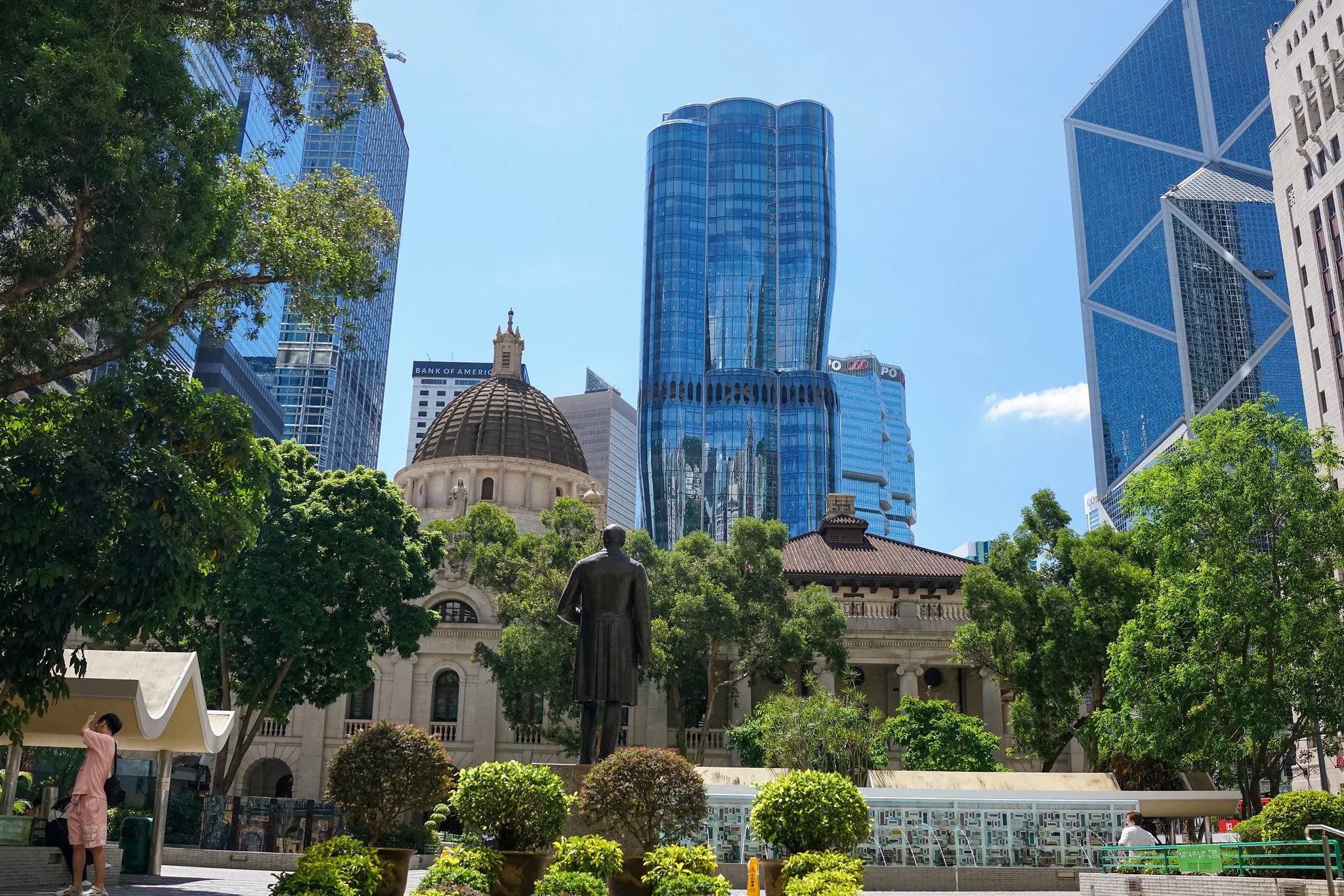
click on any image to enlarge
© Copyright Acknowledged | All rights reserved | images taken by Jamie