Why I Do Not Do Car Tours in Hong Kong and Why I Refer Car Tours to Friends
Comfort Has Its Place - It Is Just Not How I Show Hong Kong on my Private Tours

The J3 Group - Premium Quality Private Tours | Experiences and Insider Chats since 2010
Me Jamie, your host, I am English and I have lived in Hong Kong since January 2nd 1972 - I know the place.
A meaningful blog post with a difference - tips on Travel, Tourism, Tours, Daily Life and my personal thoughts on Hong Kong.
Please do visit Amazing Hong Kong
Hong Kong | Pearl of the Orient


A Resident since 1972 - Private Tours of Hong Kong with Jamie
The Best Things to do in Hong Kong
click on the image to enlarge
© Copyright Acknowledged | All rights reserved | image created by Jamie
Hong Kong Car Tours: Real Costs, Tight Seats and Why I Use Public Transport
Why I do not do car tours in Hong Kong
Foreword by Jamie
I get this question almost every week, and I have never minded answering it. People arriving from cities where a private car is the default way to see anything assume that a “proper” tour means a vehicle, a driver, and a guide talking over a microphone. Hong Kong looks, on a map, like a place that should work that way. Distances look long. Victorua Peak looks far away. Lantau Island looks further. The heat and humidity in August feels like an argument all by itself. I understand the instinct. I have been here since 2nd January 1972, I have been taking guests out since 2010, and I still look at a Toyota Alphard on Connaught Road and think, as a car person, “that is a lovely car.” I have never owned a car and I have never driven one here or anywhere else for that matter. That is not a moral position. I decided early on that you did not need a car to get around Hong Kong It is simply how my life has been arranged. It does, however, shape the way I think a visitor should see this place.
I should say this plainly, because it is not a hobby I keep in a drawer. Photographing cars, trucks and buses is what I do when I am not doing private tours. I have a combined total of over 130,000 images on my image website of vehicles. I stand at roadsides, ferry ramps, container yards and Victoria Peak bends and I watch how this city actually moves. So when I talk about transport in Hong Kong, I am not recycling a brochure. I have spent years photographing it.
If you click on the Images link on my website menu you will be transported to my Flickr Images site, 179,000 images in total all taken by yours truly.
This is the long version of a policy I have held for 16 years. It is not a sermon against friends and colleagues who run excellent car days. Pretty much all of my friends do car tours, they do them very, very well, and if that is the right product for a guest I will send that guest to them without a second’s hesitation. This is an explanation of why I do not, what the money and the vehicles actually look like in 2026, and why I still believe you cannot possibly get or understand Hong Kong from the back of a car no matter how comfortable it is.
The short answer I give on my website
In a nutshell: no, I do not - and it is a firm policy I have had since 2010.
Since starting in 2010 I have focused exclusively on walking combined with Hong Kong’s public transport. MTR, buses, ferries, taxis, trams. That was the vision from day one. You step into the streets. You use the same systems residents use. You feel the city’s pulse rather than watching it through tinted glass. I have completed well over 2,400+ private tours on that basis. The two car tours I did years ago were enough to confirm the policy.
Honestly, I also do not use third party service providers as a rule. I have had some bad experiences and that was that. Once you put a driver, a hire company, a deposit and a cancellation clause between you and the guest, you are no longer running the day. You are managing a contract.
click on the image to enlarge
© Copyright Acknowledged | All rights reserved | image taken by Jamie
The Toyota Alphard | The Most Popular Car to Hire | Hong Kong
What a “car tour” in Hong Kong actually is in 2026 going into 2027
When someone says “car tour” here they almost always mean a Toyota Alphard (as shown above) or a close cousin - Vellfire, sometimes a Mercedes V-Class - with a driver for 4, 8 or 10 hours. The Alphard is the default and I am pretty cettain it is by far the most popular car in Hong Kong because it looks premium, it has sliding doors, captain seats in the middle row, and it photographs very well on a booking page. It is marketed as a 6 or 7 seater. That number is the first thing that needs a cold shower.
In practice the vehicle has:
1 driver
1 front passenger seat
2 captain seats in the middle
a third row with 3 seats that is usable but tight
If I am the guide, that front passenger seat is mine if I want to talk to the driver and see the road. The guests then sit behind me. If I sit in the back to be with the guests, I cannot see their faces properly when I am turned forward, and I still cannot control the pace of the vehicle. Either way, the geometry of the day is wrong for the way I work.
For 5 guests plus a guide plus a driver you are already at the practical limit of a standard Alphard, and that is before anyone mentions a suitcase, a backpack, a walking stick, a duty-free bag from DFS, or the enormous bottles of water people quite reasonably carry in the heat of summer.
What an 8 hour car actually costs, and what that fee does not cover
Prices move, and they move with holidays, night hours and which tunnel you use, but the 2026 market for an Alphard with driver sits in a fairly honest band and will not change much in 2027
Typical full-day figures you will see quoted:
From about HK$2,400 (about US$306) for an 8 hour weekday charter with some operators
Common mid-range 8 to 10 hour packages around HK$2,800 to HK$3,500 (about US$357 to US$446)
Premium English-speaking chauffeur services charging by the hour at roughly US$68 per hour for an Alphard, which on an 8 hour minimum is about US$544 / HK$4,265
Extra hours commonly HK$300 to HK$350 (about US$38 to US$45) per hour
Holiday surcharges of HK$400 to HK$500 (about US$51 to US$64) on the busy calendar blocks
Night surcharges of 20% or a flat extra after about 22:00
What is often included:
The vehicle and the driver
Fuel
Sometimes tunnel fees and parking, sometimes not - read the small print twice
Bottled water and WiFi on the better outfits
Basic insurance on the operator’s side
What is almost never included:
Attraction tickets
Meals
The guide’s own fee, if the driver is only a driver
Extra luggage beyond a stated number of cases - HK$80 (about US$10) a piece is a figure you will see
Child seats - often HK$80 (about US$10) each
Waiting time beyond a short grace period at a hotel
Western Harbour Tunnel as a separate cash surcharge on some packages
The guide sitting in comfort and actually facing the guests
So when a couple compares “a tour” with “a car tour,” they are rarely comparing like with like. My day is my time, public transport fares that are small and for the most part covered by me, and walking. A car day is a vehicle contract plus a guide fee plus tickets plus lunch plus the bits the brochure left in a footnote. The invoice grows quietly.
Payment terms and the cancellation reality of car hires
This is the part marketing pages skate over.
Many online platforms now advertise free cancellation up to 24 hours. That is the consumer-facing layer. Underneath it, the tour company still has to secure the vehicle. Hire firms in this city commonly want money in hand before the plate number is released. Patterns I see again and again:
Full prepayment before the day, or a deposit of 30% to 50% with the balance due before the wheels turn
Cancellation 72 hours out: a slice kept, often around 20%
Cancellation 24 to 36 hours out: 50% is not unusual
Inside 24 hours or a no-show: 100%
Some firms will not confirm the driver and the plate until the afternoon before
Extra charges on the day are frequently cash to the driver - tunnels, overtime, luggage
If a guest’s cruise is late, if a flight is diverted, if a stomach bug appears at 6am, someone is already out of pocket. I have never liked being the middleman in that chain. I had enough of third-party service providers years ago. I prefer a day I can reshape at 8:15 in the morning because the guest slept badly or the sky over the harbour looks too good to waste in a tunnel queue.
Let me be also very clear, that if you book a car tour with my friends, they will make all the arrangements for the car and the car hire fee will be included in the tour prices so you only need to deal with the tour company, not the car hire company
The vehicle shortage nobody puts on the sales page
Large passenger vehicles are very thin on the ground in Hong Kong. This is not London or Singapore. The Alphard is common in the hire trade because it is the biggest thing that still behaves like a car in Central and Tsim Sha Tsui. True vans in the Western sense are not a normal tourist product. Once you leave the 5-guest and-a-guide envelope, the next honest step is not “a bigger Alphard.” It is a minibus or a coach.
Yes some Alphards can be configured to take 6 guests and a guide in the front, but that simply makes for less comfort in the back of the car and not many companies have these 8 seater Alphards including the driver
For 10 guests plus a guide you are looking at 11 people before the driver sits down. That is not an Alphard conversation. That is a 16 to 27 seat minibus conversation, and often a small coach if there is luggage.
Rough 2026 hire numbers for that world:
24 to 27 seat minibus, first 3 hours from about HK$1,380 (about US$176), then about HK$450 (about US$57) an hour. An 8 hour day therefore lands around HK$3,630 (about US$463) before tunnels and parking
43 to 61 seat coach, first 3 hours from about HK$1,600 (about US$204), then about HK$600 (about US$77) an hour
Point-to-point airport to Kowloon on a minibus from about HK$1,280 (about US$163); airport to Hong Kong Island from about HK$1,400 (about US$178)
Tunnel fees on top - harbour tunnels at HK$50 (about US$6) for these vehicles on many current tariffs, plus the usual list for Tai Lam, Tate’s Cairn and the rest
Parking at Victori Peak, at temples, at Stanley, at anywhere you actually want to stop, is not a rounding error
Luggage is the hidden passenger. A minibus stores cases in the cabin. Every hard shell 28 inch suitcase is a seat you no longer have. A coach has a hold, which solves the bags and creates a new problem: you are now in a vehicle that cannot thread the lanes I use without thinking - village roads, old-town streets, some Victoria Peak approaches, hotel forecourts that were built for taxis. You also become a small tour bus. The day changes character. I did not spend 16 years building a private walking style in order to become the man with a clipboard standing under a coach door in a lay-by.
If the day is on Lantau Island, the permit is not a detail
This needs to be said in a nutshell, because it is the sort of thing that turns a polished car day into an afternoon with the Police.
Lantau Island has become one of the most popular places to visit in Hong Kong in the past few years and it is a long distance from town, so people think about a car tour
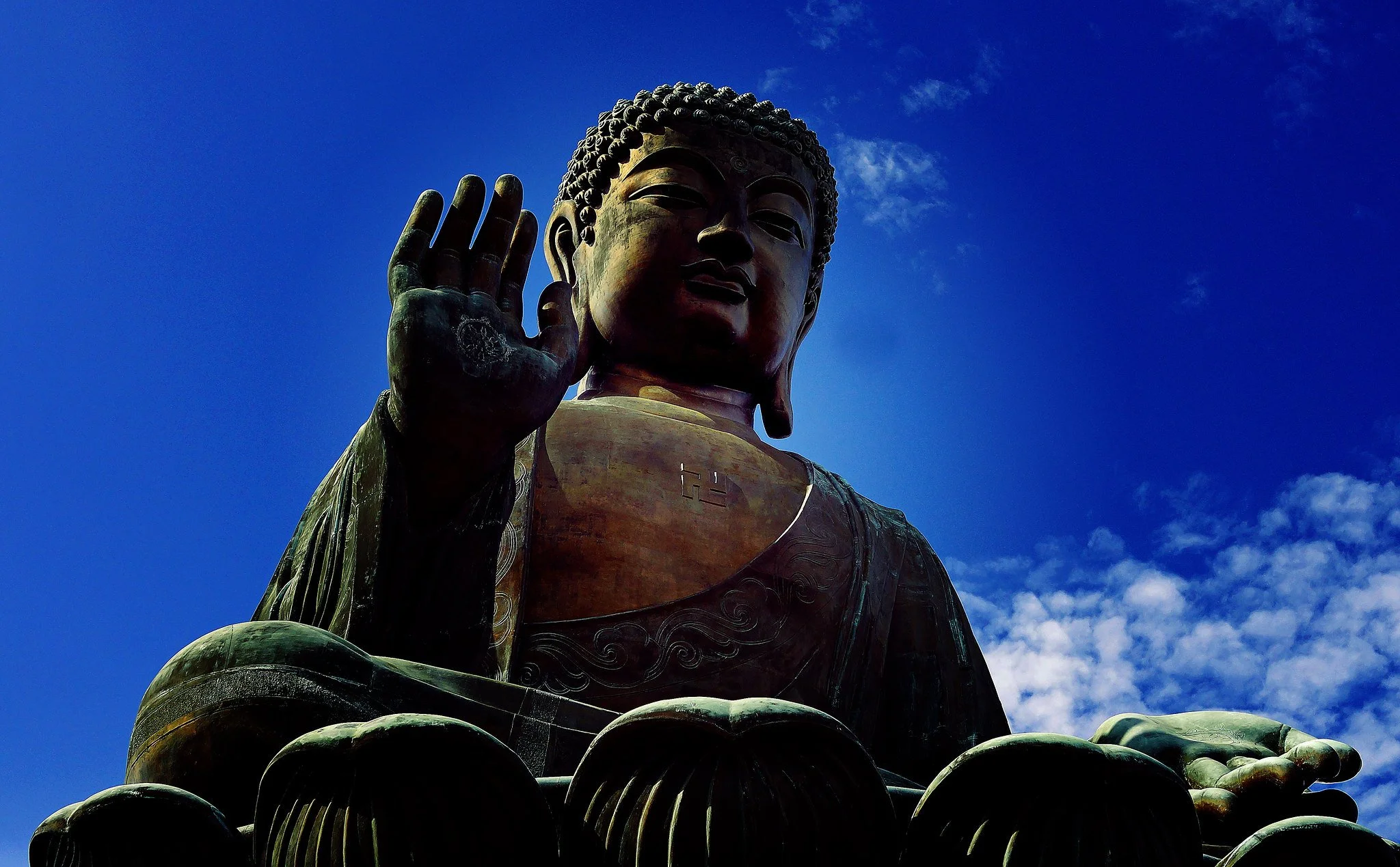
If you want to go to Tai O Fishing Village or the Big Buddha by car, the vehicle must have the right Lantau permit. There is no shrug and “the driver will sort it.” Those two places sit on roads that ordinary hire cars and ordinary taxis are not free to use.
North Lantau is one proposition. The airport, Tung Chung and Disneyland sit on the open side of the island. South Lantau is another. Tung Chung Road south of Shek Mun Kap, and the roads that then take you toward Tai O, Cheung Sha, Ngong Ping and the Big Buddha etc, are designated closed roads. A vehicle that does not hold a valid Lantau Closed Road Permit should not be on them.
That permit is not something a driver can charm his way through at a barrier. The Transport Department issues it under tight rules. Coach operators work off a daily quota - 40 coaches a day into South Lantau for tour work, split between local and non-local groups, and those quotas go. Ordinary private-car “Driving on Lantau” quotas are a different scheme again, and they are not a free pass for a hired car taking guests for reward. Hire-car access for wheelchair users exists only as a small, separate quota.
Which taxis can actually take you to Tai O or the Big Buddha? Only the Lantau taxis - the blue ones. There are 75 of them. That is the entire fleet. They can work the island, including those two places. A red urban taxi cannot. A green New Territories taxi cannot. An Alphard without the permit cannot. So if the plan is “we will just grab a cab to the Big Buddha,” you are talking about 75 blue taxis on an island that also has an airport, hotels, residents and every other visitor with the same idea.
The Police do random stops on Lantau. They do them daily. I have watched enough of that island’s traffic, camera in hand, to know it is not an urban myth. If the hired vehicle does not have the right permit on the right day, the day stops. Guests sit in a lay-by while a driver argues. It is embarrassing. It is avoidable. And it is on the person who booked the car, not on the guest who assumed “Lantau tour” meant the car could go where the brochure photograph was taken.
If you want a car day to Tai O or the Big Buddha, you make 100% sure - before money changes hands - that the operator can show you the permit for that vehicle, for that date, for those roads. Do not accept a smile and “no problem.” If you are relying on a taxi, you are relying on one of 75 blue cabs. South Lantau is not a grey area. It is a closed road with a paper that either exists or does not.
The irony, from my side of the argument, is that both places are still excellent without a private car. MTR to Tung Chung, the Ngong Ping 360 or the New Lantao bus up to the Big Buddha, then the bus on to Tai O. No permit drama. No random stop. No hunt for 1 of 75 blue taxis. The island still works if you treat it as an island with a proper bus company.
Ten honest reasons people choose a car tour
I said I wanted this balanced, and I mean it. These are real reasons, not straw men.
Mobility. Knees, hips, heat intolerance, a recent operation, a guest who simply cannot do 12,000 steps. That is the strongest reason and I will never argue with it.
Multi generational families with a mix of walkers and non-walkers. One vehicle keeps grandmother and the teenagers in the same story.
Luggage days. Cruise in, hotel out, airport the same afternoon. Walking with 4 big cases is not a tour. It is a removal.
Soft schedules and children who need a nap, a toilet and air-conditioning on demand.
A wish to stitch distant points in one day - say a hotel in Tsim Sha Tsui, a temple in Wong Tai Sin, a village in the New Territories, and back for a dinner booking - without learning the MTR map.
Privacy. Some guests do not want the public in their photographs or in their conversation.
Weather. Black rain, a brutal August afternoon, or a winter wind on Victoria Peak that surprises people who packed for “tropical.”
Status and comfort. There is no point pretending an Alphard captain seat is not a nicer place to sit than a KMB bus, upper deck at 5:40pm.
Language comfort for guests who find stations, Octopus machines and platform changes stressful.
Time poverty. A 7 hour port call. A business spouse who joins at 3pm. A car can, on a good traffic day, protect a thin timetable.
If several of those describe you, you should hire a car. My friends who specialise in that work will look after you properly - and, if Lantau Island is on the list, they will have the permit.
Ten reasons I do not do them - and these are the ones I want crystal clear
Cultural immersion is the whole point of my days. Hong Kong happens at street level. Wet markets, the smell of a bakery on a side street, the way a building meets the pavement, the argument at a bus stop, the sudden view between two old tong lau (small apartment block). A car sanitises all of that. It is comfortable. It is also a cop out if the aim is to understand Hong Kong.
You cannot “get” Hong Kong from the back of a car. I have used that sentence for years because I have not found a better one. The city is vertical, compressed, and human. Glass between you and it is not a window. It is a filter.
Public transport is Hong Kong culture 101. The MTR, the tram, the Star Ferry, a New Territories bus with an upper deck, Citybus 952 from Sham Tseng, the 15 toward Victoria Peak. Residents live on these systems. Putting guests in an Alphard and then telling them they have “done Hong Kong” is like explaining Yorkshire from a lay-by on the A1.
I am faster on rails and on foot for most of Hong Kong Island and Kowloon. Congestion is not a theory. Time stuck in traffic is time I cannot spend in a street or on a story.
I will not build a day on a third-party driver. I had enough of that. Drivers interrupt. Drivers have opinions. Drivers disagree with the guide in front of the guest. I have a direct style. I do not want a running commentary from the front seats on politics, property prices, or which temple is “real.”
I cannot see my guests. This sounds small until you have done it. Guiding is half watching faces. A frown means I have gone too fast. A smile means stay with this story. A glazed look means find a loo and a cold drink. In an Alphard the guests are behind you, or you are twisted sideways talking to a row you can only half see. It is disconcerting and it makes me a worse guide.
The seating maths does not match real groups. Five guests plus me plus a driver fills the standard car. Six-seater taxis now exist, but the moment the group is 7, 8, 10, you are into minibuses and coaches. That is a different product. I do not sell a different product under my name.
The cost does not buy a proportionally better understanding of the city. It buys climate control and door-to-door. Those are comforts. They are not insights. Guests still walk at the sites. They still queue. They still stand in the heat at the Big Buddha or at the viewing point at Victorua Peak. The car has moved the walking. It has not removed it.
I control nothing once the meter of that contract starts. Pace, order of stops, a sudden decision to stay longer in Tai Kwun because a guest has lit up - all of that now has an overtime rate attached. My walking days bend. Car days bill.
It is not how I want to spend the years I have left doing this. I walk every day. I use the same buses my youngest uses. I have been on this transport system since 1972. The work I love is conversation at walking speed, not narration into a headrest.
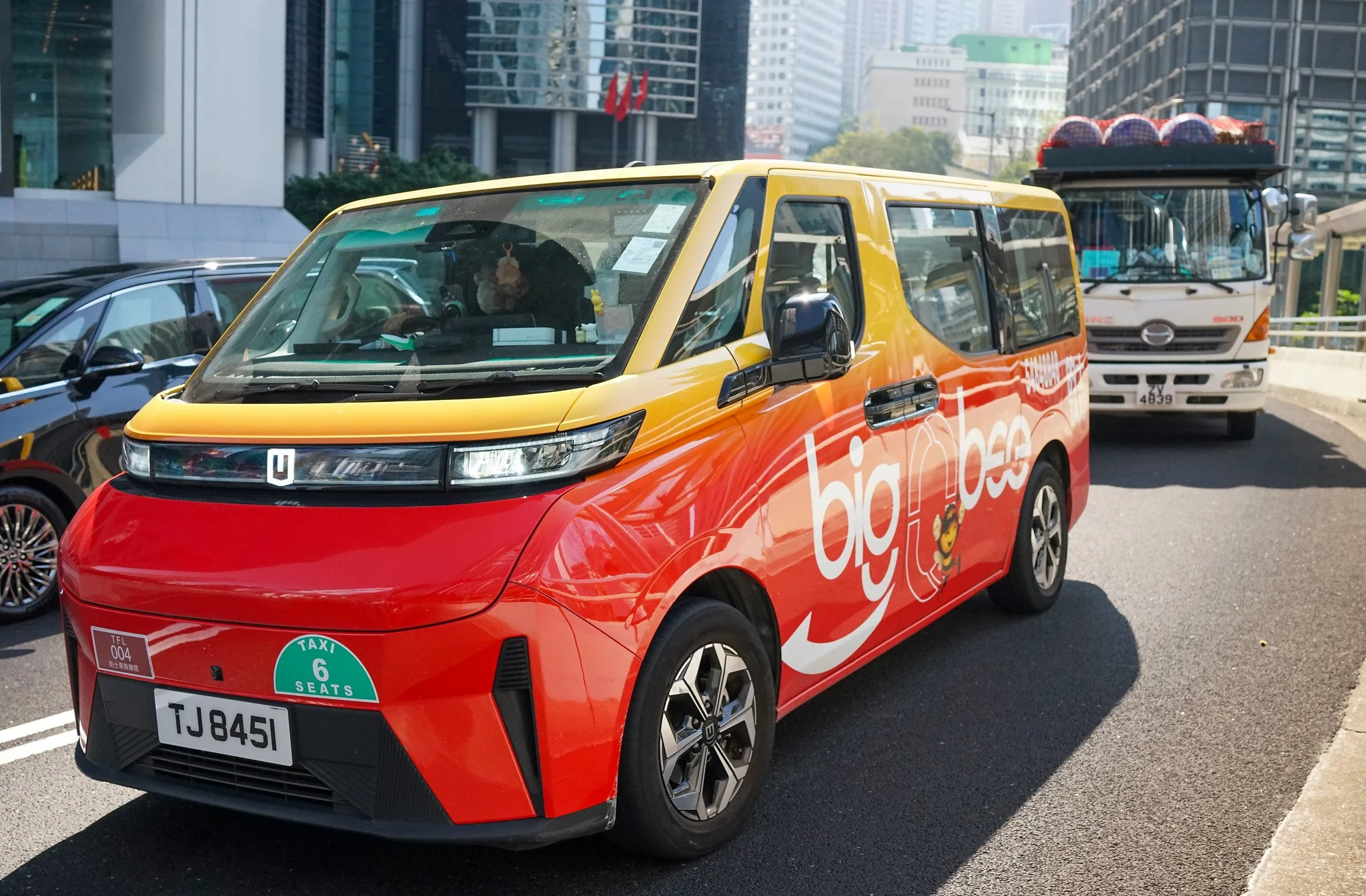
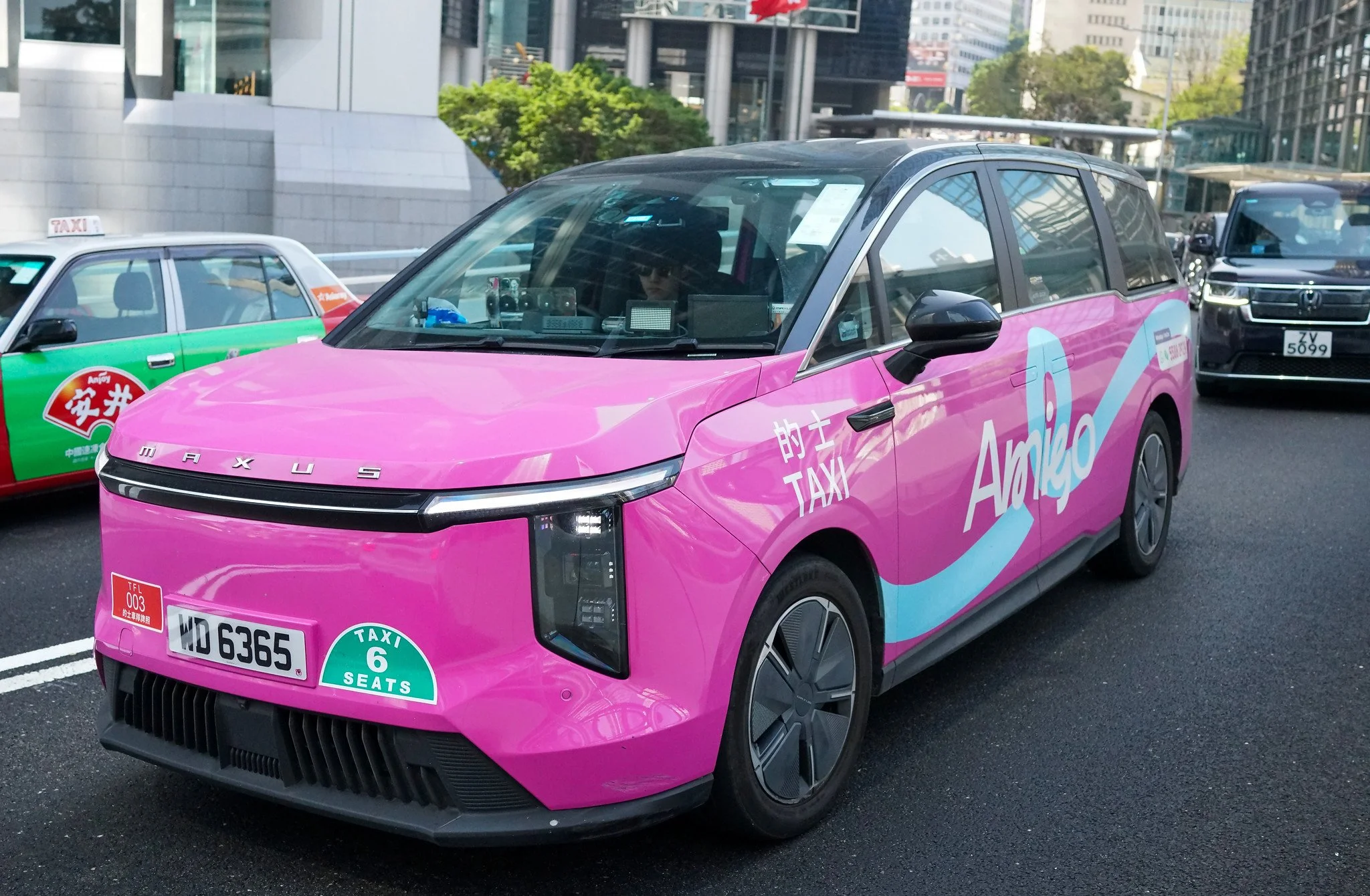
click on any image to enlarge
© Copyright Acknowledged | All rights reserved | images taken by Jamie
Premium EV Taxis | 5 Guests, 1 guide, 1 driver | Hong Kong
Taxis - including the 6 seaters - and why I still prefer them to a hired car if a car is unavoidable
Hong Kong still has 18,163 taxis on the books: 15,250 urban red, 2,838 New Territories green, 75 Lantau blue. The old legal cap of 5 passengers is no longer the whole story. The law was changed to allow 6, and the new taxi fleets have put proper 6 passenger electric MPVs on the road. You can now put 5 guests and a guide in one taxi in a way that used to mean two red taxis at the rank.
You do not have to pre-book the premium ones. I have never had a problem hailing them on the street or finding one at a taxi stand. That matters. A pre-booked hire car is a morning appointment. A taxi is a tool you pick up when the day actually needs it.
I will still take a taxi over a pre hired Alphard if we must roll. The ride is a ride, not an 8 hour marriage. When we get out, the driver goes away. The conversation belongs to the guests and me again. That said, the old problem has not vanished. Some drivers talk. Some drivers have strong views and they share them. Some treat the guide as a translator for their own speech. I would rather manage 12 minutes of that than 8 hours of it.
A taxi is also Hong Kong in a way a hired people-carrier is not. You watch the meter. You watch the tunnels. You watch the driver take a line through Jordan that no chauffeur brochure would print. Then you are back on the pavement where the day actually lives.
Traffic is not a footnote - and the trucks are not a footnote either
I know the roads as a car enthusiast who does not drive them. That is a useful combination. You notice the volume because you are not busy changing lanes.
By mid-2026 we were looking at roughly 593,000 licensed private cars, 18,163 taxis, and a franchised bus operation that still moves millions of passenger trips a day. KMB alone was running close to 4,000 licensed buses at the end of 2025. Citybus sits around 1,580. None of that includes the minibuses that own the last mile in so many districts.
Then there are the goods vehicles. This is the number people skip, and it is the number that actually explains a Hong Kong traffic jam. My records put us at over 120,000 trucks and goods vehicles - the small delivery vans that live in every side street, the medium lorries that feed the markets and the building sites, and the heavy goods vehicles that use the tunnels and the container routes. That is not “a few lorries.”, the same harbour crossings, the same Kwai Chung approaches, the same Peak Road hairpins, the same Nathan Road kerbside.
They shape the day. A light goods van unloading where a chauffeur hoped to pause. A medium lorry in the middle lane of a tunnel. A heavy vehicle that turns a three-lane road into two. Anyone who photographs this city’s traffic for a living - and with over 130,000 vehicle images I will claim a living’s worth of looking - sees the same thing. Private cars queue. Buses hold their line. It is often the goods fleet that decides whether your “quick run” from Central to Tsim Sha Tsui remains a sentence or becomes 25 minutes.
They also show up in the accident book. Hong Kong’s roads are not abstract. In the first half of 2026, fatal accidents were up sharply year on year even as overall injury accidents fell. Goods vehicles were the largest single vehicle class in those fatal cases - more than taxis, more than private cars. Commercial vehicles as a group accounted for the majority of the fatal collisions. I am not writing that to frighten anyone out of a taxi. I am writing it because a car tour sells smoothness, and smoothness is not what I see when a crane lorry, three medium goods vehicles and a taxi meet in Tai Lam Tunnel, or when a heavy goods vehicle takes out a string of lightboxes in Lion Rock. Those are recent pictures, not folklore.
Harbour crossings remain the choke points they have always been. A “quick run” from Central to Tsim Sha Tsui is a postcard sentence. At 8:40am or 6:15pm it is a negotiation. The Peak Road is a different negotiation. Anyone who has sat on Magazine Gap behind a tourist coach and a delivery van knows that a car tour’s timetable is a wish list.
The brochures rarely say that. They show the Alphard at golden hour with the harbour behind it and no other vehicle in shot. I have lived here 54 years. I have never seen that road.
What you lose when you do not take the bus
I will labour the point because it is the heart of it.
The upper deck of a bus on a flyover is one of the great cheap theatres in Asia. You see rooftops, washing, the working harbour, the way new towers stand on old street grids. The tram on Hong Kong Island is moving heritage, not a novelty. The Star Ferry is not a “transfer.” It is the reason the harbour still makes sense. The MTR is not only fast. It is a social document - who gets on at which stop, which carriage fills with school bags, which station smells of bakeries at 4pm.
None of that replicates inside a Toyota Alphard, however well the leather is stitched. You can drive past the same neighbourhoods and remain a visitor who was conveyed. I want guests who have been in the city, not guests who have been driven across it.
And yes, most of Hong Kong Island and Kowloon that a first-time visitor actually wants can be done on public transport and walking. Not every temple in the far New Territories. Not every village. Not every lookout. But the city that people fly here to meet - the harbour, the old streets, the Peak, Kowloon’s density, the temples that sit inside ordinary life - that city is a walking and riding city. The car is optional. It is not essential.
Hidden realities the marketing leaves out
A car tour still involves walking. You will walk at Victoria Peak, at temples, through markets if the driver can stop near them, around Stanley, around any decent street. The difference is that you have paid a premium to be insulated between the walks.
Congestion is sold as “door to door convenience.” Door to door is only convenient if the doors keep moving.
The driver-guide model, where one person drives and talks, sounds efficient. In my experience it produces a thinner day. Driving in this city takes attention. Guiding takes attention. Doing both means one of them is the hobby.
Parking eats time. So does the walk from the only bay the Alphard is allowed to occupy.
If the group is large, you have not booked a car. You have booked logistics.
If the destination is South Lantau, you have not booked a car. You have booked a permit - or you have booked a problem.
Who I will send to a car colleague, gladly
Wheelchair users. Guests recovering from surgery. Families with a member who cannot do heat and steps. Anyone whose joy in the day depends on not standing on a platform. Cruise passengers with 6 hours and 4 suitcases. I am not interested in making a point at someone else’s expense. Comfort is a legitimate need. There are people I trust who have built their whole craft around vehicles, permits, child seats and hotel forecourts. That is their choice and their skill. I would rather praise it than copy it badly.
How I would rather spend your day
We meet. We walk. We take a tram because the tram is the point, not the link. We drop into the MTR when the distance is silly. We take a bus when the upper deck is the view. We stand still when a street is doing something worth watching. I can see your face. You can interrupt me. If the sky changes we change. If a guest is tired we sit. No deposit to a hire desk. No plate number at 6pm the night before. No overtime conversation at 4:30 because we lingered in a cemetery that turned out to be the best hour of the day. No conversation with a Lantau traffic policeman about a permit that was supposed to be “sorted.”
That is the work. After 16 years and more than 2,400+ private tours done, I am more sure of it, not less.
If you want genuine Hong Kong - not just sites and sights - a walking and public transport day is still the honest way to do it. If you want the car, say so early, and I will point you to my friends who will do that job with pride. I will not pretend I can do both and remain the guide I want to be.
So there you go

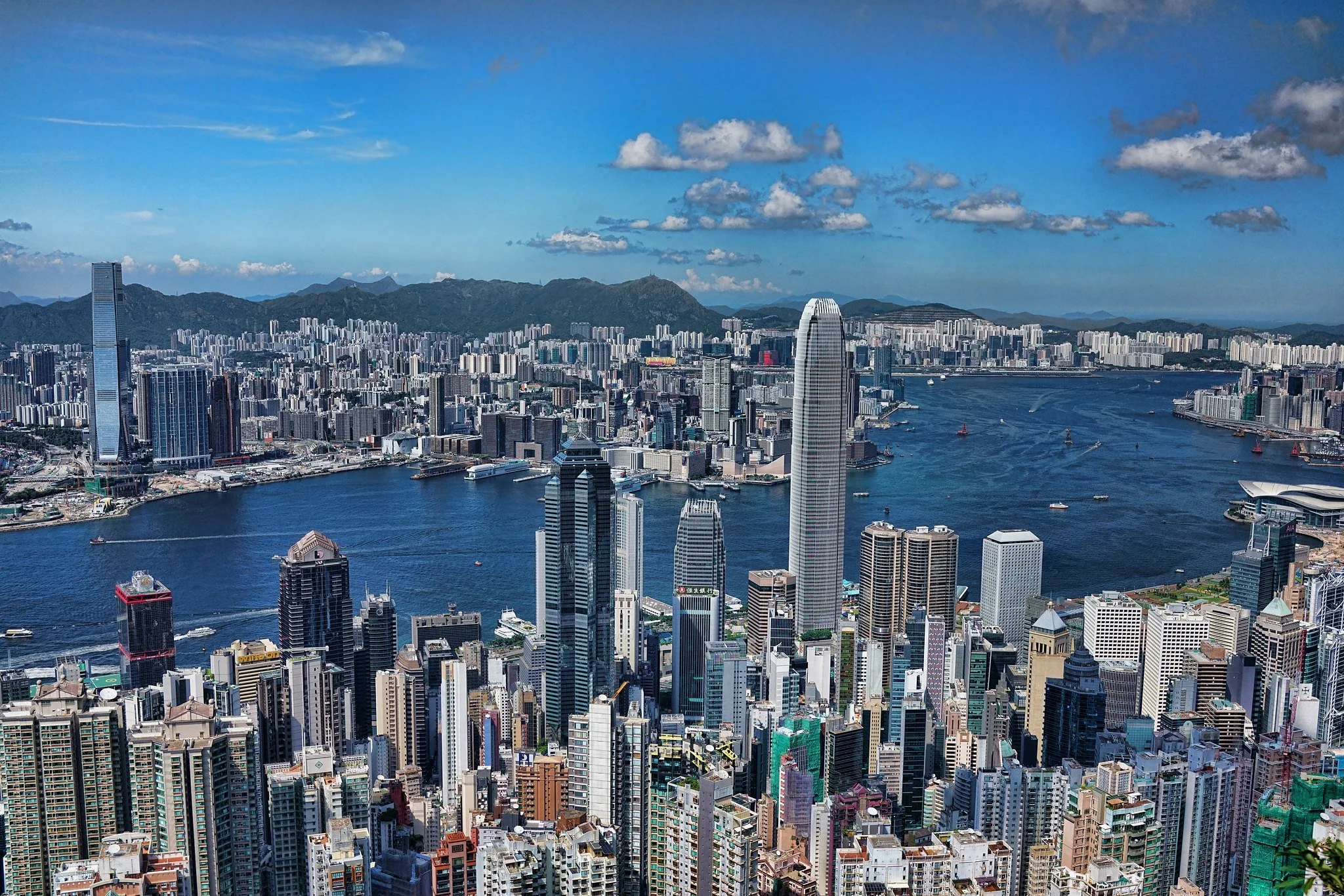
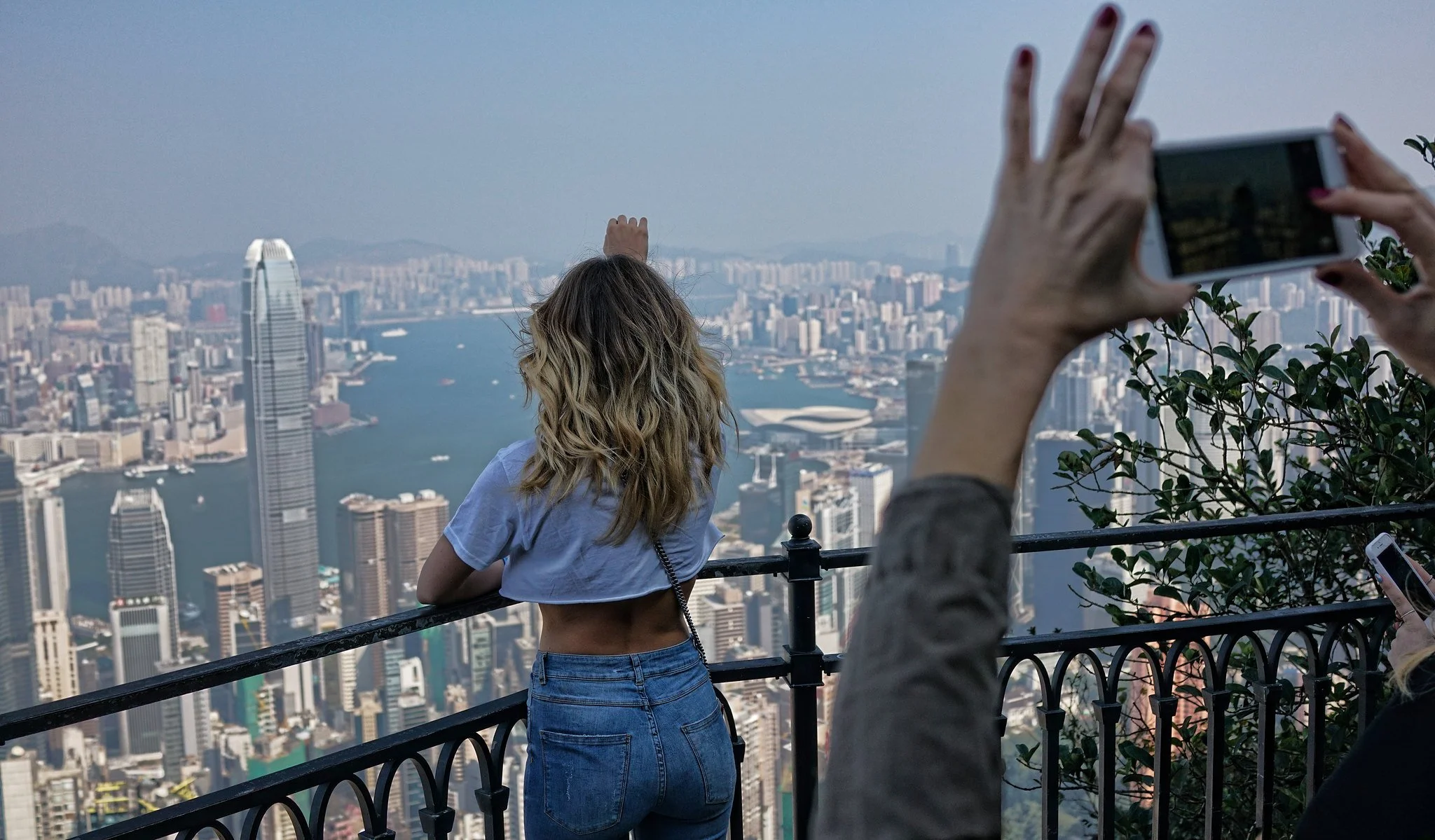
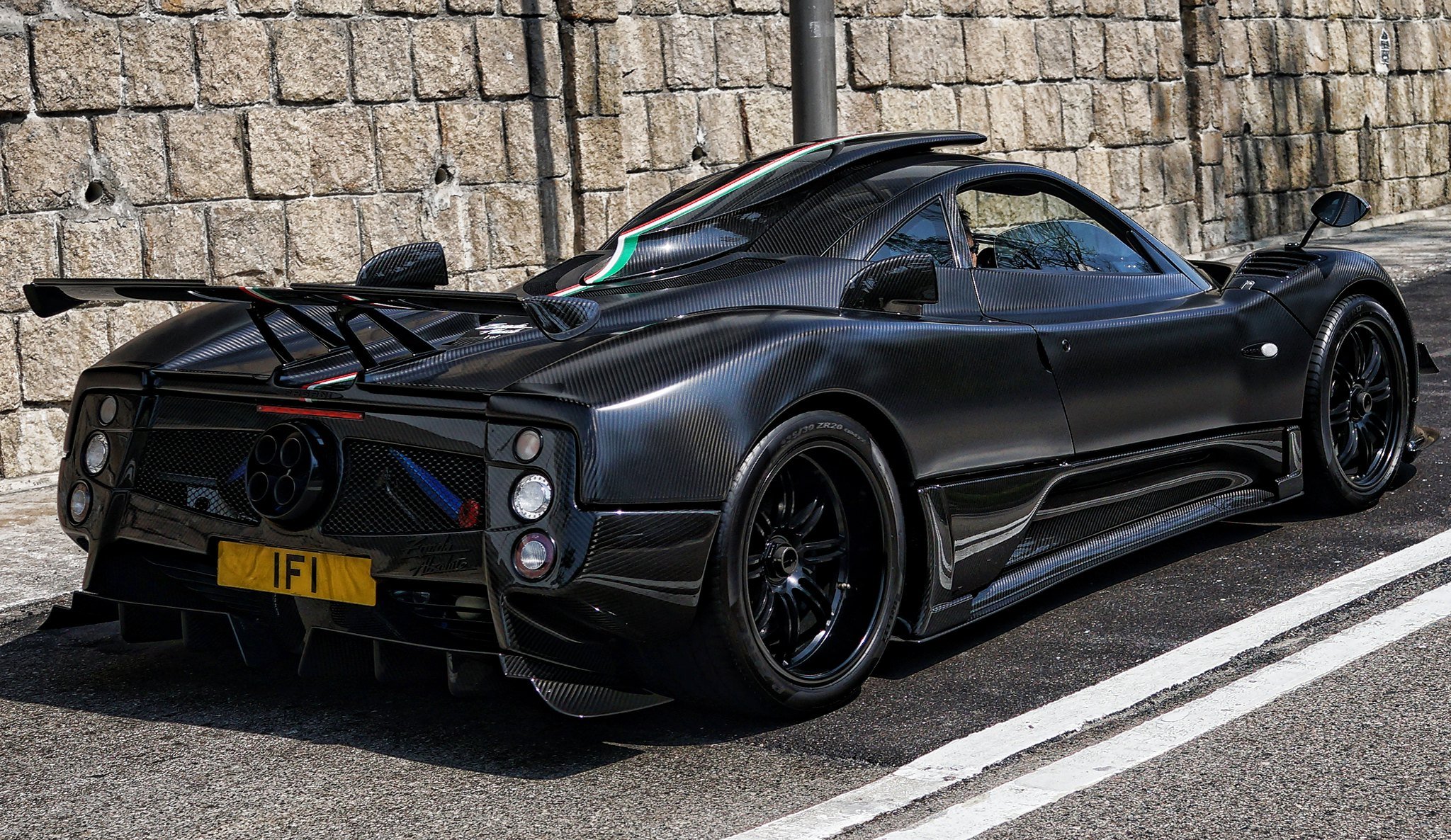
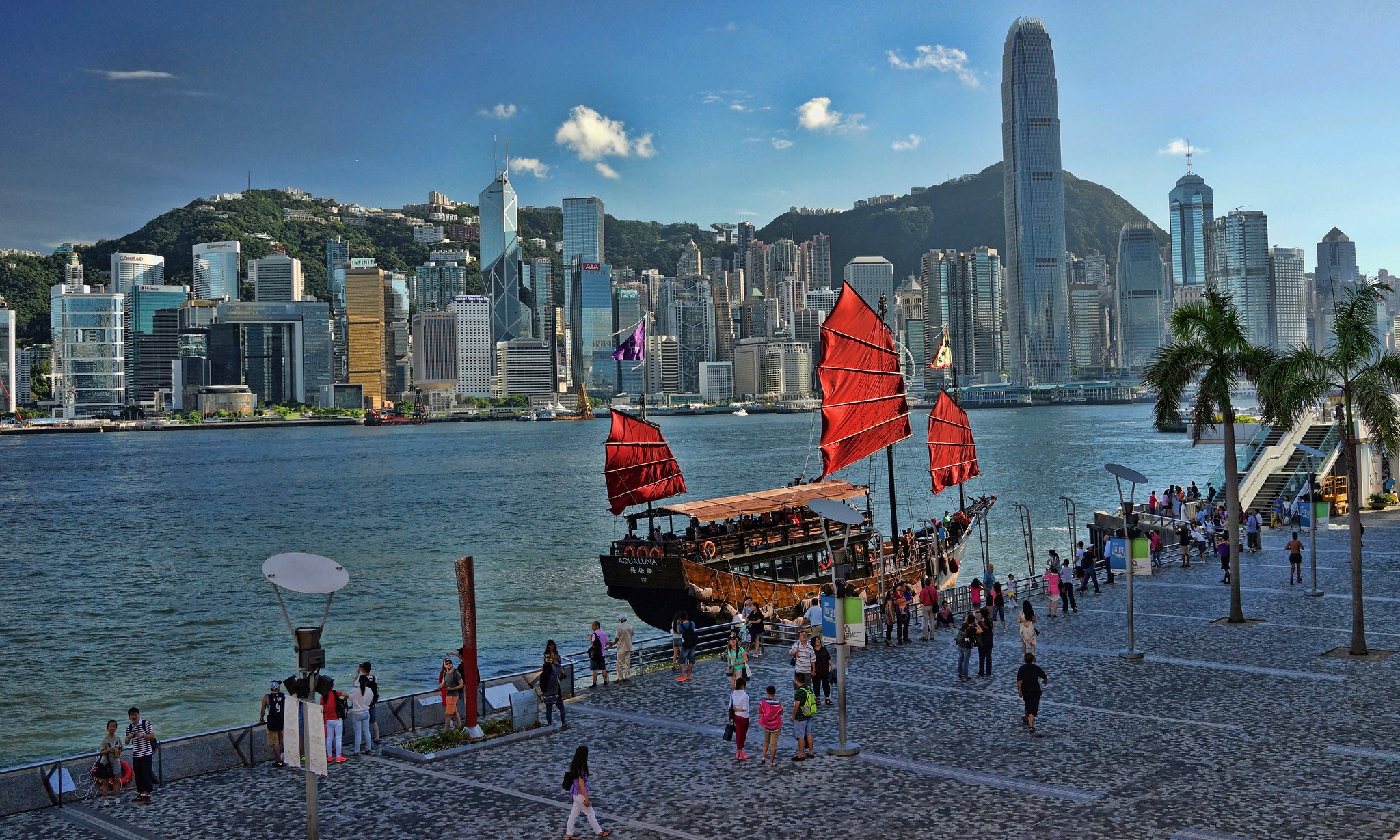
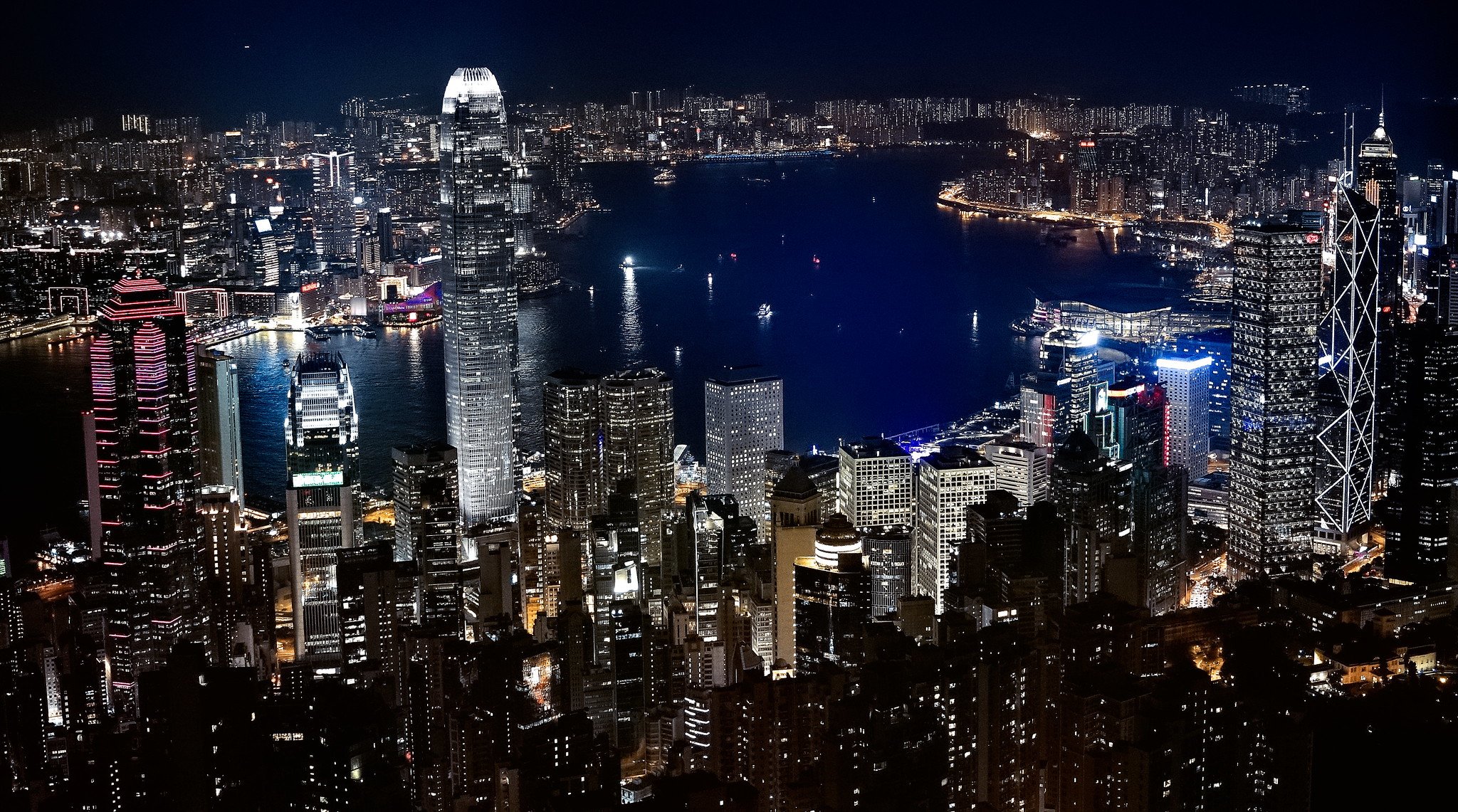
click on any image to enlarge
© Copyright Acknowledged | All rights reserved | images taken by Jamie