Private Hong Kong Island and Kowloon Cultural City Tour 2027
Hong Kong Island and Kowloon in One Private 8 hour Tour
The J3 Group - Premium Quality Private Tours | Experiences and Insider Chats since 2010
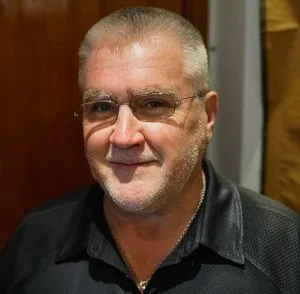
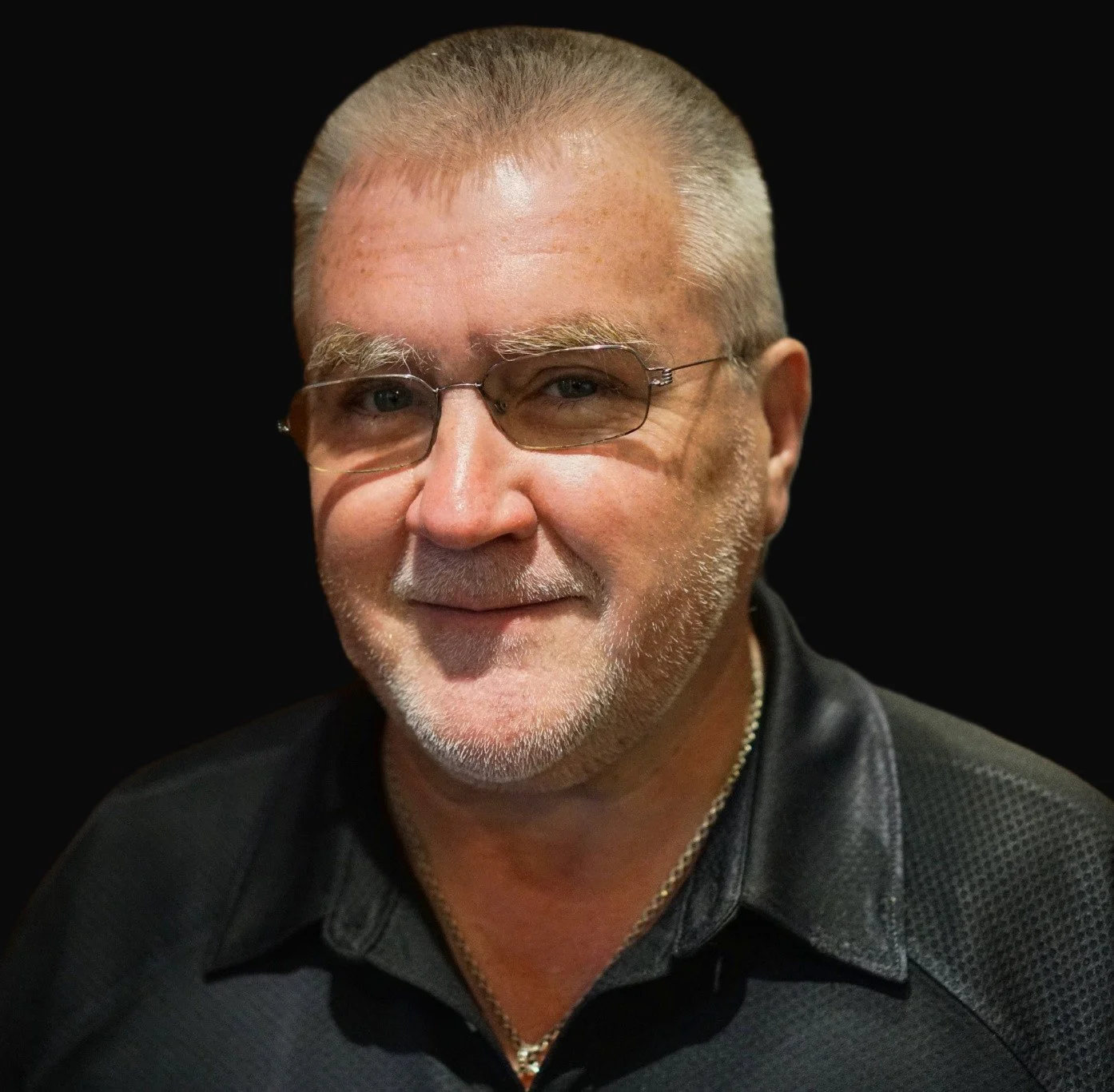
Me Jamie, your host, I am English and I have lived in Hong Kong since January 2nd 1972 - I know the place.
A meaningful blog post with a difference - tips on Travel, Tourism, Tours, Daily Life and my personal thoughts on Hong Kong.
Please do visit Amazing Hong Kong
Hong Kong | Pearl of the Orient


A Resident since 1972 - Private Tours of Hong Kong with Jamie
The Best Things to do in Hong Kong
click on the image to enlarge
© Copyright Acknowledged | All rights reserved | image created by Jamie
Private Hong Kong Island and Kowloon Cultural City Tour 2027





Foreword by Jamie
Hong Kong Island and Kowloon in One Private 8 hour Tour
For the record I do not do sample ttineraries and this tour is no different, even on the day of the tour, if you want to do something different we can and we will, to me that is the whole point of a customised private tour
The places I list below can be changed or swapped even on the tour or we can follow this itinerary.
I have lived in Hong Kong since 2nd January 1972. That is more than 50 years. I have completed over 2,500 private tours since 2011. This is the 8 hour private cultural city tour that covers Hong Kong Island and Kowloon. We start at Victoria Peak, choose the view that suits the day, take the Peak Tram one way down when the queue is sensible, walk through the historic Central Business District, cross on the Star Ferry, and then stand on the Kowloon waterfront long enough to take in the view back across Victoria Harbour. After that we choose either the quiet cypress halls of Chi Lin Nunnery and Nan Lian Garden or the busy incense and kau chim sticks of Sik Sik Yuen Wong Tai Sin Temple. One or the other. The pace is yours. Most of the city tours listed on the online travel agencies treat the two sides of the harbour as a transfer with photo stops. This is not that.
What this 8 hour private tour is, and what it is not
It is a private tour for 1 to 6 people. We use the public transport system the way residents do: MTR (Subway), buses, Street Tram, Star Ferry, and the Peak Tram one way. You walk at a speed that suits the group. We stop when something is worth stopping for. There is no flag, no microphone, and no binder.
It is not a shared coach tour or a group walking tour. It is not a private car tour. It is not a food tour. Hong Kong has dozens of companies offering some version of a city or cultural tour. Online travel agencies (such as Viator) list hundreds of them. Many are fixed stops and a guide who has said the same lines for years. Some private walking tours are great. The difference here is that the group is only you, the plan can change on the day, and the person walking with you, me, Jamie has watched the city change since 1972.
Why Victoria Peak on Hong Kong Island first
Victoria Peak first makes sense for the light and for the crowds. Morning light on a clear day is better for the view. After about 2pm the mountain fills up. We go up by public transport which is generally either a taxi or the very scenic bus ride. I have never owned a car or driven a car in Hong Kong and I do not do car tours.
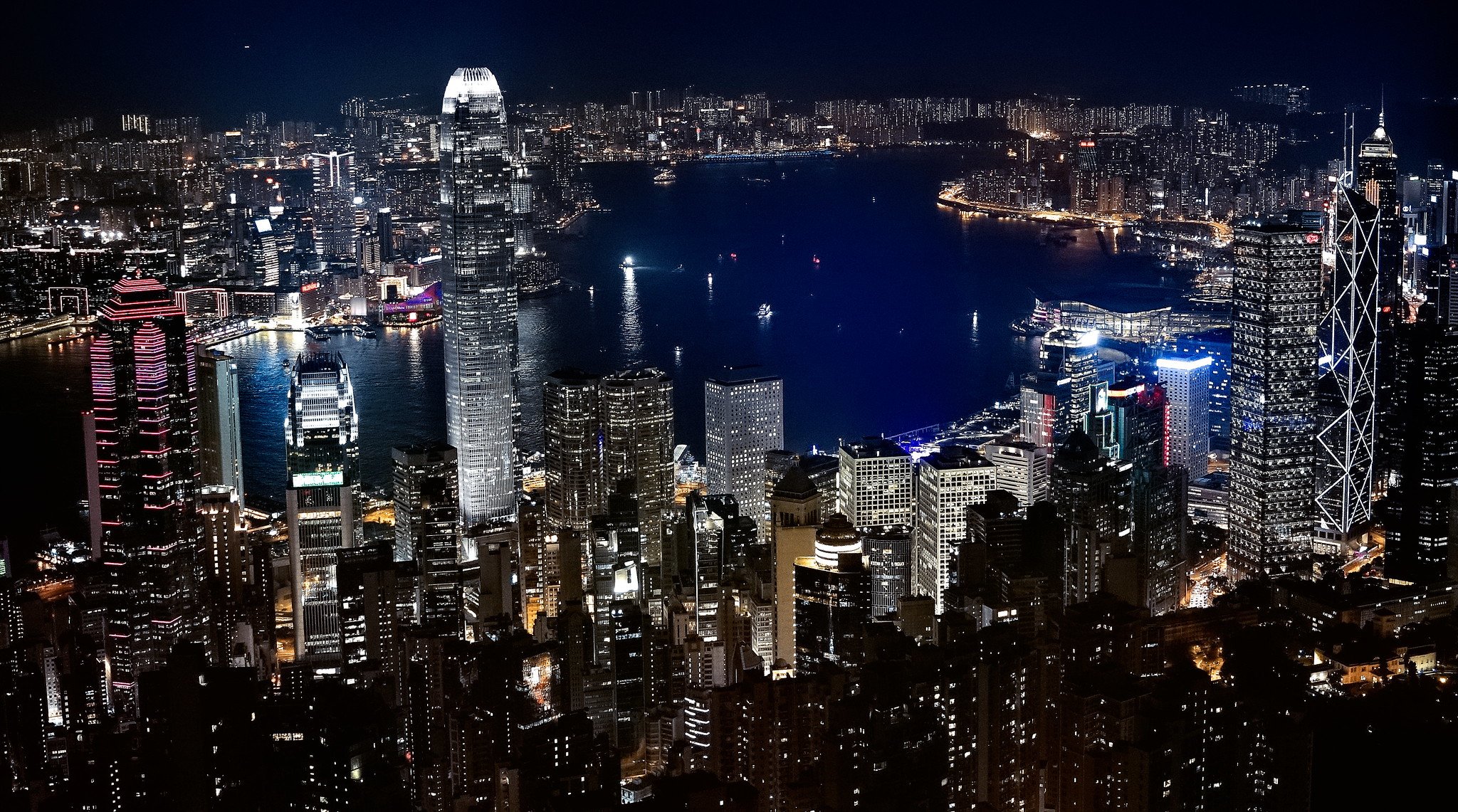
Victoria Peak, and the choice of view
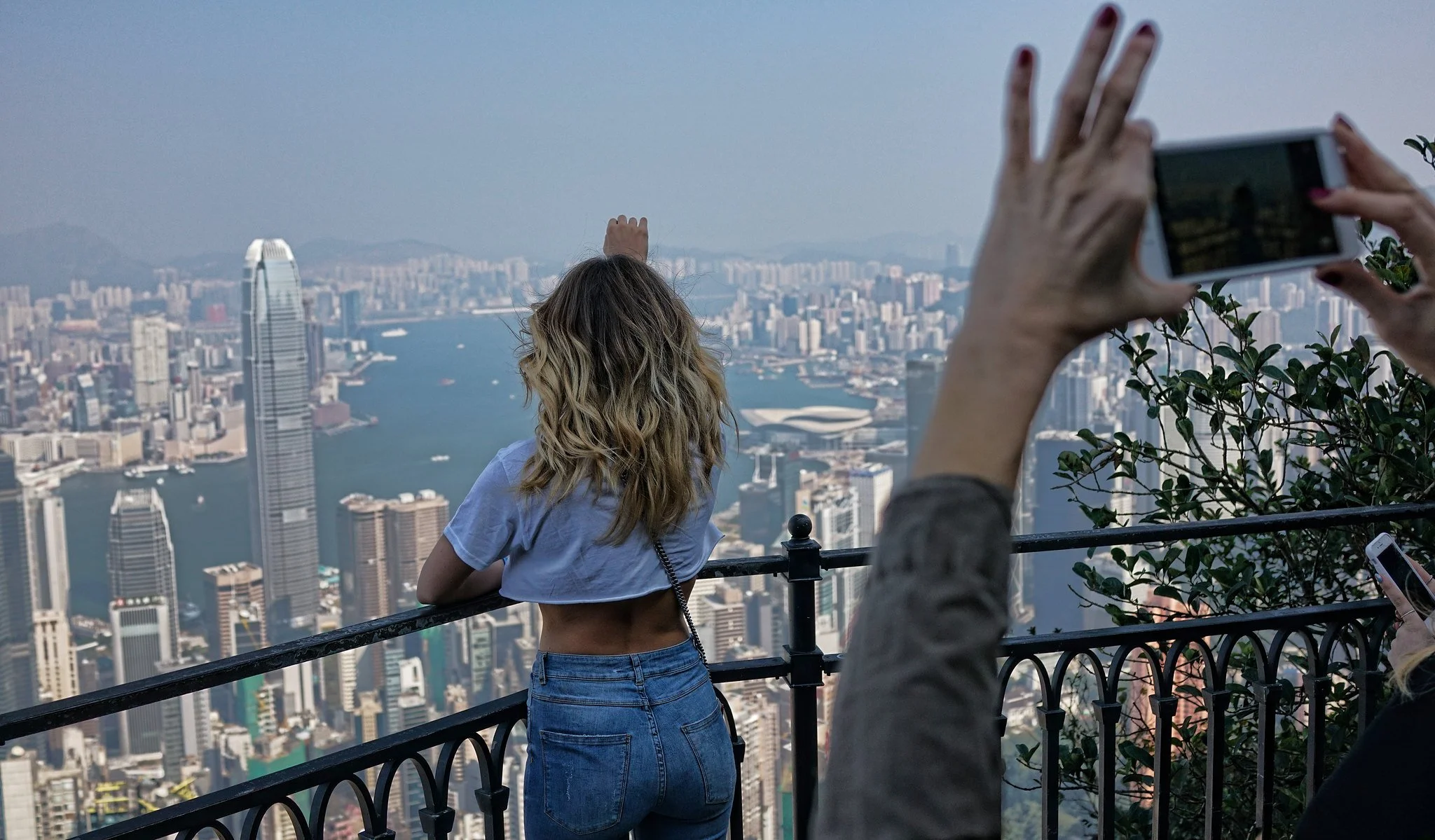
Victoria Peak is 552 metres high. The view is the reason most people come. The mistake is thinking there is only one place to to see the view..
I have been up there well over 6,000 times since 1972. I still love the view. I do not like the way most group tours treat the place: tram both ways, paid viewing platform, 20 minutes, back on the coach to the next stop. The mountain is busy because it deserves to be busy. That does not mean you have to do it the way the ticket booth is arranged.
There are 4 places to see the view. I no longer steer every guest to the same one. Choice is guided by weather, time plus how you walk.
Lugard Road Lookout is free. It is the wide panorama on a clear day. It is a 40 minute round trip or walk with no shelters. Worth it if you can walk it and the weather is decent. Not worth it in rain or foggy weather, and not worth it if the legs have already had enough. A lot of people stop too early, just past the house at 27 Lugard Road, and turn back. There is an old concrete bench on the left. It is a marker only. It is the only bench on that stretch. At the bench keep walking forward for a couple of minutes. The real view is obvious when you reach it. People treat the bench view as the lookout, or get confused and turn around. Residents know to keep going. On a clear morning it is still the one I like best.
Lions Pavilion Lookout is free. It is essentially the same slice of view you pay for at the Peak Tower. It opened in 1976 and was spruced up later. It gets crowded quickly because the space is small.
Peak Galleria roof is free. It is easier and quicker. A lot of people never find it. It is the practical choice if the walk to Lugard is not on the cards that day.
Peak Tower Sky Terrace 428 is the paid viewing platform, about US$10 a person (about HK$78). It is crowded. It is a smaller slice. I have taken fewer than 5 guests up there in 15+ years.
Three of the four views are free. Two of those free spots are basically the same view as Sky Terrace 428 without the ticket. Most visitors think the only way up is the Peak Tram both ways and then the paid viewing platform, because that is where the tram stops. The Peak gets somewhere between 7 million and 12 million visitors a year depending on who is counting. The number who reach the Lugard Road Lookout is tiny by comparison.
If the Peak Tram queue is sane and the timing works, we take the tram down. It opened on 30th May 1888. It was the first funicular railway in Asia. The ride is short. The optical illusion of the buildings tilting is strongest near the front. I try for those seats going down. I like the tram one way. Both ways is usually a waste of the hours once you have seen the view. If the queue is a mess, we ride down the way we came up. Either way you have seen the view.
Historic Central Business District on Hong Kong Island
St John’s Cathedral
The Peak Tram terminus on Garden Road drops you almost on the doorstep of St John’s Cathedral. It is the oldest Anglican church in Hong Kong and the oldest still standing in East Asia. The foundation stone was laid in 1847 and the building was consecrated in 1849. It is a plain Gothic Revival church in dressed stone, set back from the road on its own small rise. It survived the Japanese occupation, the post-war rebuilding, and every round of Central redevelopment since. Inside there is a small chapel where old Second World War flags hang from the ceiling. Nearby, in glass cases, are the remembrance books that list the casualties from the years of the Japanese occupation.
I have been walking past it, and occasionally into it, since the 1970s., yes, it is my Church - On a weekday morning it is usually quiet. The doors are open, the interior is cool, and the stained glass still does what it was put there to do. Most coach tours never stop. On foot it is the first proper building you meet after the tram, and it is worth the 5 - 10 minutes it takes to look inside before you walk on into the rest of Central, we pass the old French Mission Building next door which is as historic as it gets and past the lucky rock (and that is a story for the tour)
After St. Johns Cathedral we walk through the historic Central Business District. Colonial buildings still stand next to the glass towers. The street plan still shows how the commercial heart of the city was laid out. We do not try to cover every block. There is no time for the Street Tram and there is no time to walk up to the Mid-Levels escalator. The useful stops are the ones that still explain something.
Chater Garden is the first patch of open ground. It is a short walk from Statue Square and it is mostly concrete. People use it as a shortcut from the MTR (Subway) station toward Garden Road and the Peak Tram terminus. It is not a garden in the way Nan Lian Garden is a garden. I have said before that it is a missed opportunity. The land is valuable and the result is functional rather than pleasant. We walk through it because it sits where it sits. We do not stay long
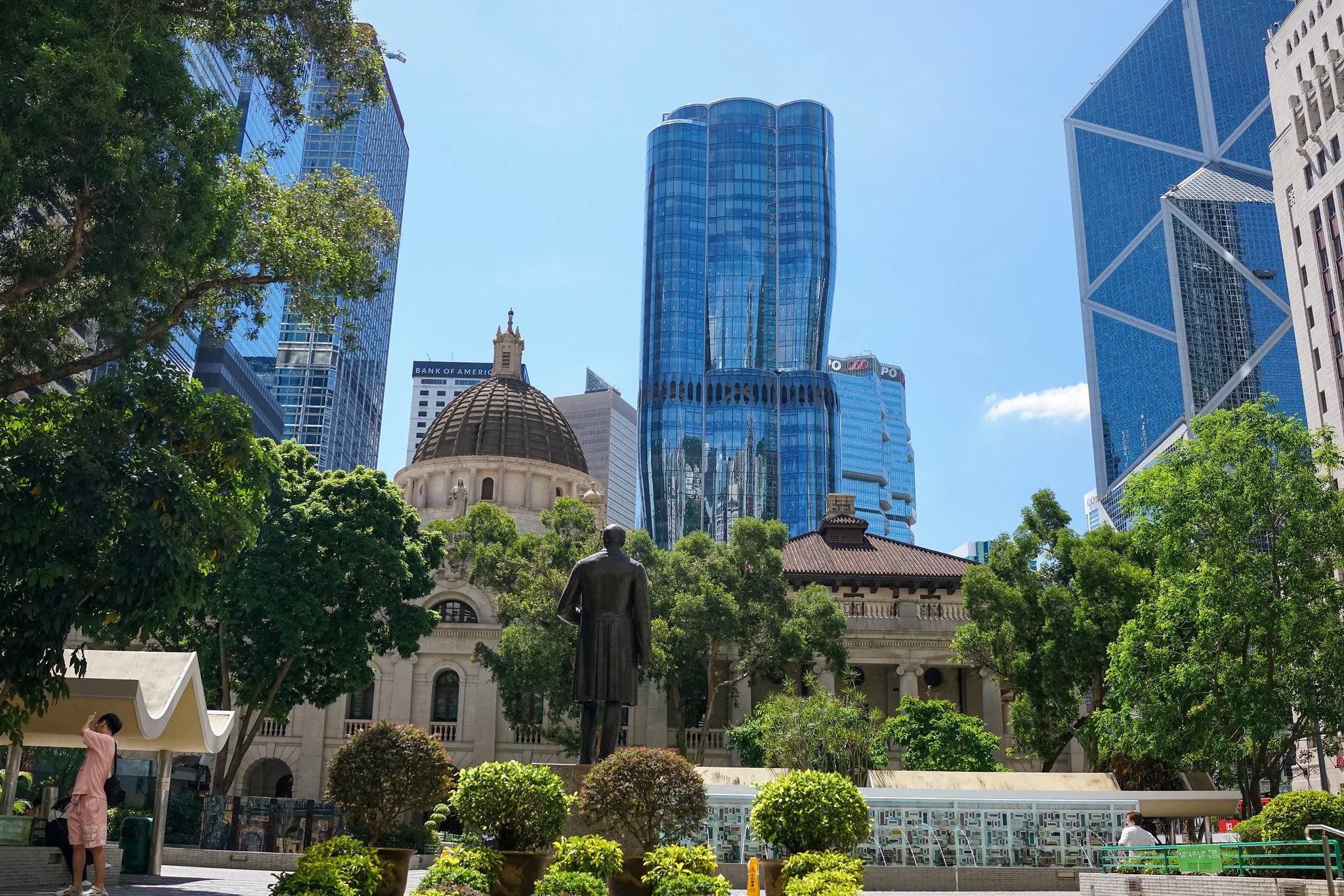
Statue Square is the open space that used to hold the statue of Queen Victoria. The statue was removed after the war and the square kept the name. It sits between the old Court of Final Appeal building and the HSBC headquarters. On weekdays it fills with office workers. On Sundays it fills with domestic helpers. The space itself has not changed much. What happens in it has. I have watched both versions for more than 50 years. The square is still one of the clearest places to stand and see how Central actually works on an ordinary day.
For the record there is still one statue in Statue Square which I will cover when we are stood in front of it, it is a fascinating story.
The HSBC headquarters is the building that dominates the block. The current tower opened in 1985. It was designed with an open ground floor so that the view through to the harbour would not be blocked. That was a feng shui decision as much as an architectural one. The two bronze lions that stand outside are Stephen and Stitt. They have been there, in one form or another, since the 1930s. Local custom is to rub them for luck. I do it on every tour. Most guests do it once they see other people doing it. The lions are not decoration. They are part of how the building has been treated for decades. The open space underneath the tower, the way the building sits on its plot, and the lions at the entrance are all still discussed in feng shui terms. After more than 50 years here I take that seriously. The building is not just a bank headquarters. It is a working example of how commercial architecture in Central has had to negotiate both modern engineering and older local practice.
The older commercial blocks nearby still show the earlier scale of the district. We look at what has been kept and what has been replaced. Central is where a coach can barely stop. The old 1972 coach tour gave it one line and moved on. On foot you can actually look at the square, the garden, and the lions, and talk about why they are still there.
Crossing Victoria Harbour on the Star Ferry
We cross Victoria Harbour on the Star Ferry. The company that became the Star Ferry was formally established in 1888 by Dorabjee Naorojee Mithaiwala, a Parsi merchant who began with a steamboat called the Morning Star. The green and white boats still run between Central and Tsim Sha Tsui. The upper deck adult fare on weekdays is currently HK$5 (about US$0.65). The crossing takes roughly 8 to 10 minutes. National Geographic Traveler once listed it among 50 places of a lifetime. It is still the simplest way to understand why the harbour shaped the city.
On the boat we talk about the old piers, the reclamation that has pushed the shoreline out more than once, and why the ferry remains useful even after the first Cross-Harbour Tunnel opened in 1972. There are now 3 road tunnels under the harbour (the original Cross-Harbour Tunnel, the Eastern Harbour Crossing and the Western Harbour Crossing) and 4 rail tunnels used by the MTR (Subway). That is 7 tunnels in total. I have been crossing on these boats since I was a kid. The view has changed. The reason for the crossing has not..
For the record, the history of the Star Ferry is a little more complex than the highlights mentioned above which I will covrr with you on the Ferry as we are sat on the lower deck.
The Kowloon waterfront and the view back across the harbour
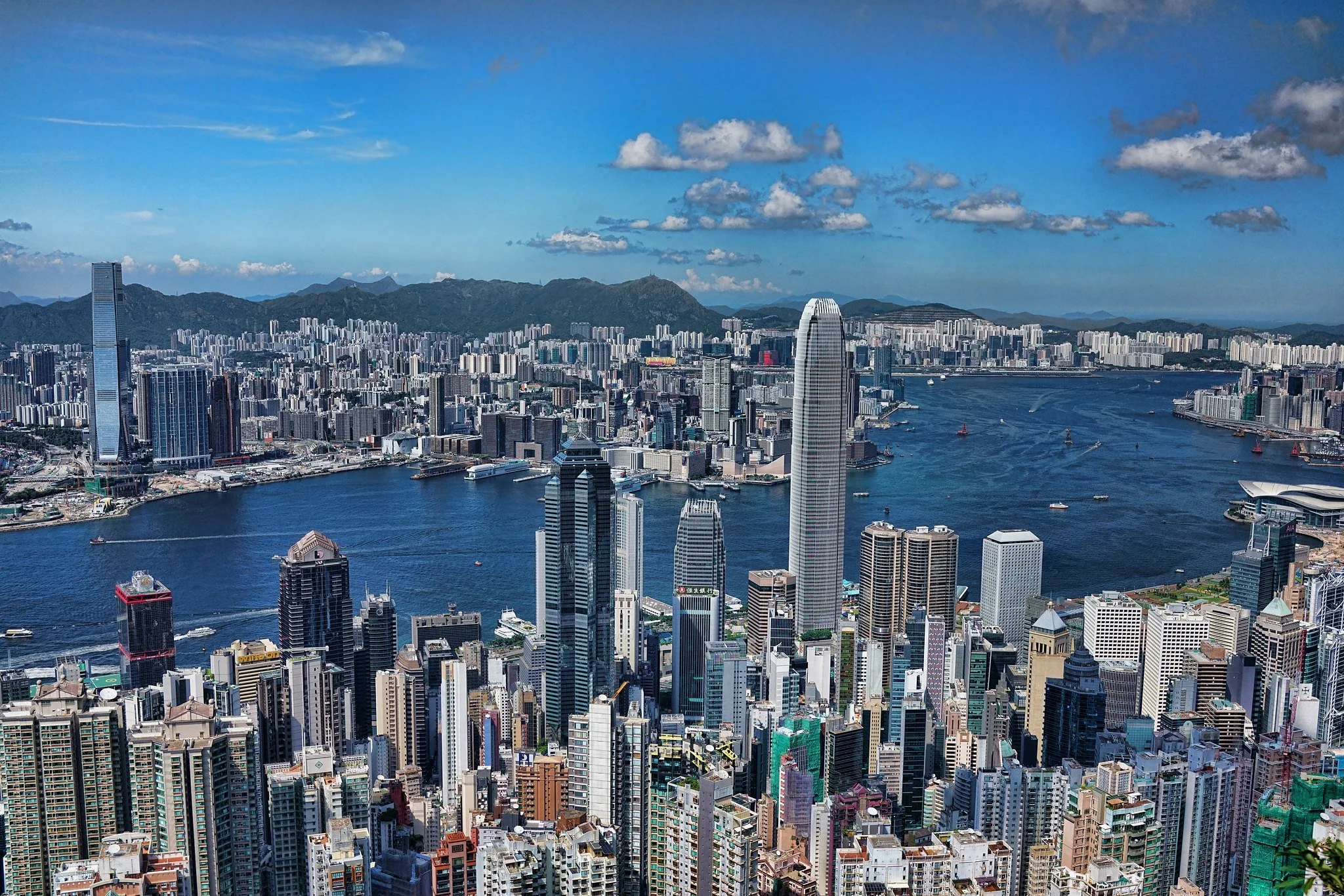
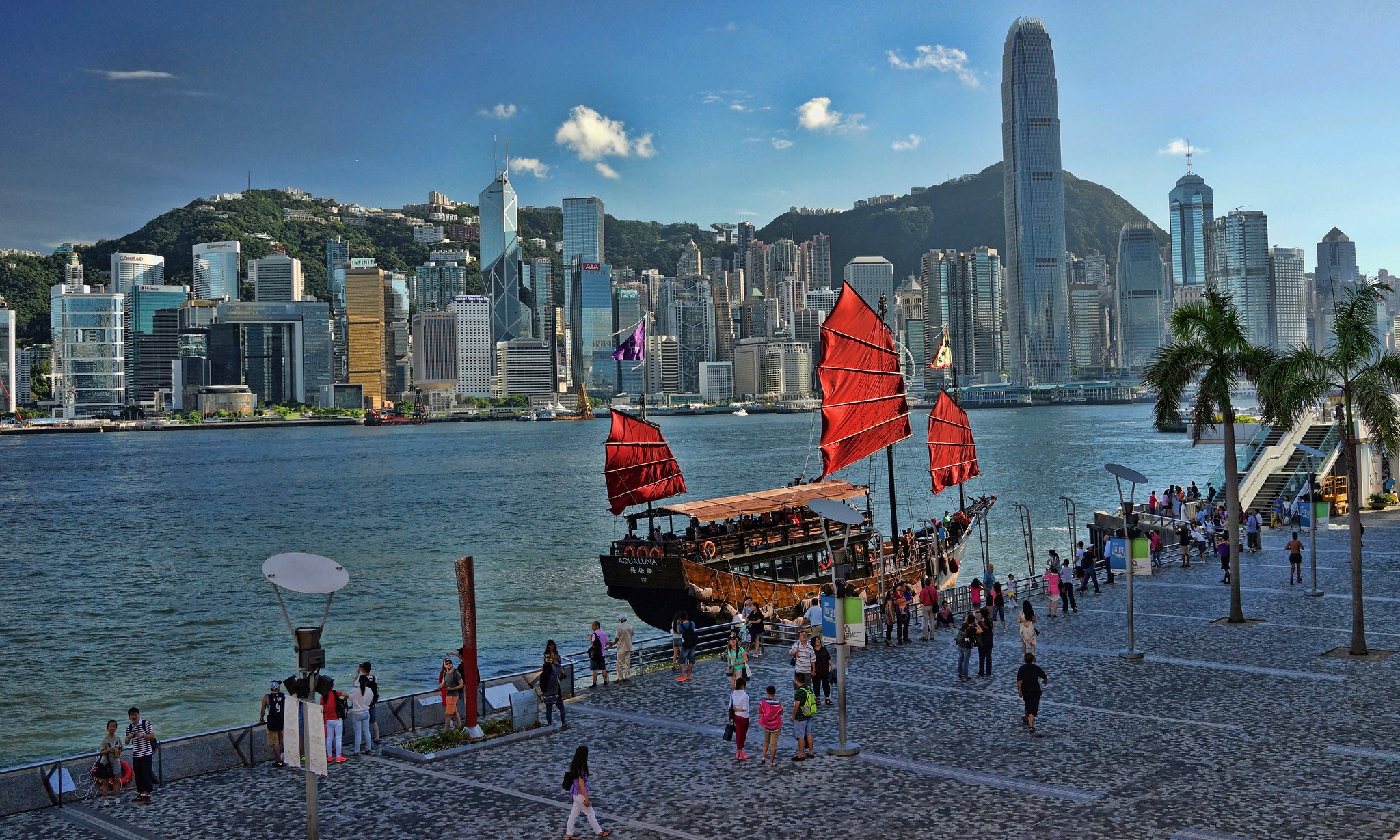
The waterfront on the Kowloon side is where the view becomes the point. You stand on the promenade and look straight across Victoria Harbour at the full face of Hong Kong Island. The towers, the Peak rising behind them, the density of it, and the water in between. It is one of the great city views in the world. Most people who stay in Tsim Sha Tsui walk past it without really stopping. The Clock Tower is there, the Avenue of Stars is there, and the older commercial streets sit a few minutes inland. None of those are the reason to stand still. The reason is the harbour and the island view opposite.
I have stood on this stretch of waterfront in every kind of weather since 1972. The shoreline has moved out more than once. The buildings on the Island side have grown higher. The view itself has not stopped being the clearest single explanation of how the city is put together. On a clear day it is worth the time. On a hazy day it is still worth the time. We stay long enough for the view to register. Then we move if the heat or the rain says so.
The Peninsula Hotel Hong Kong
I first went into the Peninsula Hotel the day we arrived in Hong Kong on January 2nd 1972 as we were staying at the Merlin Hotel, which was located just across the road at the back entrance of the Peninsula Hotel, I have been in there many thousands of times since.
The Peninsula Hotel has sat on the same plot in Tsim Sha Tsui since it opened in 1928. It was built by the Kadoorie family as a grand hotel facing the harbour, and the original building is still the one you see from the waterfront. The Japanese used it as their headquarters during the occupation. After the war it went back to being a hotel. The later tower was added behind it, but the frontage that looks across to Hong Kong Island has not been replaced. Most people know it for the fleet of Rolls-Royces and Bentleys and for afternoon tea in the lobby. On the tour we stop outside long enough to look at the facade, then we go inside. The lobby is the reason. It is still one of the most impressive hotel interiors in the city, and walking through it is part of the stop. We do not stay for tea unless someone specifically wants to. The point is to see the space itself and to talk about why a hotel opened in 1928 is still the landmark on this stretch of the waterfront.
I have walked past it more times than I can count since 1972. The harbour in front of it has been reclaimed and the skyline opposite has grown higher, but the hotel has stayed put. It is one of the few buildings in Tsim Sha Tsui that still looks the way it did when it was new. Going inside is not optional. The lobby is the part that makes the stop worth the time
Chungking Mansions on Nathan Road in Kowloon
A few minutes inland from the waterfront sits Chungking Mansions. Most visitors have heard the name and have no clear idea what the place actually is. It is not one building. It is a complex of five separate blocks (A to E) on Nathan Road, built in the 1960s and still in daily use. The ground floors are a jumble of money changers, phone shops, restaurants and small offices. The upper floors of the five blocks are a mix of guesthouses and apartments that have housed people from a long list of countries. It is not a tourist attraction in the usual sense. It is a functioning piece of the city that happens to sit in the middle of the tourist district.
I walk past it on most tours. We stop outside, if someone wants the honest version we can go inside for a minute or two if someone specifically asks and the group is happy with the idea. The outside is usually enough to show what it is. The place has a reputation that travels further than the facts. The facts are simpler: it is a dense, mixed, practical set of five blocks that has been there for decades and still does the job it was built for
Yes, it is quite the contrast to the Peninsula Hotel just a few minutes walk away.
The choice: Chi Lin Nunnery or Wong Tai Sin Temple in Kowloon
The final major stop is a choice. Both sites are in Kowloon. Both reward a proper visit rather than a quick photo stop. We pick one based on interest, energy, and the time of day. We do not try to do both in the same 8 hours. The contrast is the point. Trying to squeeze both usually means neither is properly seen. A lot of the shared tours list both and then rush them. I have been to both sites more times than I can count. Chi Lin Nunnery is the quiet one. Wong Tai Sin Temple is the one that shows how religion actually works for ordinary people on an ordinary day.
Chi Lin Nunnery and Nan Lian Garden
Chi Lin Nunnery sits at the foot of Diamond Hill. It was founded in 1934 as a retreat for Buddhist nuns on the site of an old mansion. It was rebuilt in the 1990s in the style of Tang Dynasty timber architecture (618 to 907). The complex is made of cypress wood using traditional interlocking joints. No nails were used. It is currently one of the largest hand-made wooden buildings of its kind in the world. The main halls follow designs based on surviving Tang examples and Dunhuang cave murals. The site covers more than 33,000 square metres and includes 16 halls, a library, a school, a pagoda, a bell tower and a drum tower.
Adjacent Nan Lian Garden is a public Tang style landscape garden of about 3.5 hectares. It opened in 2006. It has lotus ponds, pine trees, stone bridges and the golden Pavilion of Absolute Perfection. The nunnery maintains the garden under a long-term agreement with the government for a nominal fee. Both places are free. Photography is allowed outside and throughout the garden. It is not allowed inside the main prayer halls. The security can be firm about that.
I like the place. The noise of the city actually drops when you step through the gates. We walk slowly, look at the joinery, and talk about why a modern city chose to rebuild a Tang complex rather than preserve an older colonial structure. There is a small tea house and a vegetarian restaurant if anyone wants a quiet break. We do not force it. Morning light is better. The main halls open at 9.00am and closes just after 4pm
Sik Sik Yuen Wong Tai Sin Temple
The alternative is Sik Sik Yuen Wong Tai Sin Temple. This is a working Taoist temple dedicated to Wong Tai Sin, a figure associated with healing and granting wishes. It is busy, smoky with incense, and full of local worshippers. The practice of kau chim (fortune sticks) is the part most visitors notice. You shake a bamboo cylinder until one of the 100 numbered sticks falls out. Each stick corresponds to a classical poem. Interpreters in the arcade behind the main hall will read the poem for a small fee, typically HK$30 to HK$80. The temple also contains halls for Buddhism and Confucianism, a Nine-Dragon Wall, and a garden at the rear. It is louder and more active than Chi Lin.
I have been there more than 1,500 times. I first went as a kid in the early 1970s. It is still one of my favourite places in Hong Kong. It is Hong Kong culture in motion. Entrance is free. It opens at 7.30 am. We do not rush it. If someone wants to try the sticks we stand back and let them. If a ceremony is on we stand back further.
Why a private tour rather than a group tour or shared coach or a fixed list
The coach tours that have run similar circuits for decades still exist. The guides in general are very poor. Many have limited English. They herd you about. They talk through a microphone, they wave a flag. They use scripted jokes. Then they take you to retail outlets for a spot of shopping under the guise of culture. The 1972 version of the Island coach tour was the one that got me started in private tours. The itinerary was sound. The way it is run now is not, there are also companies that have a flag waving tour guide and 30 guests walking on the streets and not using a coach, to me that is just crazy
Private listings that promise both temples, the Peak Tram both ways, a market, and a meal inside 6 or 7 hours are usually transfers with photo pauses. The hours disappear in queues and traffic. On this tour the hours stay with the places and the conversation.
I do not run food tours or car tours. Children 17 and under are free. Cash on the day is required, no deposit needed. The full list of inclusions and exclusions is on the Prices | Book Now page and the FAQ page. Public transport (MTR (Subway), buses, Street Tram, Star Ferry) is covered as part of the tour fee. Peak Tram tickets, Sky Terrace 428 entry if anyone insists, meals and any personal purchases are extra.
Current pricing for an 8 hour tour
The fee is the total for the group, not a per-person charge. Prices are published in US$ on the site. The Hong Kong dollar is pegged at roughly 7.80, so the HK$ figures below are the conversion.
1 person: US$690 (HK$5,382)
2 people: US$760 (HK$5,928)
3 people: US$830 (HK$6,474)
4 people: US$900 (HK$7,020)
For a fifth or sixth person add US$70 (HK$546) per person. The maximum I take is 6. These figures are current as of late 2025 and are confirmed on the Prices | Book Now page. Always check that page for the live list before booking. There is no deposit. Payment is cash on the day in US$ or HK$.
What to tell me when you contact me
Contact me through the form on the Prices | Book Now page or by email. Tell me the date, the number of people, any walking considerations, and whether you already have a preference between Chi Lin Nunnery and Wong Tai Sin Temple. Most guests leave the final choice of viewpoint and temple until we meet, which is usually the better way.
Out of left field comment
One last thing. The view from the Kowloon waterfront back across to Hong Kong Island is the one most visitors photograph and then walk away from. I have stood in the same spot in every decade since 1972 The buildings get taller, the reclamation moves the shoreline, the tunnels under the water multiply, and the photograph in 2026 looks nothing like it did in 1972 - I can still point to one specific building that opened in 1973 and people are astonished when I mention that when it opened, at 52 floors it was the tallest building in Hong Kong and now it is dwarfed by the surrounding buildings, that building is Jardine House
So there you go.
click on any image to enlarge
© Copyright Acknowledged | All rights reserved | images taken by Jamie