Hong Kong Top 20 Attractions for English Speaking Visitors in 2026 and 2027
Why AI Lists and 600 plus Viator Listings All Point at the Same 20 Stops

The J3 Group - Premium Quality Private Tours | Experiences and Insider Chats since 2010
Me Jamie, your host, I am English and I have lived in Hong Kong since January 2nd 1972 - I know the place.
A meaningful blog post with a difference - tips on Travel, Tourism, Tours, Daily Life and my personal thoughts on Hong Kong.
Please do visit Amazing Hong Kong
Hong Kong | Pearl of the Orient


A Resident since 1972 - Private Tours of Hong Kong with Jamie
The Best Things to do in Hong Kong
click on the image to enlarge
© Copyright Acknowledged | All rights reserved | image created by Jamie
What Search Engines and AI Reward and What They Quietly Leave Out
Foreword by Jamie
How English-Speaking Visitors Really Choose a Hong Kong Tour in 2026 - And Why the Same 20 Attractions Will Keep Winning Going Into 2027
The noise is not the city
There is a disconnect I have been watching for years, and in 2026 it has become the way most English speaking visitors arrive in their own heads.
For 20 years people have been writing comments on review sites and more recently on OTA pages. Some of those comments are honest. Many are hurried. A fair number were written 40 minutes after a coach door opened and a flag went up. That pile has been sitting there long enough to look like knowledge. Search and AI can now read the whole pile in seconds and hand it back as a tidy Top 20, a 1 day plan, and a list of tours that all sound identical. The speed is impressive. The assumption underneath it is not.
The assumption is that volume equals truth. If a place has been named often enough, photographed often enough, and packed into enough product titles, it must be a must-visit. That is how Man Mo becomes “the temple”, how the Peak Tram becomes compulsory even when the hill is in cloud, and how a list written for the internet becomes a shopping list for Tuesday morning. Noise is not verdict. It is repetition. Repetition is what search and AI are built to find. They are not built to stand in a Temple with 50 people inside and notice that the atmosphere has gone.
The second assumption is worse. Once the 20 names are on the screen, people treat them as a day’s work. With a guide or without one. Peak, harbour, Big Buddha, a temple, a market, lunch, a second view, and still time for photographs. An 8 hour day in this city does not hold 20 attractions. It barely holds four done properly, and that is before rain, queues, knees and a sit down meal eat the clock. Fitting the list into 1 day is not ambition. It is a misunderstanding of distance, time and weather, dressed up as efficiency.
The third assumption is the one that still stops me. People will spend three evenings comparing tours and then book one on which they cannot choose the guide, and often cannot even see who the guide will be. The guide is the tour. Not the car or coach. Not the title. Not the first three photographs. Not the cancellation policy. On an OTA you are buying a route and hoping a stranger can carry it. I have never understood why a visitor who will research a restaurant for an hour will hand over 8 hours of their only day in Hong Kong to a name they have not been allowed to evaluate. If there is a team, look at the team. If there is one person, look at that person. If you cannot do either, you are not booking a private day. You are buying a seat.
I am not taking a pop at Google or at AI. I use both. They are very good at assembling what has already been said. They cannot tell you which of those sentences still match the street at 10am. That gap between the compiled noise and the actual morning is why so many sample itineraries look perfect and so many days feel rushed. It is also why I do not send a sample itinerary, and why the first question is not “which 20 places” but “who is taking you, and what will the day actually bear”.
I have lived in Hong Kong since 2nd January 1972. I have been taking people around Hong Kong, properly, since 2011. By late August 2026 that is more than 2,400+ private tours and something like 7,000 guests. I still get the same two emails, almost word for word, from people who have never set foot here. The first is: “Can you send a sample itinerary?” The second, which arrives about 20 minutes later, is: “We were thinking Peak, Big Buddha, a temple, and maybe a market - does that sound right?”
It sounds right because every search they have run this week has already told them it is right. ChatGPT, Gemini, Google’s AI Overview, Perplexity, a travel blog last updated in 2019 and republished with a 2026 date, TripAdvisor’s “Top Attractions”, a GetYourGuide category page, a Viator “Best of Hong Kong” bundle, and Auntie Margaret who came in 2014 and still talks about the Peak Tram. That is not research. That is a hall of mirrors. The mirrors are very good at reflecting each other. They are much less good at telling you that Man Mo Temple on Hollywood Road is the size of a decent sitting room in your home country, that 50 people listening to a tour guide and taking selfies inside it kills the atmosphere stone dead, and that the temple Hong Kong people actually use when they want something from the gods is a much bigger, much livelier place in Kowloon that almost never makes the English Language Top 20.
This post is about how those lists get made, why English-speaking visitors cling to them, why everyone asks for a sample itinerary before they will talk to a human being, why I do not send one, and how a small private operation is supposed to stay visible when there are 600+ tour products for sale on the big OTA platforms such as Viator and Get Your Gude before you have even looked at the independents. I have been curious about this for years. In 2026 the curiosity has become a practical problem, because the first thing many visitors now do is ask two or three AIs for an itinerary, then spend three evenings checking each attraction on Google, then open an OTA and drown and yes, then ask me for sample itineraries.
The 2026 - 2027 decision pile, in the order it actually happens
Most English-speaking visitors do not start with a tour company. They start with a prompt.
Typical sequence, from what guests tell me on the morning we finally meet:
Day 1 of planning: “3 days in Hong Kong itinerary” into ChatGPT or Gemini. They ask twice more with different wording because the first answer felt generic. They now have three overlapping lists.
Day 2: Google “best things to do in Hong Kong 2026”. The AI Overview at the top of the page reads like the same list they already have. They click two listicles. Peak, Star Ferry, Big Buddha, Temple Street, Man Mo, Stanley, Avenue of Stars.
Day 3: TripAdvisor “Top Attractions”. Same names, different order, tens of thousands of reviews on the Peak Tram.
Day 4: they open GetYourGuide, Viator, Klook or Trip.com and type “Hong Kong day tour”. Several hundred products appear. Many have almost the same title. Many use the same six photographs.
Day 5: they email four operators and one independent guide and ask for a sample itinerary. They are not really asking for a plan. They are asking for proof that you will take them to the places the searches already named.
By the time they speak to a person, the trip has already been designed by a consensus of search results. The human is being invited to confirm it, not to think.
That is why the sample itinerary has become a pointless ritual. It is not because they love logistics. It is because they are frightened of buying the wrong day. A printed list of stops feels like a specification. If your sample matches the AI list, you are “professional”. If your sample suggests Wong Tai Sin instead of Man Mo, or the Chi Lin Nunnery instead of a quick incense photo, some of them think you have missed the famous bits.
What AI and Search Engines actually reward when they print a Top 20
Nobody sits down with a map of Hong Kong and asks, “Which temple still feels like a temple at 11am on a Tuesday?” The systems that generate “top attractions in Hong Kong” are doing something much blunter. They are measuring how often a place is mentioned, photographed, reviewed, booked, and linked, in English, across the open web.
The main ingredients, in plain language:
Mention volume. If hundreds of travel articles and blogs, dozens of “ultimate guides”, and the usual official pages (Ie The Hong Kong Tourism Board) all name the same site, that site becomes a fact. Repetition is treated as importance.
Review count and recency. A Victoria Peak page with tens of thousands of reviews will outrank a quieter temple with 800 thoughtful ones. Volume is easier to trust than atmosphere.
Photographs that travel. Giant incense coils against dark timber photograph beautifully. A wide temple courtyard with ordinary people praying does not travel as well on a phone screen or on the thumbnail of a listicle. Visual distinctiveness is a ranking signal whether anyone admits it or not.
Booking products attached to the place. If 600 OTA tours include “Man Mo Temple” in the title or the bullet list, the attraction becomes a commercial object. Commercial objects get more pages, more mentions, more reviews. The loop tightens.
Geography of the English walking tour. Hollywood Road, the Mid-Levels Escalator, Tai Kwun and Man Mo sit on one convenient line that every Central walking tour has used for 15 years. Convenience creates coverage. Coverage creates lists. Lists create more walking tours.
Language. English language sources dominate what English speaking systems read. A temple that is beloved in Cantonese conversation and on local forums, but thinly covered in the old guidebook circuit, will lose to a smaller shrine that sits next to the antique shops.
Official and guidebook inertia. Once a place is in the greatest-hits column and on the first page of Google, later writers copy it to stay “complete”. Completeness is safer than judgement.
Query matching. People search “temple in Hong Kong”, not “which temple still has room to breathe”. The system answers the query they typed, not the day they will actually have.
Mainland Chinese visitor numbers do distort the raw footfall figures. In 2025 Hong Kong took in about 50 million arrivals, of which roughly 76% were from the Mainland. Non Mainland arrivals were about 12.1 million. In the first half of 2026 the split was still heavily Mainland - about 20.6 million Mainland against 6.2 million from everywhere else. If you ranked attractions by turnstile counts alone, you would build a list for a different customer. Theme parks would dominate. Certain shopping streets would dominate and hidden gems out in the boonies would dominateth. That is why theme parks are not in the list below, and why I am writing for English-speaking visitors rather than for the total headcount.
Search and AI do not know the difference unless you force them to. Left alone, they blend everyone into one “tourist”.
Case study: why the Man Mo Temple is on every list and Sik Sik Yuen Wong Tai Sin Temple almost never is
Man Mo Temple on Hollywood Road was built in 1847. It honours Man, the god of literature, and Mo, the god of war. It is old, photogenic, and 10 - 15 minutes from places English speaking visitors were going anyway. The hanging coils of incense are a gift to a camera. You can step in, take the shot, step out, and still be on time for lunch in Sheung Wan. For a group walking tour that has to hit six stops before 2pm, that is irresistible.
The problem is scale. The compound is small. I mean actually small. When 40 or 50 people are inside the main hall you are no longer in a temple. You are in a corridor of backpacks and phone screens and harried tour guides. Package tours arrive in pulses all day. The atmosphere that made the photograph famous is the first thing to go. Locals who want to pray tend to pick another hour or another address.
Sik Sik Yuen Wong Tai Sin Temple is a different animal. It sits in Kowloon, with its own MTR station. It is large enough to hold a crowd without suffocating. yes, it has atmosphere and It houses Taoist, Buddhist and Confucian worship on one site, which is unusual and worth explaining. People come to ask Wong Tai Sin for help because the saying is that he grants whatever is requested. They shake kau cim fortune sticks. They burn incense in the open. There are gardens. There is colour. On an ordinary weekday you still see Hong Kong people using it as a temple, not as a backdrop. At Lunar New Year it becomes a city-wide event - Sik Sik Yuen has spoken of 20,000 to 40,000 people for the first incense of the year, and around 1 million across the festival period - but that is a festival, not the Tuesday afternoon version.
So why does the Man Mo Temple win the English list?
It is on the Central-Sheung Wan walking circuit. Wong Tai Sin is a dedicated MTR ride into a residential district. Writers who have one morning in the city do not spend it on a side trip.
The coils are a unique visual. Wong Tai Sin is handsome, but it looks like a large southern Chinese temple. Editors chase the image that cannot be mistaken for anywhere else.
30 years of guidebook copy have calcified. Once Man Mo became “the temple you visit in Hong Kong”, later lists copied the sentence and moved on.
OTA product designers build days that start in Central or Tsim Sha Tsui. Man Mo slots in. Wong Tai Sin forces a different shape of day, which means a different brochure, which means more work.
Search and AI inherit all of the above. They do not walk into both buildings at 11am and compare the feeling. They count citations.
If you only have one temple on a first visit, I would rather take an English speaking guest to Wong Tai Sin or to the Chi Lin Nunnery and Nan Lian Garden than squeeze them through Man Mo at peak hour. I will still take people to Man Mo maybe once every 2 years or when it fits - early, or as part of a Hollywood Road walk when the hall is not jammed. I will not pretend it is the finest spiritual Temple in the territory just because it photographs well from the doorway, Hong Kong has 600+ temples and many of them photograph much better than the Man Mo Temple
That is the gap between a list and a day.
Why everyone asks for a sample itinerary - and why I do not send one
I understand the request. People have been asking me the same question since 2011. It is what you do when you make an enquiry. The OTAs (particularly Viator) trained a generation of travellers to expect a neat page with 9.00am Peak, 11.30am temple, 1.00pm lunch, 3.00pm Buddha. AI has made it worse. A search box can now generate 50 eight hour itineraries in 30 seconds. I am not a search box. I have lived here since 2nd January 1972 and I have completed more than 2,400+ private tours since 2011. That is a different kind of material.
I do not send sample itineraries. I never have. The policy is 16 years old and it is not a mood. It is arithmetic.
An 8 hour private day in this city has tens of billions of genuine permutations. I am not being colourful. You are dealing with different start times, different tour lengths, groups of 1 to 6, ages, knees, heat tolerance, first visit or fifth visit, a wish list or no wish list, rain, cloud at Victoria Peak, a signal warning, a senior who needs a bench, a child who has had enough, a ferry that just left, and the simple fact that I have never delivered the same tour twice. A page written in June cannot describe a Tuesday in August.
A sample itinerary also assumes the wrong product. A generic OTA tour needs a fixed itinerary because the guest is buying a route, not a person. A private tour with me or my friends has no set itinerary. Five minutes at the start of the day is usually enough. You tell me what matters. I shape the day in real time. Most guests, once we have actually met, are more than happy to leave it with me. First-timers especially.
There is a less polite reason as well, and I may as well say it. Some people simply want a sample itinerary so they can send the same sheet to six companies and buy the cheapest. I have never entered that auction and I am not going to start. If price is the only filter, the OTAs already have 600+ listings waiting.
What I will take, gladly, is a short note. Dates. Ages. Walking comfort. Whether the day is the city or the food. Two or three things you cannot miss, or a simple “show us Hong Kong”. That is enough. I have written about this at length already many times. The short version is the one that matters: I do not play the sample-itinerary game. The day gets built when we meet, and it moves if the weather turns, if the Peak is in cloud, or if you care more about one thing than another.
How a visitor actually picks a tour from 600+ OTA listings (Viator, Get Your Guide)
Once they are on GetYourGuide, Viator, Klook or Trip.com, the behaviour is fairly consistent. The platforms are not shy about what they reward, even if they do not publish the formula.
What the shopper does:
Sorts by “Recommended” or “Best rated”, which is not the same as “best for you”.
Looks at the first screen only. Most people do not paginate like librarians.
Reads the title and the first three photographs. Human faces in the stock photos convert better than empty landmarks, which is why so many listings now look like stock happiness. I use my own images (180,000 of them)
Checks duration, pickup, and whether cancellation is free.
Skims the last 10 reviews for the words “small group”, “knowledgeable”, “not rushed”, “English”.
Compares price. A full-day private car for two at HK$4,800 (about US$615) sits next to a 12-person coach at HK$780 (about US$100). They are not the same product. The page design pretends they are related.
What the platform does:
Pushes listings that convert views into bookings. Conversion is the strongest signal the operator can influence.
Pushes listings with a thick, recent review stream.
Pushes completeness: clear inclusions, live availability, instant confirmation.
Punishes cancellations and messy listings.
Makes the first three stock photos do most of the work.
Notice what is missing. The name of the guide. The depth of the stories. Whether the route still makes sense if it rains from 9am. Whether you will spend 70 minutes in a queue at an attraction that the brochure called “iconic”.
That is why OTAs are useful for tickets and simple products, and clumsy for the thing mtself and my friends sell, which is a day with a particular person who has lived here since childhood and does not work from a laminated card and yell through a microphone!
Independent company websites sit one layer further down. Many visitors never reach them. The ones who do are often the ones who already decided they do not want a 25 seat coach tour. Those people take longer to decide, ask more questions, and are generally the guests we want.
Why museums do not make this list
English-language “best of Hong Kong” pages love a museum block. M+, the Hong Kong Palace Museum, the Museum of History, sometimes the Science Museum for good measure. I have left all of them out, and it is not because the Museums are poor.
In more than 2,400+ private tours since 2011, I have had one booked museum visit. One. Guests who want a gallery go on their own, at their own pace, with a ticket they can buy that morning. They do not need a guide standing next to a caption. A museum is one of the few things in this city that is actually easier without a tour wrapped around it not to mention that the best Musuems are in weird locations which really mess up timing.
There is a second reason. Putting M+ or the Palace Museum into a private day tour usually means a rushed hour, a bag search, and a guest who is too polite to say they would rather still be on the Star Ferry. West Kowloon is worth a dedicated half-day for people who have already decided they want it. It is a poor bolt-on between Victroia Peak and a temple.
Tai Kwun stays on the list below because it is not that kind of visit. It is a restored police station, prison and magistracy that you walk through as part of a Central day. You are in yards and corridors, not in a ticketed gallery circuit.
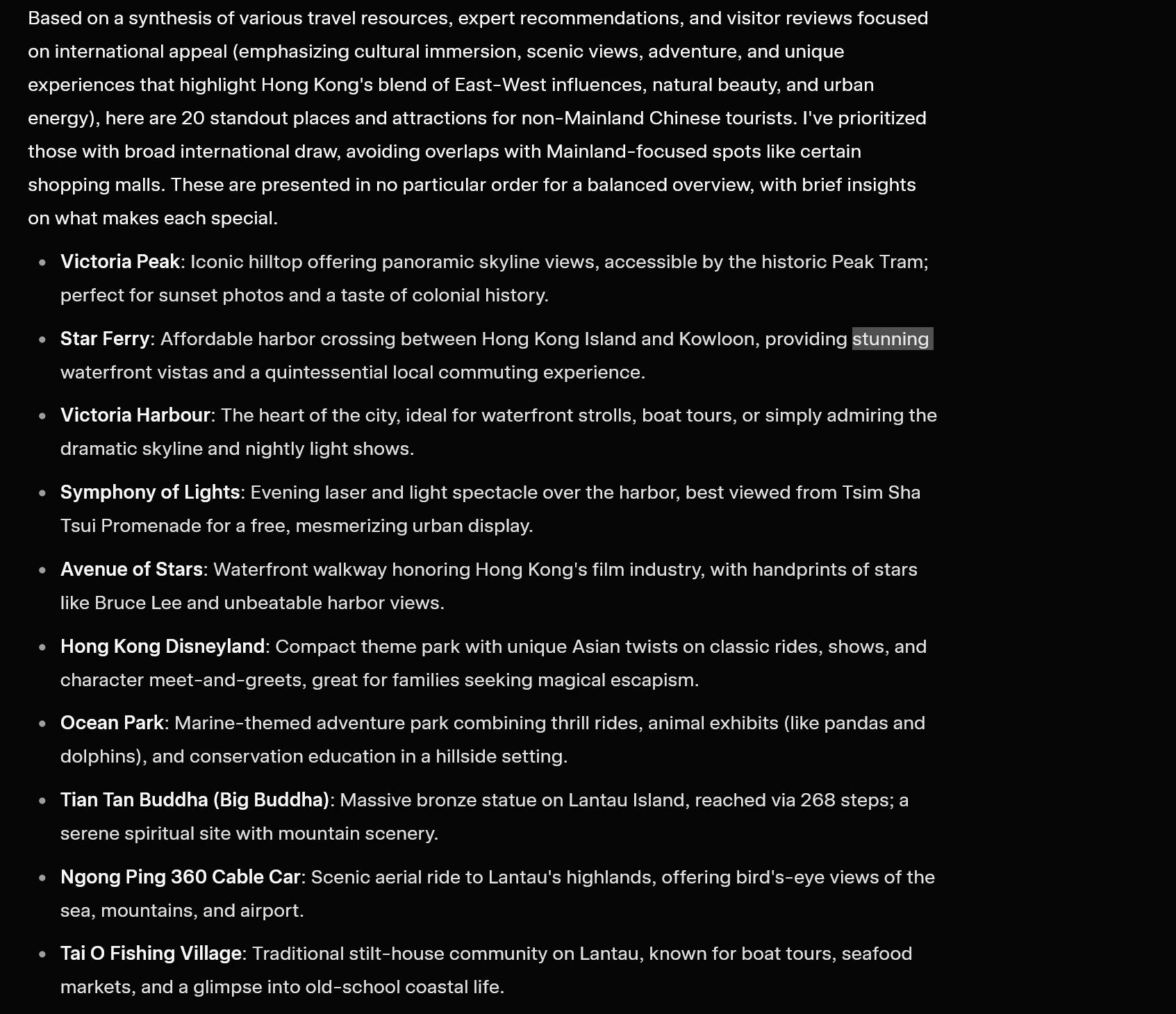
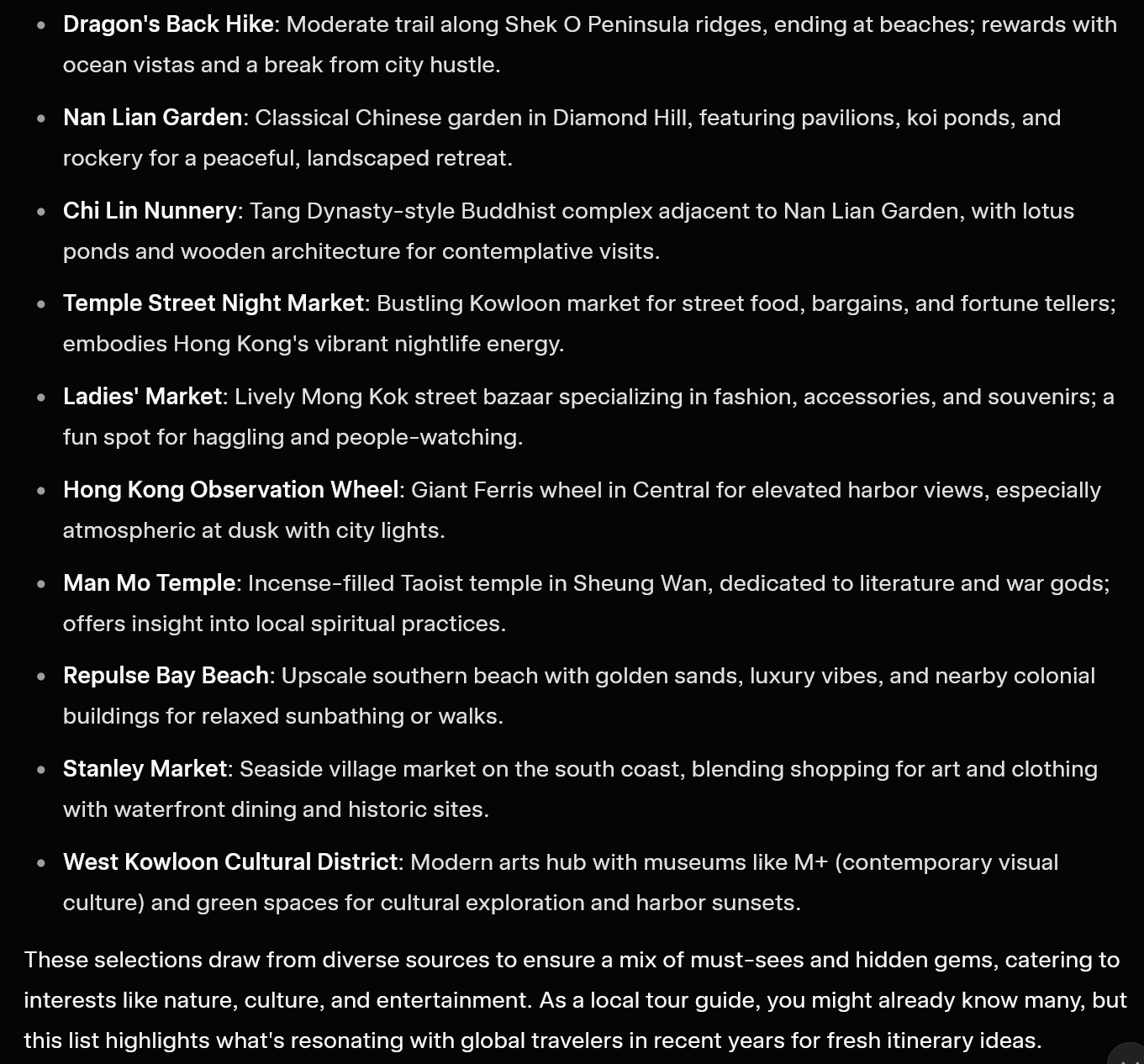
click on the image to enlarge
© Copyright Acknowledged | All rights reserved | image created by Jamie
The Typical AI Generated list of the top 20 attractions in Hong Kong 2026
A Top 20 that would actually serve an English-speaking visitor
This is not “the official 20” and if you look at the list above from earlier this year, it is quite different ns technically the Big Buddha, the NP 360 Cable Car and the Tai O Fishing Village is 3 attractions and my Central Tour within a Tour is approximately 8 “attractions of interest”
It is the 20 I would defend for a first-time or second time English-speaking guest who is not going to a theme park and who is not being swept along by Mainland coach volume. The famous names are still here, because pretending Victoria Peak does not exist is how you lose the enquiry. So are places the usual lists under serve.
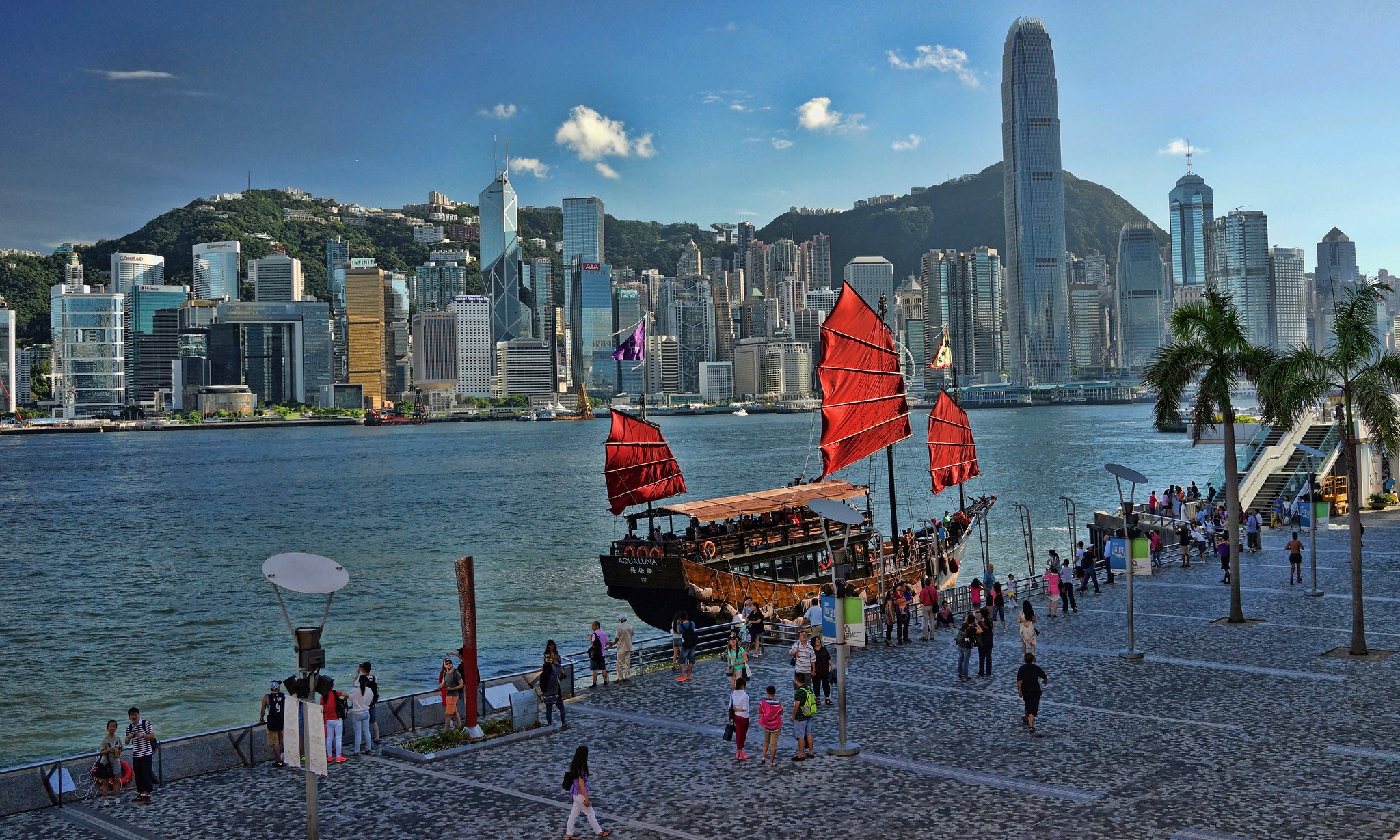
Victoria Harbour from the water, including the Star Ferry. The harbour is the reason the city is here. Do it in daylight and again at dusk if you can.
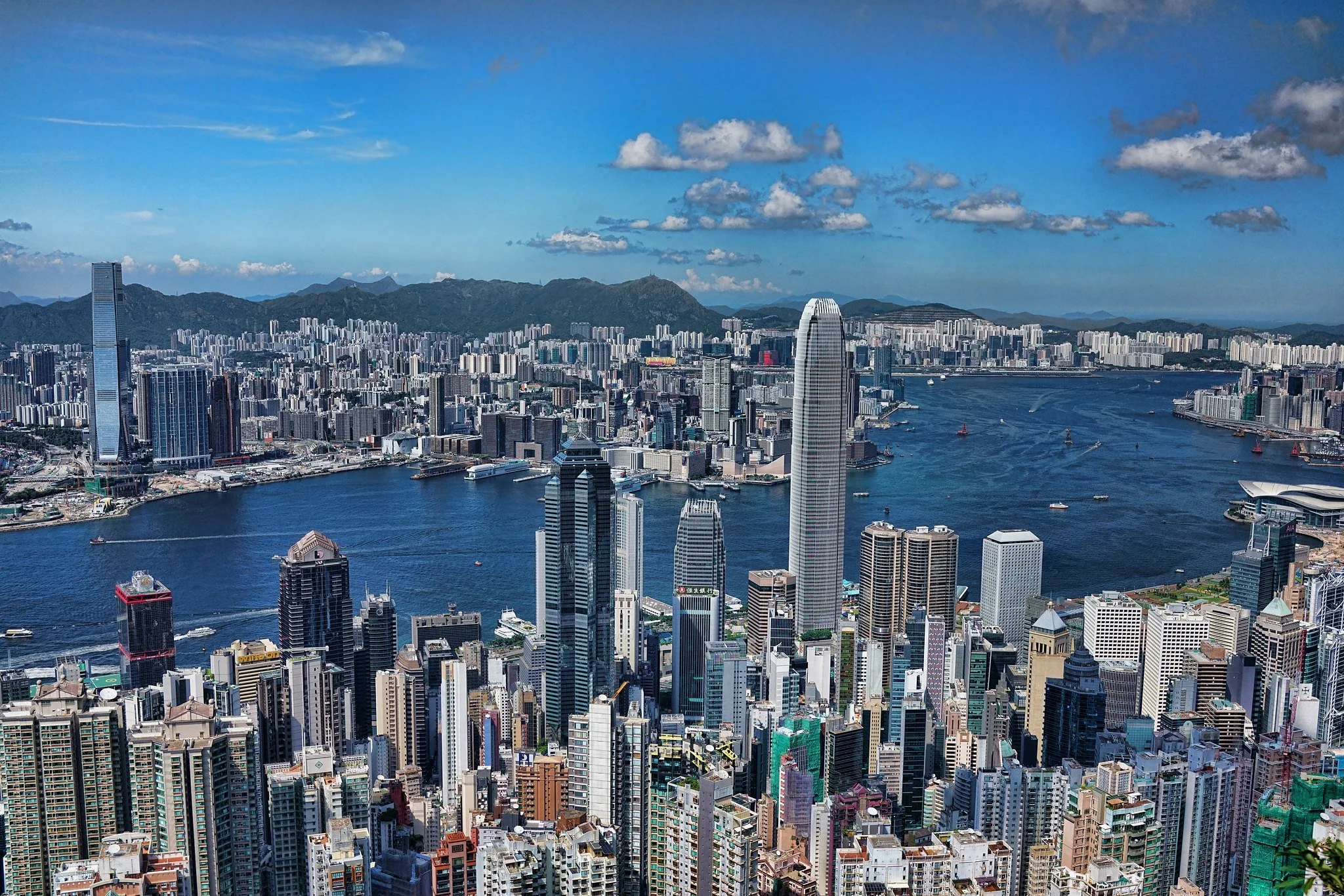
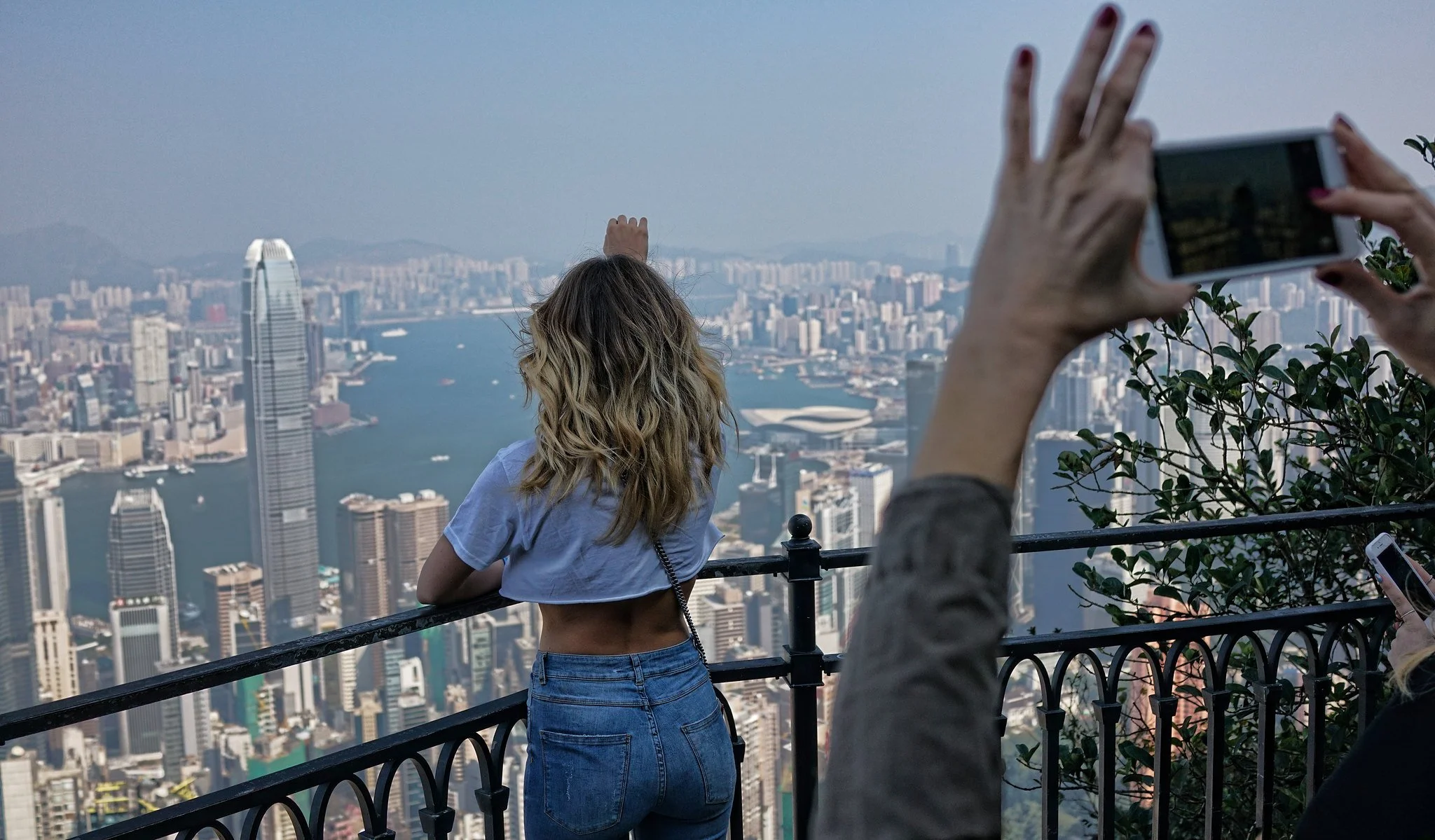
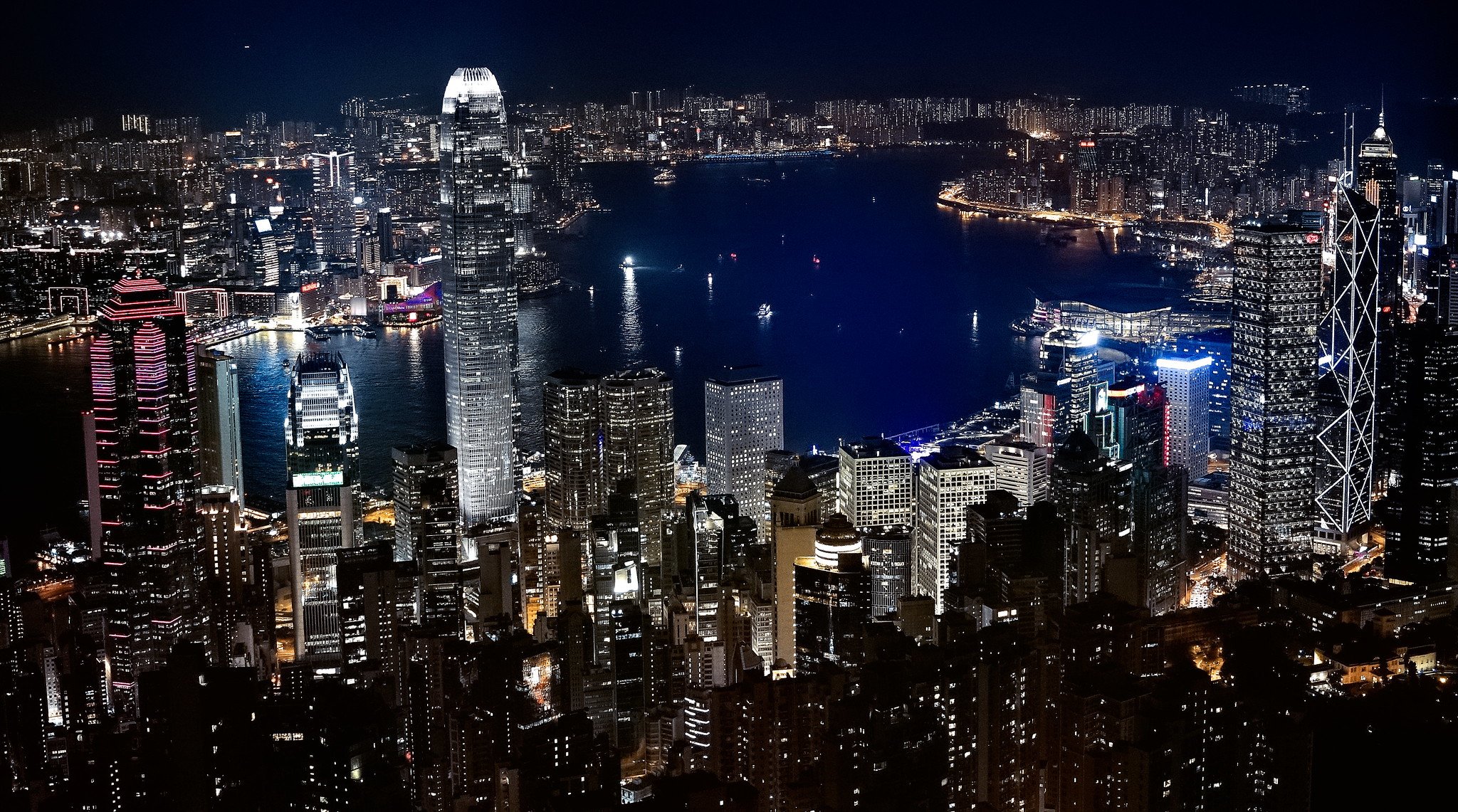
Victoria Peak - the view, not the shopping mall. Go for the panorama. Treat the Peak Tower as optional architecture, not as the point of the ascent. If the cloud is sitting on the hill, change the plan. A view you cannot see is not an attraction.
The Peak Tram, used as history and only when the queue and the cloud allow. Operating since 1888, steep, famous, and on many days a line that eats the morning. Worth doing once if the wait is civil. Not worth a religion.
Tsim Sha Tsui waterfront and the old Kowloon Canton Railway Clock Tower. The postcard view of Hong Kong Island. Avenue of Stars is part of this stretch. Go for the harbour, not for the handprints.
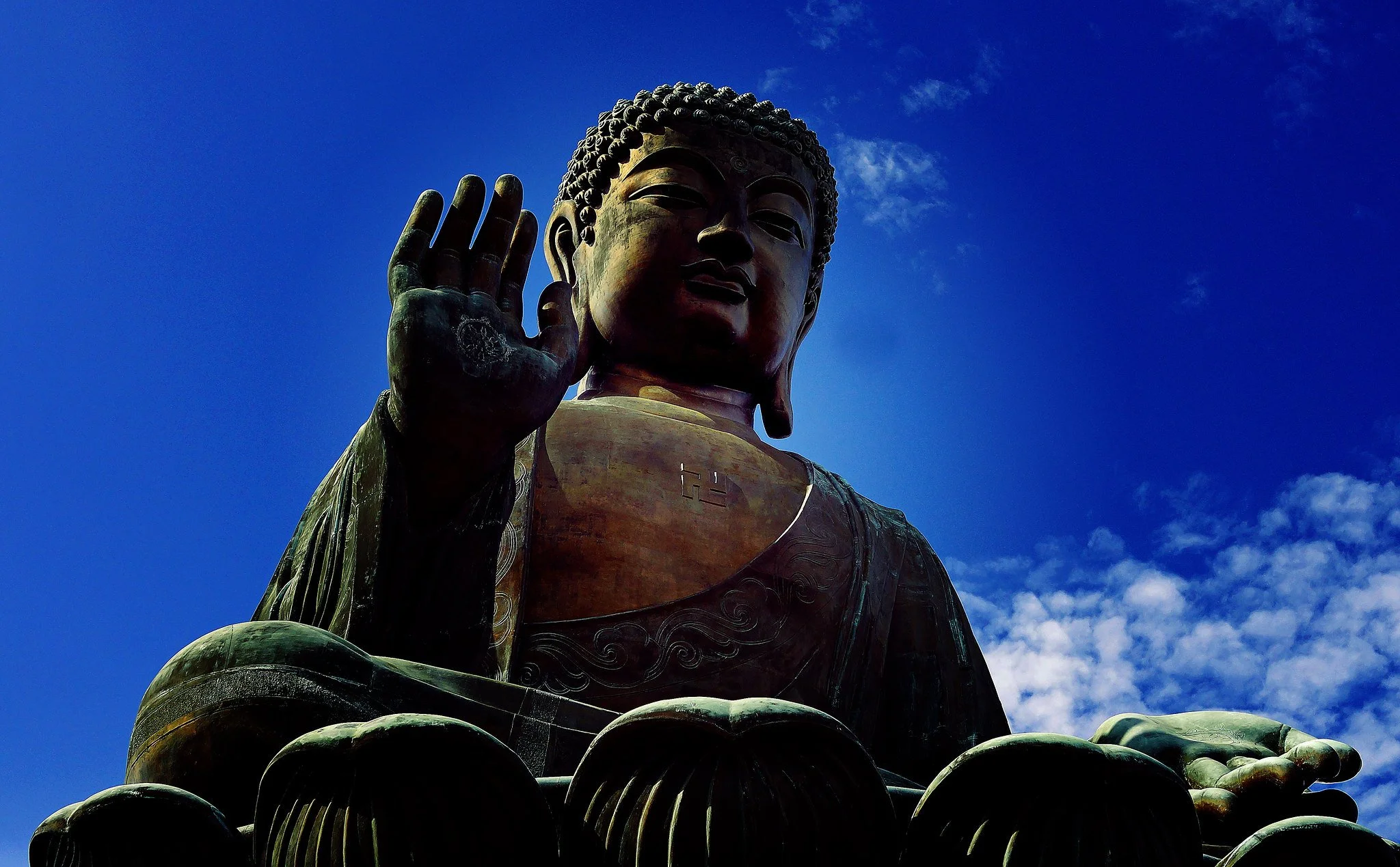
The Big Buddha and Po Lin Monasteries, Ngong Ping. The statue is 34 metres high and still stops people talking for a moment. Pair it with the monasteries, not only with the Ngong Ping gift village.
Ngong Ping 360 cable car. The ride is the attraction as much as the destination. Crystal cabins if they can stand the glass floor and honestly you only need to do it one way, going down is the only one I do
Tai O fishing village. Dried fish, stilt houses, a slower clock. It is on the same island as the Big Buddha, which is why it survives on other people’s lists. It earns its place anyway.
Chi Lin Nunnery and Nan Lian Garden. Timber architecture in the Tang style, lotus ponds, a garden that was built to be walked slowly. This is the quiet religious site I would give most first-timers if they will only do one.
Sik Sik Yuen Wong Tai Sin Temple. The local temple, in the useful sense. Fortune sticks, three traditions on one site, enough space to remain a place of worship.
Tai Kwun, the old Central Police Station compound. Heritage without the glass-case feeling. Prison yard, the old magistrates’ world, and a way to talk about law and order in a colonial port.
Hollywood Road, Ladder Street and the remaining antique stretch - with Man Mo Temple only if the hall is not packed. The street is the story. The temple is one room on the street., to be honest I rarely do this
The Mid Levels Escalator. The longest outdoor covered escalator system on earth when it opened, and still the oddest commute in the city. Use it as transport and as a lesson in how this place stacks people on a slope.
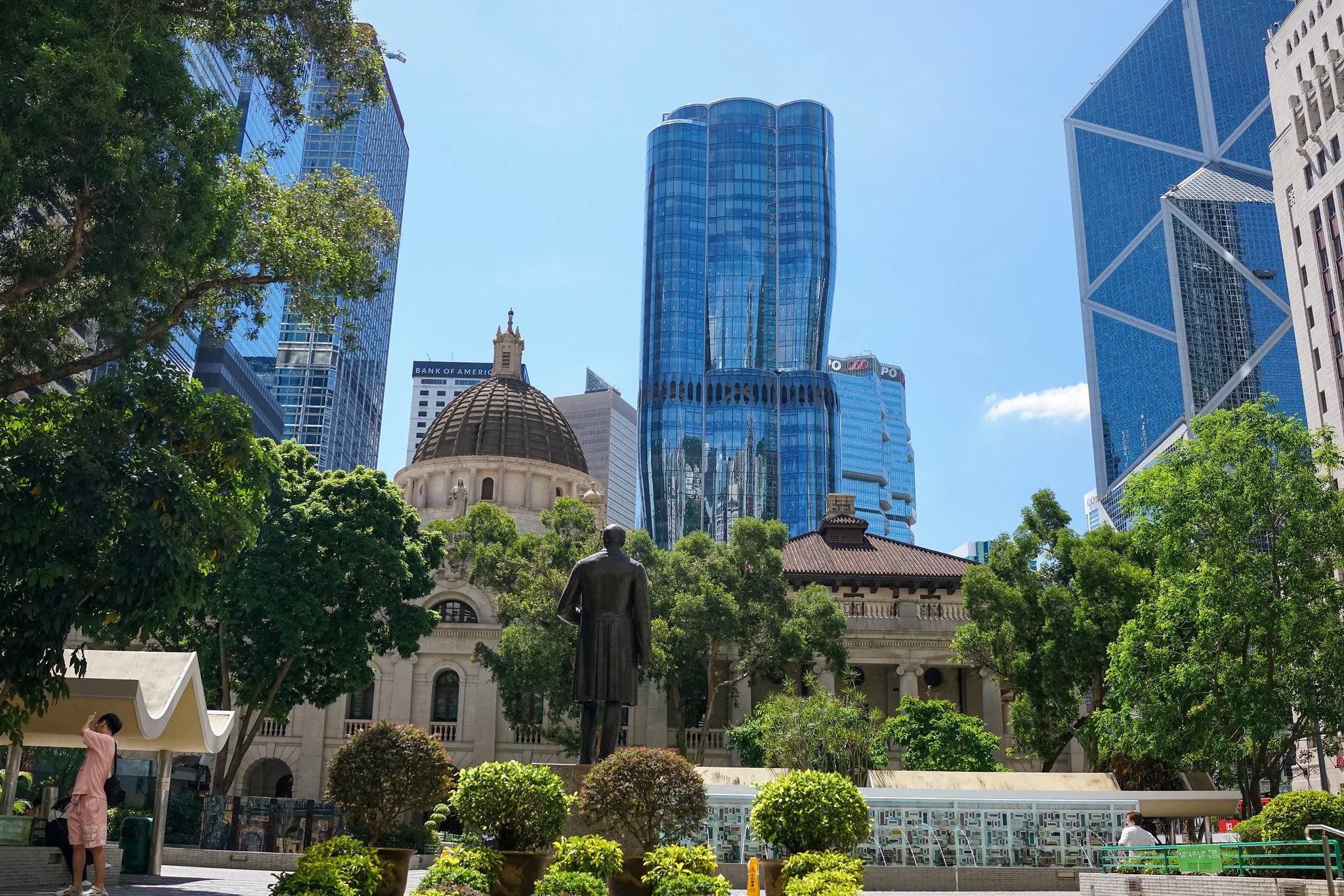
A short Central walk which comes about after coming down from Victoria Peak on the Peak Tram - I do this all the time, and people love it: St John’s Cathedral, the Former French Mission Building on Battery Path - the first home of the Court of Final Appeal from 1997 to 2015, now legal offices, the Lucky Rock on Battery Path, Statue Square, The Court of Final Appeal - my favourite place in Hong Kong - Chater Garden, HSBC and the two lions, Cheung Kong Centre, the Bank of China and The Henderson. Money, luck, law and stone in one compact loop. The cathedral is the pause. The rock gets touched. The Square is where the city still takes a breath between the towers. The lions get rubbed and you hear the Feng Shui stories…..
The Peninsula Hotel - building and lobby. The building is the point. Afternoon tea is a classic if they want the rite - budget around HK$300 to HK$450 (about US$38 to US$58) per person, more at peak times. I would rather talk about the hotel in the lobby than from the street and did I mention the Green Hotel Rolls Royces (same green as the Peak Tram) that is a great selfie!
Stanley promenade and village, not the T-shirt stalls. The market is thinner than it was. The bay and the leftover village texture are still worth the ride if the day points south.
Temple Street at night, walked with someone who can tell a real fortune stall from theatre. It is rougher and more mixed than the brochures. I personally love the place and the street food section is epic - That is the point.
Dragon’s Back, or a shorter ridge walk if knees and weather demand it. Visitors from cities without country parks in the same postcode are often more moved by this than by another mall.
Kowloon Walled City Park. The city of 50,000 people in 2.7 hectares is gone. The park keeps the yamen and the outline. For anyone who has seen the old photographs, this is the adult version of a history lesson and yes I used to visit there as a kid on my own from the tender age of 11!
The Hong Kong Island Tram - the ding ding - that goes from West to East on Hong Kong island. Not a monument. A wooden double-decker that has been grinding past the same shopfronts for more than a century. Sit upstairs and the city explains itself for the price of a few dollars.
An outlying island - Lamma, Cheung Chau and the dark horse, Peng Chau - if they have a second full day. Fishing harbour, village streets, a ferry ride that reminds them Hong Kong is an archipelago, not a shopping list.
What I have left off on purpose: Disneyland, Ocean Park, the museums, the big coach-circuit photo stops that exist only because a bus can park there, and anything whose main virtue is that it is next to a toilet and a souvenir stand - visiting remote attractions out in the boonies far from town is also something I do not do, it can easily eat up 4 - 6 hours
The Man Mo Templeeis not here as a standalone “must”. It sits inside the Hollywood Road walk, which is honest.
The list is a trap even when the names are good
Even a sensible Top 20 becomes a problem when it is treated as a checklist.
A 3-day visit cannot do 20 things well. A 1-day private tour cannot do 8 things well. Victoria Peak plus Lantau Island plus a temple plus a market plus “some local food” is the standard fantasy. On paper it is efficient. On the road it is a day spent in vehicles, queues, and the light sweat of being late for the next famous thing.
English-speaking visitors are particularly prone to this because they have limited days to explore Hong Kong and a strong inherited picture of what Hong Kong is supposed to look like: skyline, Big Buddha, incense, neon, dumplings. The picture is not wrong. It is incomplete, and it is timed for 2012.
Weather makes it worse. Victoria Peak in cloud is an overpriced gift shop. Lantau Island in a Typhoon signal 3 warning is a conversation about Plan B. Any sample itinerary that does not admit this is a brochure, not a plan. That is another reason I do not send one.
Food tours, lunch, and why a sit down meal can wreck an 8 hour day
People have to eat. That sounds too obvious to put in a blog post, and then you watch an 8 hour day lose 90 minutes because someone wanted “a proper lunch at that restaurant we read about”.
On a private tour of this city, a sit down meal is not a pause. It is a second itinerary hiding inside the first. You have to reach the restaurant at a sitting the kitchen will accept. You wait for the table. You wait for the food. You wait for the bill. Traffic on the way in and out does the rest. One specific restaurant, chosen from a list written by someone who was not holding your morning, can pull the whole day off its line. Most guests, once they have lived through that once, do not want it again. They would rather keep moving.
What I tell people, bluntly, is to have a proper breakfast that will carry them through. Coffee, eggs, toast, congee, whatever their stomach understands. Then we eat as we go - a bun, a 7 - 11 stop, a sit at a cafe if the legs need it, something standing up if the view is better than the menu. That is how you keep an 8 hour day as an 8 hour day.
Plenty of guests arrive wanting something else, and who can blame them. Hong Kong food is not a side dish. A lot of English-speaking visitors have already decided that eating is half the point of coming. What they often mean by that is not one restaurant. They mean three or four different tastes in a few hours, with someone who knows the stalls and the kitchens and can talk about the food as the main event. That is a food tour. It is usually 3 or 4 hours. It is a different product from a city tour, and it should be treated as one.
I do not run food tours mainly because I do not speak or write Cantonese | Chinese - I eat a great deal of Chinese food and I still leave wet markets, dumpling queues and restaurant kitchens to people who do that work properly. When a guest wants 3 restaurants and a commentary on every plate, I tell them to book a specialist food tour and then do a shorter city day with me or my friendi. Trying to bolt both into the same 8 hours is how you see Victoria Peak in a rush, swallow lunch without tasting it, and arrive at the Big Buddha already tired.
If they have 2 days or more, it is not an argument. Do the food tour on one day. Do the city on another. Both get enough air. If they have one day only, they have to choose which story they want to be in - the streets and the views, or the tables. I would rather they choose honestly than pretend an 8 hour private tour can also be a 4-hour food tour with a Victoria Peak visit balanced on top.
I recently lost a 3 day confirmed booking from some lovely people because armed with a 3 day AI itinerary which they wanted to do with 3 x 8 hour tours which would have have been in reality at least 12 hours + days because each day was a food tour and a city tour, in the end they decided they could it themselves.
That choice belongs in the first email, not at 11.40am outside a restaurant that has no table for 40 minutes.
How a small private company stays alive in the Viator parallel universe
I do not try to win the 600+ listing race on Viator terms. I cannot out-photograph a company that shoots the same six landmarks every week and pays for placement. I cannot out review a coach product that turns over 40 people a day and I cannot offer 600+ tours with variations of the same theme
What still works:
Be findable for the people who have already rejected the coach tour. They search “private tour Hong Kong”, “private guide Hong Kong”, “custom Hong Kong tour”, and increasingly they ask an AI for “a guide who has lived in Hong Kong for decades”. Plain language on a website matters more than it used to, because search and AI read it.
Answer like a person. No sample sheet. A reply about rain, ages, walking comfort, whether they hate markets, whether a parent walks slowly, and whether the day is a food tour or a city day. That email is the product the OTA cannot copy.
Tell the truth about the famous places. I will take you to Victoria Peak. I will also tell you when not to go. Guests remember the honesty after they have forgotten the gift shop.
Sell the day, not the sticker set. Two or three places done with the stories attached will beat seven places done as a roll call. Some clients only believe that after they have had the day. The writing has to plant the idea first.
Stay out of the food-tour fight if food is not your trade. Pointing guests toward colleagues is not a loss. It is how you stay credible.
Direct booking still matters. An OTA commission of 20% to 30% on a private day is a large slice. Cash on the day, which I have always preferred, keeps the relationship simple. Electronic platforms have their place. They also have delays and layers I do not enjoy.
Write for humans and, now, for search without sounding like a press release. If every English language description of Hong Kong is the same paragraph about East meeting West, the results will keep serving that paragraph. Specific sentences about specific places are the only antidote I know.
The uncomfortable point is this: in 2026 (it will be the same in 2027) a lot of the “research” visitors do is not research. It is reassurance. They already know what they think Hong Kong contains. They are shopping for a custodian who will not lose the suitcase or skip the Big Buddha. If you only pitch yourself as a custodian of the same 20 stops, you are in a price war with people who have more cars and coaches.
If you pitch yourself as the person who can tell them why Wong Tai Sin is the better temple hour, why the Peak Tram queue is a weather decision, and why the harbour at 6.40pm on a clear day is worth moving dinner for, you are in a smaller room. The room is less crowded. The guests who come into it tend to write afterwards as if they met someone, which is the only review that still cuts through.
A few observations from the Streets of Hong Kong
English speaking visitors still want “one temple” the way they want one cathedral in a European capital. It is a slot in the mental itinerary. The industry filled that slot with the Man Mo Temple because it was central and pretty. Filling it with a better temple requires a sentence that both a reader and a search result can lift. So the sentence has to be said plainly, and more than once: Man Mo is central and photogenic. It is also small. Wong Tai Sin is where many Hong Kong people actually go to ask for something.
Couples and friends in their 60s and 70s will choose a guide before they choose a list, if you let them. That is not a new fashion. It has been true since day one for me. For the record, 85% of my bookings since 2011 have been with people over 40, and the 60s and 70s age group has been totally consistent from the first tour onwards. They are less impressed by a 28 stop AI fantasy. They are more impressed by pace, benches, toilets, and not being made to feel slow. The OTAs are still built for a fit 32-year-old with a smart phone
Younger visitors arrive with 3 AI itineraries and a camera roll of places they have already seen on video. They are not empty vessels. They are over full. The job is to edit, not to add.
The request for multiple itineraries is sometimes a stall. People who are not ready to book ask for a 4 hour version, then a 6 hour version, then an 8-hour version. I do not write those pages. After a short exchange we are negotiating a date, or we are not.
Hong Kong is not short of things to show. It is short of hours, shade, and patience for queues that exist because a list told 8,000 people to stand in the same place at 10.30am.
Closing
The Top 20 is not a conspiracy. It is a pile of convenience, photographs, old guidebooks, review counts and tour product design, stirred by systems that reward whatever is already loud. English speaking visitors use it because the city is dense and their time is short, and because asking a search box or an AI feels like due diligence.
The sample itinerary is the comfort blanket that comes after the list. I do not send one. I never have. The day is built when we meet.
A small private guide survives by being the person who can keep the famous places in play without being owned by them, and by writing clearly enough that both a guest and a search page can tell the difference between a temple that photographs well and a temple that still works as a temple.
If you are coming, send the dates, the ages, and what you cannot miss. Tell me whether the day is about the city or about the food. Then we will change it when we see the sky.
So there you go
click on any image to enlarge
© Copyright Acknowledged | All rights reserved | images taken by Jamie