How Long Hong Kong Hikes And Remote Attractions Really Take
Why Trail Time Is Not The Day

The J3 Group - Premium Quality Private Tours | Experiences and Insider Chats since 2010
Me Jamie, your host, I am English and I have lived in Hong Kong since January 2nd 1972 - I know the place.
A meaningful blog post with a difference - tips on Travel, Tourism, Tours, Daily Life and my personal thoughts on Hong Kong.
Please do visit Amazing Hong Kong
Hong Kong | Pearl of the Orient


A Resident since 1972 - Private Tours of Hong Kong with Jamie
The Best Things to do in Hong Kong
click on the image to enlarge
© Copyright Acknowledged | All rights reserved | image created by Jamie
How Long Hong Kong Hikes And Remote Attractions Really Take
Foreword by Jamie
The Trail Time Is Not The Day.
i have been wanting to write an epic post about this subject for a while now and it is all brought on by numerous enquiries for hiking tours and off the beaten track tours, I do not do hiking tours but am familiar with the hiking scene but for some reason when people want to go to a remote location in Hong Kong reality goes out of the window,
I am a cheerleader for Hong Kong, I have lived here for 50+ years and love the place and I live the dream every day but it is really rather simple, no one seems to take into account time and in today’s world where AI can spit out 20 itineraries in 20 seconds we have a serious problem.
Hong Kong does not run on the clock you packed. That is the first thing to accept, and most visitors do not accept it until the second afternoon.
Hong Kong looks compact on a phone screen. It is not compact on the ground. Hills, harbour, one-way streets, buses that stop every 200 metres, ferries that leave when they leave, cable cars that shut in the wind, and a climate that turns a gentle ridge into a slow shuffle by 11am. I have lived here since 1972. I have been showing guests around since 2010. (actually longer than that but that is another story) The single most consistent mistake I see, from glossy blogs, from well-meaning hotel concierges, and from official briefings, is the collapse of a whole day into a hiking time printed on a trail sign.
That printed time is the walk itself, in good weather, for a fit local who already knows which bus stop is To Tei Wan. It does not include the lift, the lobby, the wrong MTR exit, the minibus that filled in 90 seconds, the traffic on Shek O Road, or the toilet that does not exist on the ridge. Public transport in Hong Kong is excellent. It is not instant. For a tourist with no guide, no private car, and a hotel in Central, Tsim Sha Tsui or Causeway Bay, the clock starts when the lift doors open, not when a boot hits the first step on the trail.
Timing here is also subject to a pile of things you simply do not control. Weekday or Sunday. Wind on the cable car. A clear ridge at 8am and a white-out at 11. Heat. A queue that did not exist on Tuesday and is 50 minutes on Saturday. I have done the same Lantau Tour on two consecutive mornings and come home 2 hours apart. Same places. Different city. Every day is a different day.
Reality in Hong Kong is like everywhere else, no 2 days are the same - there are literally thousands of factors that can affect time
So the point is simple. Be conservative with time, especially on the hikes and what I call remote attractions. Give the day more room than the blog gave it. If the planets align - empty bus, no tram queue, quiet Tai O, kind light - then enjoy the moment. That extra hour is a gift. It is not a planning target. Planning as if the gift will arrive is how people spend their only full day staring at a timetable.
Let me be clear, if you are coming here for a 10 day holiday then time is less of a concern but visitors staying that long are thin on the ground.
That matters more than it sounds. The average guest I see is not here for a fortnight. They have 1 to 3 days. Two days is the benchmark. Waste a morning on a “quick add-on” that was never quick, and you have not lost an outing. You have lost a third of the trip. Three attractions in one day sounds efficient in a hotel lobby. Even for an expert guide who knows the shortcuts, it is not feasible if those three things are real places and not a photo stop and a coffee. Two, if they sit in the same quarter of the territory and the guests can walk. One proper remote day, done properly, will beat three rushed ticks every time. Be realistic about the clock before you fall in love with the list. Hong Kong will still be here. You will not get Wednesday back.
Hong Kong Timing Rule
THE TRAIL TIME IS NOT THE DAY.
Brochure: 3 hours. Door to door: leave at 8. Home at 6.
PUBLIC TRANSPORT • NO GUIDE • REAL CLOCK
What this post is, and what it is not
This is a timing reality check, not a hiking manual. Two lists: 10 popular hiking trails that tourists actually attempt, and 10 popular remote attractions they try to squeeze into a day. For each I have given a door-to-door estimate on public transport only, from a typical hotel on Hong Kong Island or in Tsim Sha Tsui, with an Octopus Travel card, reasonable fitness, and a first-timer’s pace. I have also given the brochure time so you can see the gap. After the lists there is a worked example, the classic Lantau Island day of Big Buddha and Tai O, because that pairing is where the internet and the real clock part company most clearly.
A few working rules
Add 15 to 30 minutes at least just to get from hotel room to the first transport option.
Add waiting time. A green minibus that “runs every 10 minutes” can leave you standing for 25 when it is full.
Weekend and public holiday traffic on the approaches to Sai Kung, Shek O, Tai O and Tung Chung is a fact, not a rumour.
Heat and humidity between May and September add 30% to walking time and double the water stops.
Last boats are unforgiving. Miss the last kaito ferry from Tung Ping Chau or a thin weekday sailing from Tap Mun and you are stuck.
Combining two “nearby” places is how a pleasant day becomes a forced march.
Prices below are in HK$ with a rough US$ equivalent at about HK$7.8 to US$1. Fares move. Treat them as order-of-magnitude.
Why the write ups keep getting this wrong
Most are written by people who start the clock at the trailhead, or who visited once on a clear November Tuesday and then published that Tuesday as law. They count moving time. They do not count human time. They also treat Hong Kong like a European city with a metro to the mountain gate. We have a superb MTR (Subway System). It does not go to Dragon’s Back, East Dam, Tai O, Tap Mun or Lai Chi Wo. The last mile is almost always a bus, a minibus, a ferry, or a walk up a slope that looks short on the phone and feels long in 34°C and 90% humidity.
Many tourists also stay on the less convenient side of the harbour for the thing they have chosen. A hotel in Tsim Sha Tsui adding a Star Ferry or an extra MTR change is not a disaster. Doing it four times in one day is how the afternoon disappears.
The Government and the Four Peaks half-day
In May 2025 the Working Group on Developing Tourist Hotspots launched “Four Peaks” tourism. The four names on the poster were Victoria Peak, Lantau Peak, Sai Kung Hoi and Tai Mo Shan. The routes they actually meant were shorter and kinder than the summits: Lugard Road to High West at the Peak, the Ngong Ping nature trail toward Nei Lak Shan, the Sharp Island country trail, and Rotary Park up to the Tai Mo Shan viewing terrace. Taken one at a time, those are genuine visitor walks.
Then came the line that still makes me shake my head and laugh. Officials told the press the paths were easy and short, about 2.5 hours, and that visitors could finish them comfortably within half a day. The Under Secretary for Environment and Ecology put it in those terms at the briefing. The Secretary for Culture, Sports and Tourism, Rosanna Law, stressed how easy they were to reach by tram, bus and minibus. The newspapers ran it as a neat package. Four peaks. Half a day. Green Hong Kong, Eco Tourism is on a roll so all sorted.
The problem is not subtle.
“Half a day” in that briefing is time on the path, plus a polite nod at public transport. It is not a tourist leaving a Tsim Sha Tsui hotel, finding the right minibus, waiting, walking, photographing, eating, and getting home. A 2.5 hour walk from Rotary Park toward the Tai Mo Shan terrace is still a morning once you have come in from the city. Sharp Island is MTR, minibus, Sai Kung pier, kaito, tide, and the reverse. Ngong Ping is a cable car queue or a mountain bus before you take a step on the “easy” trail.
The branding does the rest of the damage. Call something Four Peaks and a visitor hears four mountains. Some will hear four mountains before lunch. The four sites sit at four corners of Hong Kong. The Peak is on Hong Kong Island. Lantau and Ngong Ping are out west. Sharp Island is east off Sai Kung. Tai Mo Shan is the high north of the New Territories. On public transport, with no guide and no private car, two of them in one day is ambitious. All four in half a day is geography taking the day off.
The official routes are not the peaks on the poster either. High West from Lugard Road is not “doing the Peak” as a first-timer means it. Nei Lak Shan from Ngong Ping is not Lantau Peak. The Tai Mo Shan terrace from Rotary Park is not the radar station at 957 metres. Sharp Island is a fine little island walk, not the Sai Kung wilderness in the photographs. Selling the short version under the tall names, then wrapping it in a half-day ribbon, is how a couple from Manchester ends up at 4pm on a ridge with a dead phone and a ferry they cannot catch.
I have no quarrel with better signage and gentler trails. My quarrel is the clock. When a briefing and a row of headlines tell the world that four headline hills live inside a half day, the next 10,000 itineraries copy the number and drop the small print. The mountains do not read press releases. The last kaito does not either.
This nonsense could have been avoided had the Tourism people done a simple test, in other words send out a team of 6 volunteers of all ages, shapes and sizes with the bried to do all 4 peaks in half a day, real world stuff, this should have been done before publicly announcing this amazing concept.
The idea rode in on the slipstream of the Four Trails film, which is about 298 km and a kind of beautiful madness. Borrowing the aura of an ultra challenge to sell four short visitor walks is clever marketing. It is also sloppy language. Ultra runners eat hours for breakfast. Tourists with a hotel breakfast and an Octopus Travel card do not. A truer slogan would have been Four Corners, One Each Day.
The parallel universe of travel writers and one-visit experts
A great deal of what a visitor reads before arriving is not written by people who live in Hong Kong year in, year out. It is written by travel writers on a 4 day commission, by bloggers building a “Hong Kong in 72 hours” template, and by perfectly nice people who came once, had a clear Wednesday in November, and then published that Wednesday as if it were climate. Some write well. Some take lovely photographs. On timing, many of them appear to live in a different universe.
In that universe the minibus is empty and waiting. The Peak Tram queue is 8 minutes, the same length as the ride. Bus 9 to To Tei Wan is a scenic interlude, not a standing-room squeeze. Tai O is “about an hour from the city”. Lantau Peak is a morning, with the Buddha and lunch still fitted in before the cable car down. Sharp Island, East Dam and Sai Kung seafood are one tidy afternoon. I have read those sentences. I have then stood at Wong Shek Pier with people who believed them.
The giveaway is always the same. The clock starts at the attraction. Hotel to MTR is invisible. The 25 minute wait because of a full green minibus is invisible. Humidity is invisible. Sunday is invisible. The grandmother who needs the toilet on the ridge is invisible. First-timers walk slower, look longer, and get the junctions wrong. None of that is in the template.
That is why an expert private guide changes the day, and I do not mean the umbrella. I mean the clock. A guide who has done this for years does not quote the trail sign. He quotes the last time he took a family of 4 from a Tsim Sha Tsui hotel to East Dam on a Saturday in August, and the last time he did the same run on a Tuesday in January. He knows Dragon’s Back from Causeway Bay is a different animal from Dragon’s Back from Admiralty. He knows which ferry you can miss and still smile, and which one strands you. He knows when Ngong Ping 360 is a gift and when it is a 90 minute queue followed by a fog bank. He will tell you no. That single word, used early, is worth more than 20 blog posts. and by the way, he means he or she, most of the top private guides in Hong Kong are female!
Years of repetition produce a kind of timing no algorithm has. You look at the guests, the weather, the weekday, the hotel side of the harbour, the fitness, the interest in temples versus ridges, and you build a day that actually ends where it should end. After enough tours you stop selling the brochure and start protecting the afternoon.
Let me be clear, I have personally done 2,400+ private tours of Hong Kong since 2011, I have a close friend who has done well over 600 hiking tours.
Online material cannot do that because it cannot see you. A listicle has one timetable for every reader. A private guide has one timetable for this morning. If you are determined to use public transport and go alone, use the door-to-door numbers below and add a buffer anyway. If you want the day to fit the life you are actually living this week, hire someone who has already made the mistake you are about to make.
A lot of the polished “perfect day” pieces now have the smooth grammar of a machine and the confidence of a person who has never stood at Pak Tam Au looking at the sky. They sound certain. Certainty is cheap when you have never had to get the same group back to a hotel before the knees give out. Lived knowledge is slower, more cautious, and far more useful. It will sometimes disappoint you at breakfast. That disappointment is the service.
The Tai O Fishing Village is a useful test of which universe you are reading. Plenty of write-ups still send visitors to a hand-pulled creek ferry that stopped being the crossing in the mid-1990s. People now walk the bridges. The sampan on the water is a short ride you buy if you want it, not a way to the other bank.
List 1 - 10 hiking trails tourists actually attempt
Distances and “trail only” times are the usual published figures. The useful number is the last one and bear in mind, these times are rough estimates only actually time can vary substantially on any given day
Dragon’s Back
Hong Kong Trail Section 8. Ridge, sea, Shek O, Big Wave Bay. About 8.5 km. Published trail time 2 to 3 hours.
MTR to Shau Kei Wan, then Citybus 9 or a red minibus toward Shek O. Get off at To Tei Wan. First-timers lose 15 minutes asking the driver in English while the bus is already moving. Return is usually down to Big Wave Bay or Shek O and the same bus back.
Door to door from a Central or Tsim Sha Tsui hotel: 6 to 8 hours. A weekday in winter can compress toward 6.5. A Saturday in October with photos and a swim will take the whole day. The ridge has almost no shade.
The Peak Circle Walk - Lugard Road and Harlech Road
About 3.5 km. Published time 1 to 1.5 hours. Flat-ish tarmac.
The time sink is getting up there. Peak Tram adult return in 2026 is around HK$116 (about US$15). The ride is 8 minutes. The weekend or clear-evening queue is 45 to 90 minutes. Bus 15 from Exchange Square is about HK$12 (about US$1.50) and takes 30 to 45 minutes. Green minibus 1 from Hong Kong Station is quicker when it is not full.
Door to door: 4.5 to 6 hours. If you insist on the tram at 4pm on a Saturday, do not plan dinner in Kowloon at 7 pm.
Lion Rock
About 5 to 6 km. Published time 2.5 to 3.5 hours. The last scramble is steeper than the blogs admit, and slippery after rain.
Wong Tai Sin MTR, then a green minibus toward Sha Tin Pass or a walk up to Fat Jong Temple. Macaques near the start have learned that tourists carry snacks.
Door to door: 6 to 7 hours. Start early. Midday haze in summer can turn the view into grey soup.
Lantau Peak - Fung Wong Shan
934 metres. Pak Kung Au to the summit and on to Ngong Ping, or the reverse. Published time 3 to 4 hours for the core climb. Steep steps near the top.
MTR to Tung Chung, then bus 3M, 11 or 23. The mountain road is slow and the stop is easy to miss. Sunrise means the Tung Chung bus terminus before 5am.
Door to door for a daylight hike: 7 to 9 hours. Add Ngong Ping and the Buddha and the day is gone. There is no casual version of Lantau Peak.
Sunset Peak - Tai Tung Shan
Not a short add-on to Lantau Peak. Published time 3 to 5 hours from Pak Kung Au or Nam Shan. Silver grass in autumn pulls huge numbers.
Same winding road, same limited shade.
Door to door: 6 to 9 hours. Do not attempt both peaks in one day on public transport unless you are young, fit, and content to see nothing else.
High Island Reservoir East Dam
Sai Kung UNESCO Global Geopark. Hexagonal columns, the dam, the sea. The walk on the dam is not long. Getting there is the hike before the hike and because of it’s popularity with Mainland Chinese Tourists expect huge crowds and you may have to pre book online a time slot
MTR to Diamond Hill, Choi Hung or Hang Hau, bus or minibus to Sai Kung town, then KMB 94 or the Sunday-only 96R toward Wong Shek. From Sai Kung that last bus is 40 to 60 minutes.
Door to door: 8 to 10 hours. Itineraries that call this a half day are not starting from a city hotel on a bus.
Expect crowds on weekends and holiday periods. Before you leave for Hong Kong, check whether the Po Pin Chau viewpoint section needs online registration for a specific time slot. The dam wall and the viewpoint path are not always the same rule. A booking trial is already in use on selected dates. Miss the slot and you can reach the dam and still be turned away from the path you came for.
Tai Long Wan - the Sai Kung four beaches
Sai Wan, Ham Tin, Tai Wan, Tung Wan. From Sai Wan Ting or Pak Tam Au it is a proper walk. Published time 4 to 6 hours on the trail, more if you swim and eat at the beach canteens.
Bus 94 from Sai Kung to Pak Tam Au. Coming out, walk back or take a kaito from Sai Wan or Ham Tin when it is running.
Door to door: 7 to 9 hours. Leave the hotel by 7am. Treat it as less and you will be walking out in the dusk.
High Junk Peak - Tiu Yue Yung
Clear Water Bay. About 6 km. Published time 2.5 to 3.5 hours. The last pitch is steep.
MTR to Po Lam or Hang Hau, then a minibus toward Clear Water Bay. Miss the stop and you add a long road walk.
Door to door: 5.5 to 7.5 hours. Weekends turn the narrow paths into a conga line.
Jardine’s Lookout and the Wilson Trail start
From Wong Nai Chung Gap or Parkview. About 4 to 5 km for the popular loop. Published time 1.5 to 2.5 hours.
Bus 6, 66 or 76 from Central or Causeway Bay. Steeper than the Peak circle, less obvious at the junctions.
Door to door: 4 to 6 hours. One of the few that can still be a morning if you are disciplined.
Cape D’Aguilar
Southeastern tip of Hong Kong Island. Lighthouse, twisted rock, wild coast. Published time 2 to 3 hours on site.
Same bus 9 from Shau Kei Wan as Dragon’s Back, further along, and thinner.
Door to door: 5 to 7 hours. Combine it with Dragon’s Back only if you are happy to see both in a hurry.
List 2 - remote attractions that are popular
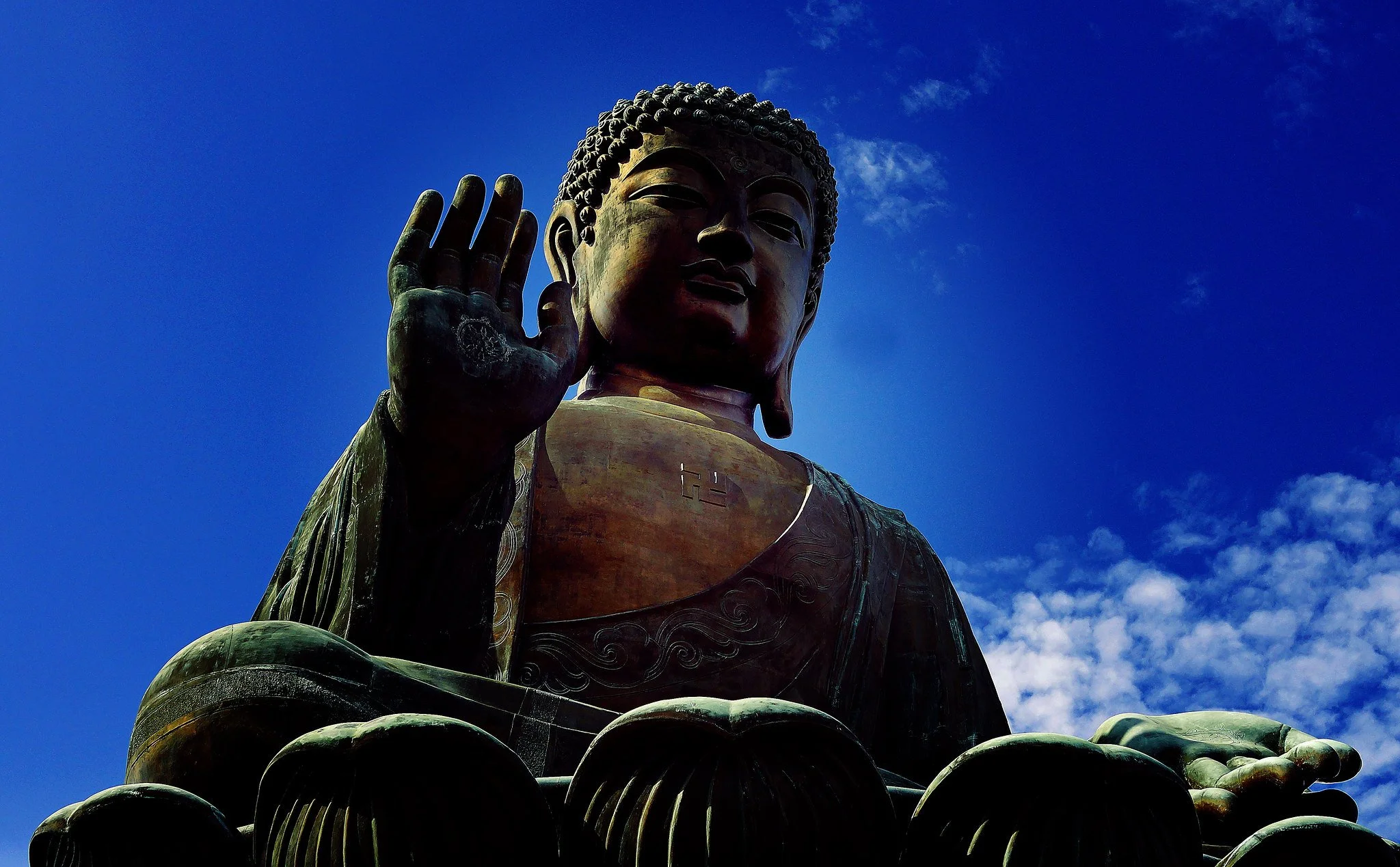
Big Buddha, Po Lin Monasteries and Ngong Ping and the NP 360 Cable Car
MTR to Tung Chung, 30 to 40 minutes from Central depending on hotel and change, then Ngong Ping 360 or bus 23.
Standard cabin return for a visitor is around HK$270 to HK$295 (about US$35 to US$38). Crystal costs more. Weekend ticket-office queues of 45 to 60 minutes are normal if you have not booked. The ride is about 25 minutes. Wind and maintenance close the line. Then the 268 steps, the monasteries, the Wisdom Path (when it is open), the village: 2 to 3 hours if you do not rush.
Door to door, first time, public transport, plateau only: 5 to 7 hours. The classic add-on is The Tai O Fishing Village. See the worked example later in the post.
Tai O Fishing Village
Stilt houses, shrimp paste, the market lanes, and the creek crossings on the pedestrian bridges. Tai Chung Bridge has been the main walk across since the mid-1990s. Sun Ki Bridge is the older, smaller crossing. Two further opening bridges, Yim Tin and Po Chue Tam, came into use in 2026. The rope-pulled creek ferry that still appears in old write-ups is not how you get to the other bank. What you can still pay for on the water is a short sampan loop past the stilt houses.
From Tung Chung, New Lantao Bus 11 takes 50 to 80 minutes. From Ngong Ping, bus 21 is about 20 to 30 minutes. There is also a licensed ferry from Tuen Mun and Tung Chung into the promenade, which helps almost nobody staying in Central or Tsim Sha Tsui.
Door to door, Tai O only, public transport: 5 to 7 hours (if the planets align). Forty minutes in the village is a raid. An hour and a half is a visit.
Cheung Chau Island
Fishballs, mango mochi, Tung Wan beach, the Mini Great Wall walk, Pak Tai Temple and the village vibe. Central Pier 5. Fast ferry 35 to 40 minutes, ordinary 55 to 60. Weekday adult fast ferry around HK$33 (about US$4). Sunday closer to HK$48 (about US$6).
Add 20 to 30 minutes from a Central hotel to the pier, or 35 to 50 from Tsim Sha Tsui.
Door to door for a proper look, a beach sit and a meal: 5 to 7 hours. A smash-and-grab can be 4.5. You will remember the return queue more than the island.
Lamma Island
Yung Shue Wan or Sok Kwu Wan. Family Trail between the villages, Hung Shing Yeh beach, waterfront seafood. Central Pier 4. Yung Shue Wan about 25 to 30 minutes. Sok Kwu Wan 30 to 40 and less frequent.
Weekday adult fare to Yung Shue Wan around HK$25 (about US$3). Sundays higher.
Door to door including the walk and a long lunch: 5 to 7 hours. Sok Kwu Wan has gaps of an hour. Build the day around the boat.
Sai Kung town and Sharp Island
Sai Kung town is the gateway. Sharp Island is the short kaito hop, with the tombolo sand bridge at low tide.
MTR to Choi Hung or Hang Hau, then green minibus 1A or 101M, 20 to 40 minutes. From Tsim Sha Tsui add another 25 minutes before the minibus.
Door to door for town plus Sharp Island: 7 to 9 hours. Town alone can be 6 to 7 if you linger, which you should. Tides matter. Miss the sand bridge and it is a wade, or closed.
Tap Mun - Grass Island
Cows, grass hills, Tin Hau temple, a village that still feels like a village.
Sai Kung, bus 94 to Wong Shek Pier, kaito 20 to 30 minutes. Thinner service from Ma Liu Shui. Last boats in the late afternoon. Weekday sailings are sparse. Fares around HK$11 to HK$16 from Wong Shek depending on the day.
Door to door: 8 to 10 hours, and only if the timetable is law. Miss the return and you are negotiating with fishermen.
Tung Ping Chau
Layered shale, tofu rocks, UNESCO geology. Ferry from Ma Liu Shui, generally Saturdays, Sundays and public holidays. About 1 hour 30 minutes each way. Round trip in the region of HK$100 (about US$13).
East Rail to University station, thThe en a 10 to 15 minute walk to the pier. The 9am sailing is the one that matters. The return is late afternoon. There is no later boat.
Door to door: 10 to 12 hours. Check the sailing before you pack the camera.
Peng Chau Island
Small, low, quiet. Finger Hill, old factories turned studios and not to mention a village vibe. Central Pier 6. Fast ferry about 30 to 40 minutes. Adult weekday fare around HK$32 (about US$4).
Door to door for a slow island day: 5.5 to 7.5 hours. One of the more forgiving remote trips. People still underestimate hotel to pier.
Po Toi Island
Southernmost inhabited island. Rock formations, a short climb, a temple, a weekend seafood shed. Kaito from Aberdeen, mainly Tuesday, Thursday, weekends and holidays.
Aberdeen from Central or Tsim Sha Tsui is 30 to 50 minutes before you even wait for a boat that does not run like the Star Ferry.
Door to door: 7 to 9 hours on a day the boat runs. On a day it does not, the attraction is closed.
Lai Chi Wo
Hakka walled village, feng shui woods, restored houses, mangrove.
Weekend and holiday ferry from Ma Liu Shui. Otherwise a long approach via Fanling or Sha Tau Kok and a walk that is a hike in its own right.
Door to door on a ferry day: 10 to 12 hours. This is the day, not the second stop.
Worked example - the Big Buddha and Tai O
If I had to pick one outing that shows how Hong Kong timing really works, it is this. The Big Buddha and The Tai O Fishing Village. Hotels sell it. Blogs sell it. Every Tour Company sells it The cable car brochure sells it as a graceful arc from city to monastery to stilt houses and home in time for a shower. On paper it looks tidy. On the ground it is a chain of small delays, any one of which can eat the day.
A first-timer on public transport, hotel in Central, Tsim Sha Tsui or Causeway Bay, is already 45 to 70 minutes into the morning before anyone sees a cable car. Lift, lobby, MTR, Tung Chung line, walk to Ngong Ping 360. If the tickets were not bought ahead, add the counter. On a weekend that is often 45 to 60 minutes. The ride is 25 minutes and worth it. Then the plateau. Steps, monastery, Wisdom Path, photographs. That block is 2 to 3 hours if they do not rush, and they should not rush.
Tai O is the sentence that looks innocent. Bus 21 from Ngong Ping is 20 to 30 minutes when it comes. Bus 11 from Tung Chung is 50 to 80 minutes of country road. In the village you need time for the lanes, the shrimp paste, the walk across Tai Chung Bridge and Sun Ki Bridge, the view down the creek. Then the long way home. Add a missed bus, a full bus, wind on the cable car, or a Saturday crawl on the mountain road, and the day stretches.
That is how a first-time visitor lands at 10 to 12 hours fo the Big Buddha plus Tai O, and 7 to 9 for the plateau alone. Those figures are what happens when every link is allowed to take its natural time.
It is always interesting to note that a lot of tour companies fudge the time by saying it can be done in 6 - 7 hours, well I have done it many hundreds of times and I am confident with my time assessment and 6 - 7 hours is not realistic
A competent private guide, the sort who has done this pairing until it is in the bones, can take the same two places door to door in about 8 hours. That is not magic and it is not speeding. Tickets before the lobby. The right cabin at the right hour. A plateau route that hits the Buddha and the monasteries without an aimless circuit of the shops. A vehicle that does not sit behind 14 bus stops on the way to Tai O. The stilts and the creek first, while the light is decent. Lunch timed, not improvised. Enough slack that a 15 minute snarl on Tung Chung Road does not become a crisis.
I have run that day. Door to door it took me 8 - 9 hours. Not 6. Not the half day that still floats around the internet. 8 - 9. And that was with local knowledge, a plan, and no particular disaster. Even when you know the ground, Lantau takes the time Lantau takes.
You cannot plan for every contingency. You can only plan for the fact that contingencies will arrive. The cable car closes in the wind. Maintenance weeks happen. Fog sits on the Buddha. Bus 11 meets a slow lorry on a single-lane bend. A cruise ship dumps 400 people into the same Tai O alley. A guest needs the toilet and the nearest one has a queue of 50 tourists. Someone wants longer at the monasteries, which is the right instinct and the wrong minute. Heat does what heat does after 11am.
A first-time visitor meets those things as surprises. An experienced guide meets them as weather. The 8 hour version is not a promise that nothing will go wrong. It is a structure with enough slack that when one thing goes wrong, the whole outing does not. The online day assumes a clean run. Hong Kong rarely offers a clean run. Big Buddha and Tai O is a superb day. It is also a full day. Treat it as a morning plus a quick add-on and you will spend the last 2 hours looking at your watch instead of the stilts.
The quiet killers
Last vehicles. Island kaitos and the Tung Ping Chau ferry do not care that lunch ran long. Weekday Tap Mun is a handful of boats. Po Toi is a handful of days.
The full minibus. Green minibuses on the Sai Kung and Lion Rock routes fill and leave.
Weather on the paid rides. Wind shuts Ngong Ping 360. Rain and crowds turn the Peak Tram queue into an attraction of its own. Bus 15 and bus 23 still run. They are slower.
Toilets and water. On Dragon’s Back, Lion Rock, High Junk Peak and the Sai Kung ridges there is no café at the 40-minute mark.
Octopus versus cash. Most of the network takes Octopus. Some small kaitos and remote snack stalls want notes.
Which side of the harbour. Crossing once is fine. Crossing as a habit is how feet and patience run out together.
What I would put in a guest’s pocket
Leave the hotel by 8 -9am at the latest for anything on these lists other than the Peak circle on a weekday. For Tai Long Wan, Tung Ping Chau, Lai Chi Wo and a sunrise Lantau Peak, think 6 to 7am.
Wear proper shoes. The ridge in the photograph is still granite, still wet, still uneven.
Carry more water than pride suggests. Convenience shops stop at the last village.
Screenshot the return timetable before you lose the signal.
Bear in mind, as a private guide I can get away with starting a tour at 10am (as 8am - 9am is rush hour)
A few opinions from 54 years of living in Hong Kong
The Peak is not a hike in the sense visitors mean. Do the circle walk. Take bus 15 at least one way. You will see the city instead of the inside of a queue.
Dragon’s Back is popular because it is good, not because it is secret. Go on a weekday if you can.
Lion Rock matters to Hong Kong people in a way no caption captures. Walk it if your knees agree. Do not treat the last scramble as a photo prop when the rock is wet.
Sai Kung is a district, not one attraction. East Dam, Tai Long Wan, Sharp Island, the town and Tap Mun are different days.
The outlying islands are still the pressure valve. Cheung Chau and Lamma are the easy ones. Tung Ping Chau and Po Toi are the real ones. Easy is not the same as short.
I have never understood the visitor who flies 12 hours and then tries to do the Buddha, Tai O, a hike and Stanley before dinner. That is not seeing Hong Kong. That is collecting stamps.
Practical numbers
Hotel to first MTR or bus: 15 to 30 minutes
Typical urban MTR hop: 5 to 20 minutes plus 5 to 10 walking at each end
Tung Chung from Central: about 30 minutes in the train, longer door to door
Sai Kung town from Choi Hung by minibus: 20 to 40 minutes
Shek O Road bus from Shau Kei Wan: 20 to 30 minutes
Peak Tram ride: 8 minutes. Peak Tram wait: 10 to 90 minutes
Ngong Ping cable car ride: 25 minutes. Cable car wait: 10 to 60 minutes
Cheung Chau fast ferry: 35 to 40 minutes
Lamma to Yung Shue Wan: about 25 to 30 minutes
Buffer to add to any online hiking time: 100% to 200% for a first visit on public transport
That last line is the whole post, if you only remember one thing, remember that _ add the buffer
So there you go

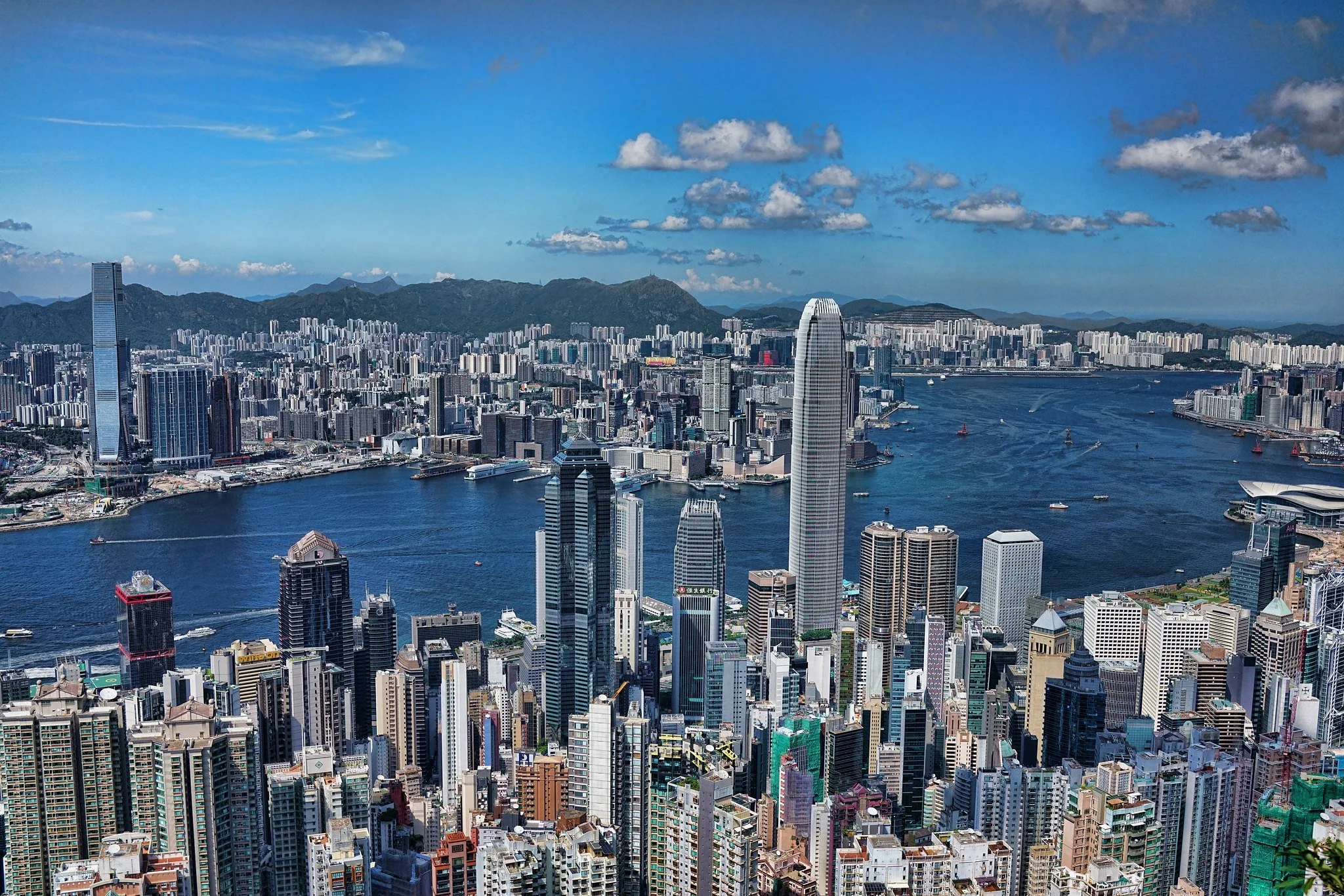

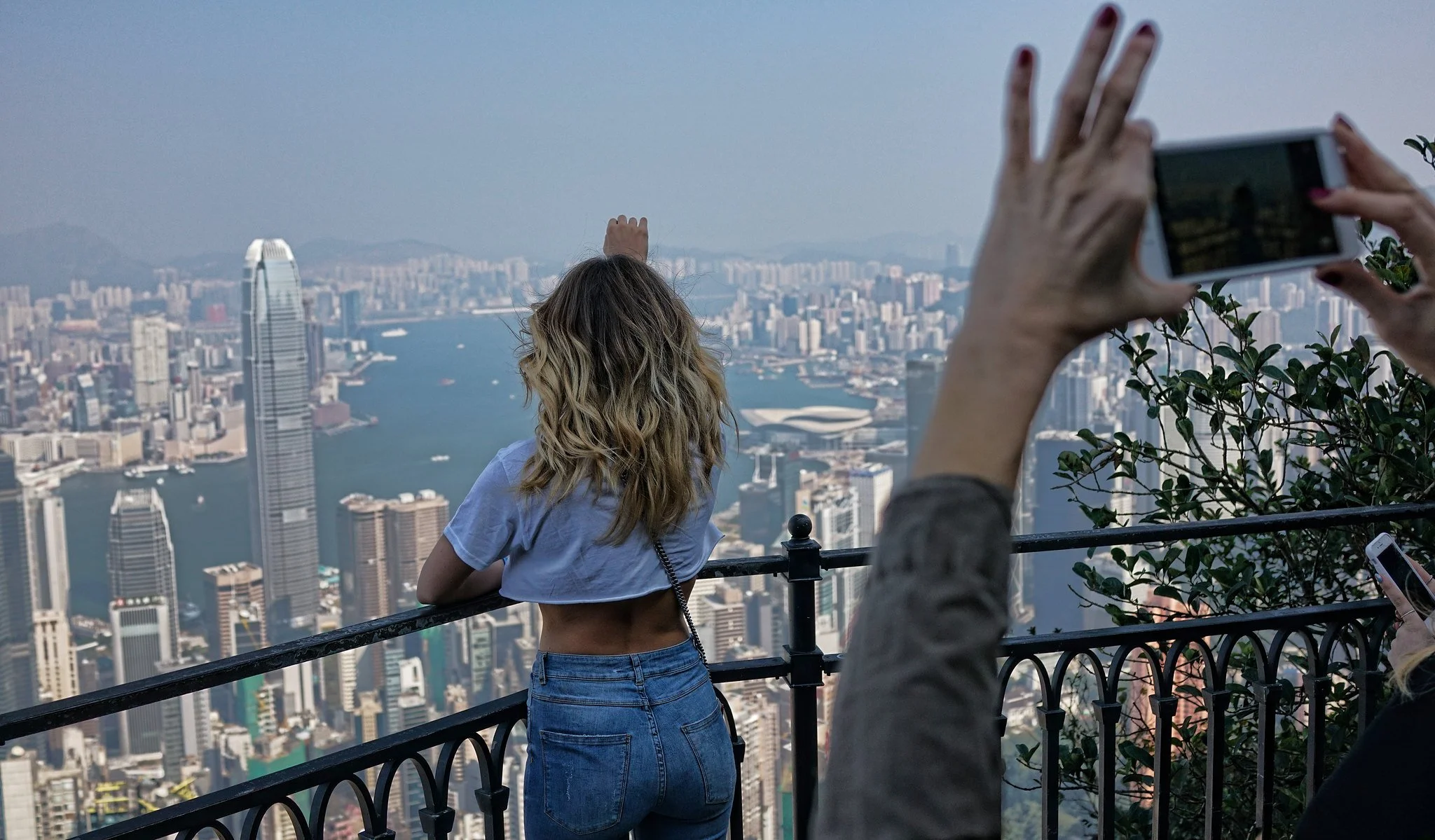

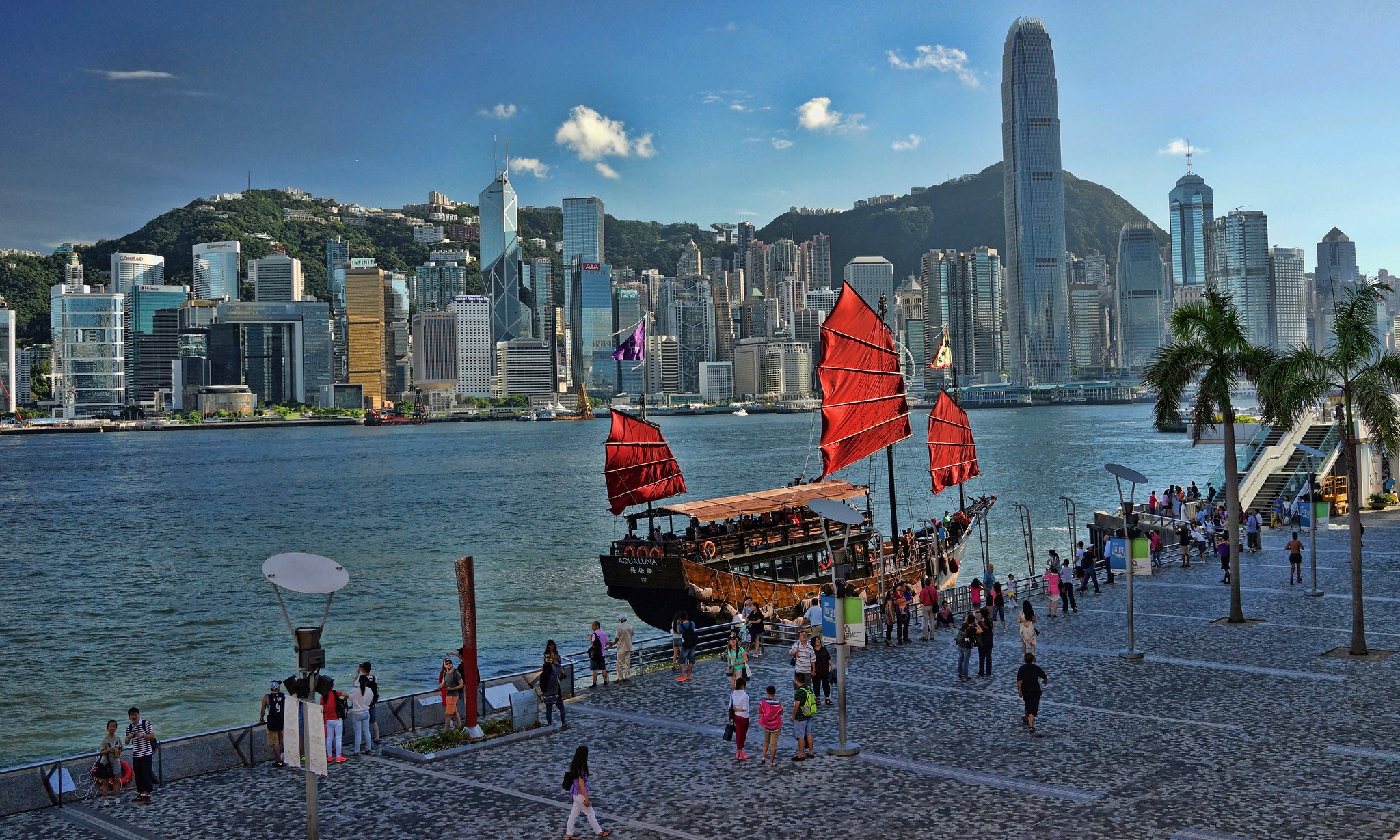
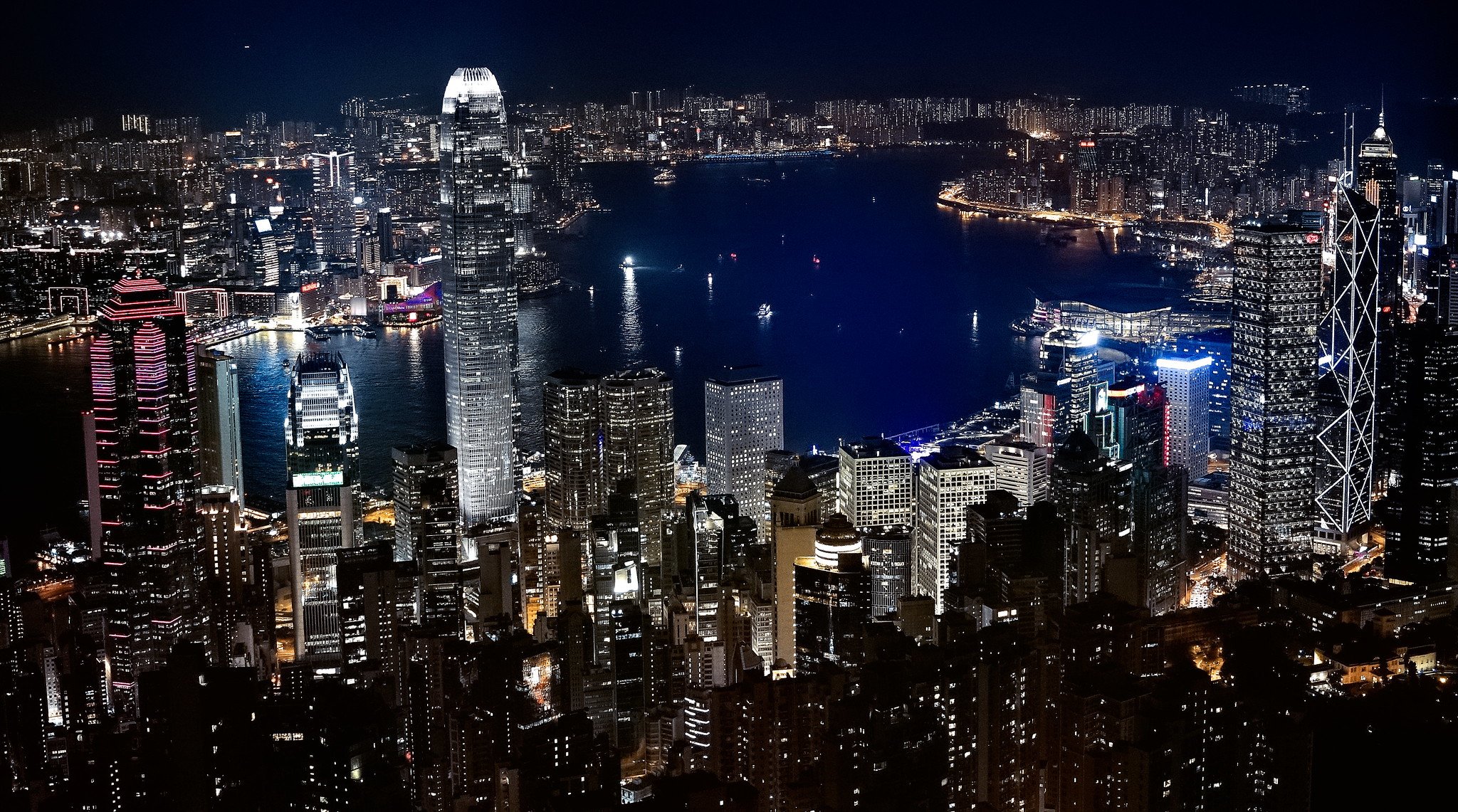
click on any image to enlarge
© Copyright Acknowledged | All rights reserved | images taken by Jamie