From Tanka boat people to daily tourism on Lantau Island in Hong Kong

The J3 Group - Premium Quality Private Tours | Experiences and Insider Chats since 2010
Me Jamie, your host, I am English and I have lived in Hong Kong since January 2nd 1972 - I know the place.
A meaningful blog post with a difference - tips on Travel, Tourism, Tours, Daily Life and my personal thoughts on Hong Kong.
Please do visit Amazing Hong Kong
Hong Kong | Pearl of the Orient


A Resident since 1972 - Private Tours of Hong Kong with Jamie
The Best Things to do in Hong Kong
click on the image to enlarge
© Copyright Acknowledged | All rights reserved | image created by Jamie
Tai O Fishing Village - Lantau Island Hong Kong - A Detailed History
Foreword by Jamie
From Tanka boat people to daily tourism on Lantau Island in Hong Kong
After more than 50 years living in Hong Kong I still find Tai O Fishing Village one of the few places on Lantau Island that has not been completely flattened into something else. It sits on the far western edge of the island, a low lying settlement split by a tidal creek, with houses standing on stilts over the water and a handful of people who still remember when the main work was catching fish and making salt. Most visitors now arrive because of the Big Buddha or because someone told them it looks like Venice. Neither of those things is really the point. The place has a long, practical history of fishing, salt, boat people and later tourism, and that history is what is worth writing about. The population has dropped hard, the old industries have largely gone, and the stilt houses are a remnant rather than a thriving way of life, yet the village is still there, still functioning, and still worth understanding on its own terms. I have been visiting Tai O on a regular basis since 1972.
The Name and the Early Ground
The name is simple enough. Tai O is 大澳, which means large inlet. The Tai O River and the creek that splits from it create a sheltered opening on the western side of Lantau Island, close to the mouth of the Pearl River. That shelter is why people settled here. Archaeological traces nearby go back a long way, but the continuous fishing settlement that we can actually trace is much more recent. After the coastal clearances of the late 17th century were lifted in 1669, several Lantau villages were resettled. Tai O was one of them. Earlier stories talk about Portuguese presence in the 16th century and about pirates using the inlets; the Battle of Ty ho Bay in 1855 saw British and American ships fighting Chinese pirates in the waters nearby. None of that turns Tai O into a pirate capital. It was a working inlet that offered protection from weather and a place to land boats.
The People
The core population for a long time were the Tanka, the water people who lived on boats and later moved into the stilt houses. The old term Tanka is now avoided by many because the characters carried a dismissive meaning; people prefer “people on the water” or simply boat people. They were never fully settled farmers and faced centuries of low status from land based communities. Later arrivals included Cantonese, Hakka and others, especially during the periods of upheaval on the Mainland in the first half of the 20th century. Tai O was close enough to the Pearl River estuary to be a landing point for people leaving the Mainland after 1949. Some stayed. By the time the British administration took proper notice, the place was already known as a Tanka fishing village. The stilt houses themselves grew out of that boat life: families needed more space than a 20 foot sampan could give for children and elders, so they drove posts into the tidal flats, used old boats and palm leaves at first, and later more durable timber and metal. The houses are called pang uk. Roughly 350 of them still stand.
Population Numbers
Reliable census figures are thinner than the stories. In 1911 the combined land and boat population of Tai O was recorded as 7,661. Some local accounts claim a peak of around 30,000 in the first half of the 20th century when fishing and salt were both strong; that figure is repeated often enough that it is worth noting, even if the exact count is hard to pin down. By the 1960s and 1970s the numbers were already falling as young people left for factory work in the urban areas. The 2021 census data for the village house areas around Tai O shows a resident population in the low 2,000s. Most sources now put the everyday population at roughly 2,000 to 2,200. The age profile is older than the Hong Kong average. There are still children, but the secondary school and primary school do not fill the way they once did.
A Short Timeline
1669: Coastal clearances lifted; Tai O resettled as one of several Lantau villages.
Late 18th century onward: Salt pans developed; fishing remains the main work.
1902: Marine Police Station built to watch the inlet.
1911: Census records 7,661 people on land and boats.
1920s - 1930s: Salt production peaks at about 102 acres; fishing fleet exceeds 500 boats.
Late 1930s: Regular ferry service from the urban areas begins.
1949 and after: Some people leave the Mainland and stay in Tai O.
1950s: Road access improves; salt production starts to collapse under cheaper imports.
1958: Four small fire stations exist because wooden houses burn easily.
1960s - 1970s: Young people leave for factory work; population falls steadily.
1980s - 1990s: Public housing (Lung Tin Estate) appears; stilt houses treated as tolerated structures.
29th September 1996: Tai Chung Bridge opens; rope ferry ends.
2nd July 2000: Major fire destroys around 90 to 100 stilt houses.
2002 onward: Decision to keep the stilt houses rather than clear them.
2011: Dragon Boat Water Parade listed as national intangible cultural heritage.
2023 - 2026: Further improvement works, including two new movable footbridges.
Salt, Fishing, Shrimp Paste and the Old Economy of Tai O
Salt production was once a serious industry here. Records from 1940 note salt marshes covering about 70 acres (28 hectares) with production of roughly 25,000 piculs in 1938. A picul is an old Chinese weight of about 60.5 kilograms, so that is roughly 1,500 tonnes of salt in a single year. Peak years were the 1920s and 1930s when about 102 acres were under salt. The work was seasonal, mainly from mid September to April. After the Second World War cheaper imported salt undercut the local product. Operators closed through the 1950s and 1960s; a few old hands continued until the road works in the late 1960s wrecked the sluices. Abandoned salt pans later became mangrove.
Fishing was the other mainstay. At its height there were more than 500 fishing boats based here, and Tai O was counted among the main fishing areas of Hong Kong. Shrimp paste and dried seafood were the value added products that kept many families going once the catch itself thinned. Cheng Cheung Hing, founded in 1920 and still run by the fourth generation of the same family, is one of the two surviving makers. Sing Lee has been going for more than 80 years. In the 1960s there were around ten such factories. The process is straightforward and still done largely by hand: small silver shrimp mixed with salt, fermented, ground and sun dried. The smell is strong and unmistakable. I have visited production sites in the village and watched the trays laid out to dry. The finished paste is sold in blocks and jars at the workshops themselves and in the dried seafood stalls all along the main streets.
It is the one local product you still see in quantity every day of the week. After the trawling ban in Hong Kong waters the remaining makers had to source most of their shrimp from the Mainland, but the final stages and the sale still happen in Tai O Fishing Village. Agriculture existed on the fringes, paddy and vegetables, but it was never the core. By the 1980s fishing, salt and farming had all declined sharply. Overfishing, pollution in the Pearl River waters, and the simple fact that young men and women could earn better money in the city finished the old economy.
How Tourism Became the Main Work in Tai O
The shift to tourism was gradual and then sudden. Ferry services from the urban areas began in the late 1930s. A proper road arrived in the 1950s. Once the Big Buddha and Ngong Ping became major draws, Tai O was an easy add on. Buses from Tung Chung made it simple. The stilt houses, the creek, the dried seafood stalls and the short boat rides were photogenic. Visitors come in large numbers seven days a week. The streets and the bridges are jammed every day, not just on weekends or public holidays. The local economy now depends on that constant flow: dried seafood, shrimp paste, street snacks, boat rides and the occasional meal. Without that trade the village would be quieter and poorer. Whether that is an improvement is a separate question.
Tai O has been a soft spot for me since I first started visiting regularly in 1972. I have watched the change. What I do not enjoy is the overtourism. On any given day you can meet 20 tour groups at once, each with 20 to 40 people standing in the narrow streets listening to a script. That is not culture. The streets were never built for it, and the volume just amplifies the problem. The dried seafood stalls and the shrimp paste still matter. The mass of guided groups does not
… and yes everytime I wander around Tai O I wonder how people can compare the Tai O Fishing Village with Venice and how the local guides can keep a straight face when saying it through the mucrophone!
The Venice of the East label that stuck
I have always thought that this label was a bit daft as it has no basis in reality and yes I have been to Venice
Marketing people and tour operators started calling it the Venice of the East or the Venice of Hong Kong decades ago That label has stuck hard. It is also, in my view, largely nonsense. Venice has stone buildings, grand canals and a deep commercial and artistic history. Tai O has wooden and metal stilt houses over a muddy tidal creek, working boats, and a population that is mostly elderly. The comparison flatters neither place. It turns a real fishing village into a backdrop
A few facts
Tai O Fishing Village
Core island / walkable village area: about 0.71 km² (roughly 0.27 square miles).
Resident population: roughly 2,000 to 2,200.
Venice (historic centre)
The island city most people mean by Venice covers roughly 7 - 8 km² (about 3 square miles).
Resident population in the historic centre is now around 47,000 - 50,000 (2024 - 2025 figures). It has fallen sharply from a peak of about 175,000 in the early 1950s.
Wider Venice municipality
The full comune (including the mainland districts such as Mestre) covers about 415 km² (roughly 160 square miles) with a total population of around 249,000 - 250,000.
In short, the historic centre of Venice is roughly 10 times the land area of Tai O and has about 20 - 25 times the permanent population. The “Venice of the East” label does not hold up on size or density either.
Getting There and the Bridges at Tai O
Transport has always been limited. There is no MTR (Subway) stop. The practical public transport route is New Lantao Bus route 11 from Tung Chung station. The New Lantao Bus route 11 from Tung Chung Station to Tai O is approximately 15 miles (about 24.6 km on the regular routing).The journey takes roughly 50 to 55 minutes depending on traffic and stops. Fares are in the region of HK$14 to HK$23 (about US$1.80 to US$3) depending on the day. There is an actual ferry service between Tai O and Tung Chung, but for most visitors the schedule is very inconvenient.
Buses and taxis are the realistic options. Private cars are restricted on the roads into the village. Other options include bus from Mui Wo or Ngong Ping. Once you are in the village there are no motor vehicles on the streets; everything is on foot or by small boat. For decades the only way across the main creek was a rope pulled ferry operated by local women. Passengers paid a few cents and the women hauled the boat by hand along the cable. That service ended on 29th September 1996 when the steel pedestrian Tai Chung Bridge opened. The bridge can be opened for boats. In 2026 two further movable footbridges, the Yim Tin Bridge and the Po Chue Tam Bridge, were completed. They improve everyday access while still allowing the Dragon Boat Water Parade to pass. The old rope ferry is gone, but the memory of it is still strong among people who grew up here and every now and then I have some disappointed clients who where expecting to see the old rope pulled ferry bridge .
The Stilt Houses of Tai O
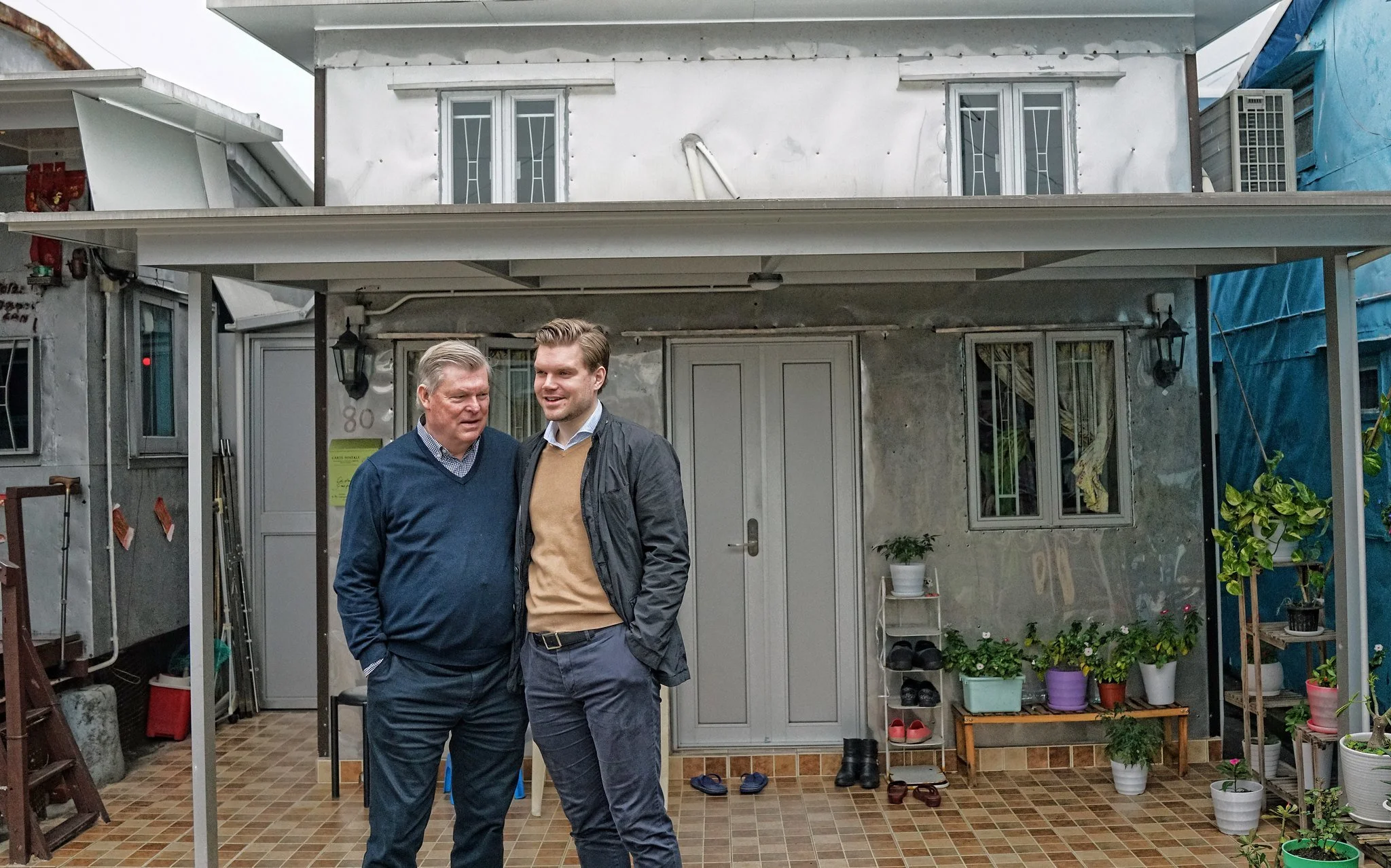
The pang uk are the visual signature. They sit on timber and concrete posts driven into the tidal flats. Early versions used fan palm leaves and boards from old boats. By the 1960s more permanent materials appeared. Many houses are linked by narrow walkways and ladders that drop straight to the water. Ownership status was long uncertain; many were treated as tolerated squatter structures. Fires have been a recurring threat. On 2nd July 2000 a major fire destroyed around 90 to 100 of the houses. Rebuilding was slow and complicated by rules about materials and land status. A smaller fire hit again years later. The houses that remain are a mixture of lived in homes, empty shells and a few that have been turned into small cafes. They are not romantic in the tourist sense. They are practical, often basic, and vulnerable to typhoons and fire. About 350 still stand. Whether they can be kept without turning the whole area into a museum is an open question that the residents and the government have been arguing about for years.
Notable Buildings and Accommodation in Tai O
The best known building is the old Tai O Marine Police Station, built in 1902 to watch for pirates and smugglers. It was restored and opened as the Tai O Heritage Hotel. There are only nine rooms. It is a small, carefully done place with views over the water and a restaurant called Tai O Lookout. Room rates typically start from around HK$1,200 (about US$154) and can go higher depending on the season and room type. It is the only proper hotel in the village
Day visitors can walk the grounds when the hotel is open to the public.
Pleease note that you have to take a boat to the Hotel which is one of the pink dolphin boats and tell the operator you want to stop at the Hotel and the boat will make the detour, getting back from the hotel is tricky as you have to stand on the pier and wave like mad and hope the boat sees you - generally I advise we walk which means we can see the shrimp paste factories, but the walk from the hotel to Tai O central can take up to an hour
Other graded historic buildings include several temples: Tin Hau, Kwan Tai, Yeung Hau and Hung Shing. The annual Dragon Boat Water Parade, in which deity statues are carried on boats through the creek, was listed as national intangible cultural heritage in 2011. It is one of the few living traditions that still draws local participation rather than just spectators.
Just after you get off the bus and enter Tai O Fishing Village there is a small place run by the Tai O Rural Committee. It is called the Historic and Cultural Showroom and it sits at 5 Wing On Street. It is free to enter and occupies little more than one room. Inside you will find old fishing tools, household items from the boat people days, a few photographs and some maps. There is no wow factor and the labels are basic, but it is interesting enough for a 10 minute look if you want a quick sense of how people lived here. Opening hours are a bit sketchy. It is usually listed as closed on Mondays and open from around 12:00 or 12:30 to 17:00 on other days, but it is worth checking on the day. If it is open I always take people in for a quick look
Yearly Festivals at Tai O
The biggest event of the year is the Tai O Dragon Boat Water Parade, held on the 4th and 5th days of the fifth lunar month (the Dragon Boat Festival). Three traditional fishermen’s associations – Pa Teng Hong, Sin Yu Hong and Hap Sim Tong – take part. On the morning before the festival they row to the main temples (Yeung Hau, Tin Hau, Kwan Tai and Hung Shing), collect the small deity statues and bring them back for offerings. On the festival day itself the statues are placed on sacred sampans towed by the dragon boats and paraded through the creek between the stilt houses. Residents burn paper offerings from the walkways as the boats pass. The ritual is more than a century old and was listed as national intangible cultural heritage in 2011. The pedestrian bridges are opened so the boats can pass. It is a local religious and community event that still draws the remaining residents, not just spectators.
Other markers through the year are quieter. Mid Autumn Festival sees traditional lanterns hung along the waterways. In November the Rural Committee sometimes stages a demonstration of the old water wedding, with a bride travelling by sampan between the stilt houses. Buddha’s Birthday and the usual temple days are observed in the small way that suits a village of this size. None of them match the Water Parade for scale or history, but they keep the calendar of the place alive.
Food, Boats and the Pink Dolphins
The food is straightforward. Shrimp paste is the local product most people take home. Street snacks include the husband rolls (roti filled with shrimp paste pork and lettuce) sold at places such as Cheung Choi Kee. Dried seafood stalls line the main streets. Sit down options are limited by timing for many visitors. The one place I know is Fook Moon Lam on Tai O Market Street. It is a local seafood restaurant that has been there for a very long time and serves ordinary Cantonese dishes and shrimp paste fried rice. Most people on a short visit simply eat at the stalls or a cafe rather than sit down for a full meal. Prices are ordinary Hong Kong street and cafe levels, not fine dining.
Boat rides are the other staple. Operators offer short trips through the stilt house channels and out toward the open water. Many of them sell the chance to see Chinese white dolphins, the so called pink dolphins. The animals do live in the Pearl River estuary waters, but their numbers have fallen sharply because of pollution, shipping and habitat loss. A boat trip does not guarantee a sighting, and the noise of multiple tourist boats is not helpful to the remaining population. Typical rides last 20 to 30 minutes and cost HK$30 to HK$50 per person (about US$4 to US$6.50). Several operators work the same stretch of water; the boats are easy to find and the rides are pushed hard to every visitor who stops near the creek.
For the record I have now seen the dolphins 3 times only in 16 years, just something to keep in mind and I have done the boat ride hundreds of times
One detail that never appears in the tourist material is worth knowing before you step into a boat. The stilt houses flush straight into the creek. You can see it and you can smell it when the boat is moving slowly between the posts. I always tell guests not to put their hands in the water. It is not a clean swimming spot. It is a working tidal creek that has been used this way for decades.
Schools, Housing and the Size of Tai O
There is a primary school (Church of Christ in China Tai O Primary School) and a secondary school (Buddhist Fat Ho Memorial College). Both serve a shrinking number of local children. Public housing exists in the form of Lung Tin Estate, built in the 1980s and 1990s, plus some Home Ownership Scheme blocks. Many of the older residents who left the stilt houses moved into these blocks. The core island of Tai O is about 0.71 square kilometres (roughly 0.27 square miles or 175 acres). The wider planning area that includes the surrounding slopes and wetlands is larger, around 46 hectares for the town centre and over 180 hectares for the fringe zone. In practical terms the walkable village is small. You can cover the main streets, the bridges and the waterfront in a couple of hours if you are not stopping for food or boats.
Government and Rural Committee Work in Tai O
Over the last 15 to 20 years the government has run phased improvement works at Tai O, usually after consultation with the Tai O Rural Committee. These have included a riverwall and better drainage, open spaces, a public transport terminus, signage, and the newer footbridges. The aim has been better access and flood protection while keeping the stilt houses. Some of the work is visible; some of it is still finishing. It has not stopped the population decline or replaced the old fishing economy, but it has made the place easier for the remaining residents and for the daily stream of visitors.
What visitors say about the Tai O Fishing Village
Tripadvisor reviews of Tai O Fishing Village are generally favourable, with an overall rating around 4.2 from more than 1,700 reviews. Most people like the contrast with the rest of Hong Kong and the chance to see the stilt houses. A smaller number find it underwhelming or too crowded once the groups arrive.
Positive reviews
“I totally adore Tai O for its laid-back vibe. Water-borne stilt houses, stray cats roaming everywhere, scenic beaches round every corner and dreamy sunsets, paired with lots of tasty local eats.” (August 2026)
“Tai O was one of my favourite places in Hong Kong. It feels completely different from the busy city and gives you a chance to see a more traditional side of Hong Kong. I loved walking around the village, looking at the stilt houses, and exploring the small local shops.” (June 2026)
“I first visited Tai O in 2001 or 2002, and it has mostly kept its charm through the years. I enjoy the walk along the coastline from the market to the Tai O Heritage Hotel, and a stroll through the main lanes with little shops selling dried fish, shrimp paste and XO sauce.” (July 2026)
“Beautiful fishing village, picture perfect, a breath of how life used to be. We visited as part of a larger excursion to Lantau Island.” (April 2026)
“Traditional village, a blast from the past. Great experience and we saw the dolphins.” (June 2026)
Negative reviews
“We read that it is the Venice of Asia. Well for us, it was underwhelming. Cute little village with a market full of fish, it also smells like that a lot. Other than the market, not much to see.” (older but still typical)
“The water is filthy with all sorts of rubbish floating in it. We took a boat trip to see the dolphins, but didn’t see any… Huge amounts of plastic and waste washed up on the coastline.” (recurring complaint)
“It is clear that in many ways it is tourism that is now maintaining much of the village and there is a certain discomfort in walking around and intruding on this world.” (tour-group experience)
“A small fishing village that’s quite nice. But it’s not really great either. The most beautiful is the drive there. The boat tour through the fishing village is more of a flop.” (December 2025)
“When we were there, about more than 10 times more tourists than villagers were sharing this place.” (crowds, long-standing issue)
These comments line up with what I see on the ground. The place still has character, but the volume of visitors and the smell of the creek and shrimp paste are the two things that come up most often when people are less impressed.
I have always written both sides rather than a pure sales pitch when it comes to Hong Kong attractions and this section does exactly that. The social media hype around Tai O Fishing Village does set people up for something closer to the Big Buddha’s instant visual impact. When the reality is a long bus ride, narrow streets, a working creek, and a quieter kind of wow factor, some visitors leave feeling short-changed. Putting the positive and negative reviews side by side makes that expectation gap clear without you having to over explain it
A Few Obtuse Points and a Personal View
In 1958 the village had four small fire stations because the wooden houses burned easily; firefighters used a gong to raise the alarm. The rope ferry women were a feature for decades and appear in almost every old photograph. Salt was once valuable enough that smuggling it was worth the risk. The Hong Kong Zhuhai Macao Bridge is visible from the outer waters, a modern concrete span that has nothing to do with the village yet sits in the same seascape. Most of the remaining fishermen are elderly. The young people who stay usually work in the tourist trade rather than on the boats.
My own view, after walking the place many times with guests, is that Tai O Fishing Village is worth seeing once if you understand what you are looking at. It is not a theme park and it is not Venice. It is a remnant of the fishing and salt economy that once mattered on Lantau Island, kept going now by the constant flow of visitors and a small permanent population. The stilt houses are interesting because they are still occupied, not because they look pretty in a photograph. The best time is a weekday morning when the dried seafood stalls are open and the boat traffic is light. If you have a full day on Lantau and want to see how people actually lived on the water, then go. Just do not expect gondolas or grand canals. Expect a working creek, elderly residents, the smell of shrimp paste, and a place that has already changed more than most visitors realise.
Most people who go to Lantau Island do the Big Buddha and Tai O Fishing Village over an 8 hour period. To be frank, the primary reason most visitors go to Lantau is the Big Buddha. Tai O ends up on the itinerary because it is a short detour with a bus service and taxis. When I am on tour I always, and I mean always, go to Tai O Fishing Village first and then the Big Buddha. For the most part that lets me avoid the crowds at both places. That is just me, and I know what I am doing
For the record, I like Tai O, it is something different and when done with a trip to the Big Buddha it makes for a lovely day out
So there you go.

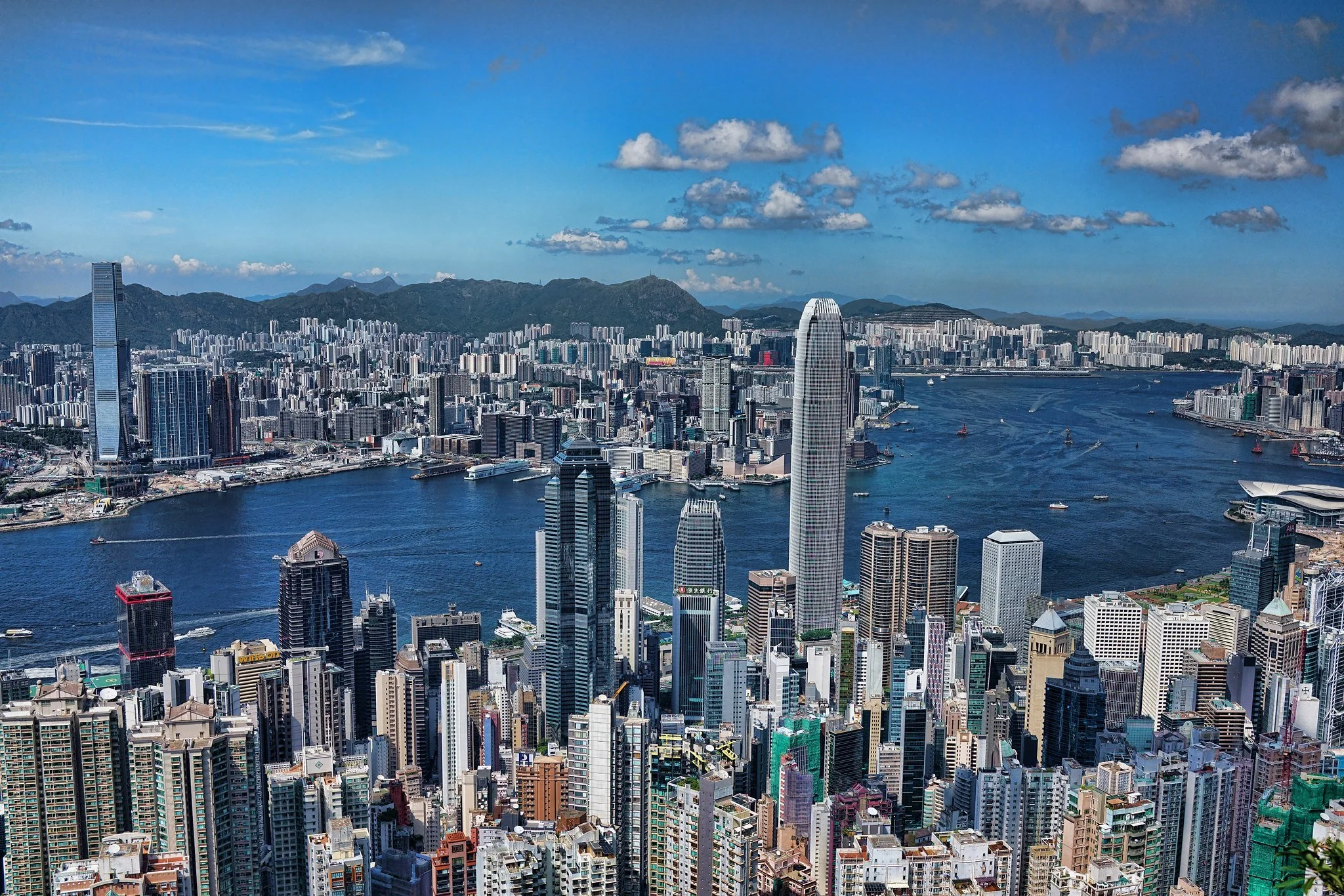



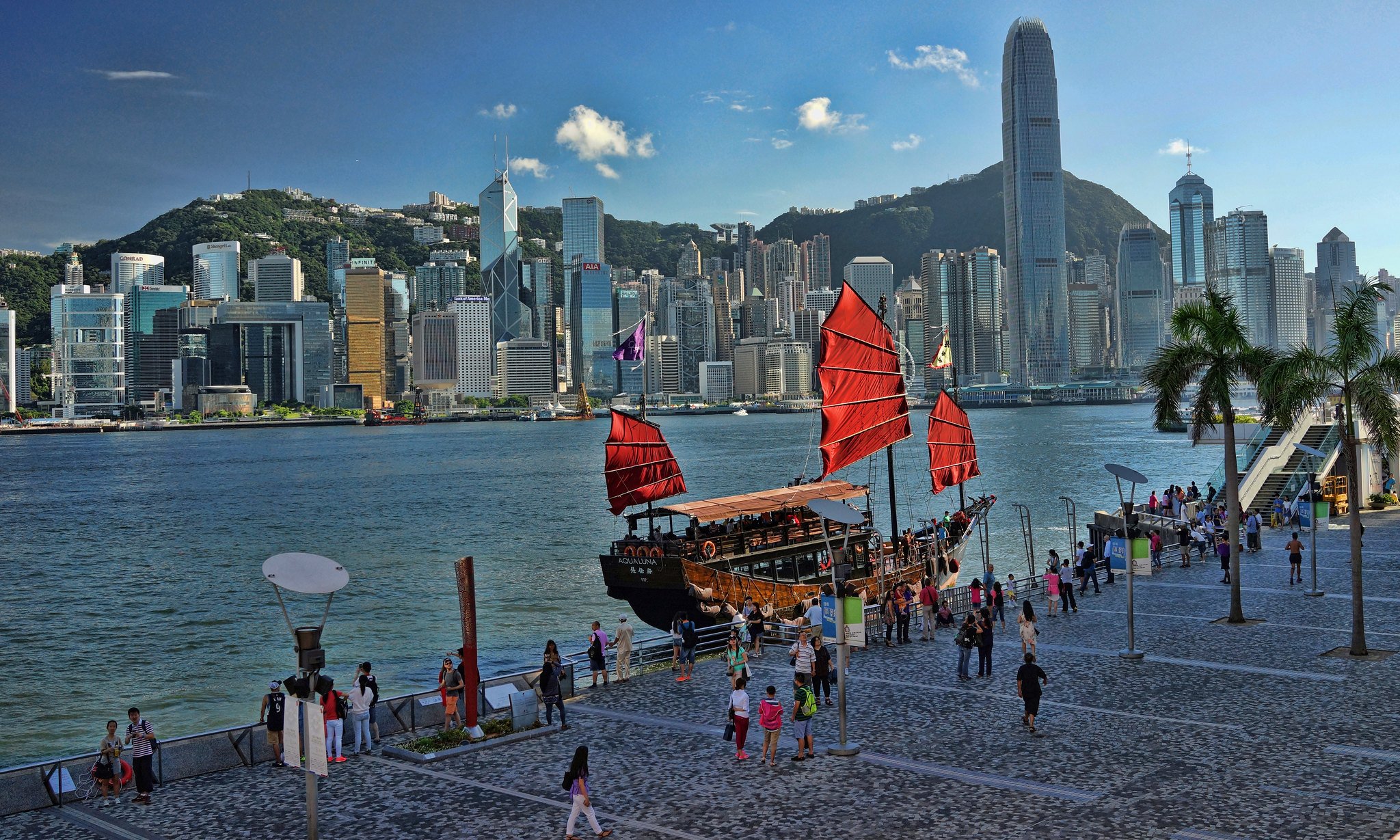
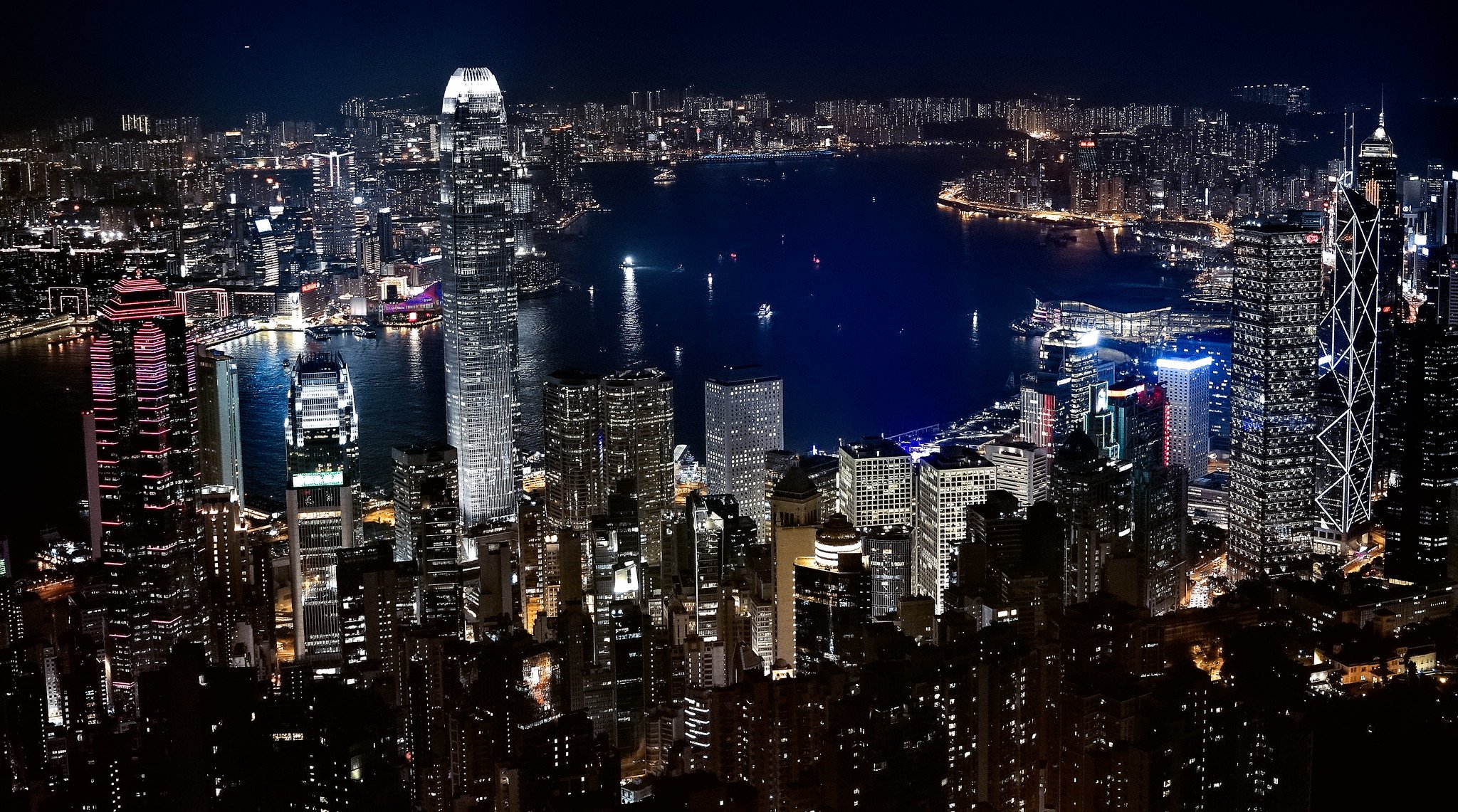
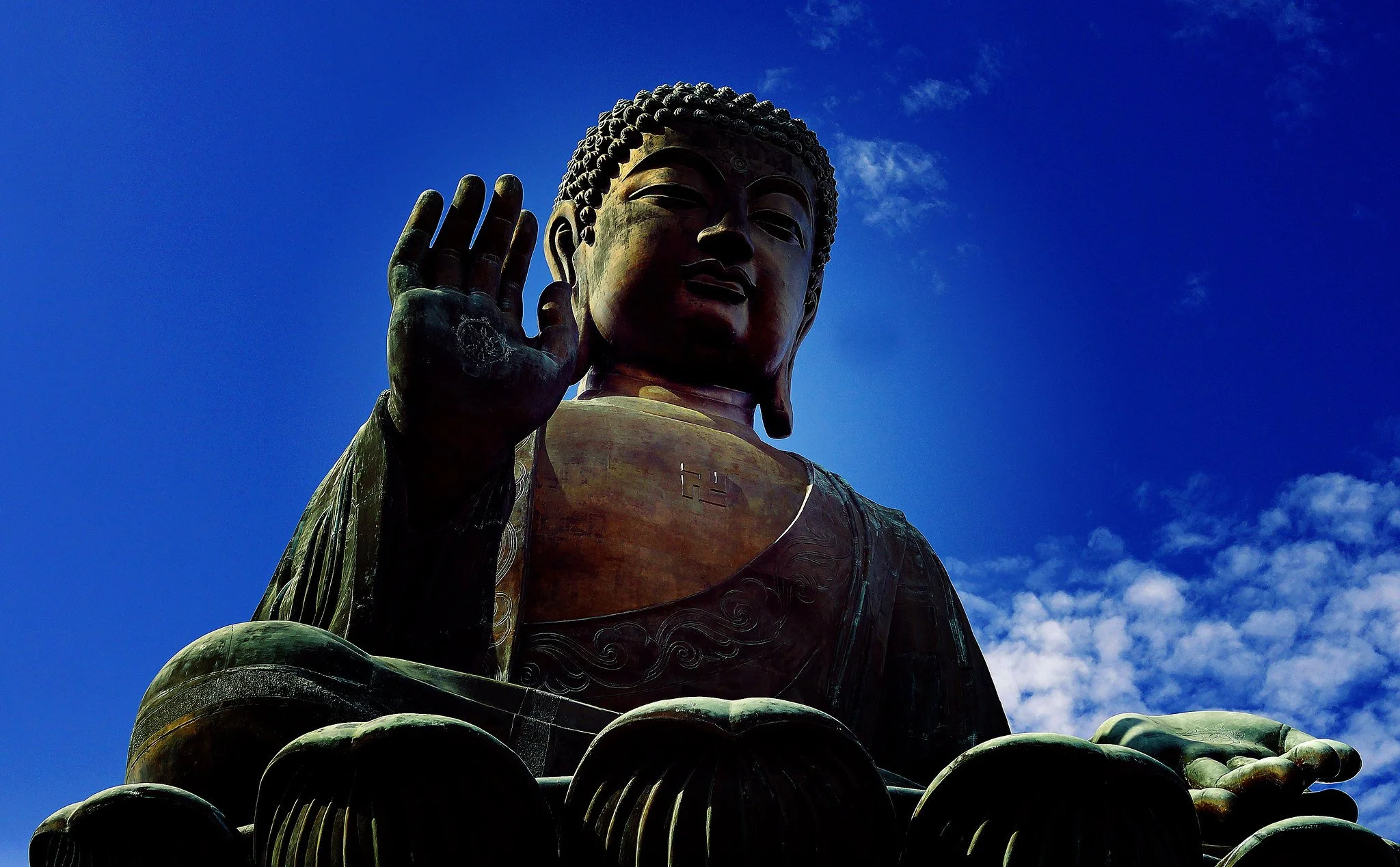

click on any image to enlarge
© Copyright Acknowledged | All rights reserved | images taken by Jamie