The Full Hong Kong Festival Calendar Chinese, Western + Community Festivals

The J3 Group - Premium Quality Private Tours | Experiences and Insider Chats since 2010
Me Jamie, your host, I am English and I have lived in Hong Kong since January 2nd 1972 - I know the place.
A meaningful blog post with a difference - tips on Travel, Tourism, Tours, Daily Life and my personal thoughts on Hong Kong.
Please do visit Amazing Hong Kong
Hong Kong | Pearl of the Orient


A Resident since 1972 - Private Tours of Hong Kong with Jamie
The Best Things to do in Hong Kong
click on the image to enlarge
© Copyright Acknowledged | All rights reserved | image created by Jamie
Hong Kong Festivals - A Resident’s Guide To What Actually Happens
Foreword by Jamie
The Full Hong Kong Festival Calendar - Chinese, Western + Community Festivals
Hong Kong Festivals - A Comprehensive Overview
After more than 50 years living in Hong Kong I still find the festival calendar one of the most reliable ways to understand how the city actually works. The big Chinese ones shape family life and close shops for days. The Western ones light up the harbour and fill the malls. Then there are the smaller community ones that most visitors never hear about until they turn a corner and see a paper stage or a water fight in a park. Most overseas guests will not plan a whole trip around the Cheung Chau Bun Festival, and that is fine. The point is to know what is happening on the ground so a tour can bend around it, or so a guest can step out of a hotel and recognise why the streets suddenly feel different.
This is not a press pack list. It is what I have watched over the years: the practical side, the crowds, the food, the places that actually matter, and a few details that rarely make it into the official guides. Dates shift with the lunar calendar so I give the usual window plus concrete examples from 2026 and 2027. Locations are the ones that still work when the city is busy. Prices are in HK$ and US$ where tickets or special transport appear. Everything else is free to watch if you time it right. I have also added the ethnic minority celebrations that sit quietly alongside the main calendar, because Hong Kong has always been more mixed than the official lists suggest.
Sunday, yes a word about Sundays, Hong Kong has a domestic helper population approaching 400,000 and the overwhelming majority are ladies and many of them get a holiday on Sunday, traditionally the Filipino’s gather in and around Central on Hong Kong Island and the Indonesians gather in Causeway Bay also on Hong Kong Island and golly they certainly add character and life to Hong Kong, on a Sunday, a once a week year round festival so to speak.
Chinese Festivals in Hong Kong
Chinese New Year (Lunar New Year)
This is the one that stops the city. In 2026 it falls on 17th February (Year of the Horse). In 2027 it is 6th February (Year of the Goat). The public holiday runs for three or four days depending on where the weekends land. The week before is already busy with flower markets. Victoria Park in Causeway Bay becomes a sea of peach blossom, kumquat trees and orchid pots. Mong Kok has its own market. People queue for hours on the final night. On the day itself most Chinese restaurants and many shops stay closed. Lion dances appear on street corners and outside banks. Red packets (lai see) pass from married adults to children and unmarried younger people. The amount used to be modest, but these days sums in excess of HK$500 are getting more common. I should know, as I have to fork out a large sum every Chinese New Year. A lot of Chinese people would lose face if they gave only HK$20 when they are perceived as well off.
The harbour fireworks on the second night remain the big public spectacle. In 2026 they used more than 30,000 shells. Good viewing is from the Tsim Sha Tsui promenade, the Central waterfront or West Kowloon Art Park. Expect to stand for two hours if you want a front row. Wong Tai Sin Temple draws long queues for the first incense of the year. The night parade in Tsim Sha Tsui is colourful but very commercial. For a quieter sense of the festival, walk any housing estate in the New Territories or Kowloon on the first morning and watch families open doors and burn joss paper.
Interesting note: many small shops reopen on the third or fourth day because the first two days are reserved for family. Hotel restaurants stay open and charge a premium for the reunion dinner menu, often HK$1,000 to HK$3,000 (US$130 to US$385) per person. Transport is disrupted, ferries and MTR (Subway) run special schedules, and the airport sees a clear inbound spike from Mainland China and overseas.
Lantern Festival
Falls on the 15th day of the first lunar month and marks the close of the Chinese New Year period. In 2026 that was around early March; in 2027 it is 20th February. Families eat tangyuan (glutinous rice balls) in sweet soup, and lanterns still appear in parks and housing estates. It is much quieter than the main Chinese New Year days. Victoria Park and some New Territories villages hold small lantern displays. Most people treat it as a family meal rather than a big public event.
Ching Ming Festival
Around 4th or 5th April. Public holiday. In 2027 it is 5th April. Families visit graves, clean them and leave food. The big hillside cemeteries in Happy Valley, Aberdeen and the New Territories are busy. Traffic on the roads leading to them is heavy. It is a practical day rather than a spectacle.
Tin Hau Festival
23rd day of the third lunar month. In 2026 it was around 9th May. In 2027 it is around 29th April. Dates move each year. Tin Hau is the sea goddess. There are more than 70 temples. The largest and oldest is at Joss House Bay (Tai Miu), built in the Song dynasty. On the festival days special ferries run from North Point. Round trip about HK$60 (US$7.70). Thousands of people, many from the fishing community, bring whole roast pigs and other offerings. Some climb the nearby hills. Other busy temples are in Sai Kung, Aberdeen and Stanley. Processions with lion dances still happen in some coastal villages. For most visitors the Joss House Bay day is the one that shows how important the sea still is in Hong Kong life.
Cheung Chau Bun Festival
Usually late April or early May, on the 5th to 9th of the fourth lunar month. In 2027 that is roughly 10th to 14th May. Exact Gregorian dates shift each year; check closer to the time. The island closes to private cars. Three large bamboo bun towers are built in front of the Pak Tai Temple. On the final morning teams climb the towers and grab buns. The scramble itself lasts only a few minutes. Before that there is a long parade with children in costumes carried on stilts, lion dances and Taoist rites. The whole thing is organised by the island community. Ferries from Central are packed; allow extra time. The buns themselves are plain steamed bread, not sweet. After the scramble many are distributed. It is one of the few truly local festivals that still feels community owned rather than staged for visitors.
Buddha’s Birthday
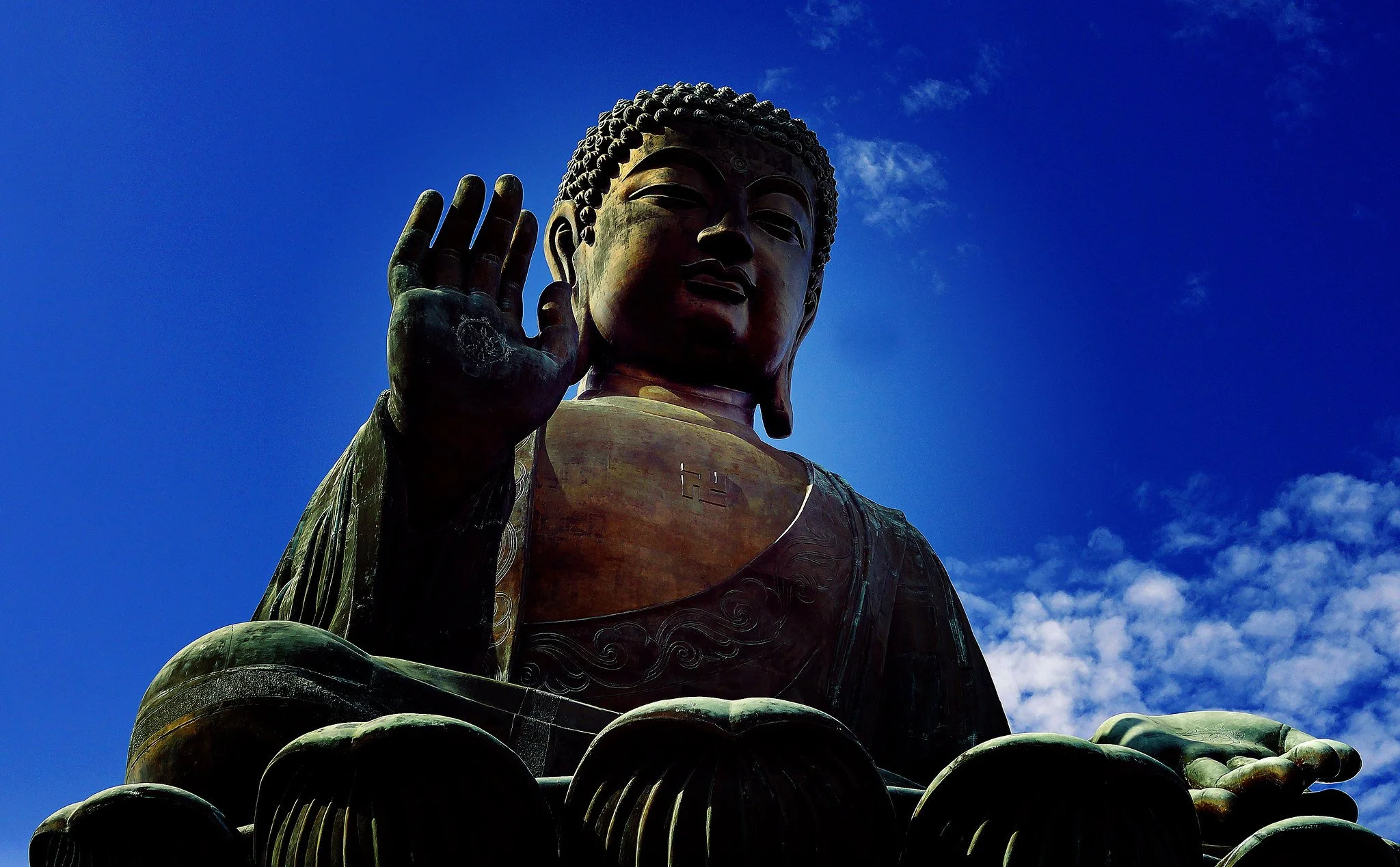
8th day of the fourth lunar month. Public holiday. In 2026 it was 24th May; in 2027 it is 13th May. This was not a traditional public holiday under the British administration. It became one in 1999, after the handover, when the Executive Council decided to add both Labour Day and Buddha’s Birthday while keeping the total number of general holidays at 17. The Queen’s Birthday itself had already been removed in 1997 and replaced by SAR Establishment Day. Ceremonies at Po Lin Monastery on Lantau Island are the best known. Monks bathe a small Buddha statue with fragrant water. The Big Buddha area is busy. Other temples across the territory hold similar rites. It is quiet compared with Chinese New Year or Mid-Autumn.
Dragon Boat Festival (Tuen Ng)
5th day of the fifth lunar month. 19th June in 2026, 9th June in 2027. Public holiday. The races are the public face. Stanley Main Beach has been the classic international venue for decades. Teams from Hong Kong clubs and overseas paddlers. Free to watch from the promenade. Other strong locations are Sha Tin (Shing Mun River), Tai Mei Tuk on Plover Cove, and Aberdeen. Victoria Harbour has had races in some years. Zongzi (sticky rice dumplings) are everywhere that week. Basic ones cost HK$15 to HK$30 (US$2 to US$4). The story of Qu Yuan is still told, but for most people the day is about the races and the food. Tai O Fishing Village holds its own Dragon Boat Water Parade, also national intangible cultural heritage, with deity statues carried on boats.
Tai O Hau Wong Festival (侯王誕)
Held on the 6th day of the 6th lunar month in Tai O Fishing Village on Lantau Island. In 2027 that is around 9th July. Dates shift; usually mid to late July. Residents celebrate the birthday of Hau Wong (Yeung Hau), a Southern Song general. There is free outdoor Cantonese opera, rituals at the Yeung Hau Temple, and a temporary stage. The atmosphere is local and unhurried. Most visitors leave by evening, so you can watch with the village itself. It is one of the quieter, more authentic island festivals.
Qixi Festival
7th day of the seventh lunar month. Often called Chinese Valentine’s Day. In 2026 it was around early August; in 2027 it is 8th August. The story of the cowherd and the weaver girl is still told, but in practice it is mostly a commercial day. Shopping malls put up displays and restaurants run special menus for couples. It is not a public holiday and there is little street activity. Most people treat it as an excuse for a meal or a gift rather than a traditional observance.
Hungry Ghost Festival
15th day of the seventh lunar month. Not a public holiday. In 2026 it fell on 27th August. In 2027 it is 16th August. The whole seventh lunar month is Ghost Month (roughly 2nd to 31st August in 2027). Street corners in older districts fill with temporary bamboo stages for Cantonese opera. Offerings of food and paper goods are burned. Yau Ma Tei, North Point and Causeway Bay still see the strongest Chiu Chow community events. Victoria Park has hosted a Yu Lan Cultural Festival in recent years. It is not scary if you understand it is about feeding wandering spirits so they do not cause trouble. Many restaurants and shops simply carry on.
Mid Autumn Festival and the Tai Hang Fire Dragon Experience (大坑舞火龍)
Falls on the 15th day of the eighth lunar month. In 2026 that is 25th September; in 2027 it is 15th September. The following day is the public holiday. Families gather for mooncakes and a meal. The mooncakes themselves have changed. Traditional salted egg yolk versions still exist, but ice cream, chocolate and snow skin versions fill the shelves weeks ahead. Prices for a standard four cake box run HK$150 to HK$400 (US$19 to US$51).
Victoria Park hosts the big lantern carnival in the week leading up to the festival. Hundreds of handmade lanterns, some several metres high. Free to walk around after 6.30pm. The real local spectacle is the Tai Hang Fire Dragon, known locally as 大坑舞火龍. A 67 metre dragon made of rattan and covered in more than 12,000 burning incense sticks is danced through the narrow streets of Tai Hang for three nights (14th, 15th and 16th of the eighth lunar month). It is listed as national intangible cultural heritage. Arrive early; the streets fill completely and access is controlled from about 5pm. Children carry small lanterns in almost every park and housing estate. Beaches on the south side of Hong Kong Island also draw families for moon gazing if the weather holds. There is a smaller fire dragon tradition in Pok Fu Lam as well.
Chung Yeung Festival
9th day of the ninth lunar month. Public holiday. In 2026 it was 18th October; in 2027 it is 8th October. Another grave visiting day, plus the tradition of climbing hills. Victoria Peak is popular, as are the trails on Lantau and in Sai Kung. Some families combine the climb with a picnic.
Winter Solstice
Around 21st or 22nd December. Not a public holiday, but many offices let staff leave early. In 2027 it is 22nd December. The saying is that winter solstice is bigger than New Year for family reunion. Tangyuan (glutinous rice balls) in sweet or savoury soup are the classic food. Some families still go to temples. It is low key and almost entirely private.
Western Festivals and Other Local Public Holidays in Hong Kong
New Year’s Eve and New Year’s Day
This one is fully embraced by the entire population, just like Christmas. The fireworks countdown on New Year’s Eve is epic when it goes ahead. People start gathering on the Tsim Sha Tsui promenade and the Central waterfront from late afternoon. The show itself usually starts just before midnight and lasts around 8 to 10 minutes. Viewing spots fill completely. Hotels with harbour views charge premium rates. In years when the fireworks are cancelled for other reasons, the Tourism Board stages light and music shows instead, and the crowds still come.
On New Year’s Eve after around 10pm there are literally hundreds of party boats, big and small, packed with revellers who get drunk and see the fireworks up close and personal. The harbour fills with them. There is a clear spike in inbound tourism for the New Year period. Immigration figures show around 200,000 visitors arriving on New Year’s Eve in recent years, a large portion from Mainland China. Hotel occupancy across the city sits near 90 to 96 per cent. Many of my friends in the tour and hospitality trade work every single day through the holiday. Bars, restaurants and attractions stay open late. The first of January itself is quieter in the morning but picks up again by afternoon as people come out for brunch and shopping. Transport runs special schedules. The period is one of the busiest of the year for both locals and visitors.
Easter
Good Friday through Easter Monday. It is a major public holiday and is taken very seriously in Hong Kong. Churches hold services, and the long weekend is one of the few times many people get a proper break. Beaches fill if the weather is good, especially the south side of Hong Kong Island and the outlying islands. Hiking trails in Sai Kung and on Lantau see heavy use as families and groups head out for the day. Some hotels and restaurants run brunch specials, and the malls stay busy with shopping. It is less commercial than Christmas, but the city still feels the pause. Transport runs extra services, and the airport sees a clear outbound spike as people take the chance to leave.
Labour Day
1st May. Public holiday. There are some official events and trade union gatherings, but for most people it is simply a day off. Shopping malls stay open and the beaches or hiking trails fill if the weather is good. It does not have the festival atmosphere of Chinese New Year or Mid-Autumn.
Hong Kong SAR Establishment Day
1st July. Public holiday. Official ceremonies and flag raising take place. There is usually a fireworks display or light show on the harbour in the evening. The day itself is relatively quiet on the streets compared with the big traditional festivals. Most people treat it as a long weekend opportunity rather than a cultural celebration.
National Day
1st October. Public holiday. The harbour fireworks are the main public event. They are shorter than the Chinese New Year or New Year’s Eve shows but still draw large crowds on both sides of Victoria Harbour. Viewing is best from the Tsim Sha Tsui promenade or the Central waterfront. Official ceremonies take place during the day. The city feels quieter in the morning and busier in the evening around the harbour.
Halloween
31st October. Not a public holiday. Halloween has always been a big thing in Hong Kong, and it is only getting bigger. In October 2026 Statue Square was taken over by Halloween for the entire month, and this looks set to become an annual event. Lan Kwai Fong becomes the centre of the party scene on the night itself. Costumes are common among younger people and expatriates. Shopping malls run themed events, and the streets in Central and Soho fill with people in fancy dress. Traditional Chinese communities may not mark it in the same way, but the commercial and nightlife side is firmly established.
Christmas Eve, Christmas Day and Boxing Day
Fully embraced by the entire population, not just the expatriate community. Malls start decorating in early November. The lights along the Golden Mile in Tsim Sha Tsui and the displays at Harbour City, Times Square and Landmark are the public face. The display in Statue Square is generally magnificent. Right now the 2026 trees, lights and installations are going in, and Statue Square is closed while they do the work. Soho and Lan Kwai Fong also get properly into the Christmas spirit, with bars and restaurants dressing up their frontages and running special menus. Many Hong Kong families treat it as a shopping and dining occasion rather than a religious one. Hotel restaurants run special menus. The harbour is busy with cruise ships and private boats. Christmas Day itself is quiet on the streets because most people stay with family or travel. Boxing Day is the bigger shopping day.
Other Festivals in Hong Kong
Songkran / Thai Water Festival
Mid April. The Thai community and some restaurants organise water-throwing events. Most of it takes place in Kowloon City, especially around South Wall Road, where there is a large Thai population (often called Little Thailand). On 9th April 2023 some people made the mistake of spraying police officers and reporters with water guns at close range during the street celebrations. Three men were later convicted of assault and jailed for 28 days. Police do not have a sense of humour about it. Expect to get wet if you join in. It is small compared with the celebrations in Thailand itself, but the local one is lively enough if you know where to go. The water-splashing part has since been moved off the streets to nearby parks in some years.
Jewish Community
Hong Kong has a small but long-established Jewish community of roughly 4,000 to 5,000 people, centred on Ohel Leah Synagogue on Robinson Road in Mid Levels and the Jewish Community Centre next door. The synagogue opened in 1902. The community marks the full Jewish calendar with services and gatherings. Rosh Hashanah and Yom Kippur usually fall in September or October. Passover is marked with community Seders, usually in March or April. Hanukkah brings candle lightings, sometimes more visible at the Community Centre. The annual Hong Kong Jewish Film Festival draws both the community and a wider audience. It is not a street festival, but it is a steady part of the city’s calendar and has been for more than a century.
Filipino Community
The Filipino community is large. Independence Day is marked with gatherings. Christmas and Easter are observed with special services and parties. Many domestic helpers organise group events on their days off. In fact their ritual takeover of Statue Square and Chater Road on public holidays and Sundays has a big time festival feel with blaring music, singing contests and beauty contests.
Indonesian Community
Indonesia has a sizeable community in Hong Kong, largely domestic helpers. Independence Day (17th August) is marked with gatherings in parks. Cultural performances of traditional dance appear at community events and sometimes at public festivals. Eid celebrations also draw large numbers. Sunday in Victoria Park in Causeway Bay also has a festival feel to it with thousands of young ladies chilling out.
Nepalese Community
Dashain and Tihar are the two main festivals. Dashain usually falls in September or October and marks the victory of good over evil. Tihar is the festival of lights that follows. The Non Resident Nepalese Association and community groups organise events, often with music, dance and shared meals. Many Nepalese restaurants in Jordan and elsewhere mark the period with special dishes. The community is concentrated enough that the festivals are visible if you know where to look.
The Indian Community - Diwali
Celebrated by the Indian community. Dates shift with the Hindu calendar, usually October or November. In 2026 it falls on November 8th. The main public events are organised by community groups and the Indian Consulate. Victoria Park and some community centres host gatherings with lights, food and music. Areas with Indian shops, particularly in Tsim Sha Tsui and Wan Chai, put up lights and decorations. Families light oil lamps, exchange sweets and hold meals at home. Holi, the spring colour festival, is also observed by some groups with small gatherings, though it is less visible on the streets than Diwali. It is not a city-wide event, but the community is large enough that you will see the decorations if you know where to look.
Pakistani Community
Eid al-Fitr and Eid al-Adha are the main festivals. Prayers are held at the Kowloon Mosque and other mosques. Markets and shops in areas with Pakistani businesses stock special foods and clothing in the days before. Family gatherings and shared meals are the core of the celebration. The community is smaller than some others but well established.
National Intangible Cultural Heritage List
A few of the festivals above sit on China’s National List of Intangible Cultural Heritage. The list is an official recognition by the Central Government that a living tradition is worth protecting. It does not turn the event into a staged show or give it extra funding on the day; it simply records that the community still keeps the practice and that it has value beyond Hong Kong. The ones that appear on the list and in this post are the Cheung Chau Bun Festival, the Tai Hang Fire Dragon, the Tin Hau Festival, the Chiu Chow Yu Lan gatherings, and the Tai O Dragon Boat Water Parade. Wong Tai Sin is also on the list, but that is more about the temple and the customs around it than a single festival date.
The likely 2027 dates for each Chinese festival in this post.
These follow the standard lunar-to-Gregorian conversions used by the Hong Kong Observatory and other calendars. They are solid for planning, but local communities sometimes announce the exact public events a few weeks ahead, so treat them as best estimates.
Likely 2027 dates (best estimates) for local festivals
Chinese New Year: 6 February 2027 (Year of the Goat). New Year’s Eve is 5 February. Public holidays 6, 8 and 9 February.
Lantern Festival: 20 February 2027
Ching Ming Festival: 5 April 2027
Tin Hau Festival: around 29 April 2027 (23rd day of the third lunar month)
Cheung Chau Bun Festival: roughly 10 -14 May 2027 (5th - 9th of the fourth lunar month)
Buddha’s Birthday: 13 May 2027
Dragon Boat Festival: 9 June 2027
Tai O Hau Wong Festival: around 9 July 2027 (6th day of the sixth lunar month)
Qixi Festival: 8 August 2027
Hungry Ghost Festival: 16 August 2027 (Ghost Month runs roughly 2-31 August)
Mid Autumn Festival: 15 September 2027 (public holiday is the following day, 16 September)
Tai Hang Fire Dragon: nights of 14, 15 and 16 September 2027
Chung Yeung Festival: 8 October 2027
Winter Solstice: 22 December 2027
Disclaimer: these are best guess conversions from the lunar calendar. They match the Hong Kong Observatory tables and the official 2027 public holiday list, but a village or temple committee can shift the public processions by a day or two. Check closer to the time if you need the exact event schedule.
So there you go.
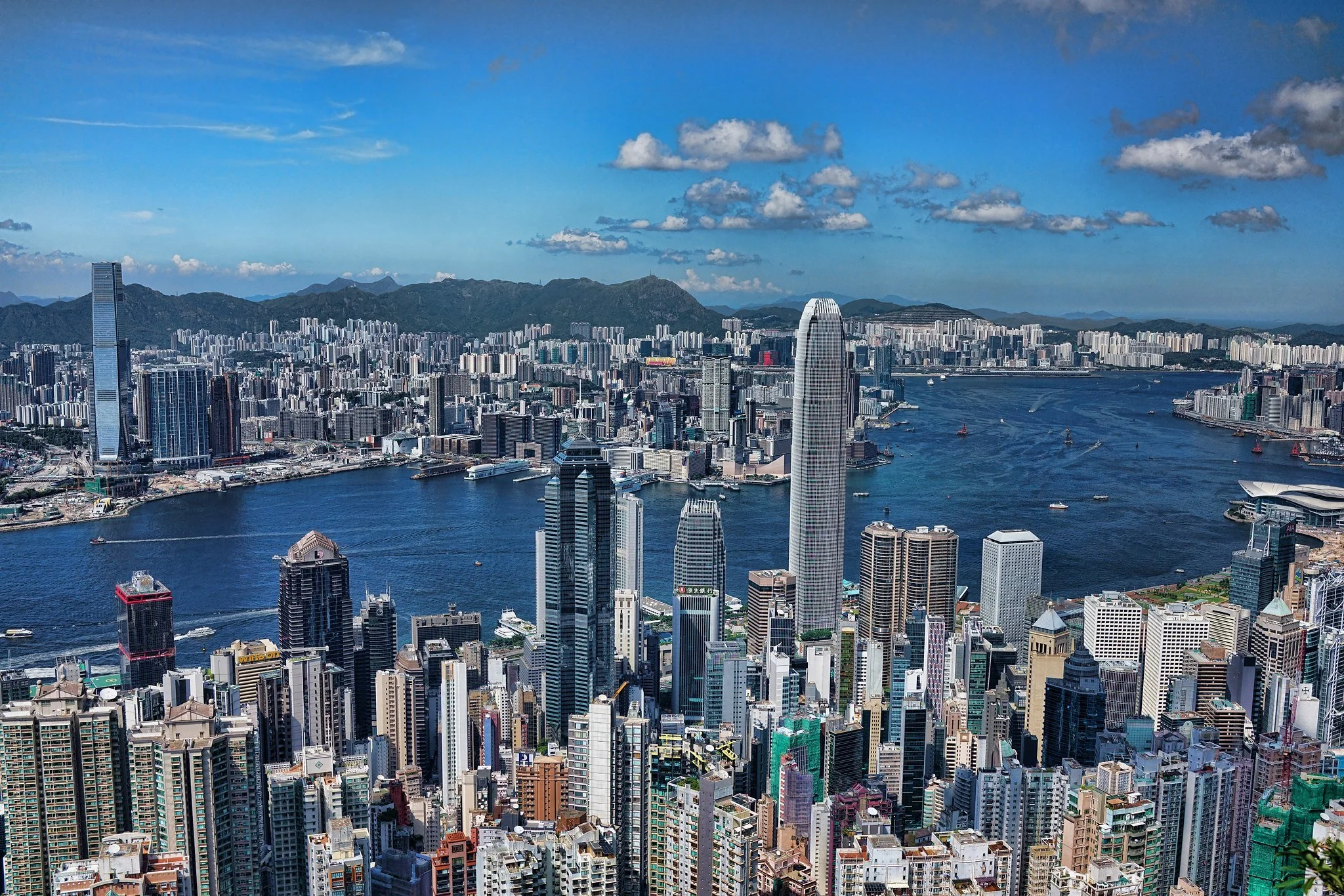
click on any image to enlarge
© Copyright Acknowledged | All rights reserved | images taken by Jamie