Star Ferry Hong Kong History - From 1880 Steam Boats to Today’s Iconic Green Fleet
10 things you didn’t know about the Iconic Star Ferry in Hong Kong

The J3 Group - Premium Quality Private Tours | Experiences and Insider Chats since 2010
Me Jamie, your host, I am English and I have lived in Hong Kong since January 2nd 1972 - I know the place.
A meaningful blog post with a difference - tips on Travel, Tourism, Tours, Daily Life and my personal thoughts on Hong Kong.
Please do visit Amazing Hong Kong
Hong Kong | Pearl of the Orient

A Resident since 1972 - Private Tours of Hong Kong with Jamie
The Best Things to do in Hong Kong
click on the image to enlarge
© Copyright Acknowledged | All rights reserved | image taken by Jamie
The Hong Kong Star Ferry | Totally, totally Iconic! | Hong Kong
Foreword by Jamie
10 things you didn’t know about The iconic Star Ferry in Hong Kong
The historic Star Ferry crossing in Victoria Harbour was famously named by National Geographic Traveler as one of the "50 places of a lifetime." It ranks as the #1 top experience on many classic lists of the best things to do in Hong Kong
This famous quote that has stuck with me…. it means the Star Ferry has a lot to live up to, I think it is a little but too much hype in 2026 but I am a resident of Hong Kong and I have been on the ferry many thousands of times since 1972
There are few things more quintessentially Hong Kong than stepping aboard one of those sturdy green-and-white double-deckers and feeling the gentle roll as she pulls away from the pier into Victoria Harbour. For more than a century the Star Ferry has been part of the daily rhythm of this city, a practical workhorse for generations of residents and an unexpected treat for visitors who discover that the best view of the skyline does not come from a rooftop bar or a Peak Tram ticket, but from a few dollars’ worth of the lower deck of the Star Ferry.
I have been crossing on her since January 1972 and still feel that small lift of the spirit every time the ropes are cast off. Yet the service that feels so permanent has had a more complicated life than many realise - two founding dates, wartime interruptions, fare-rise riots, route closures, a forced relocation that still rankles, and ongoing questions about how an icon survives in an age of tunnels, railways and reclamation. Here are ten solid facts and figures that dig beneath the postcard image.
click on the image to enlarge
© Copyright Acknowledged | All rights reserved | image courtesy of Gwulo
The Hong Kong Star Ferry | Victoria Harbour in the 1930’s | Hong Kong
1. The complete history and the reason it is called the Star Ferry
After the 1860 Convention of Peking permanently ceded the Kowloon Peninsula south of Boundary Street to Britain, the need for regular movement across Victoria Harbour increased sharply. Until then people relied almost entirely on sampans – small, flat-bottomed wooden boats hired individually that ran whenever the boatman felt like it. There was no timetable, no permanent landing stages, and no real sense of a public service.
In 1870 a man named Grant Smith brought a twin-screw wooden-hulled boat out from England and began running it between the Hong Kong Island side and Tsim Sha Tsui at irregular intervals. It was the first attempt at something resembling a steam-powered ferry service, though it remained occasional rather than scheduled. A further attempt at organised steam ferries in July 1873 was actually stopped at the request of the British consul in Canton, who feared it would make it too easy for people to visit gambling houses on the Kowloon side. So from 1860 through the 1870s the harbour was still largely the domain of sampans and a handful of private launches.
In 1880 Dorabjee Naorojee Mithaiwala (sometimes spelled Nowrojee), a Parsi businessman who had arrived in Hong Kong as a young man and built interests in bakeries and hotels, took over Grant Smith’s irregular service and began operating a more regular steam ferry with his own steamboat, the Morning Star. That first vessel is the one that gives the service its earliest firm date and its lasting name tradition. Naorojee used it primarily to move bakery goods and workers between Hong Kong Island and Kowloon, but paying passengers soon followed. By the late 1880s the operation was known as the Kowloon Ferry Company and a local newspaper notice dated 28th December 1888 records the Morning Star running daily between Pedder’s Wharf and Tsim Sha Tsui on a 40-minute to one-hour schedule (with Mondays and Fridays reserved for coaling).
Additional vessels followed - Evening Star, Rising Star and Guiding Star - all carrying celestial names. In 1898, when Naorojee sold the business to Sir Catchick Paul Chater and the Hongkong and Kowloon Wharf and Godown Company, the new owners formally incorporated The “Star” Ferry Company Limited. The “Star” title simply reflected the names already painted on the boats. Some later accounts also link the choice to Naorojee’s reported fondness for Tennyson’s poem “Crossing the Bar” (“Sunset and evening star…”), but the practical origin is the vessel names themselves. Every ferry that has followed has kept the star theme.
2. 2 or 3 starting dates for the Star Ferry?
There really are 3 useful dates.open to discussion
The operational beginning of the regular service that became the Star Ferry is 1880, when Dorabjee Naorojee Mithaiwala began running the Morning Star on a more organised basis after taking over Grant Smith’s earlier irregular runs. The first clear newspaper confirmation of scheduled public service appears in December 1888.
The formal company date is 1898. That is the year Naorojee sold the assets, the business was incorporated as The “Star” Ferry Company Limited under Chater’s ownership, and the name we still use today was locked in. Both dates are historically accurate; one marks the birth of the service and its first named vessel, the other marks the birth of the limited company that still operates it.
3. Continuous service and the interruptions for the Star Ferry
The Star Ferry has not run without break. The longest interruption came during the Japanese occupation. Service was halted for roughly 44 months from December 1941. Two vessels were later used by the Japanese military to move prisoners of war and were sunk; they were recovered and repaired after the war. There have also been shorter suspensions for typhoons, mechanical issues and, more recently, pandemic restrictions. Outside those periods the core cross-harbour routes have operated with remarkable consistency.
4. Who actually owns the Star Ferry
Ownership is straightforward and long-standing. The “Star” Ferry Company Limited is a wholly-owned subsidiary of Wharf Real Estate Investment Company Limited (Wharf REIC). The lineage traces directly back to the Hongkong and Kowloon Wharf and Godown Company that bought the operation from Naorojee in 1898. The same corporate family has held it ever since. There has been no sale to an outside operator or government takeover.
Interestingly, the vast Harbour City complex and Ocean Terminal – literally a few minutes’ walk from the Tsim Sha Tsui Star Ferry pier – sit under the same Wharf REIC umbrella. So the ferry and the shopping malls that dominate that stretch of the Kowloon waterfront have shared the same ultimate owner for generations.
5. Current fares, historical comparison, and crossing times - the Star Ferry
As of mid-2026 the published adult fares on the main Central–Tsim Sha Tsui route are HK$5.00 upper deck / HK$4.00 lower deck on weekdays and HK$6.50 / HK$5.60 on Saturdays, Sundays and public holidays. The Wan Chai–Tsim Sha Tsui route charges a flat adult fare of HK$5.00 weekdays and HK$6.50 at weekends and holidays. Concession fares for children, seniors and eligible persons with disabilities sit at roughly half. A monthly ticket is available for regular users.
In the mid-1970s an adult first-class single was around HK 30 cents (with second class lower still). The jump from a few coins to today’s few dollars looks steep until one remembers five decades of inflation and rising operating costs. For comparison, a single adult MTR ride from Central to Tsim Sha Tsui currently sits in the HK$10–12 range depending on exact stations and any concessions applied - more than double the upper-deck ferry fare.
The crossing itself takes roughly 8 to 10 minutes in normal conditions in 2026. Looking back, the journey was noticeably longer in earlier decades. In the 1970s it commonly took around 20 minutes; by the mid-1990s it had come down to about 15 minutes. While successive reclamations have steadily narrowed the harbour over the decades, the mid-1990s reduction was driven more by the sharp drop in ship traffic through that central section of Victoria Harbour than by further land reclamation at the time. Historically the ferry used to stop frequently mid-crossing to allow the passage of container ships. Those large vessels now follow a different route, and today the waterway is remarkably quiet by comparison - there are hardly any large ships still using that stretch – which is one of the reasons the crossing has continued to shorten.
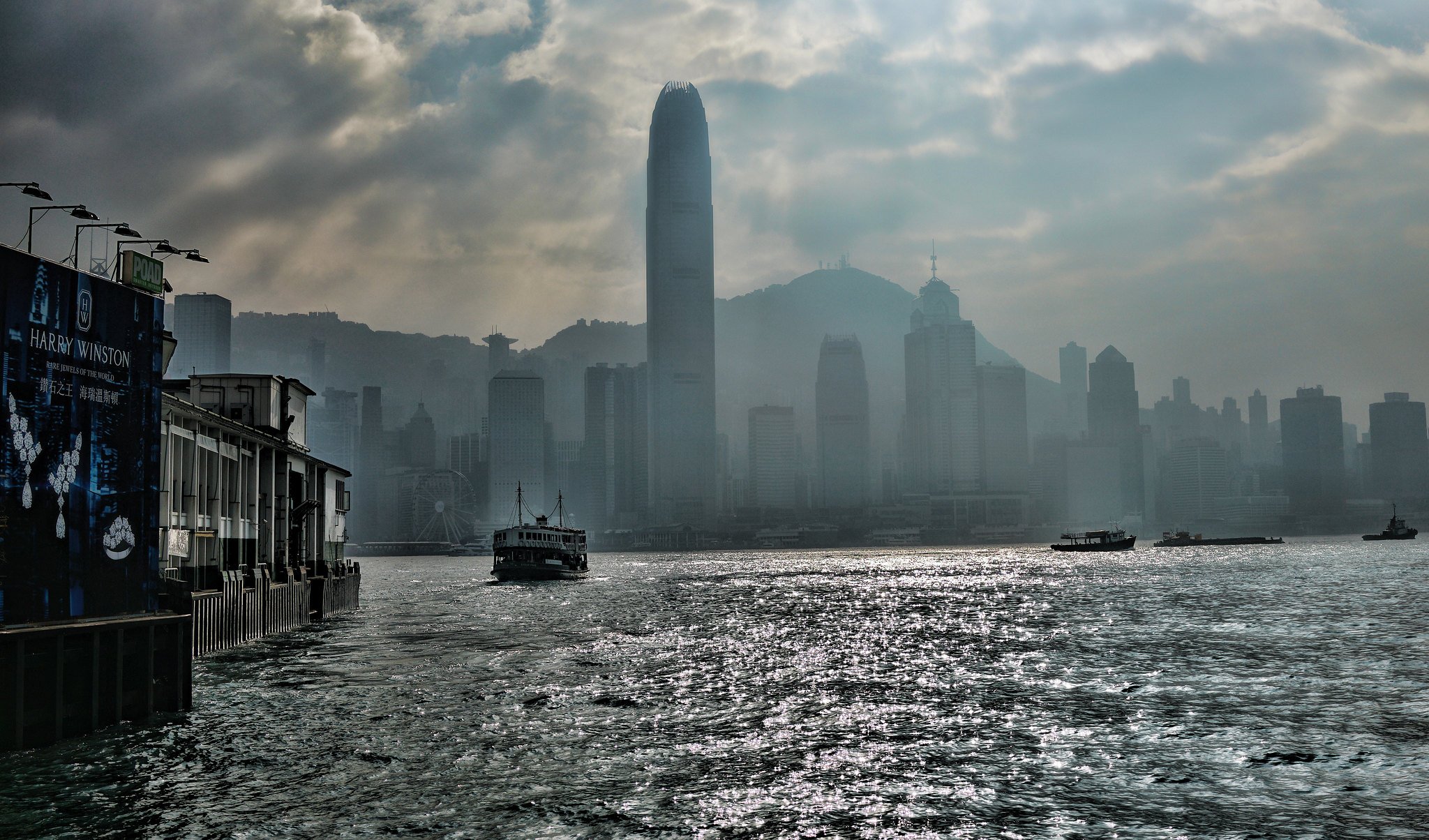
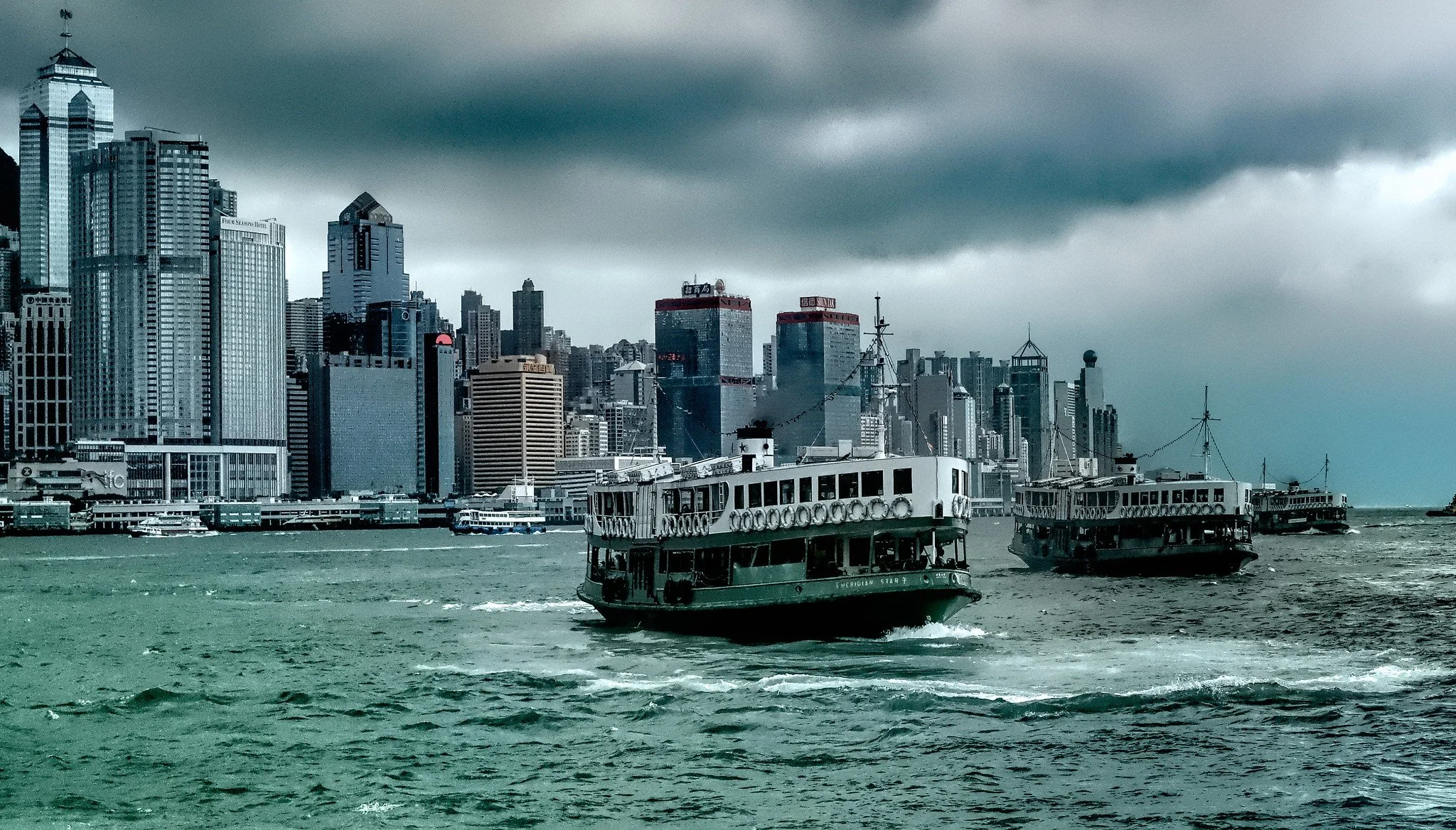
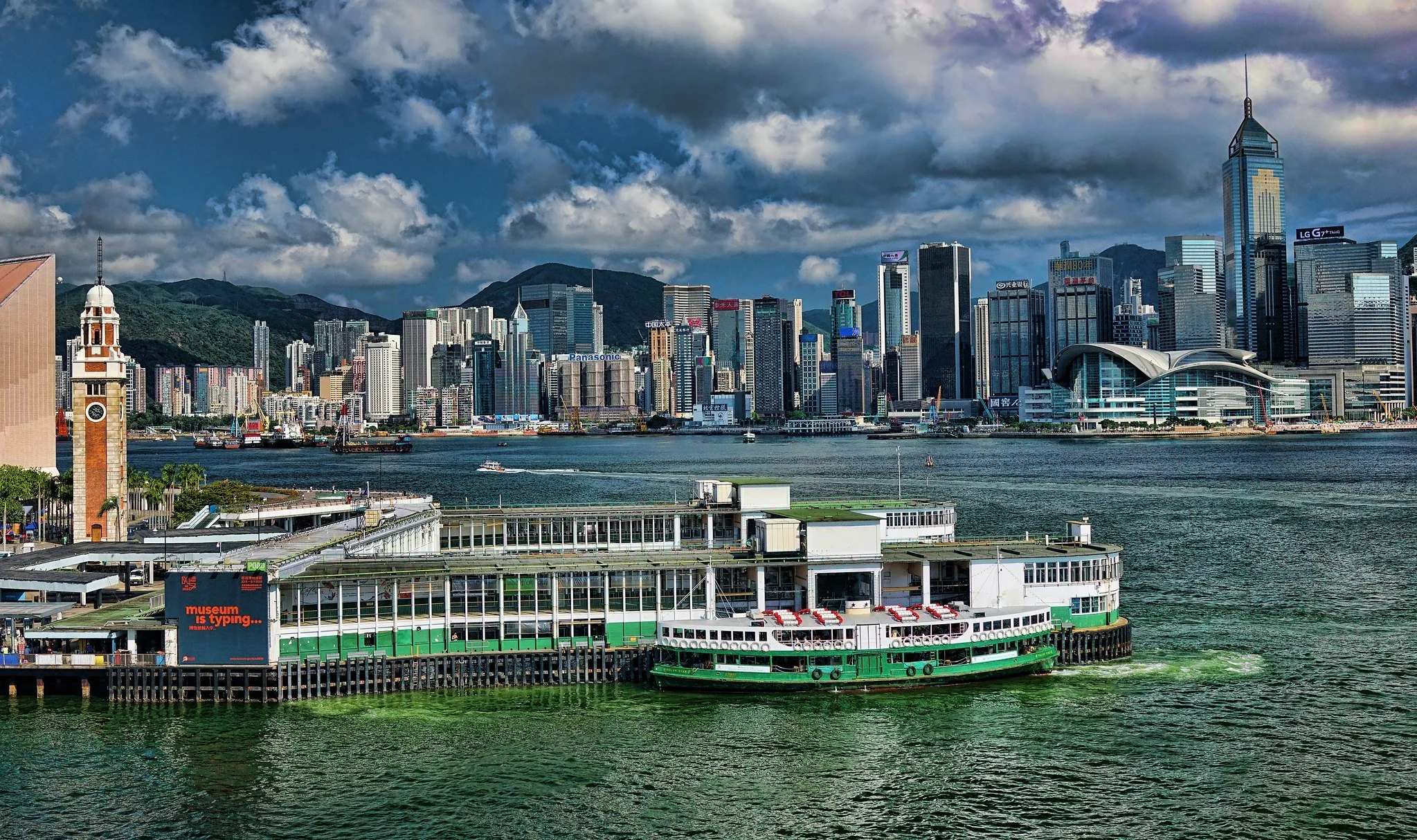
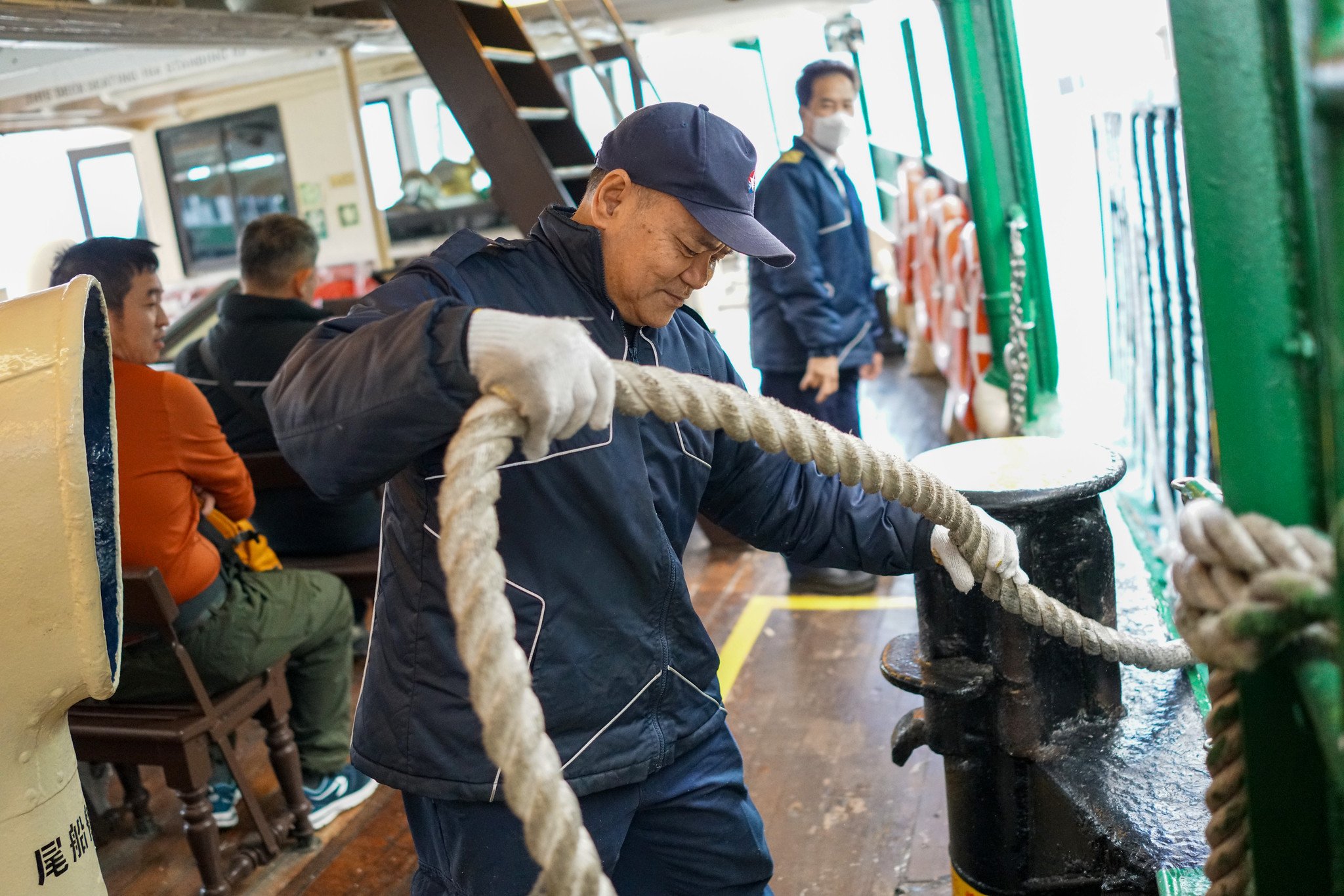
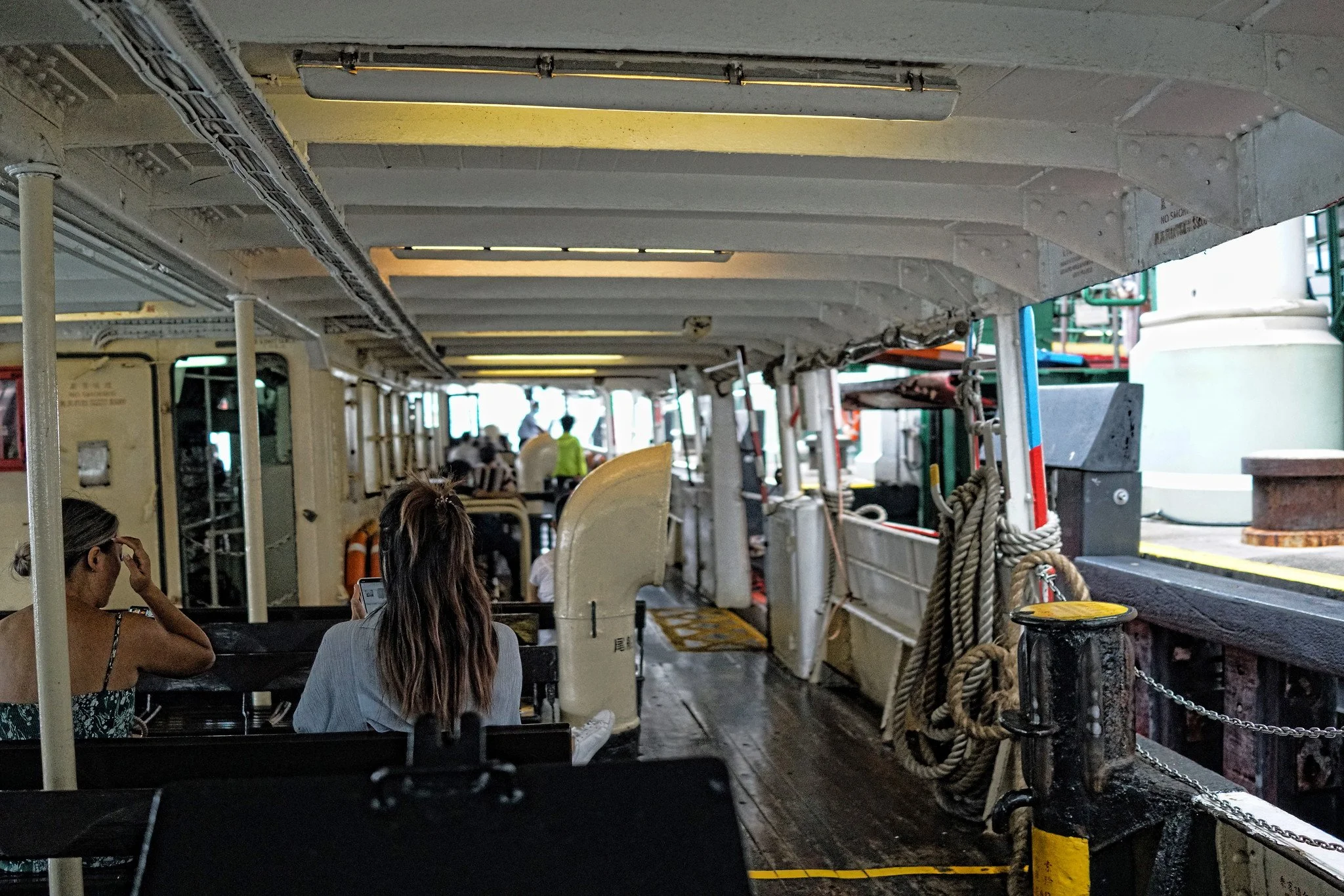
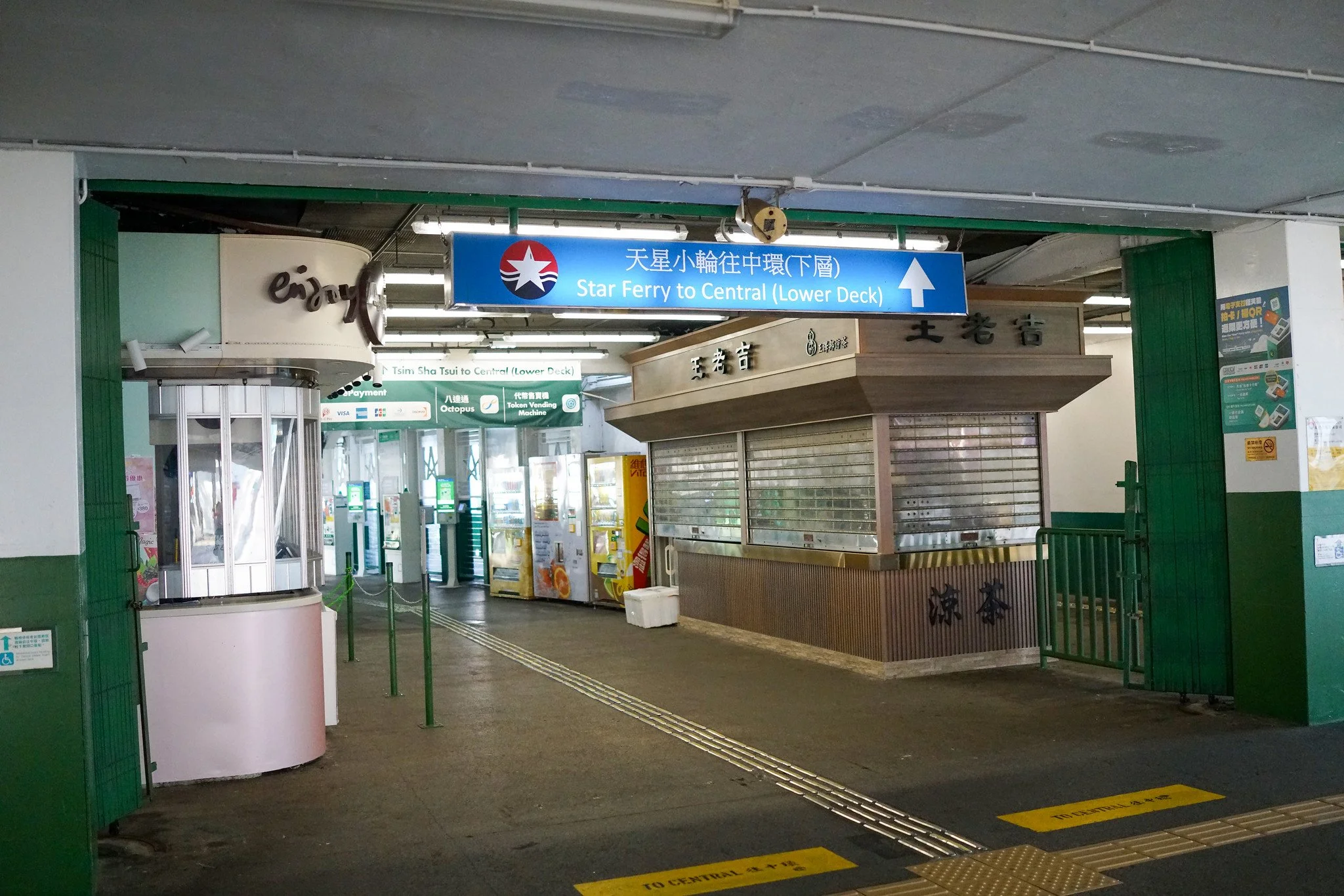
click on any image to enlarge
© Copyright Acknowledged | All rights reserved | images taken by Jamie
The Hong Kong Star Ferry | Present Day | Hong Kong
6. The fleet, peak numbers and crew - the Star Ferry
The operating fleet on the two franchised routes (Central–Tsim Sha Tsui and Wan Chai–Tsim Sha Tsui) currently numbers eight diesel-electric vessels. All carry the traditional “Star” names. The current set is:
Meridian Star
Solar Star
Northern Star
Day Star
Morning Star
Silver Star
Twinkling Star
Night Star
(*The Night Star vessel from the same 1958 - 65 generation that rotates according to maintenance schedules).
Average age of the active boats is high, well over 60 years in some cases, which is both a point of heritage pride and a practical maintenance challenge. At its historical peak the company ran a larger fleet when additional routes were still active.
Separately, the Shining Star is used for the standard Star Ferry Harbour Tours and the popular night cruises that take in the Harbour Lights. It has been specially modified with a more open upper deck and a much lower passenger capacity, so it is not counted among the eight regular service vessels.
A further vessel, the World Star, is a more heavily customised boat that is used for premium experiences such as The Peninsula Hong Kong’s Afternoon Tea and Sunset Cocktail cruises. It is not part of the everyday cross-harbour fleet either.
A typical sailing on the regular routes is manned by a small crew: a coxswain (or master), an engineer, and deckhands who handle ropes, boarding and safety. The exact head-count per vessel is lean by modern standards – usually four to six people depending on the boat and the shift. The company also maintains shore-based staff for piers, ticketing, maintenance and administration.
7. Routes in 2026 and those that disappeared - the Star Ferry
Only two franchised routes remain: Central - Tsim Sha Tsui and Wan Chai - Tsim Sha Tsui.
To state the obvioys Central and Wanchai are on Hong kong Island and Tsim Sha Tsui is in Kowloon and Hong Kong Island and Kowloon are seperated by the iconic Victoria Harbour
Earlier routes that were withdrawn include the Central - Hung Hom and Wan Chai - Hung Hom services. These ran from 1999 until 31st March 2011. Patronage had fallen sharply after the 2006 pier relocation and the continued expansion of the MTR and road tunnels. The company reported consistent losses and chose not to renew the licences. Earlier Hung Hom services had also operated in the 1960s before being suspended. The pattern is clear: when faster land alternatives appear and walking distances to the pier increase, ferry ridership drops and the least viable routes are the first to go.
8. Why the calls to abolish The Star Ferry keep returning
The Star Ferry is world-famous and still loved, yet every few years voices question whether it should continue. The reasons are purely practical. Fare-box revenue covers only a portion of operating costs; the rest must be made up from pier rentals, advertising and other non-fare income. Patronage has never fully recovered from the combination of the Cross-Harbour Tunnel (1972), the MTR, later tunnels, and the 2006 pier move. Labour, fuel, maintenance and insurance costs keep rising while the vessels themselves age. In an environment where every public transport operator is under pressure, a service that is simultaneously an icon and a loss-maker becomes an easy target for “efficiency” arguments. So far the cultural weight and tourist value have kept it alive, but the financial arithmetic remains tight.
Personally I think calls to scrap the Star Ferry are absurd, most people simply have no concept that the Star Feery is owned by one the biggest and richest property companies in Hong Kong and athe Star Ferry is literally next door to 2 of the largees malls in Hong Kong and the Ferry is an absolute world class icon
9. The Star Ferry and the late-1960s disturbances
Many people (myself included for a long time) assume the Star Ferry troubles were simply part of the famous 1967 riots in Hong Kong In reality there were two distinct episodes.
In April 1966 the company sought a modest fare increase - five cents on the first-class single. The proposal was approved by the Transport Advisory Committee. A 27-year-old translator named So Sau-chung staged a one-man hunger strike on the concourse of the Central Star Ferry pier in protest. When he was arrested for obstruction the following day, crowds gathered, first in Central and then in Kowloon. Over the next few nights the demonstrations escalated into the 1966 Kowloon disturbances – cars burned, shops looted,it a curfew imposed, hundreds arrested. One person died. The commission of inquiry that followed recognised deeper social tensions around living costs and housing, but the immediate spark was the Star Ferry fare rise and the arrest at the pier. The increase was later moderated.
These short-lived 1966 disturbances are quite separate from the far larger and more violent leftist riots that erupted the following year. The 1967 riots began in May with a labour dispute and were heavily influenced by the Cultural Revolution on the mainland. They lasted for months, involved bombings and political confrontation, and left around 51 people dead. Because the 1967 events were so much bigger, the earlier Star Ferry riots of 1966 are often blurred into the broader memory of “the 1967 riots.” In fact they were a distinct, locally driven episode that happened a full year earlier.
10. The 2006 pier relocation and its effect on ridership of the Star Ferry
On 11th to 12th November 2006 the Star Ferry left its long-time home at Edinburgh Place (the third-generation Central pier, complete with the familiar clock tower) and moved to the new Central Piers Nos. 7 and 8 further out on reclaimed land. The old pier was demolished to make way for the Central Reclamation and the road network that now sits there.
The impact on ridership was immediate and measurable. Official figures showed an approximate 18 % drop in the months after the move. The extra walking time from the heart of Central - past the General Post Office, Jardine House and Statue Square - was enough to push many regular commuters onto the MTR or buses. Tourists continued to come, but the daily office-worker traffic that had underpinned the service for decades never fully returned. The company itself has repeatedly cited the relocation as a lasting financial wound.
That longer walk is still felt. The old pier put you almost on top of the General Post Office and a two-minute stroll from Statue Square. The new piers sit behind a stretch of road and shopping complex. Reclamation and transport engineering won; the ferry’s convenience lost. Whether that was inevitable or avoidable remains a matter of opinion, but the ridership numbers and the lingering local grumble are not in dispute.
The Governments solution was to build a pedestrian bridge from Pier No, 7 to the General Post Office (and close to IFC Mall) but access was vie steps or a single elevator with long lines - the walk was 10 minutes and the bridge was not air conditioned and quite open to the heat, humidity and rain even though it had a roof
20 years later the bridge was demolished in mid 2026 and replaced by a a covered walkway with air - conditioners, still it takes 10 minutes to walk, escalors would have been nice! and I am pretty sure it was funded by the property company Henderson Land who are building a giant mall next door.
click on the image to enlarge
© Copyright Acknowledged | All rights reserved | image taken by Jamie
The Hong Kong Star Ferry | Deck Configurations | Hong Kong
A Few Extra Observations
The vessels themselves have barely changed in appearance for sixty years – the wooden benches that can be flipped to face either direction, the distinctive diesel-electric hum, the same basic layout upstairs and down. National Geographic once listed the crossing among the fifty places of a lifetime, which is high praise for a ten-minute harbour hop that still costs less than a sandwich. And despite every prediction of its demise, the green-and-white boats keep sailing, carrying both the people who need to get to the other side and those who simply want to watch the city drift past.
Historically the upper deck was first class – slightly more expensive, with better seats and, in earlier decades, even an informal dress expectation. The lower deck was the cheaper option and far more exposed to the elements. These days the fare gap is small and the class distinction has largely faded. The seats themselves are pretty much identical on both decks, but the layout is quite different. On the upper deck there are air-conditioned sections at the front and rear with windows, while the middle section is open. The problem is the seating arrangement: the benches run right up against the openings, so unless you manage to claim a seat next to one of those gaps it is almost impossible to get a clear photograph without climbing over other passengers. The height difference between the two decks is only about 12 feet, so the idea of a dramatically elevated view is largely an illusion.
That is why a good number of regulars, and almost anyone serious about photographs, still head for the lower deck. There the entire deck is completely open - no windows, no air-conditioning - so you can lean right out over the water for the whole crossing and catch those classic low-angle shots of the skyline, the other ferries and the occasional working boat. On a typical sailing the lower deck often feels more alive with the sounds of the engines, the slap of the water and the breeze coming straight off the harbour.
The Star Ferry is not perfect, nor is it particularly modern. It is, however, still here - and that in itself is something of a quiet achievement in a city that reinvents its waterfront every generation.
Finally
A short additional note on a recent development. In November 2025 a new ferry service began operating between Central Pier No. 9 and the WestK Quay beside M+ in the West Kowloon Cultural District. The journey takes about eight minutes and the adult single fare is HK$20 (HK$10 for children, seniors and eligible persons with disabilities). Pets and bicycles are allowed. The service runs roughly every 30 minutes and is operated by Fortune Ferry Company Limited in partnership with the West Kowloon Cultural District Authority - it is not a Star Ferry route.
For private guides the frequency is less than ideal. Half-hourly sailings make it hard to weave into a tightly timed itinerary, and the long walk from Kowloon Station or the nearest MTR still leaves West Kowloon relatively awkward to reach from the land side. A classic green-and-white Star Ferry on this crossing might have carried more resonance with visitors, particularly those from the Mainland who already associate the Star Ferry name with the harbour experience. As things stand, the new link is useful but remains a separate operation from the historic Star Ferry routes.
It is a shame. the sailing time for the Star Ferry Central to TST route is 8 - 10 minutes but at most you wait 10 minutes, 30 minutes is too long.
So there you go
Customised Private Tours + Experiences in Amazing Hong Kong
Jamie has lived in Hong Kong - Pearl of the Orient for 50+ years
Carefully Crafted Personalised and Customised Itineraries by Jamie | Hong Kong’s Most Experienced Private Tour Guide for : Solo Travellers Friends Families Seniors Couples Business People MICE Delegates.
Private Tours Cultural Tours Walking Tours Sightseeing Tours City Tours Night Tours Layover Tours Transit Tours Private Shore Excursions Bespoke Tours Personalised Tours Jewish Heritage Tours Luxury Private Tours Day Tours Luxury Boat Tours Themed Tours Private Family Tours Private Day Tours Corporate Tours
Just you, your family or friends and Jamie your personal English private tour guide - over 2,400+ tours completed since 2011 - Jamie offers quality Private Tours of Hong Kong
Tour Group Size 1 - 6 people only
J3 Group Hong Kong | J3 Consultants Hong Kong | J3 Private Tours Hong Kong
Creating Memories That Will Last A Lifetime
Go here for the Hong Kong Michelin Restaurant Guide which includes the Bib Gourmand Category
I do not do Food Tours in Hong Kong but I know people that do!
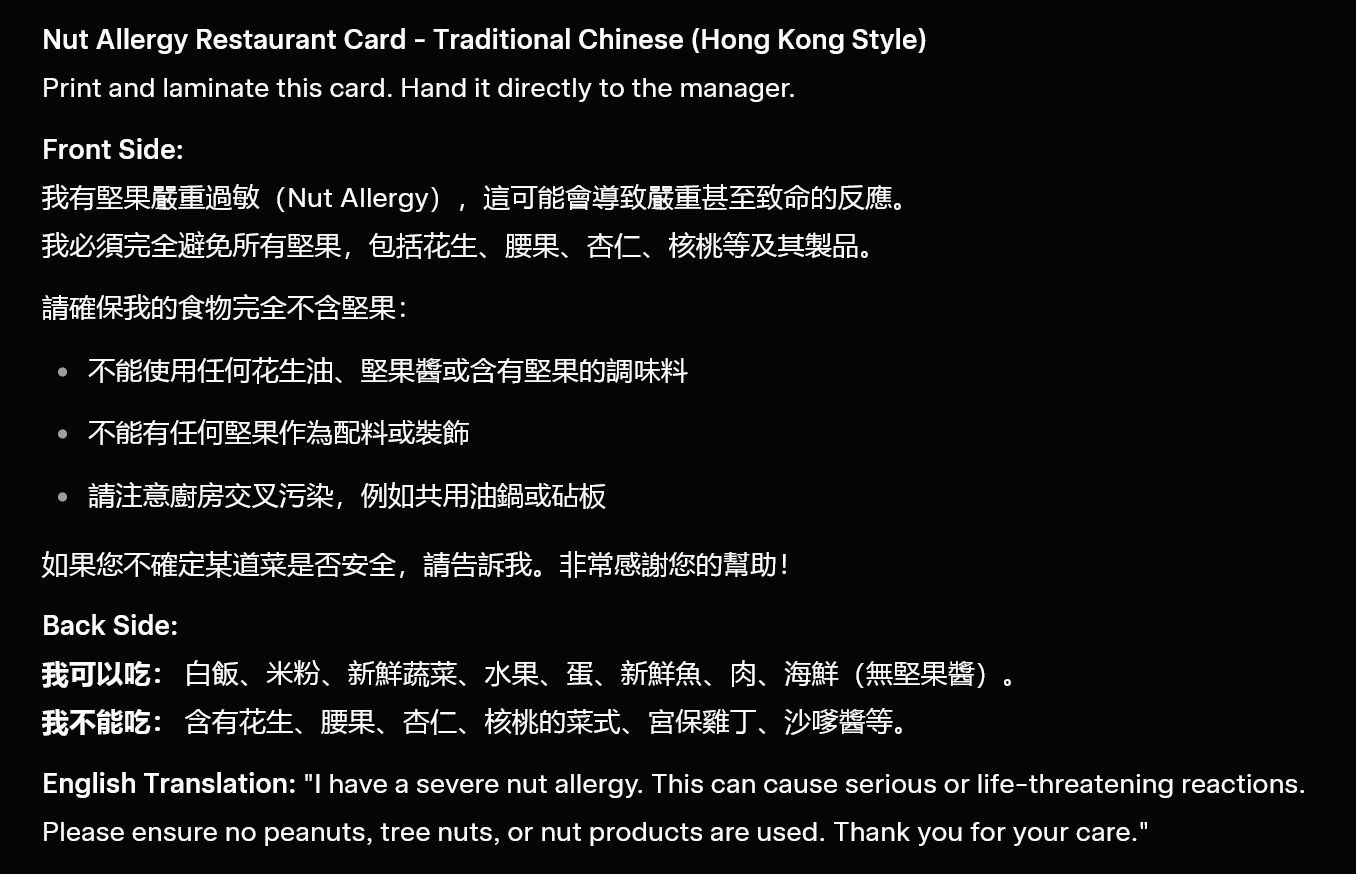
click on any image to enlarge
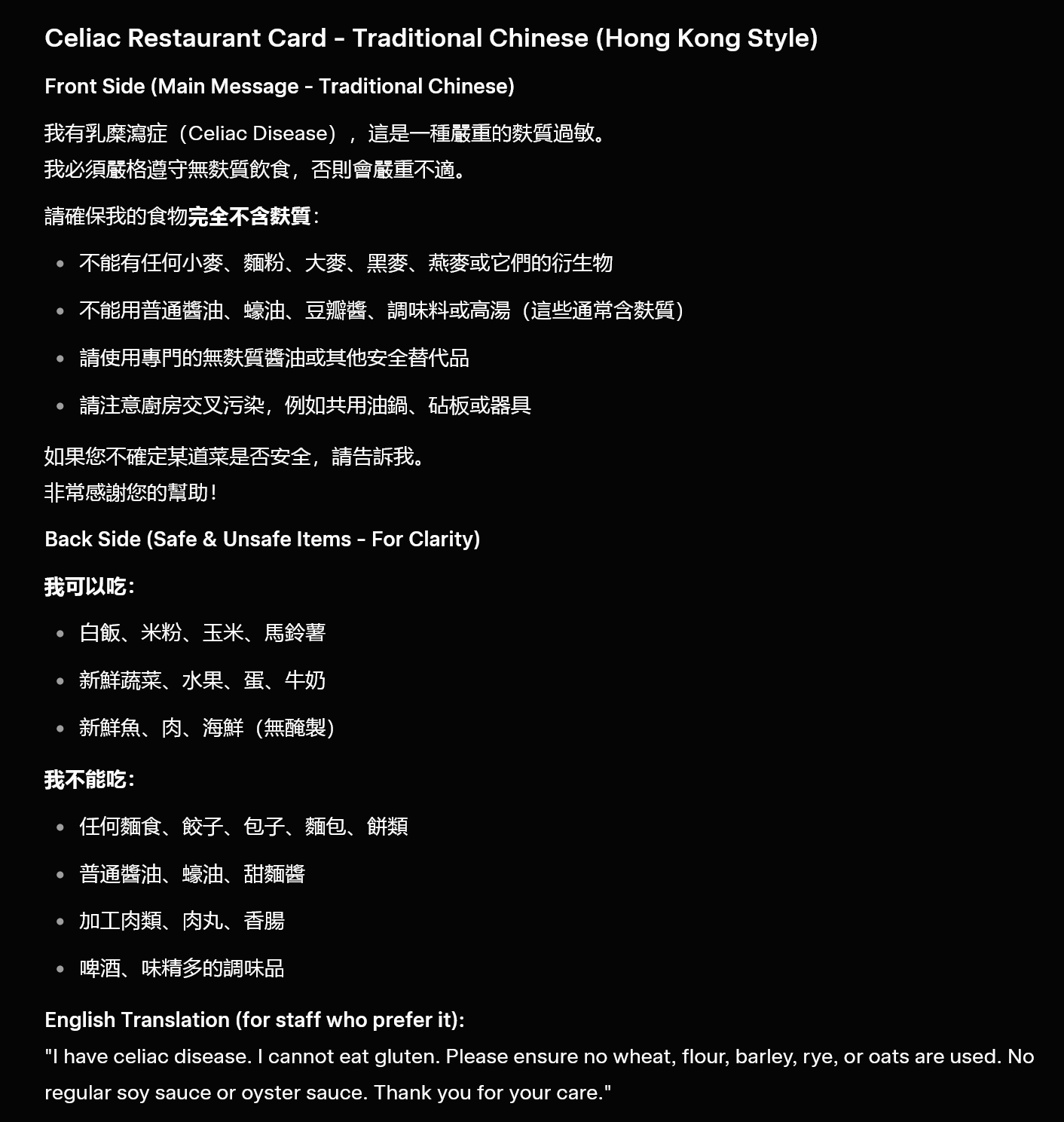
The information above can be shown to restaurant managers in Hong Kong if you are intolerant to gluten and nuts,
I do not do food tours as mentioned above, I have very specific reasons and part of it is that I do not speak Cantonese or write Chinese, I am from Yorkshire in England and I lack the language gene and it is not through lack of trying and yes a lot of restaurants do not have English menu’s or staff who speak conversational English.
.. and yet I have eaten at close to 1,400 restaurants in Hong Kong since January 2nd 1972, my wife was born in Hong Kong and we have been together over 40 years and her first language is Cantonese and a lot of her family are Chinese or half Chinese so I have never had much of an issue!
This does not translate to doing food tours though, yes, I could do them, no problem there but they would never ever be as good as the food tours done by my friends (see the 3 links above) most of their awesome guides are locally born Hong Kong Chinese and obviously food culture is part of their DNA, it is impossible for me to compete with that!
So please feel free to contact them for food tours
I do not do Hiking Tours in Hong Kong but I know someone that does!
I do not do Hiking Tours, never have and never will even though I used to go Hiking a lot when I was a lot younger, The Hong Kong Government is promoting hiking tours so I urge you to contact my friend Sabrina at Hong Kong Trails and Tours, she is a long time Hong Kong resident and and a very experienced hiker with close to 700 Hikes in 15+ years under her belt, please click on the link below
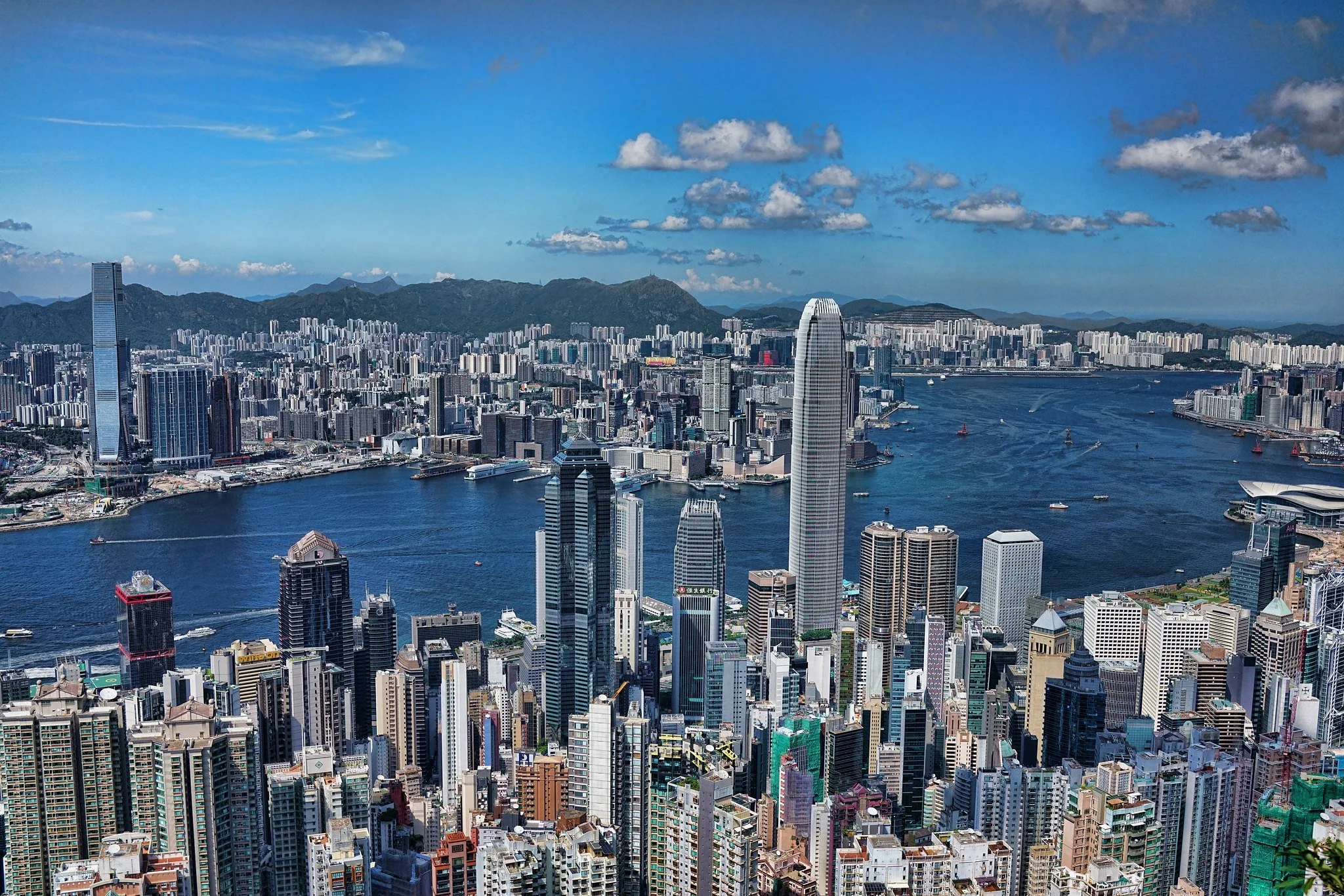
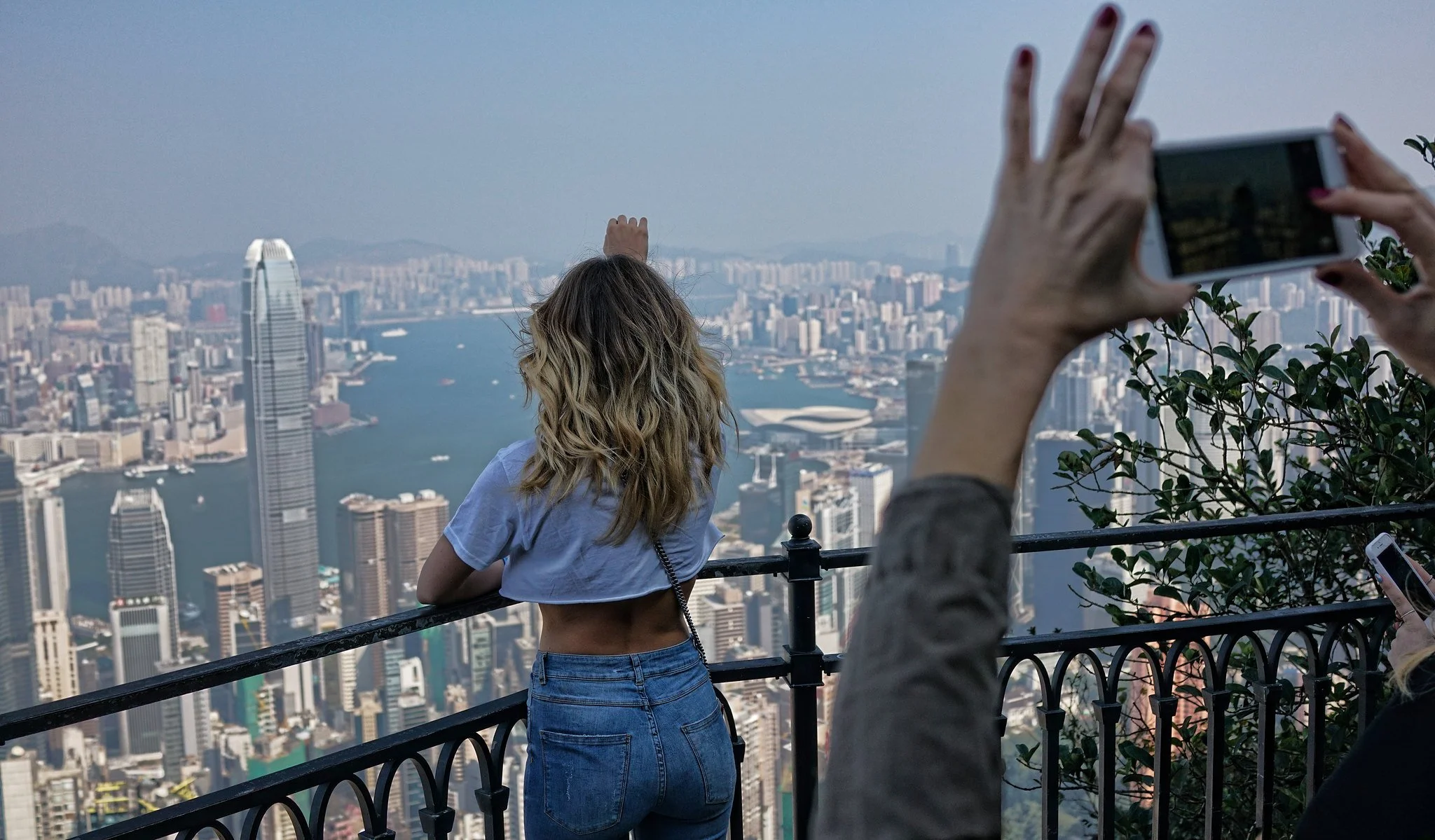
click on any image to enlarge
© Copyright Acknowledged | All rights reserved | images taken by Jamie