From Kowloon Streets to Global Legend and the Path to Fame
The J3 Group - Premium Quality Private Tours | Experiences and Insider Chats since 2010
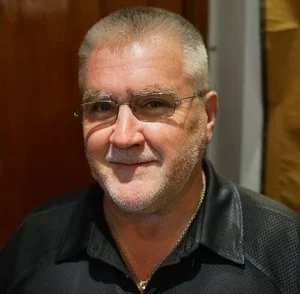
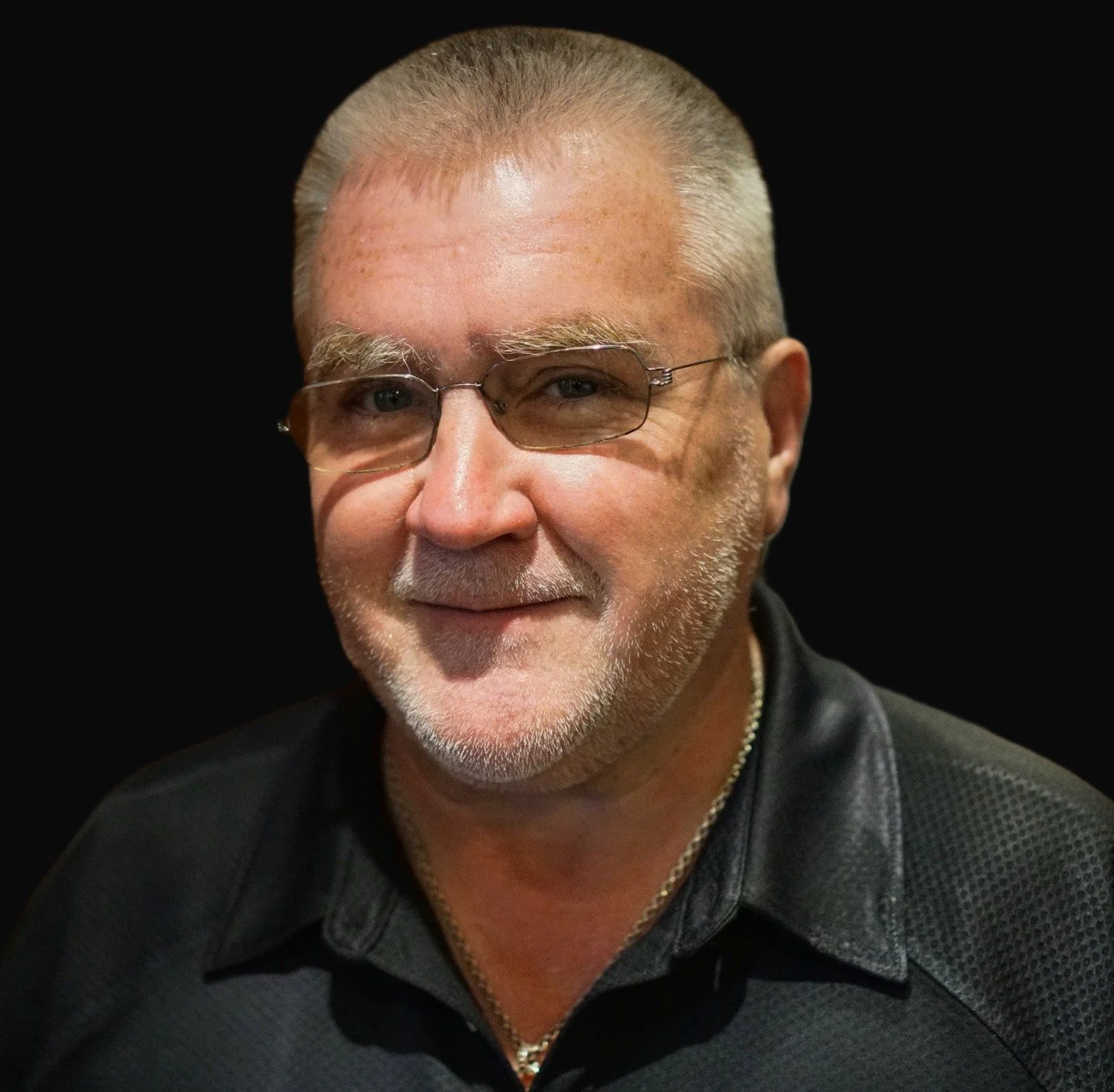
Me Jamie, your host, I am English and I have lived in Hong Kong since January 2nd 1972 - I know the place.
A meaningful blog post with a difference - tips on Travel, Tourism, Tours, Daily Life and my personal thoughts on Hong Kong.
Please do visit Amazing Hong Kong
Hong Kong | Pearl of the Orient


A Resident since 1972 - Private Tours of Hong Kong with Jamie
The Best Things to do in Hong Kong
click on the image to enlarge
© Copyright Acknowledged | All rights reserved | image created by Jamie
Bruce Lee - Hong Kong Kung Fu Icon and Enduring Legend
Foreword by Jamie
From Kowloon Streets to Global Legend and the Path to Fame
After more than 50 years living in this city, Bruce Lee is more than a film star to me. He is part of the fabric of Hong Kong in a way that still shows up in ordinary places. You see his face on faded posters in older shops in Mong Kok or Sham Shui Po, the bronze statue on the Avenue of Stars, and every so often a visitor asks where he trained or which school he went to. The movies made him famous, but the real story is a Hong Kong boy who grew up in crowded Kowloon flats, walked the same streets a lot of us still know, went to local Catholic schools, and trained under a local Wing Chun master. He left at 18 because of street trouble, came back as a star in 1971, and died here two years later. The city never really let him go.
What strikes me after all these years is how ordinary the early life was by Hong Kong standards of the time. Crowded homes, Japanese occupation memories, school fights, rooftop scraps, and a father who was already in the film and opera world. That is the part that still feels close when you walk through the older parts of Kowloon. The global legend came later. The Hong Kong part came first. A lot of the details people repeat on tours or in casual conversation have grown a bit of a myth around them over the years. The core is solid enough. The rest is the usual Hong Kong mix of memory, story, and a bit of colour.
Birth and the Return to Hong Kong
Bruce Lee was born Lee Jun-fan on 27th November 1940 at the Chinese Hospital in San Francisco’s Chinatown. His father, Lee Hoi-chuen, was a well known Cantonese opera singer and actor based in Hong Kong. He had taken his wife Grace Ho on a tour of the United States. Grace was Eurasian, with Chinese and German ancestry from a well connected family that had money and standing in both Shanghai and Hong Kong. Bruce arrived in the hour of the Dragon as well as the year of the Dragon, between 6 and 8 in the morning. The attending doctor gave him the English name Bruce. The Chinese name Jun-fan carries the idea of returning to or invigorating San Francisco. The family did not stay. Within a few months, around April 1941, they came back to Hong Kong. Bruce spent almost his entire childhood and teenage years here until he left at 18.
That return is the start of the real story for anyone who lives here. He was an American citizen by birth, but he was raised as a Hong Kong boy. The Japanese occupation began later the same year he came back, and it ran until 1945. One of the stories that stuck with him was shaking his fist at the Japanese planes that flew over the city. Those years left marks on a lot of people who lived through them. Bruce was just a small child, but the memory stayed. The family settled into ordinary Kowloon life after the war. His father continued in opera and films, and the boy grew up around both.
Growing Up in Kowloon, Hong Kon
The family home was a crowded two bedroom flat in Kowloon. One address that comes up is near 218 Nathan Road. Relatives, a sister in law and her children, servants, and various pets filled the place. It was the kind of tight living a lot of families knew in those years. Bruce’s father was already working in Cantonese opera and films, so the boy was around sets from a very young age. He appeared as an infant in Golden Gate Girl, a Hong Kong production filmed in San Francisco, and went on to act in roughly 20 Hong Kong films before he turned 18.
His first real leading role came in 1950 with The Kid, playing Kid Cheung, based on a comic character. He was about 9 or 10. The child actor years were steady work rather than stardom. He was often cast as a street urchin or a boy in trouble, which was not far from the life he was living off screen. By the time he left Hong Kong he had already been in front of the camera for most of his life. That early exposure mattered later. He knew how sets worked and he was comfortable in front of a camera long before the martial arts films. The streets of Kowloon were his other classroom. After school and between film jobs he was out with other boys, testing himself the way a lot of kids did then.
Schools and Street Life in Hong Kong
He started at Tak Sun School, a short walk from the Nathan Road home. At about age 12 he entered the primary section of La Salle College, the Catholic English-speaking boys school. He was not a model student. Grades were poor, he preferred fights to classes, and he got involved in scraps with British boys from the nearby King George V School (and our no. 2 son went to the new version of KGV!) The local boys called it Limey Bashing. It was the usual after school tension between groups in those years. He was known as a troublemaker and eventually left La Salle.
In 1956 he was moved to St. Francis Xavier’s College. There a teacher and boxing coach, Brother Edward, took an interest. Bruce entered the inter school boxing tournament and won it by knocking out the previous champion. That was one of the clearer early signs of how fast and hard he could hit. He was also a keen cha-cha dancer and in 1958 became the Crown Colony cha-cha champion of Hong Kong. The balance and rhythm from the dancing later showed up in the way he moved on screen. Street fighting continued through all of this. He ran with groups, carried chains, and got into enough trouble that his parents eventually decided he should leave Hong Kong before the police got more involved. The decision was practical. A lot of boys from that generation got pulled deeper into the street life. His parents chose the boat to America instead.
Martial Arts Training with Ip Man
The street fights pushed him toward formal training. Around 1953 or 1954, when he was 13 or 14, a friend named William Cheung introduced him to Ip Man, the Wing Chun master. At first Ip Man’s school was reluctant because of Bruce’s mixed Eurasian background. Traditional schools of the time often refused to teach outsiders. William spoke up, and Bruce was accepted. He trained for about 5 years, often privately with senior student Wong Shun Leung when other students hesitated to work with him. The training was close range, fast hands, practical. It was not the high flying stage style that later filled so many films. It was the kind of thing that worked in the tight spaces of Kowloon rooftops and alleys.
Ip Man himself had arrived in Hong Kong as a refugee after 1949 and taught in a series of temporary spaces. Early classes were at the Restaurant Workers Union premises, then in Sham Shui Po, later on Lee Tat Street in Yau Ma Tei, and other rented spots as the student numbers grew or the rent changed. The formal Ving Tsun Athletic Association and related rooms came later, in the mid to late 1960s. Bruce’s main years of training were the mid 1950s. A lot of the hands-on work was with the senior students rather than daily one-to-one time with Ip Man himself. That was normal in the school at the time.
There is a local story that places the training gym in the building on the corner of Nathan Road and Peking Road, the same building that now houses ShoeString Travel. That building is Alpha House. The Yip Man Martial Arts Athletic Association later used space there (and at Mirador Mansion further up Nathan Road). Visitors and some tour operators still point to it as “the” place. It is a tidy story and the building has a real connection to the lineage through Ip Man’s students who kept teaching there. Whether Bruce himself trained in that exact room in the 1950s is less clear. The earlier locations were further north in Kowloon. The Nathan Road rooms came after he had already left for America. Myth and memory often settle on the most convenient surviving address. The practical point is the same either way. The training happened in ordinary rented spaces in Kowloon, not in a grand temple or a purpose-built hall.
He also picked up some boxing at school and had earlier exposure to tai chi through his father. This period shaped everything that came later. The speed, the economy of movement, the idea that a style should serve the fighter rather than the other way round, all started on the streets and in the Wing Chun hall in Hong Kong. When he later talked about absorbing what is useful and discarding what is not, he was talking about lessons learned here. The formal training was short by traditional standards, but it was intense and it was local.
Marriage, Citizenship and Languages
Bruce left Hong Kong in April 1959 on a boat for San Francisco, then made his way to Seattle. He studied at the University of Washington, taught martial arts, and developed his own approach which became Jeet Kune Do. In 1964 he married Linda Emery, an American student who had taken his classes. They had two children: Brandon in 1965 and Shannon in 1969. Because he was born in the United States he held American citizenship by birth. He was also a British subject through his Hong Kong upbringing. Those two papers sat side by side for the rest of his life.
His first language was Cantonese. He spoke fluent English from his school years and time in America. Mandarin was not his language. Most of his Hong Kong work was in Cantonese or later dubbed. When he came back in 1971 the local audiences already knew the voice and the face from the earlier films and from the street reputation that had travelled with him. The language connection mattered. He was not a visitor speaking something else. He was speaking the language of the city he grew up in.
The Hong Kong Movie Years
After some Hollywood work, including the role of Kato in The Green Hornet, Bruce returned to Hong Kong in 1971. Golden Harvest signed him. The Big Boss (Tang Shan Da Xiong) came out that year and broke records. More than a quarter of Hong Kong’s population went to see it. Fist of Fury followed in 1972 and did even better. Then came Way of the Dragon, which he wrote, directed, produced and starred in. That one was more personal. He controlled more of the story and the fights. Enter the Dragon, a Hong Kong and American co-production, was filmed largely here and released just after his death. These films turned him into a global star and put Hong Kong martial arts cinema on the map in a way that had not happened before.
The working conditions on the early ones were rough by Hollywood standards. Budgets were tight, the heat was the usual Hong Kong summer heat, and the schedules were hard. He still delivered. The local audience responded because the fights looked different. They looked faster and more practical than a lot of what had come before. That difference started with the training he had done years earlier on the streets and with Ip Man.
Adult Films Made or Shot in Hong Kong
The Big Boss (1971)
Fist of Fury (1972)
Way of the Dragon (1972)
Enter the Dragon (1973)
He had already made around 20 films as a child actor in Hong Kong between the late 1940s and 1960. The child list includes The Kid, Infancy, various orphan and family dramas, and smaller roles in bigger productions. Most of those early films are little watched today, but they were part of the ordinary working life of a Hong Kong child actor at the time.
Death and Legacy in Hong Kong
On 20th July 1973 Bruce Lee died in Kowloon at the age of 32. The official cause was cerebral edema. He had been at the apartment of actress Betty Ting Pei, taken a painkiller for a headache, and was found unconscious. He was due to meet people that evening about the next film. He was buried in Seattle next to the place he had built his teaching life. Hong Kong still claims him. The statue on the Avenue of Stars, the stories that circulate in the old neighbourhoods, the occasional tour request that starts with “where did Bruce Lee train?”, and the way his face still turns up in shops all show the connection remains strong. He left at 18, came back as a star, and in the end the city kept him.
What stays with me is how short the peak was. From the 1971 return to the 1973 death is barely two years. In that time he changed how a lot of people outside Asia saw martial arts and how a lot of people inside Hong Kong saw their own cinema. The earlier years, the ones spent in the crowded flat, the schools, and the Wing Chun hall, are the part that still feels local when you walk the same streets. The exact address of the training room has become part of the local story. The real legacy is the style that came out of those years and the films that carried it further than anyone expected.
The Bruce Lee Exhibition at Hong Kong Heritage Museum, Sha Tin
I paid a visit to the Bruce Lee exhibition at the Hong Kong Heritage Museum in Sha Tin and only later realised it is still running. The current show is called A Man Beyond the Ordinary: Bruce Lee. It opened in November 2021 as a revamped version of the earlier Bruce Lee: Kung Fu · Art · Life exhibition and has been extended through to 20th July 2029. Admission is free. It sits on the second floor in Thematic Gallery 6 at 1 Man Lam Road, Sha Tin.
The museum is open from about 10 in the morning to 6 in the evening on weekdays and until 7 on weekends and public holidays. It is closed on Tuesdays unless that Tuesday is a public holiday. Inside you will find around 400 items of memorabilia, photographs, film posters, personal pieces, and the classic yellow tracksuit from Game of Death. There are large-scale light projections and interactive installations as well. Photography is not allowed inside because of copyright. I had no idea the exhibition was still going this long after the original 2013 run. It is one of the clearer places in the city where the local story and the global legend sit in the same room.
A Few Obtuse Facts
Born in the hour and year of the Dragon, hence the Little Dragon screen name.
Name Jun-fan roughly means return to or invigorate San Francisco.
Mixed German ancestry on his mother’s side
He initially blocked traditional kung fu training.
Won both a school boxing title and the Hong Kong cha-cha championship.
Crowded family flat included relatives, servants and pets.
Left Hong Kong in 1959 because of street fighting and police attention.
Jeet Kune Do grew out of the practical lessons he learned on Hong Kong streets and in Ip Man’s hall.
First leading film role at about age 9 or 10 in The Kid.
Enter the Dragon was released days after his death.
Buried in Seattle, not in Hong Kong.
Local stories still place the Wing Chun training room in Alpha House on the Nathan Road / Peking Road corner, the same building as ShoeString Travel. The association later used space there. The main 1950s training happened in earlier Kowloon locations further north.
The A Man Beyond the Ordinary: Bruce Lee exhibition at Hong Kong Heritage Museum in Sha Tin runs until 20th July 2029. Free entry. No photography inside.
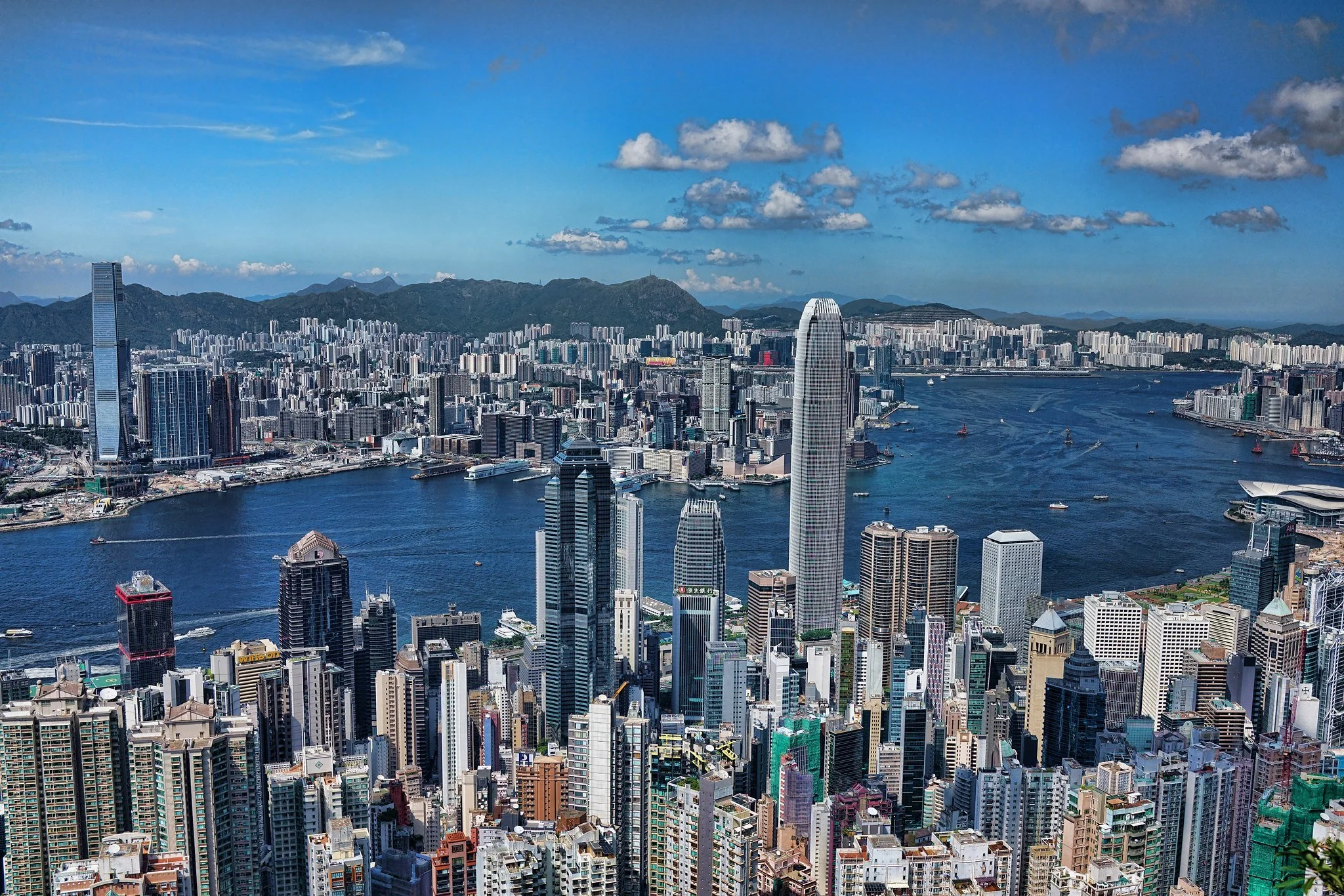
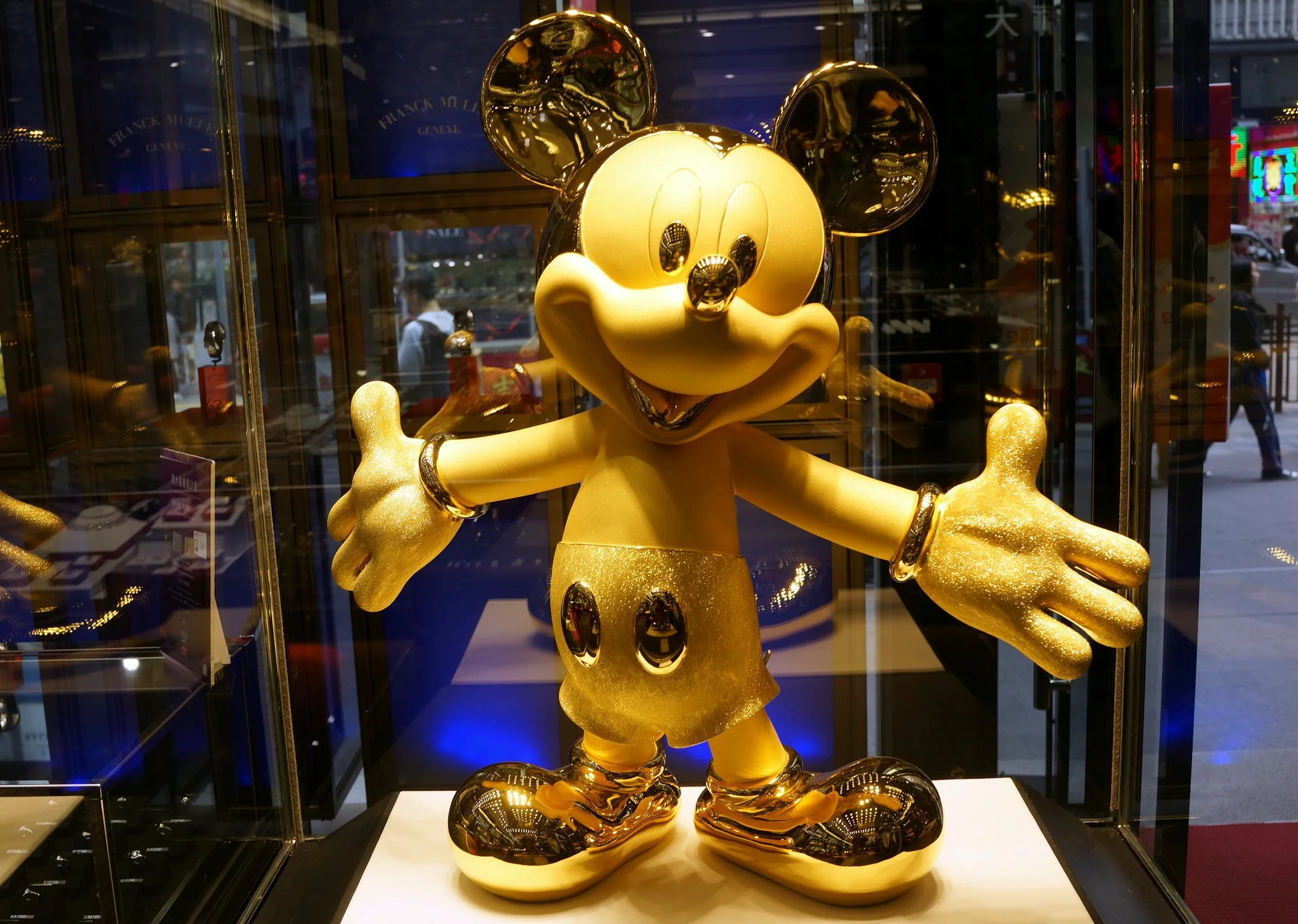
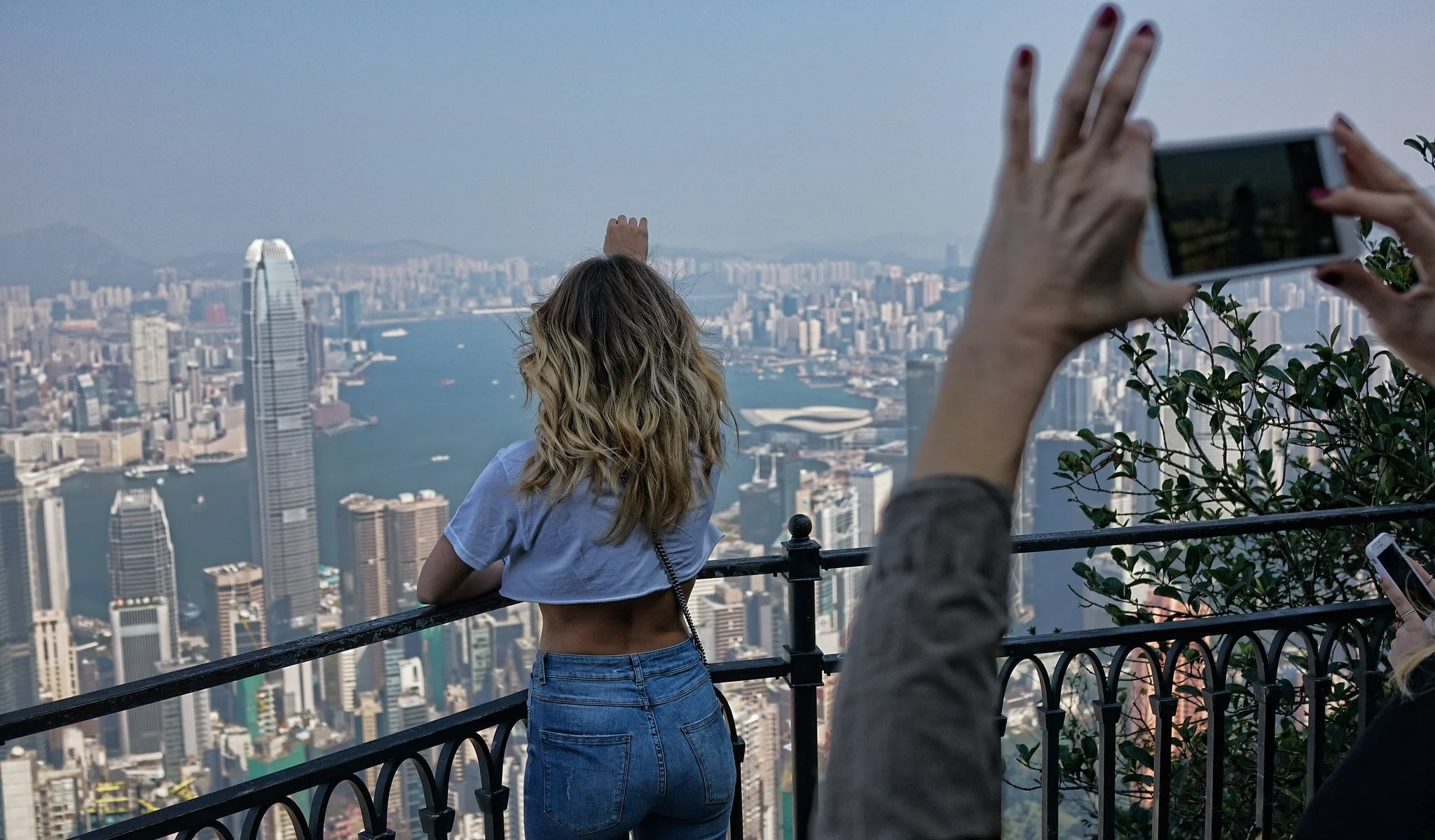
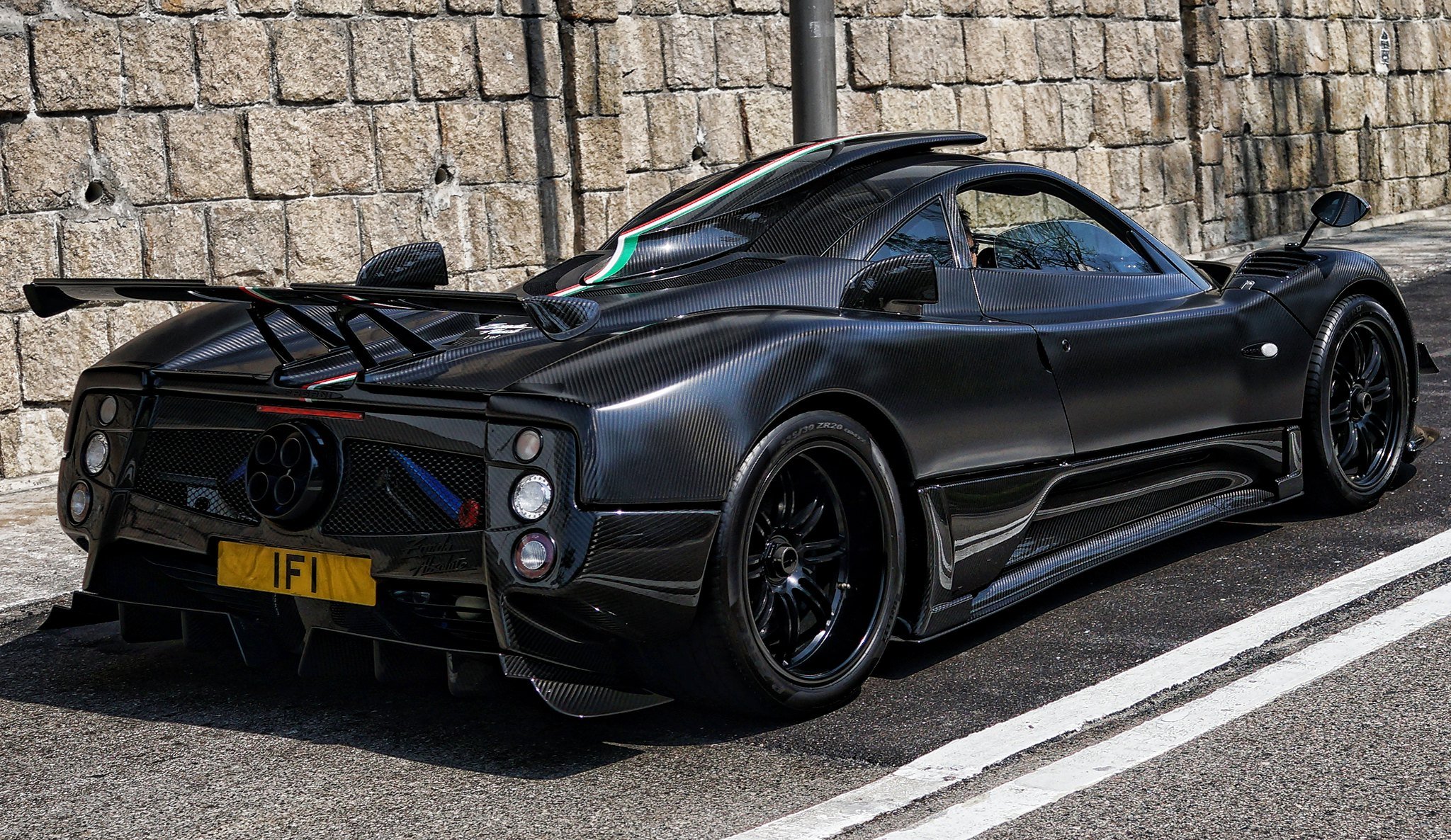
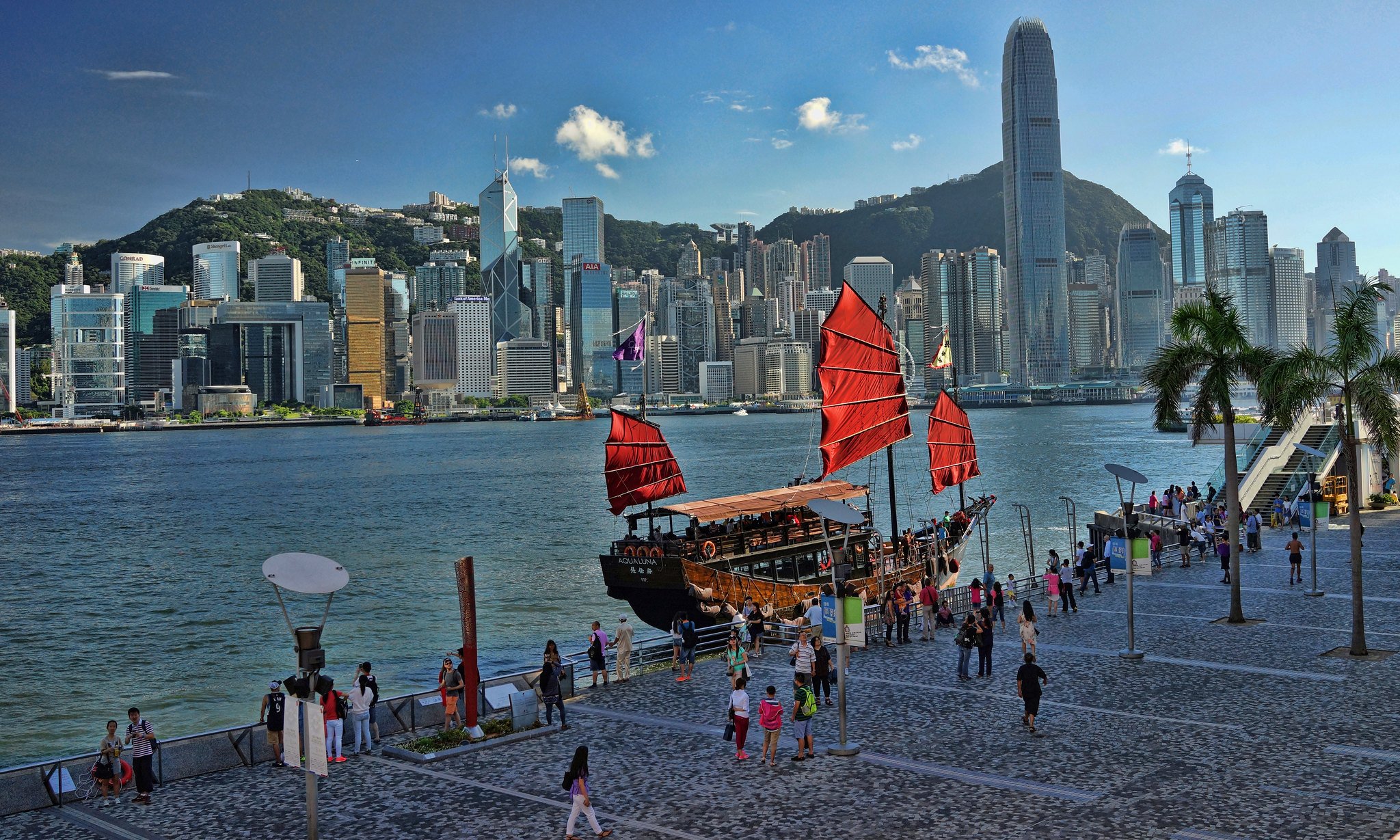
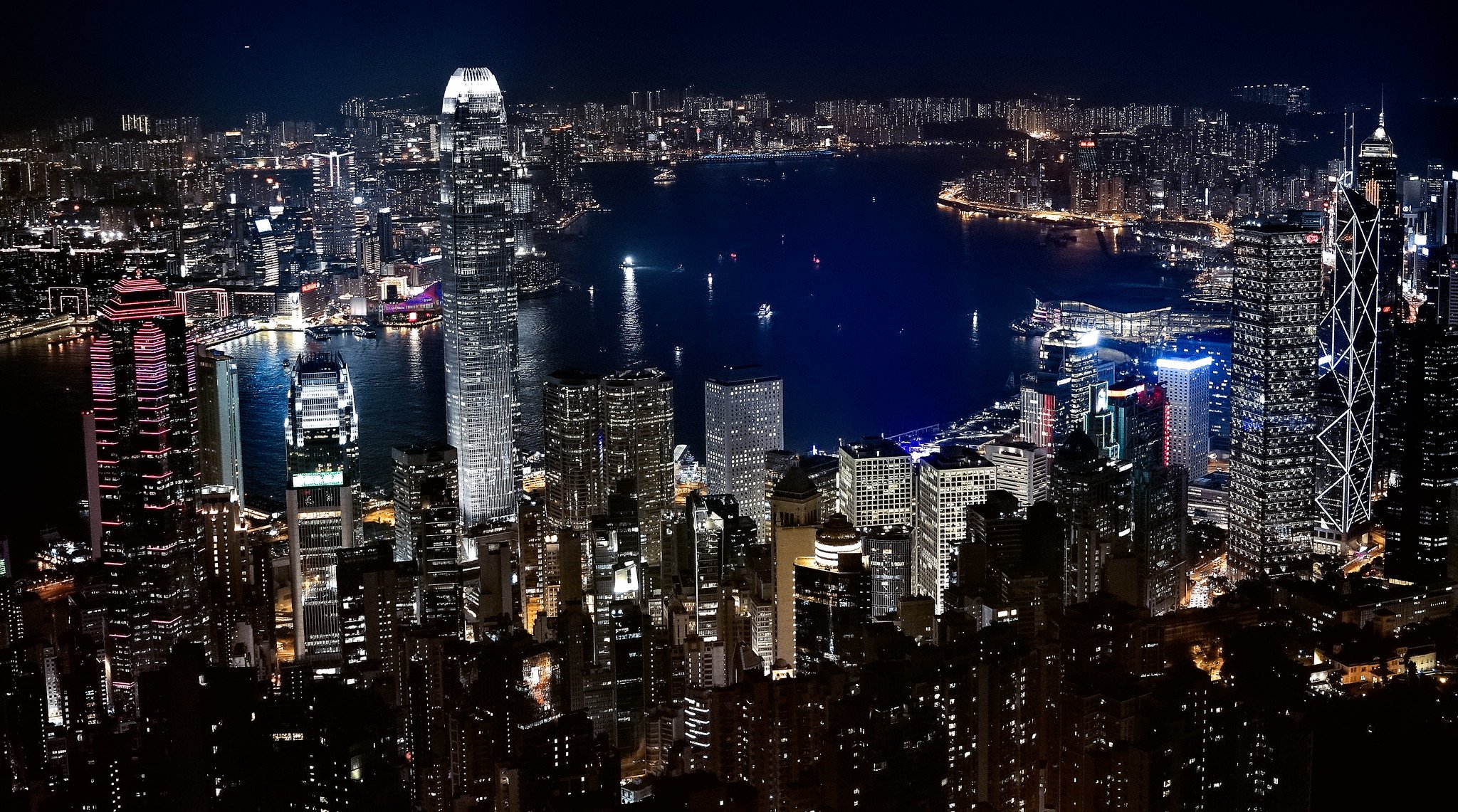
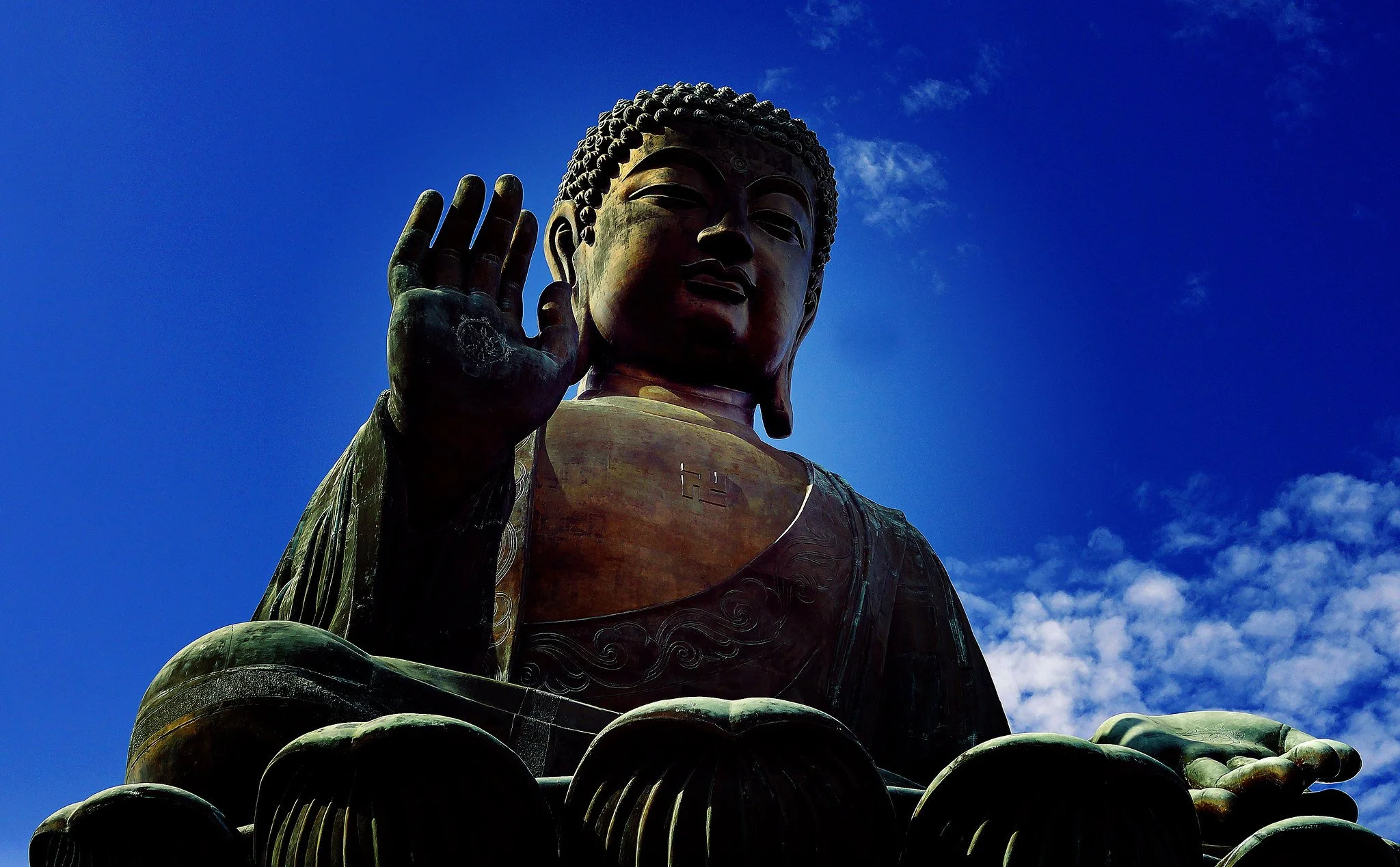
Love the banner artwork that is why there are 4 of them!
So there you go.
click on any image to enlarge
© Copyright Acknowledged | All rights reserved | images taken by Jamie