Why Hong Kong is ending its nightly harbour light show on 18th November 2026

The J3 Group - Premium Quality Private Tours | Experiences and Insider Chats since 2010
Me Jamie, your host, I am English and I have lived in Hong Kong since January 2nd 1972 - I know the place.
A meaningful blog post with a difference - tips on Travel, Tourism, Tours, Daily Life and my personal thoughts on Hong Kong.
Please do visit Amazing Hong Kong
Hong Kong | Pearl of the Orient


A Resident since 1972 - Private Tours of Hong Kong with Jamie
The Best Things to do in Hong Kong
click on the image to enlarge
© Copyright Acknowledged | All rights reserved | image created by Jamie
The Hong Kong Symphony of Lights - Final performance after 22 years
WhatForeword by Jamie
Why Hong Kong is ending its nightly harbour light show on 18th November 2026
Pretty much every guest I have ever had has asked me what there is to do at night in Hong Kong. They have almost always heard of the light show. Some have seen photographs of the lasers over the harbour, some have been told by friends that it is one of those things you have to do if you are in town for the evening. For more than twenty years it has been the default answer when someone wants a free night time experience that feels like Hong Kong. The announcement that the final performance will take place on 18th November 2026, complete with extra pyrotechnics, herefore lands differently here than it might in a press release. It is the end of something that has been part of the city’s evening routine for a generation of visitors and a fair number of locals as well.
The government has said there is no plan to replace it with another permanent nightly show. There are vague mentions of smaller one off events and seasonal light festivals, but nothing concrete that will run every evening across the harbour the way this one has. That still strikes me as very odd. Night time options have always been one of the first questions guests ask, and the light show has been the easiest free answer for years. Ending it without a clear, regular replacement leaves a gap that is hard to fill with vague promises of something smaller somewhere else at some point in the year.
What exactly will change
After the final performance on 18th November 2026, the coordinated Symphony of Lights show itself ends. That means:
No more nightly 8pm synchronised performance
No more lasers
No more coordinated searchlights / beam lights sweeping across the harbour in time with the music
No more central music or the timed colour changes that were programmed specifically for the show
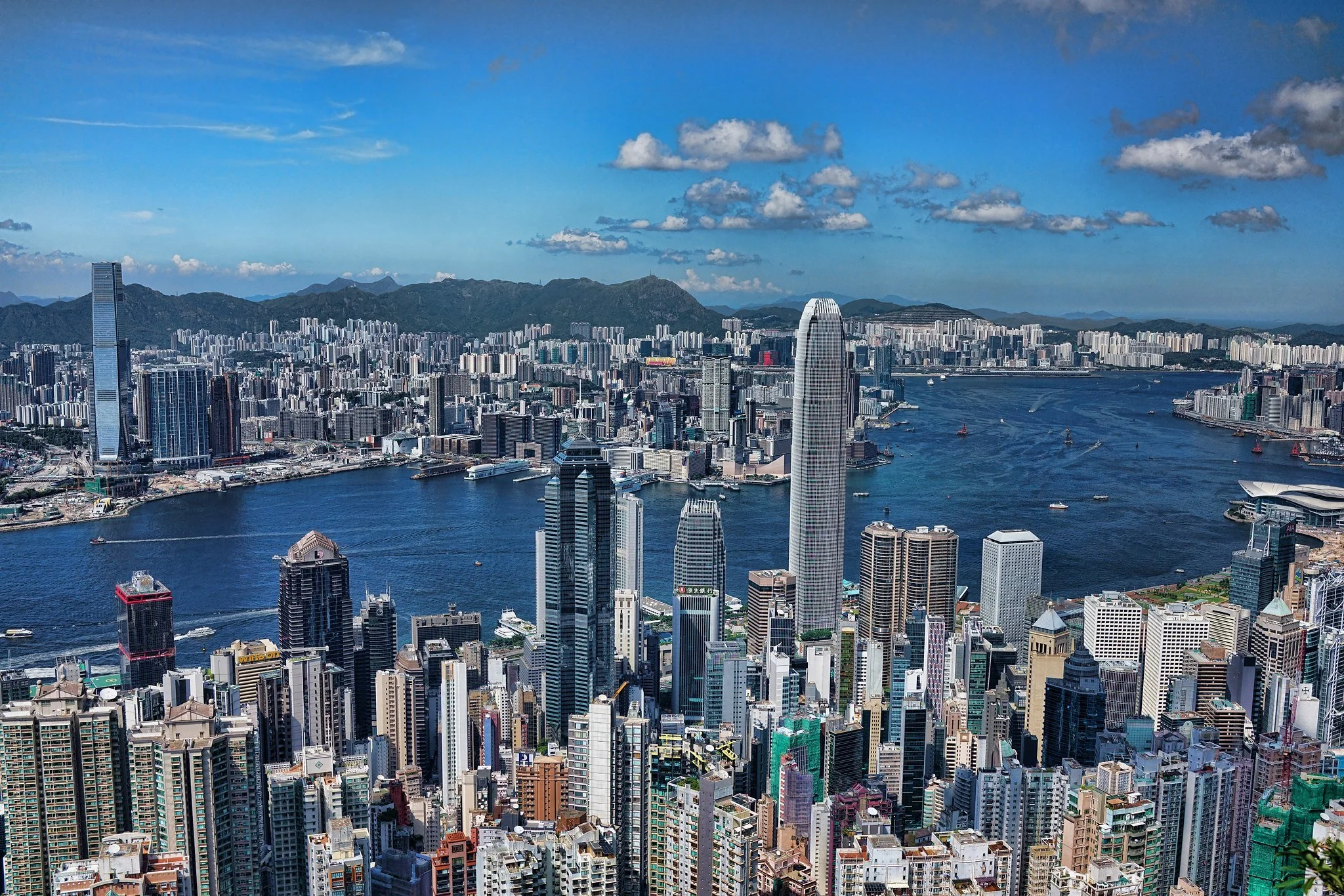
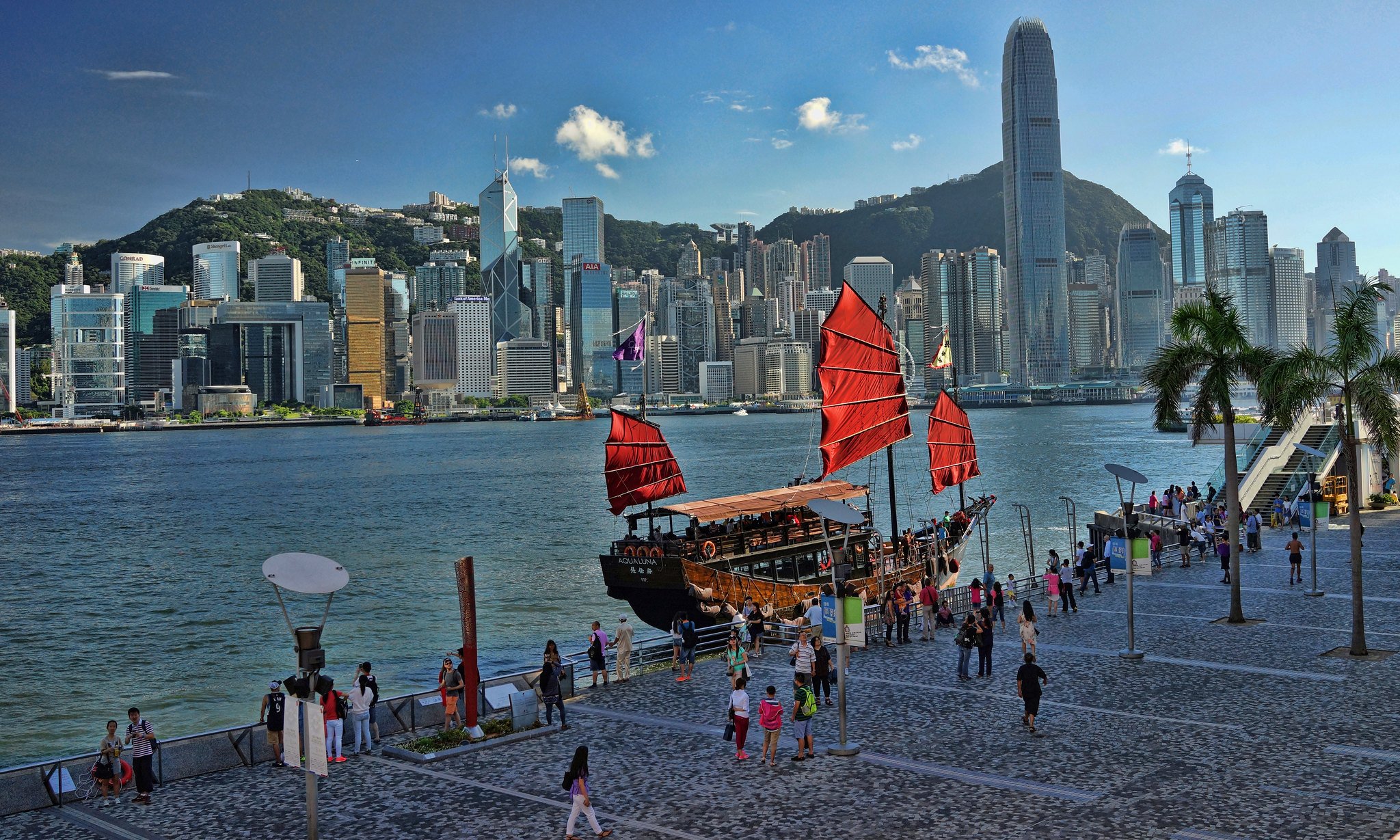
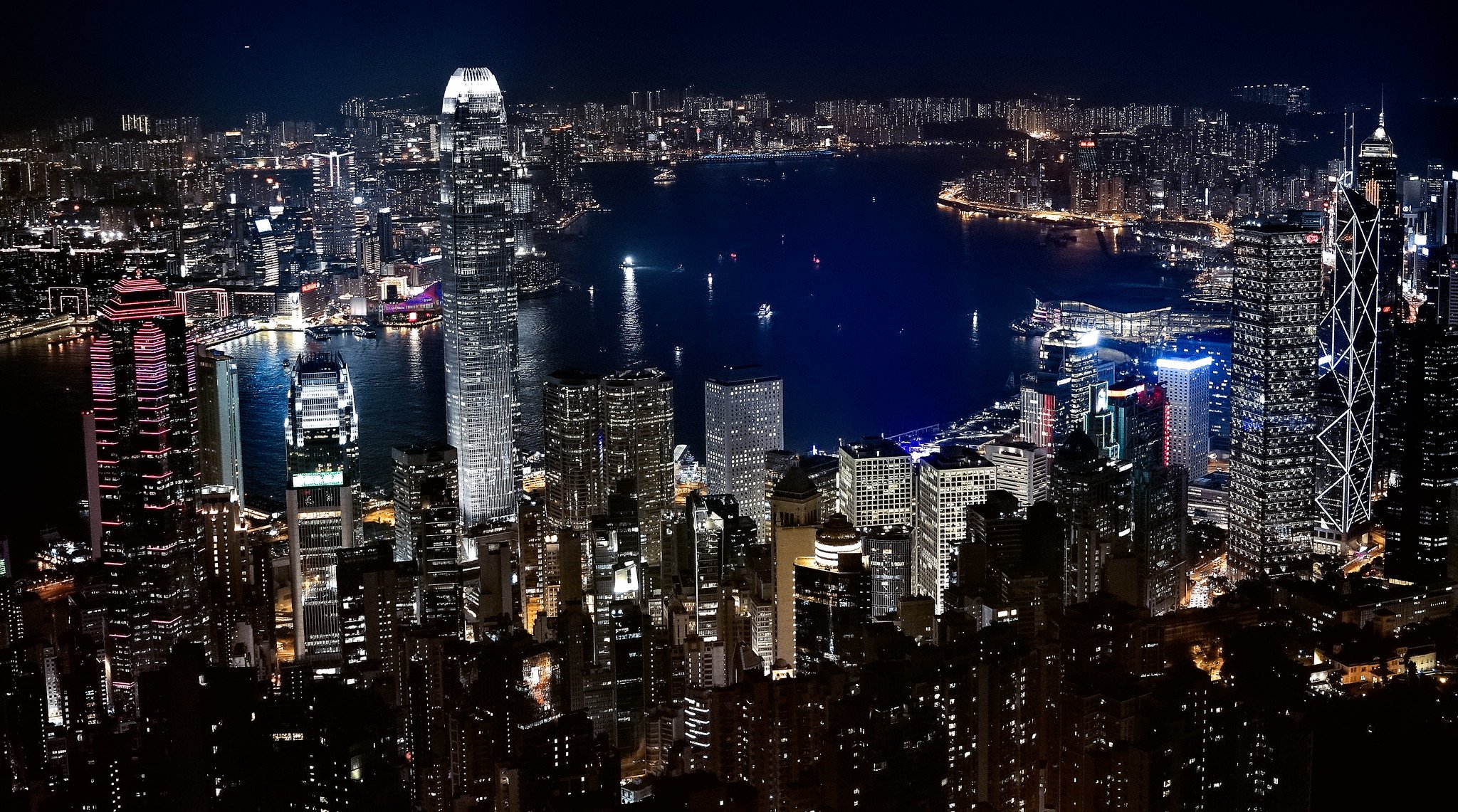
The ordinary building lighting remains. The individual skyscrapers will continue to be illuminated at night exactly as they have been for years. Those lights are controlled by the building owners themselves and are not part of the government run show. The skyline from Tsim Sha Tsui or from the water will still look lit up after dark; it simply will not perform the 10 minute light and sound routine at 8pm any longer.
In short: the permanent night time illumination of the buildings stays; the temporary, coordinated performance layer (lasers, music, synchronised effects) stop
How it started - The Symphony of Lights Laser Light Shoiw
The show began on 17th January 2004. It was organised by the Hong Kong Tourism Board and involved eighteen buildings along the Hong Kong Island side of Victoria Harbour. The idea was a coordinated light and sound display that would run every night at 8pm, weather permitting, and give the city a signature night time attraction after the SARS period. It expanded over the years to include buildings on the Kowloon side as well. By the later stages there were around forty four buildings and landmarks taking part. In November 2005 it was recognised by Guinness World Records as the world’s largest permanent light and sound show.
The format stayed roughly the same for most of its life. Music, coloured searchlights, lasers and building lighting for about 10 minutes. A major refresh happened in 2017 with a new score recorded by the Hong Kong Philharmonic Orchestra, more beam lights and LED screens, and a slightly shorter running time. Special pyrotechnic effects were added on certain nights. The best places to watch were the Tsim Sha Tsui waterfront, or from a harbour ferry or a private boat.
Key numbers and changes over the years
Started: 17th January 2004
Final performance: 18th November 2026 (with added pyrotechnics)
Running time: roughly 10 minutes every night at 8pm
Participating buildings: started with 18, later around 40 to 44
Guinness record: world’s largest permanent light and sound show (2005)
Major refresh: December 2017 (new music, extra lighting effects)
Cost to the public purse over the years has been substantial; recent figures mentioned for redesign or related work have run into the hundreds of millions of Hong Kong dollars
The show became one of the things people photographed and shared. It was free, it was on every night, and it used the skyline itself as the stage. For first time visitors it often ticked a box. For people who live here it became background, something you noticed if you happened to be on the waterfront at the right time and I have to say in recent years the crowds that overwhelmed TST Promenade at night in Kowloon just made for a horrible experience.
Why the Government is ending the Light Show
The official line is that the show has run its course. Maintaining the hardware on so many buildings, the software, the coordination and the nightly operation has become expensive. There is also a sense that the same routine every night has lost some of its appeal for repeat visitors and for residents. The plan is to move towards seasonal light shows and one off events at different locations rather than one fixed harbour wide performance every evening. WinterFest is being expanded this year and will open on the same day as the final Symphony of Lights performance, with new installations in Central, Tsim Sha Tsui and Causeway Bay.
From where I sit that still feels like a step backwards for night time tourism. Guests ask about evening activities almost as soon as they arrive. The light show was the one free, reliable, iconic option that did not require booking or a long walk. Replacing it with “smaller events at different times of the year” leaves a hole. People who arrive on a random Tuesday in March will not have the same easy answer. The harbour will still be lit, of course, but the coordinated show that turned the skyline into a performance will be gone.
I also find the excuses for ending it to be a it lame considering that up until recently they where going to expand it and throw money at it in a major revamp which was quietly shelved. so random events? what one a month? 12 nightly events in one year is not the same as 365 nightly events. I woul;d also bet that the cost of those new 12 events will far exceed the budget for a year round nightly laser light show!
It also reminds me that Hong Kong used to have the neon lights, anyone who has seen images of Nathan Road in Kowloon at night in the 1970’s and 1980’s would agree, it was a magnificent spectacle and again the Government made a huge mistake by removing those neon signs
Light shows around the world and in Asia
Light has always had a way of turning ordinary night into something people will walk out for, stand and watch, and remember. Across the world it moves from pure spectacle to cultural marker, from Christmas street decorations that have run for a century in some European and American cities to the big annual festivals that now draw millions. The common thread is simple enough: light is free to look at, it transforms a familiar place without rebuilding it, and it gives people a reason to be outdoors after dark together.
In Asia the tradition is older and deeper than the modern LED versions. The Chinese Lantern Festival that closes the lunar New Year has run for more than two thousand years. Paper lanterns, processions and temple fairs still draw families. In northern Thailand the Yi Peng festival sends thousands of rice paper sky lanterns up from Chiang Mai on the full moon, while Loy Krathong floats candle lit krathongs on the water the same night. Vietnam’s Hoi An full moon lantern nights, Taiwan’s Pingxi releases and Japan’s Obon floating lanterns all sit in the same family of ideas: light as offering, as wish, as a way of marking time and letting something go. Those older forms have not gone away. They sit alongside the newer urban shows that treat whole skylines as the stage.
Singapore has become one of the clearest modern examples of how a city can keep light shows going strong year after year. Two of them dominate the story.
i Light Singapore began in 2010 as i Light Marina Bay. It was billed as the first sustainable light art festival in Asia and was organised by the Urban Redevelopment Authority. The idea was straightforward: use energy efficient lighting and environmentally minded materials, put the installations in public space around Marina Bay, and keep the entry free. Early editions drew more than 400,000 people. In recent years the figure has climbed close to two million. The festival usually runs for three to four weeks in late May and June. Each year the theme changes and so do most of the artworks. 2026 is built around the idea of Movement, with around fourteen interactive pieces by artists from Singapore and the wider region. Visitors do not simply watch; many of the works respond to touch, steps or presence. The festival has also stretched beyond the original Marina Bay waterfront into neighbouring precincts such as Raffles Place.
It has stayed strong for several plain reasons. It is free. The artworks are new each time, so people who have been before still have a reason to return. It turns a busy working waterfront into a night time gathering place without needing tickets or barriers. The sustainability framing gives it a purpose beyond pure decoration, and the public space setting means locals treat it as part of the city’s ordinary calendar rather than a one off tourist product. After more than fifteen years it is now a fixed part of how Marina Bay works in the early summer.
The longer running nightly show is Garden Rhapsody at Gardens by the Bay. The gardens themselves opened to the public on 29th June 2012. Two nights later, on 2nd July, the first OCBC Garden Rhapsody played at Supertree Grove. It was sponsored by OCBC Bank, which also funded the aerial walkway between two of the larger trees. The original music was by Philip Tan and the lighting by Gabriel Chan. From 2015 the creative direction has been led by lighting designer Adrian Tan and composer Bang Wenfu. The show has run almost every night since, with only short interruptions during the pandemic years.
It is free. It lasts about fifteen minutes and is scheduled at 7.45pm and 8.45pm. Extra performances are added in the festive season. The eighteen Supertrees, ranging from roughly 25 to 50 metres, light up in coordinated patterns that follow the music. The trees are not pure decoration. They carry living plants, collect rainwater, harvest solar energy and help with the cooling systems of the nearby conservatories. The music and lighting themes rotate regularly. In any given year you will find stretches of Asian popular songs performed by local artists, opera, 1970s disco, musical theatre numbers, fantasy soundtracks, Singapore classics timed for National Day, and full Christmas specials. Occasional one off editions have used film scores such as Star Wars.
The show continues to pull crowds for reasons that are easy to see on the ground. The structures themselves do not exist anywhere else; they are instantly recognisable and they look different once the lights are on. The surrounding lawn is open and free, so families and groups treat the show as a picnic rather than a timed attraction. Because the themes change, the same people can come back several times a year and hear something different. It runs in the rain. Gardens by the Bay as a whole has welcomed more than 100 million visitors since it opened, and the free evening show sits at the centre of that. It is also easy to reach by public transport and it sits next to other evening options such as the Spectra water and light show on the Marina Bay Sands waterfront.
Elsewhere in Asia the pattern varies. Shenzhen runs large scale coordinated LED shows across dozens of skyscrapers in the Futian Civic Center area, mainly on Friday and Saturday nights plus holidays. The scale is impressive - tens of buildings, more than a million individual light points in some counts, occasional drone formations - and the shows are framed as a display of the city’s technological confidence. They are free to watch from the surrounding squares and parks. In Japan, seasonal illuminations and the permanent neon of districts such as Shinjuku’s Golden Gai or Osaka’s Dotombori still draw people, while temporary light festivals appear around temples and public parks. Thailand continues to mix its traditional lantern releases with large commercial Christmas style illuminations in Bangkok malls and riverside developments.
One useful contrast sits just up the coast. Yes, Hong Kong’s A Symphony of Lights has run across Victoria Harbour every night since 17th January 2004. It once held the Guinness record as the world’s largest permanent light and sound show. After more than twenty two years it is ending. The final performance is scheduled for 18th November 2026, with added pyrotechnics. The plan is to replace the fixed nightly show with a series of seasonal and rotating light events at different locations. Officials have pointed to high ongoing costs and a sense that the same routine no longer holds the same interest for residents or repeat visitors. The shift is towards shorter, changeable programmes rather than one permanent harbour wide display.
That difference helps explain why Singapore’s two main light events have kept their audiences. Garden Rhapsody is tied to unique architecture that cannot be copied, and it refreshes its soundtrack and colour palette often enough that it does not feel frozen. i Light Singapore is built from the start as a temporary festival of new work, so the novelty is part of the design. Both are free, both sit in well used public space, and both give people a reason to linger outdoors after dark. The older lantern traditions across Asia still work for the same underlying reasons: they mark a shared moment, they are open to anyone who turns up, and they turn ordinary streets, rivers or temple grounds into something briefly extraordinary. The modern shows that last longest tend to do versions of the same thing - keep the access open, change the content, and root the spectacle in a place that already matters to the people who live there.
Why not get full private sponsorship for the Light Show?
There is limited evidence of private companies fully sponsoring (i.e. paying the core costs of) the Symphony of Lights., the Government bleats about the cost so why not get corporate sponsorship?
The show has always been organised by the Hong Kong Tourism Board, a government body. The annual running cost in recent years has been put at around HK$5 million to HK$6 million. That covers coordination, the central control system, programming, maintenance of the shared elements, and upgrades on government buildings.
Private building owners do contribute. They are responsible for the lighting systems on their own buildings and for the ongoing costs of keeping those systems running as part of the show. When the show was set up, several major owners (HSBC is the clearest example) installed substantial new lighting at their own expense so their buildings could take part. Some buildings also carry commercial advertisers on their LED screens that appear during the show (names such as Samsung, LG, China Life and others have appeared in that way over the years). Those are paid advertising placements on individual screens, not sponsorship of the overall production.
There is no public record of a title sponsor or a group of private companies covering the full operating budget the way some large events are funded. It has remained a government tourism product.
I think my point about sponsorship is a reasonable one. HK$6 million a year is not a large sum for Hong Kong’s biggest companies, and the show has had a captive nightly audience on the waterfront for more than two decades. In theory a bank, developer or telecoms firm could have underwritten the central costs in exchange for naming rights or prominent branding. The government has not pursued that route for this particular attraction; it has treated it as a public service. Whether that was a missed opportunity is open to debate, especially now that the decision has been taken to end it rather than find alternative funding.
The Light Show in Hong Kong has been a fixture in Hong Kong for 22 years and despite my criticisms over the years, well at least we had it and again, Singapore wins another battle!
So there you go.

click on any image to enlarge
© Copyright Acknowledged | All rights reserved | images taken by Jamie