10 things you didn’t know about Victoria Park, Causeway Bay, Hong Kong
Queen Victoria Statue, Victoria Park Facilities and Annual Events Guide

The J3 Group - Premium Quality Private Tours | Experiences and Insider Chats since 2010
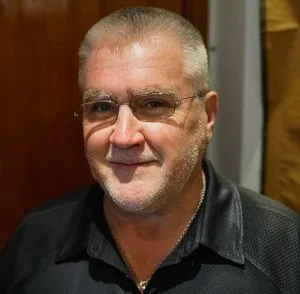
Me Jamie, your host, I am English and I have lived in Hong Kong since January 2nd 1972 - I know the place.
A meaningful blog post with a difference - tips on Travel, Tourism, Tours, Daily Life and my personal thoughts on Hong Kong.
Please do visit Amazing Hong Kong
Hong Kong | Pearl of the Orient


A Resident since 1972 - Private Tours of Hong Kong with Jamie
The Best Things to do in Hong Kong
click on the image to enlarge
© Copyright Acknowledged | All rights reserved | image taken by Jamie
Victoria Park, Causeway Bay | Queen Victoria Statue | Hong Kong
Foreword by Jamie
Victoria Park has been part of the everyday fabric of Causeway Bay for nearly seven decades now. Walk through on a weekday morning and you will find the usual mix of tai chi groups, joggers on the path, and schoolchildren on the courts. Come Sunday and the atmosphere changes completely as large numbers of Indonesian domestic helpers turn the open lawns and shaded spots into their weekly gathering place. It sits right in the middle of one of the busiest districts on Hong Kong Island yet still manages to feel like a proper green lung. The park has seen everything from quiet family afternoons to major public events that have drawn tens or even hundreds of thousands. What follows is a closer look at 10 aspects that often get overlooked or only half-remembered.
1. Complete and detailed history of the development from concept to grand opening of Victoria Park
The land that is now Victoria Park was originally part of the old Causeway Bay Typhoon Shelter. Small fishing boats and yachts used the sheltered water during typhoon season for decades. In the early 1950s the government decided to reclaim the bay. The shoreline was pushed northwards and a new typhoon shelter was created further out. Fill material came partly from rubble of buildings damaged during the war. Construction of the park itself began around August 1954. By November 1954 the name Victoria Park had already been decided. Partial opening took place on 7th September 1957 so the public could start using some areas. The formal grand opening followed in October 1957. On 16th October 1957 Governor Sir Alexander Grantham officiated at a ceremony that included a plaque unveiling and even a diving display at the pool. The park was later refurbished between 2000 and 2002 with improvements to many of the sports facilities. An indoor swimming complex replaced the older outdoor pools and opened in 2013. Embankments on the northern side were completed in 1972 in connection with the Cross-Harbour Tunnel works and Victoria Park Road was paved around the same time.
2. Ownership and responsibility for upkeep of Victoria Park
Victoria Park is owned and managed by the Leisure and Cultural Services Department.(LCSD) It is a public park open free of charge all year. The park grounds themselves are accessible 24 hours a day while the sports facilities have their own opening hours and booking systems. Day-to-day maintenance, cleaning, tree care, and facility management fall under the LCSD Victoria Park management office. The department handles bookings for courts and pitches, organises or approves major events, and keeps the grounds in order. There is no private ownership or lease arrangement for the main body of the park.
3. Exact address of Victoria Park
The official address is 1 Hing Fat Street, Causeway Bay, Hong Kong. The park is bordered by Causeway Road to the south-east, Gloucester Road to the west, Victoria Park Road and the Island Eastern Corridor to the north, and Hing Fat Street to the east. The nearest MTR stations are Tin Hau (Exit A2) and Causeway Bay (Exit E).
4. Official size and estimate in square feet for Victoria Park
Official figures put the area of Victoria Park at over 19 hectares, which is roughly 190,000 square metres or approximately 2,045,000 square feet. It is the largest park on Hong Kong Island and the second largest public park managed by the Leisure and Cultural Services Department in the whole of Hong Kong
The biggest is Tai Po Waterfront Park in the New Territories, which covers 22 hectares - about 2,368,000 square feet. After that comes Victoria Park, followed by Lai Chi Kok Park at 17.65 hectares (around 1,900,000 square feet).
The central lawn inside Victoria Park alone accounts for around 2 hectares, or roughly 215,000 square feet.
5. Why it is called Victoria Park and the Queen Victoria statue
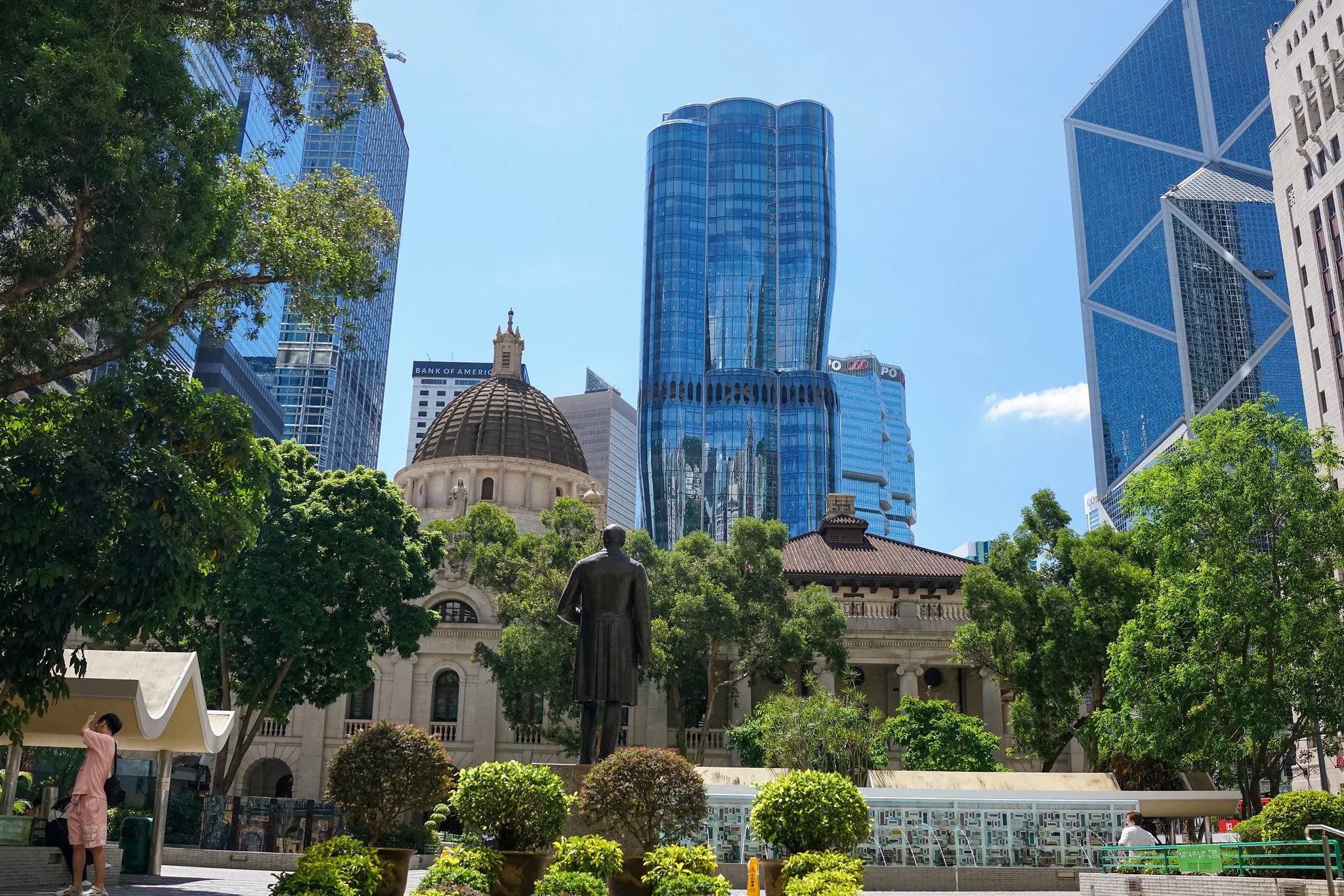
The park takes its name from the statue of Queen Victoria that stands near the main entrance on the Causeway Road side. The bronze statue was sculpted by Mario Raggi in Pimlico, London. It was commissioned to mark Queen Victoria’s Golden Jubilee and was originally unveiled on 28th May 1896 in what is now Statue Square in Central. During the Japanese occupation the statue was removed and sent to Japan for melting down. After the war it was recovered, restored (the right hand and crown had been damaged), and brought back to Hong Kong. It was placed in the new park site some time between 1952 to 1955, and the park was named after it. In September 1996 an artist vandalised the statue by painting it red and damaging the nose; the nose was later repaired at a cost of HK$150,000.
6. Overview of reviews and the five most common positive and negative comments about Victoria Park
Visitor feedback over the years is generally positive, especially among locals who use it regularly and visitors who appreciate the open space. Common positive points include:
A genuine green breathing space right in the middle of Causeway Bay
Excellent range of free or low-cost sports facilities that are well used
Clean, well-maintained grounds and paths
Good for families with playgrounds and open lawns
Atmosphere during major festivals such as the flower show or Mid-Autumn lantern displays
Common negative points include:
Can become extremely crowded on Sundays and during big events
Some areas feel more functional than scenic
Limited shaded seating in certain spots on hot days
Sports courts and pitches can be fully booked at peak times
Occasional disruption or temporary closure of sections for road works or large events
7. Positive press reports over the years about Victoria Park
Because the park has been a fixture for so long it regularly features in local coverage as a reliable public asset. Reports often highlight it as the largest park on Hong Kong Island, a key venue for the annual Hong Kong Flower Show, the Lunar New Year Fair, and Mid-Autumn lantern carnivals. Coverage of the 2000 - 2002 refurbishment and the later indoor swimming complex was generally favourable. The park is frequently described as an important green lung and a practical recreation space that serves both residents and the large numbers of domestic helpers who gather there. Special exhibitions such as the United Buddy Bears display in 2004, which drew over 2 million visitors, also generated positive attention.
8. Facilities and recurring yearly events at Victoria Park
Facilities include a central tennis complex with a main court seating about 3,600 spectators plus another 13 courts, an indoor swimming pool complex, six hard-surface 7-a-side football pitches, outdoor basketball courts, lawn bowling greens with 12 rinks, a roller-skating rink, a handball or volleyball court, children’s playgrounds, a model boat pool, a bandstand, a central lawn of roughly 2 hectares, a jogging path of around 600 to 625 metres with fitness stations, and a pebble walking trail. There are also changing rooms, toilets and kiosks.
Recurring annual events include:
Lunar New Year Fair and flower market (late January or early February depending on the lunar calendar)
Hong Kong Flower Show (usually mid to late March)
Mid-Autumn Festival lantern carnival and related displays
Hong Kong Open tennis events and other professional tournaments on the centre court
Occasional community markets, bazaars and cultural performances
The park has also served as a finishing area or gathering point for the Hong Kong Marathon in some years
9. Attempts to sell off Victoria Park for private redevelopment
No serious or successful attempt to sell the core park land for private commercial or residential redevelopment has come to fruition. The site has remained public open space under government control. There have been discussions and works affecting the edges, particularly in connection with the Central-Wan Chai Bypass and related road schemes in the 2010s, which temporarily took portions of the northern end and caused public concern. Earlier proposals in the 1990s for major internal reconfiguration of sports facilities also drew criticism from green groups over loss of open space. Shoreline enhancement ideas put forward by private parties over the years have sometimes touched on the waterfront edge but have not resulted in the park itself being privatised. The land continues to be managed as public parkland.
10. Largest possible gathering numbers at Victoria Park and comparison with Kai Tak Stadium in Kowloon
Victoria Park’s open areas, particularly the central lawn and surrounding pitches, have hosted very large crowds. Past Lunar New Year Fairs have seen more than 100,000 visitors on peak days. Candlelight gatherings in earlier years were reported by organisers in the range of 100,000 to 180,000 on some occasions, though police figures were always lower. A theoretical maximum for the entire 19-hectare site under dense standing conditions would be substantially higher, but practical limits imposed by pathways, facilities, safety and access mean the realistic upper range for major events has been in the low hundreds of thousands at most.
By comparison, the Kai Tak Sports Park covers 28 hectares in total. Its main stadium has a seated capacity of 50,000. The wider Kai Tak complex includes additional indoor and outdoor venues plus landscaped open space of around 8 to 14 hectares depending on the exact measurement used. Victoria Park therefore offers a larger continuous open-air area for free public gatherings, while Kai Tak Stadium is designed for seated spectators at a fixed capacity of 50,000.
Out of left field and other observations
On Sundays the park is dominated by Indonesian domestic helpers. Numbers are now back above pre-COVID levels and regularly exceed 10,000 on a typical Sunday. A noticeable recent change is the appearance of many small pop-up tents pitched across the lawns and under the trees. The tents give groups a bit of privacy for resting, changing, eating together or simply escaping the open view of passers-by.
Filipinas are almost completely absent from Victoria Park on these days. There is nothing hostile in the separation. It is simply the result of history and different social patterns. The first foreign domestic helpers to arrive in Hong Kong in significant numbers were Filipinas towards the end of the 1970s. They established themselves in Central - Statue Square, the underpasses, Chater Road and the areas around the churches - and those spots have remained their traditional gathering places ever since. Indonesian helpers began arriving in larger numbers in the 1990s and the numbers really took off in the first decade of the 2000s. By then Central was already spoken for, so they settled on Victoria Park, which offered the open space they preferred for larger groups, shared meals and rest.
Religion plays a clear part in the different choices. The majority of Filipino helpers are Catholic or Christian and the churches and denser commercial streets of Central suit their style of gathering. The large majority of Indonesian helpers are Muslim and the more open park setting has long suited their communal activities. Once the two groups had established their preferred territories the pattern simply continued. The shops and services that now cluster around Causeway Bay and Tin Hau exist because the helpers are there - the businesses followed their customers in exactly the same way that Worldwide House and the surrounding streets in Central developed to serve the Filipino community.
Employers have also offered practical reasons for the growth in Indonesian numbers. Many Indonesian helpers arrive with a better working grasp of Cantonese than their Filipino counterparts, and some households have found them less likely to complain even when the workload is heavy. These are observations commonly heard rather than hard rules, but they help explain why the Indonesian presence expanded so strongly from the 2000s onwards.
Reliable recent figures put the total number of foreign domestic helpers in Hong Kong at around 368,000 to 373,000. Of these, Filipinos still form the larger group at roughly 55 percent (approximately 202,000 - 205,000), while Indonesians account for about 42 percent (approximately 155,000–159,000). The remaining few percent come from other countries.
The combination of sports facilities, open lawn and central location keeps Victoria Park heavily used year-round by residents and helpers alike.
So there you go
Customised Private Tours + Experiences in Amazing Hong Kong
Jamie has lived in Hong Kong - Pearl of the Orient for 50+ years
Carefully Crafted Personalised and Customised Itineraries by Jamie | Hong Kong’s Most Experienced Private Tour Guide for : Solo Travellers Friends Families Seniors Couples Business People MICE Delegates.
Private Tours Cultural Tours Walking Tours Sightseeing Tours City Tours Night Tours Layover Tours Transit Tours Private Shore Excursions Bespoke Tours Personalised Tours Jewish Heritage Tours Luxury Private Tours Day Tours Luxury Boat Tours Themed Tours Private Family Tours Private Day Tours Corporate Tours
Just you, your family or friends and Jamie your personal English private tour guide - over 2,400+ tours completed since 2011 - Jamie offers quality Private Tours of Hong Kong
Tour Group Size 1 - 6 people only
J3 Group Hong Kong | J3 Consultants Hong Kong | J3 Private Tours Hong Kong
Creating Memories That Will Last A Lifetime
Go here for the Hong Kong Michelin Restaurant Guide which includes the Bib Gourmand Category

I do not do Food Tours in Hong Kong but I know people that do!
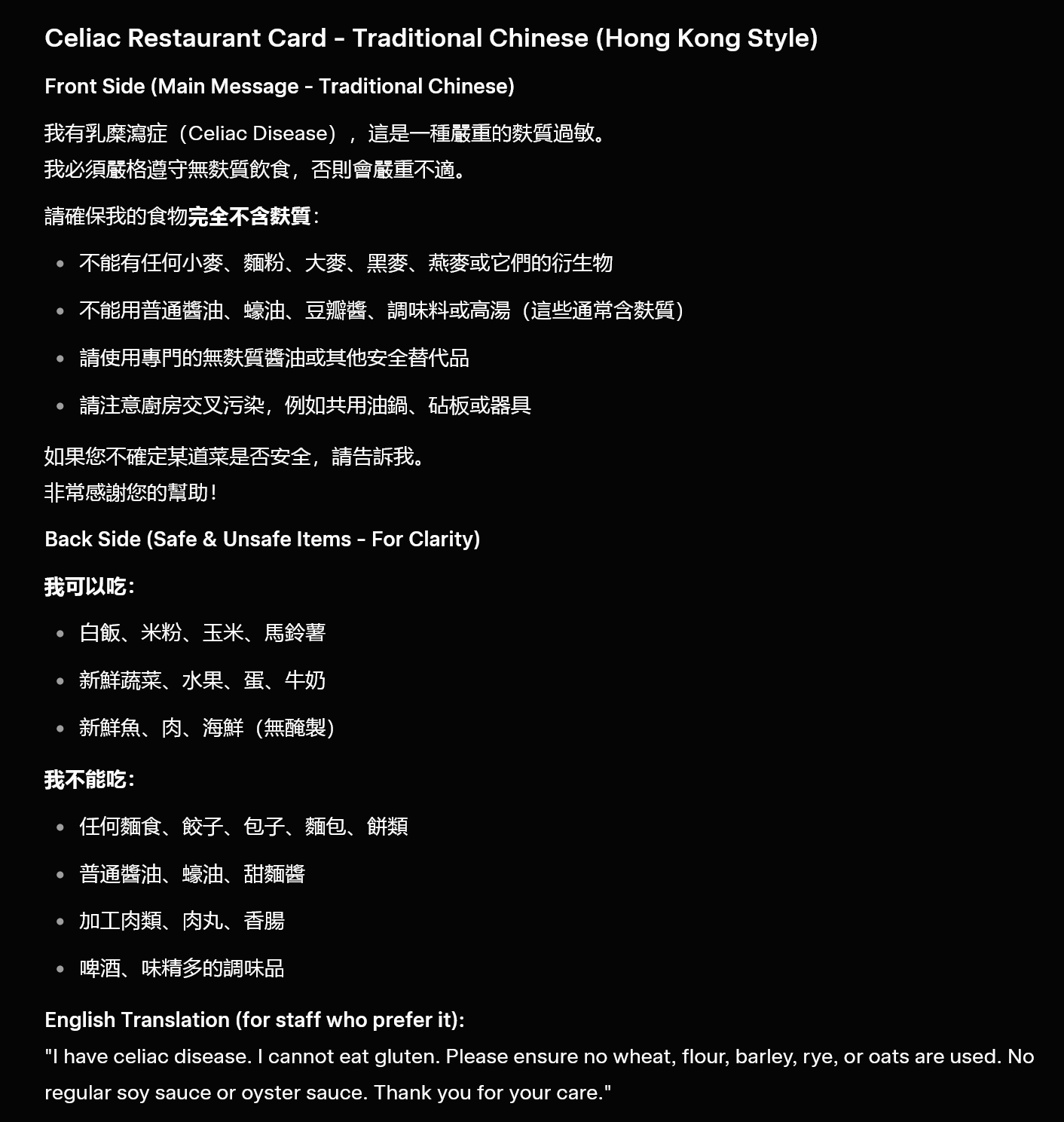
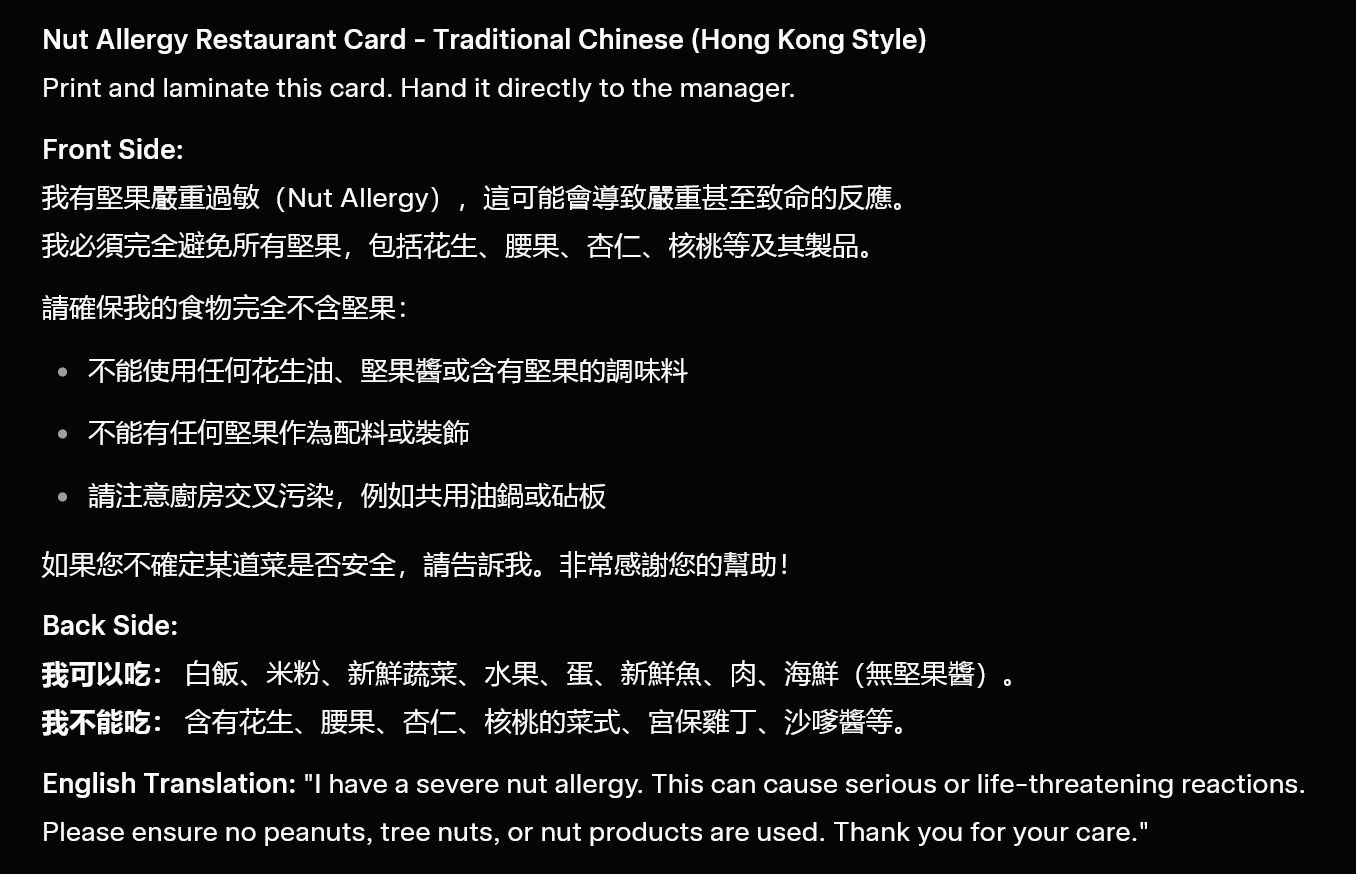
click on any image to enlarge
The information above can be shown to restaurant managers in Hong Kong if you are intolerant to gluten and nuts,
I do not do food tours as mentioned above, I have very specific reasons and part of it is that I do not speak Cantonese or write Chinese, I am from Yorkshire in England and I lack the language gene and it is not through lack of trying and yes a lot of restaurants do not have English menu’s or staff who speak conversational English.
.. and yet I have eaten at close to 1,400 restaurants in Hong Kong since January 2nd 1972, my wife was born in Hong Kong and we have been together over 40 years and her first language is Cantonese and a lot of her family are Chinese or half Chinese so I have never had much of an issue!
This does not translate to doing food tours though, yes, I could do them, no problem there but they would never ever be as good as the food tours done by my friends (see the 3 links above) most of their awesome guides are locally born Hong Kong Chinese and obviously food culture is part of their DNA, it is impossible for me to compete with that!
So please feel free to contact them for food tours
I do not do Hiking Tours in Hong Kong but I know someone that does!
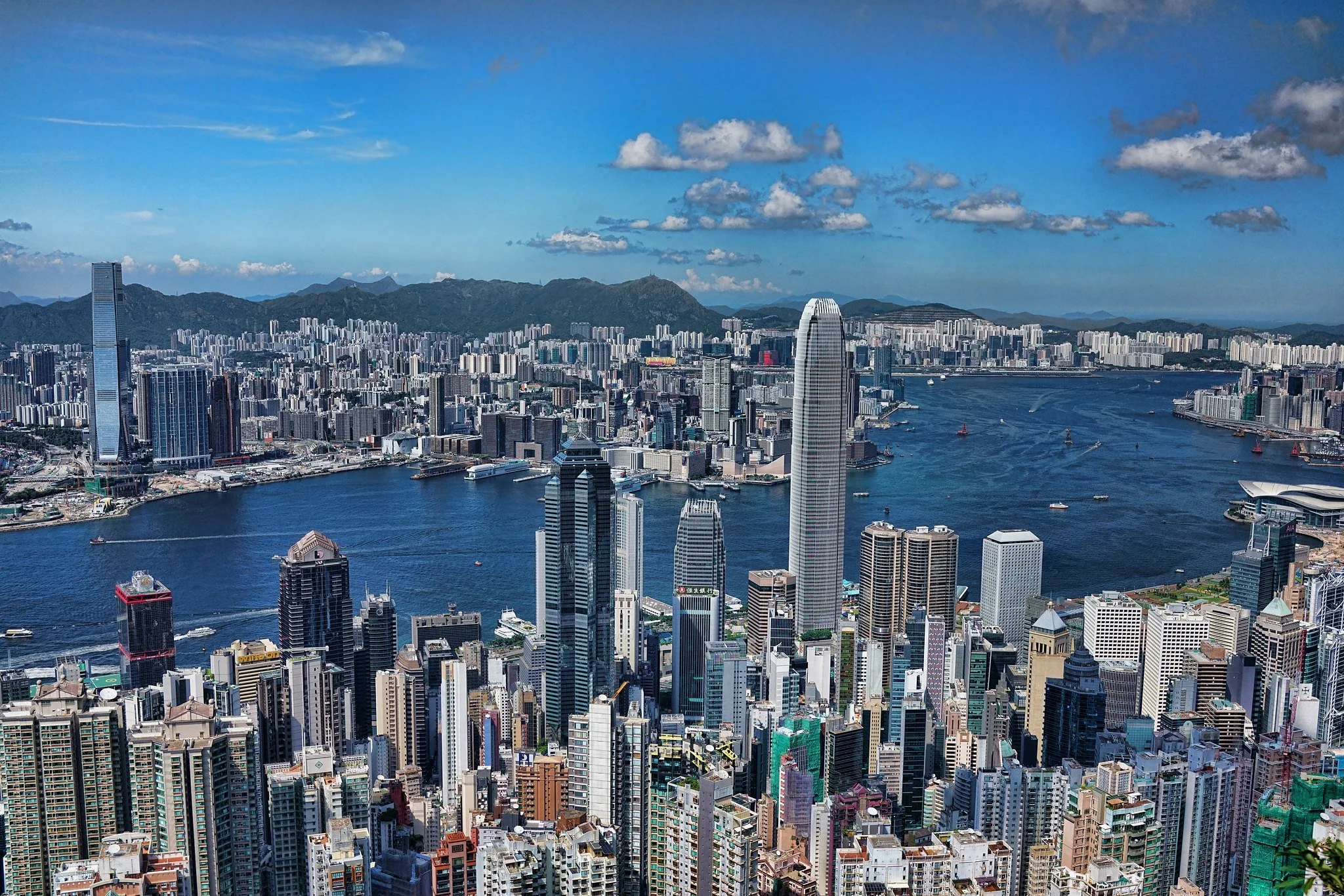
I do not do Hiking Tours, never have and never will even though I used to go Hiking a lot when I was a lot younger, The Hong Kong Government is promoting hiking tours so I urge you to contact my friend Sabrina at Hong Kong Trails and Tours, she is a long time Hong Kong resident and and a very experienced hiker with close to 700 Hikes in 15+ years under her belt, please click on the link below
click on any image to enlarge
© Copyright Acknowledged | All rights reserved | images taken by Jamie