10 things you didn’t know about the Hong Kong Country Club Deep Water Bay
The Club That Broke the Old Rules - Lawn, Quotas and 60+ Years of Quiet Prestige

The J3 Group - Premium Quality Private Tours | Experiences and Insider Chats since 2010
Me Jamie, your host, I am English and I have lived in Hong Kong since January 2nd 1972 - I know the place.
A meaningful blog post with a difference - tips on Travel, Tourism, Tours, Daily Life and my personal thoughts on Hong Kong.
Please do visit Amazing Hong Kong
Hong Kong | Pearl of the Orient


A Resident since 1972 - Private Tours of Hong Kong with Jamie
The Best Things to do in Hong Kong
click on the image to enlarge
© Copyright Acknowledged | All rights reserved | image taken by Jamie
The Hong Kong Country Club | My Sort of Club | Hong Kong
Foreword by Jamie
For the record I have never been inside the Hong Kong Country Club and I have never seen the famous lawn!
There is something quietly distinctive about the Hong Kong Country Club that sets it apart from the more obvious private institutions dotted around the city. While many of Hong Kong’s older clubs grew out of colonial hierarchies or single-nationality circles, this one was deliberately conceived as something different - a place where people of every background could meet on equal terms. That founding principle still shapes the membership system more than six decades later. For anyone who has spent time on the south side of the island, the club’s lawn sloping gently towards Deep Water Bay remains one of those understated Hong Kong experiences that locals quietly value and visitors only discover through a member’s invitation.
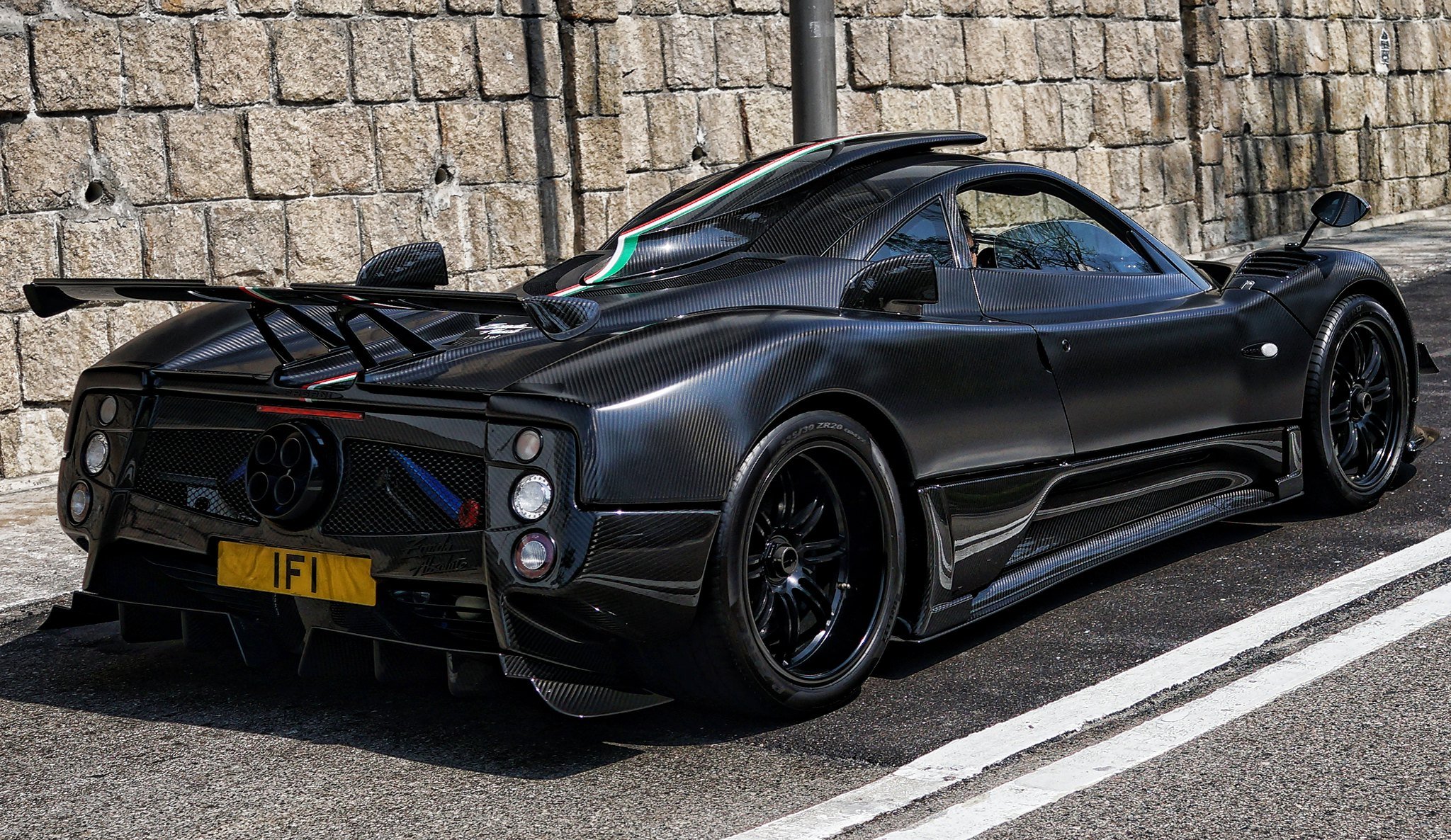
To repeat - I have never set foot inside the Hong Kong Country Club, even though I have known a handful of members over more than fifty years in Hong Kong. Yet in a rather different sense I am a regular visitor. Wong Chuk Hang Road, right outside the main entrance, has long been one of my favourite Sunday spots for car photography - a hobby that has produced well over 107,000 car images and counting. On a typical Sunday the road becomes a magnet for interesting machinery travelling in both directions: classics, modern performance cars, unusual imports and the occasional true rarity. Some of the best frames I have taken over the years have been captured here.
I position myself carefully on the public sidewalk, about 10 yards from the front gate, always making sure not to step onto club property. The security guards know me by sight and have, on more than one occasion, brought out a bottle of chilled water on a hot afternoon. A few years ago a senior staff member, English, approached me in a polite but measured way and asked what I was doing. He did not accuse me of anything, yet the implication was clear enough - that some members viewed my presence so close to the entrance as an unwelcome intrusion on their privacy. I explained that I had been photographing cars at that exact spot for many years, that I remained strictly on the public pavement beside a major road, and that the security team could confirm as much. He accepted the explanation without further comment and was entirely civil throughout. Still, the exchange left a slightly sour taste. Standing on a public sidewalk next to a busy road and a bus stop should not, by any reasonable measure, constitute an invasion of privacy, yet the quiet territorial instinct of an exclusive club can sometimes extend beyond its own boundary line.
What follows is a closer look at the facts, figures and lesser-known corners of an institution that has always preferred substance over flash.
1.The complete and detailed history of the development of The Hong Kong Country Club from idea to grand opening
The idea took shape in 1947. J. R. Jones, then legal adviser to the Hong Kong and Shanghai Banking Corporation, began advocating for a social and family club open to residents of every nationality at a time when most existing clubs still operated along racial or ethnic lines. He was joined by a small group of like-minded residents who shared the same view. Land that had once been used as a brick kiln was allocated by the Colonial Office in London, and early plans called for a proper country club with tennis and badminton courts, a bowling alley and swimming pools.
Progress stalled for most of the 1950s. The political upheaval that followed the 1949 Chinese revolution and the economic pressures of the Korean War put the project on ice. Fundraising only resumed in earnest towards the end of the decade, by which time the original three hectares of bayside land had been reduced to roughly two. The club’s first general committee held its inaugural meeting in April 1961. The main clubhouse opened on 29th January 1962. The South China Morning Post the following day described it as “the happy fulfilment of a 15-year-old dream come true.” At the inauguration ceremony, Hong Kong’s Chief Justice Sir Michael Hogan spoke of a place “where all nationalities and communities can meet. Ideas can be interchanged, views expressed and arguments deployed in an atmosphere conducive to goodwill.” Women were admitted as full members from the outset - a point that stood in clear contrast to many male-only establishments still operating in Britain at the time.
2. A complete breakdown and overview of the ownership of The Hong Kong Country Club
Legally, however, the club is more than just a committee. It is formally incorporated as a company limited by guarantee under the name “Hong Kong Country Club – The-”, registered in Hong Kong on 23rd December 1960 (Company No. 0006413). This is the standard structure used by many long-established private members’ clubs in the territory. A company limited by guarantee has no share capital; instead, members typically undertake to contribute a nominal amount (often only a few hundred dollars) if the company is wound up. The structure gives the club a separate legal personality of its own.
That separate legal identity is important in practical terms. It means the club can employ staff, enter into contracts, hold the lease on the land, open bank accounts, deal with suppliers, and handle taxation and regulatory requirements in its own name. If someone were to take legal action - whether over an employment dispute, a contractual claim, an injury on the premises or any other matter - the defendant would normally be the company itself rather than the individual members of the committee or the wider membership. The limited-by-guarantee form is designed precisely to provide that protection and operational clarity while still keeping ultimate control in the hands of the members through the General Committee.
In short, the club is member-owned and member-governed, yet it operates through a properly constituted limited company that can function in the real world of employment law, taxation, property and potential litigation. This arrangement has been in place since before the clubhouse even opened its doors in 1962.
3.What is the exact address of The Hong Kong Country Club
188 Wong Chuk Hang Road, Deep Water Bay, Hong Kong. The site sits on the southern side of Hong Kong Island, with the clubhouse and lawn facing towards the bay. It is a short distance from the Aberdeen Tunnel and reasonably convenient for those coming from the north side of the island or from Ocean Park MTR station.
The land itself is held under a Private Recreational Lease (PRL), specifically Rural Building Lot No. 1195. This is the standard form of government lease used for many private sports and recreational clubs in Hong Kong. The current lease was last renewed around 2011 - 2012 and is due to expire on 3rd April 2027. Like a number of other private clubs whose PRLs fall due in 2026 and 2027, the Hong Kong Country Club faces the government’s current renewal framework. Under that policy, clubs seeking to continue operating on a private membership basis are generally required to pay a concessionary land premium set at roughly one-third of full market value, together with further commitments on opening facilities to eligible outside groups. An alternative route exists that would convert the site to a more open community-style arrangement with much lower land cost but far greater public access. As of mid-2026 the exact path the club will take remains a matter for negotiation between the club and the relevant government bureaux.
4.Current membership numbers of The Hong Kong Country Cluband any associated facilities elsewhere in Hong Kong
Published figures put membership at around 2,000. The club operates from its single Deep Water Bay site and does not maintain a town club or business-district outpost in Central or elsewhere. Everything - dining, sports, family facilities and social spaces - is concentrated on the two-hectare grounds overlooking the bay. That single-location focus is part of what gives the place its distinctive, unhurried character.
5.Location of The Hong Kong Country Club in an affluent neighbourhood - was that deliberate?
Deep Water Bay and the surrounding Wong Chuk Hang area have long been among the more desirable residential districts on the south side of the island. The choice of site was deliberate in the sense that the founders wanted a proper country-club setting with space for lawns, courts and a swimming pool, away from the denser urban core. The land allocation and the subsequent reduction from three hectares to two still left a generous footprint by Hong Kong standards. The result is a setting that feels genuinely green and open, with the lawn running down towards the water – something that remains rare even among the city’s better private clubs.
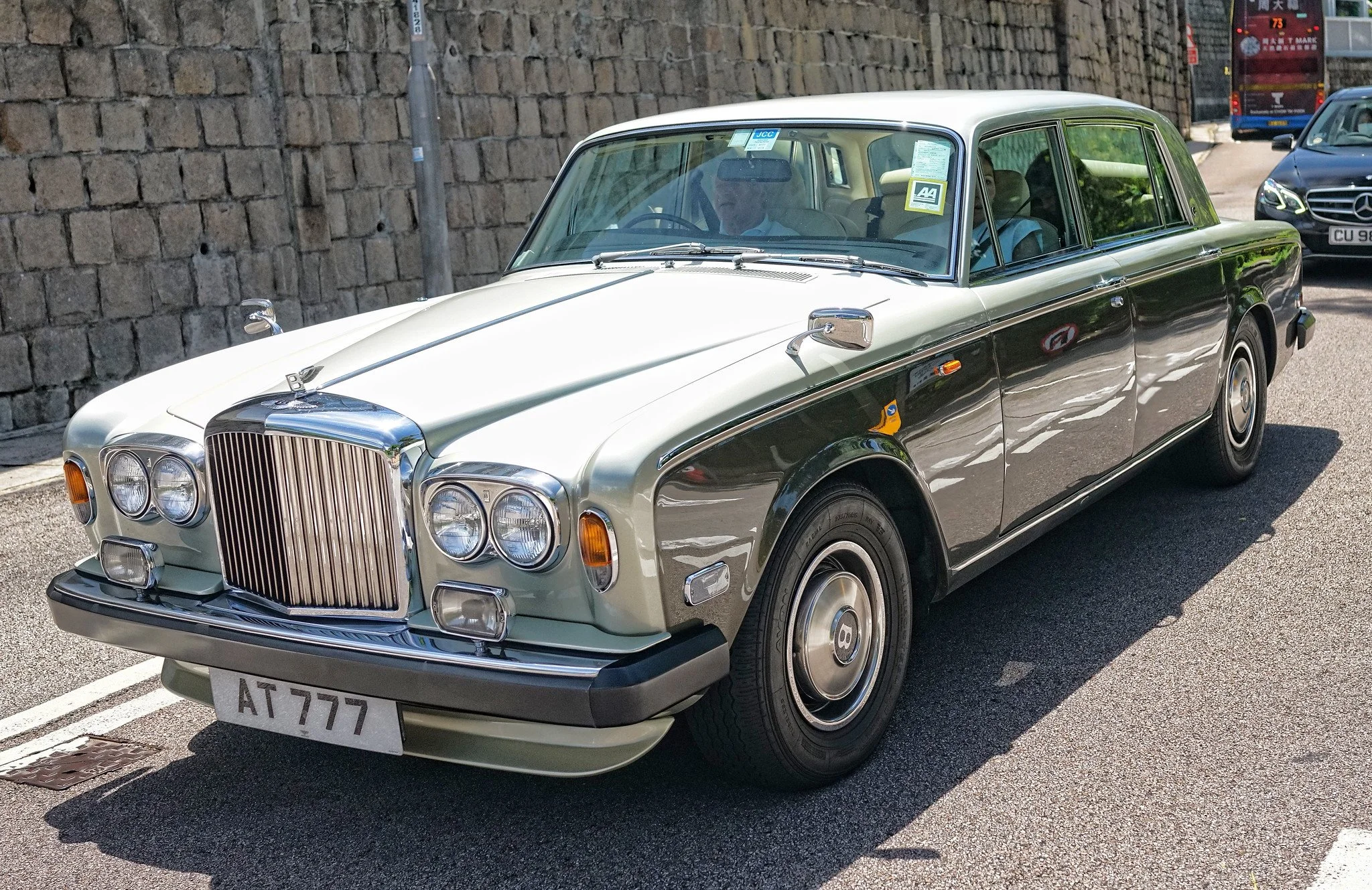
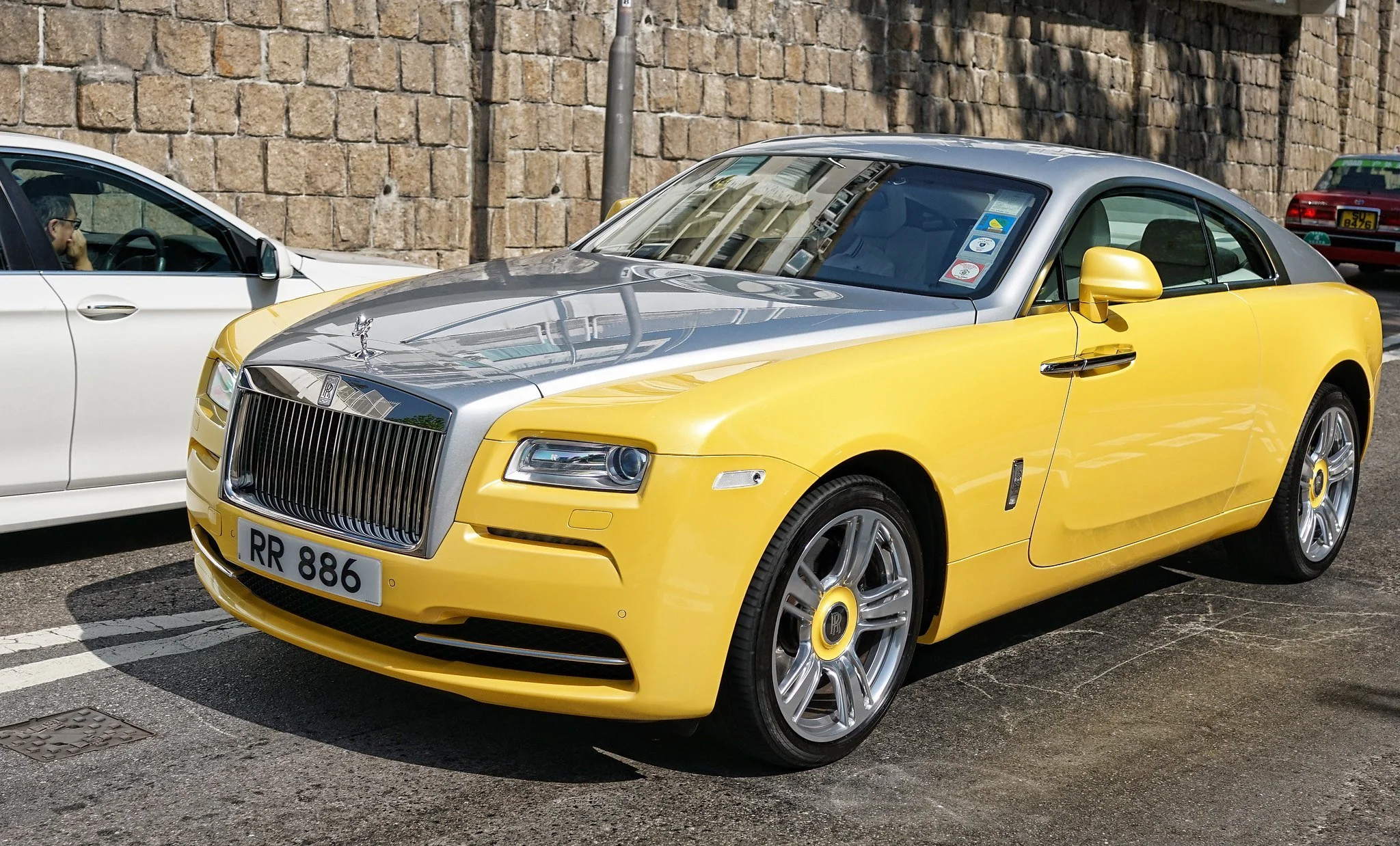
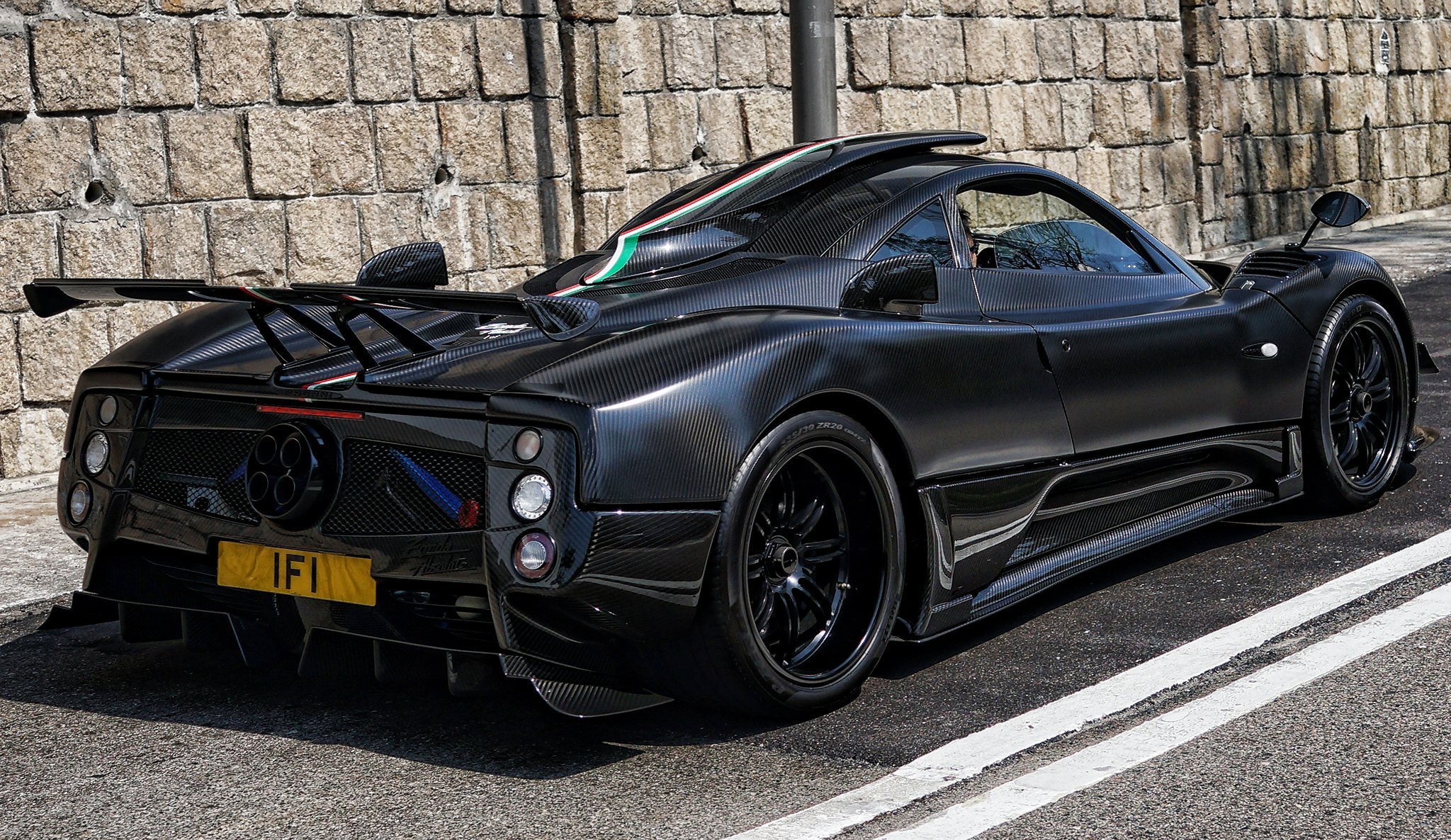
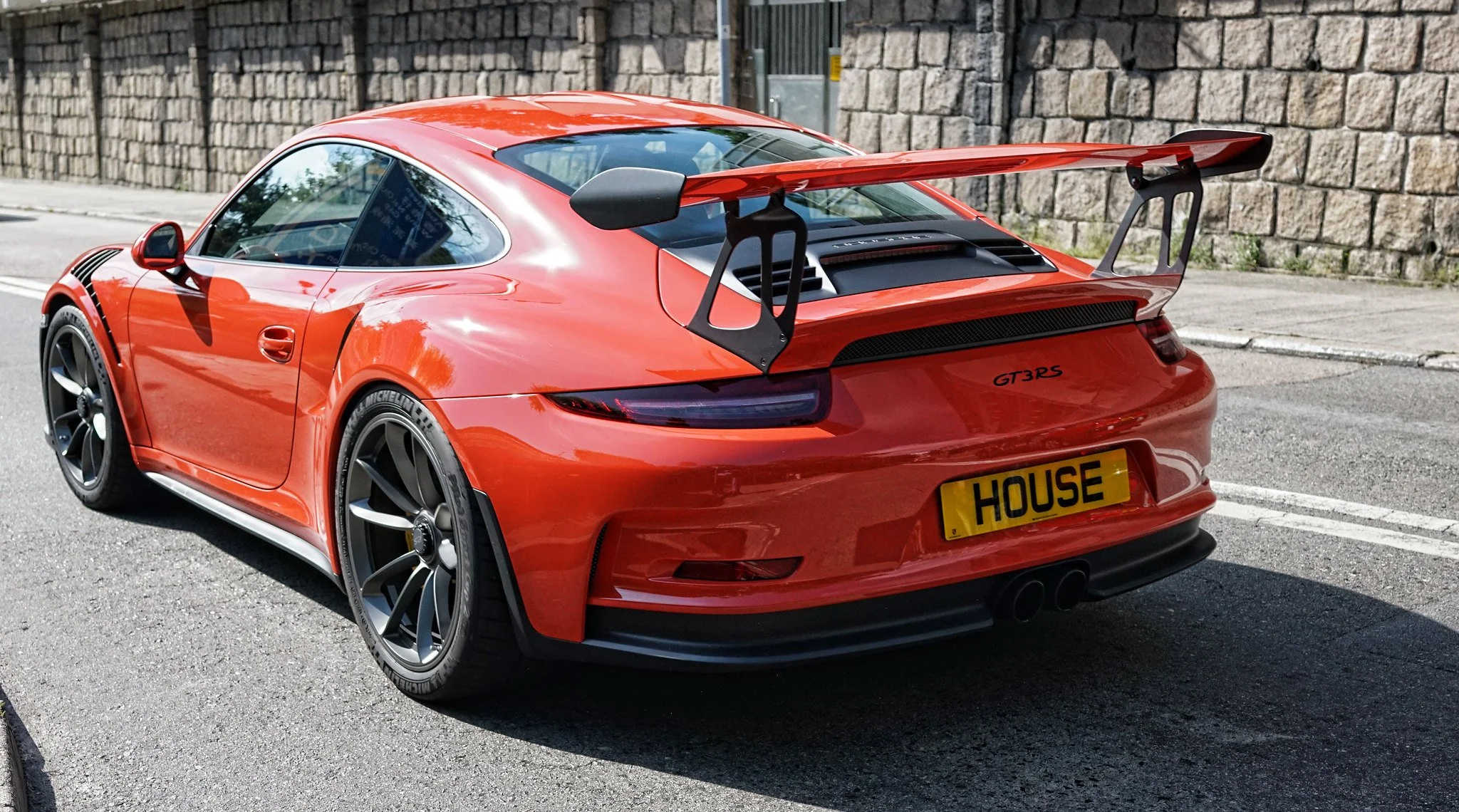
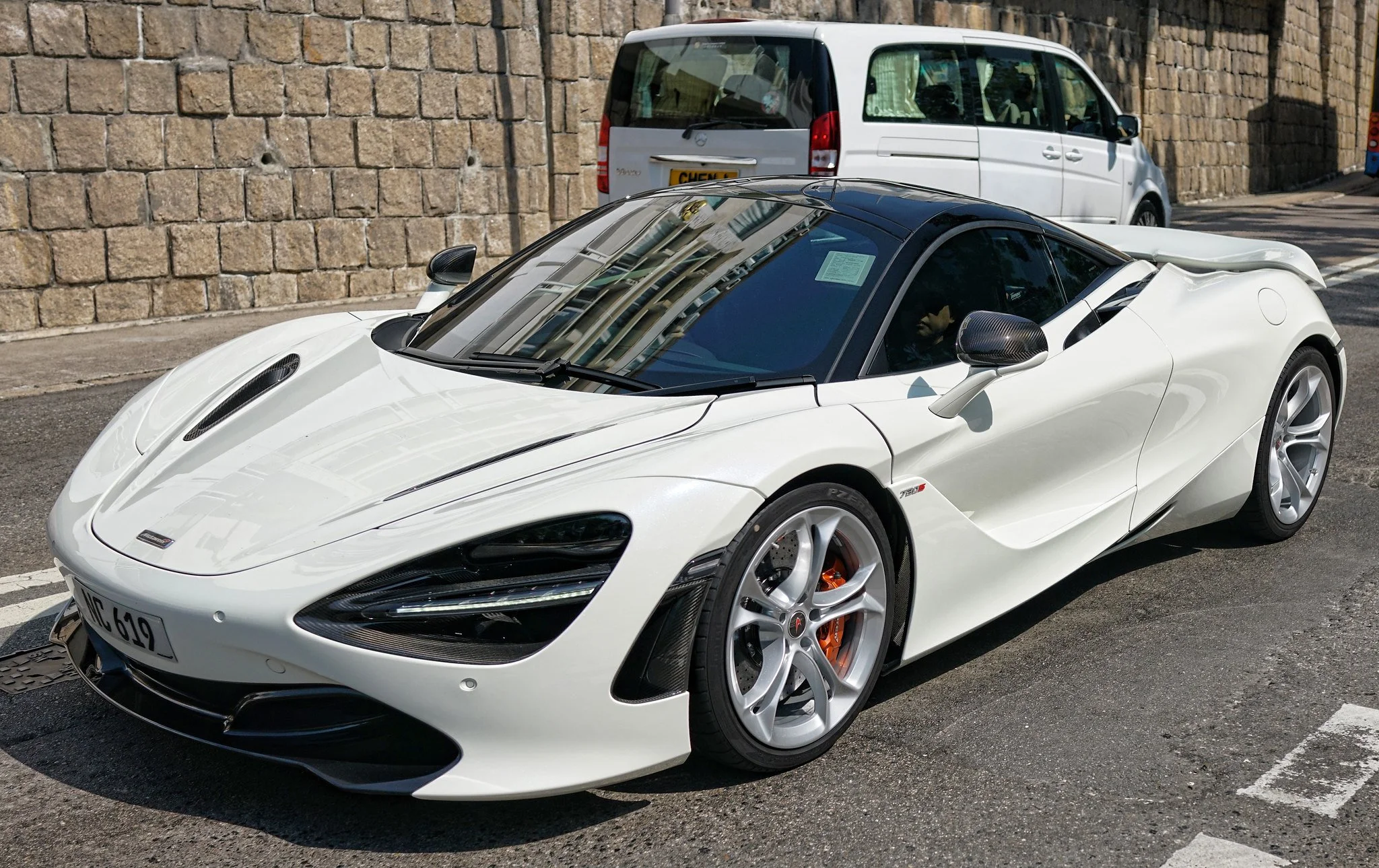
click on any image to enlarge
© Copyright Acknowledged | All rights reserved | images taken by Jamie
The Hong Kong Country Club | Car Spotting at it’s best | Hong Kong
6.Overview of reviews and the most common positive and negative comments - The Hong Kong Country Club
Public reviews are limited because the club is strictly private; most commentary comes from members, guests and lifestyle publications rather than open review platforms. The tone is generally favourable among those who know it.
Five of the most frequently mentioned positive points:
The lawn and the view towards Deep Water Bay - repeatedly described as one of the most pleasant outdoor spaces available to private members in Hong Kong.
Long-serving staff who know members and their families by name, creating a genuine sense of continuity.
Strong family facilities, including the supervised indoor playroom and the outdoor adventure playground beside the lawn.
The range and quality of dining, particularly the contrast between the French-inspired Grill Room and the Chinese Island Room.
The overall relaxed, multi-generational atmosphere that feels less formal than some of the older colonial-era clubs.
Common negative observations tend to centre on:
The long waiting lists and the nationality quota system, which can make entry feel unpredictable.
Occasional comments about governance transparency following internal committee changes in recent years.
The inevitable exclusivity that comes with any high-demand private club – some guests note that access is entirely dependent on knowing a member.
Higher monthly subscriptions once the entrance fee is paid.
Limited public information, which can make the application process feel opaque to outsiders.
7.Positive press reports over the years for The Hong Kong Country Club
The club has received steady, largely respectful coverage rather than constant media attention. The original 1962 opening was reported in positive terms by the South China Morning Post as the realisation of a long-held vision for a truly international club. Lifestyle and society publications have continued to highlight the lawn, the family focus and the multi-national membership model as distinguishing features. Coverage tends to emphasise continuity and the club’s quiet refusal to follow the more exclusionary patterns of some older institutions. The occasional high-profile incident has generated short-term headlines, but the broader press narrative over six decades has remained one of a well-run, family-oriented private club with a distinctive founding principle.
8.Overview of facilities at The Hong Kong Country Club
The facilities have grown steadily rather than arriving all at once. Dining options include the Grill Room (French-inspired), the Island Room (Chinese), the Garden Room with its extensive à la carte menu and outdoor terrace, plus outdoor Italian dining on the Foreshore Deck. A dedicated wine cellar sits on the lower ground floor – an unusual feature even among Hong Kong private clubs.
Sports and recreation facilities include:
Swimming pool
Tennis courts
Squash courts
Bowling alley
Snooker room
Health club | gym
Putting green
Golf simulator
Outdoor multi-purpose court
Teens’ room
Family facilities are particularly well regarded: an adventure playground with wooden climbing frames beside the lawn, and an indoor playroom with full-time supervision. There is no large formal business centre of the type found in some town clubs, reflecting the country-club character of the site. Private event spaces are available for member functions
.9.Joining fees, waiting lists, application process and membership classes at The Hong Kong Country Club
Entrance fees reported in recent years have ranged from approximately HK$460,000 to HK$675,000 for ordinary individual membership, with corporate nominee memberships quoted at around HK$5,000,000. A shorter-term three-year corporate option has been listed in some sources at around HK$900,000. Monthly subscriptions are typically in the region of HK$2,500 to HK$3,100, depending on the category and the year of quotation. All figures should be confirmed directly with the club as they can change.
Waiting lists are commonly described as upwards of 10 years, though the exact period varies by nationality category because of the quota system. Applications require sponsorship by an existing resident member. There is also a Junior Sports membership aimed at outstanding sportsmen and women aged 16 - 28, which carries a much lower one-off fee (reported at HK$200) plus a modest monthly subscription. Different classes of membership exist (ordinary, corporate nominee, junior sports and others), each with its own rules on transferability and rights.
10.Top five private club competitors in Hong Kong to The Hong Kong Country Club
The clubs most often mentioned in the same conversation as the Hong Kong Country Club are:
The American Club (with its Town Club in Central and Country Club in Tai Tam)
Aberdeen Marina Club
Clearwater Bay Golf & Country Club
The Hong Kong Club
The Hong Kong Jockey Club (particularly for those seeking broader social and racing facilities)
Each has a different character - some more business-oriented, some more golf-focused, some more hotel-managed - but all sit in the same general tier of exclusive private membership.
Additional notes worth knowing
Yes - non-members are allowed in, but only as the guest of a current member, and the member must be present and accompany them throughout.
The Hong Kong Country Club is a strictly private members’ club. There is no public access, no day-pass system, no walk-in dining, and no facility for non-members to book or enter independently. The only way through the door is by invitation from a member who is already on site (or arrives with the guest). Staff are trained to check membership cards and guest arrangements, so turning up unaccompanied is not an option.
This guest policy is consistent with the club’s long-standing character. It keeps the atmosphere controlled and personal, which is one of the reasons many members value it. Guests are welcome for meals, sports, or simply to sit on the lawn, provided they are properly introduced and the member remains with them. In practice, this means most visitors experience the club through personal connections rather than any open booking system.
That rule has remained unchanged for decades and forms part of the quiet exclusivity that defines the place.
From what is publicly available, the Hong Kong Country Club does not appear to advertise or maintain a widely known reciprocal arrangement with the Deep Water Bay Golf Club (part of the Hong Kong Golf Club) or with most of the other major private clubs in Hong Kong. Many of the larger or more golf-oriented clubs in the territory do operate reciprocal networks - both locally and internationally - that allow members to visit partner clubs with a letter of introduction. The American Club, Clearwater Bay Golf & Country Club, the Hong Kong Club and others are quite open about these arrangements. The Hong Kong Country Club, by contrast, keeps a lower profile on the subject. There is no readily published list of reciprocal clubs on its website or in the usual membership directories, and no specific mention of a formal link with the nearby Deep Water Bay golf course.
In practical terms this means a Country Club member wanting to play or dine at Deep Water Bay would normally need to go as a guest of a member there, rather than relying on a reciprocal privilege. The same would apply in reverse. The two clubs sit very close to each other geographically, but they remain separate institutions with different membership structures and no publicly confirmed reciprocal agreement between them. If such an arrangement does exist, it is handled quietly between the clubs and is not something that appears in the open information available to non-members.
One of the more colourful episodes in the club’s history occurred in 2010 when the then French Consul General was expelled after being filmed taking two expensive bottles of wine from the cellar. The story received international coverage and remains a frequently retold anecdote. More recently, internal governance questions surfaced in 2023 concerning committee changes and financial decisions; these remain matters of private member discussion rather than resolved public record.
The lawn itself continues to be the feature most people remember. In a city where flat green space near the water is scarce, the simple act of walking barefoot across that grass on a clear afternoon still feels like a small privilege. The club’s original 1962 vision - a place open in principle to every nationality - has largely held, even as Hong Kong itself has changed around it. For families who value continuity, multi-generational membership and a genuine sense of place rather than constant reinvention, it retains a quiet appeal that more polished or commercially managed clubs sometimes struggle to match.
So there you go
Customised Private Tours + Experiences in Amazing Hong Kong
Jamie has lived in Hong Kong - Pearl of the Orient for 50+ years
Carefully Crafted Personalised and Customised Itineraries by Jamie | Hong Kong’s Most Experienced Private Tour Guide for : Solo Travellers Friends Families Seniors Couples Business People MICE Delegates.
Private Tours Cultural Tours Walking Tours Sightseeing Tours City Tours Night Tours Layover Tours Transit Tours Private Shore Excursions Bespoke Tours Personalised Tours Jewish Heritage Tours Luxury Private Tours Day Tours Luxury Boat Tours Themed Tours Private Family Tours Private Day Tours Corporate Tours
Just you, your family or friends and Jamie your personal English private tour guide - over 2,400+ tours completed since 2011 - Jamie offers quality Private Tours of Hong Kong
Tour Group Size 1 - 6 people only
J3 Group Hong Kong | J3 Consultants Hong Kong | J3 Private Tours Hong Kong
Creating Memories That Will Last A Lifetime
Go here for the Hong Kong Michelin Restaurant Guide which includes the Bib Gourmand Category

I do not do Food Tours in Hong Kong but I know people that do!
click on any image to enlarge
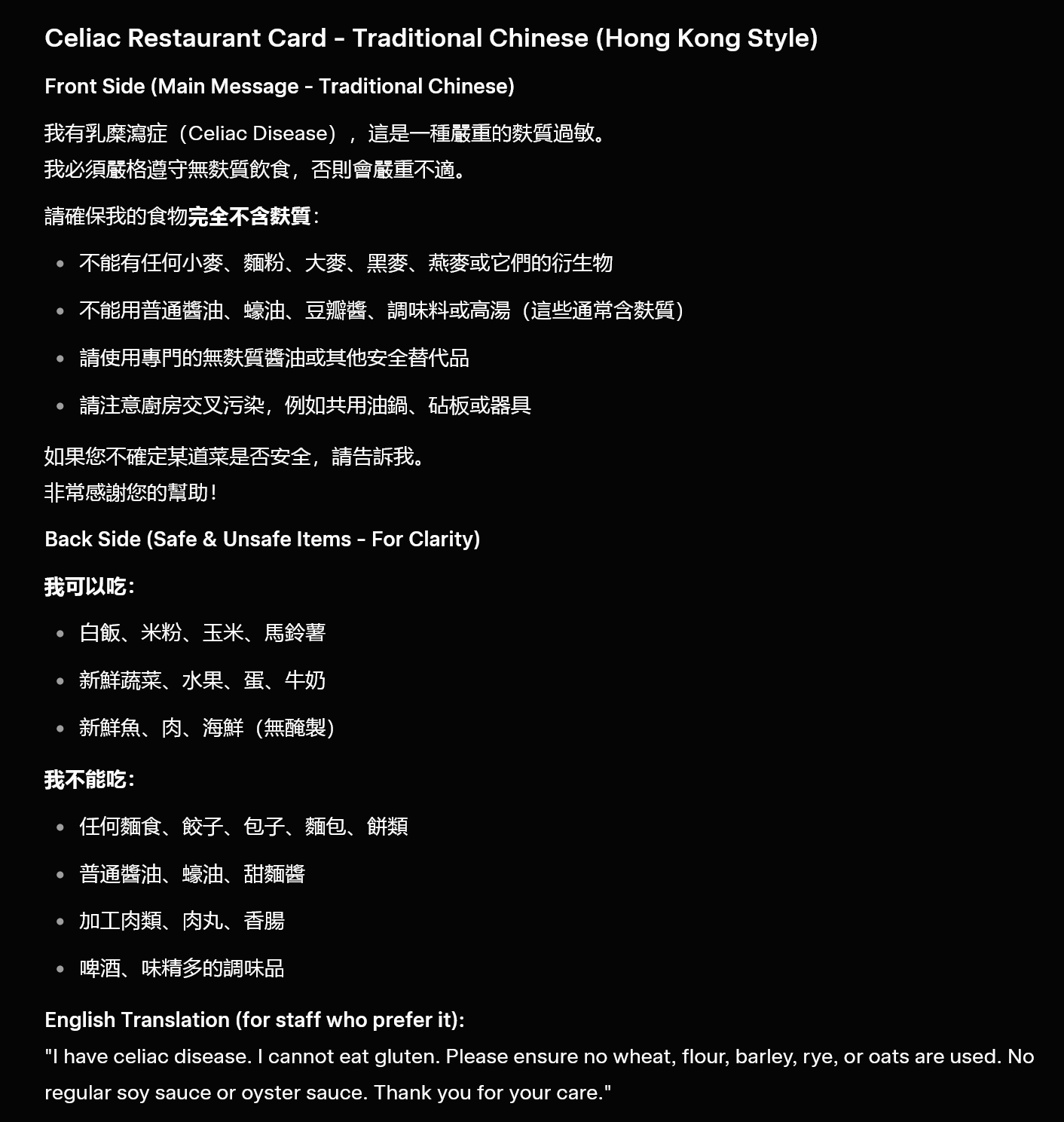
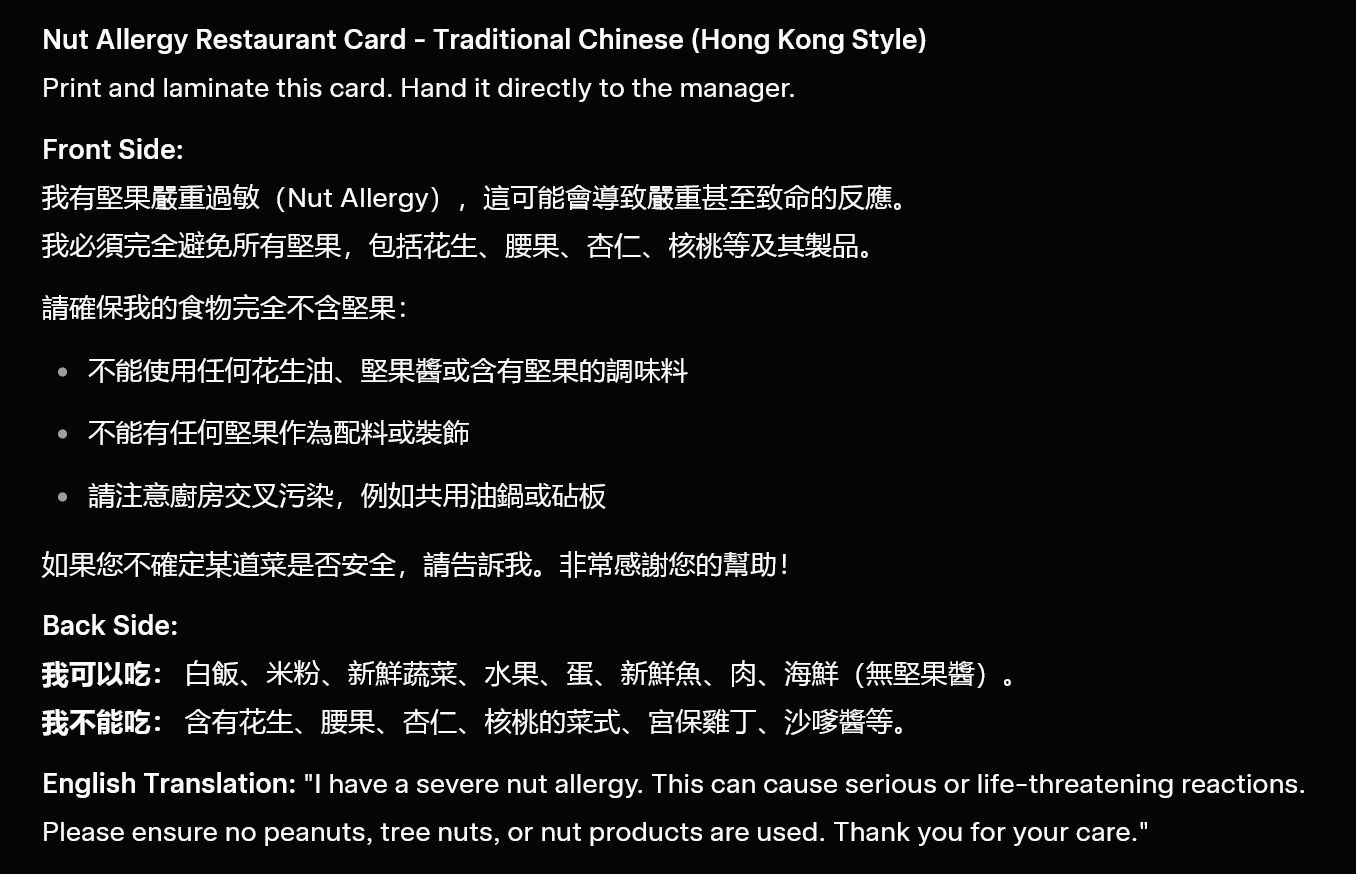
The information above can be shown to restaurant managers in Hong Kong if you are intolerant to gluten and nuts,
I do not do food tours as mentioned above, I have very specific reasons and part of it is that I do not speak Cantonese or write Chinese, I am from Yorkshire in England and I lack the language gene and it is not through lack of trying and yes a lot of restaurants do not have English menu’s or staff who speak conversational English.
.. and yet I have eaten at close to 1,400 restaurants in Hong Kong since January 2nd 1972, my wife was born in Hong Kong and we have been together over 40 years and her first language is Cantonese and a lot of her family are Chinese or half Chinese so I have never had much of an issue!
This does not translate to doing food tours though, yes, I could do them, no problem there but they would never ever be as good as the food tours done by my friends (see the 3 links above) most of their awesome guides are locally born Hong Kong Chinese and obviously food culture is part of their DNA, it is impossible for me to compete with that!
So please feel free to contact them for food tours
I do not do Hiking Tours in Hong Kong but I know someone that does!
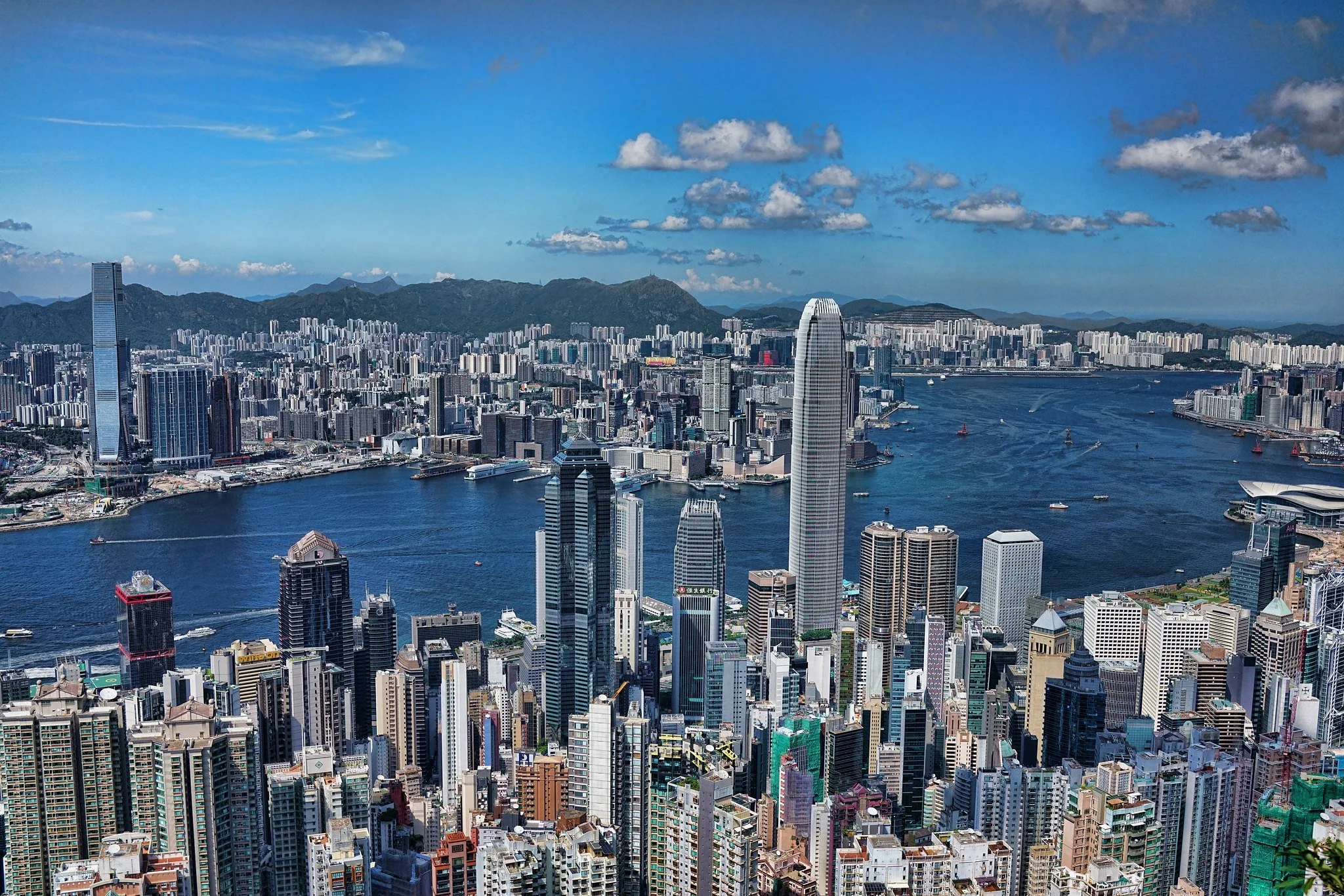
I do not do Hiking Tours, never have and never will even though I used to go Hiking a lot when I was a lot younger, The Hong Kong Government is promoting hiking tours so I urge you to contact my friend Sabrina at Hong Kong Trails and Tours, she is a long time Hong Kong resident and and a very experienced hiker with close to 700 Hikes in 15+ years under her belt, please click on the link below
click on any image to enlarge
© Copyright Acknowledged | All rights reserved | images taken by Jamie