The FCC - History of an Iconic Private Members Club in Central District
The J3 Group - Premium Quality Private Tours | Experiences and Insider Chats since 2010
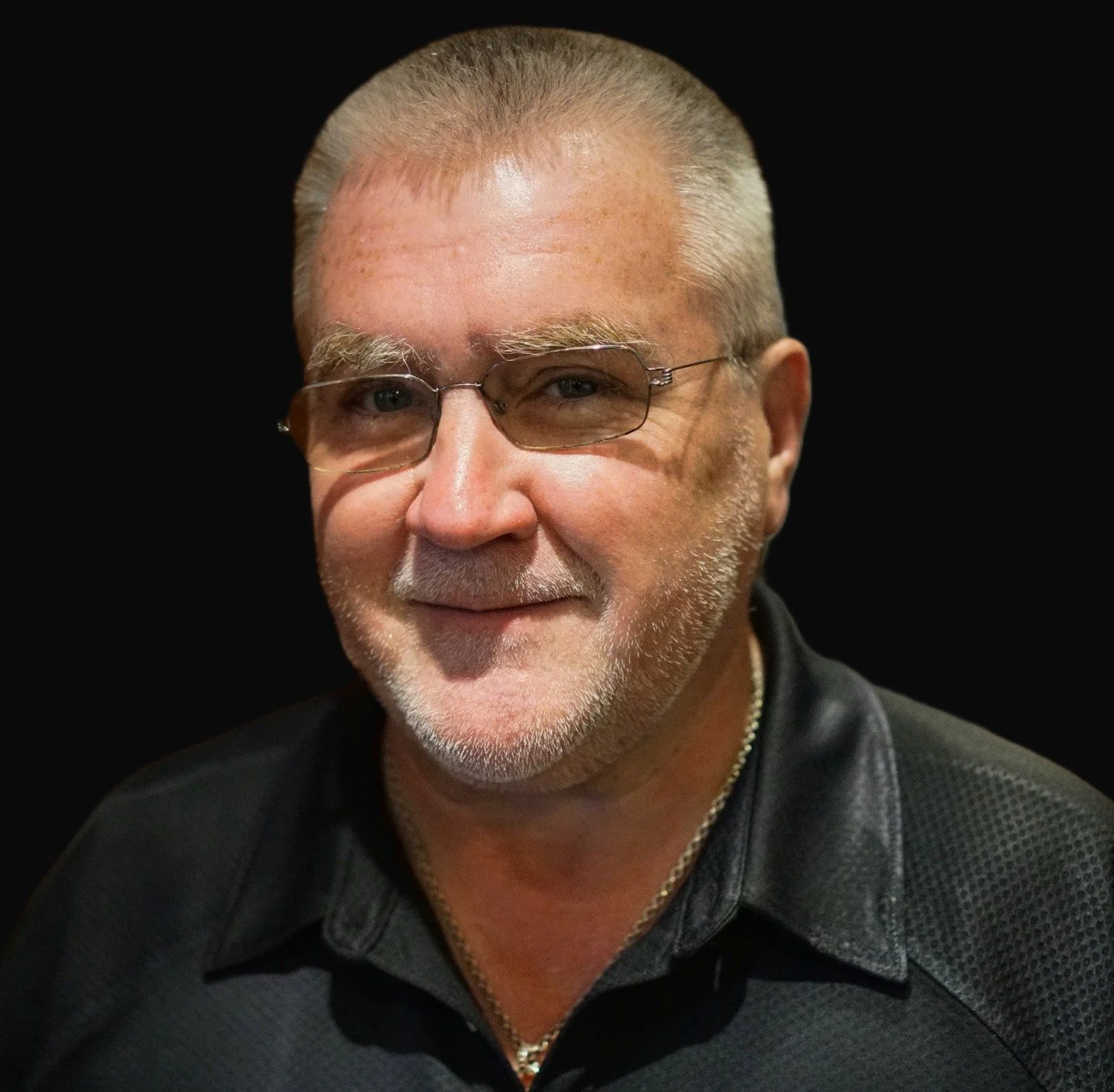
Me Jamie, your host, I am English and I have lived in Hong Kong since January 2nd 1972 - I know the place.
A meaningful blog post with a difference - tips on Travel, Tourism, Tours, Daily Life and my personal thoughts on Hong Kong.
Please do visit Amazing Hong Kong
Hong Kong | Pearl of the Orient


A Resident since 1972 - Private Tours of Hong Kong with Jamie
The Best Things to do in Hong Kong
click on the image to enlarge
© Copyright Acknowledged | All rights reserved | image created by Jamie
Foreign Correspondents’ Club Hong Kong- Important Facts and Detailed History
Foreword by Jamie
The FCC - History of an Iconic Private Members Club in Central District
After more than 50 years of living in Hong Kong I still find myself stopping at the corner of Lower Albert Road and looking up at that low red and white striped building. It sits there as if it has always belonged, while the towers around it have come and gone. The Foreign Correspondents Club occupies the North Block of the old Dairy Farm Building, and the place has a weight to it that pure glass and steel never quite manage. For years it has been one of those Central institutions that people know by name even if they have never stepped inside. Correspondents, diplomats, bankers and the occasional visitor with a guest pass all pass through the same wooden doors. It is time to set down the story of the club itself and the building that has housed it since the early 1980s. Only recently did I finally walk through those doors myself.
The FCC - The Club That Followed the Story
The Foreign Correspondents Club began in 1943 in Chongqing, then still under Nationalist control during the war with Japan. A group of foreign newsmen and photographers based at the Press Hostel were tired of being shut out of official briefings. They formed the club so they could pool information and present a collective front. As the Chinese civil war moved east the club moved with it. First to Nanjing, then to Broadway Mansions in Shanghai. After the Communist victory in 1949 the remaining members crossed the border and the club arrived in Hong Kong.
Early Hong Kong homes were modest. A two storey house on Kotewall Road came first. In 1951 the club took over a larger mansion at 41A Conduit Road, the old residence of a Taikoo comprador. That house later appeared in the 1955 film Love is a Many Splendored Thing. During the Korean War years the Conduit Road premises filled with correspondents passing through. By the mid 1960s Vietnam had turned Hong Kong into a rear base. The club briefly occupied rooms at the Hilton Hotel, then in 1969 moved into Sutherland House on the waterfront. Both the Hilton rooms and Sutherland House have long since disappeared. Members still talk about the famous “loo with a view” on the 14th floor of Sutherland House. John le Carré set the opening of The Honourable Schoolboy in that same building.
Governor Sir Murray MacLehose granted the club a lease on the North Block of the old Dairy Farm depot in 1982. The formal move took place the following year. Forty three years later the club is still there. In January 2026 the government granted a further three year lease extension. Earlier leases had run for seven years; since 2022 they have been renewed on shorter terms that include national security clauses. Through all those moves the club kept its character as a place where people who had been somewhere interesting came back to talk about it.
The FCC - Membership and How the Club Works
The club is members only. You do not need to be a foreign correspondent to join. Categories exist for correspondents (those whose work is mainly published outside Hong Kong), local journalists, diplomats, and associates (professionals, authors and business people). Corporate memberships are also available. Most members fall into the associate category. The club has long numbered more than 2,000 members in total.
Current published fees for correspondent and journalist members start with a one time joining fee of HK$3,850 (about US$495). Monthly subscription sits at HK$1,430 without spouse or HK$1,500 with spouse. An early career programme offers reduced monthly rates of HK$250 in the first year, rising to the standard fee by year four. Associate joining fees are substantially higher. One recent report put the figure at HK$55,000; The exact number changes and there is currently NO waiting list for associate places. Applications go through a membership committee. Visiting professional journalists can apply at the front office for temporary guest membership with proof of status and overseas residence. Ordinary guests may only enter when accompanied by a member.
Facilities run from early morning to late evening. The Main Bar and Lounge on the ground floor is the social centre. Indian dishes remain popular, as do the club’s own First Draft Golden Ale and the classic bangers and mash or fish and chips. Upstairs the Dining Room has circular windows and an open truss timber ceiling. Private rooms include the Hughes Room and the Burton Room. Bert’s serves jazz and bistro food. There is a workroom, a small health club with machines, sauna and steam room, and a verandah. Speaker lunches and evening events still draw a regular crowd. The place is not large, but it packs in a surprising amount of usable space once you are inside.
The FCC - People and Atmosphere
Richard Hughes, the Australian correspondent who inspired characters in both Ian Fleming and John le Carré, was a long standing member. His sculpted head still greets people in the Main Bar. Clare Hollingworth, who reported the start of the Second World War from Poland in 1939, lived her last decades in Hong Kong and treated the club as home. She died in 2017 at the age of 105.
The club still runs a Clare Hollingworth Fellowship for early career journalists. Walls carry photographs from the Vietnam years and a roll of honour for members killed in the line of duty. During the run up to the 1997 handover the Main Bar was packed most evenings with the international press pack. You can still feel some of that history when you sit down. The photographs are not decorative. They are a reminder of the people who used the place as a base.
The FCC - The Old Dairy Farm Building
The North Block the club occupies is part of the Old Dairy Farm Depot at 2 Lower Albert Road. Dairy Farm itself was founded in 1886 by Scottish surgeon Patrick Manson and five local businessmen, including Paul Chater. The aim was to supply clean milk at a lower price and improve public health at a time when contaminated milk was a real risk. The Central depot opened in 1892 as a cold storage warehouse for milk, ice and meat coming from the company’s farm in Pok Fu Lam. Architects were Danby & Leigh. The original structure covered only the southern half of the present site.
As the business grew, extensions followed in 1913, 1917 and 1925. The 1913 date stone is still visible on the curved South Block that faces towards Glenealy. The building later became company headquarters and included a dairy shop on the ground floor, meat smoking rooms, cold storage for winter clothes, and a residence for the general manager on an upper floor. During the Japanese occupation the premises were looted. After the war Dairy Farm returned and continued to use the building as headquarters until the company moved out in the 1970s.
After a period of vacancy the government granted the North Block to the Foreign Correspondents Club in 1982. The South Block went to the Hong Kong Fringe Club in 1984. The entire depot was listed as Grade II in 1981 and upgraded to Grade I in 2009. The architecture is late Victorian eclectic with neoclassical and Arts and Crafts touches. The most striking feature is the polychromatic “bandaged” brickwork in red and white that runs the length of the facade.
The building sits on a tight corner site facing Lower Albert Road, with the rear along Wyndham Street and the distinctive curved “prow” end towards Glenealy. It remains one of the few low rise survivors in that part of Central, surrounded by higher ground and trees rather than endless glass towers. From the street the red and white stripes are the first thing you notice. Once you are inside the brick and the timber feel solid rather than theatrical. The circular windows, the open truss ceiling in the Dining Room and the original proportions all survive from the days when the place stored ice and milk rather than hosting speaker lunches.
The FCC - My First Visits Inside
I had walked past the place for decades and never once been inside. That changed recently when a member invited me to lunch. We went twice in a short space of time. The first time was my first time through those iconic doors since I arrived in Hong Kong on 2nd January 1972. I had expected something a little stiff or overly formal. It was not. The Main Bar and the Dining Room both felt comfortable without trying too hard. The lunch itself was fabulous. Proper food, properly cooked, with service that knew the room and the members without fuss. The second visit was much the same. Good company, fabulous food, and that particular Hong Kong club atmosphere that is harder to find than it used to be. I left both times thinking the place still does what a club is meant to do. It gives people a reason to sit down and talk for longer than they would in a restaurant.
…and yes I snagged an FCC shopping bag which I use when I want to remind people that I have connections in high places!
The FCC - A Personal View
I have walked past the place hundreds of times on the way to or from Central. On clear days the red and white stripes stand out against the greenery behind them. On humid afternoons the building seems to absorb the heat and still look solid. Most mere mortals do not often get to visit a club with the prestige of the Foreign Correspondents Club. It is not a place you wander into on a whim. You need a member to bring you through the door, and even then the sense of history is immediate.
Members speak of it as one of the last clubs in Hong Kong that still feels like a club rather than a restaurant with a membership card. The atmosphere is unhurried in a city that rarely is. Whether that will continue depends on the next lease renewals and on whether enough working journalists remain to keep the original purpose alive. For now the doors are still open, the Main Bar still serves, and the old Dairy Farm walls still hold the photographs and the stories. After those two lunches I understand better why people keep their memberships year after year. The food was excellent, the company was fabulous, and the building itself made the occasion feel like something more than just another Central lunch.
oh and did I mention I snagged an FCC shopping bag!
So there you go.

click on any image to enlarge
© Copyright Acknowledged | All rights reserved | images taken by Jamie