10 things you didn’t know about The Ritz-Carlton Hotel Hong Kong
Hong Kong Luxury - Height, History and Practical Realities

The J3 Group - Premium Quality Private Tours | Experiences and Insider Chats since 2010
Me Jamie, your host, I am English and I have lived in Hong Kong since January 2nd 1972 - I know the place.
A meaningful blog post with a difference - tips on Travel, Tourism, Tours, Daily Life and my personal thoughts on Hong Kong.
Please do visit Amazing Hong Kong
Hong Kong | Pearl of the Orient
Customised Private Tours + Experiences in Amazing Hong Kong
Jamie has lived in Hong Kong - Pearl of the Orient for 50+ years
Carefully Crafted Personalised and Customised Itineraries by Jamie | Hong Kong’s Most Experienced Private Tour Guide for : Solo Travellers Friends Families Seniors Couples Business People MICE Delegates.
Private Tours Cultural Tours Walking Tours Sightseeing Tours City Tours Night Tours Layover Tours Transit Tours Private Shore Excursions Bespoke Tours Personalised Tours Jewish Heritage Tours Luxury Private Tours Day Tours Luxury Boat Tours Themed Tours Private Family Tours Private Day Tours Corporate Tours
Just you, your family or friends and Jamie your personal English private tour guide - over 2,400+ tours completed since 2011 - Jamie offers quality Private Tours of Hong Kong
Tour Group Size 1 - 6 people only
J3 Group Hong Kong | J3 Consultants Hong Kong | J3 Private Tours Hong Kong
Creating Memories That Will Last A Lifetime
Go here for the Hong Kong Michelin Restaurant Guide which includes the Bib Gourmand Category

A Resident since 1972 - Private Tours of Hong Kong with Jamie
The Best Things to do in Hong Kong
click on the image to enlarge
© Copyright Acknowledged | All rights reserved | image taken by Jame
The Ritz-Carlton Hotel | World Class Hotel | Hong Kong
Foreword by Jamie
Sometimes I can be refreshingly honest and this is one of those moments, let’s face it I am a nobody (in general, particularly in Hong Kong being a tour guide is not exactly a path to fame, fortune, elevated social status and glory) but as a private tour guide I have met close to 7,000 people since my first tour in 2011 from all walks of life, I am a people person
In addition and after more than 45 years of weekly hotel visits across Hong Kong and well over 2,000 individual hotel visits in the past 15 years alone - covering more than 100 different properties, I have a fairly good knowledge of the Hotel scene in Hong Kong, particularly in the 5 star sector, I have spent many thousands of hours in Hotel Lobbies and that makes you a keen observer.
Hong Kong has no shortage of five-star hotels, yet The Ritz-Carlton continues to occupy a peculiar place in the city’s hospitality landscape. It is not the oldest, nor the most traditionally grand, nor even the one with the strongest street-level presence. What it does possess is sheer altitude, a complicated back-story involving demolition of a perfectly good building only 14 or so years after it opened, and a location that is simultaneously convenient and awkward depending on how one arrives. After more than a decade and a half of operation in its present form, certain details remain surprisingly little discussed outside specialist circles. The following points attempt to fill in some of those gaps with the kind of concrete facts, figures and on-the-ground observations that matter when one is trying to understand the hotel rather than simply admire the view from tany floor between 102 and 118
Despite my comments below, let me be clear, the Ritz Carlton Hotel is world class..
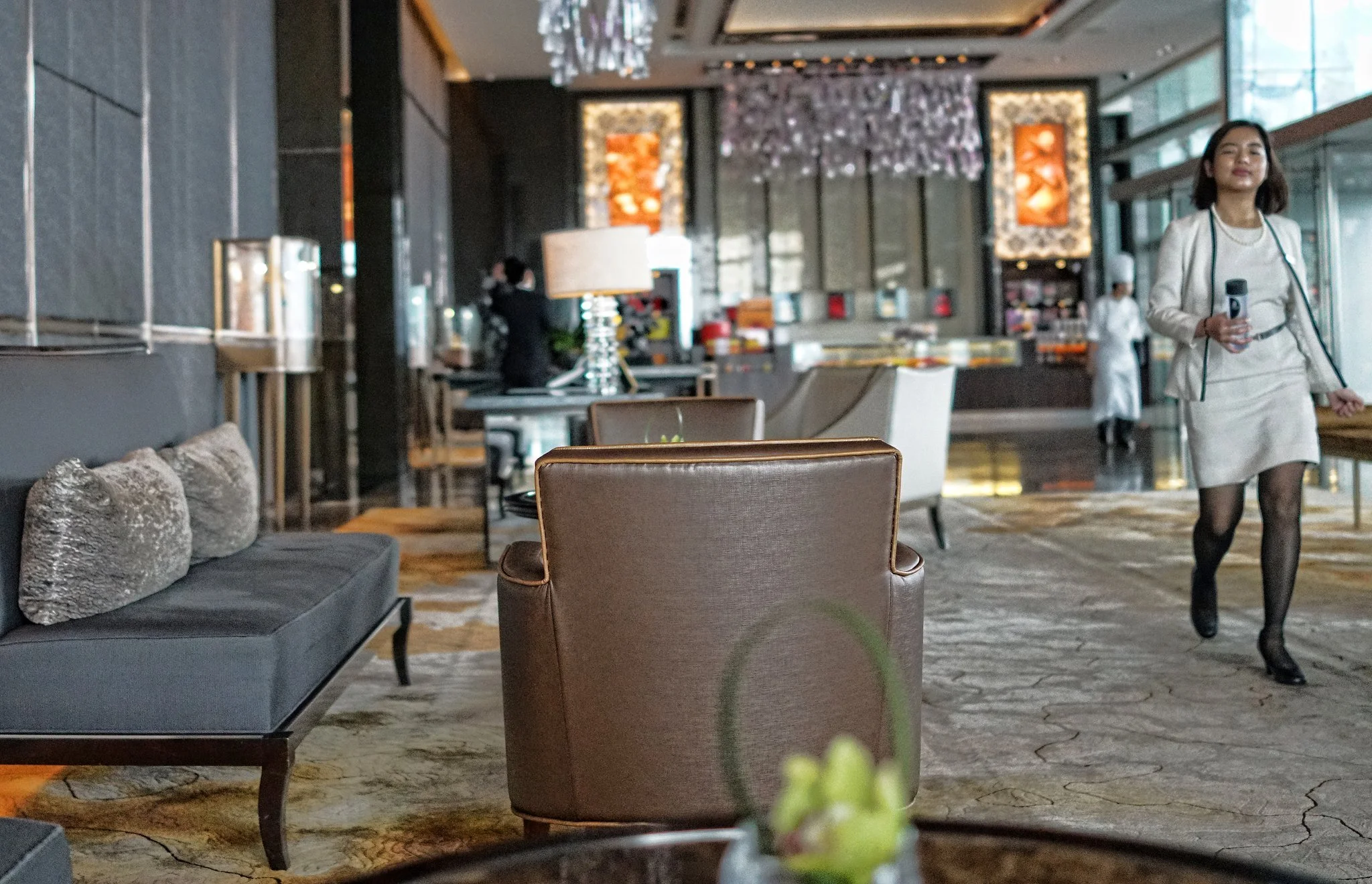
See the image above, this was a summer day some time ago, I arrived in the lobby at level 9, sat down and immediately the young lady gave me a bottle of ice cold water without asking if I was a guest of the hotel - it’s the little things.
1. Complete history of The Ritz-Carlton, Hong Kong - development from concept to opening
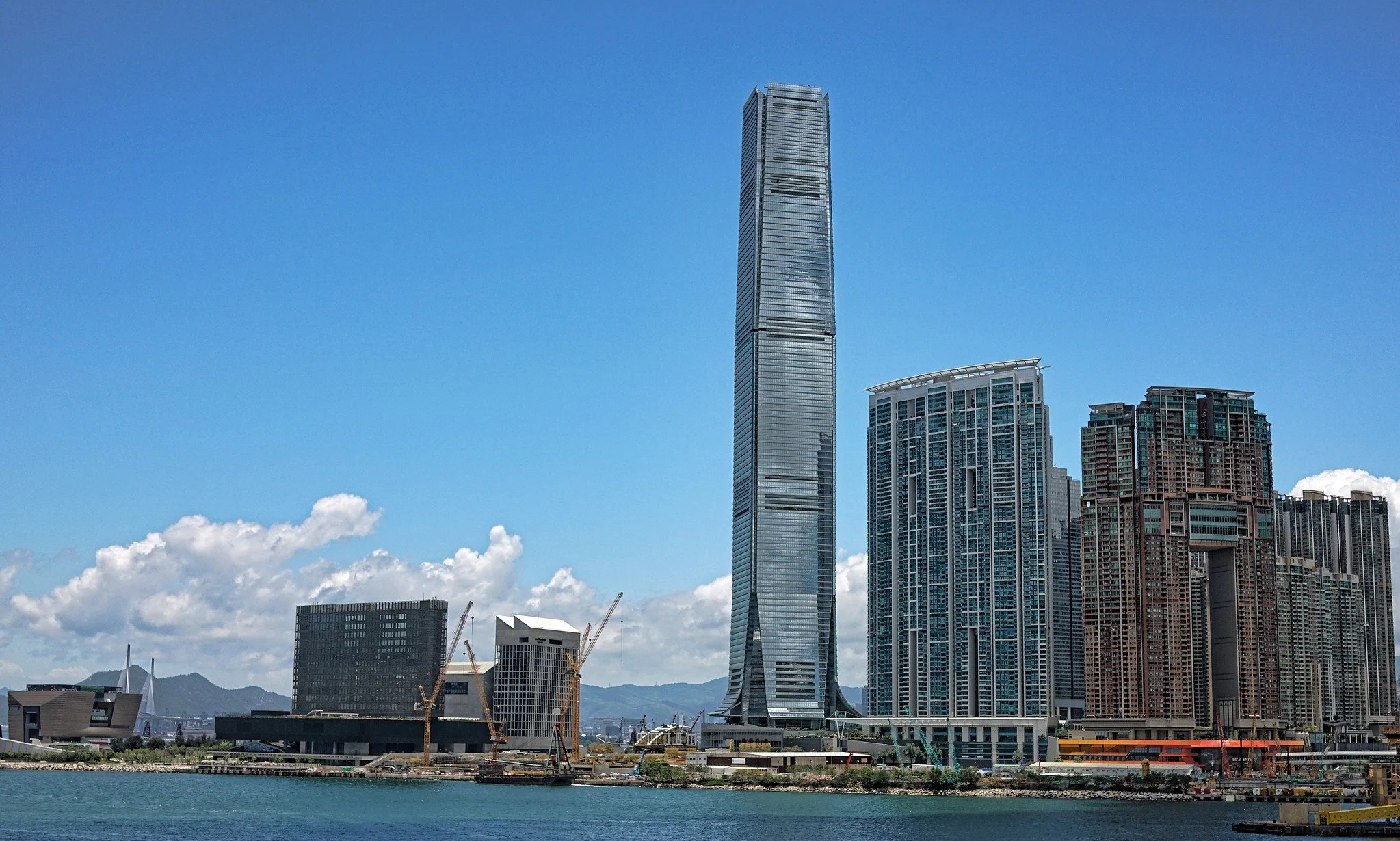
The current Ritz-Carlton occupies floors 102 to 118 of the International Commerce Centre in West Kowloon. The ICC itself formed part of the massive Union Square development above Kowloon Station, a joint project involving Sun Hung Kai Properties and the MTR Corporation. Construction of the tower began in the early 2000s, with the superstructure rising steadily through the middle of the decade. The hotel component was always intended for the uppermost floors. Design work involved Kohn Pedersen Fox as lead architects in association with local firm Wong & Ouyang, while interior design for the guest rooms and public spaces was handled by LTW Designworks of Singapore. Specialist Japanese studios contributed to the restaurant and bar interiors. Lighting design came from British specialist Sally Storey.
The original target opening had been late 2010. Delays pushed the official launch to 29th March 2011. On that day the hotel claimed the title of the world’s highest hotel, a distinction it held until taller properties elsewhere in Asia overtook it some years later. (in China and the Middle East) Guests arrive at a ground-level (actually Level 9) reception area before taking high-speed lifts that cover the vertical distance to the main lobby on Level 103 in roughly 50 to 80 seconds. The hotel opened with 312 rooms and suites and immediately positioned itself as a flagship for the Ritz-Carlton brand in Asia.
2. Ownership and corporate connections - The Ritz-Carlton, Hong Kong
The hotel is owned by Sun Hung Kai Properties, the major Hong Kong developer that also owns the ICC tower itself. Day-to-day management and branding sit with The Ritz-Carlton Hotel Company, a subsidiary of Marriott International. There is no other Ritz-Carlton hotel currently operating in Hong Kong, so there is no direct sister property within the city under the same brand. Sun Hung Kai does, however, own or has interests in other luxury hotels in the city, most notably the Four Seasons Hotel Hong Kong in Central and the W Hong Kong, which sits in the same West Kowloon precinct. The ownership structure is therefore a classic Hong Kong arrangement: local developer owns the real estate, international operator supplies the brand, standards and management expertise.
click on the image to enlarge
© Copyright Acknowledged | All rights reserved | image taken by Jame
The Ritz-Carlton, Hong Kong | The small old Hotel | Hong Kong
3. The original Ritz Carlton Hotel in Hong Kong in the Central Business District and the reason for the move
The first Ritz-Carlton Hong Kong opened in August 1993 on Chater Road in Central on Hong Kong Island. It was a stand-alone 24-storey building with 216 rooms and a more classical European aesthetic than the current property. It operated successfully for roughly 14 and a half years. In 2008 the owners, a subsidiary of Lai Sun Development, decided that the site would generate higher returns as Grade-A office space. The hotel closed on 31 January 2008. An auction of fittings and furniture followed, and the building was demolished in 2009. The China Construction Bank Tower now occupies the site.
On a personal note, I loved the old building, it would not have looked out of place in New York and it was very close to the Mandarin Oriental Hotel.
The decision was driven purely by land economics rather than any operational failure of the hotel. Central office rents had risen sharply and a hotel simply could not match the yield of a pure commercial tower. Ritz-Carlton management had already been in discussions for a new property in the ICC, so the brand continuity was maintained even though the physical hotel disappeared. Many long-time residents still remember the original building with a degree of affection; its relatively short life remains one of the more striking examples of Hong Kong’s willingness to demolish relatively new structures when land values dictate.
4. Refurbishment history in the past decade of The Ritz-Carlton, Hong Kong
As far as can be determined from available information and repeated visits, the hotel has not undergone a full-scale, floor-by-floor gut renovation in the past decade. The Level 9 arrival lobby and the main Level 103 lobby retain essentially the same layout and design language they had at opening. Guest rooms have been meticulously maintained and soft furnishings refreshed as needed, but the overall aesthetic remains that of the 2011 opening - rich fabrics, dark woods, marble bathrooms and the signature colour palette. Public spaces, restaurants and the Club Lounge have seen incremental updates rather than radical redesign. Reviews from 2024 and 2025 occasionally note that some elements are beginning to feel dated by the standards of newer competitors, yet the property continues to score highly on maintenance and cleanliness. A major renovation may eventually become necessary, but it has not yet taken place in any comprehensive sense.
5. Reviews, room inventory and suites - The Ritz-Carlton, Hong Kong
Guest reviews consistently praise three areas: the views, the service from the “Ladies and Gentlemen,” and the Club Lounge experience. The five most frequently recurring positive themes are:
the sheer drama of the harbour and city views from almost every room
attentive yet unobtrusive service that many consider among the best in Hong Kong
the generous Club Lounge offerings (breakfast, afternoon tea, evening canapés and drinks) - gosh I love this lounge!
the quality of the Michelin-starred restaurants
the novelty and comfort of the 118th-floor pool
The hotel has 312 rooms and suites. Entry-level Deluxe rooms measure approximately 50 square metres. Larger categories include Grand and Premier rooms, one-bedroom suites starting around 70 - 75 square metres, and progressively larger executive and Club suites. The top accommodation is the Ritz-Carlton Suite on a high floor, reported at roughly 365 - 366 square metres with expansive living space and panoramic views.
Rack rates for standard rooms typically begin in the region of HK$4,000 - 6,000 (approximately US$510 - 770) depending on season and view. Suites climb steeply from there, with larger one-bedroom and Club suites often quoted in the HK$8,000 - 15,000 range (US$1,025 - 1,920) and the largest suites historically reaching figures approaching or exceeding HK$100,000 (around US$12,800) per night at full rate. Actual paid rates vary widely with demand, corporate agreements and packages.
Insider tip
The building has 4 sides to it which means the views are quite different depending on the side they assign, quite simply just ask for a room that faces Hong Kong Island and the Central Business District, this is the iconic super view and the image below is what you can expect to see
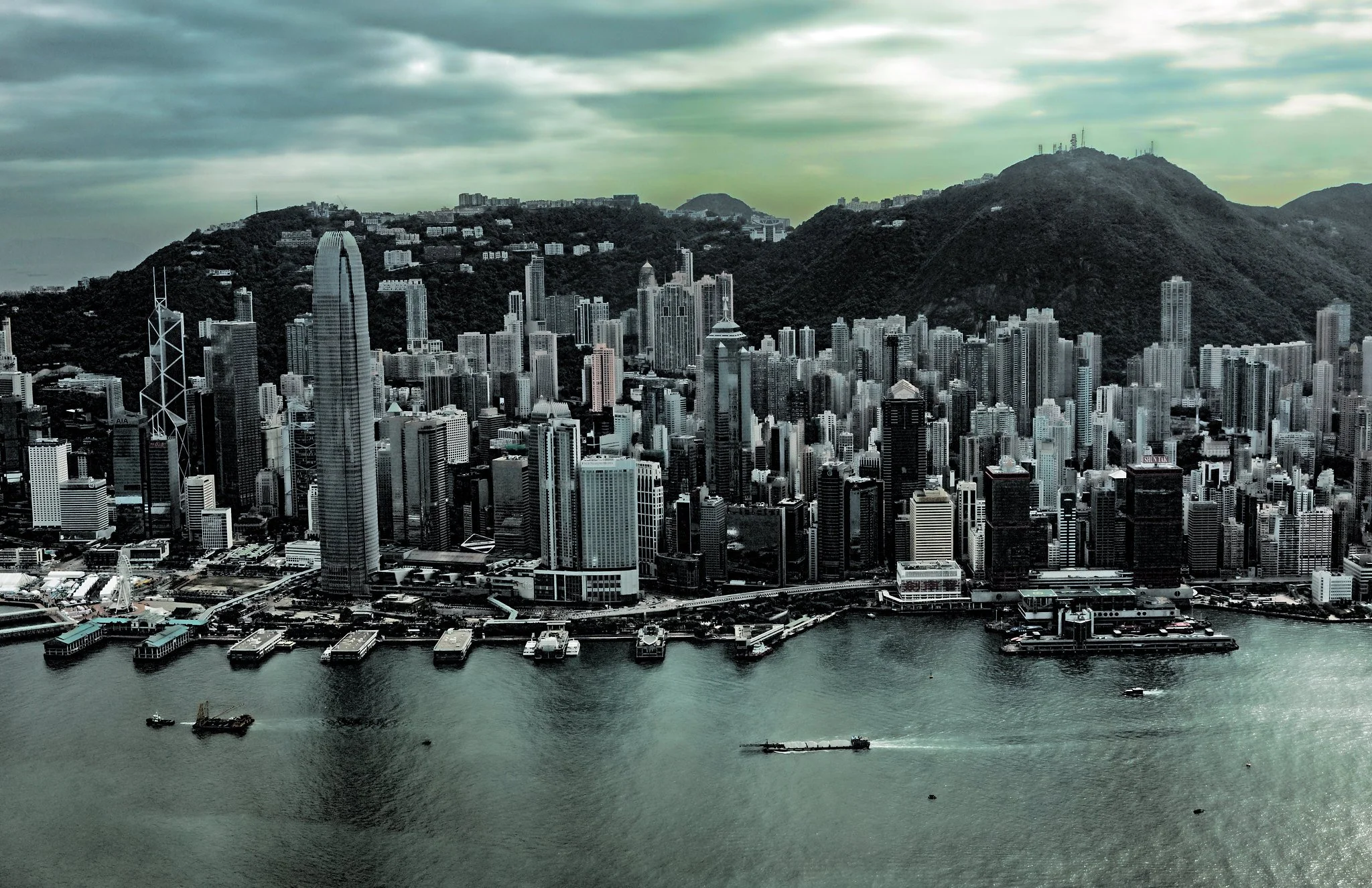
click on any image to enlarge
© Copyright Acknowledged | All rights reserved | images taken by Jame
The Ritz-Carlton, Hong Kong | World Class Hotel | Hong Kong
6. Major awards in 2025 and 2026 for The Ritz-Carlton, Hong Kong
The hotel and its facilities continue to collect recognition. In 2025 it received a Michelin Key. It has been named Hong Kong’s Leading Hotel in the World Travel Awards for multiple recent years, including 2025. The Spa has won several regional and global accolades in 2025 and 2026, including Best City Hotel Spa in Asia and related categories at the Haute Grandeur Global Excellence Awards, plus World’s Best Spa Service Excellence. Tin Lung Heen retained its two Michelin stars into 2026 (now 14 consecutive years) and Tosca di Angelo retained its one star (13 consecutive years). The Club Lounge has repeatedly been recognised as one of the world’s leading executive lounges. Forbes Travel Guide and various readers’ choice awards continue to place the property among Hong Kong’s top tier.
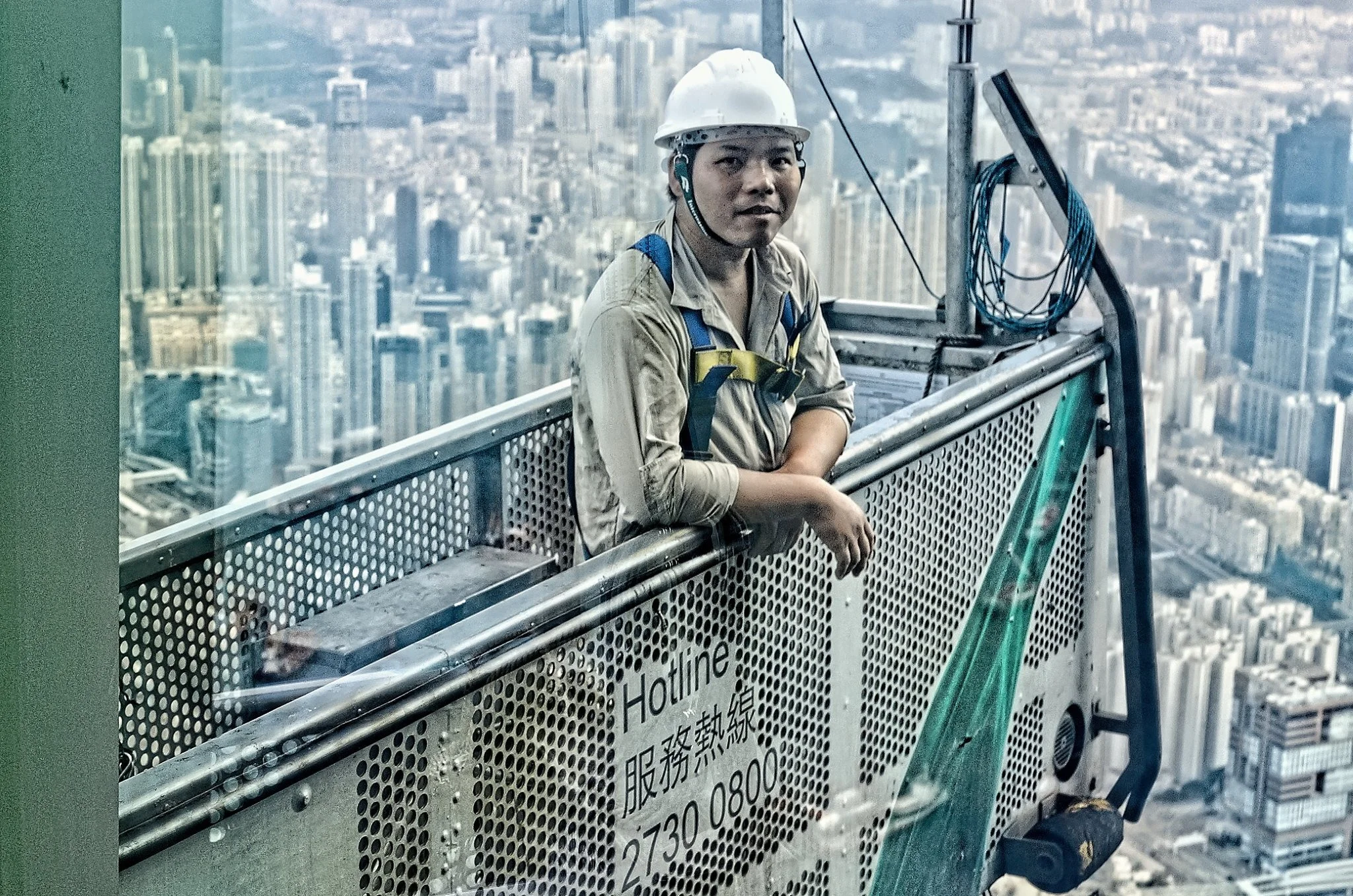
I have already said this, the club lounge is fabulous and one of my favourite images I took was a window washer outside looking in 116 floors up!
7. Facilities overview of The Ritz-Carlton, Hong Kong
Dining venues include Tin Lung Heen (two Michelin stars, Cantonese), Tosca di Angelo (one Michelin star, Italian), The Lounge & Bar (all-day dining), Café 103, and the Ozone Bar on the top floor. There is also a caviar bar concept.
The spa occupies Level 116 with nine treatment rooms plus two couples’ suites, all with harbour views, plus steam, sauna and relaxation areas. The Club Lounge shares the same floor and is widely regarded as one of the strongest executive lounges in the city - generous food and beverage presentations throughout the day, excellent views, and a genuinely residential feel.
Level 118 houses the indoor infinity pool (recognised as the world’s highest swimming pool in a building), a fully equipped 24-hour gym, and Ozone. Meeting and banquet facilities are located on the lower floors of the hotel component, including one of the larger ballrooms in Hong Kong. Business facilities and a well-staffed concierge complete the picture. The Club Lounge on 116 is the standout facility for many regular guests and lesser mortals such as myself..
8. The Ritz-Carlton, Hong Kong - Location and access from Kowloon Station and Elements Shopping Mall
The hotel sits directly above Elements Mall and Kowloon Station in West Kowloon, which looks convenient on a map and only on a map. In daily reality the arrangement is more awkward than most first-time visitors expect. The walk from the Level 9 hotel entrance down through the mall to the Airport Express or MTR platforms takes a solid 15 minutes at a normal pace when you know the route and are not carrying luggage. With suitcases it becomes slower, more cumbersome and involves multiple escalators plus long corridors through a busy shopping mall. Hotel staff do not meet arriving guests at the station platforms or exits; guests make their own way to the Level 9 entrance before porters take over. There is no dedicated shortcut that bypasses the commercial floors.
On departure the same issue applies. In-town check-in at Kowloon Station only covers a limited number of airlines and still requires guests to haul luggage through the mall first. Many people simply take their bags with them on the Airport Express. After check-out a taxi or Uber to the airport is often the more practical choice. The cost is comparable to the Airport Express ticket, the journey is door-to-door, and it avoids the mall trek entirely. Arrivals by private car, taxi or the hotel’s limousine service remain the smoothest option because they drop guests straight at the Level 9 driveway.
Transport connections sound strong in theory yet prove less convenient in practice. Getting to Tsim Sha Tsui in Kowloon which is the major draw for visitors, for example, usually means either a taxi or an unnecessarily long MTR (Subway) journey that goes under the harbour to Hong Kong Station, involves an underground walk to Central Station, and then returns under the harbour again back over to TST in Kowloon. Guests who have stayed at the hotel over the years consistently remark on the time and effort required to reach other parts of the city. The contrast with a property such as The Peninsula which is in a perfect location right in the heart of Tsim Sha Tsui with easy street-level access, is stark.
None of this diminishes the world-class experience once you are inside the hotel. The views remain astonishing and the service is among the best in Hong Kong. The location simply demands more planning and more time than many people anticipate. A little more transparency from the hotel (that is me in polite mode) about realistic journey times and the practicalities of moving luggage through the mall would help manage expectations for first-time visitors.
9. Top five competitors in Hong Kong to The Ritz-Carlton, Hong Kong
In the ultra-luxury segment the natural competitors are:
Rosewood Hong Kong (waterfront, contemporary design, strong suite product)
The Peninsula Hong Kong (heritage, classic service, harbour position)
Four Seasons Hotel Hong Kong (Central location, exceptional dining)
Mandarin Oriental, Hong Kong (long-established, strong club and restaurant scene)
The Upper House (boutique scale, design-led, Peak-side location)
I agree with this list, other properties such as the St. Regis, Island Shangri-La and Regent also appear in competitive sets depending on the specific guest profile, but the five listed above form the core comparison group for most corporate and leisure travellers evaluating the Ritz-Carlton. - my personal choice would be the Peninsula Hotel simply because it is historic, iconic, luxurious and the best location in Hong Kong.
click on any image to enlarge
© Copyright Acknowledged | All rights reserved | image taken by Jame
The Ritz-Carlton, Hong Kong | Ozone Bar | Hong Kong
10. Ozone Bar in The Ritz-Carlton, Hong Kong - concept, logic and marketing
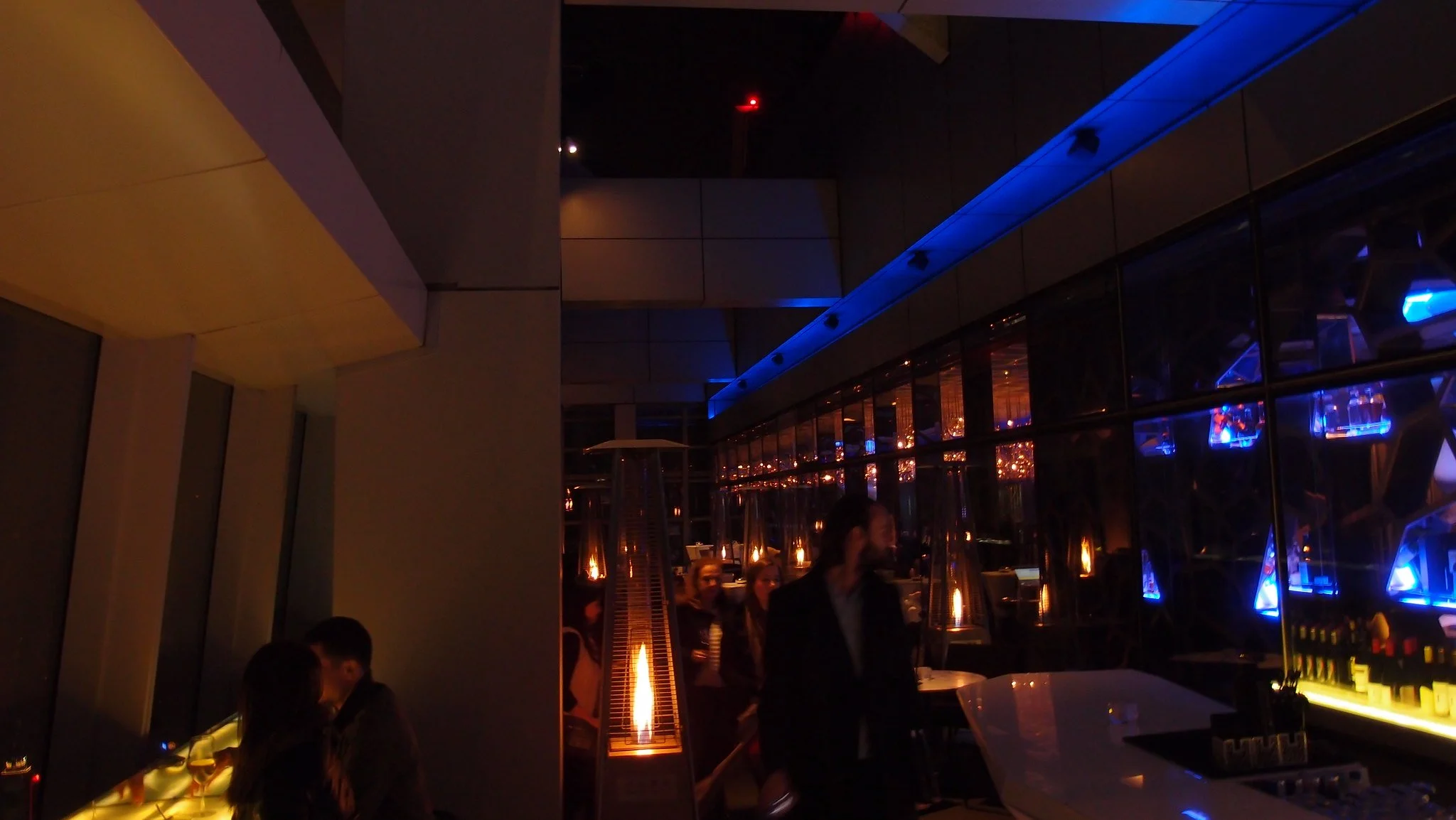
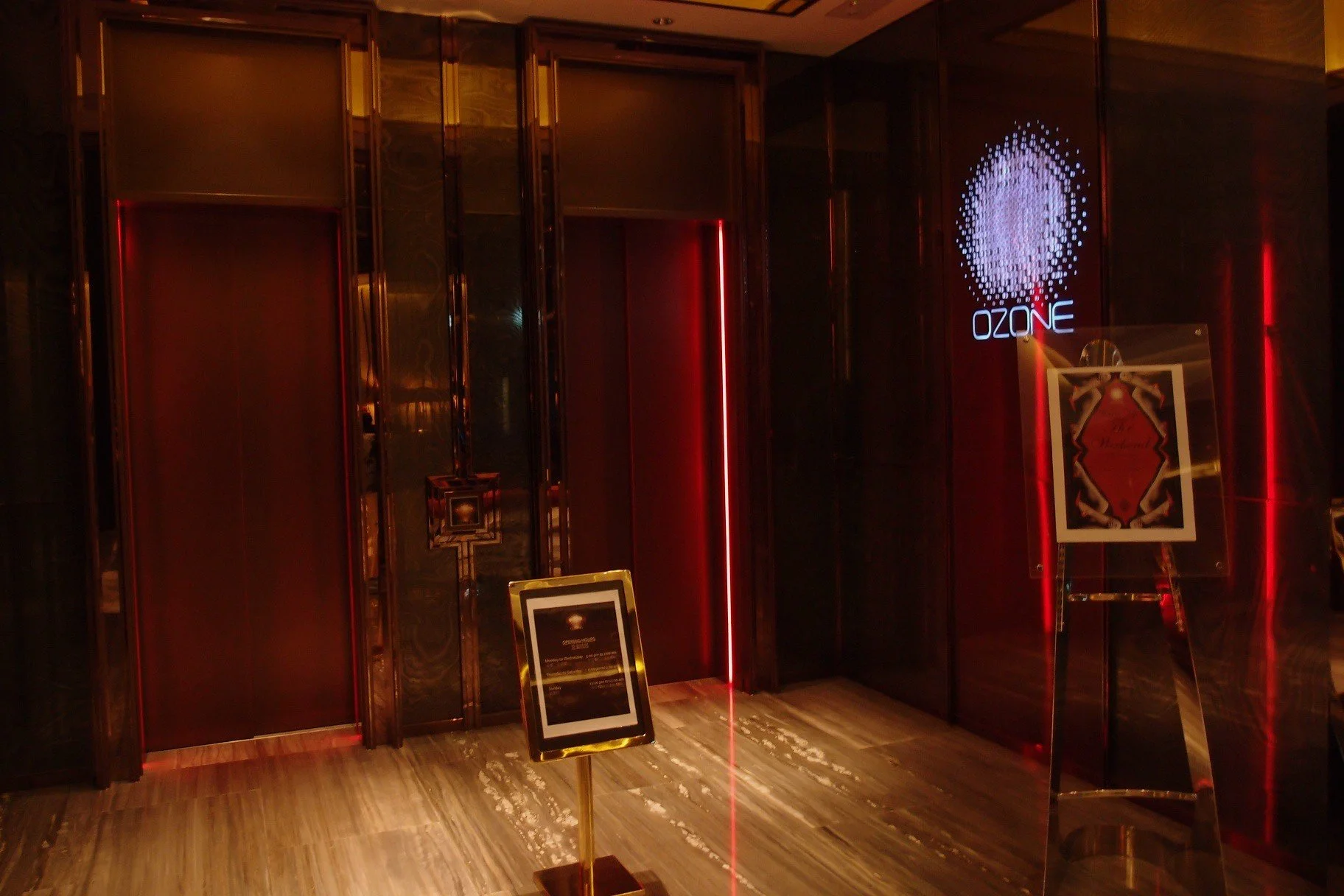
Ozone occupies the 118th floor and was designed by Japanese firm Wonderwall under Masamichi Katayama. The stated concept was an “Edenic Experiment” - a man-made environment of nature in an imaginary world. ( I guess that is how people see the world after a few alcoholic drinks! ) The result is a dramatic, somewhat theatrical interior of geometric forms, honeycomb motifs, dramatic lighting and a large outdoor terrace.
Access is not direct from the hotel rooms. Guests must first go to the main lobby on the 103rd floor and then take a designated elevator specifically for the Ozone Bar. The logic of placing the bar at the absolute summit was straightforward: the hotel already sat at the top of Hong Kong’s tallest building, so creating a sky lounge and terrace there generated an instant global talking point. Marketing has consistently leaned on the “world’s highest” claim (later qualified as Asia’s highest or highest hotel bar depending on competing properties elsewhere). The space functions as both a sophisticated cocktail venue with Asian-inspired tapas and sushi and a late-night destination with DJ sets on certain evenings.
Sunset remains the most popular time. It is less a quiet contemplative bar and more a high-energy sky lounge that trades heavily on its altitude and killer views.
Additional notes and out of left-field observations
One other persistent rumour concerns the building itself. Stories circulate that the International Commerce Centre moves or sways noticeably in strong winds or during typhoons. The rumour is not pure invention. Like every modern super-tall tower in Hong Kong, the ICC is deliberately designed to flex slightly under extreme wind loads. Engineers conducted extensive wind-tunnel testing specifically to ensure that movement at the upper floors - including the hotel levels - would stay within strict human-comfort limits. During actual typhoons the measured accelerations have remained imperceptible to occupants and well inside the design criteria. In short, the structure does move, but the movement is engineered to be so slight that most people never feel it. Those who claim to have felt the building shift are almost certainly describing the normal, controlled response of a 484-metre tower rather than anything alarming or outside its intended performance.
Back to the business at hand.One thing that makes my teeth grind is when you read online travel articles which I call fluff pieces, they have no substance and are quite often factually incorrect, Hong Kong is not Utopia and I live in the real world, I have visited the websites of many, many hotels in Hong Kong, lots of dreamy images, lots of marketing fluff and lots of claims about being in a great location and there the wheel falls of the bus, many Hotels are NOT in great locations and from my perspective it is time that Hotels where more pragmatic about reality, I was recently in a Hotel in Jordan district on Nathan Road in Kowloon and they actually stated that to walk to the iconic TST waterfront for the views would take 7 minutes, reality, for normal people, about 30 minutes as there are numerous places you have to stop and cross busy roads not to mention very crowded sidewalks.
Beyond these points, a few additional observations may be useful. After more than 45 years of weekly hotel visits across Hong Kong and well over 2,000 individual hotel visits in the past 15 years alone - covering more than 100 different properties - the difference between polished marketing language and actual day-to-day reality becomes fairly clear. The Ritz-Carlton Hong Kong is, without question, a world-class hotel. The service, the views, the Club Lounge and the overall standard of delivery sit at a genuinely high level. Many guests will quite rightly overlook the transport and location shortcomings because what happens once they are inside the building more than compensates for the location shortcomings.
That said, the marketing could usefully adopt a little less spin and a little more straightforwardness about the practicalities of arriving and departing. The mall walk with luggage is real, the journey times to other parts of the city are longer than many first-time visitors expect, and the absence of a simple porter service meeting guests at Kowloon Station remains a noticeable gap. How difficult would it be to station a small team of porters at the station to collect arriving guests and their luggage and escort them up to the Level 9 entrance? It is a modest operational detail that would remove one of the few genuine friction points at an otherwise outstanding property.
The property continues to attract both long-stay corporate clients and short-stay leisure visitors who specifically want the height experience. For anyone who values views and service above street-level convenience, it still delivers something few other hotels in the city can match.
For the Ritz Carlton Hoel there is no publicly advertised or standard porter service that collects guests and luggage at Kowloon Station itself after a ride from the Airport on the Airport Express train
Guests can always contact the concierge in advance to request special assistance. In practice, a hotel of this calibre will often try to accommodate reasonable requests, particularly for guests in suites, Club rooms, or those with higher status, but it is not a formal, guaranteed service available to every arrival. Most published guest experiences and hotel information continue to describe the walk through Elements as the normal route, with porters taking over only once guests reach the Level 9 hotel entrance.
The paid limousine transfer from the airport remains the only officially promoted door-to-door option and no doubt that will cost an arm and a leg and your Christmas bonus,
Considered opinion
This is not an issue exclusive to the Ritz Carlton Hotel and the Four Seasons on Hong Kong Island has an almost identical issue
At the rates charged and with the reputation both hotels claim, leaving well-heeled guests to drag luggage for 10–15 minutes through a shopping mall is a basic service failure.
Four Seasons Hotel comparison
The Four Seasons faces a very similar situation. Hong Kong Station sits inside the IFC complex and the walk through the mall to the hotel is routinely described as anything from 3 to 10 minutes depending on the route and amount of luggage. Official messaging still tends to downplay it.
However, the Four Seasons does appear slightly more proactive. Several independent sources mention a complimentary hotel shuttle operating between Hong Kong Station and the hotel specifically to avoid the mall trek with bags. They also encourage guests with luggage to contact the concierge in advance and more readily push private car or limousine options. It is not a perfect solution either, but they at least acknowledge the friction and offer a practical alternative beyond “just walk”.
If it routinely takes 5 minutes just to exit Hong Kong Station, negotiate the escalators and locate the correct level into IFC Mall before the actual mall walk even begins, then the total journey with luggage is closer to a solid 10 minutes (and often more). That puts the practical experience at the Four Seasons in very similar territory to the Ritz-Carlton’s 15-minute trek through Elements Mall
Both properties therefore share essentially the same operational blind spot: a world-class hotel sitting above a major transport hub, yet still expecting guests paying five-star rates to manage a multi-level, luggage-laden walk through a shopping mall. The Four Seasons may talk about a short connection more optimistically in its marketing, but the lived reality for someone carrying bags is not materially better.
The core point remains unchanged. At these price levels and with the service standards both hotels otherwise deliver, a simple, reliable porter or shuttle solution from the station platforms should be basic common sense rather than an afterthought and frankly just advise them to take a taxi or an airport limo service vehicle!
As GM of the Ritz-Carlton Hotel in Hong Kong
If I were running the property I would regard the current arrangement as beneath the brand. Charging HK$4,000 - 15,000+ a night while expecting guests to navigate escalators and long corridors with suitcases is inconsistent with the level of service delivered once they reach the 103rd floor lobby. A small, dedicated team of porters stationed at the Airport Express exit during peak arrival periods would solve the problem at relatively modest cost. It would also remove one of the few genuine complaints that otherwise excellent guests still make after 15 years of operation.
The service culture inside the hotel is genuinely world-class. The gap is only in the last stretch of the journey. That gap is noticeable precisely because everything else is so polished. Fixing it would be low-hanging fruit.
So.
For any guest who can afford these hotels, the simplest and most sensible solution is already available: take a taxi, Uber or one of the many private limousine services straight from the airport to the hotel driveway and front door entrance. The cost is reasonable by Hong Kong standards, the journey is door-to-door, and it completely removes the station-plus-mall luggage problem.
Quick price comparison for 2 adults (Airport to the Ritz Carlton Hotel)
Airport Express (Airport → Kowloon Station)
Adult single journey: HK$105 with Octopus | HK$115 with a paper or smart ticket
Total for 2 adults: HK$210 - HK$230
Journey time: about 22 minutes, then the 15-minute walk through Elements Mall with luggage
Private airport transfer | taxi
Metered urban (red) taxi to West Kowloon | ICC area: typically HK$260 - HK$320 including tolls and normal luggage
Pre-booked private transfers listed on platforms such as Viator or Tripadvisor: commonly HK$280 - HK$450 for a standard private car for 2 adults + luggage (higher for larger vehicles or luxury brands)
Bottom line For two adults the pure cash difference is often only HK$50 - 150. Once you factor in the convenience of being dropped at the Level 9 hotel entrance with no escalators, corridors or suitcase-hauling, the private option is frequently the more sensible choice - especially for guests paying Ritz-Carlton rates.
Publishing a simple note on their website with an honest comparison - Airport Express cost versus a door-to-door transfer, plus the realistic walk times with luggage - would take almost no effort and would immediately manage expectations. Guests could then choose the option that suits them without feeling misled once they arrive. It would also remove one of the few recurring soft complaints that otherwise excellent hotels still attract.
I will stick with my original suggestion, just take a taxi or a private car transfer from the Airport to the front entrance of the Hotel
Clear information is rarely a risk; it is usually the most effective form of service and for some reason a lot of luxury Hotels simply ignore the issue
So there you go
Jamie’s Hong Kong Insider Chat
Ready to turn your plans into a far more enjoyable reality? Click the yellow button below to learn more about Jamie’s Hong Kong Insider Chat, check pricing and book
I do not do Food Tours in Hong Kong but I know people that do!
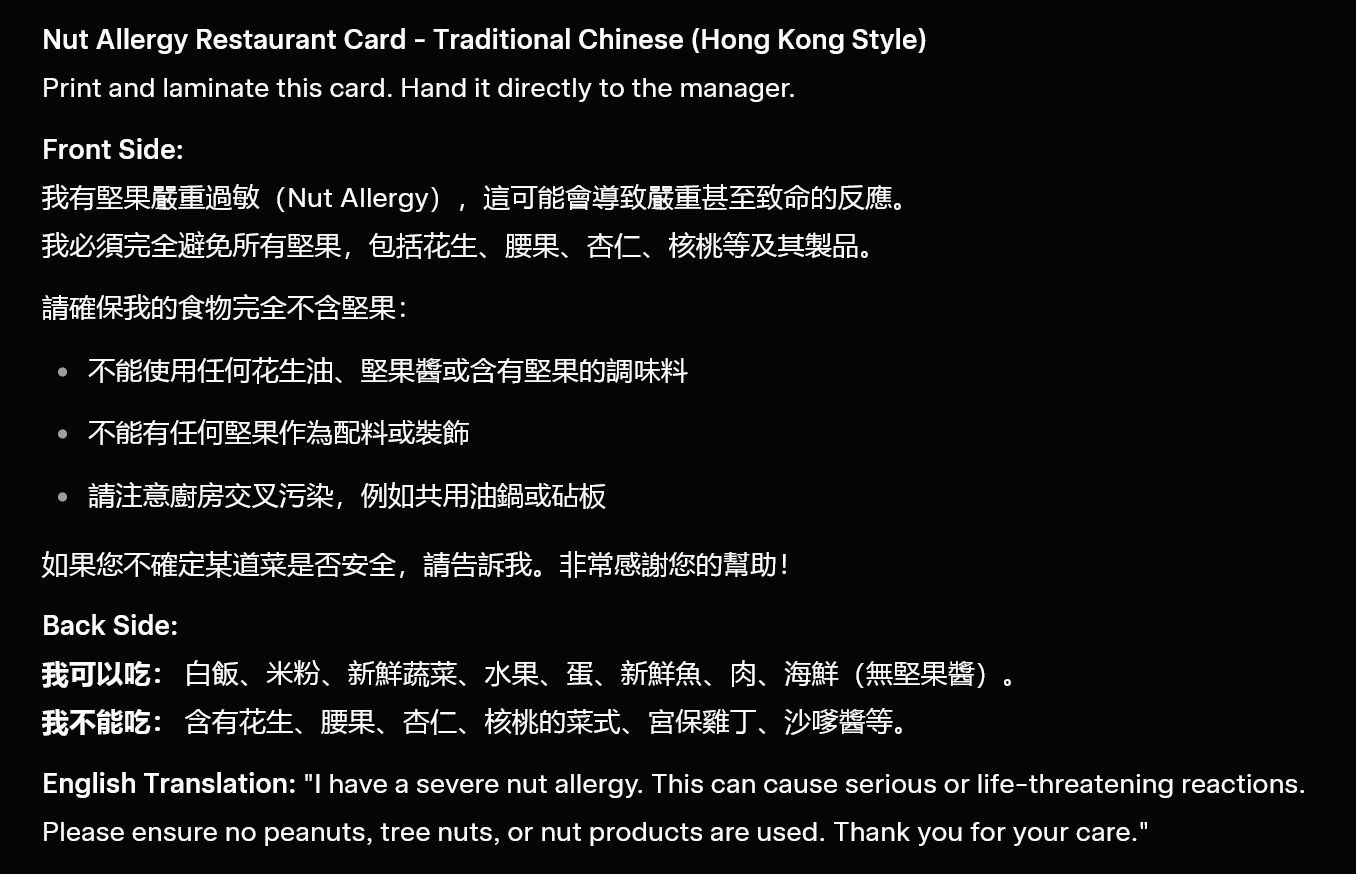
click on any image to enlarge
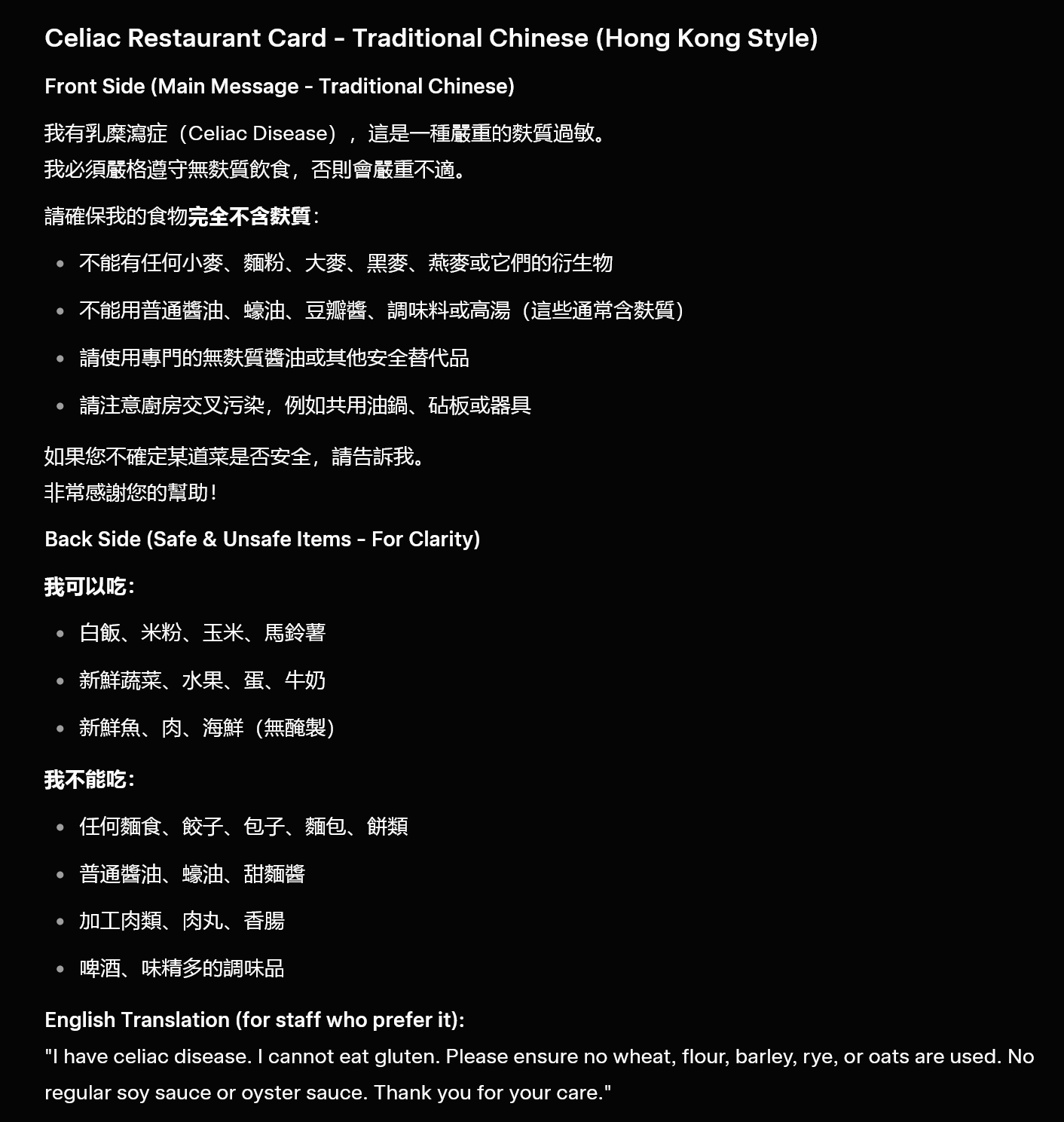
The information above can be shown to restaurant managers in Hong Kong if you are intolerant to gluten and nuts,
I do not do food tours as mentioned above, I have very specific reasons and part of it is that I do not speak Cantonese or write Chinese, I am from Yorkshire in England and I lack the language gene and it is not through lack of trying and yes a lot of restaurants do not have English menu’s or staff who speak conversational English.
.. and yet I have eaten at close to 1,400 restaurants in Hong Kong since January 2nd 1972, my wife was born in Hong Kong and we have been together over 40 years and her first language is Cantonese and a lot of her family are Chinese or half Chinese so I have never had much of an issue!
This does not translate to doing food tours though, yes, I could do them, no problem there but they would never ever be as good as the food tours done by my friends (see the 3 links above) most of their awesome guides are locally born Hong Kong Chinese and obviously food culture is part of their DNA, it is impossible for me to compete with that!
So please feel free to contact them for food tours
I do not do Hiking Tours in Hong Kong but I know someone that does!
I do not do Hiking Tours, never have and never will even though I used to go Hiking a lot when I was a lot younger, The Hong Kong Government is promoting hiking tours so I urge you to contact my friend Sabrina at Hong Kong Trails and Tours, she is a long time Hong Kong resident and and a very experienced hiker with close to 700 Hikes in 15+ years under her belt, please click on the link below
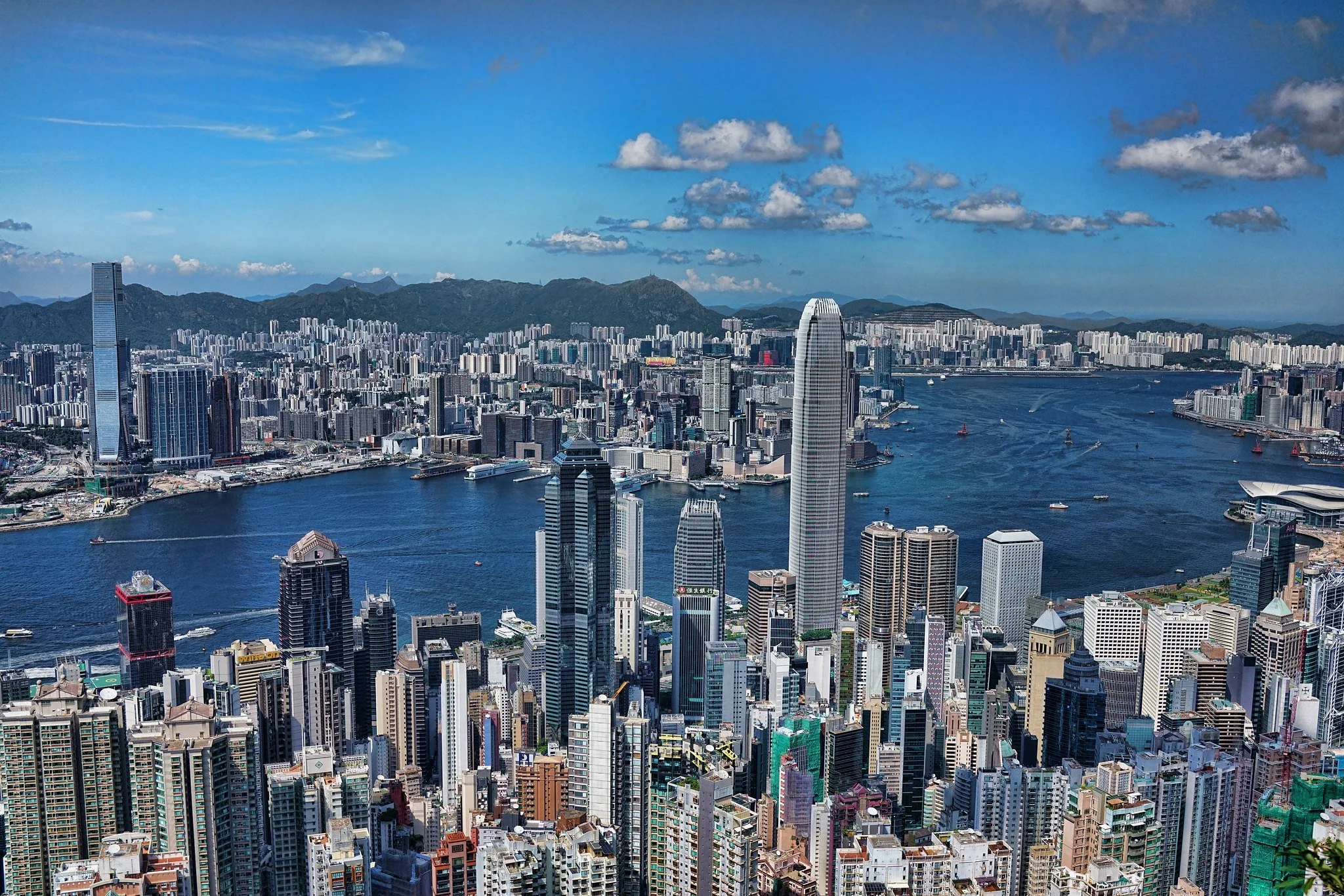
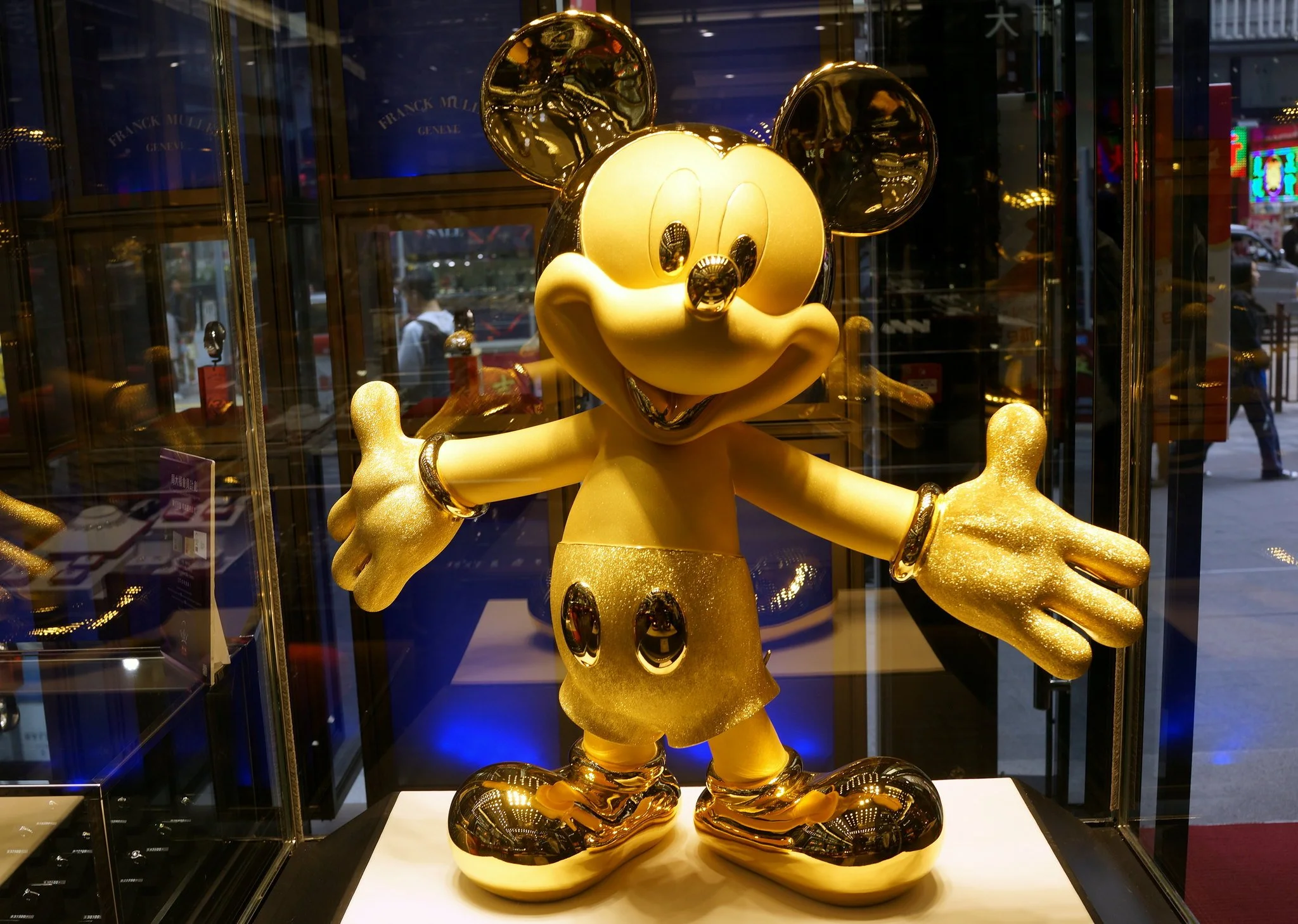
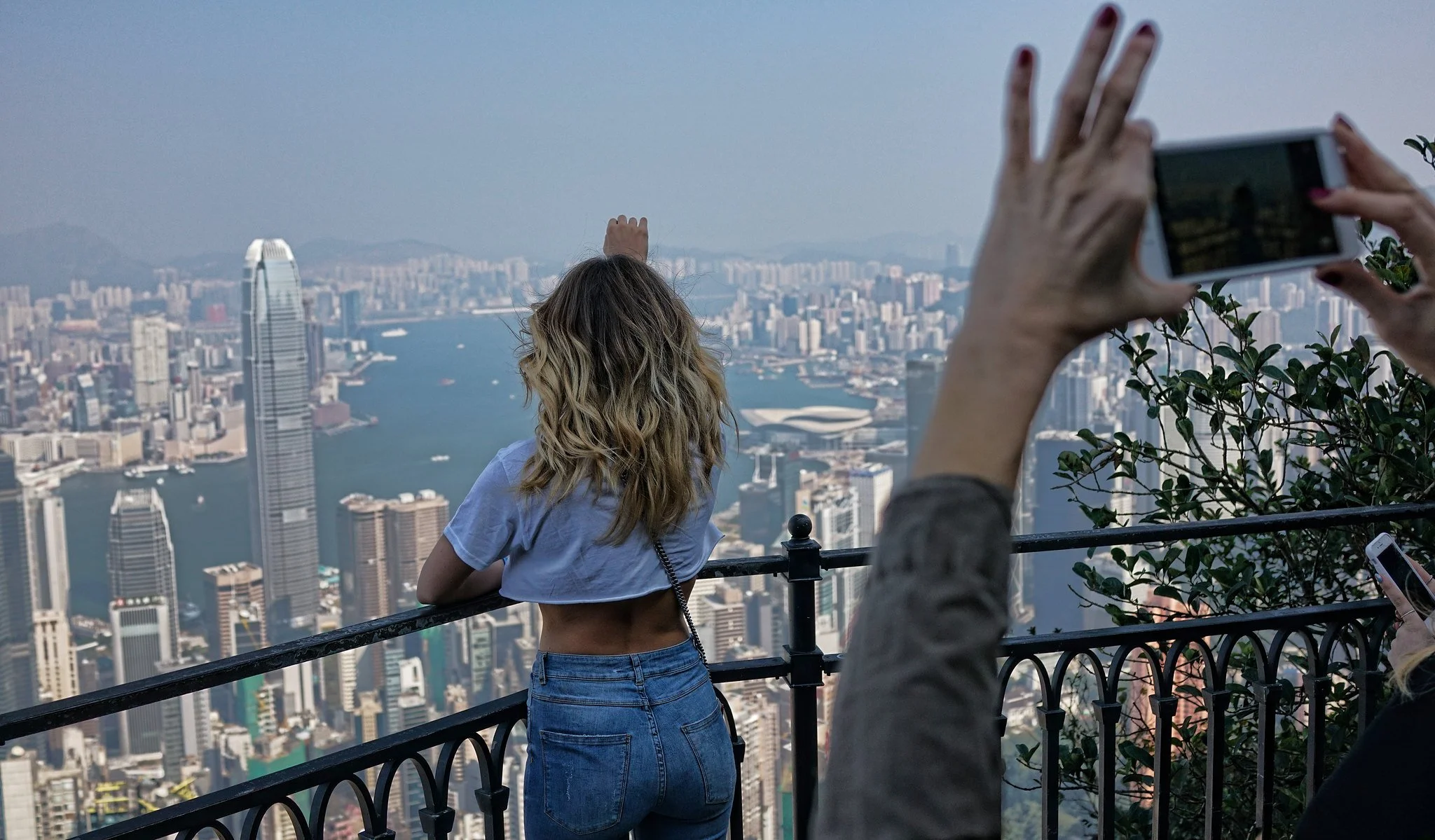
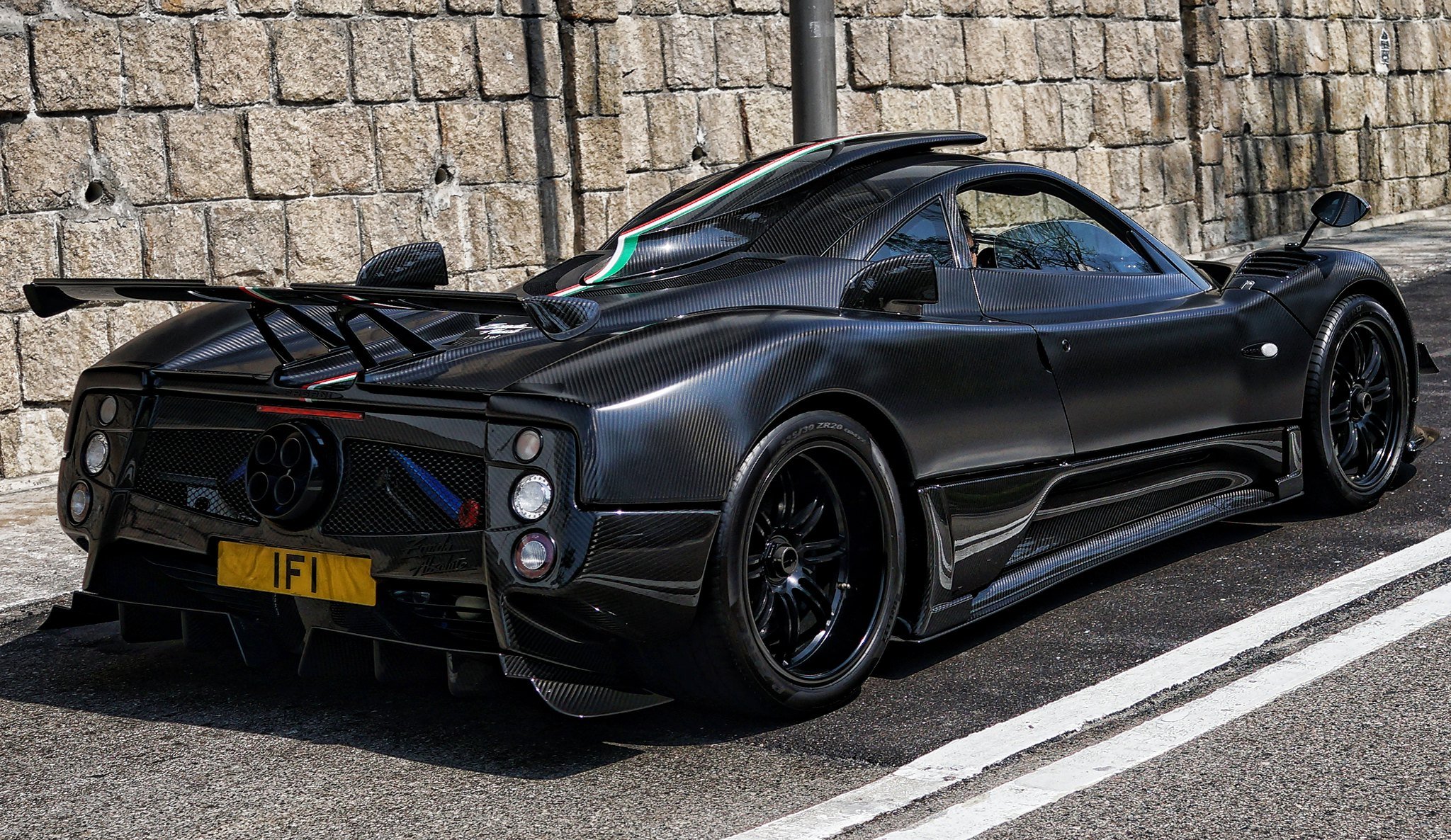
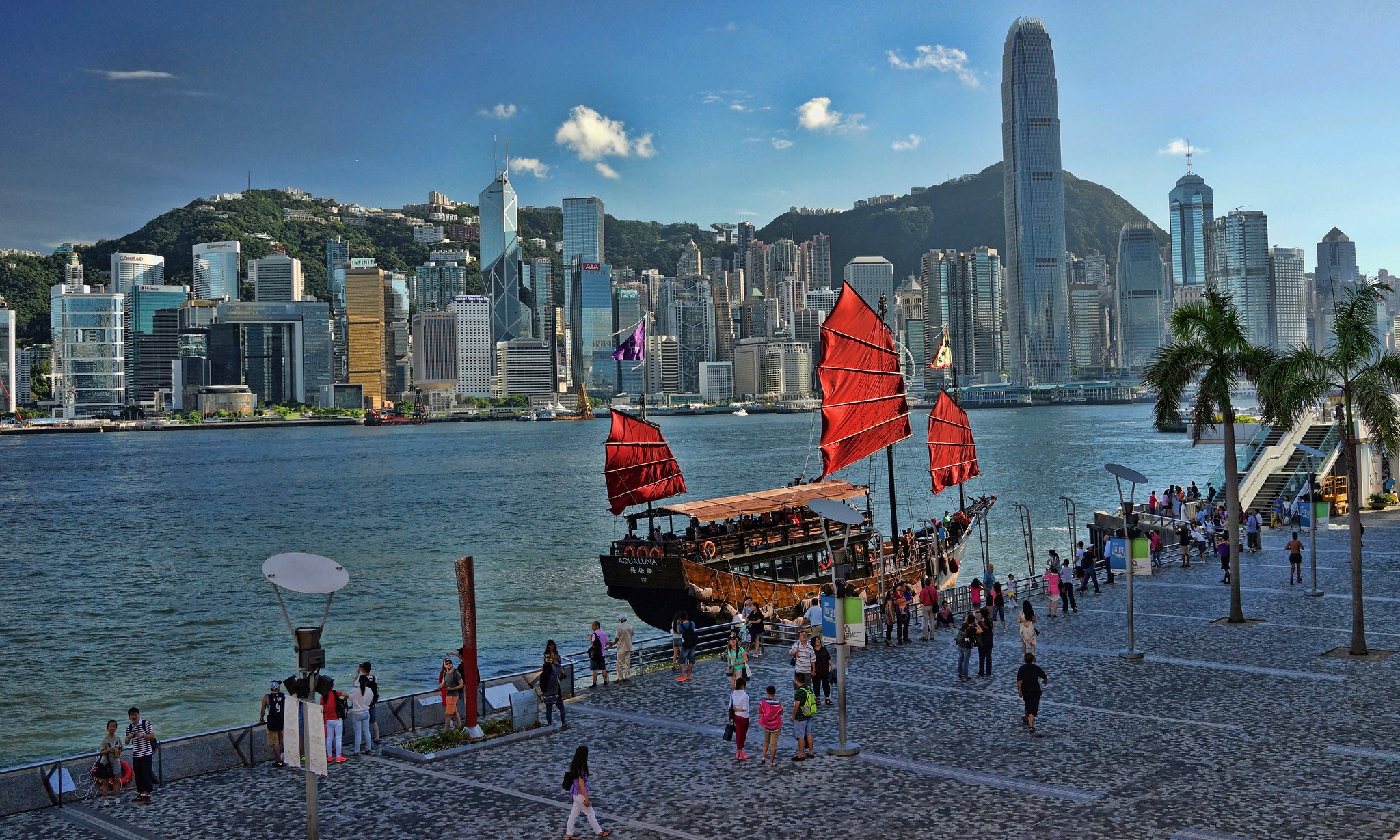
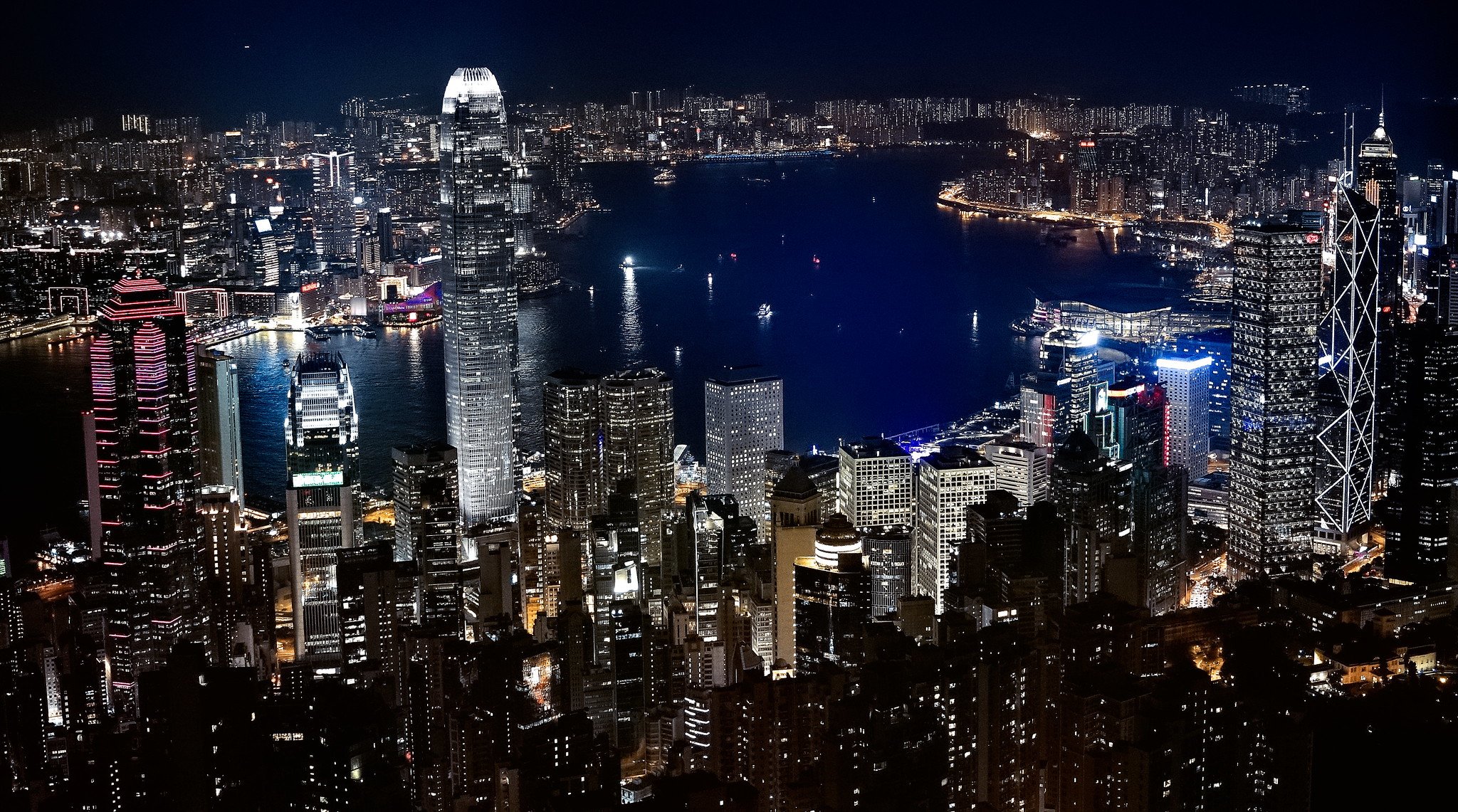
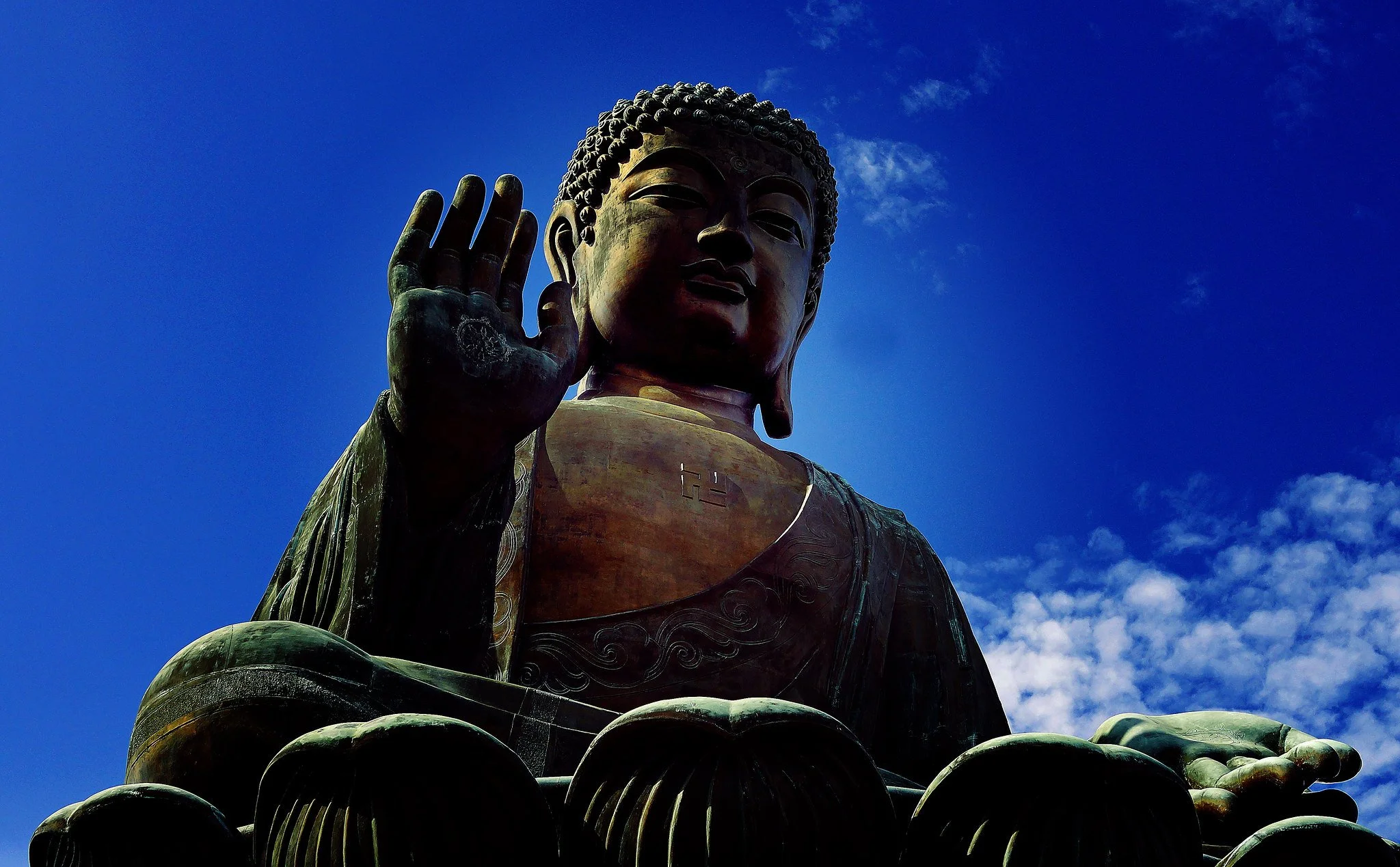
click on any image to enlarge
© Copyright Acknowledged | All rights reserved | all images taken b Jamie
Jamie’s Hong Kong | Some of my favourite images | Hong Kong 101