10 things you didn’t know about Hong Kong’s Noon Day Gun - A ritual for 160 years
Why a Naval Gun Still Fires at Noon Every Day - Jardine Matheson’s Enduring Ritual

The J3 Group - Premium Quality Private Tours | Experiences and Insider Chats since 2010
Me Jamie, your host, I am English and I have lived in Hong Kong since January 2nd 1972 - I know the place.
A meaningful blog post with a difference - tips on Travel, Tourism, Tours, Daily Life and my personal thoughts on Hong Kong.
Please do visit Amazing Hong Kong
Hong Kong | Pearl of the Orient

A Resident since 1972 - Private Tours of Hong Kong with Jamie
The Best Things to do in Hong Kong
click on the image to enlarge
© Copyright Acknowledged | All rights reserved | image take by Jamie
The Noon Day Gun | Daily Historic Ritual | Hong Kong
Foreword by Jamie
There is something quietly remarkable about standing on that narrow strip of waterfront in Causeway Bay on Hong Kong Island just before midday and watching a uniformed figure approach a small, enclosed gun platform. The modern city thunders past on Gloucester Road, the typhoon shelter sits still beside it, and for a few moments the whole place seems to pause for a single, deliberate report (“Report” is actually the right word here. In the language of firearms and artillery, the sharp sound a gun makes when it fires is traditionally called its report.) You’ll see it in old naval and military writing all the time: “the report of the gun,” “a single report echoed across the water.” It’s the established term for the noise itself. It will probably surprise many people as it did me) that has marked noon here for more than a century and a half. The Noon Day Gun is one of those Hong Kong institutions that refuses to fade, even as the shoreline around it has been pushed farther and farther into the harbour by successive reclamations. What follows is a closer look at the gun, its history, the practicalities of watching it, and a few of the lesser-told details that make the tradition more interesting than the usual tourist summary.
My big regret, because it is at a very specific time of the day 12 noon and not a second later it is very hard to fit it into an itinerary, it is not the easiest place to find and it takes a bit of time to get to, of course if my guest makes a special request I will make it happen!
1. The complete and detailed history of the Noon Day Gun from inception to the present day
The story begins with land. In 1841 the colonial government held its first public land auction in Hong Kong. The plot known as East Point - roughly the area of present-day Causeway Bay - was sold to Jardine Matheson, the Scottish trading house that had already established itself as one of the dominant hongs. On that waterfront the company built godowns and offices, and in the 1860s its private militia took to firing a salute whenever the taipan arrived or departed by sea. The practice was common enough among the merchant houses of the day, but it irritated a senior British Royal Navy officer who regarded such salutes as the preserve of government officials and senior military ranks. As a formal reprimand, Jardines were ordered to fire a gun every day at noon, in perpetuity.
That daily firing continued until December 1941, when the Japanese occupation began. The original gun was dismantled and disappeared. After the British returned in 1945 the Royal Navy supplied a replacement six-pounder. Firing resumed on 1 July 1947. The new gun proved too loud for the growing urban surroundings, and in 1961 it was exchanged for the quieter three-pounder still in use today. Through the handover of 1997 and every subsequent political and physical change to the waterfront, Jardine Matheson has continued the ritual without interruption. The only regular variation is the additional firing at midnight on New Year’s Eve, sometimes called the Midnight Gun.
2. A complete history and specifications of the actual Noon Day Gun used
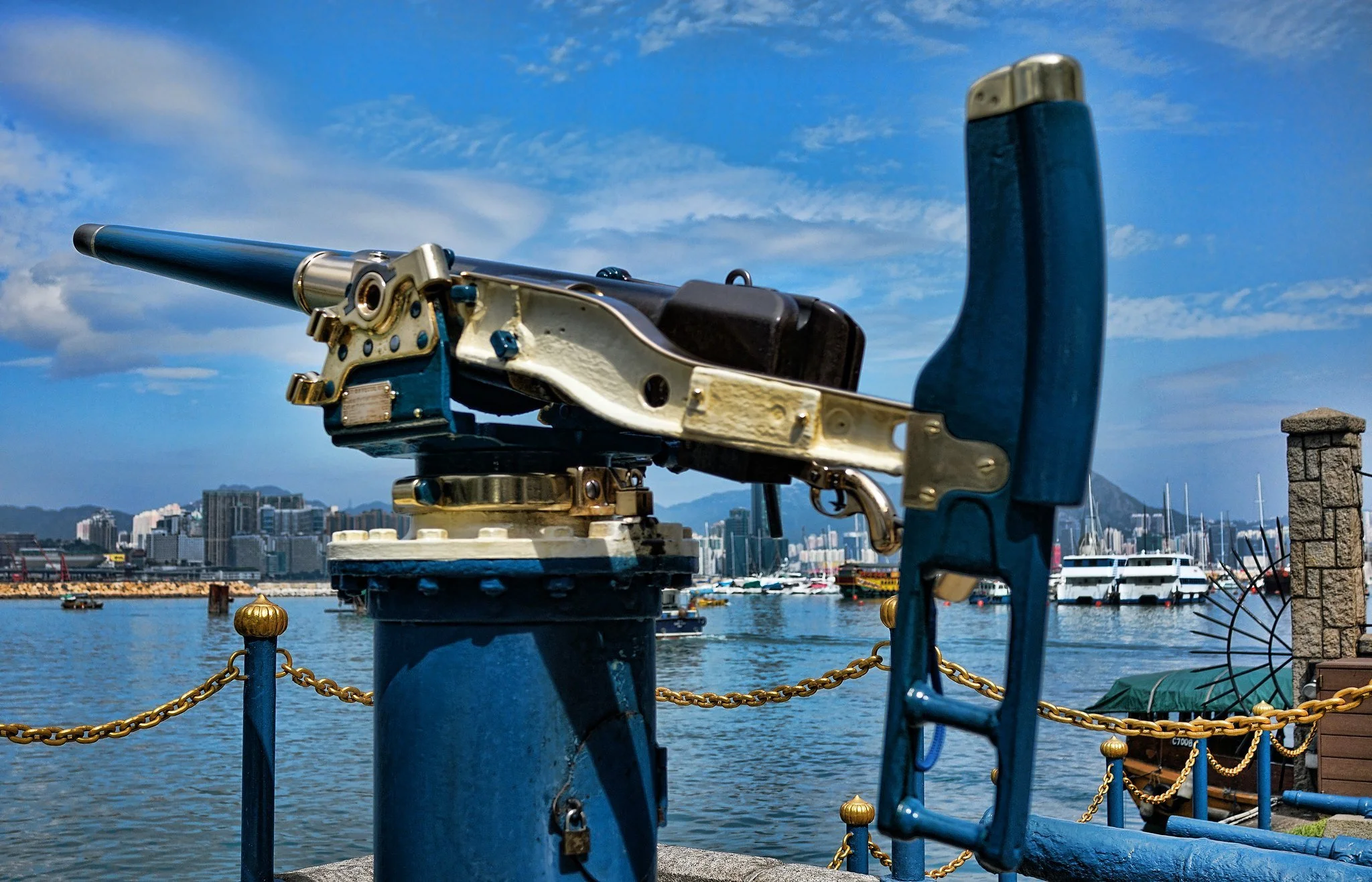
The piece now in place is a Hotchkiss QF 3-pounder naval gun, a light quick-firing artillery piece developed in the mid-1880s by the French firm Hotchkiss et Cie. It has a 47 mm (1.85-inch) calibre, a barrel length of roughly 1.88 m, and an overall length of about 2.05 m. The gun itself weighs around 240 kg without its mounting. Designed originally for anti-torpedo-boat work, it used fixed ammunition and a vertical sliding-wedge breech that allowed a high rate of fire in service conditions. For the Noon Day Gun the ammunition is blank - a brass-cased charge with no projectile.
Earlier guns on the same site included a heavier 21-pounder in the original saluting era and the post-war six-pounder that was replaced in 1961. Some accounts state that the present Hotchkiss piece saw action at the Battle of Jutland in 1916, though that detail is hard to verify independently. What is certain is that the gun is permanently mounted with limited traverse for safety, aimed out across the typhoon shelter, and fired by means of a simple lanyard pull.
3. Why the Noon Day Gun sits in that particular location in Causeway Bay
East Point was the first plot of private land sold by auction in the new colony, and Jardine Matheson bought it. Their godowns and offices stood right on the original shoreline. The gun was therefore placed where the company’s private militia could easily fire a salute for arriving ships and taipans. Successive reclamations have moved the coastline northward, so the present platform sits beside the Causeway Bay Typhoon Shelter rather than on the old East Point foreshore. The site remains Jardine Matheson property. The name East Point itself has long since fallen out of common use, but the gun still marks the commercial heart of the company’s earliest Hong Kong foothold., in other words it is a very historic site.
4. Why the Noon Day Gun fires at precisely 12 pm on a daily basis and whether it fires at any other time of year
Noon was the logical hour for a public time signal in the nineteenth century. Ships in the harbour needed an accurate reference to set their chronometers for longitude calculations, and the civilian population used the same audible mark to regulate the working day. Once the naval officer’s penalty had fixed the daily firing at midday, the practical value of a reliable noon signal kept the tradition alive long after most people owned watches. The only scheduled exception is midnight on New Year’s Eve, when the same gun is fired to mark the turn of the year. There is no other regular change of time.
5. Is there a law that compels Jardine to fire the Noon Day Gun every day, and is there an end date?
There is no statute on the Hong Kong books that forces the firing. The original order was an administrative penalty issued by the naval authorities in the 1860s and accepted by Jardines as a permanent obligation of honour. The company has simply continued the practice of its own volition through war, reclamation, and political change. No formal end date has ever been set, and none appears likely. As long as Jardine Matheson chooses to maintain the small platform and the daily ritual, the gun will continue to sound at noon.
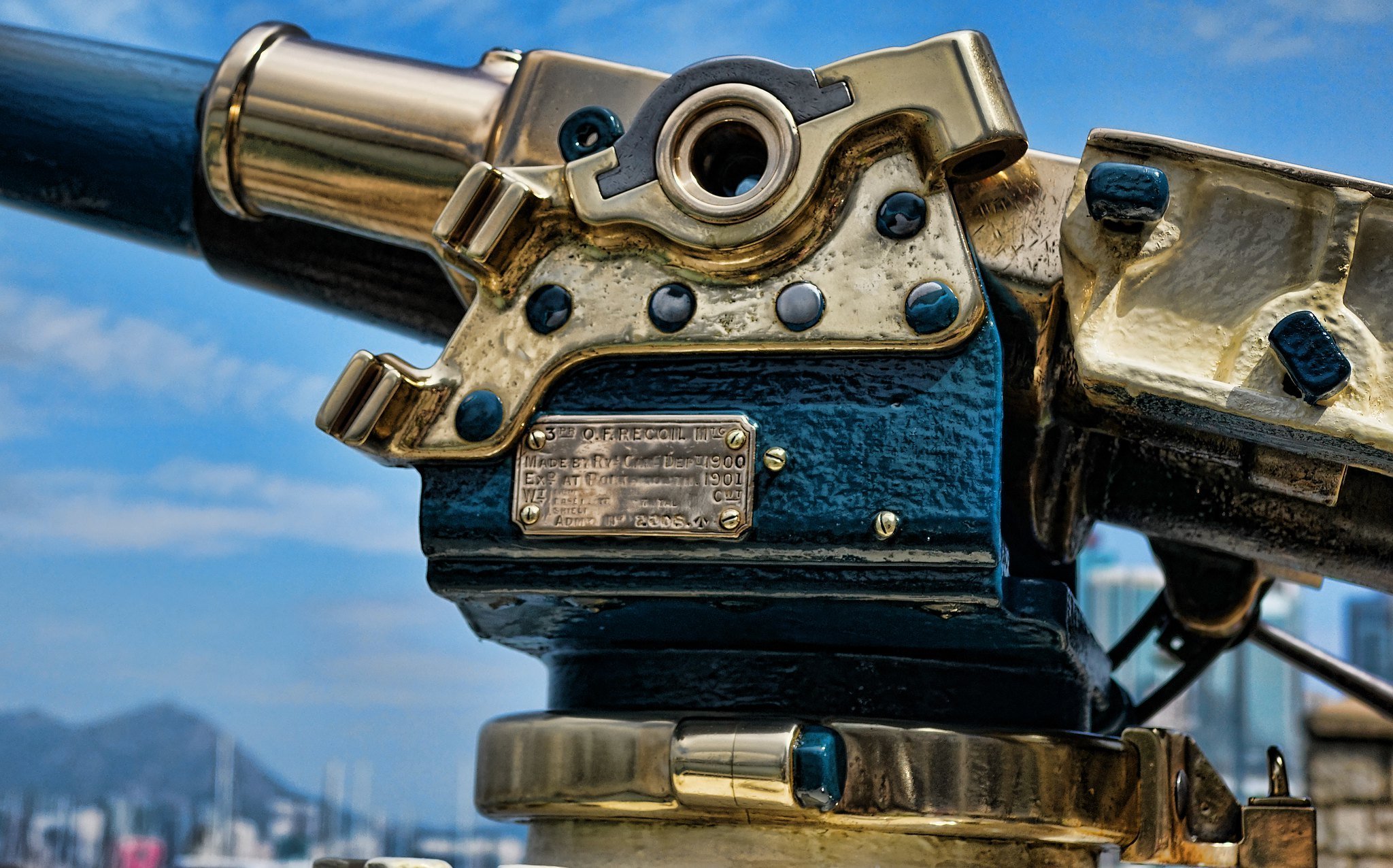
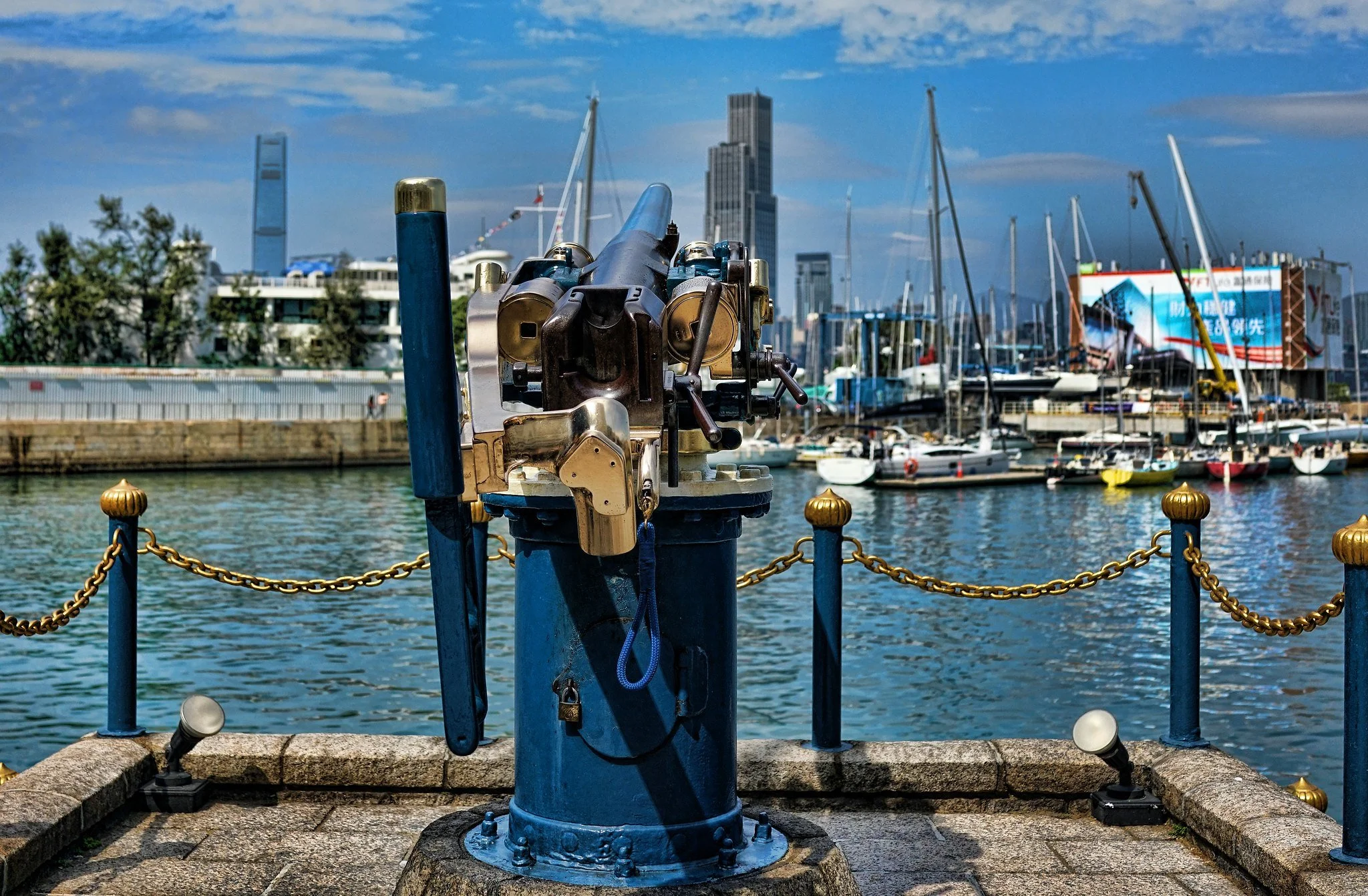
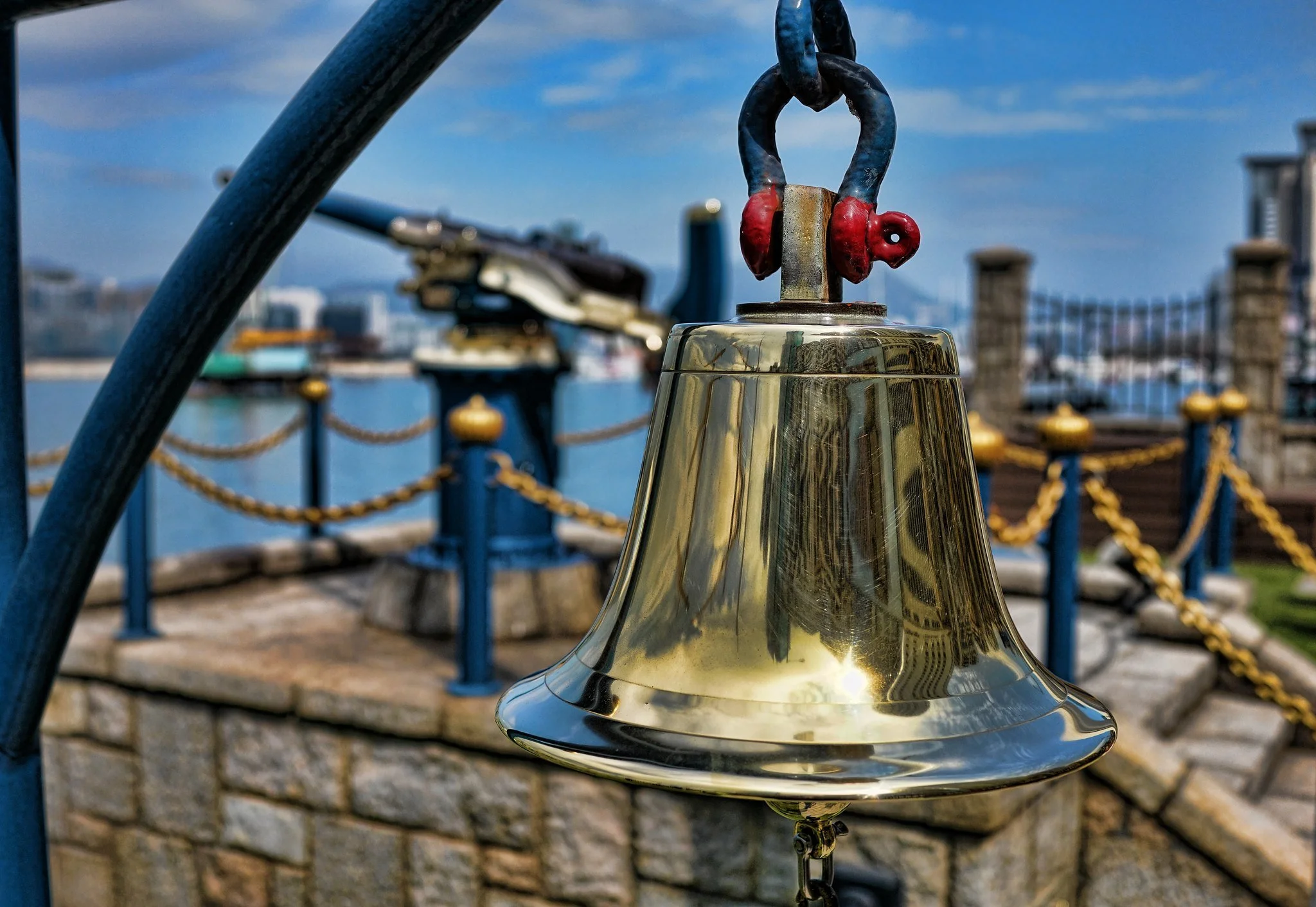
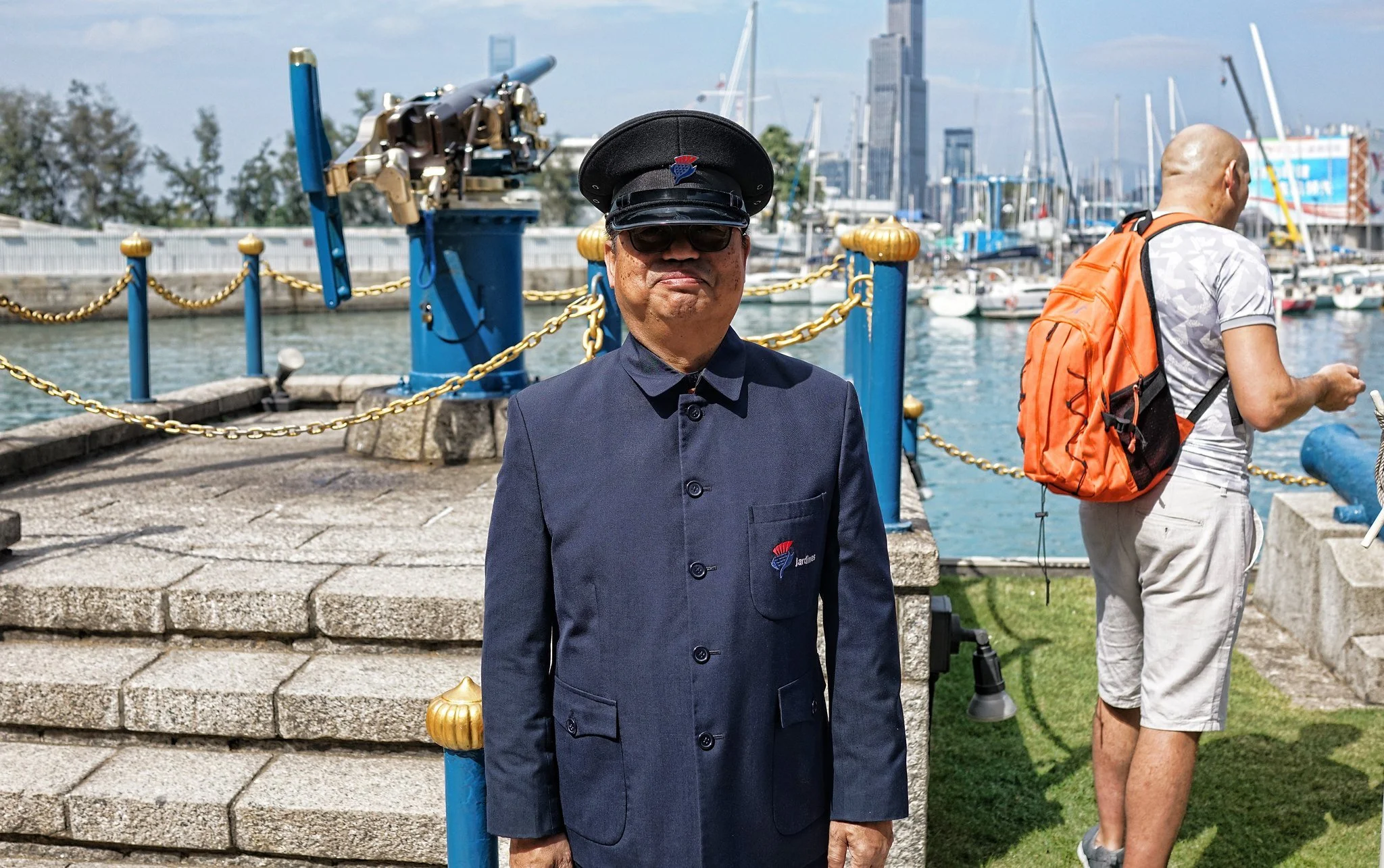
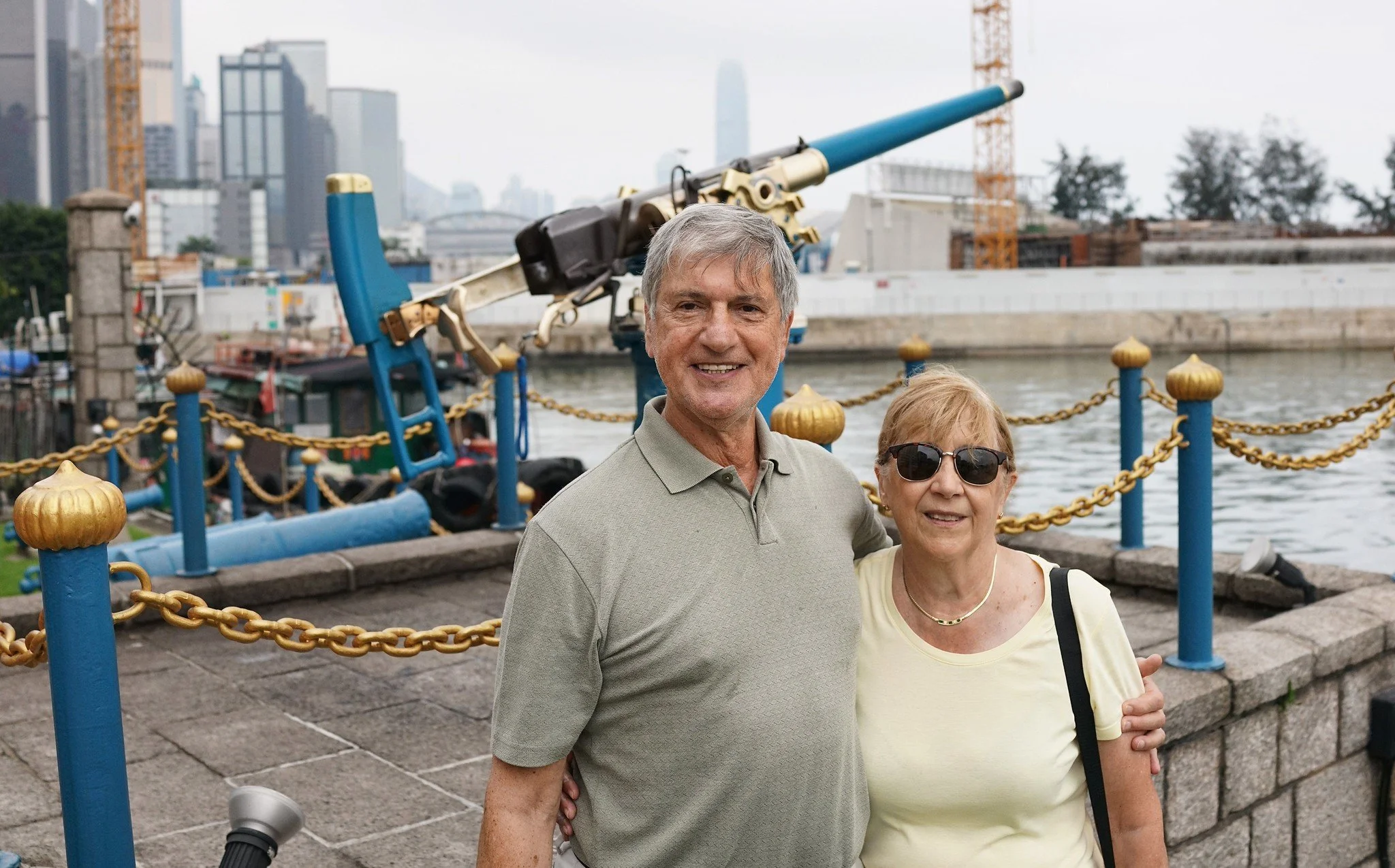
click on the image to enlarge
© Copyright Acknowledged | All rights reserved | image take by Jamie
The Noon Day Gun | The Iconic Daily Historic Ritual | Hong Kong
6. Details on whether the Noon Day Gun can be booked for a private function
Yes. Individuals or companies may arrange to pull the lanyard themselves by making a substantial donation to one of the charities supported by Jardine Matheson. In recent years the minimum figures have been in the region of HK$28,000 (approximately US$3,600) for an individual donation to MINDSET and higher sums – often around HK$38,000 to HK$48,000 (US$4,900 to US$6,150) - for corporate donations or for the Community Chest. The donor receives the honour of the firing, a commemorative cartridge case, and the knowledge that the money supports local mental-health or community programmes. Arrangements are made directly through the relevant charity and Jardines; the event still takes place at the normal noon hour unless a special midnight New Year booking is involved.
7. How to reach the Noon Day Gun - it is in an odd location and not straightforward
The Noonday Gun is located on the waterfront near the Causeway Bay Typhoon Shelter, accessible via a tunnel under Gloucester Road from the basement car park of The World Trade Centre - the tunnel remains the primary access route. To reach the gun:
Take the MTR to Causeway Bay Station and use Exit D1.
Walk along Lockhart Road, then turn into Cannon Street.
Proceed to Jaffe Road toward the World Trade Centre.
There is a car park underneath the World Trade Centre in Causeway Bay, with a tunnel leading to the Noon Day Gun.
The Excelsior Hotel has been replaced by a building called One Causeway Bay, which is adjacent to the World Trade Centre and there should be a sign on the wall opposite One Causeway Bay on the World Trade Centre wall that leads to the tunnel via the basement car park. There are signs!
Pass through the tunnel to emerge at the Noonday Gun site.
The tunnel can be difficult to locate, but there are signs on the walls
An alternative approach is to cross via the footbridge from Victoria Park and walk west along the typhoon-shelter promenade. The site itself is open to the public only for a short window around the firing - roughly 12:00pm to 12:30pm - after which the chain is locked again.
8. Any records of the Noon Day Gun ever misfiring?
Documented failures are rare. The most public incident occurred at midnight on 31st December 1997, when a ceremonial firing to welcome 1998 produced only a dull click. A dud cartridge was the cause; a second round was loaded and the gun fired a couple of minutes late. Occasional cleaning or mechanical hiccups have been mentioned by the men who tend the piece - one long-serving attendant recalled a cleaning rod breaking inside the barrel and the anxious scramble to extract it before noon - but these have not interrupted the daily schedule for any length of time. In normal service the gun is reliable.
9. Typical crowd size for the firing of the Noon Day Gun
On an ordinary weekday the gathering is modest - often a dozen to two dozen people, a mix of curious tourists, a few office workers on their lunch break, and the occasional local who has made a point of coming. Weekends and public holidays bring larger numbers, still usually under fifty. New Year’s Eve midnight firings draw a noticeably bigger crowd. The enclosure itself is small, so most spectators stand on the adjacent promenade. The sound carries well across the water and the road, so even those who cannot see the gun clearly still hear the report.
click on the image to enlarge
© Copyright Acknowledged | All rights reserved | image take by Jamie
A similar gun | Old Marine Police Headquarters in Kowloon | Hong Kong
10. Are there any other Noon Day Style Guns on display in Hong Kong that do not fire?
No other operational noon-day guns exist in the territory. Historical time signals once included the time ball that was dropped daily from the old Marine Police Headquarters in Tsim Sha Tsui Kowloon (and earlier from a ship in the harbour), but that apparatus is long gone. The Jardine Matheson piece is the sole surviving daily gun signal. There are ceremonial and museum pieces of naval artillery elsewhere in Hong Kong, yet none are presented as noon-day guns or fired on a regular public schedule.
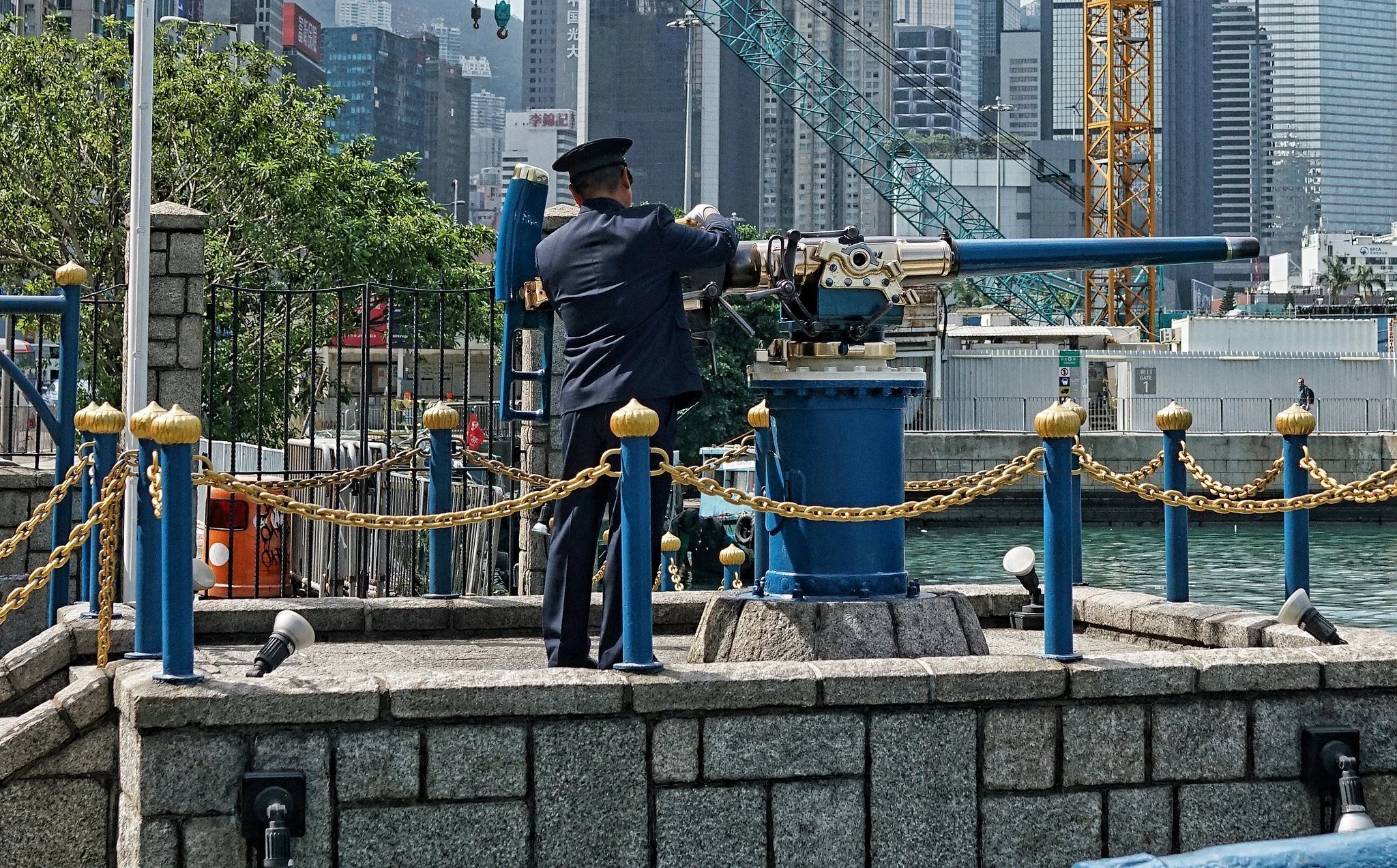
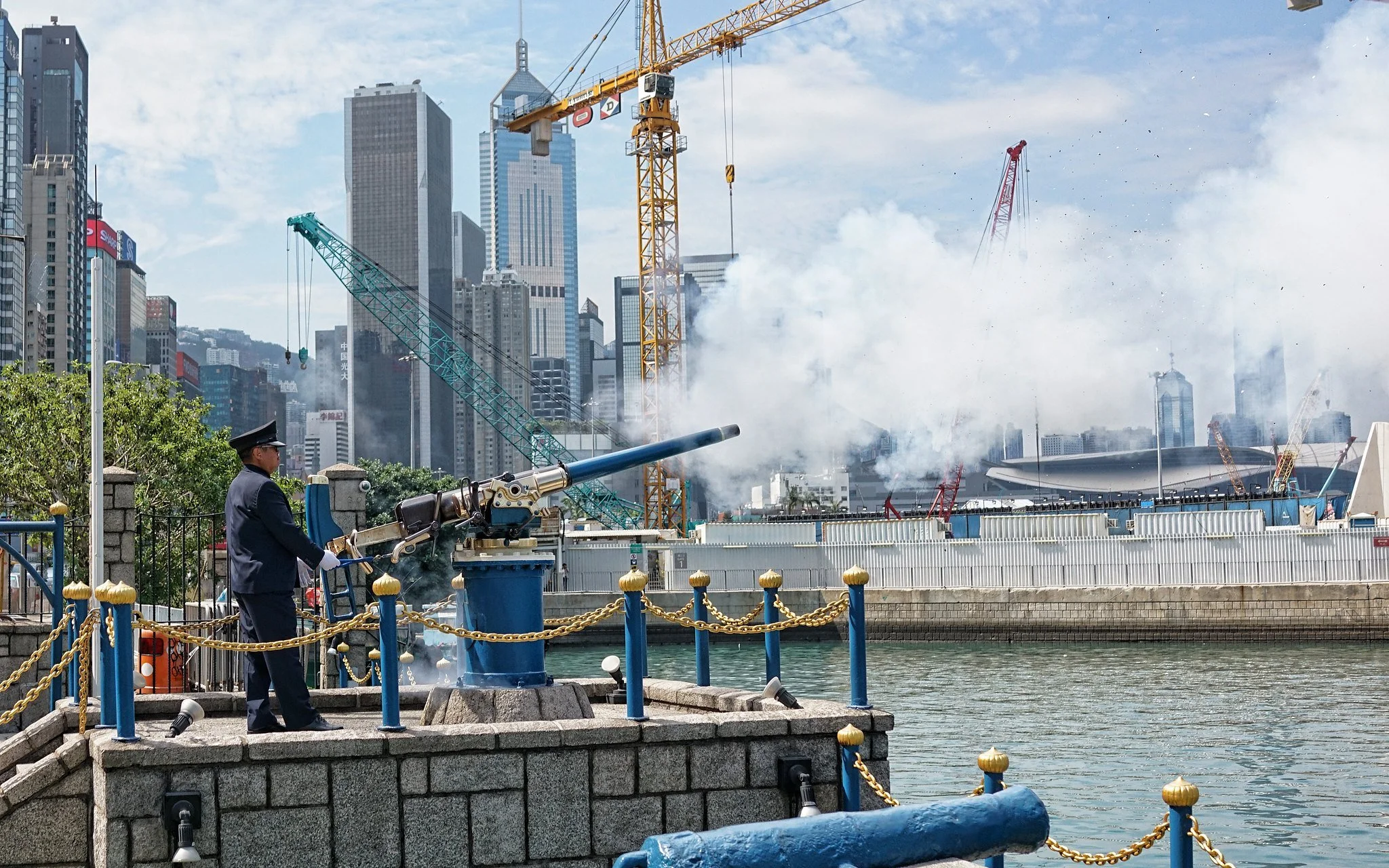
The man who fires the gun is a uniformed Jardine employee - usually a security or facilities staff member assigned the daily duty. He arrives a little before noon, rings the ship’s bell to mark the end of the forenoon watch (a survival from the days when Jardines’ offices stood on the original East Point shore), loads the blank cartridge, pulls the lanyard at the precise second, rings the bell again, locks the chain across the entrance, and departs. On special charity firings the donor is allowed to pull the lanyard under supervision. The whole ceremony takes only a couple of minutes, yet it has outlasted the empire that produced it, the original shoreline on which it stood, and almost every other colonial time-keeping practice in the city.
Additional notes and out of left-field observations
Out of left field, and something very few people realise, is that the very same family of guns has a quiet counterpart on the other side of the harbour. At the old Marine Police Headquarters in Tsim Sha Tsui, Kowloon - now the restored 1881 Heritage complex - a three-pounder Hotchkiss quick-firing gun stands on a pedestal in the open plaza. It is a modern replica, but the history behind it is genuine. A real three-pounder Hotchkiss once occupied the north-western corner of the lawn when the compound still served as Marine Police Headquarters. In 1961 a formal exchange took place: the louder six-pounder that Jardine Matheson had been using in Causeway Bay was moved across to the Tsim Sha Tsui lawn, while the quieter Hotchkiss three-pounder travelled the other way and became the present Noon Day Gun. That transferred six-pounder remained on the Marine Police lawn until 1996, when the force relocated to Sai Wan Ho and took the gun with it. The two pieces now on display at 1881 Heritage are later replacements brought in from abroad simply to restore the visual character of the site.
Unlike its Causeway Bay sibling, the Tsim Sha Tsui gun was never part of a daily public noon-firing ritual. The Marine Police Headquarters already possessed a far more important timekeeping device - the Time Ball Tower. From the mid-1880s the ball was raised and dropped each day at 1 pm (Sundays and public holidays excepted) so that ships in the harbour could set their chronometers.
The Time Ball was a large, hollow copper sphere roughly six feet (about 1.8 metres) in diameter, mounted on a tall mast that rose from the top of the small round tower at the Marine Police Headquarters. The top of the mast stood about 84 feet above sea level, high enough to be clearly visible to ships lying in the harbour.
The daily routine was carefully staged so that anyone watching knew exactly when the critical moment was coming:
At 12:55 pm the ball was winched up to half-mast.
At 12:57 pm it was raised the rest of the way to the very top of the mast and held there.
At the precise instant of 1:00:00 pm Hong Kong Civil Time an electrical signal from the mean-time clock at the Observatory released the catch. The ball dropped freely down the mast.
The important moment for observers was not when the ball reached the bottom, but the exact second it left the top. That sudden downward movement was the time signal. Masters of vessels in the harbour, watching through a telescope or even with the naked eye, could note the instant the ball began to fall and set or rate their chronometers accordingly. Accurate time was essential for calculating longitude once the ship was out of sight of land.
The whole operation was carried out by Marine Police staff (usually the barrack sergeant and an assistant) under the direction of the Observatory. The service ran every day except Sundays and public holidays, beginning on 1 January 1885. If the electrical circuit failed, the ball was lowered slowly by hand and, if possible, dropped properly an hour later at 2 pm.
In short, the raised-and-dropped ball was simply a highly visible, long-distance visual clock. It told every ship in the harbour, at the same shared instant, that it was exactly one o’clock.
Earlier gunshots had been used for typhoon warnings and other signals, but they caused confusion with the separate gun that announced the arrival of the mail boat, so the visual time ball became the preferred method. The Hotchkiss piece on the lawn therefore functioned more as a ceremonial or symbolic naval gun appropriate to a marine headquarters that once looked straight out over the water. It marked the site’s connection to harbour defence, signalling and the everyday life of the Water Police rather than providing a public time signal in its own right.
After the Japanese occupation, when the original guns on the platforms were removed, and after the 1961 exchange, the presence of such a weapon on the lawn simply continued that visual tradition. Today the replica stands as a quiet reminder of the compound’s former role. The guns sit on the same upper level as the hotel, reached only after going up two sets of escalators, and cannot really be seen from ground level at all. Most people heading for the shops never encounter them. Those who do make the effort to reach the hotel terrace often walk past the gun without realising that the piece they are looking at is the direct counterpart - and in one sense the sibling - of the one that still fires every day at noon across the harbour in Causeway Bay.
The two sites, one on each side of the water, therefore share a small but concrete piece of hardware history. One continues an active daily ritual; the other preserves the memory of the same type of gun in a setting that was once all about ships, signals and the harbour itself. That single, deliberate report (“Report” as mentioned is actually the right word here. In the language of firearms and artillery, the sharp sound a gun makes when it fires is traditionally called its report. You’ll see it in old naval and military writing all the time: “the report of the gun,” “a single report echoed across the water.” It’s the established term for the noise itself. It will probably surprise many people as it did me) still cuts through the modern city each day at noon, and that, more than any single statistic, is what makes the Noon Day Gun still worth seeking out.
So there you go
Customised Private Tours + Experiences in Amazing Hong Kong
Jamie has lived in Hong Kong - Pearl of the Orient for 50+ years
Carefully Crafted Personalised and Customised Itineraries by Jamie | Hong Kong’s Most Experienced Private Tour Guide for : Solo Travellers Friends Families Seniors Couples Business People MICE Delegates.
Private Tours Cultural Tours Walking Tours Sightseeing Tours City Tours Night Tours Layover Tours Transit Tours Private Shore Excursions Bespoke Tours Personalised Tours Jewish Heritage Tours Luxury Private Tours Day Tours Luxury Boat Tours Themed Tours Private Family Tours Private Day Tours Corporate Tours
Just you, your family or friends and Jamie your personal English private tour guide - over 2,400+ tours completed since 2011 - Jamie offers quality Private Tours of Hong Kong
Tour Group Size 1 - 6 people only
J3 Group Hong Kong | J3 Consultants Hong Kong | J3 Private Tours Hong Kong
Creating Memories That Will Last A Lifetime
Go here for the Hong Kong Michelin Restaurant Guide which includes the Bib Gourmand Category
Jamie’s Hong Kong Insider Chat
Ready to turn your plans into a far more enjoyable reality? Click the yellow button below to learn more about Jamie’s Hong Kong Insider Chat, check pricing and book
I do not do Food Tours in Hong Kong but I know people that do!
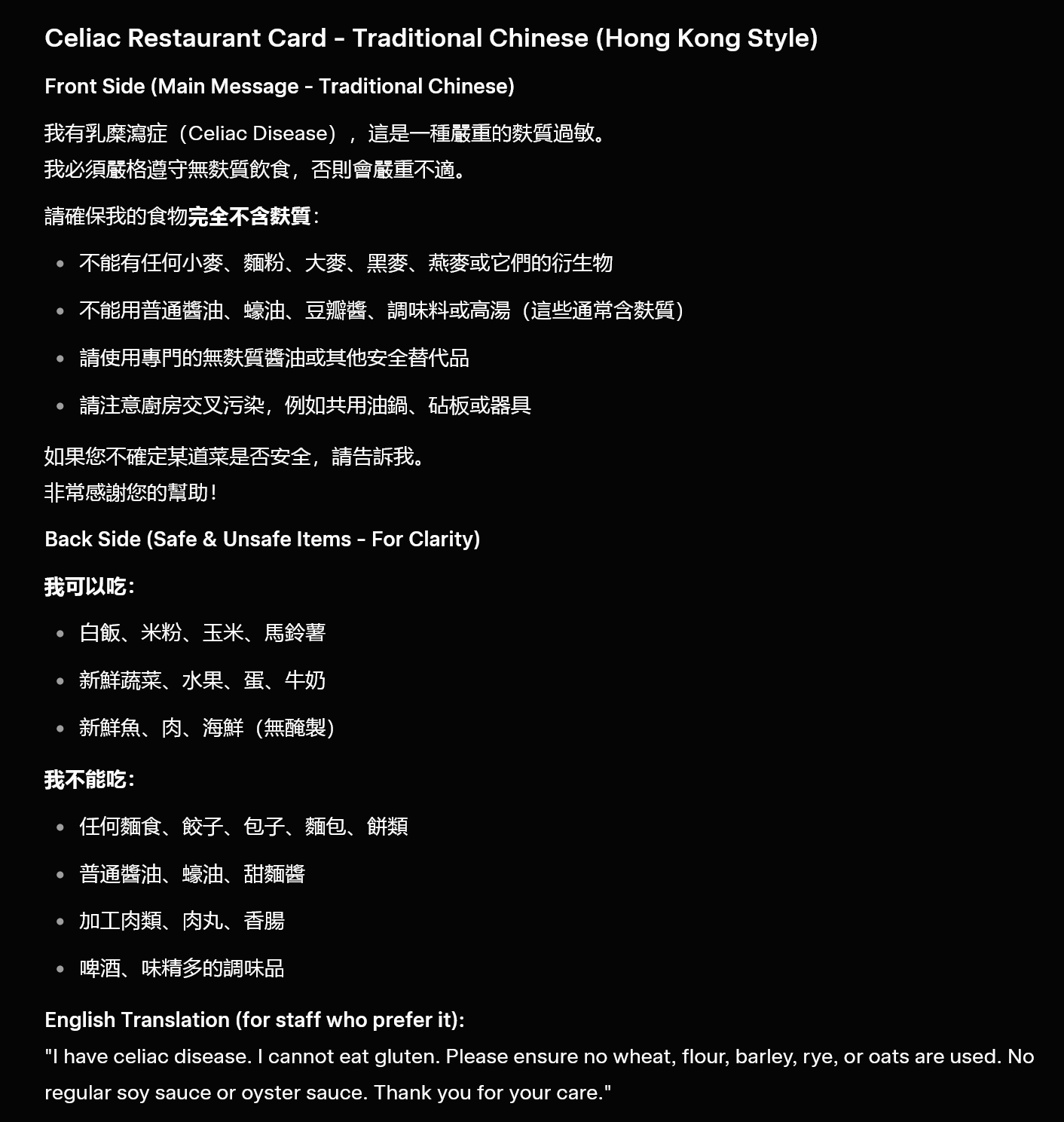
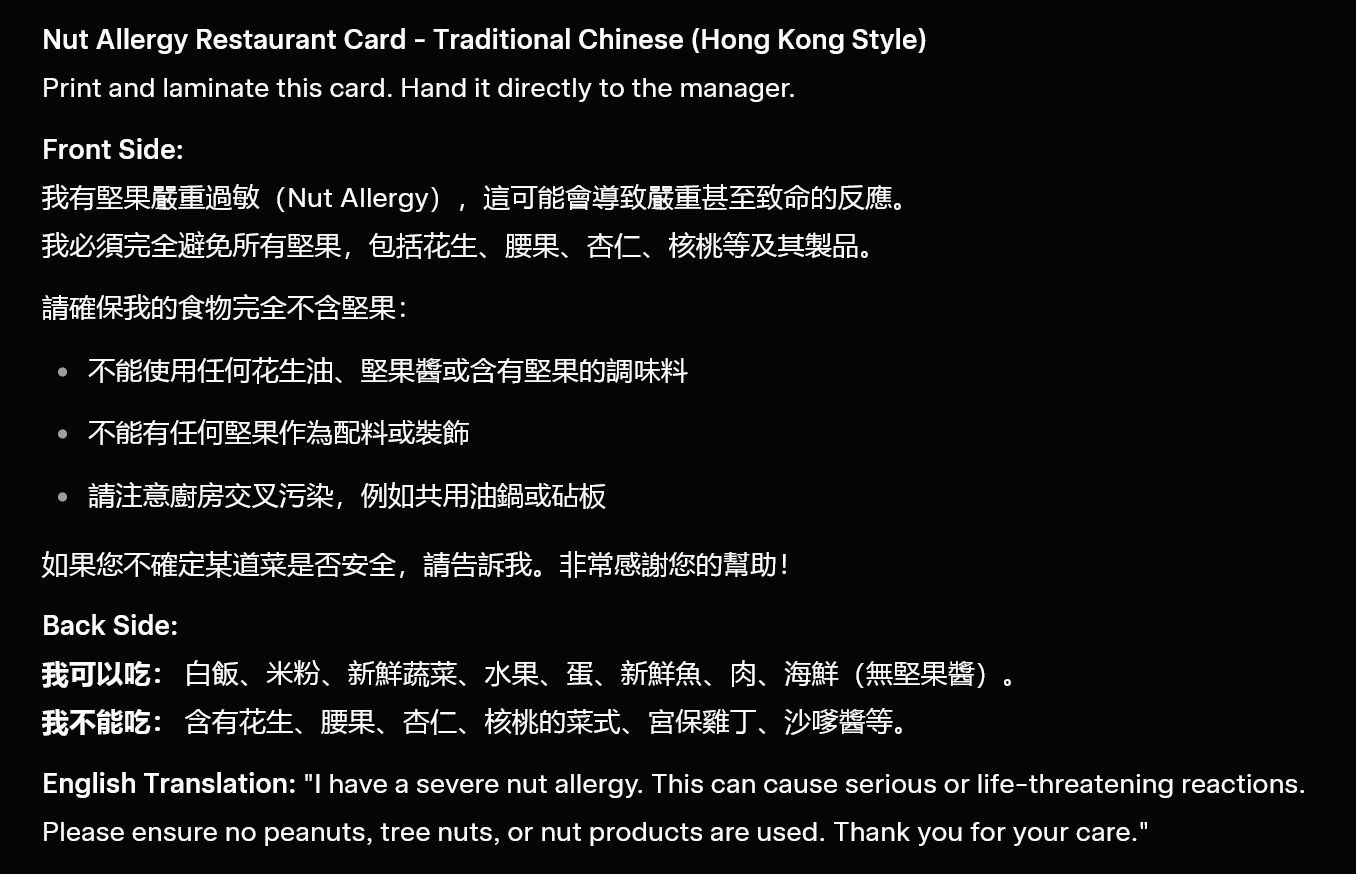
click on any image to enlarge
The information above can be shown to restaurant managers in Hong Kong if you are intolerant to gluten and nuts,
I do not do food tours as mentioned above, I have very specific reasons and part of it is that I do not speak Cantonese or write Chinese, I am from Yorkshire in England and I lack the language gene and it is not through lack of trying and yes a lot of restaurants do not have English menu’s or staff who speak conversational English.
.. and yet I have eaten at close to 1,400 restaurants in Hong Kong since January 2nd 1972, my wife was born in Hong Kong and we have been together over 40 years and her first language is Cantonese and a lot of her family are Chinese or half Chinese so I have never had much of an issue!
This does not translate to doing food tours though, yes, I could do them, no problem there but they would never ever be as good as the food tours done by my friends (see the 3 links above) most of their awesome guides are locally born Hong Kong Chinese and obviously food culture is part of their DNA, it is impossible for me to compete with that!
So please feel free to contact them for food tours
I do not do Hiking Tours in Hong Kong but I know someone that does!
I do not do Hiking Tours, never have and never will even though I used to go Hiking a lot when I was a lot younger, The Hong Kong Government is promoting hiking tours so I urge you to contact my friend Sabrina at Hong Kong Trails and Tours, she is a long time Hong Kong resident and and a very experienced hiker with close to 700 Hikes in 15+ years under her belt, please click on the link below
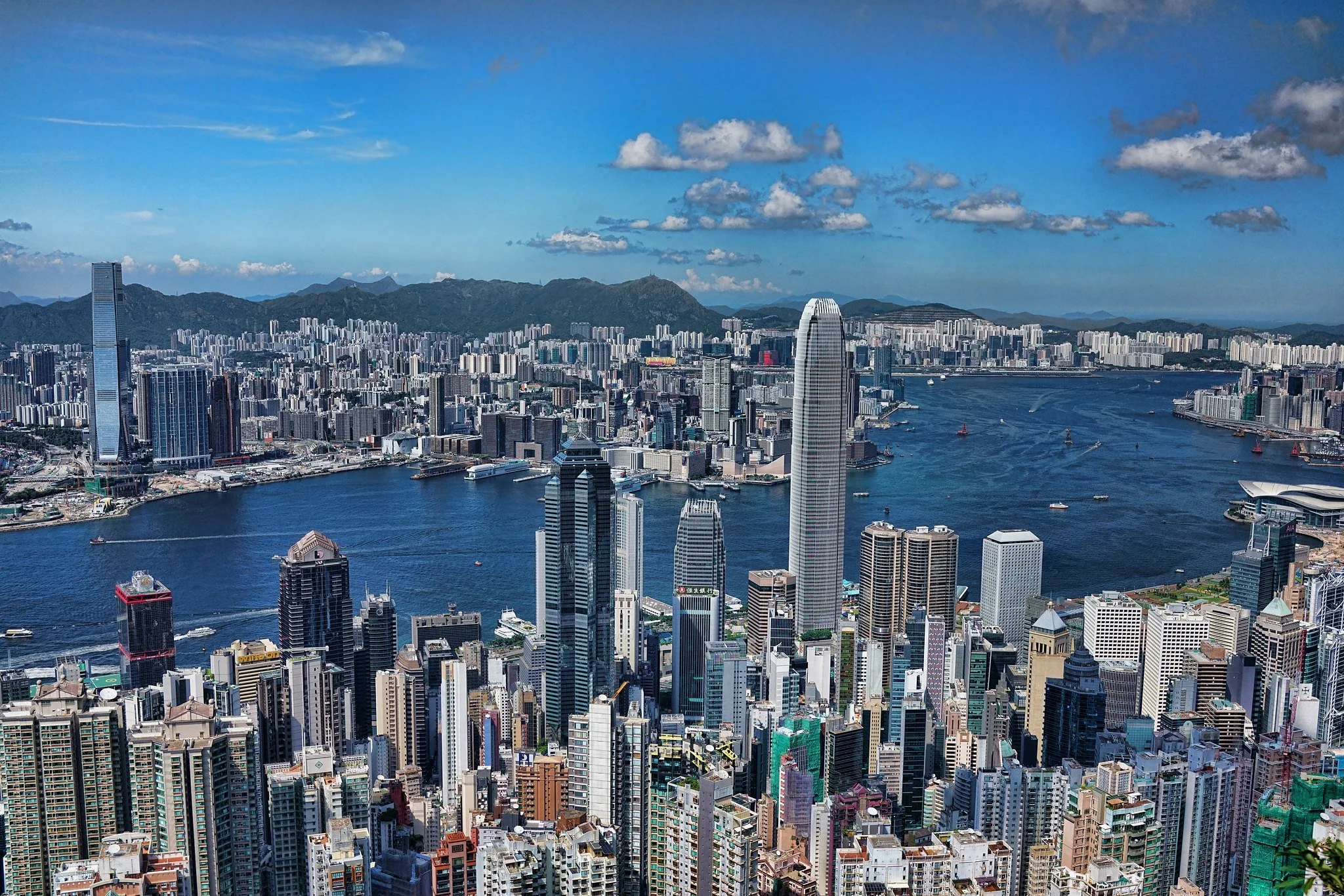

click on any image to enlarge
© Copyright Acknowledged | All rights reserved | all images taken b Jamie
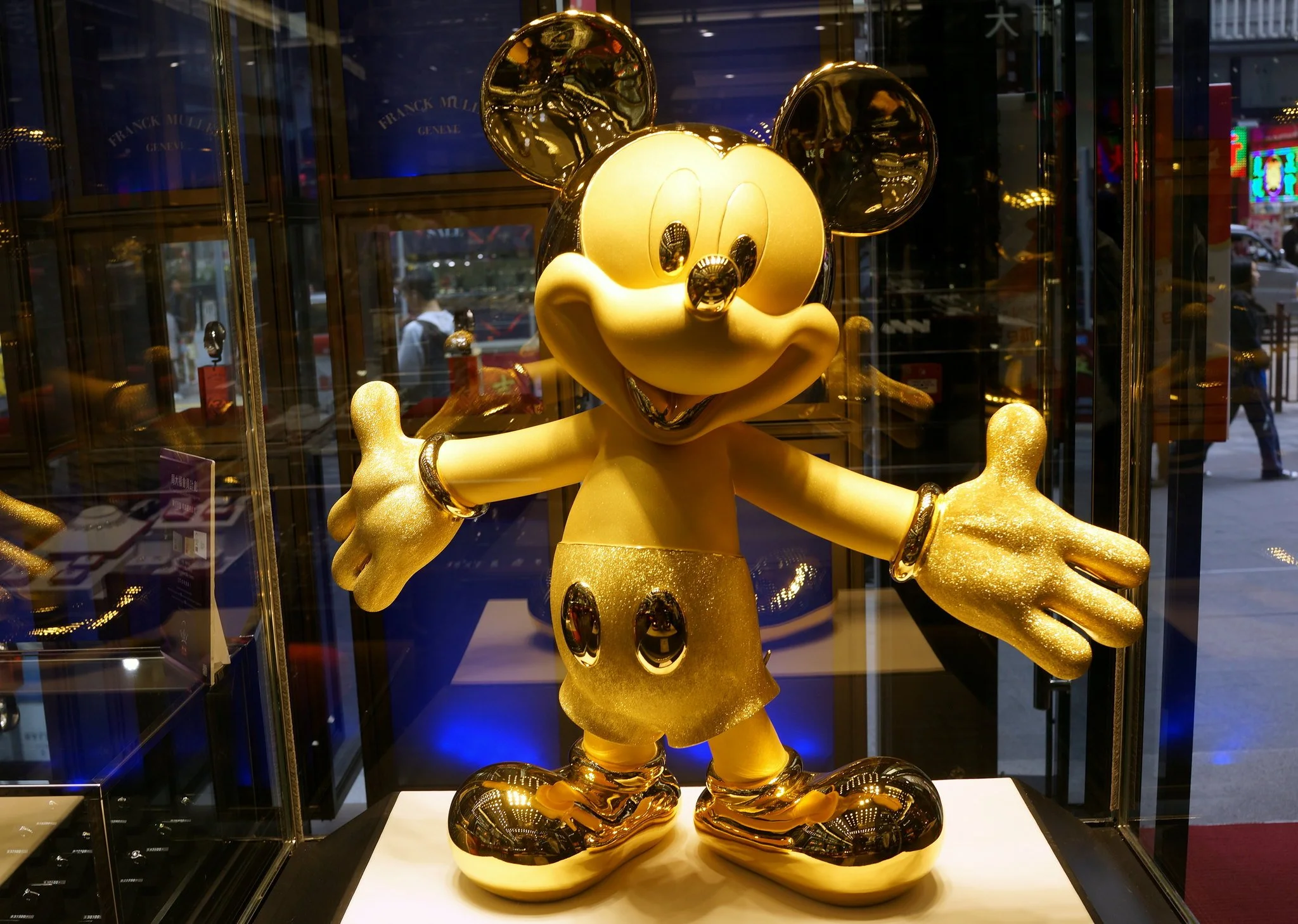
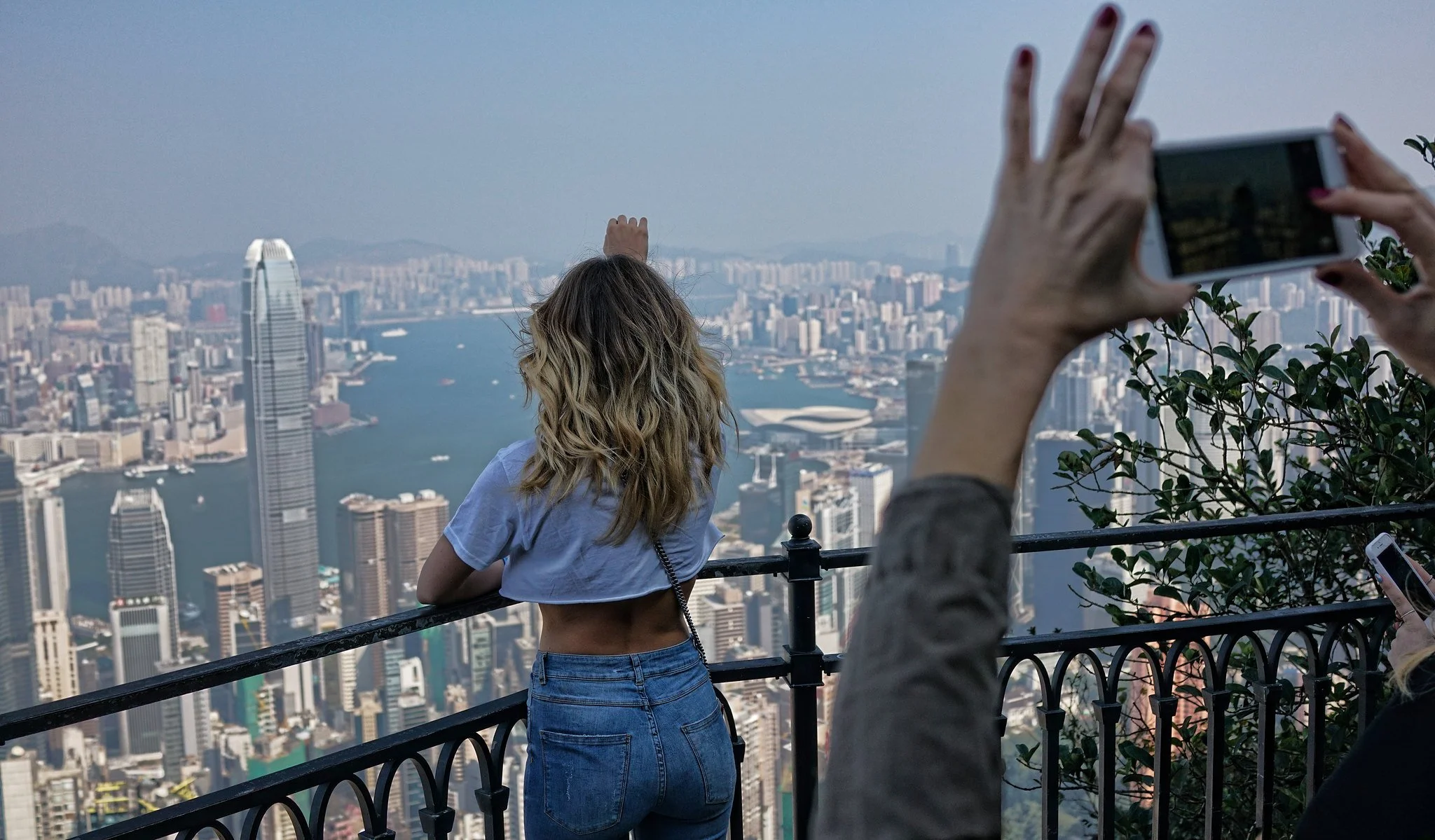
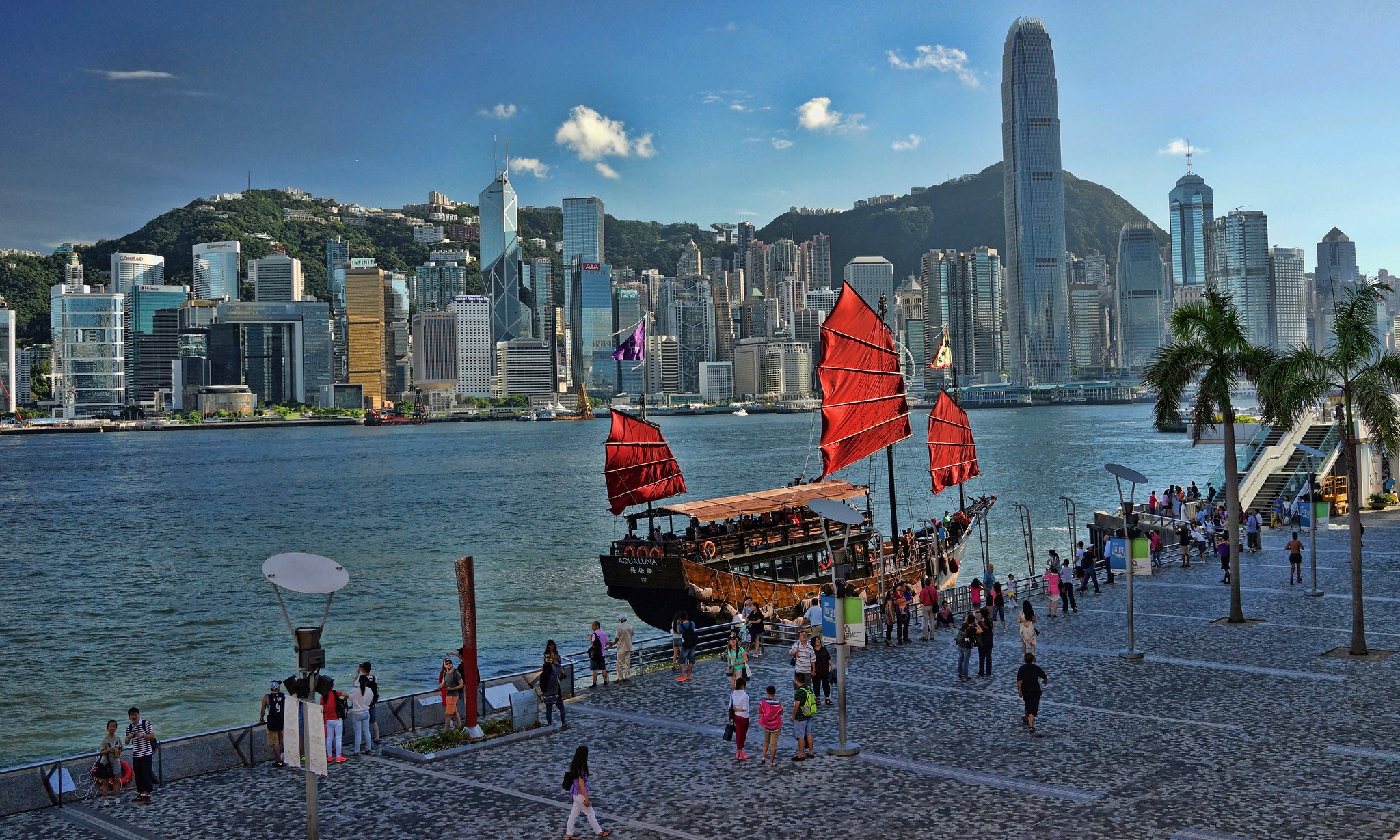
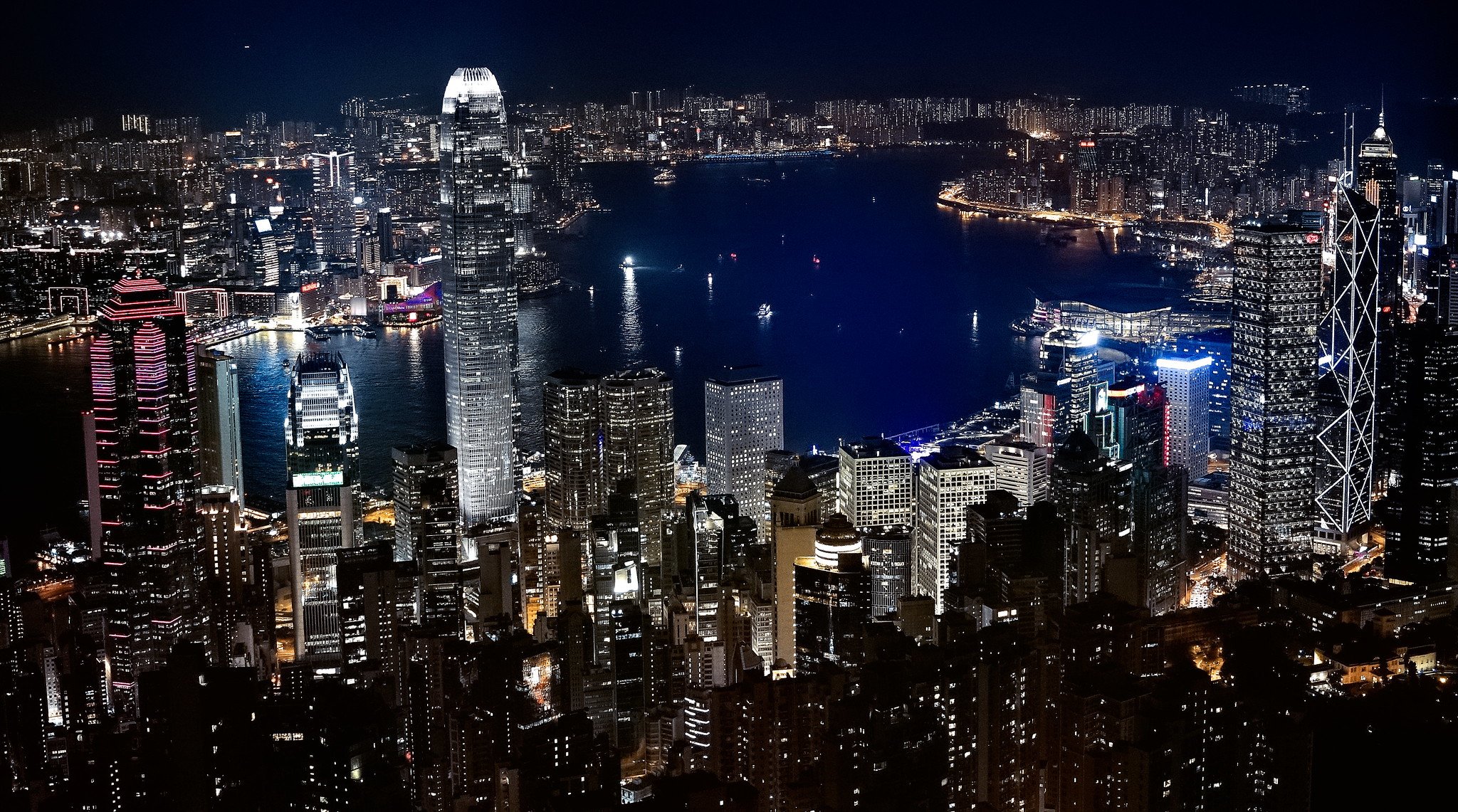
Jamie’s Hong Kong | Some of my favourite images | Hong Kong 101