10 things you didn’t know about the HSBC Lions Hong Kong
HSBC Bronze Lions - War Wounds Feng Shui + a lucky rub
The J3 Group - Premium Quality Private Tours | Experiences and Insider Chats since 2010
Me Jamie, your host, I am English and I have lived in Hong Kong since January 2nd 1972 - I know the place.
A meaningful blog post with a difference - tips on Travel, Tourism, Tours, Daily Life and my personal thoughts on Hong Kong.
Please do visit Amazing Hong Kong
Hong Kong | Pearl of the Orient
Customised Private Tours + Experiences in Amazing Hong Kong
Jamie has lived in Hong Kong - Pearl of the Orient for 50+ years
Carefully Crafted Personalised and Customised Itineraries by Jamie | Hong Kong’s Most Experienced Private Tour Guide for : Solo Travellers Friends Families Seniors Couples Business People MICE Delegates.
Private Tours Cultural Tours Walking Tours Sightseeing Tours City Tours Night Tours Layover Tours Transit Tours Private Shore Excursions Bespoke Tours Personalised Tours Jewish Heritage Tours Luxury Private Tours Day Tours Luxury Boat Tours Themed Tours Private Family Tours Private Day Tours Corporate Tours
Just you, your family or friends and Jamie your personal English private tour guide - over 2,400+ tours completed since 2011 - Jamie offers quality Private Tours of Hong Kong
Tour Group Size 1 - 6 people only
J3 Group Hong Kong | J3 Consultants Hong Kong | J3 Private Tours Hong Kong
Creating Memories That Will Last A Lifetime
Go here for the Hong Kong Michelin Restaurant Guide which includes the Bib Gourmand Category

A Resident since 1972 - Private Tours of Hong Kong with Jamie
The Best Things to do in Hong Kong
click on the image to enlarge
© Copyright Acknowledged | All rights reserved | image taken by Jamie
The HSBC Bronze Lions | Totally Iconic | Hong Kong
Foreword by Jamie
10 Things You Did Not Know about The Bronze HSBC Lions in Hong Kong
Walk past the HSBC Headquarters on Des Voeux Road Central on almost any day and you will see the same quiet ritual. People pause, reach out, and give one of the two bronze lions a firm rub - usually the left-hand one with its mouth open. Locals, tourists, office workers, schoolchildren, the lot. Some do it quickly and move on. Others take a moment and I will sit there for 10 minutes! The lions have been there, on and off, since October 1935. They have been through Japanese occupation, a trip to an Osaka dockyard, four years sitting in Statue Square while the old granite building came down, and a thorough dousing in red paint in early 2020. They still sit in the same orientation they were given when the third-generation headquarters opened. The paws and noses are polished smooth from decades of rubbing. This is not a short summary. These are the details that matter if you want to understand why two lumps of bronze cast in Shanghai in China nearly a century ago still matter in Hong Kong.
1. Complete history - origin, casting and arrival in Hong Kong of the Bronze HSBC Lions
The story does not start in Hong Kong. It starts in Shanghai in the early 1920s. Alexander Gordon Stephen, then Chief Manager of the bank, visited Venice and was struck by the stone lions outside the Arsenal. He decided a pair of bronze lions would look right outside the new Shanghai headquarters then under construction on the Bund. Models were prepared in England by the sculptor Henry Poole RA. and get this, The lions were cast by J.W. Singer & Sons in Frome, Somerset, and shipped out for the opening of the Shanghai building in 1923. They quickly became local landmarks. Passers-by rubbed them for luck. Staff nicknamed them after two senior men - Stephen (the roaring one) and Stitt (the quieter one).
When Sir Vandeleur Grayburn commissioned the new Hong Kong headquarters in the mid-1930s, he wanted the same presence at the Des Voeux Road entrance. The Hong Kong pair were not direct copies of the Shanghai originals. They were modelled on them but made in Shanghai under the supervision of the British sculptor William Wheatley Wagstaff (often written W.W. Wagstaff). Wagstaff worked with the Shanghai Arts and Crafts foundry and its foreman Chou Yin Hsiang. The casting took just over two years. The lions were finished in segments, joined, and installed in time for the opening of the 1935 building in Central in October that year. They have been known as Stephen and Stitt ever since and get this, even though the men they were named after never worked in the Hong Kong office in that era.
2. The two bank men the 2 Bronze HSBC Lions were named after
Alexander Gordon Stephen was Chief Manager of HSBC from 1920 to 1924. He had previously managed the Shanghai branch. It was his idea to put lions outside the new Shanghai building after seeing the Venetian Arsenal pair. He is the roaring lion -– mouth open, more aggressive posture. People said the expression matched the man’s personality.
Gordon Holmes Stitt was the Shanghai manager around the same period and later succeeded Stephen in certain roles. The quieter, more composed lion is named after him. The naming was an internal bank joke that stuck. Both men were long-serving officers in the bank’s China operations at a time when Shanghai was the commercial centre of the China coast. The Hong Kong pair inherited the names even though they were a separate commission.
3. the Bronze HSBC Lions - Artist, weight, size and cost
The Hong Kong lions were the work of William Wheatley Wagstaff, a Shanghai-based British sculptor who spoke fluent Shanghai dialect. He was known locally as “Lao Doo Pei” – Old Hunchback - because of a physical deformity. He supervised every stage of the casting with Chou Yin Hsiang at Shanghai Arts and Crafts. The work took more than two years. Each lion weighs approximately 1,230 kg. Exact original dimensions are rarely quoted in official material, but they are large, life-size guardian figures designed to dominate the entrance. No reliable contemporary figure for the 1930s casting cost has surfaced in the bank’s published material. Given the two-year production period, the skilled labour involved and the shipment, the cost would have been substantial for the time. The Shanghai originals of 1923 had been cast in England; the Hong Kong pair were a local Shanghai production.
click on any image to enlarge
© Copyright Acknowledged | All rights reserved | images taken by Jamie
The HSBC Bronze Lions | Totally Iconic | Hong Kong
4. The Bronze HSBC Lions - why one growls and the other looks serene
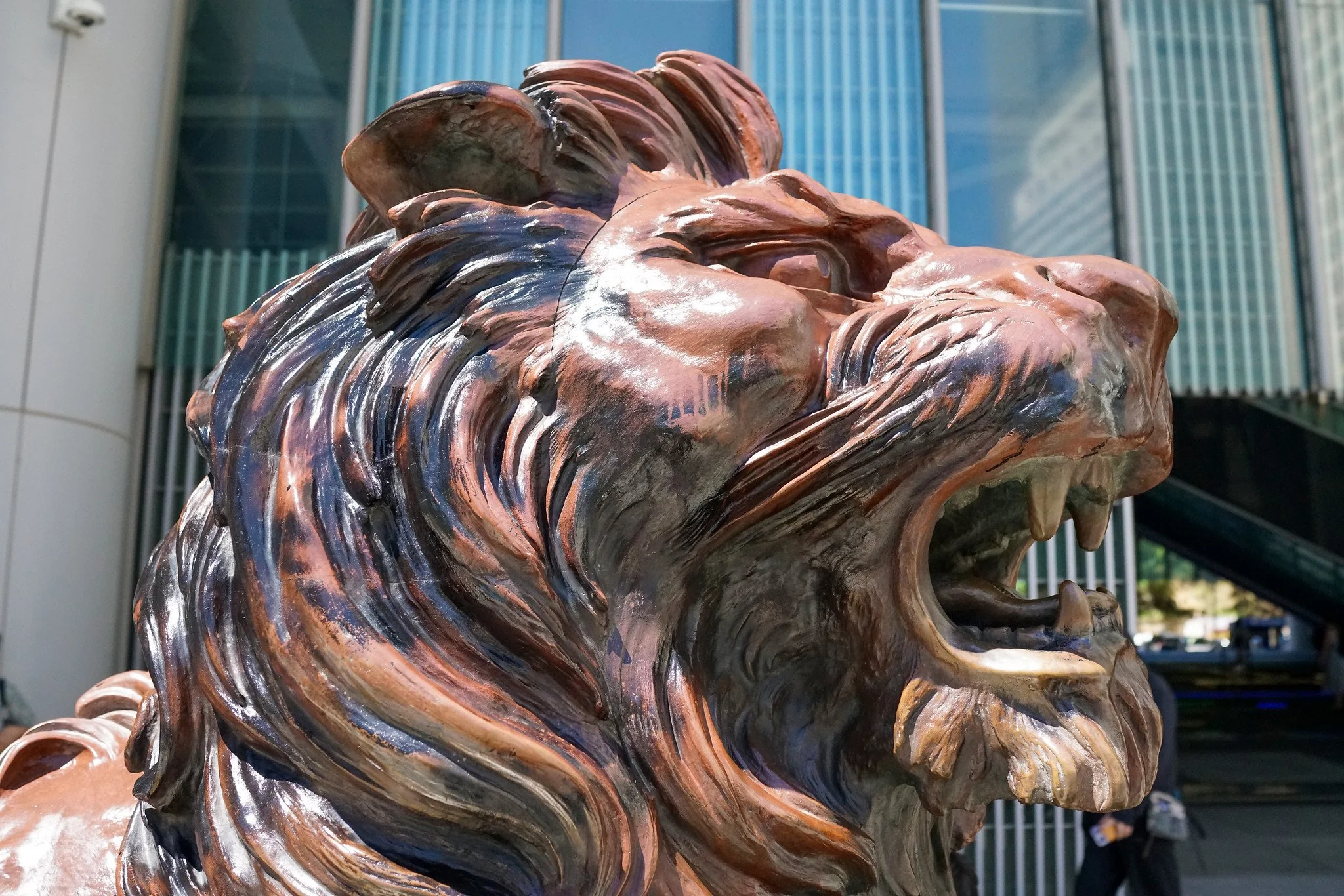
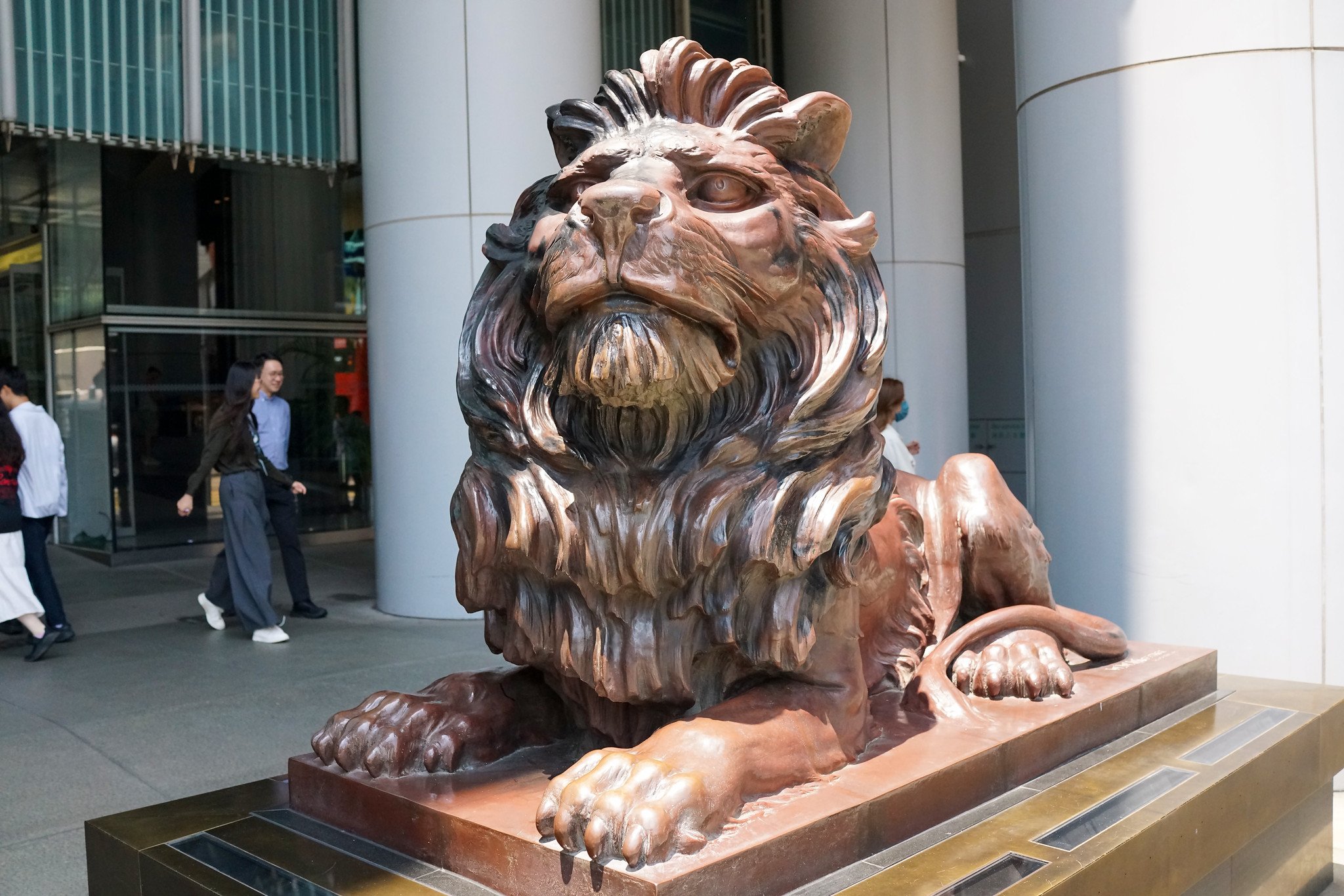
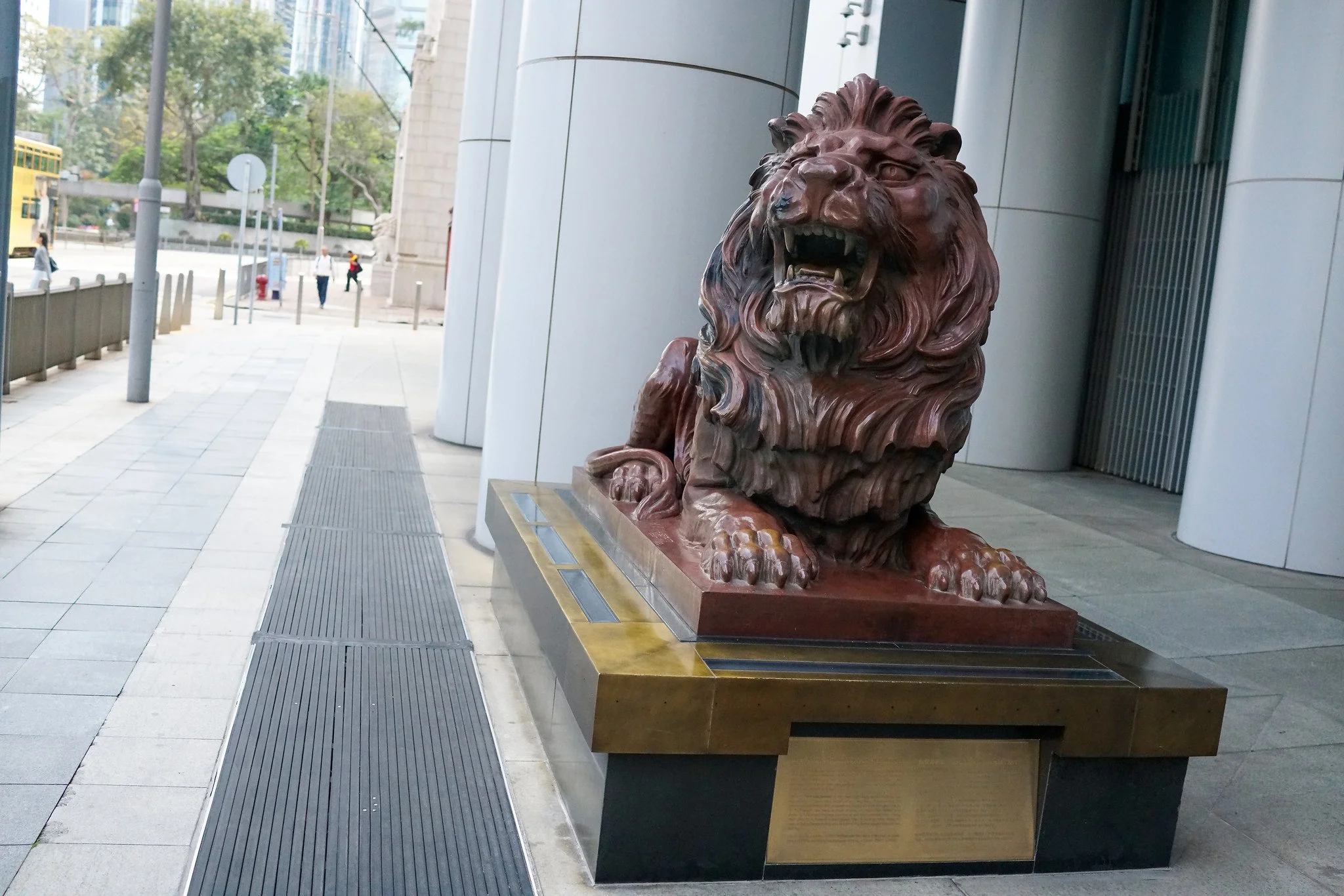
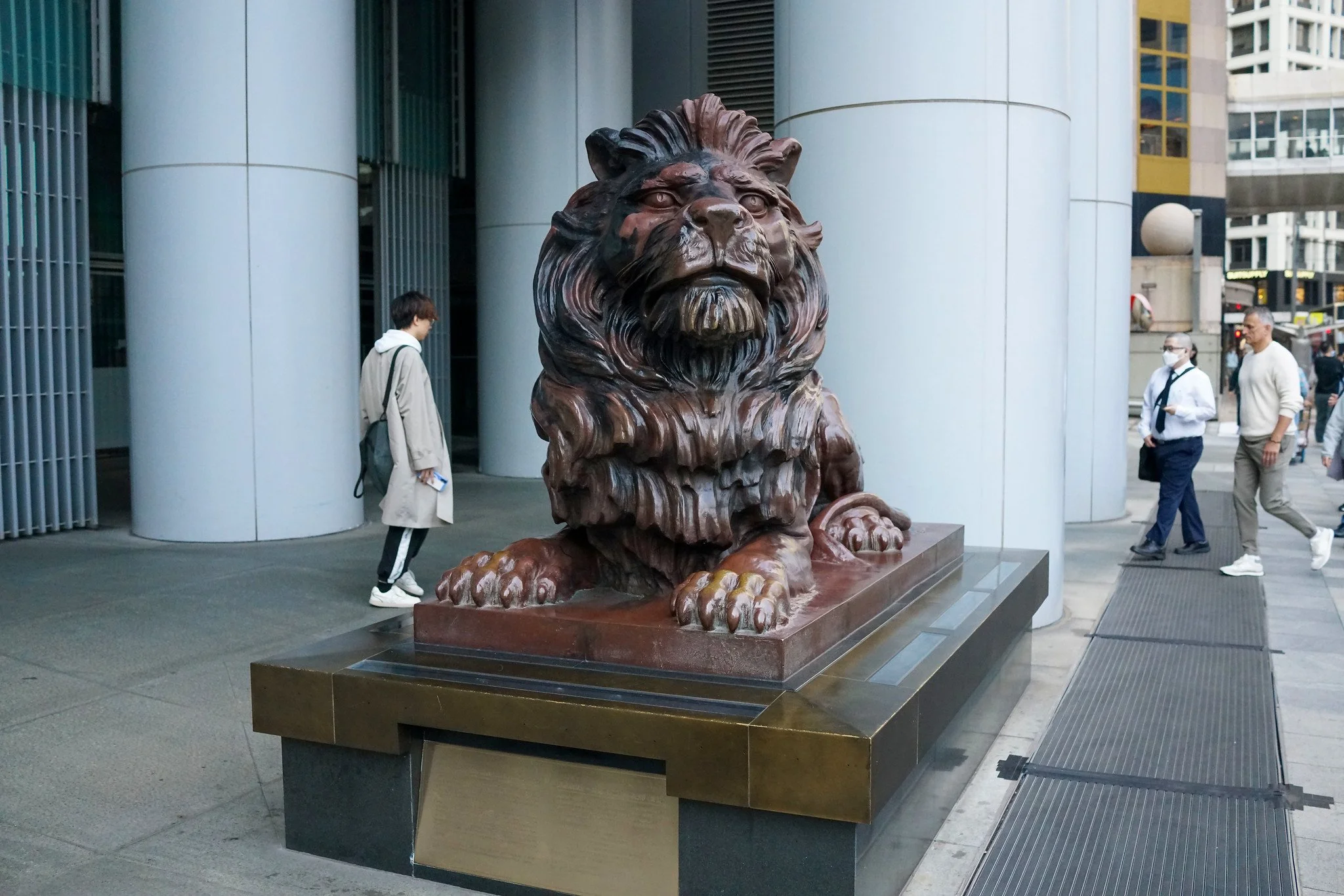
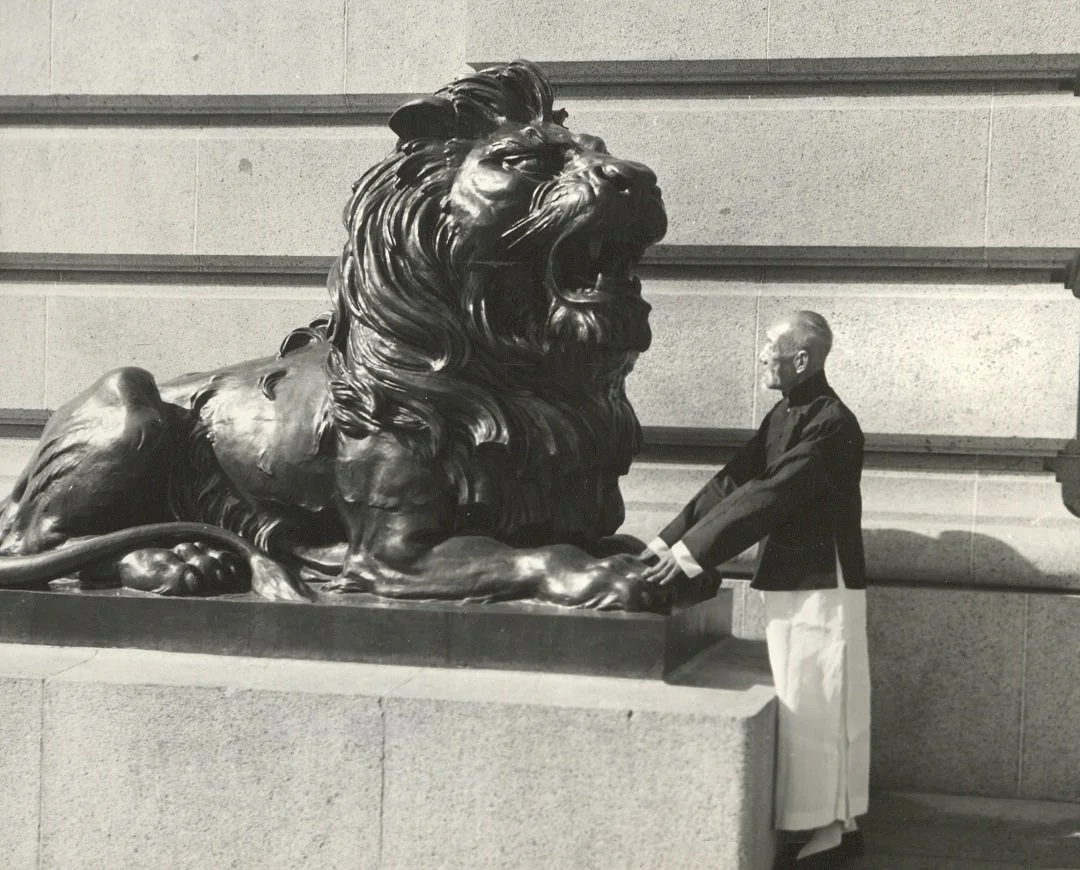
Stephen, on the left as you face the building, has his mouth open in a roar. Stitt, on the right, sits with a closed mouth and a calmer expression. The difference was deliberate and mirrored the Shanghai pair. Bank folklore of the 1920s and 1930s held that the expressions reflected the characters of the two managers the lions were named after - Stephen the more forceful personality, Stitt the steadier one. In Chinese tradition a pair of guardian lions (Foo Dogs) often consists of a male and a female (one with a ball under the paw, one with a cub). The 2 in Hong Kong are both male. The bank simply wanted two strong male figures symbolising protection and security. The contrast in expression has become part of their identity. Most people still call the left-hand lion the “angry” one and the right-hand one the “quiet” one.
5. 1941 - 1945 - capture, the journey to Japan and the return of the Bronze HSBC Lions
After Hong Kong surrendered on 25th December 1941 the Japanese military took over the HSBC building as their headquarters. The two bronze lions were removed and shipped to Japan as scrap metal for the war effort. For several years the bank had no idea of their whereabouts. In 1945 an American sailor in an Osaka naval dockyard recognised them. He had never been to Hong Kong but remembered the similar pair outside the Shanghai office from an earlier posting. He contacted the bank. Recovery was not straightforward. The lions were eventually returned under an order from General Douglas MacArthur, Supreme Commander of the Allied forces in Japan. They came back to Hong Kong on the SS Fort Rosalie and were placed back on their original pedestals in October 1946. The South China Morning Post noted that they had “crept back to their pedestals” overnight and looked as if they had never been away.
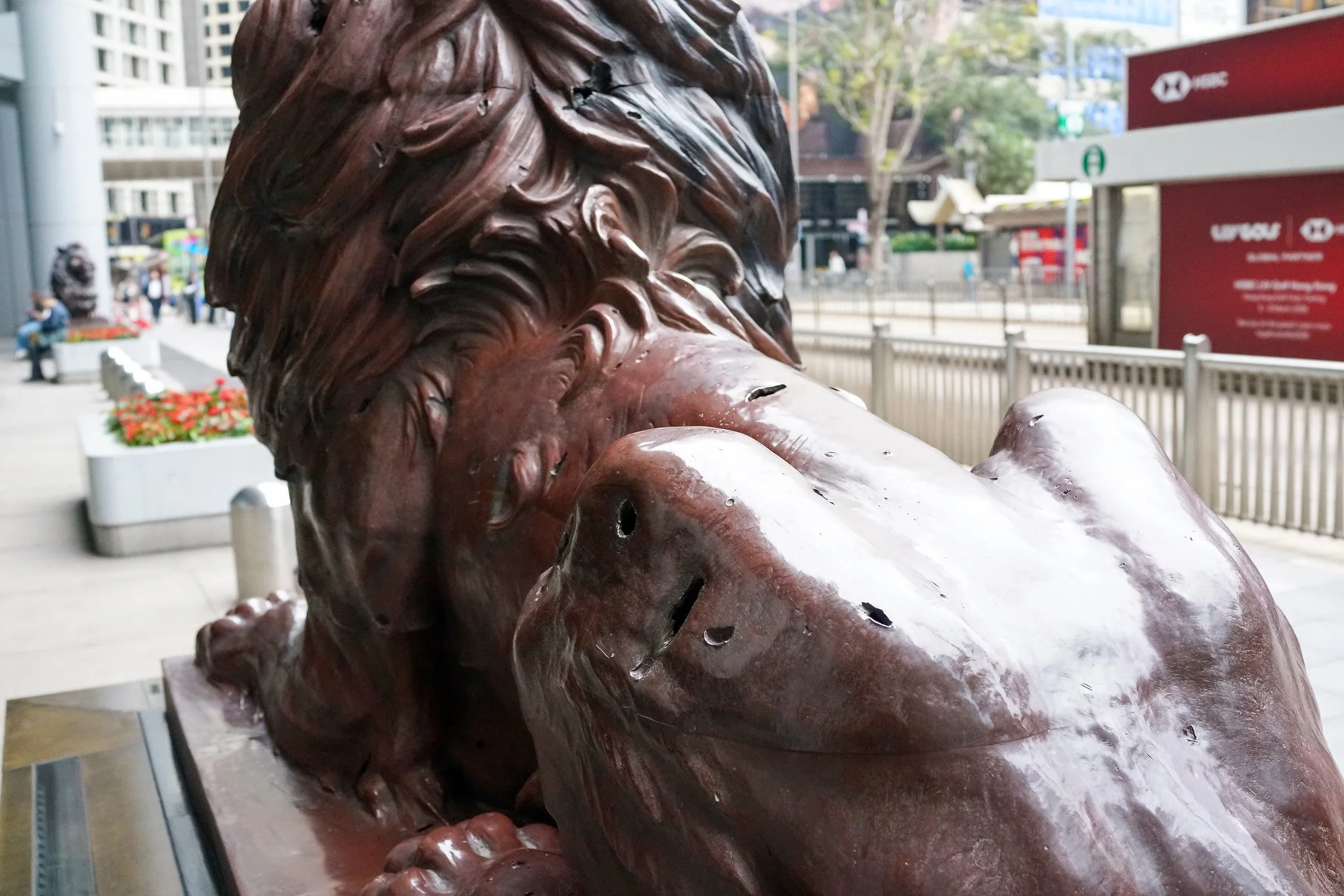
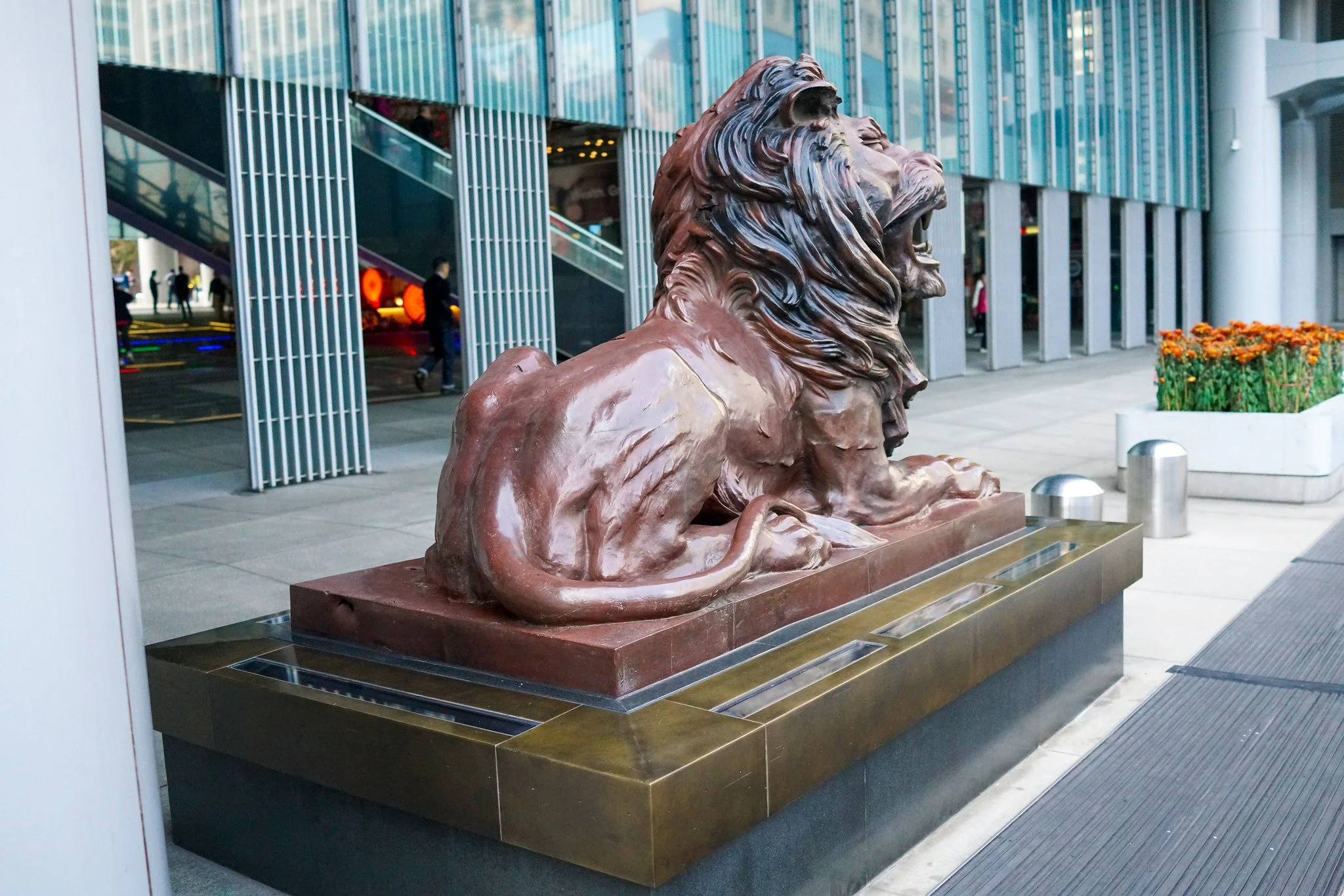
Both lions survived the occupation and the near-melting, but only one carried visible battle scars when they returned. Stephen, the roaring lion, still bears the marks of shrapnel from the December 1941 fighting. Stitt, the quieter, more sedate lion, shows no comparable damage. The scars on Stephen were left exactly as they were - jagged holes and gouges in the bronze that have never been repaired.
6. The Bronze HSBC Lions- the war wounds on Stephen - and why they sit on the “wrong” side
Stephen carries clear shrapnel damage on his left hindquarters. A shell fragment is said to have welded itself to the base while still white-hot. These are not bullet holes. Small-arms fire at close range would have ricocheted off the thick bronze; the size and shape of the damage are consistent with artillery shrapnel. There was no intense street fighting in Central itself - by Christmas Day 1941 the final Allied line on the northern shore of Hong Kong Island was further east in Wan Chai. The shrapnel almost certainly came from Japanese shelling of the area around the bank building.
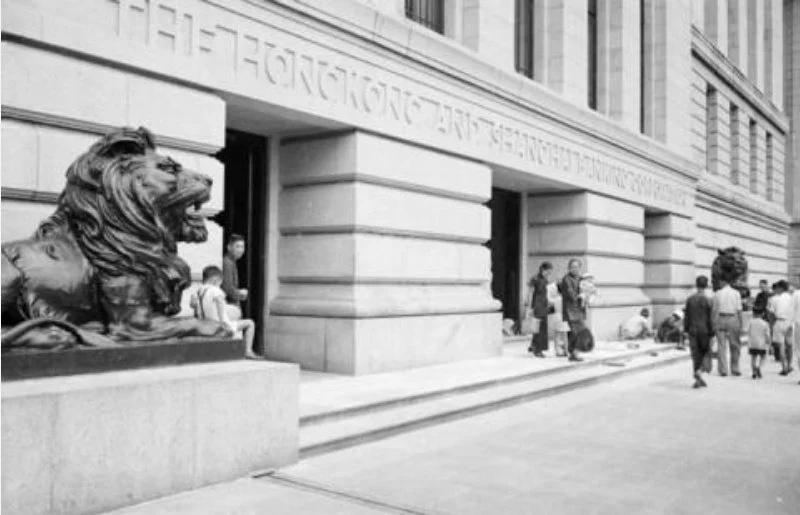
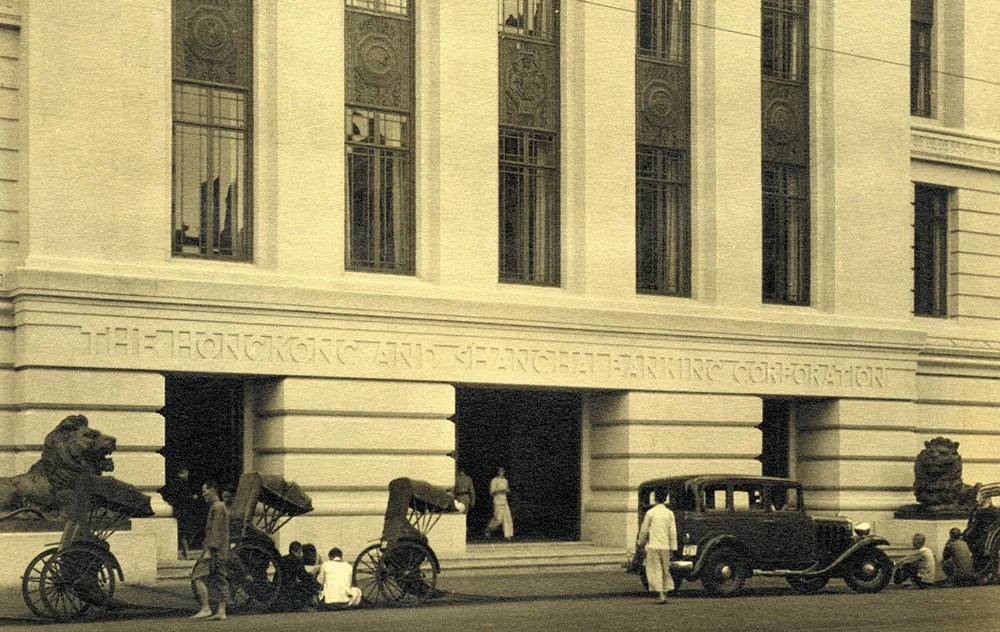
The puzzle that still draws comment is the location of the scars. old photographs from 1941 confirm that both lions were already facing outwards towards Des Voeux Road in the same orientation they occupy today. Yet the damage is on the side facing the building rather than the side that would have faced the harbour and the direction of incoming fire. Given that the old headquarters was solid granite and the lions stood only a short distance from the wall, the prevailing and most sensible explanation is ricochet. Shell fragments striking the hard granite façade would have bounced back into the lions from the rear and inner side. Other possibilities such as shells exploding behind them or minor movement of the statues in the chaotic first days of the occupation have been discussed, but the granite ricochet theory is the one that fits the physical evidence and the layout of the site.
I have met Historian and author Jason Wordie a few times and he has written clearly on this point, correcting the common tour-guide claim that the marks are bullet holes. The evidence points to shrapnel, and the scars belong to Stephen alone. Stitt came through the same events without visible marks of that kind. The bank has always left Stephen’s wounds untouched as part of the lions’ story.
click on any image to enlarge
© Copyright Acknowledged | All rights reserved | images courtesy of Gwulo
The HSBC Bronze Lions - 1935 (ish) | Totally Iconic | Hong Kong
7. The Bronze HSBC Lions | 1981-1985 relocation during demolition of the old building to Statue Square across the road
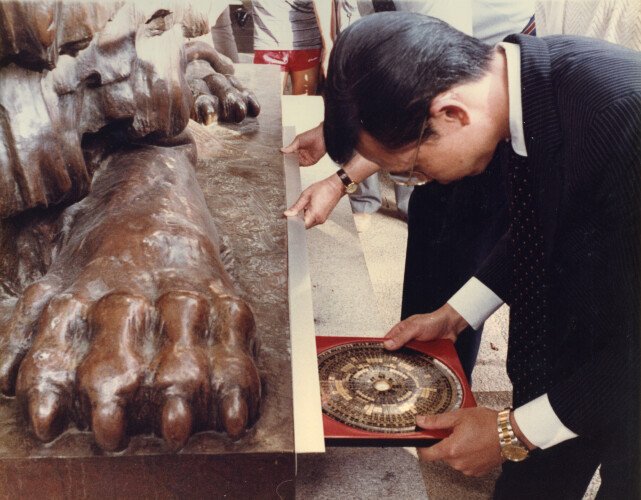
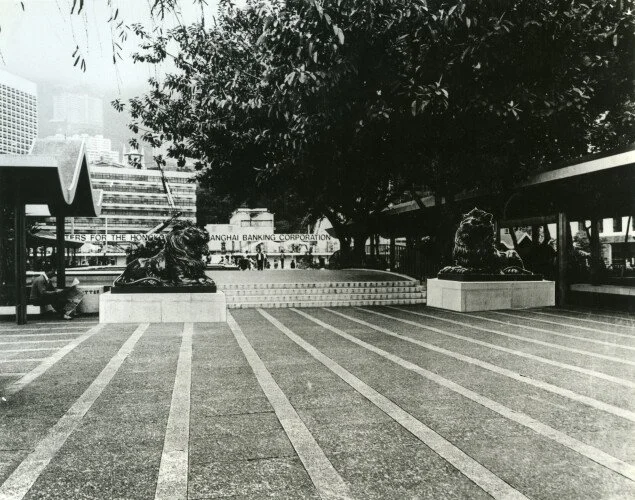
When the 1935 granite headquarters was scheduled for demolition to make way for Norman Foster’s new building, the lions were moved. In June 1981 they were taken first to an annex, then in June 1982 to Statue Square, directly opposite, where they sat for roughly four years “watching” the construction. Feng shui considerations governed every move. Master Lung King-cheung (David Lung) used a luopan compass to mark positions so the lions remained in harmony with the hill behind them. When the new building was ready, the return was equally careful. On 1st June 1985 the two lions were lifted simultaneously by two separate cranes so that neither was given precedence over the other. They were lowered into the exact positions dictated by the feng shui calculations.
A week later the bank’s Chairman, Sir Michael Sandberg, held a formal ceremony to welcome the lions home. Putting them back in the precise original orientation was regarded as essential for the building’s luck and for the continuity of the bank’s presence on the site. Both the temporary move and the final return were accompanied by Sir Michael Sandberg and senior management of the bank, a clear mark of the respect in which the lions were held.
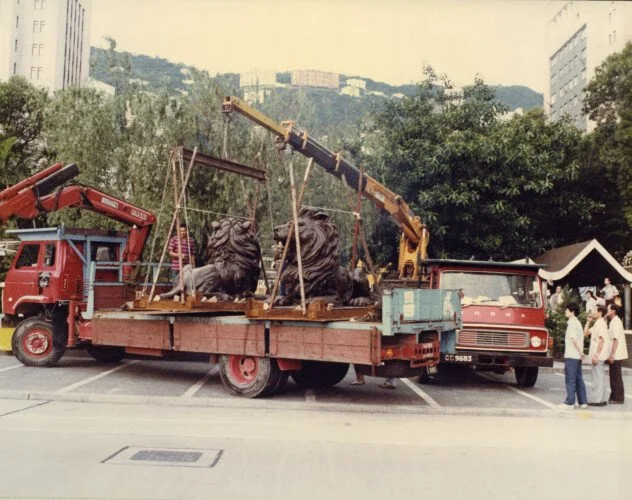
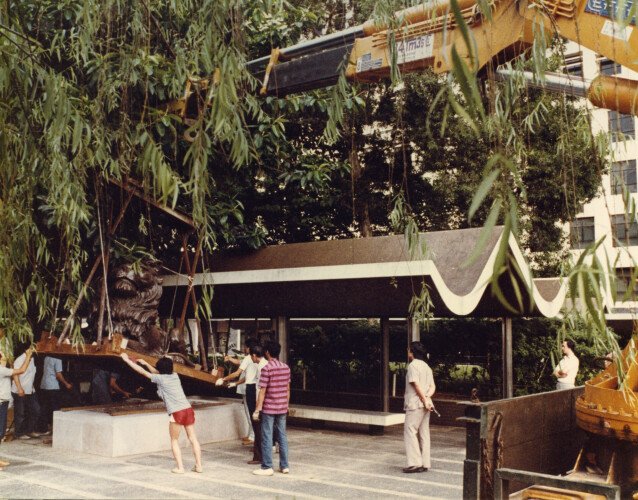
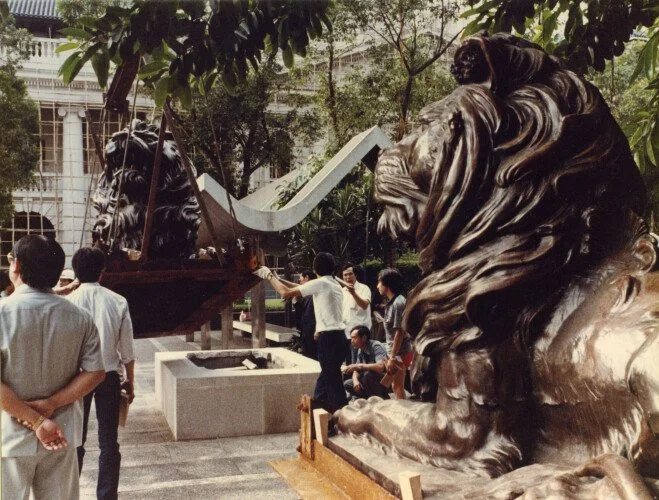
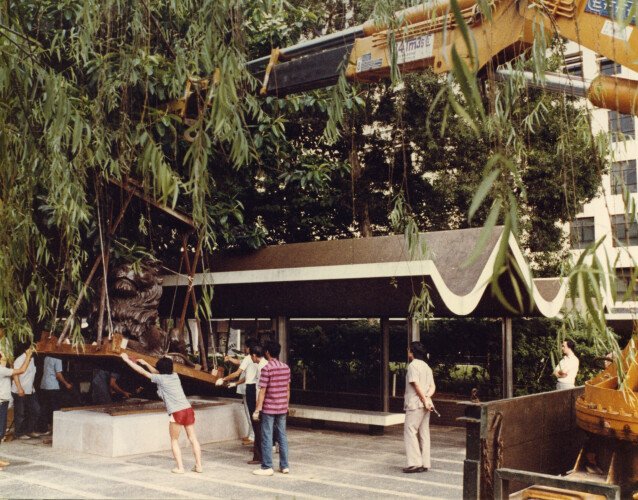
click on any image to enlarge
© Copyright Acknowledged | All rights reserved
The HSBC Bronze Lions | Relocation 1982 - 1985 | Hong Kong
8. The other set of HSBC Bronze Lions in Kowloon
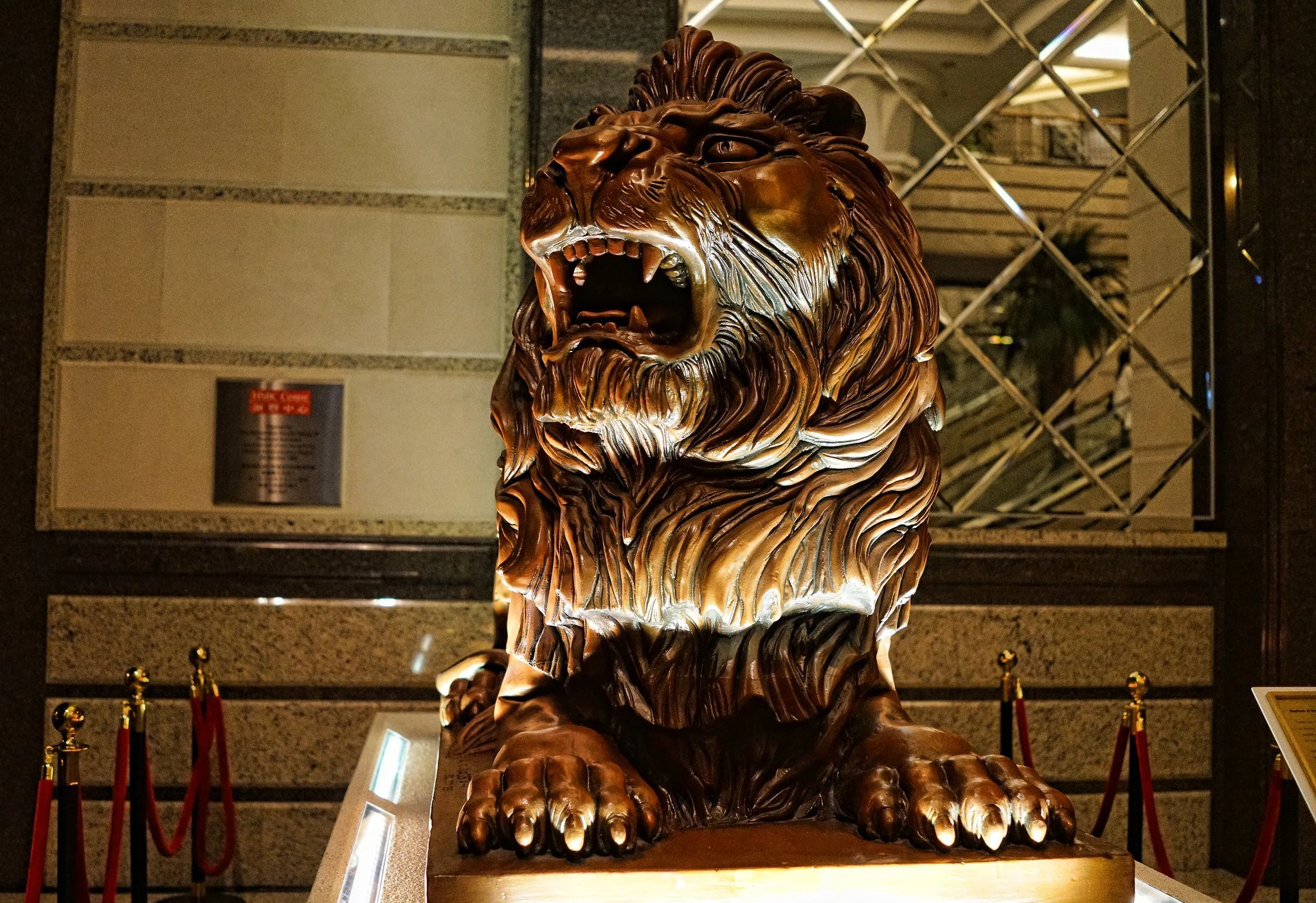
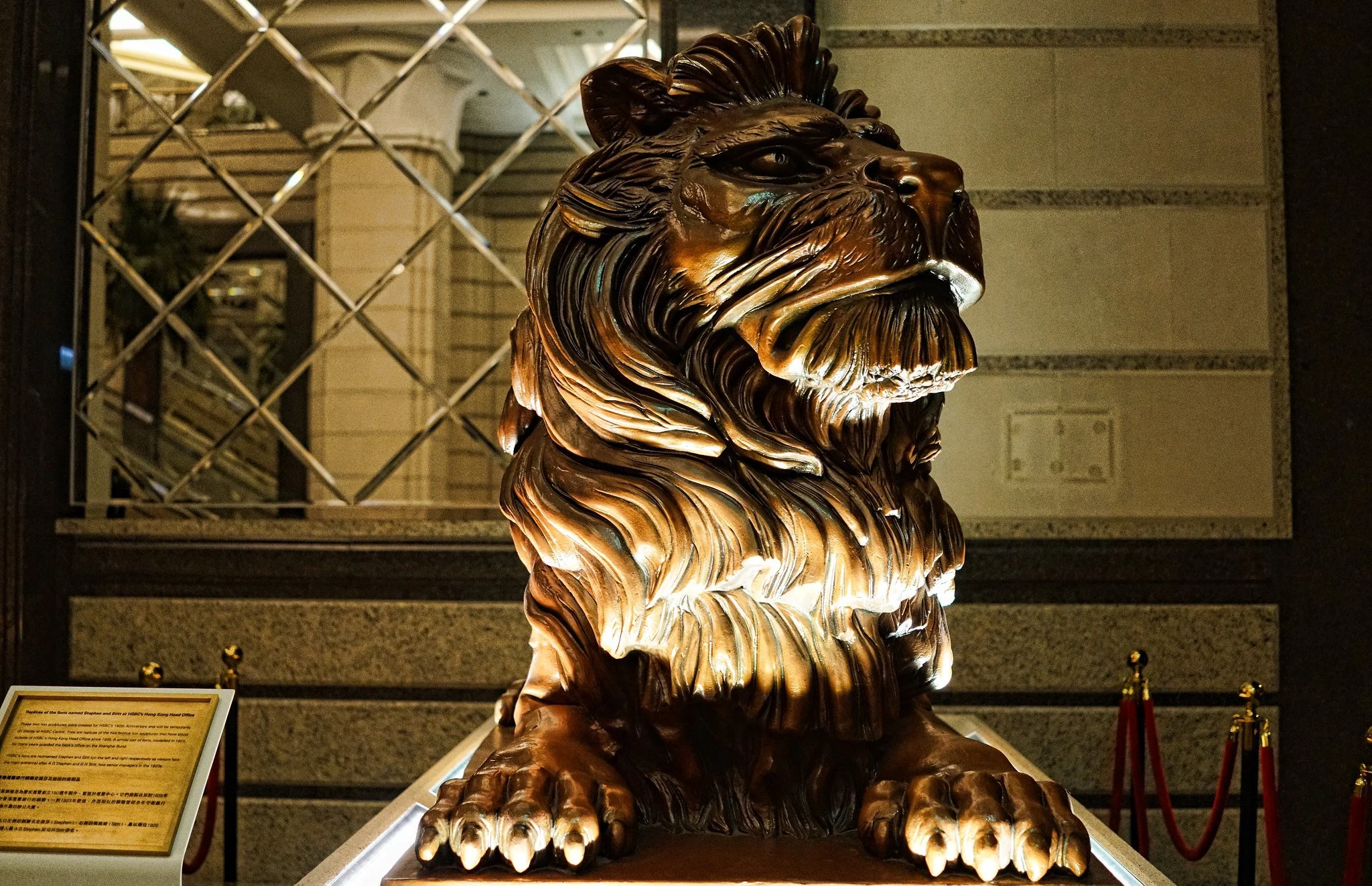
There is a later pair of bronze lions at the HSBC Centre in West Kowloon in Hong Kong (the bank’s back-office headquarters in Tai Kok Tsui). These were cast in 2015 to mark the bank’s 150th anniversary and are copies of the Central pair. They stand in the lobby rather than outdoors. They are bronze, not stone or another material, and they do not carry the original names Stephen and Stitt in the same public way. They are smaller-scale commemorative pieces rather than exact life-size duplicates of the 1935 originals. Other HSBC offices around the world have various scaled-down versions or different guardian figures, but the Central pair remain the primary, historically significant ones.
click on any image to enlarge
© Copyright Acknowledged | All rights reserved | images taken by Jamie
The HSBC Bronze Lions | Kowloon Replica’s | Hong Kong
9. Feng Shui and the constant rubbing of the HSBC Bronze Lions
In Chinese tradition lions are protectors. The HSBC pair are widely regarded as possessing strong protective and prosperity qi for the building and, by extension, for those who interact with them. Eight lucky coins are traditionally buried under each lion - the number eight being highly auspicious. People rub the paws, noses and sometimes the flanks for good fortune, wealth and protection. The left-hand lion (Stephen, the roaring one) receives far more attention. Its paws and nose are noticeably more polished. Some say the angry expression is more powerful; others simply follow the crowd. The practice is decades old and shows no sign of stopping. Office workers on their way to the MTR, tourists, parents with small children - all take their turn. The bank has never discouraged it. The shiny patches are now part of the lions’ appearance.
10. The 2020 red-paint attack and restoration of the HSBC Bronze Lions
On 1st January 2020, during protests, the lions were sprayed with red paint and at least one was briefly set alight. They were immediately covered with hoardings. Initial cleaning began at once. Full professional restoration required specialists, some of whom could not travel because of COVID-19 restrictions. The first phase of cleaning was completed and the lions were returned to public view on 22nd October 2020 in a low-key ceremony. Further restoration work continued afterwards. They now stand again in their usual places, the 1941 scars still visible and the 2020 paint damage largely removed. The episode was only the third time in their history that the lions had been taken out of public view for an extended period.
Additional notes and out of left-field observations
These two bronze figures stood outside the 1935 headquarters for nearly half a century, survived its demolition, spent four years watching the construction of the new building from Statue Square across the road, and have now guarded the present headquarters since 1985. They have lived through Japanese occupation, a near-miss in an Osaka dockyard, political turbulence and a splash of red paint, yet they remain exactly where the feng shui masters and the bank’s own history say they should be - one roaring, one quiet, both still being touched by many thousands of hands every year.
So there you go
Jamie’s Hong Kong Insider Chat
Ready to turn your plans into a far more enjoyable reality? Click the yellow button below to learn more about Jamie’s Hong Kong Insider Chat, check pricing and book
I do not do Food Tours in Hong Kong but I know people that do!
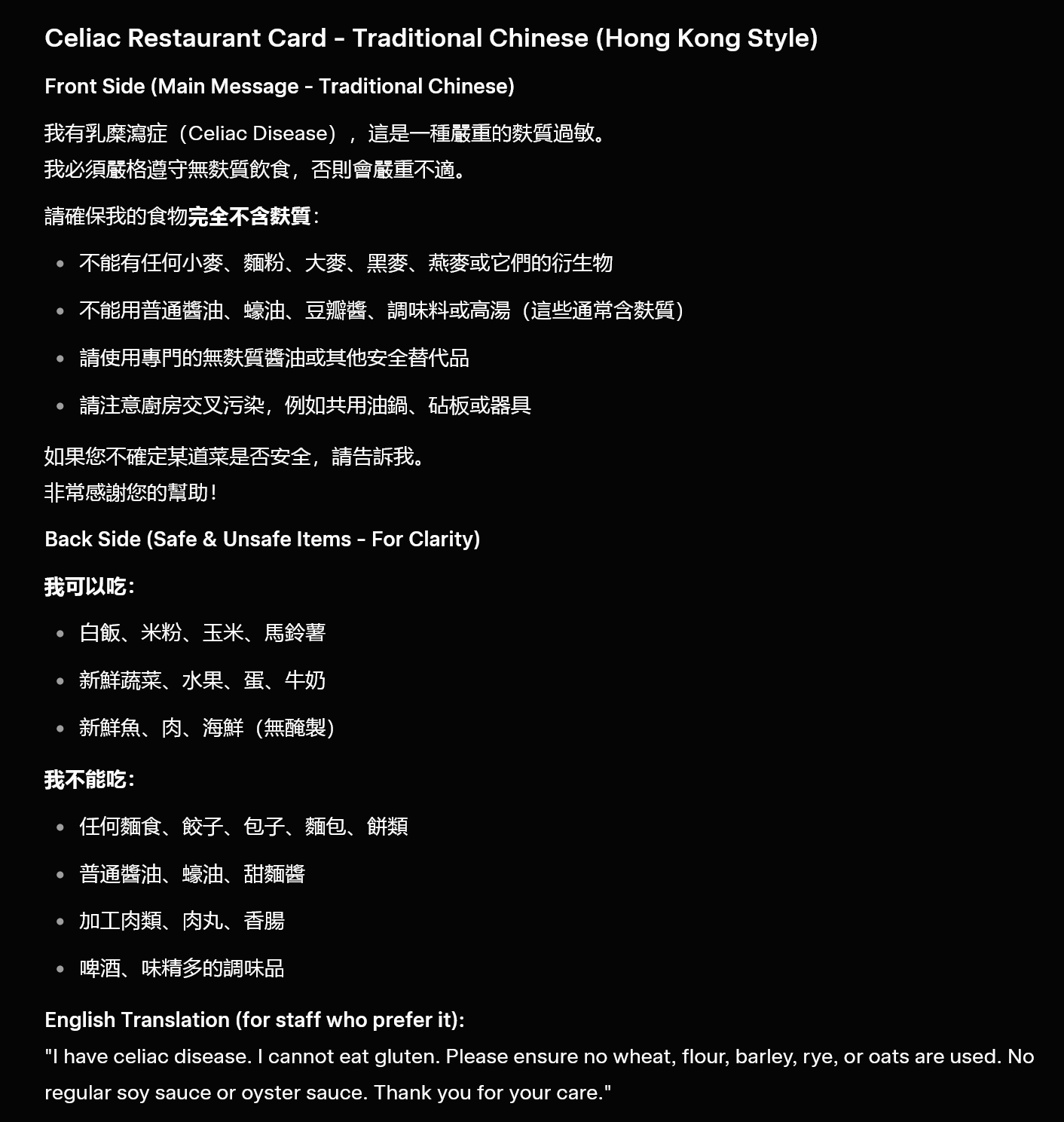
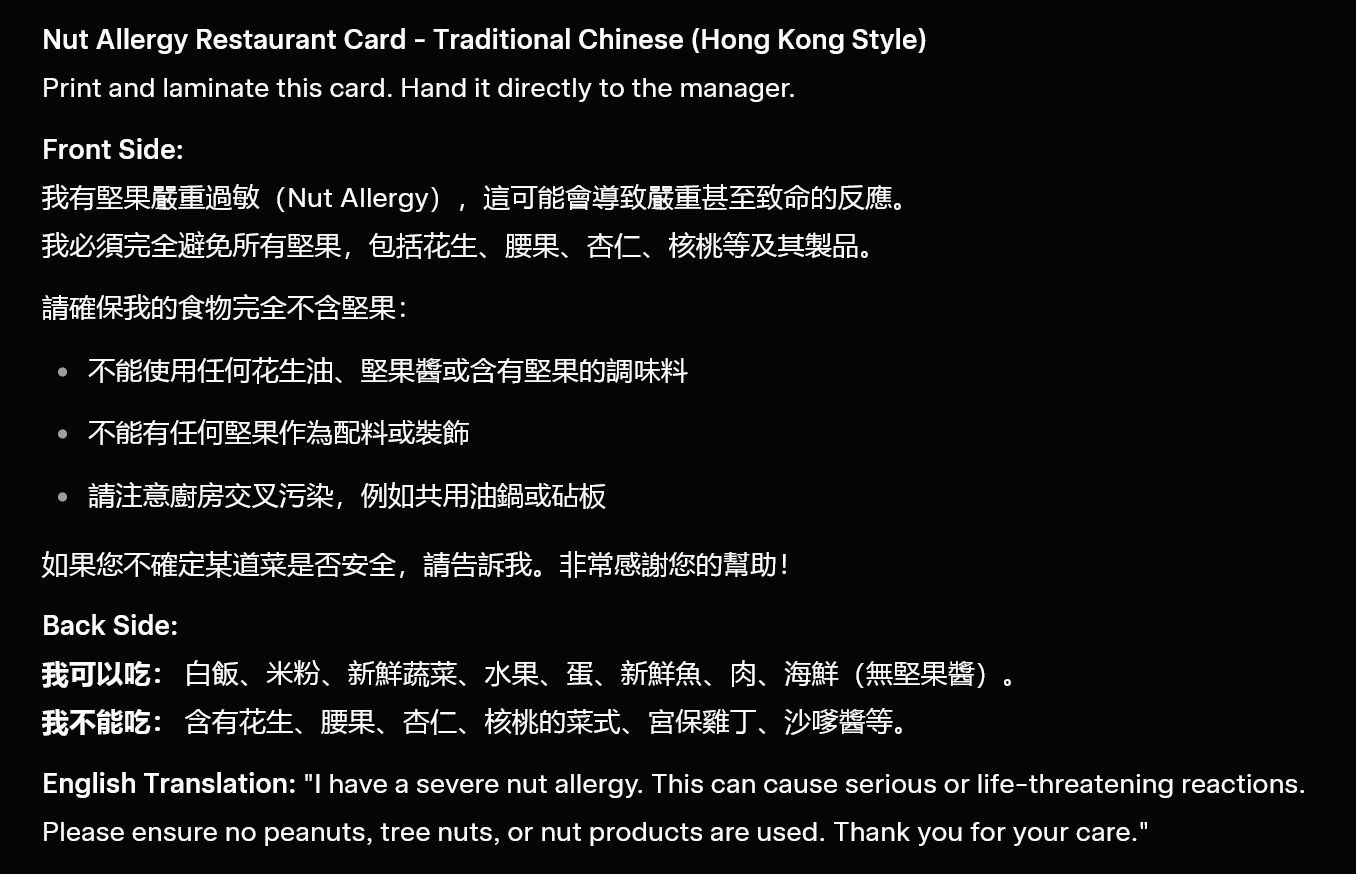
click on any image to enlarge
The information above can be shown to restaurant managers in Hong Kong if you are intolerant to gluten and nuts,
I do not do food tours as mentioned above, I have very specific reasons and part of it is that I do not speak Cantonese or write Chinese, I am from Yorkshire in England and I lack the language gene and it is not through lack of trying and yes a lot of restaurants do not have English menu’s or staff who speak conversational English.
.. and yet I have eaten at close to 1,400 restaurants in Hong Kong since January 2nd 1972, my wife was born in Hong Kong and we have been together over 40 years and her first language is Cantonese and a lot of her family are Chinese or half Chinese so I have never had much of an issue!
This does not translate to doing food tours though, yes, I could do them, no problem there but they would never ever be as good as the food tours done by my friends (see the 3 links above) most of their awesome guides are locally born Hong Kong Chinese and obviously food culture is part of their DNA, it is impossible for me to compete with that!
So please feel free to contact them for food tours
I do not do Hiking Tours in Hong Kong but I know someone that does!
I do not do Hiking Tours, never have and never will even though I used to go Hiking a lot when I was a lot younger, The Hong Kong Government is promoting hiking tours so I urge you to contact my friend Sabrina at Hong Kong Trails and Tours, she is a long time Hong Kong resident and and a very experienced hiker with close to 700 Hikes in 15+ years under her belt, please click on the link below
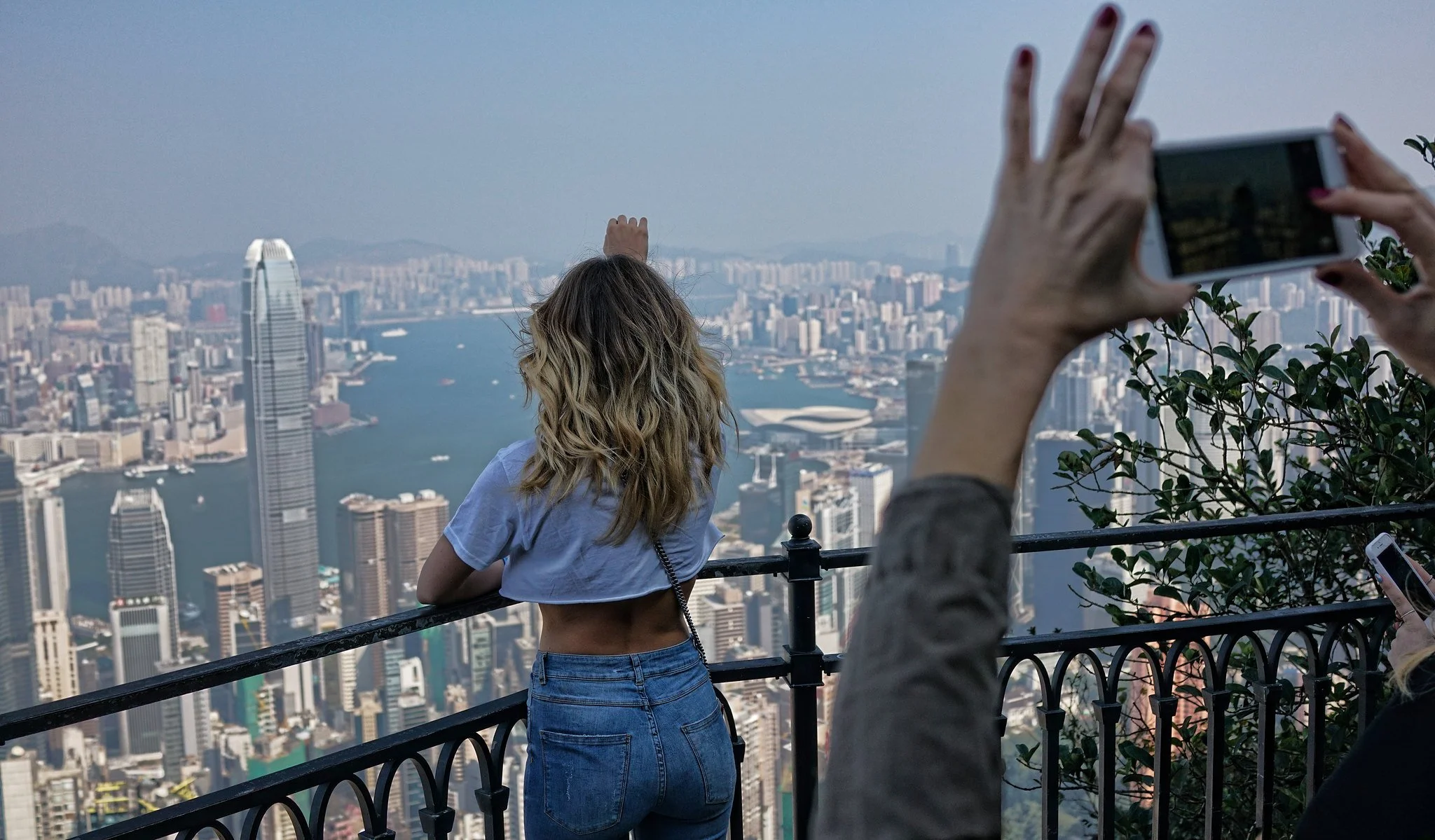
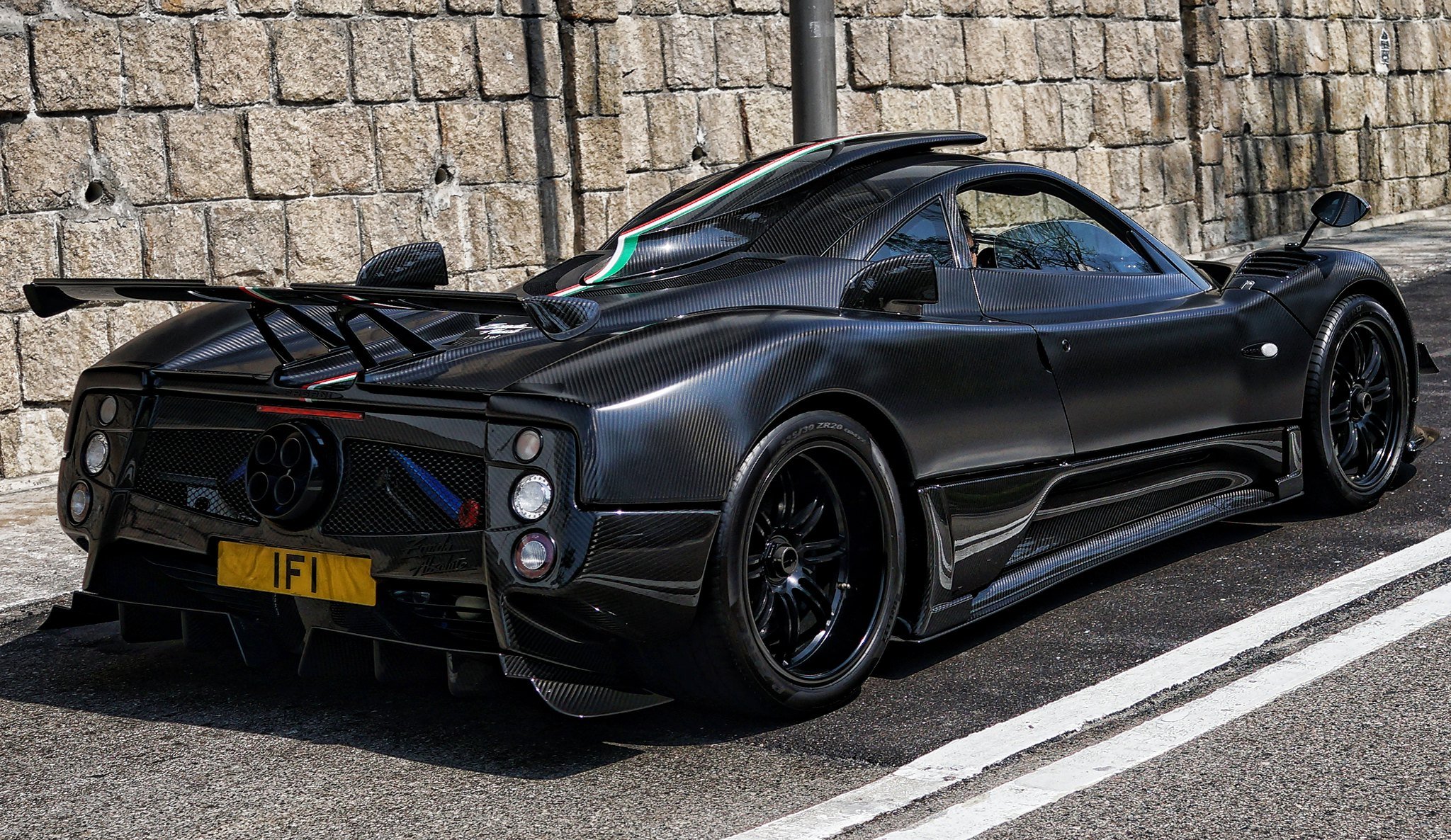
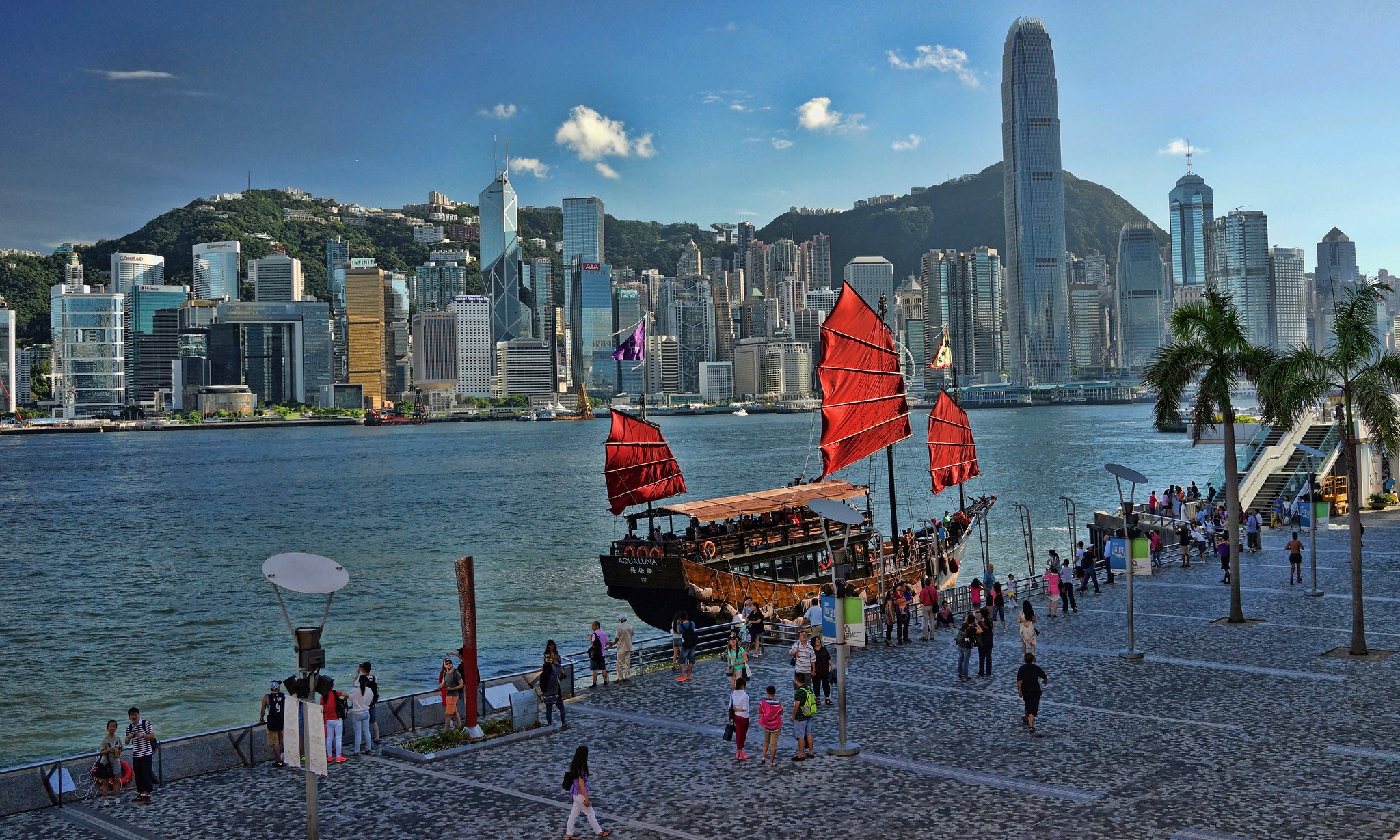
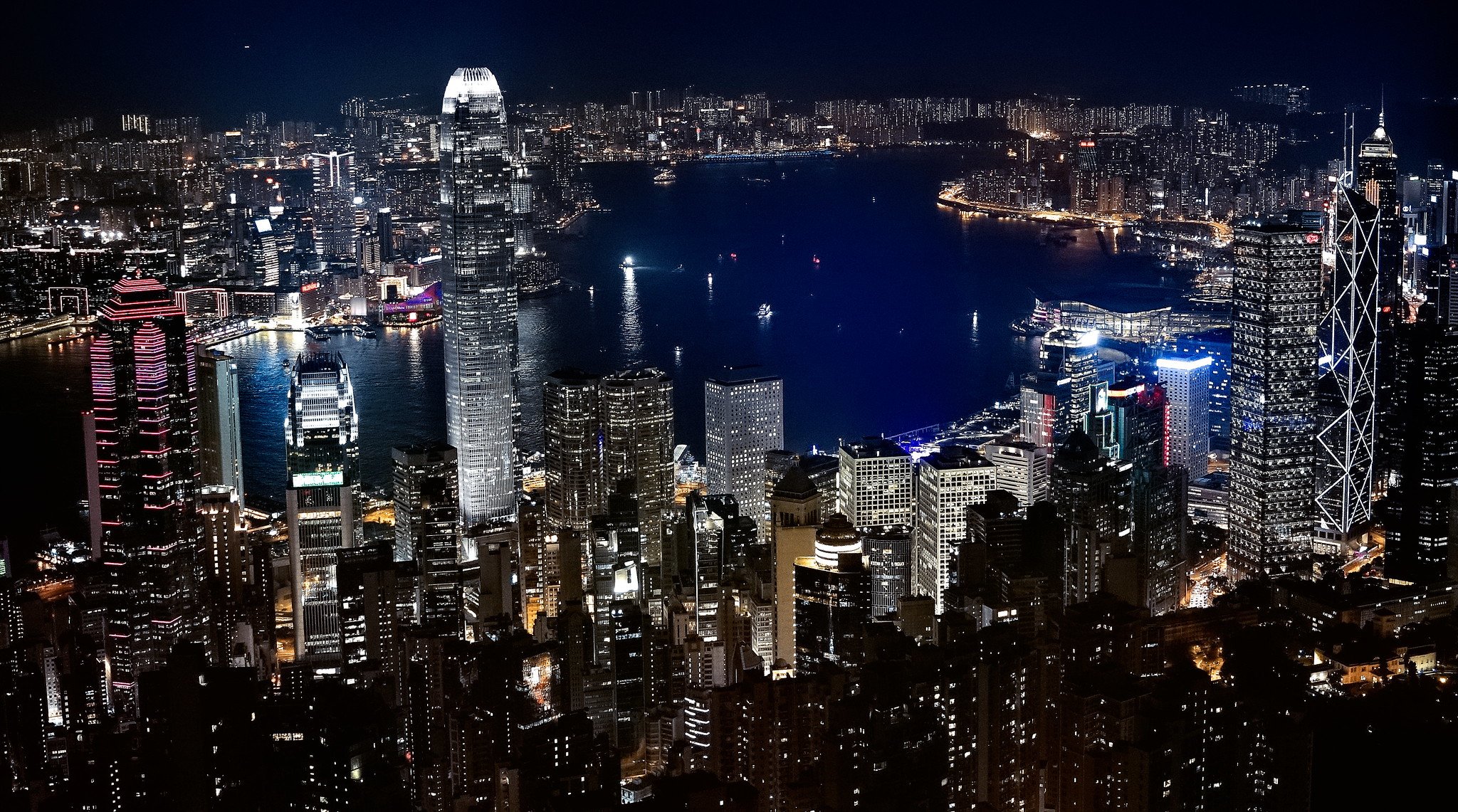
click on any image to enlarge
© Copyright Acknowledged | All rights reserved | all images taken b Jamie
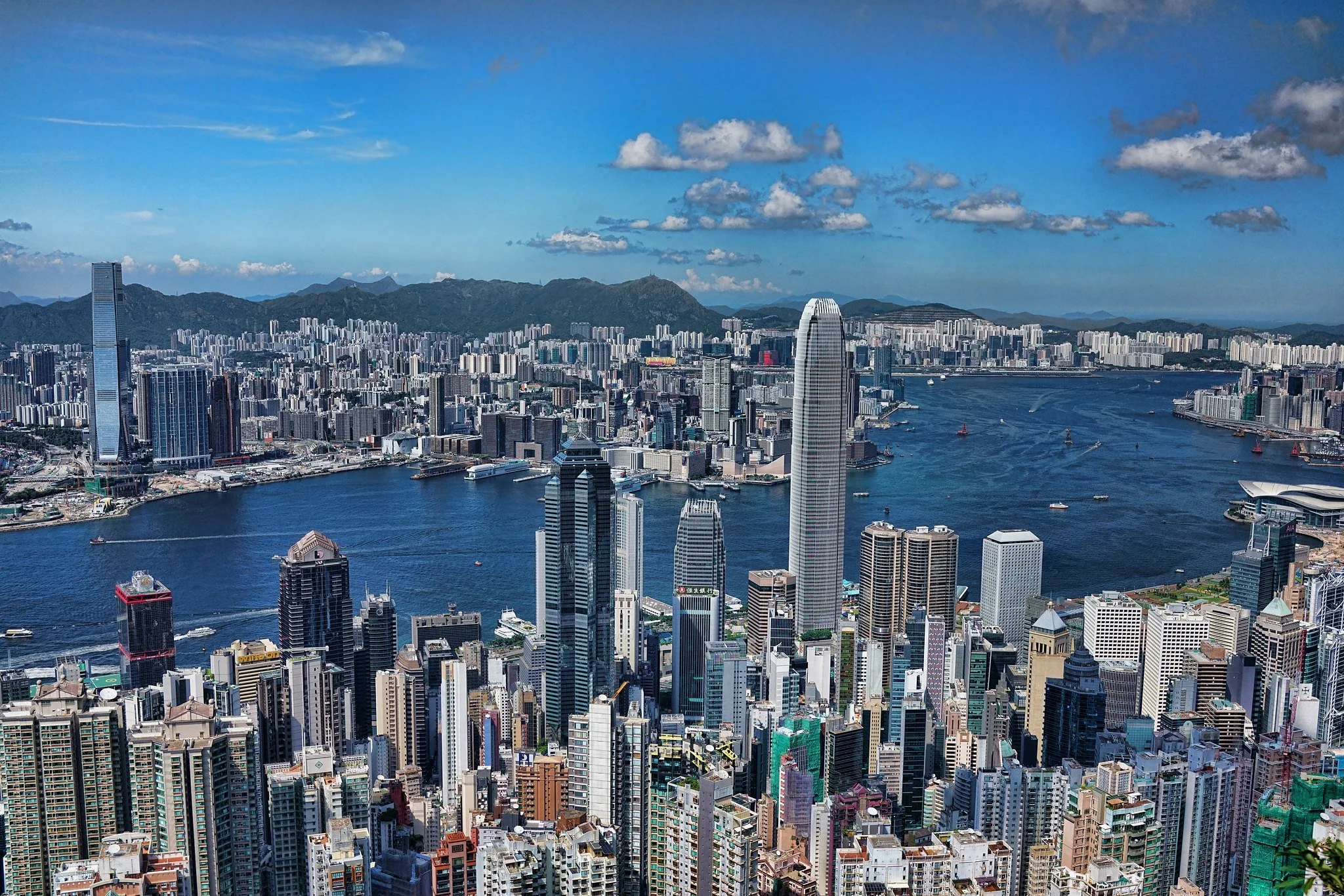
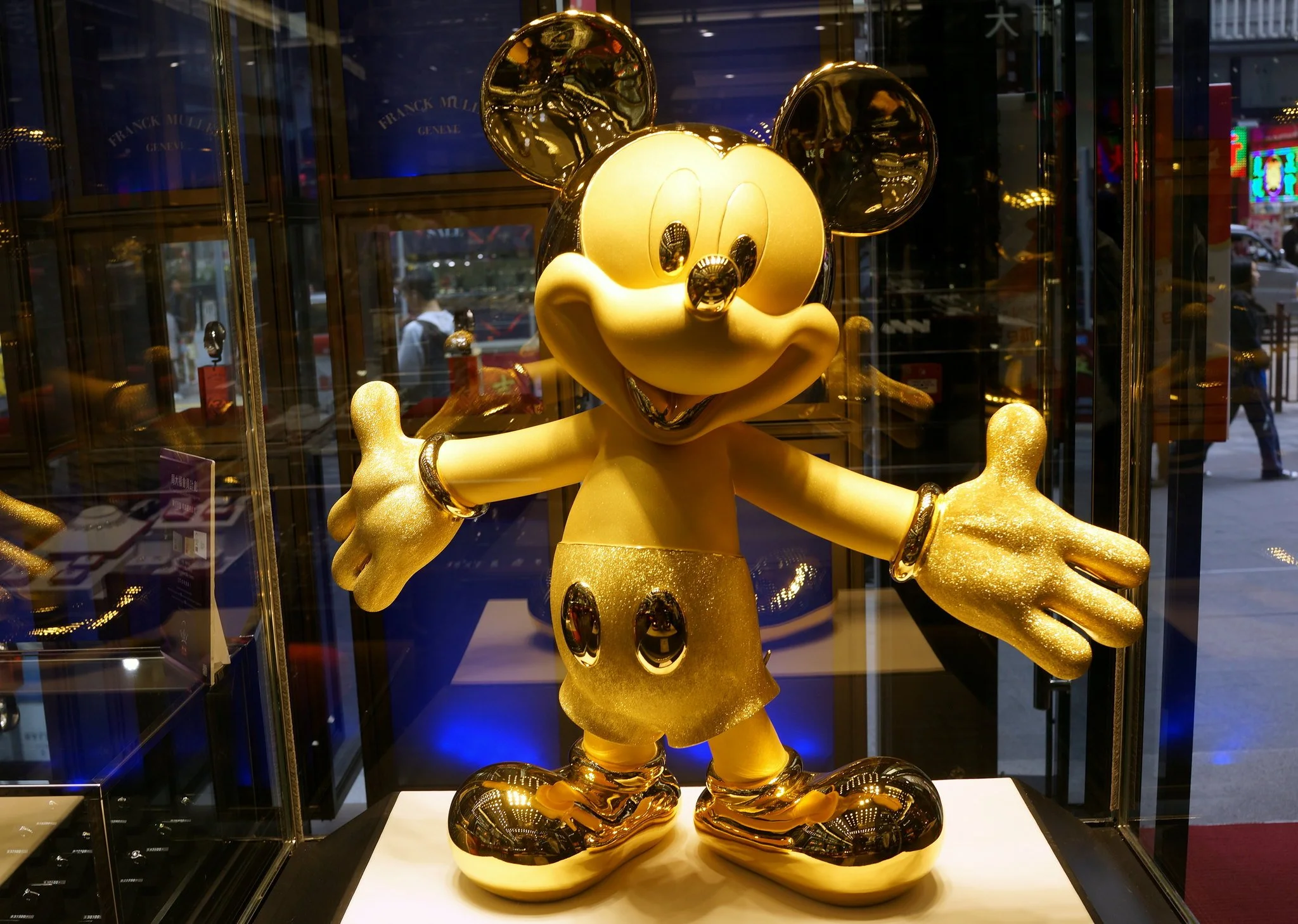
Jamie’s Hong Kong | Some of my favourite images | Hong Kong 101