The Origins of Halloween and Why Hong Kong Made It Its Own
Halloween Month in Hong Kong: Fun, Crowds, Fenced off Statue Square

The J3 Group - Premium Quality Private Tours | Experiences and Insider Chats since 2010
Me Jamie, your host, I am English and I have lived in Hong Kong since January 2nd 1972 - I know the place.
A meaningful blog post with a difference - tips on Travel, Tourism, Tours, Daily Life and my personal thoughts on Hong Kong.
Please do visit Amazing Hong Kong
Hong Kong | Pearl of the Orient


A Resident since 1972 - Private Tours of Hong Kong with Jamie
The Best Things to do in Hong Kong
click on the image to enlarge
© Copyright Acknowledged | All rights reserved | image created by Jamie
The Origins of Halloween and Why Hong Kong Made It Its Own
Foreword by Jamie
Halloween in Hong Kong
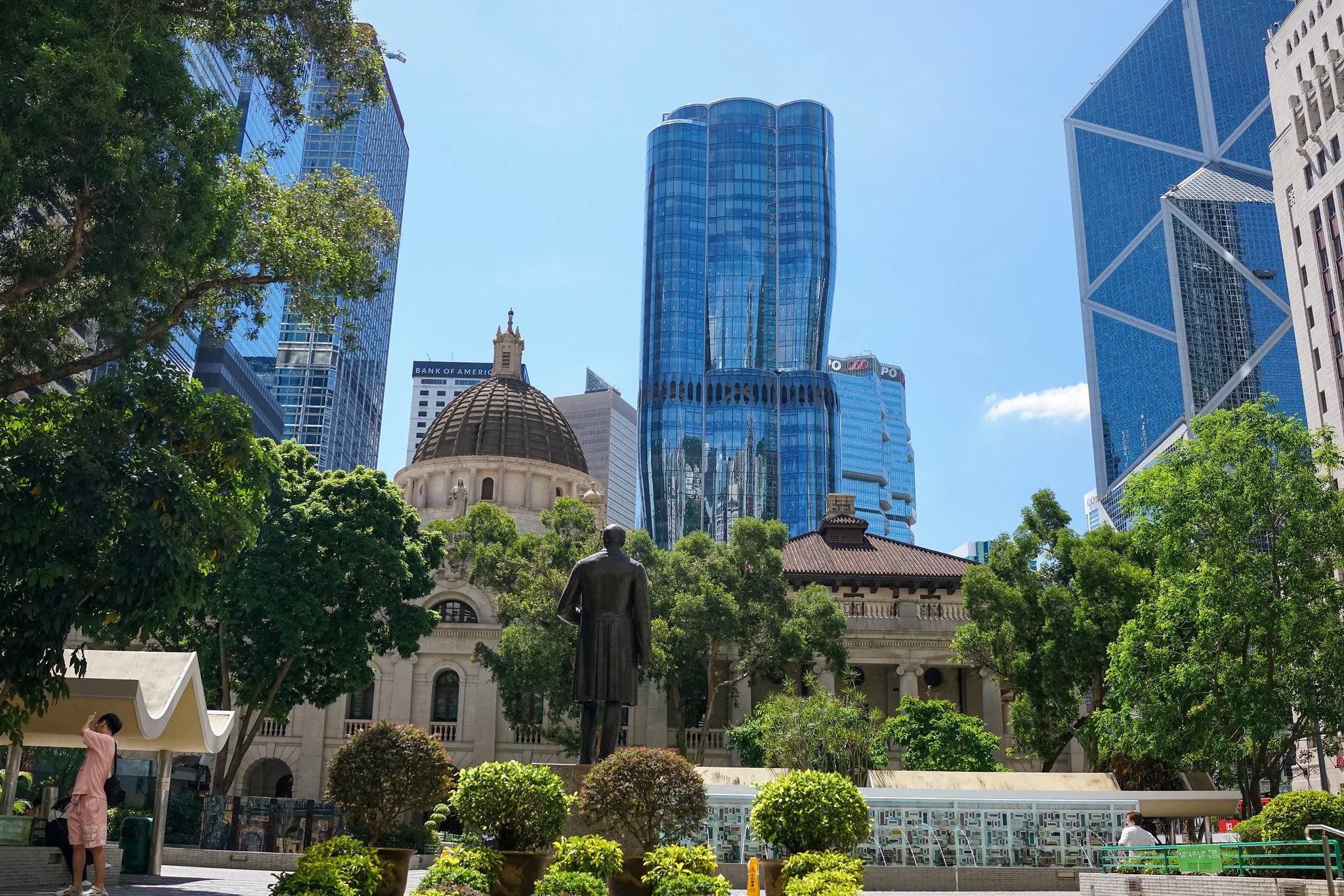
It is only the 17th of October 2026 and already large sections of Statue Square in Central are fenced off and closed. I walked past this morning, as I have done thousands of times over the years, and the usual open space that lets people sit, walk and take in the surrounding buildings was already broken up by barriers and temporary structures. The square has always been a place where residents and visitors can pause in the middle of Central, look at the old Court of Final Appeal building, the HSBC headquarters and the remaining statue, and simply spend a few minutes in a relatively open and peacuful setting. Closing it off for weeks at a stretch for a Halloween installation strikes me as unnecessary when a larger alternative sits less than two minutes away.
Where Halloween Actually Came From
The modern Halloween we see today has roots that go back more than 2,000 years to the Celtic festival of Samhain in Ireland, Scotland and parts of Britain and northern France. Samhain marked the end of the harvest and the start of the darker half of the year. It was one of the four main fire festivals in the old Celtic calendar. People put out their household fires and gathered around a communal bonfire. Costumes and masks were worn, not for fun, but to confuse or ward off spirits that were thought to move more freely when the boundary between the living and the dead was thinner. Offerings were left, and there was a practical side too: livestock were brought in and the last of the crops gathered before winter set in.
When Christianity spread through the Celtic lands the Church did not simply erase the existing calendar. In the 8th and 9th centuries All Saints’ Day was fixed on the 1st of November. The night before became All Hallows’ Eve, which over time shortened to Halloween. Many of the older customs - the sense of a liminal night, the dressing up, the focus on the dead - sat alongside the new Christian observance. Later, in the 19th century, large numbers of Irish immigrants carried these traditions to the United States. There the festival was reshaped into the commercial, costume-heavy version that most of the world now recognises. Pumpkins replaced the earlier turnip lanterns once the custom crossed the Atlantic, and trick-or-treating grew out of older door-to-door practices such as souling, in which people offered prayers for the dead in return for food.
For as long as I can remember Hong Kong has embraced Halloween perhaps more in a sense of dressing up in a silly costume and getting sozzled.
How Hong Kong Made It Its Own
Hong Kong has no deep local tradition of Halloween in the Western sense. The city does, of course, have its own long-standing relationship with ghosts and the afterlife through the Hungry Ghost Festival, which is more solemn and ritualistic. Halloween arrived as an imported idea and was gradually adapted over the decades
Photographs from the 1980s show modest school parties where children dressed up. By the 1990s the narrow streets of Lan Kwai Fong had become the centre of the celebration. Allan Zeman and the Lan Kwai Fong Group helped turn what had been a small expatriate gathering into a large-scale street event. Theme parks joined in during the 2000s: Ocean Park with its haunted houses and Hong Kong Disneyland with seasonal parades. The combination of Western costume culture, Hong Kong’s dense nightlife and a ready audience of both long term residents and visitors proved effective.
In recent years the numbers in Lan Kwai Fong alone have been substantial. Police estimates have put the crowd at around 25,000 on peak nights, while organisers have spoken of figures closer to 50,000 or even 60,000. Mainland visitors have become a noticeable part of the mix; for many of them the experience in Hong Kong is something they do not find at home. The city offers the costumes, the street atmosphere, free flowing booze, and the international feel in one concentrated place. It also functions as a social outlet. In a city where daily life is often tightly scheduled, dressing up and joining a large crowd provides a temporary break that is widely accepted.
This year the Hong Kong Tourism Board has expanded the idea into a first “Hong Kong Halloween Month”. From the 17th to the 31st of October there are cosplay street parties in several districts, free rides on decorated trams and an open-top bus for people in costume, and the usual theme-park programmes. In Central the specific event is “Halloween in Central”, organised by Hongkong Land with support from the Tourism Board. It runs for the full 15 days. Statue Square Gardens (South) holds large installations - a giant eyeball rising over the fountain, a monumental gateway, a coffin throne and a reworked pavilion turned into a haunted jail - lit from 4 pm to 11.30 pm (until 1 am on the 31st). Chater Road itself hosts four themed days, including a ticketed outdoor party on the 18th and a larger cosplay takeover on Halloween night.
The Question of Statue Square as a Halloween Venue
I can accept the Christmas installations that appear in the square later in the year. They are relatively short-lived and the square returns to normal use soon afterwards. What is harder to accept is another multi-week closure beginning in mid-October. The square is not a large park. It is a civic space with a clear historical character, used by office workers at lunchtime, by visitors who want to see the surrounding buildings, and by groups who gather there on Sundays. Fencing off large parts of it for installations that are essentially promotional reduces that everyday function for a fortnight and more.
Chater Garden sits immediately next door, across Chater Road. It is substantially larger - around 16,000 square metres - and was built on the site of the old cricket ground owned by the Hong Kong Cricket Club. It already functions as a large public open space managed by the Leisure and Cultural Services Department. It has more room for temporary structures, more open ground, and it is less than two minutes on foot from Statue Square. Putting the Halloween installations there would have given the organisers far more space to work with and would have left the historic square free for the people who treat it as a place to sit, walk and absorb the setting rather than as a backdrop for a seasonal campaign. Larger space also means it could handle bigger crowds without the same squeeze.
Hongkong Land does not own Statue Square. The square is public land. What they do own is Prince’s Building, which sits directly alongside the southern section of the square, and the Mandarin Oriental is right next door on the northern side. Both buildings already draw people into that immediate area. Moving the event into Chater Garden would still have kept the activity in the heart of Central and would almost certainly have pulled in larger numbers simply because there is more room to stand, walk and gather. The fact that the Tourism Board and the organisers went for the smaller square instead, and started fencing it off from the 17th of October, looks like a lack of ordinary common sense. There is no public statement I can find that even considers Chater Garden as an alternative.
I have looked for official government statements or newsletters that explain the choice of Statue Square over the neighbouring garden. What is publicly available comes mainly from the organisers and the Tourism Board: the event is presented as a way to bring festival atmosphere to a key location in Central and to support the wider Halloween Month. There is no detailed public argument that addresses why a smaller historic square should be partially closed for 15 days when a larger adjacent space exists. The installations themselves are free to walk through once they are open, and the lighting runs into the evening, but the fencing and restricted access begin well before the peak nights.
A Practical View
Halloween in Hong Kong has become popular for straightforward reasons. It arrived through schools and the expatriate community, was scaled up by nightlife operators in Lan Kwai Fong, fitted alongside the city’s existing interest in spirits and spectacle, and now draws both residents and visitors who enjoy the costumes and the street energy. The 2026 expansion into a month-long programme with multiple districts is a logical commercial and tourism step. None of that requires the partial closure of Statue Square for most of the second half of October.
Public spaces in Central are limited. Statue Square has a particular character because of its history and its location among the older and newer buildings of the district. Treating it as available real estate for successive seasonal events reduces the time it can simply be what it is: an open square where people can pause. Chater Garden is better placed to absorb temporary installations without the same loss of everyday use, and its greater size would have allowed bigger crowds. The difference in size and the short walking distance make the alternative obvious. Whether the organisers and the authorities will take that into account next year remains to be seen.
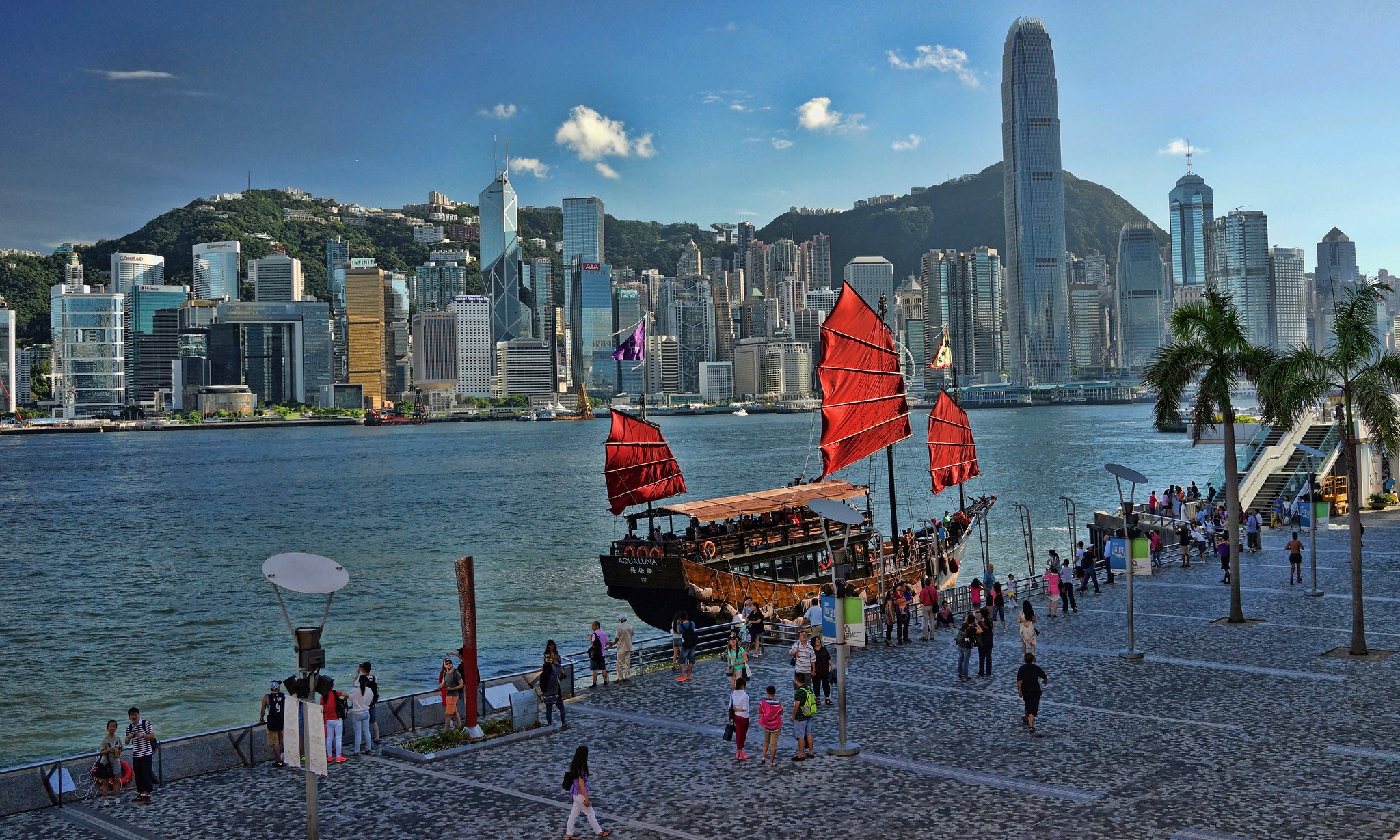
An even better venue sits across the harbour in Kowloon. The Avenue of Stars and the Tsim Sha Tsui Promenade already pull in large numbers every evening, probably well over 10,000 people on a normal night, and the open space is more than enough for installations, crowds and movement. The backdrop is a lit Hong Kong Island skyline, which is exactly what most visitors and many residents come to look at. Putting the Halloween event there would have used a waterfront that is already busy, already designed for people to stroll and gather, and would have left both Statue Square and Chater Garden free for their ordinary daytime use. It makes more sense than fencing off a small historic square in Central.
I am not against these festivals. They bring people into the city and they are useful for tourism in some ways. Halloween itself has long been a Lan Kwai Fong event, and that is where the costumes, the music and the crowds have always belonged. What I am already sick to death of, both as a resident and as a private tour guide, is the way Statue Square has been taken over for decades on Sundays by thousands of Filipino domestic helpers. The music is blared at a volume that is beyond annoying and that must break every noise regulation the government has on the books. Now the same square is being fenced off for three weeks for a Halloween installation that should have gone into the much larger garden next door, a space that is already tailor-made for temporary events and crowds. It makes no logical sense at all.
So there you go.

click on any image to enlarge
© Copyright Acknowledged | All rights reserved | images taken by Jamie