The Enduring Myth of Hidden Gems and Secret Spots in Hong Kong:
From Cliché to Reality: Rethinking these tired old cliches in 2027

The J3 Group - Premium Quality Private Tours | Experiences and Insider Chats since 2010
Me Jamie, your host, I am English and I have lived in Hong Kong since January 2nd 1972 - I know the place.
A meaningful blog post with a difference - tips on Travel, Tourism, Tours, Daily Life and my personal thoughts on Hong Kong.
Please do visit Amazing Hong Kong
Hong Kong | Pearl of the Orient


A Resident since 1972 - Private Tours of Hong Kong with Jamie
The Best Things to do in Hong Kong
click on the image to enlarge
© Copyright Acknowledged | All rights reserved | image created by Jamie
The Enduring Myth of Hidden Gems and Secret Spots in Hong Kong:
Foreword by Jamie
From Cliché to Reality: Rethinking these tired old cliches in 2027
I arrived in Hong Kong on 2nd January 1972. That is more than 50 years ago, and in the years since I have completed over 2,500+ private tours of Hong Kong The phrases hidden gems and secret spots have bothered me for a long time. I have written about them several times because the problem has grown worse, not better. Social media, lifestyle websites, tourism boards and now AI itinerary tools all reach for the same two phrases. In Hong Kong they no longer describe anything useful.
By my reckoning there are probably around 1,000+ listings for tours in Hong Kong when you take into account listings on Viator, Get your Guide and other OTA’s and then all the tour company websites and such, trust me hidden gems and secret spots are frequently mentioned and not to mention thousands of travel articles and social media posts which pop up daily.
I see the effects of these terms on a daily basis, for example an old colonial police station in an inconvenient location with 200 tourists outside taking selfies, a small bakery shop that takes ages to get to wiht 200 tourists outside taking selfies.. quite odd really,
This post brings the earlier pieces together. It looks at where the terms came from, why they turned into a cliché, why they fail in a city of more than 7.54 million people who live on their phones, and what language works better. At the end of this post + there is a practical list of 25 places for 2027. Some are famous. Some are quieter. The list is not a set of secrets. The real issue for most visitors is time. If you are only here for a day or two, the hours spent travelling to a remote corner can wipe out the visit.
The History of the Terms
The idea behind a hidden gem is old. English dictionaries record the phrase from the late 1700s. It was used for people or places of quality that had been overlooked. In travel writing it became common in the late 20th century. Guidebooks and magazines needed a way to suggest discovery without repeating "off the beaten track" in every paragraph. Hidden gem and secret spot sounded romantic. They implied that the writer had found something the crowd had missed. For a period that worked. Information moved slowly. A recommendation came from a resident, a single magazine article, or a conversation. Word of mouth took months. That world ended when the internet arrived and then when smartphones and apps became ordinary.
By the middle of the 2010s Instagram was already uploading hundreds of millions of photographs a day. Geotags and hashtags meant a quiet corner could be shared with thousands of people before lunch. Xiaohongshu,(Chinese version of Instagram) Instagram, TikTok and the rest of the platforms accelerated the process. Tourism boards, including the Hong Kong Tourism Board, lifestyle sites and AI tools still use the old phrases because they are easy to type and they still attract clicks. The label itself ends the claim. The moment a place is called a hidden gem, the next wave of visitors knows about it. The secrecy is gone before the first tourist arrives.
Why the Terms Became Tired Old Clichés
Travel writers, influencers and content teams need something new every week. Hidden gem and secret spot are ready-made. They suggest special knowledge. In practice most lists recycle the same 15 or 20 places. Once a housing estate, a trail, a café or a viewpoint appears in one article, it appears in dozens more. Algorithms reward the same images. Visitors arrive expecting solitude and find a queue for the exact photograph they saw on a phone. The disappointment is built into the language. You were sold discovery. You received a well-documented spot that other people also found on the same list.
In Hong Kong the problem is sharper. Residents here are information junkies. A shop front with good afternoon light, a tree with interesting roots, or a public housing staircase can become "Instagrammable" overnight. Nothing stays secret for long. The Hong Kong Tourism Board and many tour companies still use the old language. It no longer separates one place from another. It has become background noise. Friends who guide full time find the whole thing amusing. They know the places. They also know that calling them secret is no longer accurate.
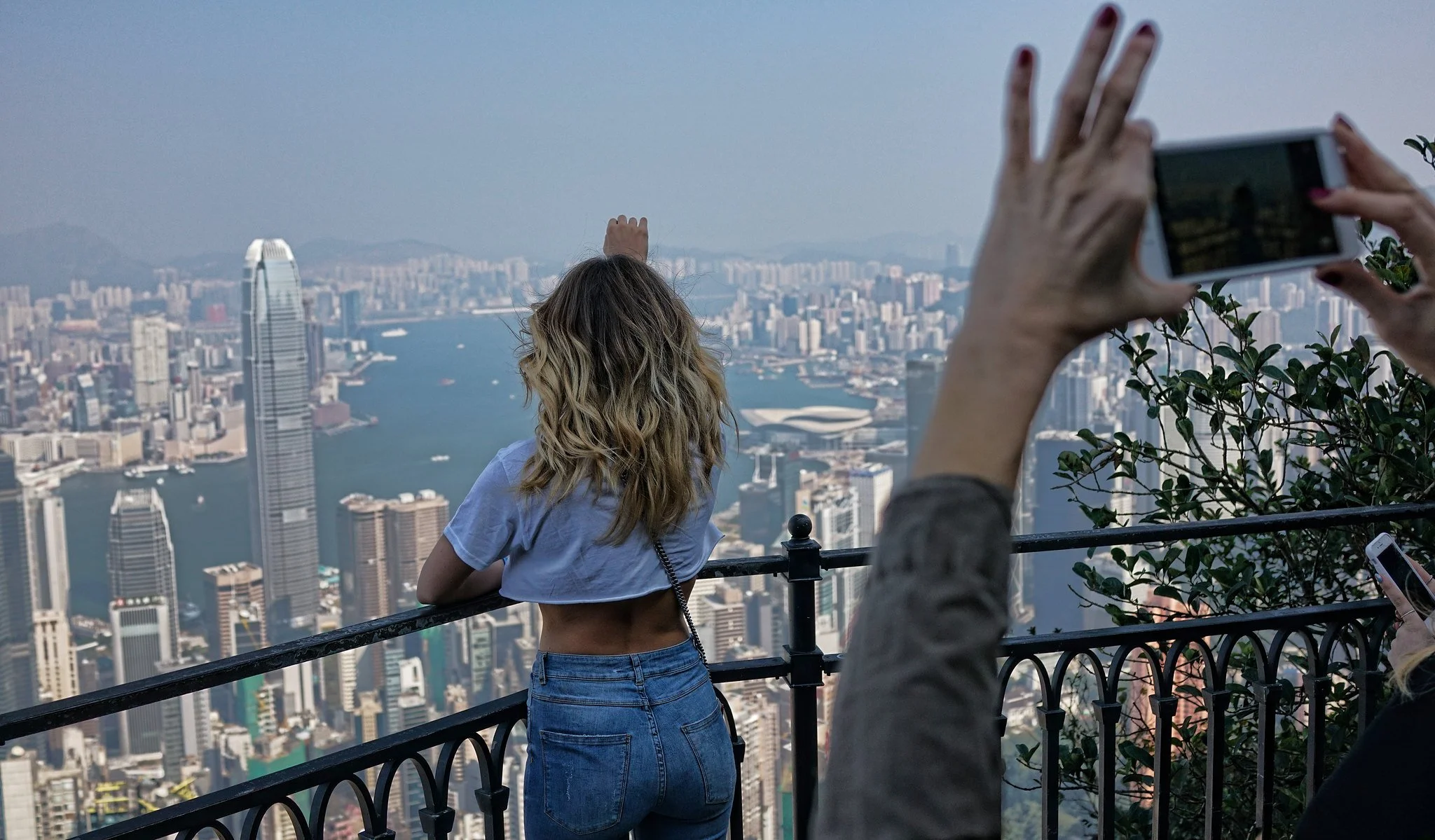
There is also the small matter of adrenaline junkies searching for secret spots, one of them is at Victoria Peak near the Lugard Road Lookout, young idiots think it is cool to climb over a fence, ignore police warning signs and climb onto a huge rock with a vertical drop of many hundreds of feet. certain death if they lose their footing
The cliches are tired
Why the Terms Are Largely Irrelevant in Hong Kong
Any shop front or tree can become a hidden gem if someone takes a good photograph and adds a caption. Choi Hung Estate became famous for its coloured facades. The pictures look bright and sunny. On a normal grey afternoon the buildings look like buildings. Wah Fu Estate once had a hillside of discarded gods and Buddhas that Atlas Obscura and others publicised. Residents had left the figures there for years because most people here will not throw a deity in the bin. In May 2026 the Leisure and Cultural Services Department cleared most of the slope for reinforcement works. The "find" disappeared. Green trails that looked empty in a photograph are processions, you can have thousands of hikers on the more popular trails on a Sunday. Cafés in Sheung Wan that were called tucked-away have been tagged thousands of times. The staff have seen the film before.
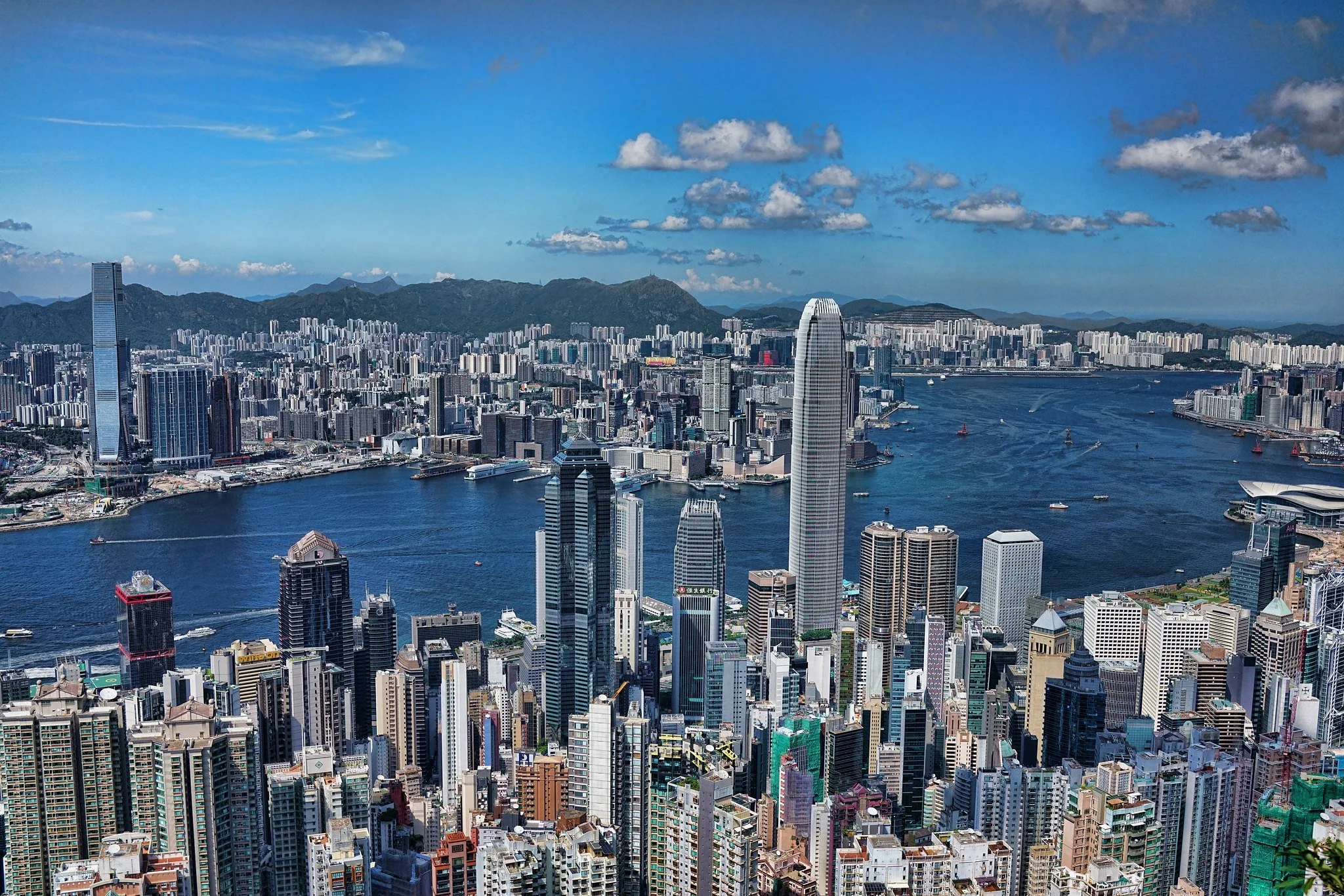
Social media has removed the chance of genuine surprise for most visitors. You can still have a good day. The pretence that you have uncovered something unknown is no longer honest. Good private guides know corners that are not overrun and that fit the time available. Those places are not secrets. They are simply not on every algorithm's list yet, or they require a short walk that most people skip. The Lugard Road Lookout at Victoria Peak is a clear example. It offers one of the best city panoramas in the world. Most visitors stop at the Peak Tower or the Lions Pavilion and never walk the extra distance. It is free. It is not hidden. It is simply missed by people who do not have the time or the information.
The Time Problem That Lists Rarely Mention
This is the practical point that almost never appears in the headlines. Hong Kong covers 579 named hills and peaks, 260+ islands, the New Territories and a harbour that takes time to cross. Most visitors do not have a week. Many have one long day or two. A list of 25 places spread across the territory will not fit into that window. A remote New Territories village or a quiet beach can take most of a day once you add transport both ways. You arrive, take the photograph, and leave. The city that is sitting in front of you is missed.
If you have a week, go to Peng Chau Island or walk Lugard Road properly. Sit in a place that is not performing for a camera. If you are here until the evening flight, choose places that sit inside a sensible route. Time spent on platforms and in taxis is time not spent seeing the place. The lists almost never mention the hours required. That omission turns a useful idea into a source of frustration. Government tourism planning that chases large visitor numbers without factoring in the capacity of paths, platforms and viewpoints makes the problem worse. Quotas have already appeared at some nature spots because of the volume of people hunting the same photograph.
The Monster Building in Hong Kong is a textbook example of the problem.
It sits in Quarry Bay on Hong Kong Island, our youngest son lives close by (often casually grouped with the North Point end of the Island Line) and is really five connected blocks that were finished around 1972 as Parker Estate. The official names are Fook Cheong Building, Montane Mansion, Oceanic Mansion, Yick Cheong Building and Yick Fat Building. Roughly 2,200 units and about 10,000 residents. The courtyard view looking straight up became famous after a photograph went viral around 2013 and later appeared in 2 movies. Transformers: Age of Extinction and Ghost in the Shell. After that it was on every “hidden gem” and “Instagrammable” list.
From Central it is MTR (Subway) to Quarry Bay or Tai Koo, then a 5 -10 minute walk through the shops on King’s Road to the side entrance that opens into the courtyard. Door to door you are looking at 40 - 50 minutes each way once you allow for walking, finding the right subwat exit, and any waiting. That is already most of a short tour before you have taken the photograph. The shot itself takes a minute or two if you are lucky with the light and the angle. Then you reverse the journey.
It is still a working residential estate. Residents and security have put up signs at different times asking people not to photograph, not to block the entrances, and not to make noise. Some days you can walk in and look up with no trouble. Other days a guard or a resident will move people on, especially if there is a group or tripods. There is no official visitor access. You are in someone’s front courtyard.
Visually it is dense 1970s composite housing. The stacked windows, balconies and air-conditioning units create a strong vertical pattern when you stand in the middle and look straight up. That pattern photographs well on a phone. In person it is a large apartment complex of the period, the same kind of dense private housing that exists in many other parts of Hong Kong. The drama is mostly in the upward angle and the contrast with the sky. On a grey afternoon it looks like what it is: a residential courtyard.
This is exactly the time-versus-reward issue the lists never mention. For someone with eight hours and a base in Central, the round trip plus the uncertainty about access is a large slice of the day for a single architectural photograph. The same time spent on the Street Tram through North Point, or walking the Sheung Wan back streets, or sitting at the Lugard Road Lookout, gives a broader sense of the city. The Monster Building works if the guest is already in Quarry Bay or Tai Koo for another reason and is specifically interested in the density and the film connection. It does not work as a default “hidden gem” stop on a short itinerary.
It also illustrates how quickly the label collapses. Once the photograph was shared, the place stopped being hidden. It became a known photo spot with the usual side effects: occasional friction with residents, variable access, you need good weather and a gap between the image and the reality of a working housing estate. That gap is what turns a lot of these lists into disappointments
Suggestions for Better Descriptive Terms
Instead of hidden gems and secret spots, try language that is more descriptive.
Places worth the walk
Quieter corners with a story
Underrated but accessible spots
Places that reward a short detour
Authentic Hong Kong experiences that fit your schedule
Corners that are not yet on every algorithm
These phrases do not promise secrecy. They promise value and realism. They also age better when the next social media wave arrives. They leave room for the story behind the place, which is what actually matters and to be honest it will make no difference, hidden gems and secret spots are ingrained in the culture
A Practical List of 25 Places to visit in Hong Kong for 2027
The following is not a list of secrets. Some of these places are famous. Some are quieter. All of them can be good on the right day. I have noted roughly how much time they need and whether they are already well known. This is for visitors who want to plan realistically. Entry is free or low cost at most of them. If you want a guide, the live prices and calendar are on the Prices | Book Now page.
Lugard Road Lookout, Victoria Peak. One of the best panoramic city views in the world. Most people stop at the Peak Tower or Lions Pavilion. A 40 minute round walk from the tram terminus. Under-visited relative to the other viewpoints. Free. Famous among residents, less so among short stay visitors.
Barker Road, Victoria Peak. Views along the residential road near the Peak Tram Station. Easy add on if you are already at Victoria Peak. Free. Less crowded than the main lookouts.
Victoria Peak Garden. Alternative views and a quieter garden setting. Uphill walk or short taxi rride. Free. Known but not packed.
Peng Chau Island. Car free outlying island. Ferry about 30 - 40 minutes from Central. Walkable in a couple of hours. Quiet on weekdays. Free. Less famous than Cheung Chau Island
Cheung Chau Island. Similar ferry time. Village streets, beaches, temples. Busier than Peng Chau. Free. Very well known.
Mui Wo, Lantau Island. Ferry or bus. Waterfront and nearby walks. Free. Known to residents, quieter for many visitors.
Nan Lian Garden and Chi Lin Nunnery. Tang-style garden and nunnery next to each other. MTR (Subway) to Diamond Hill, short walk. Free. Popular but still pleasant.
Dragon's Back hike. Ridge views and ends near a beach. Bus from Shau Kei Wan. 2 - 3 hours. Moderate. Free. Well known among hikers.
Pinewood Battery. WWII remains near Victoria Peak. Short walk from Lugard Road. Free. Quieter.
Sheung Wan back streets. Temples, plaques, markets. MTR (Subway) to Sheung Wan. Compact. Free. Parts are well known, side streets less so.
St John's Cathedral. Oldest Anglican church, 1849. Short walk from Central. Free. Known and calm inside.
Blue House cluster and Pak Tai Temple, Wan Chai. Heritage buildings and temple. MTR (Subway) to Wan Chai. Quick visit. Free. Photogenic and reasonably well known.
Noon Day Gun, Causeway Bay. Daily firing tradition. Short walk from MTR (Subway). Free. Quirky and known and frankly amazing if somewhat time sensitive
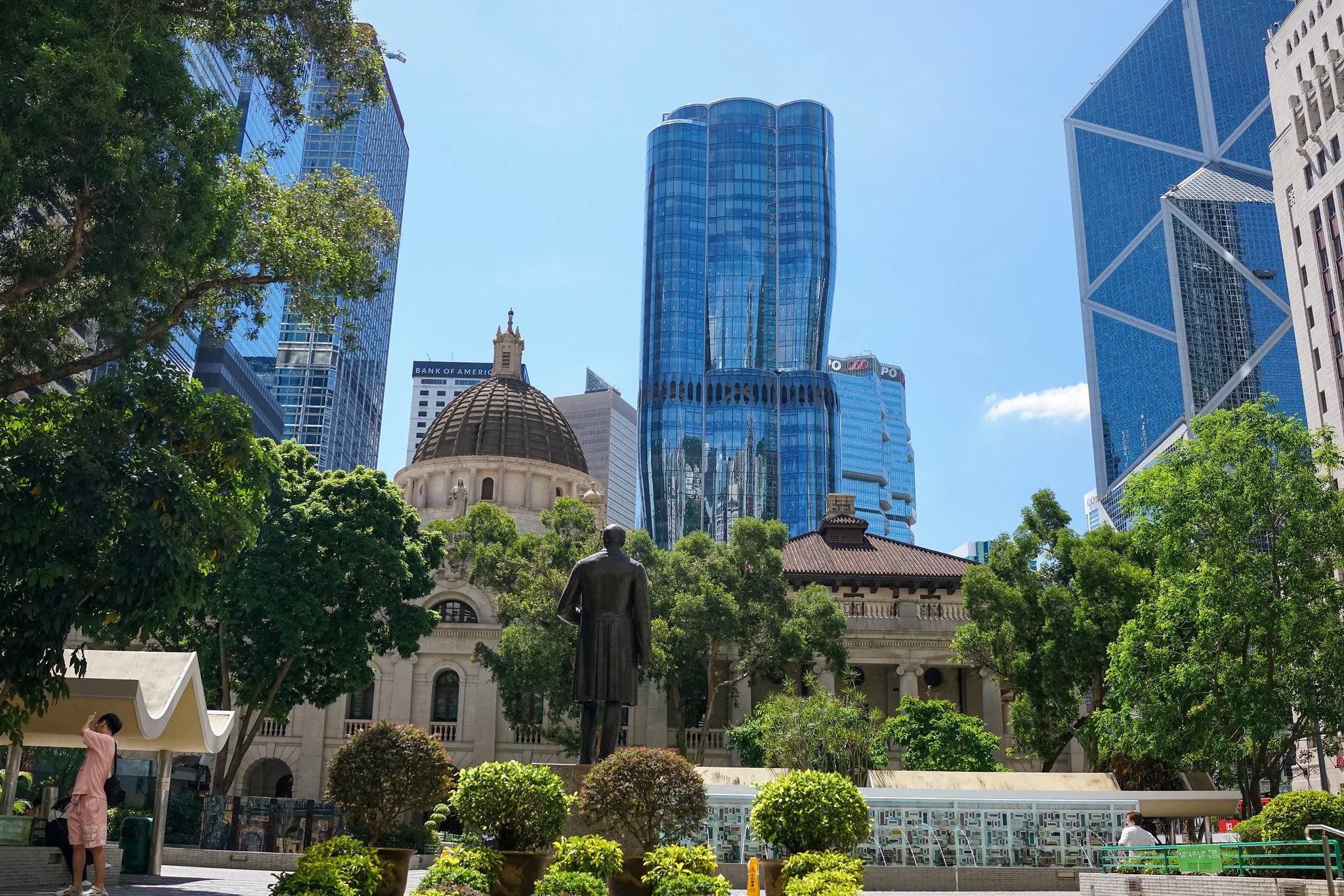
Statue Square, HSBC Lions and nearby buildings. Central. Flat and free. Historic cluster. Famous.
Sik Sik Yuen Wong Tai Sin Temple. Ornate temple and fortune-telling. MTR (Subway). Free entry. Very well known.
Kowloon Walled City Park. Remnants of the old dense settlement. take a taxi. Free. Well known among history-minded visitors.
Sham Shui Po and Mei Ho House. Markets and a preserved public housing museum. MTR (Subway). Free museum on open days. Local and interesting.
The Peninsula Hotel lobby. 1928 hotel. MTR (Subway) to Tsim Sha Tsui, short walk. Free to enter the lobby. Famous and elegant.
Tai O Fishing Village. Stilt houses on Lantau Island. Full day from central Hong Kong. Free to walk around. Famous but the journey takes time.
North Point markets and Street Tram. Local street life. Tram or MTR (Subway). Free. Everyday Hong Kong.
Man Mo Temple area, Sheung Wan. Historic temple. Compact. Free. Well known and jammed with tourists
Hong Kong Park or the nearby aviary and conservatory. Central. Easy. Free. Known large green space.
Repulse Bay beach and temple area. Bus or taxi. Half day. Free beach. Famous.
Stanley market and waterfront. Bus. Half day. Free to wander. Well known.
A quiet stretch of the Hong Kong Trail or a short section of the Wilson Trail that fits your time. Varies. Free. Depends on the section and the day.
These are suggestions, not a checklist. Some will be busy. Some will be quiet. Weather changes everything. The real decision is whether the travel time is worth it for the length of your stay. A private tour lets you combine several of the closer ones without the logistics. If you have only a few hours, stay on Hong Kong Island or in Kowloon and walk the places that sit inside one sensible route.
Closing Thoughts
The phrases hidden gems and secret spots had a use when information was scarce. That time has passed. In Hong Kong they mostly describe places that have already been photographed, tagged and listed. What still matters is the story behind a place, the quality of the time you spend there, and whether the journey fits the hours you have. If you want help putting a realistic day together, contact me through the site. The calendar and prices are on the Prices | Book Now page. The FAQ has the practical details on inclusions and how the tours work.
So there you go.


click on any image to enlarge
© Copyright Acknowledged | All rights reserved | images taken by Jamie