The Loss of the Jumbo Floating Restaurant in Aberdeen Hong Kong
The Tai Pak Floating Restaurant Restoration is almost complete
The J3 Group - Premium Quality Private Tours | Experiences and Insider Chats since 2010
Me Jamie, your host, I am English and I have lived in Hong Kong since January 2nd 1972 - I know the place.
A meaningful blog post with a difference - tips on Travel, Tourism, Tours, Daily Life and my personal thoughts on Hong Kong.
Please do visit Amazing Hong Kong
Hong Kong | Pearl of the Orient


A Resident since 1972 - Private Tours of Hong Kong with Jamie
The Best Things to do in Hong Kong
click on the image to enlarge
© Copyright Acknowledged | All rights reserved | image created by Jamie
The Loss of the Jumbo Floating Restaurant in Aberdeen Hong Kong
Foreword by Jamie
Aberdeen's Floating Restaurants: From Jumbo to Tai Pak and What Comes Next
My thanks to Adriane a fellow private tour guide who sent me some new information after visiting Aberdeen this morning October 15th 2026
I have lived in Hong Kong for more than 50 years and I have watched the floating restaurants in Aberdeen Harbour come, go and now, slowly, try to come back. For anyone who arrived here after the early 2000s the big neon palace on the water was simply Jumbo. It was the one on every postcard and every tourist itinerary. The story is older than that and the vessel that is still sitting in the typhoon shelter is not Jumbo. It is the Tai Pak, the older sister that stayed when Jumbo was towed away and lost at sea and I wrote a couple of blog posts about that event!
The early years in the Aberdeen typhoon shelter
Floating restaurants were already working in Aberdeen by the late 1940s. They grew out of the older idea of banquet boats that fishermen used for celebrations. One of the better known early vessels was the Tai Pak. Sources put its start around 1947 or 1952 depending on which generation of the boat you count. It was smaller than the later Jumbo, but it was the established name when most Hong Kong residents of a certain age first went out for a seafood meal on the water. There were others too, including Sea Palace. Locals and visitors took the short sampan ride, sat under the lights and ate what the boats had brought in that day. It was practical as much as it was theatrical. The fish was fresh because it had not travelled far.
In the early 1970s the owner of Tai Pak, Wong Lo-kat, decided to build something larger. The first attempt at Jumbo burned before it opened. A fire on 30th October 1971 killed 34 people and destroyed the structure. The project was taken over and rebuilt. Stanley Ho's company opened the finished Jumbo Floating Restaurant in October 1976. It was decorated in the style of a Chinese imperial palace, lit up at night and large enough to seat more than 2,000 people. It cost tens of millions of Hong Kong dollars at the time. Over the next decade Ho's group bought the neighbouring vessels. Tai Pak joined in the late 1980s and the group became known as Jumbo Kingdom. Sea Palace was later moved to Manila and eventually closed. For a while the three names sat together in the shelter and the neon display was hard to miss from the waterfront.
Why the Jumbo Floating Restaurant closed and then disappeared
By the 1990s the economics had already changed. Hong Kong had thousands of restaurants on dry land. Taking a boat for dinner was no longer the only way to get fresh seafood and the floating restaurants were expensive to keep in condition. The 2019 protests and then the pandemic finished the commercial case. Jumbo closed in March 2020. The parent company, Aberdeen Restaurant Enterprises, reported accumulated losses of more than HK$100 million (roughly US$12.8 million). Staff were laid off. Attempts to donate the vessel to Ocean Park or find another operator failed because the annual maintenance and licensing costs Aberdeen Restaurant Enterprises also stated that there was no available dry dock in Hong Kong for the large-scale inspection and maintenance the vessel required every three years.That was a misleading statement - their statements did not claim that no dry dock large enough existed. Jumbo was roughly 76 metres long. The commercial yards on Tsing Yi (Hongkong United Dockyards and Yiu Lian among them) routinely handle container ships and other vessels far larger than that. On pure physical size, those facilities could take a vessel of Jumbo’s dimensions.
What the company was saying, in effect, was that it could not secure a suitable slot. Commercial dry docks in Hong Kong prioritise paying shipping work. Booking one for a multi-deck floating restaurant that was already closed, generating no revenue, and requiring specialised work on an ageing ornate structure is a different proposition from docking a working container ship. Cost, scheduling, and the practicalities of handling a non-standard vessel all come into play. The company was already carrying annual maintenance and licensing bills in the millions of Hong Kong dollars while the restaurant was shut. In that context, “no available dry dock” is more accurately read as “we could not obtain one on terms we were prepared or able to meet,” not as “none of sufficient size exist in the territory.”
the story does not end there
In her November 2020 Government Policy Address, Carrie Lam announced the Invigorating Island South initiative. As part of that, she said the owner of the Jumbo Floating Restaurant had agreed to donate the vessel to Ocean Park at no cost. The government would facilitate collaboration between Ocean Park and non-governmental organisations so that the restaurant could be revamped on a non-profit-making basis and turned into a cultural heritage and tourist attraction in the Southern District. Official statements at the time described it as a “rebirth” of the floating restaurant.
It was not a commitment that the Government itself would take over the renovations, fund the work, or operate the vessel. Carrie Lam later made that clear in public. When the plan had already stalled and the owners were preparing to move the vessel out, she said in May 2022 that the government had no plans to invest public money in the restaurant because “we are not good at running such premises.” She also said the administration would not force through an unfeasible proposal simply because it had been mentioned in a policy address.
In practice, Ocean Park never took ownership. By 2021 the park had indicated it would not proceed if the arrangement created any additional financial burden. No suitable NGO or other operator came forward. The parent company, Aberdeen Restaurant Enterprises, continued to face high maintenance, inspection and licensing costs with no dry dock available in Hong Kong for the required work. After further unsuccessful attempts to donate the vessel, it was towed out of Aberdeen in June 2022 and was subsequently lost in the South China Sea.
So the 2020 announcement created the impression that Jumbo would be saved and relaunched under some form of public or Ocean Park arrangement. The reality was an in-principle donation that never advanced to renovation or reopening, followed by an explicit refusal of government funding and the eventual departure of the vessel. Tai Pak, the older and smaller sister vessel that remained in the typhoon shelter, is the one now under restoration by private owners.
In June 2022 the company towed the Jumbo Floating Restaurant out of Aberdeen. The plan, as far as it was stated, was to move it somewhere cheaper for storage and possible repair. On or around 18th to 20th June 2022, while under tow near the Paracel Islands in the South China Sea, the vessel capsized in rough weather. Early reports said it had sunk in water more than 1,000 metres deep. There was some confusion for a few days about whether it was still afloat, but the outcome was the same. The restaurant was lost. No recovery was attempted. For people who grew up seeing the lights on the water it was a sudden end to something that had been part of the southern harbour for more than 40 years
In my blog posts I stated that the loss of the Jumbo was basically an insurance scam, anyone who ever went to the Jumbo in Aberdeen could not help but notice that a 3 foor wave would flood the vessel, in the protected shelter in Aberdeen this was not an issue but in the stormy South China Sea, well it sank in waves somewhat higher than 3 feet and naturally there has been a media blackout on the whole subject.
The Tai Pak stays and the long wait for news
The Tai Pak is a different story. It is the older of the two main Jumbo Kingdom vessels, with origins in the early 1950s. It was smaller than Jumbo and the authorities allowed it to remain as a laid up vessel in Aberdeen while a buyer was found. New Bond Limited acquired the remaining assets in 2022 and has been working on restoration ever since.
Progress has been steady but not fast and very little in the way of media reports
Renovated piers at Shum Wan and Aberdeen, with lighting restored in late 2024.
The Tai Pak Kitchen Boat returned to the Aberdeen Typhoon Shelter in late December 2025 after more than 1,000 days of repair and restoration. This is described as the first major step in reviving the floating restaurant culture.
Guided tours and visits to the fish viewing boat and pier are already available. The main restaurant vessel is still under renovation.
Official statements from late 2024 (including from the Development Bureau) expected the main Tai Pak restaurant to reopen as early as the second half of 2026, with possible relocation of the pontoon to the northern shore of Ap Lei Chau for better access from Lei Tung MTR station. As of mid-October 2026 there is no public confirmation that the main dining vessel has opened or is finished.
New Bond has held events and collaborated with the Southern District Office and Council, including a January 2026 visit after the kitchen boat returned. Ideas floated for the project include cultural programming, themed experiences linked to films shot on the vessel (notably The God of Cookery), and even drone-based delivery experiments. The project is framed as cultural revival and a boost for Southern District tourism rather than a straight commercial clone of the old Jumbo.
Aberdeen Restaurant Enterprises, the former Jumbo parent, has also appeared in 2026 news around a memorandum of understanding on marine electrification and waterfront revitalisation in the Aberdeen and Shum Wan area. The statements refer to supporting Jumbo Kingdom for future generations. This appears connected to the broader effort around the remaining assets and the area, not a new large-scale build.
Why has it taken so long? Floating restaurants are not ordinary buildings. They sit in salt water, they need regular dry docking for inspection, and the licensing rules are strict. The original Jumbo operators could not find a dry dock in Hong Kong and the maintenance bills ran into millions of dollars a year even when the restaurant was closed. Litigation around the assets also slowed decisions at one point. Restoring an old vessel to modern safety and commercial standards is slower and more expensive than many people expect, and the commercial case for a large floating seafood restaurant is weaker than it was in the 1970s and 1980s when land-based competition was thinner and tourism patterns were different.
I think a lot of this reasoning is tosh, I used to love taking guests to the Jumbo Floating Restaurant and certainly prior to Covid it was doing just fine, for many tour guides in Hong Kong, the reason to go to Aberdeen was the Jumbo, I have not been to Aberdeen with guests since 2019 as it just isn’t the same place without a floating restaurant
What it means now
I have taken guests past the typhoon shelter for years. Most of them remember the Jumbo from photographs or from a visit before 2020. A smaller number of older residents remember Tai Pak as the original place. The lights coming back on the kitchen boat and the piers are visible from the waterfront and from the boats that still work the shelter. Whether the main restaurant opens in 2026 or later, and whether it operates as a full seafood restaurant or more as a cultural and event space, will decide how much of the old atmosphere returns. The harbour itself has changed. The fishing community is smaller. The boats that take visitors around are still there, and the views of the shelter and the southern hills remain. The neon palace that most visitors associated with Aberdeen is gone. What is left is an older vessel that has been worked on for four years and is not yet finished.
In short, the floating restaurant scene in Aberdeen is being actively revived through Tai Pak rather than a brand-new replacement for Jumbo. The kitchen boat and supporting infrastructure are back, tours are running, and the main restaurant remains the next milestone with a target that has slipped into or past the second half of 2026. Local observers have noted the vessel still looking in need of further work at times, so full reopening as a working seafood restaurant is not yet a completed fact. If the rumours describe something larger or completely new, they are not matching the publicly documented project.
If you are planning a visit to the southern side of Hong Kong island the Aberdeen typhoon shelter is not really worth seeing for the working boats and the remaining floating structures. That of course is just a personal opinion based on decades of going to the Jumbo Floating Restaurant
Contact me if you want to include Aberdeen on a private tour and I will put you in touch with friends who still actively do Aberdeen Harbour tours.
The story of these restaurants is longer than the one name that became famous, and the vessel that is still there is the one that came first.
So there you go.
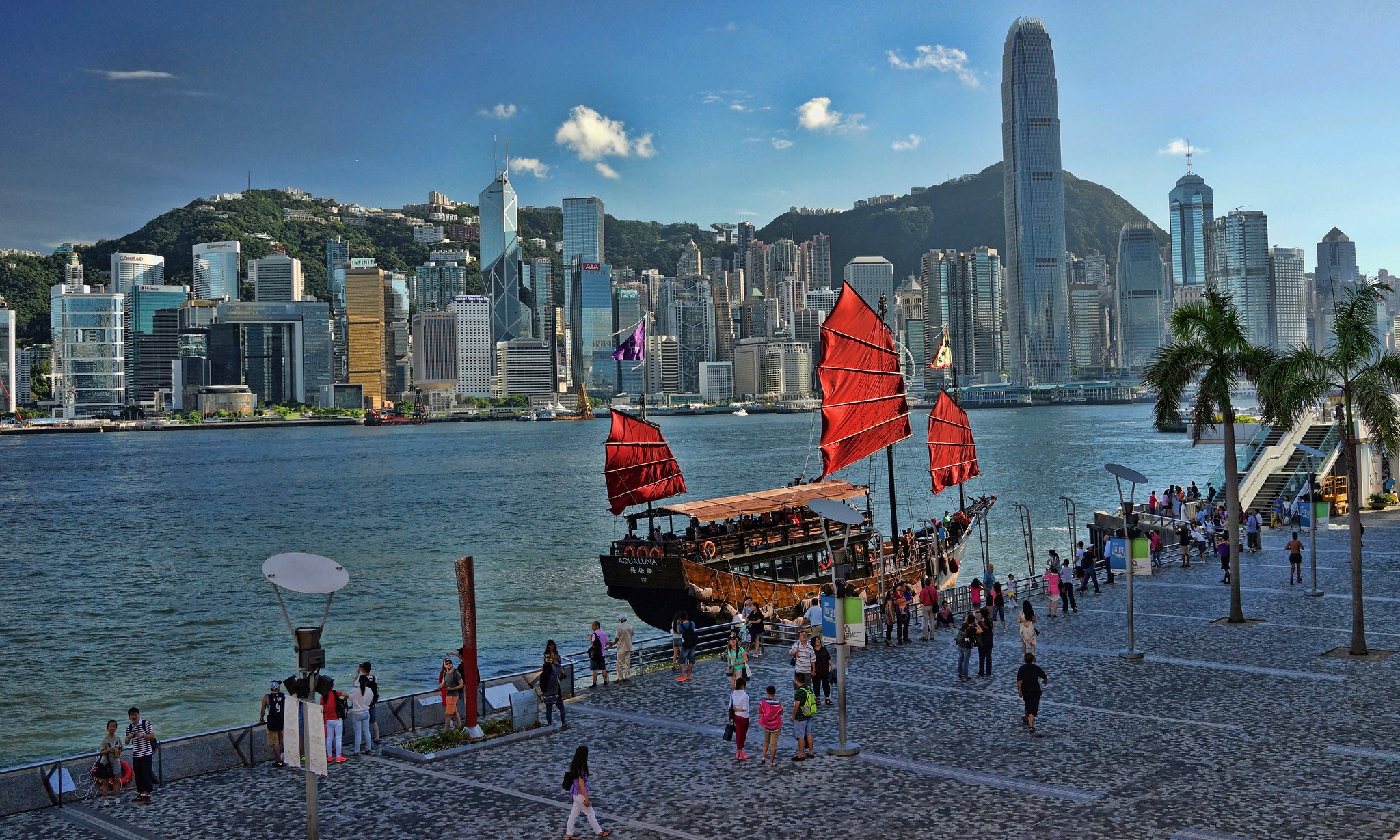
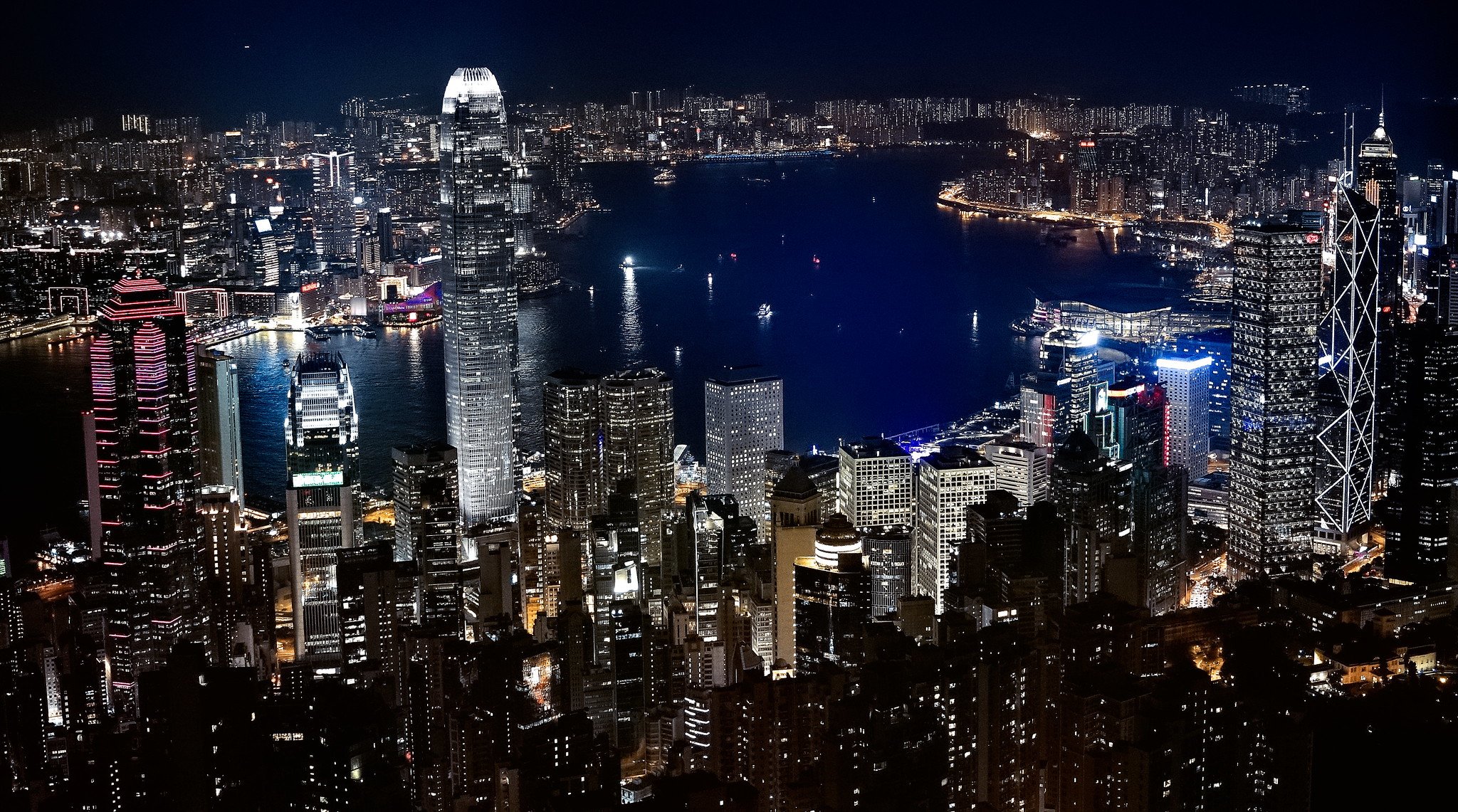
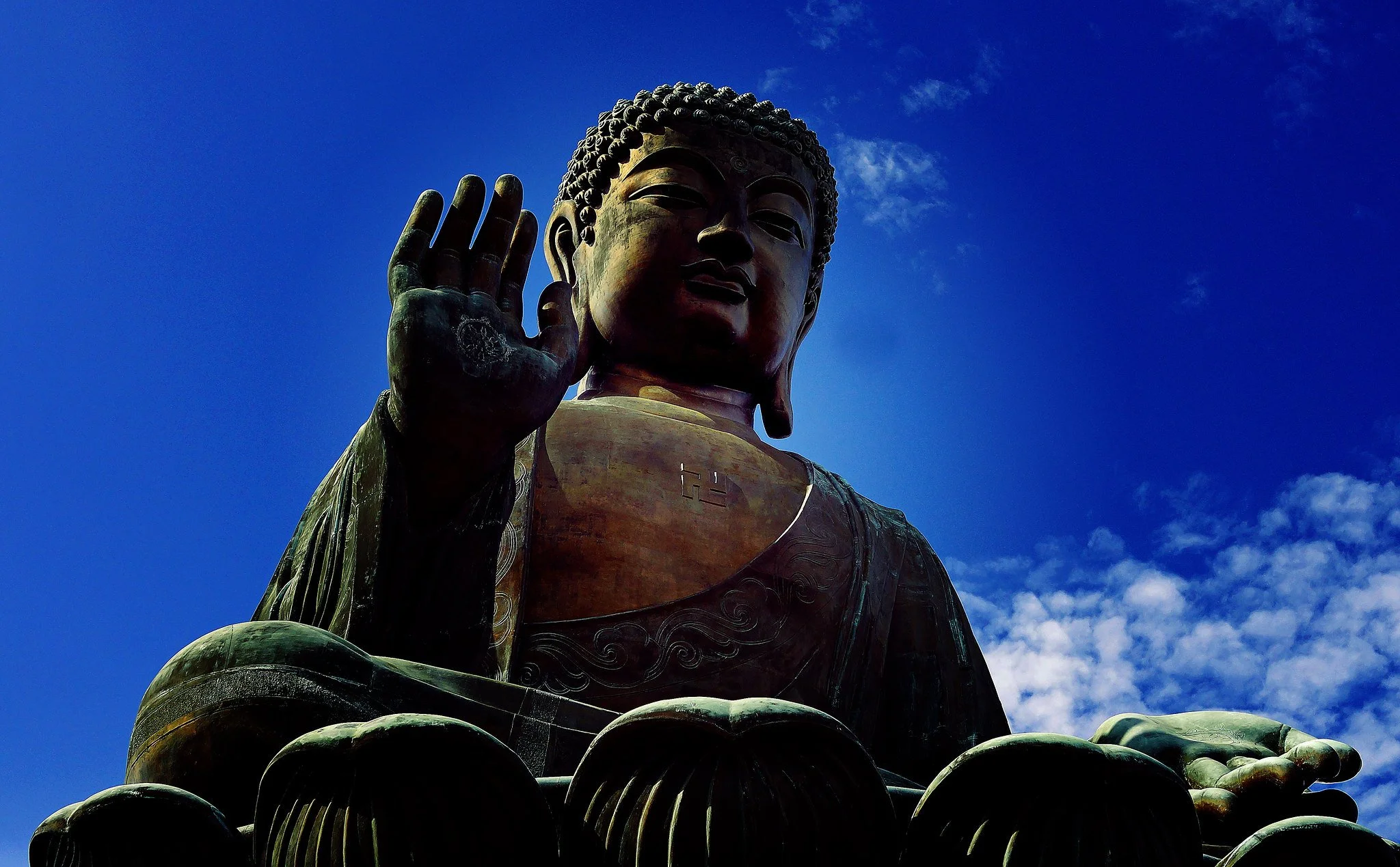
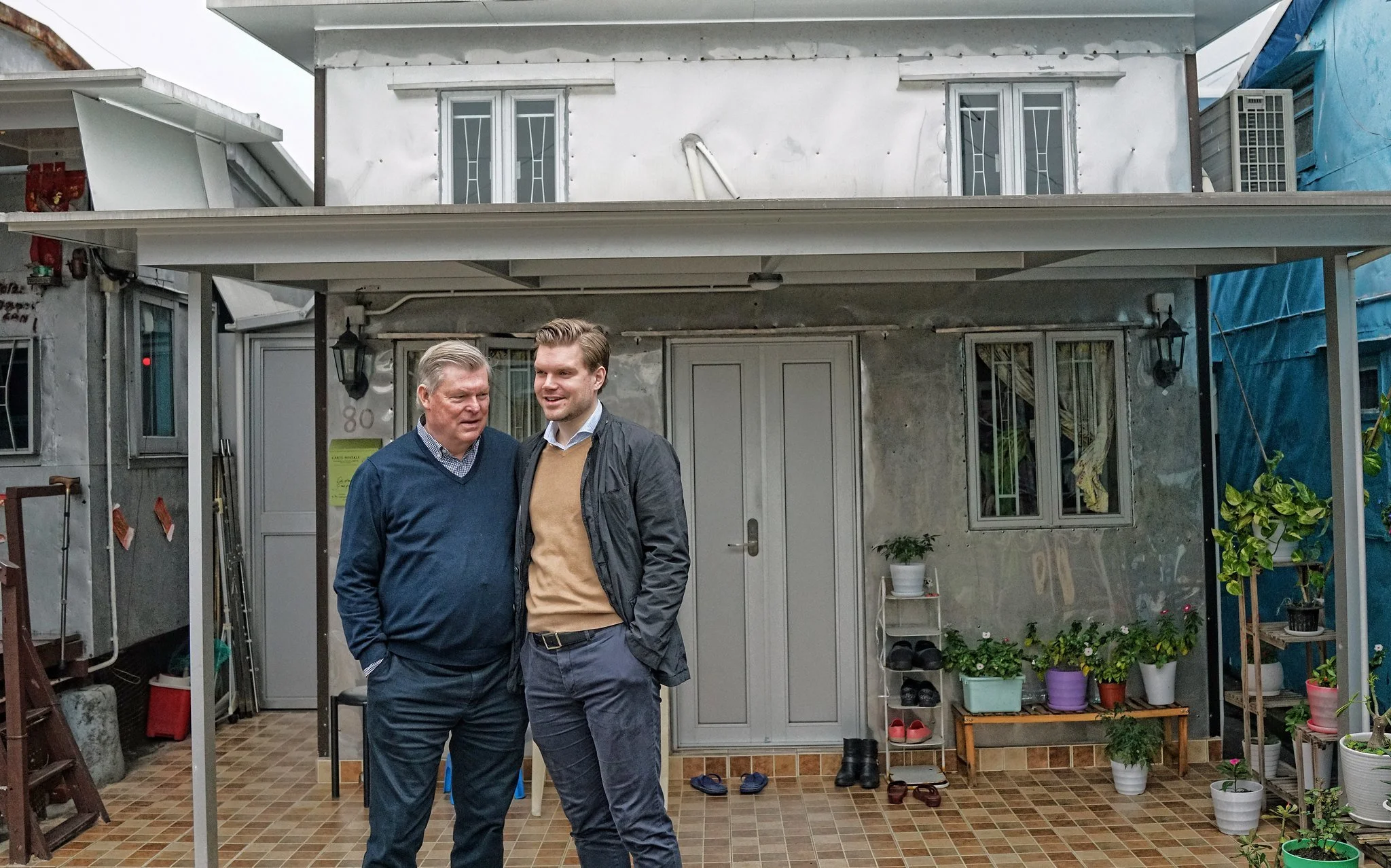
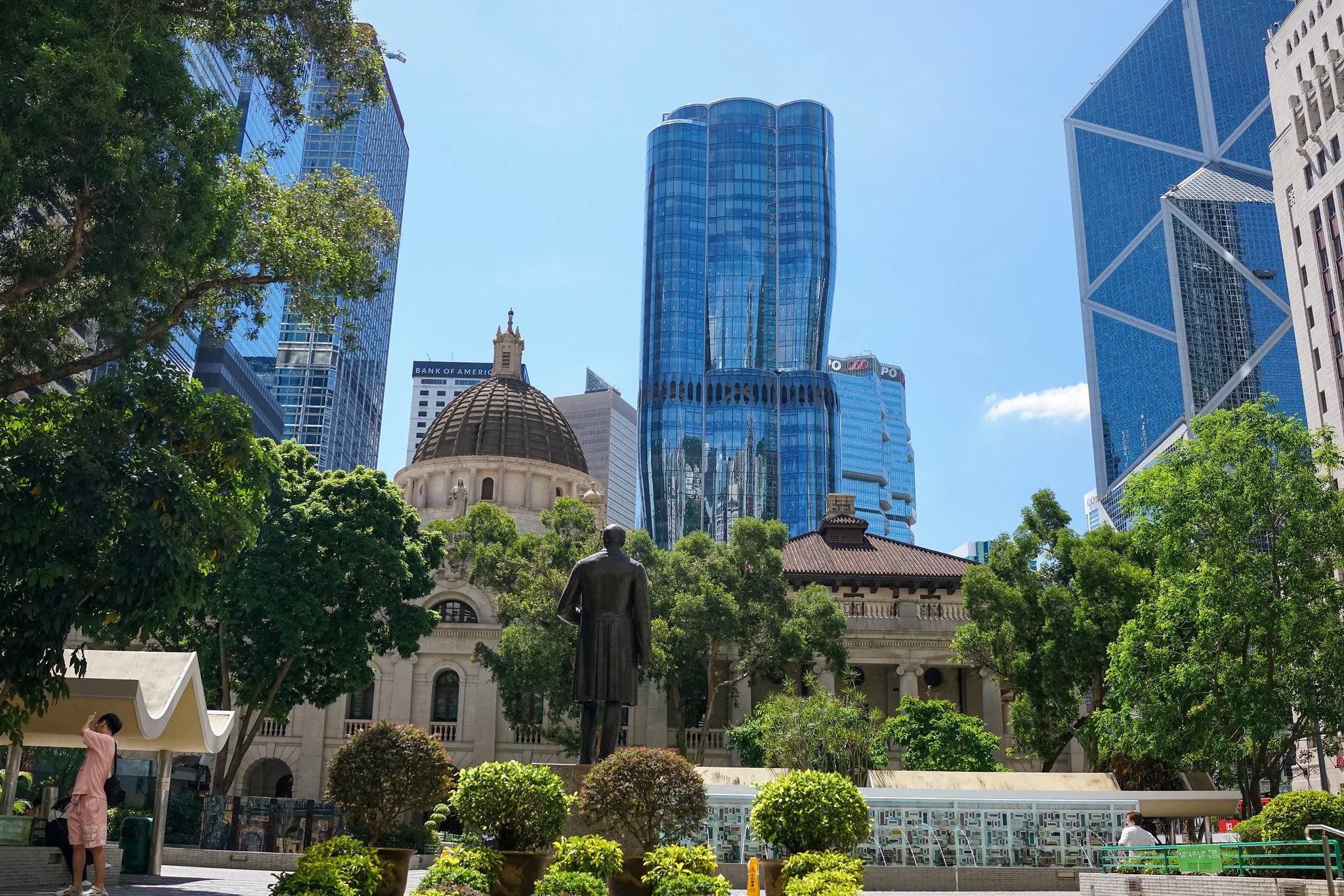
click on any image to enlarge
© Copyright Acknowledged | All rights reserved | images taken by Jamie