Hong Kong Hidden Gems: A Tourism Cliché That No Longer Fits
The Myth of Hong Kong Hidden Gems - Why the Phrase Still Misleads Visitors in 2026

The J3 Group - Premium Quality Private Tours | Experiences and Insider Chats since 2010
Me Jamie, your host, I am English and I have lived in Hong Kong since January 2nd 1972 - I know the place.
A meaningful blog post with a difference - tips on Travel, Tourism, Tours, Daily Life and my personal thoughts on Hong Kong.
Please do visit Amazing Hong Kong
Hong Kong | Pearl of the Orient


A Resident since 1972 - Private Tours of Hong Kong with Jamie
The Best Things to do in Hong Kong
click on the image to enlarge
© Copyright Acknowledged | All rights reserved | image created by Jamie
Hidden Gems and Secret Spots | Nonsense Tourism Blurb | Hong Kong
Foreword by Jamie
Mapped. Tagged. Already full.
That is Hong Kong in 2026, and it is why I have finally run out of patience with one of the laziest phrases in the travel trade, it is a little like a personal groundhog day, I ran out of patience 2 years ago and nothing has changed and actually got worse
I see one more travel influencer, AI travel planner, or government tourism official use the phrase "hidden gem" to describe a corner of Hong Kong, I am going to lose my mind.It is the ultimate tired travel cliché, and in modern Hong Kong it is an absolute myth.
I have previously written about this a couple of times over the past 2 years but the situation has changed dramatically with travellers now employing AI to plan travel for whatever reason and prepare itineraries for tours and experiences they are planning when they get to their destination…
My previous comment was this - “go to any out of the way and little known hiking trail in Hong Kong on a Sunday and you will be surprised to see 50,000 other people with the same idea”
Instagram.The internet, algorithms, and viral social media have democratized information to the point where nothing is hidden. To pretend otherwise to a first-time visitor is simply dishonest
I am not against interesting places. I have lived in Hong Kong since 1972. I have been taking people as a private tour guide around this city since 2010. I like a good corner as much as the next person. What I cannot stand is the pretence that those corners are secret. They are not. They have been photographed, reviewed, geotagged, copied onto Xiaohongshu (Chinese Social Media), uploaded to Instagram and now dropped into AI itineraries, and sold back to visitors get as a discovery. The phrase Hidden Gems survived. The secrecy did not.
If you have eight hours in Hong Kong, that matters. A “hidden gem” on a list is often a thirty-minute ride out, a ten-minute stare, a photograph that looked better on a phone, and a thirty-minute ride back. You did not find anything. You spent an hour of a short visit proving that a caption was optimistic.
The sad thing for me is that I have every now and then had to use the terms hidden gems and secret spots simply to ensure that people read my post if interested and it is the only way to get noticed by Google and AI
What is or was the root cause of this issue
Chasing the 100 Million Visitors a Year Myth
Our government tourism management love a good spreadsheet. Right now, they are single-mindedly obsessed with a mythical target: chasing 100 million visitors a year.Apparently, 50 million tourists isn't enough. The spreadsheets demand double. I have absolutely no issue with Mainland Chinese tourists - they are lovely, curious people trying to enjoy their holiday (or day trip) just like anyone else. The issue is with the planners The tourism folk sitting in air-conditioned offices chasing arbitrary numerical targets simply do notappear to factor in what happens on a daily basis on the streets of Hong Kong.They don't factor in the physical capacity of our infrastructure.
Let’s be clear, the only way we can reach 100 million visitors is to attract more tourists from China, we are not even scratching the surface yet
They don't factor in what happens to walking speeds, Peak Tram lines, or MTR platforms when you try to cram that volume of humanity into a dynamic, tightly packed vertical city. They promote the city using romanticized, empty clichés, while completely ignoring the logistical reality on the ground. When you dump tens of millions of people into a finite urban space, those neat travel-brochure clichés don't just become redundant—they collapse completely.
This has come into sharp focus as recently as late August 2026, the Government has been forced to introduce quotas and time slots for popular “nature attractions” out in the sticks because of the ovetwhelming crowds going there to take selfies, you couldn’t make this up
Why the phrase became a joke
“Hidden gem” used to mean something simple. A place you reached because someone who lived here walked you there, or because you turned the wrong corner and got lucky. That world needed two things: few cameras, and slow word of mouth.
Neither exists now.
Hong Kong has more than 7 million residents who live on their phones (even 3 year olds have phones here.) Add visitors, add every travel site that needs a new list every month, add official copy that still reaches for the old words because they are easy, and you arrive at the present farce. Type the phrase into a search box and you will be offered dozens of the same spots, dressed up as if nobody else has been.
The joke writes itself. The moment a place is labelled hidden, it is no longer hidden. The label is a marketing instruction: go here, stand here, take this shot. By the weekend the path is busy, the café has a queue, and the “quiet” lookout has a line of people waiting for the same rectangle of sky.
I have no quarrel with people wanting a good view. I have a quarrel with being told the view is a secret.
What visitors are actually sold
The pattern is always the same.
A public housing estate is called the most Instagrammable place in the city. The pictures are all colour and sunshine. You arrive on a normal Hong Kong afternoon, which is to say grey, humid and a bit flat, and the buildings look like buildings. Fine buildings. Not a jewel. Not a secret. Just a housing estate that photographs well when someone has the time and gets lucky with the weather.
A café in Sheung Wan on Hong Kong Island is sold as a tucked-away find. It has been tagged a thousand times. The staff have seen this film before.
A green trail on Lantau Island is called a secret path. At sunrise it is a procession.
A village, a dam, a flower tunnel, a “Little Kyoto” alley, a rooftop, a beach that used to be quiet because it was a nuisance to reach: all of them get the same treatment. First the caption. Then the crowd. Then the complaint that the place has been ruined, usually written by the same accounts that published the caption.
That last part is what grates. The disappointment is built into the language. You were promised solitude and discovery. What you received was a well-documented corner and other people who read the same list.
Time is the thing nobody puts in the headline
My favourite subject
Hong Kong covers a lot of ground for a small place. Hills, harbours, islands, the New Territories, and a harbour crossing that eats time if you get the order wrong. Most visitors do not have ten days. The overwhelming majority have one long day, or two.
That is the part the lists never mention.
If you are here for a week, go to Peng Chau Island. Walk Lugard Road at Victoria Peak properly. Sit in a village that is not performing for a camera. Take the slow option. Wonderful.
If you are here until the evening flight, you cannot collect twenty “hidden” spots spread across 431 square miles. You will spend the day in taxis and on platforms, arriving at places that look smaller than the photograph, and you will miss the city that is sitting in front of you: the street that works, the view that does not need a hashtag, the story that makes the next junction make sense.
I have lost count of the number of guests who arrived with an AI generated list and a hopeful look. The list was not stupid. It was just written for a different kind of trip, by people who do not have to get you back to the hotel before dinner and that is the crux of the matter - it is all about time.
Official language and machine language
The travel trade has not helped.
Tourism copy still leans on hidden, secret, off-the-beaten-track, travel-like-a-local, and the rest of the confetti. Some of it comes from people who have not had a new thought about Hong Kong in years. Some of it now comes from software. You can smell the machine version a mile off. Enchanting. Serene. Magical. Hidden gems. Secret spots. It is all the same pudding, stirred again - and yes, tour companies fall into the trap as it is good for SEO and AI
Artificial itineraries are especially good at this. They have read every list. They have no idea how long the Aberdeen Tunnel takes at half past four, or what a lookout feels like in cloud, or why a place that looks empty at 8am is a scrum at 11. They optimise for novelty on a page, not for a day that actually works.
When the official side of the industry uses the same phrase, it gives everyone else permission. If the brochure can say hidden, the reseller can say hidden, the influencer can say hidden, and the visitor can be forgiven for believing it. The belief is the problem. Hong Kong is not a treasure hunt. It is a dense, lived-in city with some remarkable corners, most of which are hiding in plain sight.
There is a better line in circulation this year, the idea that Hong Kong is a city to be felt rather than merely seen. That is closer to the truth. Feeling a place takes time, weather, sequence and a bit of humility. It does not take a secret.
Social media did not discover Hong Kong. It flattened it.
Instagram did the first pass. Xiaohongshu (Chinese Social Media) is doing the second, and it is more thorough and bear in mind that for the past 20 years Mainland Chinese Tourists where and are on average 75 - 80% of our visitors, the overall visitor count in 2025 was 50 million.
Ordinary streets become sets. A planter, a painted wall, a basketball court, a stretch of New Praya, a reservoir dam, a country park edge that used to belong to people who live next to it: all of it can be turned into a destination by one well-lit post. The local reaction is predictable and not snobbery. When a residential corner becomes a weekend attraction, the people who live there lose the right to be unremarkable. Rents move. Queues appear. The shop that served the same milk tea for thirty years is suddenly a backdrop.
None of that makes the street worthless. It makes the caption dishonest.
A place can be worth seeing and still not be hidden. Those are not the same thing, and the industry keeps mixing them up because “worth seeing if you have the time and the weather” does not fit on a graphic.
So what is left, if nothing is hidden?
Quite a lot. That is the part that gets lost when I start complaining.
Hong Kong’s advantage was never secrecy. It was proximity and contrast. You can go from a wet market to a boardroom street to a hillside path in a morning if you do not waste the morning proving a list. The good days here are not about finding the unlocked door. They are about order, timing and a guide or a host who can tell you why the door is there.
An amazing lookout most Victoria Peak visitors never walk to, because they stop at the crowded deck and turn around.
An outlying island that is quiet because the ferry is slightly inconvenient, not because it is a secret.
A temple that is busy with residents, which is a different atmosphere from a temple that is busy with tourists taking selfies
A stretch of harbour road at an hour when the light is decent and the coaches have not arrived.
A public housing estate that is interesting as housing, not as a film set.
I will not dress those up as hidden. Some of them are simply under-visited. Some are famous and still worth the hour if you go the right way. Some only work on a clear day, and on a cloudy day you should do something else. That last sentence is worth more than any gem.
The private guides I respect in this city, the ones who have been at it long enough to be bored by their own routine, do not sell secrecy. They sell judgement. Which place still has a bit of air around it. Which one will be a waste of an hour today. Which story makes the next street worth slowing down for. That is the work. The caption is not.
I get a lot of folk who pack their itineraries with requests that are on the top 20 hidden gem list and the disappointment is palpable when I explain the reality of time or as I put it, getting from A to B to C to D to E it is always clear that travel writers and bloggers who make these recommendations may have only been here once or twice and have no concept of time here - I have done 2,400+ private tours here since 2011 so I might actually know a thing or two about time
A short list of phrases that can be retired
If you write about Hong Kong, or sell time here, the following can go on the pile to toss out.
Hidden gems.
Secret spots.
Off the beaten track.
Travel like a local.
Instagrammable hidden corner.
The Hong Kong that tourists never see.
That last one is a particular nonsense. Tourists see whatever they are taken to see. Residents see the rest, and they have already put it online.
You do not need replacement waffle. You need plain words. Unusual. Under-visited. Worth the detour if you have the morning. Better on a clear day. Busy with local life. Quiet because it is awkward to reach. Famous, and still good if you avoid noon.
Atlas Obscura had the right idea years ago with “cool and unusual.” Then even they reached for hidden. That should have been the warning sho and yes I still get daily emails from Atlas Obscura.
What to do instead of collecting captions
If you are coming to Hong Kong, do less.
Pick a side of the harbour and stay with it for a few hours. Do not cross three districts for one photograph. Ask what the weather is actually doing, not what the postcard did. If someone offers you twenty spots in one day, they are selling a list, not a day and trust me you cannot cover 20 major attractons and places in 8 hours.
If a place only works as a picture, skip it. If a place still works when the picture is average, go.
And if a website, a brochure or a chatbot tells you it has found a hidden gem, translate the sentence. It means: this place is on a list. It may be good. It is not a secret. Plan the hour as if other people have read the same paragraph, because they have.
Hong Kong does not need to be hidden to be worth the ticket. It needs to be seen in the right order, at the right pace, without being promised a city that stopped existing the moment everyone bought a camera phone.
Mapped. Tagged. Already full.
That is not an insult. It is the starting point. From there, the day can still be excellent. It just will not be a treasure hunt.
click on any image to enlarge
© Copyright Acknowledged | All rights reserved | images taken by Jamie
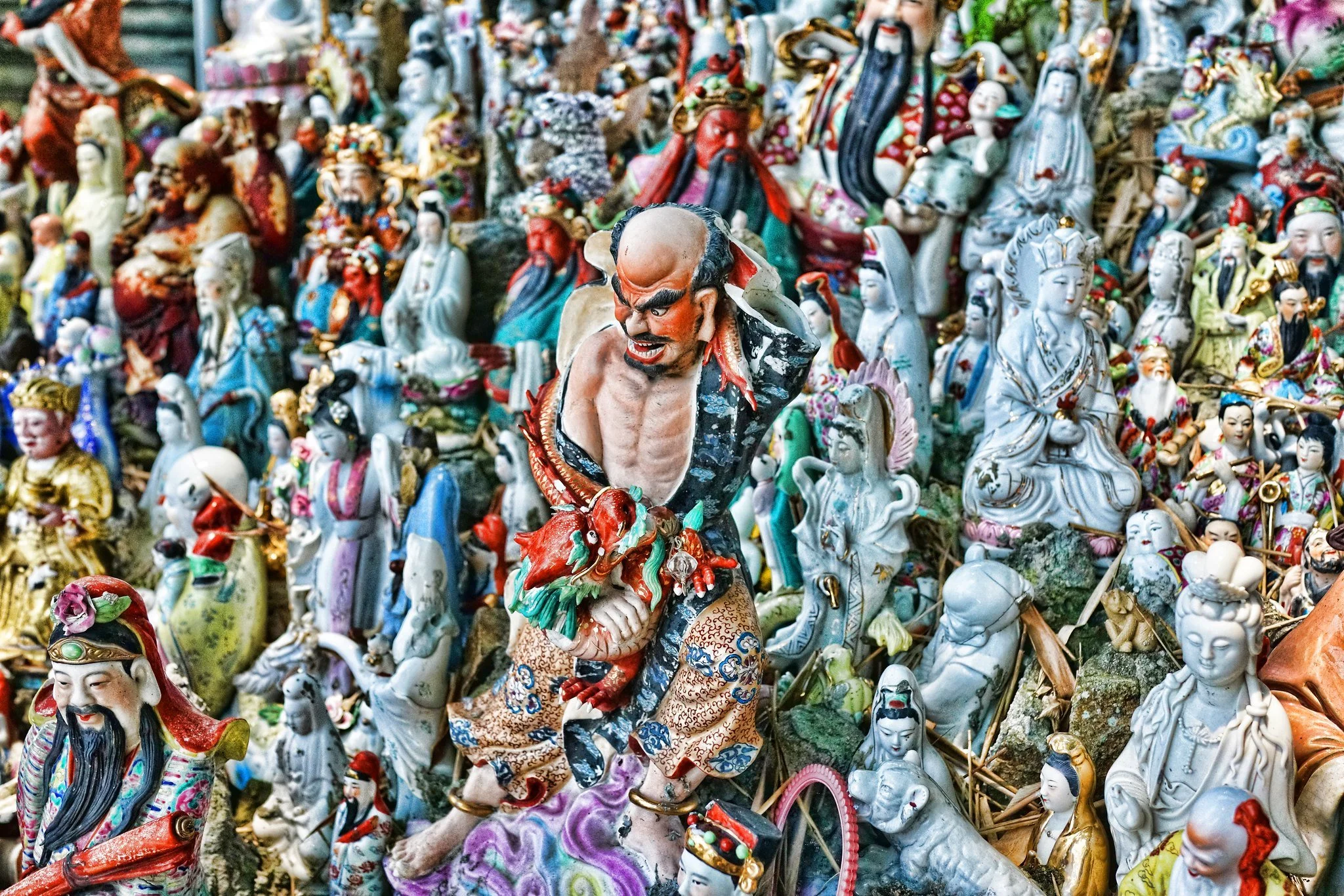
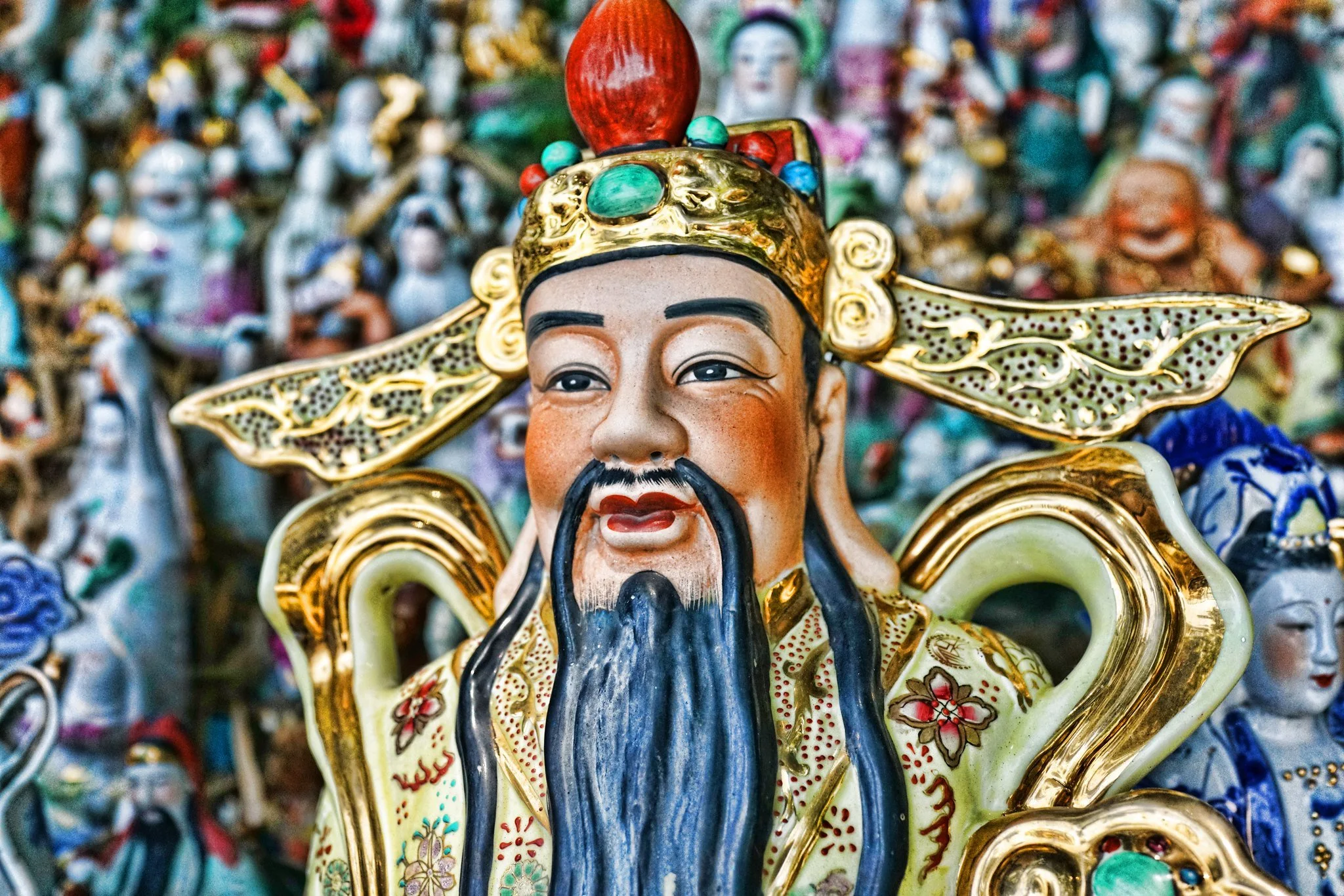
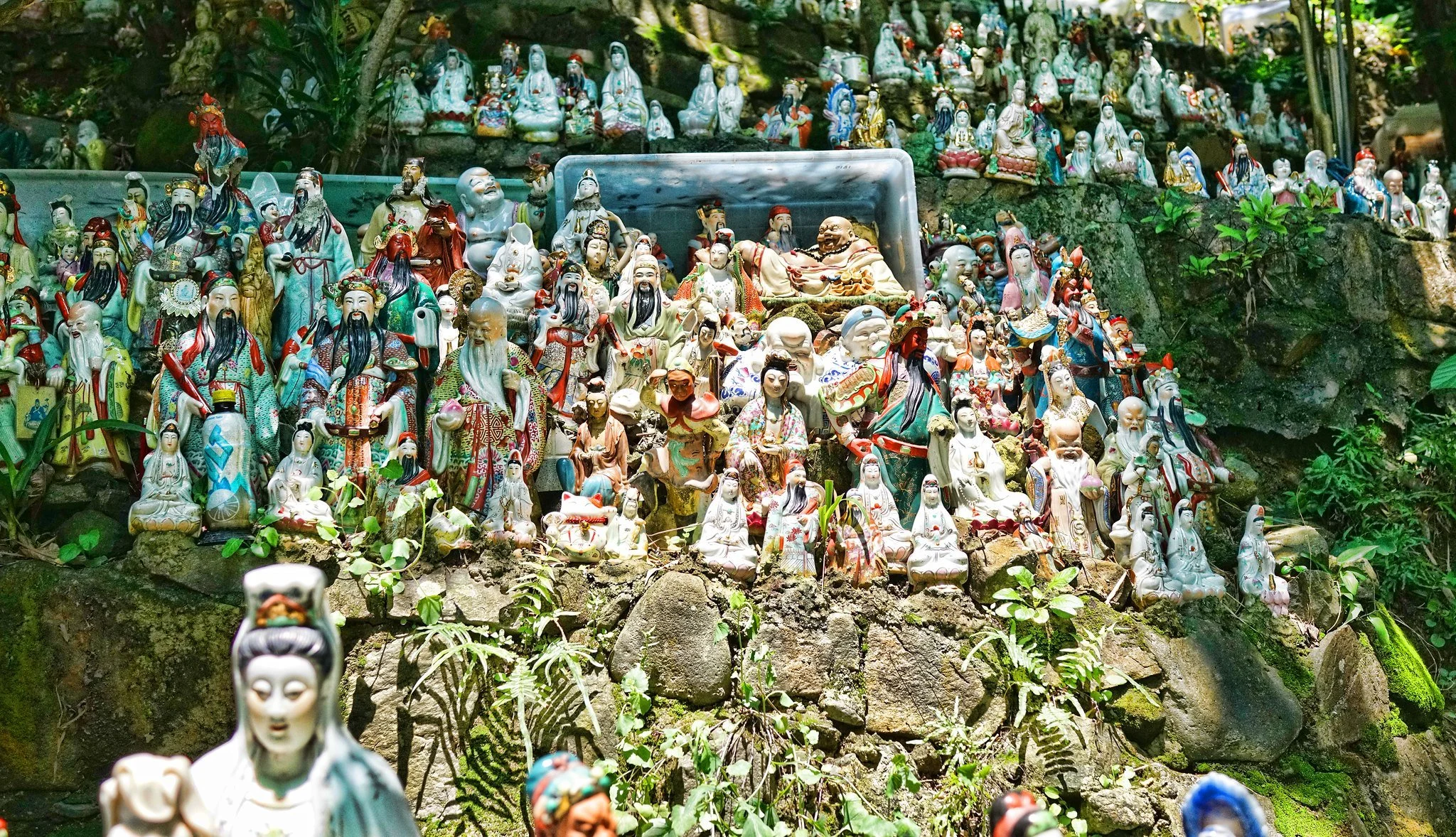
Sky Full of God’s and Buddha’s | Np Longer There | Hong Kong
Reality in a nutshell
A Case Study of a “Hidden Gem” in Hong | A Sky Full of God's + Buddha's, Wah Fu Estate, Aberdeen, Hong Kong
For years the closest thing Hong Kong had to a genuine oddity sat on a coastal slope below Wah Fu Estate in Aberdeen on Hong Kong Island - thousands of discarded household gods and Buddhas, left there because most people here will not throw a deity in the bin. A retired butcher, Wong Wing-pong, spent decades gluing cracks and burning incense. Residents called it 神像山. I first read about it in Atlas Obscura, which is how a neighbourhood habit became an English-language “find.” Guanyin, Guan Yu, Thai four-faced Buddhas, the odd crucifix, all facing the sea. It was never an official temple. It was a hillside that grew because the alternative was dumping a god.
That is the example. From Central it was already an hour there and back before anyone walked down from the estate, and on a working tour that hour has to be stolen from somewhere closer. In May 2026 the Leisure and Cultural Services Department cleared the slope for reinforcement works. Figures went into crates and sacks. Intact ones were stored for collection. Damaged ones were spoken of as landfill. Hong Kong Free Press found one side stripped and a few figures still behind the tape later that month. Nothing since suggests the old hillside was put back. Wah Fu Estate itself is still standing, with demolition due to start in phases from 2027, but the reason anyone made the detour is gone. Unusual, yes. Hidden, no, once it had a name in a magazine. Worth the clock, not any more.
Finally
I refuse to hand out sample itineraries or promise "hidden gems or secret spots."The real value of a master storyteller and an experienced private guide isn't finding a magical place where no one else is standing. The value lies in spatial awareness, timing, and dynamic problem-solving.It’s knowing that arriving at Victoria Peak at 9:45 AM means a completely different experience than arriving at 2:15 PM.It’s knowing which alternative, highly atmospheric temple to pivot to when the famous one is entirely gridlocked by tour buses.It’s the ability to read the energy of a family in real-time and restructure the entire afternoon on the fly because a street is bottlenecked or a sudden downpour hits.
That is Reality
So there you go
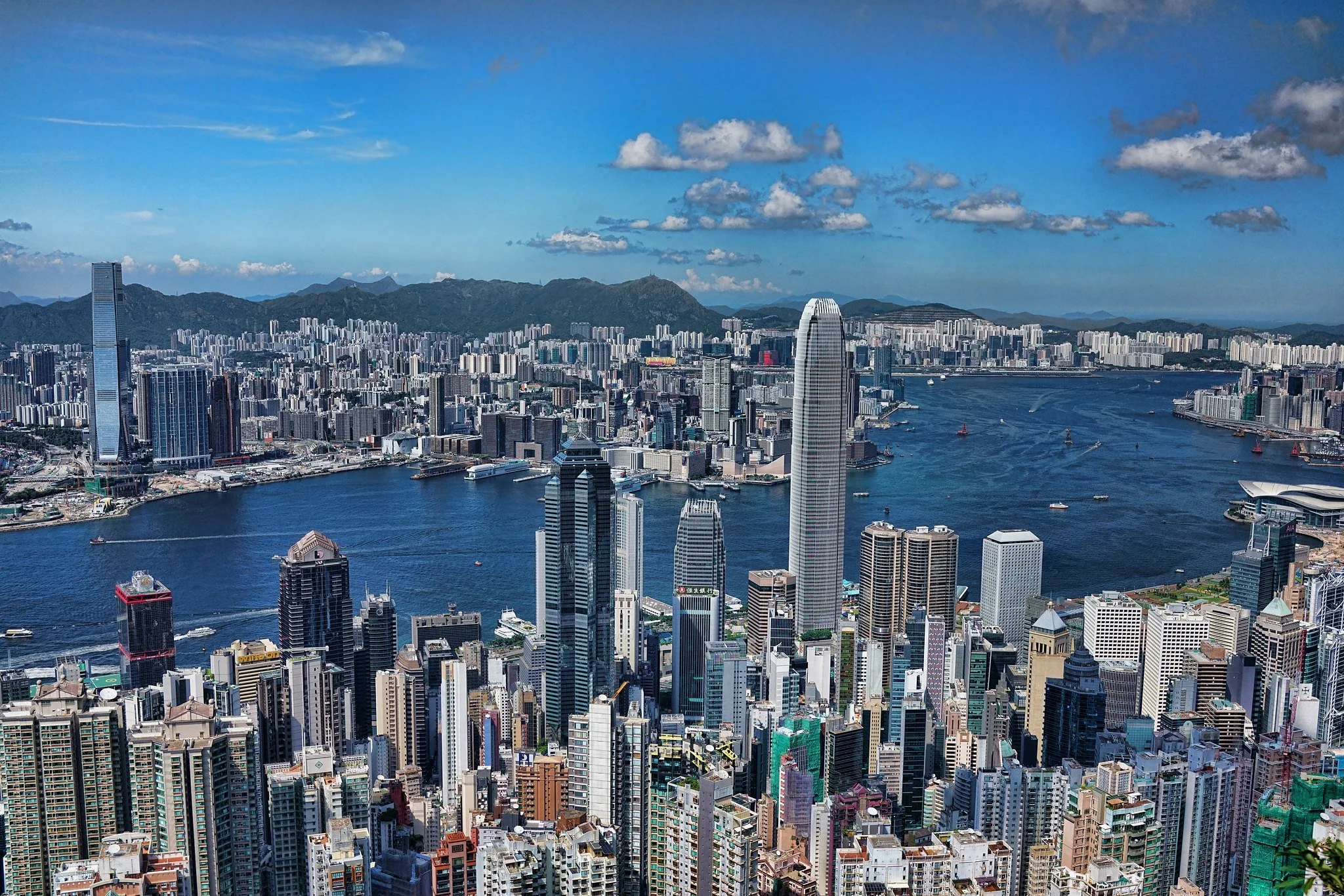
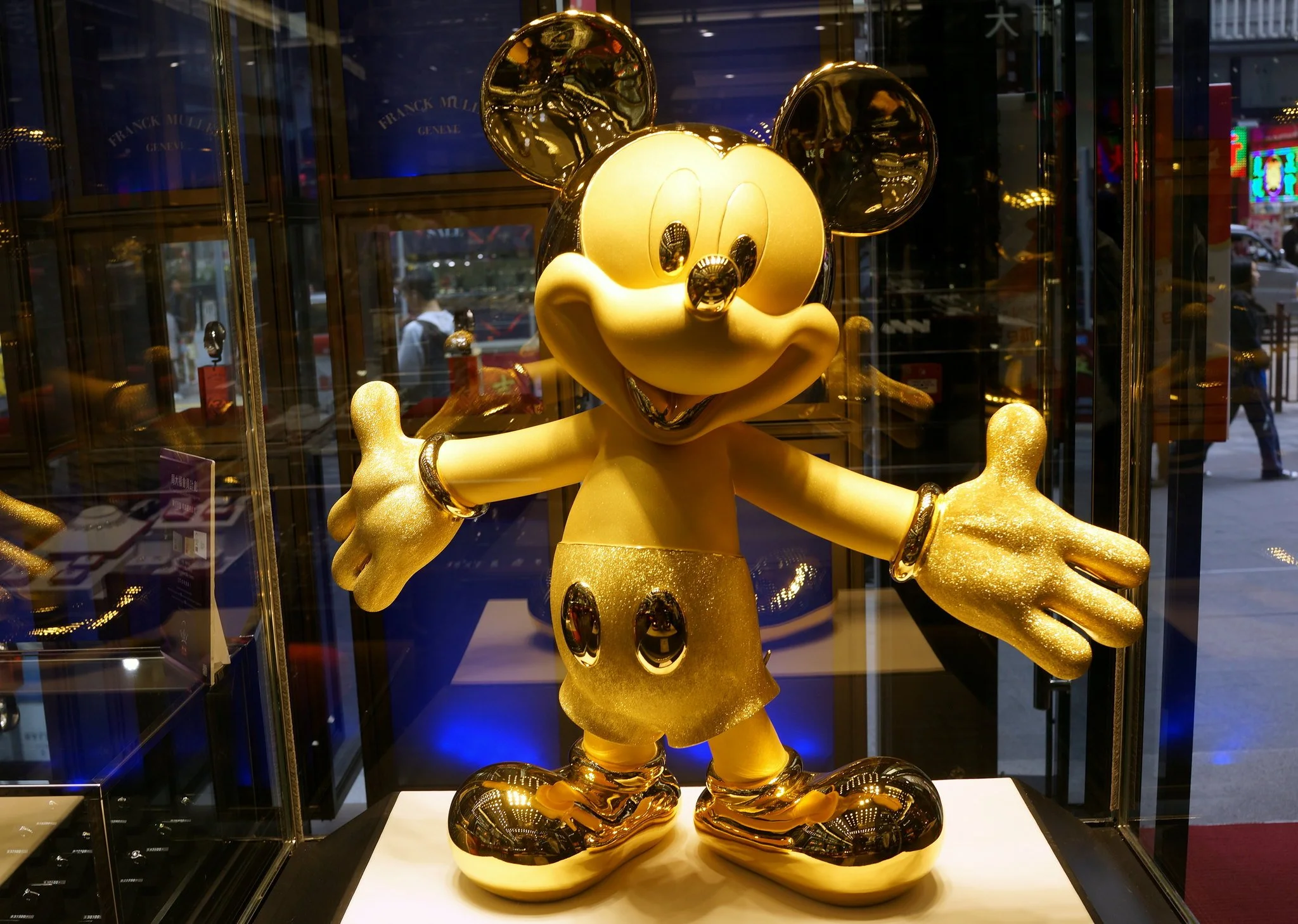
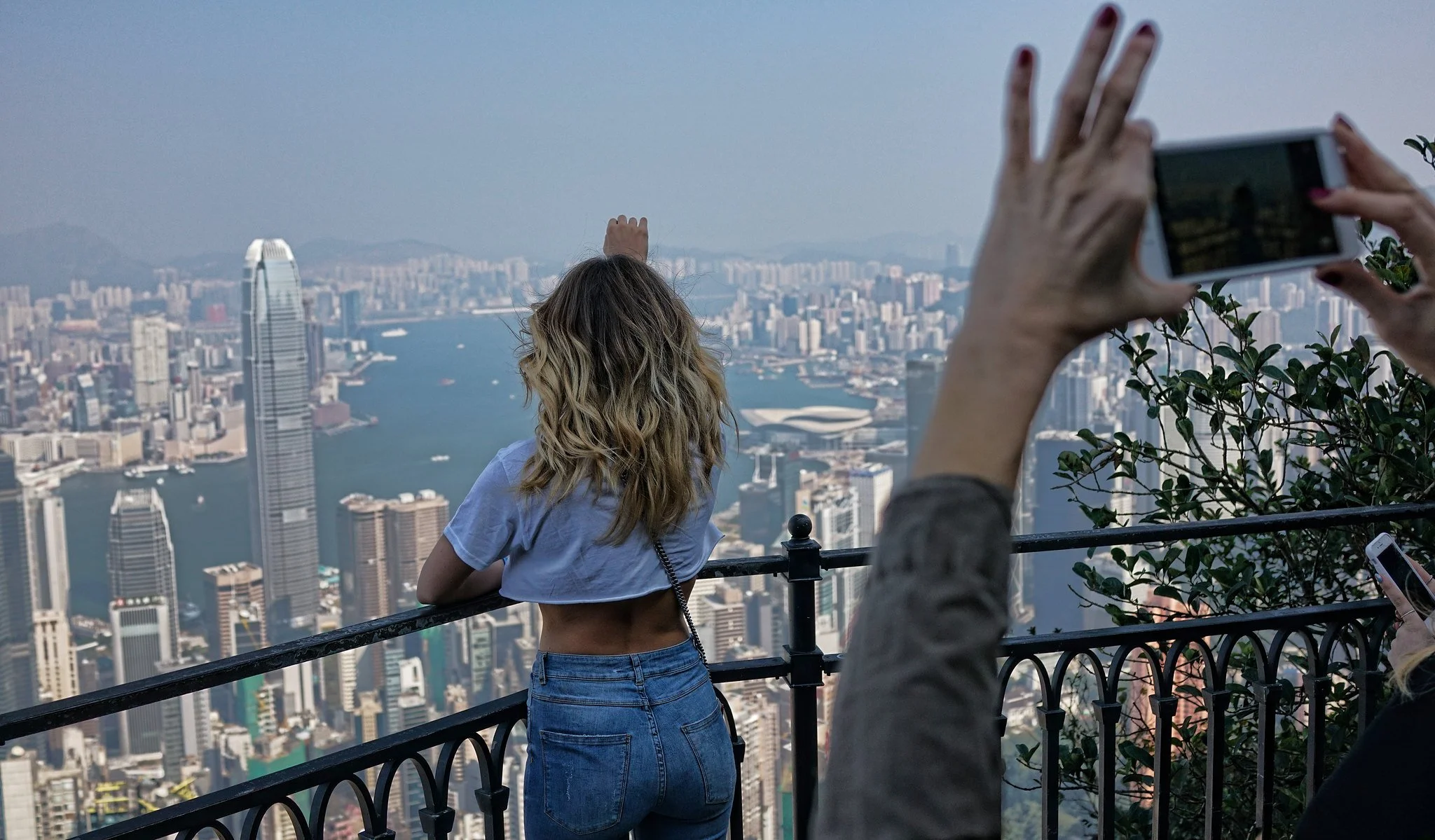

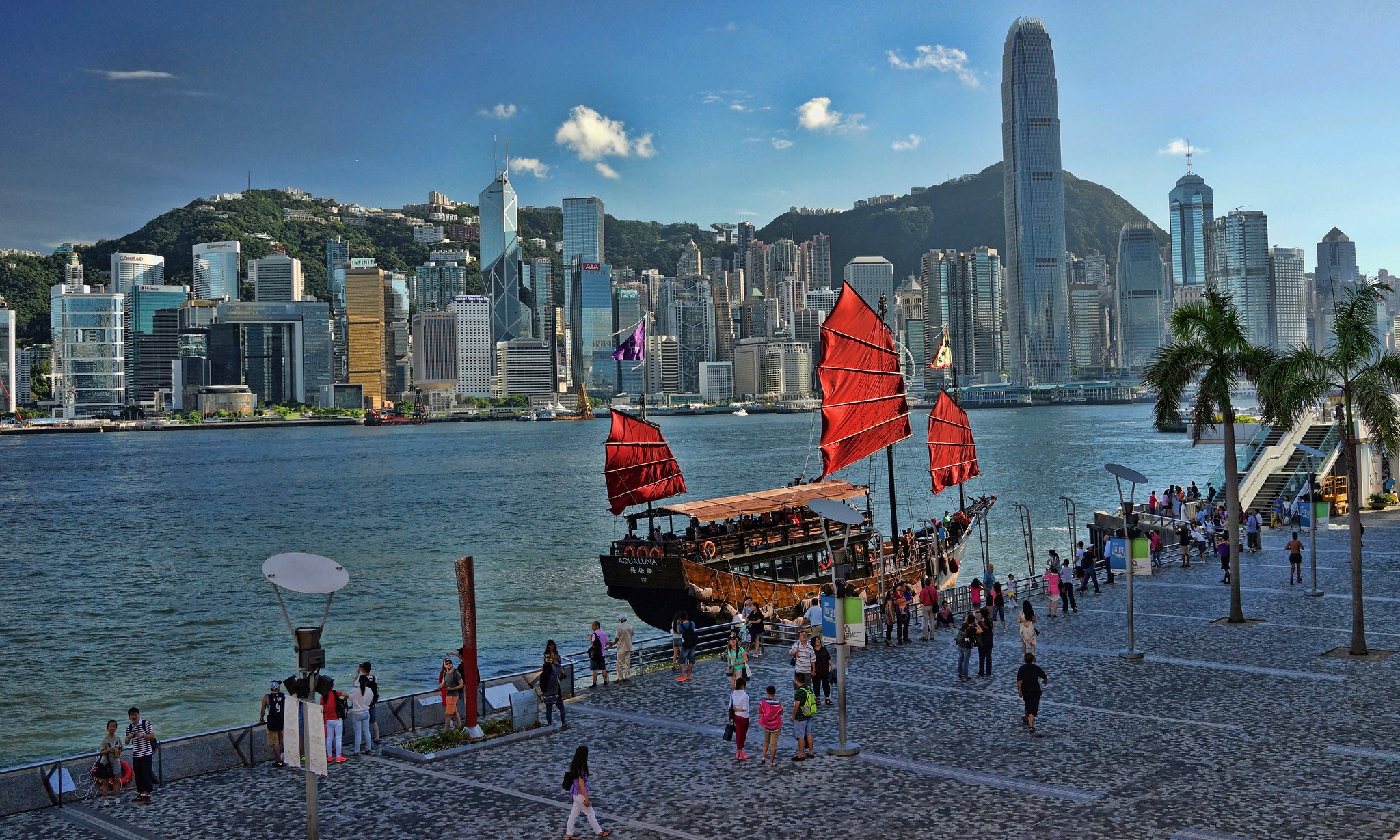
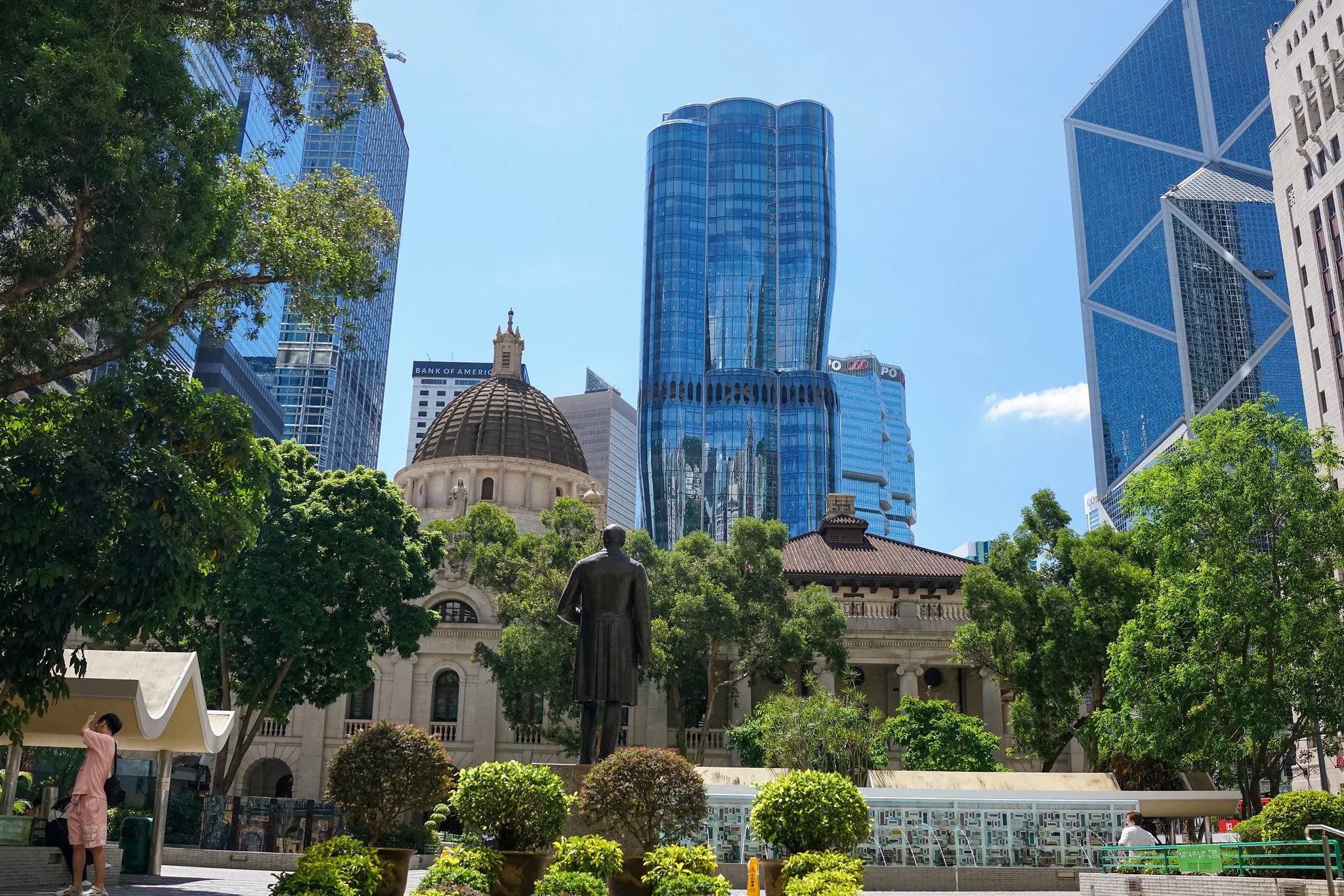
click on any image to enlarge
© Copyright Acknowledged | All rights reserved | images taken by Jamie