Street Begging in Hong Kong - Overview of our Strict Laws
A Balanced Approach to Begging, Welfare and Enforcement in Hong Kong

The J3 Group - Premium Quality Private Tours | Experiences and Insider Chats since 2010
Me Jamie, your host, I am English and I have lived in Hong Kong since January 2nd 1972 - I know the place.
A meaningful blog post with a difference - tips on Travel, Tourism, Tours, Daily Life and my personal thoughts on Hong Kong.
Please do visit Amazing Hong Kong
Hong Kong | Pearl of the Orient
Customised Private Tours + Experiences in Amazing Hong Kong
Jamie has lived in Hong Kong - Pearl of the Orient for 50+ years
Carefully Crafted Personalised and Customised Itineraries by Jamie | Hong Kong’s Most Experienced Private Tour Guide for : Solo Travellers Friends Families Seniors Couples Business People MICE Delegates.
Private Tours Cultural Tours Walking Tours Sightseeing Tours City Tours Night Tours Layover Tours Transit Tours Private Shore Excursions Bespoke Tours Personalised Tours Jewish Heritage Tours Luxury Private Tours Day Tours Luxury Boat Tours Themed Tours Private Family Tours Private Day Tours Corporate Tours
Just you, your family or friends and Jamie your personal English private tour guide - over 2,400+ tours completed since 2011 - Jamie offers quality Private Tours of Hong Kong
Tour Group Size 1 - 6 people only
J3 Group Hong Kong | J3 Consultants Hong Kong | J3 Private Tours Hong Kong
Creating Memories That Will Last A Lifetime
Go here for the Hong Kong Michelin Restaurant Guide which includes the Bib Gourmand Category

A Resident since 1972 - Private Tours of Hong Kong with Jamie
The Best Things to do in Hong Kong
click on the image to enlarge
© Copyright Acknowledged | All rights reserved | image taken by Jamie
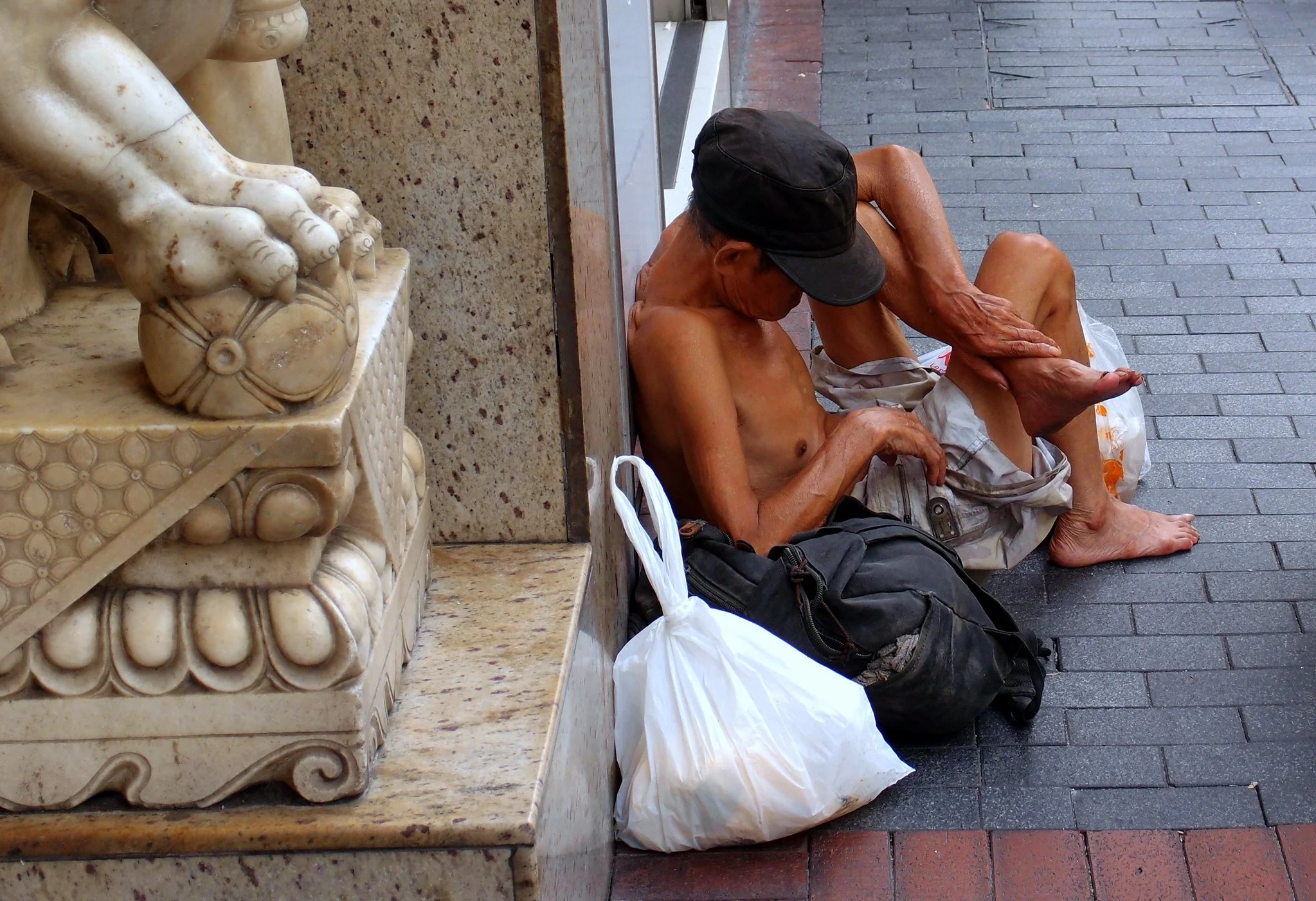
A real beggar | Jordan Road, Kowloon | Hong Kong
Foreword
Let me be clear, I am not a journalist, I have no training in that field but I have always been good with words and writing about stuff and I would like to think that I do not write fluff pieces, I put in a lot of time and effort into these blog posts.
As a long-time Hong Kong resident of over 50+ years who spends most days navigating the city's streets, I have observed the urban environment closely over many years. Begging remains a relatively rare sight in Hong Kong compared to many other major cities, which often prompts curiosity from locals, tourists, and fellow guides. This blog post explores the official policies, legal framework, practical realities, and underlying factors related to begging in Hong Kong. It incorporates street-level observations, including personal encounters that highlight the challenges of distinguishing genuine hardship from opportunistic activities. The aim is to provide a balanced, detailed understanding based on laws, enforcement practices, welfare systems, and direct experiences on the ground, including the often blurred boundary between begging and busking.
The image above is a classic example, this is Jordan Road in Jordan District, Kowloon, it is a very local and very busy district and this spot pretty much has a beggar there every day, foot traffic is mind boggling and literally 20 yards away is a large McDonalds and the Temple Street Market is 5 minutes away so a steady stream of tourists from late afternoon to late evening,, beggars can be pretty smart, they know exactly where to go
This poor chap in the image above fit my definition of a real beggar but more than that I felt overwhelmingly sorry for him but how else can he make a living? such is life in Hong Kong and yes, he got my HK$20 (more on that later)
Now you know why I carry my camera with me at all times (yes, a proper camera not a smart phone) when you write stuff like this photographic evidence is invaluable.
What Does Begging Actually Mean?
The dictionary definition of begging refers to the act of asking earnestly or urgently for something, particularly money, food, or assistance, often as charity from strangers. Standard references describe it as soliciting alms or gifts in public spaces, with an emphasis on persistent requests for handouts. In legal and social contexts, begging typically implies a public solicitation that can create a nuisance or exploit sympathy. This definition becomes especially useful when trying to differentiate between individuals in genuine need and those treating it as a calculated livelihood, including cases that involve family members or children.
After due thought, I like the word alms, such an old fashioned word but begging in one form or another has been around for many thousands of years.
Meaning of Alms - Alms refer to money, food, or other material goods donated to people experiencing poverty or hardship. The act of giving them is known as almsgiving, which is widely considered an act of charity, mercy, and compassion.
The Thin Line Between Begging and Busking in Hong Kong
To me, there is often a very thin line between what constitutes begging and what qualifies as busking. Many beggars come across like out-of-work actors simply trying to make a living, not so different from aspiring musicians who busk on the streets. Both involve performing or presenting oneself in public spaces to earn money from passers-by. However, Hong Kong law draws a distinction: busking, particularly playing musical instruments, generally requires a permit from the Commissioner of Police under the Summary Offences Ordinance, and it is viewed more as artistic expression. Pure solicitation without performance crosses into illegal begging. This grey area can make judgment calls difficult in real time, especially when someone combines elements of both.
Hong Kong’s Official Legal Policy on Begging
Hong Kong enforces a clear and firm official policy against begging in public spaces. Under Section 26A of the Summary Offences Ordinance (Cap. 228), any person who places themselves in a public place, street, or waterway to beg or gather alms commits an offence. This law has remained consistent for decades, with penalties including a fine of up to HK$2,000 and imprisonment for up to one month for first or second convictions. Subsequent offences can result in the same fine plus up to 12 months in prison. Additional provisions address begging in a threatening or disorderly manner. This framework prioritizes maintaining orderly public spaces without criminalizing poverty itself, and it applies equally to situations involving children or family members, while allowing regulated busking under permits.
This legal framework is SO Hong Kong, I take the view that pretty much everything is against the law in Hong Kong with dire warnings of heavy fines and imprisonment for the most trivial of offences.
How Police Enforce the Begging Laws in Hong Kong
The Hong Kong Police Force takes primary responsibility for enforcement through regular patrols, public complaints, and targeted operations. Officers require evidence, such as direct observation of solicitation or credible reports, before taking action. In recent years, arrest numbers have remained modest, though authorities stay vigilant in tourist-heavy districts. This measured but consistent enforcement explains why encounters are infrequent during daily activities, keeping the issue contained rather than widespread, even in busy night market areas.
If you cut through the political correctness of the official policies I can report that many times the Police will “look the other way” and use discretion not because it means they do not want the paperwork but they are compassionate human beings and know the difference between genuine cases of hardship and opportunistic beggars
Support Systems: Welfare and Social Services in Hong Kong
Beyond enforcement, the government integrates welfare support for genuine cases. The Social Welfare Department collaborates with non-governmental organizations through Integrated Services Teams across Hong Kong Island, Kowloon, and the New Territories. These teams offer outreach, counseling, emergency financial aid, short-term accommodation, employment assistance, and referrals to public housing or Comprehensive Social Security Assistance. For local residents involved in begging, police often refer cases to these services. This dual-track approach aims to address root causes like homelessness or financial hardship while discouraging reliance on street solicitation, including any cases where children might be present.
In a nutshell, the Hong Kong Government has real policies to help people facing extreme financial hardship
Distinguishing Real Hardship from Opportunistic Begging in Hong Kong
In my experience on the streets, I have developed an intuitive way of assessing situations. Fake beggars often appear quite normal, well-dressed, clean, and move systematically from person to person with hands outstretched, showing no obvious signs of hardship. In contrast, those in genuine need tend to stand out immediately through visible vulnerabilities such as missing limbs or other physical challenges. These real cases are quite rare these days, but when I do encounter them, the sight can be heartbreaking. In such instances, I choose to give HK$20 as a small gesture of compassion, recognising the profound difficulty of their circumstances.
Challenges for Manifestly Disabled Individuals in Hong Kong
My judgment becomes particularly clouded when I see people who are manifestly disabled, with limbs missing and such, whether or not they are playing small musical instruments. These poor souls are not what you would call easily employable, so the question arises: how else can they make a living, particularly if they have no family support? The sight of someone with severe physical disabilities sitting on the pavement evokes deep sympathy. While welfare systems exist, barriers such as access, awareness, or immediate daily survival needs can make street-level appeals seem like the only option. This reality adds emotional weight to encounters and makes the strict legal line feel especially challenging in practice.
This is not an issue that has a quick fix, it is not a new problem and compared to many cities, Government Policies actually mean something.
click on the image to enlarge
© Copyright Acknowledged | All rights reserved | image taken by Jamie
The infamous white beggar | TST, Kowloon | Hong Kong
A Notable Case: The White Beggar in Tsim Sha Tsui, Kowloon, Hong Kon
A few years ago, I observed a particularly striking example near iSQUARE on Peking Road in Tsim Sha Tsui, Kowloon, just a short walk from Chungking Mansions on Nathan Road. For over six months, a white man - appearing Russian or Eastern European—maintained a regular pitch there with all limbs intact. He always looked too clean, with unworn clothes that did not suggest prolonged street living. For weeks, I watched from a distance and noted that he was never asked to move along by authorities.
One day, I followed him discreetly as he got up and entered the iSQUARE mall. He proceeded straight into the Marketplace, an upmarket grocery store, and emerged with four full bags of shopping. It was clear he was using the sympathy of passers-by to fund a comfortable lifestyle rather than facing real desperation. I have not seen him in the area for a long time, so he may have left Hong Kong or shifted to other districts.
To be honest if someone had told me the story I would not have believed them, white buskers, absolutely but a white beggar? well the picture does not lie.
Another Observation: Woman with Child on Jordan Road in Kowloon, Hong Kong
This pattern of selective compassion fits with high-traffic observations in other busy locations. On Jordan Road, just two minutes from Temple Street Night Market, I have frequently seen a woman with a small child - invariably asleep - sitting on the ground and holding out her hand. This has been ongoing for a few years now. The sight is one that defies anyone not to feel compassion, especially with a young child involved. However, the woman does not appear like a typical street sleeper or homeless person. She looks clean and has no other accessories beyond the sleeping child.
I suspect she originates from mainland China because the responsible Hong Kong government departments would simply not tolerate a child being used in this manner if she were a local resident. If it were a genuine hardship case among locals, authorities would intervene with whatever support was needed. Hong Kong does have many mainland Chinese residents living here permanently, and she does not seem like a day tripper. I once overheard her in a brief conversation speaking Mandarin rather than Cantonese, which further supports this assessment. The location benefits from constant pedestrian flow from the night market, making it a strategic high-traffic spot.
Demographics and Hotspots: Broader Street Observations in Hong Kong
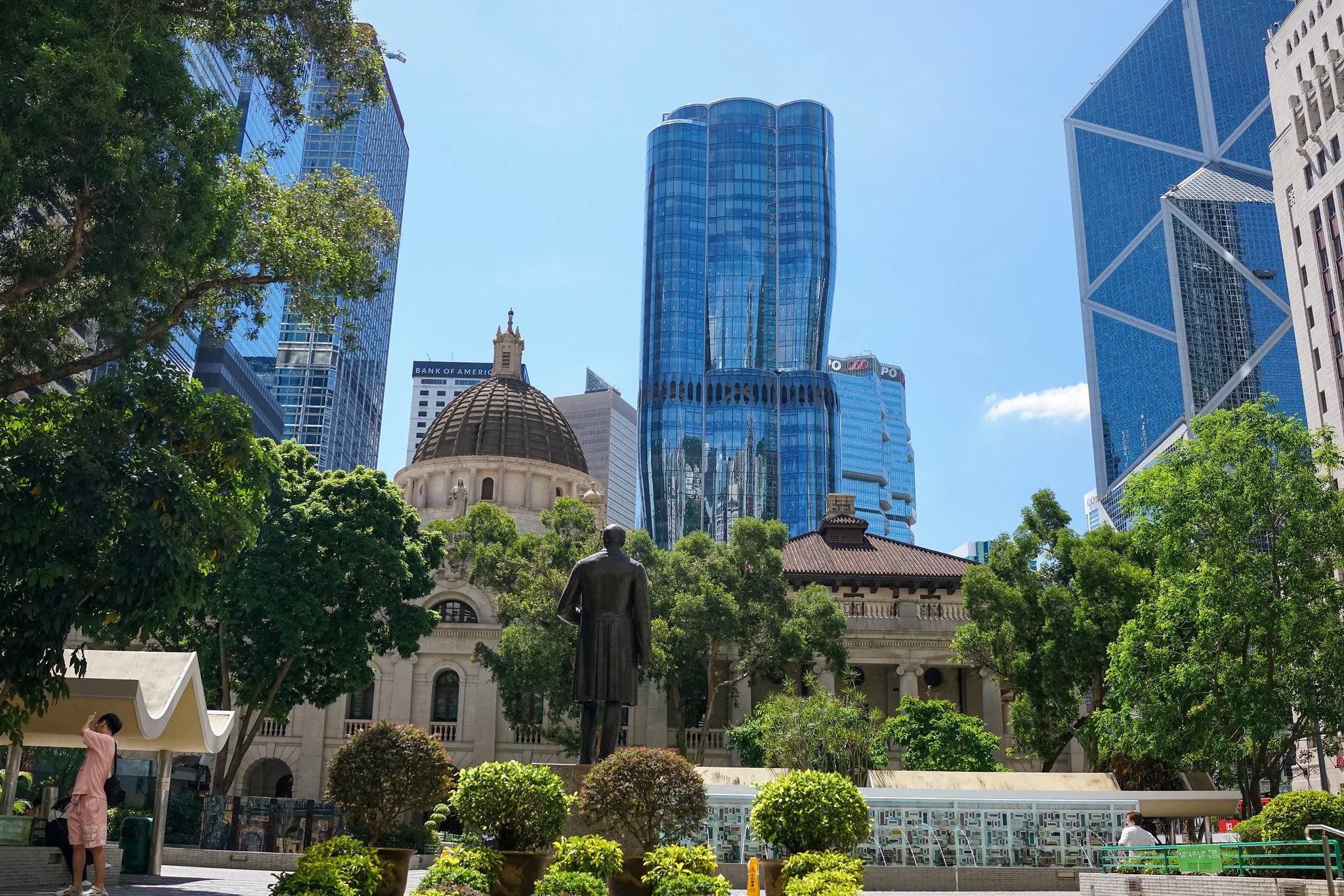
Encounters with beggars are generally infrequent and tend to occur in locations with exceptionally high foot traffic. In Central District, Statue Square sees only the occasional encounter rather than serving as a major pitch. Historically, one of the strongest locations in Central has been the corner junction of Queens Road Central and Pedder Street, where legendary levels of pedestrian flow create constant opportunities. Another notable spot is the crossing at Sogo in Causeway Bay, which similarly benefits from dense crowds. Individuals are predominantly male, often Chinese from the mainland or South Asian, with female beggars appearing far less frequently. These high-traffic commercial and shopping areas provide practical advantages for solicitation, yet overall enforcement and the city’s orderly environment keep such activities limited and contained.
Evidence of Organised Begging in Hong Kong
There is clear evidence of organised begging activities in Hong Kong, especially involving cross-border and international elements. Reports have highlighted syndicates recruiting from mainland China, sometimes using disabled individuals or family groups brought in on two-way permits, with ringleaders taking cuts of earnings and providing logistics like transport and shelter. Foreign groups have also appeared in the past, including mentions of Russian beggar gangs in areas such as Mong Kok.
While not every beggar is part of such networks, the patterns - consistent locations over years, coordinated presence, and exploitation of sympathy (including with children) - suggest organisation in many cases. Police and Immigration authorities conduct joint operations to address these, adding an immigration dimension to public order efforts. The Jordan Road case and activity at prime junctions raise questions about whether similar cross-border dynamics are at play.
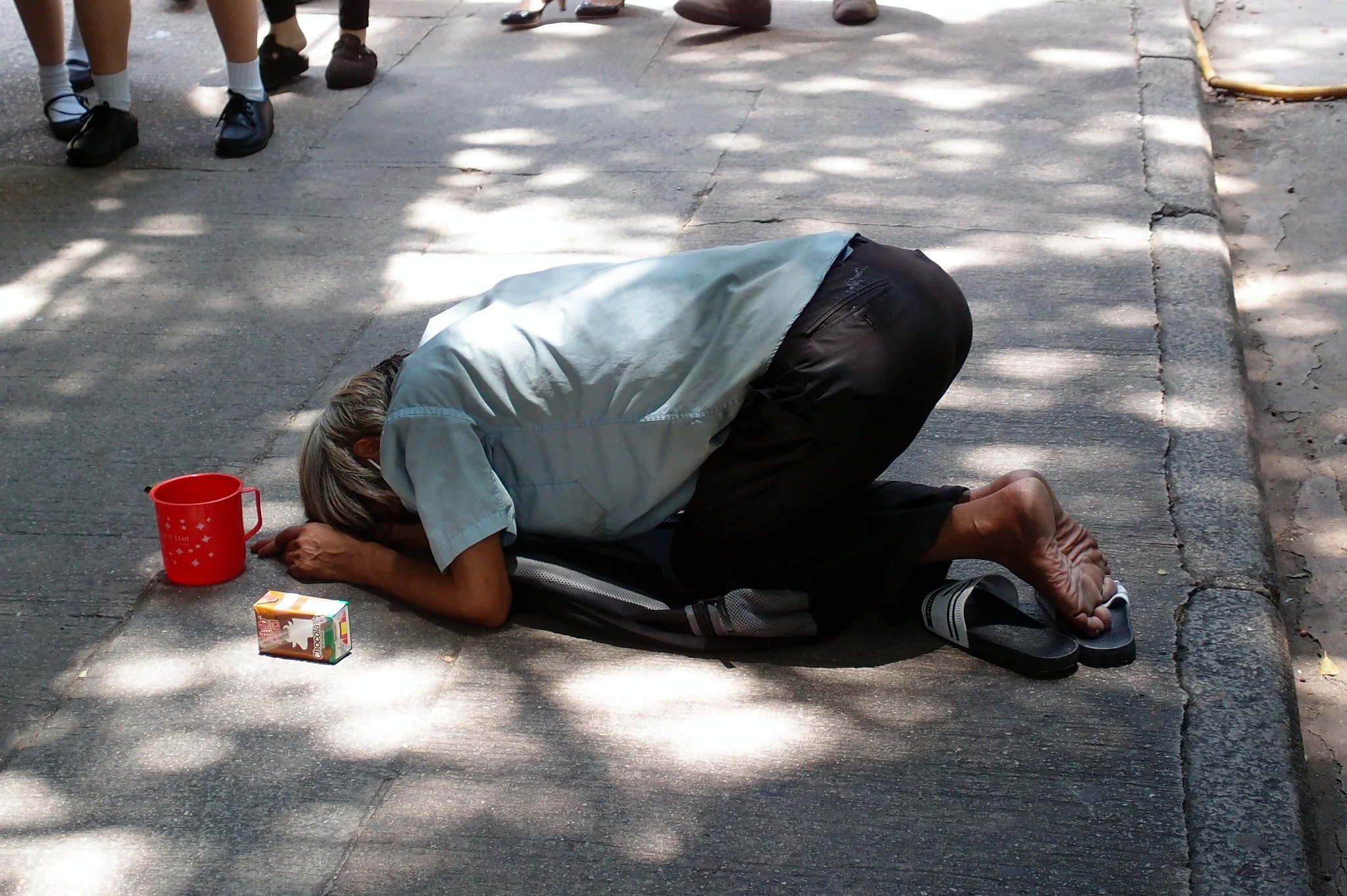
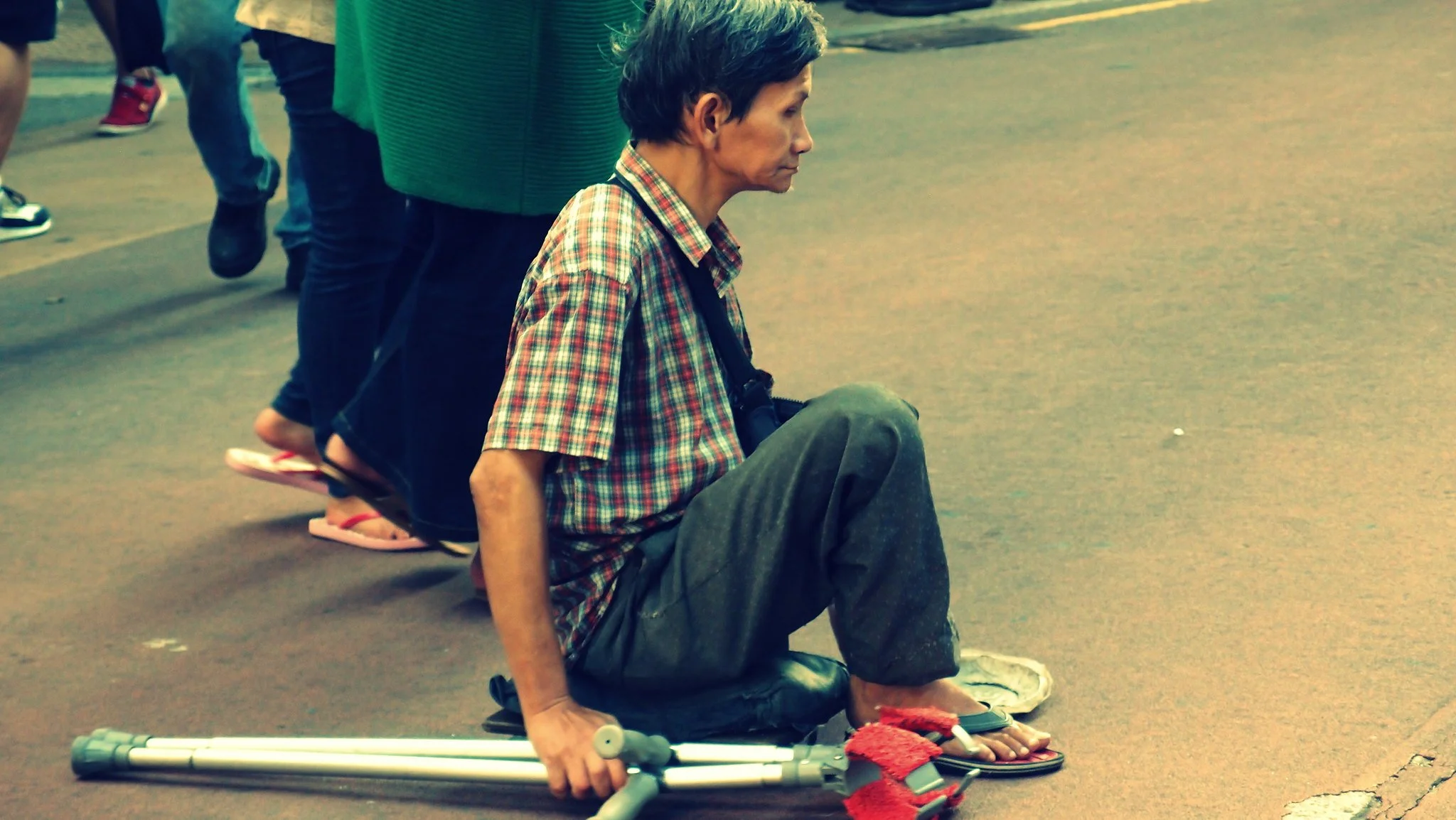
click on any image to enlarge
© Copyright Acknowledged | All rights reserved | images taken by Jamie
2 real + 1 fake | Street Beggars | Hong Kong
Public Guidance and Why Direct Giving Is Discouraged in Hong Kong
Hong Kong authorities actively discourage casual giving to street beggars through public reminders. Direct handouts can inadvertently sustain both individual opportunism and organised operations rather than helping those in true need. Instead, the message promotes directing compassion through official charities or welfare systems that offer structured, long-term support. This approach contributes to the city's relatively clean and orderly street environment.
This to me makes not a lot of sense, I would like to think that the overwhelming majority of Hong Kong people are compassionate and can spot a real beggar from a fake beggar, it is all well and good to to donate to charities but you know what it is not that simple, people can fall on hard times and I dare Government employees not to feel conflicted at the sight of sickly looking people minus limbs asking for a few $$$$$
Every Government Department in Hong Kong has a major flaw, they are bureaucratic and the wheels turn very slowly and the Social Welfare Department is no exception, I can only imagine the paperwork needed to process applications, hundreds of pages of bureaucrap as I like to call it and months and even years of waiting to get support,
I also imagine that like in many cities Social Welfare Departments are understaffed and overworked, I doubt it is a question of lack of funding (not in Hong Kong!) it is simply a matter of red tape,
Police Discretion and Showing Heart the Hong Kong way
I would like to think that the Police show discretion and have a heart, sometimes looking the other way in deserving cases, especially where manifestly disabled individuals are involved. In practice, officers do exercise judgment based on the circumstances of each case, considering factors like visible vulnerability, repetition, and potential organisation. While the law remains firm, this human element allows some flexibility for truly pitiful situations that do not fit neatly into opportunistic categories. It balances enforcement with compassion, though the line remains subjective and context-dependent.
Practical Advice for Handling Encounters with Hong Kong Beggars
When navigating private tours or daily walks, I recommend a calm and observant response to any rare sightings. I assess each situation based on visible cues, context, location consistency, language clues, the level of foot traffic, and whether it leans more toward performance (busking) or direct solicitation. I do explain the legal background and the existence of support services if questions come up. In cases that feel persistent, obstructive, or potentially exploitative (such as using a child), reporting to police via the non-emergency line is the proper step. For apparent genuine hardship, especially among locals with clear vulnerabilities like missing limbs, a small contribution like HK$20 can feel appropriate,
I would also like to make clear that I have never had an issue, none appeared to be nutjobs on drugs, many times I get a smile and a thank you. Observing patterns over time helps sharpen this judgment.
My Personal Overall Assessment of Hong Kong’s Approach
Hong Kong’s policy strikes a pragmatic balance between upholding public order and offering pathways for assistance. The combination of strict laws, active policing, welfare referrals, and cross-departmental coordination has successfully kept begging from becoming a major issue. Personal experiences, from heartbreaking genuine cases involving disabled individuals to clear examples of deception, and the grey area with busking, illustrate the complexity on the ground. While isolated encounters persist in high-traffic hotspots, they do not define the overall street experience. Continued attention to organised patterns, cross-border movements, public awareness, and thoughtful discretion will help sustain this equilibrium moving forward.
This detailed examination shows that Hong Kong manages begging thoughtfully and fairly effectively. The system reflects the city’s broader emphasis on safety, self-reliance, and orderly urban living. I hope this provides valuable context for residents, visitors, and anyone interested in Hong Kong’s social landscape
So there you go
Jamie’s Hong Kong Insider Chat
AI Itinerary Rescue Service - Bring your AI-generated plan (or any self-designed itinerary) and I will spend the full two hours reviewing it with you. I’ll fix the impossible timings, suggest smarter routing, add interesting places that AI never finds, adjust for your group’s energy levels, and create a realistic, enjoyable day-by-day flow that actually works in real Hong Kong. Most guests leave saying “This is exactly what we needed”
I do not do Food Tours in Hong Kong but I know people that do!
I do not do food tours as mentioned above, I have very specific reasons and part of it is that I do not speak Cantonese or write Chinese, I am from Yorkshire in England and I lack the language gene and it is not through lack of trying and yes a lot of restaurants do not have English menu’s or staff who speak conversational English.
.. and yet I have eaten at close to 1,400 restaurants in Hong Kong since January 2nd 1972, my wife was born in Hong Kong and we have been together over 40 years and her first language is Cantonese and a lot of her family are Chinese or half Chinese so I have never had much of an issue!
This does not translate to doing food tours though, yes, I could do them, no problem there but they would never ever be as good as the food tours done by my friends (see the 3 links above) most of their awesome guides are locally born Hong Kong Chinese and obviously food culture is part of their DNA, it is impossible for me to compete with that!
So please feel free to contact them for food tours
I do not do Hiking Tours in Hong Kong but I know someone that does!
I do not do Hiking Tours, never have and never will even though I used to go Hiking a lot when I was a lot younger, The Hong Kong Government is promoting hiking tours so I urge you to contact my friend Sabrina at Hong Kong Trails and Tours, she is a long time Hong Kong resident and and a very experienced hiker with close to 700 Hikes in 15+ years under her belt, please click on the link below








click on any image to enlarge
© Copyright Acknowledged | All rights reserved | all images taken b Jamie
Jamie’s Hong Kong | Some of my favourite images | Hong Kong 101
© Jamie Lloyd | J3 Consultants Hong Kong | J3 Private Tours Hong Kong |
| 2010 - 2026 All rights reserved. |
Click on any image to enlarge to full screen











Current images from my Instagram feed