Why Few Foreign Tourists visit Golden Bauhinia Square in Hong Kong
The J3 Group - Premium Quality Private Tours | Experiences and Insider Chats since 2010
Me Jamie, your host, I am English and I have lived in Hong Kong since January 2nd 1972 - I know the place.
A meaningful blog post with a difference - tips on Travel, Tourism, Tours, Daily Life and my personal thoughts on Hong Kong.
Please do visit Amazing Hong Kong
Hong Kong | Pearl of the Orient
Customised Private Tours + Experiences in Amazing Hong Kong
Jamie has lived in Hong Kong - Pearl of the Orient for 50+ years
Carefully Crafted Personalised and Customised Itineraries by Jamie | Hong Kong’s Most Experienced Private Tour Guide for : Solo Travellers Friends Families Seniors Couples Business People MICE Delegates.
Private Tours Cultural Tours Walking Tours Sightseeing Tours City Tours Night Tours Layover Tours Transit Tours Private Shore Excursions Bespoke Tours Personalised Tours Jewish Heritage Tours Luxury Private Tours Day Tours Luxury Boat Tours Themed Tours Private Family Tours Private Day Tours Corporate Tours
Just you, your family or friends and Jamie your personal English private tour guide - over 2,400+ tours completed since 2011 - Jamie offers quality Private Tours of Hong Kong
Tour Group Size 1 - 6 people only
J3 Group Hong Kong | J3 Consultants Hong Kong | J3 Private Tours Hong Kong
Creating Memories That Will Last A Lifetime
Go here for the Hong Kong Michelin Restaurant Guide which includes the Bib Gourmand Category

A Resident since 1972 - Private Tours of Hong Kong with Jamie
The Best Things to do in Hong Kong
click on the image to enlarge
© Copyright Acknowledged | All rights reserved | image taken by Jamie
Golden Bauhinia Square | Wanchai North | Hong Kong
Foreword
As a Hong Kong resident for over five decades and someone who has guided almost 7,000 visitors around the city since 2010, I have spent a great deal of time reflecting on places that capture the essence of our history and identity. Golden Bauhinia Square and the adjacent Hong Kong Convention and Exhibition Centre stand out as key sites tied to the 1997 handover, yet they often feel overlooked by many foreign tourists in favour of more central or accessible spots.
Over the years I have observed the flow of visitors here, noted the dominance of mainland Chinese tour groups, and pondered the deeper stories behind these landmarks. This piece brings together a detailed overview drawn from my repeated visits, historical context, and practical insights for anyone interested in understanding this corner of Wan Chai North more thoroughly.
The fact of the matter is very simple, Tourism Authorities in Hong Kong never seem to factor in convenience and accessibility when planning tourism attractions, in a nutshell is it easy to visit? are there great transport links? pretty obvious stuff really and yet when it comes to Golden Bauhinia Square common sense seemed to go out of the window, even a brand new MTR (Subway) Station does not help matters when it comes to this attraction, it is still a hefty walk which is an issue in our hot, humid and rainy summers and I am guessing that many people simply cannot be bothered when they might at best spend 10 minutes there taking photographs
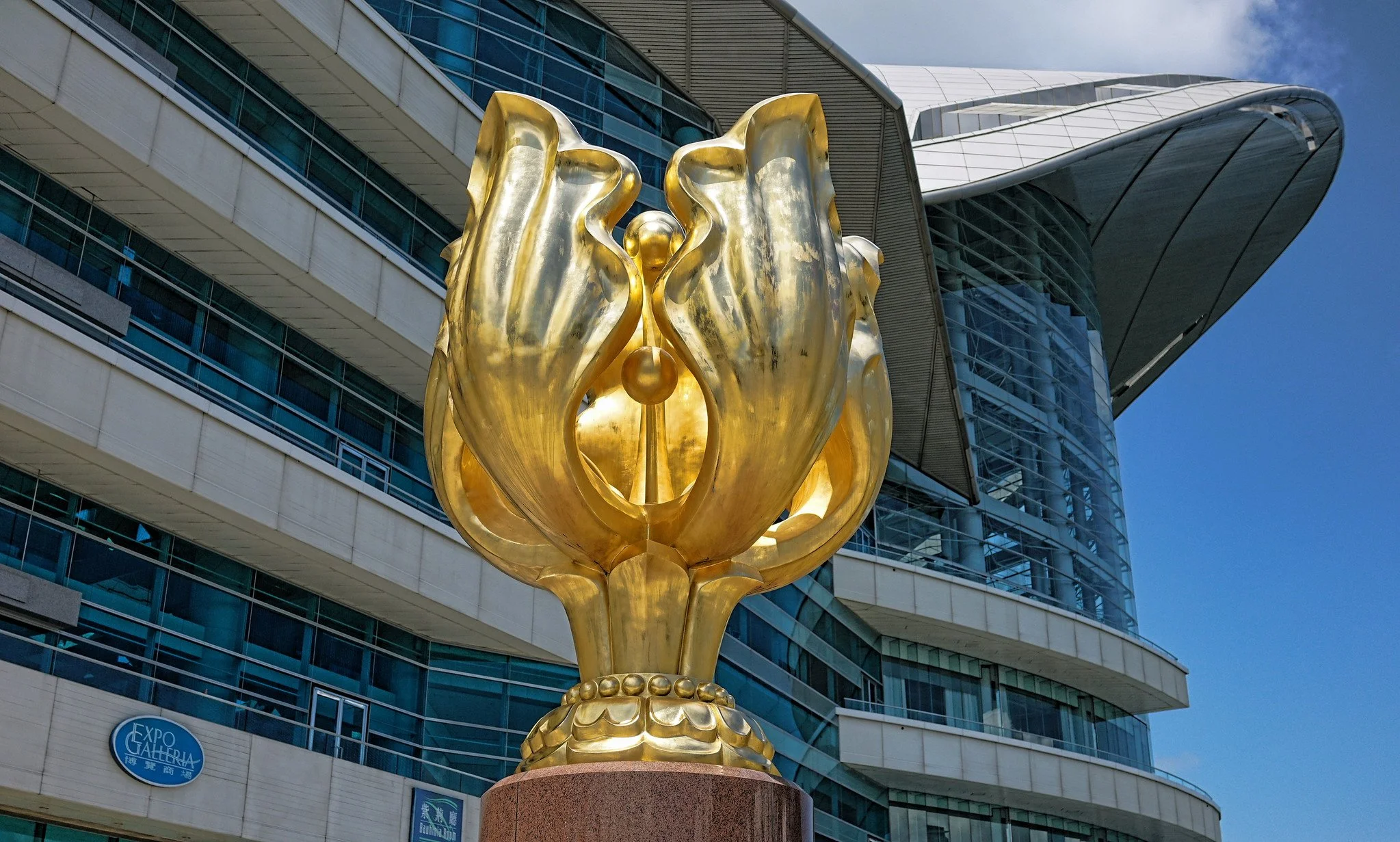
click on any image to enlarge
© Copyright Acknowledged | All rights reserved | images taken by Jamie
Golden Bauhinia Square | Wanchai North | Hong Kong
The Golden Bauhinia Statue - Symbolism and Physical Details
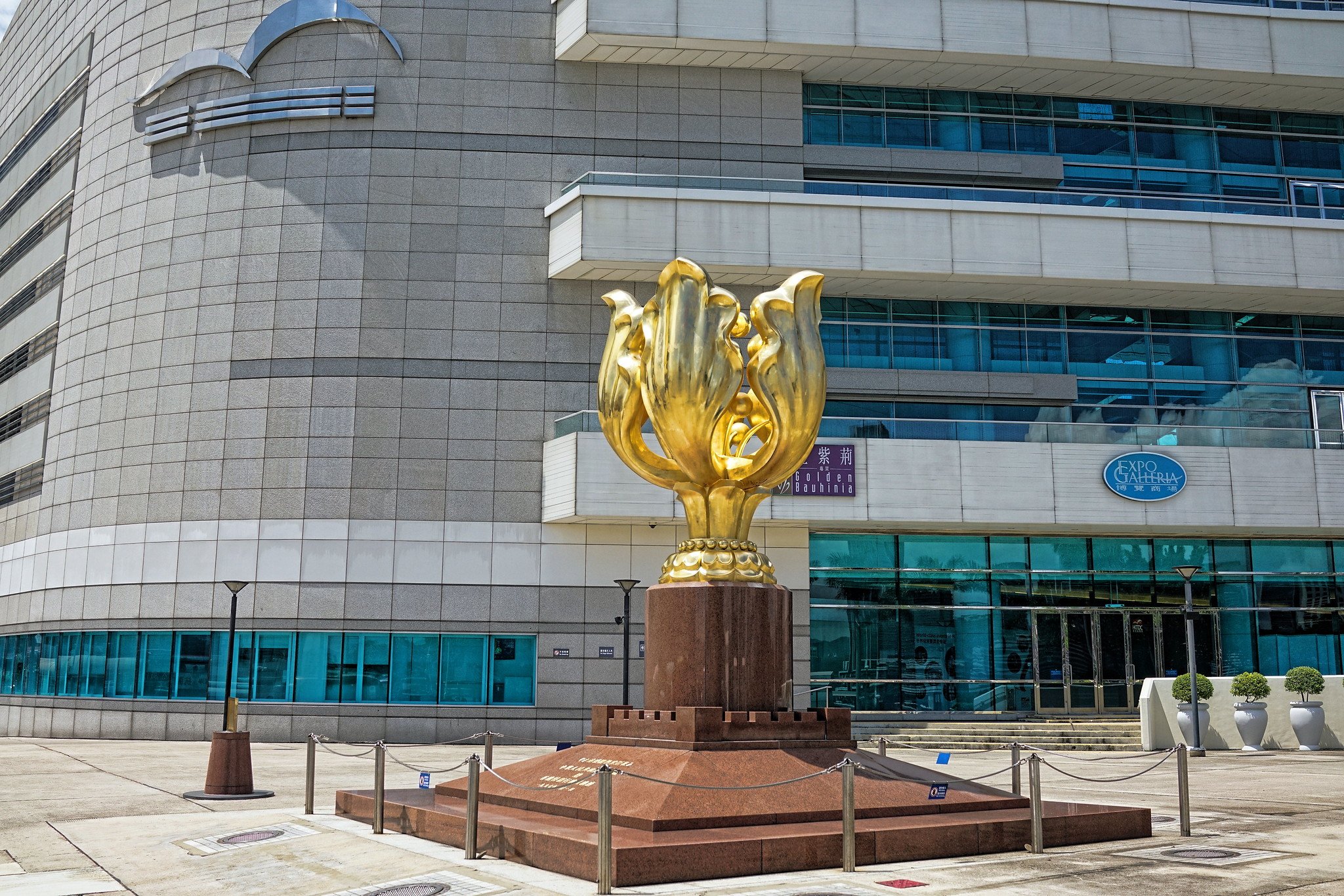
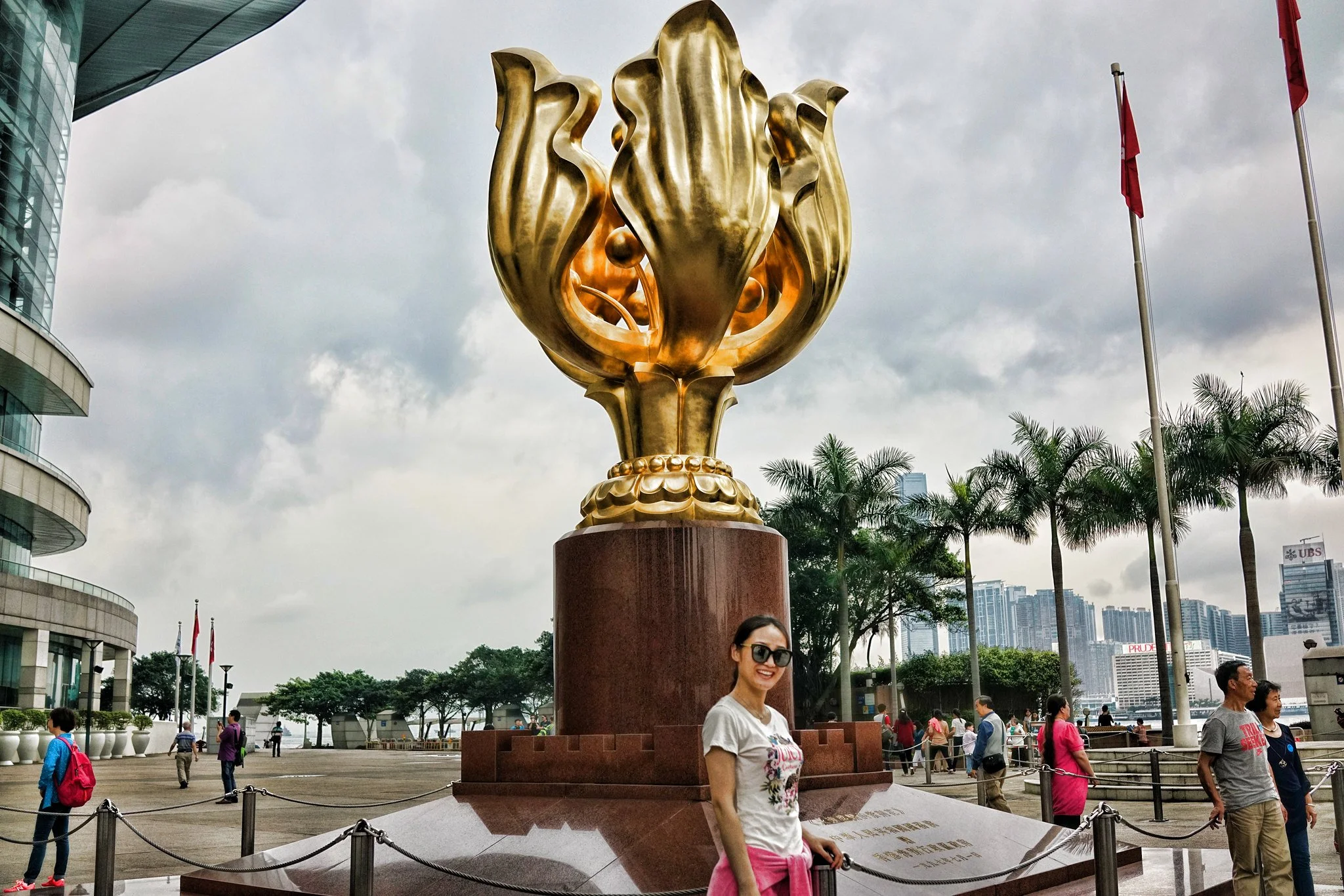
The centrepiece of Golden Bauhinia Square is the Forever Blooming Bauhinia sculpture, a striking golden flower that serves as a powerful emblem of Hong Kong's post-handover era. Gifted by the Central Government of China to mark the 1997 handover, it symbolises the city's enduring prosperity, unity, and growth under the principle of "one country, two systems." The bauhinia blakeana flower itself is Hong Kong's regional emblem, appearing on our flag, so this larger-than-life version carries deep resonance.
Physically, the statue measures six metres in height, width, and length, making it an imposing yet elegant presence. It weighs approximately seven metric tons and is crafted from bronze with its surface coated in Italian gold leaf for that distinctive gleaming finish. The sculpture sits atop a base of red Sichuan granite pillar, which rests on a pyramid-like foundation incorporating patterns reminiscent of the Great Wall. This design element evokes the idea of the motherland embracing Hong Kong, with "nine provinces square and round" symbolism underscoring national unity.
Well that is the official line.
I always get the impression that as the square is crowded 7 days a week, I feel that Tour Companies are perhaps told to make it an itinerary stop if the focus on Mainland Chinese Tourists, this is not the case with non Chinese Tourists, certainly it never on my itinerary unless it is a specific request because of it’s rather odd location and timing is an issue, oh and I have never had anyone ask to visit it! but I often go there myself as it is an interesting place to people watch and feel the mass tourism vibe.
Quirky Insights on the Golden Bauhinia Statue
One of the more interesting aspects I like to share with guests is the backstory of how this golden flower actually arrived here. As a gift from the Central People's Government, it was almost certainly manufactured in mainland China, with the bronze flower element cast there and the red Sichuan granite pedestal handled by the Universal Stone Group Company. Details on the exact workshop remain somewhat elusive, but everything points to skilled craftsmanship in Mainland China.
Transporting a seven-ton, six-metre sculpture across the border in 1997 must have been quite the logistical feat. Given its size and weight, it was very likely produced in sections and then assembled on site, much like the Tian Tan Big Buddha on Lantau Island which was famously shipped in pieces and welded together. This modular approach would have made road or sea transport from the mainland far more practical before final installation in front of the Convention Centre.
As for the unveiling on 1 July 1997, it formed part of the grand official handover ceremonies rather than any religious event. The sculpture was formally presented and unveiled in a high-profile secular ceremony co-officiated by then Vice Premier Qian Qichen and Hong Kong's first Chief Executive Tung Chee-hwa. It was a moment of national and political significance, complete with dignitaries, speeches, and symbolism, but no Buddhist blessings or traditional religious rites that I have come across. The focus remained firmly on the political transition and the promise of a bright future.
The statue was unveiled on 1 July 1997, right at the heart of the celebrations. It has since become a focal point for daily flag-raising ceremonies at 8:00 a.m., performed by Hong Kong police officers. On the first of each month, an enhanced version includes a police pipe band and ceremonial dress, drawing larger crowds. Fireworks light up the square on National Day and the second day of Chinese New Year, adding to its role as a public gathering space.
click on any image to enlarge
© Copyright Acknowledged | All rights reserved | images taken by Jamie
Reunification Monument | Wanchai North | Hong Kong
The Reunification Monument - The out of sight Black Handover Pillar
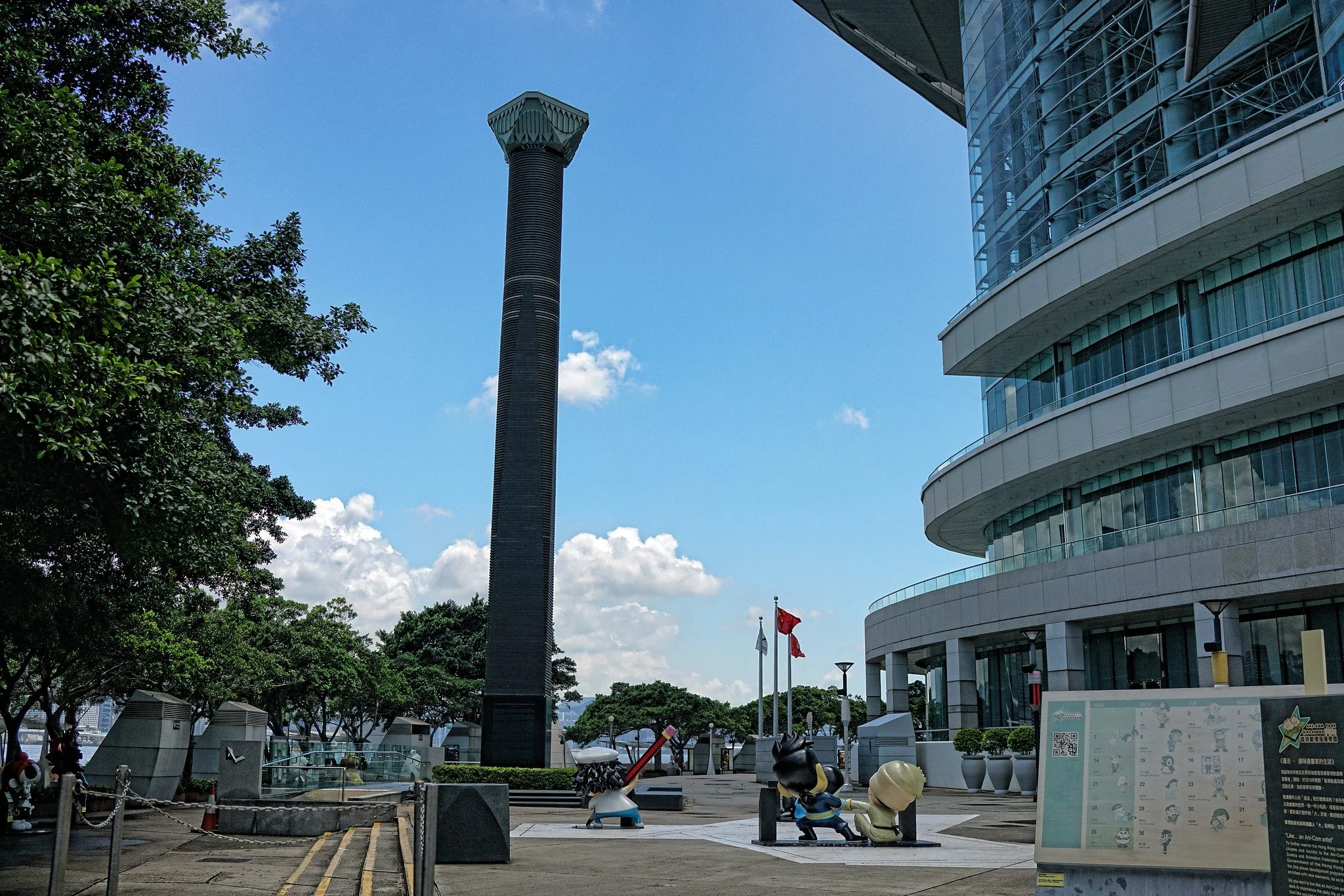
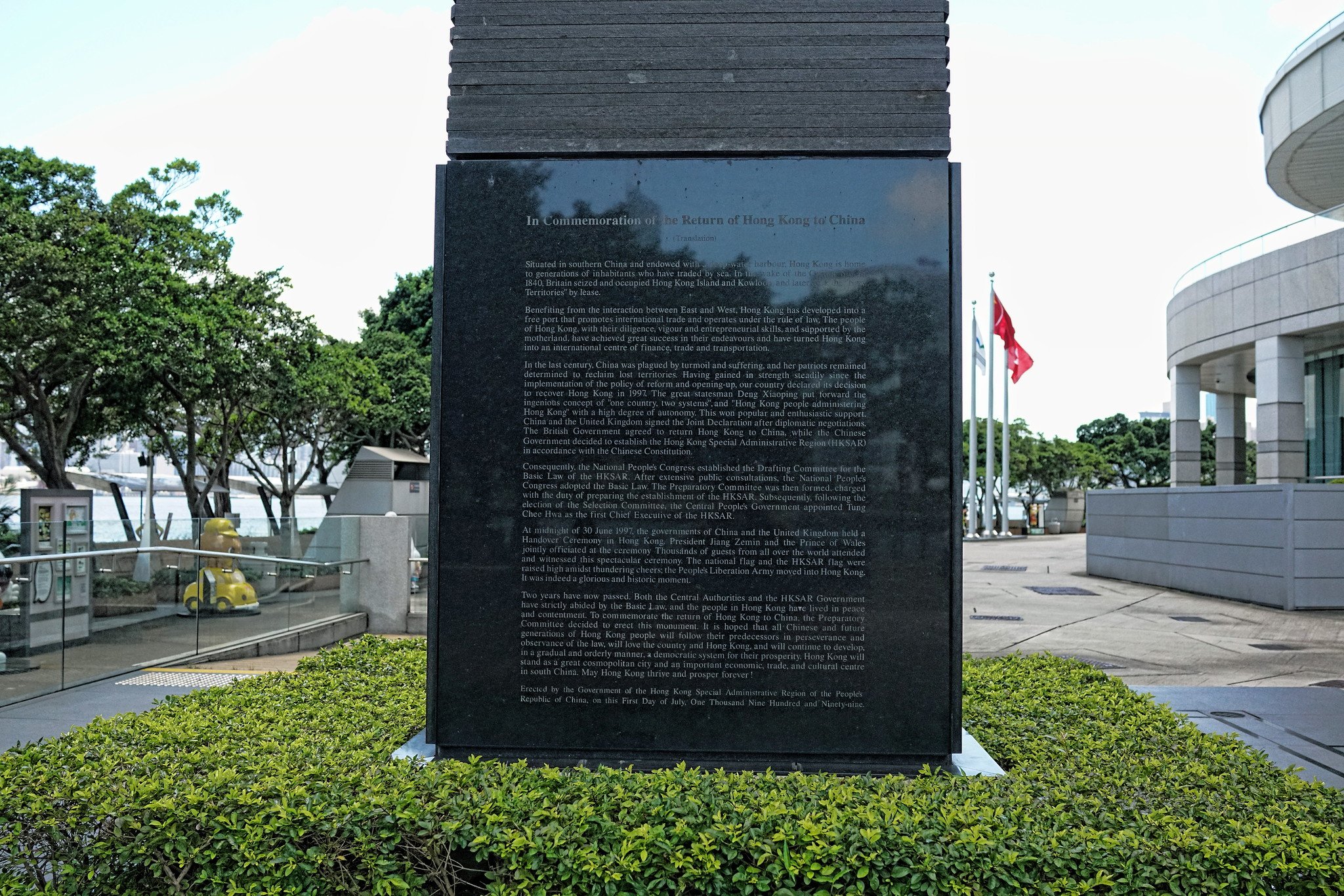
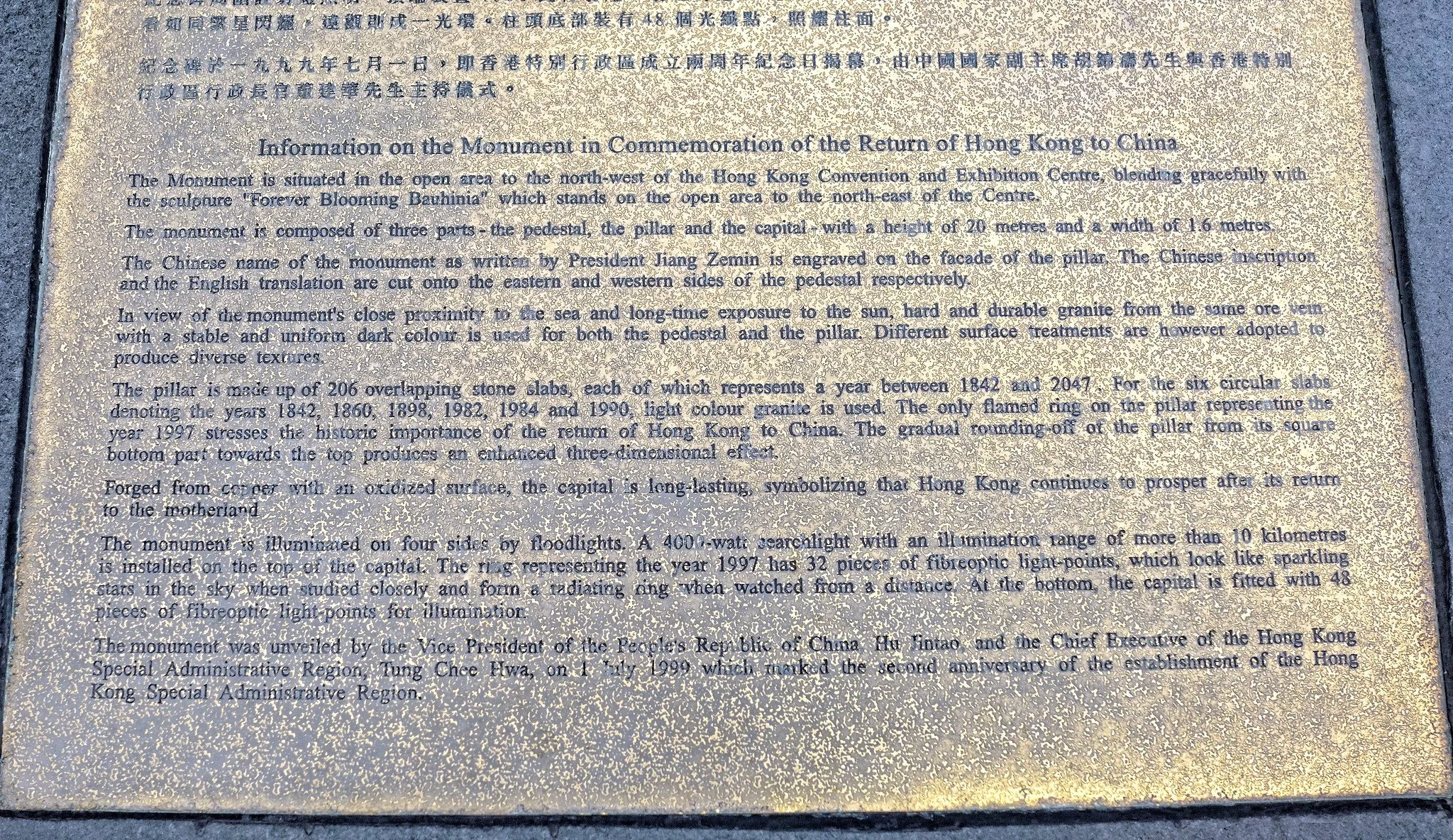
A short distance away stands the Monument in Commemoration of the Return of Hong Kong to China, often referred to as the black or dark handover monument. This is a tall granite pillar, standing 20 metres high and 1.6 metres wide, composed of 206 overlapping stone slabs. Each slab represents one year from the start of British rule through to 2047, the end of the 50-year "one country, two systems" period.
Six of these slabs are circular and made of lighter-coloured granite, marking pivotal years: 1842, 1860, 1898, 1982, 1984, and 1997. The 1997 slab features a distinctive flamed ring to highlight the handover's significance. The monument includes a pedestal, pillar, and capital, with varying surface textures for visual interest. Inscriptions in the calligraphy of then-President Jiang Zemin add a personal historical touch from the ceremony.
Unlike the golden statue, this monument feels more austere. Importantly, it is at least a five-minute walk from the Golden Bauhinia statue. That may not sound like a great distance, but in practice it means the black pillar is completely invisible when you are standing at the flower monument. This separation creates a real sense of disconnection that many observers, including myself, have noted over the years.
History and Timeline of the Site
January 1841: Hong Kong officially becomes British territory, although the formal treaty was not signed until 1842.
1842-1898: Key cession periods represented in the monument's slabs, marking the expansion of British colonial rule.
1984: Sino-British Joint Declaration signed, setting the stage for the handover.
30 June/1 July 1997: Handover ceremonies held inside the newly extended Hong Kong Convention and Exhibition Centre. The golden statue gifted and unveiled; square established as a public space.
Post-1997: Square becomes a daily flag-raising venue and tourist spot, especially popular with Mainland Chinese visitors. Used for official events, fireworks, and public celebrations.
Ongoing: It remains a symbol of reunification, with continued maintenance and occasional protests or demonstrations reflecting Hong Kong's complex identity.
Why the Separate Placement? Reflections on Location and Politics of the Golden Flower and Reunification Monument
The decision to place the black handover monument at some distance from the Golden Bauhinia statue has always struck me as curious. The golden flower sits prominently in the main square, highly visible and photogenic, while the pillar is tucked much further away, out of immediate sightlines. This separation means many visitors miss it entirely unless they explore deliberately.
One can reasonably wonder if this was a deliberate choice to balance symbolism. The golden statue offers an uplifting, forward-looking image of prosperity, appealing for tourism and national pride and again in plain English, it is great for a selfie.
The monument, with its timeline of colonial history leading to reunification, carries a more solemn, historical weight. Positioning it nearby but not adjacent might avoid visual clutter or allow each element to stand on its own. Whether political considerations played a role in keeping sensitive historical narratives slightly removed from the main focal point is open to interpretation, but the layout does make the monument feel secondary. In my view, placing them side by side could have created a more cohesive narrative experience, strengthening the site's educational value without diminishing either symbol.,
In other words, the Handover happened it is part of our history and the monument should be viewed by all.
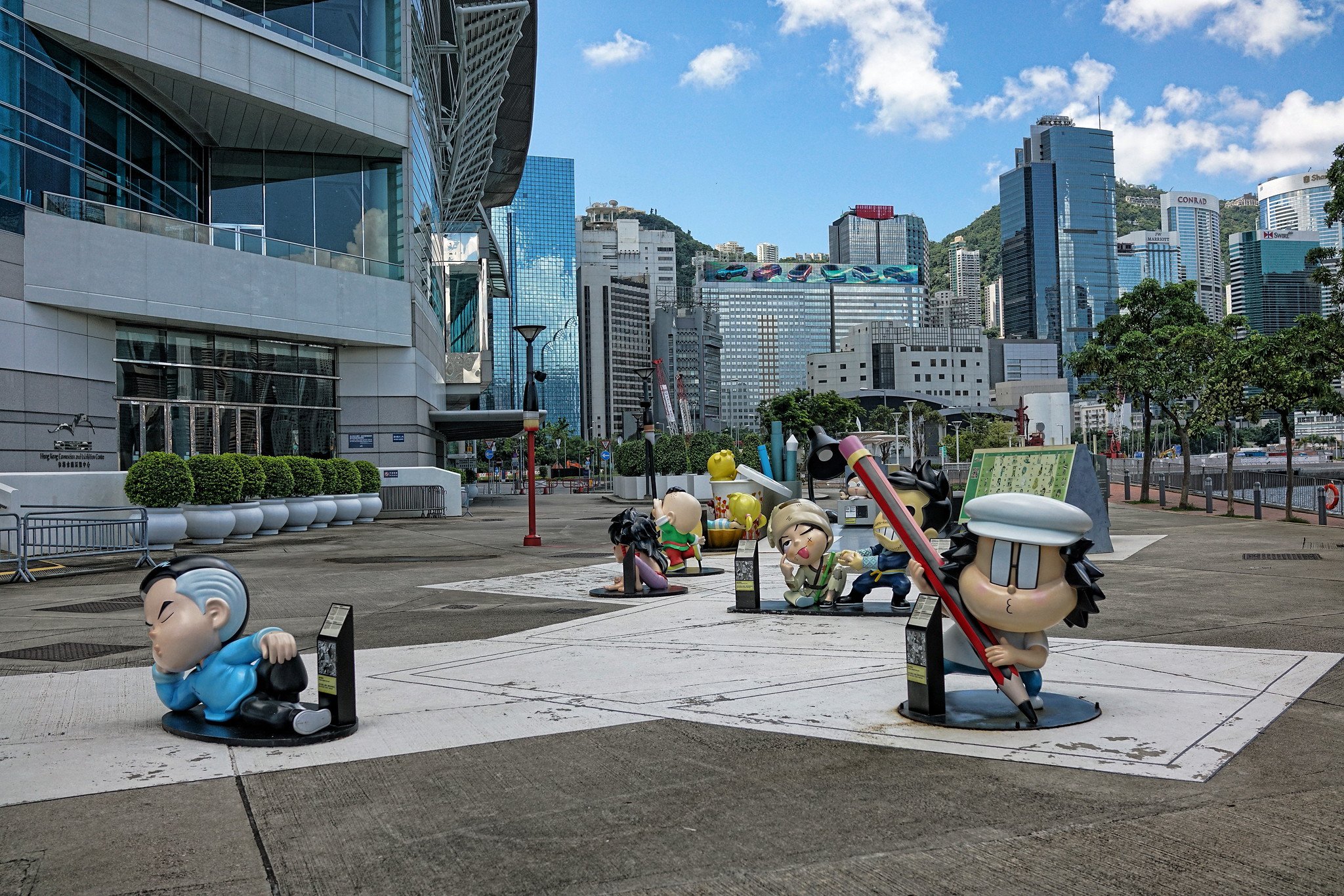
At various times the monument is surrounded by large plastic cartoon characters which is jarring but so Hong Kong, the monument is a solemn historical reminder of the past, not a prop in a cartoon show.
It is just my personal opinion but to me the Reunification Monument is much more meaningful than an giant gold flower which as mentioned is great for a selfie, I would like to think that this monument should be viewed by all residents, if only it was in a better location!
Visitor Numbers and Appeal
Exact official daily figures for Golden Bauhinia Square are not publicly detailed, but from my many random visits over the years I would estimate that visitor numbers easily exceed 3,000+ per day on a regular basis, and often far more during peak periods. There is a non-stop flow of tour buses dropping off large Mainland Chinese groups throughout the day, creating a constant stream of activity. I have frequently seen long lines of people walking from the nearby MTR (Subway) stations, and hundreds of visitors milling around at any one time, taking photographs around the golden statue and enjoying the harbour views.
This level of footfall has often reminded me of the crowds at the Avenue of the Stars in Kowloon, with a similar bustling yet focused atmosphere. Foreign tourists remain much fewer in number, largely due to the 10-15 minute walk from Convention Centre MTR (Subway) Station and the even longer trek from Wan Chai MTR. (Subway)
The site's strong appeal to mainland visitors comes from its patriotic symbolism and inclusion in organised tour itineraries, while the relative isolation from main tourist trails keeps it less prominent on international routes. Numbers spike significantly during National Day celebrations, Chinese New Year fireworks, and major holidays when the combination of ceremonies and events draws even bigger gatherings.
click on any image to enlarge
© Copyright Acknowledged | All rights reserved | images taken by Jamie
Convention & Exhibition Centre | Wanchai North | Hong Kong
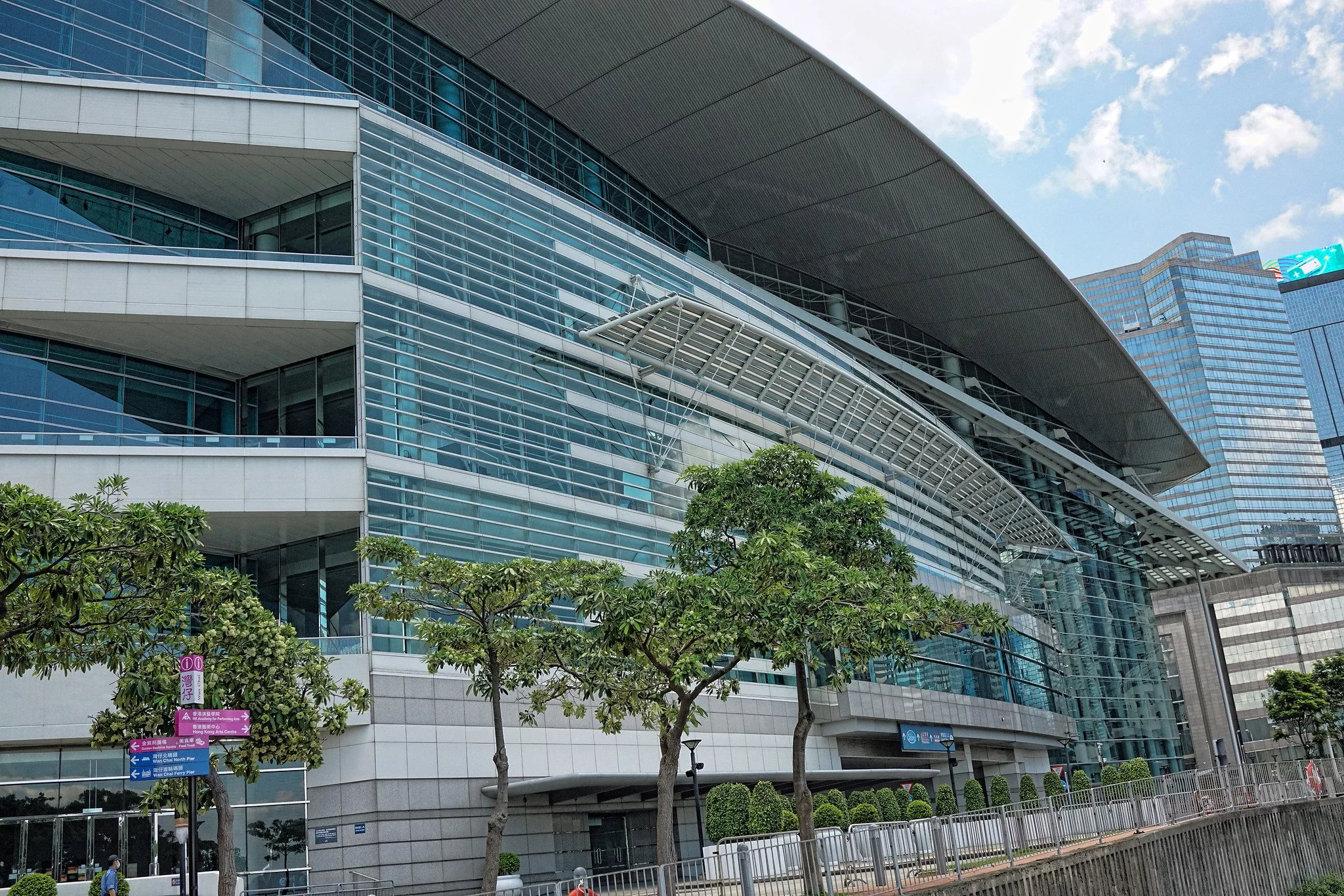
The Hong Kong Convention and Exhibition Centre - Overview
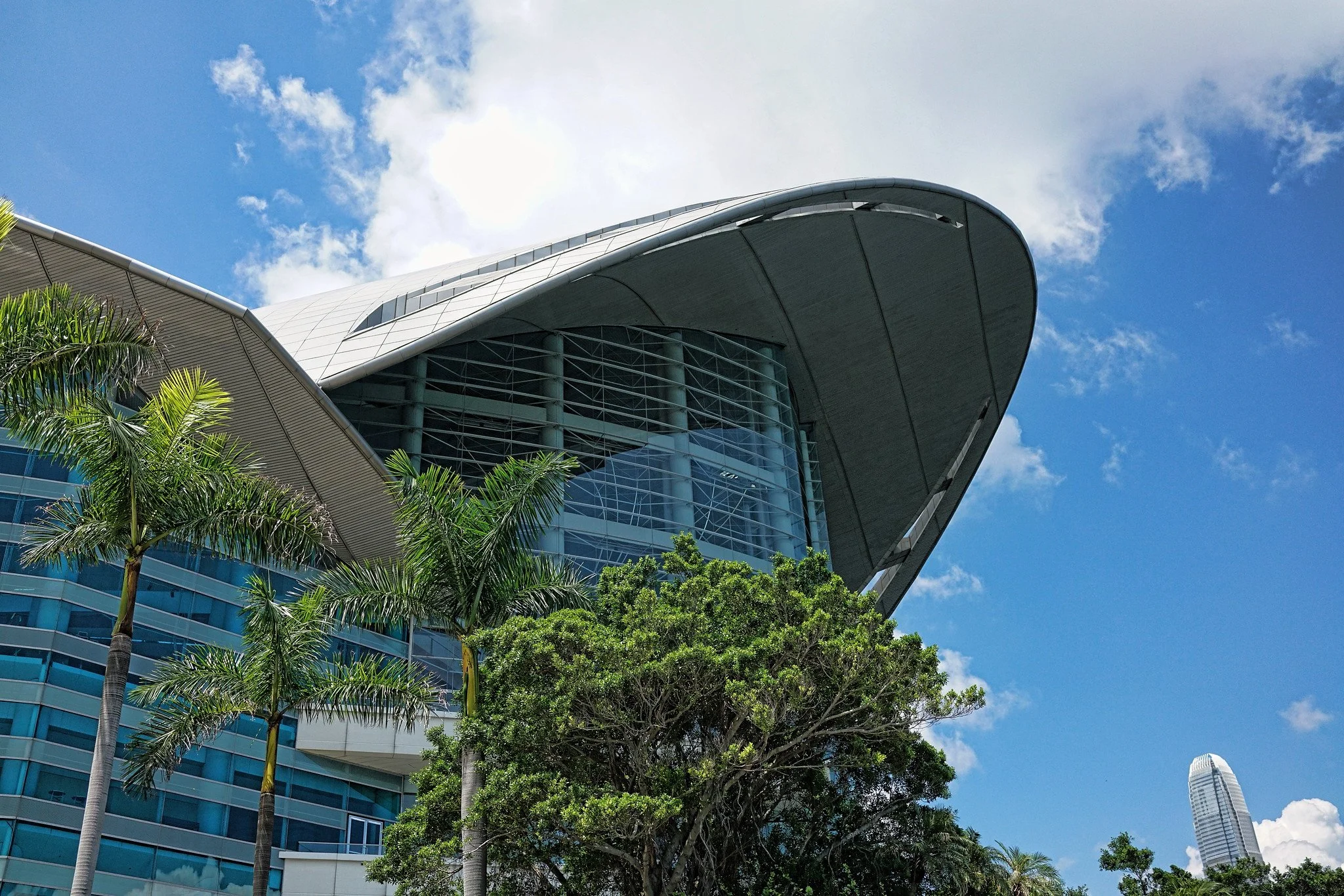
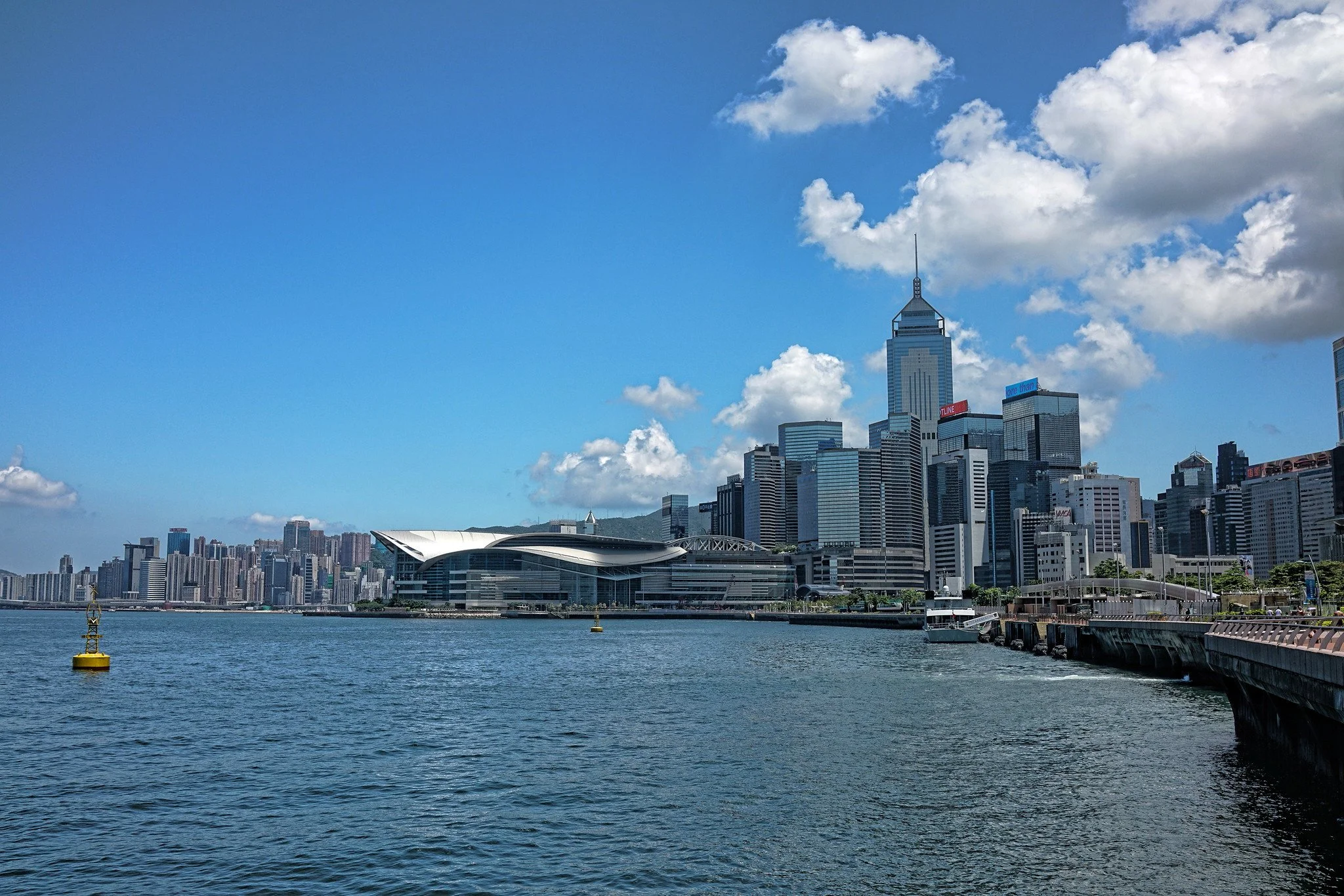
The HKCEC is one of Hong Kong's premier venues, located prominently on the Wan Chai North waterfront jutting into Victoria Harbour. Construction of the original wing began in 1985 and it opened in 1988. A major extension, completed just in time for the 1997 handover, doubled its capacity and provided the setting for the sovereignty transfer ceremony. Designed with a distinctive wave-like roof that evokes sails or wings, the centre blends functionality with iconic architecture.
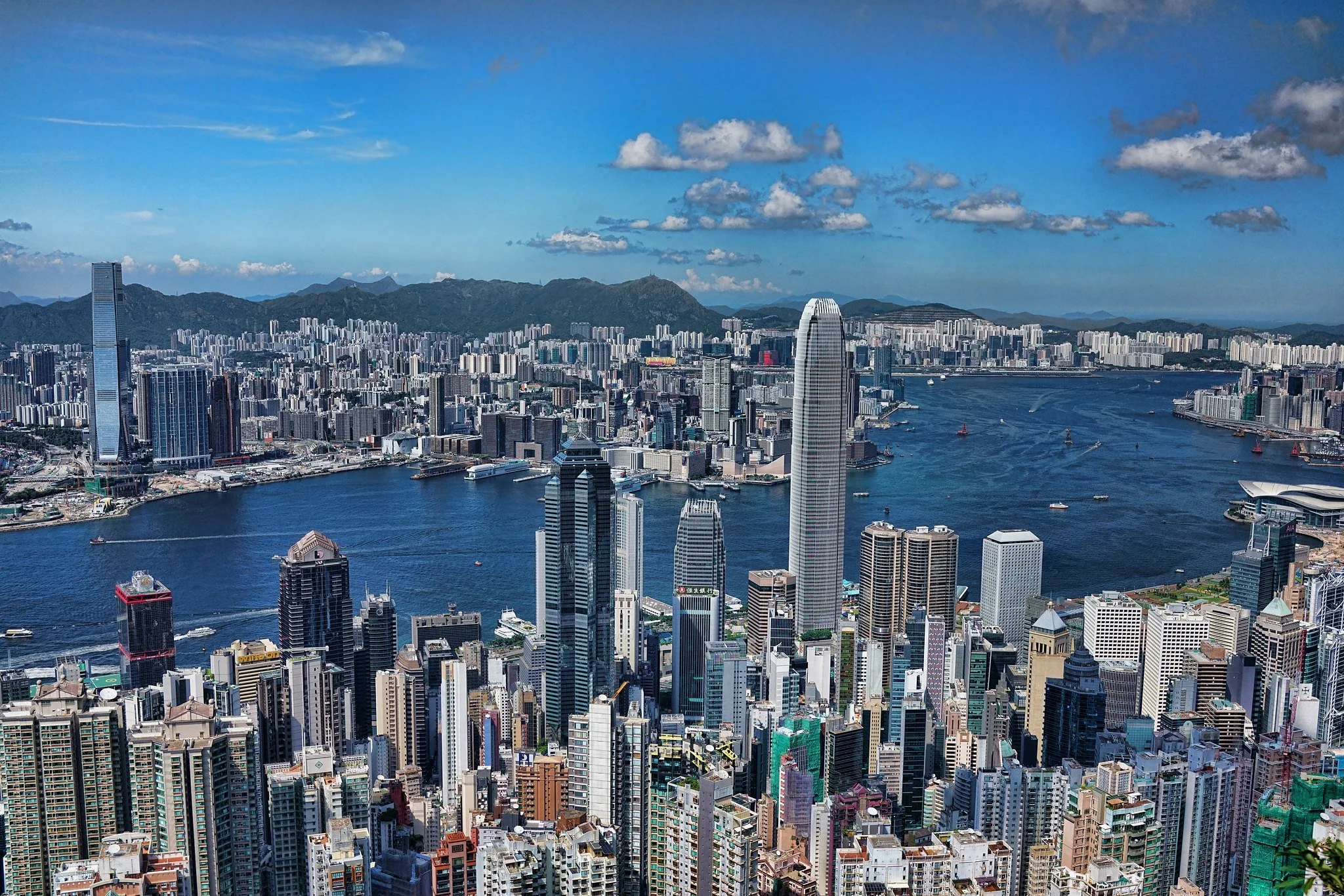
Whenever I view the HKCEC from Kowloon across the harbour or while riding on the Star Ferry, I always comment that it is the Hong Kong version of the Sydney Opera House. There is a definite similarity in the bold, curved white roof elements that rise dramatically against the skyline, giving it an instantly recognisable and almost sculptural presence on the waterfront. Whether this resemblance is intentional or simply my mind playing tricks after years of showing the sight to visitors, it remains one of my favourite visual comparisons. The building certainly holds its own as an iconic harbour landmark in much the same way.
It offers over 91,500 square metres of rentable space, including exhibition halls, convention halls, theatres, and numerous meeting rooms. Owned jointly by the Hong Kong Trade Development Council and the government, it hosts hundreds of events annually, from trade fairs to international conferences. The venue connects via covered walkways to hotels like the Grand Hyatt, making it convenient for business travellers. Its harbourfront location provides stunning views if you can be bothered to walk there from your Hotel.
Usage for Official Events in Hong Kong
The government frequently uses Golden Bauhinia Square for national celebrations, flag ceremonies, and public events. It serves as a backdrop for fireworks, official visits, and commemorations. The open promenade design accommodates crowds safely while offering harbour views, making it ideal for large-scale gatherings. During major anniversaries, the area transforms into a vibrant hub, though access can be restricted for security during high-profile occasions. (which has happened quite a few times)
Suggestions and Out-of-Left-Field Thoughts
Improving signage and shuttle options from nearby MTR stations could encourage more foreign visitors. A small on-site exhibition detailing the handover timeline, with bilingual panels, would add depth. Pairing visits here with a harbour cruise or a stop at nearby Causeway Bay might make the journey more worthwhile. Thoughtfully, the site could host more mixed cultural events to broaden its appeal beyond patriotic symbolism.
An out-of-left-field observation: the golden statue's local nickname as "Golden Pak Choi" (a playful reference to its leafy shape resembling Chinese cabbage) highlights how Hong Kong people often inject humour into solemn symbols. It reminds us that landmarks evolve in public memory beyond official intent or in English, they become a target for rude nicknames!
So there you go
Jamie’s Hong Kong Insider Chat
AI Itinerary Rescue Service - Bring your AI-generated plan (or any self-designed itinerary) and I will spend the full two hours reviewing it with you. I’ll fix the impossible timings, suggest smarter routing, add interesting places that AI never finds, adjust for your group’s energy levels, and create a realistic, enjoyable day-by-day flow that actually works in real Hong Kong. Most guests leave saying “This is exactly what we needed”
I do not do Food Tours in Hong Kong but I know people that do!
I do not do food tours as mentioned above, I have very specific reasons and part of it is that I do not speak Cantonese or write Chinese, I am from Yorkshire in England and I lack the language gene and it is not through lack of trying and yes a lot of restaurants do not have English menu’s or staff who speak conversational English.
.. and yet I have eaten at close to 1,400 restaurants in Hong Kong since January 2nd 1972, my wife was born in Hong Kong and we have been together over 40 years and her first language is Cantonese and a lot of her family are Chinese or half Chinese so I have never had much of an issue!
This does not translate to doing food tours though, yes, I could do them, no problem there but they would never ever be as good as the food tours done by my friends (see the 3 links above) most of their awesome guides are locally born Hong Kong Chinese and obviously food culture is part of their DNA, it is impossible for me to compete with that!
So please feel free to contact them for food tours
I do not do Hiking Tours in Hong Kong but I know someone that does!
I do not do Hiking Tours, never have and never will even though I used to go Hiking a lot when I was a lot younger, The Hong Kong Government is promoting hiking tours so I urge you to contact my friend Sabrina at Hong Kong Trails and Tours, she is a long time Hong Kong resident and and a very experienced hiker with close to 700 Hikes in 15+ years under her belt, please click on the link below
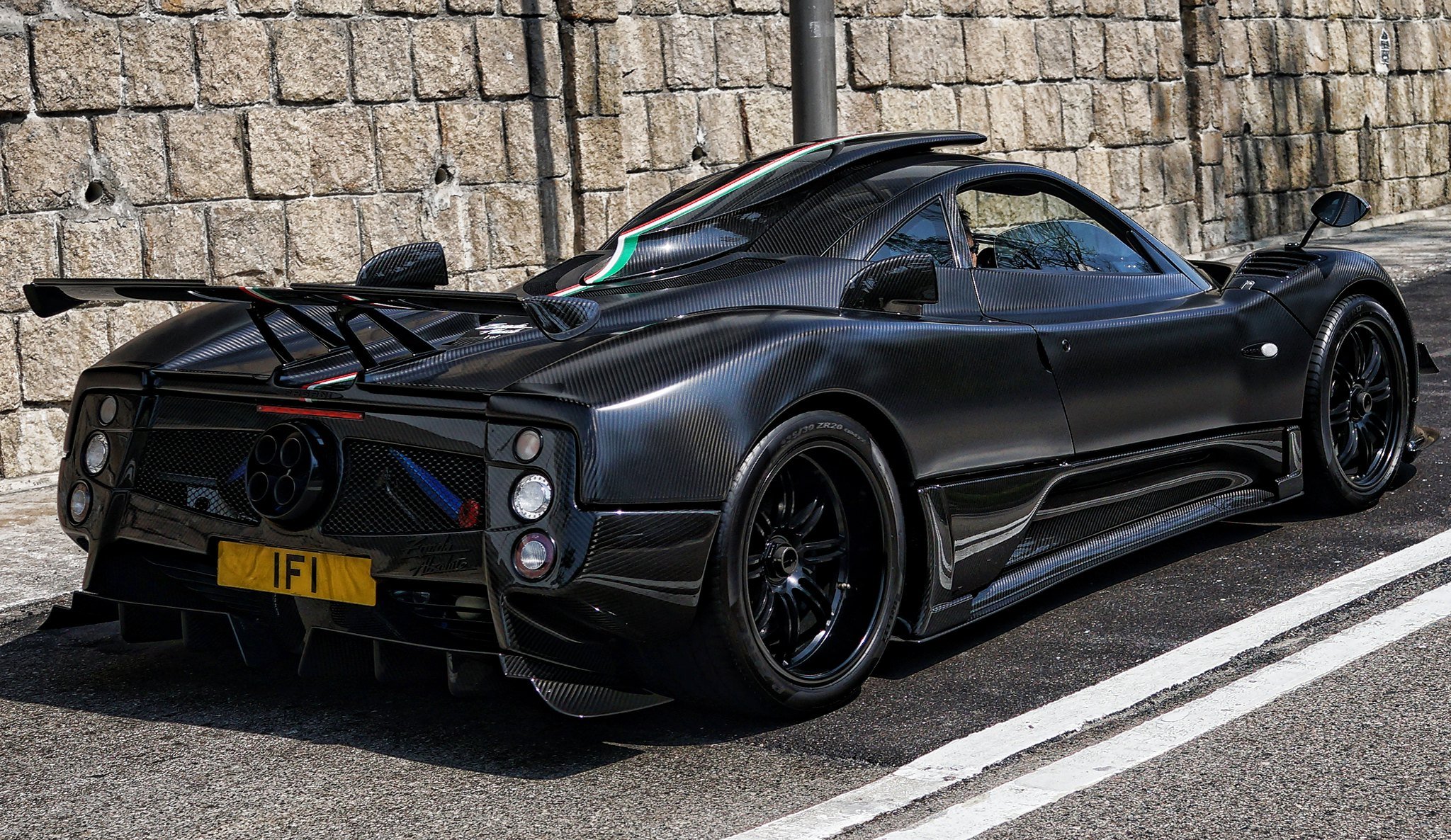
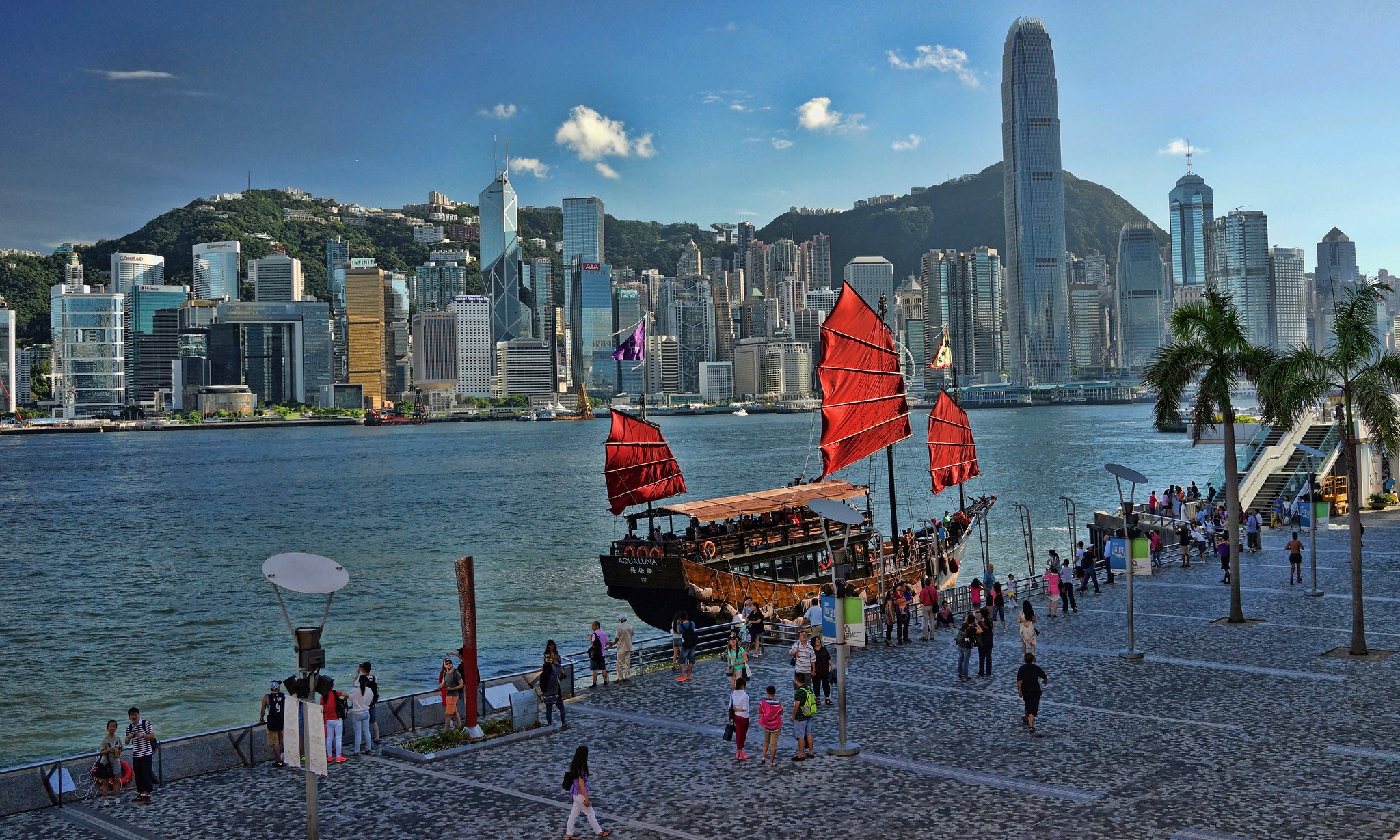
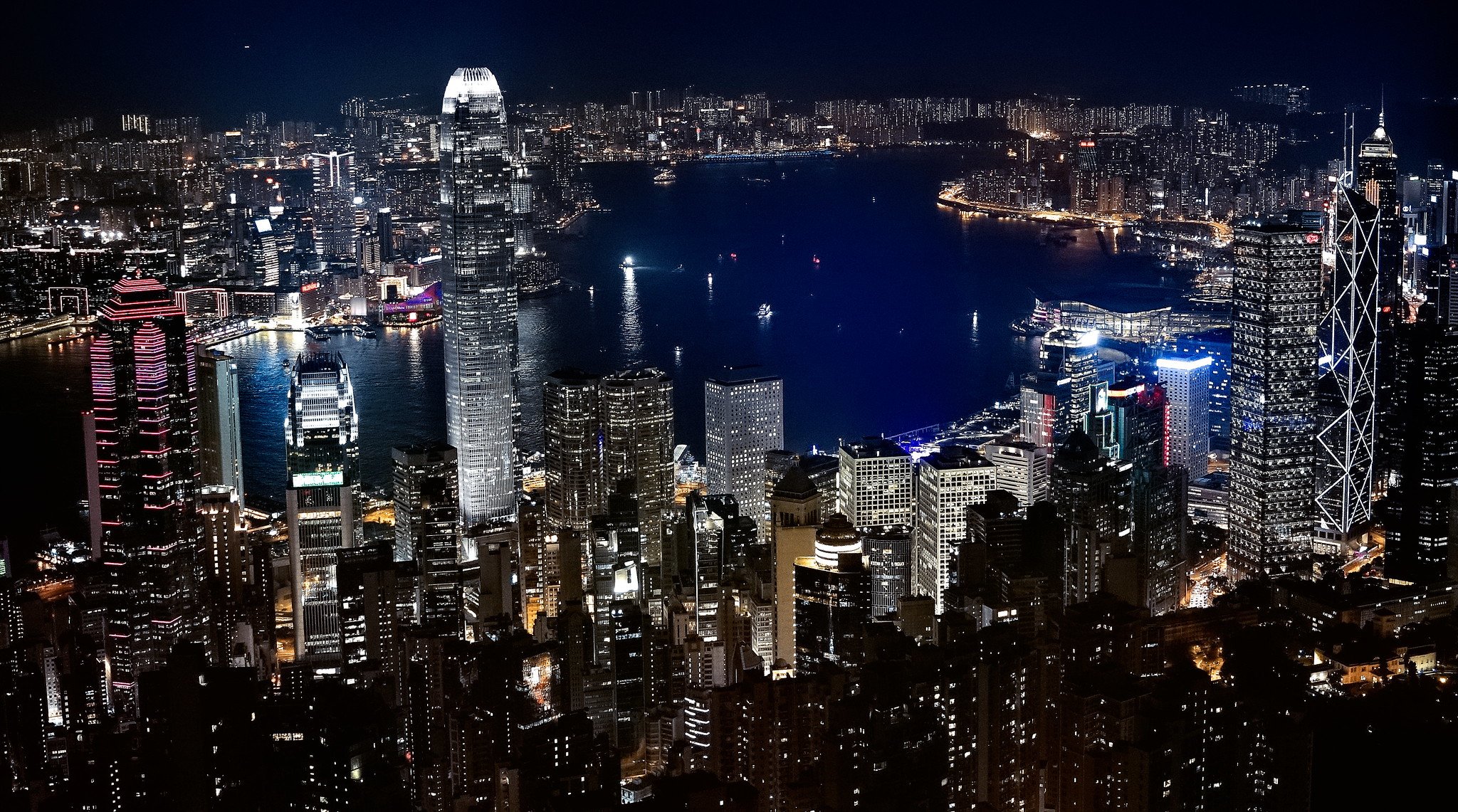
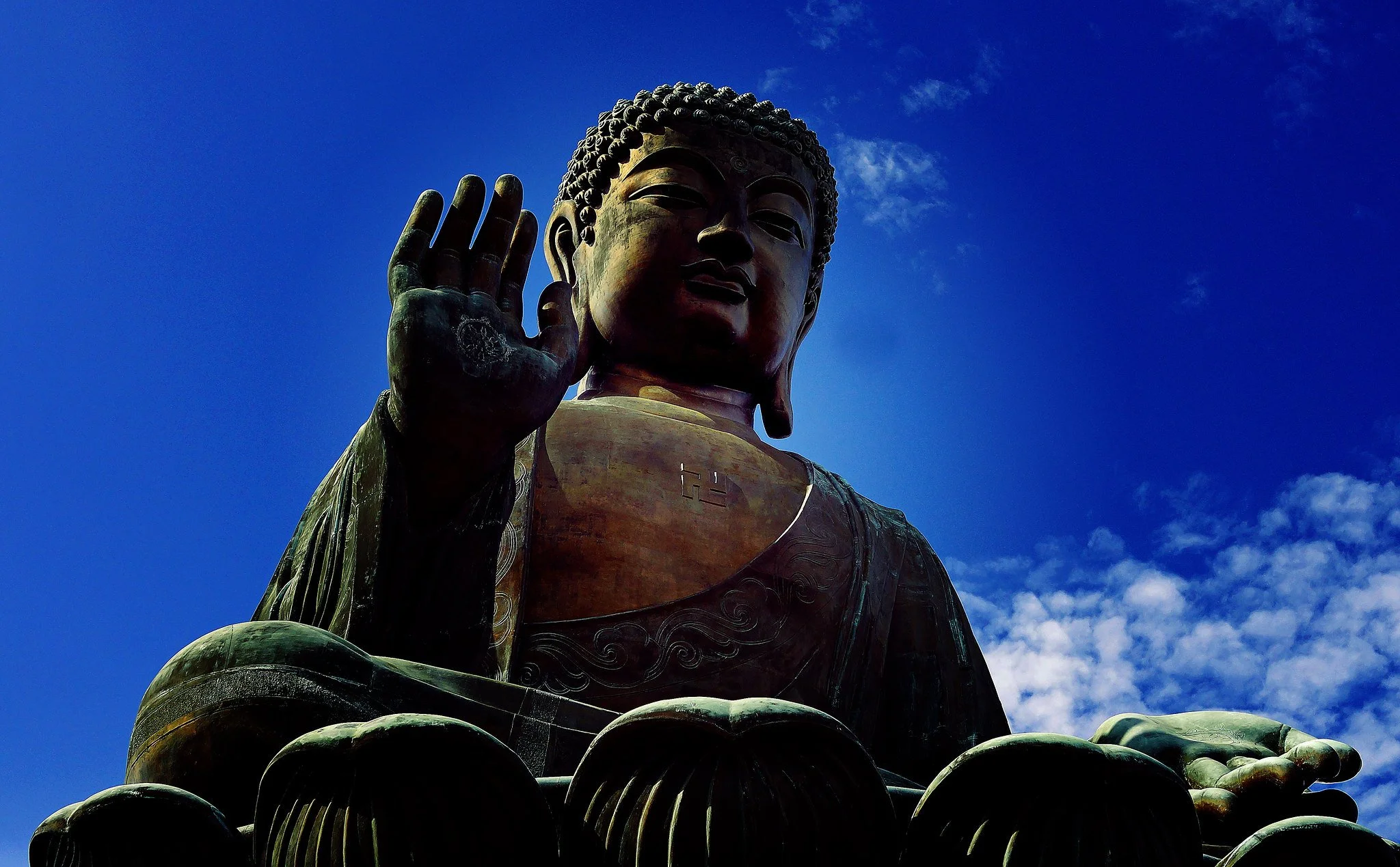
click on any image to enlarge
© Copyright Acknowledged | All rights reserved | all images taken b Jamie
Jamie’s Hong Kong | Some of my favourite images | Hong Kong 101
© Jamie Lloyd | J3 Consultants Hong Kong | J3 Private Tours Hong Kong |
| 2010 - 2026 All rights reserved. |
Click on any image to enlarge to full screen
Current images from my Instagram feed