Mui Wo | Silvermine Bay Hong Kong Rediscovered after 9 years
Buffalo, Temples, New Bus Terminus Mui Wo’s Slow Evolution in Hong Kong

The J3 Group - Premium Quality Private Tours | Experiences and Insider Chats since 2010
Me Jamie, your host, I am English and I have lived in Hong Kong since January 2nd 1972 - I know the place.
A meaningful blog post with a difference - tips on Travel, Tourism, Tours, Daily Life and my personal thoughts on Hong Kong.
Please do visit Amazing Hong Kong
Hong Kong | Pearl of the Orient
Customised Private Tours + Experiences in Amazing Hong Kong
Jamie has lived in Hong Kong - Pearl of the Orient for 50+ years
Carefully Crafted Personalised and Customised Itineraries by Jamie | Hong Kong’s Most Experienced Private Tour Guide for : Solo Travellers Friends Families Seniors Couples Business People MICE Delegates.
Private Tours Cultural Tours Walking Tours Sightseeing Tours City Tours Night Tours Layover Tours Transit Tours Private Shore Excursions Bespoke Tours Personalised Tours Jewish Heritage Tours Luxury Private Tours Day Tours Luxury Boat Tours Themed Tours Private Family Tours Private Day Tours Corporate Tours
Just you, your family or friends and Jamie your personal English private tour guide - over 2,400+ tours completed since 2011 - Jamie offers quality Private Tours of Hong Kong
Tour Group Size 1 - 6 people only
J3 Group Hong Kong | J3 Consultants Hong Kong | J3 Private Tours Hong Kong
Creating Memories That Will Last A Lifetime
Go here for the Hong Kong Michelin Restaurant Guide which includes the Bib Gourmand Category

A Resident since 1972 - Private Tours of Hong Kong with Jamie
The Best Things to do in Hong Kong
click on the image to enlarge
© Copyright Acknowledged | All rights reserved | image taken by Jamie
The Mui Wo Ferry | To Lantau Island from Central | Hong Kong
Foreword
Mui Wo, or Silvermine Bay as it was long known, sits quietly on the eastern coast of Lantau Island, serving for generations as the unhurried gateway to the island’s southern and western reaches. For many years it was simply the place where you stepped off the ferry from Central, walked two minutes to the bus exchange, and continued to Tai O, the Big Buddha at Ngong Ping, or Tung Chung, to be honest it was pretty sleepy nut at the same time it was always a plan b place to get to the major attractions on Lantau Island, The Big Buddha, Po Lin Monastery, NP 360 Cable Car and the Tai O Fishing Village
It never shouted for attention. It offered a pleasant beach, a handful of temples, some old village lanes, and that distinctive Lantau sense of space and green. After 9 years away since my last visit in June 2017, it seemed time to see how this largely overlooked corner has fared amid the broader changes sweeping Lantau.
What emerges is a place still rooted in its historic past yet quietly evolving. The ferry ride remains one of Hong Kong’s most agreeable short sea journeys. The beaches and trails still deliver that restorative calm. Yet around the pier itself, major improvement works have reshaped the immediate arrival experience, and the bus terminus has moved. The core character – sleepy, authentic, slightly time-worn - has not vanished. It has simply acquired a few new layers.
I was made recently aware that the new bus terminal has been actually operating for a year now so I plan to go there in the next month with my camera to document the changes.
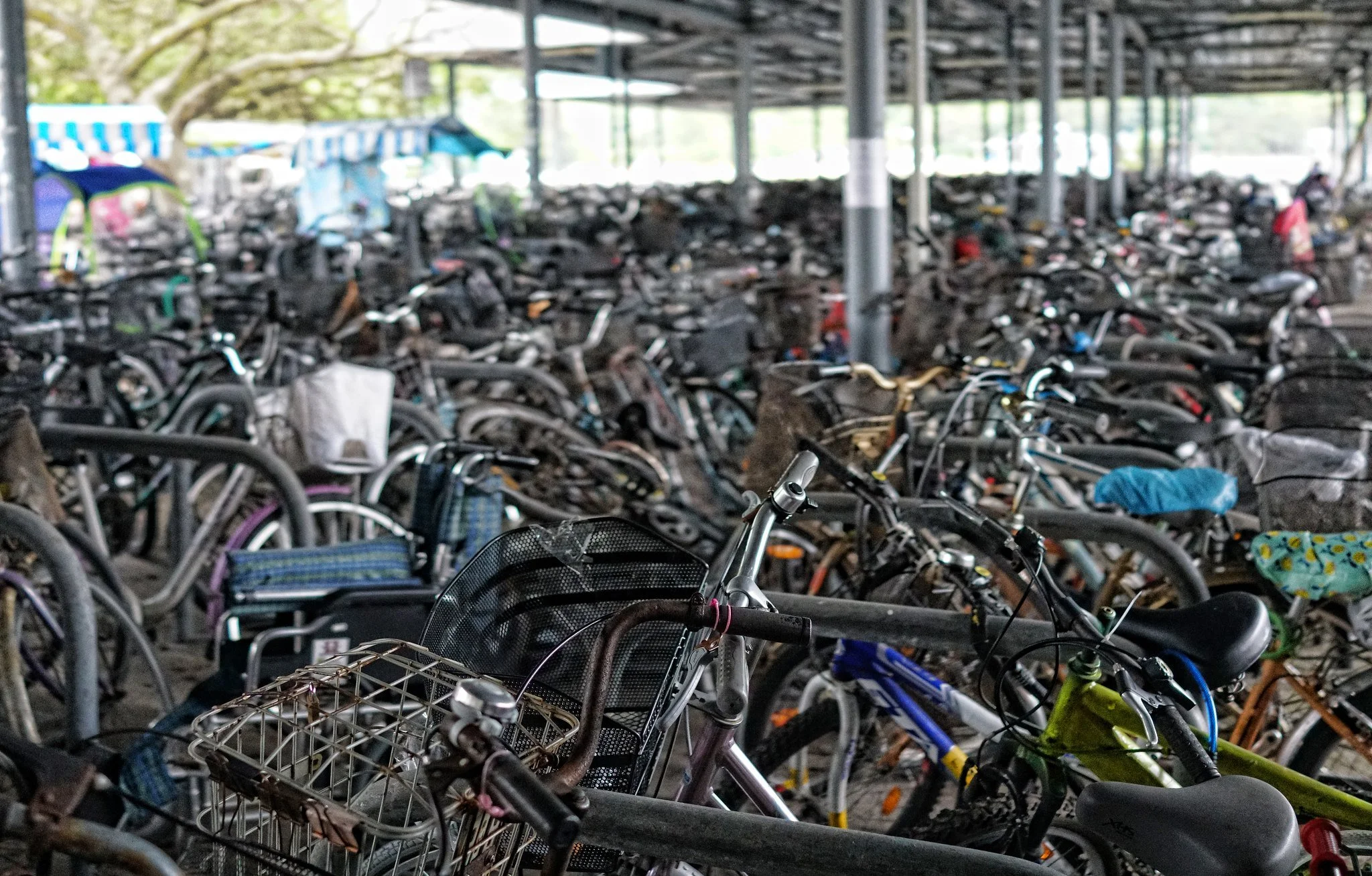
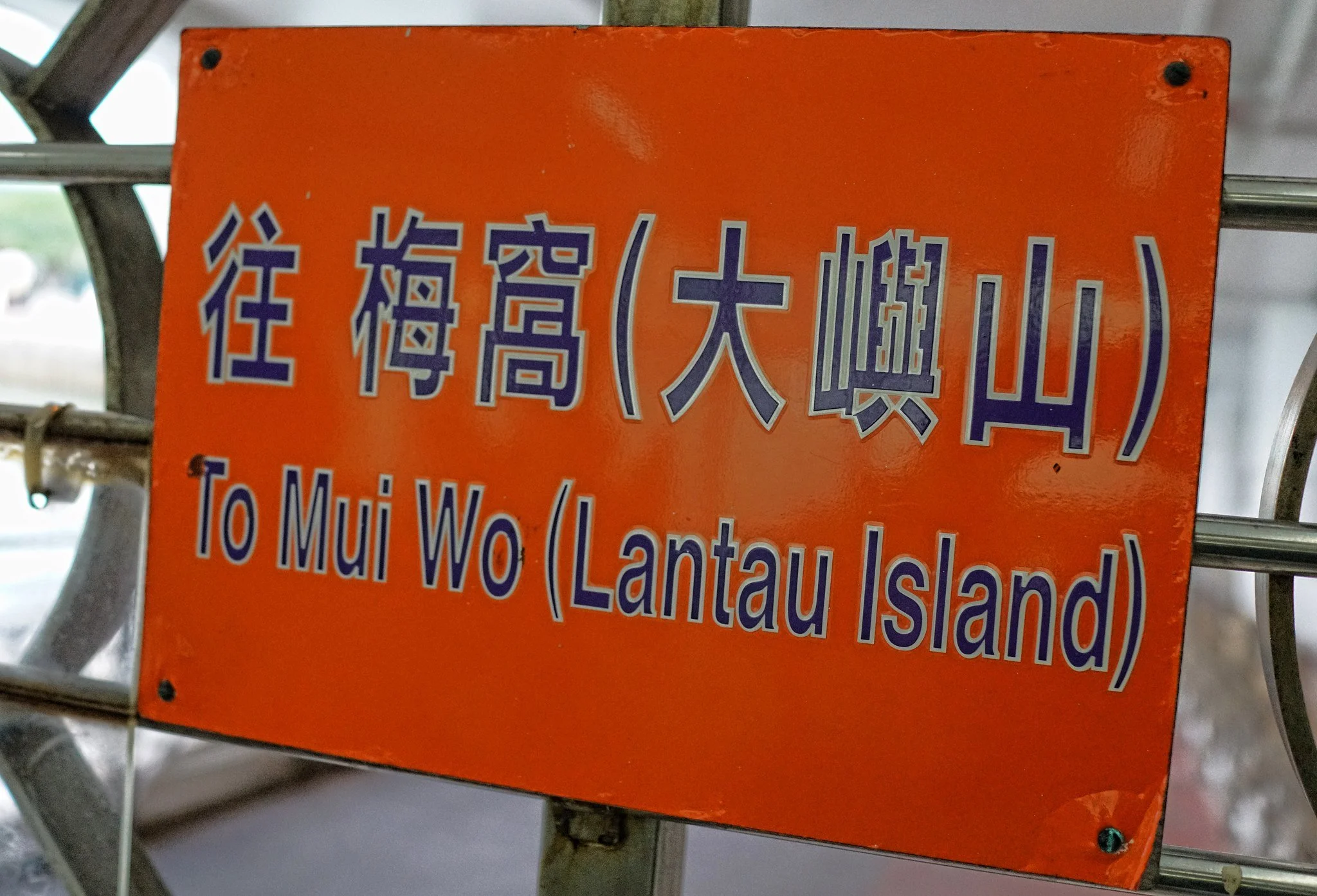
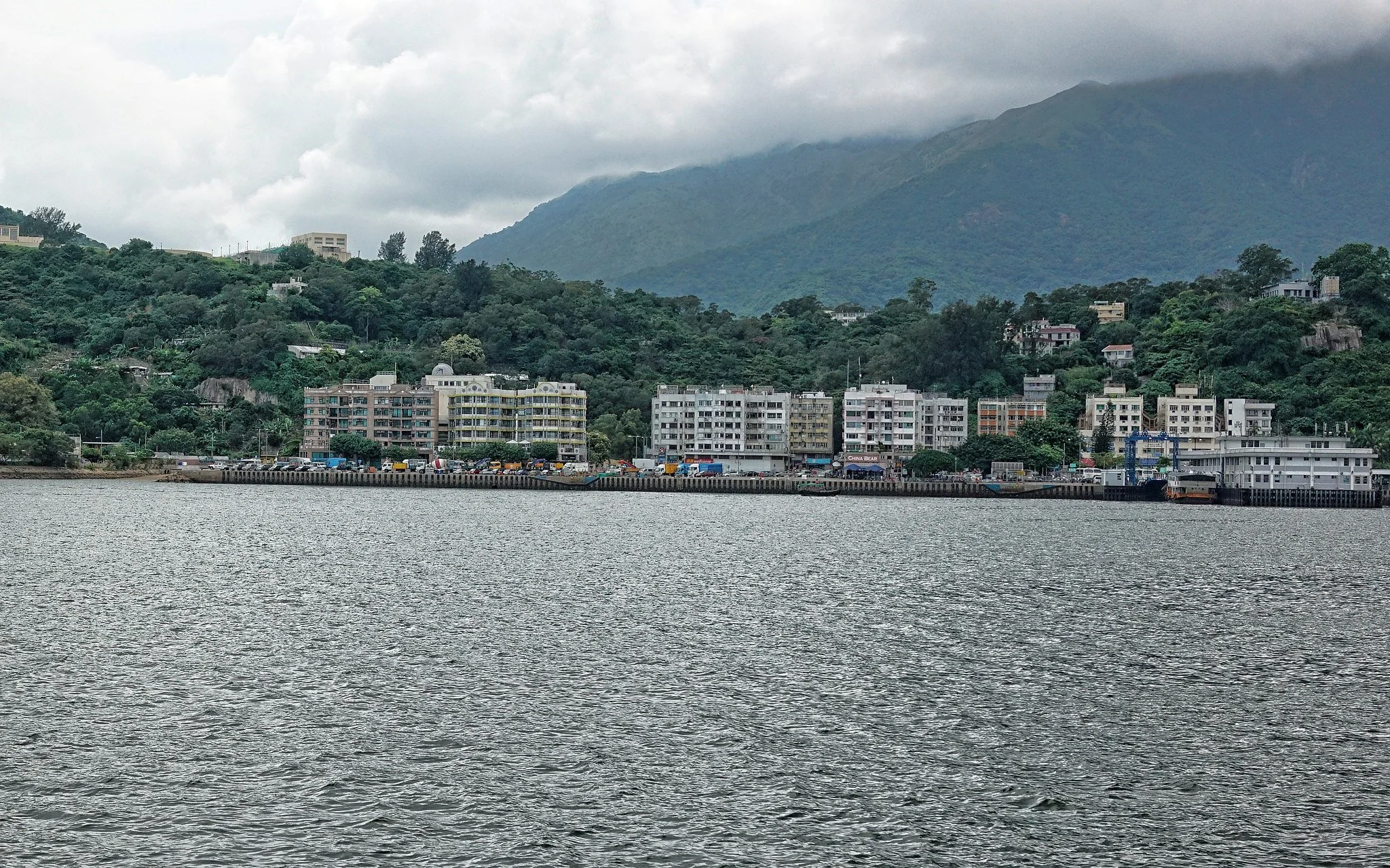
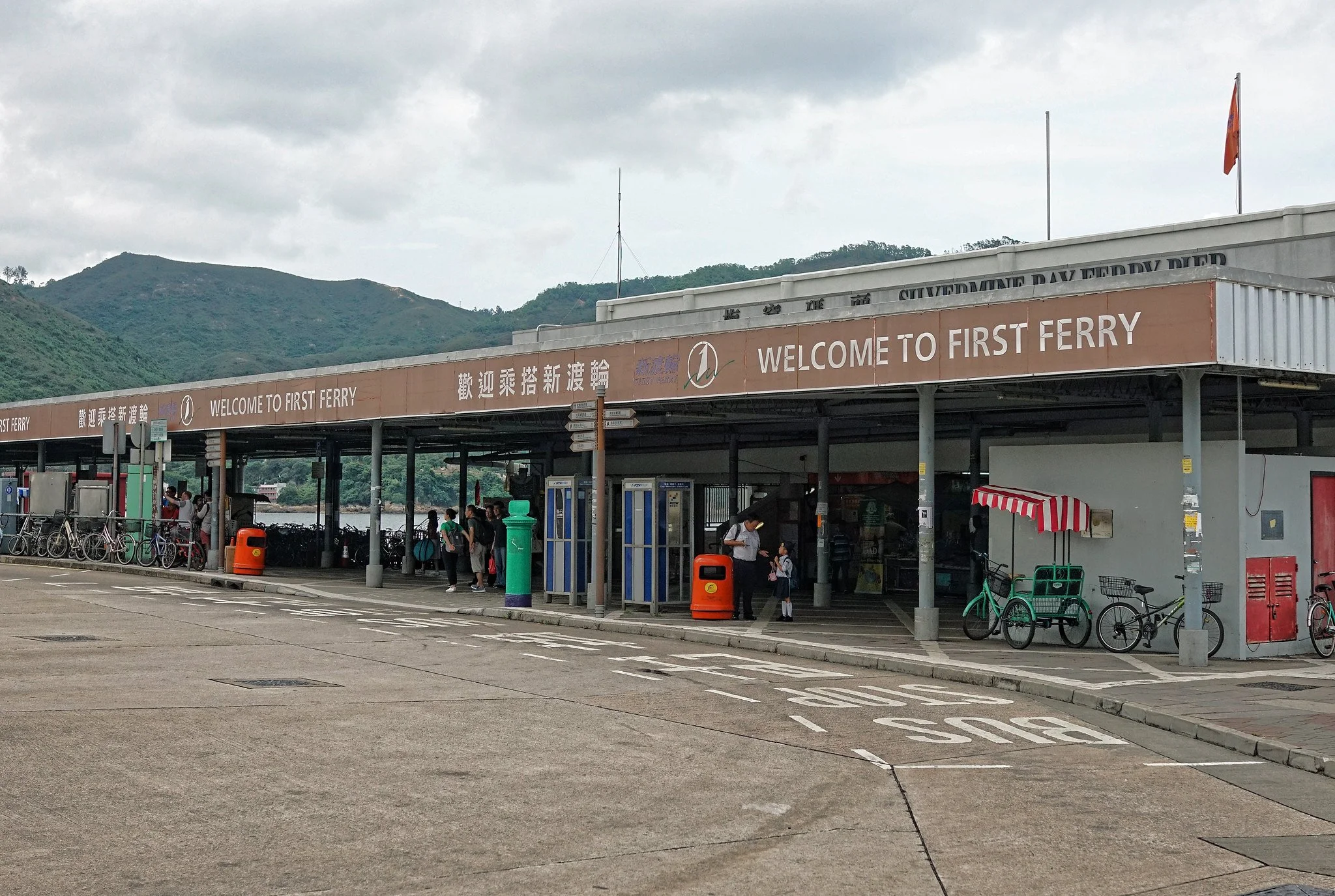
click on any image to enlarge
© Copyright Acknowledged | All rights reserved | images taken by Jamie
Mui Wo Village | Lantau Island | Hong Kong
The Storied Past of Mui Wo on Lantau Island Hong Kong
The recorded history of Mui Wo reaches back to the final days of the Southern Song dynasty. In 1277, as Mongol forces pressed south, the imperial court sought refuge in the area then known as Mei Yu or Silvermine Bay. The penultimate emperor, Duanzong, is traditionally linked with the locality; he fell ill after a dramatic escape by sea and died in the region a few months later. His successor was enthroned at Mui Wo on 10 May 1278. Few places in Hong Kong carry such a direct, if poignant, connection to the empire’s last stand. (and to honest I had never really delved into the history, for me it was a transport hub)
By the nineteenth century the valley had developed into six villages settled by established clans after the lifting of the coastal evacuation order in 1669. Small-scale silver and lead mining (primarily galena) began in the hillsides. The most significant operations opened in 1886 and ran until the early twentieth century, briefly elevating this quiet backwater to one of the more notable mining sites in southern China at the time. The name Silvermine Bay stuck long after the mine closed.
The twentieth century brought quieter rhythms -– farming, fishing, and the vital ferry link that made Mui Wo the natural entry point for much of south Lantau. During the Japanese occupation there were dark episodes, including reported atrocities in August 1945. Post-war, the settlement remained essentially rural, its temples and village houses anchoring daily life while the ferry pier became the practical heart of the community.
A Small Community by the Sea
Mui Wo has always been a modest place. The 2011 Population Census recorded just 5,485 people living in Mui Wo and its immediate environs. Broader planning data for the Tai Ho and Mui Wo tertiary planning unit suggest a figure around 7,500–7,600 for the wider area in more recent years. Either way, this is a small, close-knit rural township rather than a burgeoning new town. Growth has been gentle compared with the explosive development at Tung Chung on the other side of Lantau Island. The community retains a genuine village feel, with feral water buffalo still roaming the wetlands and sometimes appearing near the beach and on the roads a living reminder of a more rural Lantau that is increasingly rare.
Getting There: The Ferry from Central District on Hong Kong Island to Mui Wo
The classic approach remains the ferry from Central Pier No. 6, operated by Sun Ferry. The journey takes approximately 50–55 minutes on the ordinary ferry or 35–40 minutes on the fast ferry. Sailings run from early morning (around 03:00 in some schedules) through to late evening, with reasonable frequency on both weekdays and weekends, I always take the slow ferry as it suc a great ferry ride
Fares are modest. Ordinary ferry adult tickets typically range from around HK$17 to HK$25 one way (approximately US$2.20–3.20), depending on the day of the week and whether it is a standard or holiday sailing. Fast ferry services command a premium, often HK$33 - 48 (approximately US$4.20–6.15). Child, elderly, and disability concessions apply, and there are monthly and multi-ride options for regular travellers. The crossing itself is usually smooth and scenic, offering fine views back towards the harbour and forward to Lantau’s green hills. It remains one of the most civilised ways to leave the city behind.
Navigating the Changes: Ferry Pier, Ongoing Construction, and Bus Services
The area around the ferry pier has undergone significant and ongoing transformation. Improvement works led by the Civil Engineering and Development Department have been progressing in phases since 2014. Phase 2 Stage 2, the most substantial recent chapter, began in May 2023 and is expected to continue for roughly four-and-a-half years overall, so some construction is ongoing, however the important part, the new bus terminal is open
Key elements include a new two-storey joint-user building north of the pier to house the reprovisioned cooked food market, dry goods stalls, public toilets, refuse collection point, and cycle parking. There is also an entrance plaza of about 1,700 square metres, realignment of sections of Mui Wo Ferry Pier Road, extension of car parking, and a new waterfront promenade. Trees have been preserved or transplanted where feasible. The works have inevitably created periods of disruption, dust, and changed layouts, but the intent is to deliver better public facilities and a more coherent waterfront experience.
Most relevant for returning visitors: the bus terminus has been relocated. The new Mui Wo Bus Terminus commenced operation at 10:45 a.m. on 28 July 2025. It is now integrated with the upgraded pier facilities, positioned near the new entrance plaza and the joint-user building. While it is no longer quite the literal 2-minute step-off-the-ferry experience it once was, it remains very close - a short, straightforward walk. The three principal routes continue to serve the key destinations:
NLB Route 1 to the Tai O Fishing Village
NLB Route 2 to Ngong Ping (Big Buddha, The Po Lin Moastery and the NP 360 cable car)
NLB Route 3M to Tung Chung - major transport hub and links to the MTR (Subway) back to civilisation
Service patterns remain reliable for day trips. The relocation was a practical necessity to allow the broader facelift to proceed, and the new arrangement ultimately feel more organised despite some construction works still in progress
10 Interesting Things to Do at Mui Wo on Lantau Island
Mui Wo will never compete with the Big Buddha or the Tai O Fishing Village for headline attractions, and that is precisely part of its charm. Here are 10 worthwhile ways to spend time, ranging from the obvious to the quietly rewarding:
Silvermine Beach - The main beach remains a pleasant, sandy stretch backed by hills. It is suitable for swimming when water quality permits, sunbathing, or simply sitting with a book while the buffalo occasionally wander into view. It feels far more relaxed than the busier south Lantau beaches.
Man Mo Temple - The oldest temple in the area, dating to the Ming dynasty Wanli reign (1573–1620). Dedicated to the deities of literature and war, it offers a calm, atmospheric visit with traditional architecture and a genuine sense of local continuity.
Silvermine Waterfall and Cave - An easy and rewarding short hike leads to the main Silvermine Waterfall, which can be impressive after heavy rain, and the nearby Pearl Waterfall. Just above lies the entrance to the old Silver Mine Cave – tangible evidence of the nineteenth-century mining era that gave the bay its English name.
Feral water buffalo spotting - These gentle, free-roaming animals are one of Mui Wo’s unexpected delights. They graze in the wetlands, appear near the beach, and wander village edges. They represent a living link to Lantau’s rural past; observe from a respectful distance and yes it is quitr common to see them ambling down busy roads
Exploring the old villages - Wander the lanes of Pak Ngan Heung, Luk Tei Tong, Tai Tei Tong, and Chung Hau. Traditional clan houses, ancestral halls, and the striking Yuen’s Mansion (a graded historic building from the early-to-mid twentieth century) give a tangible sense of the layered settlement history.
Cycling the local paths - Bicycle rental is available near the pier area. The relatively flat terrain around the villages, beach, and lower trails makes for an enjoyable, unhurried ride. It is an excellent way to cover more ground and absorb the rural atmosphere and yes watch out for those darn cows
Hiking the ancient and scenic trails - Sections of the Tung Mui Ancient Trail follow the historic overland route between Tung Chung and Mui Wo. Shorter options lead to the waterfalls or connect toward Discovery Bay, offering a mix of history, greenery, and occasional sea views.
Visiting Yuk Hui Temple - Dedicated to Pak Tai, this temple adds another cultural dimension. It comes alive during festivals, particularly around Pak Tai’s birthday, when local celebrations bring colour and community energy.
Strolling the evolving waterfront - Once the construction phase matures, the new promenade, entrance plaza, and improved public spaces around the pier will offer a pleasant place to watch ferry arrivals, enjoy the sea air, and observe everyday local life at the reprovisioned market.
Relaxed dining and atmosphere - Whether at beachside spots, the new cooked food market facilities, or simple village eateries, Mui Wo rewards those who slow down. Fresh seafood, straightforward Cantonese fare, or just a cold drink with a view - the pleasure lies in the unhurried setting rather than gastronomic fireworks.
Even though it has been 9 years since my last visit I am sure there are still plenty of cafes, restaurants and shops
Reflections After Nearly a Decade Away
Mui Wo feels different, yet reassuringly familiar. The construction around the pier has undeniably altered the immediate arrival experience, and the relocated bus terminus requires a few extra steps. For anyone who treasured the old seamless ferry-to-bus flow, there may be a brief pang of nostalgia. However, the underlying character - the quiet beaches, the temples, the village lanes, the buffalo, the green hills - remains intact. The facelift appears to be addressing genuine long-standing shortcomings in public facilities without erasing the essential low-key charm.
It is still very much a “last resort” in the best sense: a place visitors pass through on the way to flashier Lantau Island attractions, yet one that repays lingering. For those seeking an authentic, uncrowded slice of Lantau - a contrast to the crowds at Ngong Ping or the malls at Tung Chung - Mui Wo continues to deliver. The imperial Song connection adds unexpected historical depth, the mining relics speak to an industrial past few associate with this green valley, and the feral buffalo provide a touch of wildness that feels increasingly precious.
The improvements, once complete, should make the area more comfortable for visitors and residents alike while (one hopes) preserving the sleepy, human-scale essence that has always defined it. Mid-week visits will likely feel closest to the Mui Wo of memory. The ferry ride is still a joy. The buses still run where they need to. And the invitation to slow down, walk a little, watch the water and such remains as strong as ever.
Out-of-left-field observations
Standing in Mui Wo and contemplating the 1278 enthronement brings a shiver - one of the very few places in Hong Kong where you can physically connect with the final chapter of the Song dynasty. The silver mine, though long closed, briefly placed this obscure valley on the economic map of late Qing southern China. And the buffalo? They are not merely picturesque; they are living heritage, a reminder that Lantau was, until relatively recently, a place of farms and fishing villages rather than cable cars and outlet malls.
Suggestions: Time a visit for late afternoon light on the beach and waterfall. Combine the ferry with a bus loop to Tai O for lunch and stilt-house wandering before returning. Photographers will find golden-hour magic at the beach or among the village lanes. History enthusiasts might enjoy piecing together the Song-era stories alongside the more visible temple and mining heritage. For those who enjoy gentle exploration without a rigid itinerary, Mui Wo still does the job, very, very well
click on the image to enlarge
© Copyright Acknowledged | All rights reserved | image taken by Jamie
The old bus terminal | Mui Wo on Lantau Island | Hong Kong
The location of the new bus terminal to replace the one in the image above
Yes, the attached image shows the old Mui Wo bus terminal layout from June 2017 - the classic covered bays right next to the ferry pier with clear signage for Routes 1 (Tai O), 2 (Ngong Ping), and 3M (Tung Chung), surrounded by residential blocks and greenery. It was indeed a very convenient two-minute walk.
Publicly available recent photographs of the fully completed new bus terminus (opened 28 July 2025) are surprisingly scarce as of mid-2026. The major improvement works (Phase 2 Stage 2) are still progressing toward full completion around late 2027/early 2028, so the area remains partially a construction zone in places, which may explain why clear "after" shots have not yet proliferated online. Most available visuals are either pre-construction photos, architectural renderings/plans, or aerial overviews of the broader pier area.
Here are the most relevant visuals
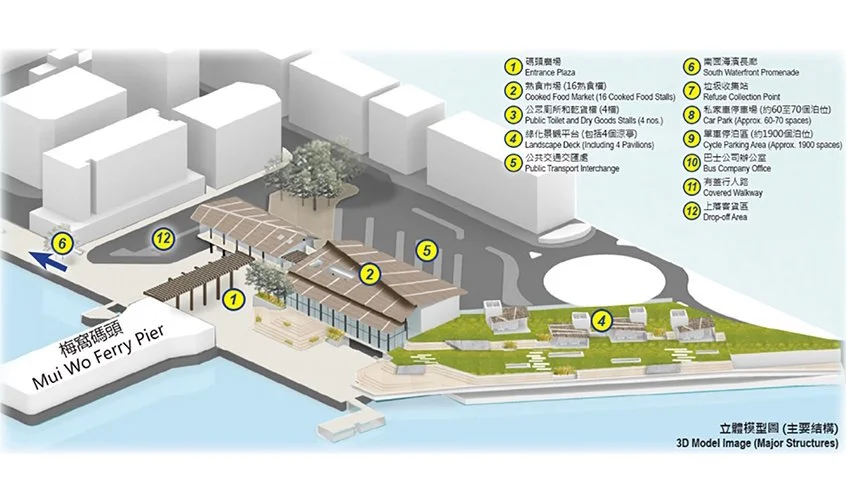
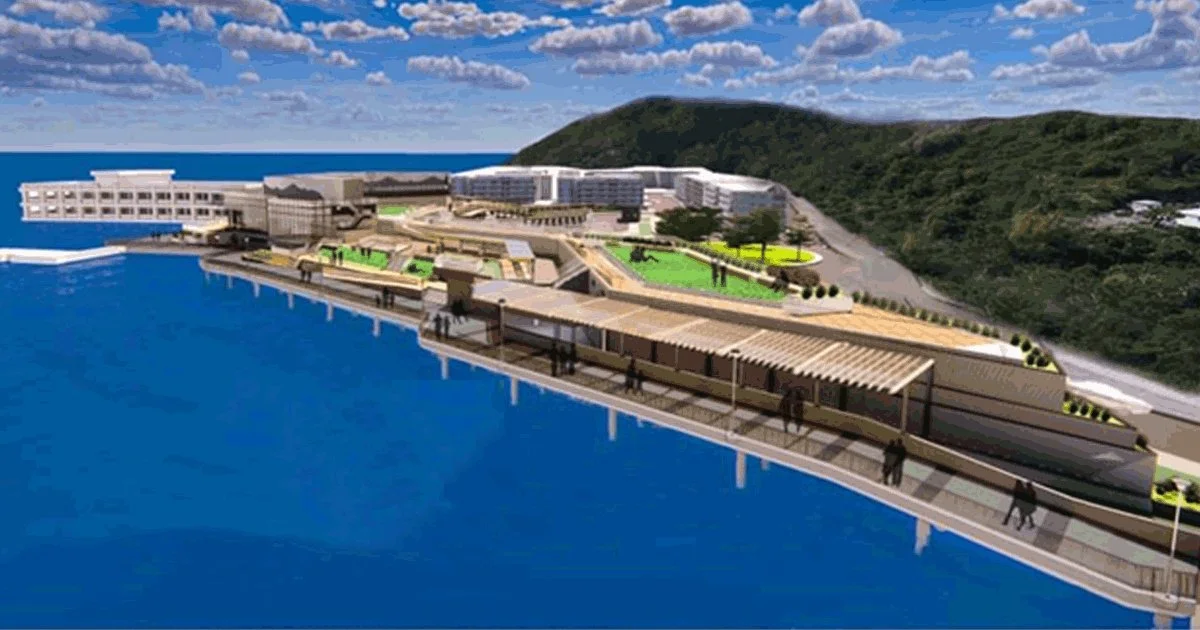
click on any image to enlarge
© Copyright Acknowledged | All rights reserved
The Mui Wo Ferry Pier | Upgrades almost complete | Hong Kong
Mui Wo Ferry Pier Upgrades and the new Bus Terminal Location
These are 3D architectural renderings of the planned redevelopment around the Mui Wo Ferry Pier (from around the 2023 project updates). They show the new two-storey joint-user building (housing the cooked food market, stalls, toilets, and cycle parking), the reprovisioned bus terminus bays integrated near the entrance plaza, waterfront promenade, and overall layout improvements. The new bus facilities are positioned slightly set back but still very close to the pier for convenience.
The new terminus is near the pier entrance plaza (west side) with realigned roads and added parking/cycle spaces.
Additional context from recent sources:
The new terminus features dedicated bays (e.g., southernmost near Mui Wo Centre for certain routes) and is part of the upgraded public transport interchange.
It is integrated with the new entrance plaza and joint-user building, so the overall arrival experience is more organised but no longer the ultra-immediate old setup.
Construction elements like tree transplantation and promenade works are visible in the wider area.
The new bus terminus is not relocated far away - (I am beeting it is just 2 - 5 minutes away from when you get off the ferry) it remains very much in the immediate vicinity of the Mui Wo Ferry Pier, integrated into the upgraded entrance plaza and public transport interchange area (primarily on the western/southern side near the pier entrance and the new joint-user building).
I am 100% sure that there will be large signs pointing you in the right direction
Quick comparison:
Original (your 2017 photo): The covered bays were right alongside the pier exit, extremely convenient for a 1–2 minute walk.
New layout: The terminus has been reprovisioned as part of the broader facelift. Key elements include:
Dedicated bus bays near the new entrance plaza (west of the main pier entrance).
Closer integration with the two-storey joint-user building (north of the pier, housing the cooked food market, toilets, stalls, and cycle parking).
Realignment of Mui Wo Ferry Pier Road and added public spaces.
It is still only a short stroll (likely 2–5 minutes max, depending on exactly where you disembark) from the ferry. The goal of the redesign was better flow, more amenities, and less congestion in the old spot rather than moving the whole operation elsewhere. Once the works wrap up, it should feel seamless again, just more modern and organised.
If you compare the 3D renderings I shared earlier to my old photo, the pier itself is the anchor point, with the new facilities wrapping around it in a more structured way. No dramatic shift to a distant car park or anything like that.
So there you go
Jamie’s Hong Kong Insider Chat
Ready to turn your plans into a far more enjoyable reality? Click the yellow button below to learn more about Jamie’s Hong Kong Insider Chat, check pricing and book a convenient time
I do not do Food Tours in Hong Kong but I know people that do!
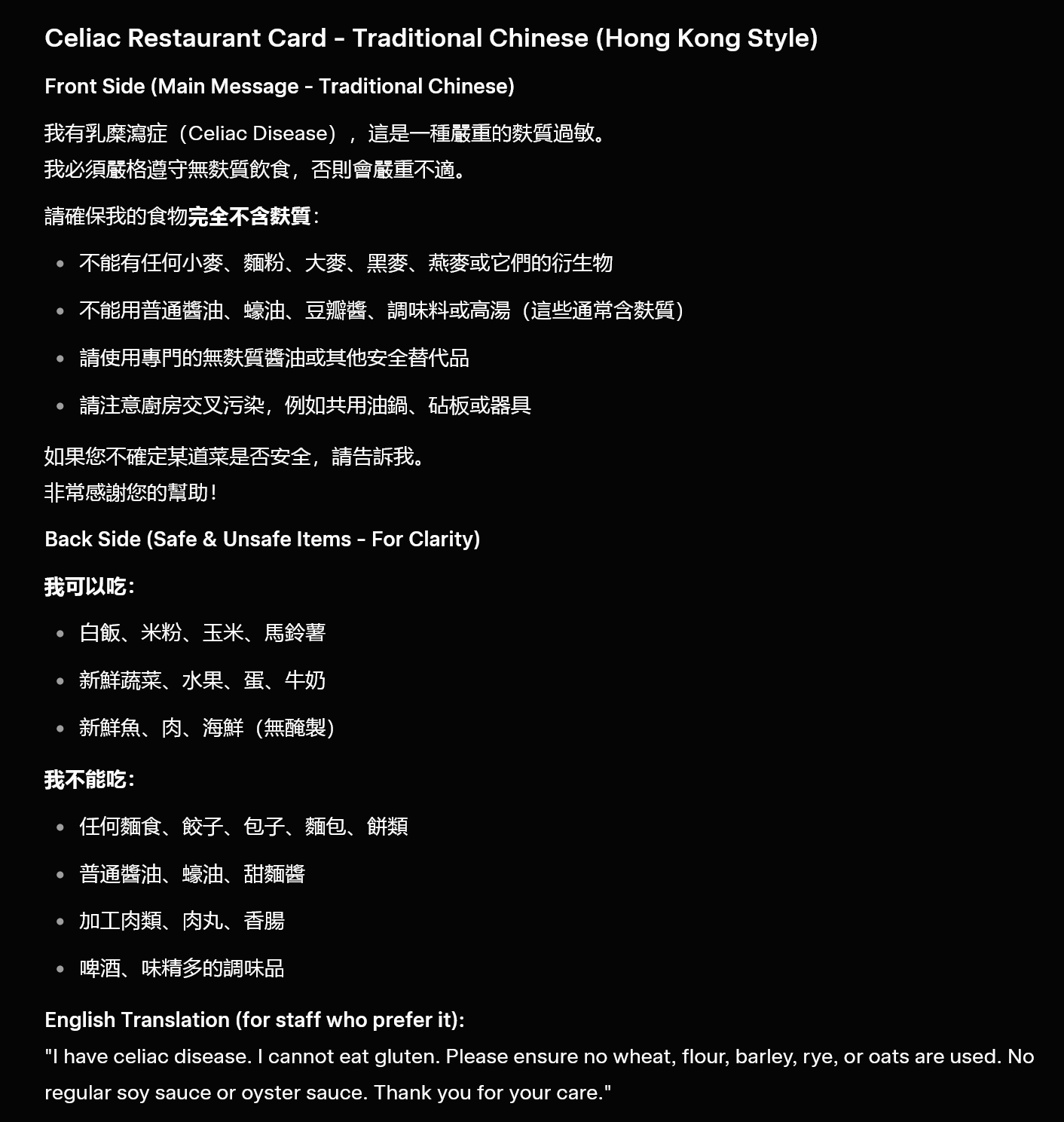
click on any image to enlarge
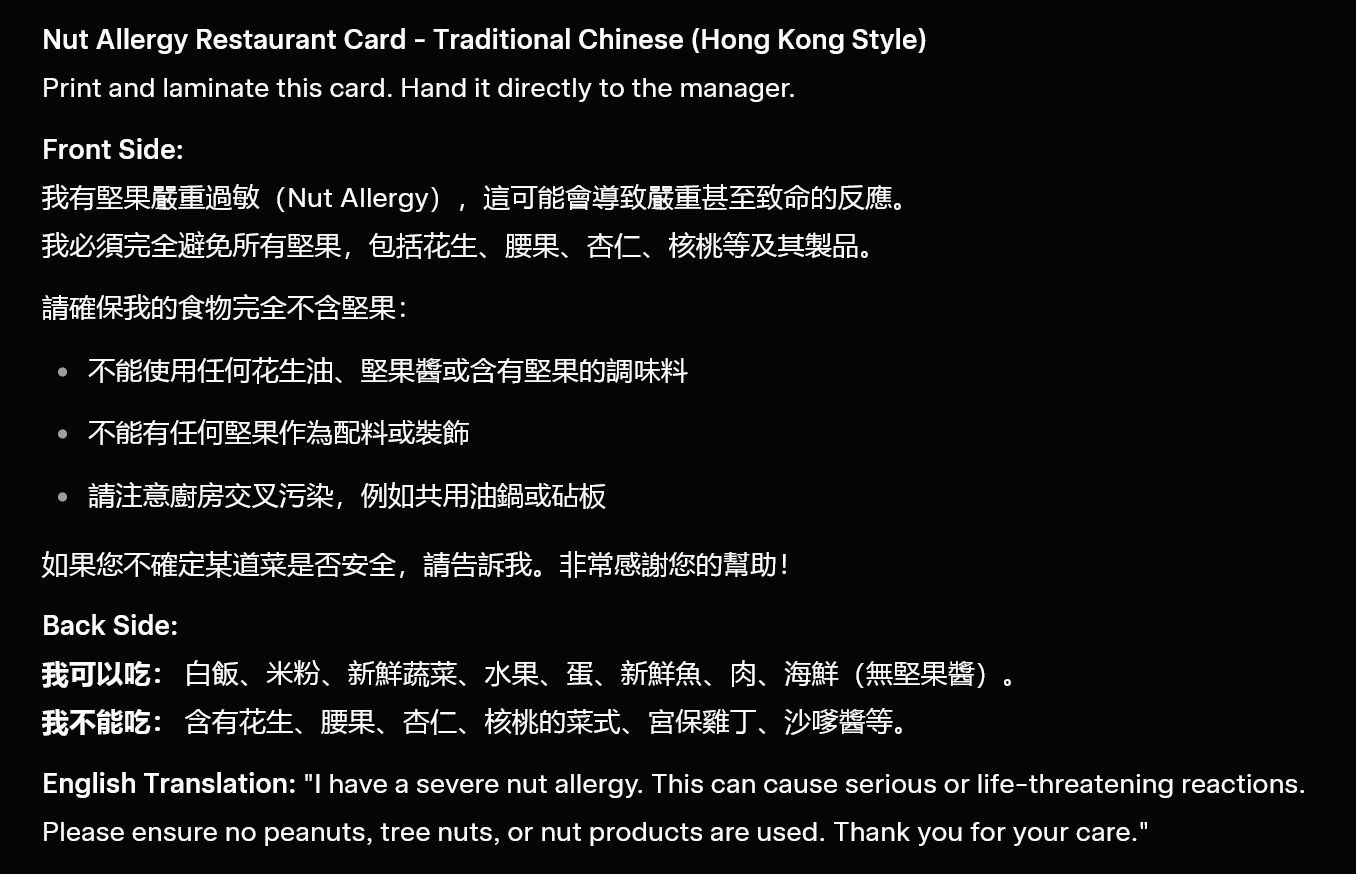
The information above can be shown to restaurant managers in Hong Kong if you are intolerant to gluten and nuts,
I do not do food tours as mentioned above, I have very specific reasons and part of it is that I do not speak Cantonese or write Chinese, I am from Yorkshire in England and I lack the language gene and it is not through lack of trying and yes a lot of restaurants do not have English menu’s or staff who speak conversational English.
.. and yet I have eaten at close to 1,400 restaurants in Hong Kong since January 2nd 1972, my wife was born in Hong Kong and we have been together over 40 years and her first language is Cantonese and a lot of her family are Chinese or half Chinese so I have never had much of an issue!
This does not translate to doing food tours though, yes, I could do them, no problem there but they would never ever be as good as the food tours done by my friends (see the 3 links above) most of their awesome guides are locally born Hong Kong Chinese and obviously food culture is part of their DNA, it is impossible for me to compete with that!
So please feel free to contact them for food tours
I do not do Hiking Tours in Hong Kong but I know someone that does!
I do not do Hiking Tours, never have and never will even though I used to go Hiking a lot when I was a lot younger, The Hong Kong Government is promoting hiking tours so I urge you to contact my friend Sabrina at Hong Kong Trails and Tours, she is a long time Hong Kong resident and and a very experienced hiker with close to 700 Hikes in 15+ years under her belt, please click on the link below

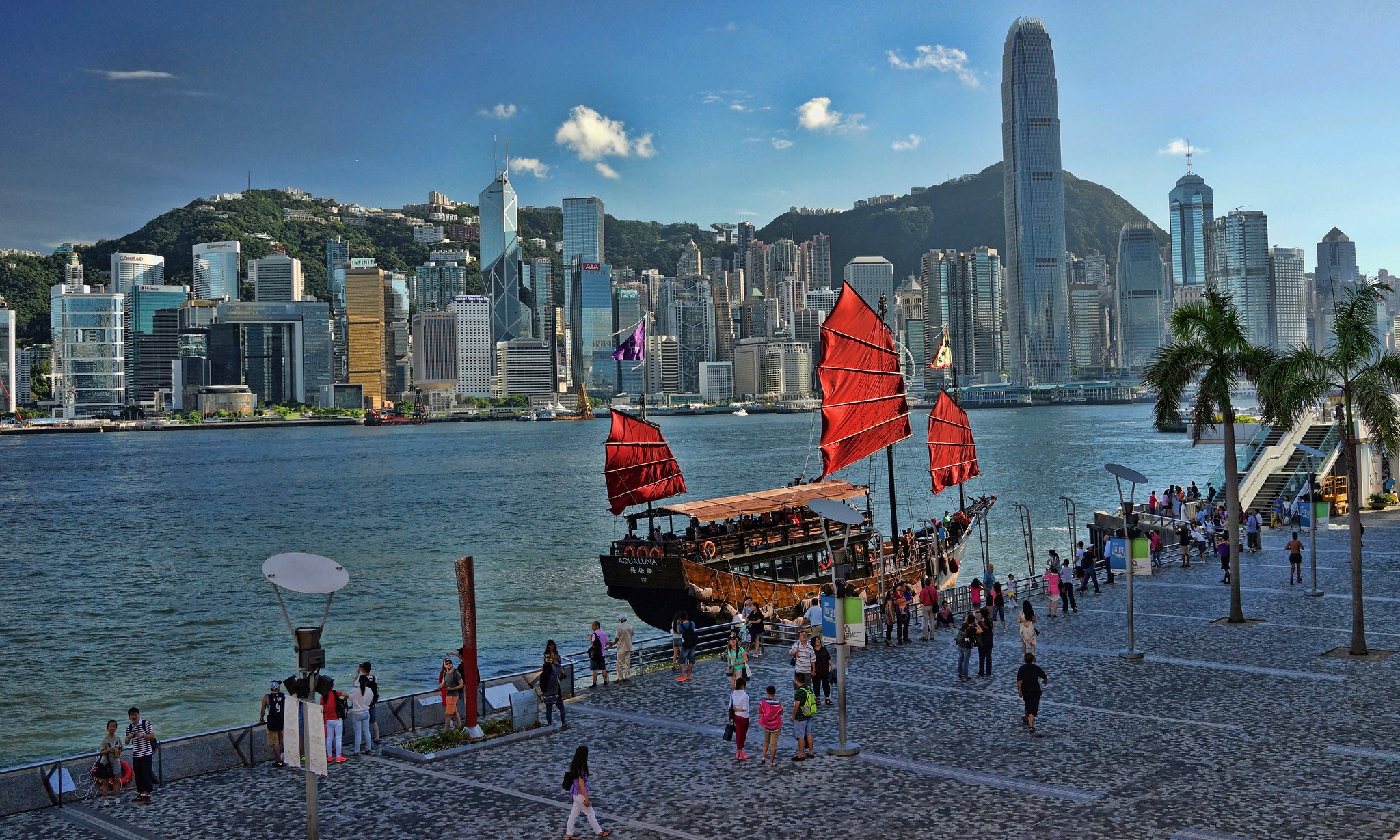
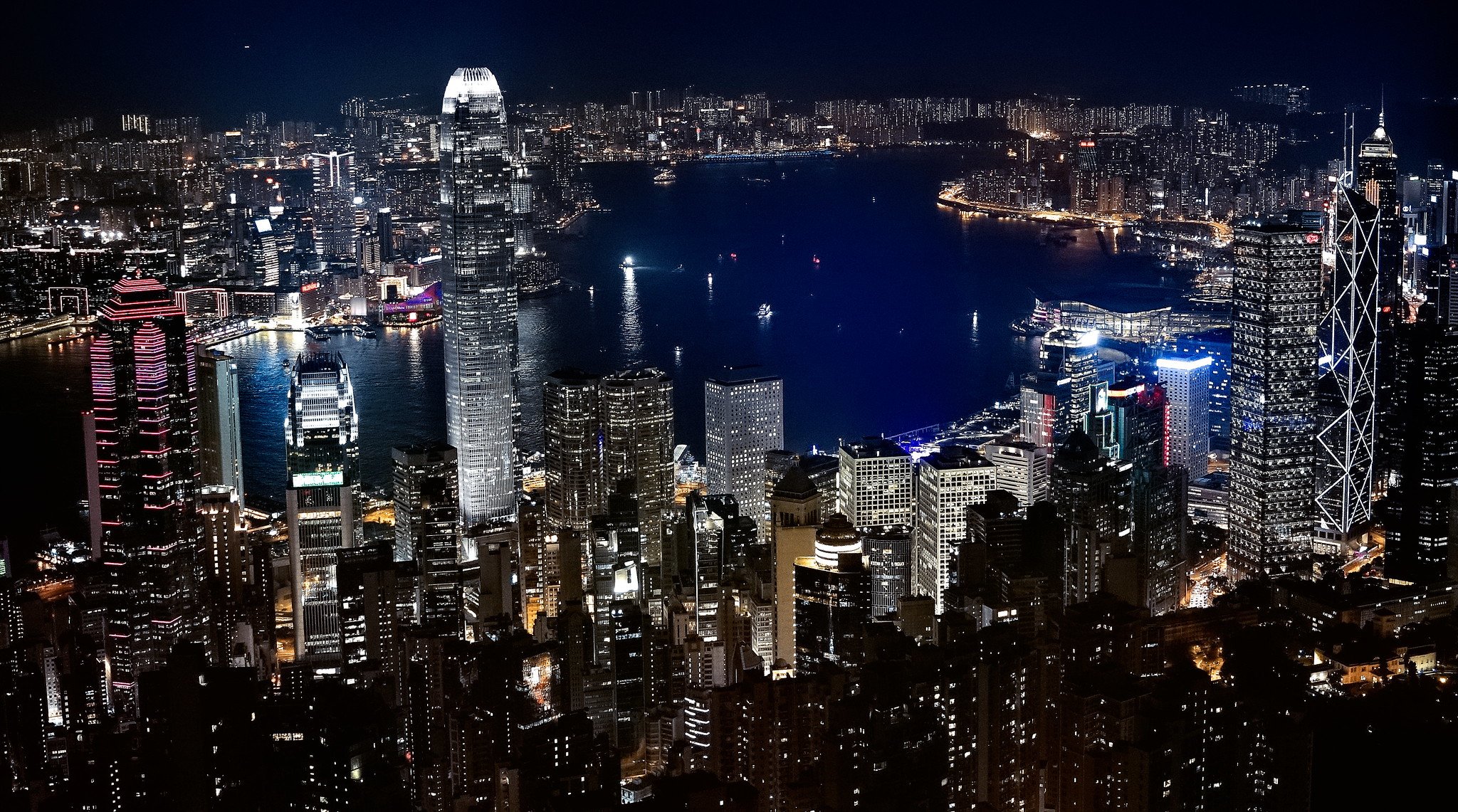
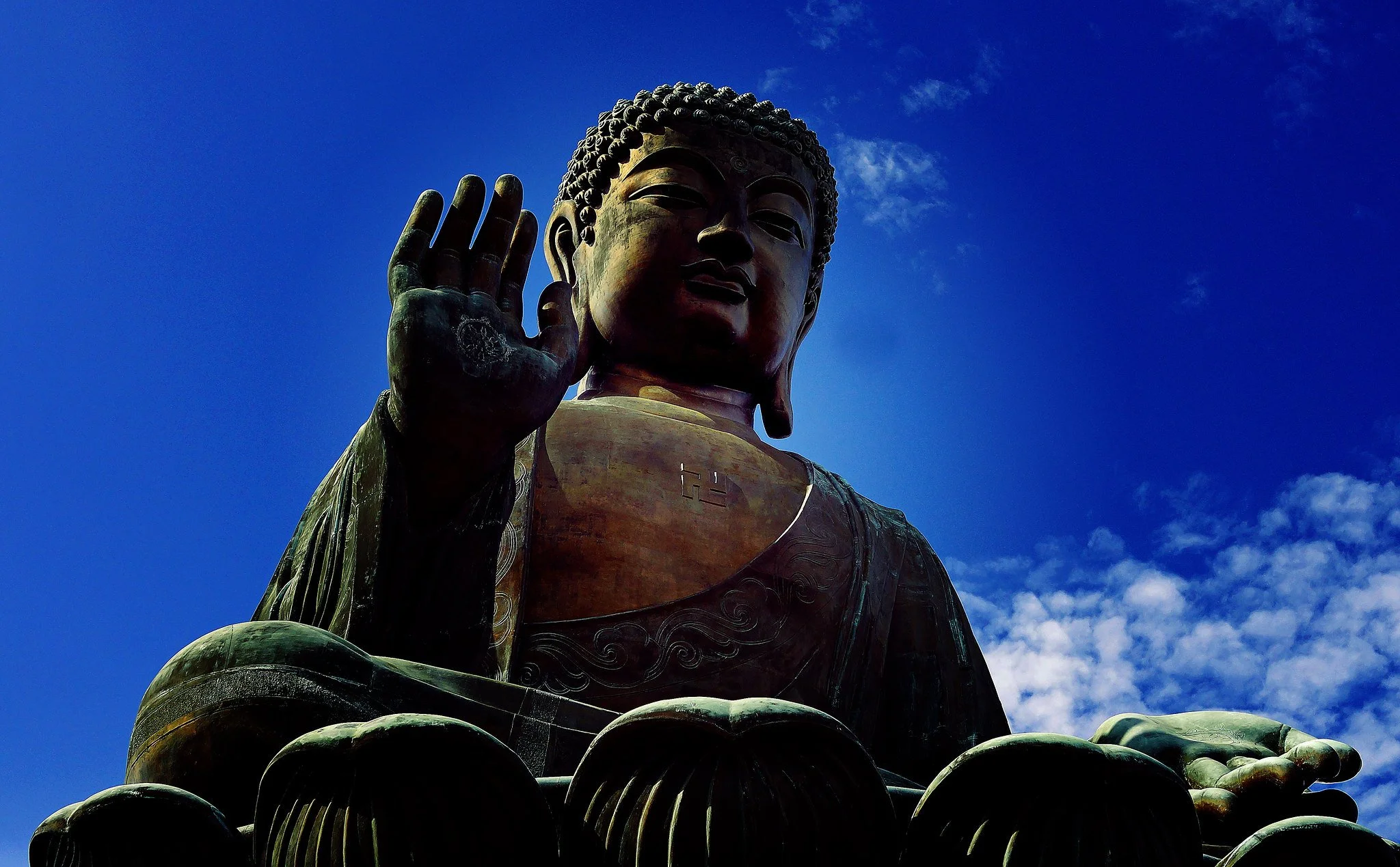
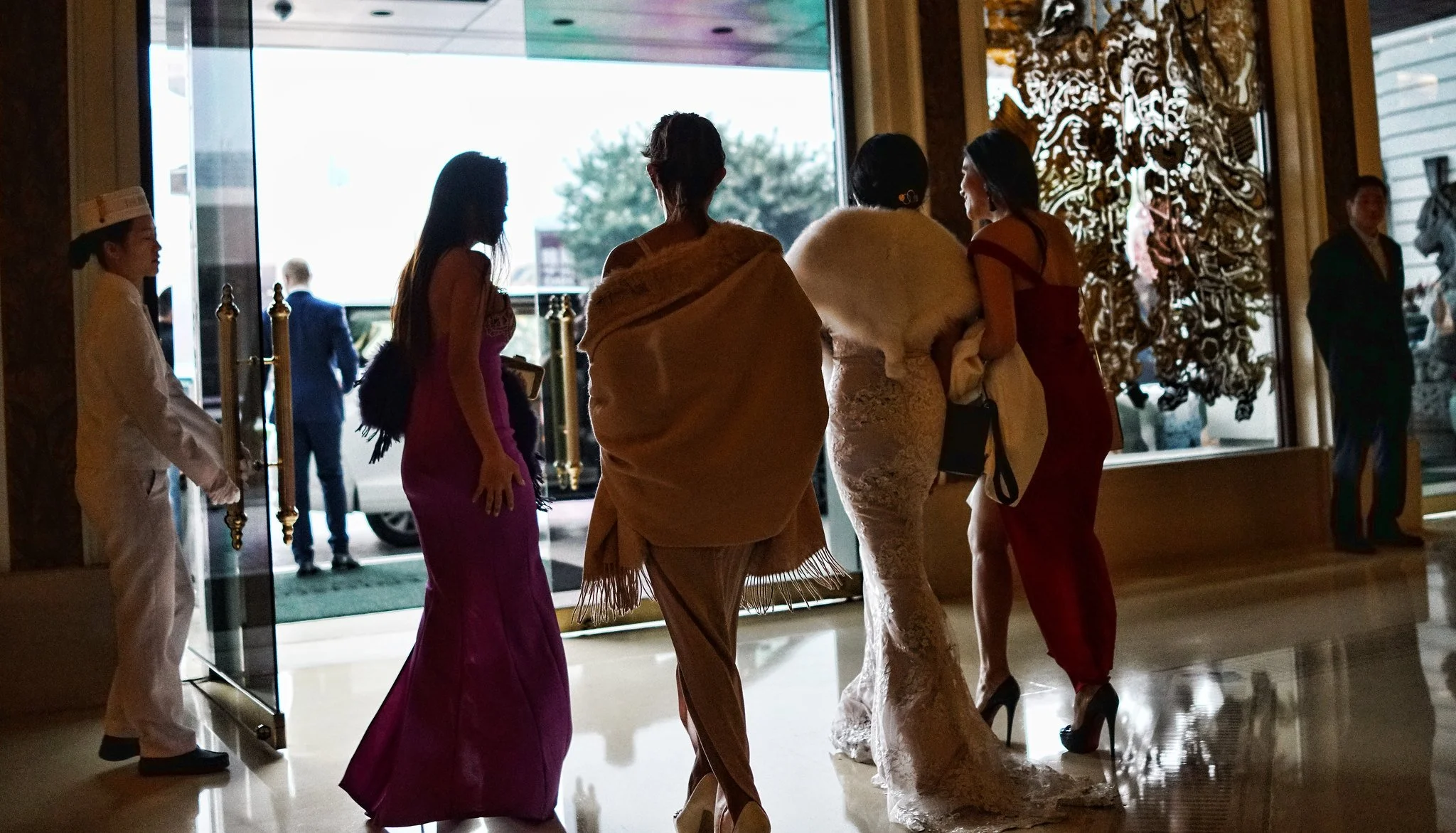
click on any image to enlarge
© Copyright Acknowledged | All rights reserved | all images taken b Jamie
Jamie’s Hong Kong | Some of my favourite images | Hong Kong 101
© Jamie Lloyd | J3 Consultants Hong Kong | J3 Private Tours Hong Kong |
| 2010 - 2026 All rights reserved. |
Click on any image to enlarge to full screen
Current images from my Instagram feed