Tiger Sharks Hong Kong - you’re going to need a bigger boat
Why Hong Kong Has Shark Nets at Almost Every Beach

The J3 Group - Premium Quality Private Tours | Experiences and Insider Chats since 2010
Me Jamie, your host, I am English and I have lived in Hong Kong since January 2nd 1972 - I know the place.
A meaningful blog post with a difference - tips on Travel, Tourism, Tours, Daily Life and my personal thoughts on Hong Kong.
Please do visit Amazing Hong Kong
Hong Kong | Pearl of the Orient
Customised Private Tours + Experiences in Amazing Hong Kong
Jamie has lived in Hong Kong - Pearl of the Orient for 50+ years
Carefully Crafted Personalised and Customised Itineraries by Jamie | Hong Kong’s Most Experienced Private Tour Guide for : Solo Travellers Friends Families Seniors Couples Business People MICE Delegates.
Private Tours Cultural Tours Walking Tours Sightseeing Tours City Tours Night Tours Layover Tours Transit Tours Private Shore Excursions Bespoke Tours Personalised Tours Jewish Heritage Tours Luxury Private Tours Day Tours Luxury Boat Tours Themed Tours Private Family Tours Private Day Tours Corporate Tours
Just you, your family or friends and Jamie your personal English private tour guide - over 2,400+ tours completed since 2011 - Jamie offers quality Private Tours of Hong Kong
Tour Group Size 1 - 6 people only
J3 Group Hong Kong | J3 Consultants Hong Kong | J3 Private Tours Hong Kong
Creating Memories That Will Last A Lifetime
Go here for the Hong Kong Michelin Restaurant Guide which includes the Bib Gourmand Category

A Resident since 1972 - Private Tours of Hong Kong with Jamie
The Best Things to do in Hong Kong
click on the image to enlarge
© Copyright Acknowledged | All rights reserved
The Tiger Shark | No Stranger to Hong Kong | Hong Kong
Foreword
Like most folk I am totally fascinated by sharks (and who could ever forget the original Jaws movie) I have watched hundreds of shark show episodes on Discovery Channel and it occurred to me that Hong Kong people have largely forgotten the history of sharks in Hong Kong, we have absolutely had our “Jaws” moments and yet in plain sight, pretty much every beach you go to has a shark net!
In the crowded, vibrant waters of Hong Kong’s, sharks have long been part of the marine ecosystem, yet for many residents and visitors alike the subject remains shrouded in a curious mix of assumption and unease. With shark prevention nets now a familiar sight at public beaches, it is tempting to conclude that any threat belongs firmly in the past or exists only in the realm of distant oceans. The reality, however, is more nuanced and layered with history, ecology, and human endeavour. This account seeks to pull together what is known about the sharks that inhabit or have inhabited Hong Kong waters, the species one might still encounter, the sombre episodes of earlier decades, and the data on more recent interactions. It also offers a considered view on why the topic still merits attention even in an era when our gazetted beaches are widely regarded as safe for swimming.
My view remains the same, I have lived here for 54 years and just because shark sightings are rare these days it does not mean they are not lurking in the ocean surrounding Hong Kong
I know a lot of my friends are a lot younger than me or have not lived in Hong Kong for as long as I have so memories are probably a bit fuzzy but I look at the popularity these days for boat charters and excursions and all the comes to mind is
“You’re going to need a bigger boat”
Jaws, the movie 1975
Shark Species in Hong Kong Waters
Hong Kong’s marine environment has historically supported a surprising diversity of sharks. Records stretching back to the mid-nineteenth century document some 17 species in local waters, ranging from small, bottom-dwelling forms to occasional larger visitors. Today the picture is markedly different. Intensive fishing pressure, particularly from the 1950s through the 1980s, dramatically reduced populations. A targeted shark fishery involving up to fifty boats operated in earlier decades, with annual catches peaking around 2,400 tonnes of sharks in the late 1960s before collapsing. Indiscriminate methods such as bottom trawling and gill nets further depleted stocks, leaving most larger species rare or locally extinct.
Of the species still present or occasionally recorded, only two are considered reasonably abundant: the milk shark and the spadenose shark. Both are small, typically under 110 centimetres, harmless to humans, and favour inshore or estuarine habitats where they feed on small fish, invertebrates, and worms. They remain the everyday face of sharks in Hong Kong waters for those who encounter them at all, I will be honest with you, I have never heard of these species, me being me, i am stuck on Tiger sharks! however I note with interest that Bull Sharks which have quite a reputation have been found in Hong Kong
Larger or more notorious species appear far less frequently. The tiger shark, capable of exceeding five and a half metres, was implicated in serious incidents in the 1990s; the only verified local sighting since then was a juvenile of about 1.6 metres caught in 2009. Bull sharks, known globally for their tolerance of brackish water and occasional boldness around people, surface only in anecdotal reports or isolated records such as a dead juvenile found in Tuen Mun waters in 2008. Grey reef sharks, blacktip reef sharks, and various hammerheads have likewise become scarce, with most confirmed recent observations limited to market surveys rather than live sightings at sea. Whale sharks, the gentle giants that can reach twelve metres, occasionally appear as sub-adults migrating through the region in summer, though close encounters remain exceptional and they pose little threat beyond accidental collision if approached too closely.
In short, while sharks are not absent from Hong Kong waters, the larger predatory species that once roamed more freely have been heavily diminished. The sharks one is most likely to meet today, if one meets any at all, are small, retiring creatures that present no meaningful risk to swimmers. (until they bite your leg off)
A Dark Chapter: Sharks and the Mirs Bay Crossings
Mirs Bay, how could one ever forget this story
Between the 1960s and the 1980s, Mirs Bay on Hong Kong’s eastern flank became the setting for repeated human tragedy tied directly to sharks. During successive waves of illegal immigration from Mainland China to Hong Kong, many desperate individuals chose to swim the bay rather than risk land borders or shorter but heavily patrolled routes. Contemporary accounts describe groups setting out at night, sometimes roped together for safety, braving strong currents, patrols, and exhaustion. Sharks were a recognised and feared hazard along this eastern route.
Historical reports from the period, including coverage in the early 1970s, (My era) note that not all swimmers reached safety. Some were intercepted by vessels, others drowned from fatigue, and a number were attacked by sharks. While precise figures for shark-related deaths remain elusive - the clandestine nature of the crossings meant many incidents went unrecorded or unreported - the danger was real and acknowledged at the time.
The authorities at the time noted that quite often human body parts where found floating in Mirs Bay and clearly the injuries where not caused by boat propellers, lets just say that the news stories where lurid and helped reduce illegal immigration.
Tiger sharks, with their broad diet (they will literally eat anything), powerful jaws, and known presence in these subtropical waters, were among the species most likely to have been responsible for the more gruesome outcomes. The image of swimmers meeting sudden, violent ends in the dark waters of Mirs Bay forms one of the more harrowing, if lesser-discussed, strands of Hong Kong’s border history. It stands as a stark reminder that the sea, for all its beauty, could exact a terrible price from those with no other options.
click on the image to enlarge
© Copyright Acknowledged | All rights reserved
The Tiger Shark | No Stranger to Hong Kong Waters | Hong Kong
The 1990s Crisis and the “Great Shark Hunt”
The most concentrated and publicly documented cluster of shark attacks occurred between 1991 and 1995 in the eastern waters off Sai Kung, particularly around Clear Water Bay and nearby beaches and for the record in recent years this has been the most popular spot for boat charters to go to, our youngest son was on a boat charter there last week)
In total, 7 people lost their lives during this four-year period. The year 1995 proved especially grim, with three fatalities occurring within a fortnight in June. One particularly harrowing incident involved a local housewife who swam regularly at Clear Water Bay First Beach; she was attacked in front of other swimmers, suffering catastrophic injuries that included the loss of a leg and an arm. Witnesses described her body floating in a pool of blood. Earlier attacks in the same period had already prompted warning signs at beaches such as Silverstrand Bay.
In true Hong Kong fashion for the day, the signs where cartoon charcter people being torn apart by a shark straight out of Jaws with limbs flying and blood gushing, well it worked, people got the message
The species responsible was never conclusively identified in every case, yet tiger sharks were strongly suspected, consistent with their reputation for powerful, investigatory bites and their documented involvement in serious incidents elsewhere. The attacks triggered widespread public alarm. Beaches saw reduced attendance, the government mounted an extensive search operation involving boats and helicopters - later referred to in some quarters as the “Great Shark Hunt” - and there was serious discussion of temporary beach closures. The psychological impact on a densely populated city with a strong beach culture was considerable. By the end of 1995 the spate of attacks had ceased as abruptly as it had begun, but the memory lingered and prompted decisive action on safety infrastructure.
Shark Nets at Hong Kong’s Beaches
In direct response to the 1990s incidents, shark prevention nets were installed at Hong Kong’s gazetted public beaches. The Leisure and Cultural Services Department currently manages 42 such beaches. With the exception of 3 that are temporarily closed for various operational reasons, all of the remaining 39 are equipped with these nets. The installations are concentrated across districts including Southern (Hong Kong Island), Islands, Tuen Mun, Tsuen Wan, Sai Kung, and Tai Po.
These are not the traditional gill nets used in some other countries that indiscriminately entangle and kill marine life. Hong Kong’s systems function primarily as barrier or enclosure nets, creating a protected swimming zone while allowing a degree of water flow.
I do feel compelled to point out that many sharks including great whites can fully leap out of the water when going for seals from underneather, just saying, it would not be a stretch for them to leap over the net! (perhaps oour Government employess have not seen Jaws or Discover Channel shark shows)
Their effectiveness has been striking: since their widespread introduction following the 1995 attacks, there have been no recorded fatal shark incidents at the protected beaches. Swimmers can enter the water with a level of reassurance that was absent in earlier decades. The nets are not foolproof against every conceivable marine encounter, nor do they eliminate other hazards such as strong currents or occasional jellyfish, but on the specific question of shark attacks they have delivered a clear and sustained improvement in safety.
It is worth noting that non-gazetted beaches and areas outside the nets do not benefit from the same infrastructure. While incidents remain extremely rare, swimmers venturing beyond the protected zones or at smaller, unmanaged stretches of coastline accept a marginally higher element of the unknown and that also goes for people on boat charters where the passengers have seemingly no issue with swimming in the sea or leaping off the boats and not a shark net in sight!
Sightings and Incidents in the Past Twenty-Five Years
Data for the period from roughly 2001 to the present tells a consistent story of rarity. No fatal shark attacks have been recorded in Hong Kong waters during these twenty-five years. Verified sightings of larger, potentially dangerous species have been sparse. The 2009 capture of a juvenile tiger shark stands as one of the few documented encounters with that species in recent times. Other reports tend to involve small sharks or unconfirmed observations rather than close calls with swimmers.
This record aligns with the broader ecological picture: most of the larger shark species that once frequented local waters are now scarce, victims of decades of fishing pressure and changing marine conditions in the South China Sea. The sharks that persist in any numbers are the smaller, inoffensive varieties that rarely interact with people. Global shark attack statistics for the same period show incidents occurring elsewhere in the world at a relatively steady, if low, rate, yet Hong Kong has remained effectively free of such events. The combination of depleted predator populations and the protective nets has created an environment where the risk to the average beachgoer is negligible. (you’re going to need a bigger boat)
Reflections on Safety, History, and the Marine Environment
Stepping back, several observations present themselves. The first is that the “problem” of sharks in Hong Kong is today largely a matter of historical record and ecological context rather than an active daily threat at our protected beaches. The nets have done their job effectively, transforming what was once a source of genuine fear into a managed and minimal risk. For that, residents and visitors alike can be grateful. At the same time, the history of Mirs Bay and the 1990s attacks deserves to be remembered, not sensationalised. Those earlier tragedies involved real human suffering - desperate people risking everything in shark-infested waters - and they explain why the safety infrastructure exists in its current form.
A second point concerns the state of shark populations themselves. The near-disappearance of most larger species from Hong Kong waters is not merely a local curiosity; it reflects wider pressures across the region, including historical overfishing and the once-thriving trade in shark fins that passed through Hong Kong. While small species such as the milk shark continue to hold their own, the loss of apex predators can have cascading effects on marine ecosystems. Sharks, even when rarely seen by humans, play a role in maintaining the health of the seas that surround us.
Out of the ordinary considerations, one might reflect on the contrast between then and now. In earlier decades, the same waters that today host families paddling within netted enclosures were, for some, a deadly barrier between hardship and hoped-for opportunity. The pragmatism that led to the nets - enclosing rather than attempting wholesale eradication - has proved more successful than culling programmes tried elsewhere in the world, which often failed to reduce attack rates meaningfully. There is also a quiet irony in how a city so attuned to order and visible safety measures has, almost without fanfare, rendered one of nature’s more emotive threats largely irrelevant at its most popular swimming spots.
Climate shifts and changing sea temperatures could, in theory, alter shark distributions or behaviour over longer timescales, though there is no current evidence of any uptick in local sightings or risk. Continued monitoring by relevant departments and citizen reporting of unusual observations remain sensible precautions. Ultimately, the story of sharks in Hong Kong is one of successful adaptation on the human side and quiet depletion on the marine side. Awareness of both aspects allows us to enjoy our beaches with informed confidence while recognising that the waters beyond the nets still belong to a wilder world that merits respect and, where possible, thoughtful stewardship.
The presence of shark nets at 39 of our 42 gazetted beaches is not a sign of ongoing crisis but rather a practical legacy of lessons learned. That so few people today give the matter a second thought is, in its own way, the best measure of their success.
Yes, there is a formal reporting system for shark sightings in Hong Kong.
The primary channel is the Agriculture, Fisheries and Conservation Department (AFCD). You can report via their 24-hour hotline 1823 (this is the general government enquiry and reporting line, and they handle marine life sightings including sharks). Provide details such as the exact time, location (e.g., near Angler's Beach or the promenade in Sham Tseng), estimated size, behaviour, and any photos or videos if you managed to capture them. You can also email mailbox@afcd.gov.hk with the same information.
WWF Hong Kong also encourages public reports for conservation purposes, particularly with supporting images: shark@wwf.org.hk. They collaborate with AFCD on marine issues and use citizen data to build a better picture of local shark presence and movements.
So there you go
Jamie’s Hong Kong Insider Chat
Ready to turn your plans into a far more enjoyable reality? Click the yellow button below to learn more about Jamie’s Hong Kong Insider Chat, check pricing and book a convenient time
I do not do Food Tours in Hong Kong but I know people that do!
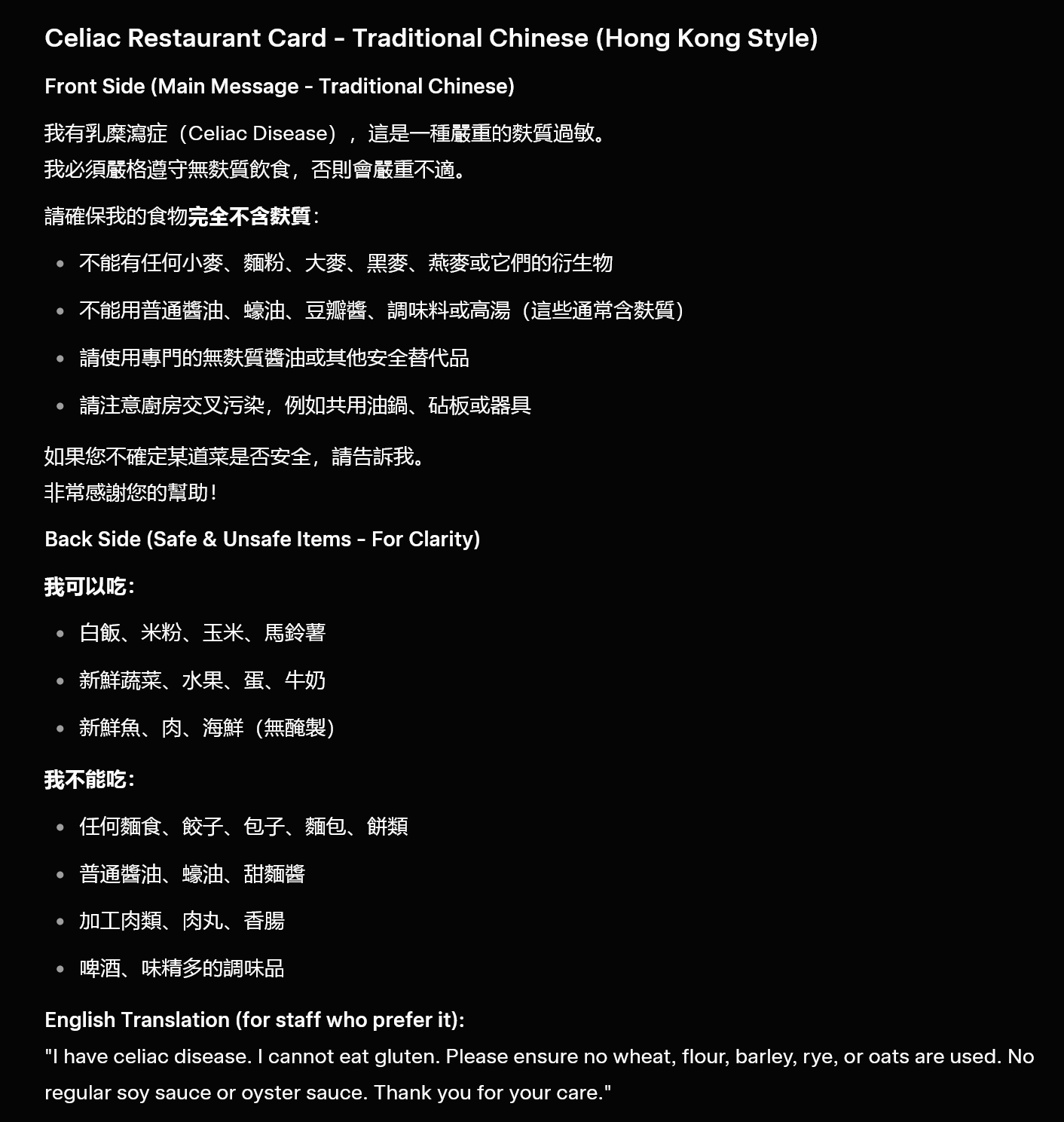
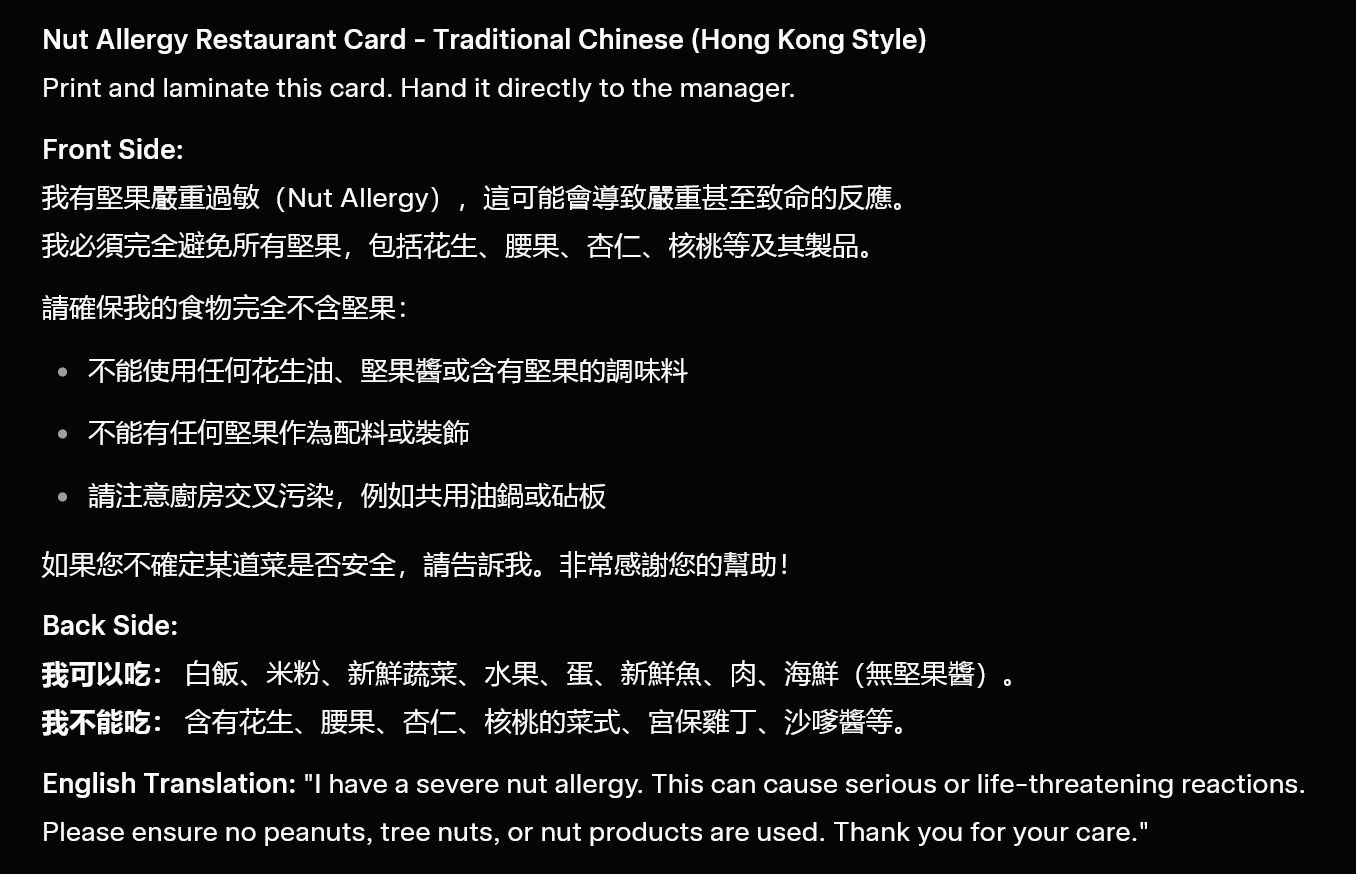
click on any image to enlarge
The information above can be shown to restaurant managers in Hong Kong if you are intolerant to gluten and nuts,
I do not do food tours as mentioned above, I have very specific reasons and part of it is that I do not speak Cantonese or write Chinese, I am from Yorkshire in England and I lack the language gene and it is not through lack of trying and yes a lot of restaurants do not have English menu’s or staff who speak conversational English.
.. and yet I have eaten at close to 1,400 restaurants in Hong Kong since January 2nd 1972, my wife was born in Hong Kong and we have been together over 40 years and her first language is Cantonese and a lot of her family are Chinese or half Chinese so I have never had much of an issue!
This does not translate to doing food tours though, yes, I could do them, no problem there but they would never ever be as good as the food tours done by my friends (see the 3 links above) most of their awesome guides are locally born Hong Kong Chinese and obviously food culture is part of their DNA, it is impossible for me to compete with that!
So please feel free to contact them for food tours
I do not do Hiking Tours in Hong Kong but I know someone that does!
I do not do Hiking Tours, never have and never will even though I used to go Hiking a lot when I was a lot younger, The Hong Kong Government is promoting hiking tours so I urge you to contact my friend Sabrina at Hong Kong Trails and Tours, she is a long time Hong Kong resident and and a very experienced hiker with close to 700 Hikes in 15+ years under her belt, please click on the link below




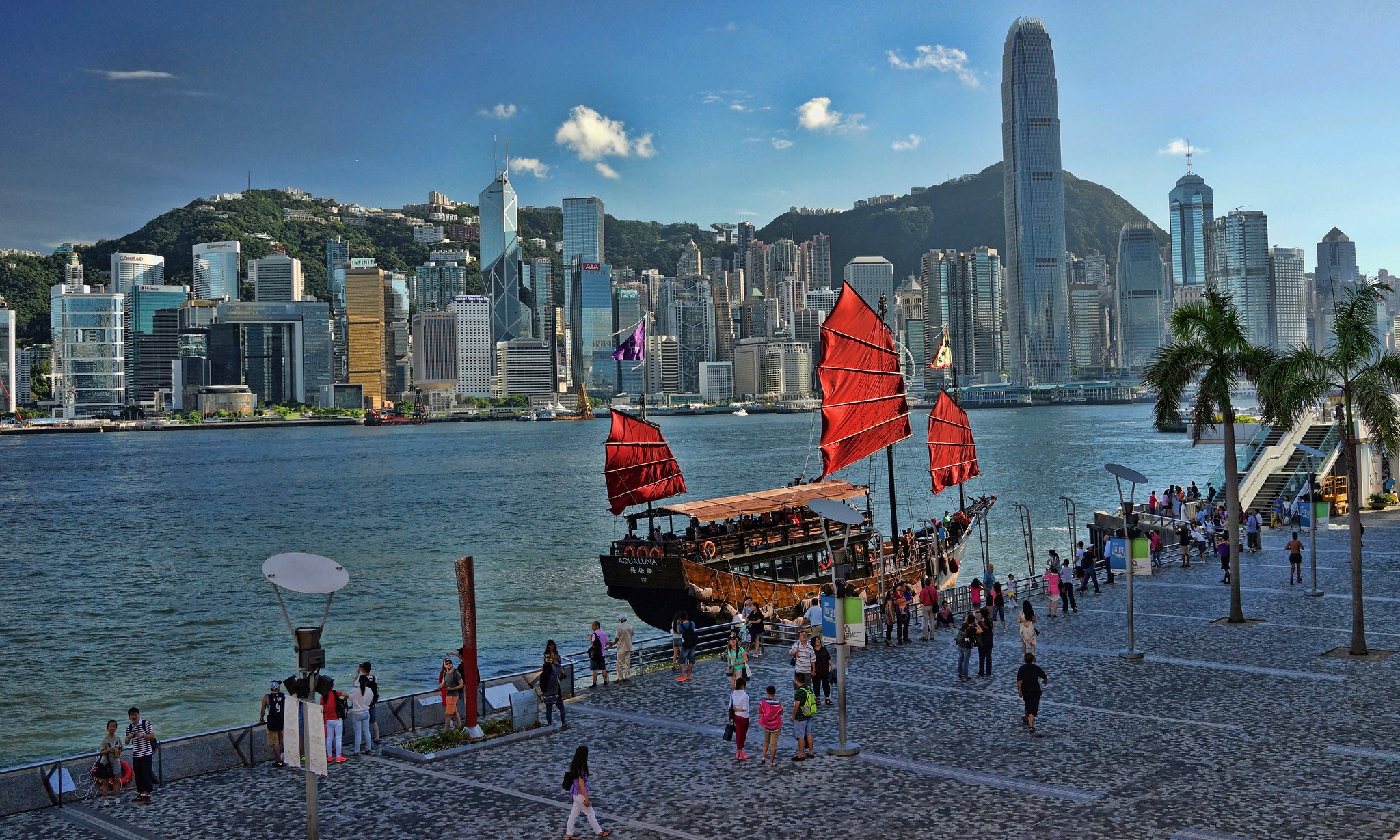
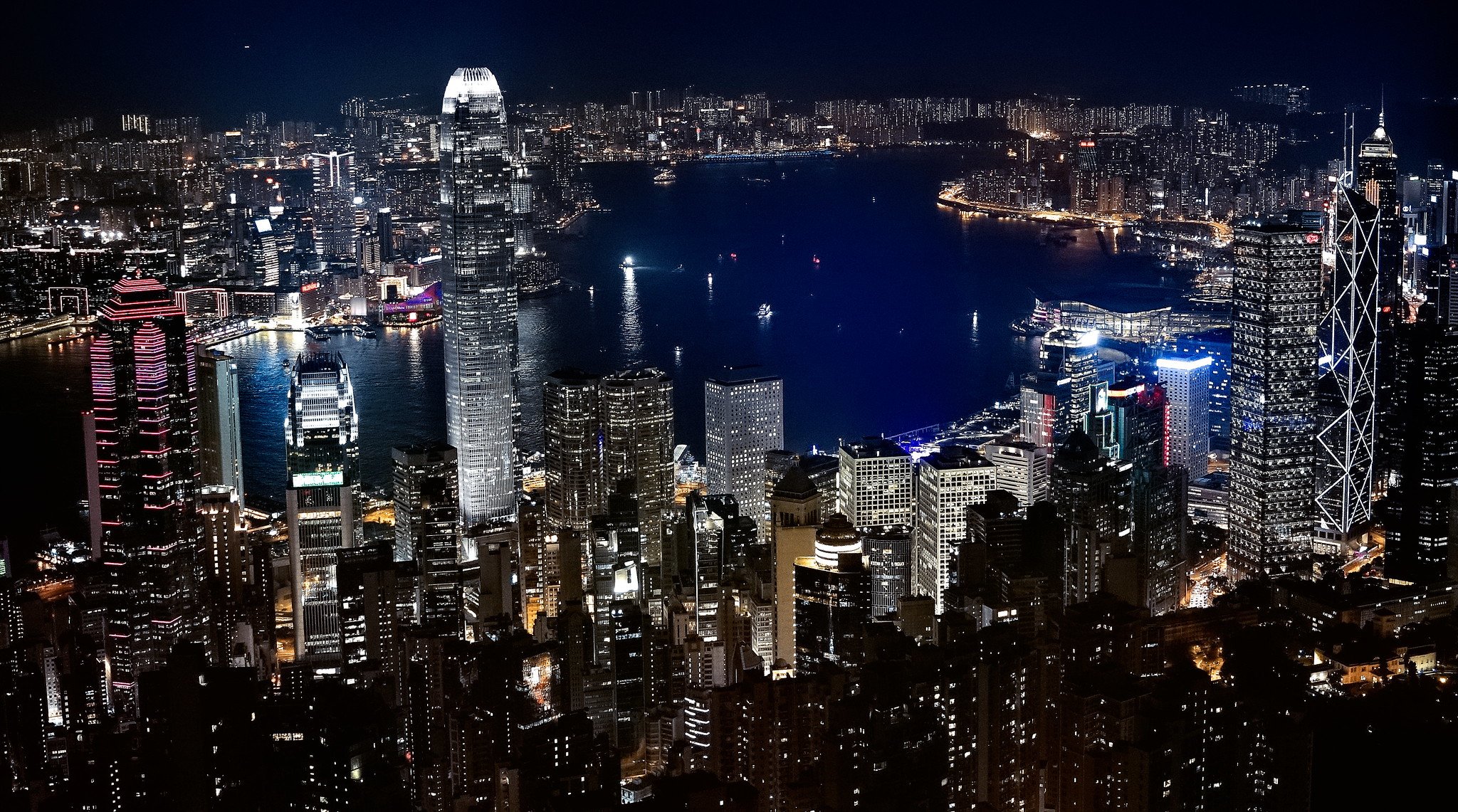




click on any image to enlarge
© Copyright Acknowledged | All rights reserved | all images taken b Jamie
Jamie’s Hong Kong | Some of my favourite images | Hong Kong 101
© Jamie Lloyd | J3 Consultants Hong Kong | J3 Private Tours Hong Kong |
| 2010 - 2026 All rights reserved. |
Click on any image to enlarge to full screen












Current images from my Instagram feed