Why Hong Kong Loves Yakult - A Detailed Timeline in Hong Kong
Health Benefits, Local Production & That Famous Rumour

The J3 Group - Premium Quality Private Tours | Experiences and Insider Chats since 2010
Me Jamie, your host, I am English and I have lived in Hong Kong since January 2nd 1972 - I know the place.
A meaningful blog post with a difference - tips on Travel, Tourism, Tours, Daily Life and my personal thoughts on Hong Kong.
Please do visit Amazing Hong Kong
Hong Kong | Pearl of the Orient

A Resident since 1972 - Private Tours of Hong Kong with Jamie
The Best Things to do in Hong Kong
click on the image to enlarge
© Copyright Acknowledged | All rights reserved
Yakult - Probiotic Drink | Totally Iconic | Hong Kong
Foreword
As a long-time resident of Hong Kong for over 50+ years who has enjoyed Yakult for many years, keeping packs of five in the fridge as a daily staple, I became addicted in 1972 and I have had a love affair with Yakult since then, it is the ultimate comfort drink for me (although to be fair I would much rather have a non diet full sugar Dr. Pepper!)
… and you know what, I could not care less about the pro biotic qualities of Yakult, it just tastes so good!
... and before you ask, the low sugar version with the green top, I will not touch it, it is the same with Coke, a diet coke cannot compete taste wise with proper Coke or Strawberry Coke!
I have often wondered about its deeper story. This small bottle of probiotic drink has become part of everyday life here, yet its origins stretch back decades to Japan. In this detailed piece I explore the full timeline of Yakult, its manufacturer, production details including whether it is made locally, the precise meaning of probiotic, the science around its health benefits, and the reasons for its remarkable success in Hong Kong. I also touch on that memorable rumour from years ago about its supposed effects on bosom size.
On a humorous note, I find the small bottle rather irritating because the drink is somewhat addictive and I simply end up opening another bottle or two.
The Origins and Timeline of Yakult
Yakult traces its roots to the early 20th century in Japan. Dr Minoru Shirota, a medical researcher at Kyoto Imperial University, became deeply concerned about public health issues such as cholera and dysentery caused by poor sanitation and nutrition. In 1930 he succeeded in isolating and strengthening a specific strain of lactic acid bacteria, now known as Lacticaseibacillus paracasei strain Shirota (or LcS). This strain was notable for its ability to survive stomach acid and reach the intestines alive.
Five years later, in 1935, Dr Shirota and his team launched the first commercial product in Fukuoka, Japan. They created an affordable fermented milk drink containing this beneficial bacteria, naming it Yakult after the Esperanto word for yoghurt. The goal was preventive medicine - helping people maintain gut health rather than treating illness after it struck. By 1955 the company Yakult Honsha Co Ltd was formally established in Tokyo to expand production and distribution.
The brand grew steadily in Japan before going international. Taiwan became the first overseas market in 1964. Hong Kong followed in 1969 with the establishment of Hong Kong Yakult Co Ltd, making it one of the early expansions. Today Yakult is sold in over 40 countries and regions, with tens of millions of bottles consumed daily worldwide.
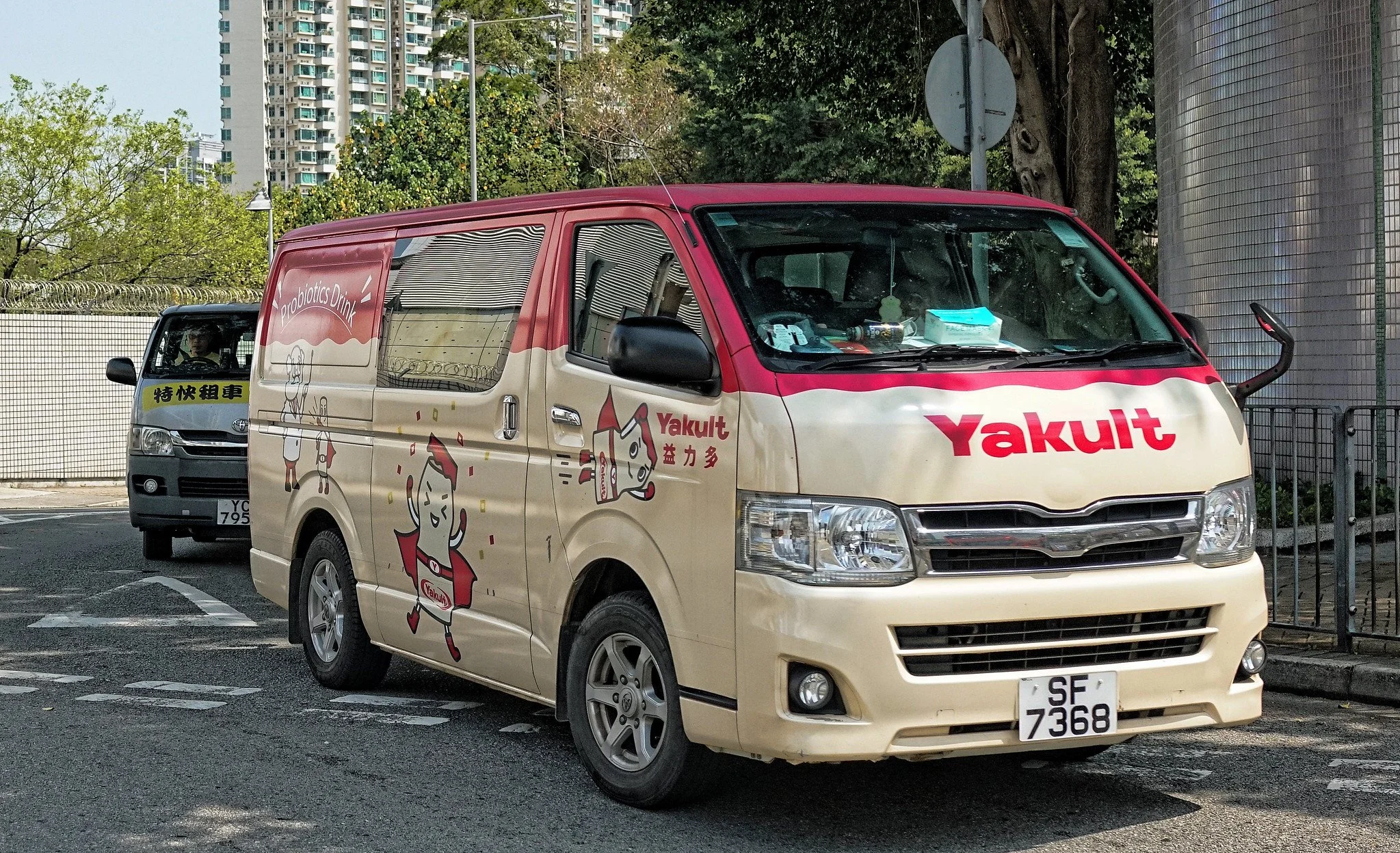
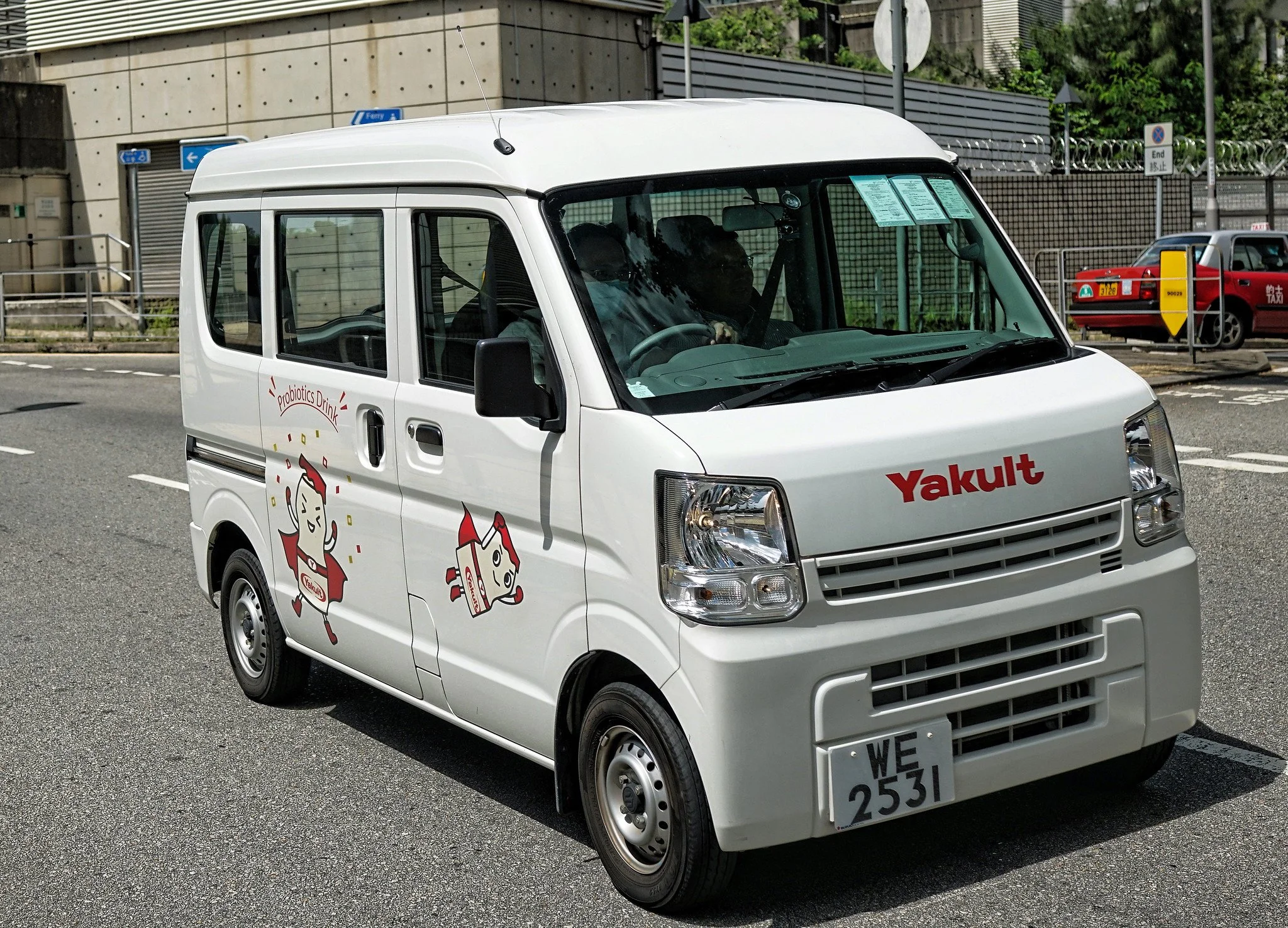
click on any image to enlarge
© Copyright Acknowledged | All rights reserved | images taken by Jamie
Yakult - Probiotic Drink | Totally Iconic | Hong Kong
Who Makes Yakult, Where Is It Produced and Who Distributes It in Hong Kong?
Yakult Honsha, headquartered in Tokyo, remains the parent company responsible for the global brand. The unique LcS strain originates from Japan, with mother cultures supplied from there to ensure consistency across markets. However, production is localised in many places to meet demand and maintain freshness.
In Hong Kong, local manufacturing began in 1969 at a plant in Kwun Tong. The facility initially used glass bottles before switching to the familiar polystyrene plastic ones in 1971. In 1994 production moved to a modern facility in Tai Po Industrial Estate, which continues operations today. This means the Yakult we buy in Hong Kong is made locally, though the core bacteria strain comes from Japan. Hong Kong Yakult Co Ltd serves as both the manufacturer and the official distributor in Hong Kong, handling everything from production to supply across retail and direct channels.
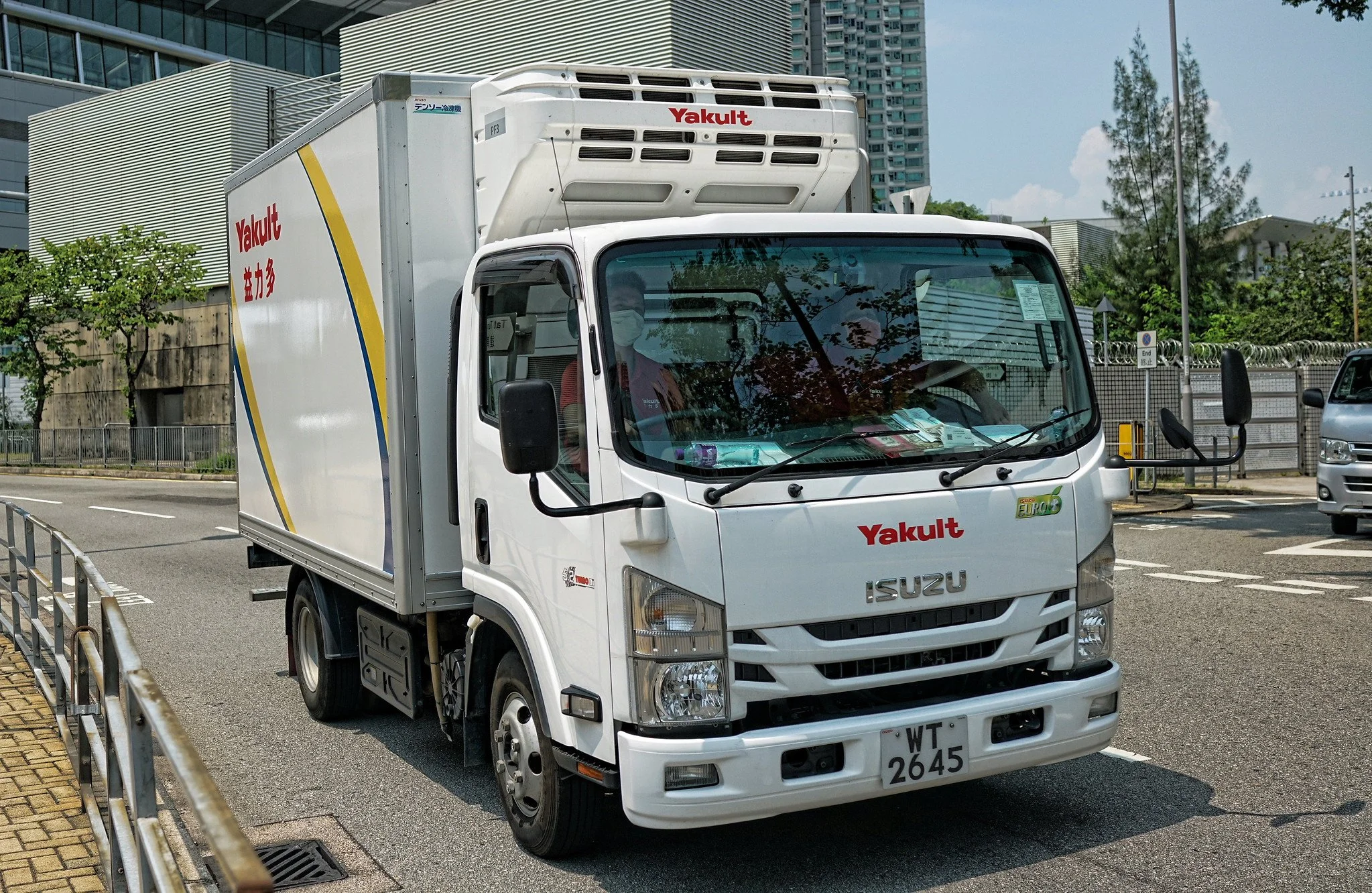
Yes, I photograph trucks, vans and cars and I think the new branding on the vans is pretty cool! see above images.
What Is the Precise Meaning of Probiotic?
A probiotic is defined as a live microorganism that, when administered in adequate amounts, confers a health benefit on the host. This standard definition comes from international scientific consensus established by organisations such as the Food and Agriculture Organization of the United Nations and the World Health Organization. In simpler terms, probiotics are beneficial live bacteria or yeasts that support health, particularly in the digestive system, when consumed in sufficient quantities. Yakult contains the specific LcS strain, which meets this criterion through documented research on gut health support.
Anyway I now know and it makes no difference to me, I chug Yakult becuase of the nice taste I do not give the health benefits a moments thought! (see below)
Health Benefits of Yakult
What the Science Says - Yakult contains billions of live LcS bacteria per bottle. The primary claimed benefit is supporting gut health by increasing beneficial bacteria, improving stool consistency, and aiding regular bowel movements. Studies have explored its role in modulating intestinal flora, potentially reducing harmful bacteria, and supporting immunity.
Additional research areas include possible reductions in the incidence of certain infections, such as upper respiratory issues or gastroenteritis, and some evidence for helping with stress-related symptoms or maintaining natural killer cell activity. Each 100ml bottle typically delivers around 6.5 billion live bacteria. The original version contains sugar, while lighter or low-sugar variants exist for those watching intake.
It is important to note that benefits are strain-specific. Not all probiotics deliver the same results, and individual responses vary. Yakult is positioned as a daily drink to complement a balanced diet rather than a medicine. There is no strong evidence for dramatic claims beyond gut support, and it should not replace medical advice.
So to stress the health benefits again - beyond basic gut support, research has examined effects on immunity, infection resistance, and even aspects of mental wellbeing through the gut-brain axis. Each bottle delivers a high count of viable bacteria. Variants cater to different preferences, with pricing typically around HK$15-20 (about US$1.90-2.60) for a pack of five.
Success Factors in Hong Kong - Statistics and Context
Daily consumption in some periods exceeded 600,000 bottles.
Strong presence through both direct delivery in earlier years and widespread retail today.
Adaptation to local tastes and health awareness in a dense urban setting and to be fair we adapted to the Japanese taste not the other way round.
it is totally addictive!
Why Yakult Has Been Such a Success in Hong Kong
Hong Kong embraced Yakult quickly after its 1969 launch. Daily consumption reached hundreds of thousands of bottles, with strong market dominance in the drinking yoghurt category. Several factors explain this popularity. The convenient small bottle format fits busy lifestyles. (and who comes up with this marketing blurb? how the heck does a small plastic bottle of Yakult impact on a busy lifestyle?} maybe the small bottle is because they do not want you to overdose on the live bacteria!
The sweet-tangy taste appeals widely, and the probiotic message resonated in a city that values health and preventive care., yep and I totally get that but nothing really resonates, you either like it or you don’t and lets face it a lot o health drinks taste awful and kids are notoriously picky, they will not drink anything that tastes awful
Marketing through Yakult ladies who delivered directly to homes built personal connections. Affordability helped too - a pack of five has historically been accessible, often priced around HK$15-20 (about US$1.90-2.60). as previously mentioned, In Hong Kong's dense urban environment, where space is limited but convenience stores and supermarkets abound, it became a fridge staple for families. Cultural familiarity with fermented foods in Chinese cuisine likely aided acceptance. Even today, many households keep a pack of five chilled, just as I do. (the real one not the fake diet one!)
click on any image to enlarge
© Copyright Acknowledged | All rights reserved | images taken by Jamie
Yakult - Probiotic Drink | Totally Iconic | Hong Kong
The Bosom Size Rumour and Its Impact
Around 10 to 15 years ago, stories circulated in Hong Kong media and by word of mouth claiming that regular Yakult consumption could increase breast size in young women. This led to a noticeable run on supplies, with shelves emptying quickly in some areas. The tale added an element of local folklore to the brand, even though there was no scientific basis linking LcS bacteria or the drink's ingredients to hormonal changes or bust enhancement.
Such rumours reflect how health products can spark excitement and speculation in a beauty-conscious city. They highlight Yakult's deep cultural embedding here. The brand's story in Hong Kong includes both its genuine probiotic roots and these lighter, anecdotal moments that make it memorable.
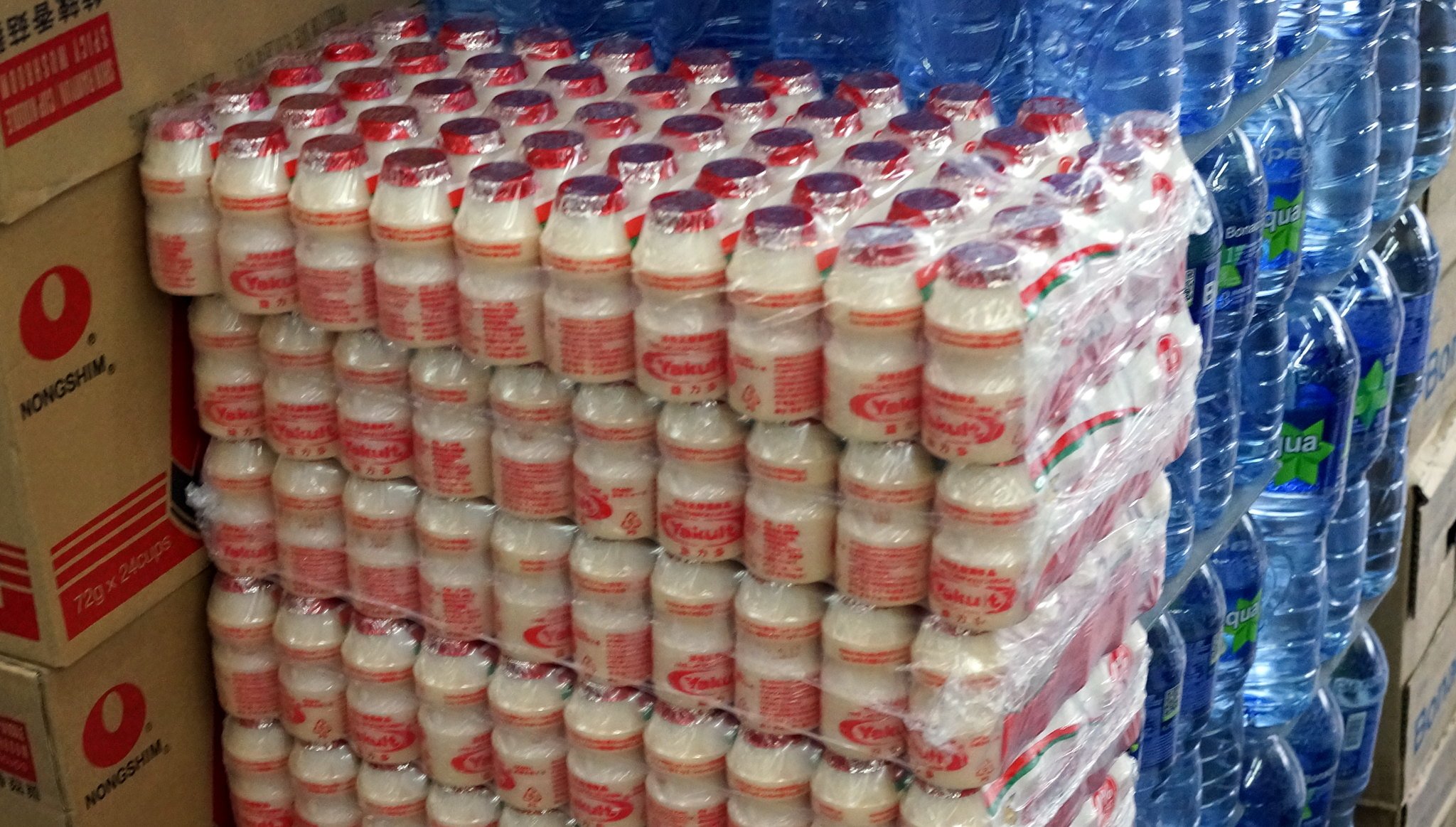
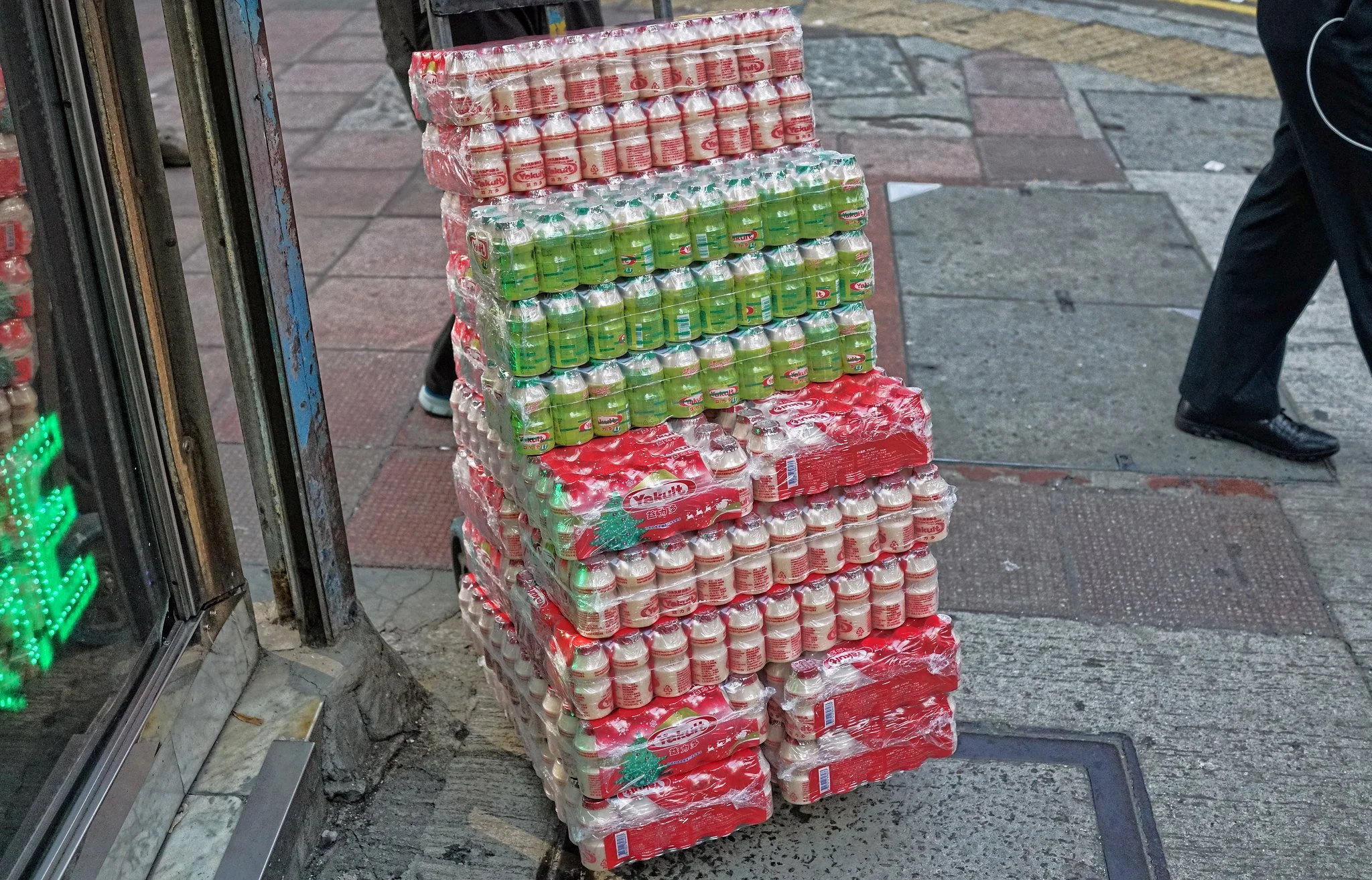
I should also point out that the rumour has never completely vanished and in this social media day and age it will only take one so called influencer to revive the story! and yes I took the 2 images above when the rumours where circulating and Yakult was stacked like this in supermarkets and convenience stores!
At around the same time in 2014 there was this exert from the South China Morning Post
“A recent entrant to the HK$5 billion vitamins and dietary supplements market that promises to give women a “perfect heart-shaped chest” raises scientific and legal questions and could be in breach of the Trade Descriptions Ordinance.
Made in Japan and sold locally by Josephine Bust and Slimming, Push Up Drink claims to help women with “a flat chest [or] sagging breasts”, and advertisements show an illustration of a woman whose bust size increases dramatically.
According to Euromonitor, the Hong Kong market for vitamins and dietary supplements was worth HK$4.91 billion last year.
Push Up Drink is said to contain “science-based ingredients” including pueraria mirifica and soybean extract, which “provide a wealth of miroestrol and deoxymiroestrol”.
To my knowledge Yakult did not jump on the bandwagon, they made no such claims, real or imagined but they sure has heck had a boost in sales when these stories where circulating.
In my considered opinion
Yakult remains a reliable daily choice thanks to its well-defined probiotic properties, local production and distribution by Hong Kong Yakult Co Ltd, and strong cultural fit in Hong Kong. The old rumour was harmless market excitement with no scientific backing, yet it shows how embedded the brand has become. Its success comes from blending Japanese innovation with practical local availability. The addictive nature and those small bottles only add to the charm - a formula that continues to work well in Hong Kong..
My Thoughts and Out-of-Left-Field Observations
Yakult's enduring appeal lies in its simplicity - a small daily ritual with a long heritage. In a fast-paced place like Hong Kong, where people juggle work and family, having something reliable in the fridge feels comforting. The fact that it is produced locally yet tied to Japanese quality standards adds trust. One quirky note is how the bottle size has stayed consistent over decades, resisting the trend toward larger portions elsewhere; this restraint reinforces the idea of moderation.
On a humorous note, I find the small bottle rather irritating because the drink is somewhat addictive and I simply end up opening another bottle or two. Another observation is its role as a bridge between generations - many who drank it as children now give it to their own kids, that is so true as our boys would testify.
So there you go
Customised Private Tours + Experiences in Amazing Hong Kong
Jamie has lived in Hong Kong - Pearl of the Orient for 50+ years
Carefully Crafted Personalised and Customised Itineraries by Jamie | Hong Kong’s Most Experienced Private Tour Guide for : Solo Travellers Friends Families Seniors Couples Business People MICE Delegates.
Private Tours Cultural Tours Walking Tours Sightseeing Tours City Tours Night Tours Layover Tours Transit Tours Private Shore Excursions Bespoke Tours Personalised Tours Jewish Heritage Tours Luxury Private Tours Day Tours Luxury Boat Tours Themed Tours Private Family Tours Private Day Tours Corporate Tours
Just you, your family or friends and Jamie your personal English private tour guide - over 2,400+ tours completed since 2011 - Jamie offers quality Private Tours of Hong Kong
Tour Group Size 1 - 6 people only
J3 Group Hong Kong | J3 Consultants Hong Kong | J3 Private Tours Hong Kong
Creating Memories That Will Last A Lifetime
Go here for the Hong Kong Michelin Restaurant Guide which includes the Bib Gourmand Category
I do not do Food Tours in Hong Kong but I know people that do!
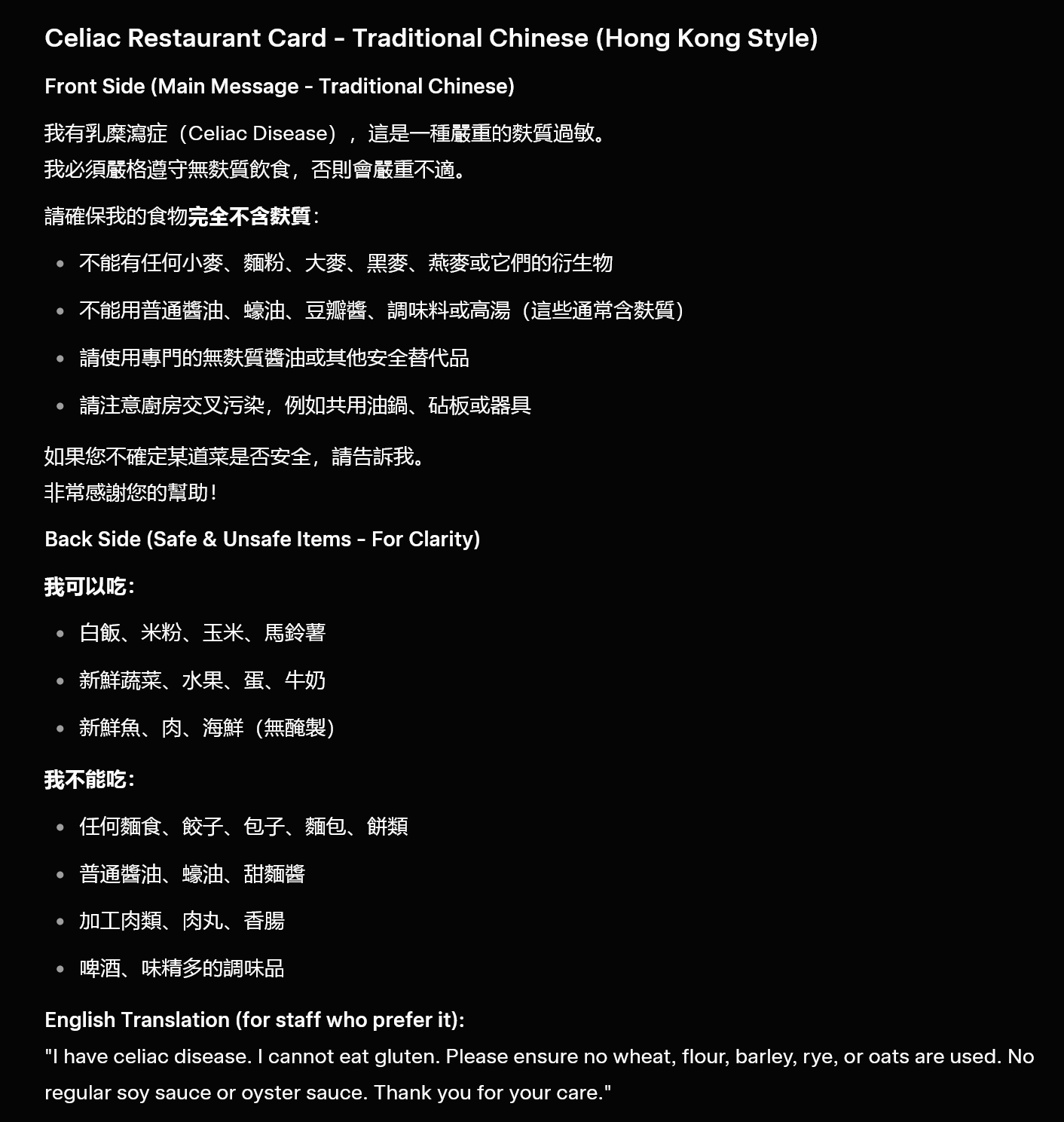
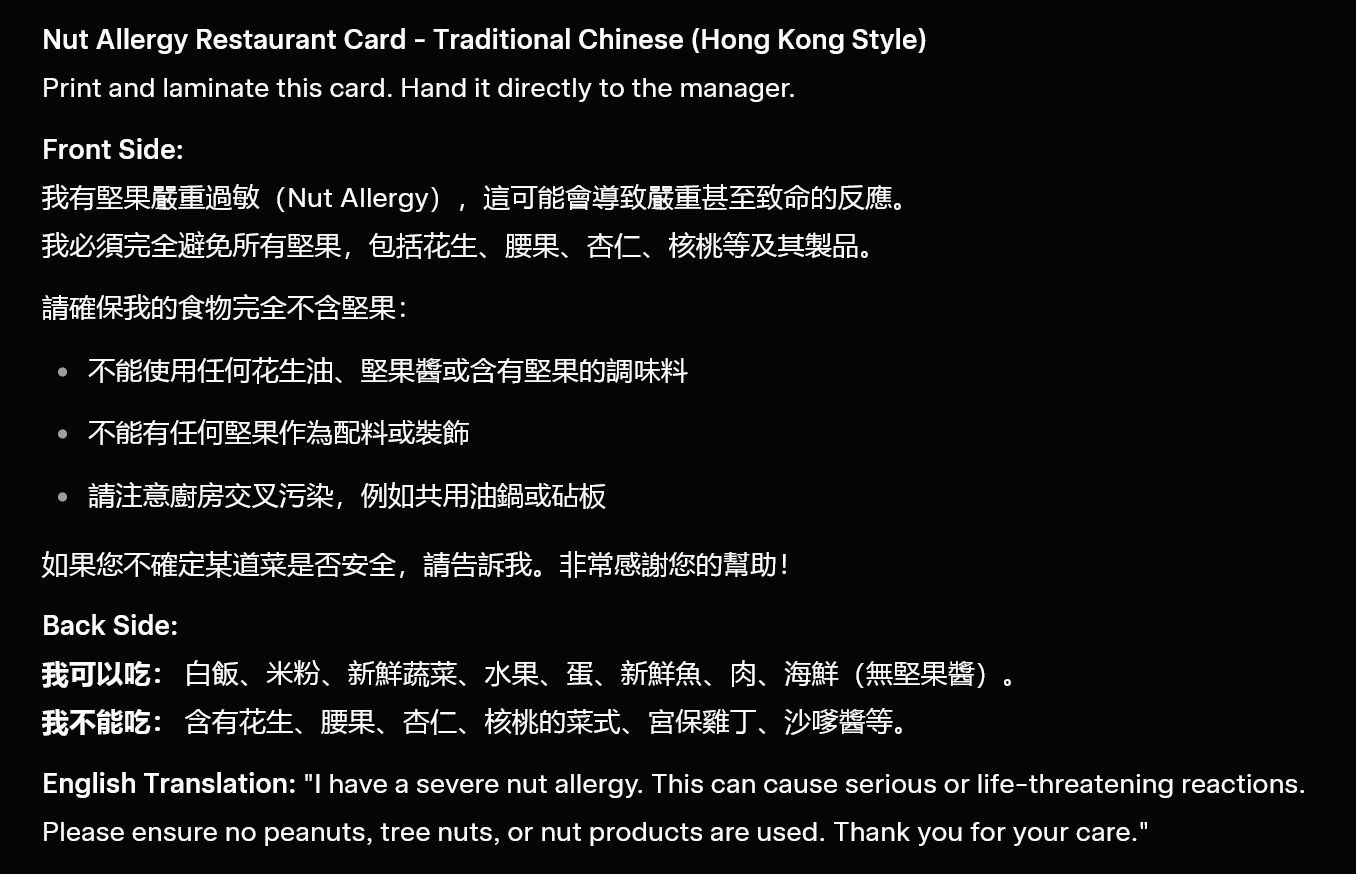
click on any image to enlarge
The information above can be shown to restaurant managers in Hong Kong if you are intolerant to gluten and nuts,
I do not do food tours as mentioned above, I have very specific reasons and part of it is that I do not speak Cantonese or write Chinese, I am from Yorkshire in England and I lack the language gene and it is not through lack of trying and yes a lot of restaurants do not have English menu’s or staff who speak conversational English.
.. and yet I have eaten at close to 1,400 restaurants in Hong Kong since January 2nd 1972, my wife was born in Hong Kong and we have been together over 40 years and her first language is Cantonese and a lot of her family are Chinese or half Chinese so I have never had much of an issue!
This does not translate to doing food tours though, yes, I could do them, no problem there but they would never ever be as good as the food tours done by my friends (see the 3 links above) most of their awesome guides are locally born Hong Kong Chinese and obviously food culture is part of their DNA, it is impossible for me to compete with that!
So please feel free to contact them for food tours
I do not do Hiking Tours in Hong Kong but I know someone that does!
I do not do Hiking Tours, never have and never will even though I used to go Hiking a lot when I was a lot younger, The Hong Kong Government is promoting hiking tours so I urge you to contact my friend Sabrina at Hong Kong Trails and Tours, she is a long time Hong Kong resident and and a very experienced hiker with close to 700 Hikes in 15+ years under her belt, please click on the link below
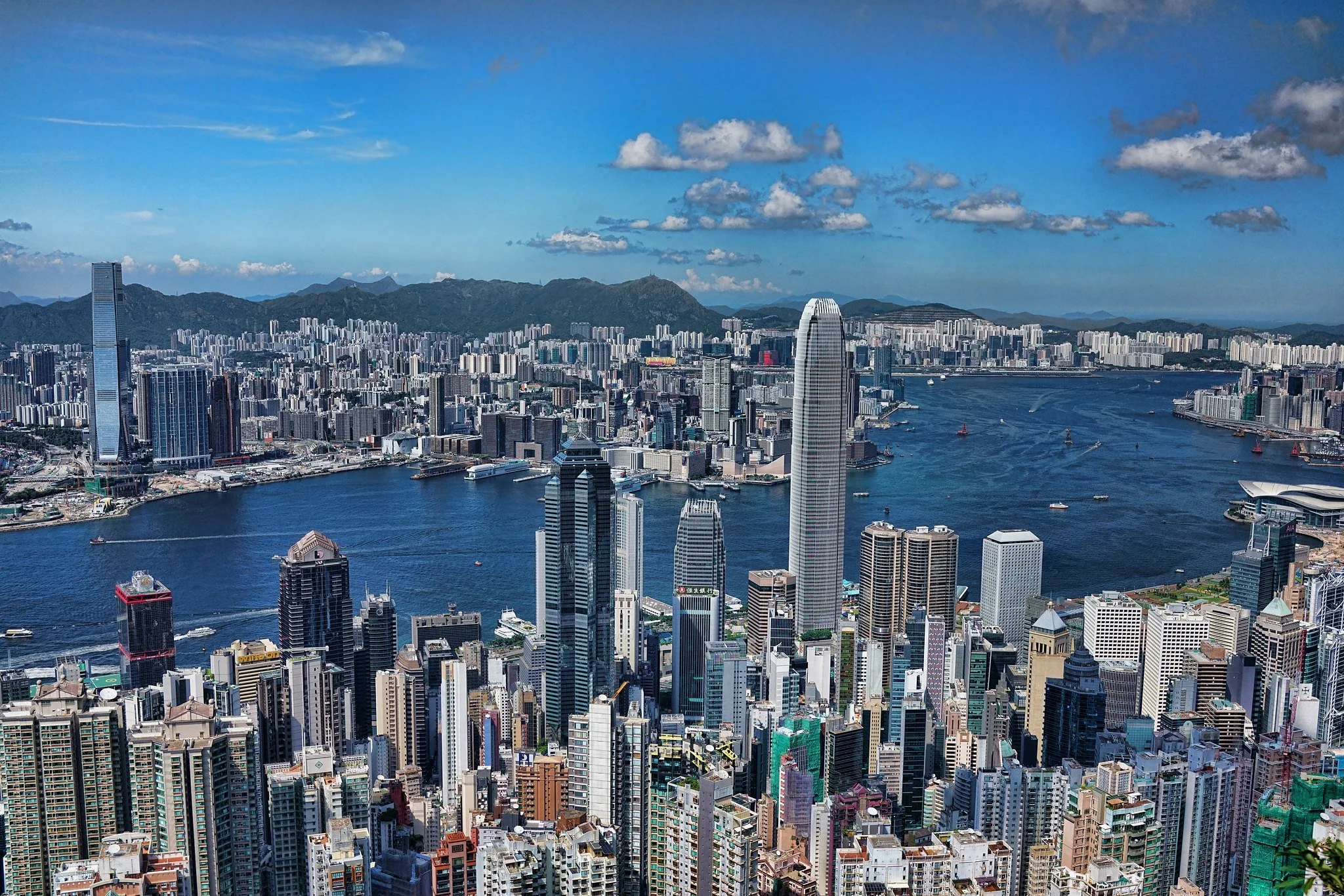
click on any image to enlarge
© Copyright Acknowledged | All rights reserved | images taken by Jamie