What We Lost When Sai Yeung Choi St. Reopened to Traffic
Sex, Song and Pure Street Theatre lost to Hong Kong Culture

The J3 Group - Premium Quality Private Tours | Experiences and Insider Chats since 2010
Me Jamie, your host, I am English and I have lived in Hong Kong since January 2nd 1972 - I know the place.
A meaningful blog post with a difference - tips on Travel, Tourism, Tours, Daily Life and my personal thoughts on Hong Kong.
Please do visit Amazing Hong Kong
Hong Kong | Pearl of the Orient
Customised Private Tours + Experiences in Amazing Hong Kong
Jamie has lived in Hong Kong - Pearl of the Orient for 50+ years
Carefully Crafted Personalised and Customised Itineraries by Jamie | Hong Kong’s Most Experienced Private Tour Guide for : Solo Travellers Friends Families Seniors Couples Business People MICE Delegates.
Private Tours Cultural Tours Walking Tours Sightseeing Tours City Tours Night Tours Layover Tours Transit Tours Private Shore Excursions Bespoke Tours Personalised Tours Jewish Heritage Tours Luxury Private Tours Day Tours Luxury Boat Tours Themed Tours Private Family Tours Private Day Tours Corporate Tours
Just you, your family or friends and Jamie your personal English private tour guide - over 2,400+ tours completed since 2011 - Jamie offers quality Private Tours of Hong Kong
Tour Group Size 1 - 6 people only
J3 Group Hong Kong | J3 Consultants Hong Kong | J3 Private Tours Hong Kong
Creating Memories That Will Last A Lifetime
Go here for the Hong Kong Michelin Restaurant Guide which includes the Bib Gourmand Category

A Resident since 1972 - Private Tours of Hong Kong with Jamie
The Best Things to do in Hong Kong
click on the image to enlarge
© Copyright Acknowledged | All rights reserved | image taken by Jamie
Sex sells products | well, it used to in Mong Kok | Hong Kong
Foreword
There is a particular kind of magic that used to animate certain streets in Hong Kong, a raw, unpolished energy that no amount of neon or skyscraper glamour could quite replicate. It was the kind of scene where the line between performance and daily life blurred, where commerce wore its most eye-catching face, and where ordinary people - performers, promoters, photographers and passers-by - created something spontaneously vibrant together. Two elements of that magic, once thriving in close proximity along Sai Yeung Choi Street South in Mong Kok, have now faded almost completely from the cityscape and I get very nostalgic when I think what was and what is now.
One was the remarkable transformation of a stretch of ordinary road into an unofficial open-air stage for buskers, singers, dancers and all manner of street entertainers. The other was the equally striking presence of promotional stalls staffed by young women in revealing outfits with large chests, selling mobile phone plans and gadgets while crowds of photographers gathered around them. Both drew people in, both added layers of theatre to an already electric district, and both have pretty much vanished, leaving behind a street that functions but feels somehow quieter and less alive or in plain English, it is simply boring.
his is their intertwined story, and a reflection on what their disappearance says about the Hong Kong we are shaping today.
It is easy to file such memories under simple nostalgia or to argue that regulation was inevitable in a dense city. Yet for anyone who wandered through in the afternoon or on a busy evening, these scenes represented something more fundamental: an authentic, unscripted slice of street life in Hong Kong that offered both locals and visitors a genuine encounter with the city’s pulse. In an age when much tourism promotion leans heavily towards eco-experiences and hiking trails - worthy pursuits for those seeking nature, but not the main draw for every traveller - the average visitor is often far more captivated by exactly this sort of lively, unpredictable human spectacle. The question worth asking is whether we have lost something irreplaceable in our drive for order and quiet.
,,, and stating the blindingly obvious many major cities in Asia have street markets, many of them on a grand scale because it is what tourists expect and want and to me it beggars belief that we only have 2 street markets of note both in Kowloon and none on Hong Kong Island. I can get very frustrated because the Tourism Authorities in Hong Kong are now prioritising Eco Tourism, most tourists simply do not have the time (the average non Mainland Chinese visitor here has 2 or 3 days maximum and they have at least 20 main attractions to tick off the list) to wander out in the boonies where one tree, bush and beach pretty much looks like every other tree, bush and beach.
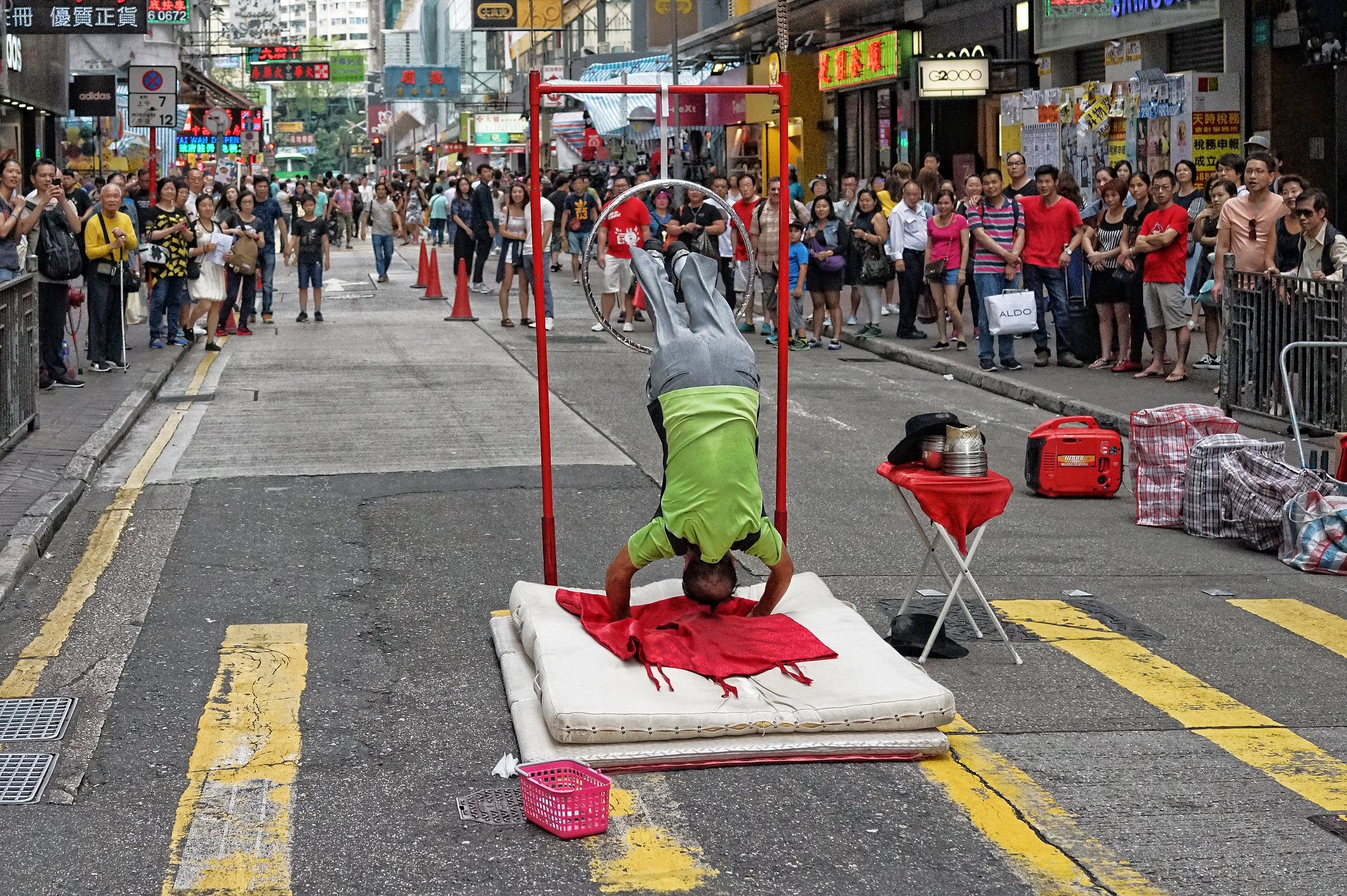
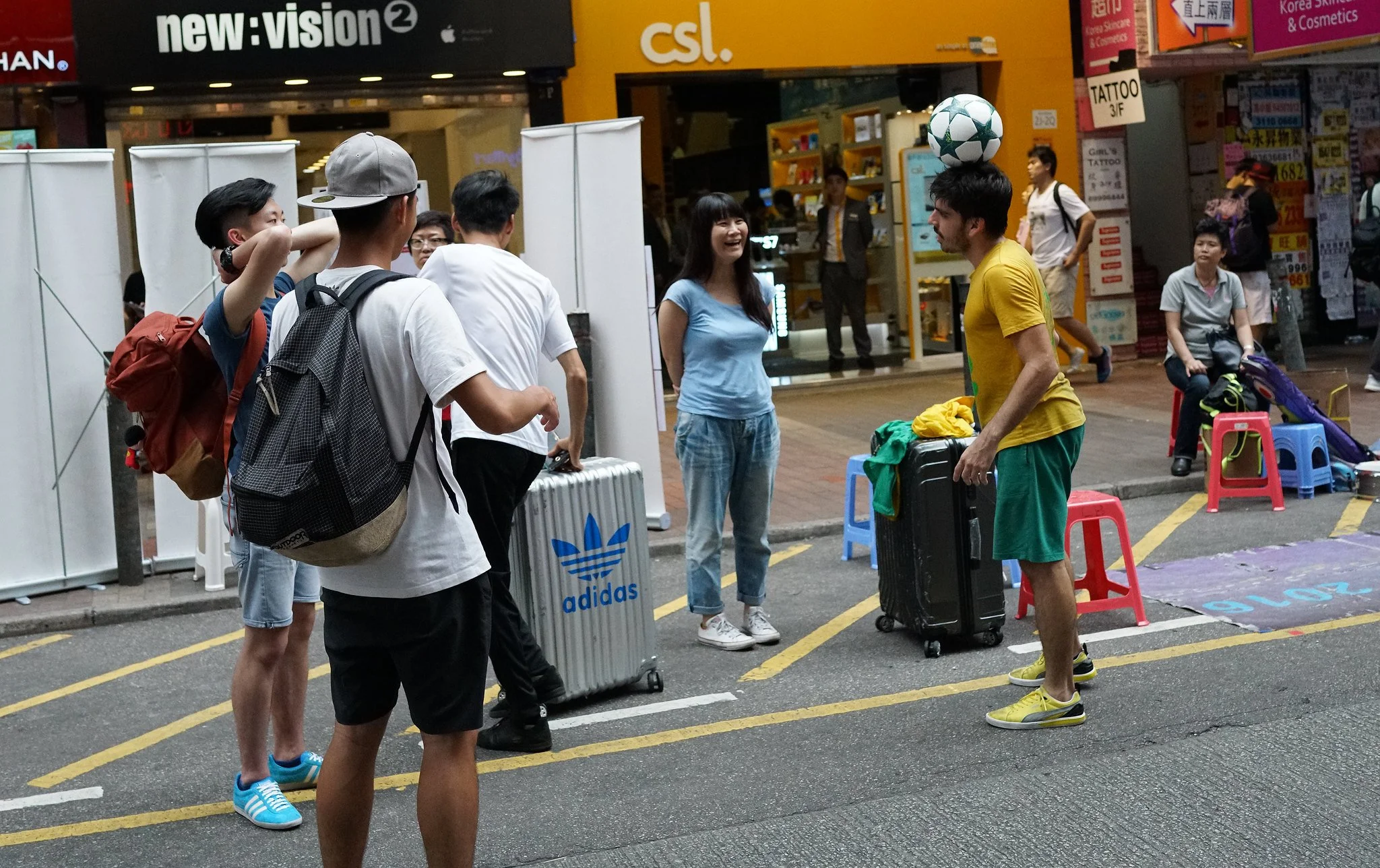
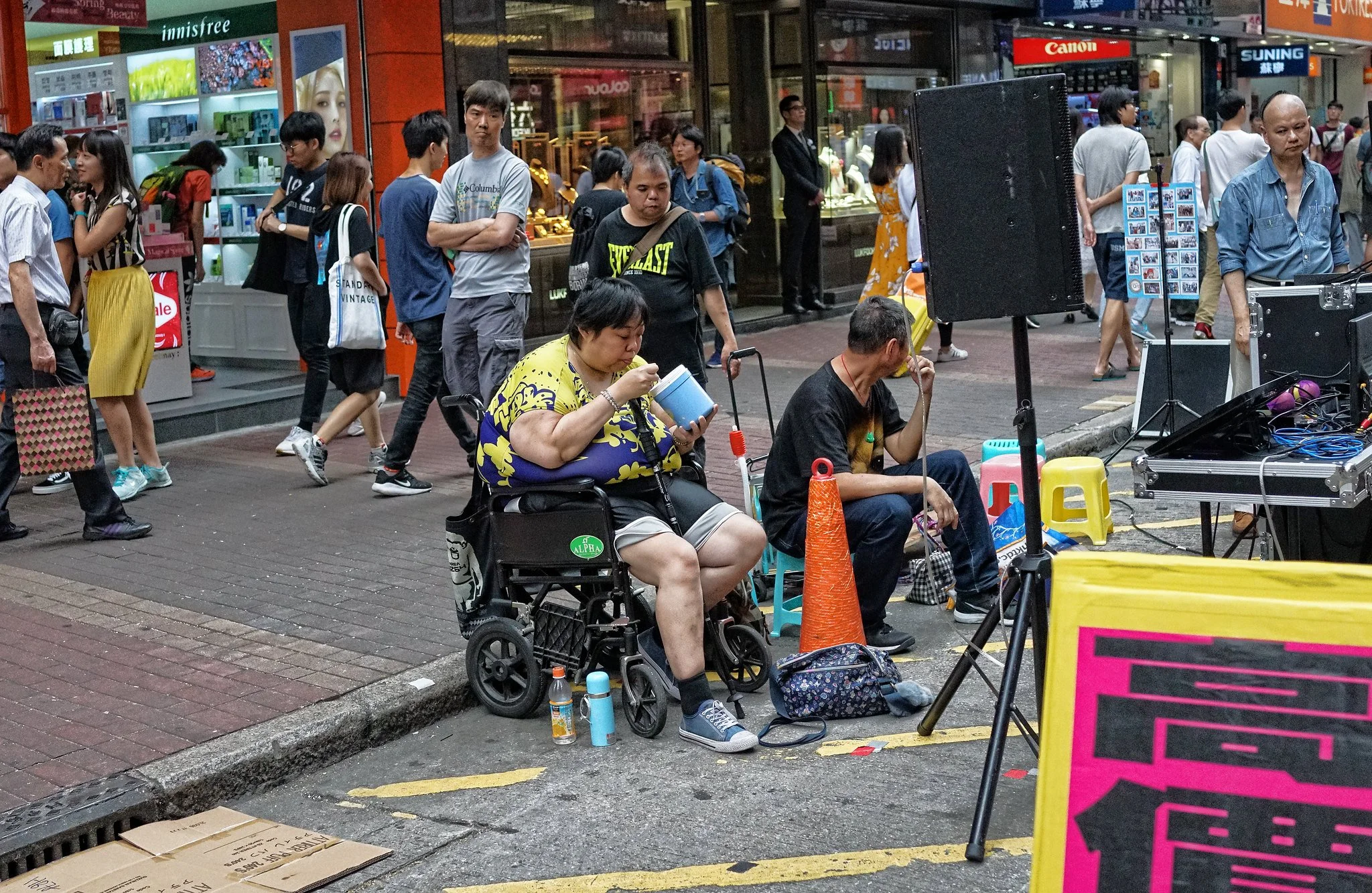
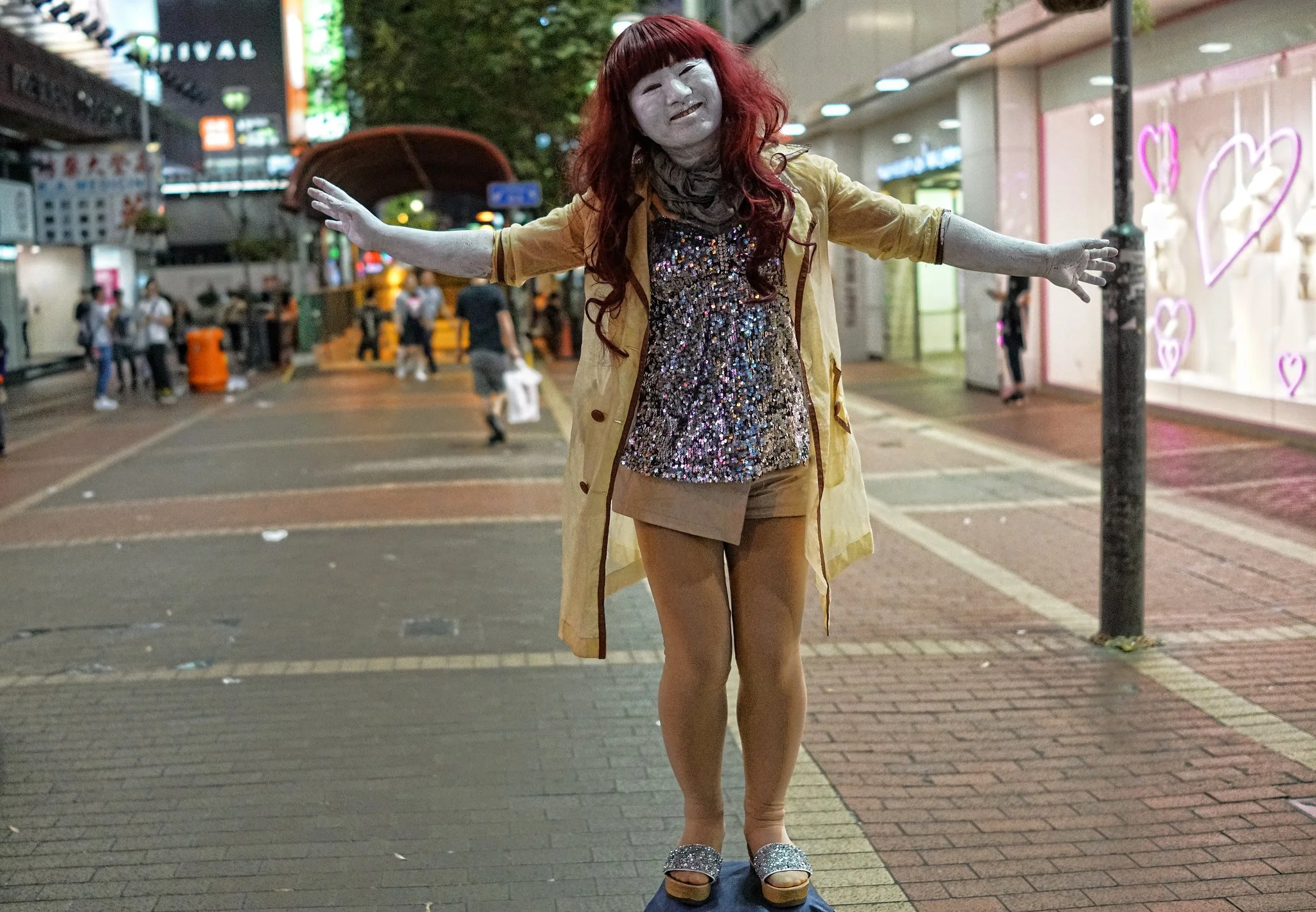
click on any image to enlarge
© Copyright Acknowledged | All rights reserved | images taken by Jamie
Long Gone Street Performers | Mong Kok | Hong Kong
The Experiment That Turned Sai Yeung Choi Street in Mong Kok into a Stage
In August 2000 the Transport Department took a practical decision to pedestrianise a section of Sai Yeung Choi Street South in Mong Kok. The stated aim was to ease traffic congestion during peak hours and create a more pleasant environment for shoppers in one of Kowloon’s busiest retail districts. The roughly 500-metre stretch, running parallel and adjacent to the Ladies Market on Tung Choi Street, was closed to vehicles for set periods - initially broader evening hours on most days, later refined. What began as a traffic-calming measure quickly became something far richer.
The street evolved into a magnet for street performers of every kind. On weekends and during the permitted hours the road belonged to singers with portable speakers, musicians, dance groups, karaoke enthusiasts and anyone else willing to claim a patch of tarmac. It was never a formal market. Someone could simply turn up with a microphone stand, a small amplifier or even an upturned bucket as a makeshift seat and start performing. Pop-up tables, banners and small promotional setups appeared alongside the entertainment. The result was pure Hong Kong street theatre: competing sound systems, enthusiastic crowds, tourists mixing with locals, and the constant background of camera shutters. For nearly two decades this unofficial performance zone operated with varying restrictions, becoming a well-known destination for anyone seeking the city’s unfiltered energy.
I simply loved the place
When the Volume Became Too Much
The very popularity of the space contributed to its end. As the years passed, complaints from nearby residents and shopkeepers grew steadily louder. The amplified singing and music, often blasting from loudspeakers at close quarters, reached levels that many found unacceptable. Independent measurements recorded peaks of 101.5 decibels on busy Saturday nights. In 2017 alone, more than 1,200 formal complaints about the performers were logged. Critics highlighted variable quality - some acts were described as enthusiastic but off-key karaoke-style performances - alongside concerns about obstruction, hygiene and the broader character of public space. Some observers framed the phenomenon as an example of “mainlandisation,” noting similarities to large-scale public singing and dancing common in mainland Chinese parks and squares.
Now I get this but personally I never found the noise to be overwhelming, but then again I did not live there
The winding-down process was gradual but decisive. Pedestrianisation hours were reduced several times between 2010 and 2014, eventually limited to weekends and public holidays only (typically Saturday afternoons through evenings and Sunday from around noon). In May 2018 the Yau Tsim Mong District Council voted to suspend the scheme altogether, responding to sustained resident and business pressure. The final performances took place around 29 July 2018. By early August the street was fully reopened to vehicular traffic. After eighteen years the experiment concluded. What had been a lively pedestrian precinct returned to being just another busy road - functional, orderly and stripped of its distinctive character.
The Legal Landscape That Now Governs Street Performance in Hong Kong
Street performance and busking in Hong Kong sit in an interesting legal position. In principle they enjoy protection as forms of artistic and cultural expression. There is no single, comprehensive city-wide licensing system created specifically for buskers. However, everyday restrictions are significant. Under the Summary Offences Ordinance (Cap. 228), any person wishing to play a musical instrument in a public street or road must first obtain a permit from the Commissioner of Police. Performances must not cause nuisance, obstruction or annoyance to the public. Additional rules apply in parks and pleasure grounds under the Pleasure Grounds Regulation. Unlicensed street trading or hawking - which would cover many pop-up stalls selling goods - is tightly controlled by the Food and Environmental Hygiene Department and generally prohibited without proper authorisation.
Petty bureaucracy sums it up rather nicely
In practice, performers have gravitated towards a small number of designated or tolerated locations and schemes. These include the Leisure and Cultural Services Department’s Open Stage programme, spaces at the West Kowloon Cultural District, and certain harbourfront shared areas where rules on amplification, timing and sometimes the acceptance of donations are enforced.
For the record, the West Kowloon Cultural District is in a significantly awkward to get to location and it will be of little interest to tourists
The closure of the Mong Kok pedestrian zone scattered many performers. While some continue elsewhere, the concentrated, anything-goes atmosphere of the old Sai Yeung Choi Street South has not been recreated on the same scale. It remains a classic Hong Kong story of organic street vitality meeting the realities of regulation and competing interests.
click on any image to enlarge
© Copyright Acknowledged | All rights reserved | images taken by Jamie
Sex sells products | well, it used to in Mong Kok | Hong Kong
The Other Spectacle: When the Plan Girls Held Court
Running alongside the buskers during the same era - and often on the very same stretch of Sai Yeung Choi Street South - was another unforgettable element of the street scene. Telecom operators and service providers set up temporary promotional stalls and pull-up banners to market mobile phone plans, broadband packages and related products.
In addition but on a smaller scale, beauty products and cosmetics where also pushed.
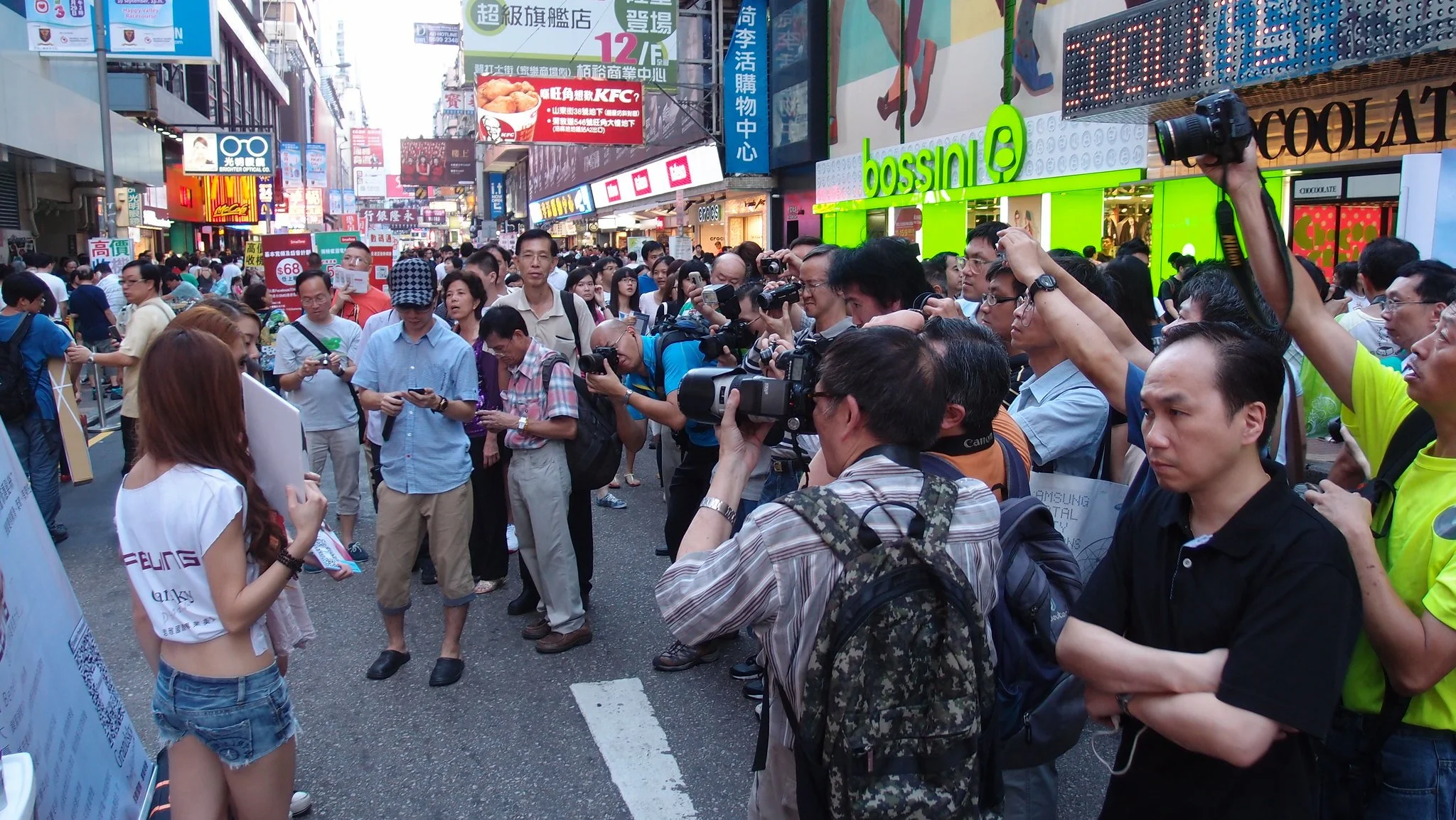
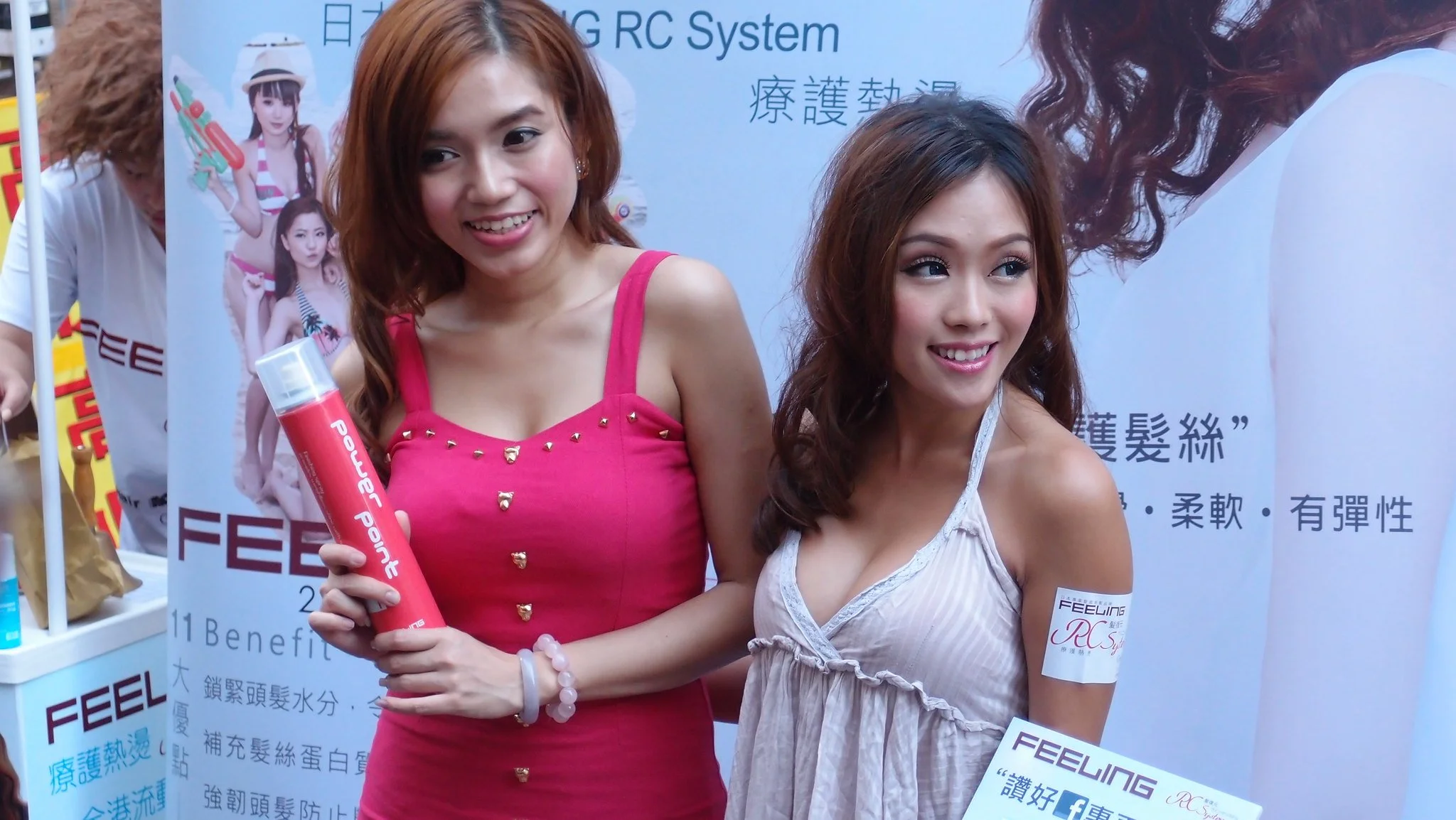
What made these stalls particularly memorable was not only the goods on offer but the people staffing them: young women, frequently dressed in eye-catching, figure-hugging or revealing outfits - short skirts, low-cut tops and clothing that accentuated their figures - deployed as brand ambassadors.
This was marketing that openly embraced the long-standing commercial reality that sex sells. The effect was immediate and theatrical. Clusters of photographers - often forty or more, predominantly male amateurs - would gather around a single stall, cameras at the ready, turning a straightforward promotional exercise into a lively street spectacle. The promoters smiled, posed and engaged with the crowd while handing out flyers and demonstrating products. It added a layer of glamour, colour and slightly risqué energy to the already buzzing pedestrian zone. Crucially, this was distinct from the organised sex trade associated with places like Temple Street Night Market. It was pure promotional theatre - commercial, objectifying perhaps, but ultimately harmless street-level entertainment designed to draw foot traffic in a fiercely competitive retail environment.
… and yes, it worked
This phenomenon, too, has largely disappeared from Hong Kong’s streets. The reasons are several: telecom companies shifted much of their marketing to digital and targeted online channels, the market became saturated reducing the need for aggressive street-level promotion, and broader social attitudes around gender representation and objectification evolved.
Whatever the precise combination of factors, the days when one could stroll past a row of such stalls amid the flash of cameras, the calls of promoters and the competing sounds of nearby buskers are now a memory. The street feels more conventional (boring) and, to many who remember its earlier incarnation, noticeably less alive.
Nostalgia, Tourism and What Visitors Actually Seek
It would be disingenuous (and yes I do sometimes throw in a big word) to pretend the old scene was flawless. Residents living and working nearby had every right to expect reasonable peace and quiet. Excessive noise and physical obstruction are legitimate issues in such a densely built environment. The promotional tactics raised fair questions about the use of women’s bodies in advertising. Yet the complete removal of these organic elements feels like an over-correction that has cost the city something valuable.
Hong Kong has long traded on contrast and energy - the chaotic markets, the neon nights, the unexpected human moments amid the efficiency. Removing spaces where that energy could flourish risks presenting a version of the city that feels managed, predictable and ultimately less distinctive. - or in my terms, just like Singapore, sanitised.
Consider what draws many visitors in the first place. While eco-tourism and well-managed hiking trails have their place and appeal to a particular audience, the average traveller - especially those on shorter trips or experiencing Hong Kong for the first time - is often far more interested in authentic street-level encounters. They want to wander through lively districts, watch street performers, stumble across quirky commercial spectacles, and feel the unpredictable pulse of local life.
Here is a bit more reality, Hong Kong averages about 10 - 13 million non Mainland Chinese Tourists in a typical year, only a minuscule fraction of these tourists have an interest in so called eco tourism.
A hike where one tree quickly begins to resemble the next may offer tranquillity for some, but it rarely delivers the memorable, shareable “this is real Hong Kong” moments that photographs of buskers, crowded pedestrian zones and colourful street theatre provide. By allowing places like the old Sai Yeung Choi Street South to disappear without creating meaningful replacements, we risk diminishing one of the city’s strongest and most distinctive tourism assets.
click on any image to enlarge
© Copyright Acknowledged | All rights reserved | image taken by Jamie
Temple Street Night Market | Street Food Sells | Hong Kong
Government Success Stories and Practical Ways Forward
A heartening counter-example exists not far away. A few years ago the Government, under the Night Vibes Hong Kong campaign, introduced a dedicated street food section to Temple Street Night Market. Temple Street Night Market features a designated food street stretching around 100 meters between Jordan Road and Nanking Street, offering a total of approx. 32 dedicated food stalls. This setup includes 22 hot food booths and 10 traditional mobile snack stalls. This revitalisation – complete with themed zones, art installations and supporting infrastructure - has breathed fresh life into the area. Visitor numbers have surged, with some reports of 1.5 million tourists and locals drawn in during the initial months following the changes and it remains very popular to this day
The reason why the street food section in Temple Street has been a resounding success is to me very very simple. It is not just Hong Kong Chinese food - there are other stalls selling regional street food and, crucially, most of the stall holders and employees speak perfectly good English. This is a big issue because many street food outlets in Mong Kok have very limited English, which is precisely why food tours thrive in Hong Kong: you have Chinese guides with excellent English who can guide visitors through the maze of street food offerings. It is not rocket science - foreigners love to try new food but are often hesitant if they have no idea what they are eating and the server does not speak English.
In my experience it is sometimes as basic as, “is the food safe to eat” ! and then there is also the issue of food allergies, if you have a food allergy I would not eat at a street food stall anywhere in Hong Kong, but that is just me, boring with a large dollop of caution
The contrast with the Mong Kok pedestrian zone closure is instructive, and it opens the door to creative thinking. There is, for instance, no obvious reason why a similar street food market section could not be introduced in or around the Ladies Market in Mong Kok. The area already enjoys massive foot traffic, excellent MTR access and a well-established retail identity. A thoughtfully designed food zone - perhaps with mobile carts, specialty stalls offering claypot rice, grilled seafood, snacks and other local favourites, combined with basic lighting and cleaning support - could animate the streets without recreating the noise and residential disruption of the old full pedestrian performance setup. It would provide a natural complement to the shopping, draw evening crowds, support small vendors and give the district a renewed evening buzz that aligns perfectly with current efforts to strengthen the night-time economy.
In a nutshell, what works at the Temple Street Night Market would work at the Ladies Market
So, why not a slimmed down version of the old Street Performers section?
This is fairly typical in Hong Kong - an all-or-nothing approach. They could, for argument’s sake, have kept the original pedestrian zone operating for just two days a week (weekends, naturally), and it is easy for me to say that now with the benefit of hindsight. But you know what, although Hong Kong is really built up, I am pretty sure they could have found a patch of land close to an MTR station in a tourist-friendly area and built an indoor arena - weather-proof, of course. The best example I can think of is something on the scale of the Jade Market in Yau Ma Tei | Jordan, which sits just steps away from the MTR and offers a permanent, covered space with hundreds of stalls in a convenient, accessible location.
An indoor performance venue on a similar scale could host multiple buskers and street performers in a controlled yet vibrant environment, protected from rain, heat and typhoons, with basic facilities like power points, simple staging areas and perhaps even small seating zones for audiences. It would reduce noise complaints for nearby residents while preserving that raw, authentic street-theatre energy that so many visitors (and locals) miss. Eureka moments in Government circles are very few and far between, but this is one of my ideas - a practical, forward-looking solution that could have kept the spirit of Sai Yeung Choi Street South alive without the previous problems.
I should also point out that Temple Street Night Market still has a small area set aside for open air Karoke and Chinese Opera and frankly I find it dreadful but it does provide character to a quiet part of the market and yes, it is a talking point.
The loss of these scenes need not be absolute. Other cities in Asia have successfully balanced vibrant street performance with the legitimate needs of residents and businesses. Hong Kong could do likewise with imagination and a willingness to experiment.
Some constructive possibilities to turn things around come to mind
Create properly managed busking zones in carefully selected high-footfall commercial areas (or quieter adjacent spots), with clear, published guidelines on volume, hours, amplification and a simple permit or registration system. This would give performers legitimacy and predictability while protecting nearby residents. Existing light-touch schemes at certain harbourfront locations demonstrate that balanced regulation is achievable, and the Temple Market Street food success shows what is possible with thoughtful additions.
Trial periodic or weekend street closures or enhanced pedestrian-friendly measures specifically for performance and cultural events in suitable districts, building on the original Mong Kok model but incorporating better sound management, community consultation and complementary elements like small food offerings to broaden appeal and reduce conflict.
Review and simplify the existing police permit process for musical performances to make it more accessible, transparent and encouraging of quality acts rather than pushing activity into the shadows or out of sight altogether.
For promotional street activity, consider designated pitches where licensed marketing is permitted under sensible guidelines that respect public decency while still allowing commerce to animate public space. The old plan-girl stalls were crude by modern standards, yet they brought life, footfall and visual interest; a more contemporary, respectful approach could capture some of that energy without the excesses. Pairing this with food-focused revitalisation around areas like the Ladies Market could create synergistic, low-disruption vibrancy, in other words, somewhere a tourist might want to visit.
Out of left field comments
Perhaps it is time to reconsider the broader cultural narrative around public performance. The occasional critique of “mainlandisation” for loud singing and dancing in public spaces sometimes overlooks that vibrant street culture - whether entirely home-grown or carrying outside influences - can be a strength rather than a threat to Hong Kong’s identity. Curating and supporting quality street arts, rather than simply suppressing them, might offer a distinctive tourism edge in a region crowded with competing destinations.
have nothing against eco-tourism - it has its place for those who enjoy it. But the Government and Tourism people clearly have no concept of time when it comes to how visitors actually experience Hong Kong
From personal experience, the overwhelming majority of foreign tourists have little interest in eco tourism. Out of every 100 enquiries I receive, only one will mention words like “hike”, “eco-tourism” or related keywords. This has been consistent over the past 16 years.
Approximately 75% to 78% of Hong Kong's total land mass is considered green and undeveloped, functioning as open countryside. Only about 24% to 25% of the territory is classified as "built-up" or developed land and Hong Kong is roughly 430sq miles or 1,114 sq km in total
Those percentages highlighted of rocky, green and marshland, with close to 600 hills and many fine hiking trails, but no amount of Government spin can change reality. Tourists on short trips of just 2 or 3 days simply do not have the time to head out into the boonies and return, especially when their wish lists are packed with so many other must-see places in the city.
In my world of private tours in Hong Kong, I know of basically 3 proper companies that actually actively promote hiking tours or eco tours, and even then they still offer a myriad of traditional private tour options. As a business, I think currently that you could not make a successful business just doing eco tours and hiking tours. Yes, I am aware that quite a few adventurous souls have no issue going out into nature here, but frankly they need a guide and not to put to fine a point on it, the weather has a major impact, basically from May to October every year, 30 - 35oC temperatures, 90% + humidity and yes, heavy rain can be a major issue so, a 6 month season only unless you do not care about the weather
These two lost elements - the buskers’ open stage and the promoters’ glamour - were never merely about noise or the blunt principle that sex sells products. They were about Hong Kong being unapologetically itself: dense, commercial, theatrical, a little bit cheeky and endlessly entertaining at ground level. Their absence has left a noticeable gap in the city’s street-level character. It may not be too late to find thoughtful new ways to let some of that spirit breathe once more, building on proven successes like the Temple Street revival and practical opportunities such as a food-focused boost around the Ladies Market.
So there you go
Jamie’s Hong Kong Insider Chat
Ready to turn your plans into a far more enjoyable reality? Click the yellow button below to learn more about Jamie’s Hong Kong Insider Chat, check pricing and book a convenient time
I do not do Food Tours in Hong Kong but I know people that do!
click on any image to enlarge
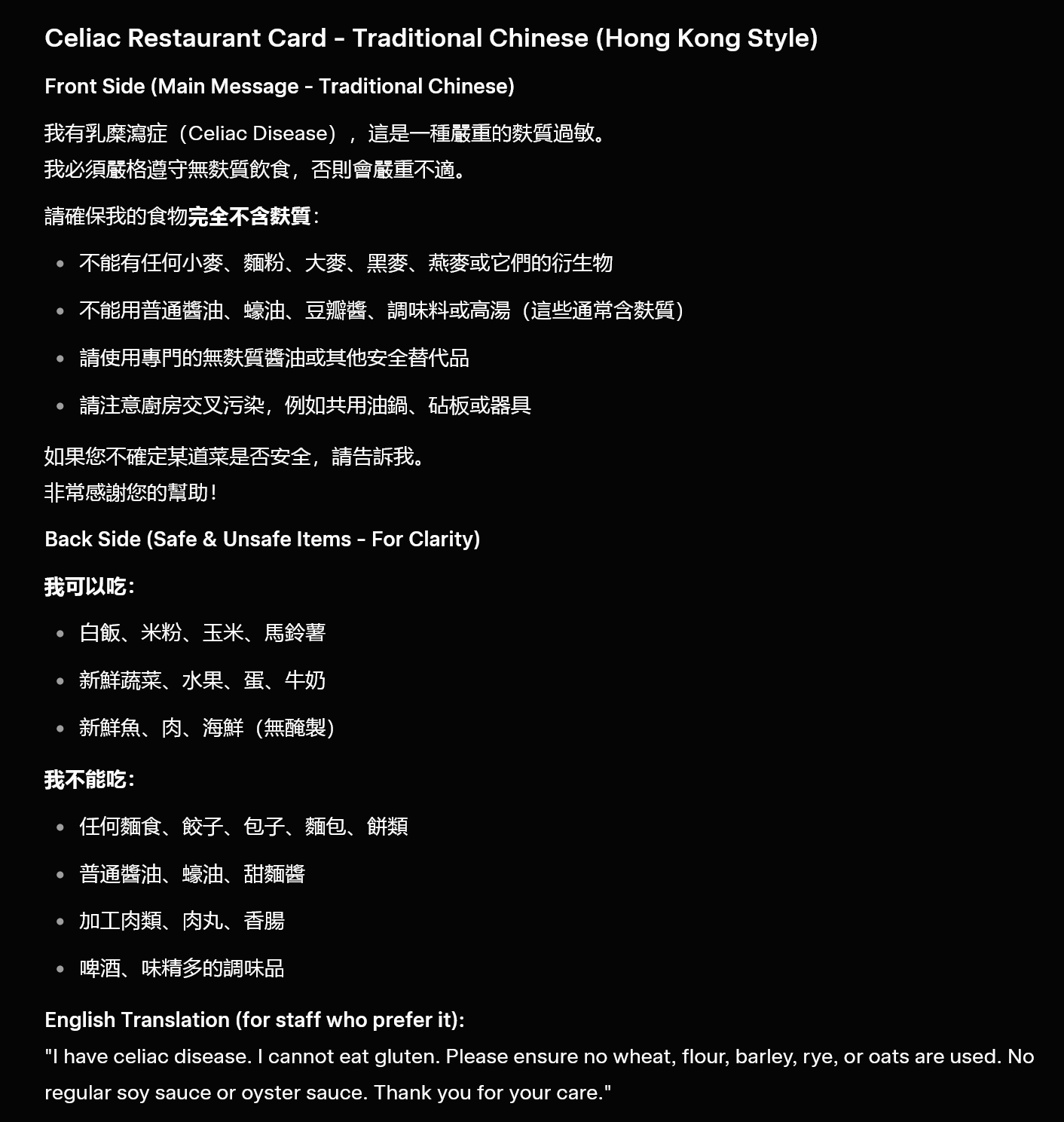
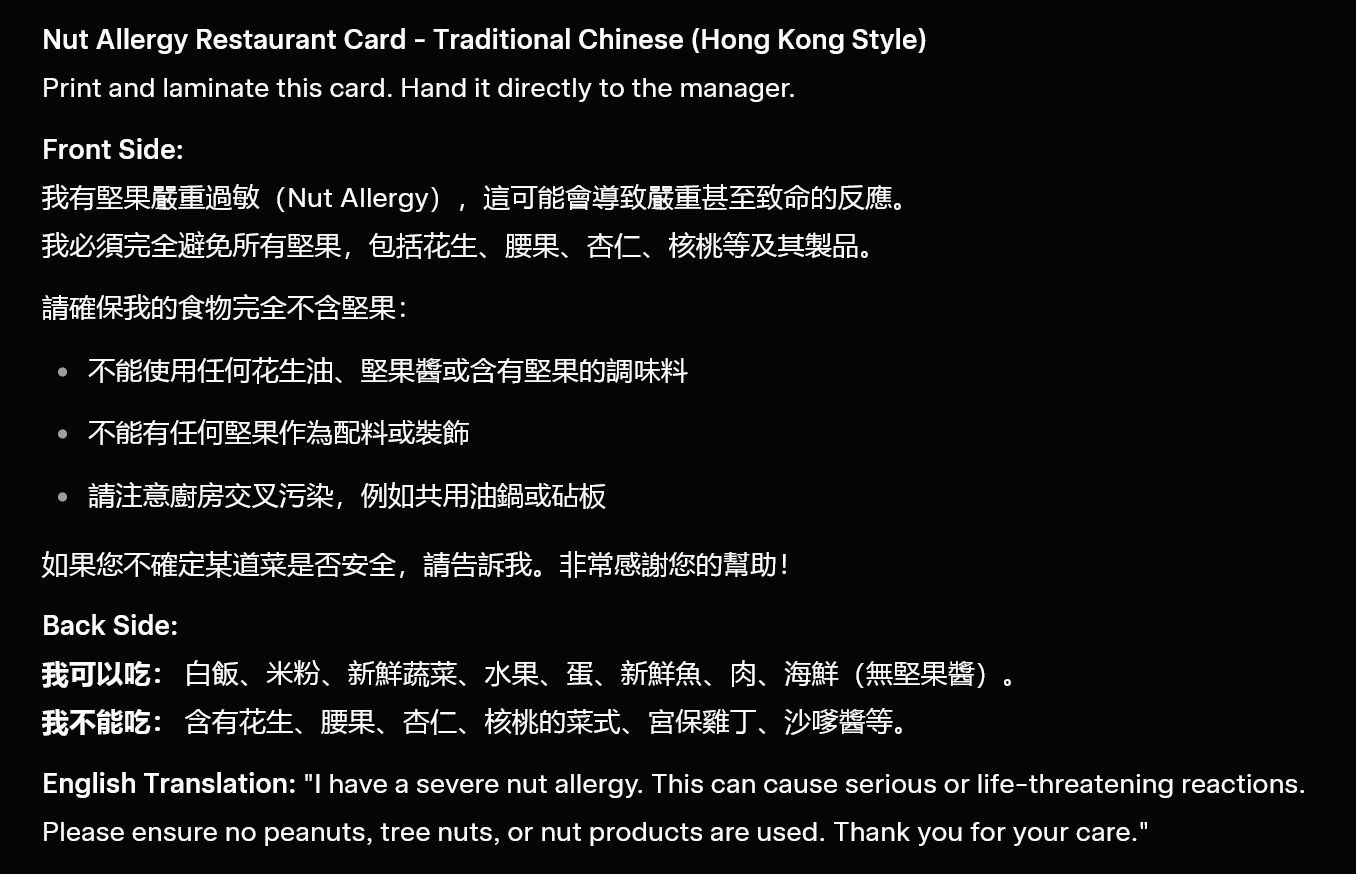
The information above can be shown to restaurant managers in Hong Kong if you are intolerant to gluten and nuts,
I do not do food tours as mentioned above, I have very specific reasons and part of it is that I do not speak Cantonese or write Chinese, I am from Yorkshire in England and I lack the language gene and it is not through lack of trying and yes a lot of restaurants do not have English menu’s or staff who speak conversational English.
.. and yet I have eaten at close to 1,400 restaurants in Hong Kong since January 2nd 1972, my wife was born in Hong Kong and we have been together over 40 years and her first language is Cantonese and a lot of her family are Chinese or half Chinese so I have never had much of an issue!
This does not translate to doing food tours though, yes, I could do them, no problem there but they would never ever be as good as the food tours done by my friends (see the 3 links above) most of their awesome guides are locally born Hong Kong Chinese and obviously food culture is part of their DNA, it is impossible for me to compete with that!
So please feel free to contact them for food tours
I do not do Hiking Tours in Hong Kong but I know someone that does!
I do not do Hiking Tours, never have and never will even though I used to go Hiking a lot when I was a lot younger, The Hong Kong Government is promoting hiking tours so I urge you to contact my friend Sabrina at Hong Kong Trails and Tours, she is a long time Hong Kong resident and and a very experienced hiker with close to 700 Hikes in 15+ years under her belt, please click on the link below
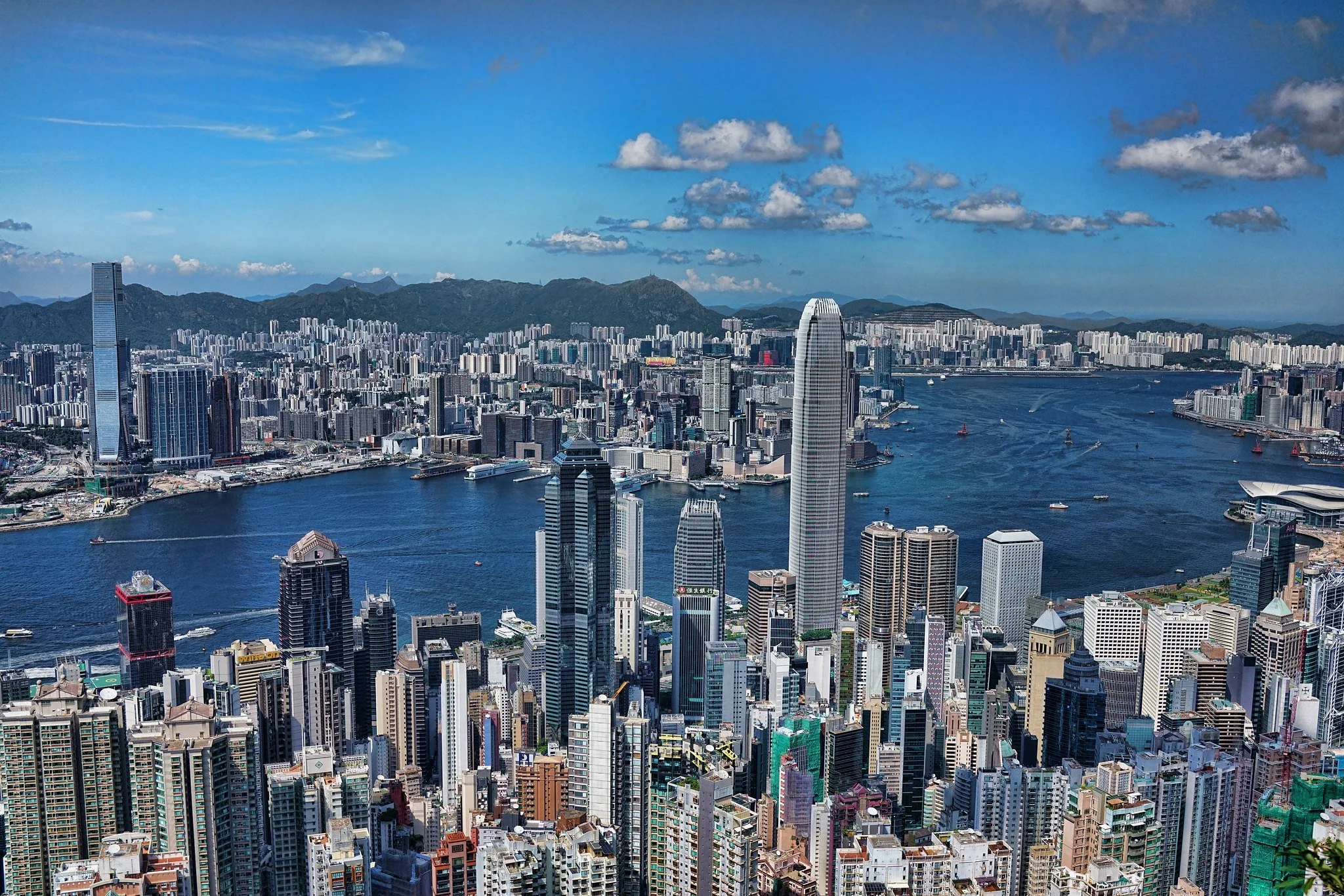
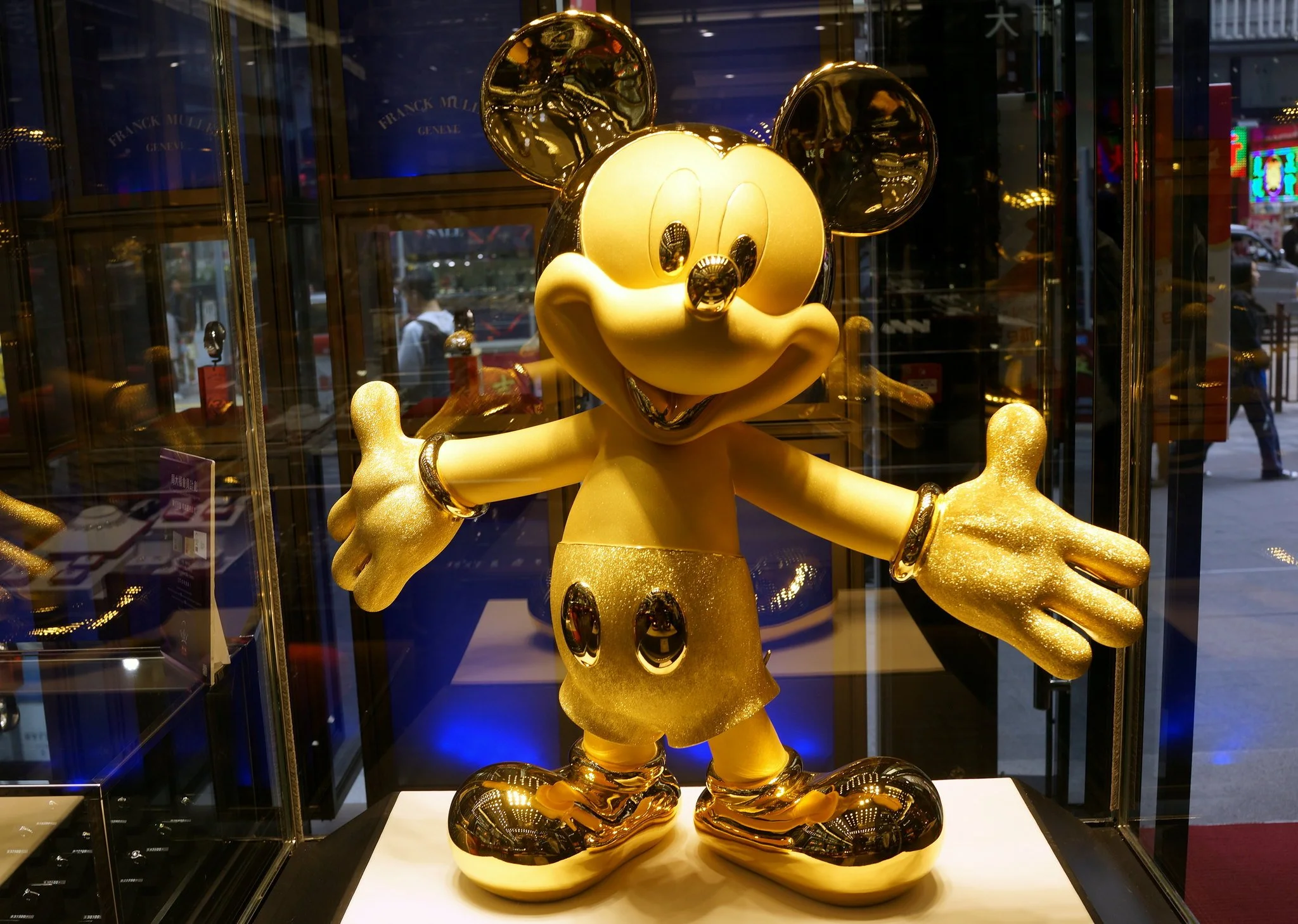
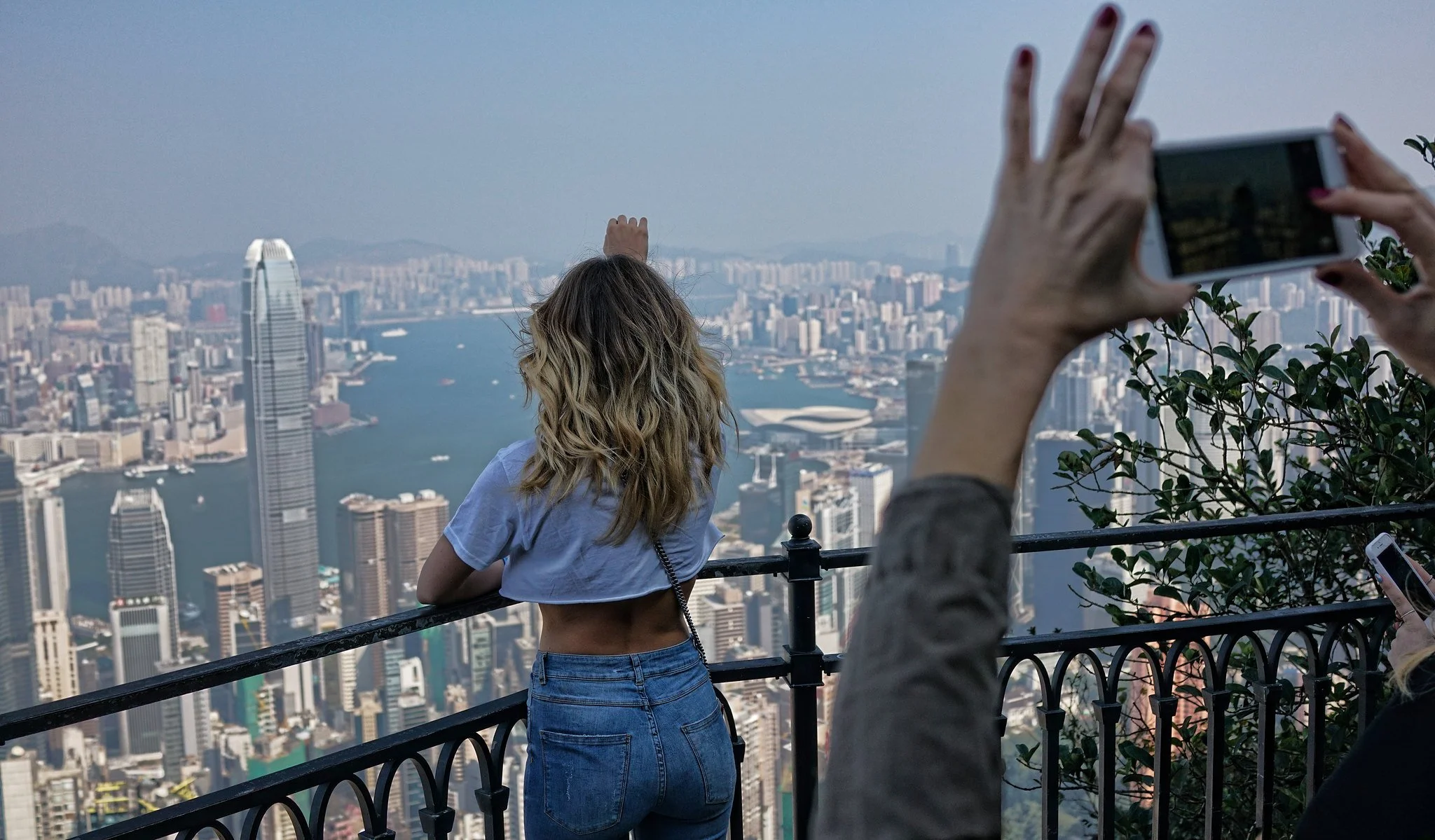
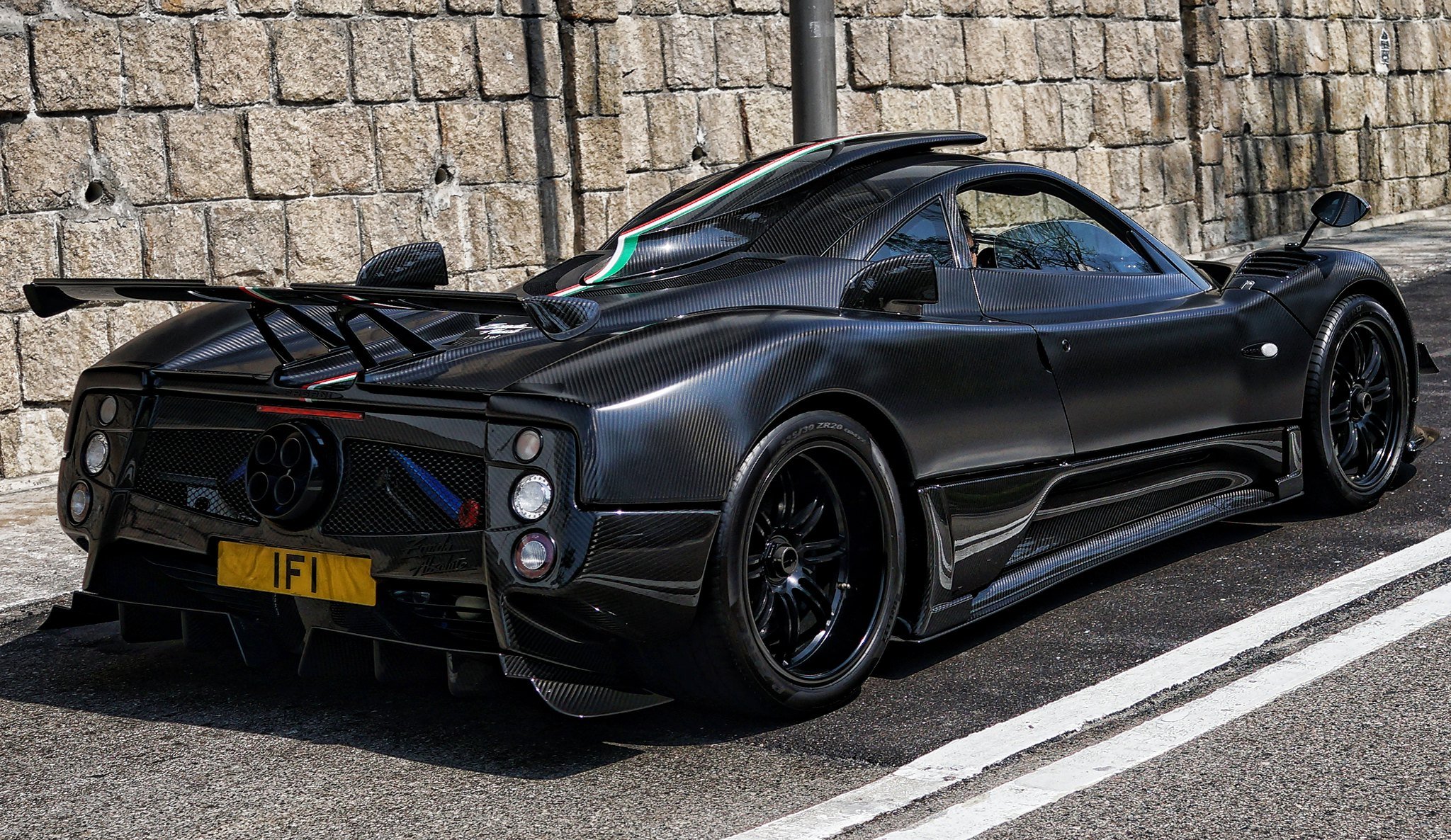
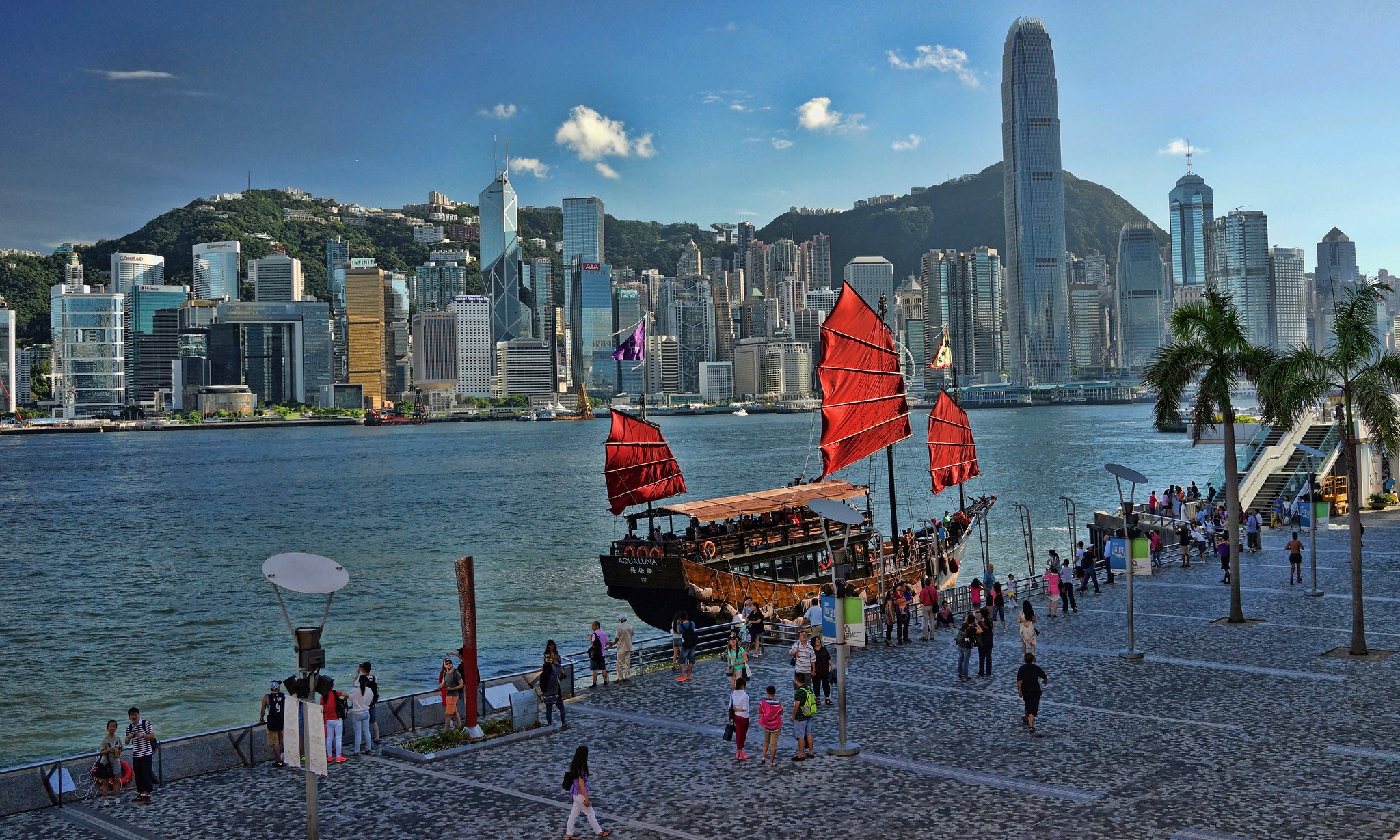
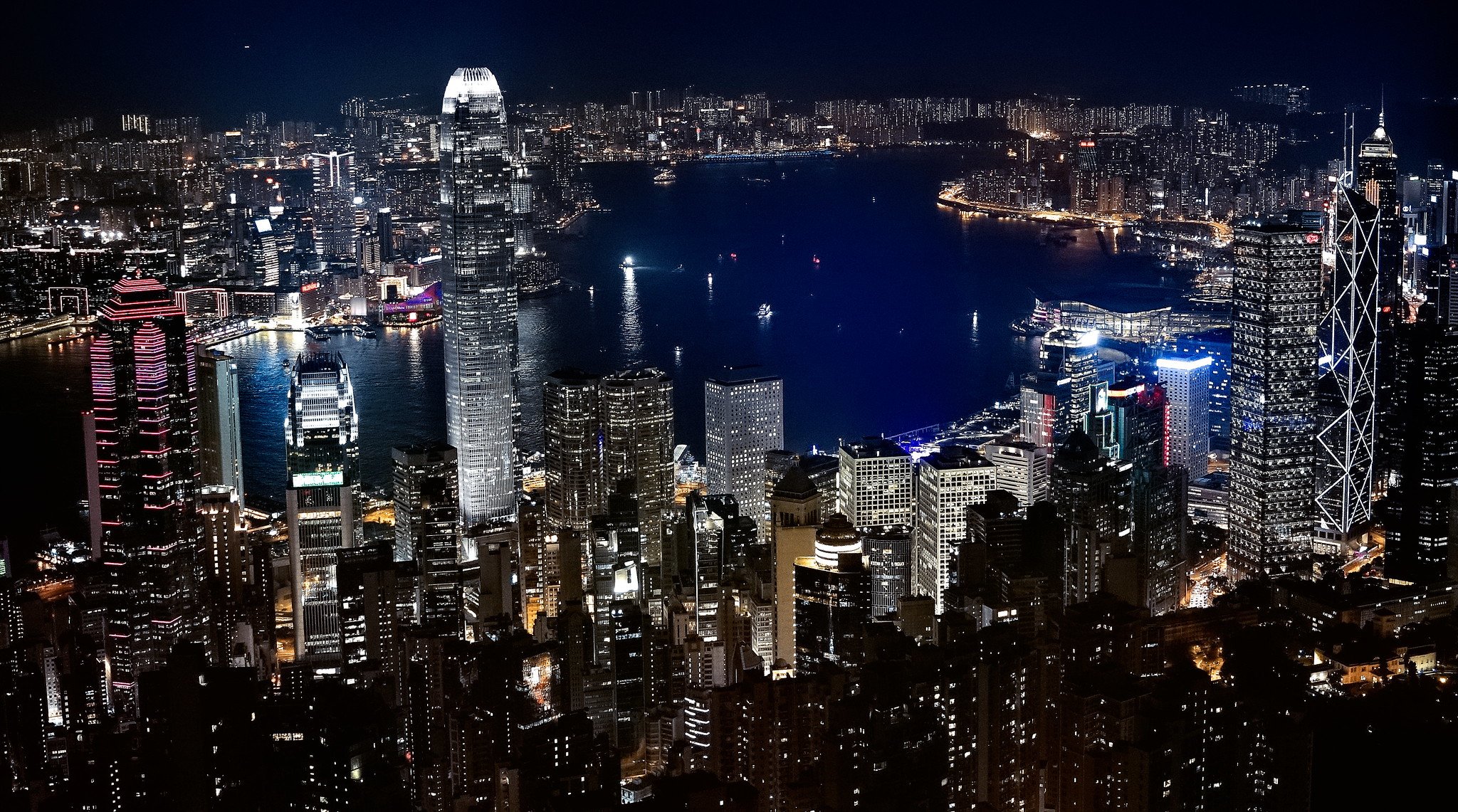
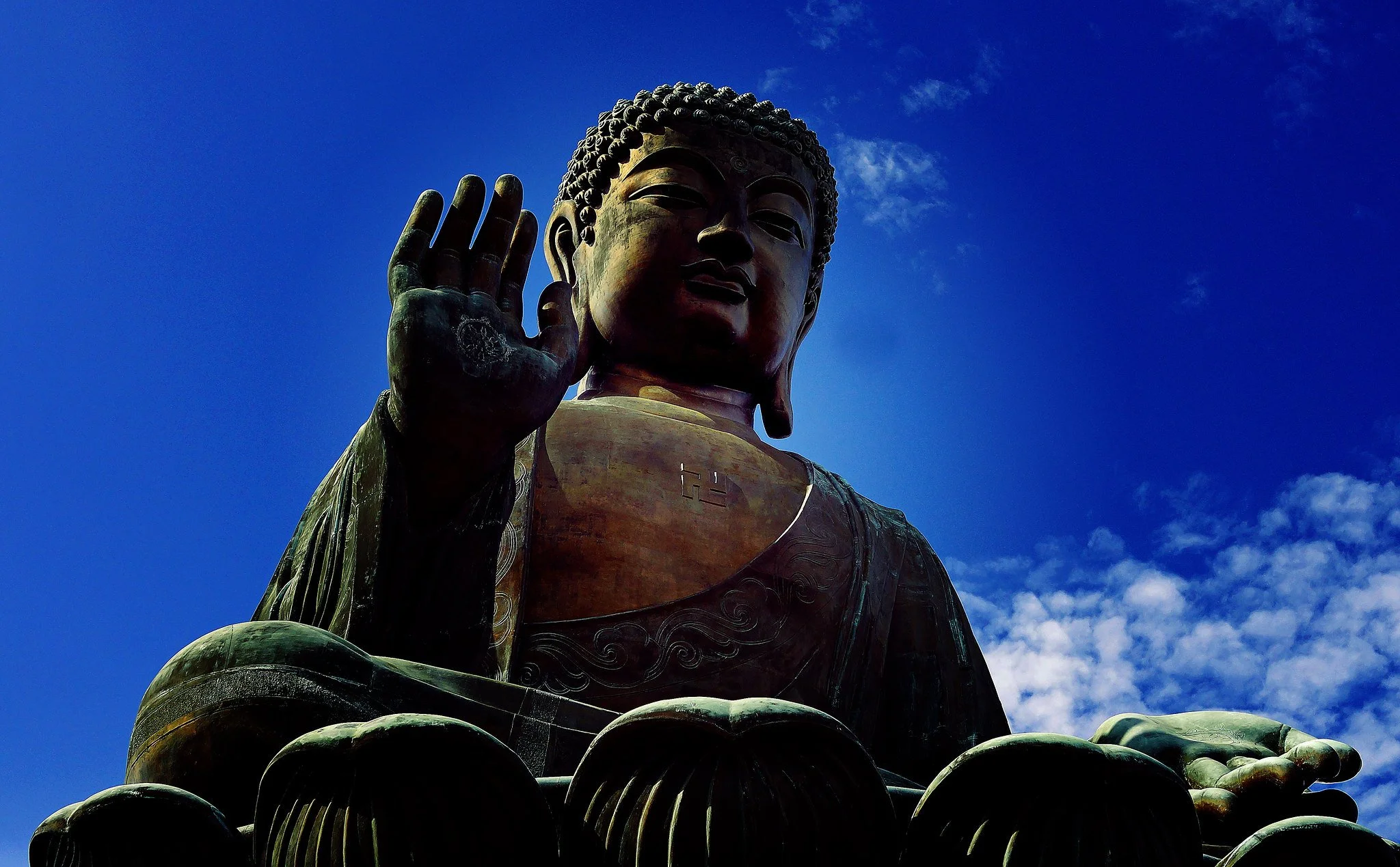
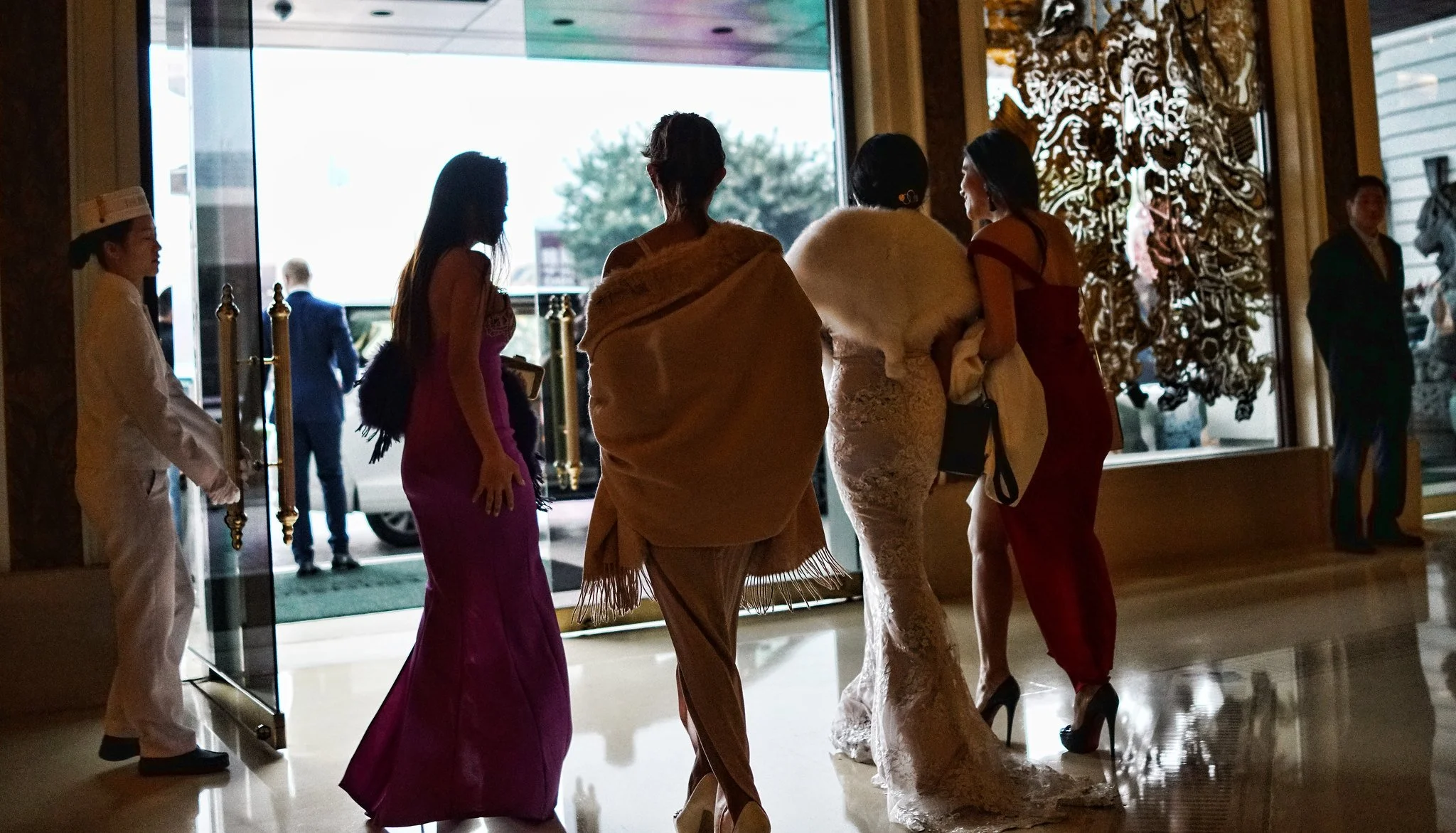
click on any image to enlarge
© Copyright Acknowledged | All rights reserved | all images taken b Jamie
Jamie’s Hong Kong | Some of my favourite images | Hong Kong 101
© Jamie Lloyd | J3 Consultants Hong Kong | J3 Private Tours Hong Kong |
| 2010 - 2026 All rights reserved. |
Click on any image to enlarge to full screen
Current images from my Instagram feed