Exploring Sha Tin’s iconic Che Kung Temple in Hong Kong
History, Rituals & Why It Draws Crowds Every Lunar New Year in Hong Kong

The J3 Group - Premium Quality Private Tours | Experiences and Insider Chats since 2010
Me Jamie, your host, I am English and I have lived in Hong Kong since January 2nd 1972 - I know the place.
A meaningful blog post with a difference - tips on Travel, Tourism, Tours, Daily Life and my personal thoughts on Hong Kong.
Please do visit Amazing Hong Kong
Hong Kong | Pearl of the Orient
Customised Private Tours + Experiences in Amazing Hong Kong
Jamie has lived in Hong Kong - Pearl of the Orient for 50+ years
Carefully Crafted Personalised and Customised Itineraries by Jamie | Hong Kong’s Most Experienced Private Tour Guide for : Solo Travellers Friends Families Seniors Couples Business People MICE Delegates.
Private Tours Cultural Tours Walking Tours Sightseeing Tours City Tours Night Tours Layover Tours Transit Tours Private Shore Excursions Bespoke Tours Personalised Tours Jewish Heritage Tours Luxury Private Tours Day Tours Luxury Boat Tours Themed Tours Private Family Tours Private Day Tours Corporate Tours
Just you, your family or friends and Jamie your personal English private tour guide - over 2,400+ tours completed since 2011 - Jamie offers quality Private Tours of Hong Kong
Tour Group Size 1 - 6 people only
J3 Group Hong Kong | J3 Consultants Hong Kong | J3 Private Tours Hong Kong
Creating Memories That Will Last A Lifetime
Go here for the Hong Kong Michelin Restaurant Guide which includes the Bib Gourmand Category

A Resident since 1972 - Private Tours of Hong Kong with Jamie
The Best Things to do in Hong Kong
click on the image to enlarge
© Copyright Acknowledged | All rights reserved | image taken by Jamie
Che Kung Temple - Shatin | Iconic | Hong Kong
Foreword
After 16 years as a private tour guide and 2,390+ private tours completed in Hong Kong I have come to appreciate the layers of history and living tradition that places like the Che Kung Temple in Sha Tin represent. Far more than just another stop on a sightseeing list, this temple offers visitors a genuine window into local beliefs, resilience in the face of hardship, and the enduring power of folk faith in a modern city. In this detailed piece, I share everything I have gathered about its story, practical visit information, and why it continues to draw crowds year after year.
My first visit to the Temple was in 1978, I was bunking down in my parents house in Shatin and me being me, I like to explore and in those days there was not MTR (Subway) so I had to take a taxi there and I got quite lost, but I remember the temple and it has changed dramatically over the decades
Back to 2026 and I always lament the fact that quite often the best attractions and places to visit in Hong Kong, are, you guessed it, out in the boonies! and time is a major issue, many visitors to Hong Kong simply do not appreciate just how large Hong Kong is and when it comes to Temples, well we have over 600 of them!
The challenge I face on every tour I do is a simple one, my guests essentially want to see the best of Hong Kong in a period of 6 - 8 hours and generally most of my guests have some idea of what they want to see and do and that means going out into the boonies is simply not possible.
Every now and then I get guests who book private tours for 2 or 3 days which helps a lot and of course now we have the curse that is AI itineraries where I am presented with a neat bullet point list with 20 attractions that according to AI is quite possible to do in 8 hours and when i go through the list, 8 hours turns in 20 hours!
I live in a place called reality and I have lived here for over 50 years and I have done 2,390+ private tours so I know a fair bit about time but reality can also be frustrating as we have so many great places to visit
So, this is why I rarely go to the Che Kung Temple anymore, time does not allow for a visit.
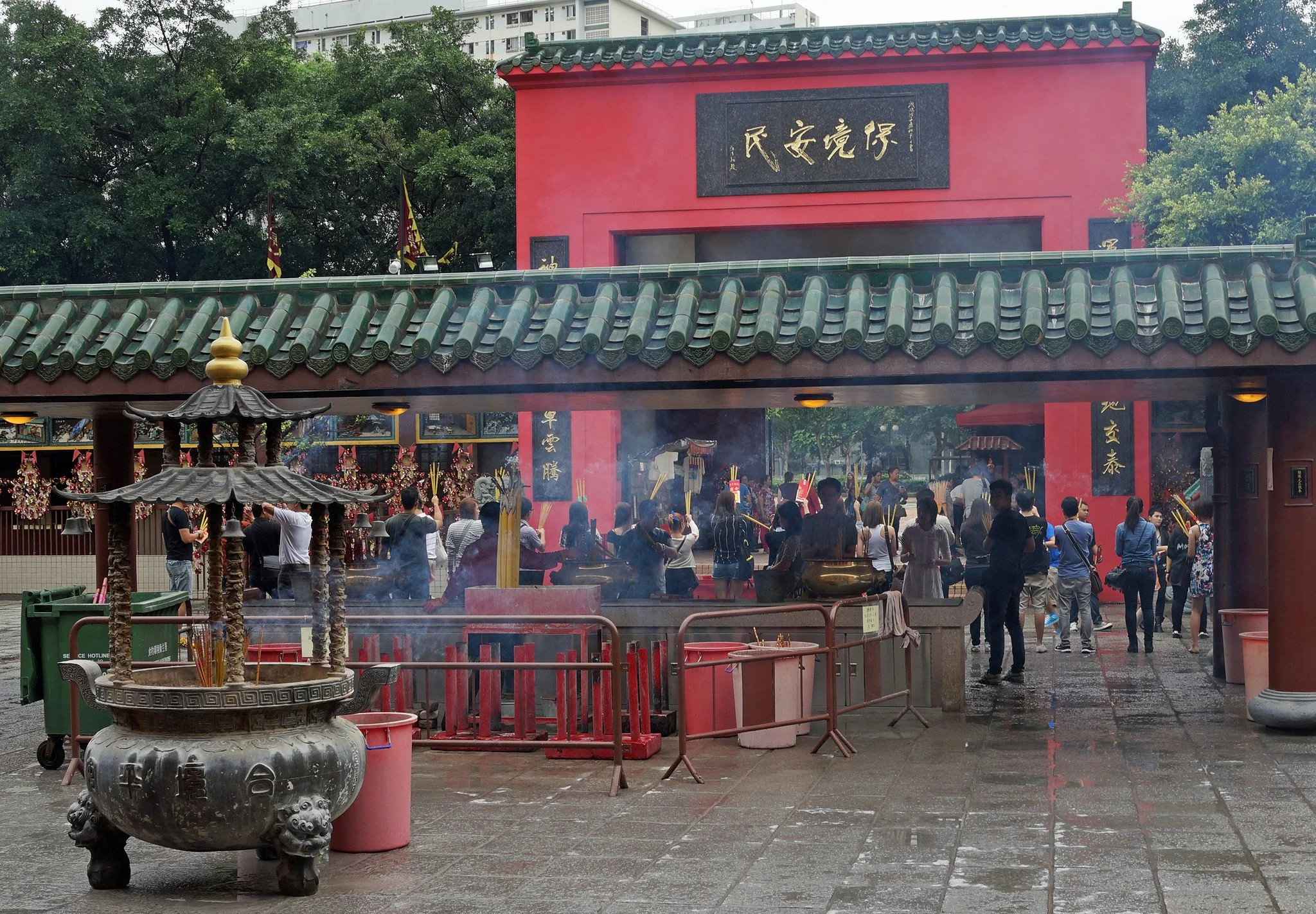
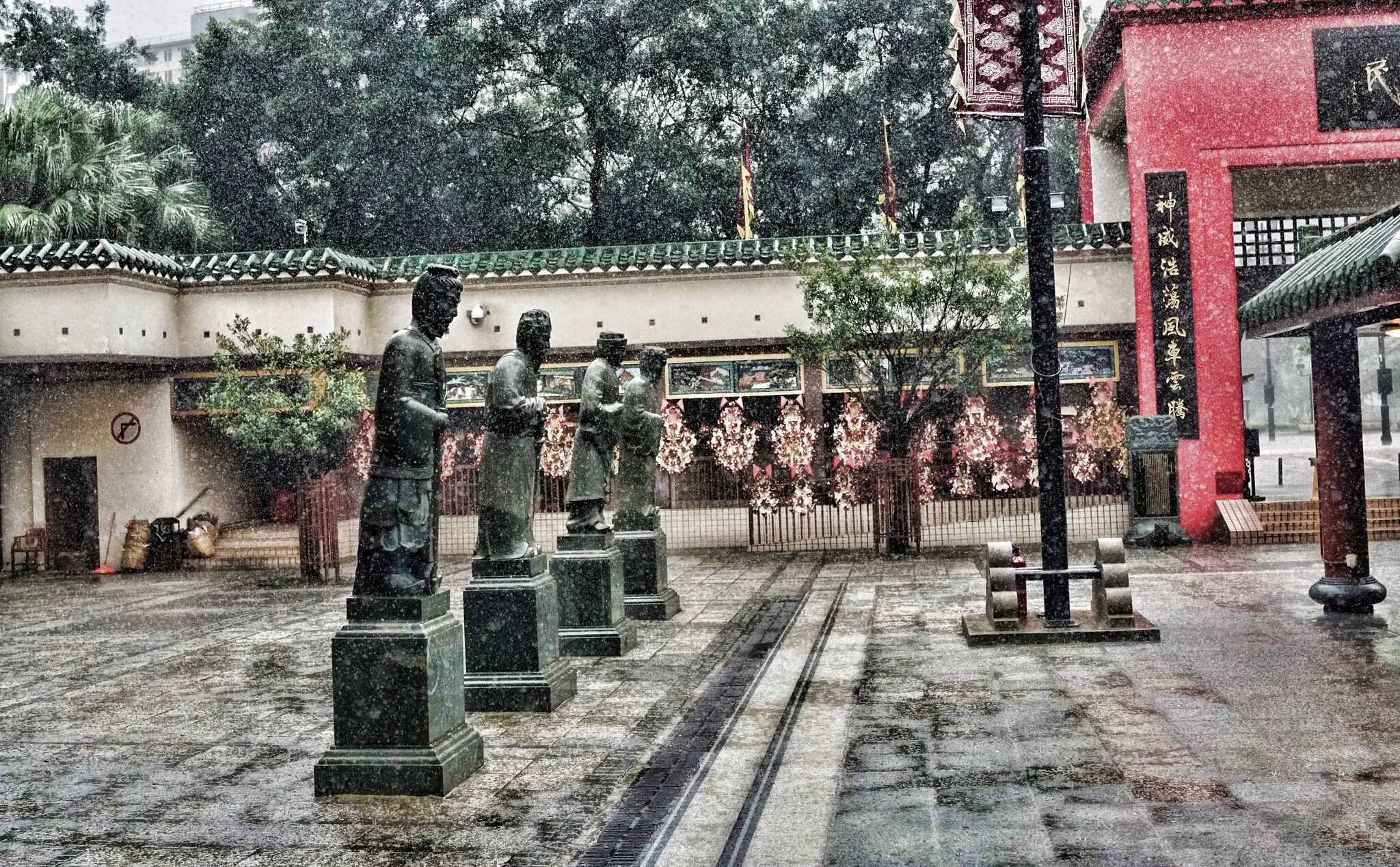
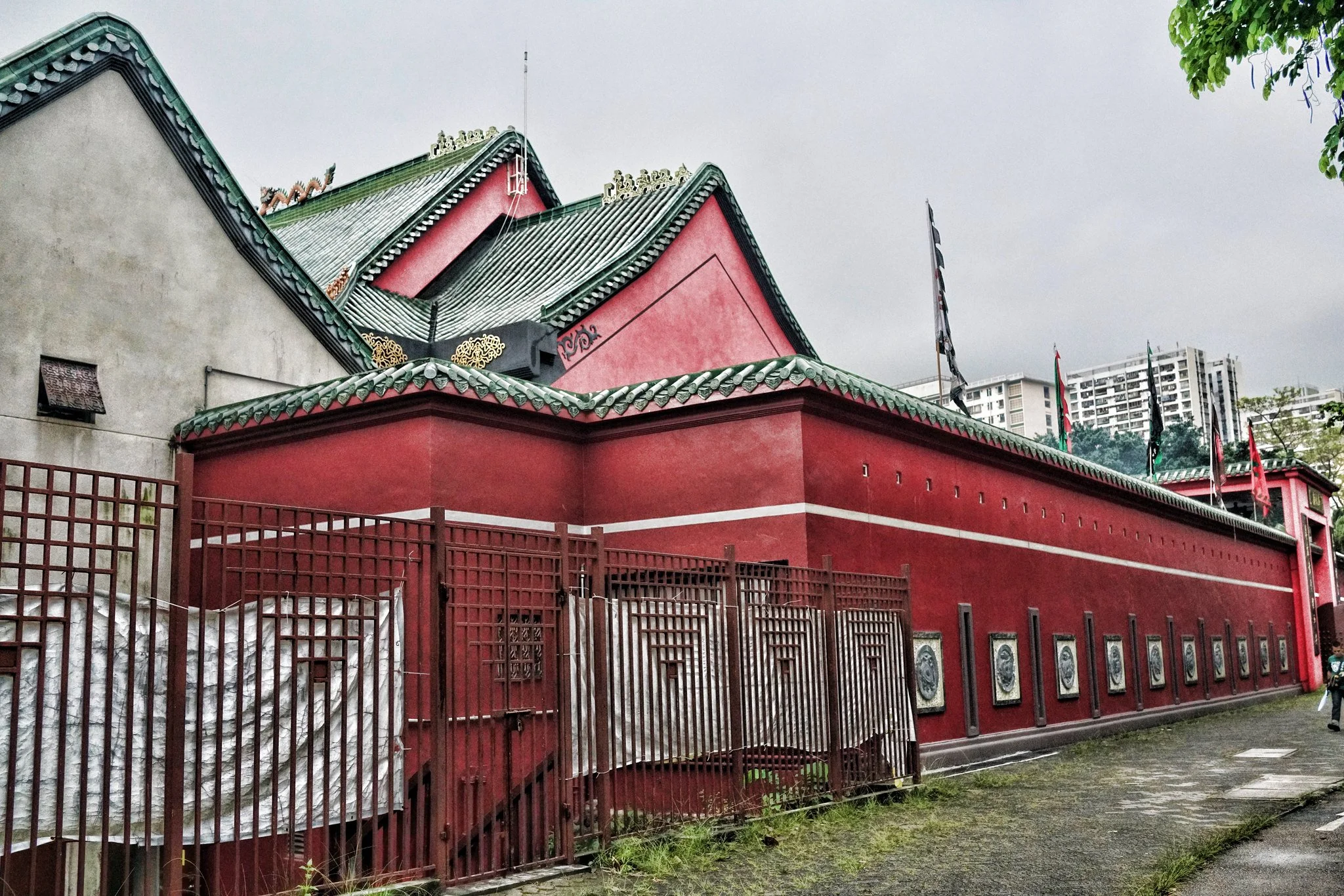
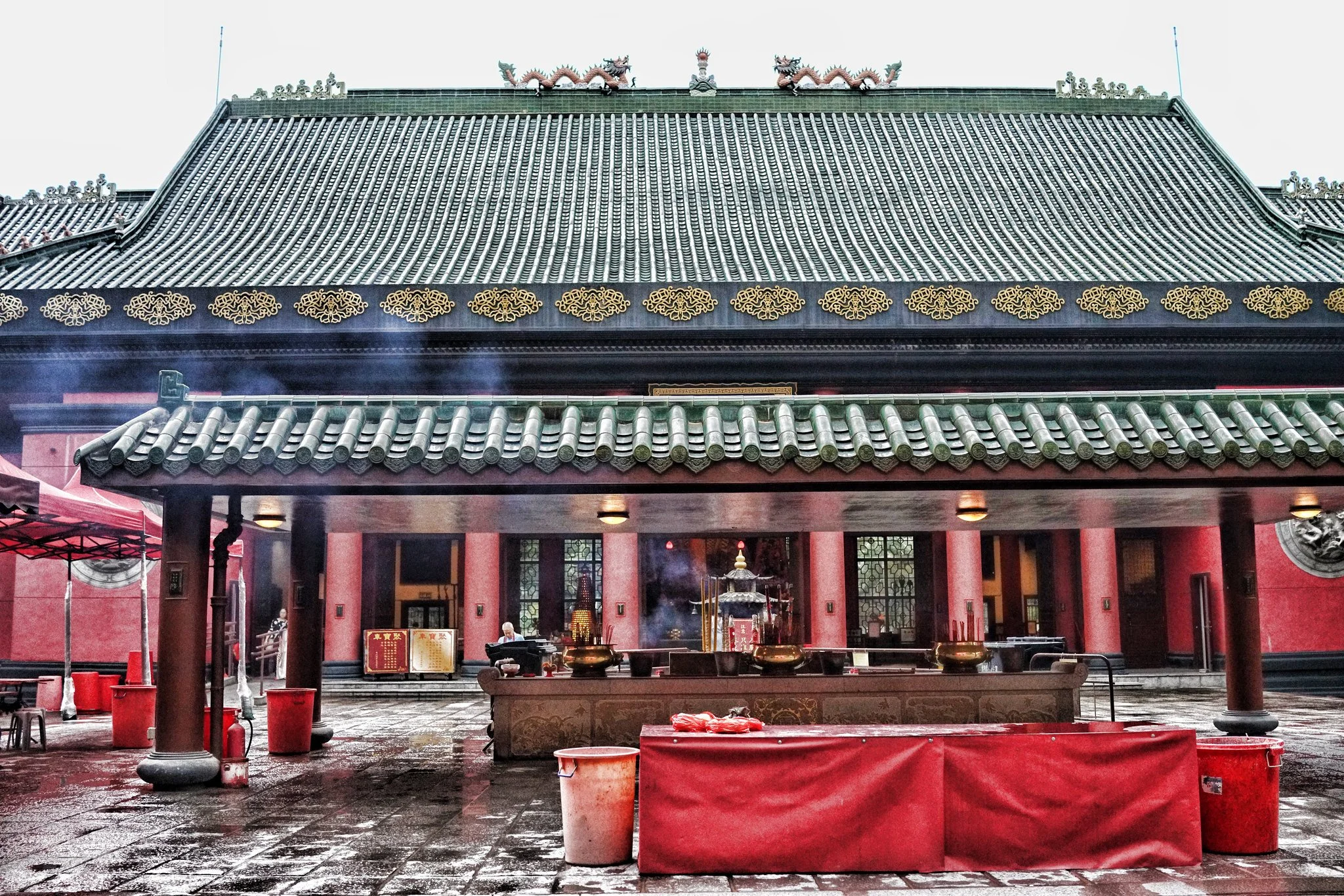
click on any image to enlarge
© Copyright Acknowledged | All rights reserved | images taken by Jamie
Che Kung Temple - Shatin | Iconic | Hong Kong
The History and Timeline of Che Kung Temple
The Che Kung Temple in Sha Tin traces its origins back to the late Ming Dynasty, roughly the end of the 16th or early 17th century. Local legends tell of a devastating epidemic, likely cholera or a similar outbreak, that ravaged the Sha Tin area at that time. Facing this crisis, villagers remembered tales of Che Kung, a loyal general from the Southern Song Dynasty who lived between 1127 and 1279. Known for his military prowess in putting down rebellions, he was also credited with supernatural powers to drive away plagues and protect communities from calamity.
In desperation, the villagers constructed a modest shrine dedicated to him. According to the story, the epidemic began to ease soon after the shrine was completed, an event that firmly established Che Kung as a powerful protector deity in the region. This led to the formal development of the temple. Historical records include a stone tablet that documents a significant renovation carried out in 1890 during the Qing Dynasty, which underscores the temple’s continuous importance over the centuries.
Please bear in mind that prior to 1898, Shatin where the Temple is located was in Mainland China, Shatin, part of the New Territories in Hong Kong only came to be part of Hong Kong in 1898
Key Timeline Highlights:
Late Ming Dynasty (late 1500s to early 1600s): The original small temple is built following the subsidence of the epidemic.
1890: Major renovation takes place during the Qing Dynasty.
1987: The temple is officially designated as a Grade II historic building.
1993 - 1994: A much larger and grander new temple is constructed directly in front of the original structure at a cost of HK$48 million (around US$6.15 million at the time). This expansion was necessary to accommodate the increasing numbers of worshippers, particularly during peak festival periods. The older original temple still stands preserved behind the new one, although it is only opened to the public on special occasions.
2004 and 2012: Additional renovation works are completed to preserve and maintain the site.
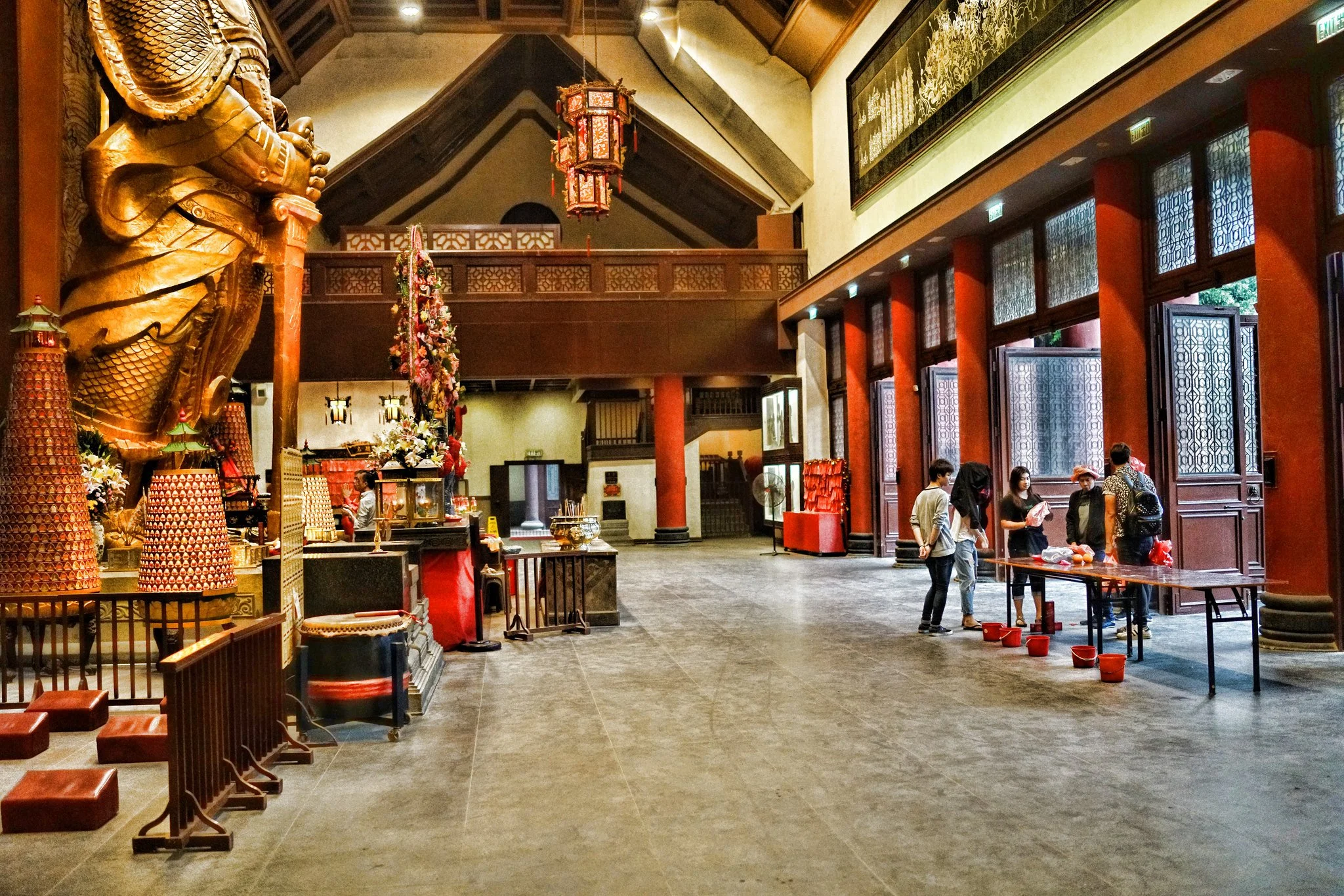
The current main temple building blends traditional Chinese architectural features with some Japanese-influenced design elements. At its heart stands an impressive large gold statue of Che Kung. While some traditionalists feel the modern expansions have slightly reduced the historical atmosphere, the temple thrives as an active and vibrant centre of worship rather than a static museum piece.
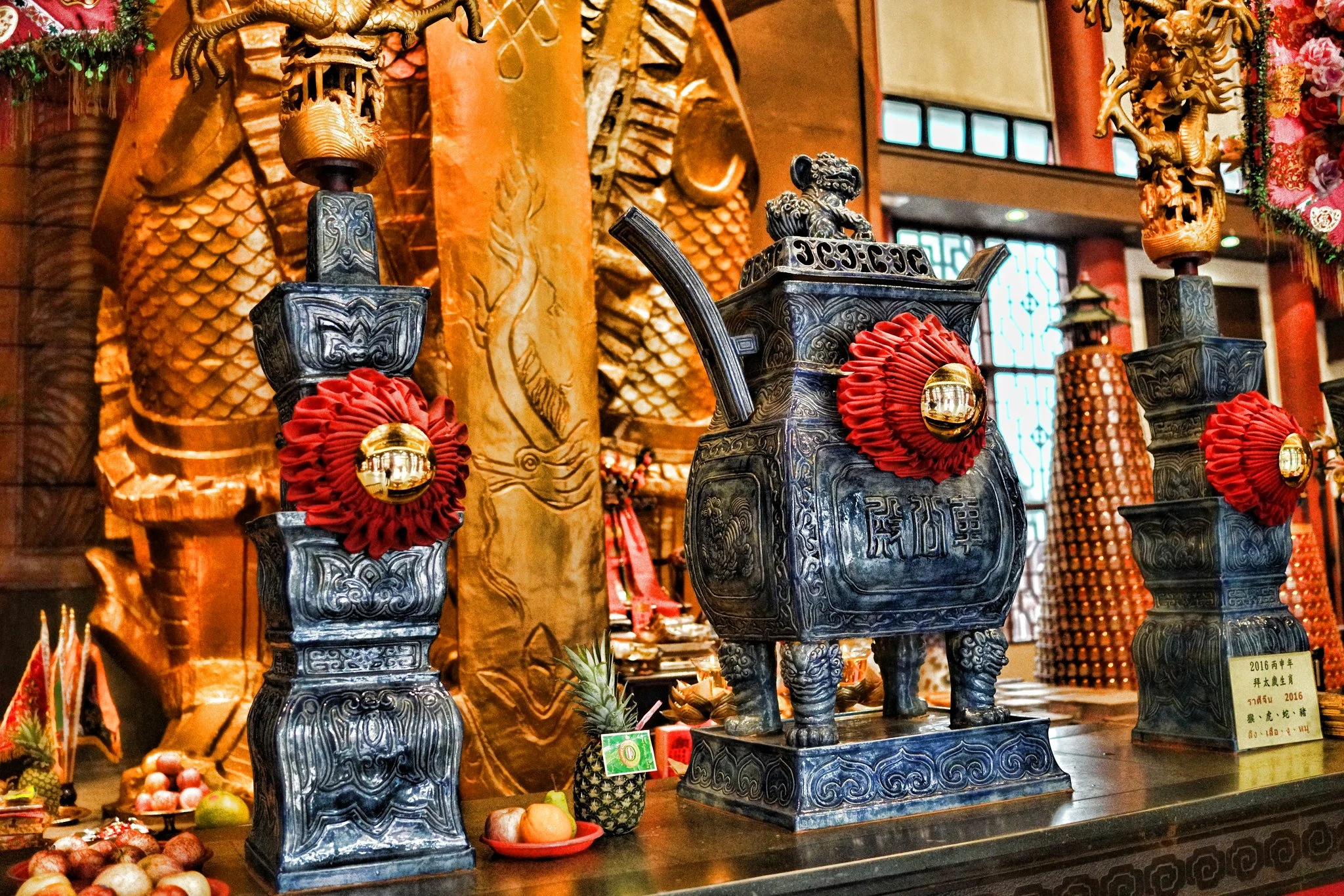
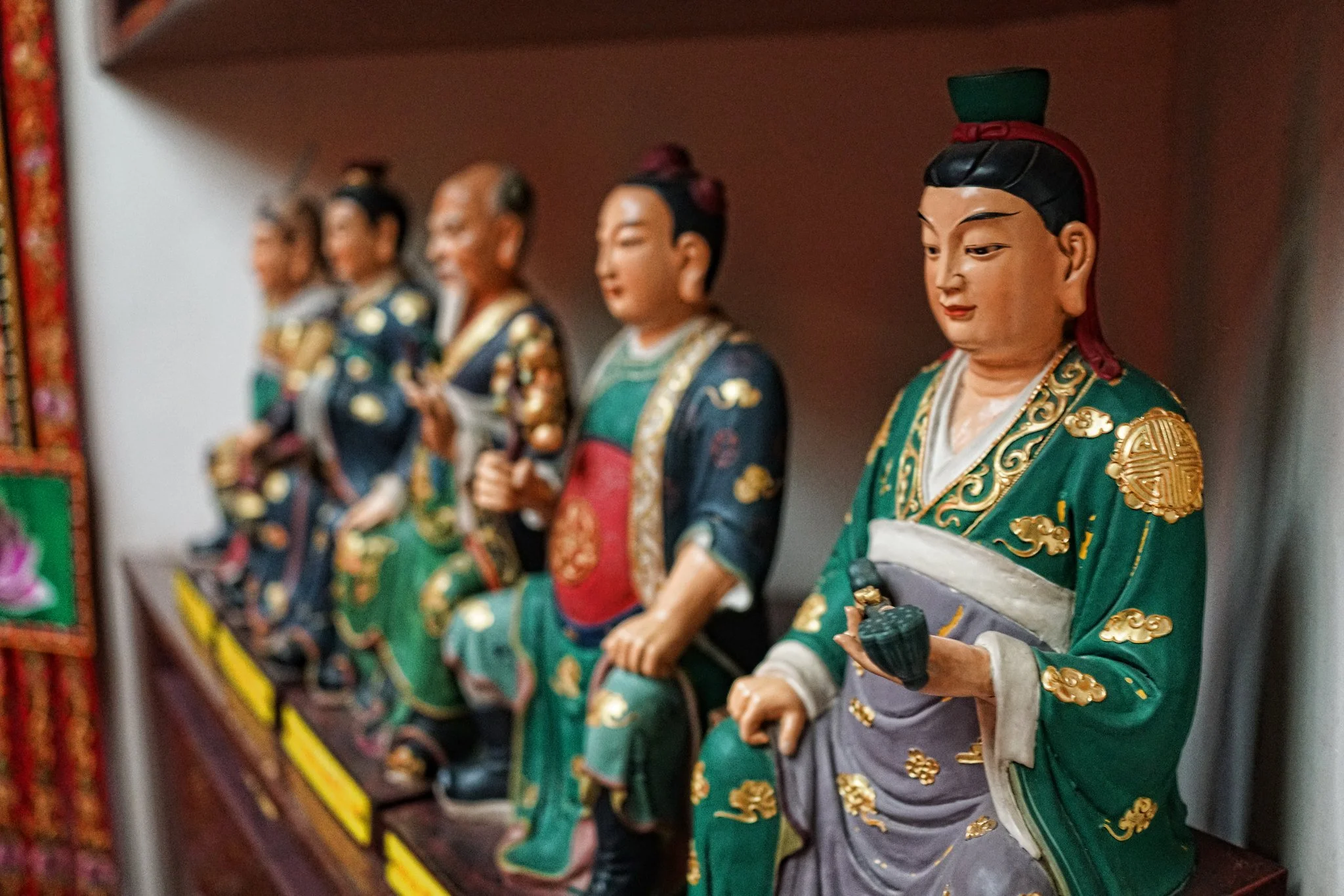
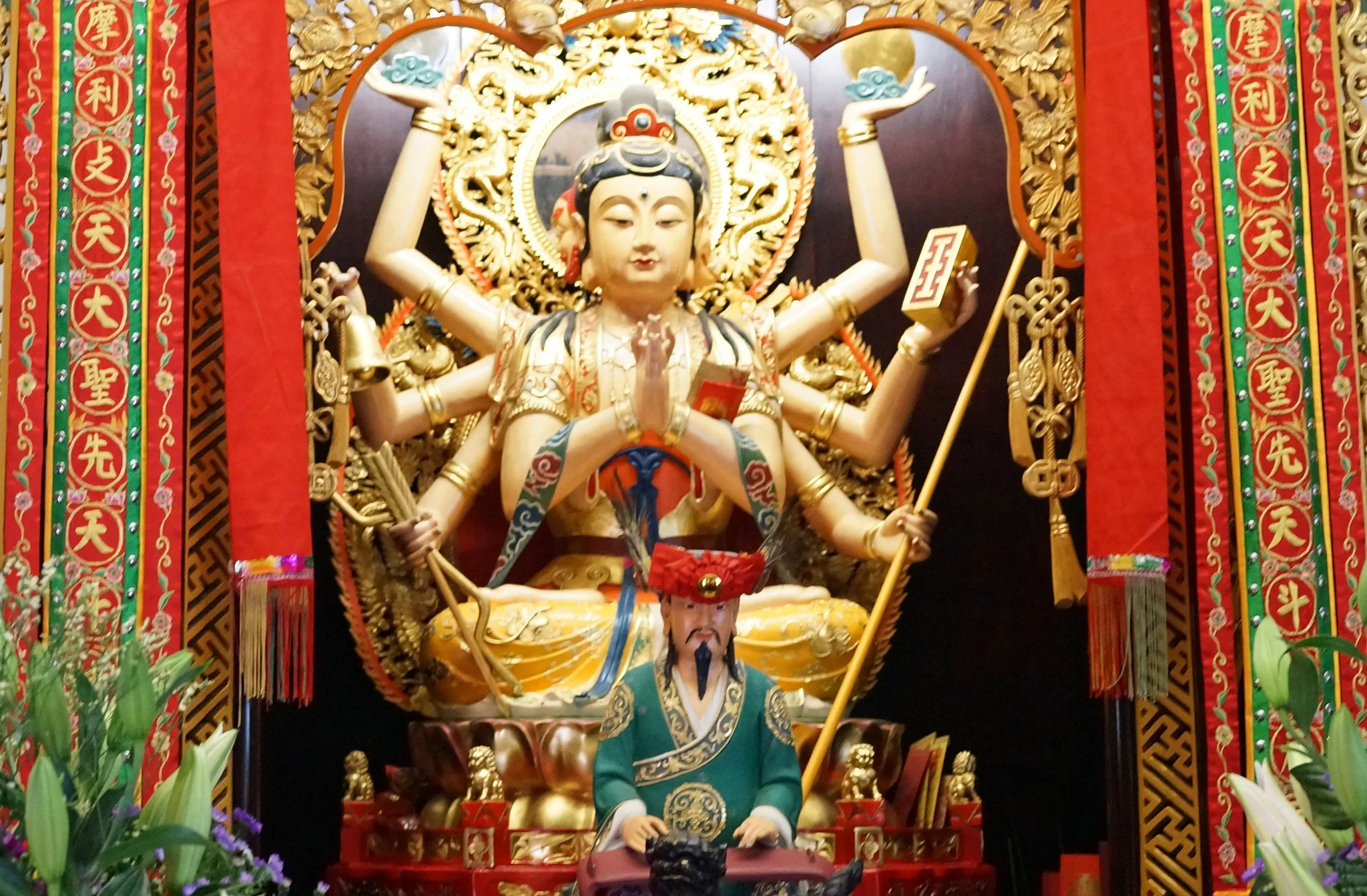
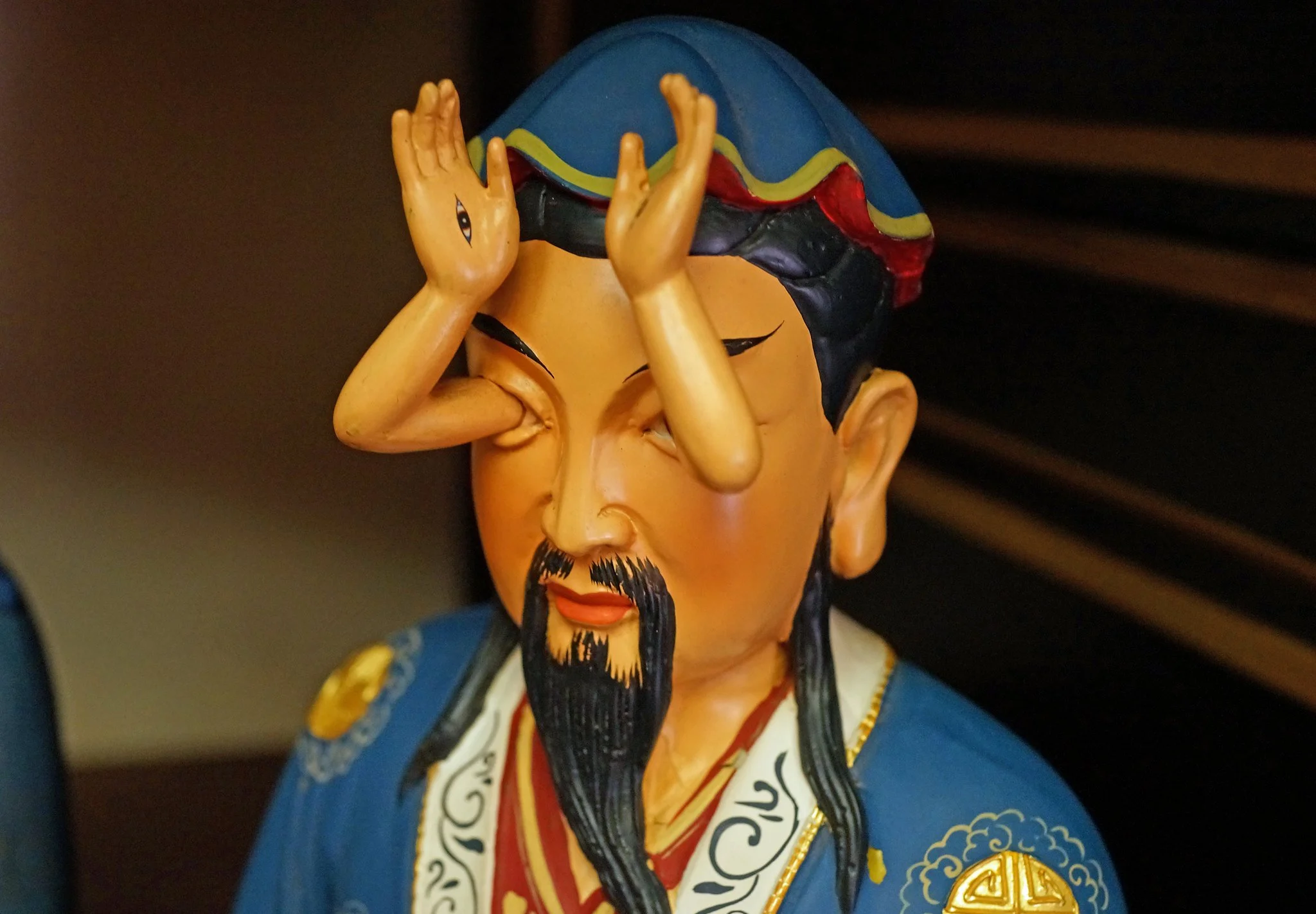
click on any image to enlarge
© Copyright Acknowledged | All rights reserved | images taken by Jamie
Che Kung Temple - Shatin | Iconic | Hong Kong
Why is the Che Kung Temple Iconic in Hong Kong?
Che Kung Temple earns its iconic status through a combination of historical significance, official recognition, and deeply rooted cultural practices. Every Lunar New Year in Hong Kong, it becomes a focal point when the Hong Kong Government, including the Chief Executive and other senior officials, makes an official visit to offer prayers and seek blessings for the coming year. These high-profile ceremonies attract considerable media coverage and are watched closely by many locals who believe they carry symbolic importance for the city’s fortunes.
Me being me, well I am quite cynical about this, I am sure Government Officials hate these ceremonies particularly if the rituals are seen as bringing bad luck and the people can then blame the Government for what is to come in the coming year.
The temple reaches its peak energy during the Che Kung Festival, held on the second and third days of the first lunar month. Tens of thousands of devotees descend upon Sha Tin to pray for good health, protection from misfortune, and prosperity. A signature ritual that has become synonymous with the temple is the spinning of the famous fan-bladed wheel of fortune. Worshippers turn it three times (usually clockwise) while concentrating on their wishes, creating a unique interactive element that blends spiritual belief with a physical action.
Set against the backdrop of Sha Tin’s development from rural villages to a modern new town, the temple symbolises the way ancient folk traditions continue to flourish in one of the world’s most densely populated and fast-paced cities. With over 600 temples scattered across Hong Kong, Che Kung stands out not merely as another religious site but as a cultural landmark that connects past survival stories with present-day hopes.
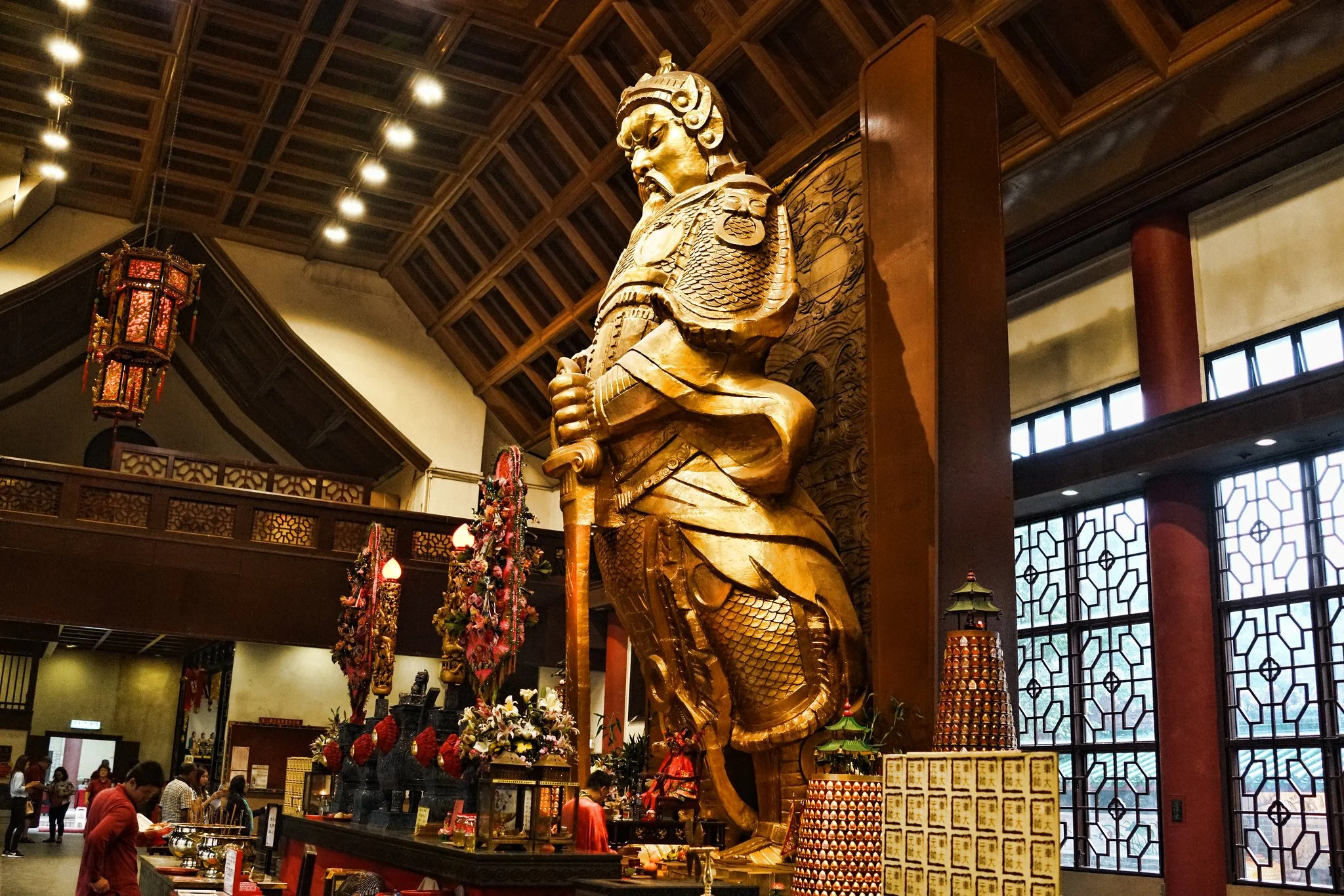
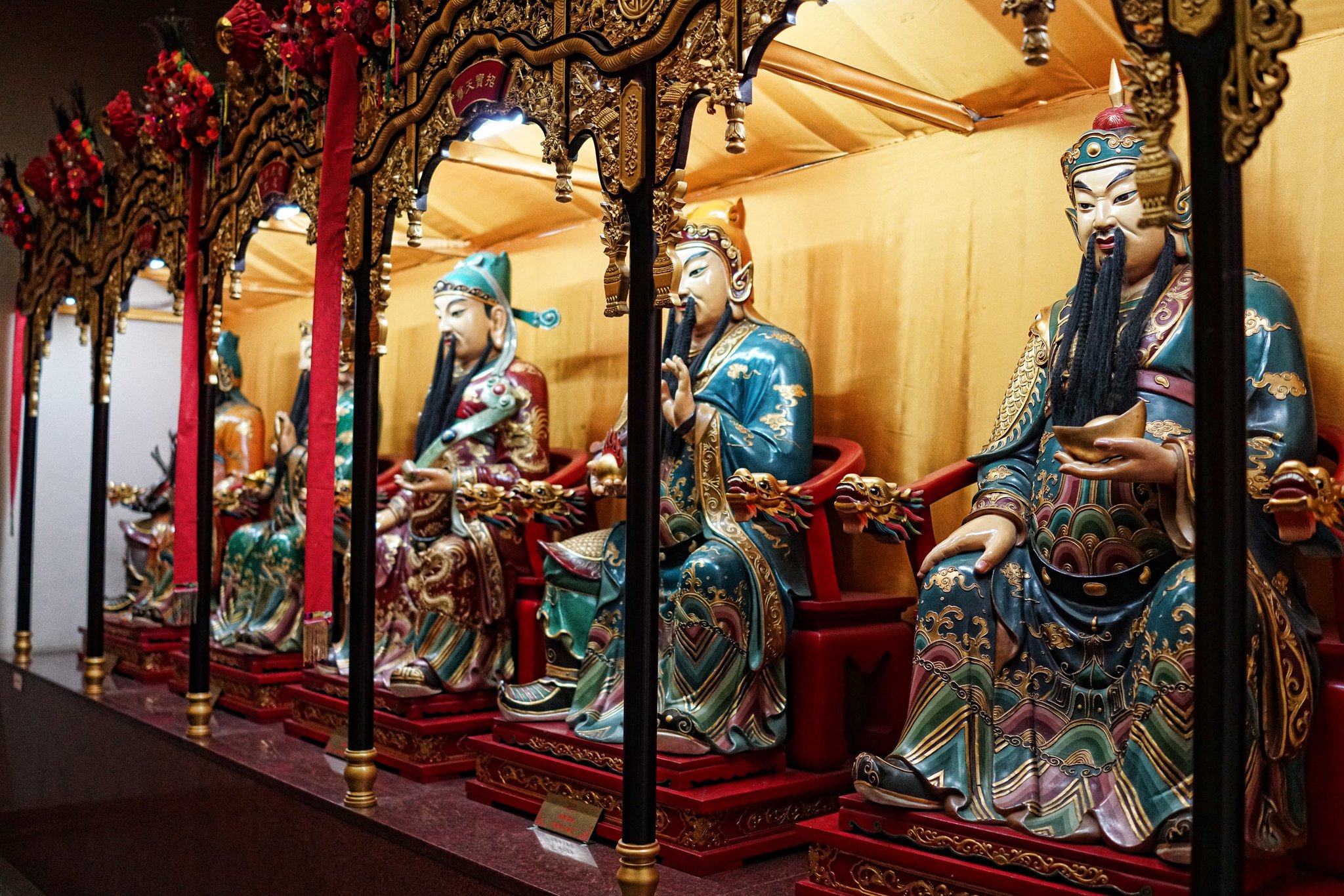
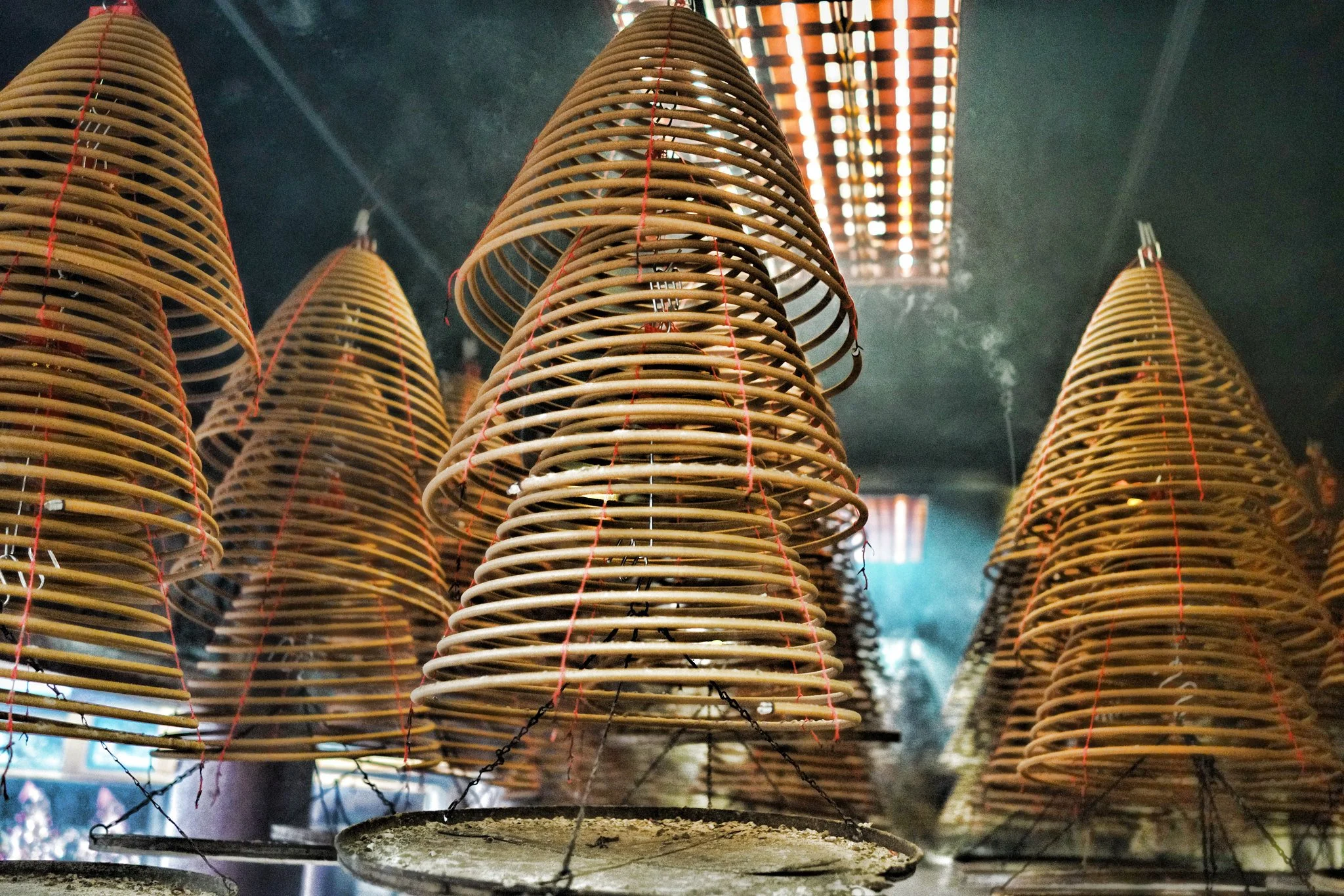
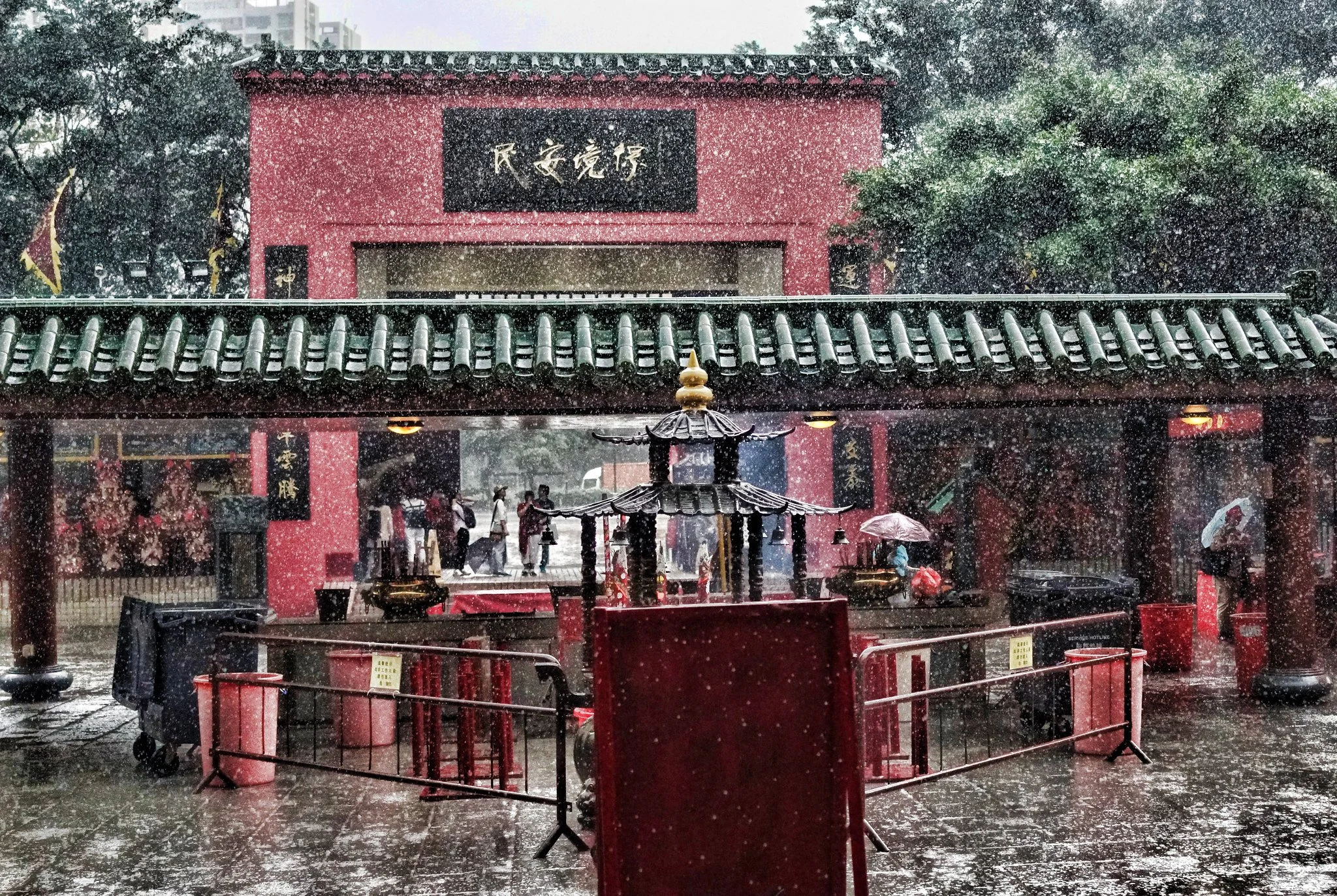
click on any image to enlarge
© Copyright Acknowledged | All rights reserved | images taken by Jamie
Che Kung Temple - Shatin | Iconic | Hong Kong
What Religion Does the Che Kung Temple Cater To?
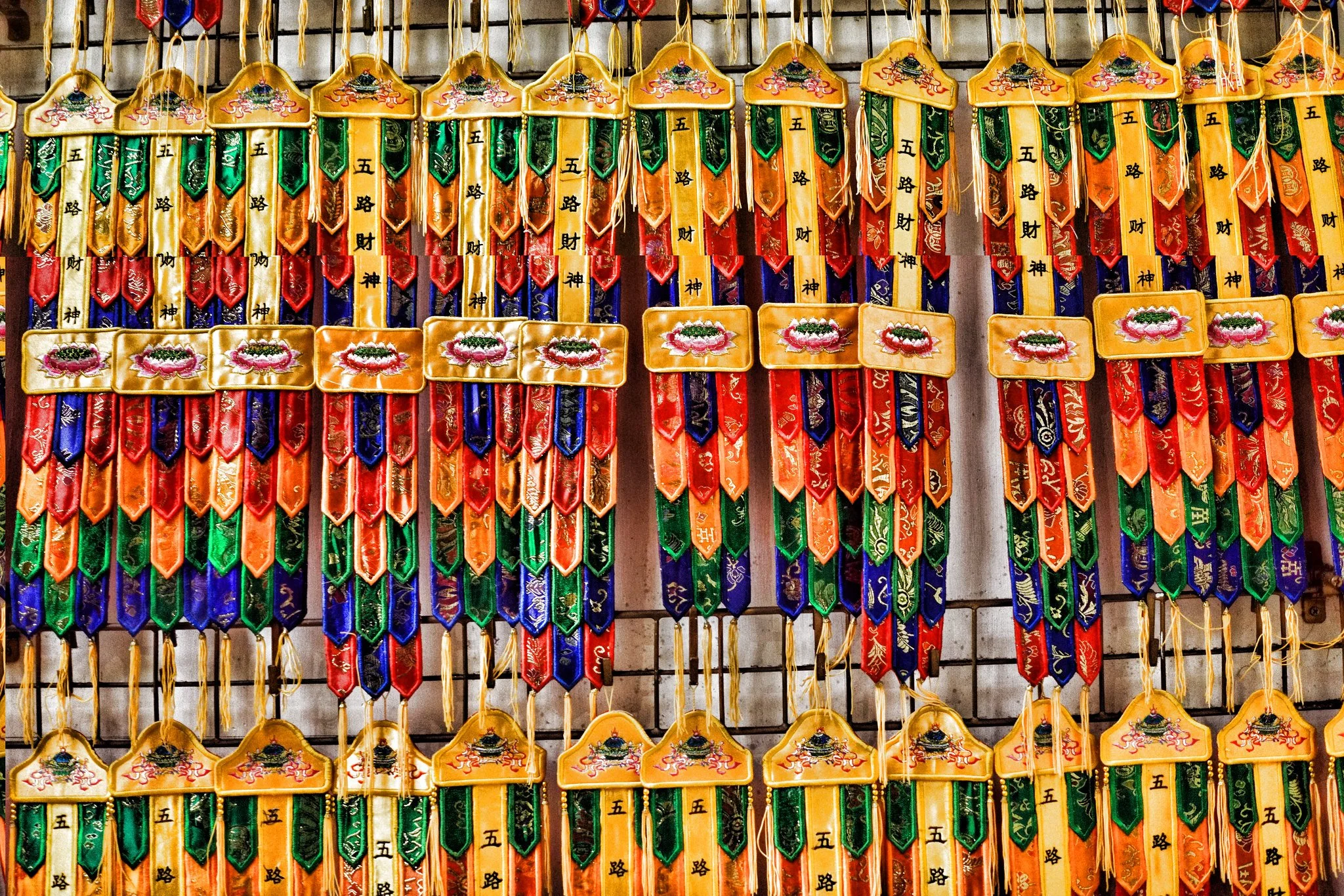
The Che Kung Temple is fundamentally a Taoist temple, centred on the worship of Che Kung as a deified historical general and guardian spirit. It operates within the broader framework of Chinese folk religion, which draws heavily on Taoist principles while incorporating elements of Buddhism and traditional ancestor veneration. Devotees primarily come to seek protection against disasters, improved health, and success in their endeavours.
Offerings typically include incense sticks, fresh fruits, flowers, and other symbolic items. The atmosphere feels inclusive and pragmatic - Hong Kong people from all walks of life and different backgrounds visit without strict religious barriers. This syncretic and flexible approach to spirituality is characteristic of religious practice in Hong Kong, where temples often serve as community focal points rather than exclusive doctrinal centres.
What this means is that the Che Kung Temple is nothing like the Man Mo Temple in Sheung Wan on Hong Kong Island and is overrun by thousands of tourists everyday, every time I have been to the Che Kung Temple it has been very quiet with few visitors
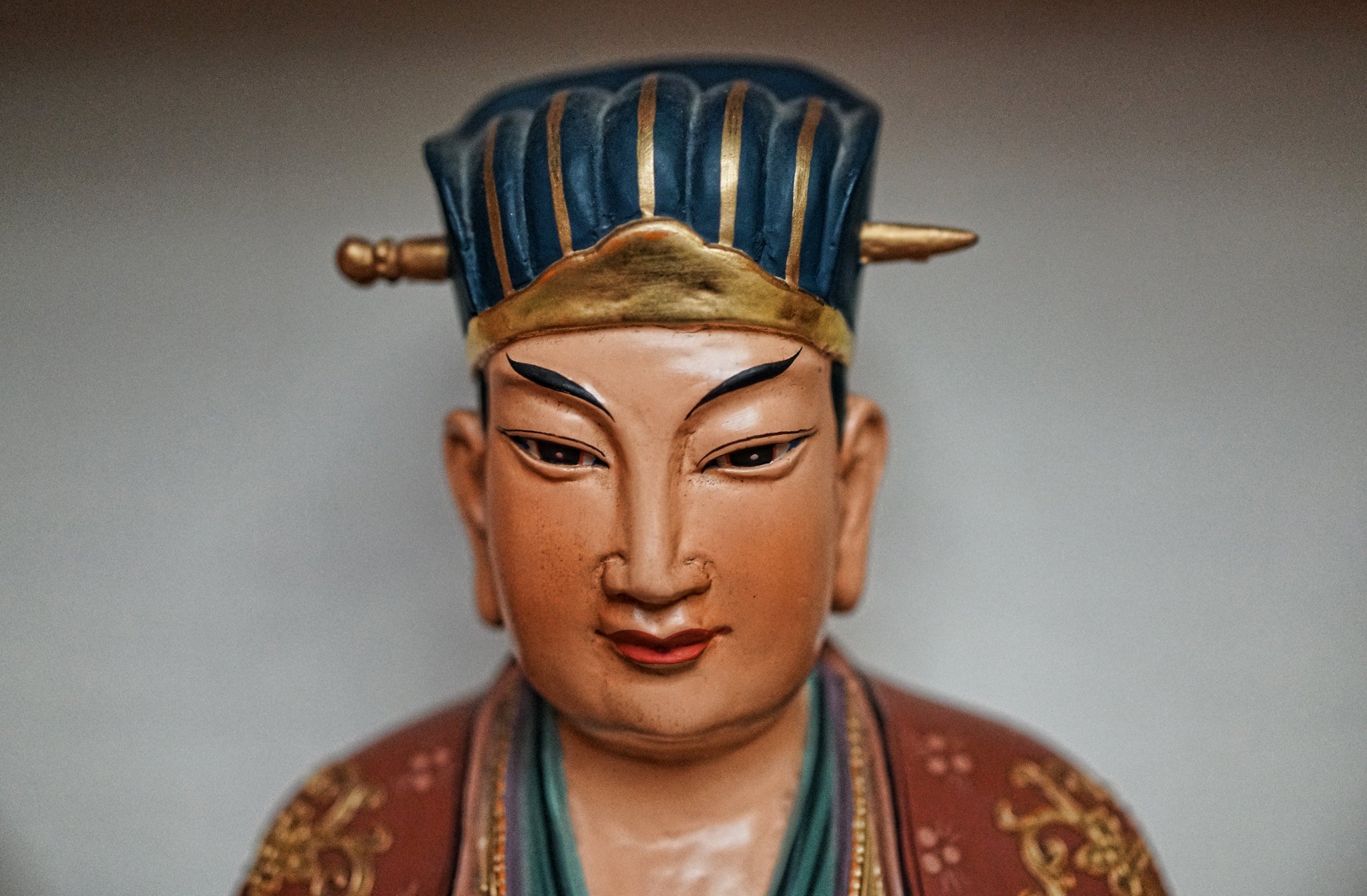
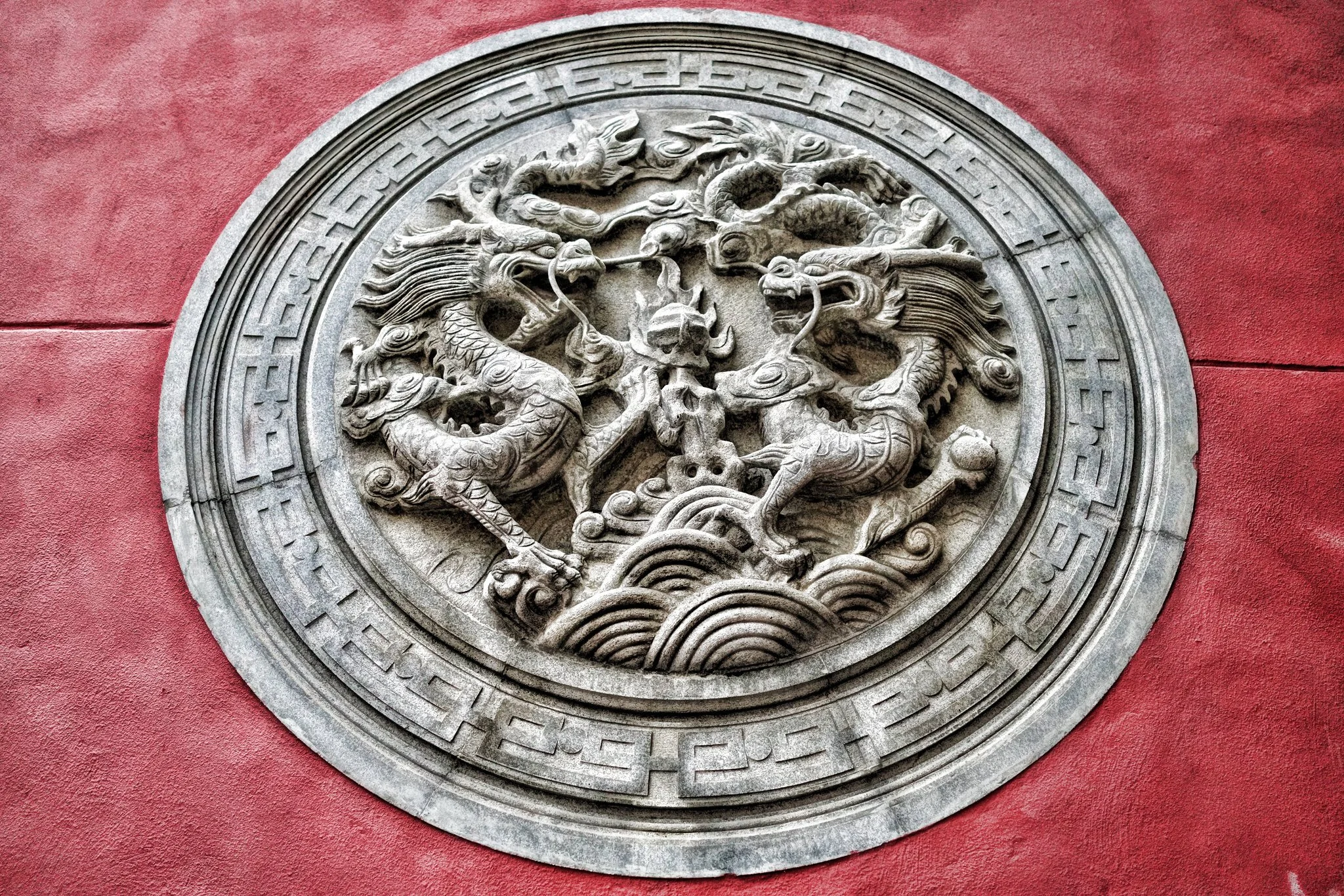
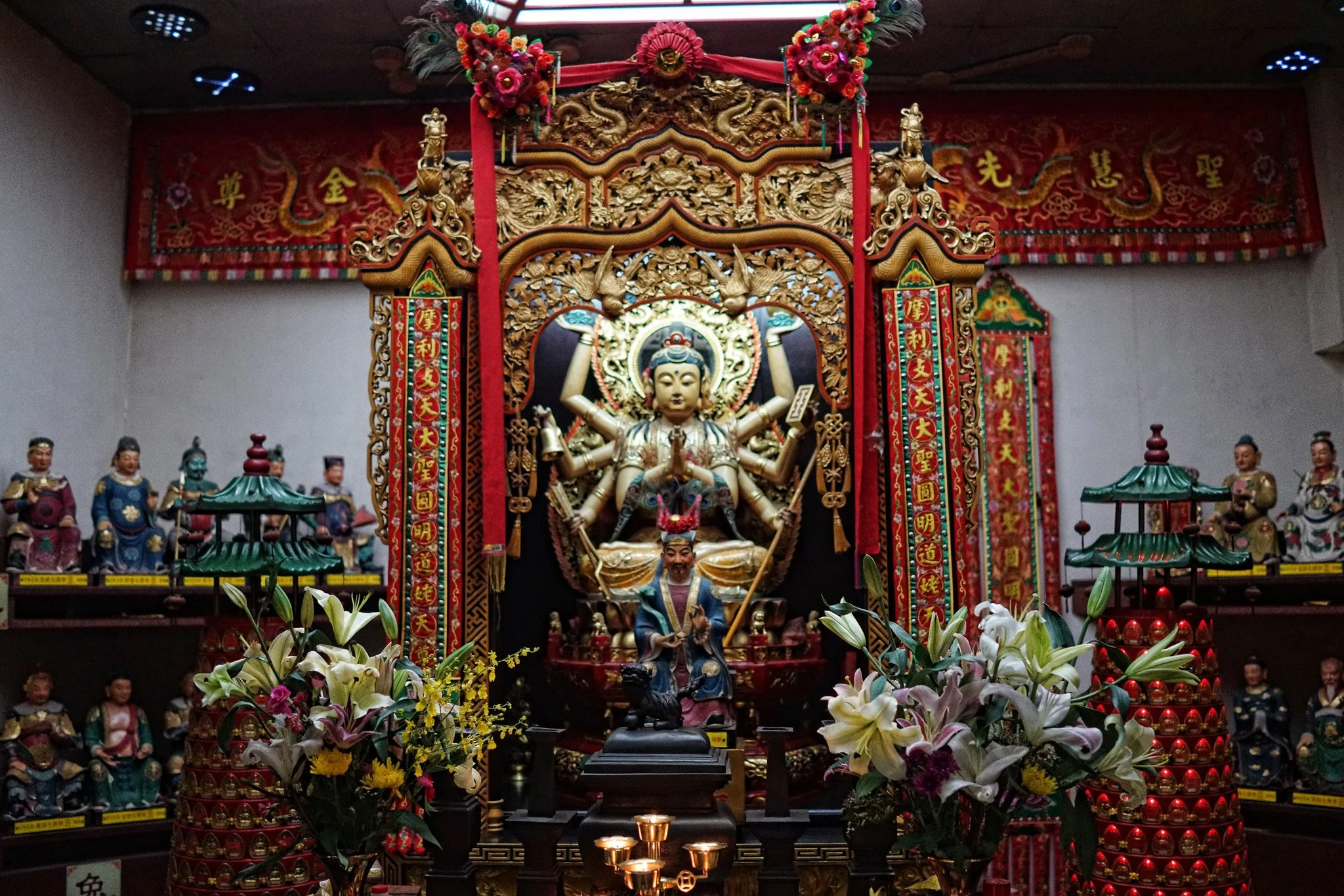
click on any image to enlarge
© Copyright Acknowledged | All rights reserved | images taken by Jamie
Che Kung Temple - Shatin | Iconic | Hong Kong
Location and Address Details of the Che Kung Temple
The temple is situated at Che Kung Miu Road, Tai Wai, Sha Tin, New Territories, Hong Kong. It occupies a pleasant spot near the Shing Mun River Channel, surrounded by some greenery that provides a welcome contrast to the denser urban areas of Hong Kong.
How to Get There by MTR and Walking Instructions The most direct route is to take the Tuen Ma Line and alight at Che Kung Temple Station. Use Exit B. From there, the walk to the temple takes a steady 10 to 12 minutes. Follow Che Kung Miu Road; the distinctive architecture and signage of the temple complex become clearly visible as you approach. During busy periods, simply following the general flow of people will lead you straight there., this is my preferred route
You can also arrive via Tai Wai Station on the East Rail Line or Tuen Ma Line. Exit via A or B and allow 10 to 12 minutes walking time through the surrounding streets, which are relatively straightforward and pleasant.
Reaching the Hong Kong Heritage Museum from the Same MTR Station The Hong Kong Heritage Museum, located at 1 Man Lam Road, Sha Tin, pairs beautifully with a visit to Che Kung Temple. From Che Kung Temple MTR Station Exit A, it is only around a 10 - 13 minute walk. Cross the footbridge and follow the well-marked pedestrian routes - the museum’s contemporary building is easy to spot. From Tai Wai Station the walk takes approximately 15 minutes. I would always check the website of the Heritage Museum for opening and closing times and whats on.
Visiting both sites together creates an enriching half-day cultural experience. You can absorb the spiritual and historical atmosphere at the temple before gaining broader context on Hong Kong’s heritage through the museum’s excellent exhibitions on local history, art, and traditions. Entry to many of the museum’s permanent displays is often free or at a very modest charge.
Suggestions for Your Visit to the Che Kung Temple
Arrive early in the morning on normal days to enjoy a calmer, more reflective experience before the crowds build up. During Lunar New Year periods, prepare for lively energy and longer queues.
Engage respectfully with the local customs: light incense if you wish, present simple offerings, beat the drum if appropriate, and try spinning the fan-bladed wheel of fortune three times while focusing clearly on your intentions.
When available, take time to visit the smaller original temple structure at the rear. It provides an interesting contrast to the grandeur of the newer building and a stronger sense of historical continuity.
Allocate time afterwards for the Hong Kong Heritage Museum, where the displays offer thoughtful depth on Hong Kong’s cultural evolution.
Round off the visit with a relaxed walk beside the Shing Mun River or enjoy a meal at one of the many nearby restaurants specialising in authentic Cantonese or Hakka cuisine.
My Usual Out-of-Left-Field Comment
In a city as fast-paced as Hong Kong, there is something quietly profound about watching high-ranking officials and everyday residents alike spin the same wheel of fortune. It is a reminder that no matter how modern we become, the human desire for protection and a bit of luck remains universal - almost as if Che Kung’s spirit still watches over the New Territories from centuries past and for the recor, in Temples if they spin I spin and rub if they say rub, I will take luck from anywhere.
So there you go
Jamie’s Hong Kong Insider Chat
Ready to turn your plans into a far more enjoyable reality? Click the yellow button below to learn more about Jamie’s Hong Kong Insider Chat, check pricing and book a convenient time
I do not do Food Tours in Hong Kong but I know people that do!
click on any image to enlarge
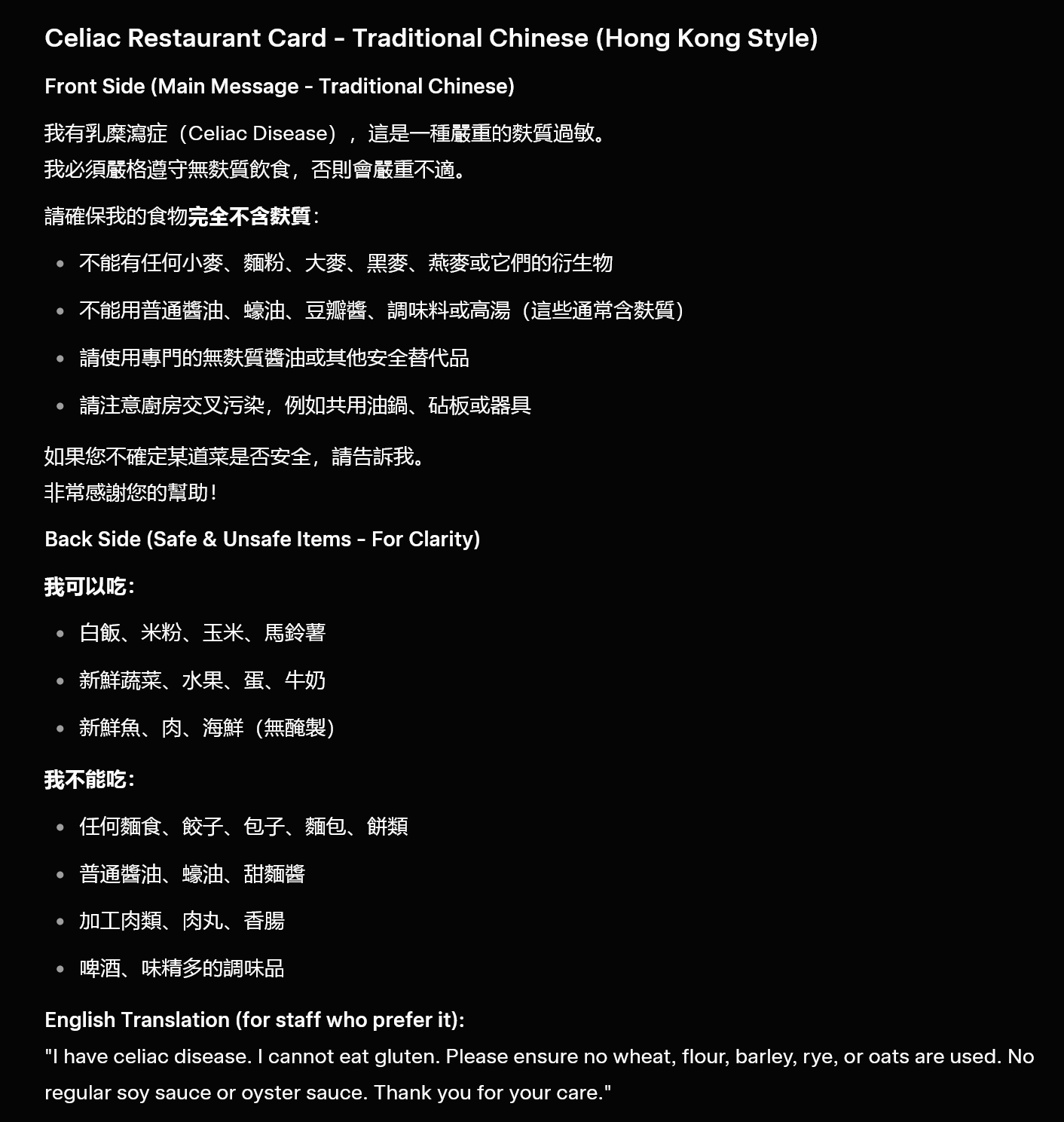
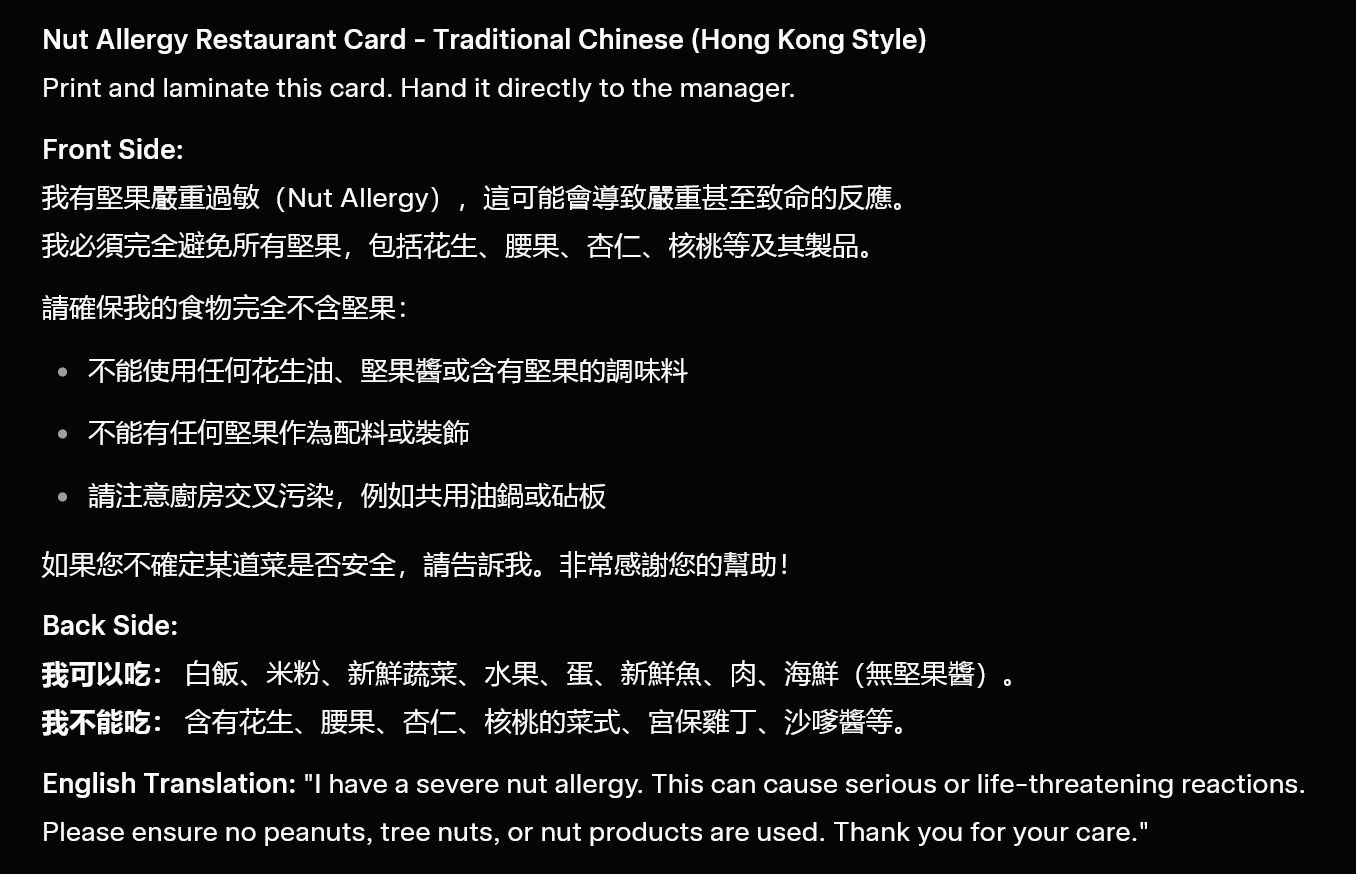
The information above can be shown to restaurant managers in Hong Kong if you are intolerant to gluten and nuts,
I do not do food tours as mentioned above, I have very specific reasons and part of it is that I do not speak Cantonese or write Chinese, I am from Yorkshire in England and I lack the language gene and it is not through lack of trying and yes a lot of restaurants do not have English menu’s or staff who speak conversational English.
.. and yet I have eaten at close to 1,400 restaurants in Hong Kong since January 2nd 1972, my wife was born in Hong Kong and we have been together over 40 years and her first language is Cantonese and a lot of her family are Chinese or half Chinese so I have never had much of an issue!
This does not translate to doing food tours though, yes, I could do them, no problem there but they would never ever be as good as the food tours done by my friends (see the 3 links above) most of their awesome guides are locally born Hong Kong Chinese and obviously food culture is part of their DNA, it is impossible for me to compete with that!
So please feel free to contact them for food tours
I do not do Hiking Tours in Hong Kong but I know someone that does!
I do not do Hiking Tours, never have and never will even though I used to go Hiking a lot when I was a lot younger, The Hong Kong Government is promoting hiking tours so I urge you to contact my friend Sabrina at Hong Kong Trails and Tours, she is a long time Hong Kong resident and and a very experienced hiker with close to 700 Hikes in 15+ years under her belt, please click on the link below

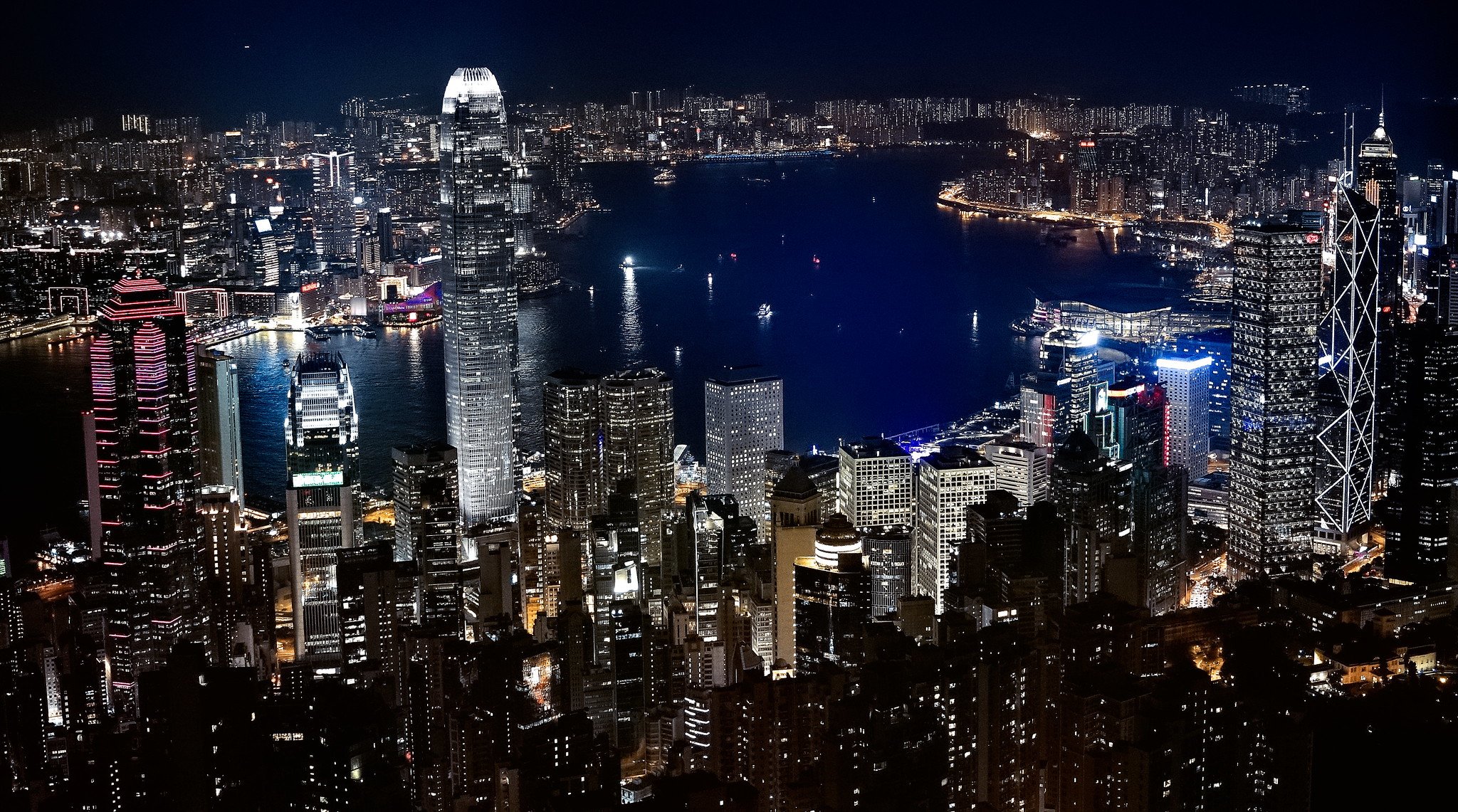
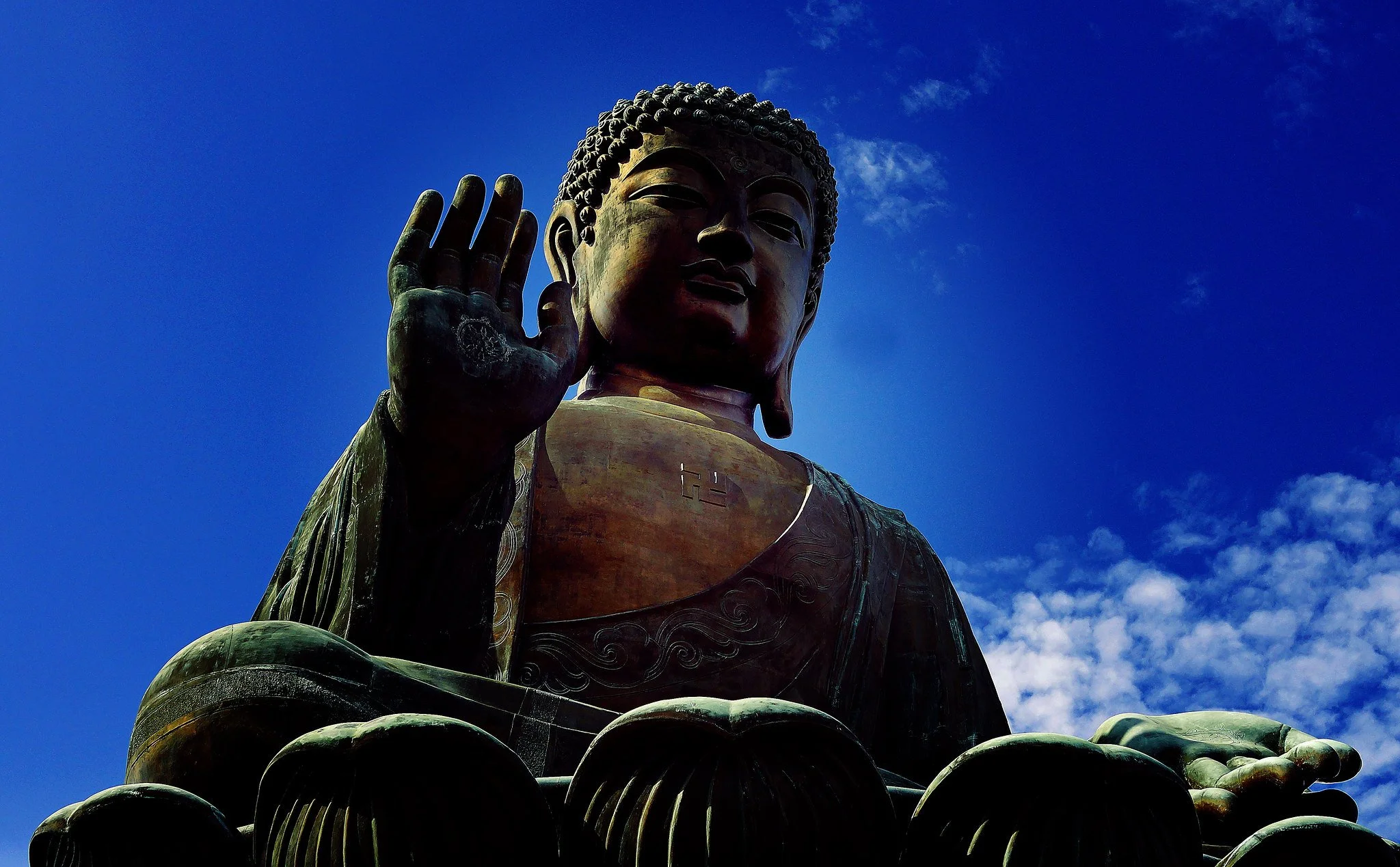
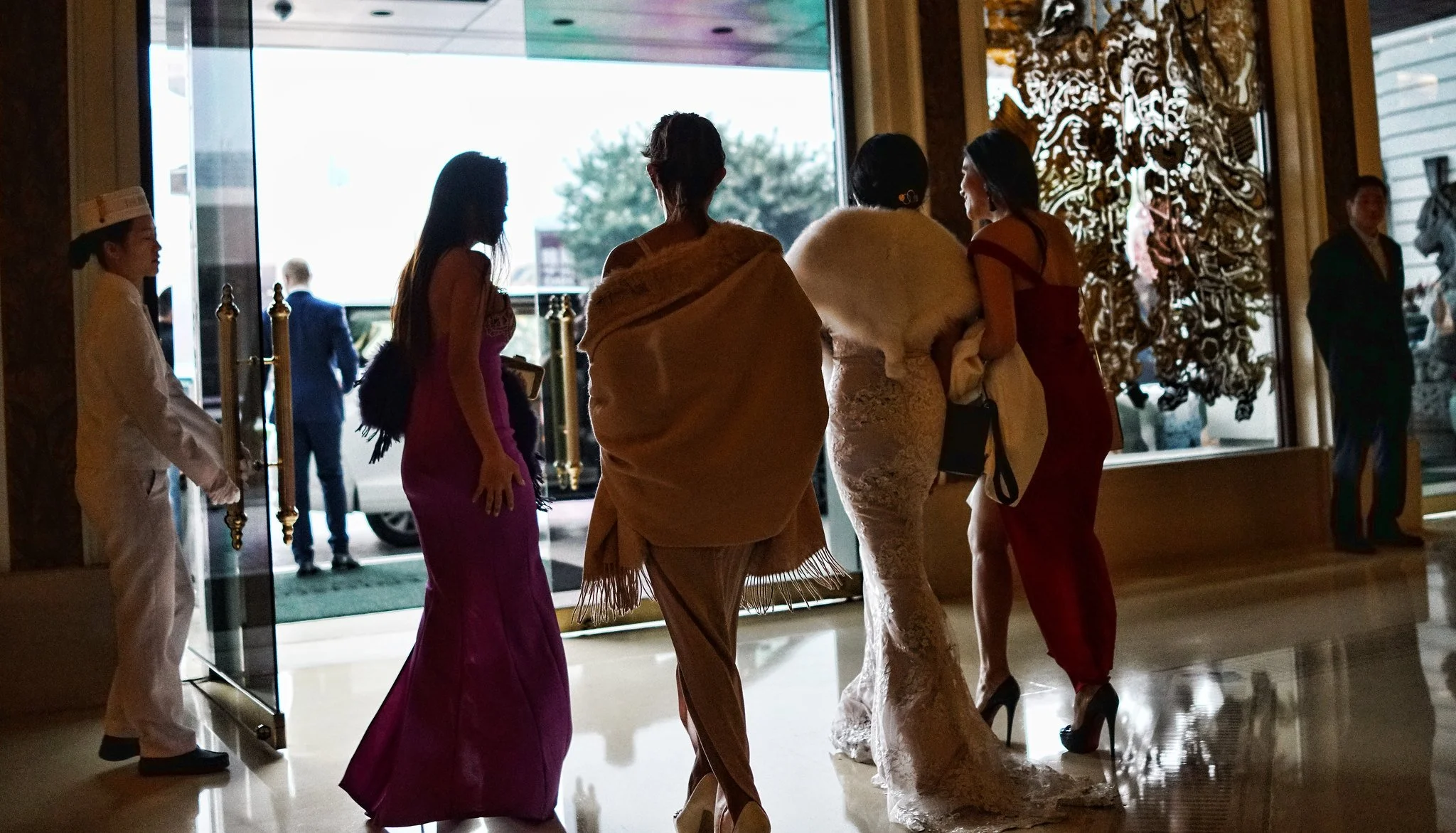
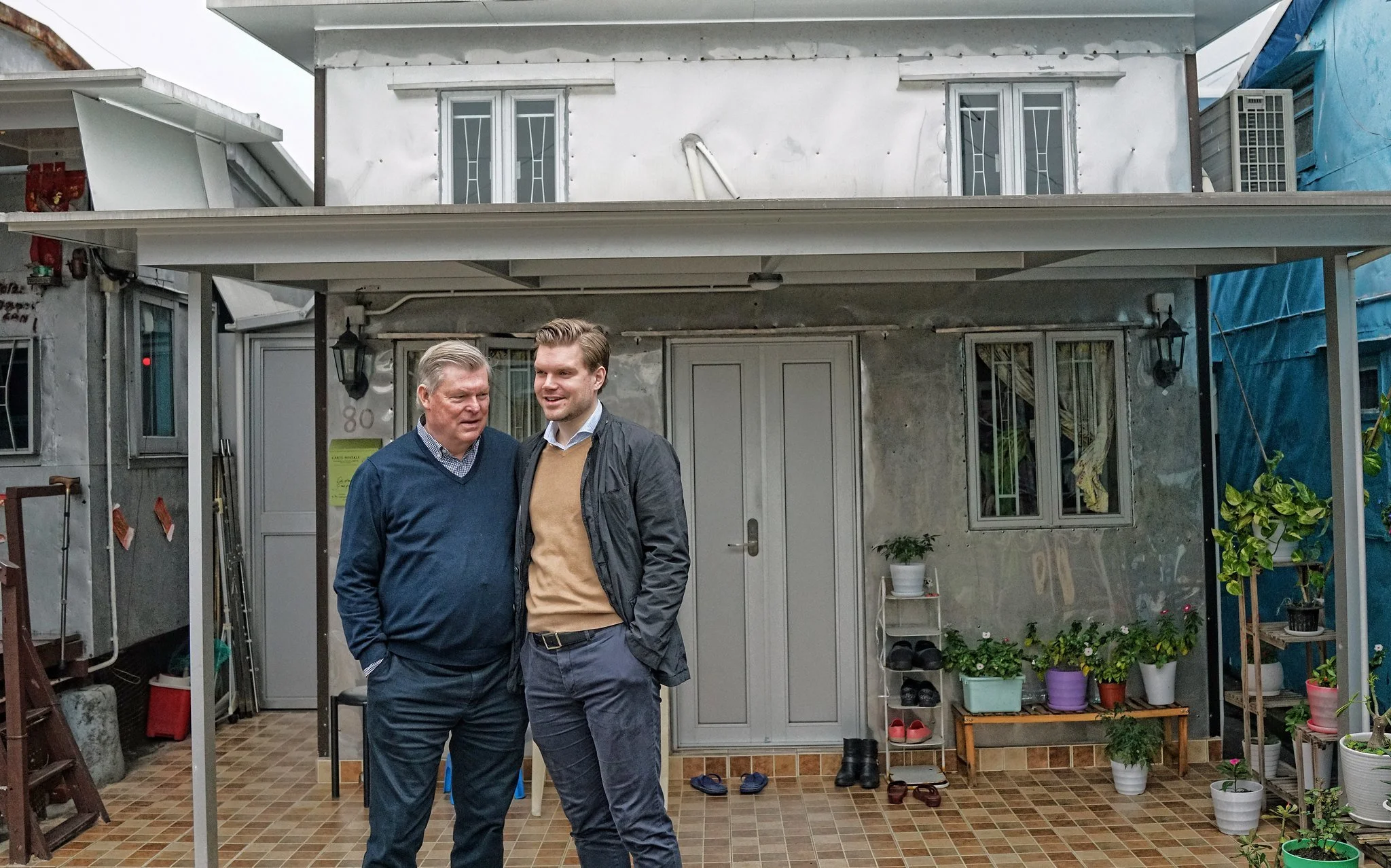
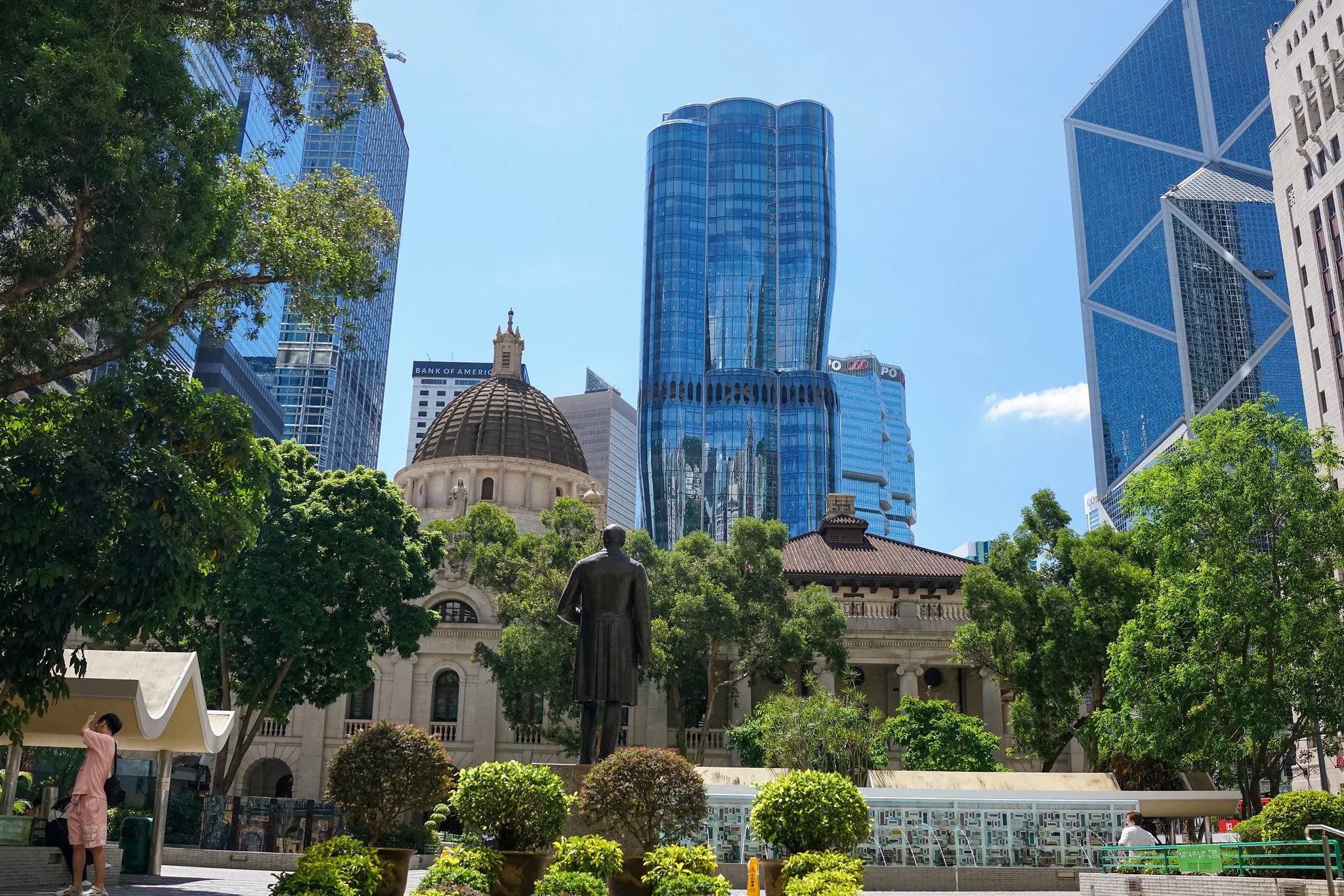
click on any image to enlarge
© Copyright Acknowledged | All rights reserved | all images taken b Jamie
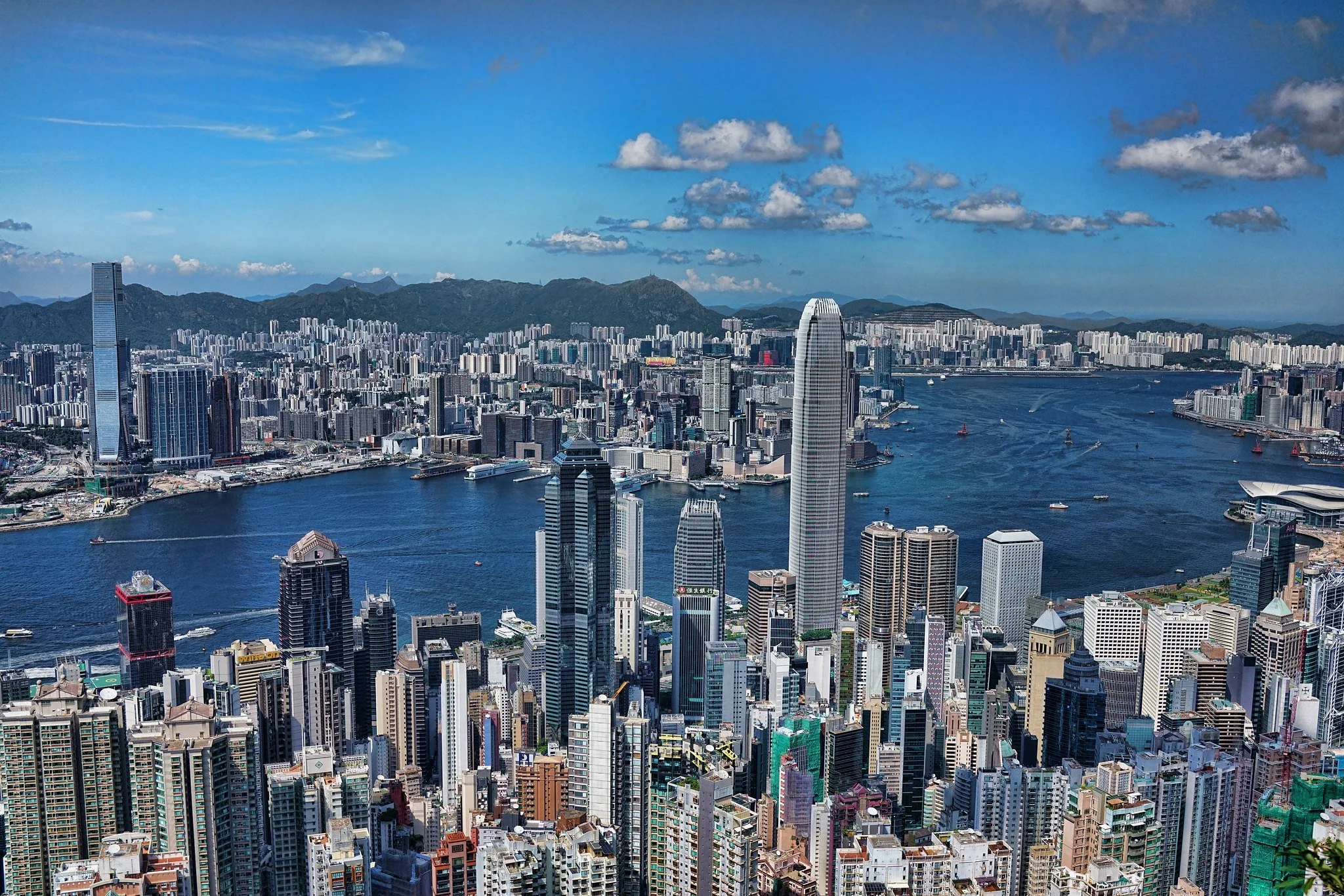
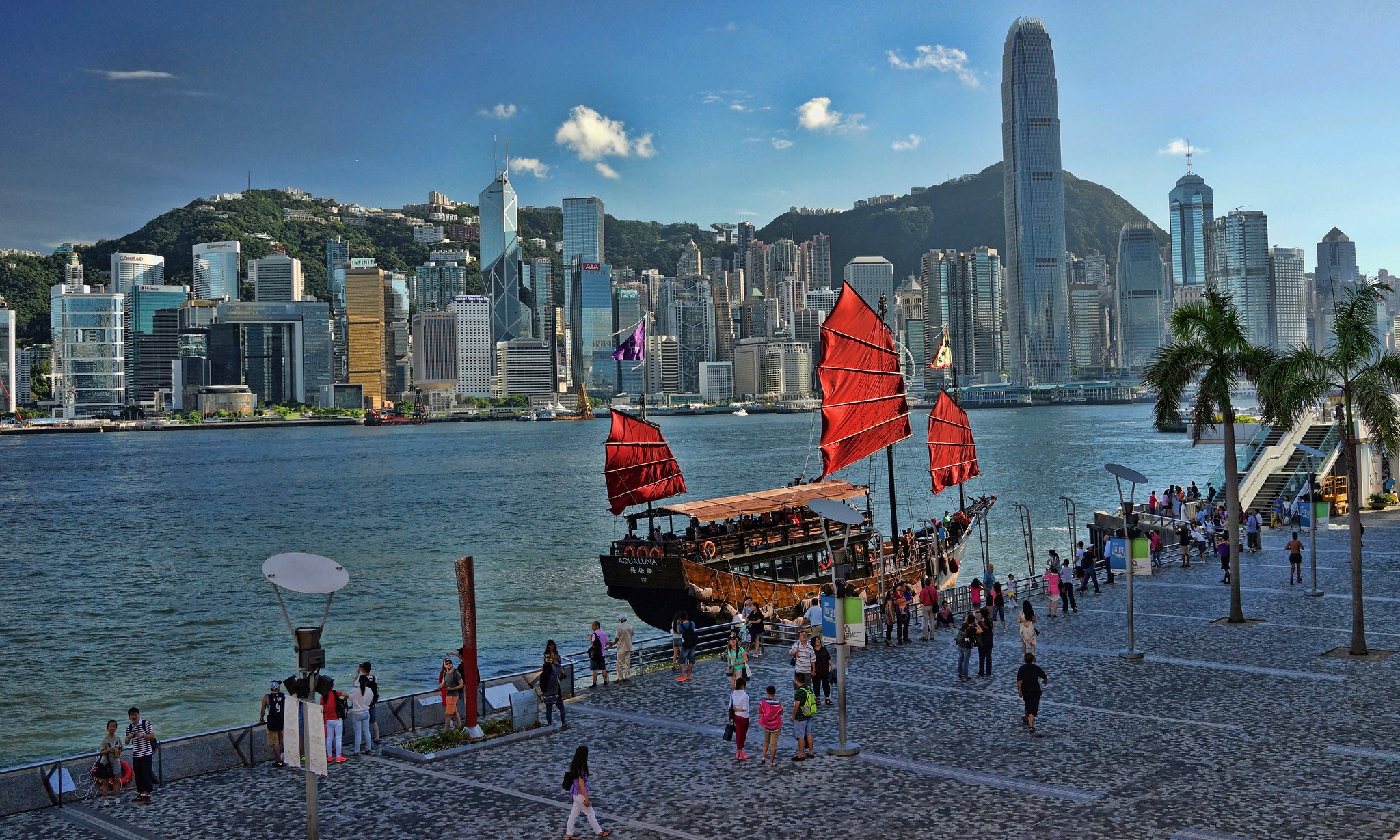
Jamie’s Hong Kong | Some of my favourite images | Hong Kong 101
© Jamie Lloyd | J3 Consultants Hong Kong | J3 Private Tours Hong Kong |
| 2010 - 2026 All rights reserved. |
Click on any image to enlarge to full screen



Current images from my Instagram feed