10 Things you did not know about the Temple Street Night Market Hong Kong
Exploring The Temple Street Night Market, still thriving in 2026

The J3 Group - Premium Quality Private Tours | Experiences and Insider Chats since 2010
Me Jamie, your host, I am English and I have lived in Hong Kong since January 2nd 1972 - I know the place.
A meaningful blog post with a difference - tips on Travel, Tourism, Tours, Daily Life and my personal thoughts on Hong Kong.
Please do visit Amazing Hong Kong
Hong Kong | Pearl of the Orient
A Resident since 1972 - Private Tours of Hong Kong with Jamie
The Best Things to do in Hong Kong
click on the image to enlarge
© Copyright Acknowledged | All rights reserved | image taken by Jamie
The Temple Street Night Market | Iconic since 1975 | Hong Kong
Foreword by Jamie
Temple Street Night Market in Hong Kong - 10 Things You Did Not Know
Temple Street Night Market has been a staple of Kowloon life for decades, pulling in locals and visitors alike with its neon glow, busy energy, and that unmistakable mix of grit and charm that defines so much of old Hong Kong. As someone who has walked these streets for over 50 years, I can tell you it is far more than just another tourist spot for cheap souvenirs - it is a living slice of community, history, and daily survival in one of the world's most dynamic cities. Whether you are after street food, a bit of haggling, or simply people-watching under the lanterns, Temple Street rewards those who take the time to explore all its layers.
In this detailed piece, I pull together solid facts, figures, and insights based on long observation and recent updates to give you the real picture, including sections many visitors completely miss which I highlight in great detail in my how to get to guide for the Temple Street Night Market (link further down)
In an era of shiny malls and air-conditioned shopping centres, Temple Street stands out as one of the last authentic night markets where the old Hong Kong spirit refuses to fade. It has faced challenges - from post-war growth to COVID slowdowns and changing visitor habits - but a smart government initiative with a new food zone has breathed fresh life into it. The market is not perfect, and it wears its history openly, but that is exactly what makes it worth your evening. Come with an open mind, comfortable shoes, and some cash, and you will leave with stories, perhaps a bargain or two, and a better feel for the real Hong Kong beyond the glossy tourist brochures and fluff peices by overseas travel writers!
1. The Complete and Detailed History of the Temple Street Night Market
Temple Street takes its name from the Tin Hau Temple, built in the 19th century and dedicated to the goddess of the sea, protector of fishermen and sailors. The street itself appears on maps as far back as 1887, originally split into northern and southern sections by the temple in what was then a waterfront fishing community in Yau Ma Tei. Informal hawker activity began in the 1920s around the temple square, with vendors selling snacks and goods to locals.
Post-World War II, as refugees swelled Hong Kong's population, the area grew into a proper flea market. It earned the nickname "Men's Street" due to its focus on men's clothing and accessories, alongside a rowdier side with gambling, street opera, and vice in the 1950s-60s. In 1968, plans for a community centre threatened vendors, leading to protests and the creation of a licensed hawker area. By 1975, formal management standardised stalls and facilities.
The 1970s-2000s saw it peak as a filming location for Hong Kong cinema, appearing in films like God of Gamblers and Infernal Affairs. COVID hit very, very hard hard, thinning crowds and stalls to a trickle, but the 2023 "Night Vibes Hong Kong" campaign revived it with a dedicated food zone. Today, it blends nostalgia with renewed energy, though it retains its authentic, unpolished character. A website at temple-street-night-market.hk exists that focuses on the market (whether fully official or not, it provides some dedicated information).
2. Who Actually Owns the Market?
The market is not owned by a private company or single organisation but is managed and regulated by the Hong Kong Government, specifically through departments handling hawker licensing and public spaces. Licensed hawker stalls operate under government permits in designated areas, ensuring some order amid the chaos. This public oversight explains the periodic clean-ups, licensing rules, and initiatives like the recent food revitalisation. It remains very much a public space serving the community rather than a commercial enterprise.
3. Official Opening and Closing Hours - Plus Approximate Number of Stalls
It is preetty flexible, stalls start appearing as early as 2pm in the afternoon, with the pedestrianised area officially active from around then until 11pm daily. Peak buzz hits from 6pm or 7pm onwards, when the lanterns fully light up and crowds thicken. Hours can feel flexible - some food operations run earlier, and shopping stalls trickle in later, especially on busier nights.
Numbers vary nightly and with weather, but expect around 200-300 stalls total across sections (roughly 100+ shopping, 50+ food-related). Section 1 and 3 have the highest density; Section 2 is sparser. Rainy evenings see fewer setups, while weekends draw more.
4. Why There Are Basically Three Sections - And Why Most Visitors Miss Parts
Many visitors enter at the southern Jordan Road end and exit around Kansu Street, missing the full experience. The layout evolved organically from the temple and historical development, creating three distinct zones with very different vibes. Having visited since the early days, this is how the sections actually break down on the ground:
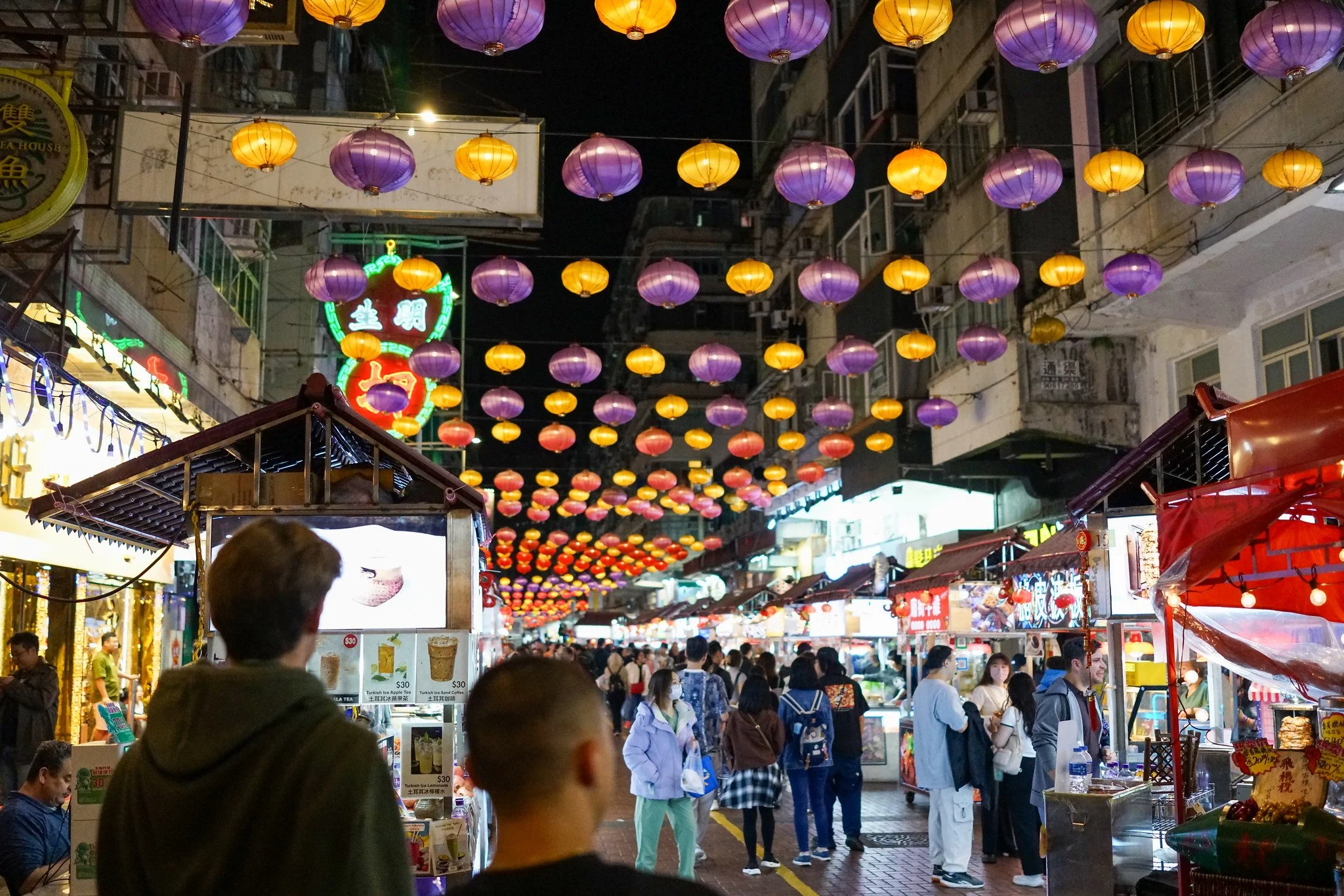
Section 1 (Jordan Road entrance to Kansu Street): This is the full-on, bustling heart of the market that most people know and love - dense stalls packed curb-to-curb with shopping, souvenirs, clothing, gadgets, and the classic haggling energy under bright lights. It is lively, tourist-friendly in parts, and where the main crowds concentrate.
Section 2 (Across Kansu Street onward): Much quieter and quite the opposite of Section 1. You pass the Mahjong Club with its massive neon signs, then encounter fortune tellers on the left and karaoke stalls on the right. It has a more subdued, local atmosphere and leads toward the small public square with the Tin Hau Temple (note that the temple itself typically closes around 5pm like most temples and is not open at night).
Section 3 (Over the road from the Tin Hau Temple square): A stripped-down section that appeals strongly to local folk. It continues with a different, more everyday vibe and ends near Yau Ma Tei MTR Station. Many visitors never make it this far, which is a shame as it offers an authentic glimpse into community life away from the main tourist flow. The full end-to-end walk takes 30-40 minutes and is well worth it for the complete picture.
The divisions reflect how licensing, pedestrianisation, and natural street flow developed over the decades.
5. List of the Types of Goods Available for Sale
Temple Street offers a wide mix, true to its "Men's Street" roots but appealing broadly:
Clothing and fashion: T-shirts, jeans, jackets, casual wear, often HK$50-200 (about US$6-26).
Accessories and gadgets: Watches (including replicas), phone cases, lighters, bags, shoes, jewellery (jade, trinkets), computer products, cheap phones and no-brand electronic gadgets.
Souvenirs and traditional items: Chinese handicrafts, tea sets, calligraphy brushes, Mao memorabilia, antique replicas, fans, toys.
Everyday and party goods: Electronics accessories, costumes, balloons, secondhand items, vinyl, vintage bits.
Other: Silk scarves, luggage, quirky local novelties.
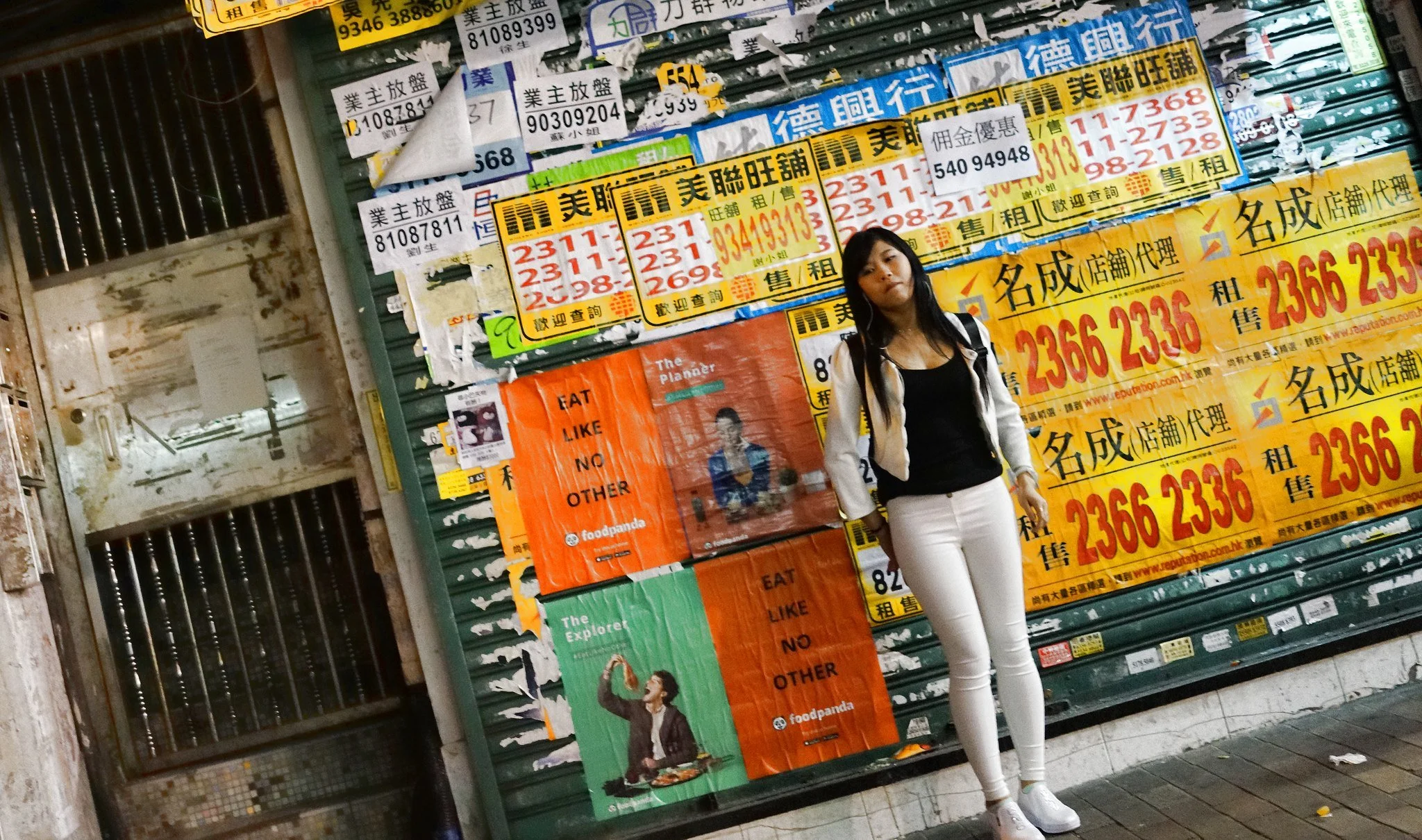
Quality varies enormously - inspect everything closely. A particular word of caution on jade: if you are buying jade from a cheap night market stall it is almost certainly not real jade. Anyone seriously looking to buy genuine jade should head to a proper retail outlet with reputable certification. I often get asked "is it real jade?" when guiding and my straightforward response is that you are buying from a market stall - nope, it is not real.
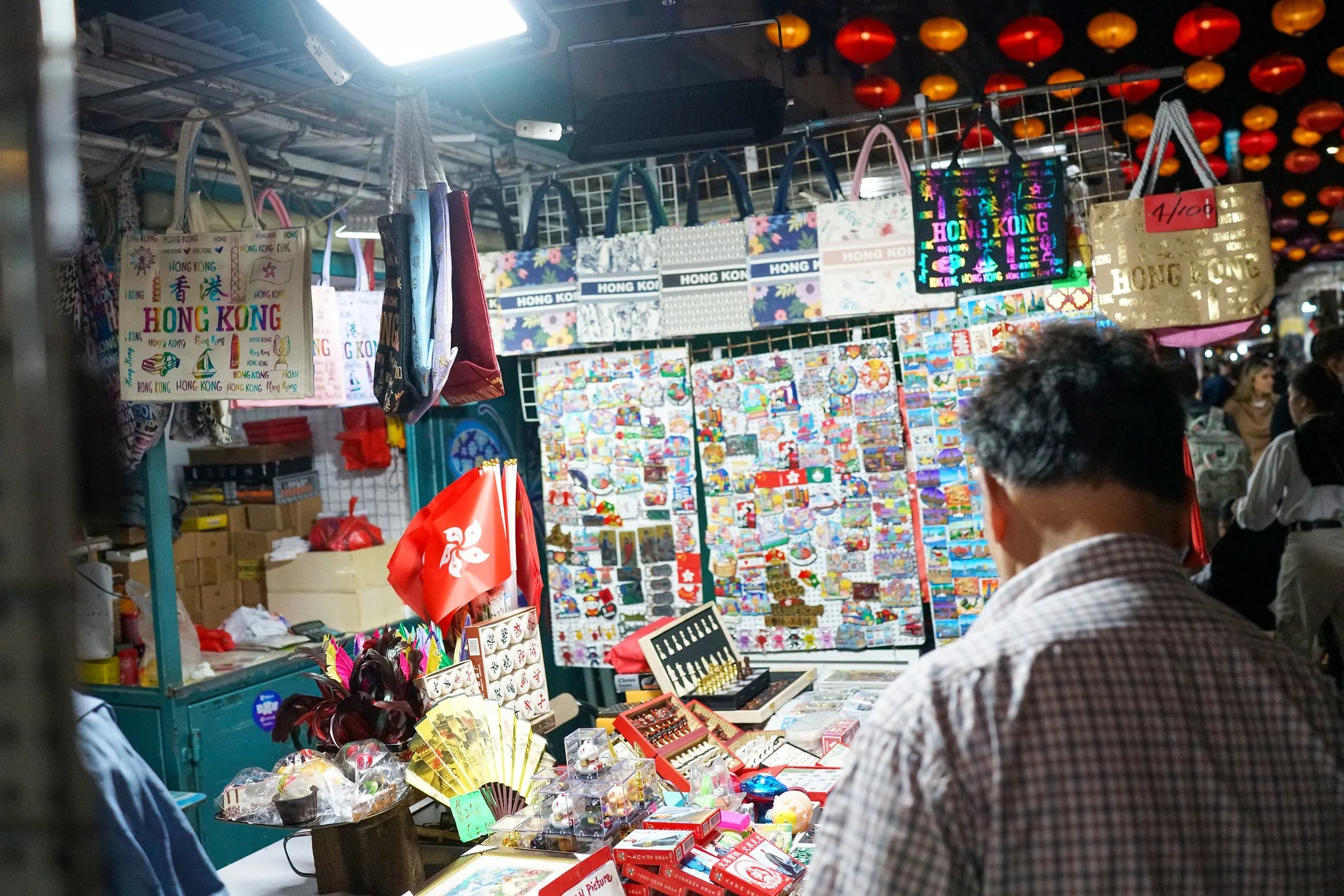
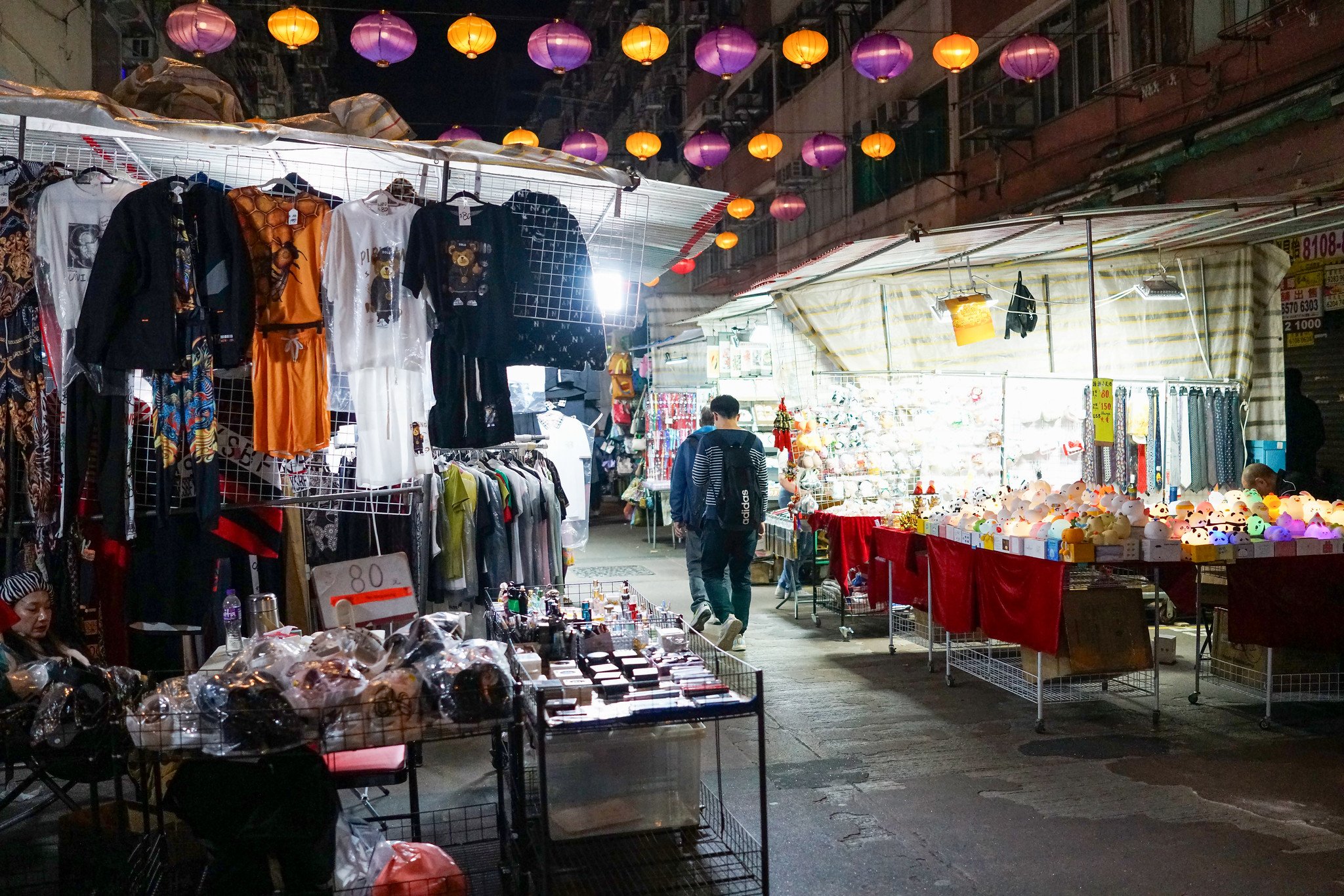
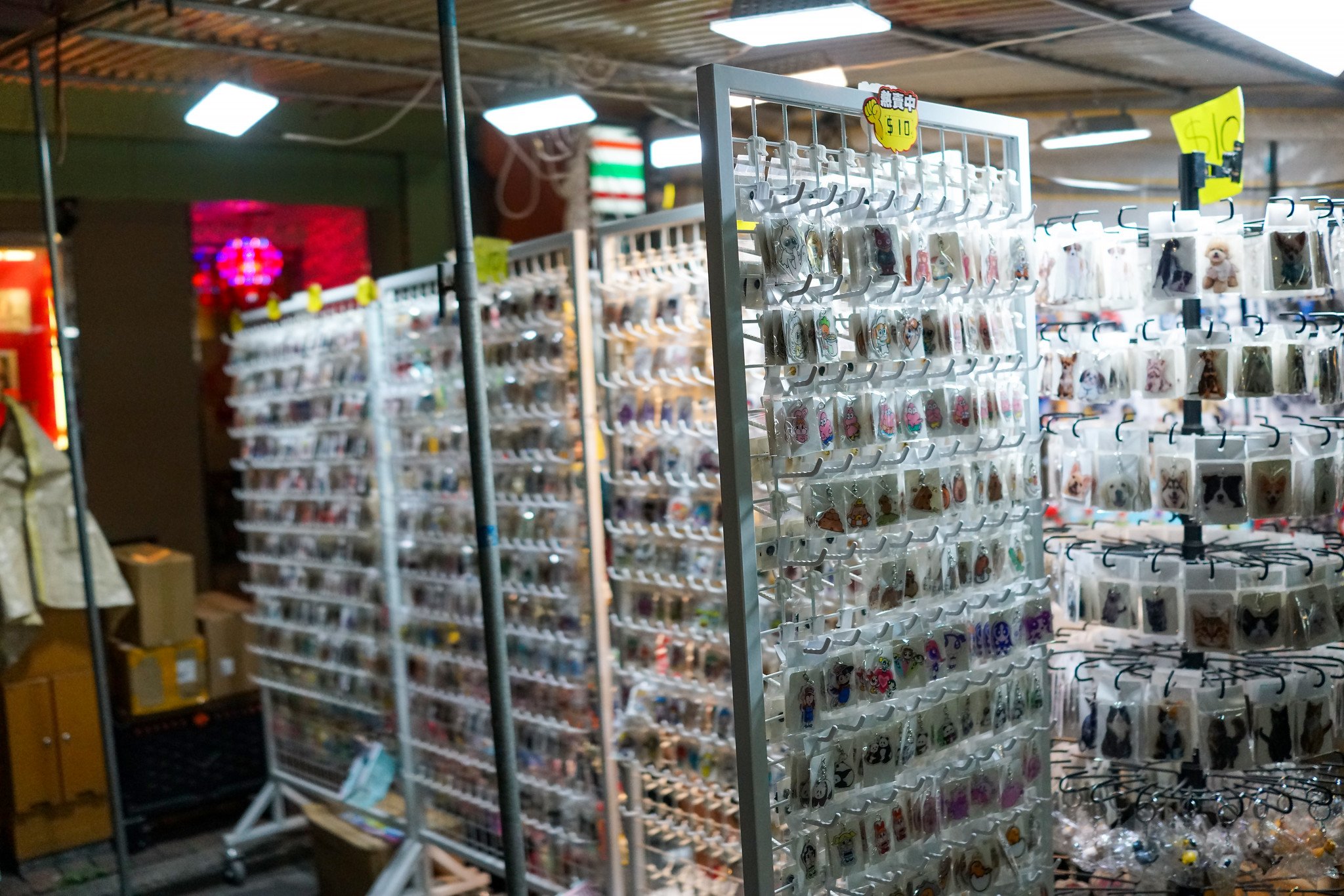
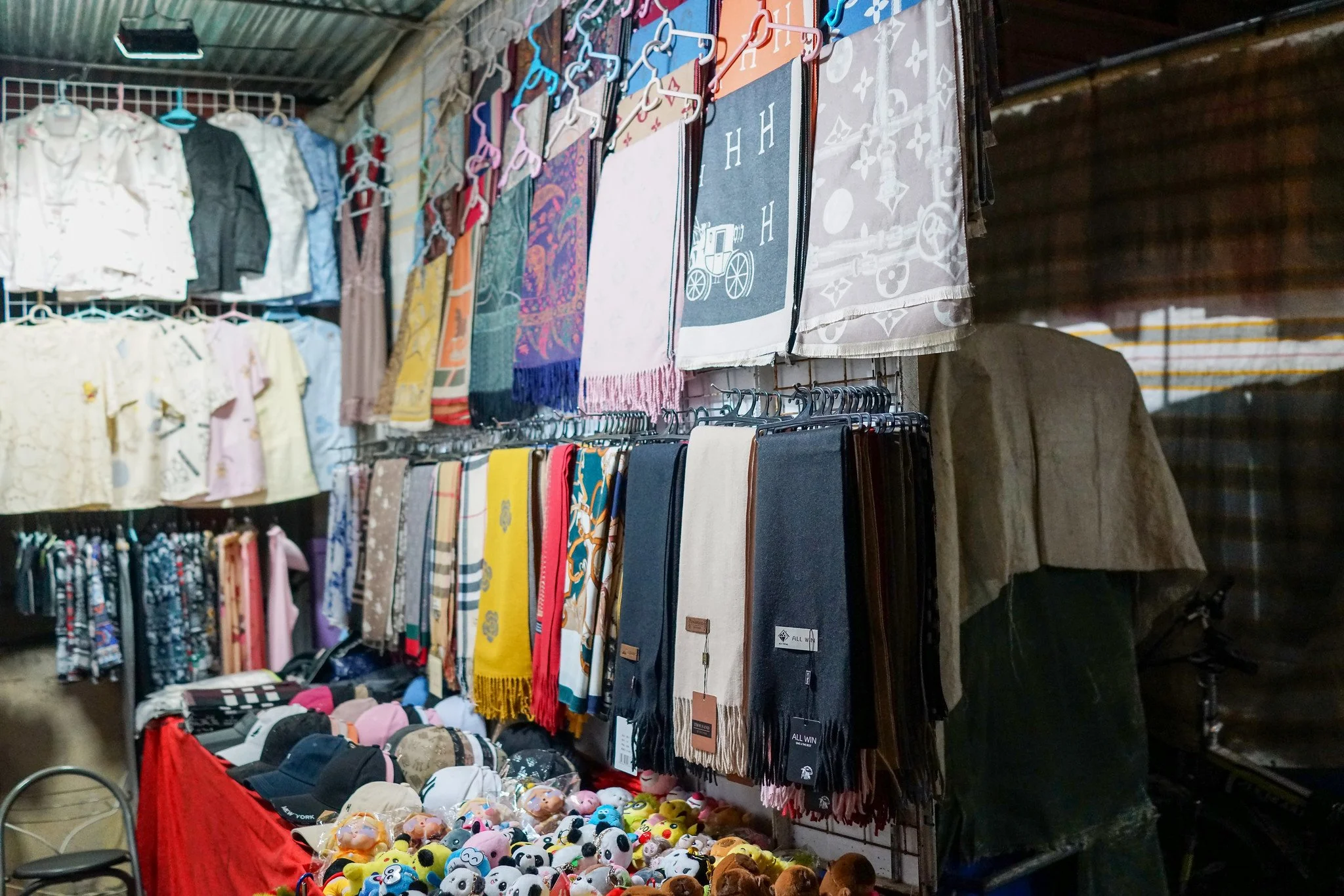
click on any image to enlarge
© Copyright Acknowledged | All rights reserved | images taken by Jamie
The Temple Street Night Market | Iconic since 1975 | Hong Kong
6. Bartering, Discounts, and Payment Options
Bartering is absolutely expected and part of the fun. Aim for 10-30 % off the asking price, or more if buying multiples (20-50 % possible on bundles). Start with a friendly counter-offer, smile, and be ready to walk away if needed - vendors often call you back. Compare similar stalls for leverage.
Payment is strictly cash in most cases - Hong Kong dollars in small bills (HK$10, 20, 50, 100 preferred). US dollars are rarely accepted directly, and cards or mobile payments are uncommon at stalls. Nearby ATMs are available, but carry sufficient cash (HK$300-500 or US$38-64 per person for a good browse and snacks).
7. Update on Fake Designer Goods (Especially in Section 1)
Fake or "copy" designer items (bags, watches, etc.) remain available, particularly in the core shopping sections like Section 1, though less overt than years ago due to enforcement. You will still hear whispers of "copy bag?" or see obvious replicas, but much has gone somewhat deeper underground or become more discreet. Quality and boldness vary by stall - buyer beware on authenticity and durability. It is still a thing, but not as in-your-face as pre-crackdown eras.
Pre-COVID there was a major covered food market structure near Kansu Street (the end of Section 1) where a lot of the fake goods trade was quietly conducted, often next to the kitchen areas. That structure has now gone, but with new food offerings in the vicinity the trade may still be quietly continuing in a more low-key way.
8. Is Street Crime an Issue? Plus the Lively Sex Trade
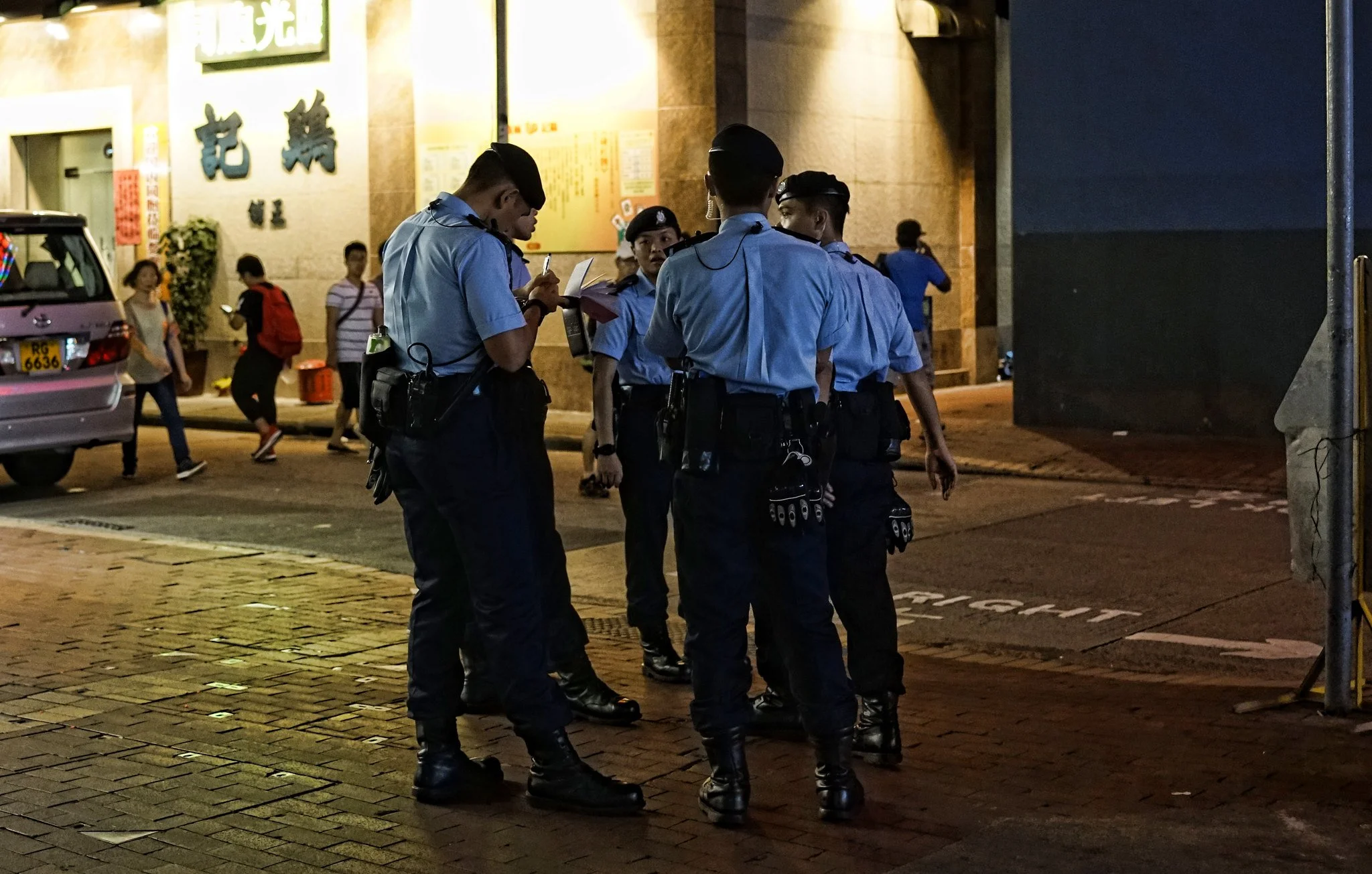
Temple Street is generally very safe for a busy night market, thanks to regular police patrols and extensive CCTV coverage. Pickpocketing in crowds is the main (and still relatively minor) concern in busy tourist areas across Hong Kong. For context, overall pickpocketing incidents city-wide remain extremely low - in 2025 there were only around 235 reported cases reflecting Hong Kong’s strong safety record. Serious crime is very rare, but stay aware and keep valuables secure, especially late at night.
The area has a long history as a red-light district, and elements persist. Behind some stalls or in side alleys, you may encounter ladies (of all ages, many from Mainland China) plying their trade openly or subtly, along with adult-oriented shops. It adds to the gritty, unfiltered vibe but can surprise families or those seeking purely wholesome entertainment. It is part of the market's raw character rather than hidden entirely and yes, these ladies have no issue approaching foreign tourists but are smart enough to stay away from families and obvious couples!
9. Comprehensive Overview of the New Street Food Section at Jordan Road Entrance
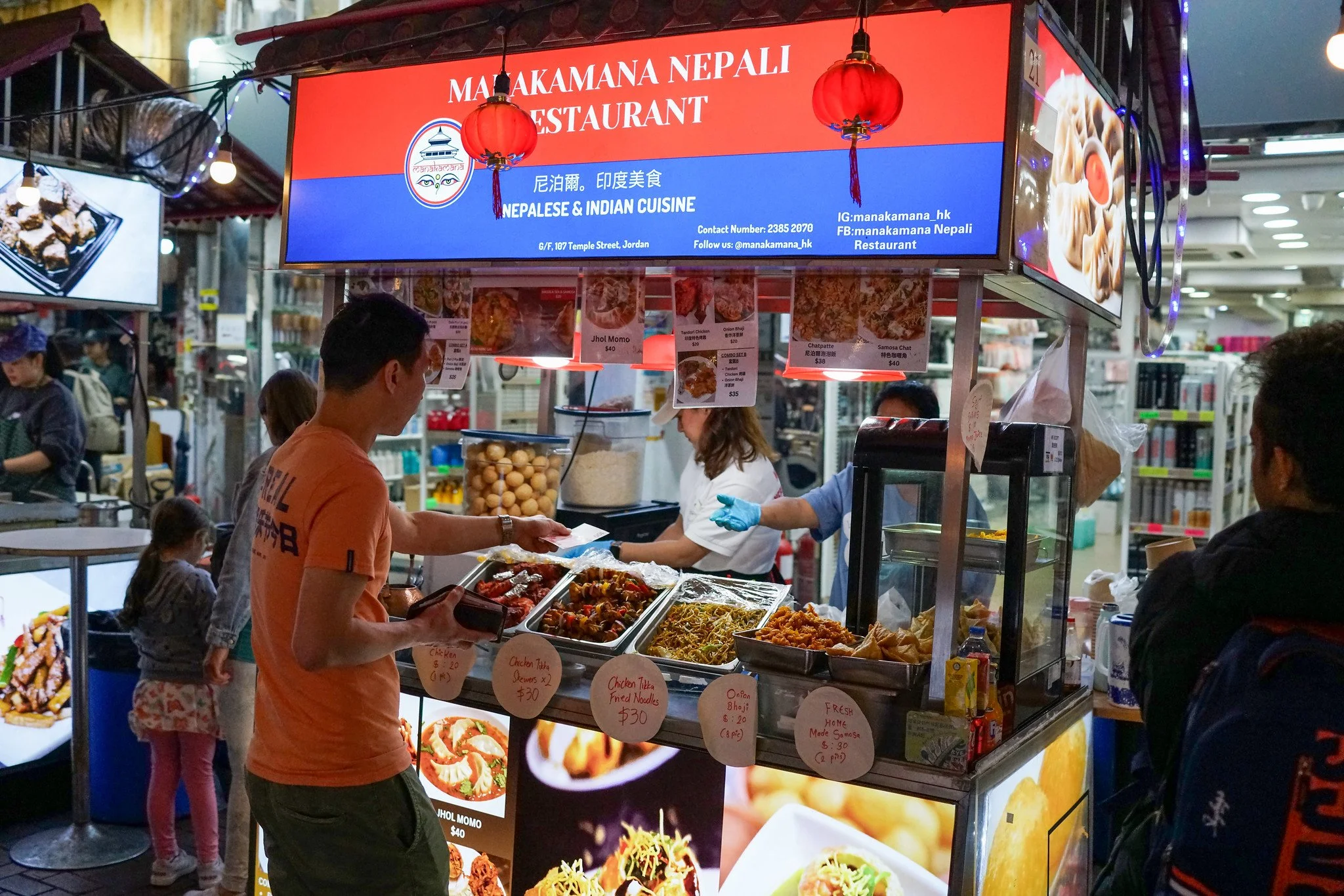
The government-backed "Nostalgic Food Zone" (launched around 2023 under Night Vibes) has been a game-changer, transforming underused space into a vibrant multicultural hub with over 30 stalls (around 22 specialty plus 10 mobile/snack). It stretches roughly 100+ metres from Jordan Road, inspired by places like Taiwan's Shilin Night Market.
Types of food include Hong Kong classics: claypot rice, curry fish balls (HK$10-15 or US$1.30-1.90), wonton noodles, stinky tofu, grilled seafood, siu mai, dim sum, snake soup, and nostalgic sweets like egg waffles, dragon beard candy, put chai ko. There are also Southeast Asian and other influences - spicy skewers, pepper buns, Turkish lamb, Pakistani options. Seafood restaurants spill onto pavements with dai pai dong-style seating. It is family-friendly, great value, and far more appealing than older fixed restaurants in the area. Cash preferred; hygiene has improved with oversight.
10. How to Get to the Market from Jordan MTR (Subway) Station
From Jordan MTR Station (Tsuen Wan Line), take Exit A. It takes a couple of minutes just to get out of the station onto Jordan Road, and because of the crowds and the need to cross a number of streets it is at least an 8-minute walk overall. Turn right onto Jordan Road, then right again onto Temple Street. Look for the prominent, large neon Temple Street sign on the sidewalk (it has been there since the street food section opened and is hard to miss at night). The large red Tin Hau Temple gates are also nearby but can be trickier to spot after dark. This is the ideal southern entry for the food zone and full market experience.
Alternative options include Yau Ma Tei Station Exit C for the northern end. Buses or taxis also work easily, but the MTR (Subway) is simplest.
Additional Insights and Out-of-Left-Field Thoughts - Including Hawker Terminology
Beyond the 10 points, note the Cantonese opera singers and fortune tellers (HK$100+ or US$13+ for readings) that add cultural depth, especially in the quieter sections. The Tin Hau Temple itself typically closes around 5pm like most temples and is not open at night, but the square area remains part of the market atmosphere.
Nearby (basically next to Exit A Jordan MTR Station - Yue Hwa Emporium is worth a detour for its incredible displays, including high-end ginseng. The market's film legacy makes it cinematic at night. In 2026, it feels revitalised but still true to its roots - not overly sanitised.
A question I get asked on almost every tour (thanks to the many Government signs) is about the words “hawker” and “hawking”. In the Hong Kong market context, a hawker is a licensed street vendor selling goods or food from a fixed stall, cart, or temporary setup. Hawking refers to the act of selling in this way. The term dates back decades and is the official government terminology for these regulated traders in places like Temple Street. It is not negative — it is the legal framework that allows the markets to operate while trying to maintain order and hygiene. Most stalls you see are licensed hawkers.
Interestingly, the word “hawking” can also mean the rather loud act of clearing one’s throat and spitting, which is another common usage you will hear in Hong Kong. I often mention both meanings when explaining the signs to guests, as it usually gets a laugh and helps them remember the context.
An out-of-left-field comment you might appreciate: it has been widely reported that John Lennon and David Bowie visited a Hong Kong market in 1977 and Bowie photographed Lennon trying on a Beatles jacket from a stall selling old clothes. Bowie recounted the story in interviews, noting it was the last time he saw Lennon. While the exact market is not always specified, Temple Street fits the description perfectly as the iconic spot for secondhand and vintage clothing stalls at the time. It is a lovely piece of rock-and-roll lore tied to these very streets.
My considered opinion: Temple Street is not for everyone, but for those who embrace its unvarnished energy, it delivers an irreplaceable Hong Kong experience. Go early evening, pace yourself across all sections, haggle with good humour, and savour the food. It is a reminder that amid skyscrapers and efficiency, the human, street-level story endures.
So there you go
click on any image to enlarge
© Copyright Acknowledged | All rights reserved | all images taken b Jamie
Jamie’s Hong Kong | Some of my favourite images | Hong Kong 101
© Jamie Lloyd | J3 Consultants Hong Kong | J3 Private Tours Hong Kong |
| 2010 - 2026 All rights reserved. |
Click on any image to enlarge to full screen
Current images from my Instagram feed