10 Things you did not know about Barker Road Hong Kong
Billionaires' Row - From Colonial History to Jack Ma's Mansion

The J3 Group - Premium Quality Private Tours | Experiences and Insider Chats since 2010
Me Jamie, your host, I am English and I have lived in Hong Kong since January 2nd 1972 - I know the place.
A meaningful blog post with a difference - tips on Travel, Tourism, Tours, Daily Life and my personal thoughts on Hong Kong.
Please do visit Amazing Hong Kong
Hong Kong | Pearl of the Orient
A Resident since 1972 - Private Tours of Hong Kong with Jamie
The Best Things to do in Hong Kong
click on the image to enlarge
© Copyright Acknowledged | All rights reserved | image taken by Jamie
Barker Road - That View | Billionaire’s Row | Hong Kong
Foreword by Jamie
10 Things You Did Not Know About Barker Road, Victoria Peak in Hong Kong
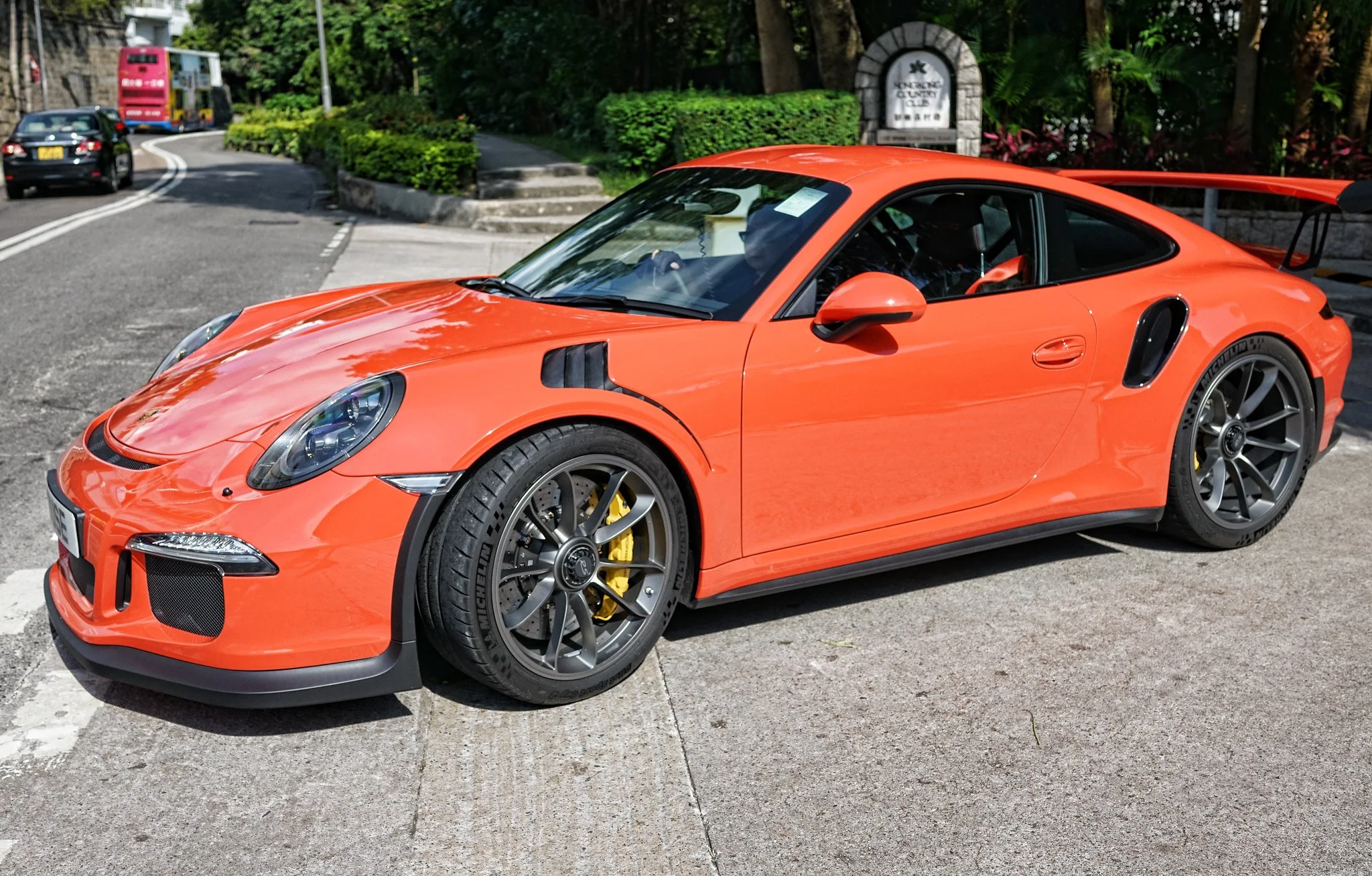
I have been up to Victoria Peak over 6,000 times since January 2nd 1972, I call it my spiritual home and that is as far as it goes, I could never hope to live at the Peak (but I can dream!) and yes, I have always had a soft spot for Barker Road, mainly because of the incredible view near 22 Barker Road, it is not unknown in Hong Kong, many times I have seen supercars stopped there for a photography session but these are locals, seeing a tourist is like seeing a Martian!
Barker Road on Victoria Peak is one of those special corners of Hong Kong that rewards the curious explorer, even though it sits right in the heart of one of the city's most iconic and exclusive areas. Over my decades of showing ny guests around Hong Kong and exploring every corner of this place I have come to know it intimately, and it never fails to surprise me how much history, exclusivity, and sheer drama is packed into this relatively short stretch of road.
Often called Billionaires' Row (a snappy phrase I came up with years ago), it is a place where colonial engineering meets modern ultra-wealth, where diplomatic residences rub shoulders with private mansions offering some of the finest views on earth. In this piece I want to share 10n solid facts and figures that go well beyond the usual tourist spiel and fluff pieces from travel writers, drawing on detailed history, property transactions, transport quirks, and a few personal observations from years of walking its length. Whether you are a history buff, a property enthusiast, or just someone who appreciates the quieter side of Hong Kong life, there is plenty here to sink your teeth into.
click on the image to enlarge
© Copyright Acknowledged | All rights reserved | image courtesy of Gwulo
Barker Road - 1920’s | Billionaire’s Row | Hong Kong
1. The History and Development of Barker Road
Barker Road, named after Major-General George Digby Barker who served as Commander of British Forces in China and Hong Kong from 1890 to 1895 and acted as administrator in 1891, was constructed starting in October 1897 and officially opened in 1898. (10 years after the Peak Tram opened) It was built by the Public Works Department to improve access to the Peak area, connecting Old Peak Road with Magazine Gap on Peak Road, spanning roughly 1.7 kilometres or just over a mile. At an altitude of around 350 metres above sea level, it was part of the broader development of Victoria Peak as a cool retreat from the subtropical heat of Central below.
The road's construction was a significant engineering effort for its time, carved into the steep slopes to serve the growing number of European residents seeking respite. The opening of the Peak Tram in 1888 had already boosted interest in the Peak, and Barker Road provided better connectivity. Early land auctions followed soon after completion, leading to the development of grand residences on large plots. Over the decades it has evolved from a colonial enclave, with restrictions on non-European residents until 1930*, (detailed report at the end of this post) into today's ultra-prime address for tycoons, diplomats, and high-net-worth individuals. Traffic remains light, but the road sees occasional construction activity due to the high-value properties along it. No pavements exist in some stretches, so walkers need to be cautious of the occasional delivery trucks or mixers or one of the many Rolls Royces that you often see.
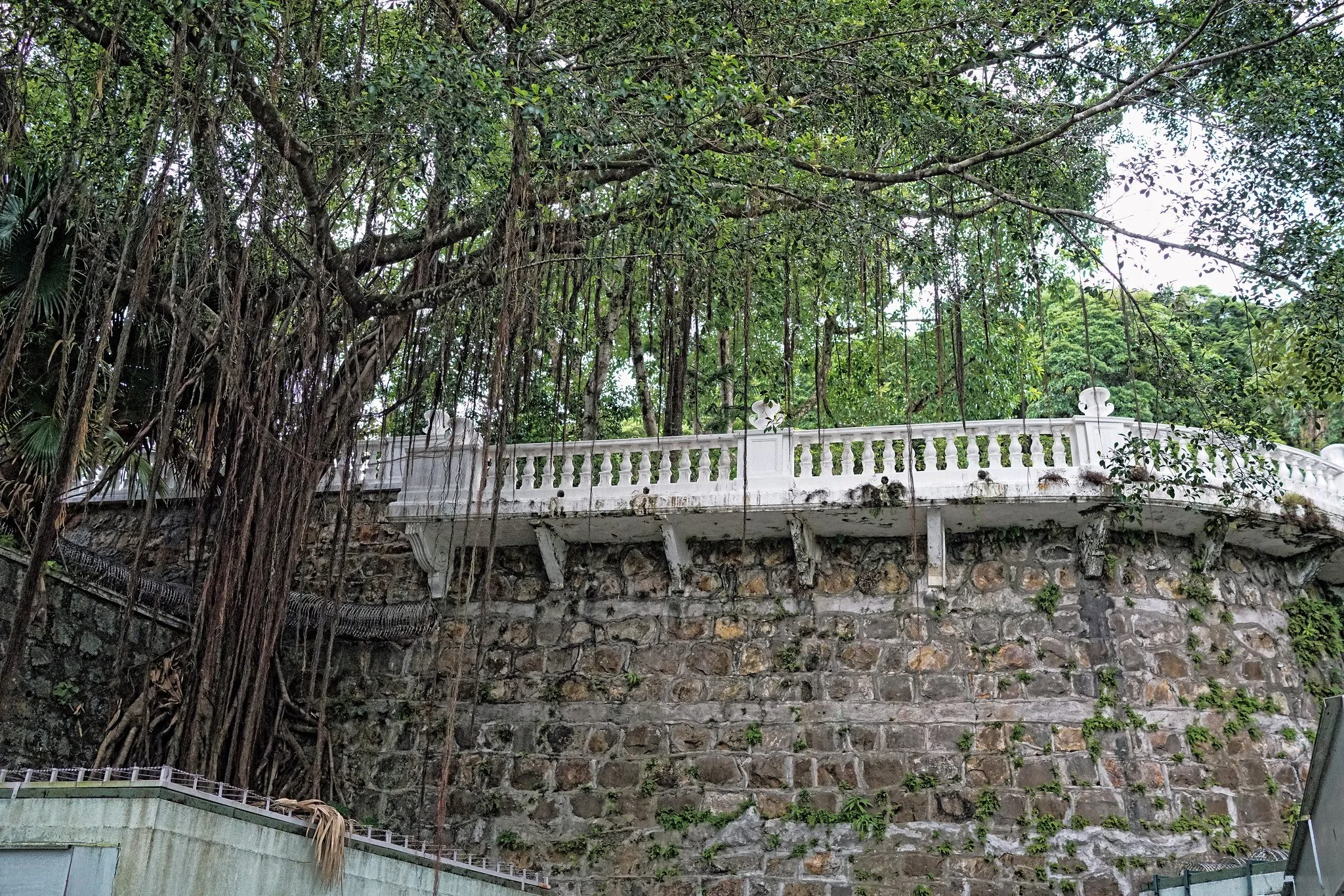
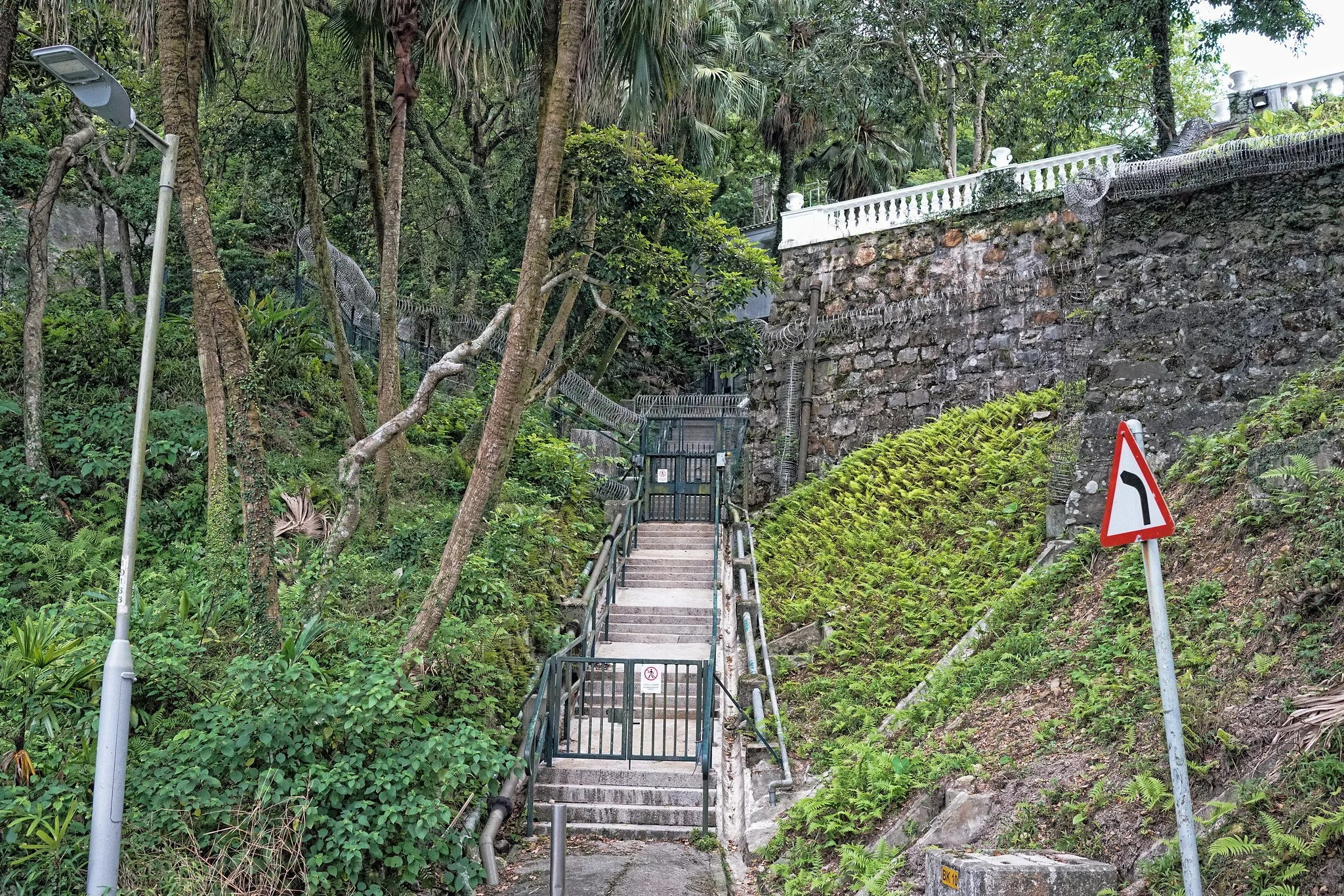
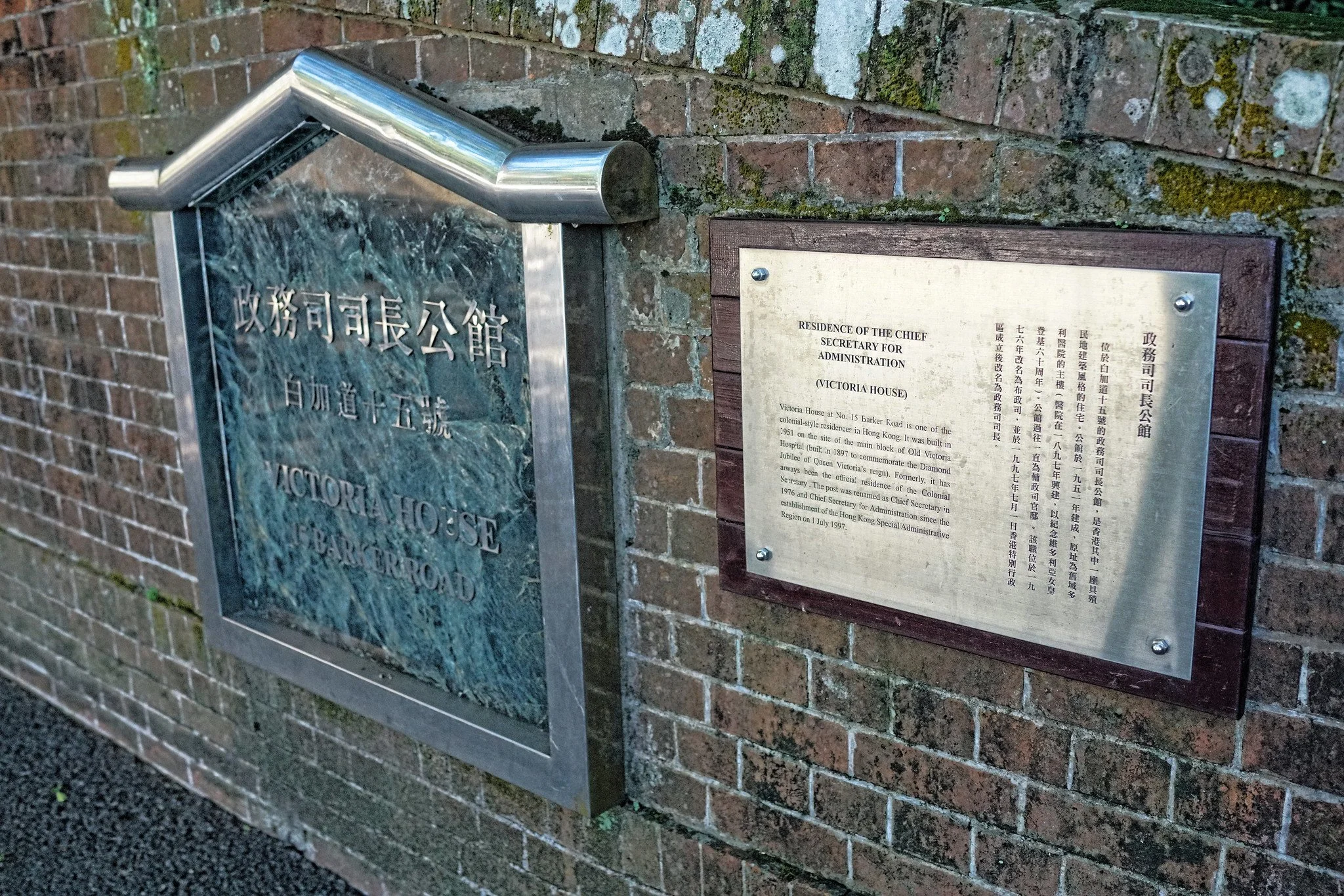
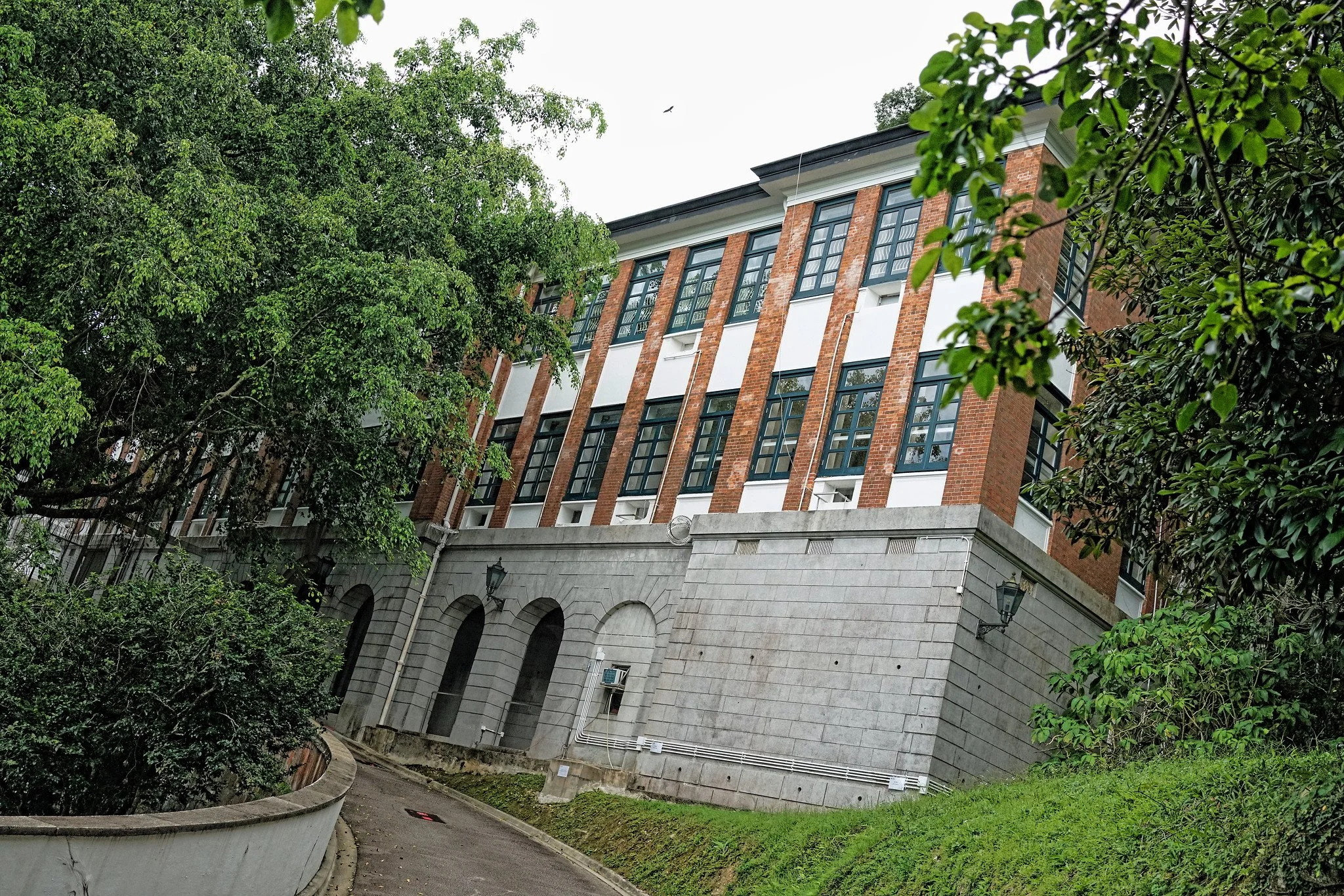
click on any image to enlarge
© Copyright Acknowledged | All rights reserved | images taken by Jamie
Historic Buildings | 11 + 15 Barker Road at the Peak | Hong Kong
2.Historic Buildings and Properties on Barker Road
The road is lined with a mix of historic and modern luxury homes and apartment blocks. House numbering generally runs with lower numbers towards one end and higher towards the other, though the topography and individual plot histories create some interesting quirks in how addresses sit along the route. It starts near the Peak Tram connection at Old Peak Road and winds its way to Magazine Gap on Peak Road. Notable ones include diplomatic and private residences that reflect the area's prestige. Many plots have seen multiple generations of buildings, with significant redevelopments over the years.
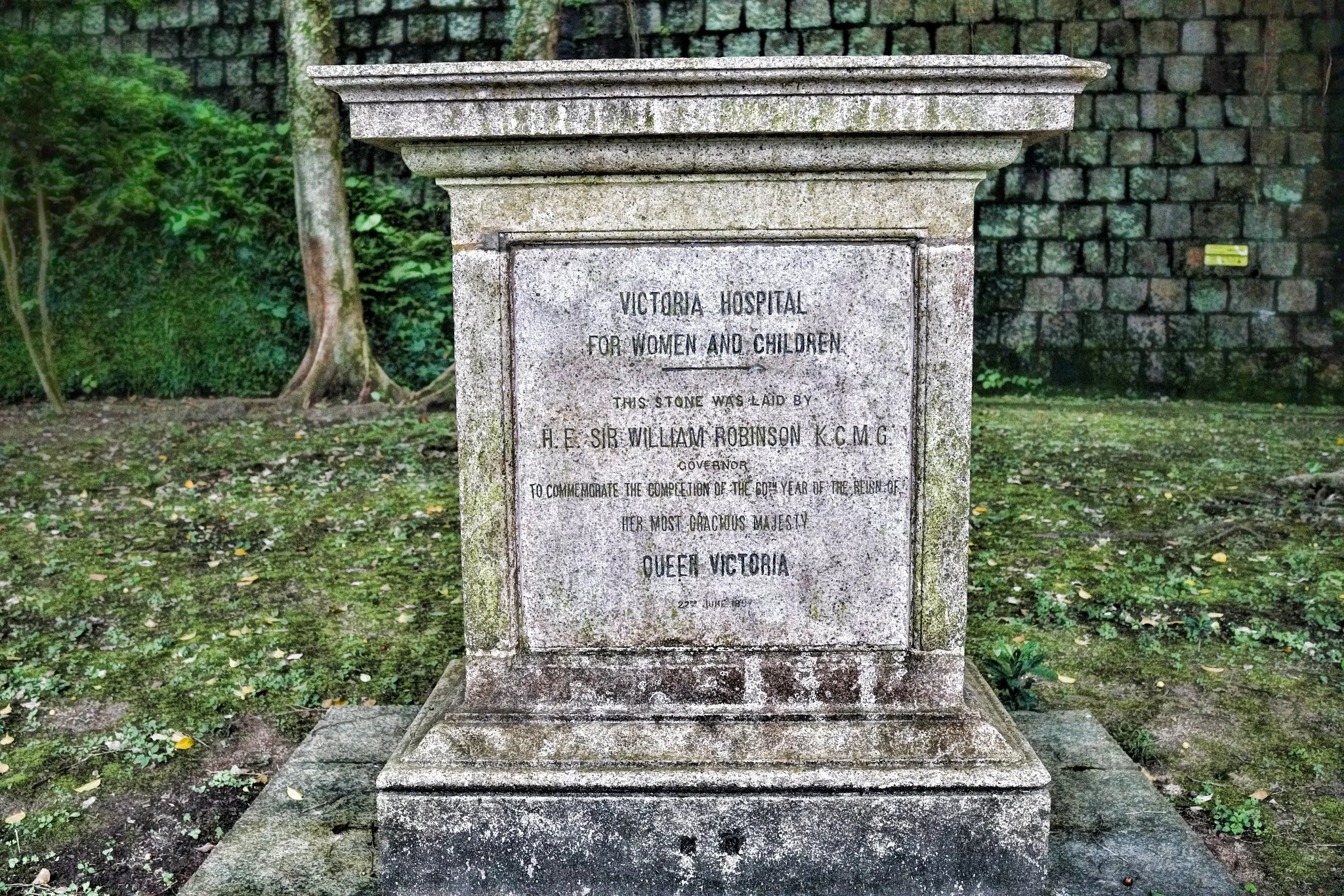
One of the most significant historic properties is Victoria House at 15 Barker Road, the official residence of the Chief Secretary for Administration since 1951. This colonial-style mansion stands on the site of the former Old Victoria Hospital (also known as Victoria Jubilee Hospital), which was built to commemorate Queen Victoria’s Diamond Jubilee. The foundation stone was laid in 1897, and the hospital opened on 7 November 1903 as a specialised facility for women and children. The main building featured two floors with general wards, a children’s ward, and private rooms, providing a total of around 44 beds. It operated at an elevation of about 1,100 feet above sea level for cooler, healthier conditions.
A maternity block was added in 1921-1923 in Neo-Classical style, which survives today as Victoria Flats at 17 Barker Road and serves as government quarters. The hospital was badly damaged during the Second World War and subsequently looted. By 1947 it was deemed beyond economic repair and largely demolished (except for the maternity block) to make way for new development. Victoria House was constructed in 1951 on the site of the main hospital block and has remained a key official residence ever since.
You cannot get a more prominent address in terms of governmental history on Barker Road. It is fascinating to think that a once-busy hospital site with dozens of beds and medical facilities was transformed into a single-family official residence suited for the Chief Secretary and a small household - typically up to six people or so. The building itself is a grand colonial-style home, though exact floor area details are not widely published given its official status. Its presence underscores Barker Road’s long-standing importance beyond pure private wealth., at a guess I would say that the building is in excess of 50,000 sq ft!
Right next door at 11 Barker Road is the official residence of the Commander of the PLA in Hong Kong. As with Victoria House, these are official buildings and are totally off limits to the public - it is best not to walk up any access paths leading to them and to respect the privacy and security in place.
Properties like various detached houses and compounds further along boast extensive gardens and harbour views. The exclusivity is maintained by large plot sizes and limited development, preserving the area's leafy, secluded character.
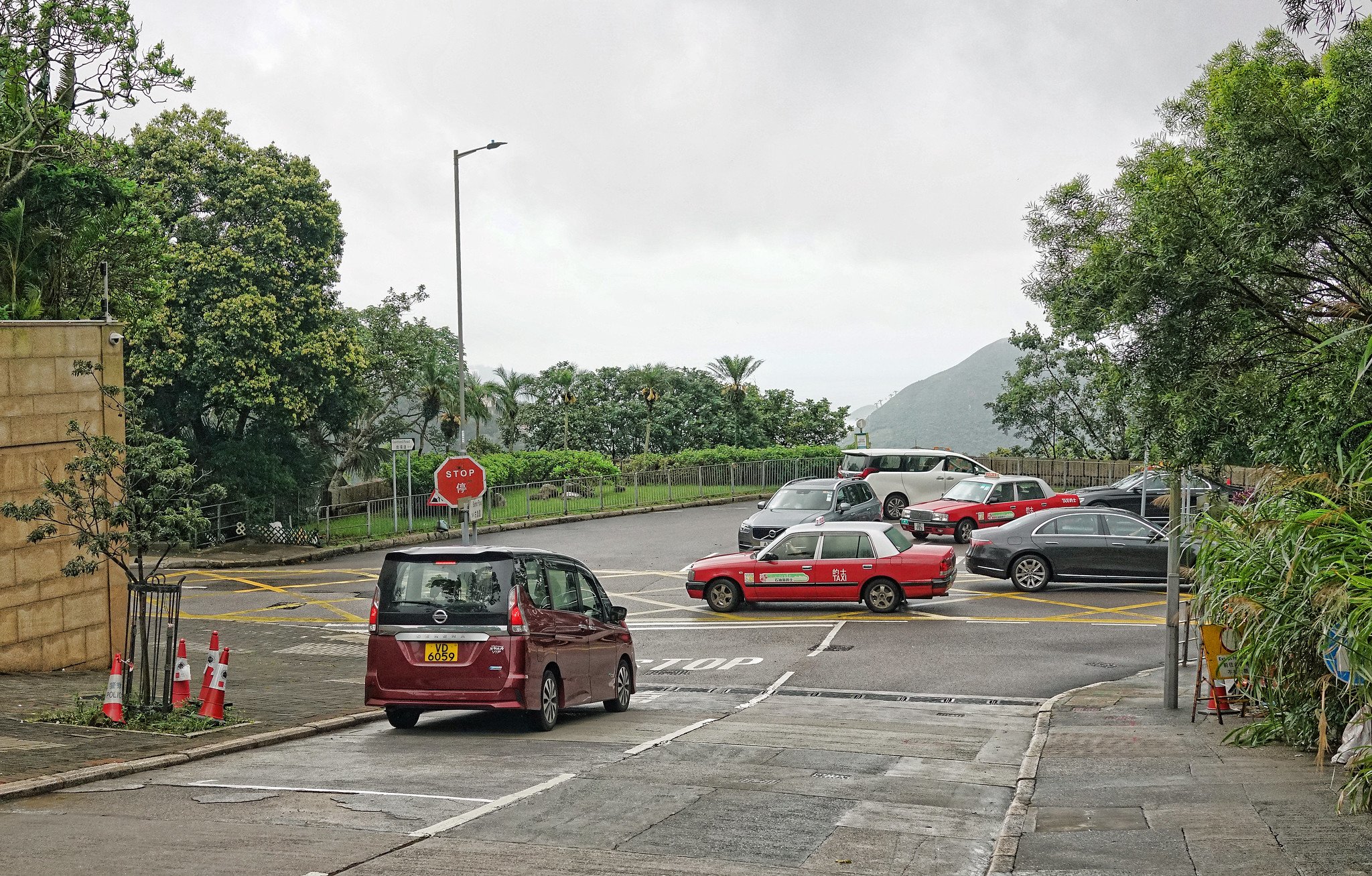
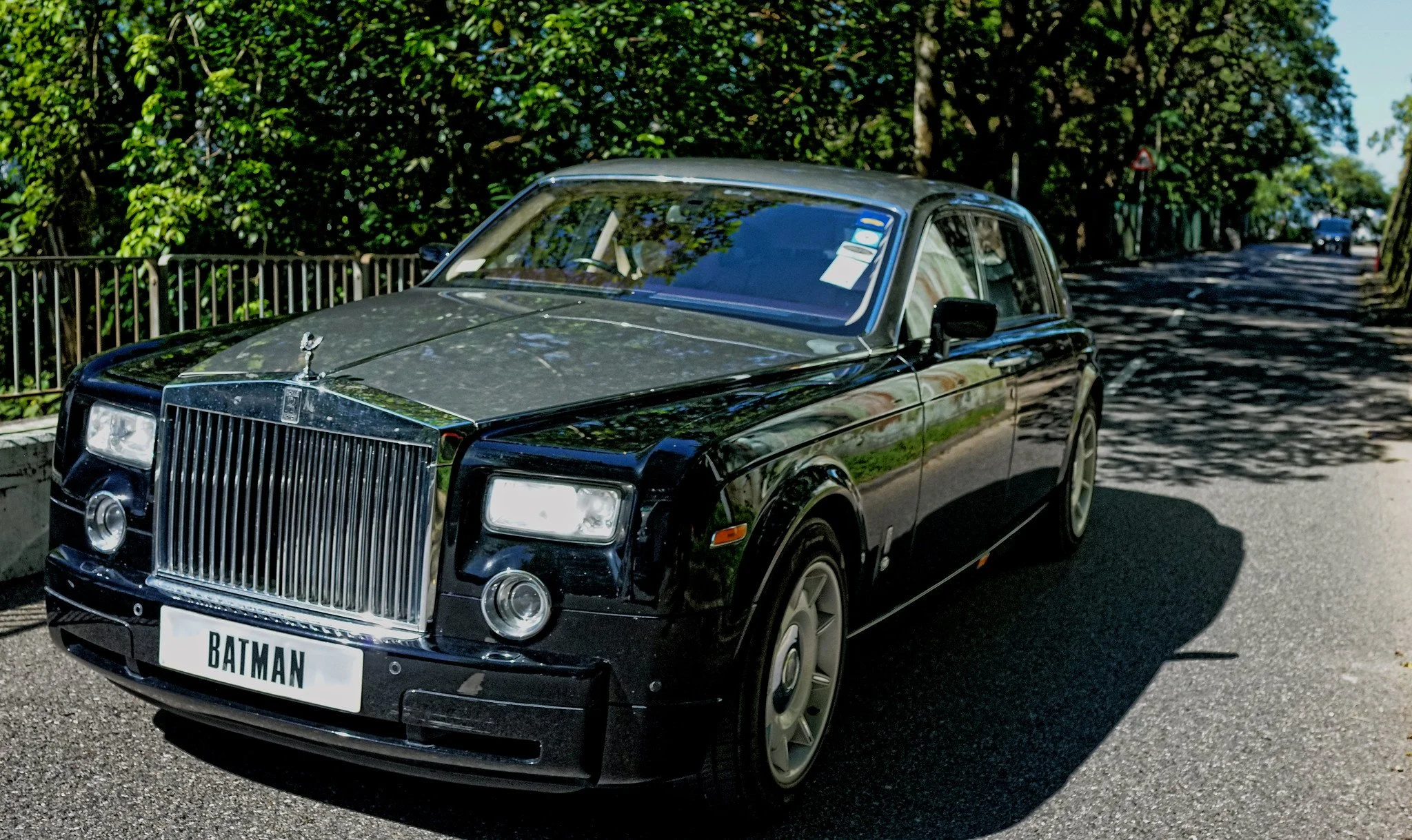
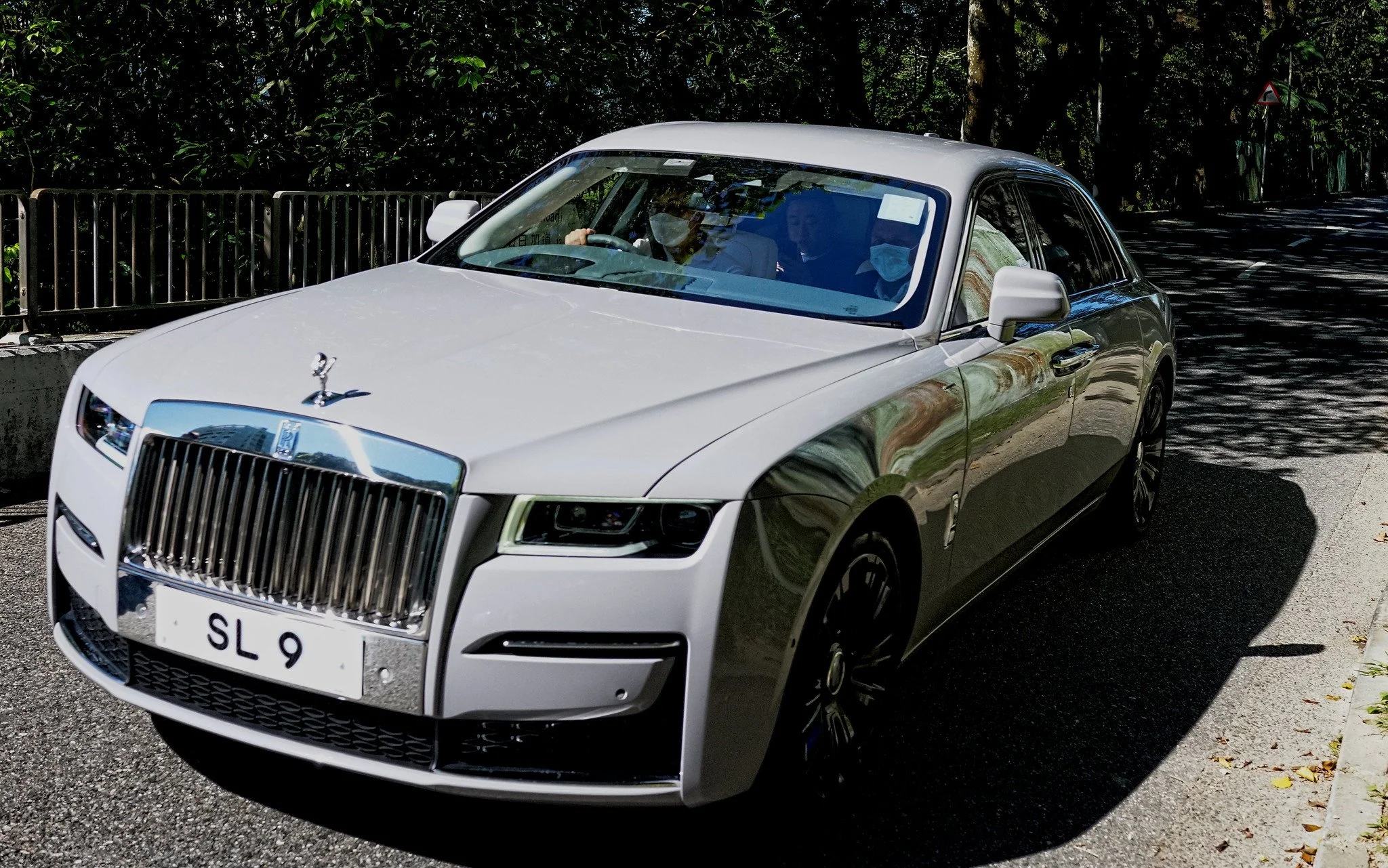
click on any image to enlarge
© Copyright Acknowledged | All rights reserved | images taken by Jamie
Barker Road | From Peak Road to Old Peak Road | Hong Kong
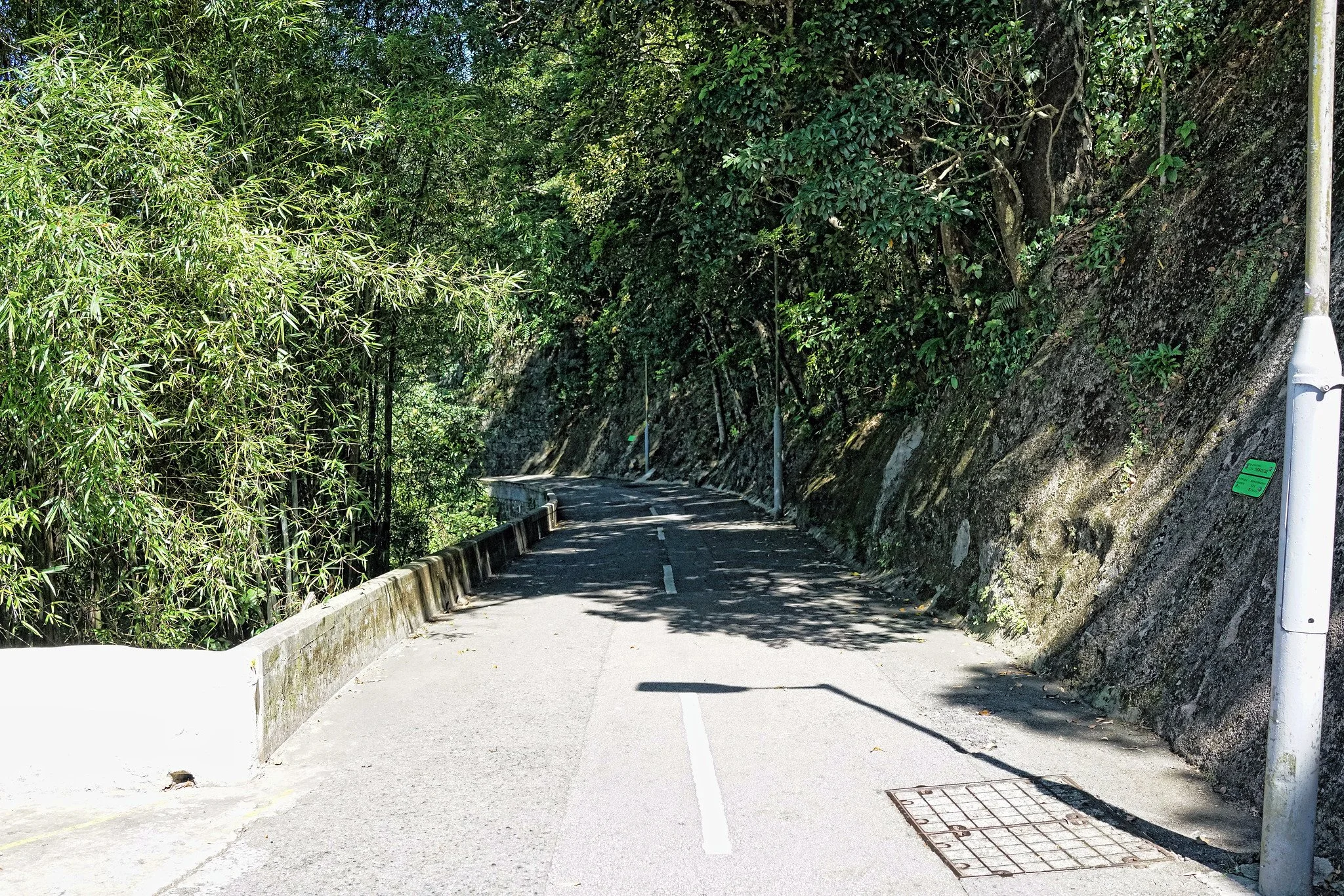
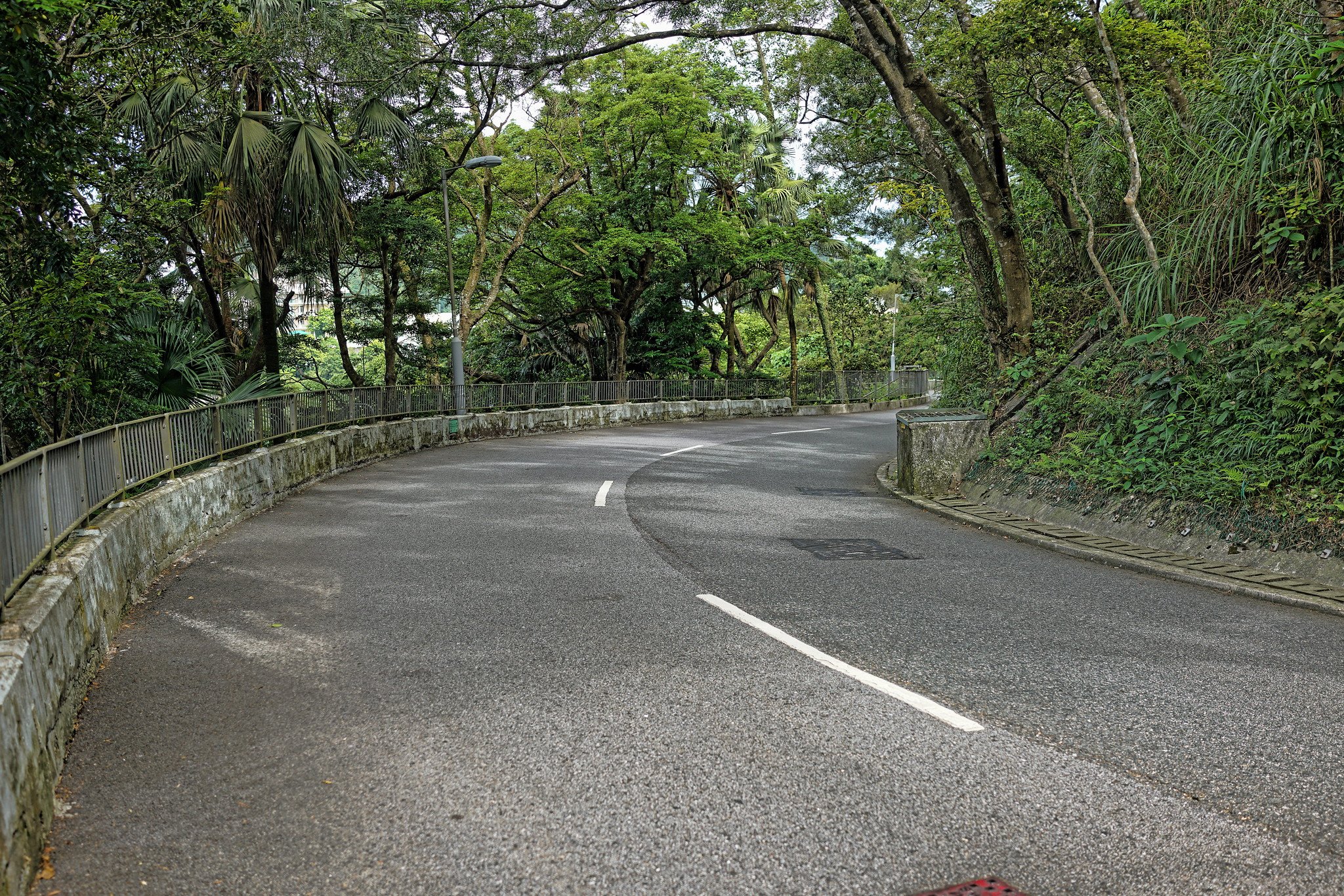
3. Why No Regular Public Transport Serves Barker Road
One of the reasons Barker Road feels so private is the absence of regular bus or public light bus services along it. Its narrow and winding character, combined with the strong residential focus and desire to preserve tranquillity for residents, makes it unsuitable for standard public transport routes.
Authorities have kept it free of heavy traffic to maintain peace for those who live there. The only exceptions are red taxis, which can drop off or pick up, and of course the Peak Tram station. This seclusion adds to its appeal for those who value privacy but means visitors must walk or use private arrangements.
You know the above comments are my politically correct comments, in plain English, no public transport, no riff raff clogging lowering the tone of the exclusive neighbourhood !
click on the image to enlarge
© Copyright Acknowledged | All rights reserved | image taken by Jamie
Barker Road | Peak Tram Station | Hong Kong
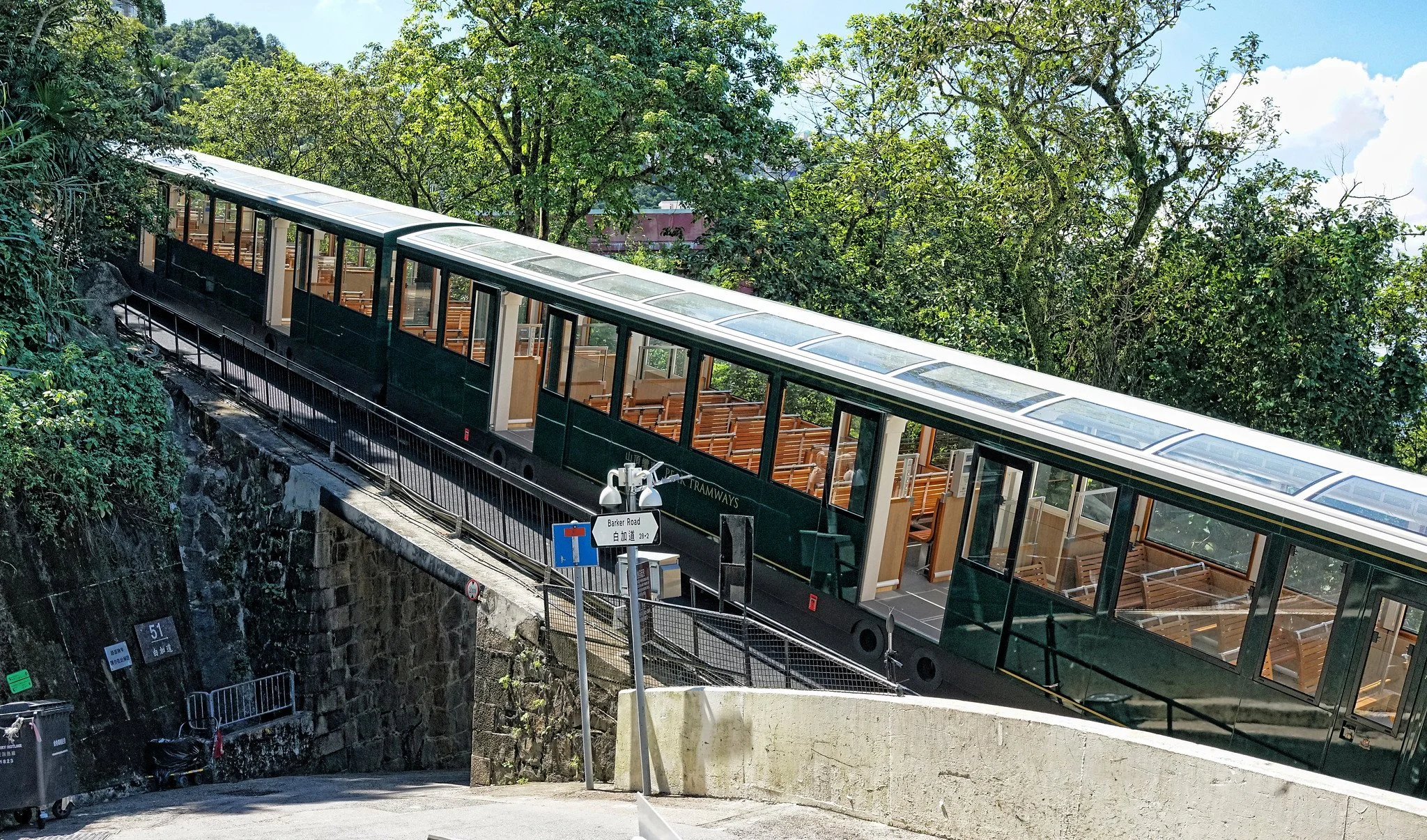
4. The Peak Tram Station on Barker Road - History and Facts
The Barker Road Peak Tram Station, originally called Plantation Road Station when the tram opened in 1888, is the oldest surviving intermediate station building on the line. The current structure was built in 1919 by architects Leigh & Orange. It features a striking open design with semi-circular arches, classical and Art Deco influences, ornamental ironwork, and a cantilevered canopy that once sheltered coolies and sedan chair bearers.
It serves as a key access point and was renamed after the road's completion in 1898. The station has heritage value and provides close-up views of tram operations. It is also a favourite spot for pre-wedding photographers who come to capture the happy couple against the classic tram and Peak backdrop. It remains operational today as part of the upgraded Peak Tram system.
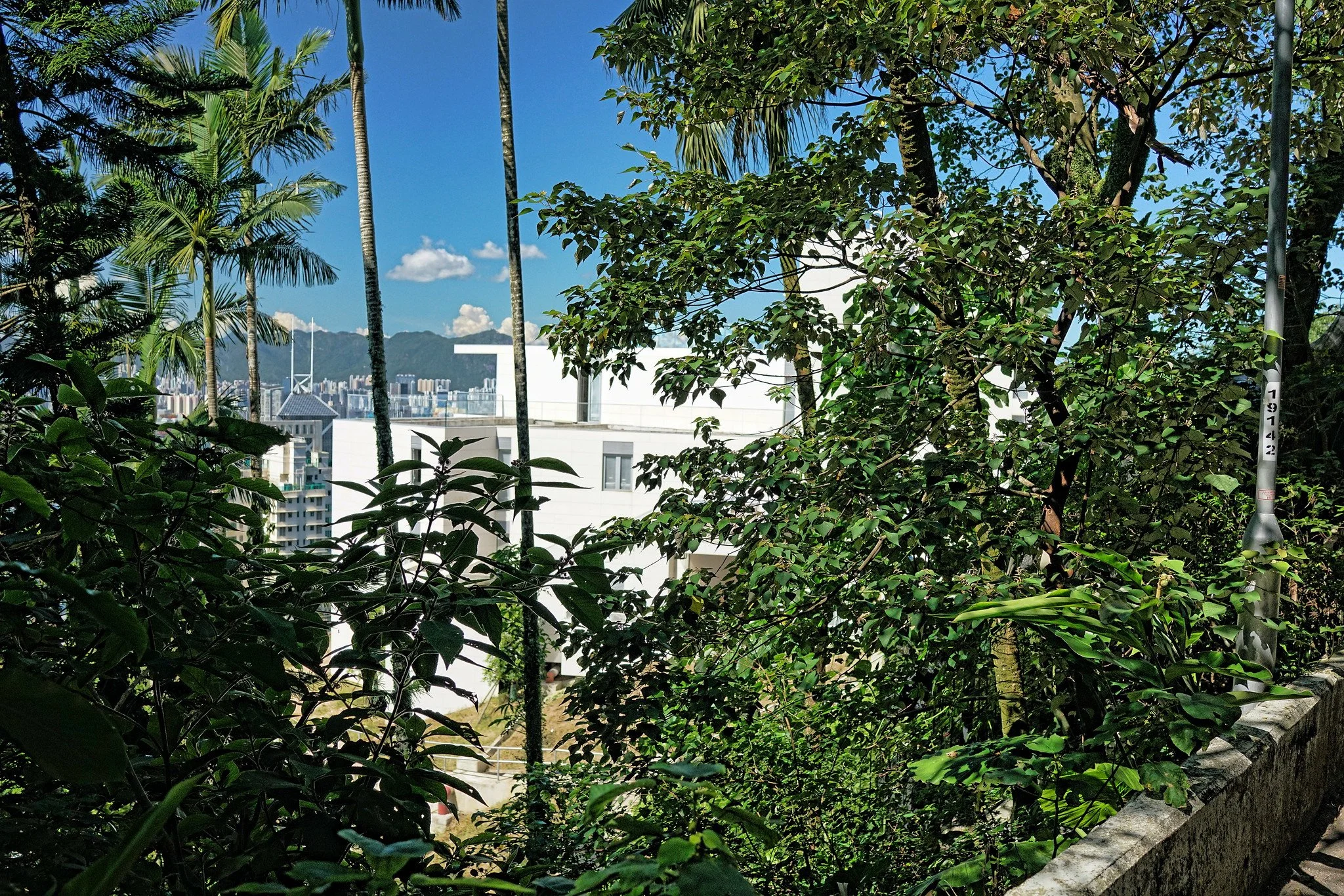
click on any image to enlarge
© Copyright Acknowledged | All rights reserved | images taken by Jamie
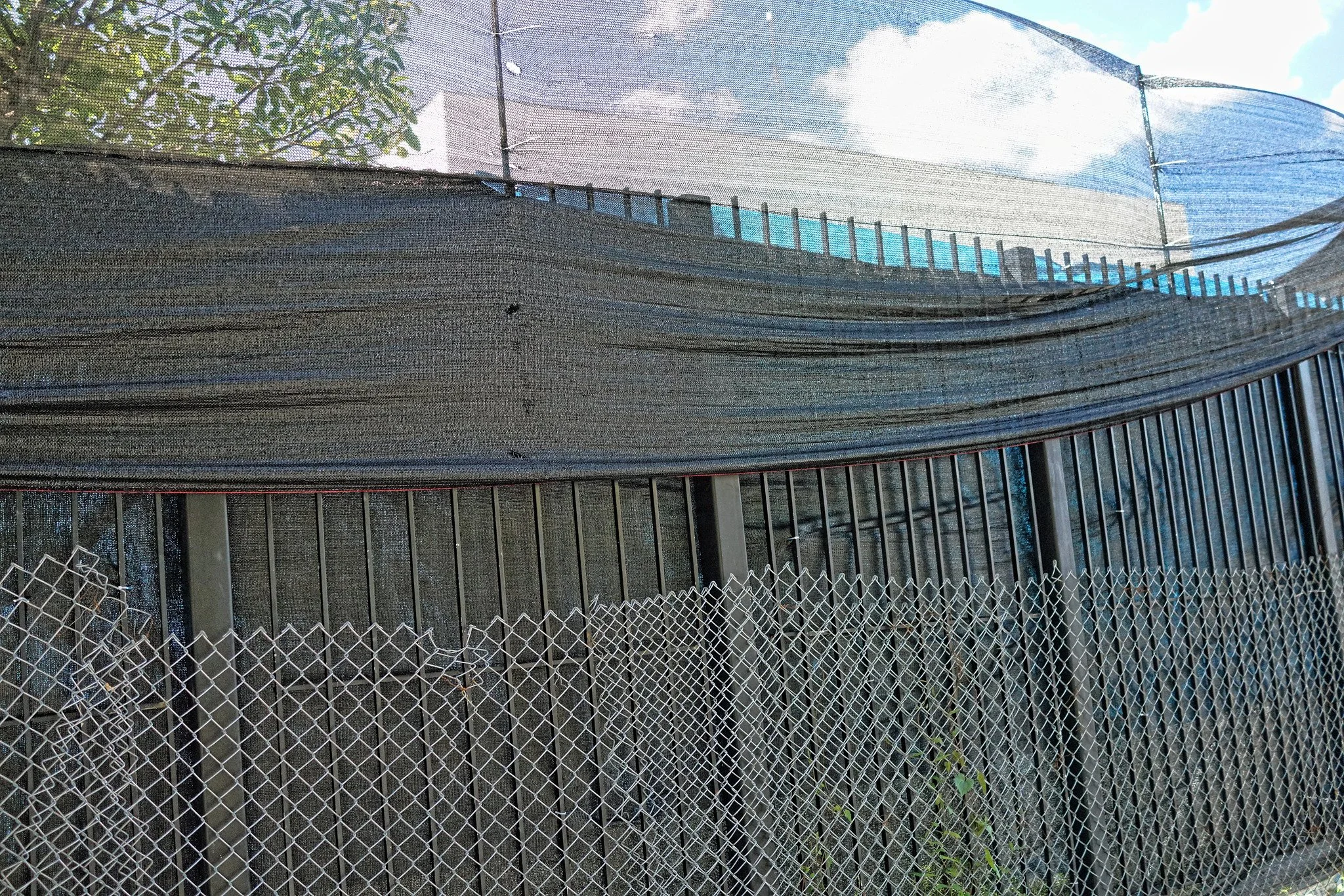
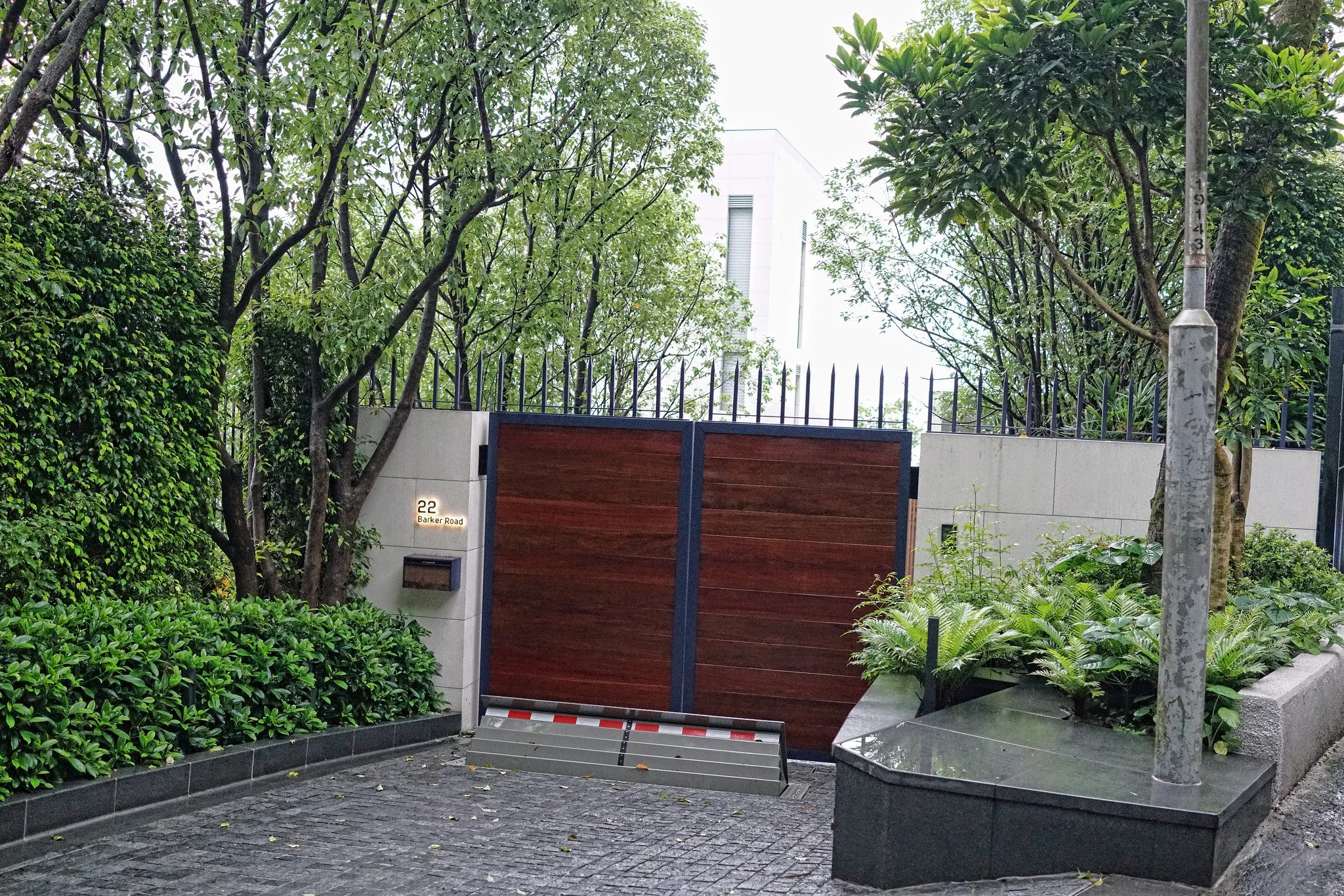
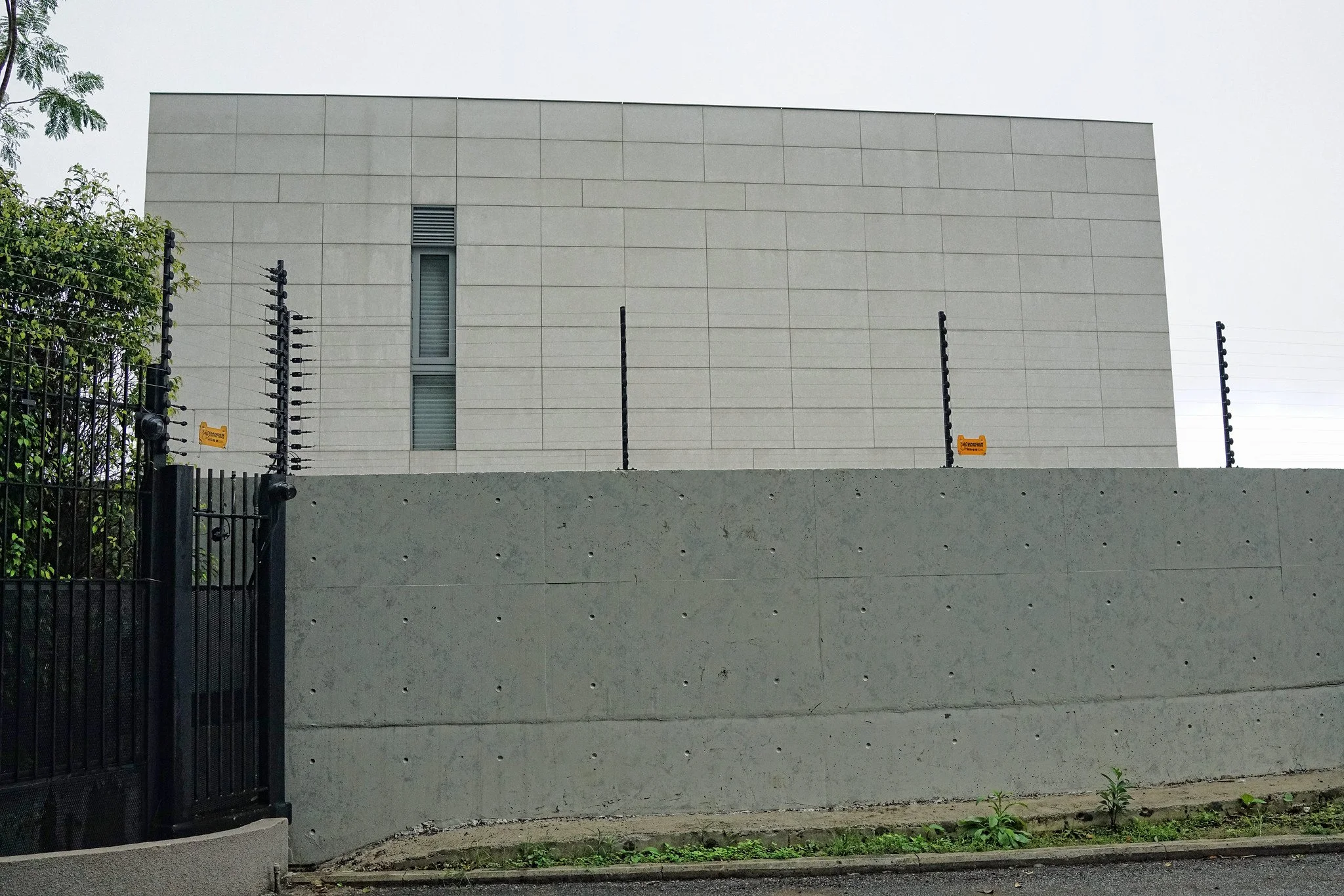
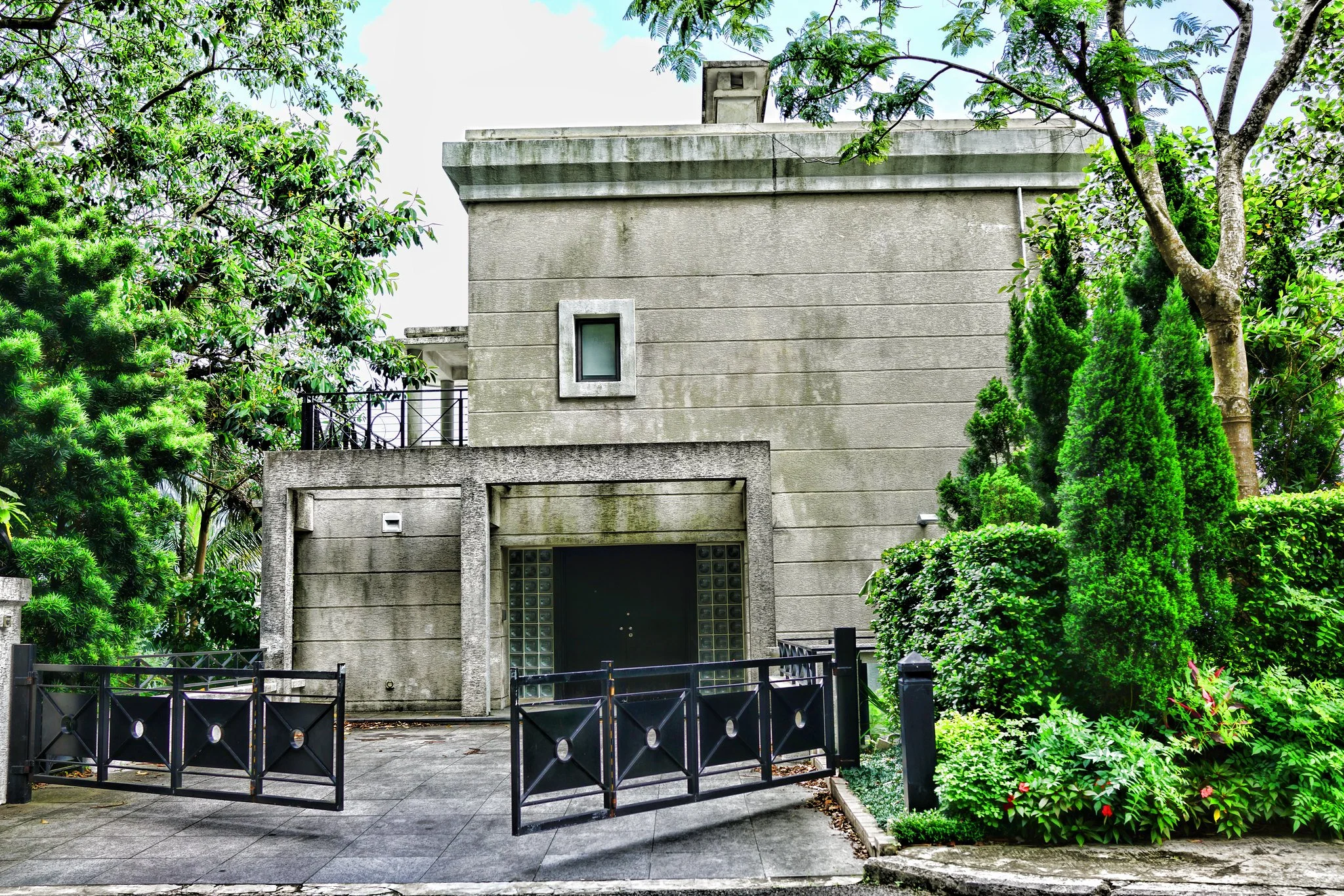
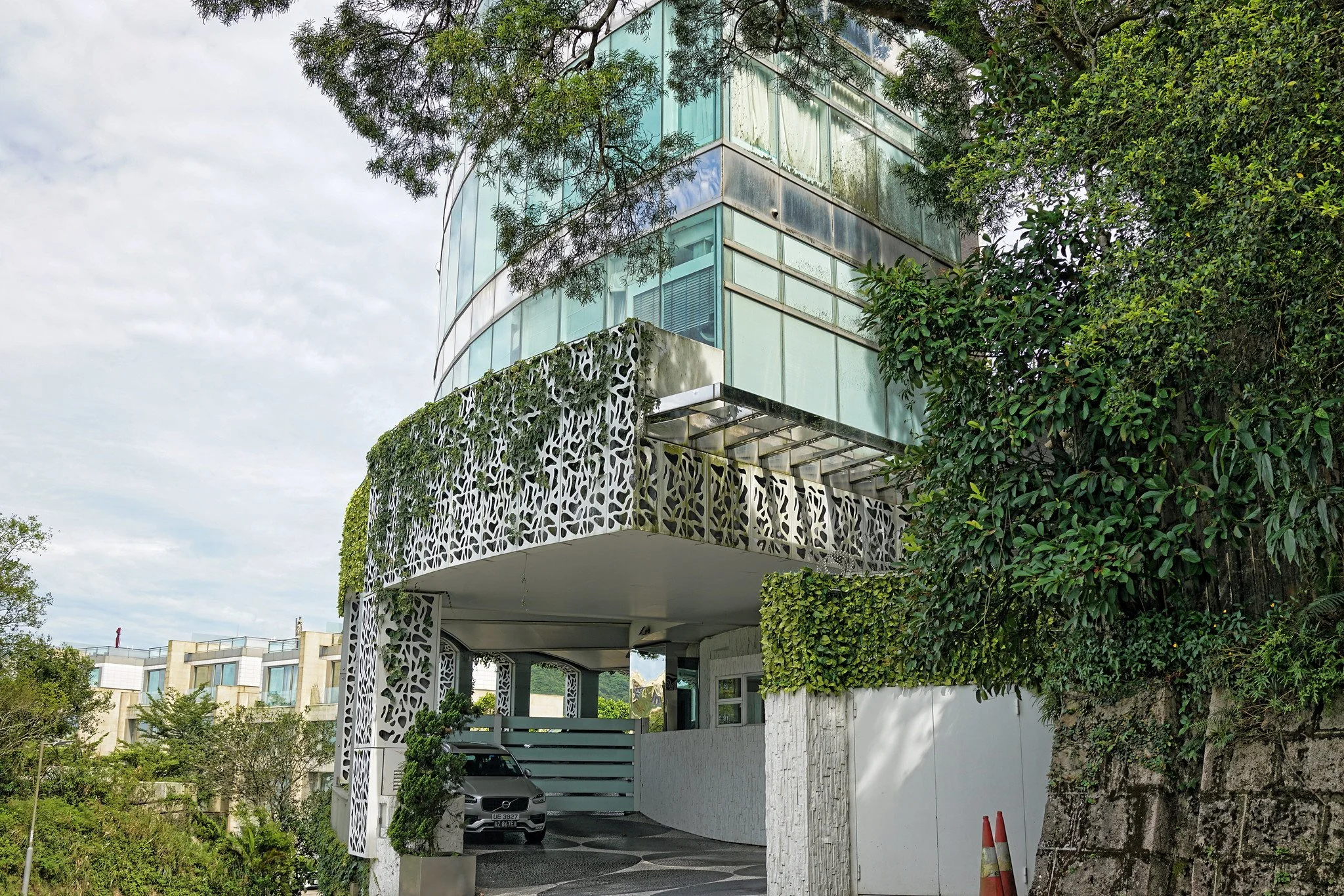
22 Barker Road | The House that Jack Ma Built | Hong Kong
5. No. 22 Barker Road - Jack Ma's House and Its Sale History
22 Barker Road, located on Victoria Peak in Hong Kong, is one of the most prestigious addresses in the city, synonymous with wealth, luxury, and exclusivity. The property, notably associated with Alibaba founder Jack Ma, has a rich history marked by significant transactions, renovations, and its status as a symbol of elite real estate. Below is a comprehensive history of the house(s) built on this site, including purchase and selling prices, relevant dates, and stories, along with an explanation of why Barker Road is considered a prestigious address for Hong Kong's elite.
Historical Exclusivity:
From 1904 to 1930, the Peak District Reservation Ordinance restricted non-Europeans from living on Victoria Peak, establishing it as an enclave for colonial elites. Even after the ordinance was repealed, the area retained its elite status, attracting bankers, expatriates, business magnates, and, more recently, Chinese billionaires like Jack Ma.
Limited Supply:
The difficult terrain and building height restrictions on the Peak limit the number of properties, enhancing exclusivity. Most homes are large, single-family houses or low-rise townhouses, often with private pools, gardens, and state-of-the-art security, commanding prices from US$5,000 to $15,000 per square foot.
Stunning Views and Privacy:
The road's elevation provides cooler air and breathtaking views of Victoria Harbour, Central Business District, and Kowloon, while its secluded, tree-lined setting offers privacy rare in densely populated Hong Kong.
History of 22 Barker Road
Early History (Pre-2000)
1949 Construction:
The original house at 22 Barker Road was built in 1949, a single-family residence on a 33,500-square-foot site. It served as the residence of the Belgian Consul before 2000, reflecting its early association with diplomatic prestige.
Site Characteristics:
The property, located on the downhill side of Barker Road, features a 20,000-square-foot private garden with a lawn and small forest, and offers a 270-degree view of Victoria Harbour. Its four-story structure, large balconies, and rooftop terrace made it a standout even in its early form.
2000: Purchase and Renovation by Francis Yuen and Rose Lee
Purchase Details:
In 2000, Francis Yuen Tin-fan, former CEO of the Hong Kong Stock Exchange and deputy chairman of PCCW, and his wife Rose Lee Wai-mun, chief executive of Hang Seng Bank, purchased the 70-year-old house for HK$163.5 million (approximately US$21 million).
Renovation (2000 - 2003):
The Yuens undertook a significant renovation, transforming the historical house into a modern masterpiece under the direction of architect Karl Shiu Ka-leung of KLS Planners. The project, completed over two to three years, involved importing building materials from overseas and crafting tailor-made furniture. The renovated house featured:
Four ensuite bedrooms, three additional bathrooms, and seven living rooms.
Four large balconies across four stories and a rooftop terrace with a 220-degree view of Victoria Harbour.
A blend of Chinese and Western interior styles, including satin sofas, folding screens, black-and-white checkered floors, and floor-to-ceiling curtains.
Application of traditional Chinese feng shui principles in the interior design.
Notable Recognition:
The top floor was featured in Discovery Channel’s “Super Home” program in 2006 when the Yuens rented it to a banker, highlighting its luxury and architectural significance. Karl Shiu, who considered the project his “proudest masterpiece,” died in a motorcycle accident in 2010.
Yuen’s Tenure:
The Yuens maintained the interior largely unchanged during their 15-year ownership, indicating their satisfaction with the design.
2015: Purchase by Jack Ma
Purchase Details:
In 2015, Jack Ma, founder of Alibaba, reportedly purchased 22 Barker Road from Francis Yuen and Rose Lee for HK$1.5 billion (approximately US$193 million). At HK$150,000 per saleable square foot for the 9,890-square-foot home (or 11,500 square feet in some later reports), it was the world’s second-most expensive residential property per square foot at the time, surpassed only by a property in Nice, France. The transaction broke Asia’s record for the most expensive home by square footage, netting the Yuens a profit of approximately HK$1.3 billion.
Context:
The purchase coincided with a wave of mainland Chinese tycoons acquiring Peak properties, with HK$4 billion worth of transactions in 2016 alone. Ma’s acquisition reinforced Barker Road’s status as a billionaire’s row.
Post-Purchase Developments:
After the purchase, construction and renovations continued, with reports suggesting plans to expand the house to 13,000 square feet. A 2024 image showed an unassuming entrance with heightened security, including an electric fence, reflecting Ma’s emphasis on privacy. (and yes this was my image along with one from 2016 of the previous house)
Controversy and Speculation:
By 2017, a Reddit user noted that the mansion appeared “abandoned and neglected,” with a dirty exterior and unkempt yard, sparking speculation about Ma’s intentions. Some suggested the property was held by a shell company, possibly for investment rather than residence. However, ongoing construction as late as 2024 indicates continued development, potentially for multi-family flats, which could increase usable area under Hong Kong’s Buildings Department exemptions.
Current Status (2026)
Property Details:
As of 2021, 22 Barker Road was listed as a single residential house with a saleable area of 11,500 square feet, featuring one residential unit. Construction work was completed as of 2025, with no confirmed reports of Ma selling the property.
Market Context:
The luxury property market on the Peak has seen fluctuations. While 22 Barker Road set a record in 2015, other nearby properties, such as House 3 at 28 Barker Road, sold at a loss (HK$530 million in 2020 after being purchased for HK$542 million in 2015). Despite a market downturn in 2019 - 2021, a rebound in 2024 saw a 60% increase in residential sales after the rescinding of property cooling measures.
click on any image to enlarge
© Copyright Acknowledged | All rights reserved | images taken by Jamie
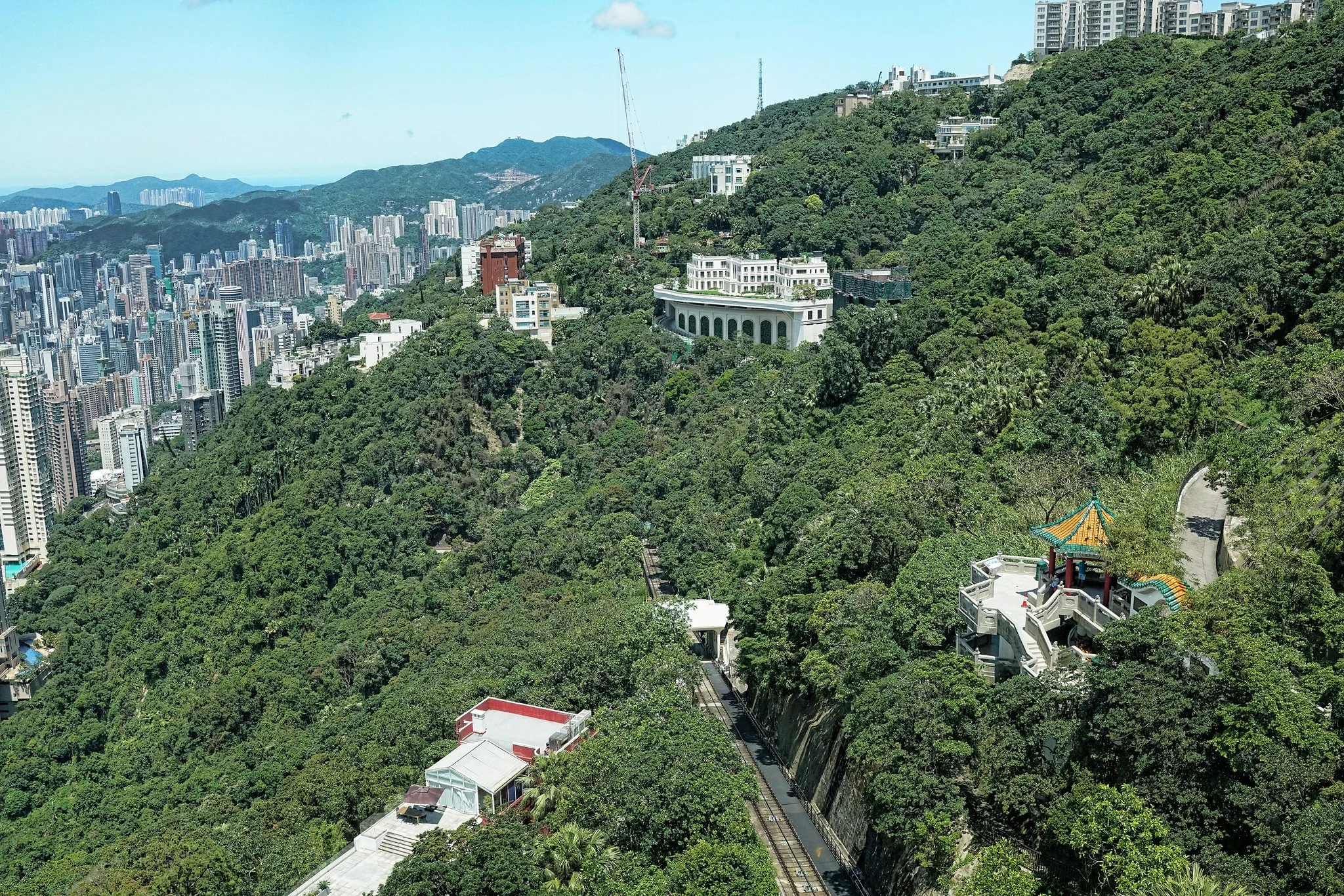
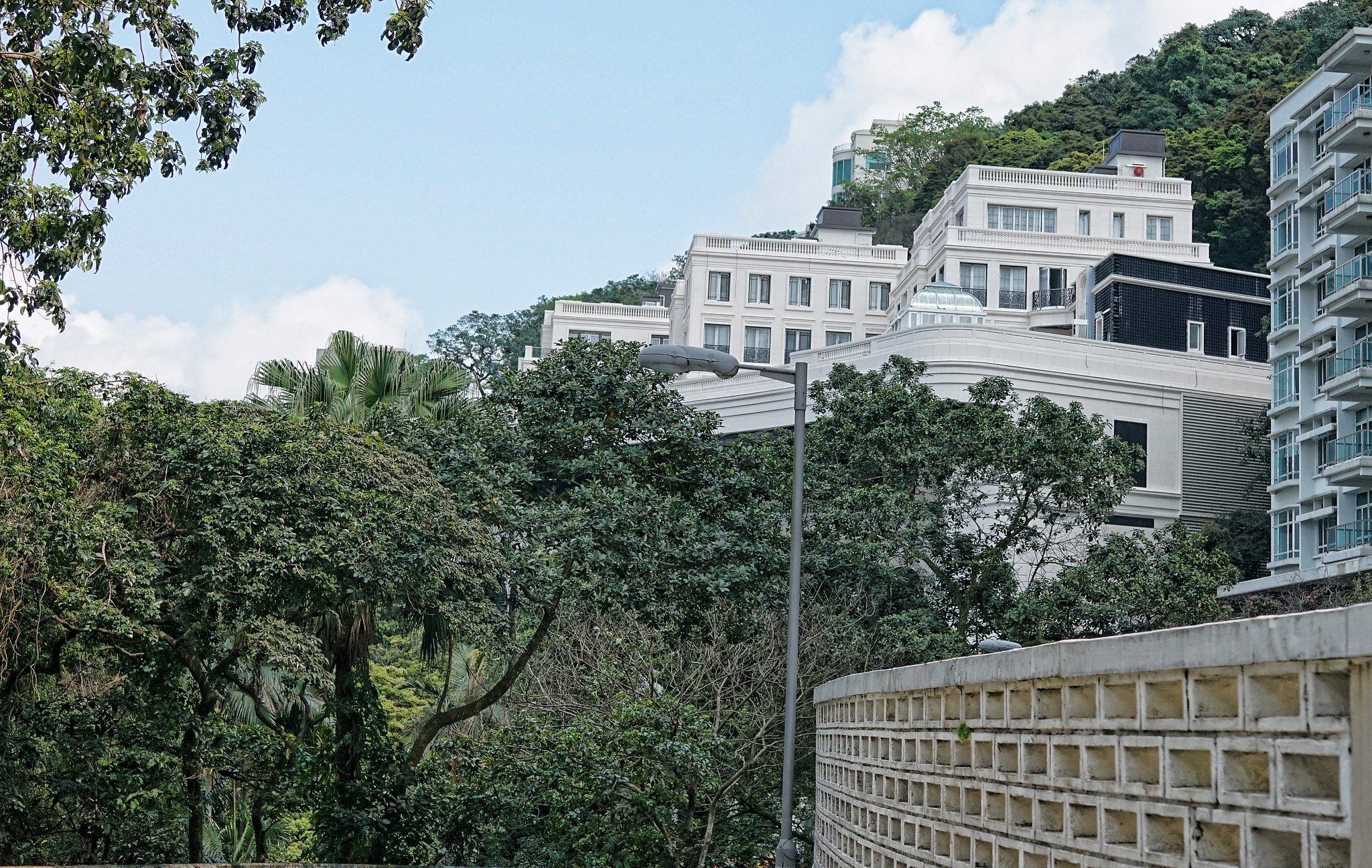
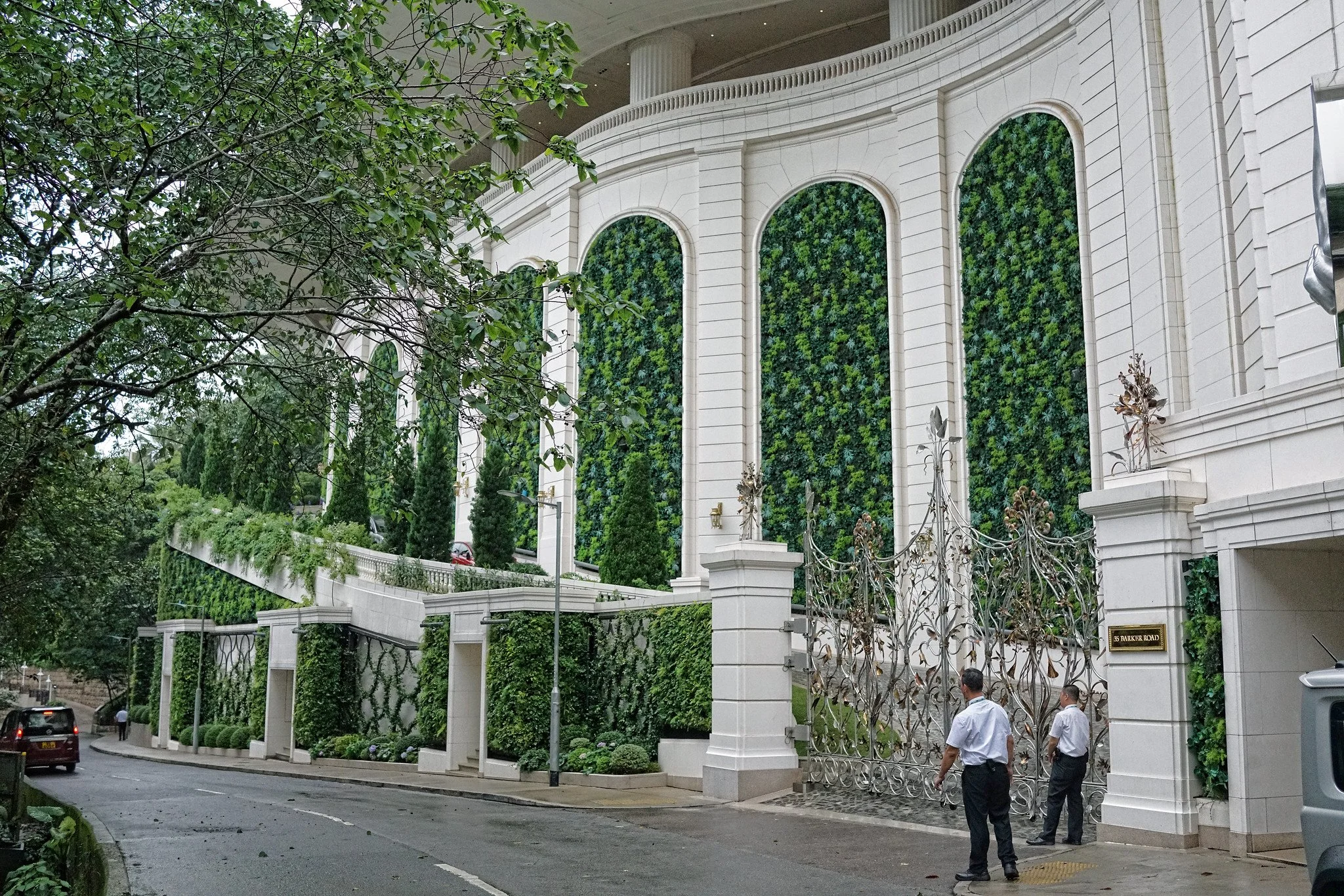
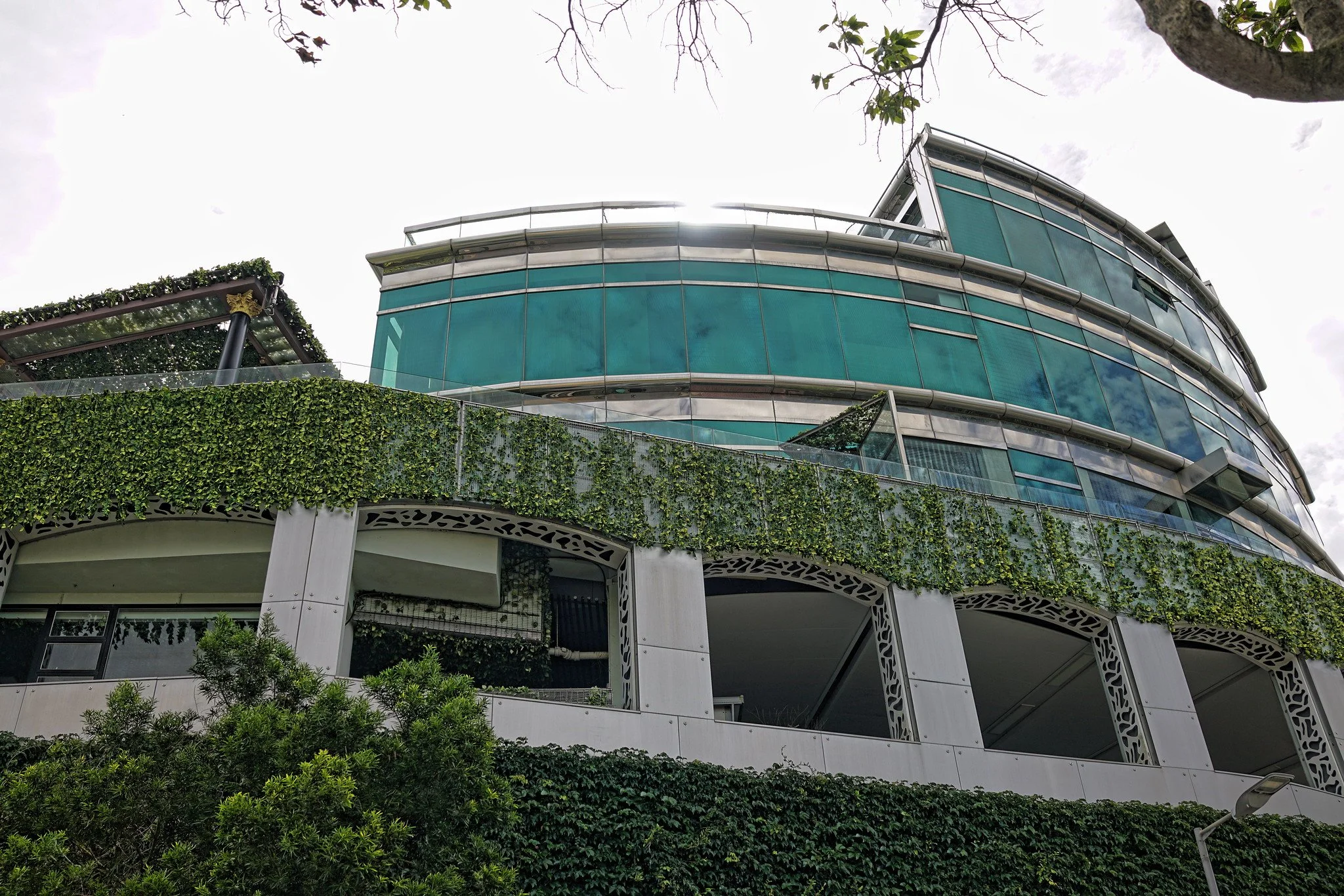
35 Barker Road | The Houses that Mr. Lee Built | Hong Kong
6. No. 35 Barker Road - The Three-House Property - The Lee Family (Henderson Land)
At 35 Barker Road, the late Henderson Land chairman Lee Shau-kee purchased the land in 2010 for a record HK$1.82 billion (about US$232 million). The site was developed into a family compound with three substantial homes, each around 8,000 to 10,000 square feet (including roof areas), completed around 2018 with an occupation permit. The three houses sit on a massive podium that reportedly includes parking, swimming pools, gyms and other private facilities - rumours have even mentioned spaces like a nail spa, though details remain private given the family nature of the compound.
The project has seen some ongoing works even after completion. Official rateable values (used for government rates assessment rather than necessarily reflecting actual rental income) have placed the entire property as Hong Kong’s most expensive ultra-luxury home in recent years, with figures such as around HK$25.6 million annually in the latest valuations. As a dedicated family compound for the Lee family, it is not believed to be openly rented out on the public market. These high assessed values simply reflect its exceptional size, location and luxury amenities for rating purposes.
click on any image to enlarge
© Copyright Acknowledged | All rights reserved | images taken by Jamie
3 Barker Road | US Consulate Offical Residence | Hong Kong
7. No. 3 Barker Road - The US Consulate General's Residence
Number 3 Barker Road serves as the official residence of the US Consul General. The site spans about 51,000 square feet and includes a main house, garage, and tennis court. Acquired post-war with later redevelopment, it represents significant diplomatic real estate. Valuations for the property, if it were to come to market, have been estimated in the hundreds of millions of US dollars - one figure around US$385 million as a baseline. It underscores the area's prestige for high-level official use.
Regarding the address numbering, Barker Road does run from the Peak Tram area near Old Peak Road towards Peak Road at Magazine Gap, and lower numbers like 3 appear at the Peak Road end. This is not uncommon in Hong Kong where plot-specific historical leasing and renumbering over the decades can lead to such quirks rather than a strictly sequential progression from one end to the other. The US Consulate property occupies a prominent position at that junction end, benefiting from its own large grounds and access considerations.
click on the image to enlarge
© Copyright Acknowledged | All rights reserved | image taken by Jamie
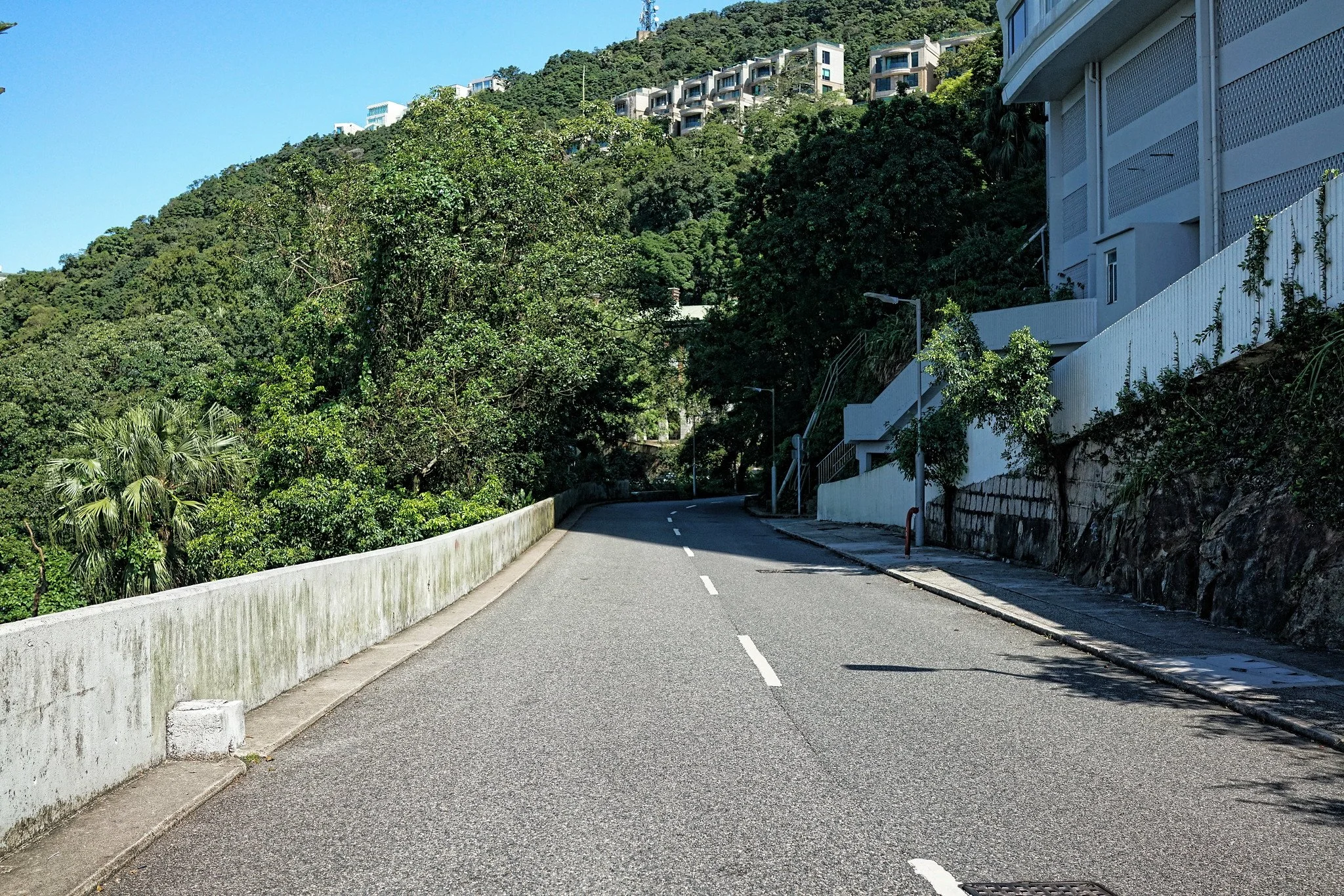
Chathan Path | leading down from Barker Road | Hong Kong
8. Chatham Path - The Secret Hike Down to May Road
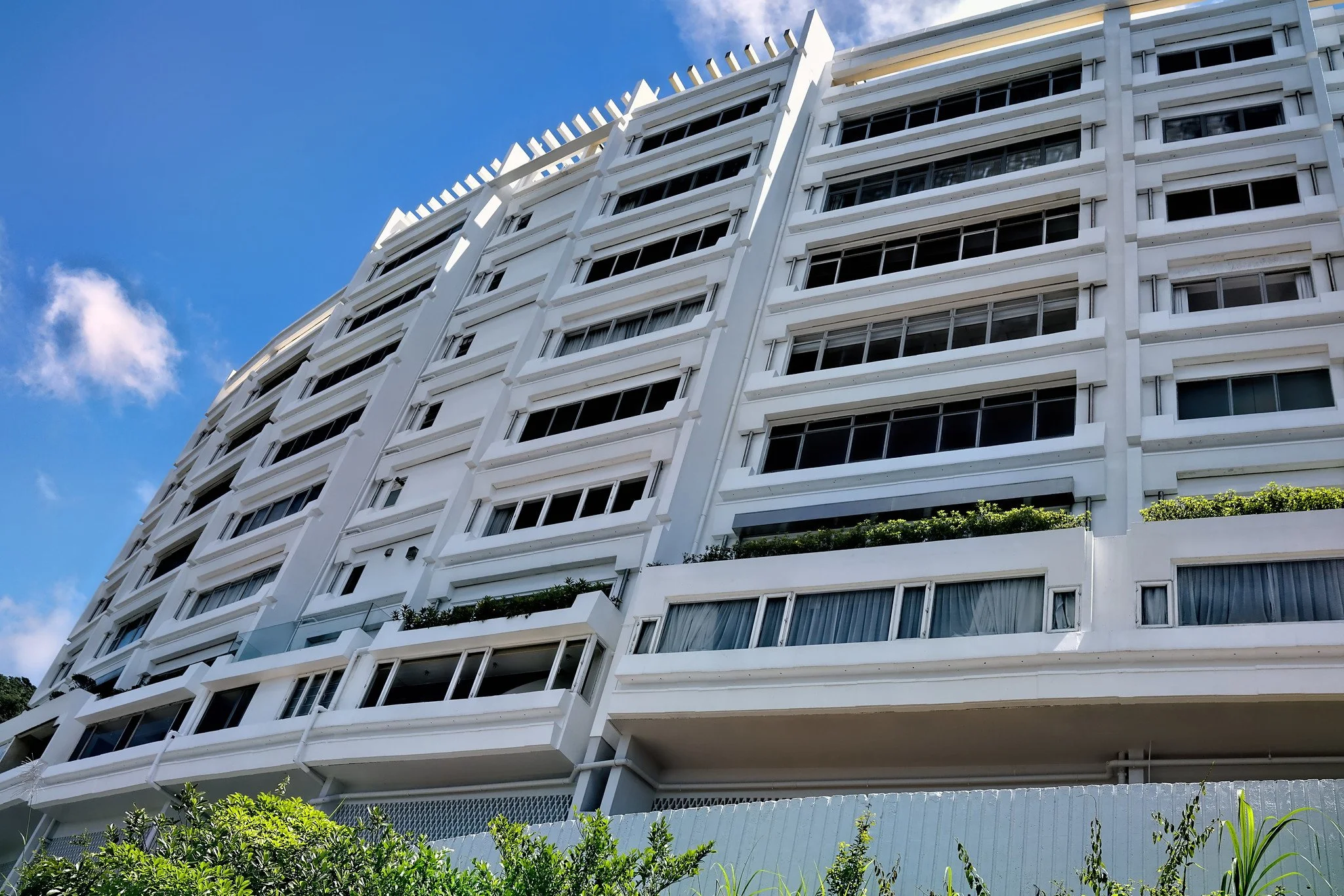
Chatham Path is a delightful, lesser-known walking trail that branches off Barker Road - over the road from Victoria House at 15 Barker Road - and leads downhill through lush greenery to May Road Peak Tram Station. It is not a gentle hike and after rain the moss on the path becomes very tricky, (I know I have had 2 falls on that patch and have the scars to prove it) however there are pleasant views of the surrounding hills.The path feels like a secret even to many locals, offering a peaceful escape from the Peak's busier spots. It is part of broader trails like the Central Green Trail and rewards those willing to venture off the main paths with a mix of nature and heritage., just be careful of wet moss on the path.
click on any image to enlarge
© Copyright Acknowledged | All rights reserved | images taken by Jamie
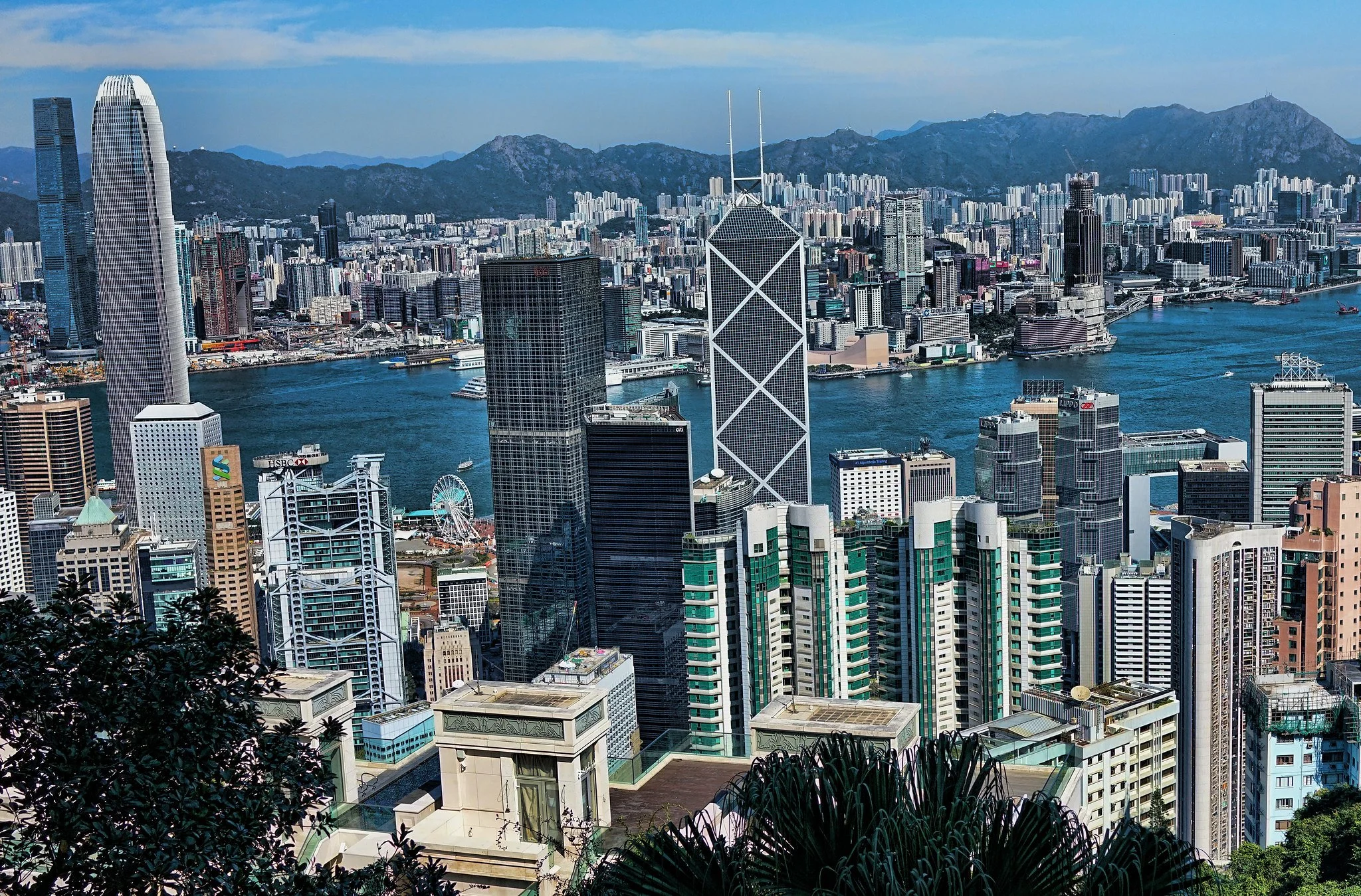
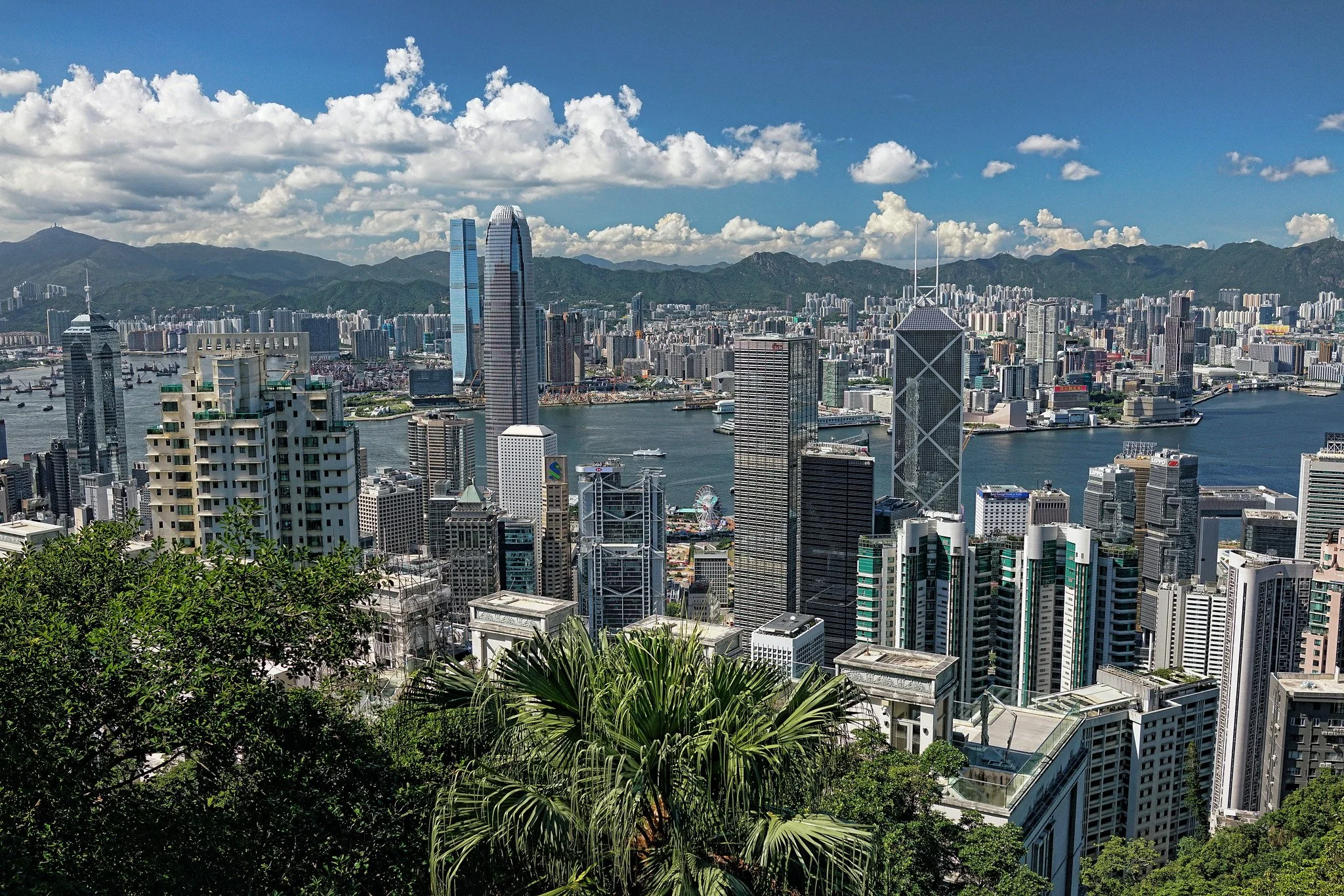
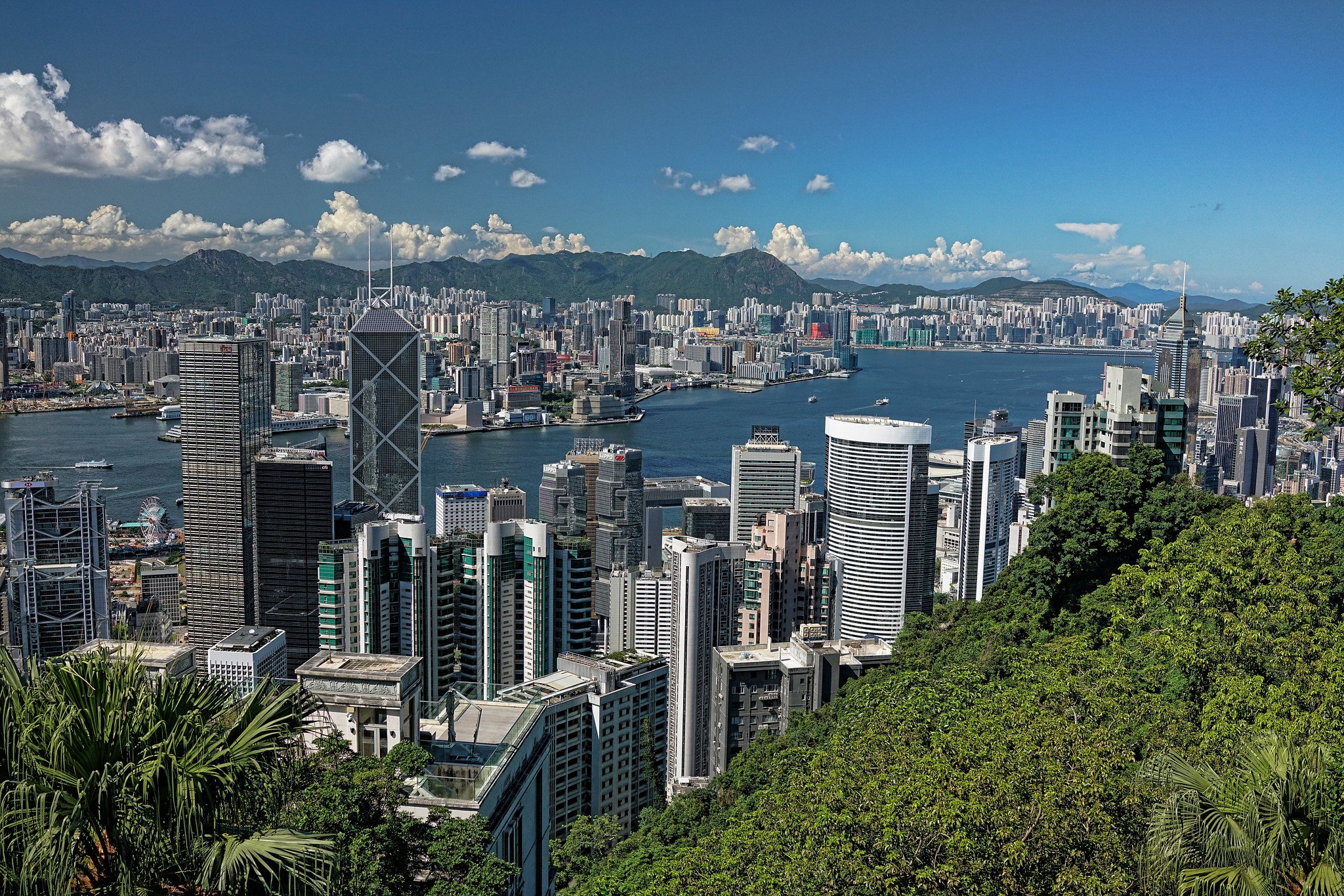
The Panoramic View | Just past 22 Barker Road | Hong Kong
9. The Incredible Panoramic View Near Jack Ma's House
About 90 seconds' walk from 22 Barker Road there is a spot that offers what I consider the second-best panoramic view in Hong Kong. It captures the harbour, skyline, and surrounding hills in a way that is truly breathtaking, yet it remains virtually unknown even among many tour guides.
There are no mysterious laws or formal restrictions on accessing Barker Road - anyone can walk down Findlay Path from the Peak Tower to Barker Road and stroll along it (watching out for traffic and lack of pavements in places). The “limited public access” feeling simply comes from the overwhelmingly residential and private character of the area. Most visitors never venture beyond the Peak Tower crowds, and the road’s low profile means even many locals and guides overlook these quieter stretches and their viewpoints.
click on the image to enlarge
© Copyright Acknowledged | All rights reserved | image taken by Jamie
Findlay Path | down to Barker Road | Hong Kong
10. How to Get to Barker Road and the Peak Tram Station from the Peak Tower via Findlay Path
From the Peak Tower, head to the adjacent Peak Tram Upper Terminus area and look for Findlay Path (a sign is clearly visible), which runs alongside the tram tracks. Follow this path downhill - it is straightforward but steep and scenic - and you will reach the Barker Road Peak Tram Station in a short time. From there, Barker Road itself begins, allowing you to explore on foot towards Peak Road. Allow time for the walk, watch for traffic in narrow sections, and enjoy the journey. I should point out that seeing a taxi is very rare, so be prepared to walk the entire length of Barker Road.
There are plenty of other fascinating details woven into the fabric of Barker Road - from its feng shui considerations in property layouts to the way it has weathered economic ups and downs while maintaining its status. It is a living testament to Hong Kong's layered history, from colonial times to today's global wealth hub. Next time you are up at the Peak, consider stepping away from the crowds and experiencing this remarkable road for yourself. You will not be disappointed.
Historical context - This applied to Barker Road, Victoria Peak
The Peak District Reservation Ordinance in Hong Kong
This is for context as I stated above
Originally enacted as the Hill District Reservation Ordinance, was a zoning law that reserved most of Victoria Peak for non-Chinese residents, except with the consent of the Governor - in - Council.
The Peak District Reservation Ordinance, enacted in Hong Kong from 1904 to 1930, was a zoning law that reserved Victoria Peak, a prestigious area on Hong Kong Island, primarily for non-Chinese residents, particularly Europeans, unless special permission was granted by the Governor-in-Council.
It was originally called the Hill District Reservation Ordinance and applied to areas above the 788-foot contour, including Mount Cameron, Mount Gough, Mount Kellett, and Victoria Peak.
What the Ordinance Stated:
Residential Restriction: The ordinance prohibited Chinese residents from living in the designated Peak District unless they received explicit approval from the colonial government’s Governor-in-Council.
Housing Standards: It required buildings in the area to follow a European-style, single-family detached home model, contrasting with the densely packed housing common among Chinese residents, which was seen as less hygienic.
Exemptions: The Governor-in-Council could grant exemptions to certain Chinese individuals, allowing them to live in the area under specific conditions.
Reasons for Introducing the Ordinance:
Health Concerns: The law was introduced during the Third Pandemic of the bubonic plague, which hit Hong Kong in 1894 and continued to cause thousands of deaths until 1929. Colonial authorities attributed the spread of the plague to poor sanitation and overcrowding in Chinese-populated areas. They believed that reserving the Peak, with its cooler climate and less crowded conditions, for Europeans would protect their health.
The 1904 Government Gazette cited these health concerns as a primary reason.
Social and Racial Segregation: Some historians argue the ordinance was also driven by a desire to maintain social and racial hierarchies. Victoria Peak was a desirable area due to its scenic views and cooler climate, making it a status symbol for the colonial elite. By restricting Chinese residents, the ordinance ensured the area remained exclusive to Europeans and other non-Chinese, reinforcing colonial privilege -. Journalist Trea Wiltshire, in her book Old Hong Kong, described it as a law rooted in social segregation.
Population Pressures:
In the late 1890s, an influx of Chinese migrants into Hong Kong increased population density in areas like the City of Victoria. Europeans, who had been moving to higher altitudes to escape crowded conditions, could no longer move higher than the Peak. The ordinance was a response to this demographic pressure, aiming to preserve the Peak as an exclusive enclave.
Colonial Control and Town Planning: Classified under Governor Des Vœux’s administration as a town planning and rent control measure, the ordinance aimed to regulate the type of housing in the Peak District to align with European standards, which were seen as superior. This was part of broader colonial efforts to impose order and control over urban development.
Context and Impact:
The ordinance was enacted during a time of significant racial segregation in colonial Hong Kong, with other laws like the European District Reservation Ordinance (1888) and requirements for Chinese residents to carry lamps at night reflecting similar discriminatory practices.
While health concerns were officially cited, the ordinance’s racial exclusivity sparked debate. Chinese Legislative Council members Ho Kai and Wei Yuk did not oppose the bill, but some prominent Chinese community members objected, indicating mixed local sentiment.The law was repealed in 1930 after the plague was eradicated in 1929, as the health justification no longer applied.
In summary, the Peak District Reservation Ordinance was a colonial policy that restricted Chinese residency on Victoria Peak to protect European health and maintain social exclusivity, reflecting both the public health crisis and the racial attitudes of the time.
There is some confusion in various sources about the exact time period it was in effect, so let’s clarify based on reliable information, prioritizing government records and authoritative sources.
Correct Time Period
The Peak District Reservation Ordinance was enacted in 1904 and repealed in 1930, not 1947, according to primary sources such as the Hong Kong Government Gazette and historical records.
Specifically:
The ordinance was introduced as Ordinance No. 4 of 1904 on March 28, 1904, as documented in the Hong Kong Legislative Council records.
It was repealed by the Law Revision Ordinance 1930 (Ordinance No. 25 of 1930), published in the Hong Kong Government Gazette on December 5, 1930.However, some sources, including Wikipedia and posts on X, mistakenly extend the ordinance’s duration to 1946 or 1947, likely due to confusion with other racially based zoning laws, such as the Peak District (Residence) Ordinance of 1918, which was repealed in 1946.
For example:
A Wikipedia entry and other secondary sources claim the ordinance was in force until 1947, possibly conflating it with the 1918 ordinance or post-war changes in Hong Kong’s legal framework.
An X post by @CarlZha also states it was repealed in 1947, but this lacks primary source verification and may reflect this common error.
Clarification on 1946 - 1947
The 1946 repeal date is associated with the Peak District (Residence) Ordinance of 1918, a related but distinct law that reinforced racial zoning on the Peak. This ordinance was repealed in 1946 following the end of British colonial rule during the Japanese occupation (1941-1945), when many colonial laws were disrupted or re-evaluated. The 1947 date in some sources may stem from a misinterpretation of the post-war reinstatement of British governance or the gradual relaxation of racial restrictions in the late 1940s.
Government Records
The most reliable government records confirming the 1904 - 1930 period include:
Hong Kong Government Gazette (1904): Documents the enactment of the ordinance.
Hong Kong Government Gazette (1930): Confirms the repeal via the Law Revision Ordinance 1930.Hong Kong Hansard (1904): Records the legislative debate on the ordinance’s second reading, supporting its enactment in 1904.These records are accessible through the Historical Laws of Hong Kong Online database, maintained by the University of Hong Kong, which provides full-text images of laws from 1890 to 1964, including the 1904 and 1930 consolidations.
Why the Confusion?
The confusion likely arises from:
Multiple ordinances: The 1904 ordinance was followed by the 1918 Peak District (Residence) Ordinance, which had similar aims and extended restrictions. The latter’s repeal in 1946 may be mistaken for the 1904 ordinance’s end.
Japanese occupation (1941-1945):
During this period, colonial laws were suspended, and post-war legal changes may have led to assumptions that the ordinance persisted until 1946 or 1947.
Secondary sources:
Popular sources like Wikipedia or social media posts sometimes generalize or misstate dates without citing primary records.
Conclusion
Based on government records, the Peak District Reservation Ordinance 1904 was in effect from 1904 to 1930. Claims of it lasting until 1947 are likely incorrect and may confuse it with the 1918 ordinance repealed in 1946. For precise legal history, refer to the Hong Kong Government Gazette or the Historical Laws of Hong Kong Online database.
So there you go
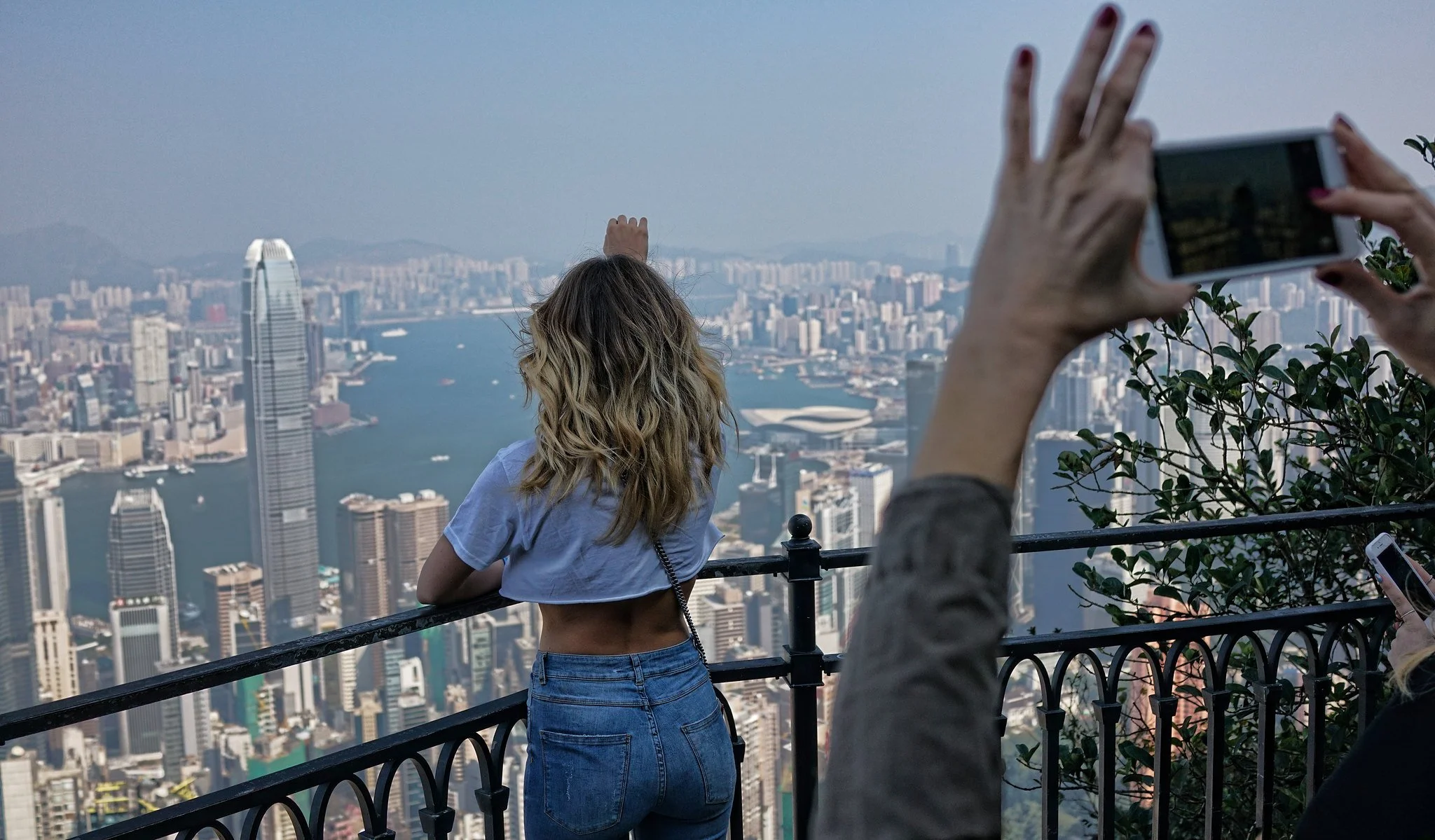

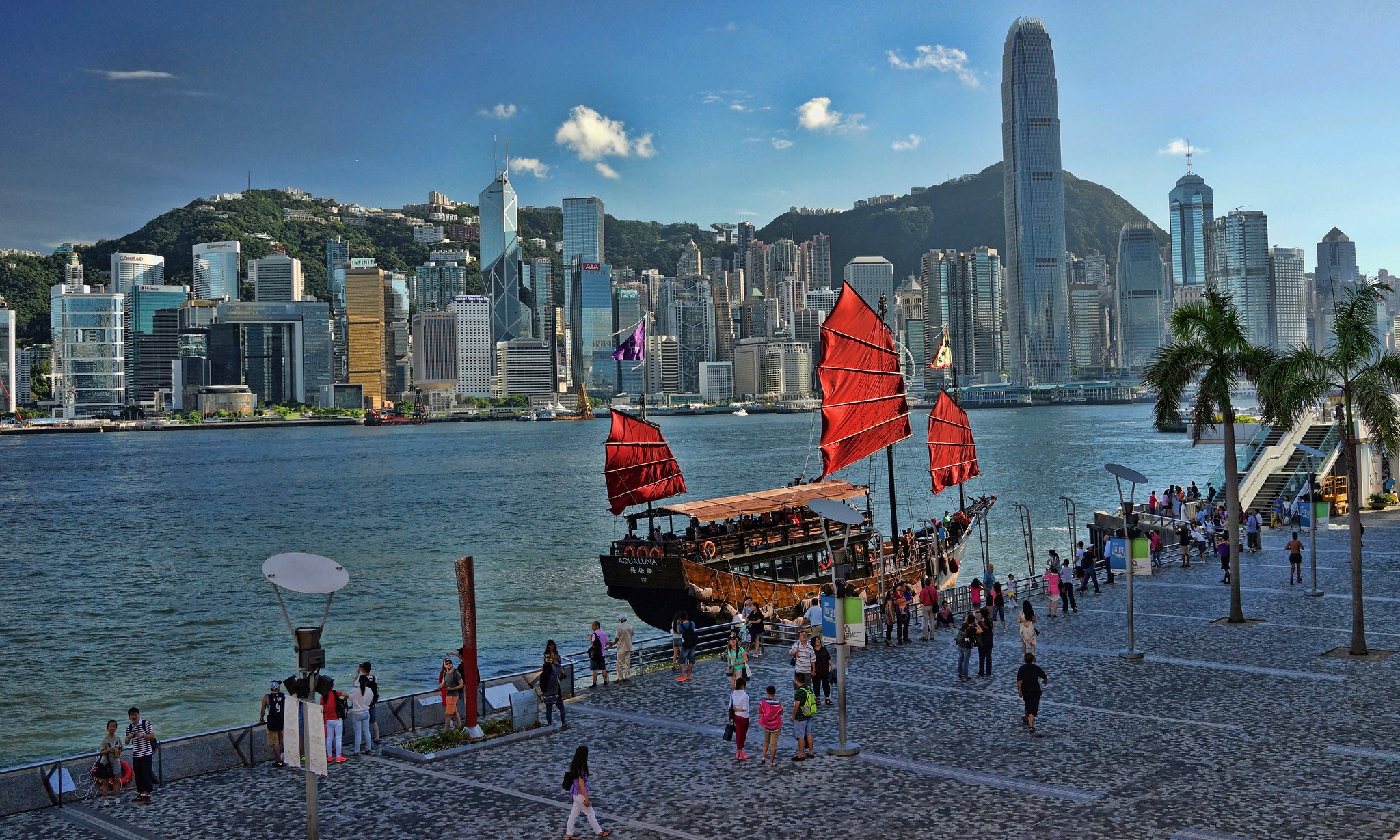
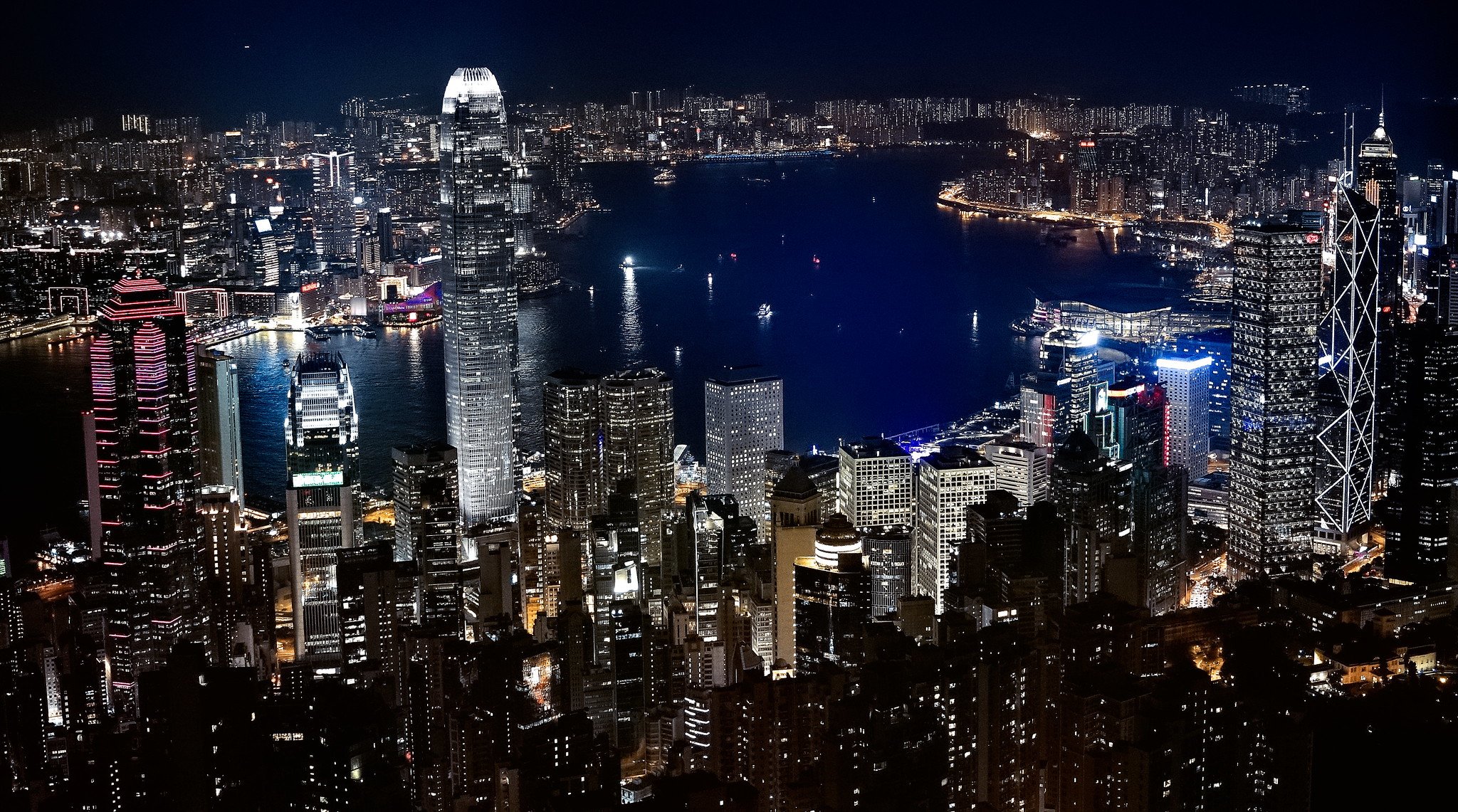
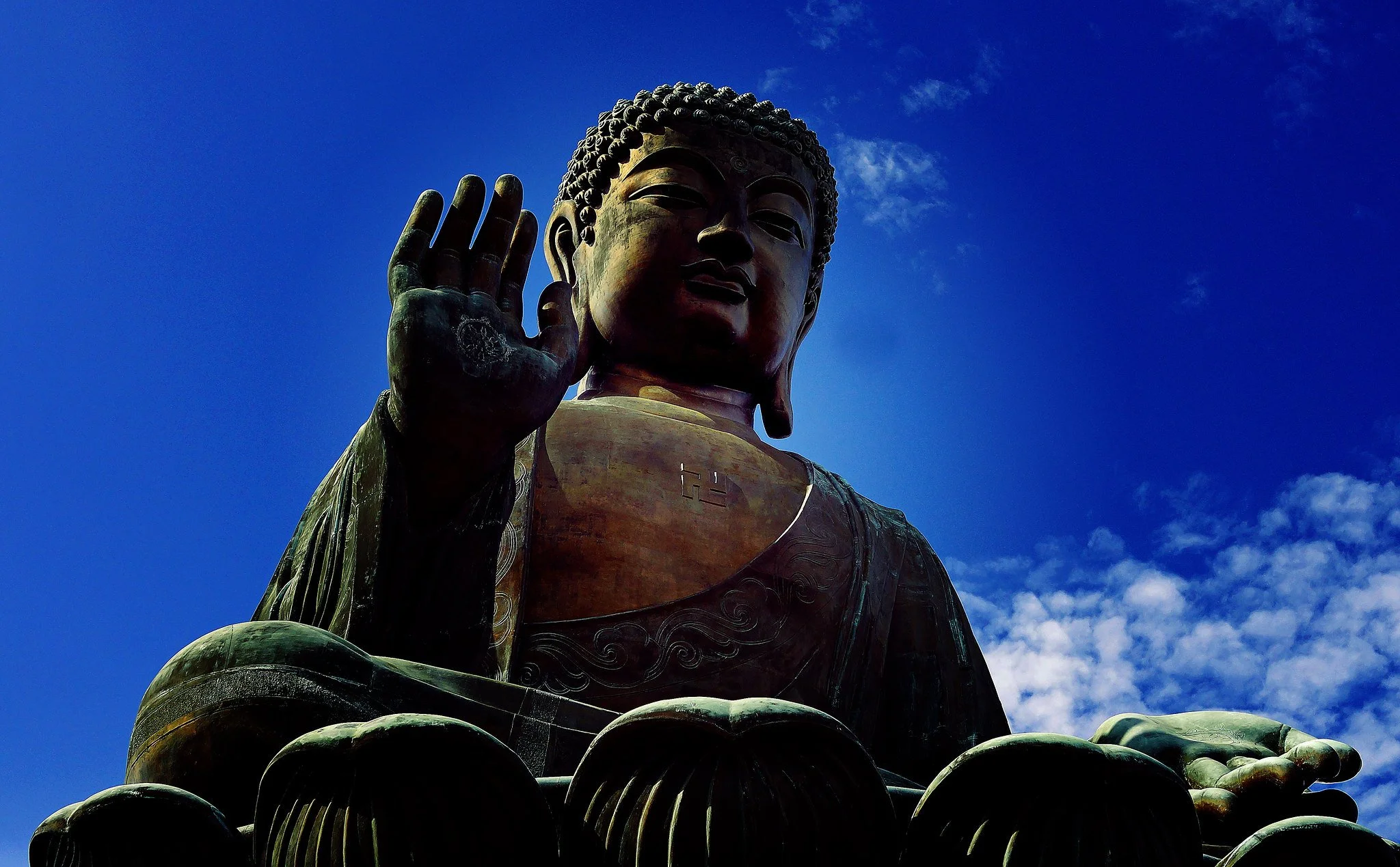
click on any image to enlarge
© Copyright Acknowledged | All rights reserved | all images taken b Jamie
Jamie’s Hong Kong | Some of my favourite images | Hong Kong 101
© Jamie Lloyd | J3 Consultants Hong Kong | J3 Private Tours Hong Kong |
| 2010 - 2026 All rights reserved. |
Click on any image to enlarge to full screen
Current images from my Instagram feed