10 Things you did not know about SSY Wong Tai Sin Temple Hong Kong
Insider Guide To the Sik Sik Yuen Wong Tai Sin Temple

The J3 Group - Premium Quality Private Tours | Experiences and Insider Chats since 2010
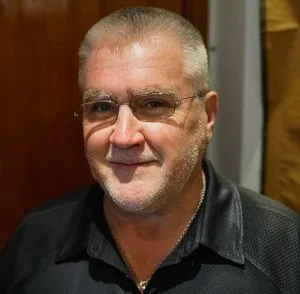
Me Jamie, your host, I am English and I have lived in Hong Kong since January 2nd 1972 - I know the place.
A meaningful blog post with a difference - tips on Travel, Tourism, Tours, Daily Life and my personal thoughts on Hong Kong.
Please do visit Amazing Hong Kong
Hong Kong | Pearl of the Orient
A Resident since 1972 - Private Tours of Hong Kong with Jamie
The Best Things to do in Hong Kong
click on the image to enlarge
© Copyright Acknowledged | All rights reserved | image taken by Jamie
The Sik Sik Yuen Wong Tai Sin Temple | Totally Iconic | Hong Kong
Foreword by Jamie
10 Things you did not know about the Sik Sik Yuen Wong Tai Sin Temple in Hong Kong
In over five decades living in Hong Kong and abd acting as a private tour guide for just about 7,000 guests through its streets, temples, and hidden corners, I have come to appreciate places like the Sik Sik Yuen Wong Tai Sin Temple not just as tour stops but as living embodiments of the city's layered history, spiritual traditions, and community spirit.
This temple stands out for its deep roots in Taoist practice while embracing a broader blend of Chinese philosophies, its role in everyday life for locals seeking guidance or healing, and its evolution from a modest shrine into a major cultural landmark. What follows are ten solid facts drawn from its development, operations, rituals, and unique features - the kind of details that add real depth to any visit or storytelling. These go beyond the surface to reveal why it remains such a compelling site after more than a century.
1. The Complete and Detailed History of the Development of the Sik Sik Yuen Wong Tai Sin Temple in Hong Kong
The origins of Wong Tai Sin trace back to ancient legends in Jinhua, Zhejiang province, where he was said to be a shepherd named Huang Chuping who achieved immortality through Taoist cultivation in the Jin Dynasty era. His cult spread southward, reaching Hong Kong in the early 20th century. In 1915, Taoist priests Leung Ren-an and his son Leung Jun-zhuan arrived from Guangdong, bringing a vermilion portrait of the deity and initially setting up an altar in Wan Chai. By 1921, through fu ji spirit writing, Wong Tai Sin instructed them to build a new temple in a barren bamboo garden under Lion Rock in Chuk Yuen, Kowloon - described as an auspicious "land of the phoenix." Construction began, with the main altar completed that July.
Early structures on the plot included the Main Altar (core worship space for Wong Tai Sin), Confucian Hall (for ethical teachings), general office, dormitories, main gate, and wells. The site developed gradually with additional halls and facilities. In 1954, a major fire swept through the nearby wooden housing area of Chuk Yuen, reaching the temple gates and charring signage, yet the temple itself was miraculously spared when the wind suddenly changed direction - an event still recounted as divine protection.
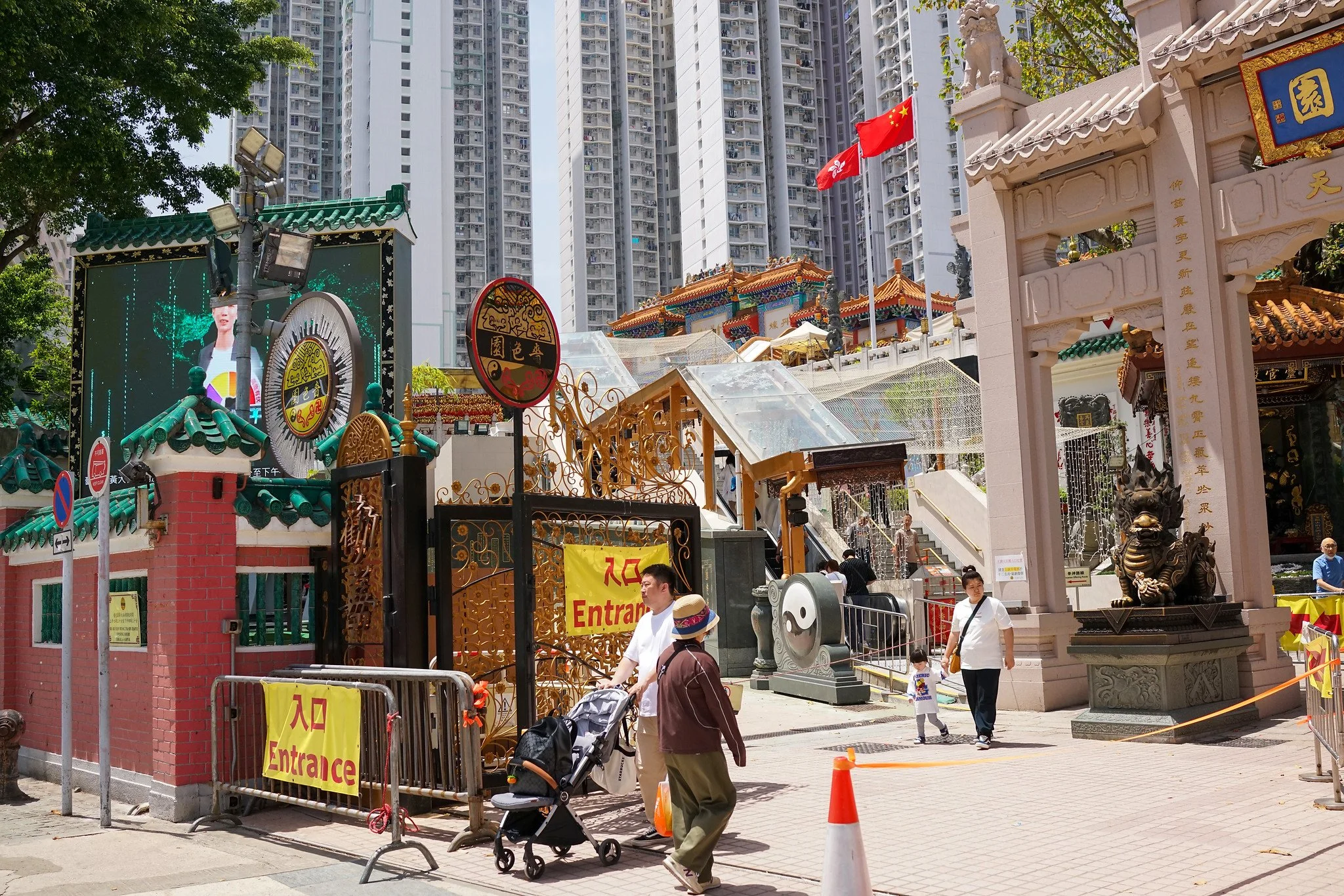
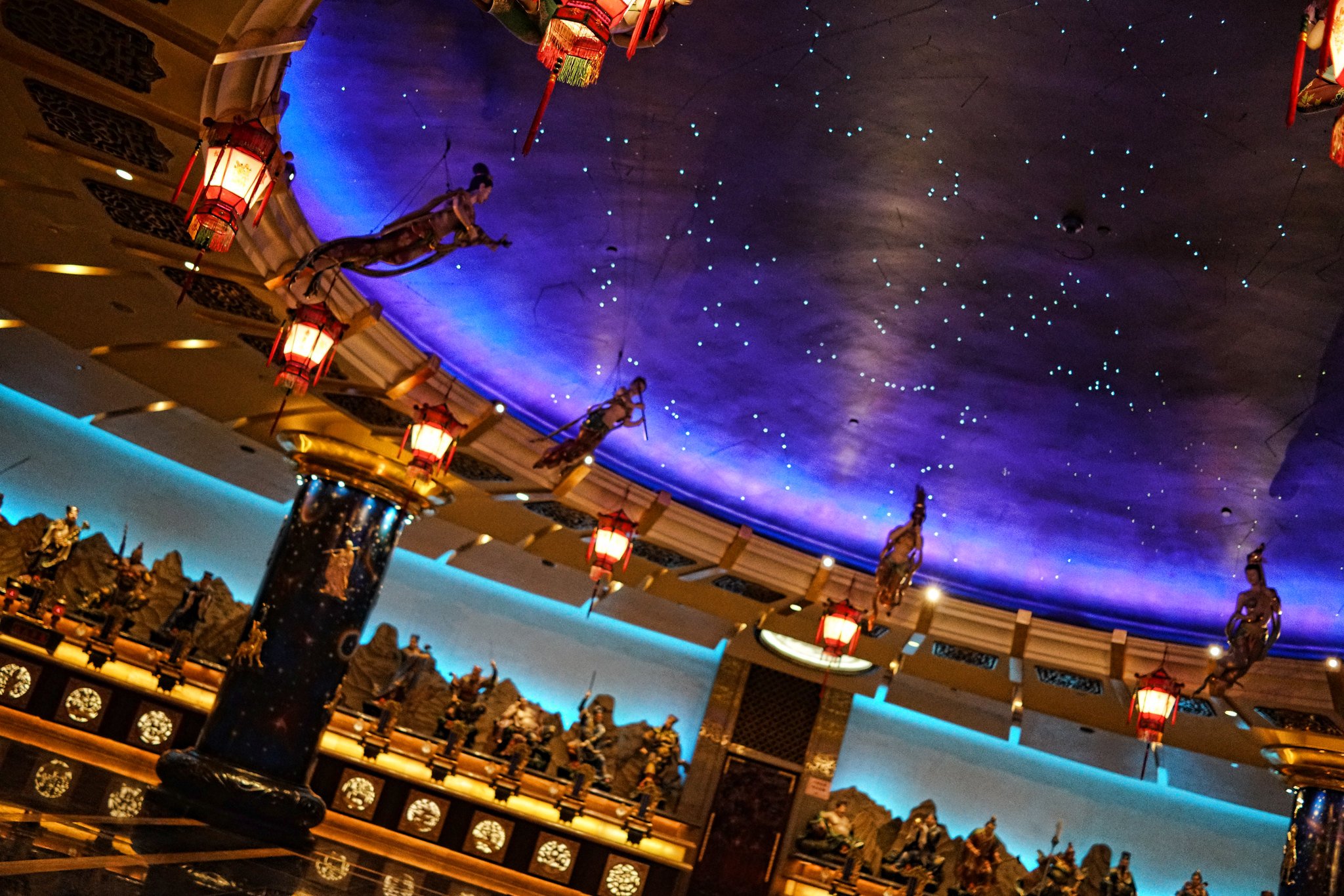
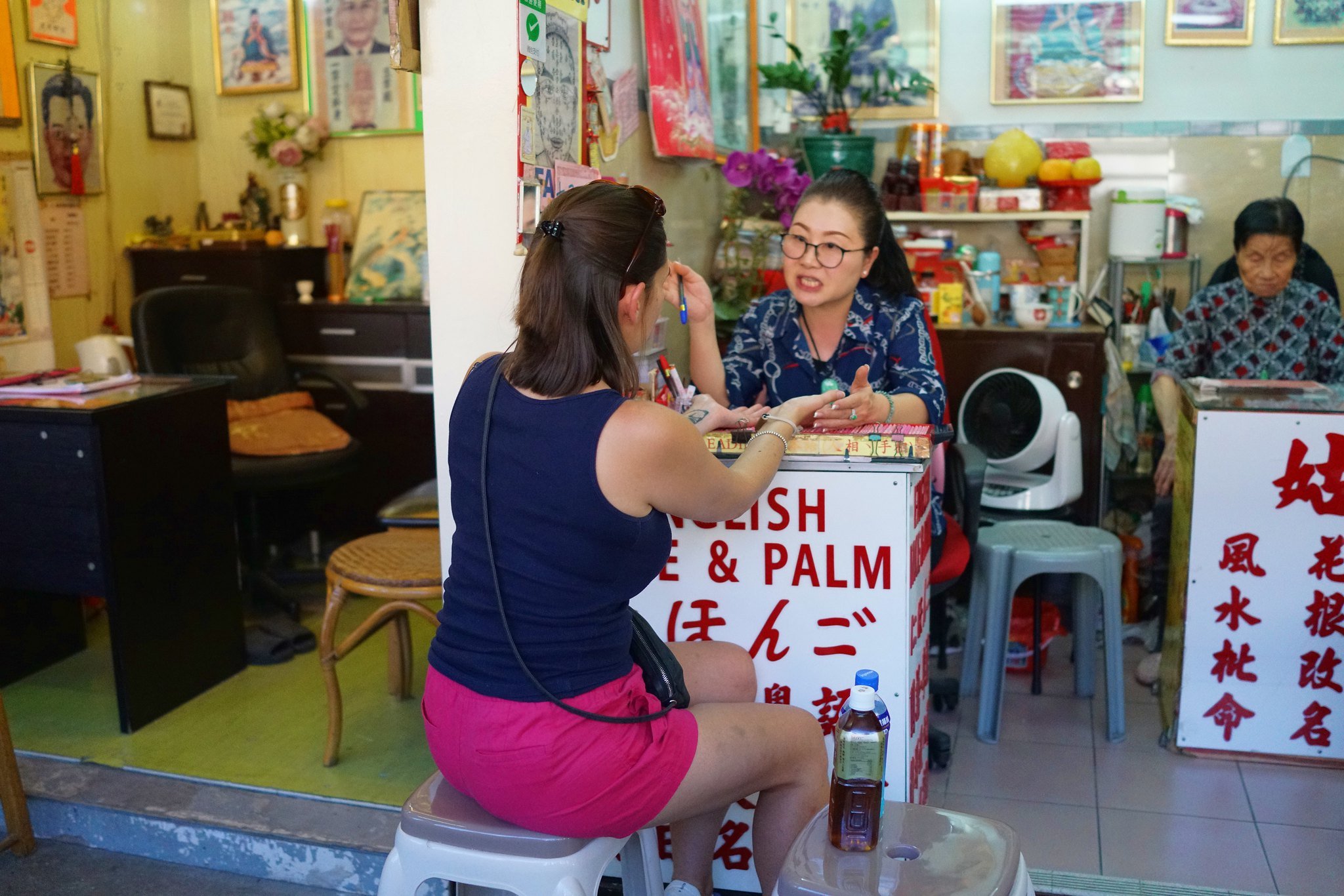
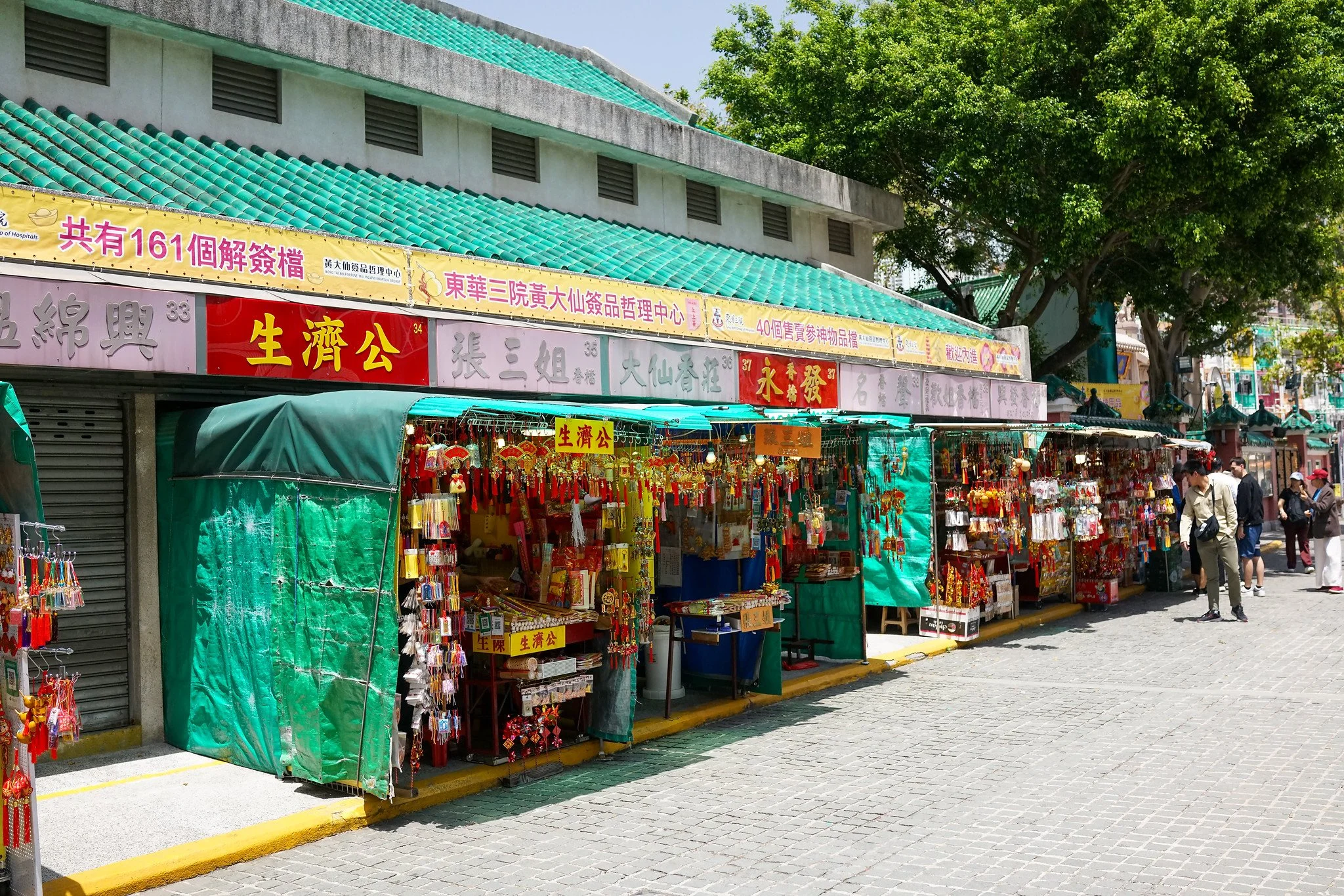
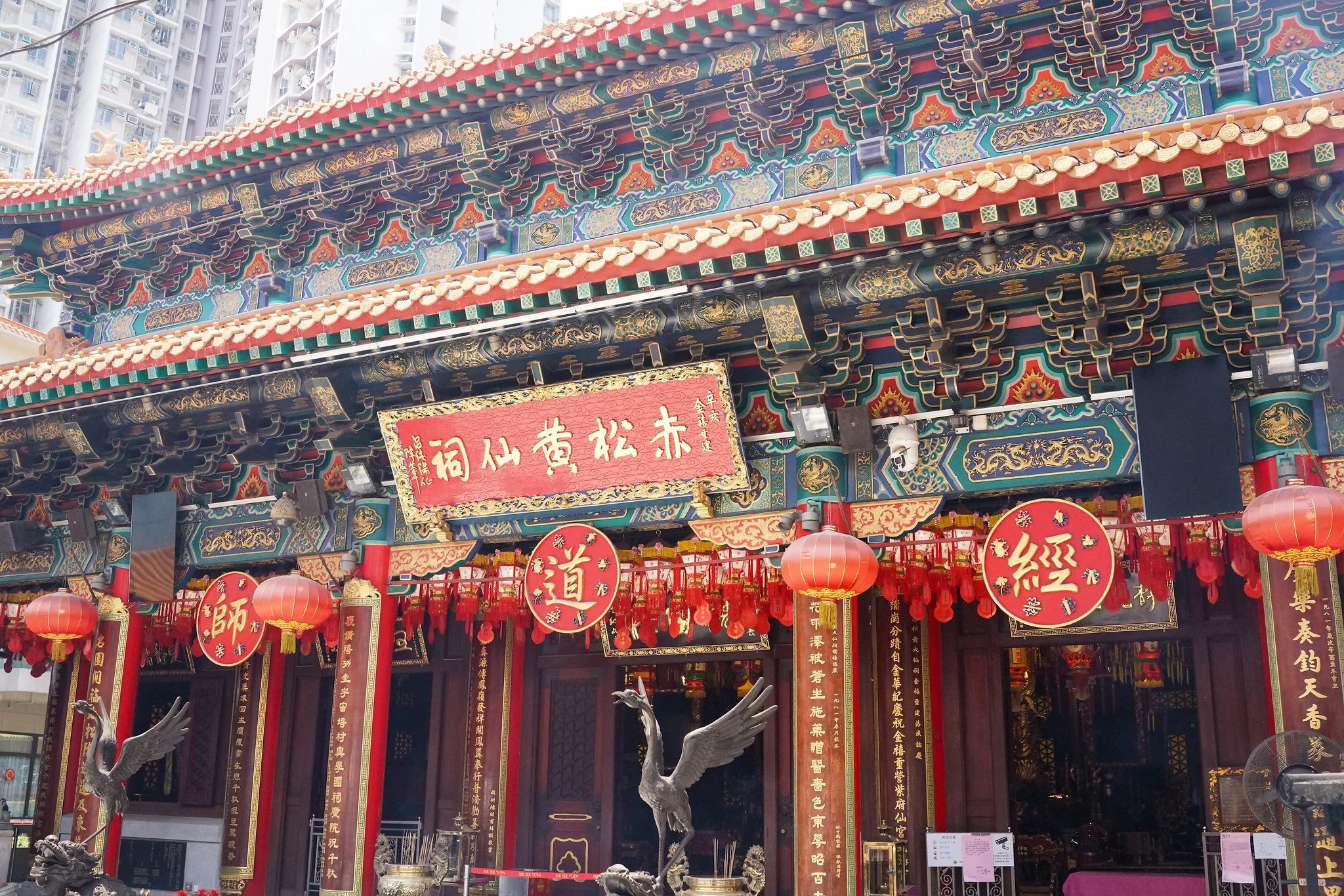
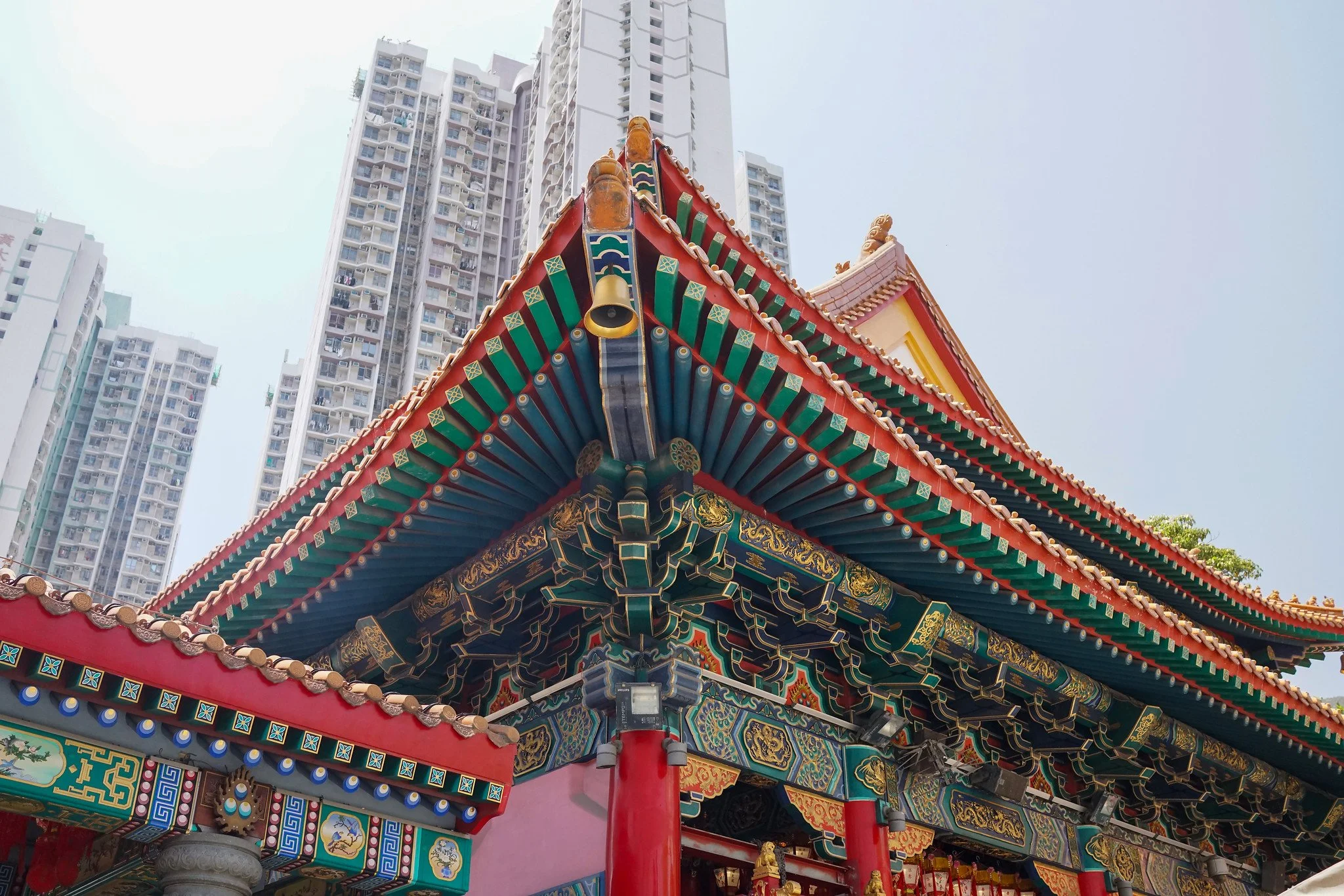
The temple was officially opened to the public in 1956 after government negotiations. Major renovations followed: the Main Altar was reconstructed over three years in the early 1970s and reopened in 1973. ( I paid my first visit then as a kid!) Further expansions in 2008-2010 enhanced the Main Altar and First Worshipping Platform. Today, key buildings encompass the Sansheng Hall and main worship areas (with Wong Tai Sin, Guan Yu, and others), side halls for Confucius and Guan Yin, the Bronze Pavilion (1924, symbolic of the metal element), Wang Ling-guan Shrine (gate guardian), and various deity shrines including those for wealth and medicine. The arcade of fortune tellers provides a dedicated space for kau chim interpretations and consultations, serving practical spiritual needs. The Good Wish Garden (1991, Summer Palace-inspired with pavilions, ponds, and bridges) offers reflective space. The layout blends Taoist symbolism from the Five Elements with functional and charitable facilities.
2. Who Owns and Operates the Temple and related matters
The temple is owned and operated by Sik Sik Yuen, a Taoist religious charitable organisation established alongside the shrine in 1921. It functions as a registered charity focused on "acting benevolently and teaching benevolence," extending beyond worship into medical services, education (sponsoring multiple schools), elderly care, and community support. The organisation has evolved with modern management, including ISO certification, open disciple recruitment, and an appointed abbot for religious affairs and it’s board of directors is a veritable who’s who of the rich and famous!
The temple and grounds cover approximately 18,000 square metres (around 190,000 square feet), providing ample space for worship, gardens, and ancillary buildings. Opening hours are generally from 7:00am or 7:30am to 5:00pm or 5:30pm daily, with the Good Wish Garden and certain halls like Taisui Yuenchen Hall opening slightly later (around 8:00am or 9:00am) and closing around 4:30pm. On the 1st and 15th of each lunar month, hours may extend into the evening. The temple stays open overnight on Chinese New Year Eve, closing briefly at 5:00pm before reopening at 9:00pm and remaining open through the night until the following day. It may have adjusted or limited hours during major maintenance, specific festivals, or unforeseen events, but it operates year-round as a public site with free general admission (donations encouraged).
3. What Religion(s) Does the Temple Serve - Taoism, Buddhism, Confucianism or All of the Above?
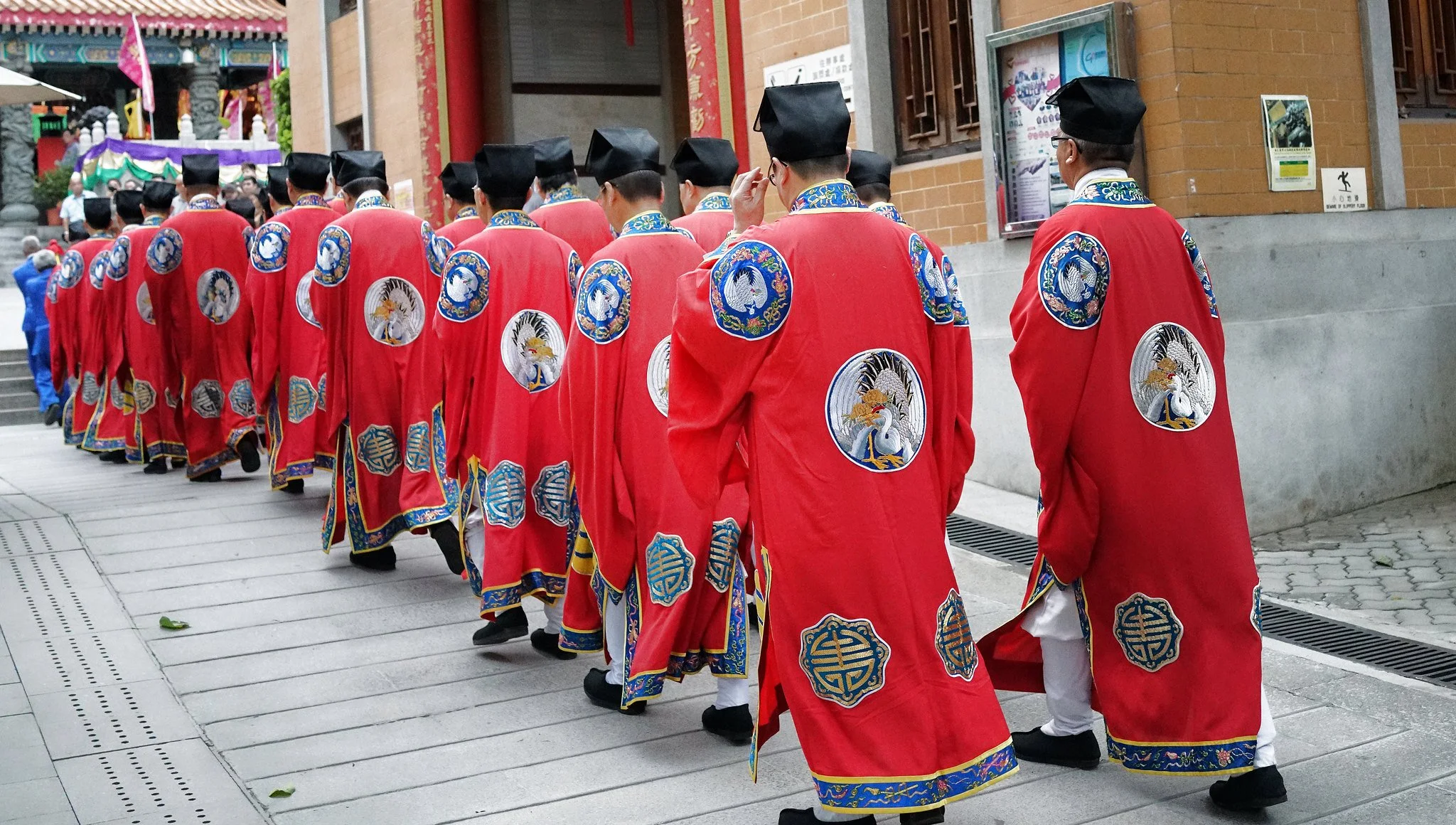
Sik Sik Yuen and the Wong Tai Sin Temple primarily serve Taoism but integrate elements of Buddhism and Confucianism, embodying the traditional Chinese "three teachings" harmony. It is fundamentally a Taoist temple dedicated to Wong Tai Sin (a deified healer and immortal), with core rituals, architecture, and spirit-writing practices rooted in Taoism. However, since at least the 1960s, it has officially worshipped across these traditions: Confucian halls emphasise moral education and ethics, while Buddhist influences appear in compassion-focused elements like Guan Yin worship. No major additional religions are formally integrated, though the site's charitable ethos and community role reflect broader humanistic values. This syncretic ( A syncretic faith fuses elements of multiple distinct traditions ) approach makes it an inclusive spiritual hub for Hong Kong's diverse Chinese cultural practices.
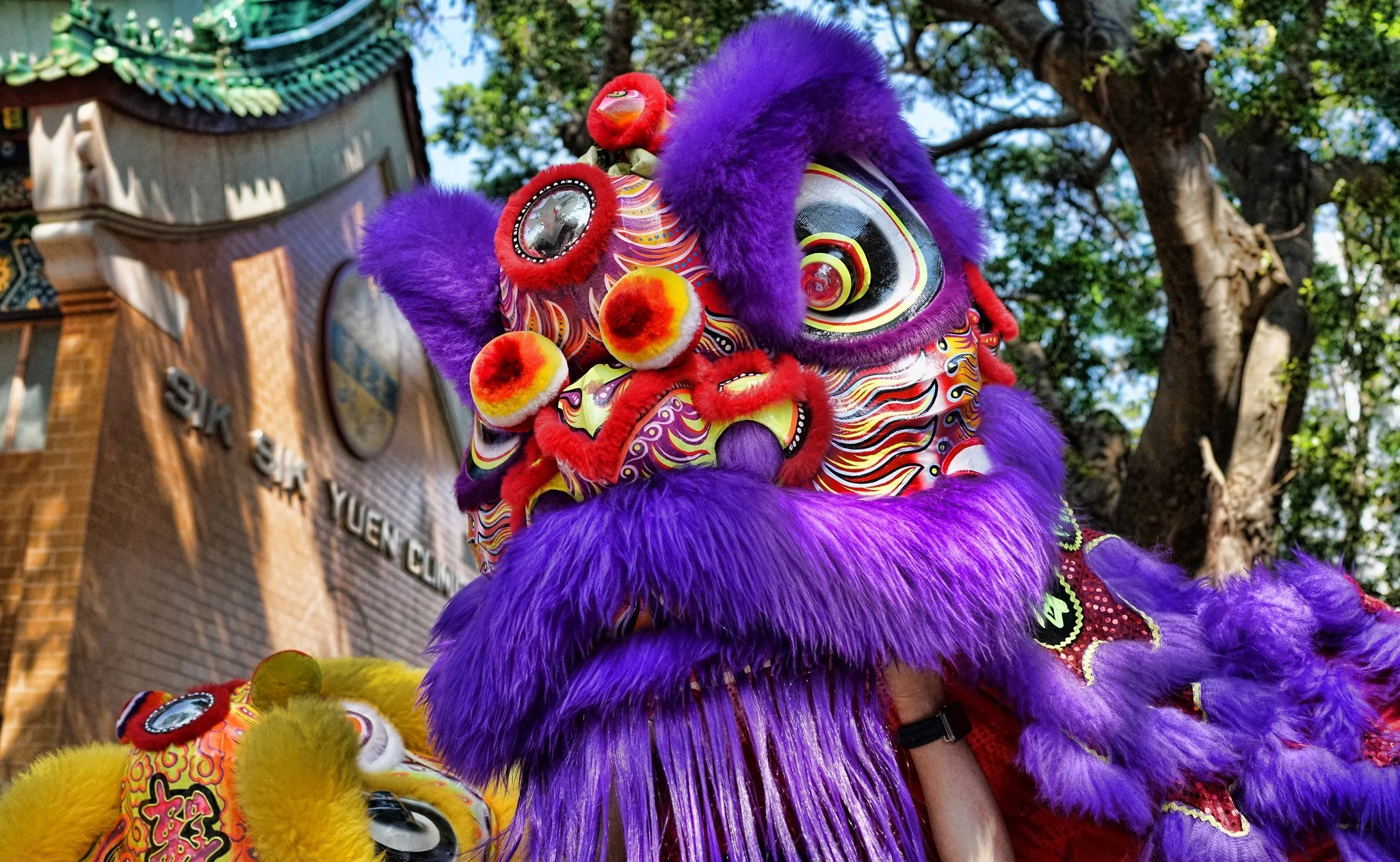
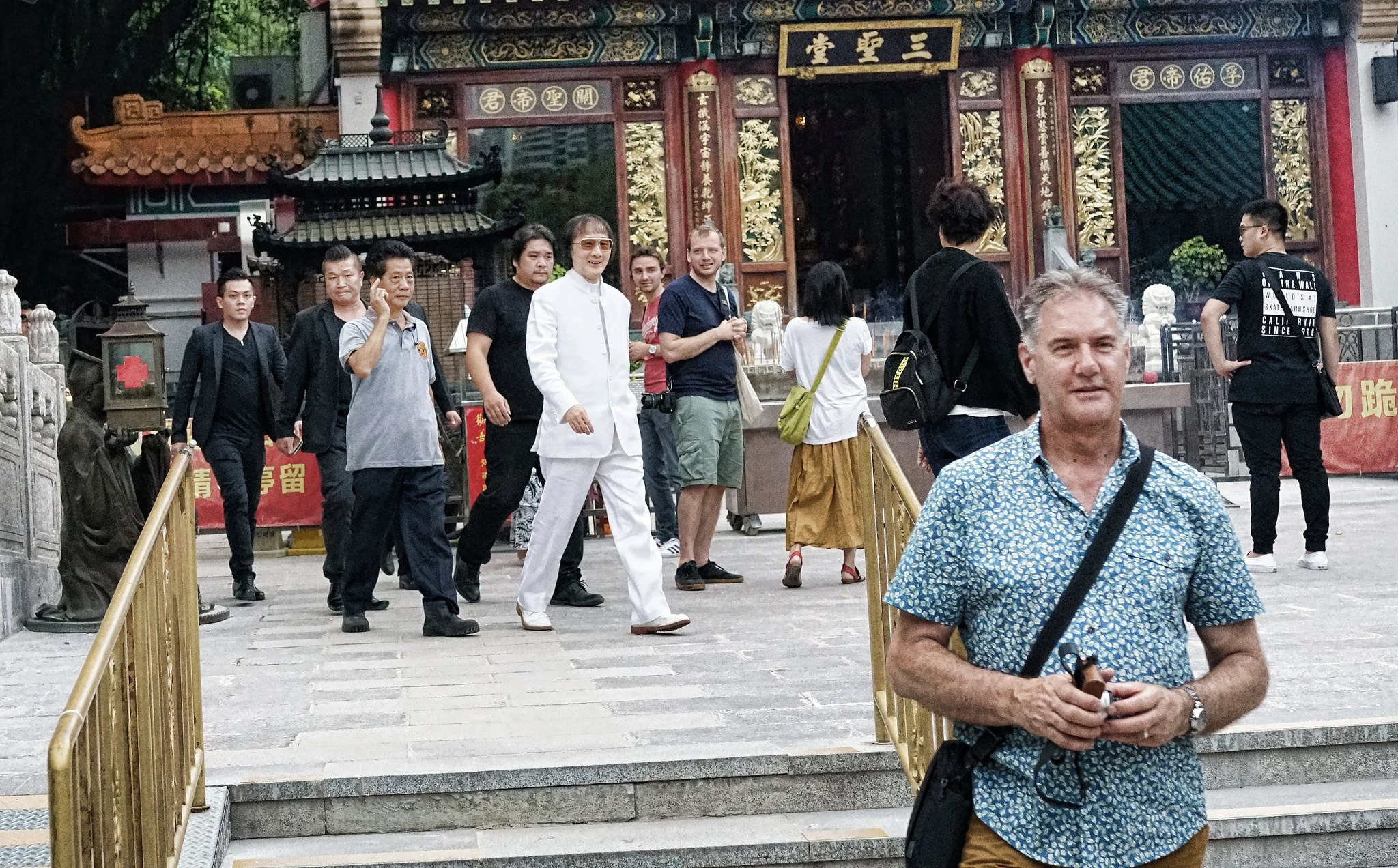
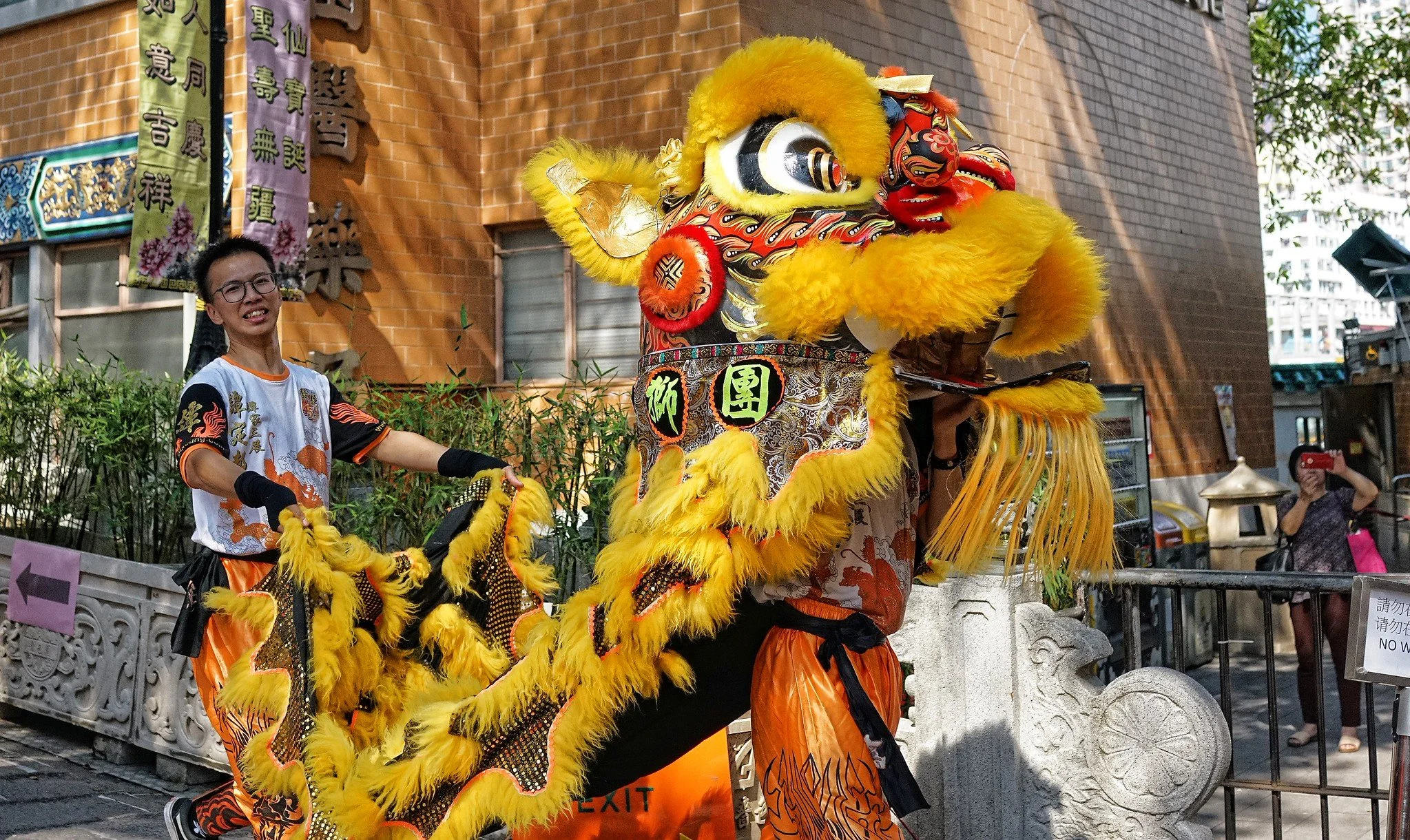
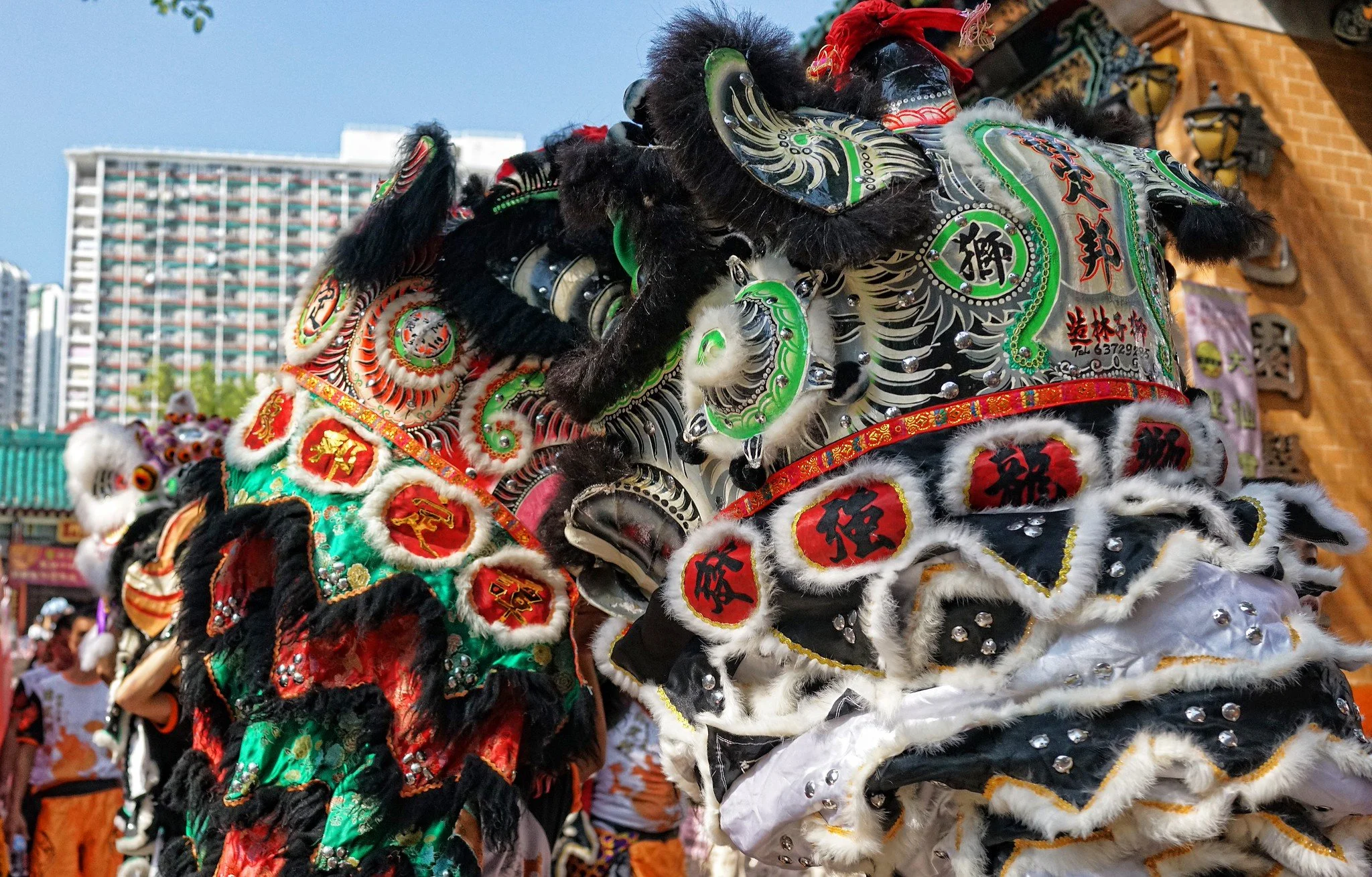
click on the image to enlarge
© Copyright Acknowledged | All rights reserved | images taken by Jamie
The Sik Sik Yuen Wong Tai Sin Temple | Totally Iconic | Hong Kong
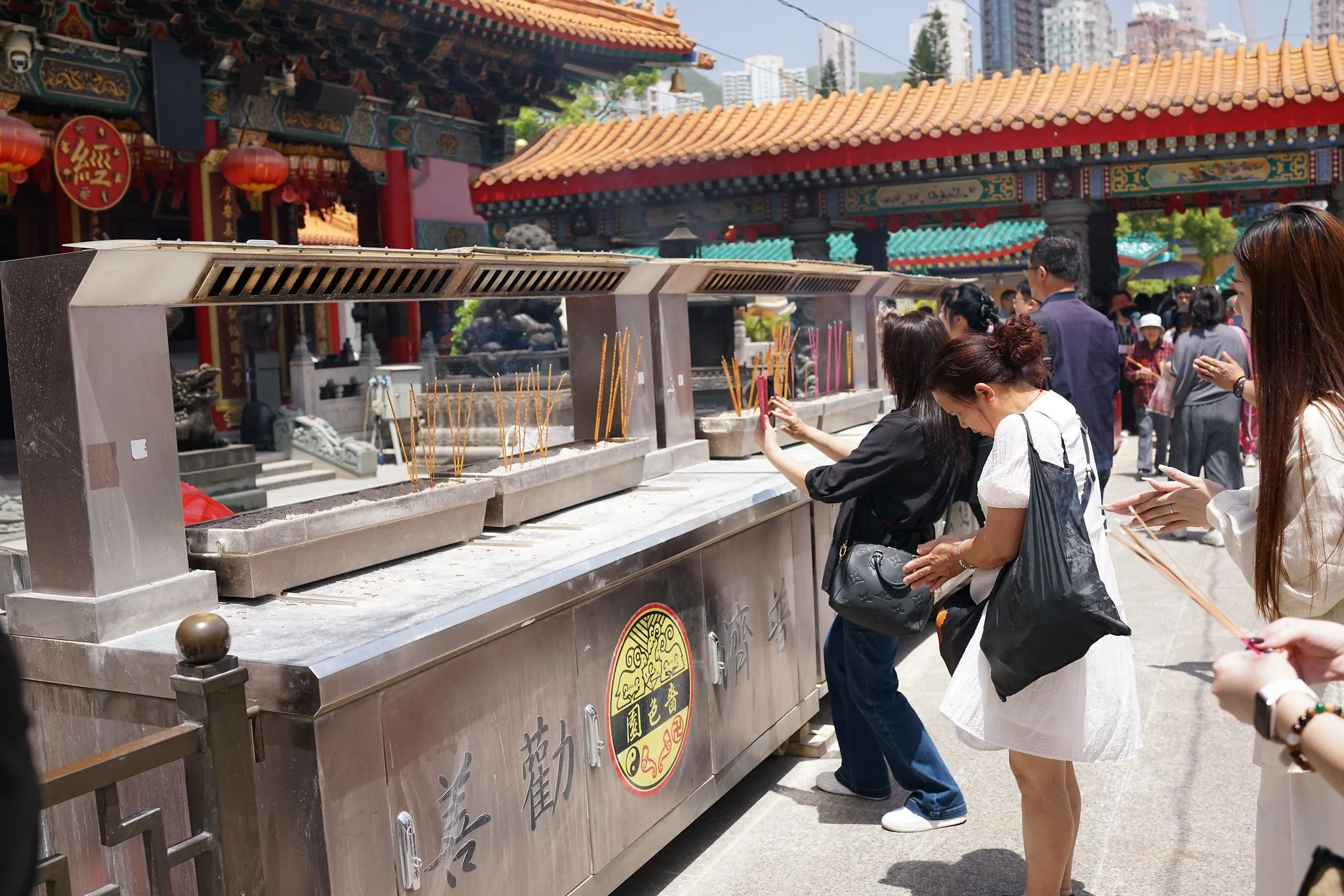
4. What Is the Purpose of the Burning Incense at this Temple
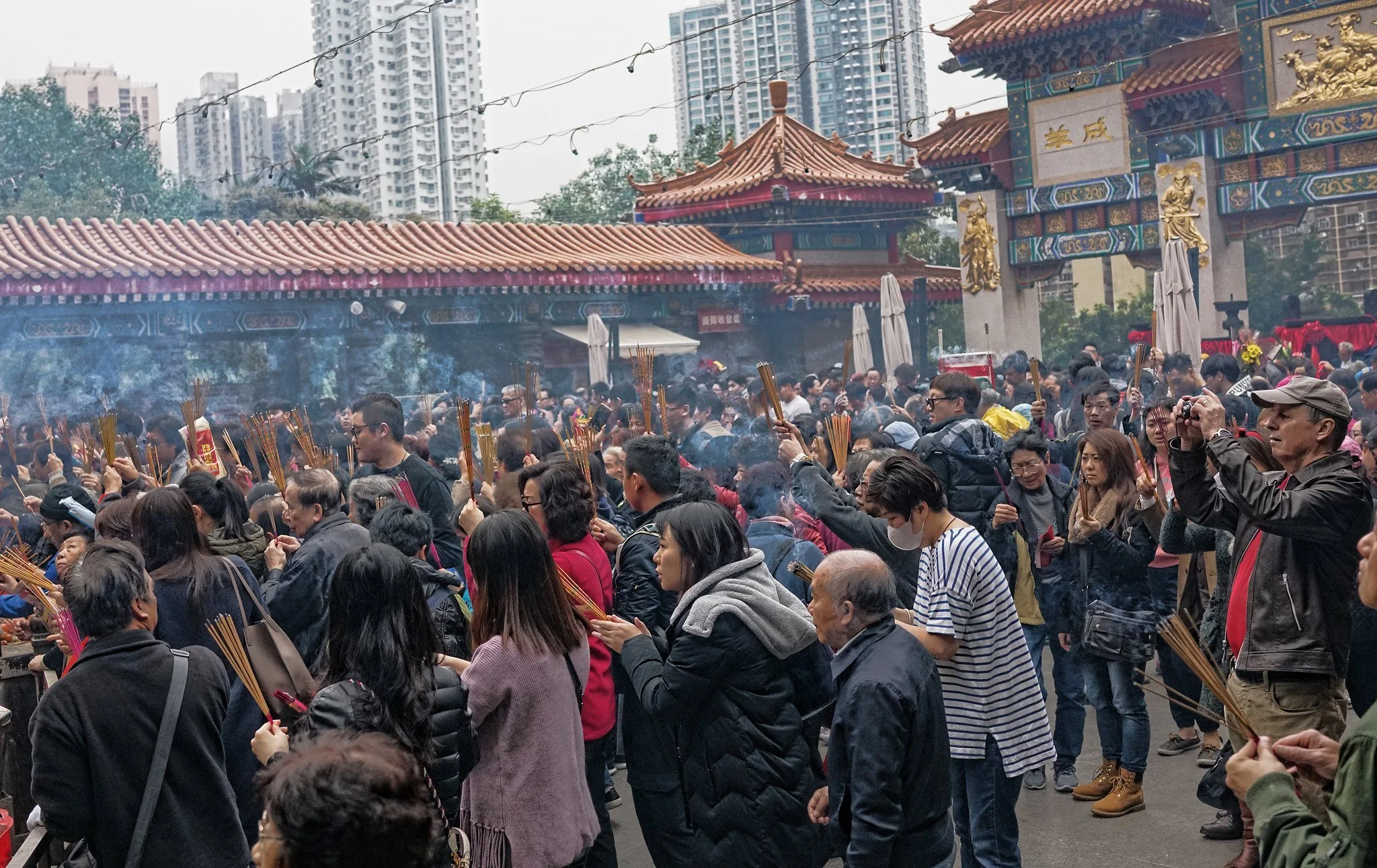
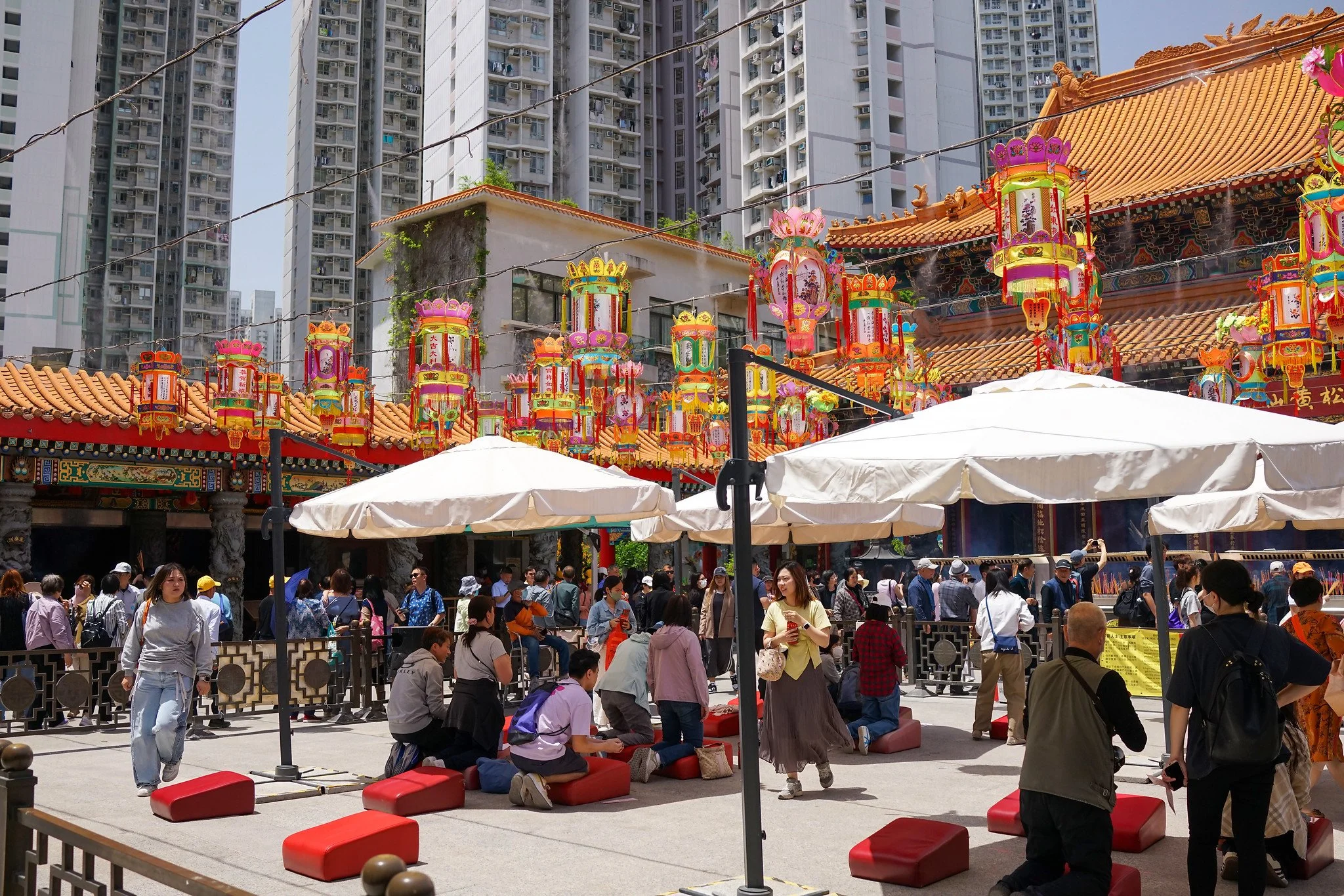
Incense burning is a central ritual act of reverence, communication with the divine, and purification. At Wong Tai Sin, worshippers light joss sticks to offer prayers for health, prosperity, protection, or answered wishes - aligning with the deity's reputation for "what you request is what you get." The smoke is believed to carry petitions upward to the immortals, while the fragrance creates a sacred atmosphere and wards off negativity. Daily, large quantities are burnt due to high visitor numbers and the temple's popularity for fortune-seeking, reflecting deep cultural devotion. In recent years, environmentally friendly measures like smoke elimination systems and reusable incense initiatives have been introduced to manage air quality without diminishing the tradition's significance.
5. What are the Most Important Dates on the Temple's Calendar
Chinese New Year Eve (and the first lunar month) is indeed among the most significant, drawing massive crowds (and I mean massive) for the "first incense" tradition, which originated during periods of restricted access in the mid-20th century. Worshippers believe securing the first prayers of the year brings luck for the coming months. However, the birthday of Wong Tai Sin on the 23rd day of the 8th lunar month holds profound importance as a celebration of the deity's core identity, with special ceremonies, increased rituals, and community gatherings. These dates underscore the temple's role in marking time through faith, blending personal devotion with collective cultural observance.
For the record I have given up trying to work out the Lunar Month calendar which changes every year, it drives me nuts!
6. The “Shaking of the Sticks” or Kau Chim Ritual in Detail - Its Origin and Purpose
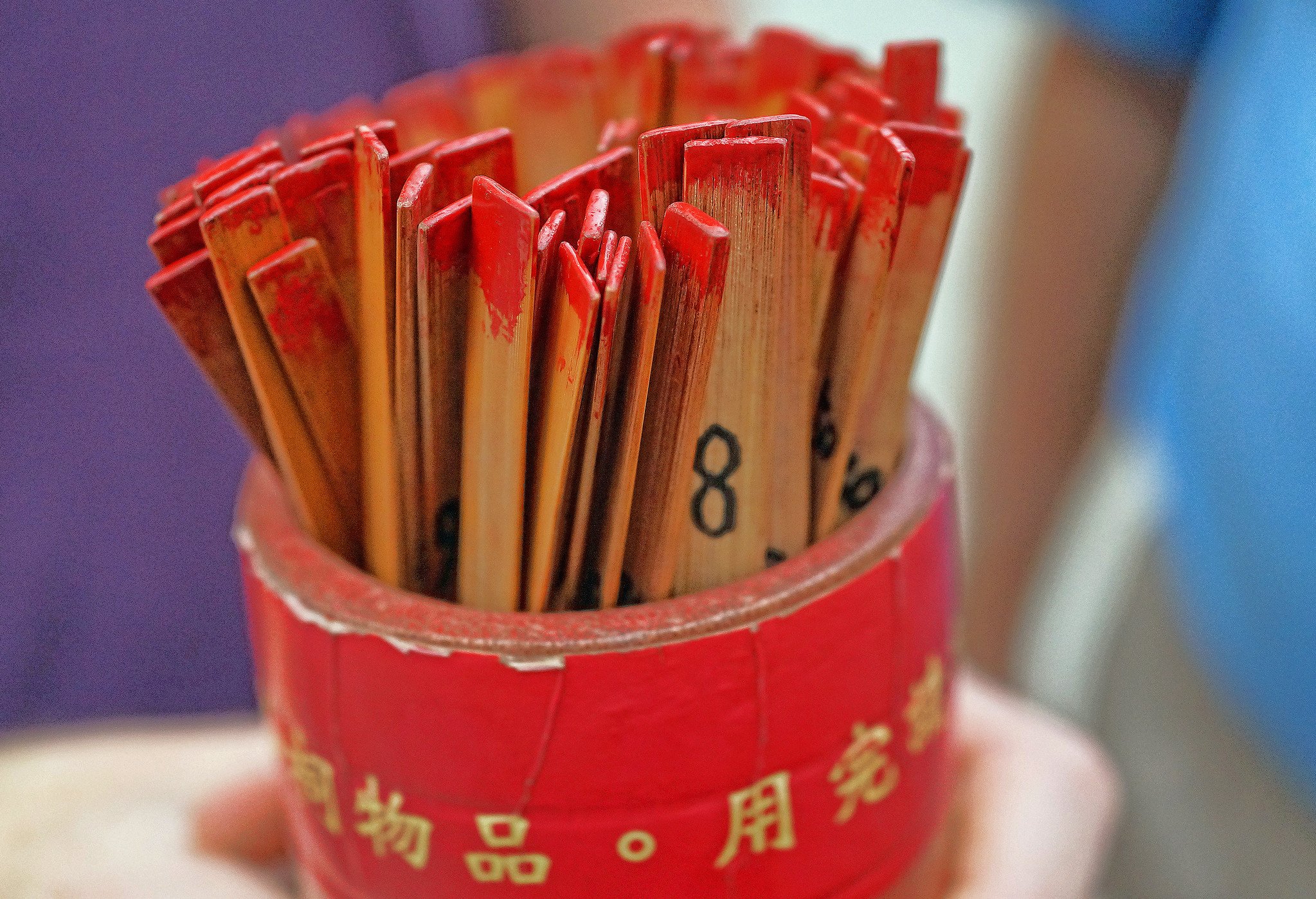
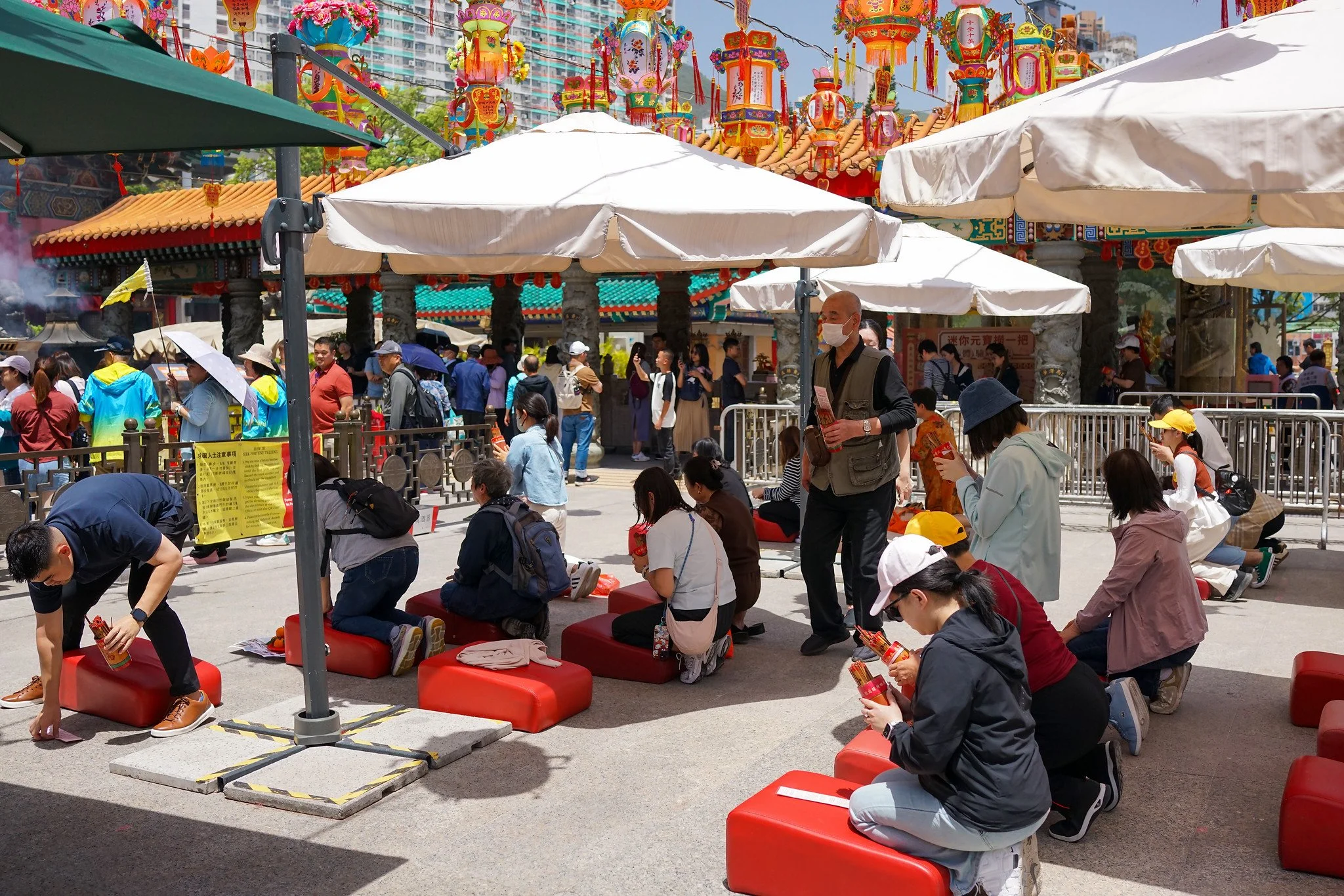
The "shaking of the sticks" or kau chim is a traditional divination practice using a cylindrical container of 100 numbered bamboo sticks. In brief, worshippers focus on a question - health, career, family matters - shake the container at the altar until one stick falls out, note the number, and then obtain an interpretation. Its origins lie in ancient Chinese practices, popularised in Taoist temples as a way to seek guidance from deities like Wong Tai Sin. The full ritual often leads to consulting fortune tellers in the large arcade for a detailed reading, though this does come at a cost that not everyone wants to pursue.
For many visitors with limited time or interest in the complete process, a simplified hook works well: each number carries a general association familiar to tourists. Number 8, for instance, is widely linked to wealth and prosperity in Chinese culture - a positive and auspicious sign that often sparks interest without needing the deeper poetic interpretation. Of course the actual meaning depends on context and the full fortune slip, but this quick number-based angle serves as an engaging entry point before deciding whether to dive further., it works for me.
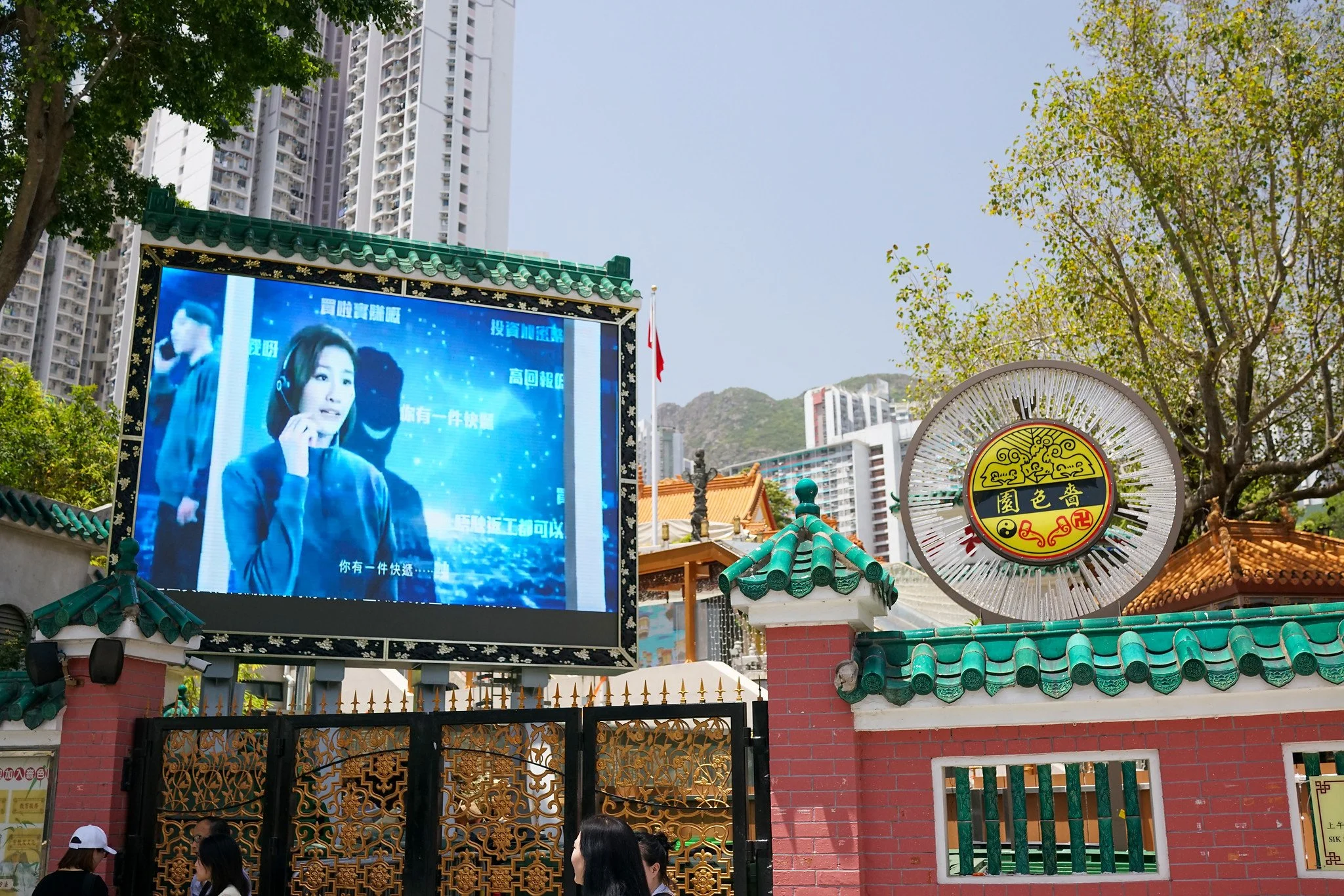
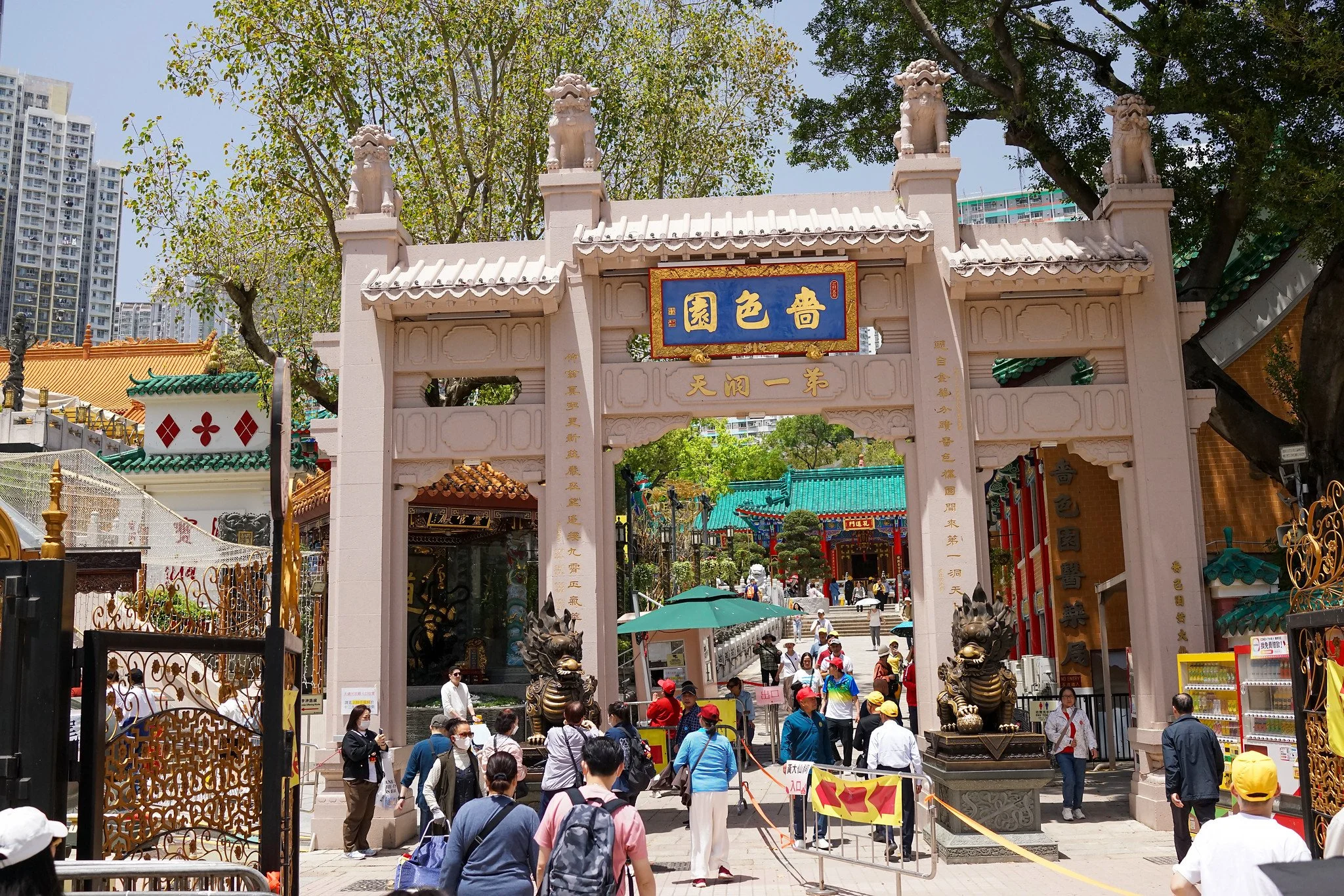
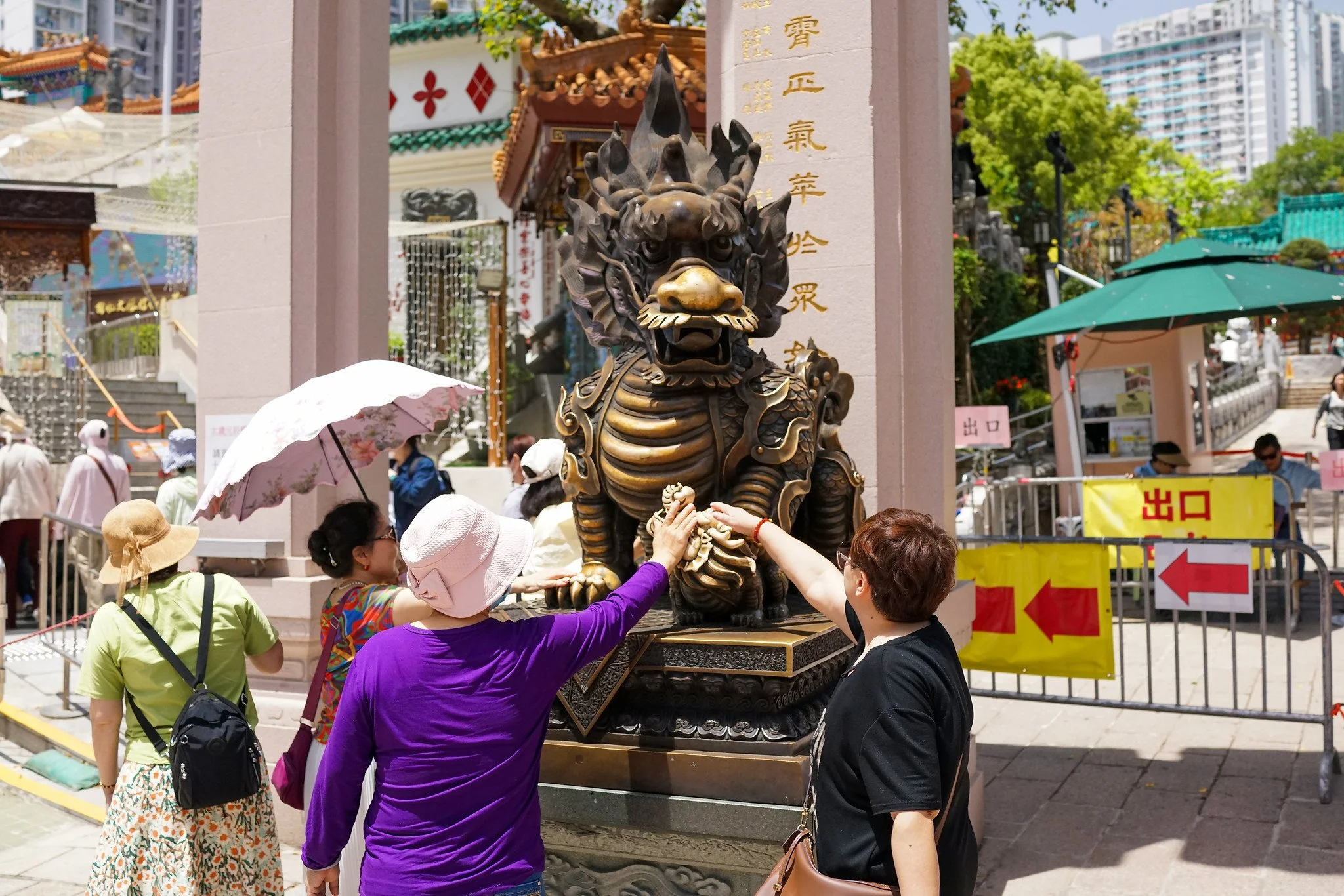
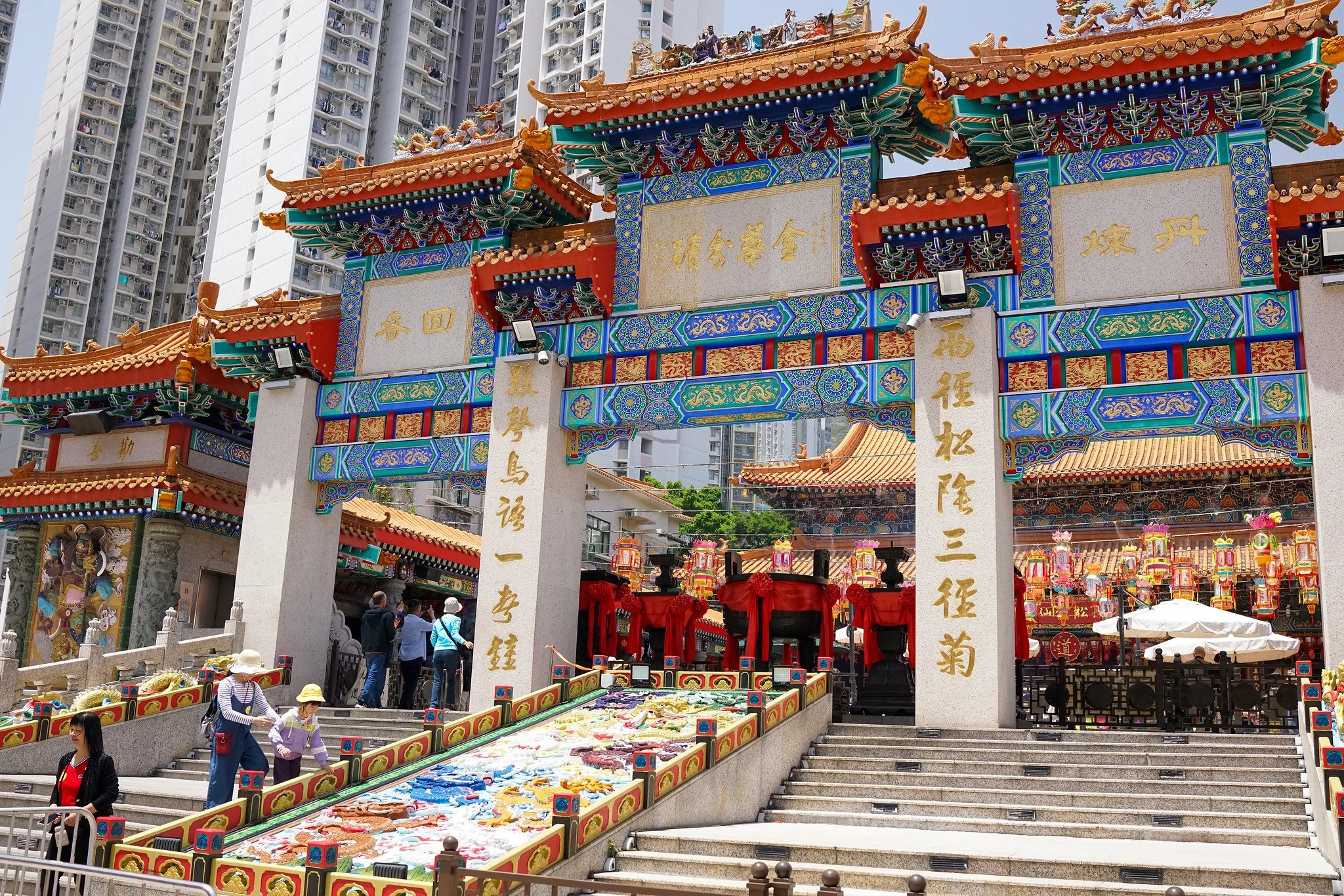
click on the image to enlarge
© Copyright Acknowledged | All rights reserved | images taken by Jamie
The Sik Sik Yuen Wong Tai Sin Temple | Totally Iconic | Hong Kong
7. Approx. Visitor Numbers in an Average Year and Who Makes Up the Most Visitors
Exact public figures are not disclosed, but as one of Hong Kong's most visited religious sites, it attracts hundreds of thousands annually, with peaks during festivals exceeding tens of thousands in a single day or period. Estimates suggest over a million visitors in peak years, driven by its accessibility via MTR and cultural significance. While Mainland Chinese tourists form a substantial portion - drawn by organised tours and shared heritage - local Hong Kong residents, especially during lunar dates or for personal matters, constitute a large share. Families, seniors seeking health blessings, and international visitors interested in authentic experiences also visit. The mix reflects its dual role as spiritual home and a major tourist attraction.
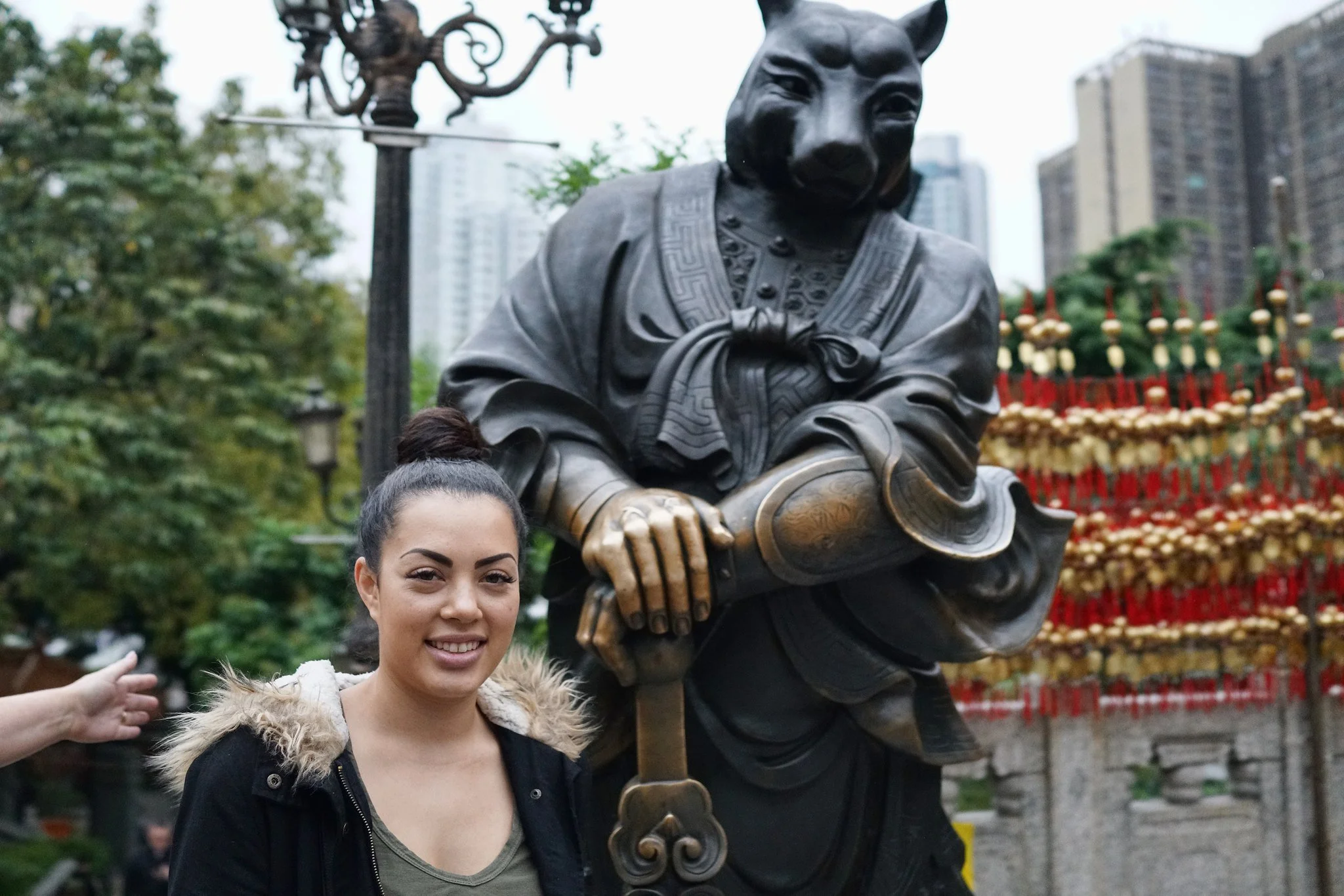
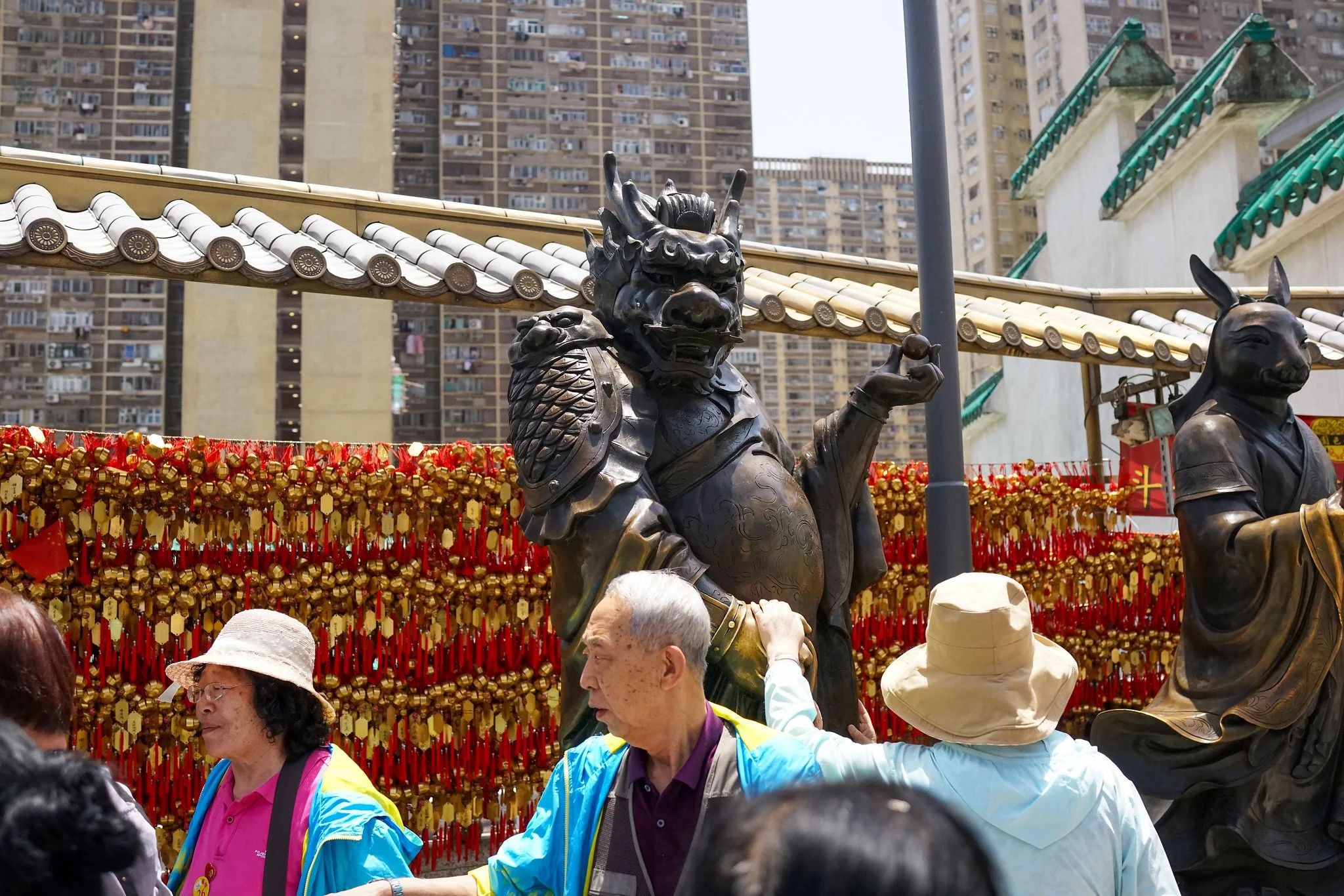
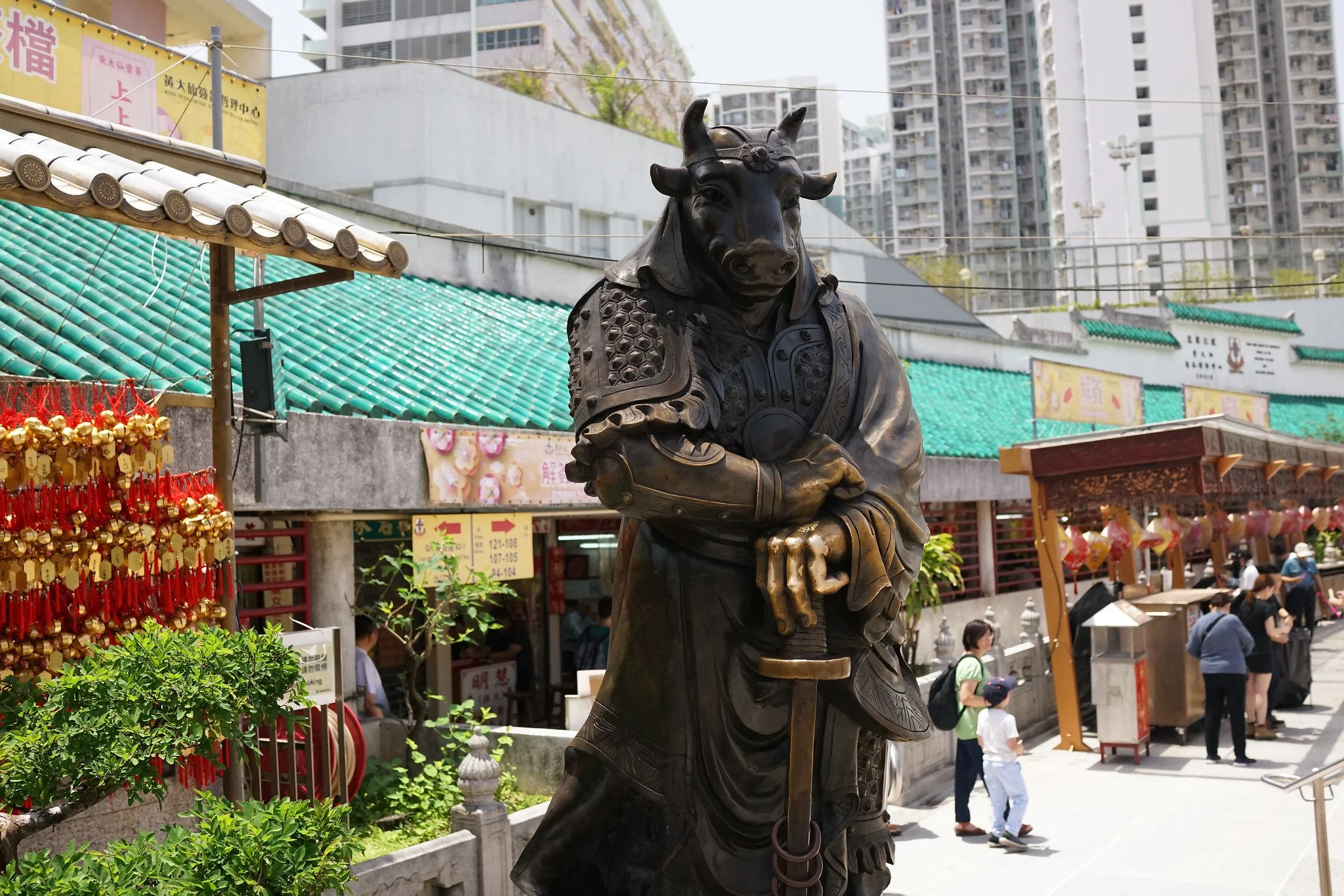
8. An Explanation of the 12 Large Bronze Statues on the open Public Space in Front of the Main Entrance to the Temple (go up the escalator to view)
These are the 12 large bronze statues of the Chinese Zodiac animals, located on the secondary worshipping platform or piazza area just inside the main compound entrance. Co-designed with input from ancient architecture specialists, they allow visitors to interact with their birth-year animal for photos, blessings, or reflection on personal traits and fortunes.
For the record I am an ox (born in 1961) and the dragon seem to be pretty popular! and yes, it makes for a great selfie!
This feature enhances the temple's appeal for zodiac-related worship, particularly at the nearby Taisui halls, tying into broader Chinese calendrical traditions and the temple's inclusive approach to personal spirituality. They add a visual and interactive element to the entrance experience. During a renovation around 6 years ago, an escalator was thoughtfully added to carry people comfortably from the main public entrance up to this “piazza” - one of the few temples in Hong Kong to offer such convenience. In practice, virtually no one chooses the steps; the escalator is the clear favourite, a practical touch that other sites like the Big Buddha (268 steps) and the 10,000 Buddha Monastery (423 - 431 steps ish) could learn from.
9. Whatever Happened to the Turtle Pond That Was Next to the Main Temple?
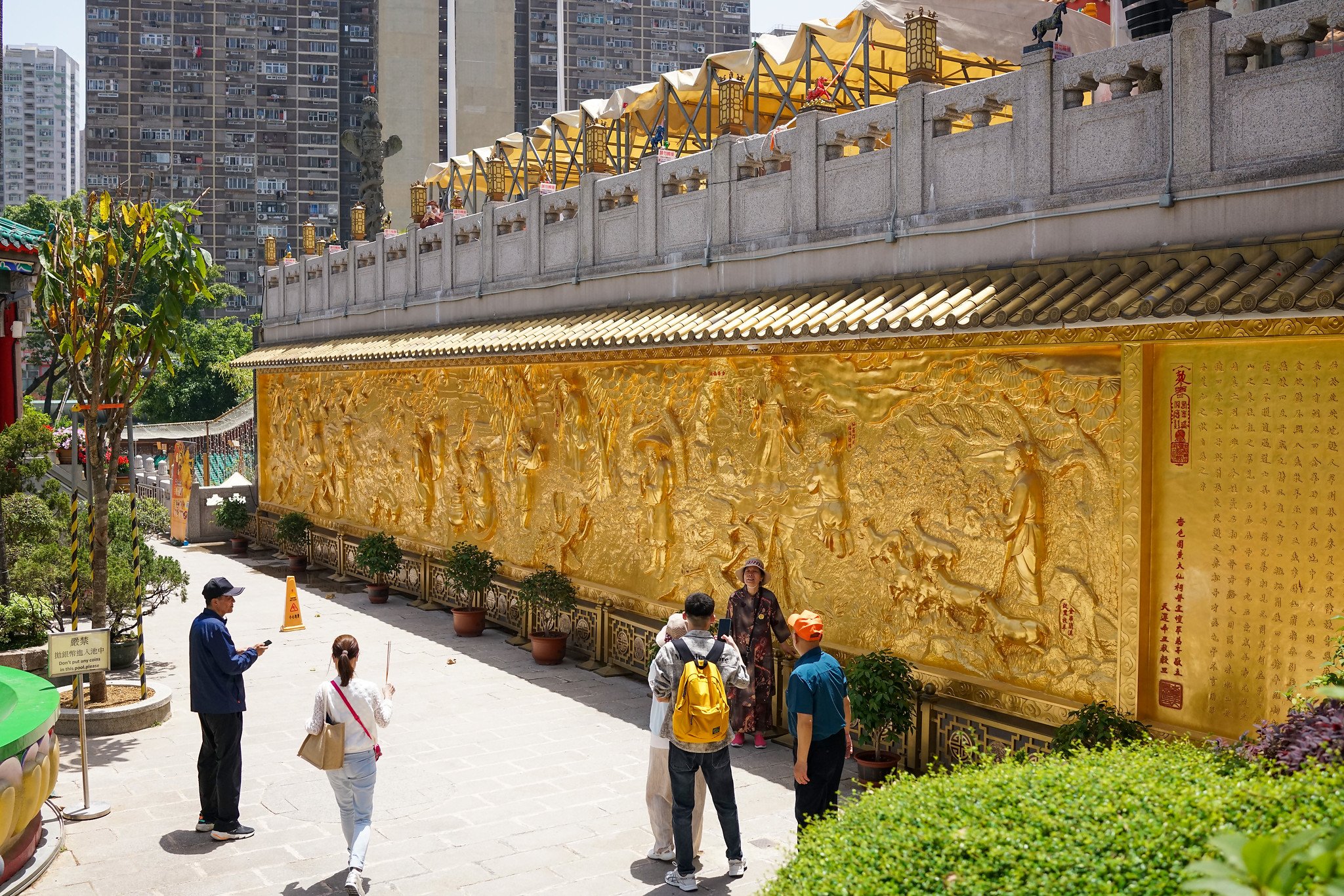
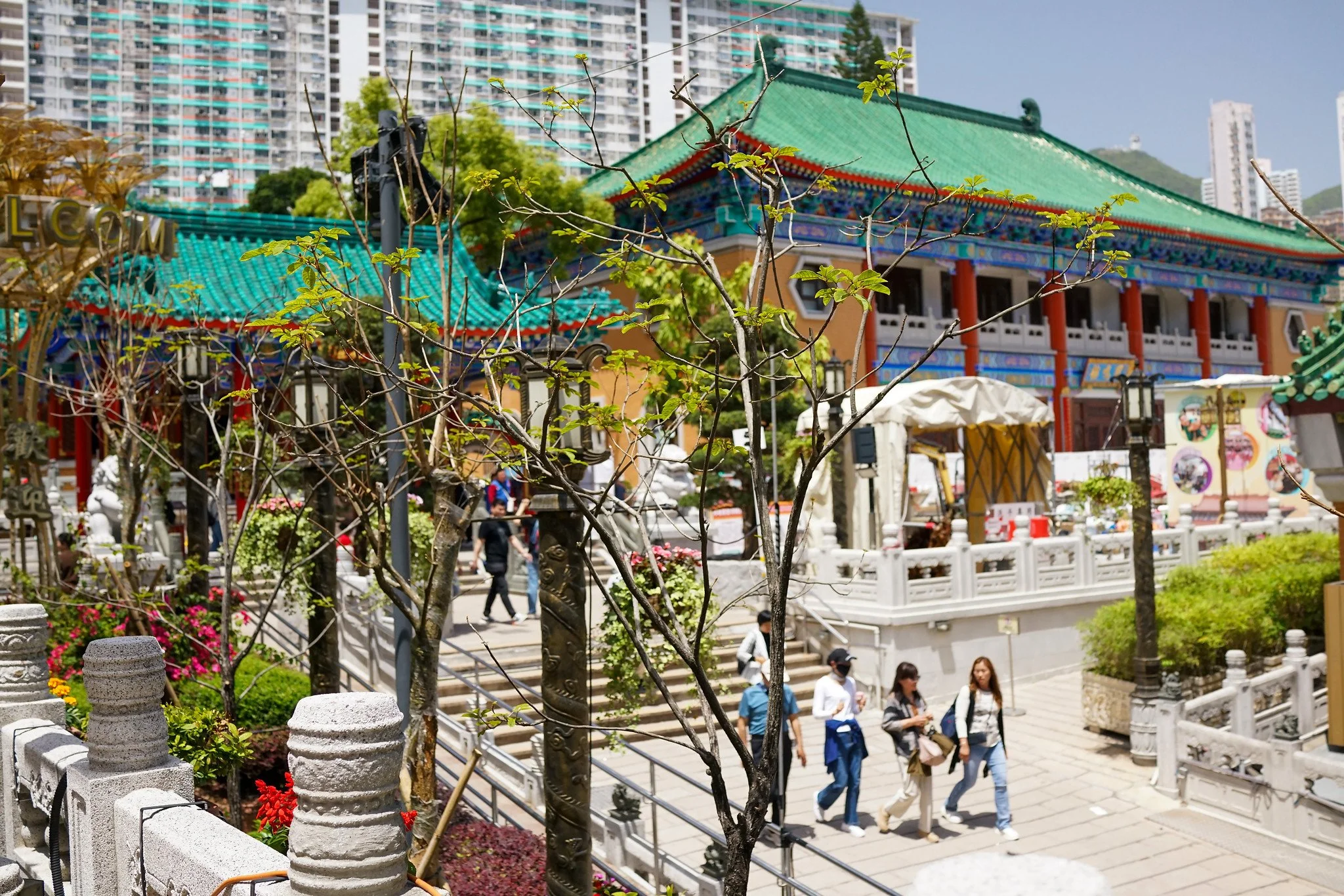
The original turtle pond near the Main Temple has been integrated or evolved within the broader landscaping, with turtles historically symbolising longevity and good fortune in Chinese culture. The standout feature today is the Good Wish Garden (opened 1991), a substantial landscaped area inspired by Beijing's Summer Palace. It spans thousands of square metres with artificial hills, pavilions, winding paths, stone bridges, ponds (including features that may encompass or replace earlier ponds), and serene water elements. Named after a Confucian quote on harmonious living at age 70, it serves as a peaceful retreat for contemplation, family strolls, and appreciating nature within the temple grounds. It offers a contrast to the bustling main worship areas and embodies the temple's commitment to balanced, reflective spaces.
On a persoanl note I was very sorry to see the turtles vanish and I have not seen them in the major pond in the facility.
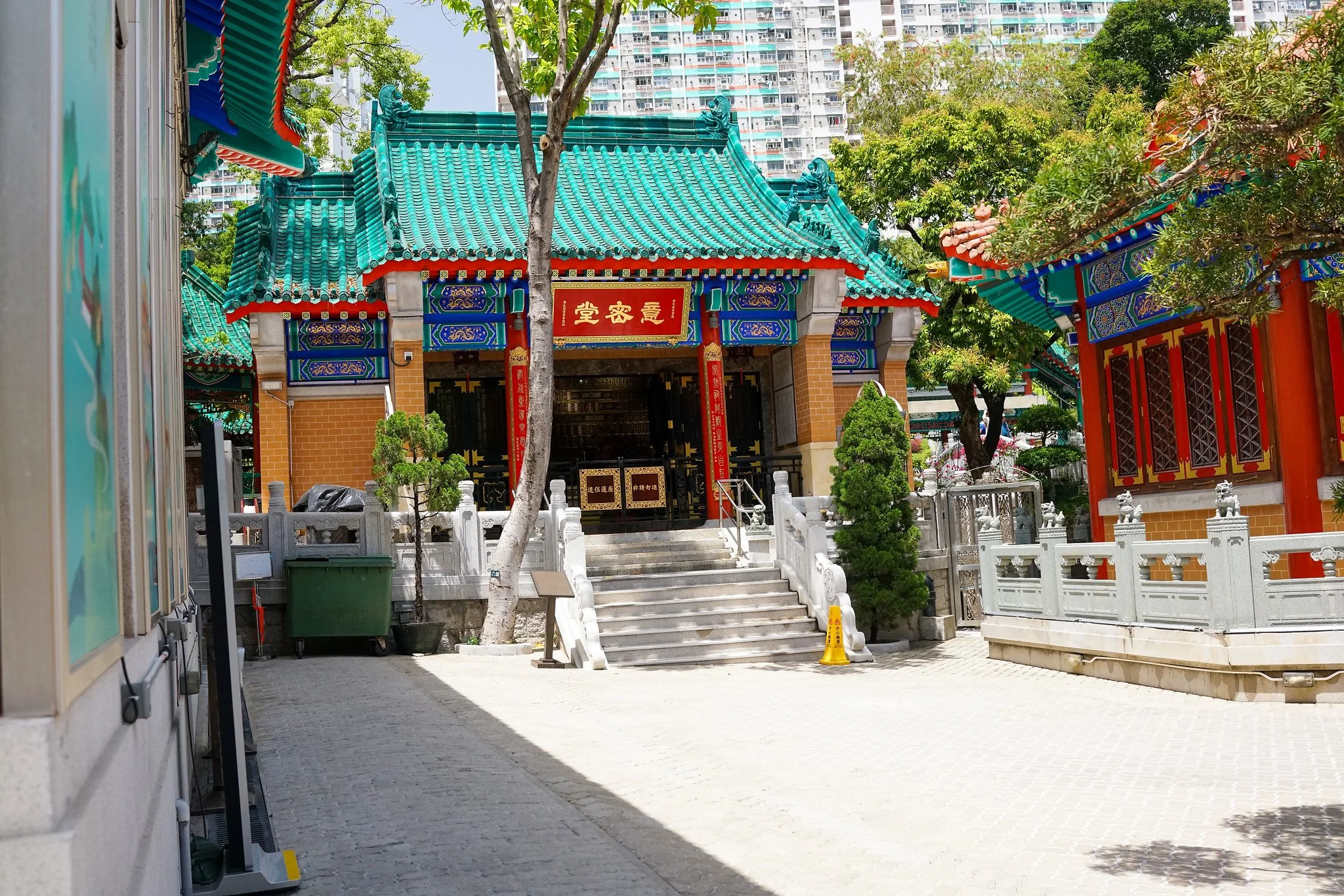
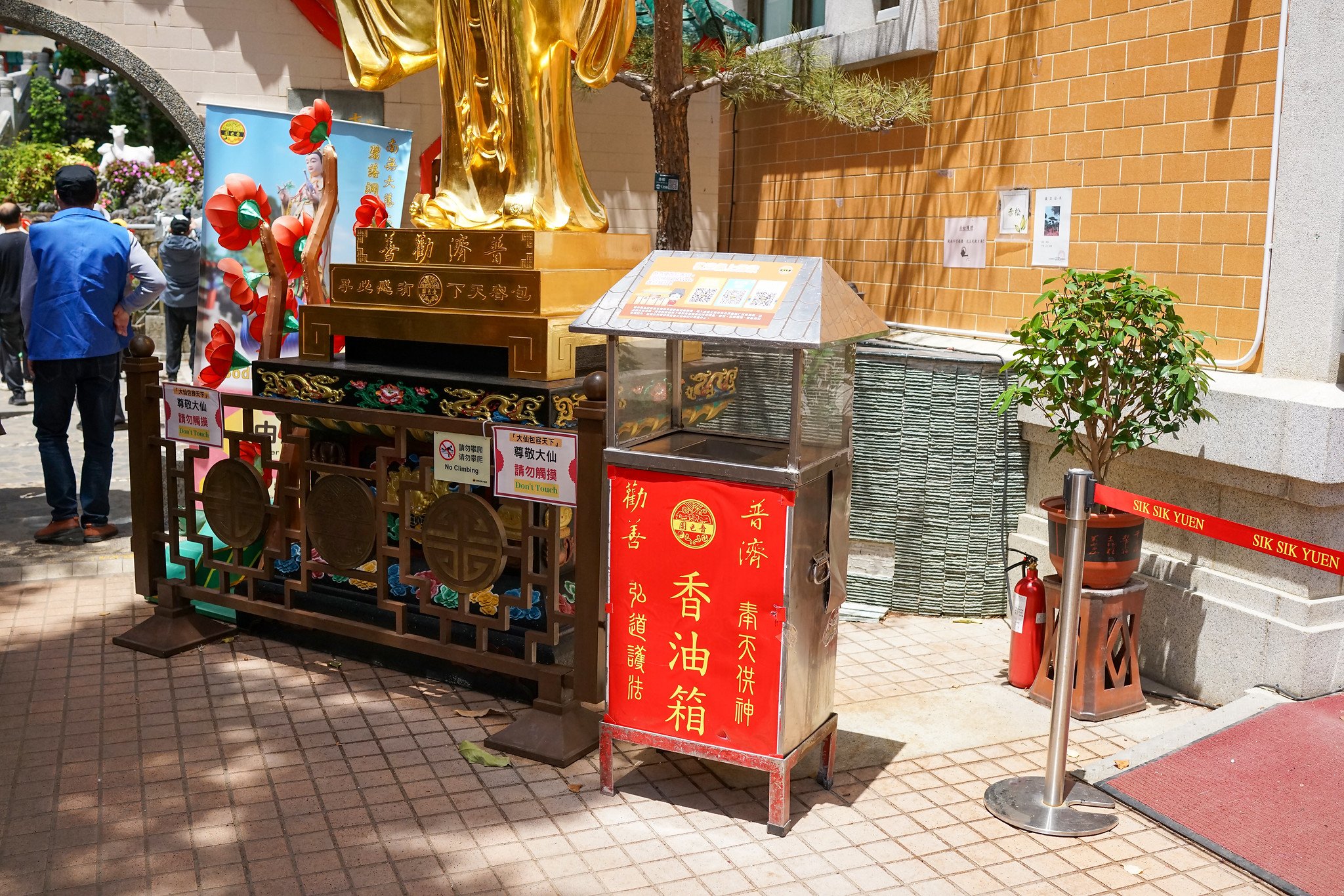
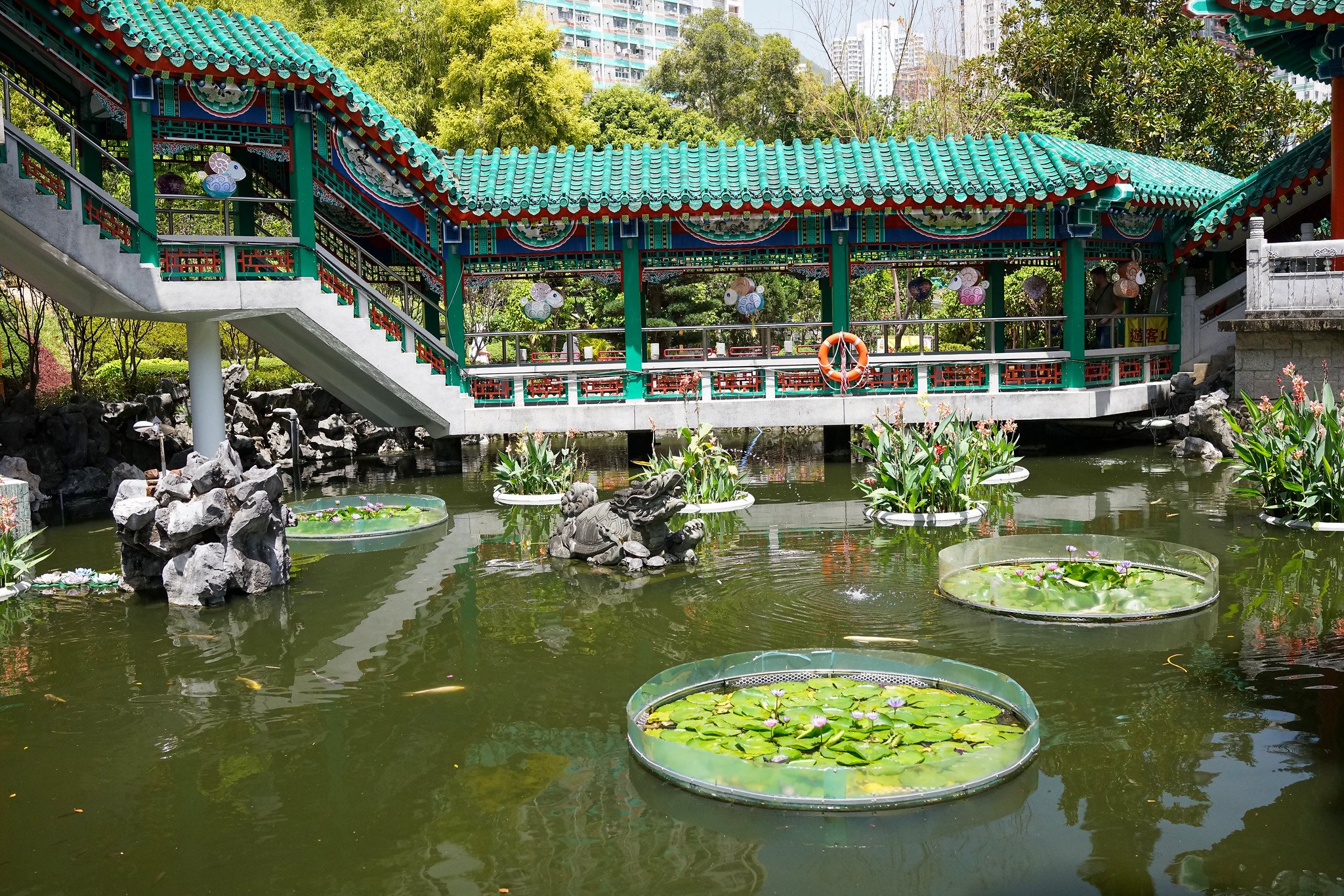
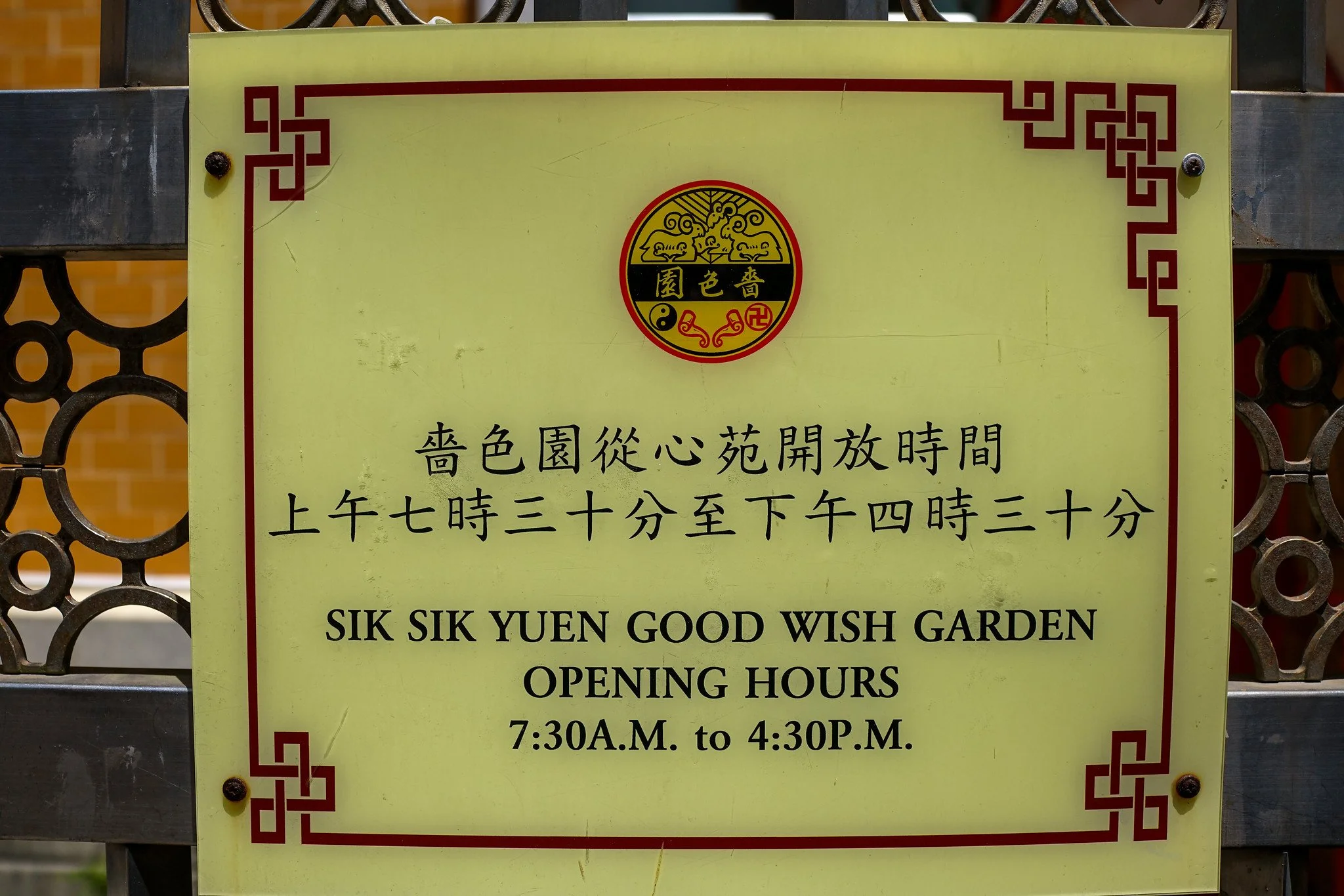
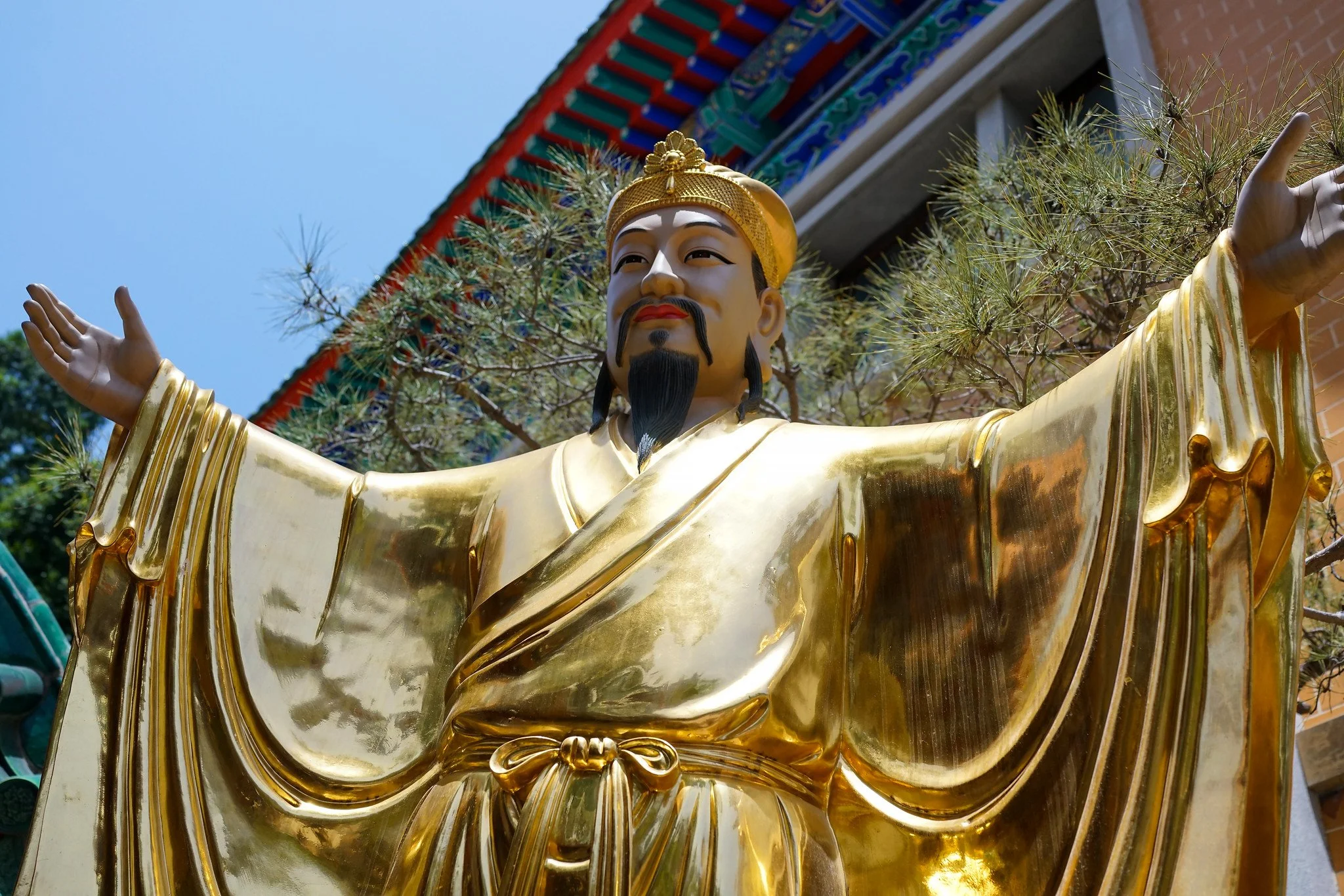
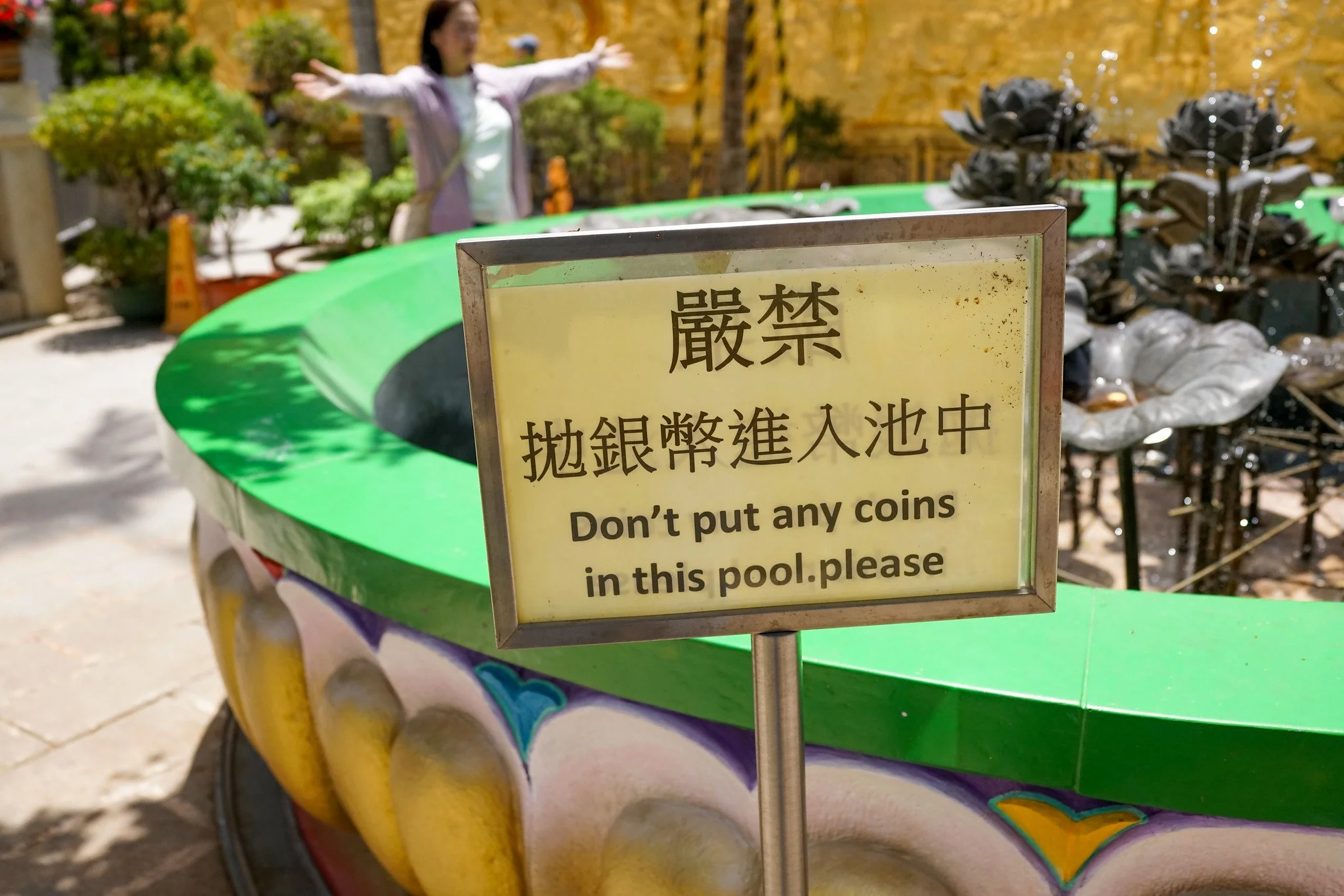
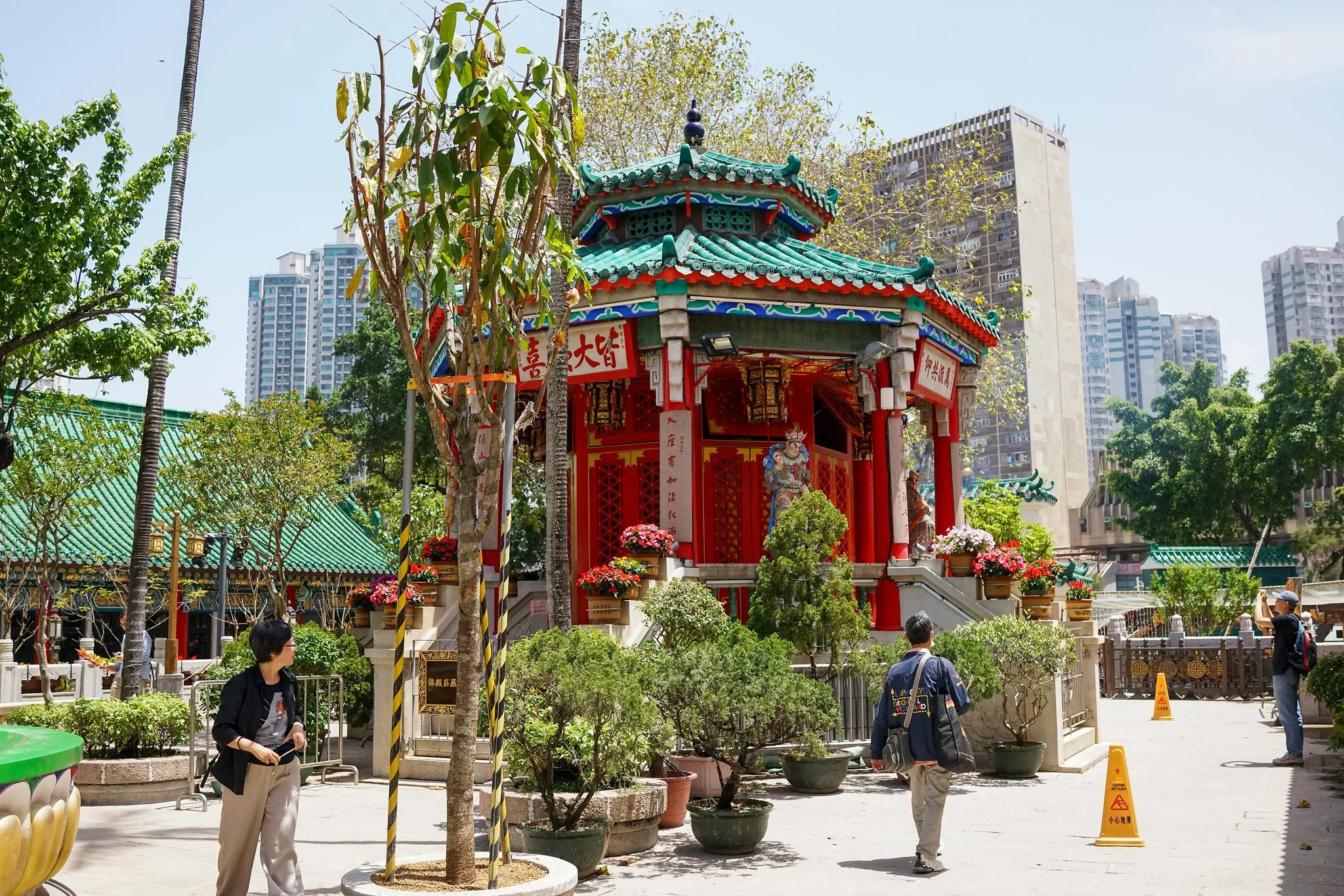
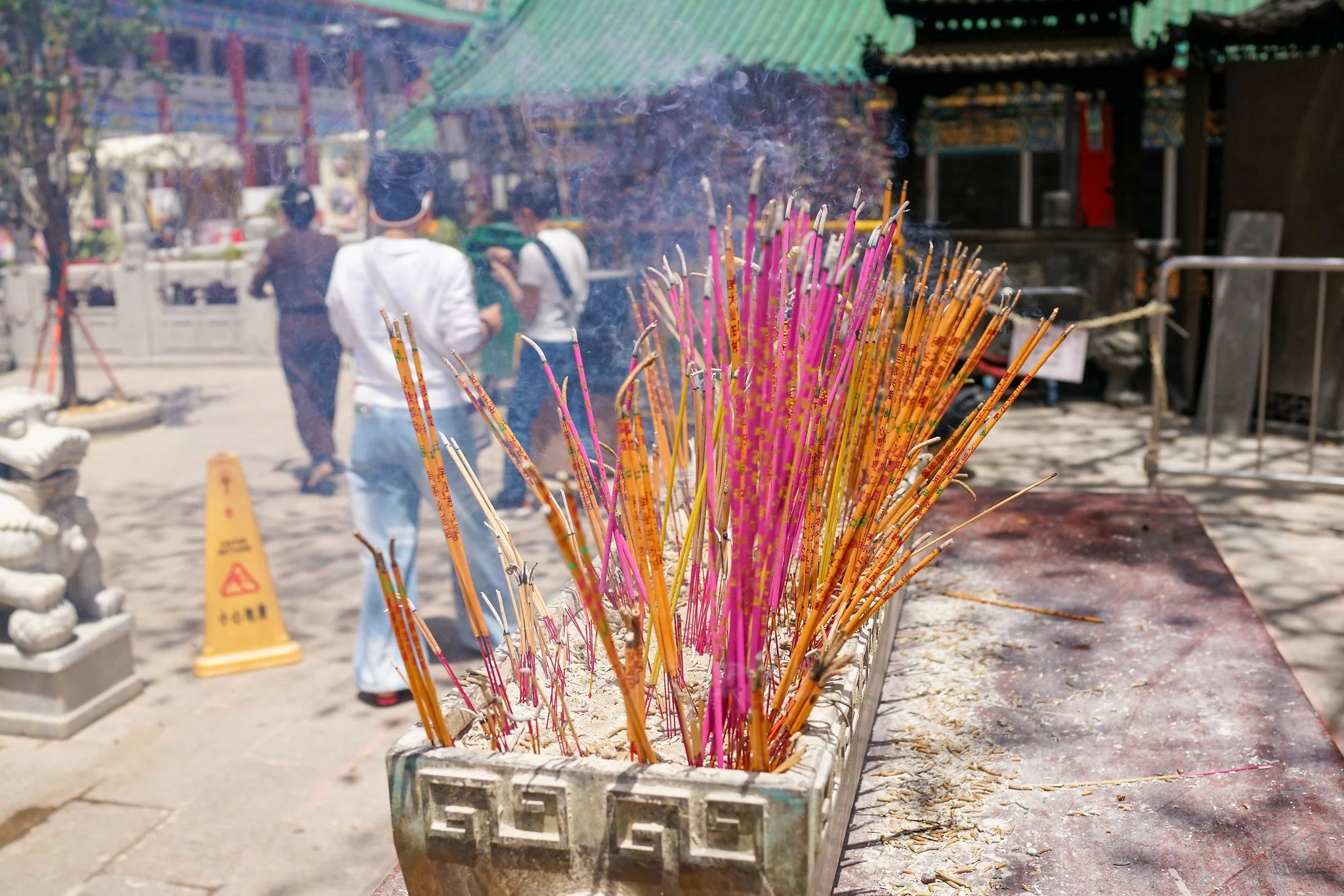
click on the image to enlarge
© Copyright Acknowledged | All rights reserved | images taken by Jamie
The Sik Sik Yuen Wong Tai Sin Temple | Totally Iconic | Hong Kong
10. Is There Any Entrance Fee to Enter the Temple or it’s “attractions”
There is no entrance fee for the main temple grounds and worship areas - it remains free and open to the public, with donations welcomed via boxes throughout. However, specific sections like the Taisui Yuenchen Hall charge HK$100 (about US$13) for entry, with discounts for seniors and disabled visitors. Regarding facilities, renovated public bathrooms or certain paid amenities may indeed use Octopus card turnstiles for access or payment, reflecting modern management for maintenance. This setup keeps core spiritual spaces accessible while supporting upkeep.
Additional Observations and Suggestions
I have had my moments at this Temple considering I have been there over 1,000 times, one of the standouts was shaking the hand of a famous gangster in Hong Kong (and I have the image to prove we met! image no. 8 in the first batch of images above) I had a diabetic attack there back around 2018 when I collapsed in a heap. the staff moved quickly to assist and I was alright after about 10 minutes and I have seen quite a few local celebrities prowling around there and you know what mingling with the crowds burning incense at Chinese New Year is a totally surreal experience.
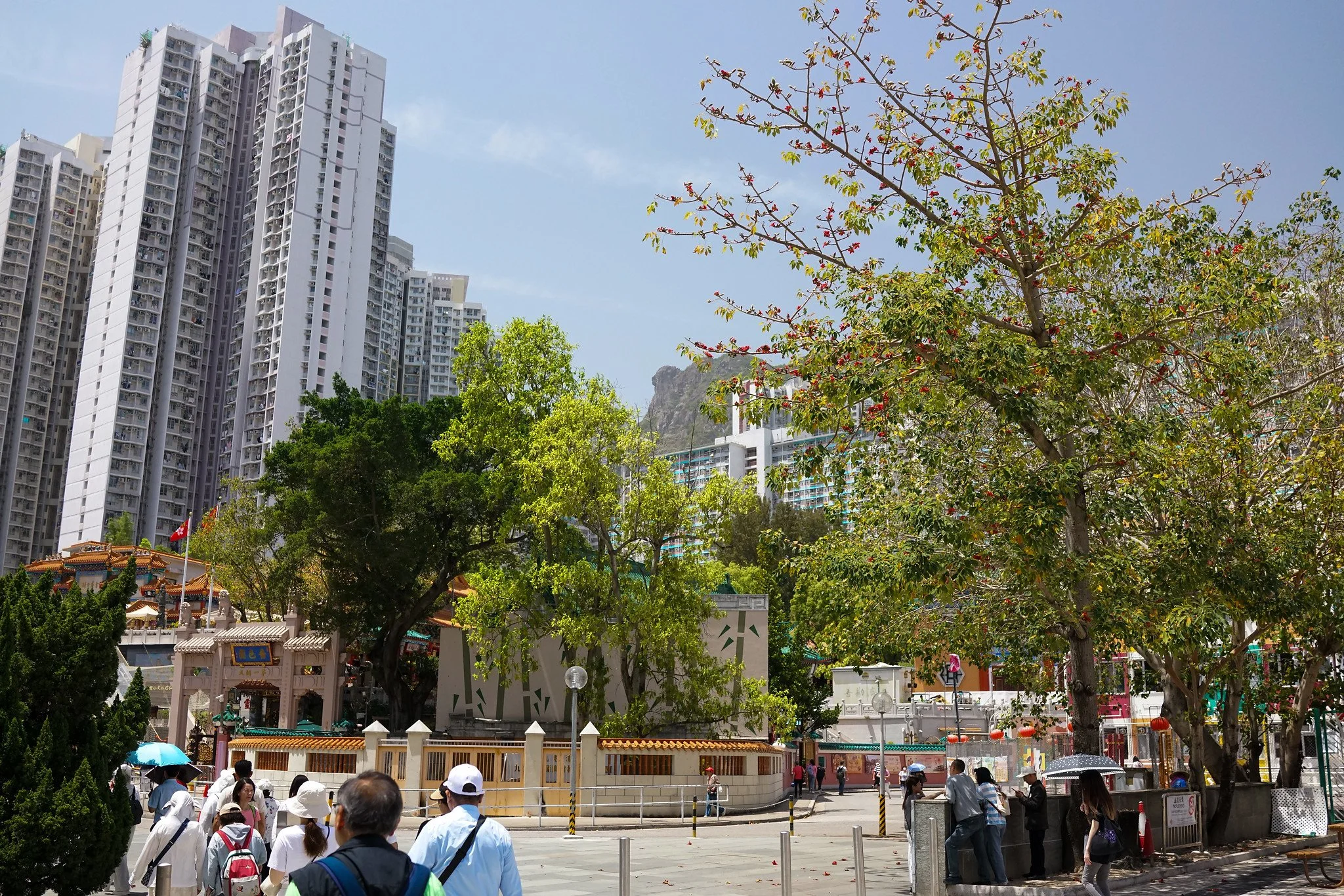
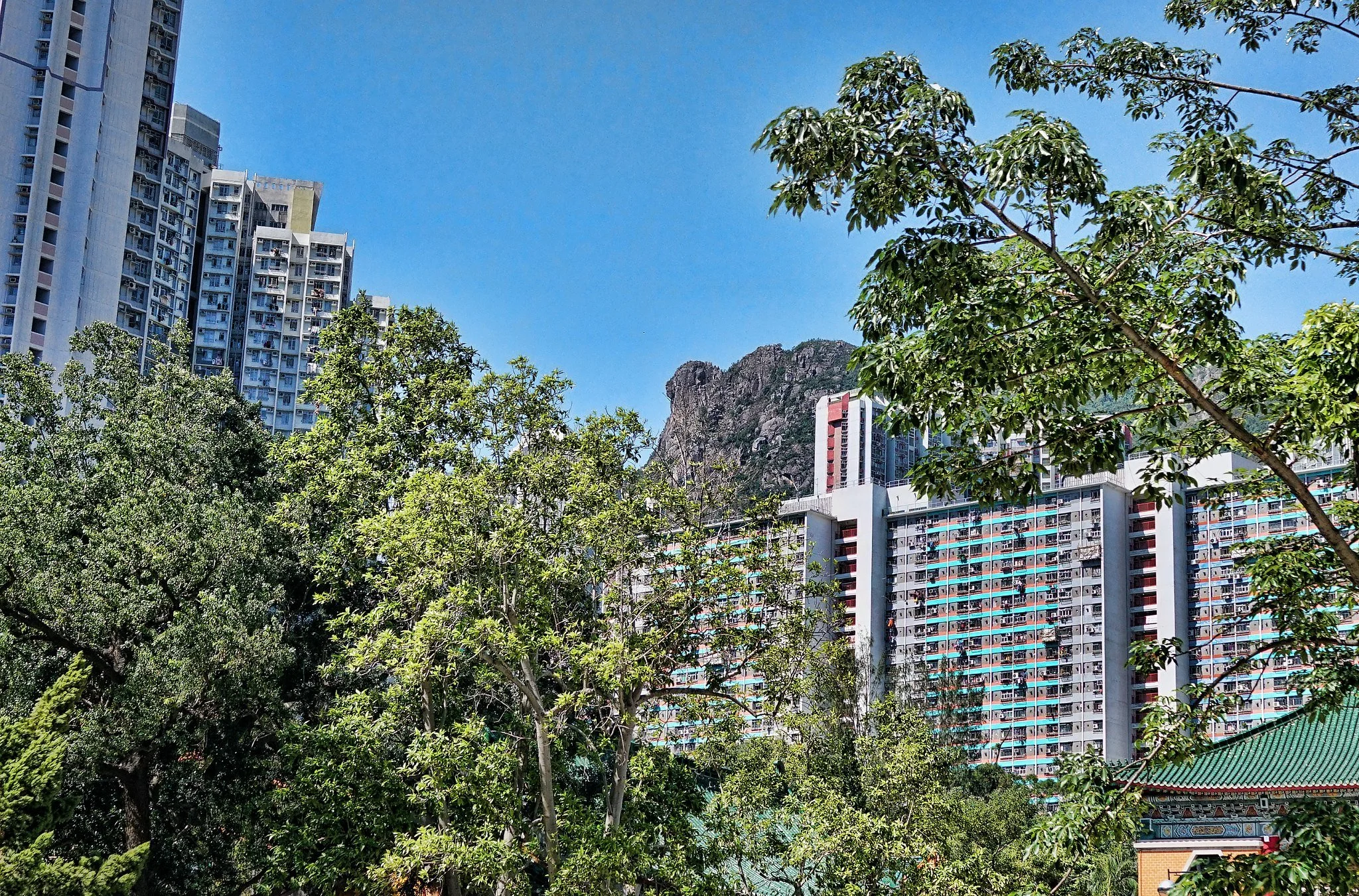
The setting of the Temple, well it is surrounded by Public Housing and it lies in the shadows of Lion Rock, a famous hill in Hong Kong and it appears in a few images above and yes, it really does look like a sitting Lion
One lesser-known aspect is the temple's strong charitable legacy - from free clinics in the 1920s to modern medical and educational services - which underscores its "religious charity" identity beyond rituals. Another is its recognition as part of China's national intangible cultural heritage for Wong Tai Sin beliefs. For visitors, arriving early on regular days avoids crowds, and respecting etiquette (such as proper incense handling) enhances the experience.
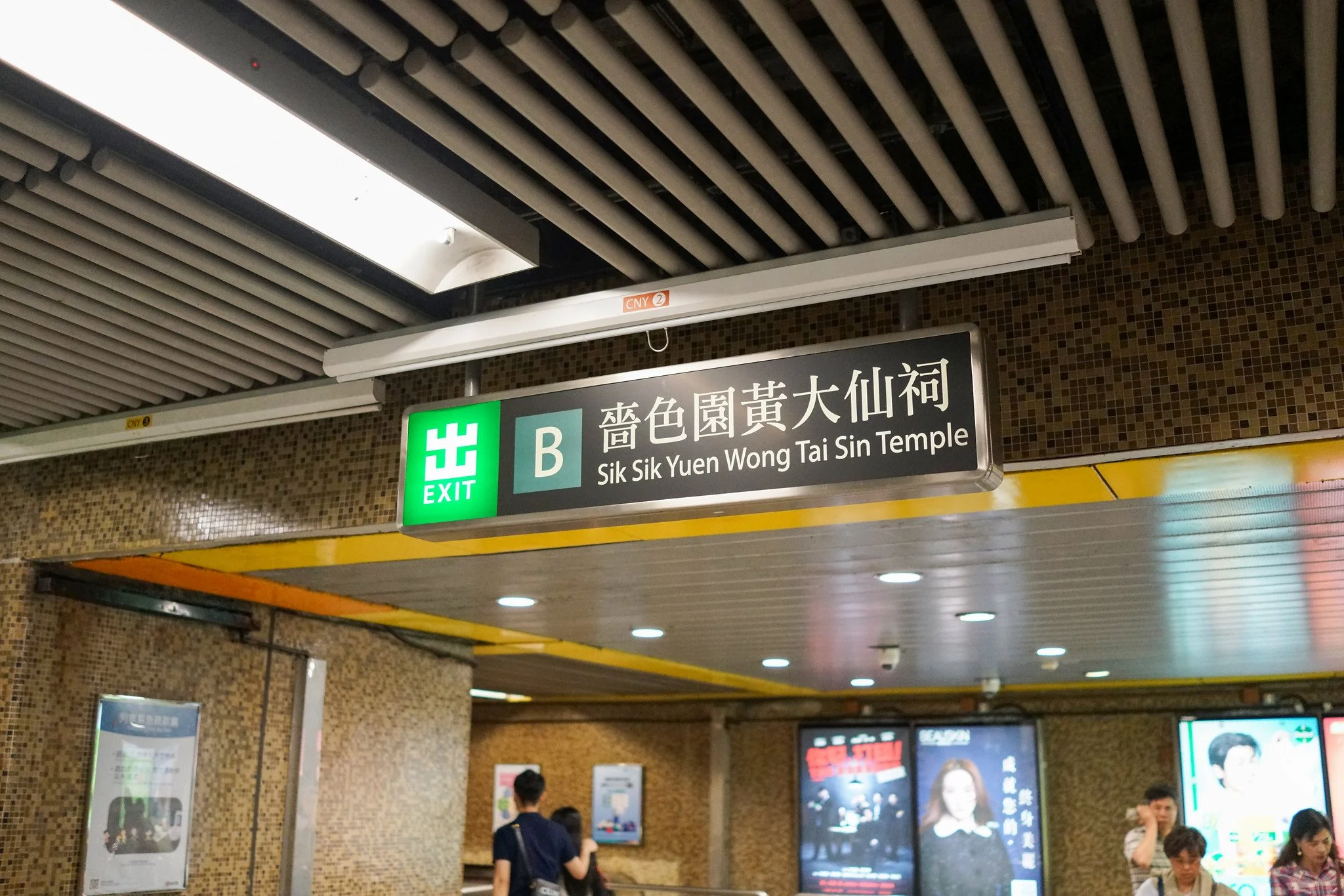
Out-of-left-field note: the temple's resilience through fires, wars, and urban development mirrors Hong Kong's own story of adaptation and endurance. A lot of Hong Kong tour guides tend to favour the Man Mo Temple instead, not because of any greater fame but simply due to its very convenient central location on Hollywood Road on Hong Kong Island. The Wong Tai Sin Temple is certainly not difficult to reach on the MTR, though it does take a bit more time. There is really no comparison - Wong Tai Sin is much, much bigger (approximately 18,000 square metres or 190,000 square feet) with generous open spaces and gardens.
Looking at my images of Man Mo Temple, it is wide but quite shallow in depth - I estimate of around 12,000 square feet for the whole complex sounds to me to be entirely feasible. You can comfortably see the two main temples and associated buildings there in well under 10 minutes. Even with just 50 people inside, Man Mo Temple quickly feels overcrowded and bustling, whereas Wong Tai Sin remains spacious and comfortable even with large crowds (except during peak Chinese New Year periods). This is one reason I have been to Wong Tai Sin over 1,000 times simply because it is such a fascinating place and feels so quintessentially Hong Kong.
One thing that sets my approach apart from many Hong Kong bloggers and travel writers is that I take the time to do thorough, detailed research no matter how long it takes - that depth is what makes the contrast between these two temples so striking.
So there you go
click on any image to enlarge
© Copyright Acknowledged | All rights reserved | all images taken b Jamie
Jamie’s Hong Kong | Some of my favourite images | Hong Kong 101
© Jamie Lloyd | J3 Consultants Hong Kong | J3 Private Tours Hong Kong |
| 2010 - 2026 All rights reserved. |
Click on any image to enlarge to full screen
Current images from my Instagram feed