What Happened to Aberdeen Floating Village in Hong Kong?
The Fading Romance of Aberdeen Harbour’s Hong Kong Sampan Tours

The J3 Group - Premium Quality Private Tours | Experiences and Insider Chats since 2010
Me Jamie, your host, I am English and I have lived in Hong Kong since January 2nd 1972 - I know the place.
A meaningful blog post with a difference - tips on Travel, Tourism, Tours, Daily Life and my personal thoughts on Hong Kong.
Please do visit Amazing Hong Kong
Hong Kong | Pearl of the Orient
Customised Private Tours + Experiences in Amazing Hong Kong
Jamie has lived in Hong Kong - Pearl of the Orient for 50+ years
Carefully Crafted Personalised and Customised Itineraries by Jamie | Hong Kong’s Most Experienced Private Tour Guide for : Solo Travellers Friends Families Seniors Couples Business People MICE Delegates.
Private Tours Cultural Tours Walking Tours Sightseeing Tours City Tours Night Tours Layover Tours Transit Tours Private Shore Excursions Bespoke Tours Personalised Tours Jewish Heritage Tours Luxury Private Tours Day Tours Luxury Boat Tours Themed Tours Private Family Tours Private Day Tours Corporate Tours
Just you, your family or friends and Jamie your personal English private tour guide - over 2,400+ tours completed since 2011 - Jamie offers quality Private Tours of Hong Kong
Tour Group Size 1 - 6 people only
J3 Group Hong Kong | J3 Consultants Hong Kong | J3 Private Tours Hong Kong
Creating Memories That Will Last A Lifetime
Go here for the Hong Kong Michelin Restaurant Guide which includes the Bib Gourmand Category

A Resident since 1972 - Private Tours of Hong Kong with Jamie
The Best Things to do in Hong Kong
click on the image to enlarge
© Copyright Acknowledged | All rights reserved } image courtesy SCMP
Aberdeen Floating Village | 1977 | Hong Kong
Foreword
I get very nostalgic when I see images like this, Aberdeen in Hong Kong, I was 16 when this was taken and I remember the old Aberdeen vividly.
I am by nature a blunt person (I am still a Yorkshireman) and this post has been days in the making as it is not my intention for it to be a hatchet jobs. Many of my friends in the business understand, I have lived in Hong Kong for over 50 years and I actually lived in Aberdeen for 5 years in the early 1980’s, so I have my own unique and personal view
I have been doing private tours since 2010 and did my first tour to Aberdeen in April 2011 and I actually enjoyed my visits but for one reason only, the Jumbo Floating Restaurant in Aberdeen made famous by Queen Elizabeth and the novel Noble House by James Clavell and mini series of the same name but since the Jumbo sank in 2011, well, i simply have no good reason to go back and you know what, that makes me sad
Generally when I do a private tour I am with a guest (s) for 6 - 8 hours and Aberdeen currently is not worth the time and that makes me sad as well as we go back a long, long time.
After more than fifty years living in Hong Kong, I have watched many parts of this city change dramatically. Aberdeen Harbour is one of the clearest examples. I visited frequently in the 1970s and my family and I actually lived there for five years in the 1980s. This long personal connection gives me a perspective that many tourism promotions simply do not have. I have seen this transformation with my own eyes, and my observations carry real authority. The tourism industry loves to repeat romantic old statistics, but they simply do not match what is visible on the water in 2026. In this post I share my honest, detailed thoughts.
My Personal Connection to Aberdeen Harbour
I still remember my first sampan ride in Aberdeen Harbour on 4th January 1972 with complete clarity
We arrived as a family on January 2nd 1972 and did 2 days ot tours in a van and Aberdeen was part of the Hong Kong Island tour.
At that time the harbour was a genuine, bustling working fishing village. Many hundreds of traditional wooden junks and sampans filled the water. Entire Tanka families lived their daily lives on the boats - cooking, sleeping, mending nets, and raising children. The air was thick with the smells of the sea, drying fish, and engine oil. It felt raw, alive, and genuinely fascinating.
Living there in the 1980s for five full years allowed me to witness the gradual changes week by week — the slow decline in traditional boats, the increase in modern vessels, and the beginning of the shift away from a tightly-knit fishing community. That older world has now largely disappeared.
Official Promotion vs Current Reality
The Hong Kong Tourism Board currently describes Aberdeen Harbour as follows:
“Located alongside the outlying islet of Ap Lei Chau, Aberdeen Harbour is a true city icon. One of the city’s nine natural harbours, this historical harbour has been captured in numerous old photographs depicting the fishing families that lived on traditional Chinese junk houseboats in the mid-1900s. These days, the harbour is a unique destination that offers a glimpse into Hong Kong’s rich maritime history. It’s also incredibly picturesque, appearing in films such as Jackie Chan’s The Protector and local film Infernal Affairs II. Many tour companies offer a one-hour harbour boat tour; the extended 90-minute tours include lunch - often on classic, flat-bottomed sampan boats. Visitors can expect to see local landmarks while enjoying breathtaking sea views and hundreds of remaining traditional fishing boats…”
I am not quite sure what breath taking seaviews in Aberdeen Harbour are on ahow, there basically is none if you do a Sampan Tour! and they are implying that you will see hundreds of fishing junks as these where the the tradition fishing boats, welll we have 3 and they are in Victoria Harbour not in Aberdeen, many of the fishing boats left in Aberdeen are very large trawlers and look abandoned!
This description creates expectations that no longer match today’s reality. The beautiful old photographs and the dramatic Aberdeen scene in the 2018 Tomb Raider movie (which was largely filmed on a set) continue to shape how people imagine the harbour and yes, more on that later.
I understand the Hong Kong Tourism Board has a duty to promote Aberdeen, I am not questioning that, I am thinking perhaps that they should have a small team of “Attraction Inspectors” who visit major places popular with tourists and see for themselves how good or how bad a place is from the view of a tourist, it is not rocket science
Addressing the Common Mentions: Aberdeen and Tai O
I always question the loose use of these terms such as fishing village and floating village etc - Tourism promotions and quick guidebooks often romanticise both places as "floating fishing villages" or "floating markets," but the reality in 2026 is more nuanced.
Aberdeen Harbour: In the 1970s, this was indeed a vibrant fishing community with thousands of Tanka people living full-time on junks and sampans. Today, it is still referred to as the Aberdeen Floating Village, with NO fishing junks and an estimated few thousand people working in the fishing industry in the broader port area. However, many of the original fishing families have moved to public housing on land. The remaining boat population includes a mix of residential houseboats, commercial vessels, and some tourism operations. It is no longer a pure, thriving fishing village but retains pockets of genuine boat-dwelling life, especially in the typhoon shelter areas. The famous Jumbo Kingdom floating restaurant is gone (it sank), which has changed the atmosphere further. Calling it a bustling "fishing village" today stretches the truth, though it remains one of the most accessible places to see houseboat life.
Tai O: This is primarily a stilt-house village (pang uk) built over tidal flats and canals on Lantau Island. The houses are elevated on wooden or concrete stilts but are fixed to the ground or mudflats, not truly floating. It was historically a fishing village founded by the Tanka people, and some residents still fish or operate dried seafood businesses. However, it functions more as a land-based village with water elements rather than a floating one. The "floating" label often comes from scenic photos showing boats tied up next to stilt houses, but it is not accurate to call it a floating village in the same way as traditional boat communities. It is better described as a stilt-house fishing settlement that has shifted heavily toward tourism. Oh - and foreign travel publications still call it the Venice of the East, if you have been to Venice you will laugh at that comparison.
The "floating market" descriptions are mostly marketing nonsense - there are no genuine daily floating markets like those in Thailand or Cambodia. What exists are small dried seafood stalls on land or tourist-oriented boat tours.
List of Floating Villages and Houseboat Communities in Hong Kong
True traditional floating villages have largely diminished due to urban development, government relocation programmes, and changes in the fishing industry. Here is a more realistic overview in 2026:
Aberdeen Harbour (including Ap Lei Chau typhoon shelter) — The largest and most well-known remaining example. Still home to hundreds of houseboats and some full-time residents, though mixed with leisure craft at the huge Marina and tourism.
Other smaller pockets in Southern Hong Kong Island - Scattered houseboats in areas like Shek Pai Wan and around the southern coast, though much reduced from historical numbers.
Outlying islands and New Territories remnants - Smaller, less publicised communities exist in places like:
Parts of Sai Kung (some houseboat clusters in sheltered bays, often tied to fish farming).
Po Toi Island and other remote areas - very small-scale and declining.
Historic references to Cheung Chau Island, Kau Sai Chau, and Yau Ma Tei, but these are mostly historical now with very few full-time floating residents.
Modern "houseboat life" increasingly includes converted vessels used for staycations and short-term rentals, particularly in Aberdeen. These are not traditional floating villages but represent how the concept has evolved into leisure experiences.
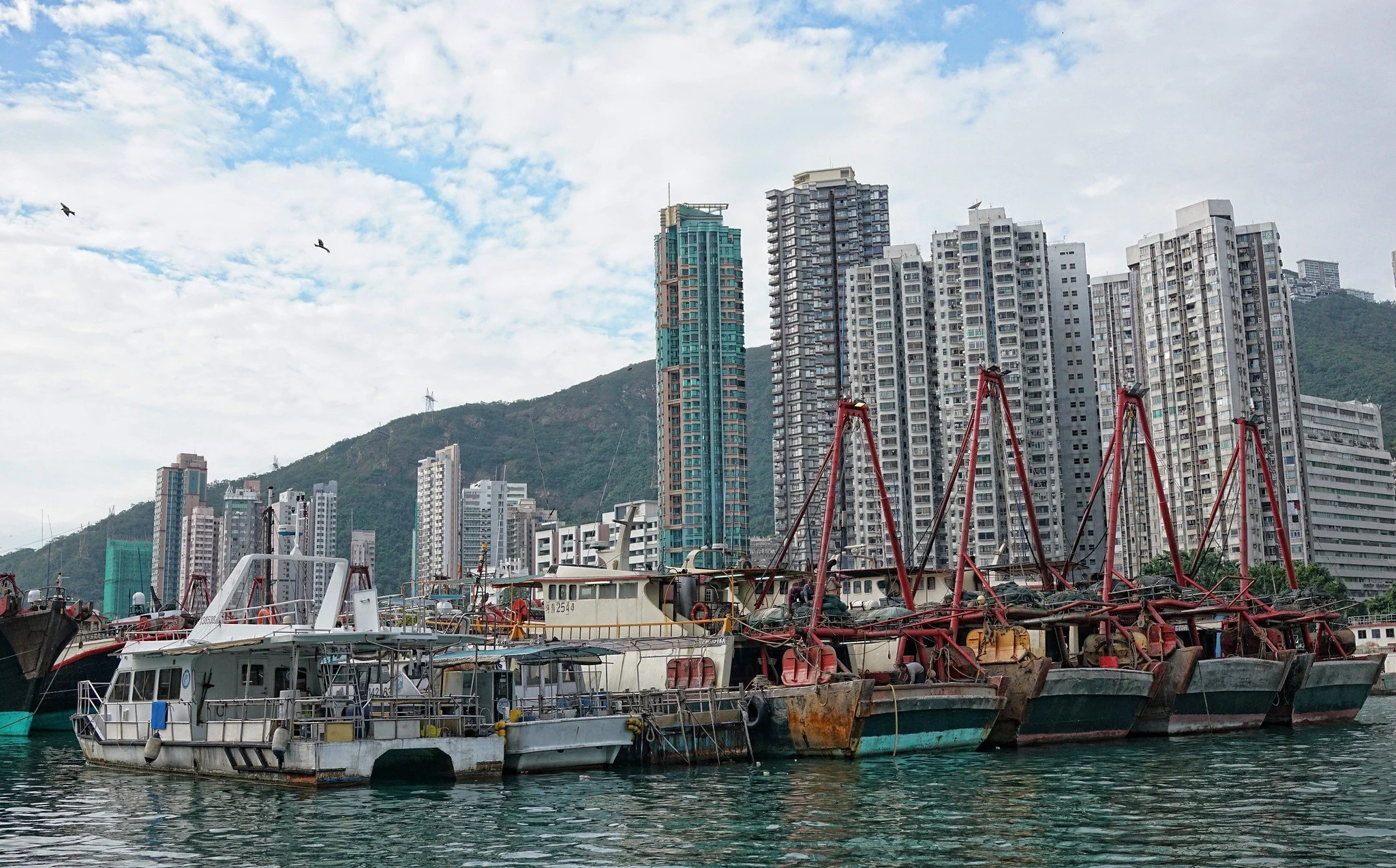
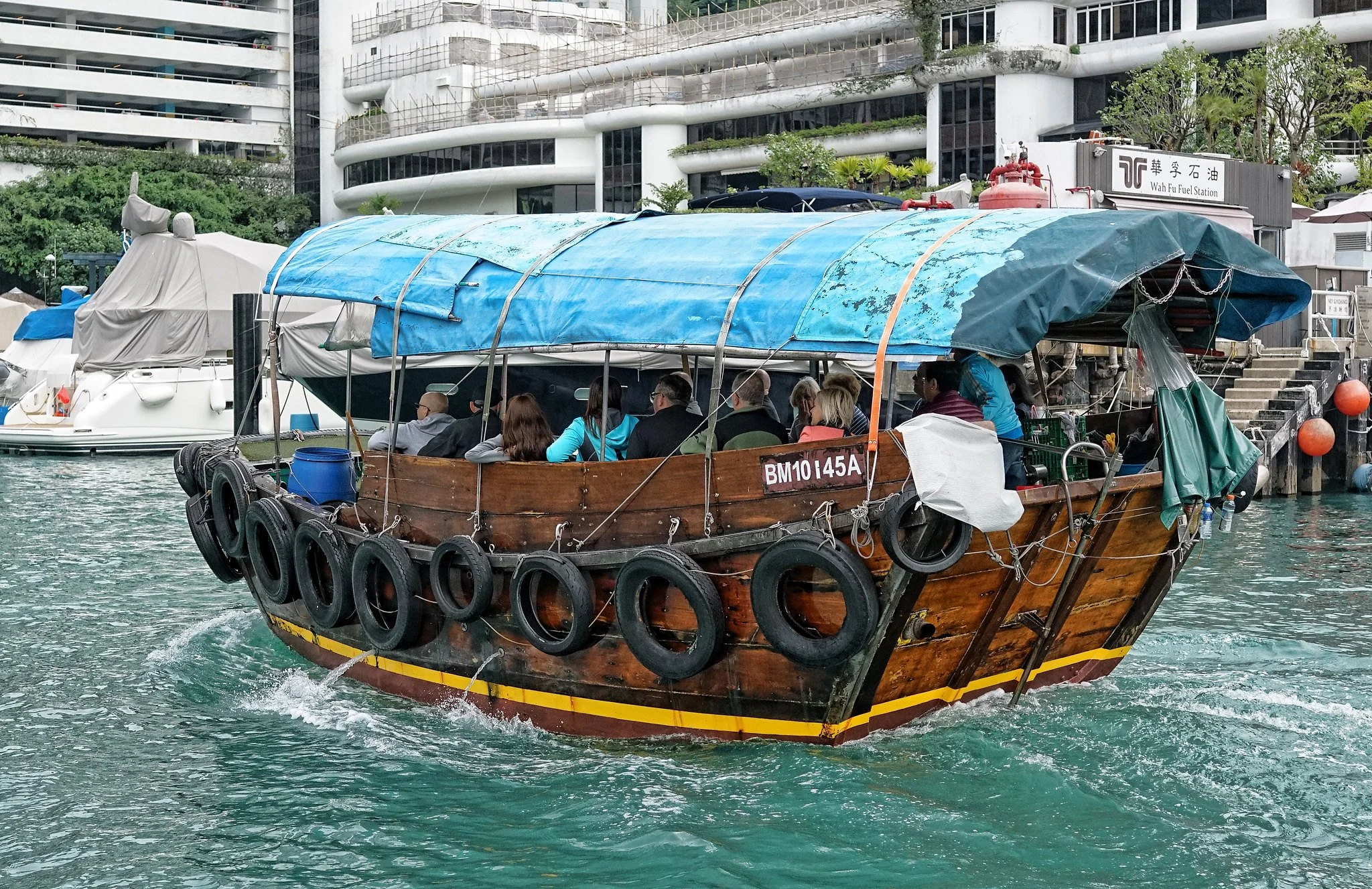
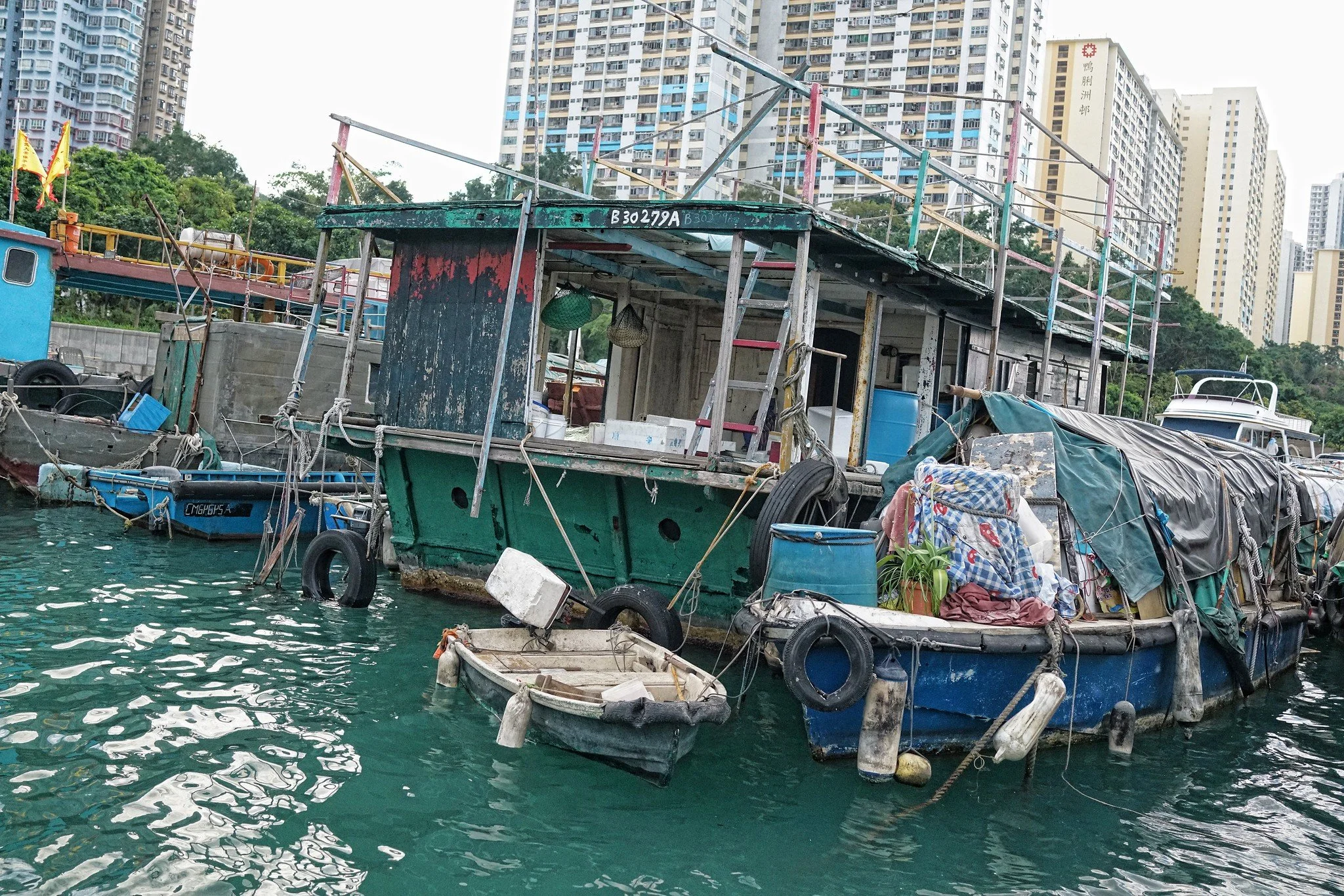
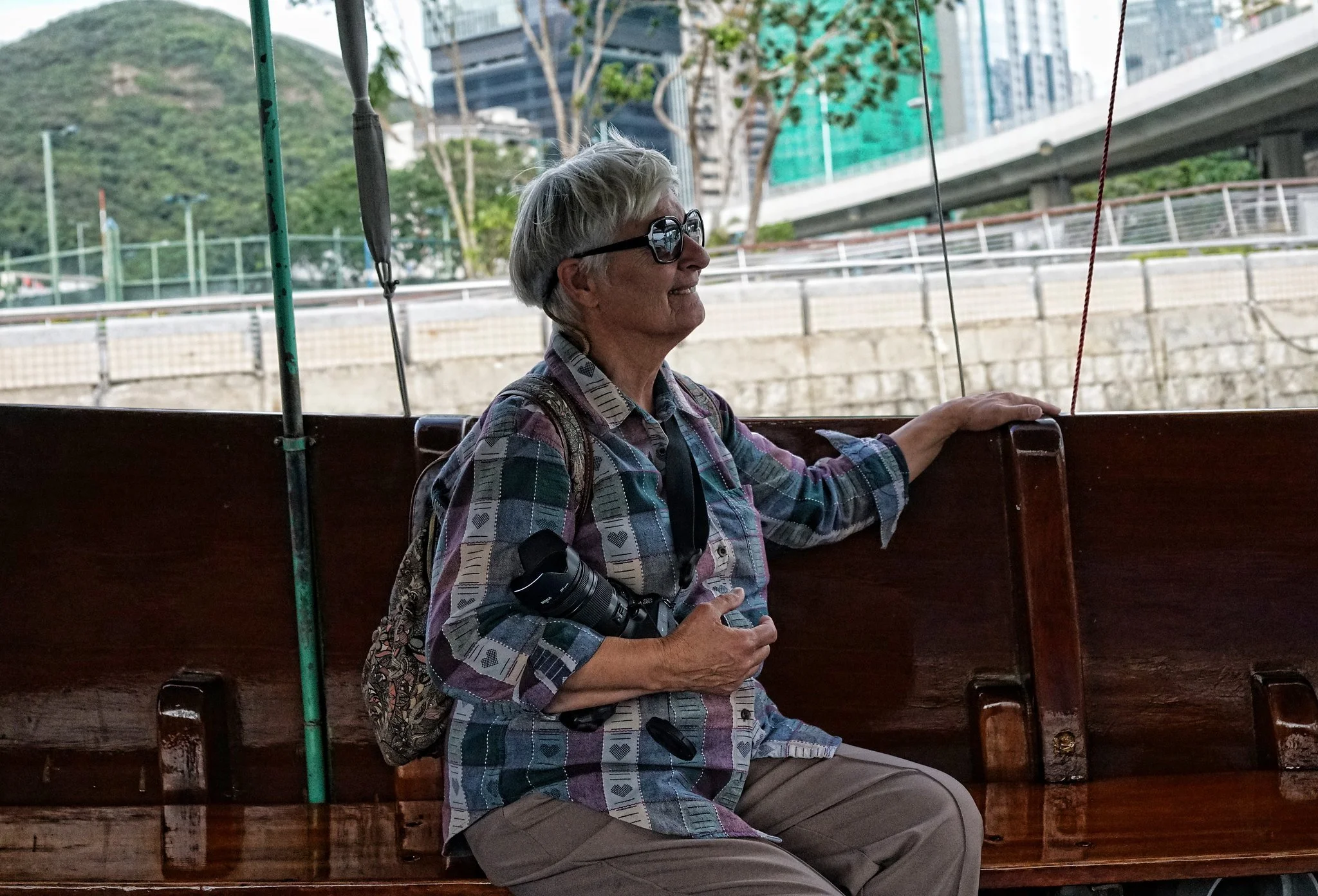
click on any image to enlarge
© Copyright Acknowledged | All rights reserved } images taken by Jamie
Aberdeen Harbour | Current | Hong Kong
The Names We Have Given Aberdeen in Hong Kong
Over the decades, Aberdeen has been described by many romantic names. In the 1960s and 1970s it was commonly called the Aberdeen Floating Village or Aberdeen Fishing Village, accurately reflecting the large Tanka boat communities and working fishing fleet that once filled the harbour. The term Aberdeen Floating Market was also used, though this was always more marketing fiction than reality. Today, the Hong Kong Tourism Board mainly refers to it simply as Aberdeen Harbour. While this name feels rather generic and lacks the colour of the older descriptions, it is actually the most honest and accurate one in 2026. The floating village and traditional fishing fleet that gave the area its character have largely disappeared, leaving a modern harbour that is a mixture of luxury yachts, residential blocks, and a few remaining working boats.
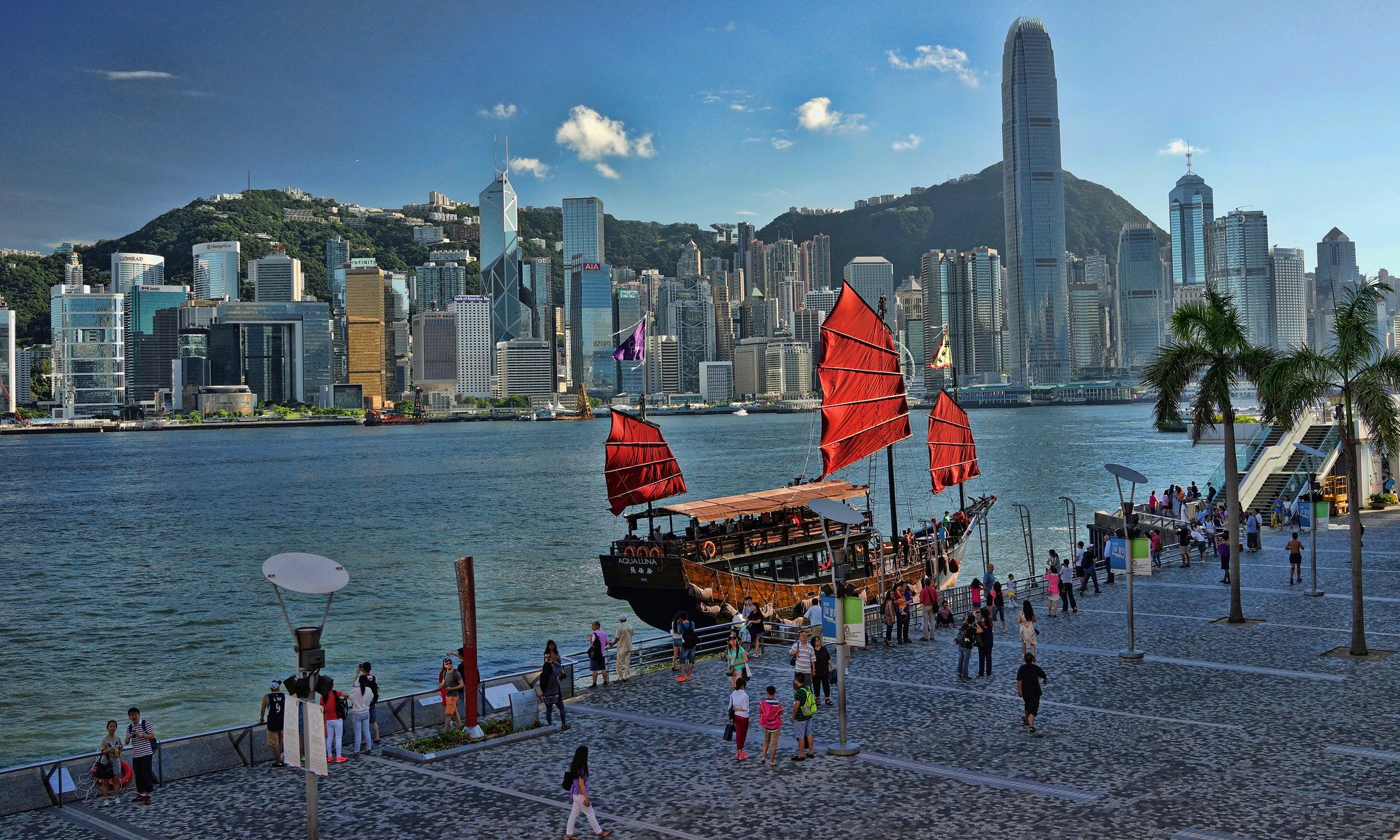
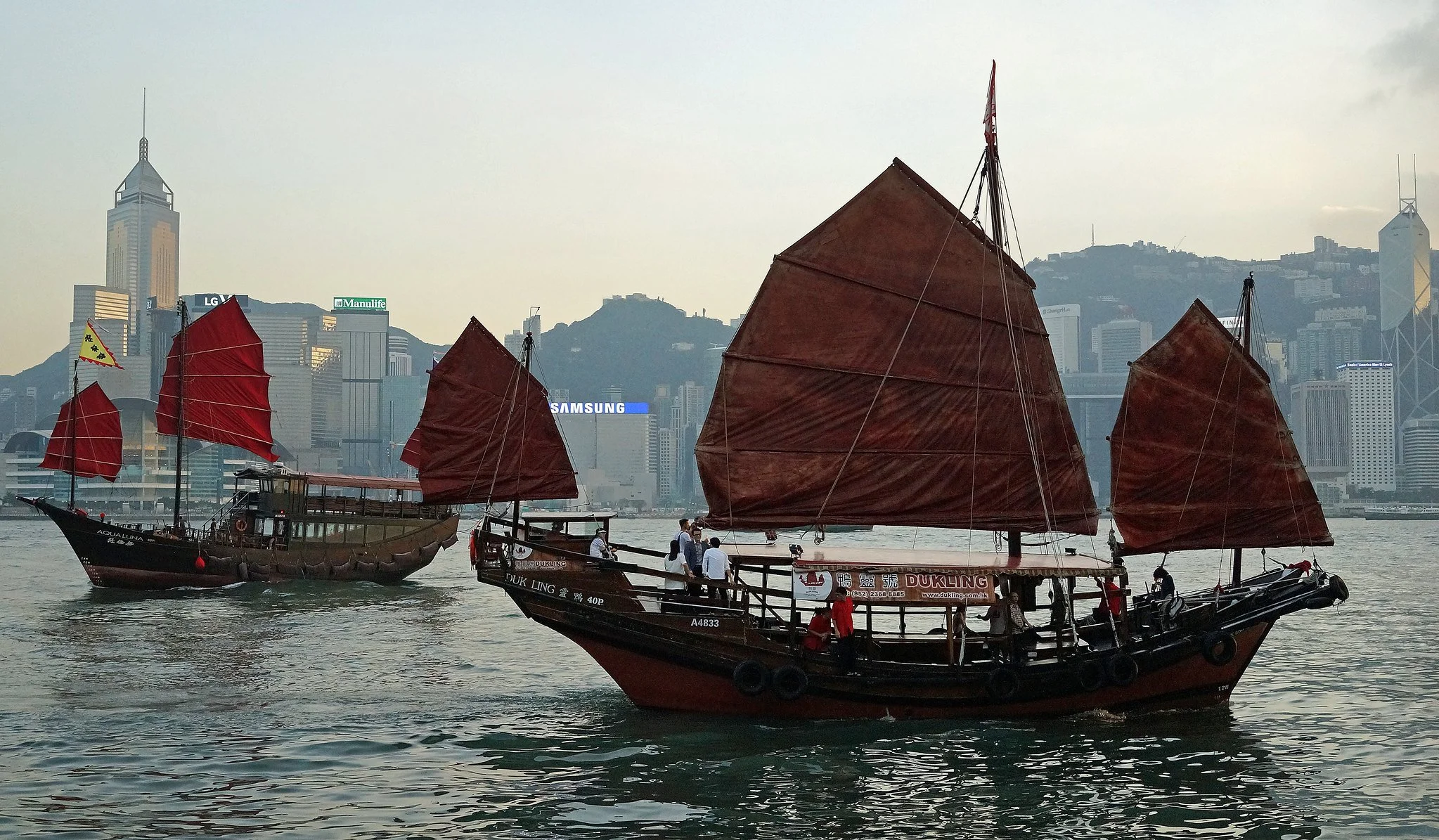
click on any image to enlarge
© Copyright Acknowledged | All rights reserved } images taken by Jamie
The last 3 Fishing Junks in Hong Kong | 2026 | Hong Kong
Honest Picture of Traditional Fishing Junks in Hong Kong Today
Traditional Chinese wooden fishing junks - the classic red-sail vessels that once defined Hong Kong’s harbour - have almost entirely disappeared as working boats. What remains (3 of them) are tourist-oriented or preserved examples.
For the record, I have not seen a traditional fishing junk operating in Aberdeen Harbour since the early 1980s. The only three genuine traditional-style junks still sailing in Hong Kong today are:
Aqua Luna I and Aqua Luna II - These are 2 well-known red-sail junks used primarily for tourist harbour cruises, afternoon tea, and evening sails in Victoria Harbour. They are beautiful replicas built in traditional style.
Duk Ling - Widely regarded as the last authentic, original Chinese junk still regularly sailing. Built around 1955 as a fishing boat, it is now a heritage vessel offering harbour tours, mainly in Victoria Harbour and it used to be berthed in Aberdeen Harbour but sank in a typhoon, (that’s another story for another day)
Beyond these three, traditional wooden fishing junks are essentially extinct as a working fleet in Hong Kong
Current Reality in Aberdeen Harbour, Hong Kong
The harbour does still contain a noticeable number of boats, especially in the typhoon shelters, but the composition has changed dramatically. The total number of working fishing vessels is well under 100, and many of these are large, modern steel or fibreglass trawlers NOT traditional wooden junks.
Most of the more visible craft are private luxury yachts and modern houseboats. Genuine full-time boat-dwelling families have greatly reduced. Many former Tanka residents now live in the high-rise blocks surrounding the harbour.
The Tanka People - From Essential to Almost Invisible in Hong Kong
The Tanka people (水上人家) were historically crucial to the development of Hong Kong. These boat-dwelling communities were among the earliest inhabitants of the harbour areas. They supplied fresh seafood to the growing city, transported goods, and helped build much of the maritime foundation that Hong Kong was built upon. As a child and young man in the 1970s, I could relate to them easily - they were a living, vibrant part of daily life in Aberdeen.
Today, it is quite different. Other than a small number of elderly ladies still working on sampans in Aberdeen Harbour and a few preparing fish paste in Tai O (often still wearing the traditional wide straw hats), it is very hard to find any thriving Tanka communities. Most have long since moved to public housing on land.
I feel quite ambivalent and even a little sad writing this. While I understand why tourism authorities still heavily feature the Tanka people in their promotion of Aberdeen and Tai O, it sometimes feels as though they are being used as a romantic prop for an era that has largely passed. Seeing ladies well into their 80s still working on sampans is a poignant reminder of how much has changed - and how little support many of them received during Hong Kong’s rapid modernisation.
Sampan Tours in Aberdeen Harbour, Hong Kong - A Honest Look at a 1960s Relic
Having first arrived in Hong Kong in the early 1970s, I still remember my first sampan ride in Aberdeen Harbour on 4th January 1972 as if it were yesterday. The harbour was genuinely alive back then. Hundreds of traditional wooden fishing boats and houseboats filled the water, families lived their entire lives on the junks, and there was a real working fishing village atmosphere with all the sights, sounds and, yes, the smells that came with it. Taking a sampan tour at that time actually meant something. You felt you were seeing an authentic slice of Hong Kong maritime life that most outsiders never experienced.
Fast forward to 2026 and the reality is completely different. In my personal opinion, the sampan tours in Aberdeen Harbour today rank as one of the most disappointing and embarrassing tourist experiences in the whole of Hong Kong. They have almost no redeeming features and feel like a relic from the 1960s that somehow refuses to fade away gracefully.
The tours themselves are extremely basic. You pay extra - usually between HK$100-250 (US$13-32) per person depending on the operator and group size - and climb into a small motorised sampan with a canvas roof. There is no guide (unless you are on a private tour), no English commentary for the most part, and no proper context provided. The boat simply chugs around the harbour for roughly 20 to 40 minutes before returning to the pier. Most visitors come away wondering why they bothered and where thankful they did not fall in the harbour trying to embark or disembark (wallowing at the slightest wave is a real issue)
The operators are almost always elderly local ladies, many well into their seventies or even eighties. A significant number have very limited or no English at all. Some can be quite abrupt or even rude if you ask questions or want to take photographs in certain directions. This is not their fault - they are simply continuing a way of earning money they have known for decades - but it does not make for a pleasant or informative experience for modern travellers.
One practical point that rarely gets mentioned in any tourism literature is the issue of sanitation. The toilets on many boats in Aberdeen flush directly into the harbour water. The same is true for effluent from some of the remaining houseboats. When you combine this with the enclosed nature of the tour route, it is something visitors should be aware of, especially on warmer days.
What do you actually see during these tours? Very little of real interest. As we have discussed, the traditional red-sail wooden fishing junks are almost gone. There are only three genuine traditional-style junks still operating — the two Aqua Luna vessels and the historic Duk Ling. The majority of boats you will pass are modern luxury yachts, pleasure craft, and larger steel or fibreglass fishing vessels. You will be lucky to spot more than a handful of working boats with any activity on board. The dense, vibrant floating village atmosphere that existed in the 1970s has long since disappeared.
These tours survive today almost entirely because of coach tour companies and the Big Bus tours. They are sold as an optional extra rather than a core part of any itinerary. The Hong Kong Tourism Board continues to promote Aberdeen quite heavily for reasons that are not entirely clear to me, especially given how much more rewarding other experiences are in the city. A few private tour companies still include Aberdeen in their programmes simply to meet client requests, but even they admit the demand is steadily declining, these days tourists want to go to Tai O not Aberdeen
After the sad demise and sinking of the Jumbo Kingdom floating restaurant in 2022, I personally see even less reason to make the journey to Aberdeen. The time it takes to get there from central areas, combined with the limited rewards, makes it difficult to justify when there are so many more interesting and authentic options available across Hong Kong.
I am not saying you should never go. If you have never experienced a sampan ride and you are particularly curious about the harbour, it is something you can tick off in under 2 + hours including transport there and back. But I would strongly recommend managing your expectations. This is no longer a living fishing village. It is a heavily altered harbour with a small number of remaining houseboats mixed among many luxury vessels and modern developments.
For those who still want to see the area, the best approach is to walk along the Aberdeen Promenade, observe the harbour from land, and perhaps have a meal at one of the seafood restaurants overlooking the water. That way you avoid the tourist-trap element while still forming your own impressions of how this once-great fishing port has evolved.
The story of Aberdeen’s sampan tours is ultimately a story about how Hong Kong has changed. Some traditions adapt and survive. Others linger on long after their original purpose and atmosphere have faded. In my view, the current sampan experience falls firmly into the second category
I understand the Hong Kong Tourism Board needs to present Aberdeen positively, but the gap between the romantic image and current reality has grown wide. Many tourists now leave feeling somewhat disappointed.
Positive Exceptions Worth Mentioning - Sampan Tours in Aberdeen
That said, there are a couple of operators making a real effort to do things properly, and they deserve recognition.
A tour I can personally recommend is the Aberdeen Sampan + Public Housing Estate Group Tour run by Hong Kong Greeters. This is a 3 to 3.5-hour small group tour priced at HK$580 (US$74) that combines a traditional sampan ride with a proper exploration of Ap Lei Chau, a visit to one of the oldest public housing estates, a short hike to a hundred-year-old waterfall and seashore shrine, and even a bowl of boat noodles on the sampan.
I was wth Amy (owner of Hong Kong Greeters) when she was researching design elements for this tour, so I know the thought and care that has gone into it. It gives visitors real historical and cultural context rather than just a quick harbour spin. If you are determined to visit Aberdeen, this is the best way to do it.
Aberdeen 1773 offers a more structured experience with audio guides, houseboat visits, snacks and such. I know people who know the owners and commend them for trying to present Aberdeen’s history respectfully.
Looking Ahead - Future Changes for Aberdeen, Hong Kong
There are some significant developments on the horizon that could change the situation. Plans are underway to greatly expand the luxury marina in Aberdeen with a new 200-berth facility and associated residential development. There is also a confirmed plan to extend the MTR’s South Island Line (West) with a new Aberdeen station. Construction is expected to start around 2027, with completion targeted for 2034.
In my view, the MTR extension will be the biggest potential game-changer. Currently, the long journey time and inconvenient access from Central is a major reason many tour companies hesitate to include Aberdeen. Once the new station opens close to the sampan departure point, I believe many operators will take a fresh look at the area.
Sadly, the replacement for the Jumbo Kingdom - the Tai Pak Floating Restaurant - remains in limbo. Despite repeated promises, there is still no confirmed reopening date as of 2026.
What Could Be Done - An Idea for the Future
It is a pity that tourism bodies rarely seem to think outside the box. A bold but practical solution would be to create a dedicated “movie set” reconstruction of old Aberdeen Harbour - similar to what was successfully done with the Kowloon Walled City exhibit in Kowloon Walled City Park, that has done wonders with thousands of visitors going there every week to get a feel of how Kowloon Walled City looked like back in the day, and yes it is authentic, I used to visit there when I was a kid!
So How?
click on the image to enlarge
© Copyright Acknowledged | All rights reserved
Aberdeen Floating Village | Tomb Raider 2018 | Hong Kong
They could set aside a section of the harbour or a nearby waterfront area and rebuild a small but authentic-looking traditional floating village with wooden junks. sampans and the atmosphere people see in those beautiful 1960s and 1970s photographs. The 2018 Tomb Raider movie set actually nailed the look and feel of old Aberdeen perfectly.
The screenshot image from a You Tube video does not do the movie set justice, if you watch clips on You Tube you will see a vibrant fishing community, that is how I like to remember Aberdeen (or simply watch the movie!)
Replicating something on that scale as a permanent attraction would give visitors the iconic images they expect while clearly separating the historical recreation from the modern working harbour and luxury Marina.
… oh and did I mention, reopen the dormant floating restaurant in Aberdeen Harbour.
Final Thoughts
Aberdeen Harbour remains an important part of Hong Kong’s maritime history, and I will always have affection for it because of my own memories from the 1970s and 1980s. However, the romantic image promoted in old photographs and movies no longer reflects daily reality.
If you have a strong interest in Hong Kong’s maritime past, go with realistic expectations and choose one of the better tours mentioned above. Otherwise, there are currently more rewarding experiences elsewhere in Hong Kong.
Understanding the difference between perception and reality is part of getting to know the real Hong Kong.
So there you go
Jamie’s Hong Kong Insider Chat
Ready to turn your plans into a far more enjoyable reality? Click the yellow button below to learn more about Jamie’s Hong Kong Insider Chat, check pricing and book a convenient time
I do not do Food Tours in Hong Kong but I know people that do!
I do not do food tours as mentioned above, I have very specific reasons and part of it is that I do not speak Cantonese or write Chinese, I am from Yorkshire in England and I lack the language gene and it is not through lack of trying and yes a lot of restaurants do not have English menu’s or staff who speak conversational English.
.. and yet I have eaten at close to 1,400 restaurants in Hong Kong since January 2nd 1972, my wife was born in Hong Kong and we have been together over 40 years and her first language is Cantonese and a lot of her family are Chinese or half Chinese so I have never had much of an issue!
This does not translate to doing food tours though, yes, I could do them, no problem there but they would never ever be as good as the food tours done by my friends (see the 3 links above) most of their awesome guides are locally born Hong Kong Chinese and obviously food culture is part of their DNA, it is impossible for me to compete with that!
So please feel free to contact them for food tours
I do not do Hiking Tours in Hong Kong but I know someone that does!
I do not do Hiking Tours, never have and never will even though I used to go Hiking a lot when I was a lot younger, The Hong Kong Government is promoting hiking tours so I urge you to contact my friend Sabrina at Hong Kong Trails and Tours, she is a long time Hong Kong resident and and a very experienced hiker with close to 700 Hikes in 15+ years under her belt, please click on the link below
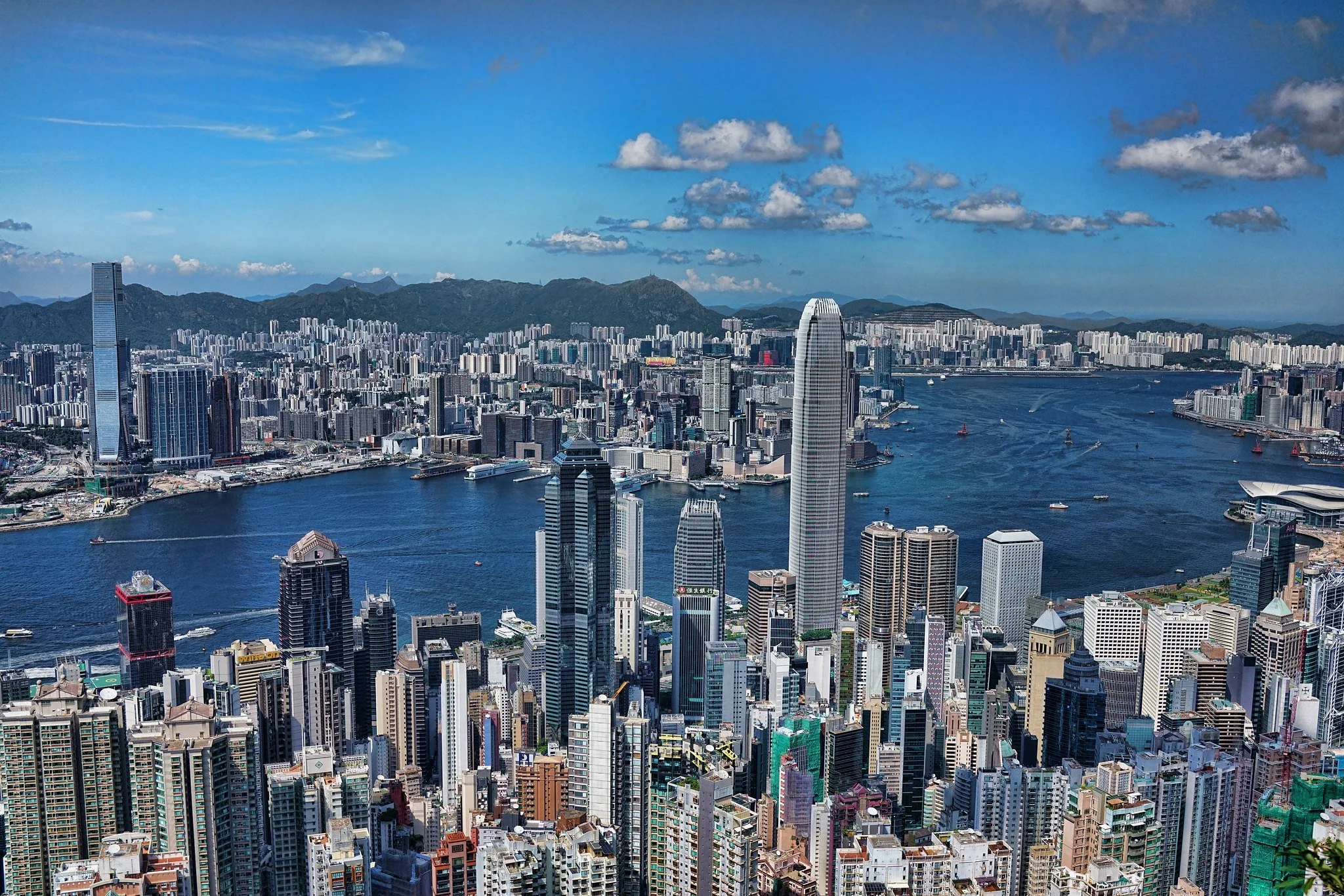
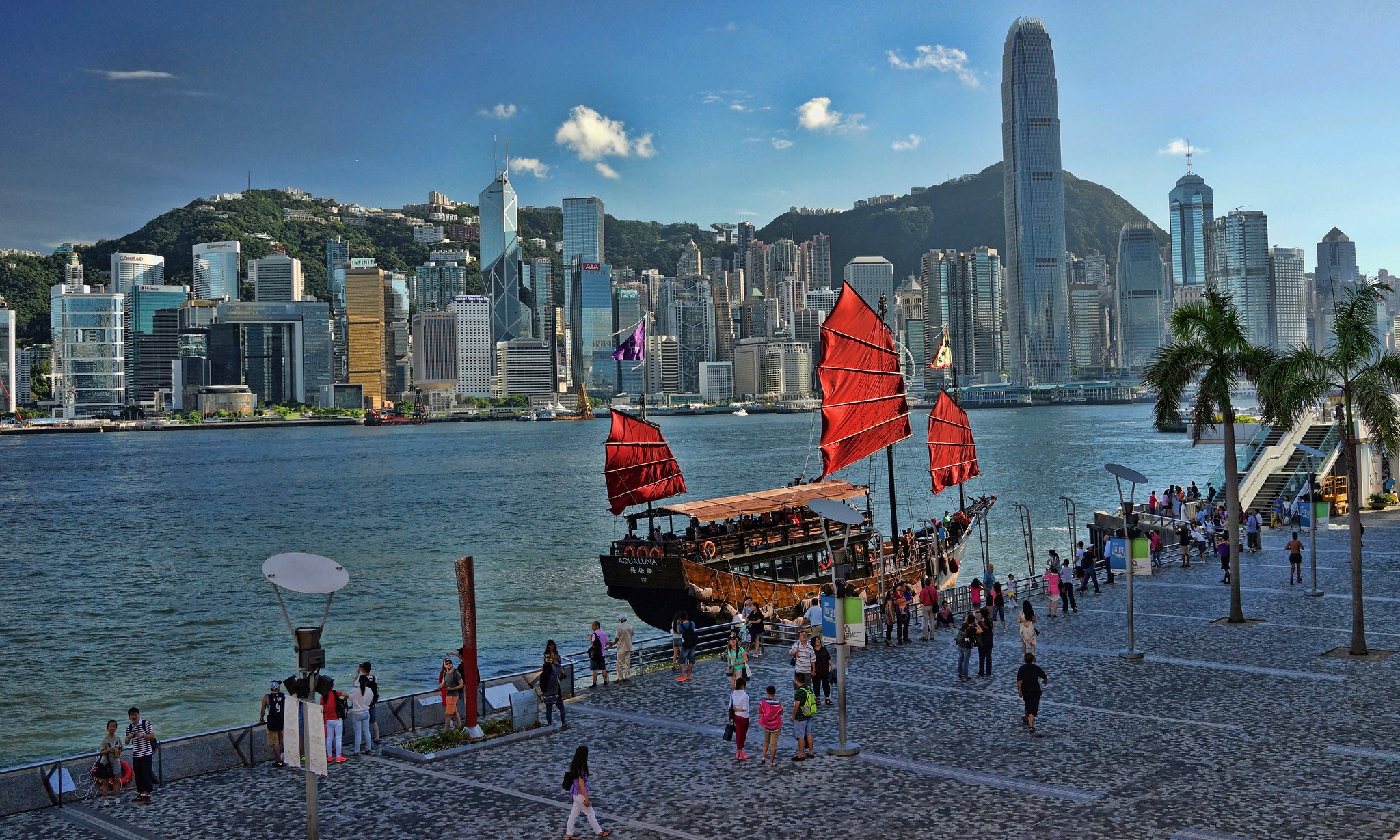
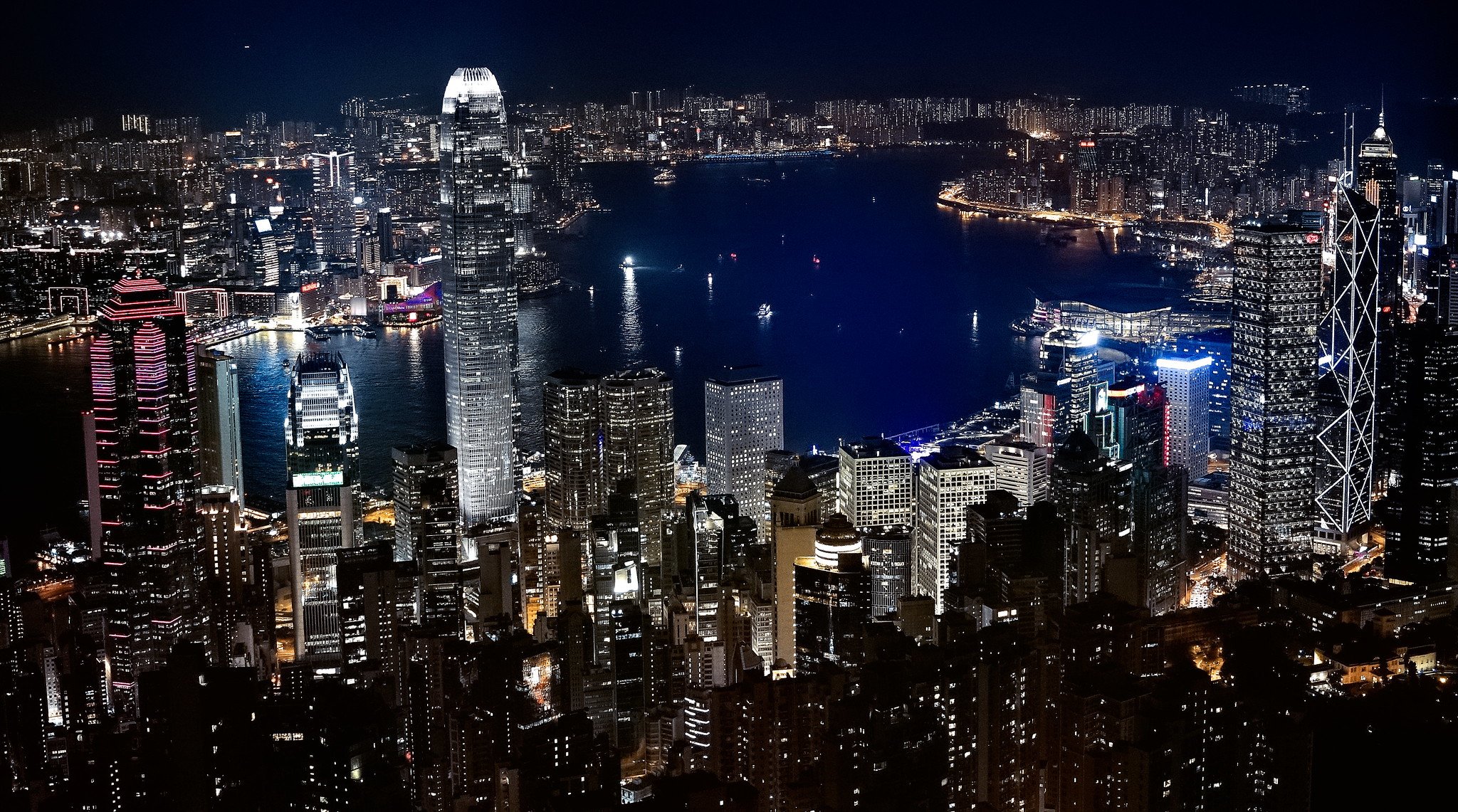
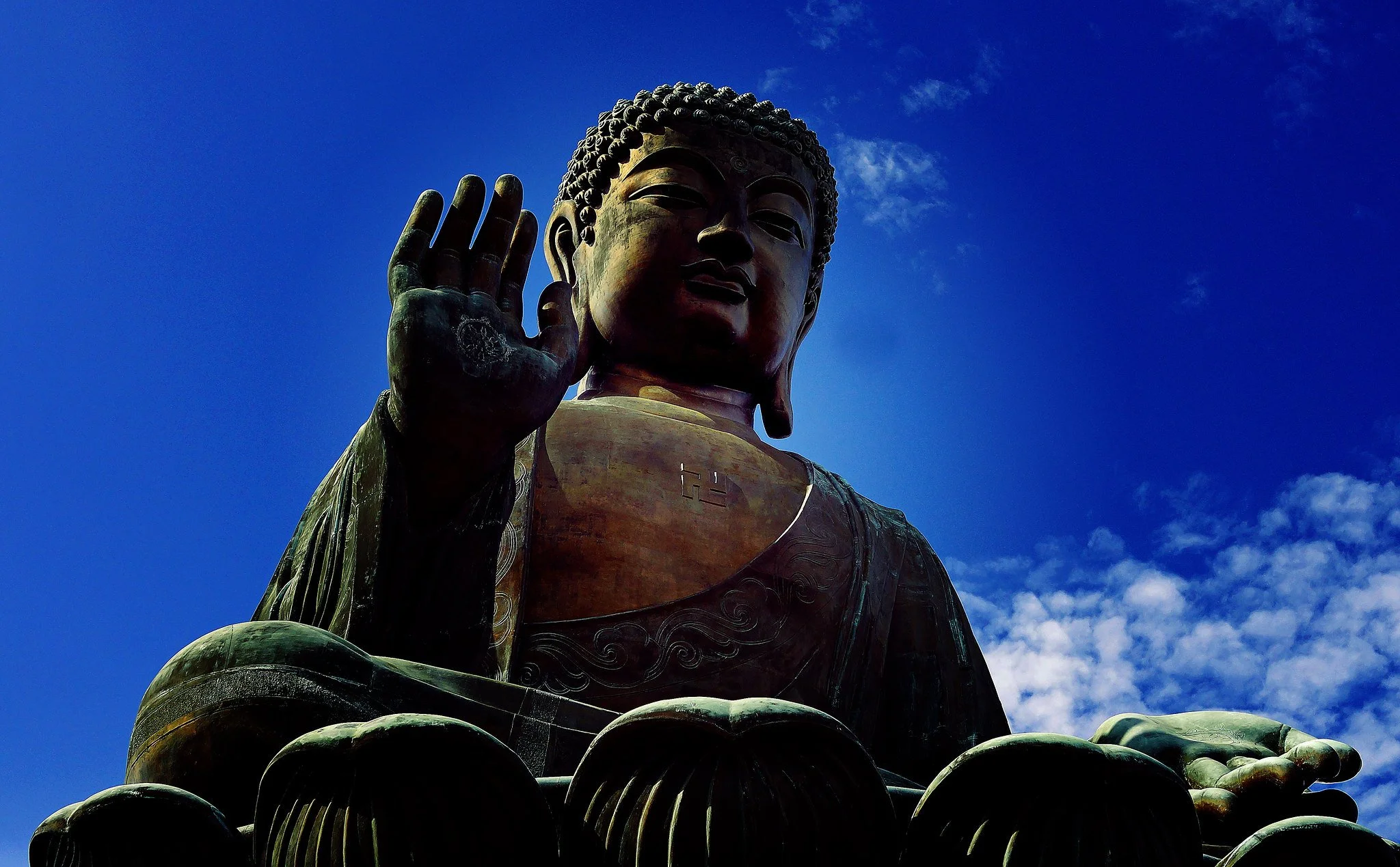
click on any image to enlarge
© Copyright Acknowledged | All rights reserved | all images taken b Jamie
Jamie’s Hong Kong | Some of my favourite images | Hong Kong 101
© Jamie Lloyd | J3 Consultants Hong Kong | J3 Private Tours Hong Kong |
| 2010 - 2026 All rights reserved. |
Click on any image to enlarge to full screen
Current images from my Instagram feed